28 Old Coins Worth Pulling From Jars
Every household has one. A pickle jar on the dresser, a coffee can in the garage, a drawer that rattles.
Most of what sits inside is worth exactly what it says on the front. A small share is not.
Mint mistakes, short production runs and ninety years of silver coinage all passed through ordinary pockets before landing in those jars, and nobody sorted them on the way in. The sorting takes an evening, a kitchen scale and a magnifier.
The San Francisco Cent With the Designer’s Initials
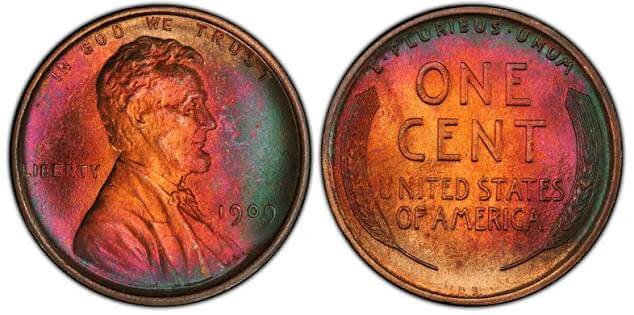
Victor David Brenner put his initials, VDB, at the bottom of the obverse of the new Lincoln cent in 1909, and the public complained within days that they were too prominent. The Mint pulled them, but not before San Francisco had struck 484,000 pieces.
That tiny run made the 1909-S VDB the most famous key date in American pocket change. Even heavily worn examples sell for several hundred dollars, and sharp ones climb into the thousands, with grade deciding everything.
Fakes are common, usually a genuine Philadelphia VDB cent with an S added, so the position and shape of the mint mark matter as much as its presence.
The Denver Cent From the Year Before the War
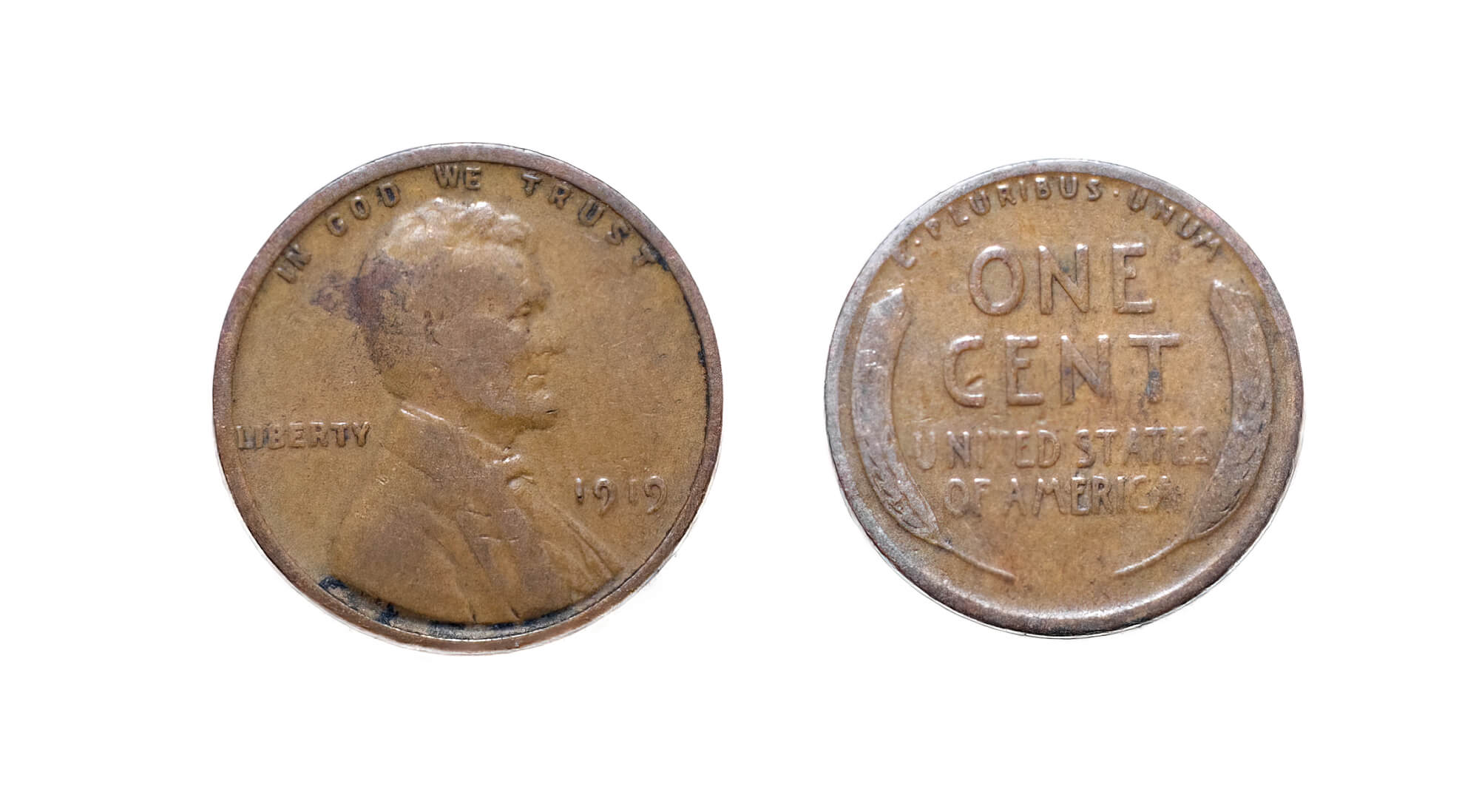
Denver struck only 1,193,000 cents in 1914, and almost nobody saved them. Collectors of the era chased the 1909 issues and ignored the rest, which means most surviving 1914-D cents spent decades in circulation and look like it.
A brown, well-worn example still brings well over a hundred dollars, and coins with full detail run far higher. The usual forgery is a 1944-D with the first 4 reshaped into a 1, which leaves an awkward gap between the 9 and the second digit.
Genuine pieces also lack the VDB on Lincoln’s shoulder, which did not return until 1918.
The Cent That Lost Its Mint Mark
Philadelphia struck no cents at all in 1922, so every Lincoln of that year came from Denver and should carry a D. Some do not.
Overworked dies, clogged with grease and then polished too hard, produced coins with a faint D or none. The valuable version pairs a missing mint mark with a sharp, strong reverse, and it sells for several hundred dollars even in low grades.
Weak-reverse pieces bring far less, so both sides need a look. A 1922 cent with any trace of a D is a common coin, and no amount of squinting changes that.
Copper Cents Dated to the Steel Year
In 1943 the Mint switched cents to zinc-coated steel to save copper for shell casings. A few bronze blanks left over from 1942 stayed lodged in the hoppers and were struck with the new date.
Roughly twenty are confirmed across all three mints, and the single known Denver example sold for 1.7 million dollars in 2010. Nearly every jar find turns out to be a steel cent plated with copper or a 1948 with the 8 cut down.
A magnet settles it in seconds, since steel sticks and bronze does not. A genuine piece also weighs about 3.1 grams rather than 2.7.
The Doubled Die Cent of the Eisenhower Years
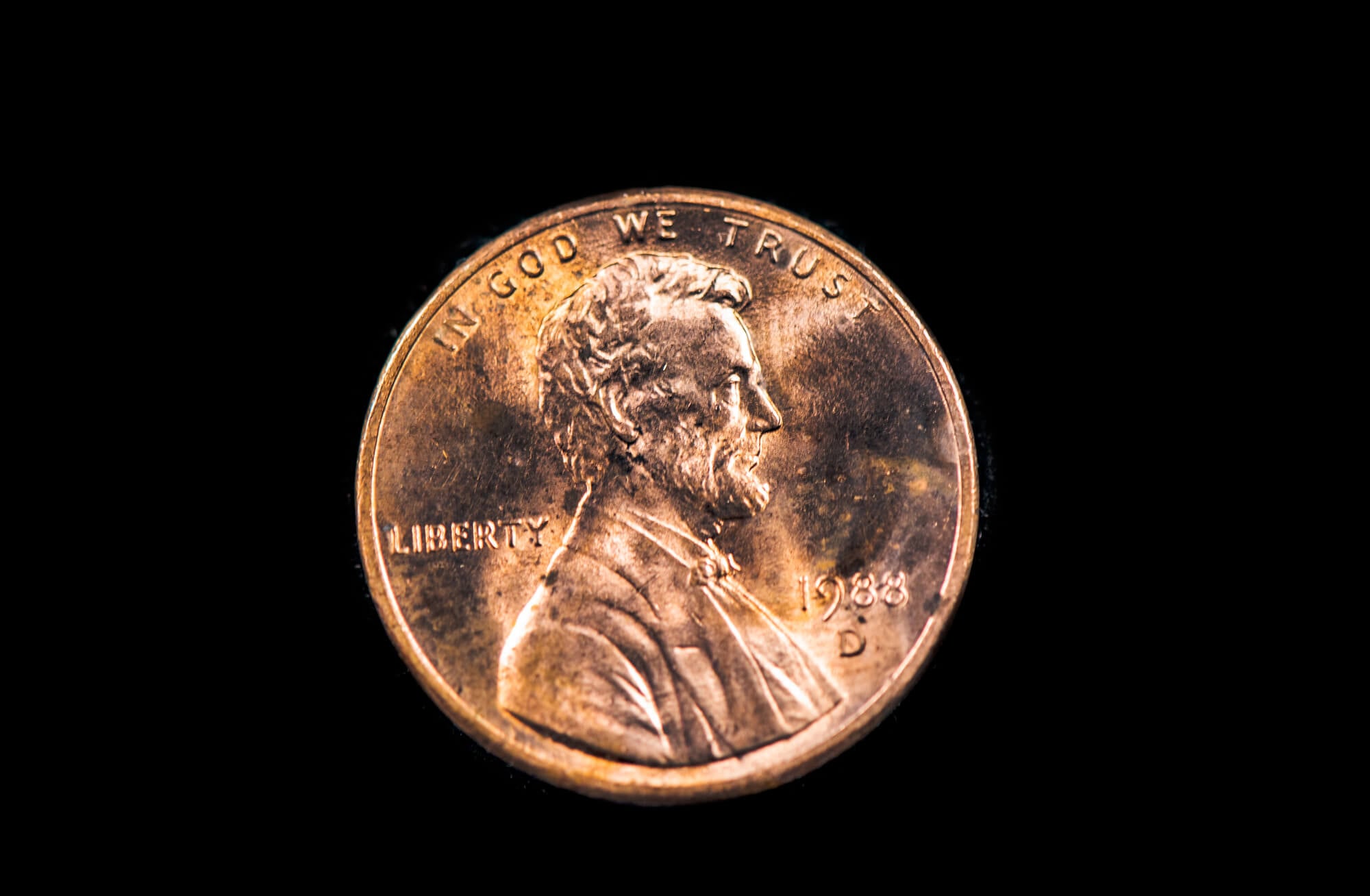
One working die at Philadelphia in 1955 received two impressions from the hub at slightly different angles, and every coin it struck shows the date and lettering twice, clearly, without magnification. Inspectors caught the problem late in a night shift after roughly twenty thousand had been mixed with normal cents.
Rather than melt the full batch, the Mint let them go. Many surfaced in New England.
Circulated examples sell for over a thousand dollars, with condition pushing the figure much higher. The common lookalike, called the poor man’s doubled die, shows only a blurry last digit from die wear and is worth pocket change.
The Doubled Die the Secret Service Seized
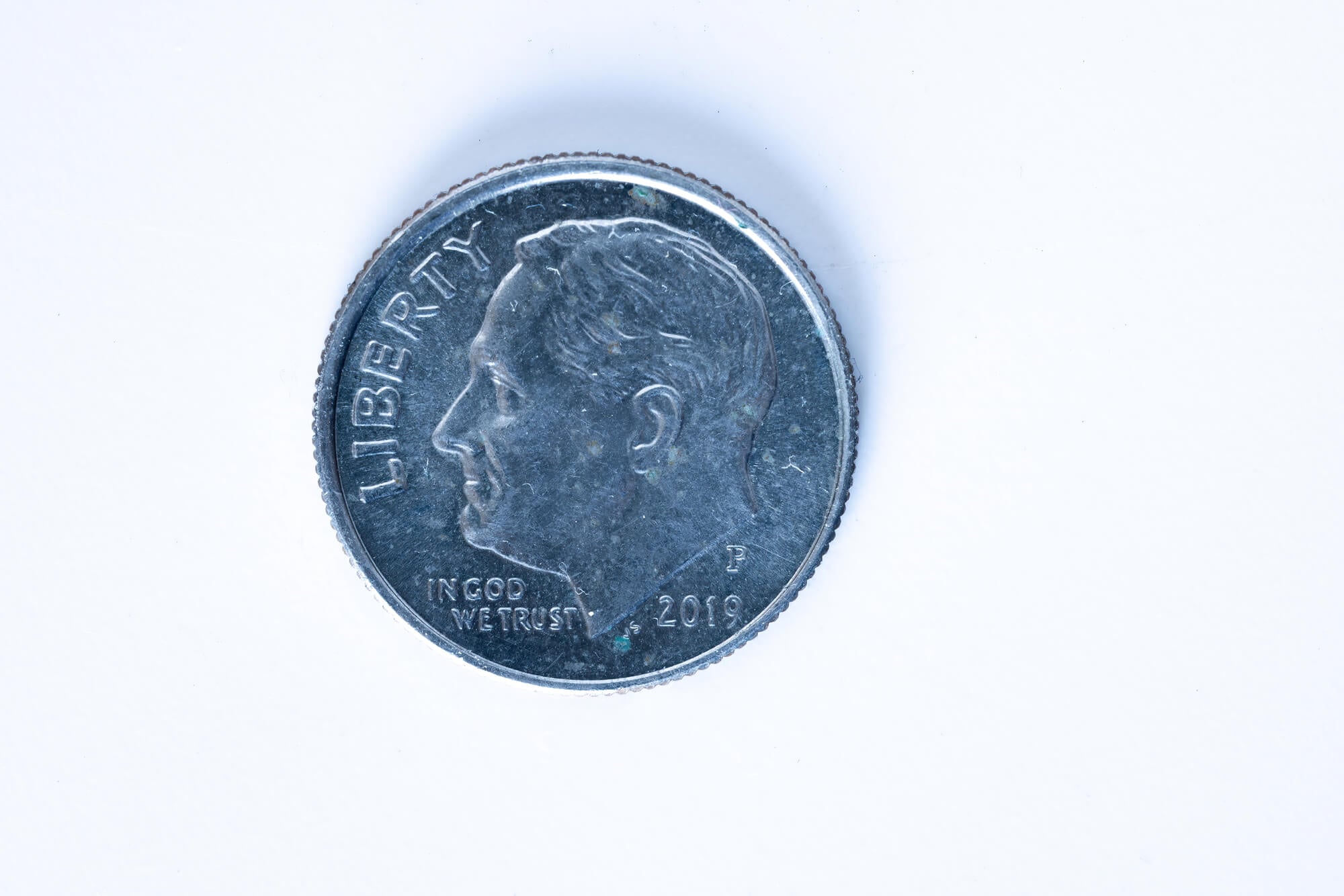
The 1969-S doubled die cent shows bold doubling on the date, LIBERTY and the motto, while the S mint mark stays single because it was punched into the die separately. That detail separates it from the worthless machine doubling common on cents of that year.
When the first examples appeared, Secret Service agents confiscated several in the belief they were counterfeits, then returned them after the Mint confirmed the variety. Fewer than a hundred are known.
Prices run into five figures even for worn coins, which makes every 1969-S cent in a jar worth ten seconds under a loupe.
Small Date Cents From the Year the Metal Changed
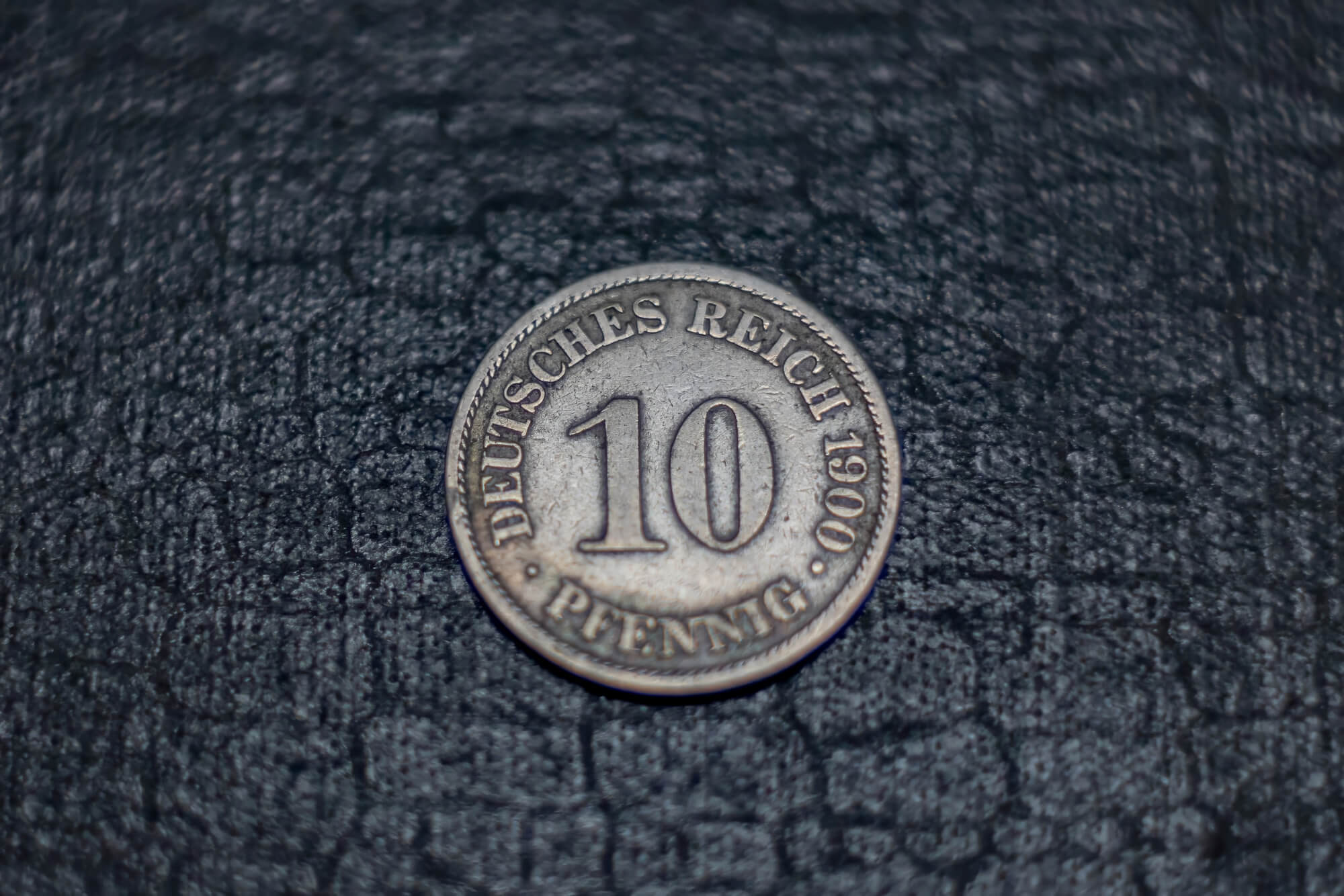
The Mint moved from bronze to copper-plated zinc partway through 1982, and it changed the date style the same year. Two mints, two alloys and two date sizes produced seven regular varieties.
An eighth was never supposed to exist, a Denver small date struck in bronze, and the first confirmed example turned up in 2016. It sold for nearly nineteen thousand dollars the following year.
Identification requires a scale reading to a tenth of a gram, because bronze cents weigh about 3.1 grams and zinc cents 2.5. Every other 1982 cent is worth one cent, plus a little copper in the heavier ones.
Lincoln Cents With the Wrong Gap in America
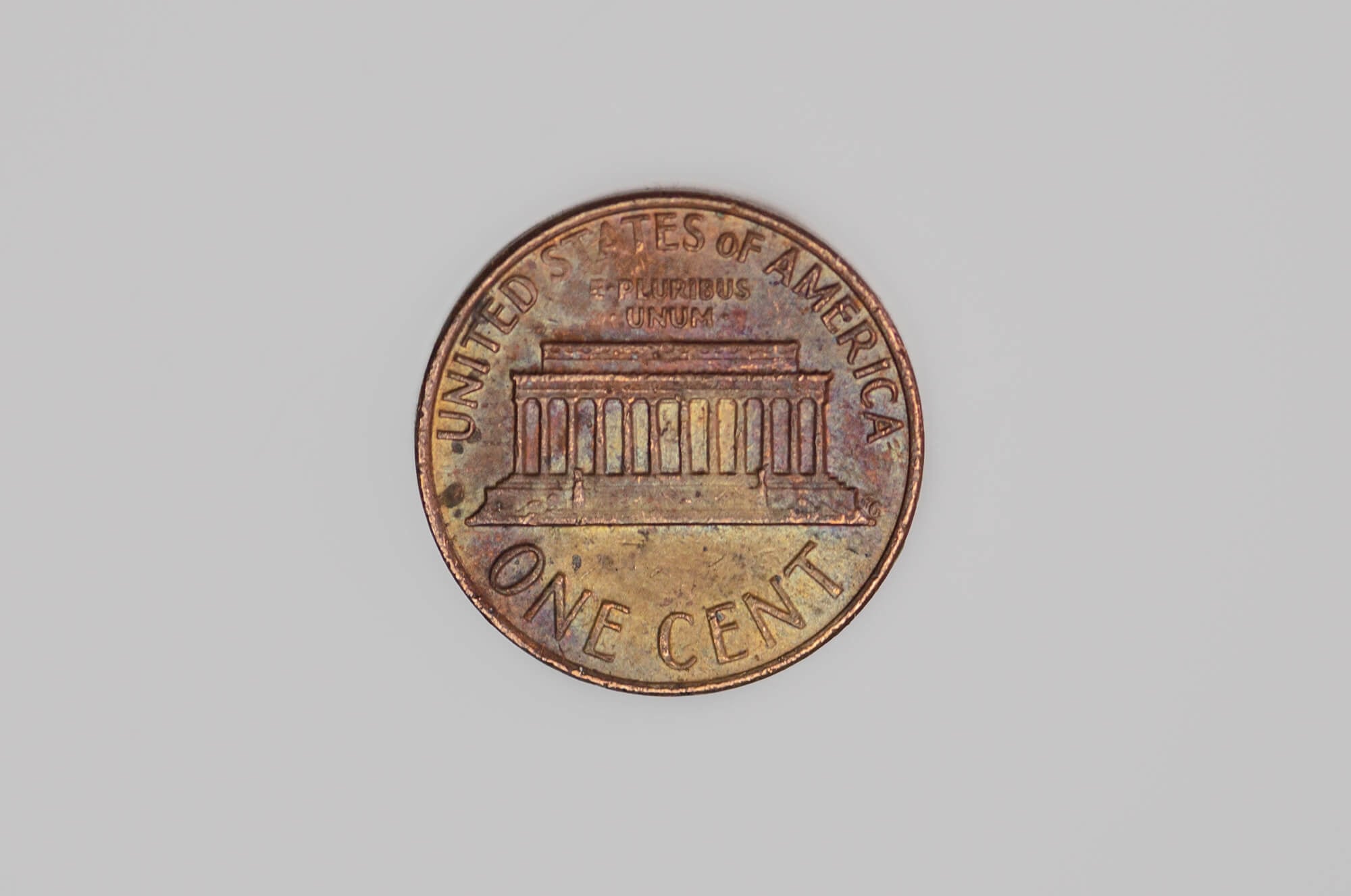
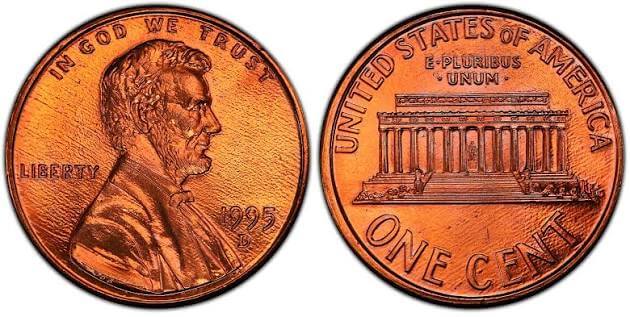
On the reverse of a Memorial cent, the A and M of AMERICA either nearly touch or sit visibly apart. Circulation coins of 1992 were meant to have the wide spacing, and a handful got the close version intended for the following year.
Those are rarities worth thousands. The mistake ran the other way in 1998, 1999 and 2000, when proof-style wide spacing landed on regular coins.
The 1999 is the scarcest of the three and brings a few hundred dollars in nice condition, while the 2000 often sells for the price of lunch. The designer’s initials FG also sit farther from the building on wide versions.
Indian Head Cents in Any Condition
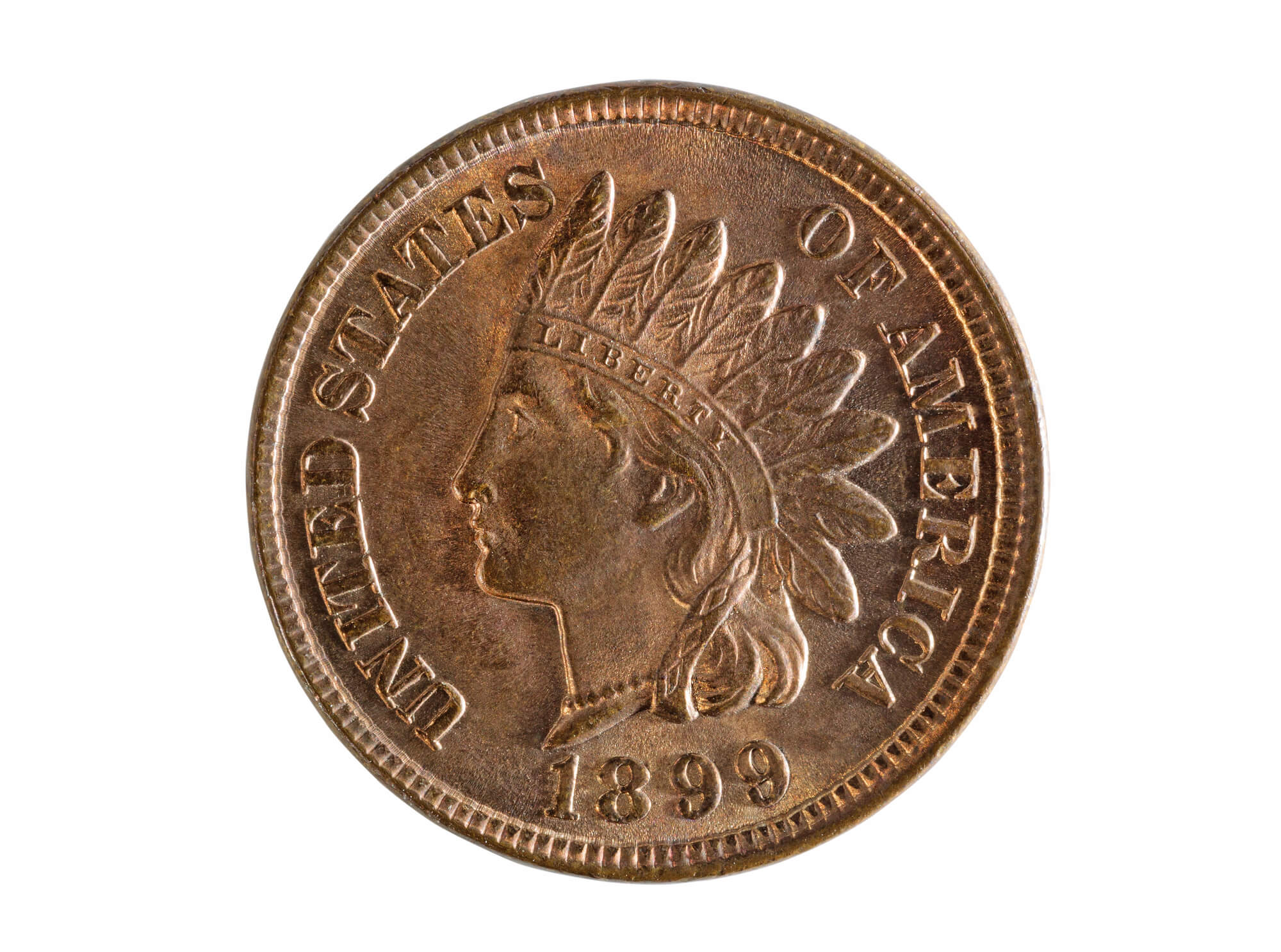
Struck from 1859 to 1909, Indian Head cents dropped out of circulation before most living collectors were born, yet they still turn up in inherited jars. Common dates from the 1890s and 1900s sell for one to three dollars each when worn, which adds up fast in a coffee can.
The key is 1877, worth several hundred dollars even when barely legible, followed by the 1909-S with a mintage of only 309,000. Cents dated 1859 through early 1864 are thicker and paler because they contain nickel.
Cleaning ruins all of them, and a harshly polished cent sells for a fraction of a dirty one.
Wartime Nickels With the Large Mint Mark
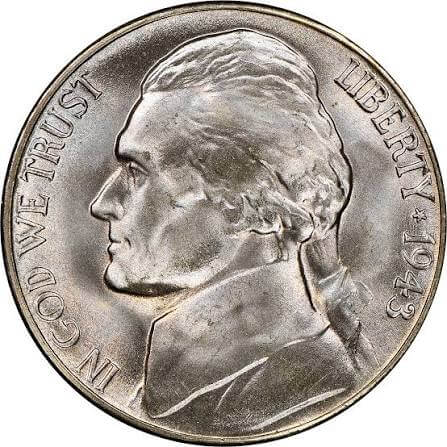
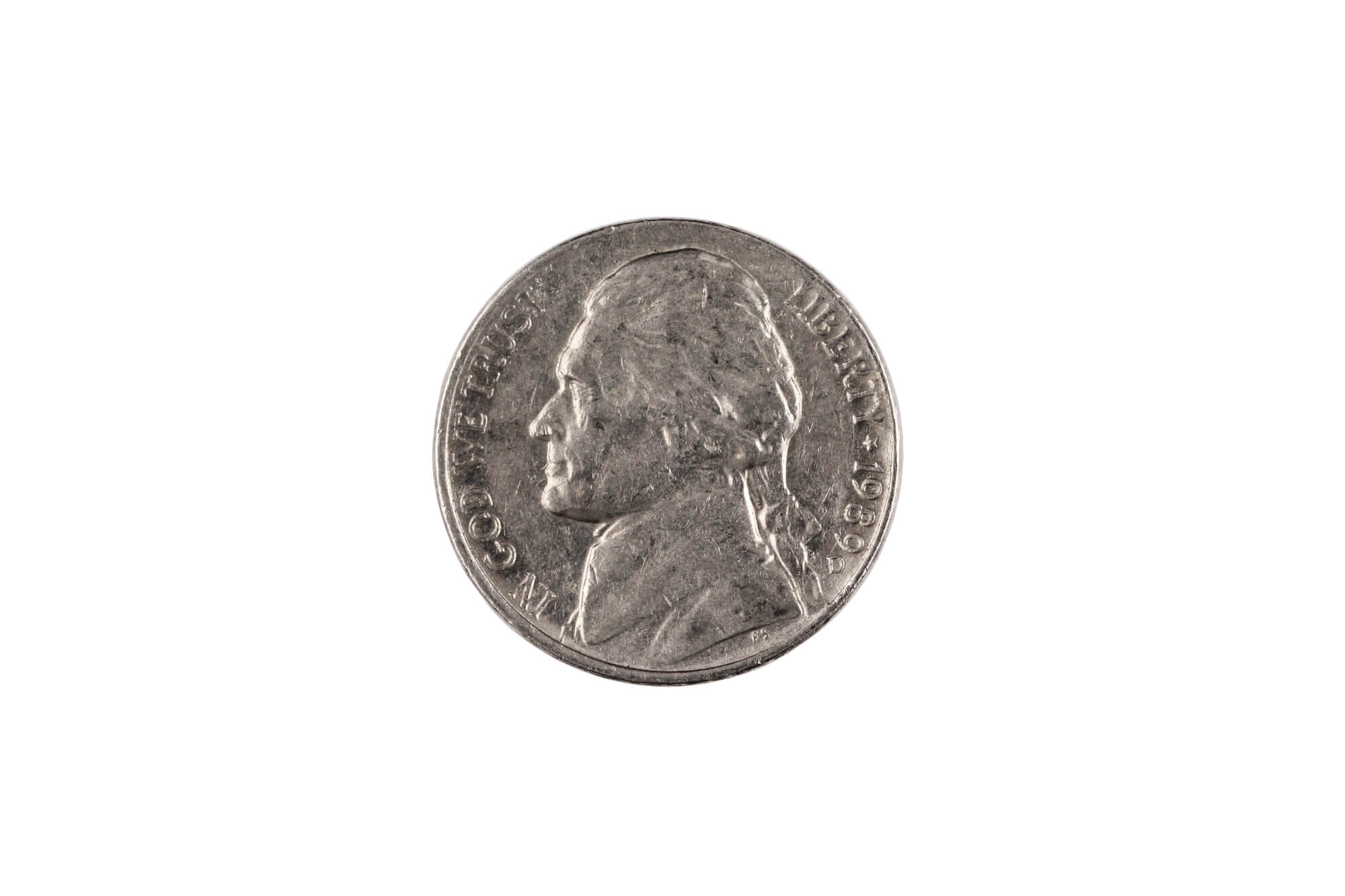
Nickel was needed for armor plate, so from October 1942 through 1945 the five-cent piece was made of 35 percent silver with copper and manganese. The Mint marked the new alloy by moving an oversized P, D or S above the dome of Monticello on the reverse.
That P was the first Philadelphia mint mark ever used on a United States coin. These pieces tone to a dull, greasy dark color that looks nothing like a regular nickel.
Each holds a little over a twentieth of an ounce of silver, so value follows the metal price, and better-condition examples earn a collector premium on top.
The Buffalo Missing a Leg
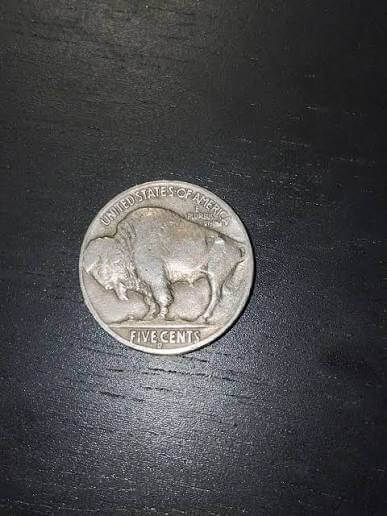
A press operator at Denver in 1937 polished a reverse die to remove marks left when the dies clashed together without a blank between them. The polishing took the bison’s left foreleg with it.
The hoof remains, floating above the ground. Worn examples of the three-legged buffalo bring several hundred dollars, and prices rise steeply with detail.
Fakes are made by grinding the leg off a normal 1937-D, but the genuine die left other evidence, including a moth-eaten look to the rear leg and a thin raised line running from the belly to the ground. Buyers check those marks before the leg.
The Nickel Without the Word Cents
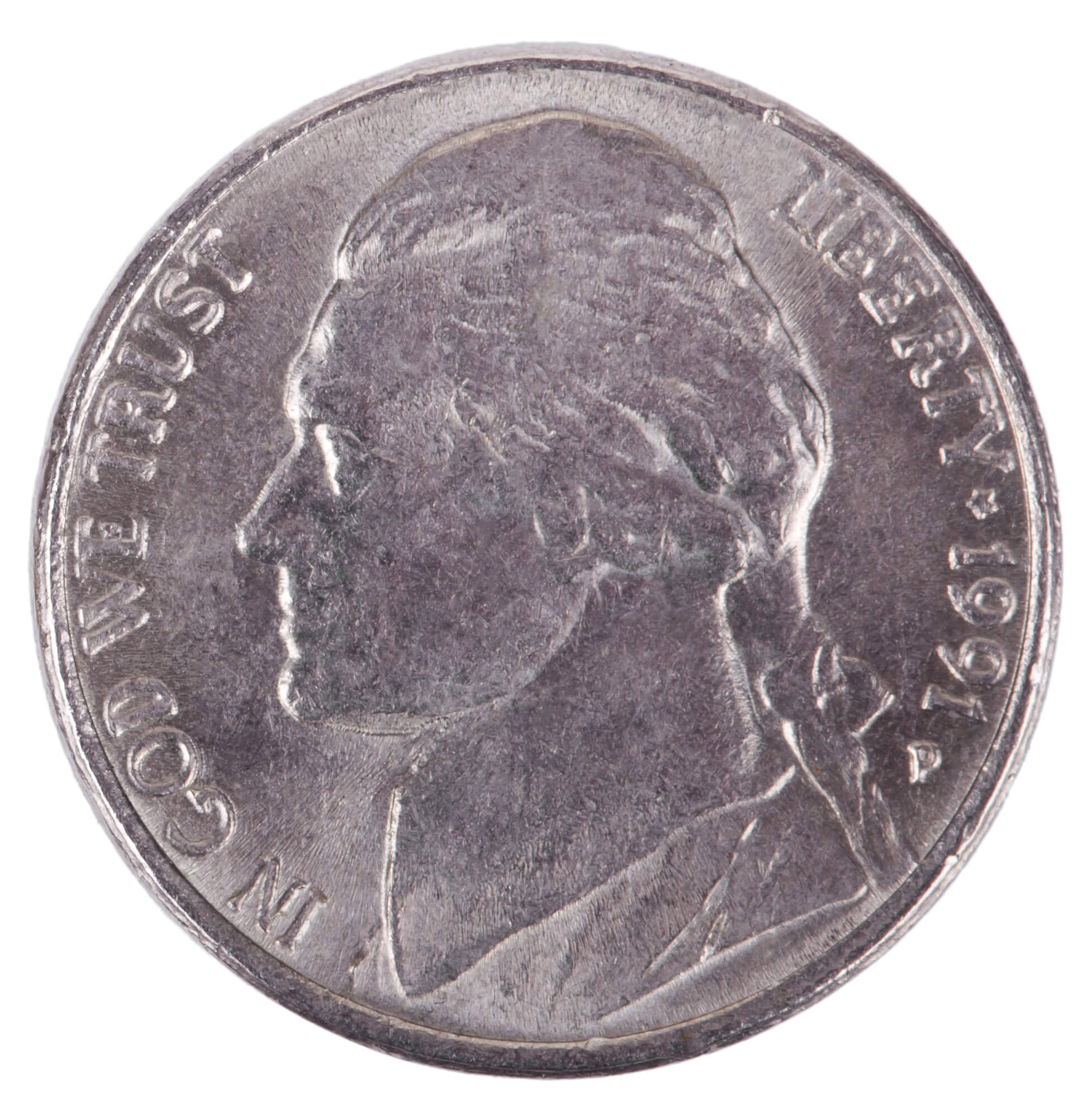
The Liberty Head nickel arrived in 1883 with a large Roman numeral V on the back and no mention of cents. Swindlers gold-plated the coins, reeded the edges and passed them as five-dollar gold pieces, earning the nickname racketeer nickels.
The Mint added the word CENTS within months. The public assumed the first version would be recalled and hoarded it, so the no-cents variety is the more common of the two today and sells for around ten dollars in decent shape.
Period gold-plated examples bring a modest premium as curiosities, though nobody can prove a given plating job is old.
The Low-Mintage Denver Jefferson
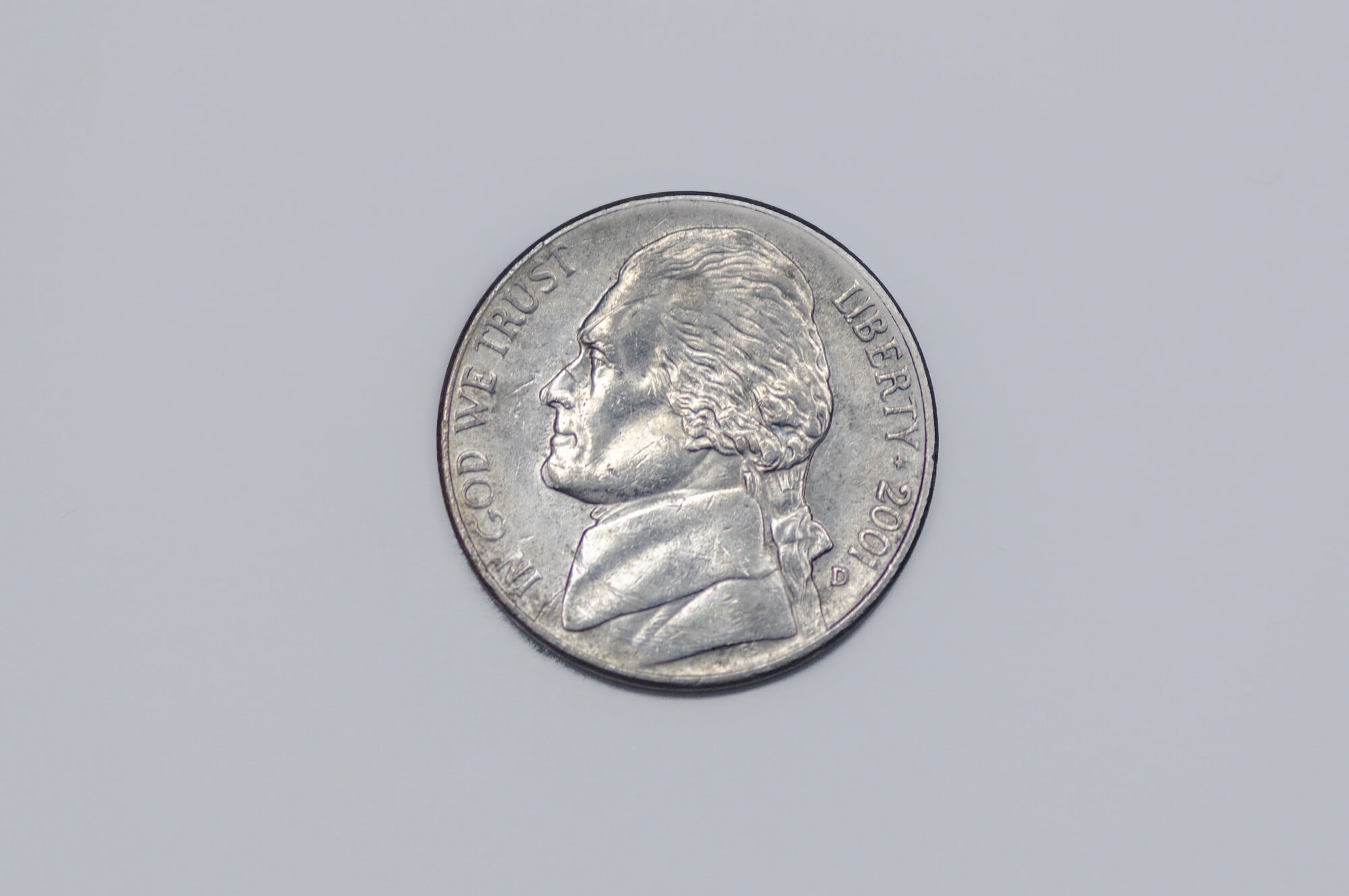
At 2,630,030 pieces, the 1950-D has the smallest mintage of any regular Jefferson nickel. Word got out almost immediately.
Dealers and speculators bought rolls straight from banks, and by the early 1960s a single roll traded for prices that made newspaper headlines. The result is an oddity.
Uncirculated examples are easy to find because so many were put away, while worn ones that actually circulated are harder to locate. Most sell for ten to twenty-five dollars depending on condition.
It remains the one date that completes a Jefferson album, which keeps demand steady decades after the speculation cooled.
Mercury Dimes From Denver’s Shortest Run
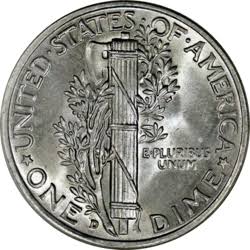
The winged Liberty dime debuted in 1916, and Denver struck just 264,000 before switching its presses to quarters. No other regular-issue dime of the twentieth century comes close to that scarcity.
A 1916-D worn nearly flat still sells for several hundred dollars to a thousand, and problem-free mid-grade coins run to several thousand. It is also among the most counterfeited American coins, usually by adding a D to a common Philadelphia dime.
Authentic mint marks share a specific shape and position from only four reverse dies, so third-party authentication is standard before any money changes hands.
The Overdate Mercury Dime
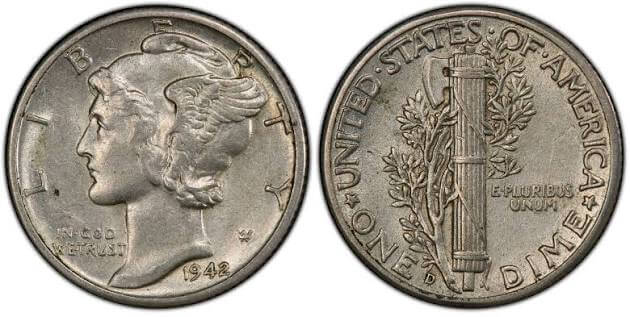
In late 1941 a die intended for 1942 dimes received one impression from a 1941 hub and a second from a 1942 hub. The finished coins show a 1 standing clearly beneath the 2 in the date, visible to the unaided eye on the Philadelphia version.
Denver produced a fainter overdate the same year. Both slipped into circulation unnoticed and were not publicized until 1943, by which point most had seen wear.
Circulated Philadelphia examples bring several hundred dollars, more with sharp detail. Any 1942 dime earns a glance at the date, since the overdate sits in plain view for anyone who knows to look.
The Dime That Left Philadelphia Without a Letter
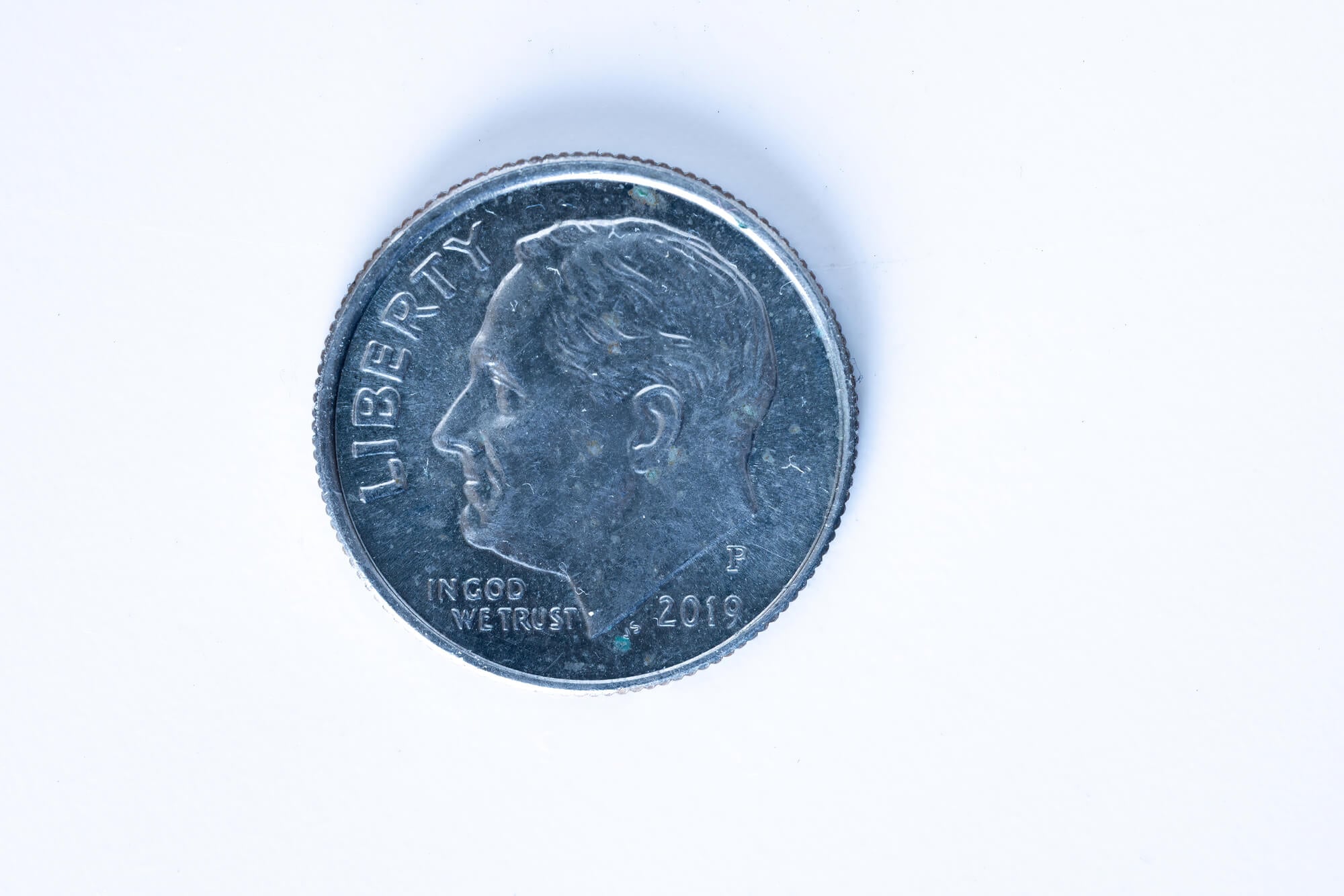
Philadelphia began placing a P on dimes in 1980. In 1982 one obverse die went into service without it, and the coins entered circulation before anyone noticed.
Many surfaced around Sandusky, Ohio, reportedly handed out as change at an amusement park. It was the first circulating United States coin struck from a die that never received its mint mark.
A strongly struck example in nice condition sells for around a hundred dollars or more, while weakly struck ones bring less. Dimes dated before 1980 have no P by design, so only the 1982 date matters, and worn examples earn a much smaller premium.
Any Dime or Quarter Dated Before the Clad Era
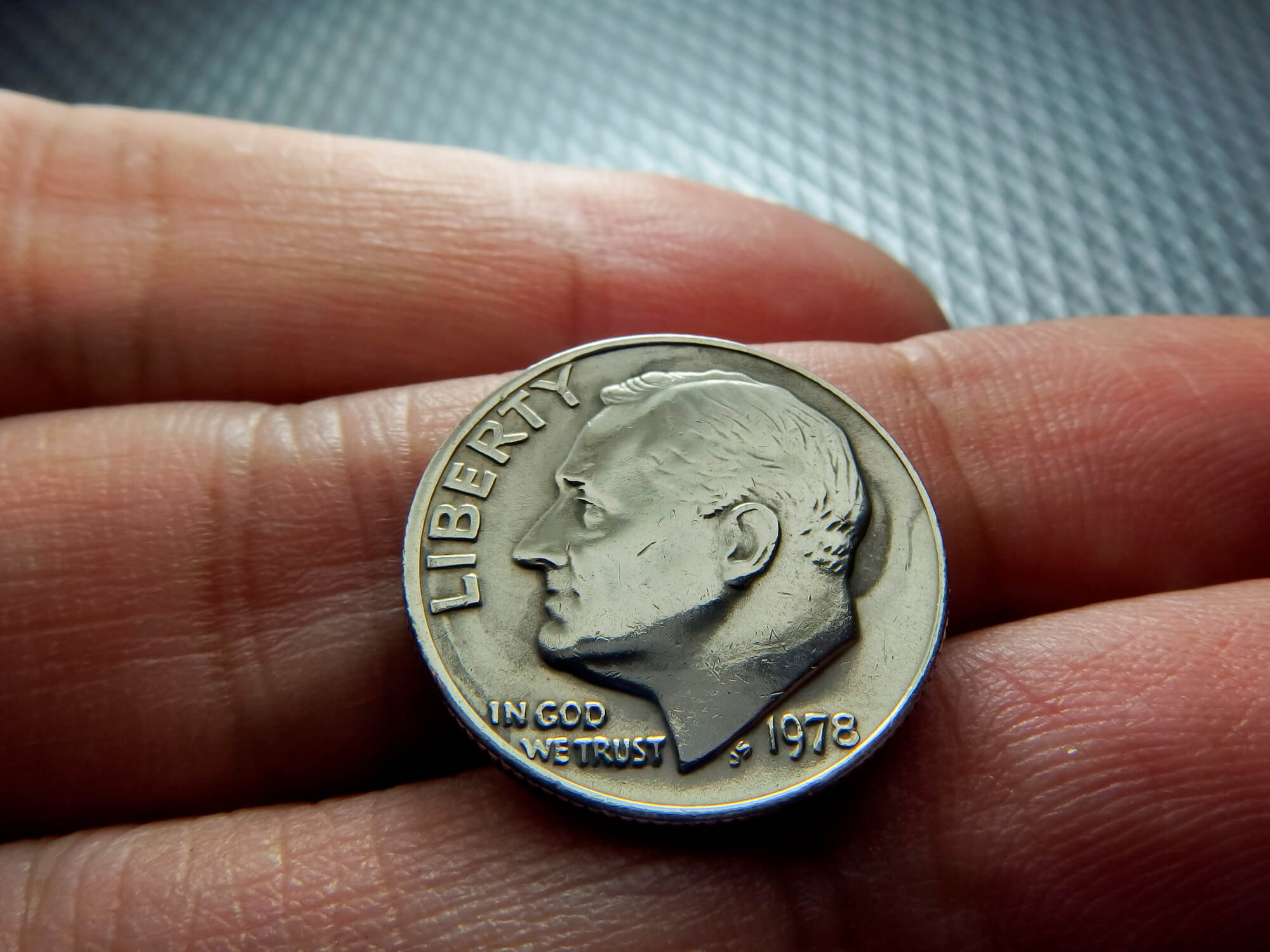
Dimes, quarters and half dollars dated 1964 or earlier are ninety percent silver. The Coinage Act of 1965 replaced that alloy with a copper core bonded between copper-nickel faces, and the public pulled the older coins from circulation within a few years.
Plenty still sit in jars filled before 1970. The edge tells the story faster than the date, because silver shows a solid pale edge and clad coins show a copper stripe.
A dollar of face value holds roughly seven tenths of an ounce of silver. Dealers buy these by weight at a multiple of face value that moves daily with the metal.
Washington Quarters From the First Year at the Branch Mints
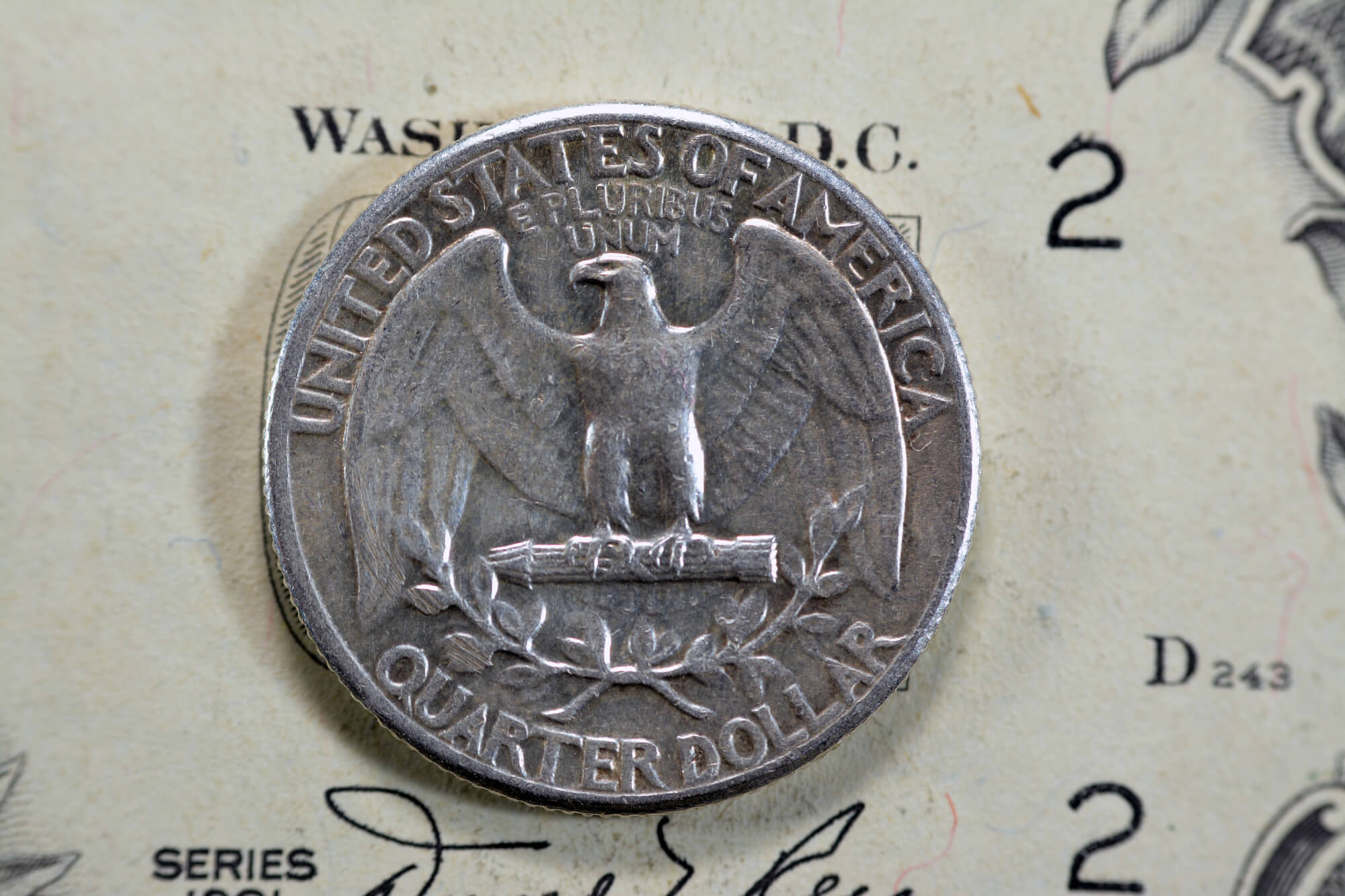
The Washington quarter was planned as a one-year commemorative for the bicentennial of his birth in 1932. Denver struck 436,800 and San Francisco 408,000, the two lowest mintages in a series that has now run for more than ninety years.
Both bring around a hundred dollars or more even when well worn, and uncirculated Denver pieces are worth many thousands because few were saved in that condition. Added mint marks are the standing problem.
The genuine D and S are small and sit just right of the ribbon beneath the wreath, and any coin offered without certification deserves suspicion.
Standing Liberty Quarters With and Without Dates
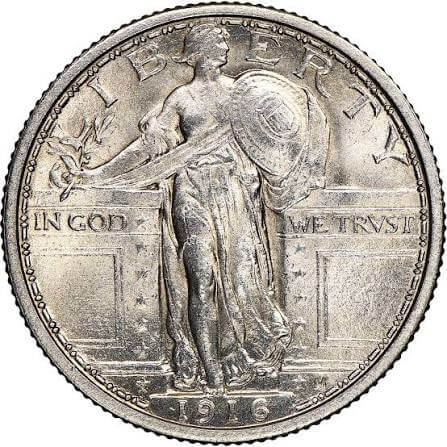
Hermon MacNeil’s quarter of 1916 placed the date on a raised step at the bottom of the design, the first spot to wear away in a pocket. The Mint recessed it in 1925.
Quarters struck before that often survive with no readable date at all, and those sell for their silver. Dated examples are another matter.
The 1916 had a mintage of just 52,000 and is worth thousands in any condition. The design was revised in 1917, when Liberty gained a coat of chain mail and three stars moved beneath the eagle, which lets an experienced dealer identify the type even on a dateless coin.
Silver Quarters Struck on the Wrong Year’s Blanks
During the changeover of 1965, a few leftover silver blanks went through presses fitted with the new date. The resulting quarters look ordinary from the front.
On the edge, there is no copper stripe, and on a scale they read 6.25 grams rather than the 5.67 of a clad coin. Authenticated examples have sold for several thousand dollars.
Dimes exist with the same error and are rarer still. The reverse mistake also happened, with clad blanks struck by 1964 dies.
A jar filled in the late 1960s is the likeliest place for any of them, which is a reason to weigh every 1965 quarter.
West Point Quarters Slipped Into Circulation
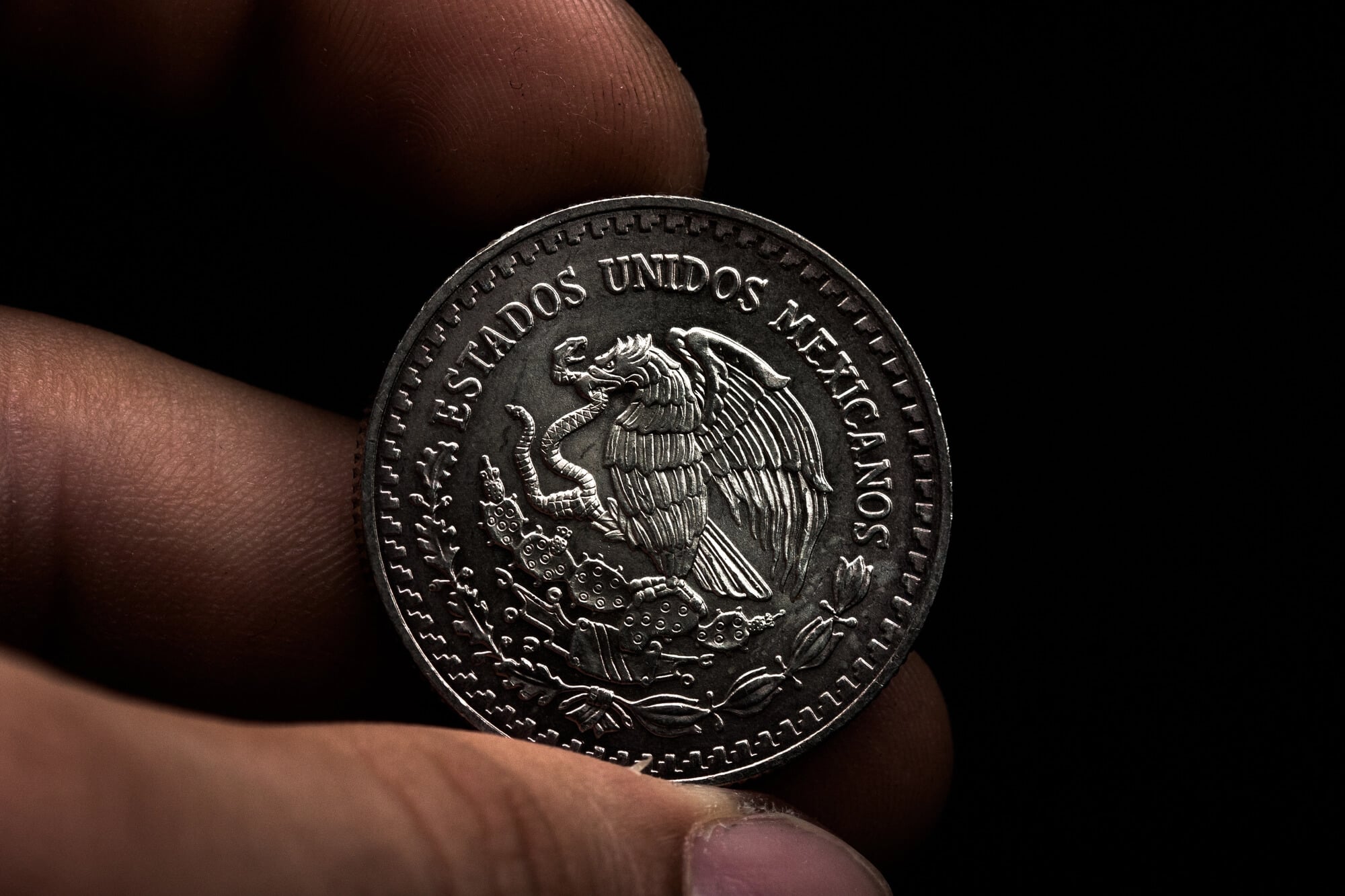
In April 2019 the Mint announced that ten million quarters carrying a W mint mark had been mixed into bags shipped from Philadelphia and Denver. Two million were struck for each of the five national park designs, a tiny share of that year’s production.
It was the first time the West Point mark appeared on a circulating coin. The program repeated in 2020 with a small privy mark reading V75 beside Washington’s portrait to mark the end of the Second World War.
Circulated examples sell for ten to twenty dollars, and clean ones bring more. They count as old only by jar standards.
The Wisconsin Quarter With an Extra Leaf
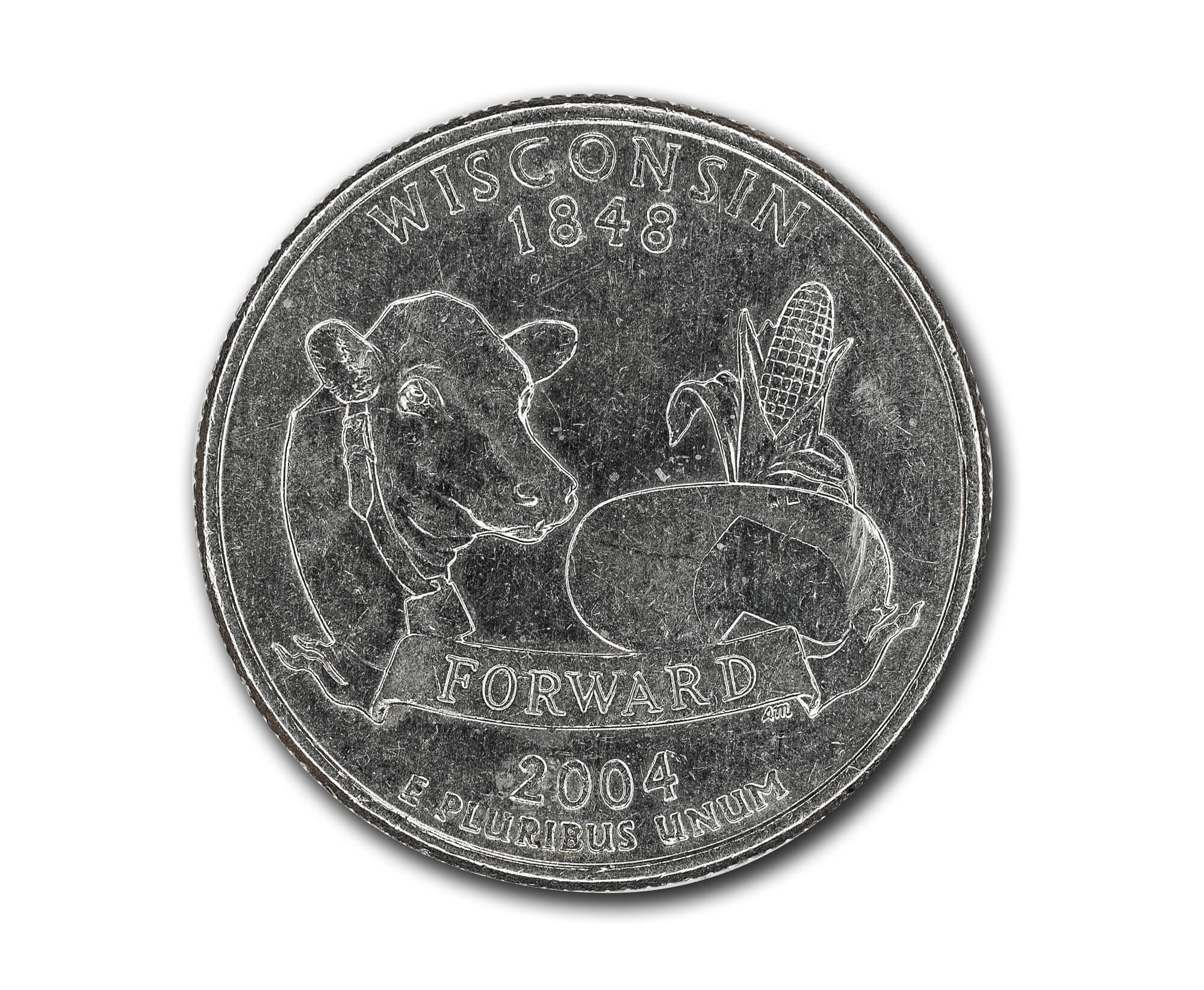
Some Denver-minted Wisconsin state quarters of 2004 show an additional leaf on the left side of the ear of corn. One version points up and another curves down toward the wheel of cheese.
Collectors in Tucson noticed them in late 2004, and early sales ran to hundreds of dollars for a set. Debate continues over whether a Mint employee deliberately gouged the dies.
Prices have settled, with circulated examples now bringing roughly fifty to a hundred dollars depending on the variety and condition. The high leaf is the scarcer of the two.
Any 2004 Wisconsin quarter with a D deserves a second look.
Kennedy Halves Through the End of the Sixties
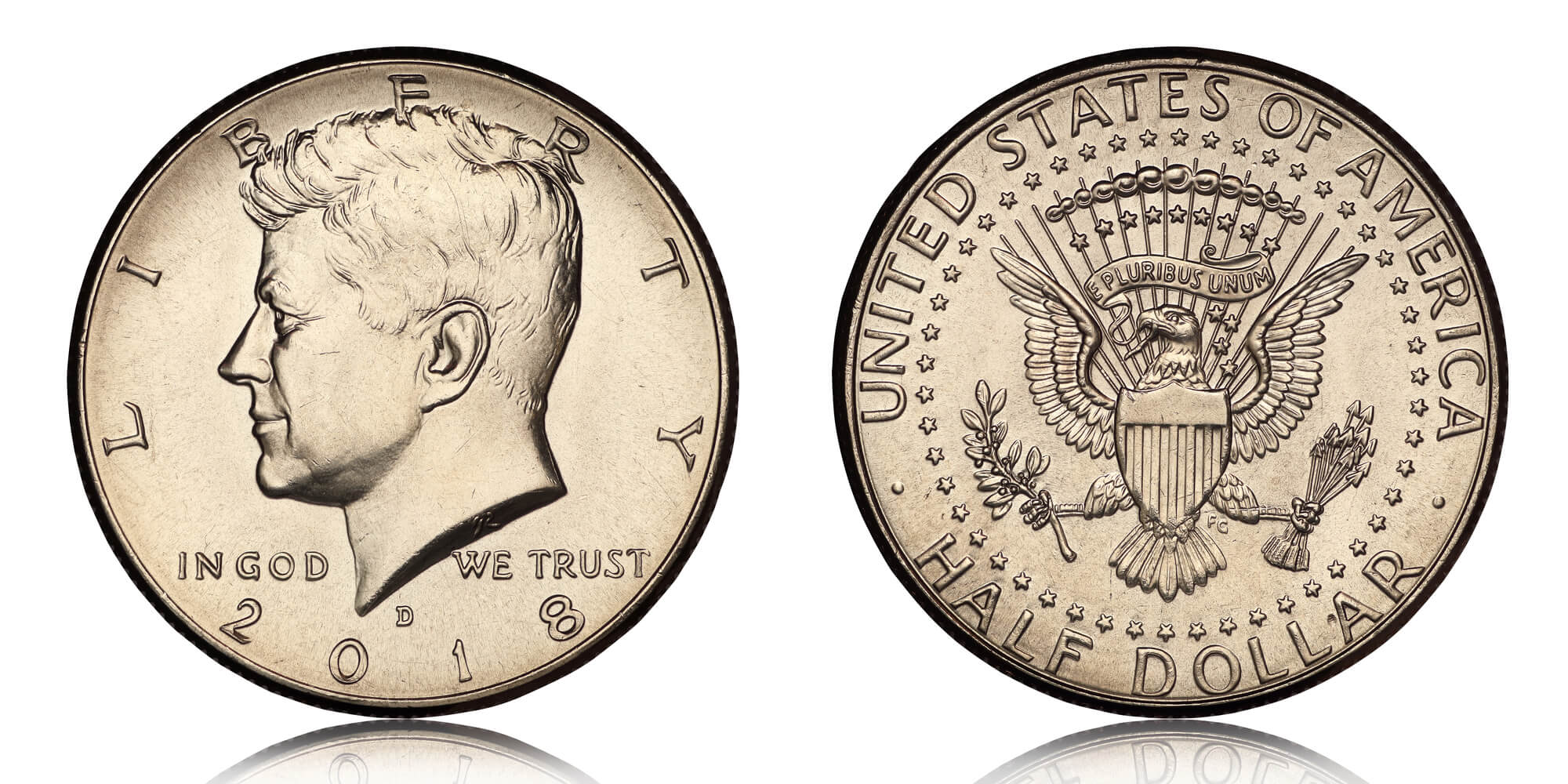
The Kennedy half dollar was rushed into production in early 1964, and that first year was struck in ninety percent silver. The public kept nearly all of them as mementos.
From 1965 through 1970 the coin carried forty percent silver, a fact many sellers miss because those dates fall after the famous cutoff. The 1970-D was issued only in mint sets, with about 2.1 million made, and carries a collector premium beyond its metal.
Halves dated 1971 and later contain no silver and are worth fifty cents. The copper stripe on the edge is faint on the forty percent coins, so dates are the safer guide.
Walking Liberty and Franklin Halves
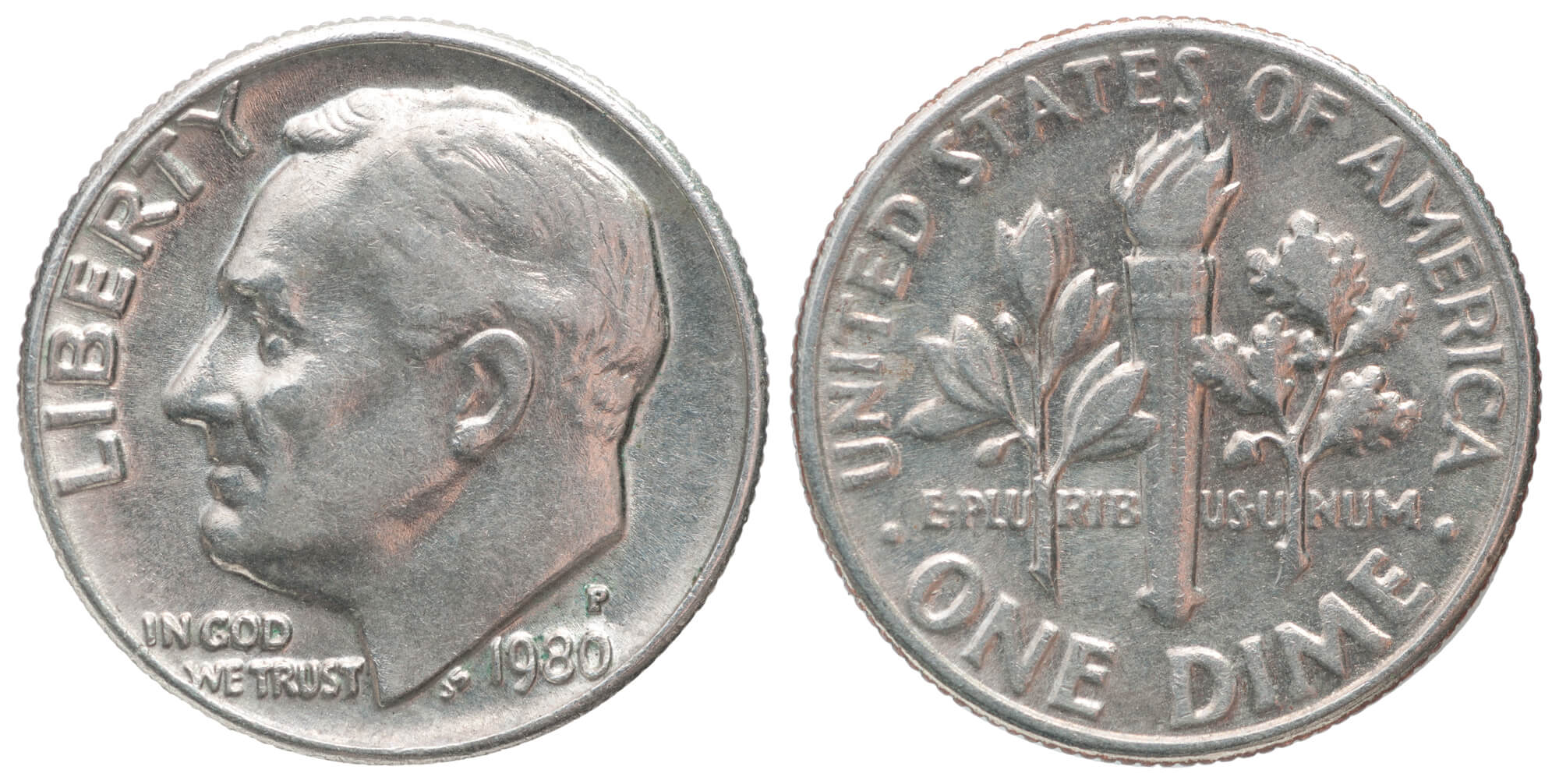
Adolph Weinman’s Walking Liberty half dollar ran from 1916 to 1947, and its obverse was considered good enough to reuse on the American Silver Eagle in 1986. The Franklin half followed from 1948 to 1963.
Every one of them is ninety percent silver, so even a worn common date is worth many times face value. Better dates sit among them.
The three 1921 issues and the 1938-D Walking Liberty bring strong premiums, and Franklin collectors pay extra for coins showing complete horizontal lines across the bottom of the Liberty Bell. Banks stopped seeing these decades ago, but old jars did not get the memo.
Morgan and Peace Silver Dollars
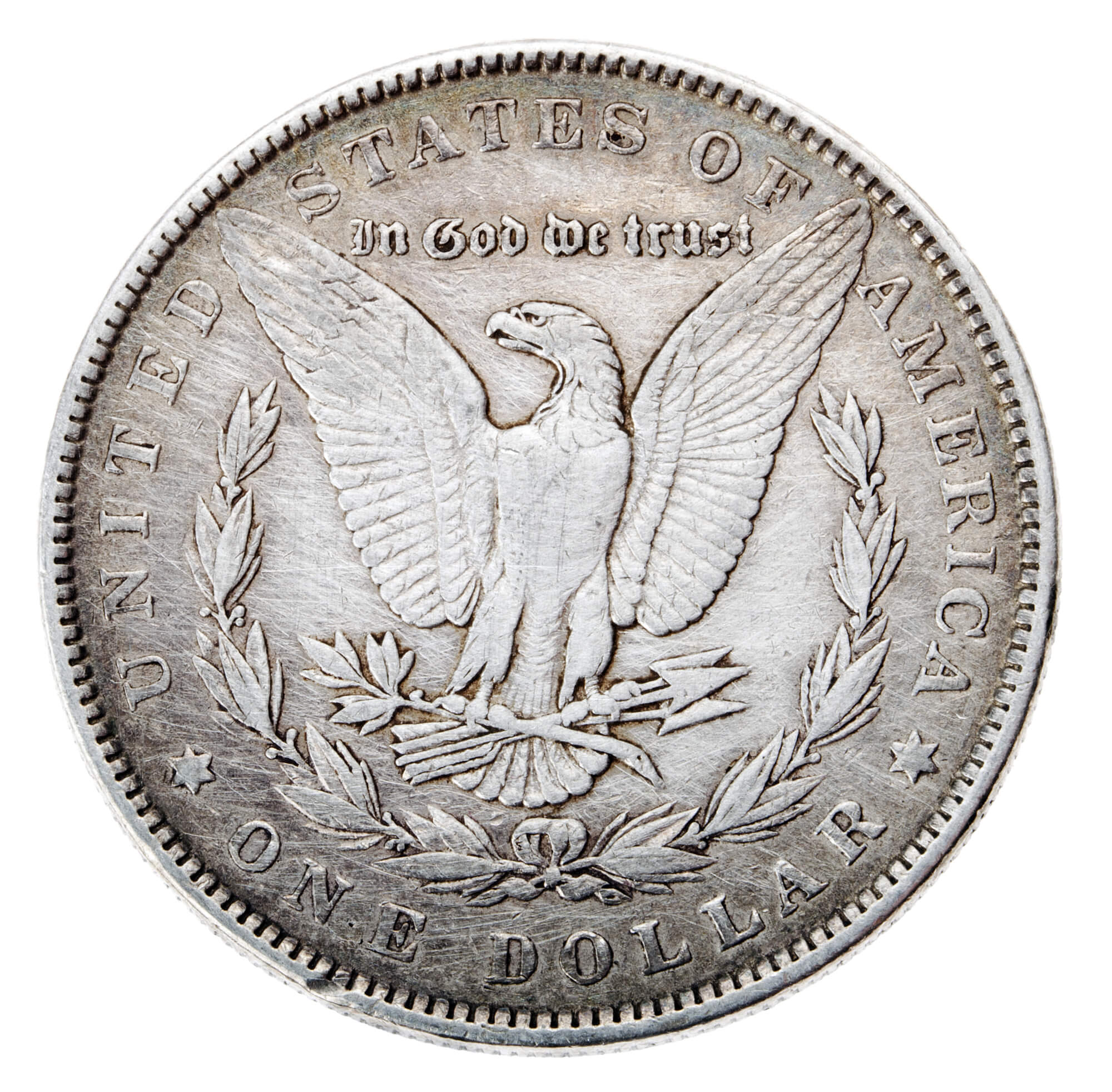
Silver dollars were the coins most often set aside as keepsakes, handed out at birthdays and casino counters until the mid 1960s. Morgan dollars date from 1878 to 1904 and again in 1921, and the Peace design ran from 1921 to 1935.
Each contains just over three quarters of an ounce of silver. Common dates in worn condition sell for a modest premium over metal value.
A CC mint mark for Carson City changes the math entirely, as does the 1928 Peace dollar with its mintage of 360,649. Polishing a dollar to make it shine cuts its value by half or more.
The Cereal Box Sacagawea Dollar
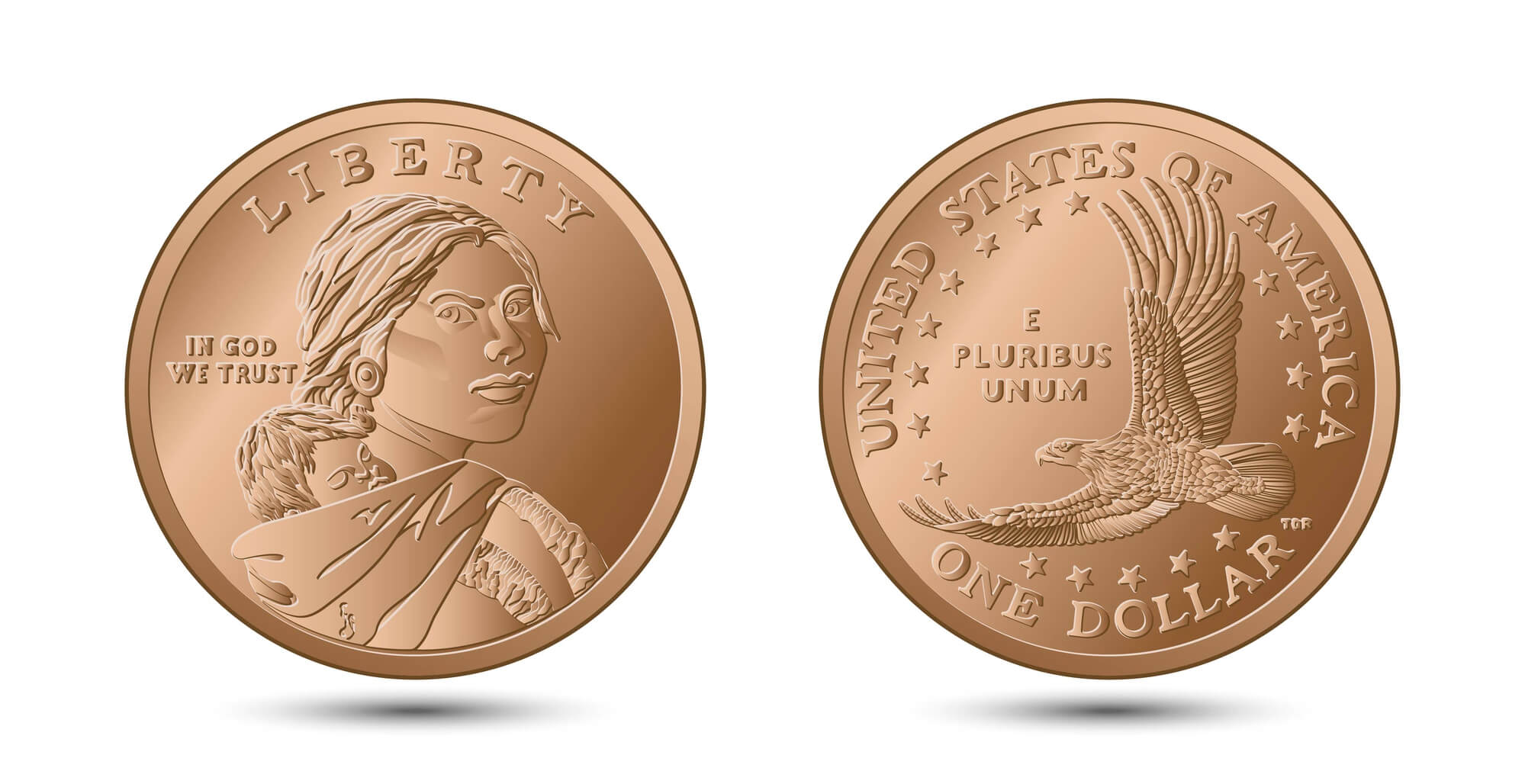
To promote the new golden dollar in 2000, the Mint supplied General Mills with 5,500 coins to be sealed into boxes of Cheerios. Five years later a collector noticed that these pieces had been struck from an early reverse die, with finely detailed veins in the eagle’s tail feathers that were removed before regular production.
Authenticated examples sell for several thousand dollars, with grade setting the final figure. Plenty were spent by children who had no idea.
The test is a side-by-side comparison of the central tail feather with any other 2000-P dollar, under magnification, looking for a raised center line.
Presidential Dollars With Blank Edges
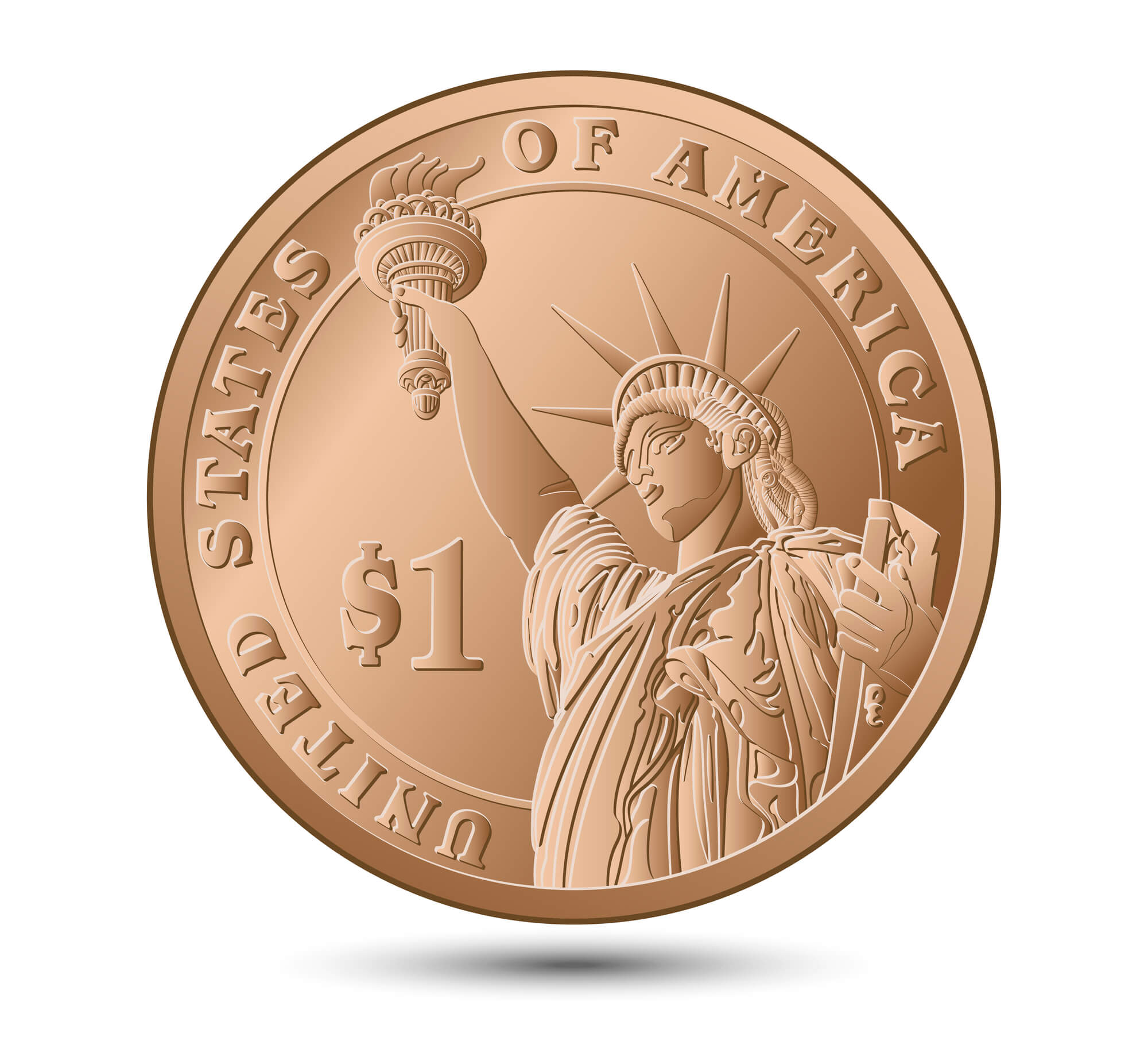
The Presidential dollar series launched in 2007 with the date, mint mark and mottoes pressed into the edge in a separate step after striking. Tens of thousands of George Washington dollars skipped that step at Philadelphia and reached banks with smooth, plain edges.
Because the missing text included In God We Trust, newspapers called them godless dollars. Early sales topped several hundred dollars before the supply became clear.
They now bring roughly thirty to a hundred dollars depending on condition. Later presidents exist with the same error in smaller numbers, and Congress moved the motto to the face of the coin in 2009.
Canadian Silver Mixed Into the Change
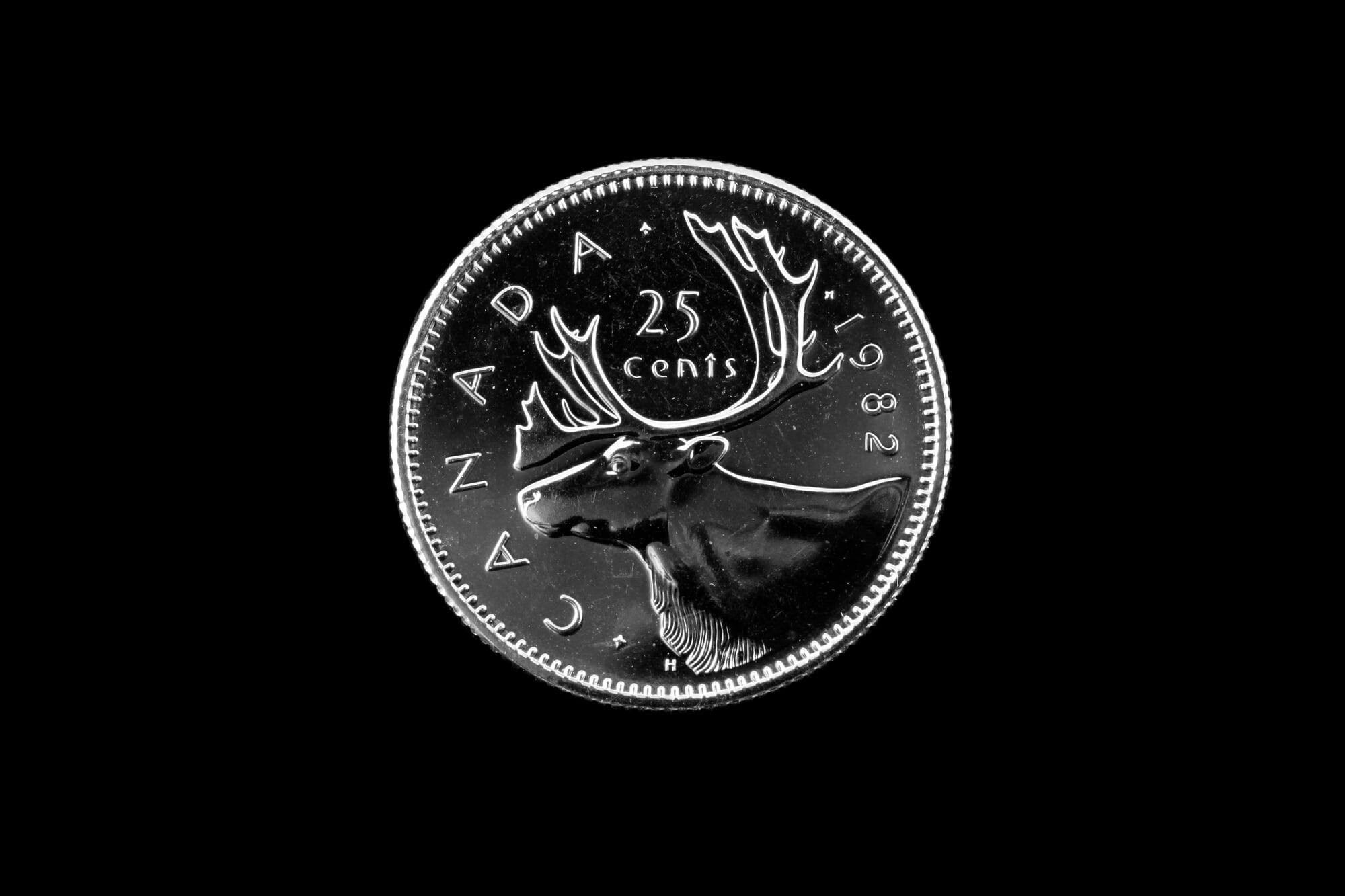
Anywhere near the northern border, Canadian coins drift into American jars and get ignored as foreign clutter. Dimes and quarters dated 1966 and earlier are eighty percent silver, and those struck before 1920 are sterling.
The alloy dropped to fifty percent partway through 1967, and partway through 1968 the mint switched to pure nickel. That last change provides a useful test, because nickel Canadian coins snap to a magnet and silver ones do not.
Fifty-cent pieces and dollars stayed at eighty percent through 1967. Dealers buy them by weight at a slight discount to American silver, which still beats leaving them in the jar.
Pocket Change as an Accidental Archive
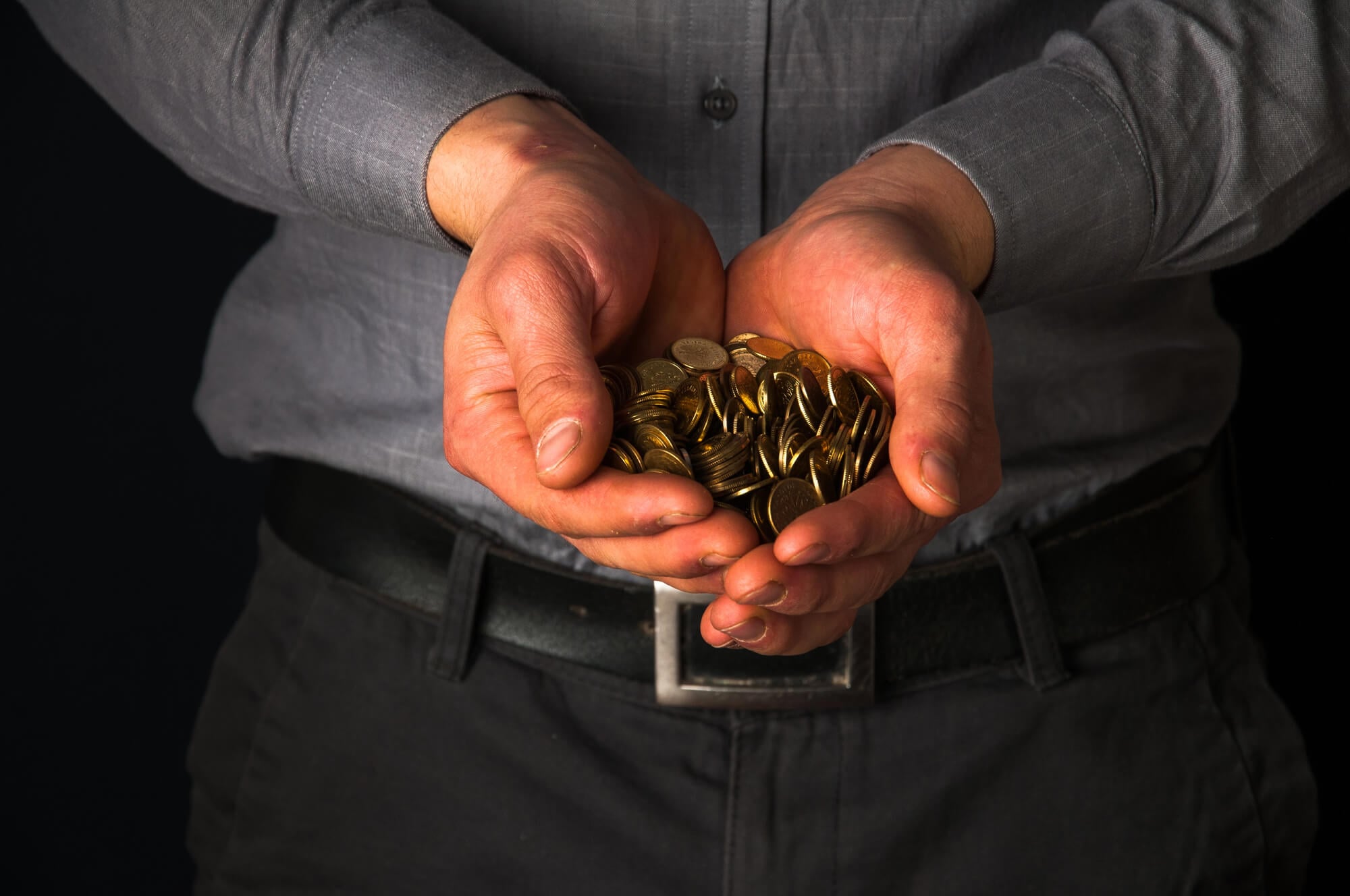
A jar of coins is a sample nobody designed. It records what passed through one household’s hands over a few decades, unsorted and unedited, and it preserves things that circulation would have worn away or that banks would have culled.
The silver left American change in the late 1960s because millions of people each pulled a little of it. Much of what they pulled is still sitting where they left it.
The valuable coins in those jars share one trait. Each looked ordinary to the person who dropped it in, and each still looks ordinary until someone checks a date, reads a scale or tilts an edge toward the light.
Rarity in coins has little to do with age and a great deal to do with how few people were paying attention on the day a mistake left the building.
More from Go2Tutors!

- The Romanov Crown Jewels and Their Tragic Fate
- 13 Historical Mysteries That Science Still Can’t Solve
- Famous Hoaxes That Fooled the World for Years
- 15 Child Stars with Tragic Adult Lives
- 16 Famous Jewelry Pieces in History
Like Go2Tutors’s content? Follow us on MSN.