26 Fast Food Menu Items Pulled Without Explanation
A drive-through order used to come with a small risk: the thing craved on the way over might already be gone by the time the car reached the window. Chains rarely announced these losses with a press release, and by the time customers noticed, the promotional poster was already down.
What follows is a list of items that quietly slipped off menus, some after years of loyal ordering, others after barely surviving their own launch.
McDonald’s Arch Deluxe
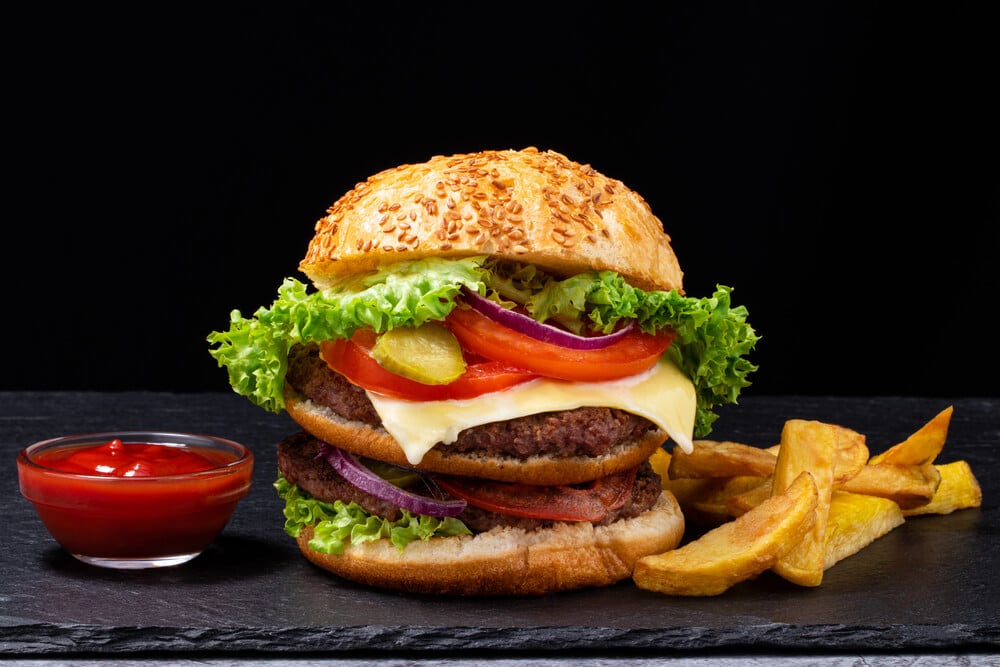
McDonald’s spent roughly one hundred fifty million dollars marketing the Arch Deluxe in 1996 as a grown-up burger topped with a peppery mustard-mayo blend and served on a potato bun. The campaign explicitly targeted adults who supposedly found the rest of the menu too juvenile, an approach that never resonated with the chain’s actual customer base.
It disappeared within a couple of years, remembered today as one of fast food’s biggest marketing miscalculations.
McDonald’s McPizza
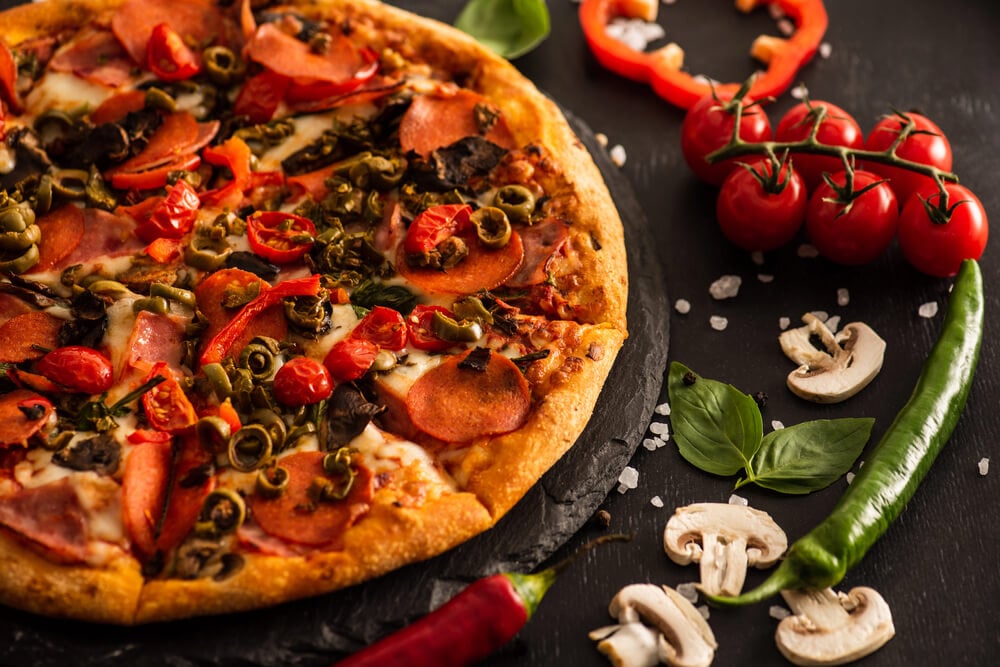
McDonald’s tested a full pizza line in select markets starting in the late 1980s, requiring specialized ovens and an eleven-minute cook time that clashed badly with the chain’s speed-focused model. Most locations dropped it by the mid-1990s as the operational drag became clear.
A small handful of franchise locations reportedly kept versions of it going long after corporate moved on.
McDonald’s Hula Burger
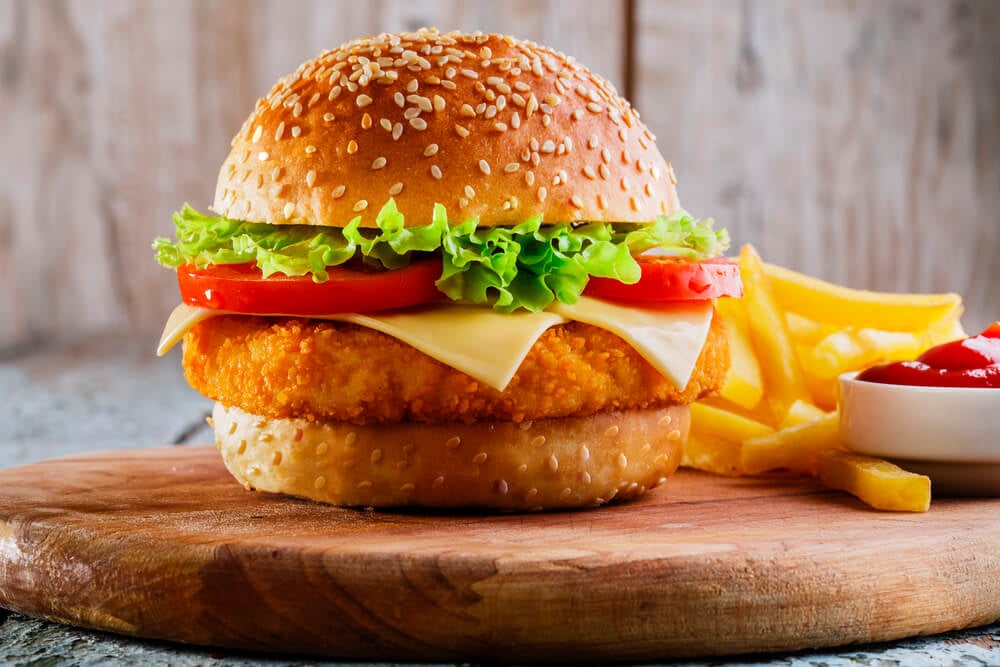
McDonald’s tested the Hula Burger in 1962 as a meatless Lenten option, built around a grilled pineapple slice and cheese on a bun instead of a patty. It was meant to compete directly with the Filet-O-Fish for the same religious dining occasion.
Customers overwhelmingly preferred the fish, and the pineapple burger was gone within the year.
McDonald’s Onion Nuggets
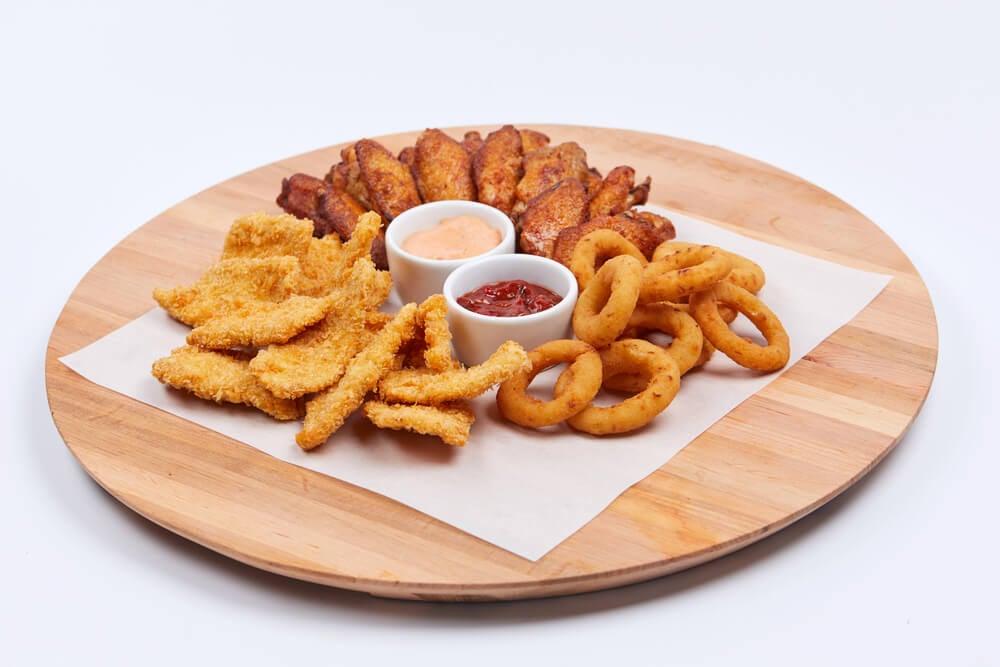
McDonald’s sold Onion Nuggets, a battered and fried onion piece shaped like a small nugget, from 1975 until 1984. They functioned as a side option before the chain’s chicken nugget line existed.
Once Chicken McNuggets launched in 1983 and became an immediate hit, the onion version quietly lost its shelf space within a year.
McDonald’s McSalad Shakers
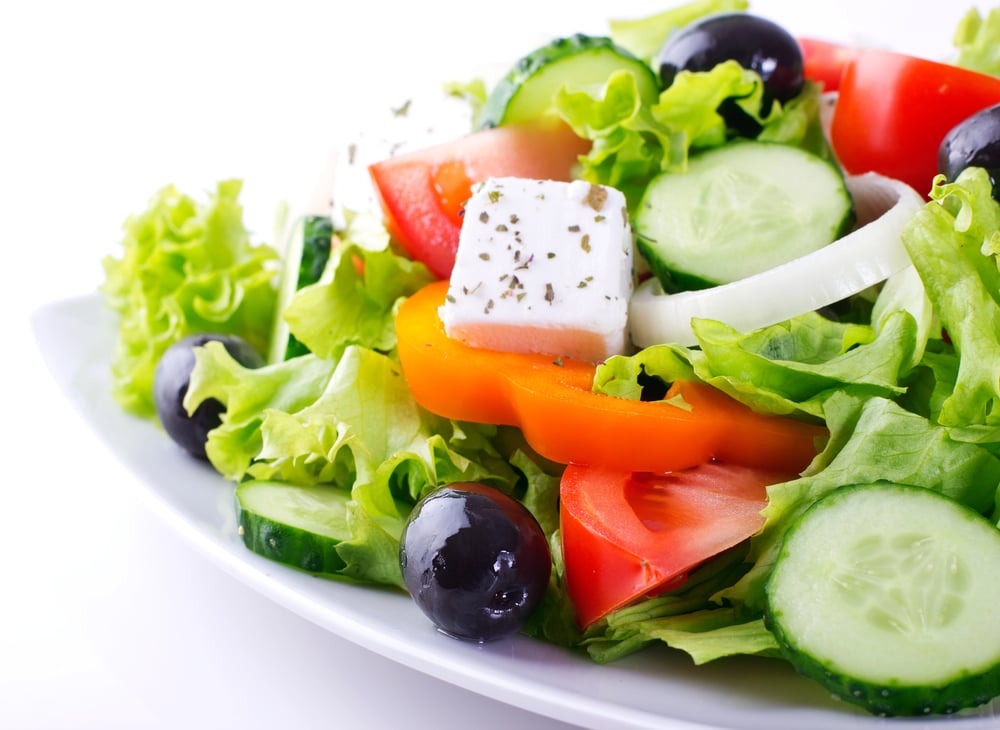
McDonald’s introduced McSalad Shakers in 2000, packing salad ingredients into a tall plastic cup so customers could add dressing, seal the lid, and shake everything together in the car. The format worked well for cup holders but proved awkward to eat one-handed while driving.
The chain phased them out by 2003 in favor of standard bowl-style salads.
McDonald’s Hi-C Orange
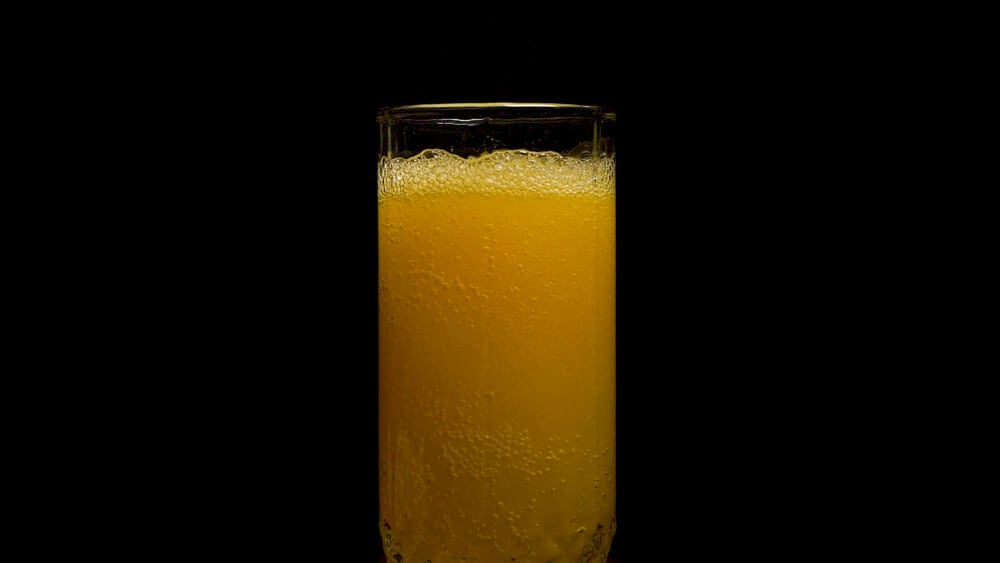
McDonald’s fountain machines poured Hi-C Orange for decades, making it one of the more recognizable regional beverage staples for kids ordering Happy Meals. The chain discontinued it in 2017 with no public announcement, leaving longtime customers to notice only after multiple failed visits.
Online petitions calling for its return have circulated ever since.
McDonald’s McDLT
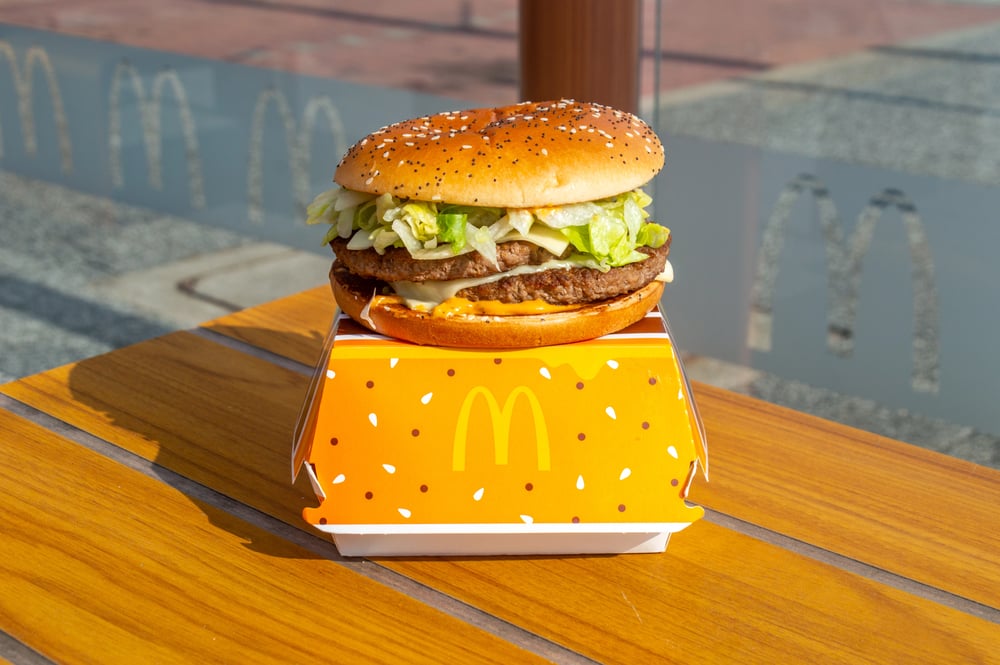
The McDLT arrived in 1985 in a distinctive two-sided foam container designed to keep the hot beef patty separate from the cold lettuce and tomato until the moment of assembly. Its packaging became a marketing centerpiece, featured in commercials built entirely around the “keep the hot side hot” concept.
Rising environmental concerns about foam packaging in the early 1990s led to its quiet removal.
McDonald’s Original Szechuan Sauce
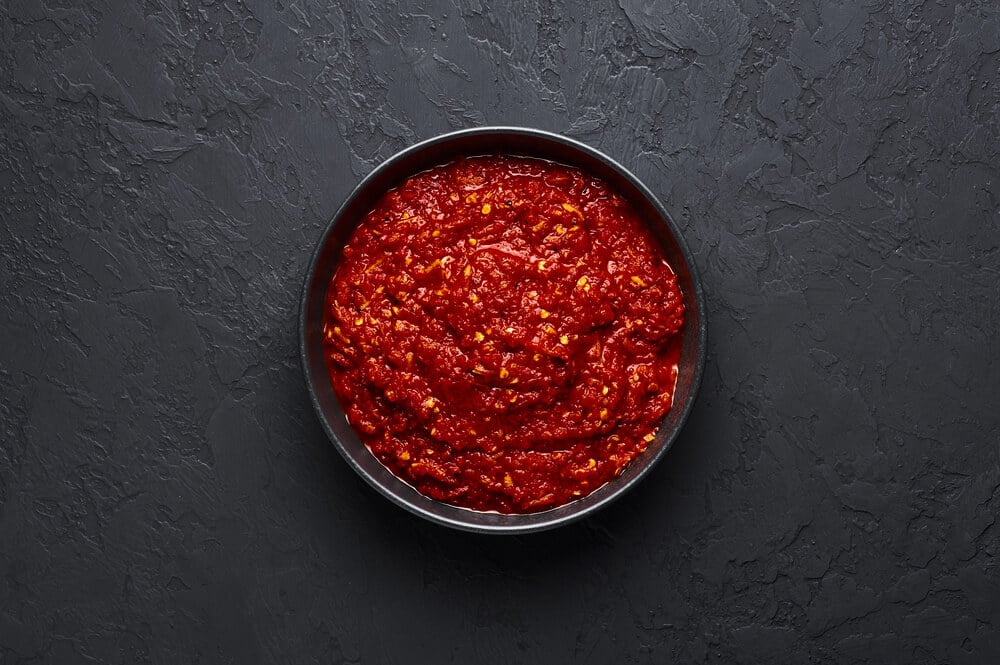
McDonald’s created Szechuan Sauce in 1998 as a tie-in promotion for the animated film Mulan, distributing it in extremely limited quantities before pulling it entirely once the promotion ended. It stayed obscure for nearly two decades until a television reference revived interest and triggered a chaotic 2017 re-release.
Some locations reportedly needed additional staff on hand just to manage the crowds that showed up for packets of dipping sauce.
Taco Bell Waffle Taco
Taco Bell launched the Waffle Taco in 2014 as part of its first national breakfast menu, folding a waffle around eggs and sausage and serving it with a small syrup cup on the side. It generated significant buzz for its novelty but never became a consistent seller once the initial curiosity wore off.
The chain retired it by 2015 while keeping other breakfast items like the Crunchwrap.
Taco Bell Original Enchirito
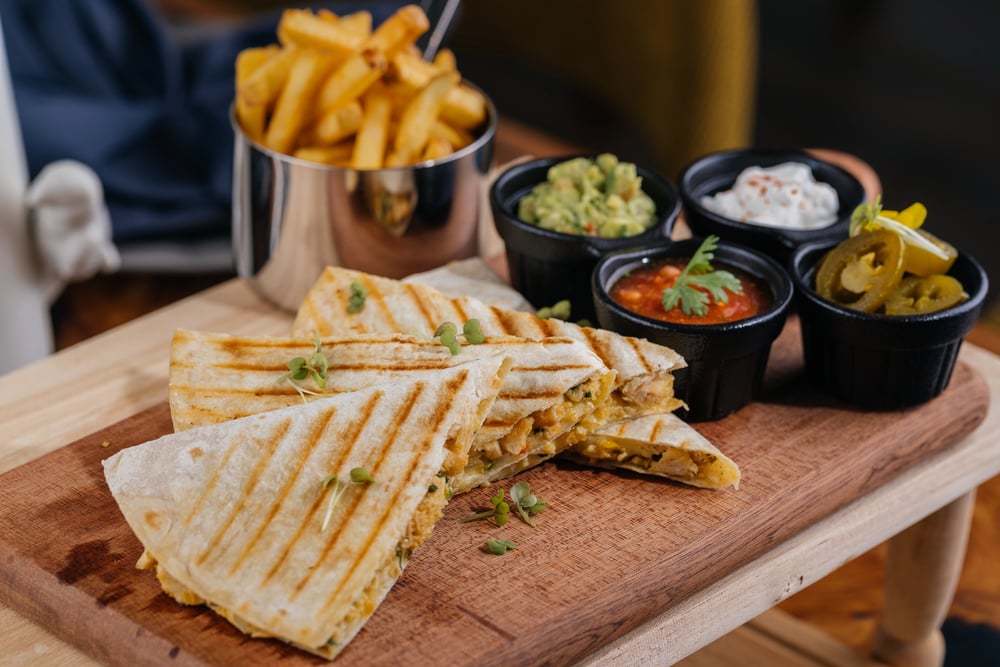
Taco Bell’s original Enchirito wrapped a soft tortilla around seasoned beef, beans, and onions, then covered the whole thing in red sauce and melted cheese, closer to a Tex-Mex casserole than a typical taco. It disappeared from national menus in the 1990s after decades on the menu since the chain’s earliest years.
A modernized version briefly returned in limited markets, but the original recipe never came back in full.
Taco Bell Grilled Stuft Nacho
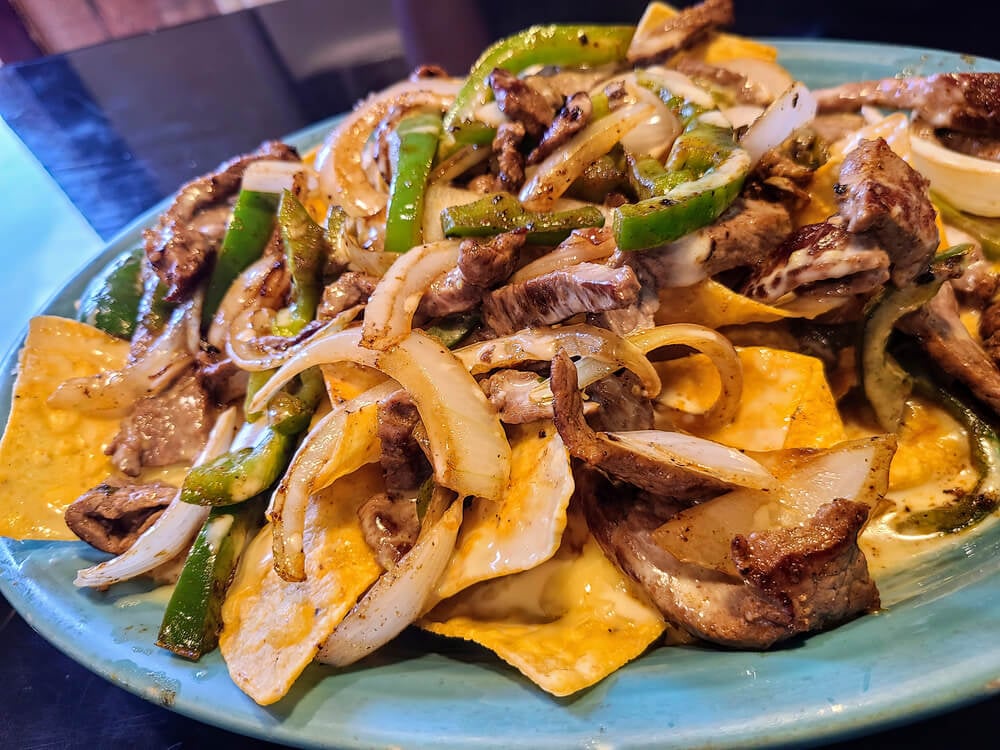
The Grilled Stuft Nacho folded tortilla strips, seasoned beef, sour cream, and cheese sauce into a large tortilla shaped to resemble an oversized nacho chip. It occupied a strange middle ground between a burrito and a snack, which made it hard for the chain to market clearly.
It left the menu after a relatively short run without a stated reason.
Taco Bell Seafood Salad
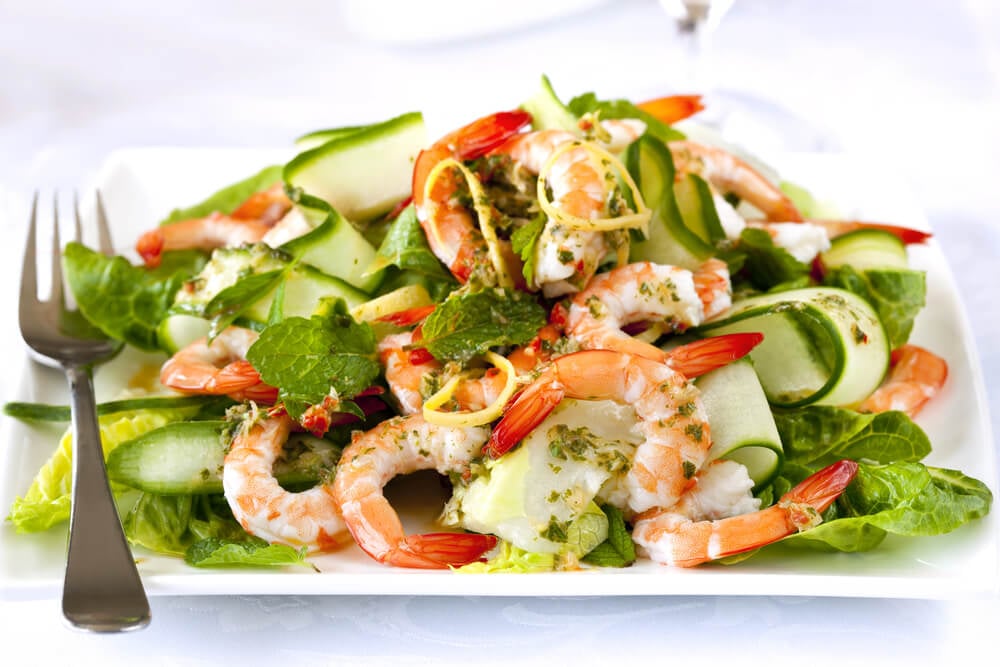
Taco Bell briefly sold a Seafood Salad in the 1980s, built around imitation crab, lettuce, and a creamy dressing served in a hard taco shell bowl. It was part of a broader era of experimentation before the chain settled firmly into its current identity.
Few customers today recall it existed at all, since it vanished well before the internet made menu history easy to trace.
Wendy’s SuperBar
Wendy’s rolled out an all-you-can-eat SuperBar in many locations during the 1990s, splitting the buffet into a Garden Spot salad section, a Mexican Fiesta taco station, and a Pasta Pasta Italian counter. Customers could build an entire meal for a few dollars, which made it a genuine destination rather than a side option.
Maintenance costs and food safety concerns around a self-serve buffet eventually pushed the chain to remove it entirely by the late 1990s.
Wendy’s Chicken Caesar Pita
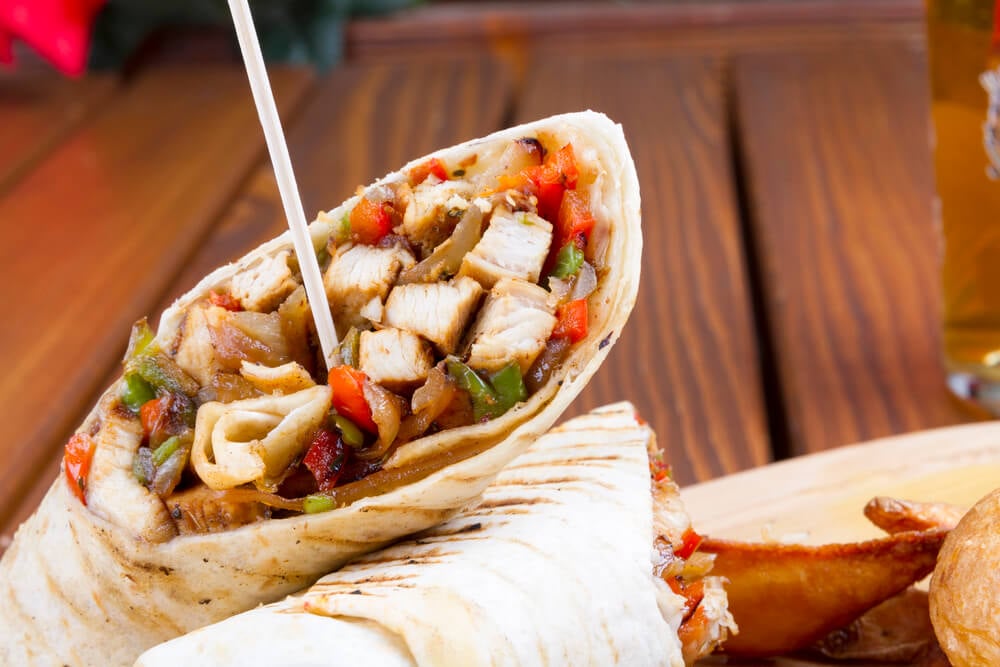
Wendy’s stuffed grilled chicken, romaine, parmesan, and Caesar dressing into a warm pita pocket as part of a small lineup of pita sandwiches offered in the 2000s. The pita bread itself, notably thick and soft, became the detail longtime fans remembered most once the item disappeared.
The chain dropped the entire pita line as it streamlined its core menu.
Wendy’s Asian Cashew Chicken Salad
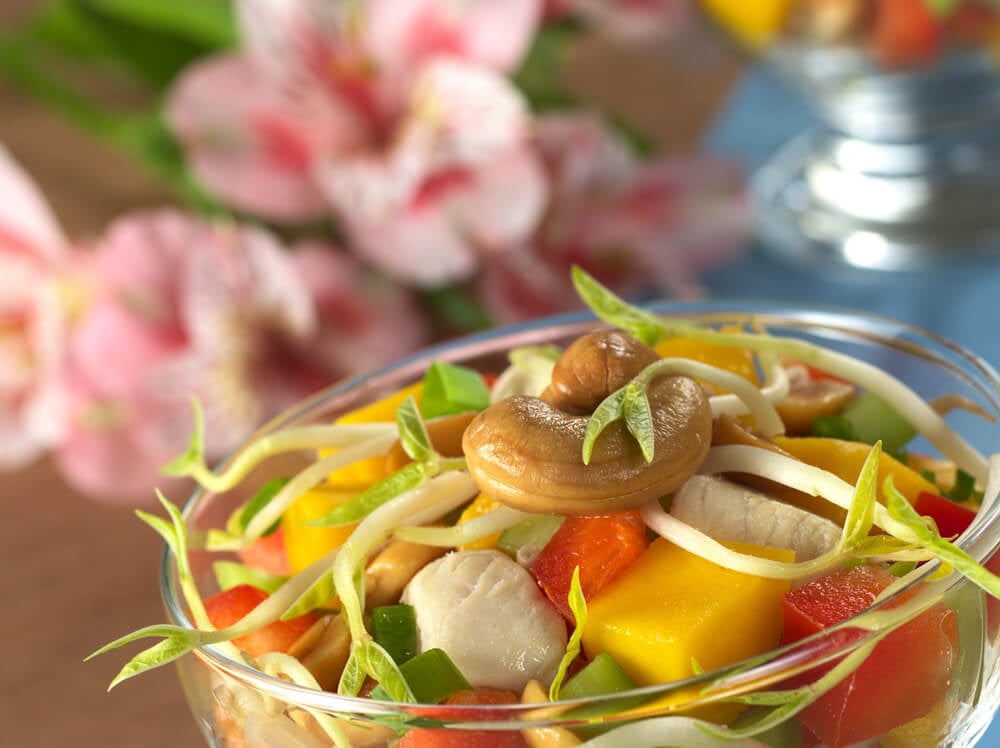
Wendy’s Asian Cashew Chicken Salad combined grilled chicken, red peppers, cashews, and edamame over greens, positioned as a lighter alternative to the chain’s burger lineup in the mid-2010s. It developed a loyal following among customers looking for something outside typical fast food salads.
It left the menu a few years later during a broader salad lineup revision.
Burger King Cini-Minis
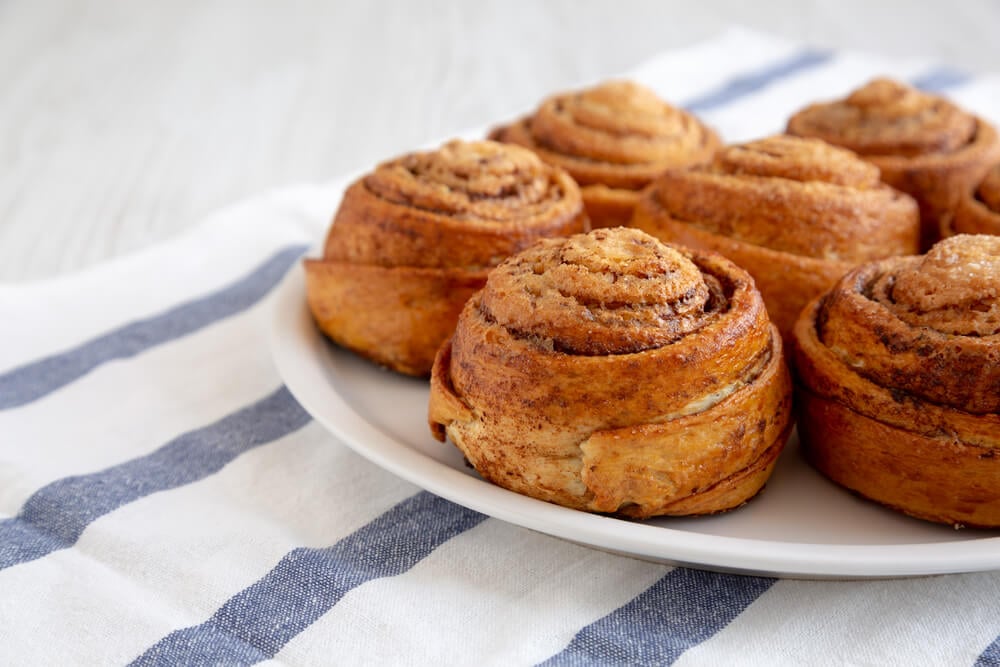
Burger King introduced Cini-Minis in 1998, a tray of small warm cinnamon roll bites drizzled with icing, aimed squarely at the chain’s breakfast lineup. They built a strong following through the early 2000s before quietly disappearing from regular menus.
A brief 2018 promotional giveaway through a delivery app only intensified requests for a full permanent return.
Burger King Yumbo
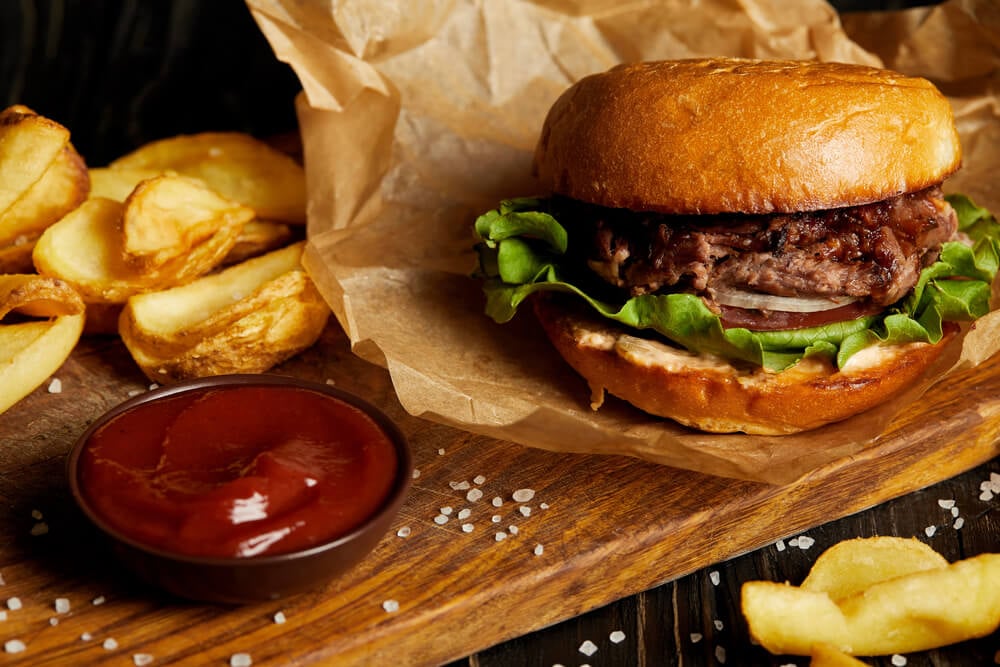
The Yumbo, a warm ham and cheese sandwich on a bun, was one of Burger King’s original menu items dating back to the chain’s earliest years in the 1960s. It represented an era when Burger King’s menu leaned closer to a diner than a modern burger chain.
It disappeared from menus decades ago as the chain narrowed its focus toward burgers and chicken.
Burger King BK Broiler
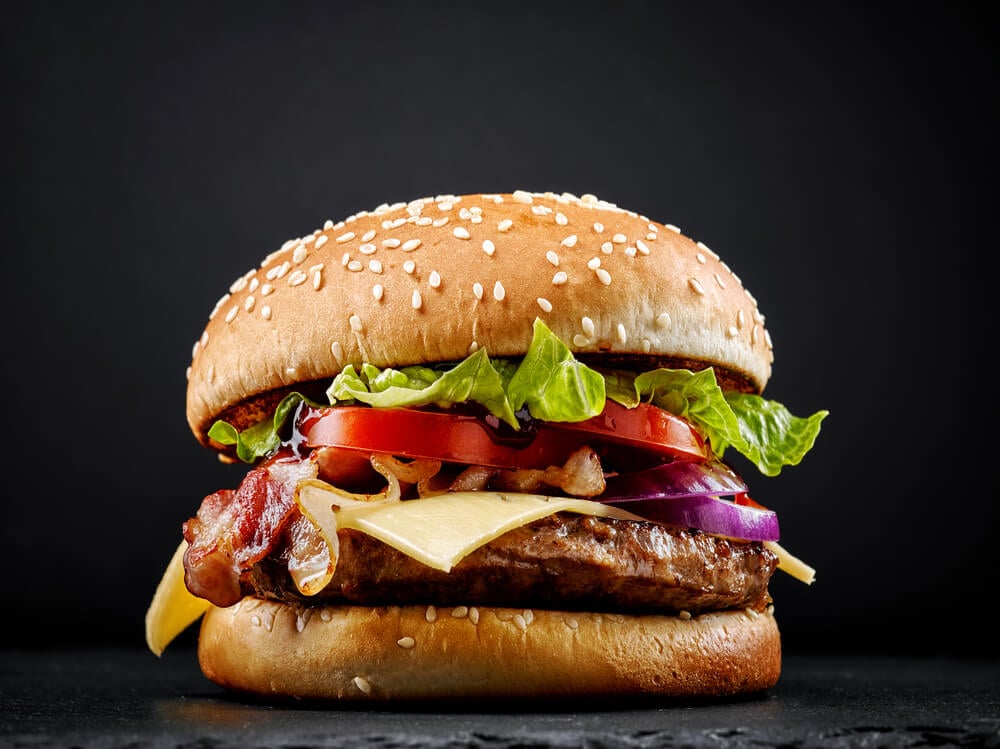
The BK Broiler, a flame-grilled chicken sandwich introduced in the early 1990s, was Burger King’s answer to the grilled chicken sandwiches gaining popularity across the industry at the time. It stayed on menus for years before being phased out in favor of newer chicken sandwich formulations.
Longtime customers still reference the name when describing the chain’s grilled option today.
KFC Popcorn Chicken
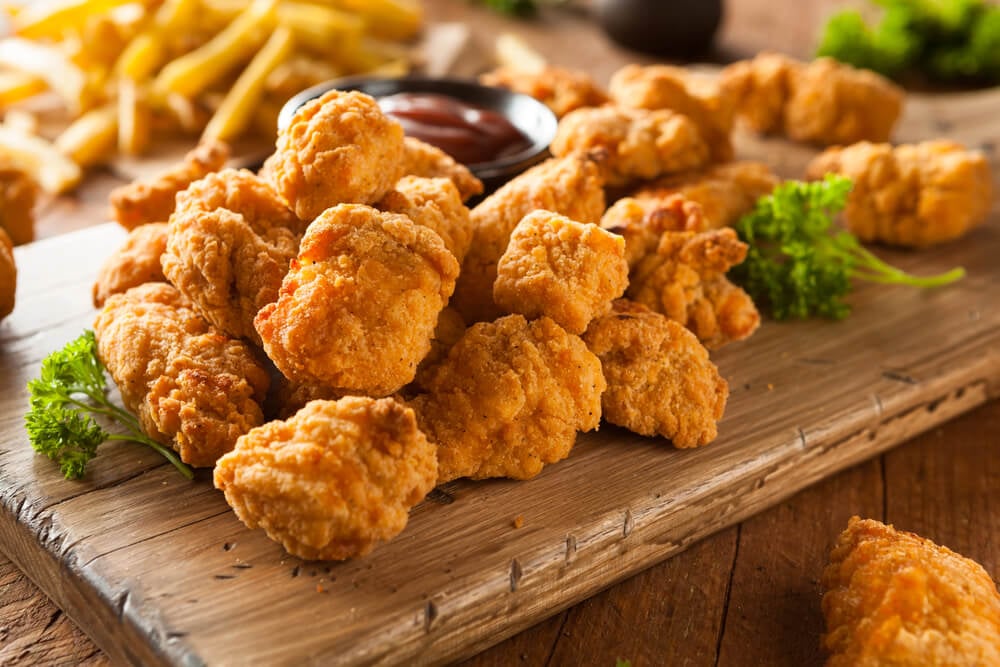
KFC introduced Popcorn Chicken in the 1990s as a bite-sized alternative to its traditional bone-in pieces, and it became a fast-casual staple for years afterward. The chain removed the original version from national menus at different points as its broader chicken lineup shifted.
Its bite-sized format later influenced similar products across the fried chicken category.
KFC Potato Wedges
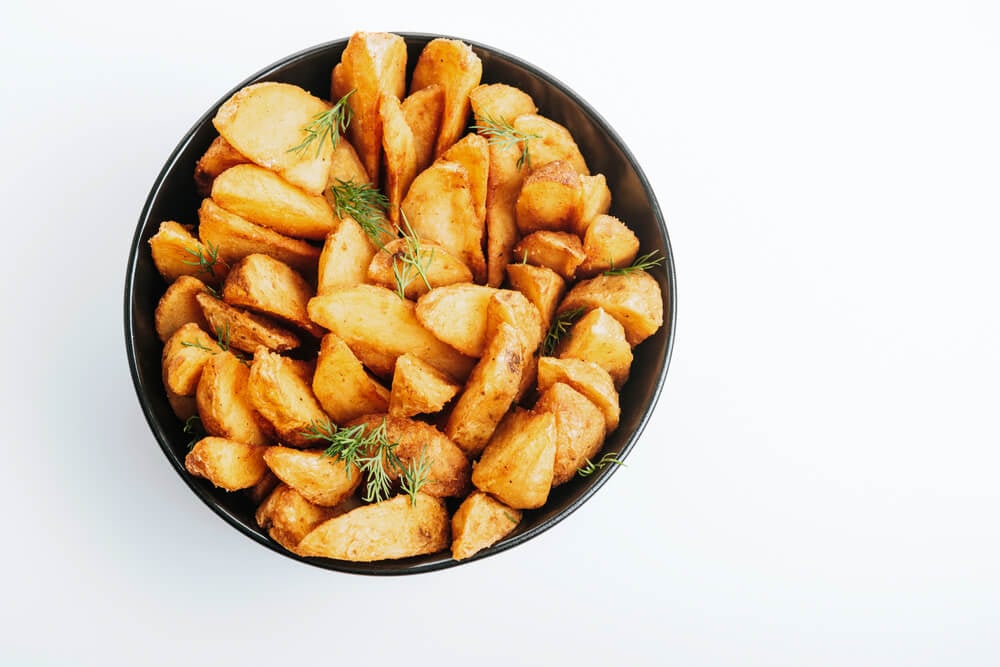
KFC sold seasoned potato wedges as a signature side for years, offering a crispy exterior over a soft potato center that distinguished it from standard fries at competing chains. After testing a new fry recipe throughout 2019, the chain replaced the wedges nationwide with Secret Recipe Fries in 2020.
The switch drew immediate complaints from customers who felt the new fries lacked the wedges’ distinctive texture.
Arby’s Potato Cakes
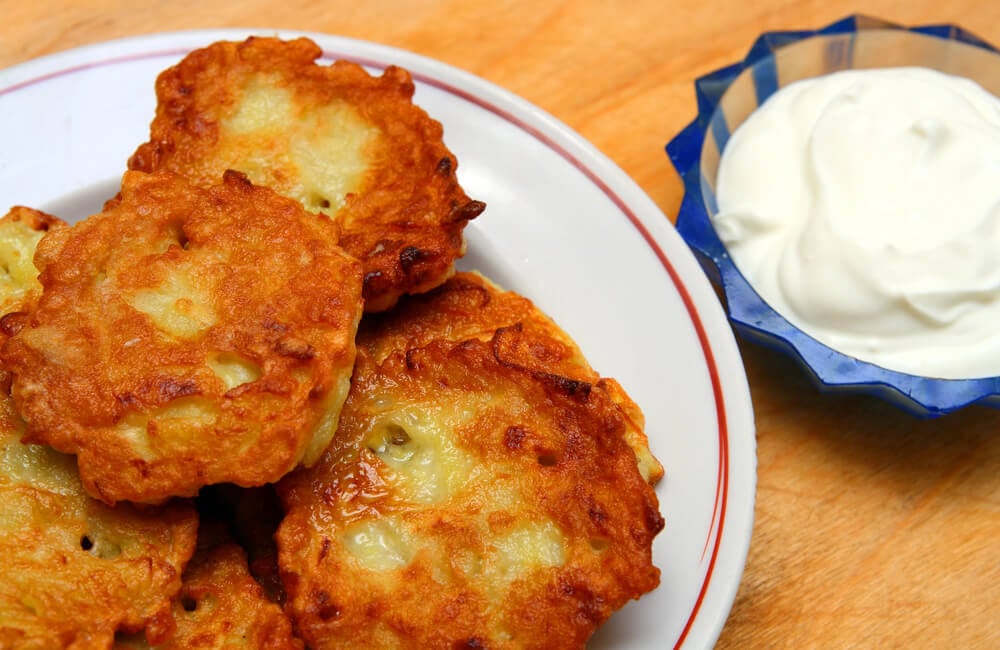
Arby’s Potato Cakes, a crispy shredded-potato side shaped into small patties, had been on the menu for decades before disappearing from many locations starting in 2021. Reports of the discontinuation circulated among customers well before the chain formally confirmed the change to news outlets.
Arby’s described the removal as being “for now” rather than permanent, leaving the door open without committing to a return date.
Pizza Hut Bigfoot Pizza
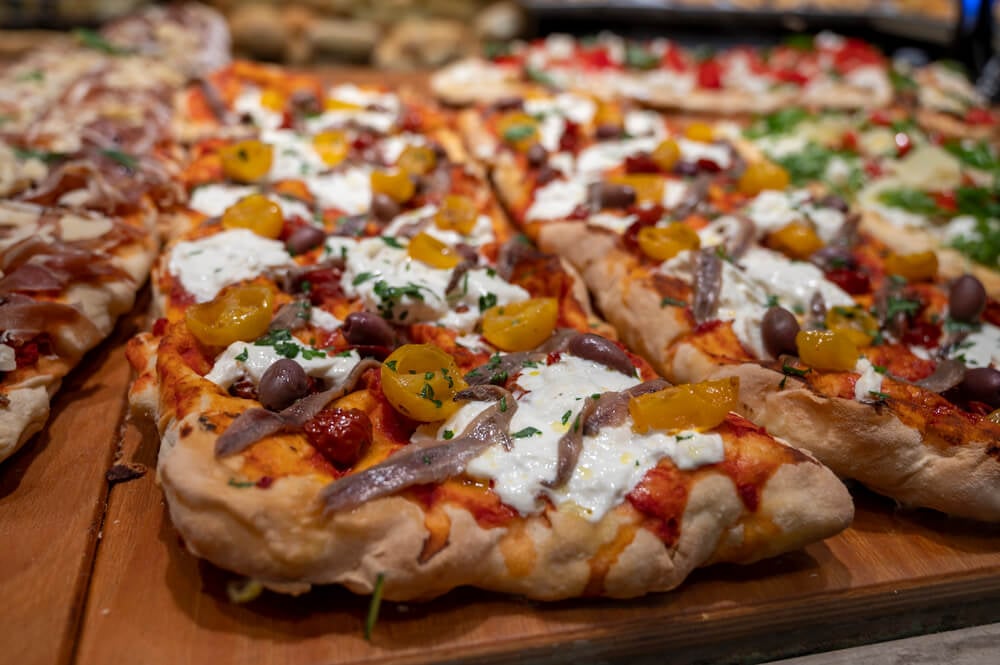
Pizza Hut introduced the Bigfoot Pizza in 1993, an oversized rectangular pizza roughly two feet long that was cut into dozens of small squares rather than traditional triangular slices. Its scale made it a genuine novelty during a period when chains regularly competed on size and gimmick.
It left the national menu within a couple of years as the format proved difficult to standardize across locations.
Pizza Hut Triple Deckeroni Pizza
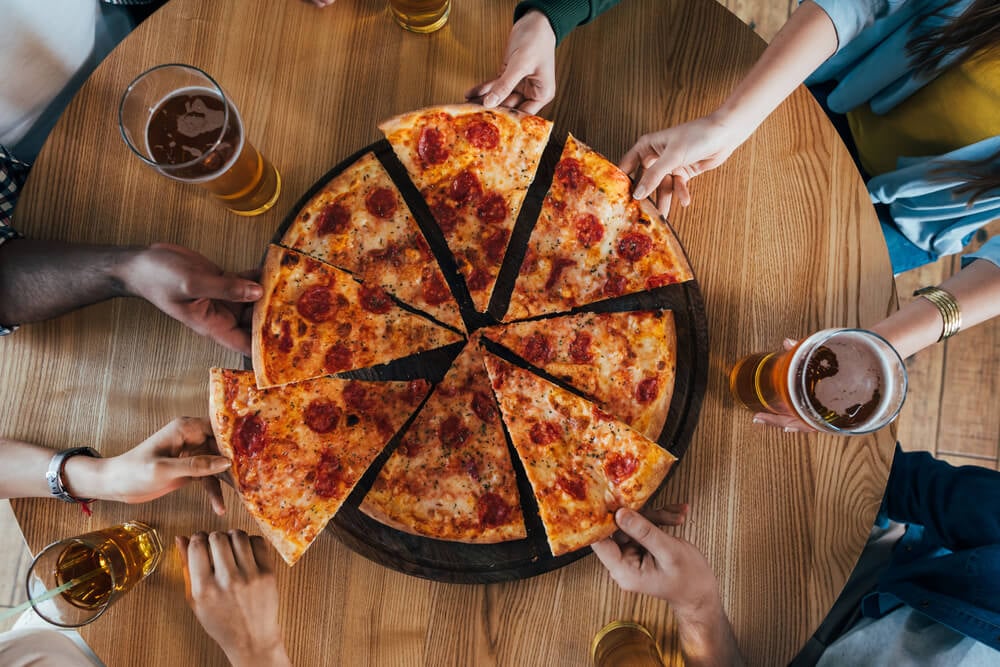
The Triple Deckeroni Pizza stacked three separate crust layers with cheese between each one and a crown of pepperoni on top, representing Pizza Hut’s most elaborate experiment of the 1990s. It embodied an era of menu excess before the chain shifted toward operational simplicity in the following decade.
It quietly disappeared as part of that broader streamlining, though online fan groups still occasionally push for its return.
Pizza Hut Hot Dog Bites Pizza
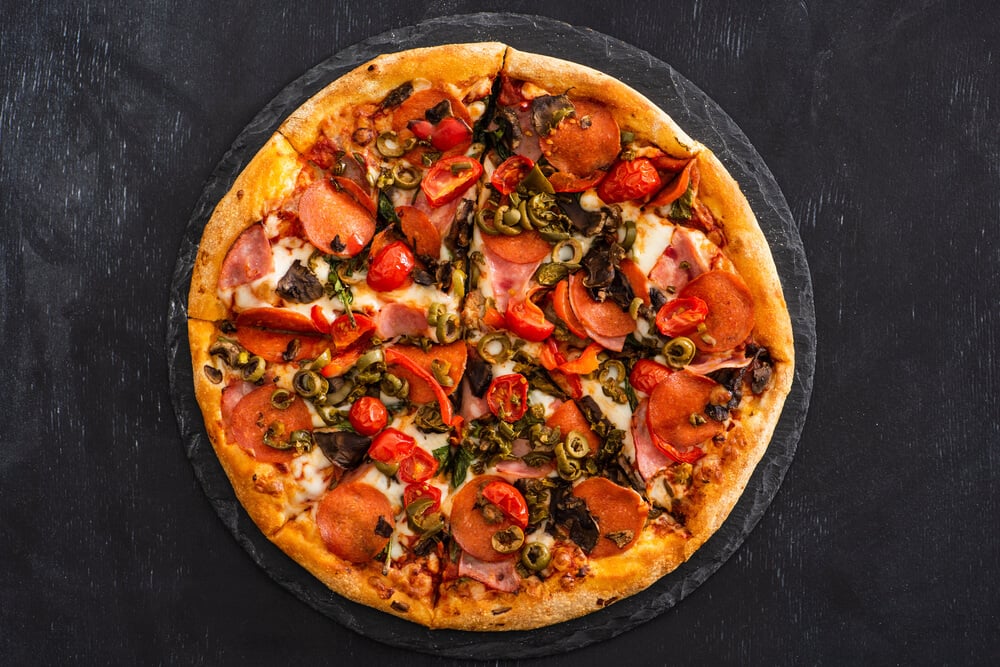
Pizza Hut built a pizza crust ringed with small hot dog pieces wrapped in dough, an item that leaned entirely into novelty over refinement. It appeared as a limited-time offering rather than a permanent menu fixture and drew as much curiosity as actual repeat orders.
It never returned after its initial run ended.
Pizza Hut P’Zone
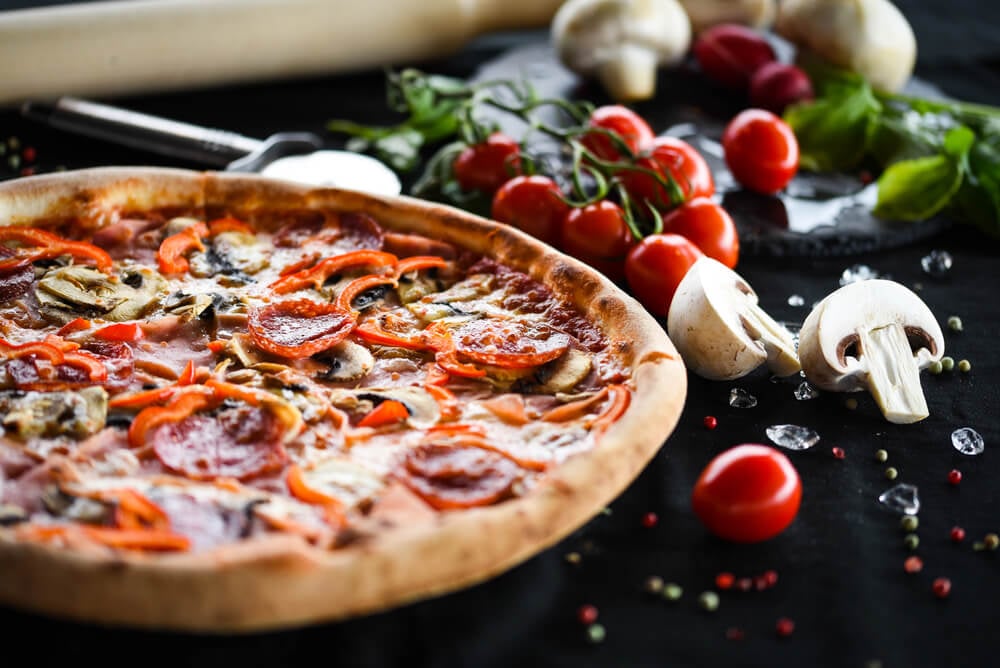
The P’Zone folded pizza toppings and cheese into a calzone-style pocket, served with a side of marinara for dipping, and became a genuine menu fixture for over a decade after its early-2000s debut. Its size and portability made it distinct from anything else on the chain’s core menu.
Pizza Hut eventually dropped it as part of a broader menu simplification, ending its long run with little fanfare.
Subway Fritos Chicken Enchilada Melt
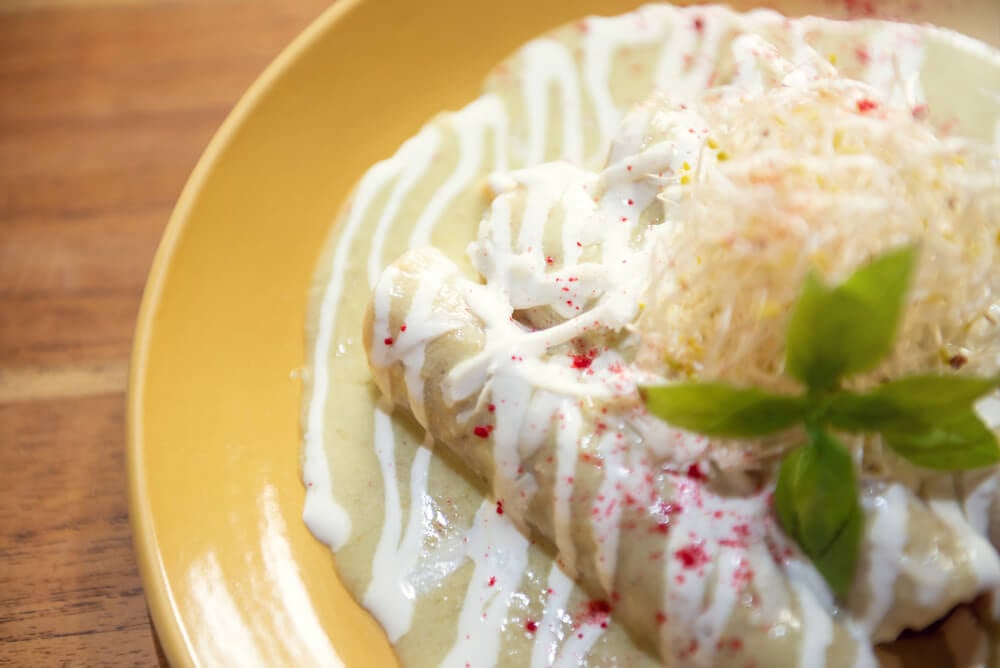
Subway tested a Fritos Chicken Enchilada Melt in 2014, layering pulled chicken in enchilada sauce with corn chips inside a toasted sub roll as part of a short-lived Mexican-inspired lineup. It represented one of the chain’s more unusual menu detours away from standard cold-cut sandwiches.
It left the menu not long after launch and never returned to a national lineup.
The Menu Is Not a Museum

Every one of these items existed because a test kitchen somewhere decided it was worth the risk, and every one disappeared because a spreadsheet somewhere decided it was not worth the shelf space. Chains rarely explain these decisions to the people actually ordering, since a quiet removal draws far less attention than a public announcement ever would.
What lingers is not really the food itself, most of which existed for the sake of novelty rather than lasting quality. It is the specific memory of a regular order, tied to a specific age or drive, that a corporate decision erased without asking anyone’s permission first.
More from Go2Tutors!

- The Romanov Crown Jewels and Their Tragic Fate
- 13 Historical Mysteries That Science Still Can’t Solve
- Famous Hoaxes That Fooled the World for Years
- 15 Child Stars with Tragic Adult Lives
- 16 Famous Jewelry Pieces in History
Like Go2Tutors’s content? Follow us on MSN.