14 Villages Moved to Make Way for Reservoirs
Building a reservoir is, in essence, an act of erasure. Somewhere upstream of every dam, a valley that used to hold farms, churches, and family homes has to be emptied out and left to fill with water.
The people usually get somewhere else to live. Their villages do not.
What remains afterward varies. Sometimes it is a church spire poking above the waterline during a dry summer, sometimes nothing at all, and occasionally an entire street grid that reappears, intact, whenever a drought pulls the water back far enough to see it.
Curon Venosta (Graun im Vinschgau), Italy
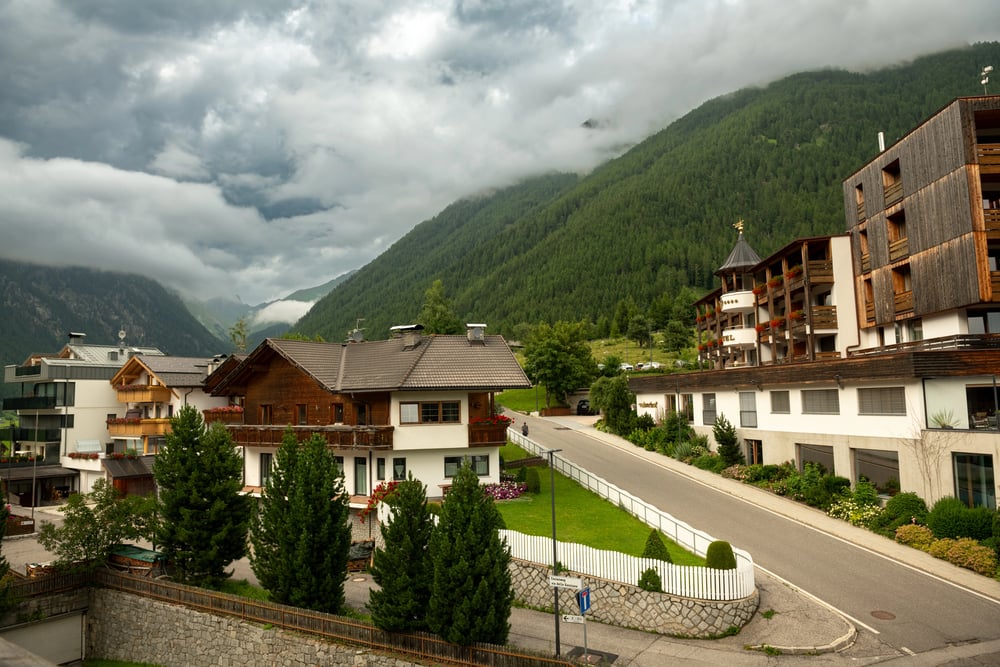
In the South Tyrol region of northern Italy, two lakes were merged into one in 1950 to create a hydroelectric reservoir, submerging the village of Curon along with 163 homes. The fourteenth-century bell tower of the old parish church was the only structure left standing, deliberately spared because demolishing it proved more difficult than expected.
It now rises directly out of Lake Resia and has become one of the most photographed sights in the region, especially when the lake freezes solid in winter.
Derwent, England
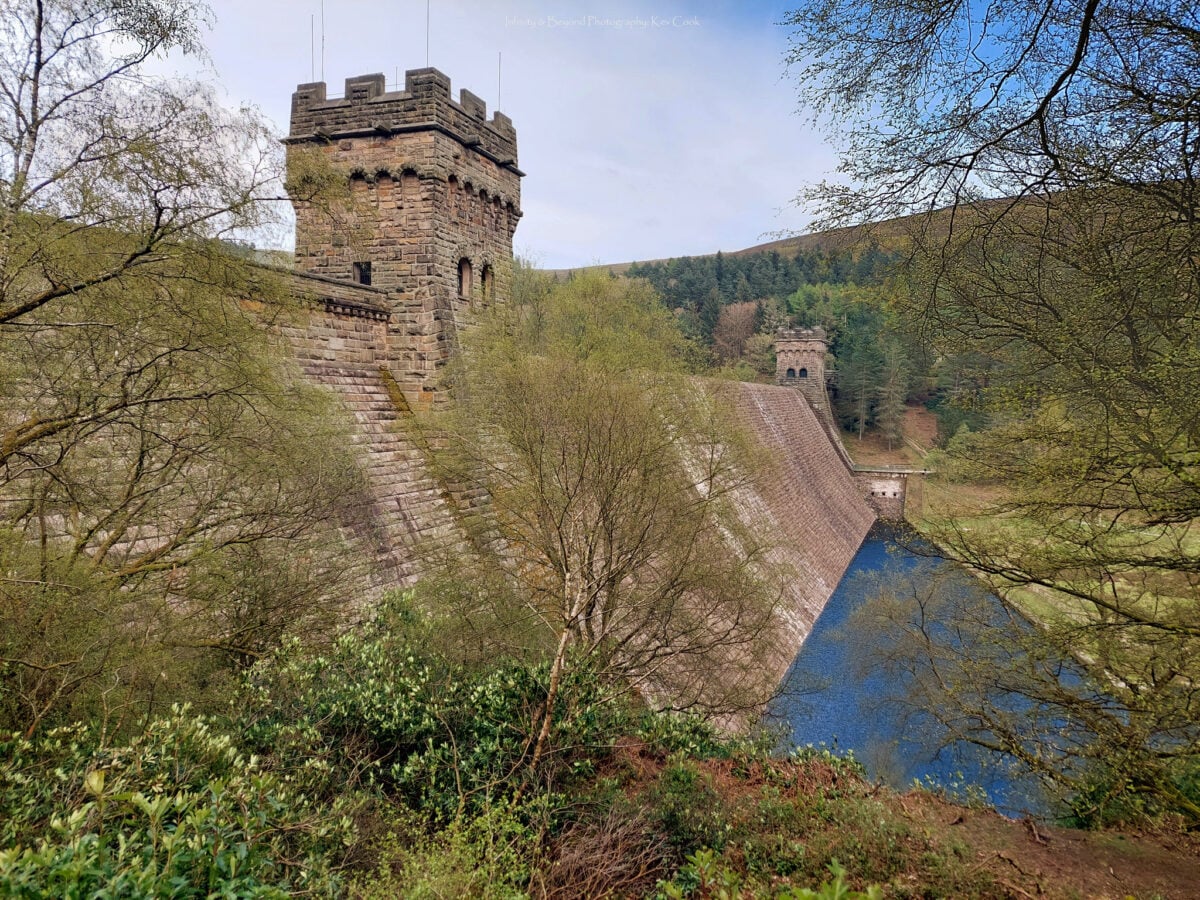
The Peak District village of Derwent was flooded in 1943 to create the Ladybower Reservoir, supplying water to the growing industrial cities of Sheffield, Derby, and Nottingham. Most buildings were demolished before flooding, but the packhorse bridge and church tower initially remained visible above the waterline for a time before later being removed for safety.
During severe droughts, most notably in 1976 and 1995, the drop in water level has exposed building foundations and roadways, drawing crowds of visitors down to the exposed lakebed.
Mardale Green, England
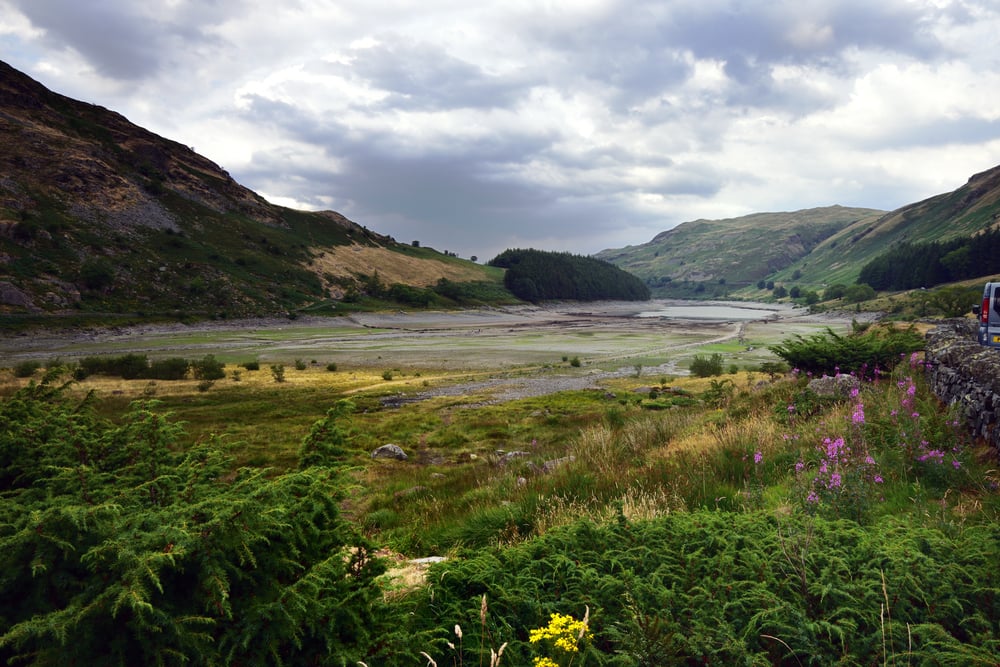
This Lake District village, in the Cumbrian valley of Mardale, was flooded in 1935 to create Haweswater Reservoir for Manchester’s growing water supply, a project fiercely opposed by local residents at the time. Around a hundred people were displaced, and the village’s Holy Trinity church was deliberately dismantled beforehand, with some of its stone reused to build an outflow tower for the new reservoir.
Ruined walls and the old packhorse bridge periodically reappear during drought years, most notably in 2018 and 2022.
Capel Celyn, Wales
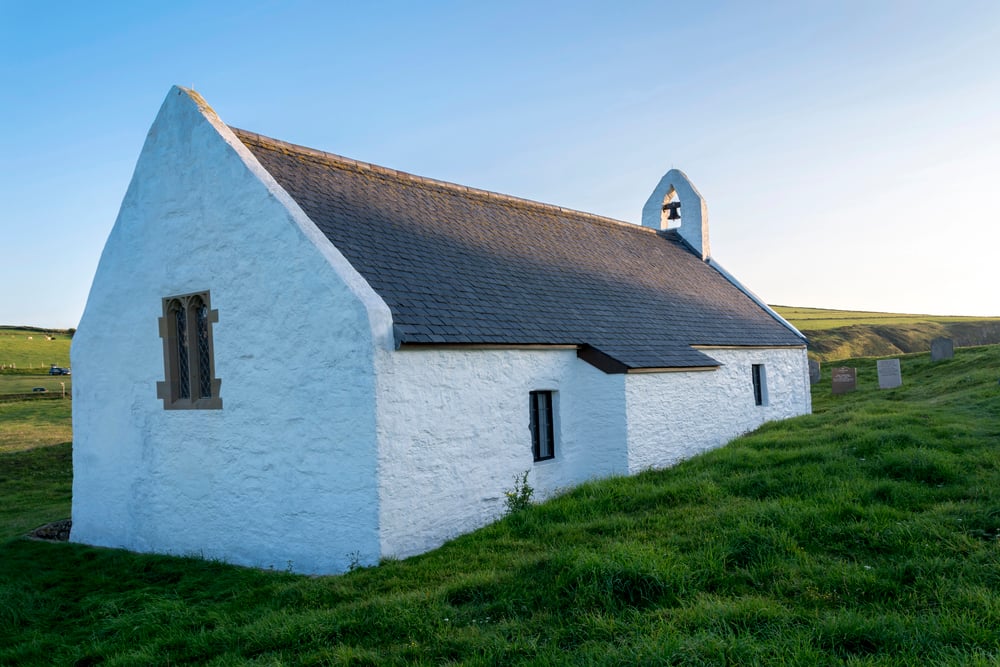
One of the most politically charged reservoir floods in British history, Capel Celyn was submerged in 1965 to create Llyn Celyn, supplying water to Liverpool. The scheme passed through the UK Parliament despite opposition from every single Welsh member of Parliament, and the village was one of the last remaining Welsh-only-speaking communities in the country.
Roughly 48 residents lost their homes, and the flooding is still commemorated across Wales today through the painted slogan “Cofiwch Dryweryn,” meaning “Remember Tryweryn.”
Vilarinho das Furnas, Portugal
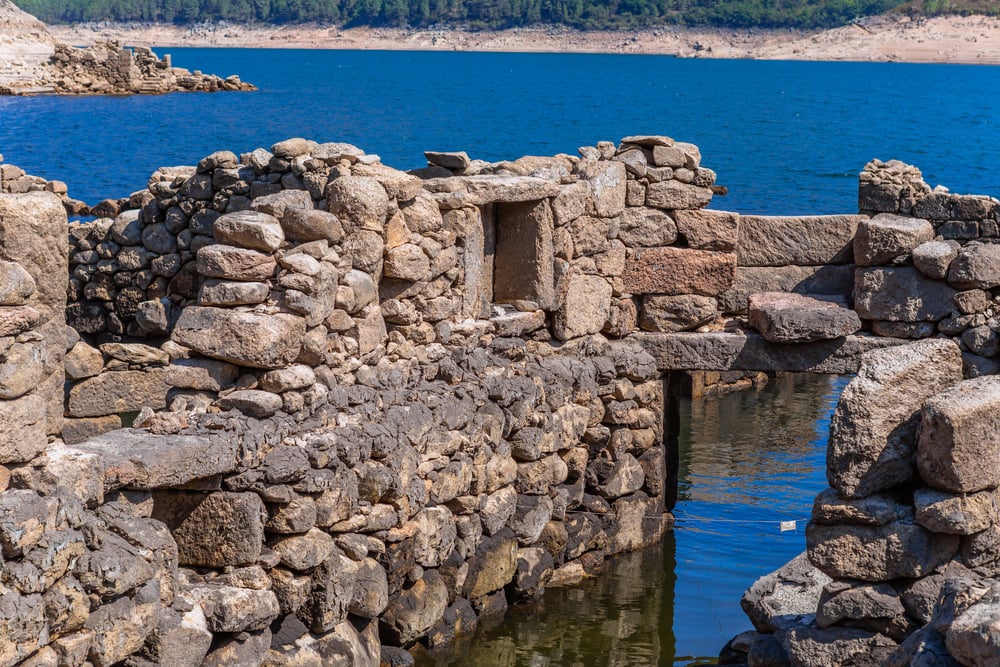
This granite village in northern Portugal had been continuously inhabited for more than two thousand years, governed by a distinctive communal land system, before it was flooded in 1972 to build a hydroelectric dam. Residents were relocated to a purpose-built settlement nearby, and much of the old village’s stonework was documented and partially reconstructed as an open-air museum on the reservoir’s edge.
In dry years, the original ruins are still visible beneath the water.
Fabbriche di Careggine, Italy
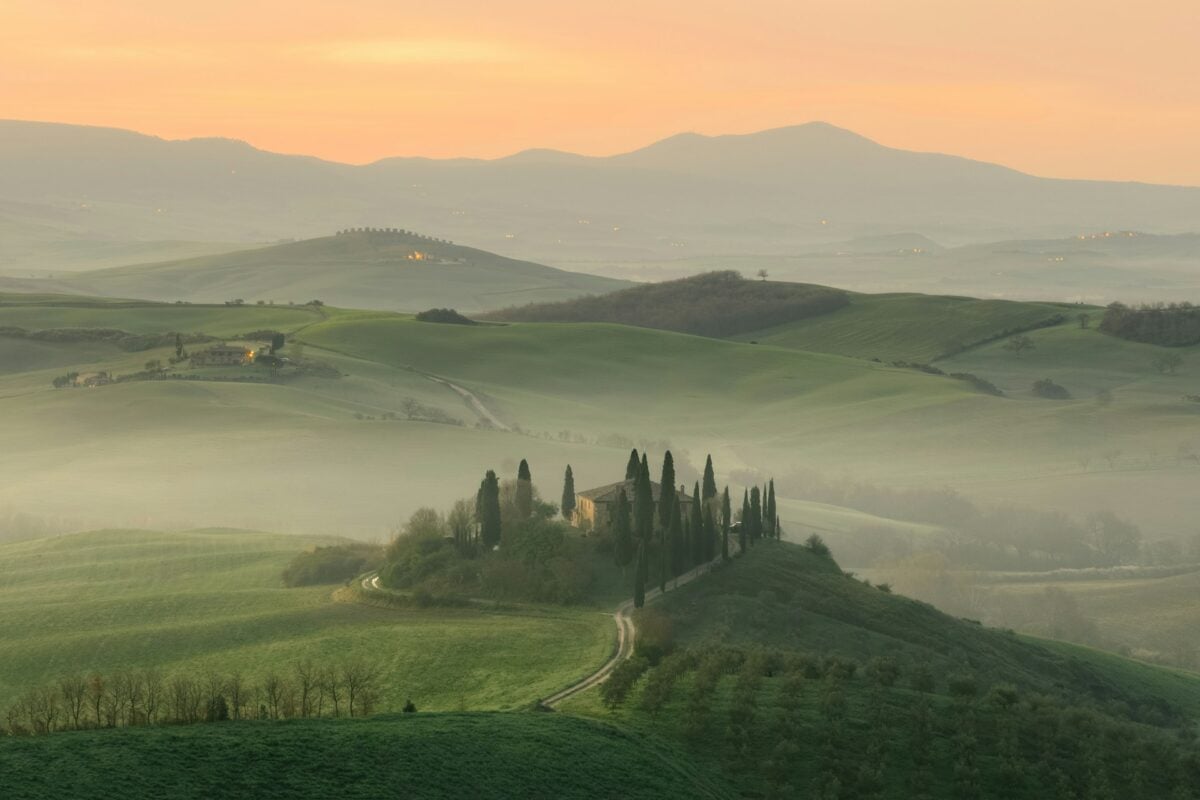
In Tuscany, the entire village of Fabbriche di Careggine was deliberately flooded in 1946 as part of the Vagli hydroelectric project, after residents were relocated to a new settlement built specifically for them. Unusually, the reservoir has been drained several times since, most notably in 1958, 1974, 1983, and 1994, each time revealing the stone village almost perfectly intact.
Tens of thousands of visitors traveled to see it during its most recent drains, and periodic proposals to drain it again for tourism resurface every few years.
Kennett, California

The town of Kennett, a former copper-mining and railroad settlement in Northern California, was entirely relocated and then submerged beneath Shasta Lake following the completion of Shasta Dam in 1945. Around 3,000 residents were displaced, and the town’s buildings, including its schools and churches, were either moved or demolished ahead of flooding.
Divers and low-water conditions have occasionally exposed old foundations and roadbeds near the original townsite.
Neversink, New York
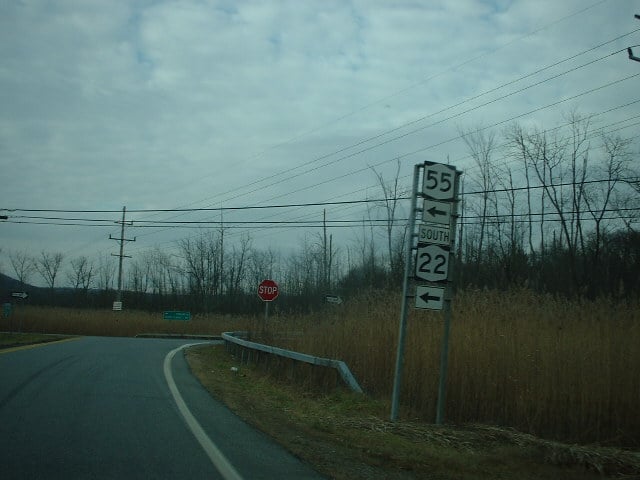
Despite its almost-too-perfect name, Neversink was a real Catskills community displaced in the early 1950s when New York City built the Neversink Reservoir as part of its sprawling upstate water supply system. A replacement hamlet was constructed on higher ground above the new reservoir to house some of the displaced residents.
The original town’s buildings and cemeteries were relocated or removed before the valley was allowed to flood.
Kensico, New York
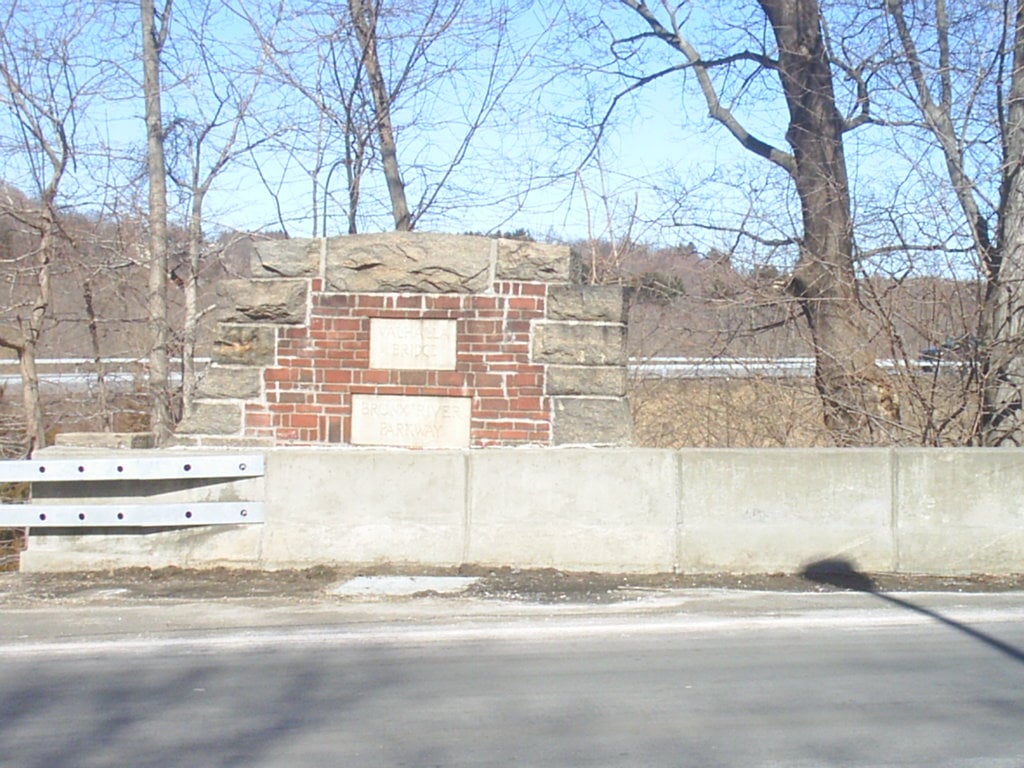
Photo by Doug Kerr, via Flickr. Licensed under -SA 2.0
Kensico was one of several Westchester County communities cleared in the early twentieth century to build the Kensico Reservoir, part of New York City’s Catskill water supply system completed in 1915. Homes, farms, and even a rail line were removed from the valley before flooding, and the reservoir today supplies drinking water to millions of New York City residents.
The original village name survives only in the reservoir and dam that replaced it.
Conowingo, Maryland
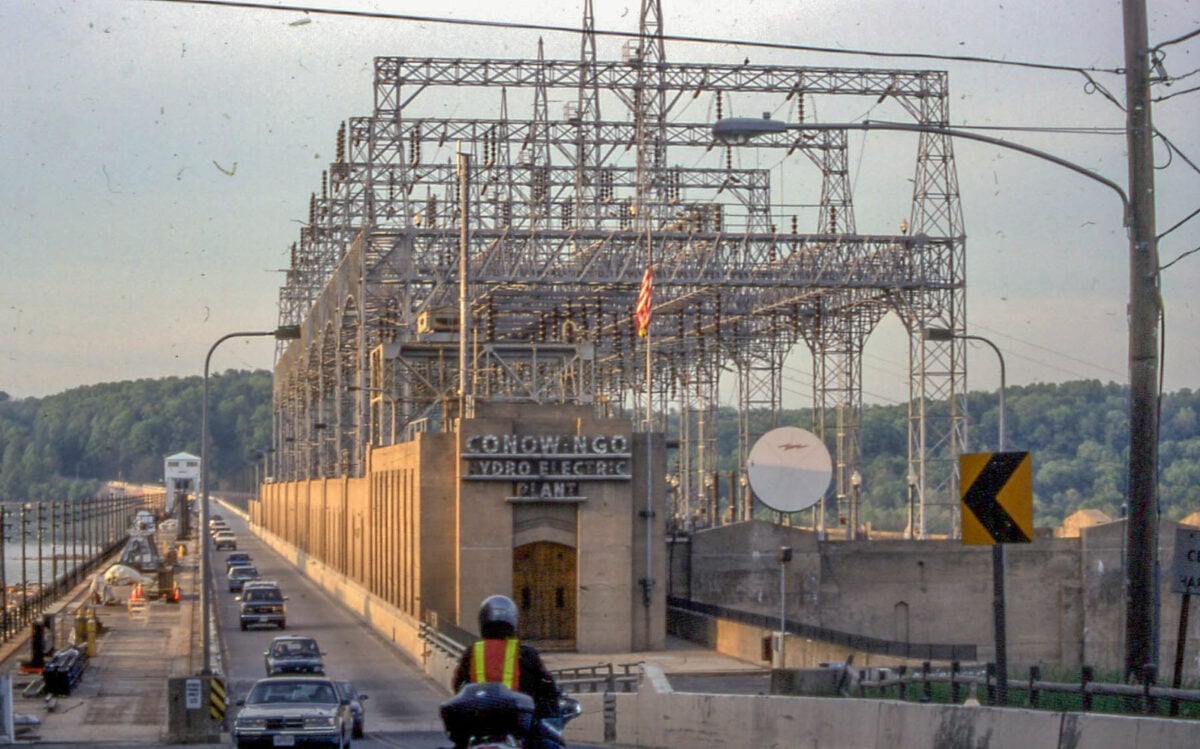
The original town of Conowingo, along the Susquehanna River, was submerged in the 1920s during construction of the Conowingo Dam, at the time one of the largest hydroelectric projects in the United States. Residents and businesses were relocated before the river was allowed to rise behind the new dam.
A newer settlement nearby retains the Conowingo name today, though it sits well clear of the reservoir’s edge.
The Lost Villages of Ontario, Canada
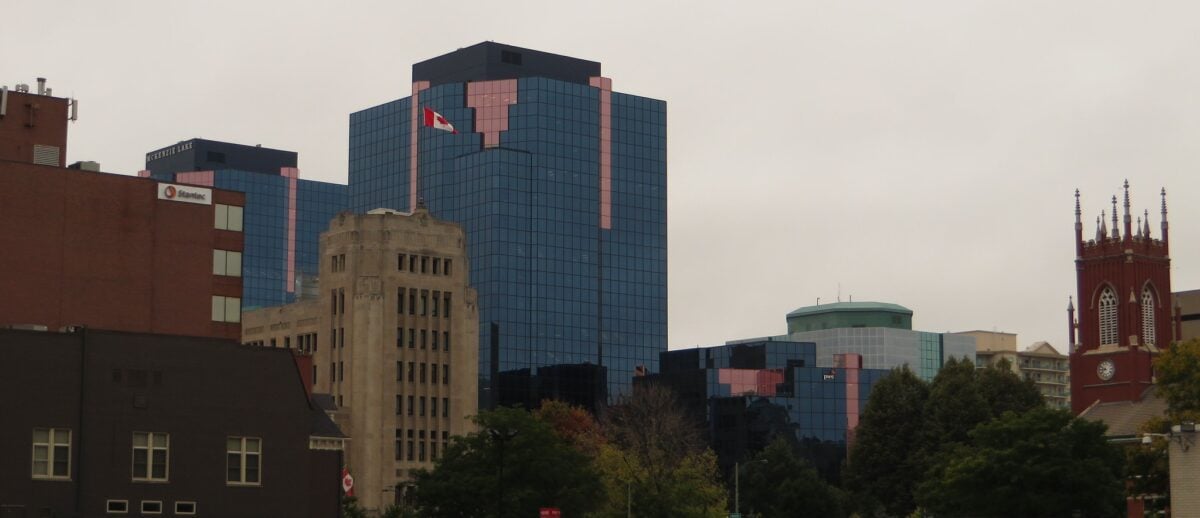
Ten communities along the upper St. Lawrence River in Ontario, including Aultsville, Farran’s Point, and Moulinette, were permanently submerged in 1958 during construction of the St. Lawrence Seaway and its associated hydroelectric project. The flooding took place on a single day, known locally as Inundation Day, after which the newly created Lake St. Lawrence covered the former townsites.
Two new communities, Ingleside and Long Sault, were purpose-built to house displaced residents, and some buildings were physically relocated to the new towns rather than destroyed.
Old Adaminaby, Australia
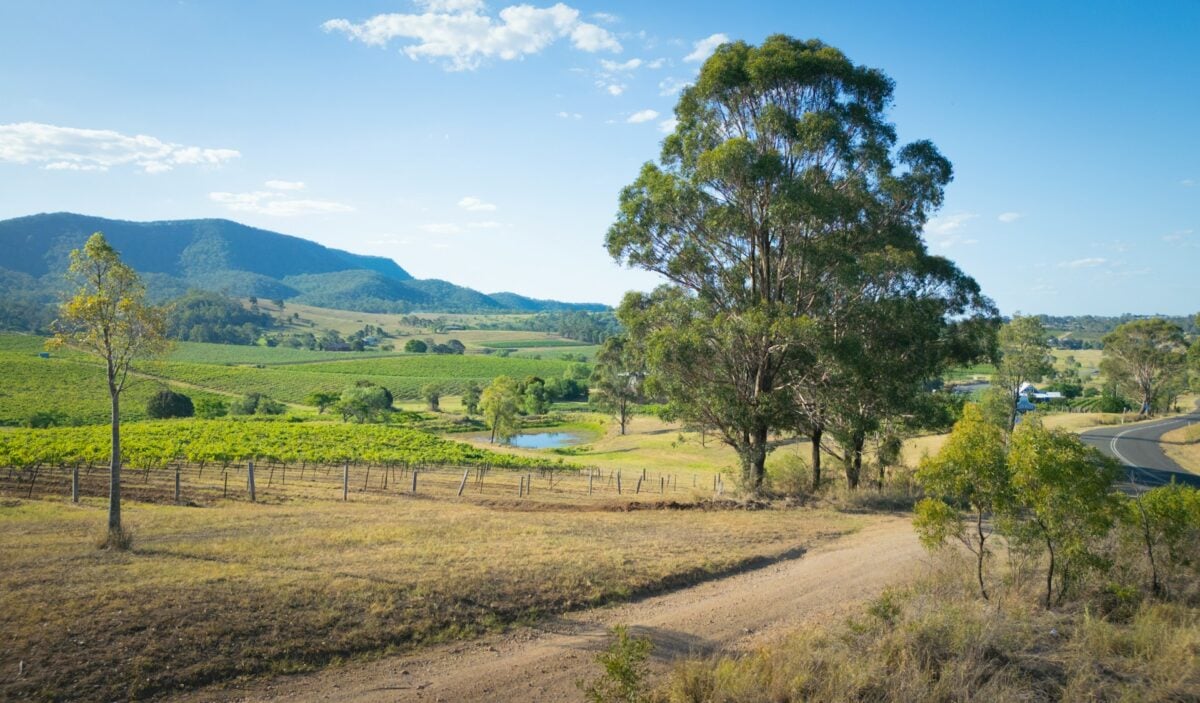
The original town of Adaminaby, in the Snowy Mountains of New South Wales, was relocated in 1957 to make way for Lake Eucumbene as part of Australia’s large Snowy Mountains Hydro-Electric Scheme. An entirely new town, also called Adaminaby, was built roughly eight miles away to house the displaced population.
During a significant drought in the mid-2000s, the water level dropped low enough to expose remnants of the old town’s buildings and tree stumps for the first time in decades.
Aceredo, Spain
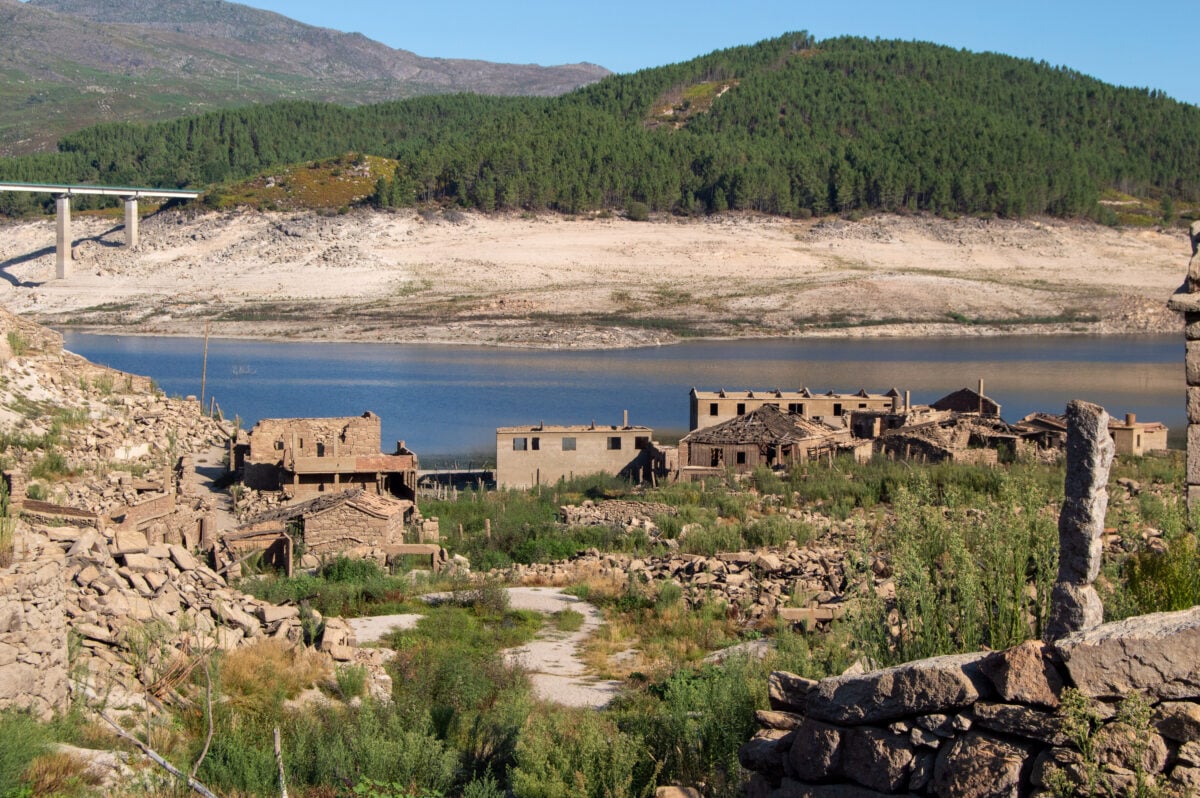
This Galician village was submerged in 1992 when the Lindoso reservoir was created along the Limia River near the Portuguese border. It drew international attention in early 2021, when a severe drought caused the reservoir’s water level to drop so dramatically that the entire village reappeared, complete with standing stone houses, a fountain, and a rusted car left behind decades earlier.
Its sudden, near-perfectly preserved reappearance was widely covered by international media as a stark visual marker of the region’s water shortage.
The Three Gorges Relocations, China
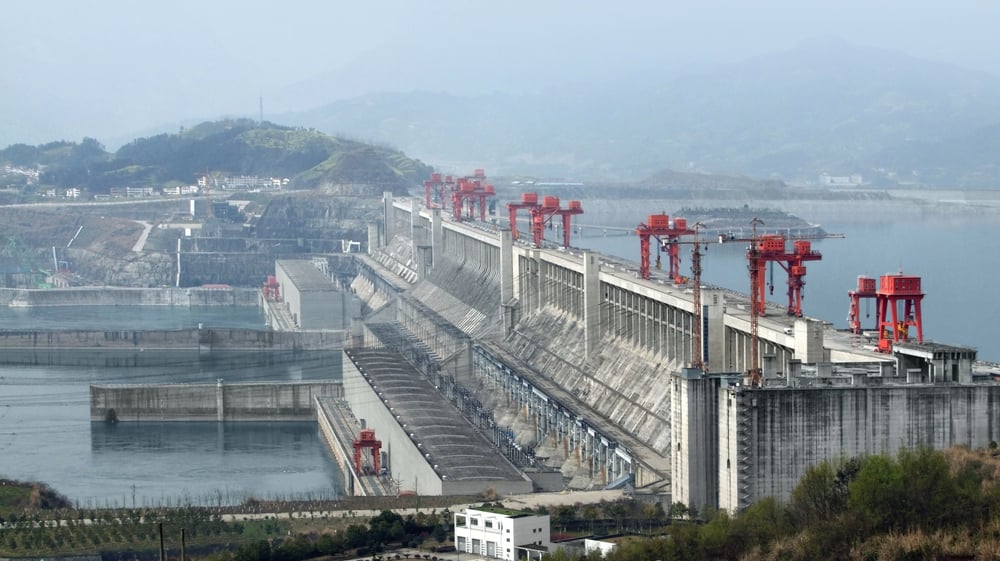
The Three Gorges Dam, completed in the 2000s on the Yangtze River, required the largest reservoir-driven relocation in human history, displacing an estimated 1.3 million people across more than a thousand villages and towns. Entire settlements were dismantled ahead of flooding, with some historic structures dismantled brick by brick and rebuilt on higher ground, while others were left to be submerged permanently.
The scale of the project remains without precedent anywhere else on this list, or arguably anywhere else in the world.
What the Water Keeps
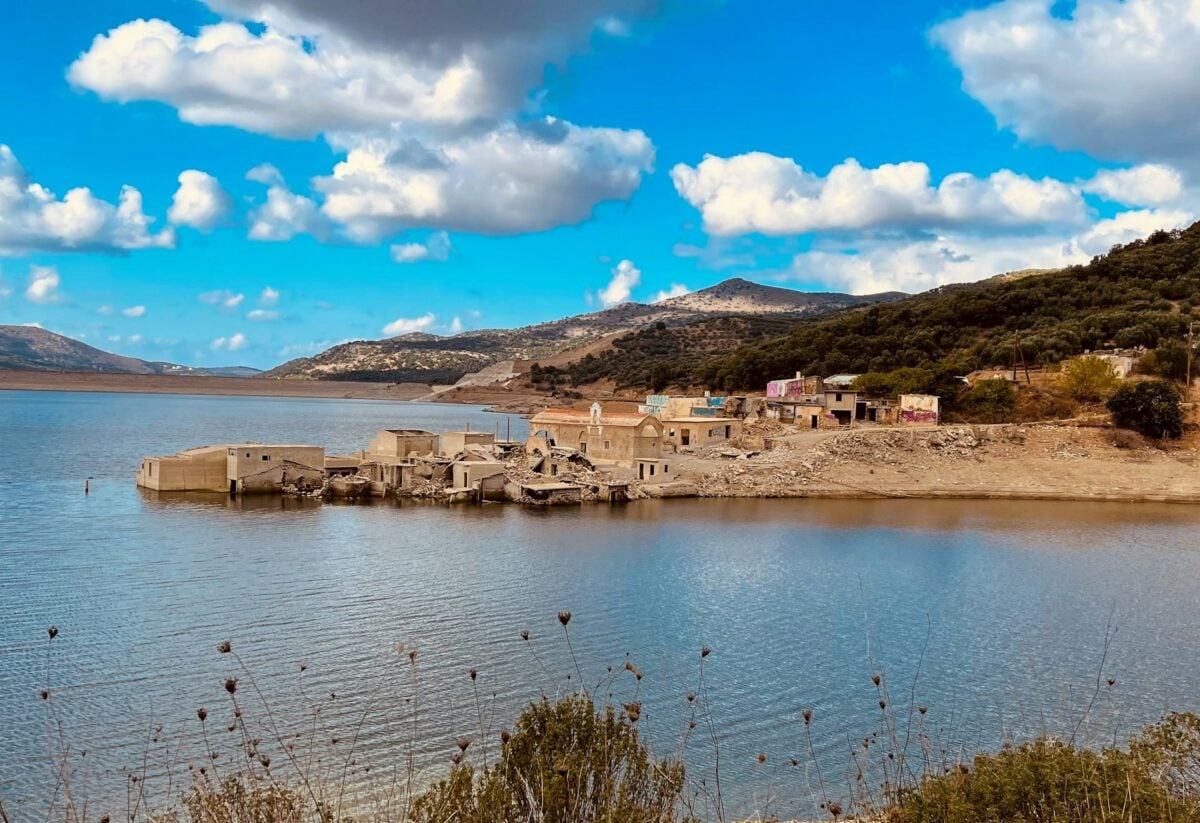
A flooded village is a strange kind of preservation. Nothing about a reservoir is designed to protect what lies beneath it, and yet the absence of air, sunlight, and foot traffic has left some of these places better preserved than towns that were simply abandoned above ground.
Stone holds up better underwater than anyone building these dams likely expected. That is probably why droughts draw such crowds when they expose these places again.
It is not just curiosity about old stonework. It is a rare chance to stand somewhere that was supposed to be gone for good, a reminder that the decisions engineers and governments make about water are never quite as permanent as the concrete suggests.
More from Go2Tutors!

- The Romanov Crown Jewels and Their Tragic Fate
- 13 Historical Mysteries That Science Still Can’t Solve
- Famous Hoaxes That Fooled the World for Years
- 15 Child Stars with Tragic Adult Lives
- 16 Famous Jewelry Pieces in History
Like Go2Tutors’s content? Follow us on MSN.