14 Kitchen Inventions That Started in Factories
Very few of the appliances lined up on a modern kitchen counter were designed with home cooking in mind. Most began life solving an entirely different problem, for the military, a shipyard, a battleship galley, or an industrial laboratory, and only reached the kitchen once someone realized the same technology could be sold to ordinary households.
Tracing an appliance back to its factory origins tends to explain a lot about how it actually works. The engineering logic rarely changed on the way to the countertop; only the scale did.
The Microwave Oven
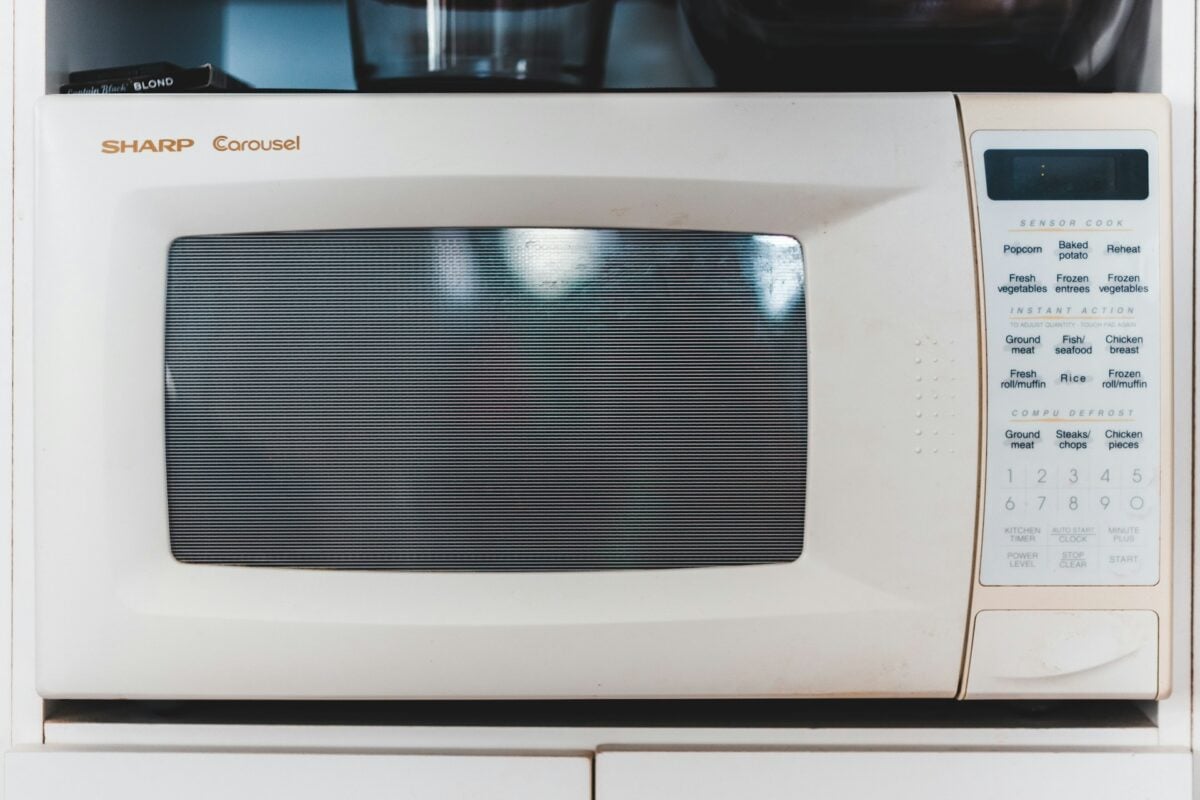
The microwave’s origins trace back to the cavity magnetron, a component developed for military radar systems during the Second World War. Raytheon engineer Percy Spencer, working with magnetrons after the war, noticed that a chocolate bar in his pocket had melted while he stood near an active unit, and began experimenting with popcorn and eggs.
Raytheon’s first commercial microwave, the Radarange, launched in 1947, was the size of a refrigerator and intended for restaurant and institutional kitchens rather than homes, since compact, affordable versions did not arrive until the late 1960s.
The KitchenAid Stand Mixer
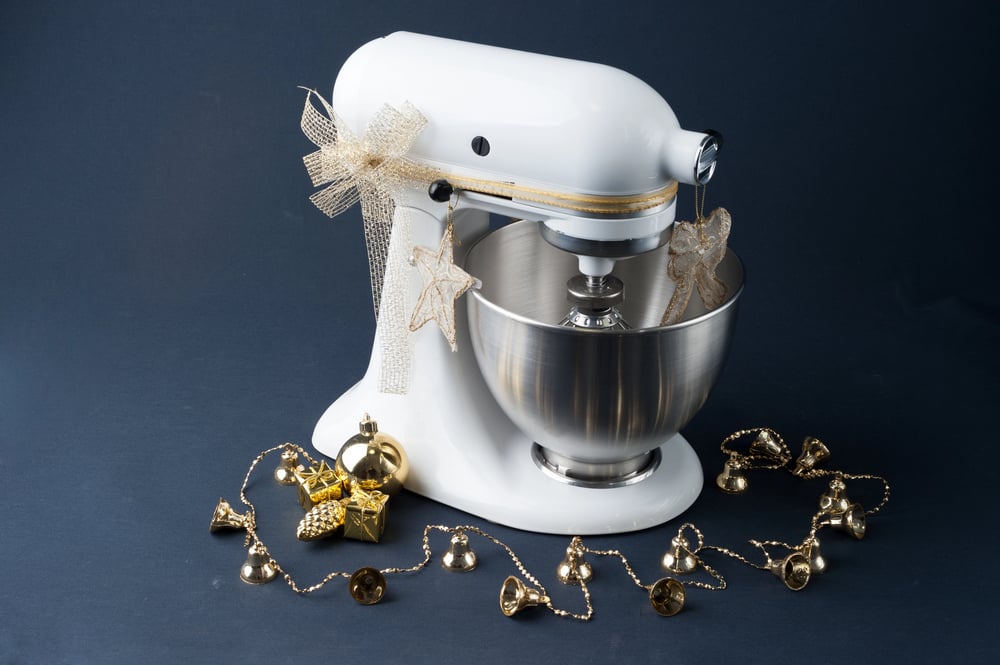
The stand mixer’s ancestor was developed by the Hobart Manufacturing Company for large-scale commercial baking, and the design was quickly adapted for the U.S. Navy, which ordered mixers for the galleys of several battleships starting around 1914. By 1917, Hobart mixers had become standard equipment across the entire Navy fleet, and the company only began developing a smaller home model afterward, releasing the first KitchenAid-branded mixer in 1918.
The Food Processor
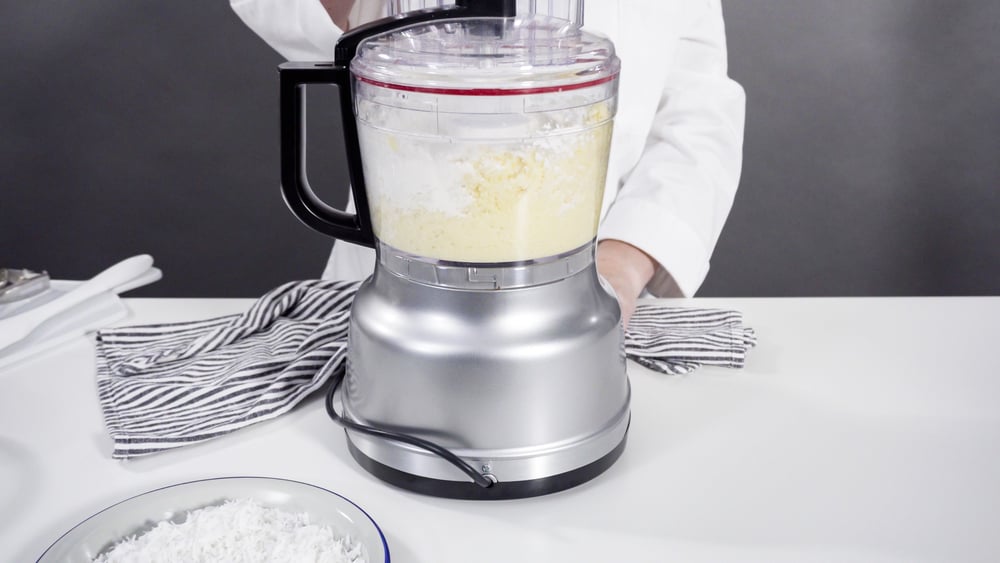
The modern food processor traces directly back to the Robot-Coupe, a heavy-duty machine developed in France for restaurant kitchens that needed to chop, slice, and puree large quantities of food quickly. American engineer Carl Sontheimer encountered one at a French trade show and adapted the design into a smaller, home-friendly version, launching it in the United States as the Cuisinart in 1973. It took several years to catch on, but by the end of the decade it had become a fixture in serious home kitchens.
Nonstick Cookware
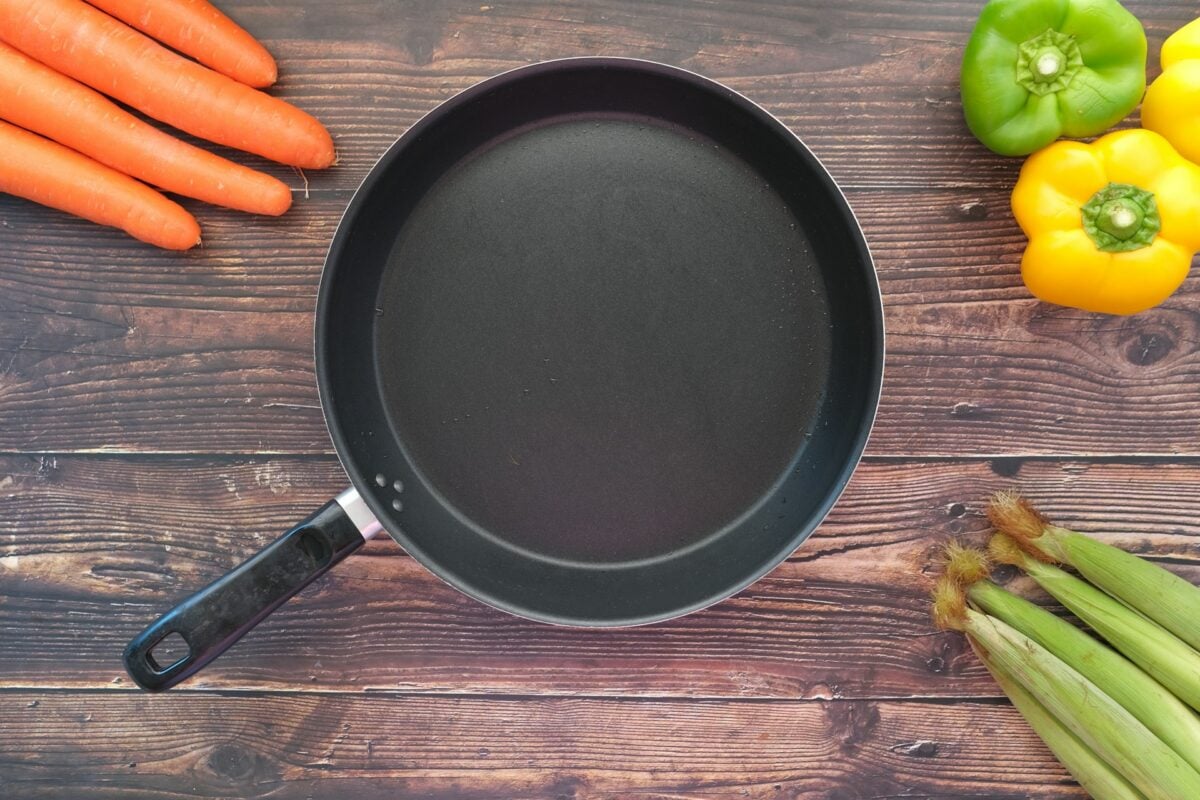
Teflon, the nonstick coating found on countless pots and pans, was discovered by accident in 1938 by a DuPont chemist researching refrigerant gases, not cookware. For years it was used almost exclusively for industrial purposes, including seals, gaskets, and coatings for machinery exposed to extreme conditions.
French engineer Marc Grégoire first applied the coating to a frying pan in the early 1950s after his wife suggested using the same material he used to coat his fishing gear, and the resulting cookware line, Tefal, launched in 1956.
The Pressure Cooker
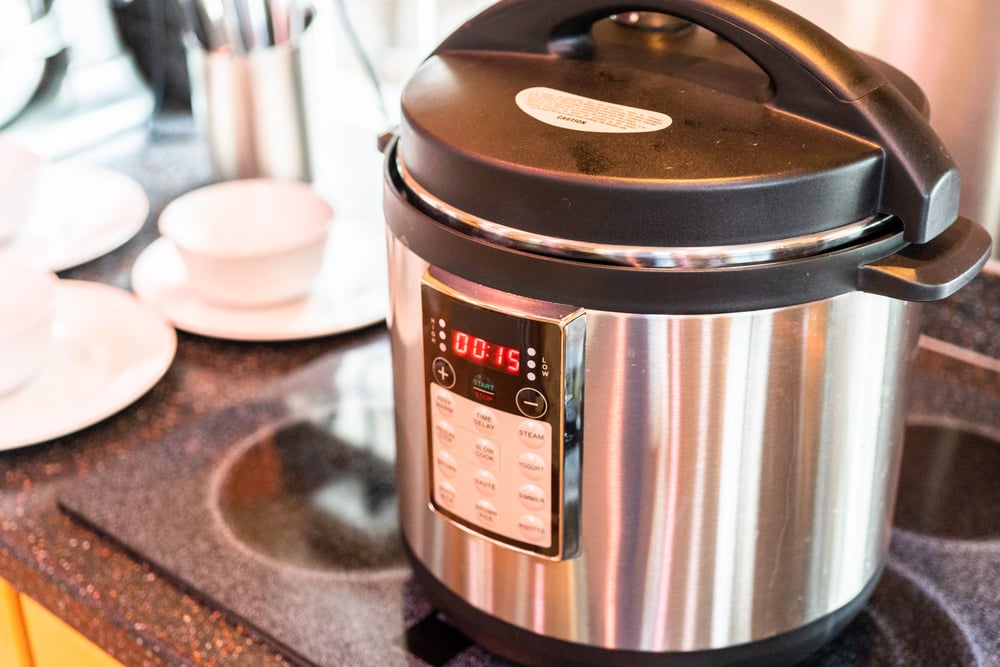
The pressure cooker’s ancestor, invented by French physicist Denis Papin in 1679 and originally called a “steam digester,” was designed to extract fat and gelatin from bones for industrial and scientific purposes rather than to cook dinner. Papin’s device used sealed, pressurized steam to soften bone far faster than ordinary boiling, a principle that later inspired industrial food-processing and canning equipment.
Home pressure cookers using the same basic principle did not become widely popular in kitchens until the twentieth century.
The Vacuum Flask (Thermos)
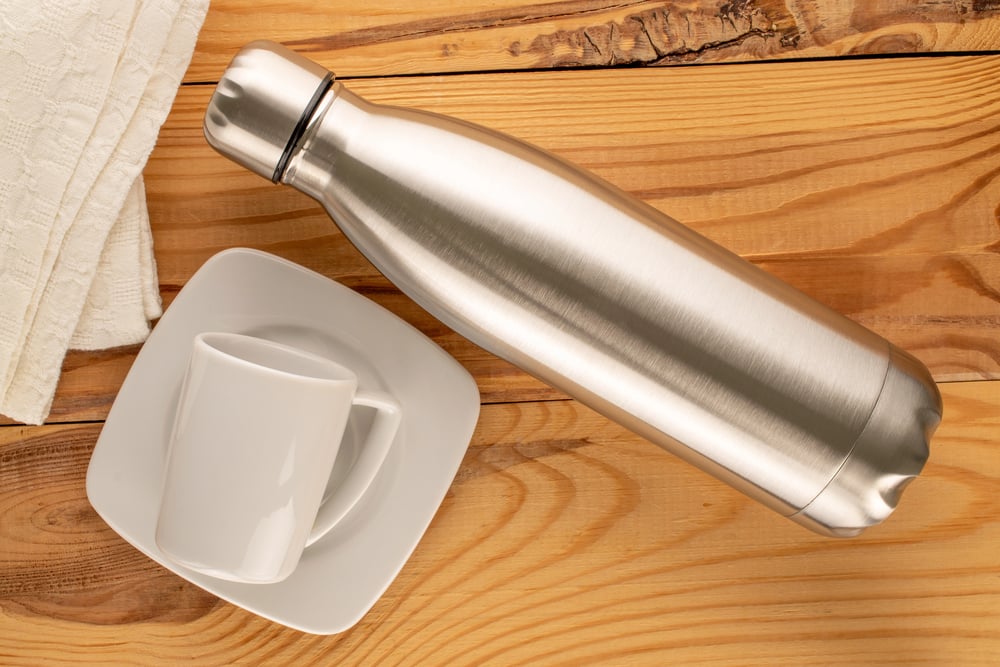
The insulated vacuum flask was invented by Scottish physicist James Dewar in 1892 for laboratory use, allowing scientists to store liquefied gases at extremely low temperatures for research. The German company Thermos GmbH licensed the design in 1904 and began marketing it commercially for everyday use, keeping drinks hot or cold rather than preserving gases for experiments.
The name became so widely used for the product category that “thermos” eventually became a generic trademark in several countries.
Aluminum Foil
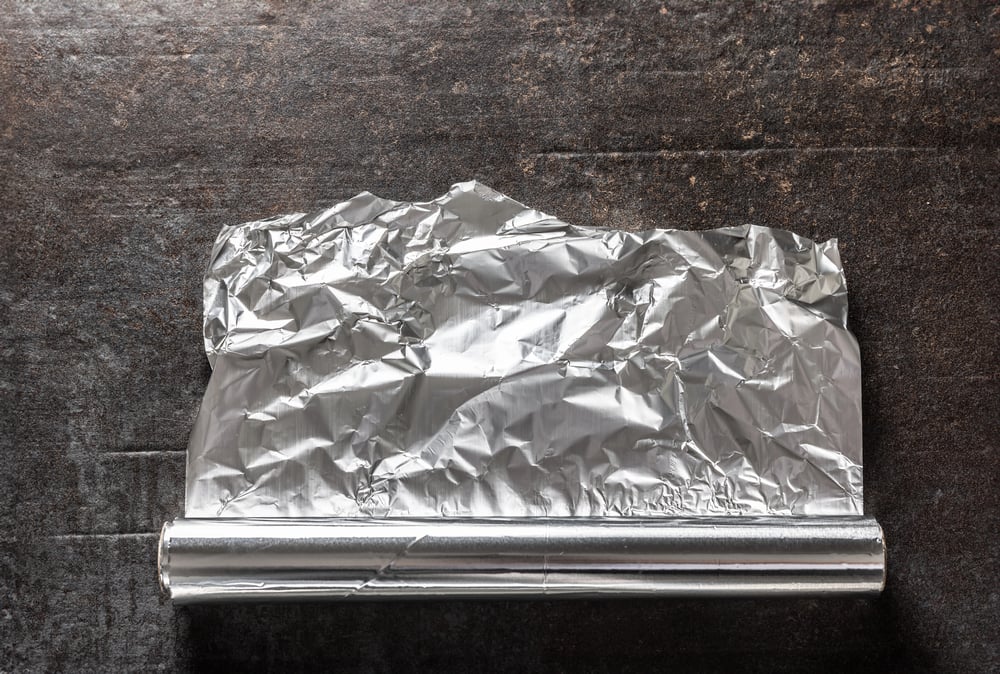
Thin-rolled aluminum foil emerged from industrial packaging needs in the early twentieth century, as manufacturers sought a cheaper, lighter alternative to tin foil for wrapping products ranging from chocolate to cigarettes. Its heat-conducting and moisture-blocking properties made it useful in industrial food packaging well before it reached home kitchens.
Reynolds Metals began marketing aluminum foil directly to home cooks under the Reynolds Wrap brand in 1947, packaging a material that had already been standard in food manufacturing for years.
Freeze-Dried Coffee
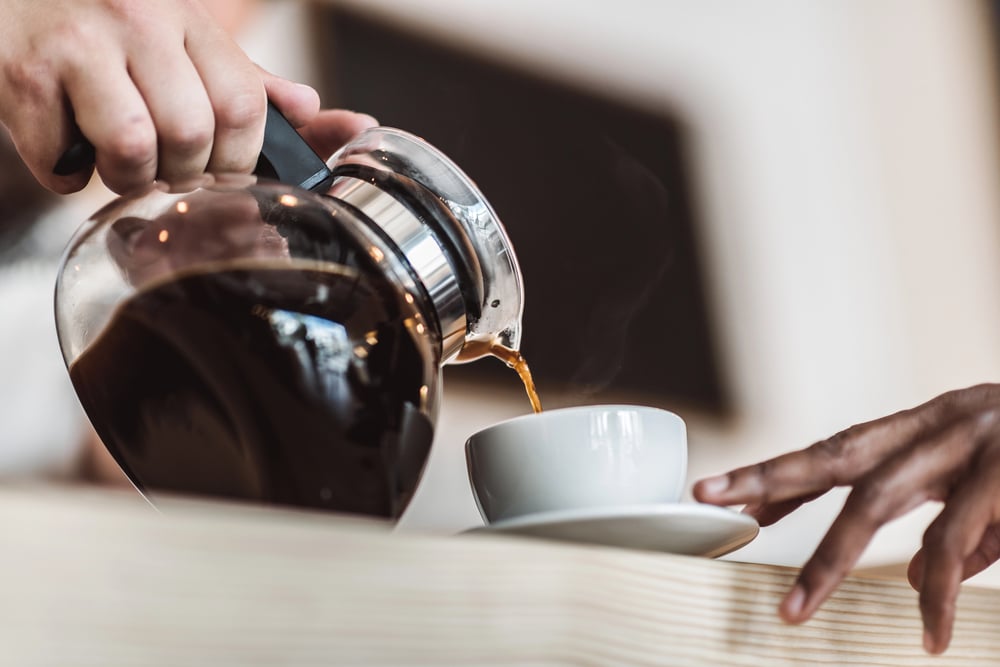
Freeze-drying technology was developed and refined largely for military and pharmaceutical purposes, allowing perishable materials, including blood plasma and vaccines during the Second World War, to be preserved without refrigeration. Food manufacturers adapted the same vacuum-drying process to coffee in the years following the war, aiming to create a shelf-stable instant product that better preserved flavor than earlier instant coffee methods.
Freeze-dried instant coffee reached mass commercial grocery shelves through the 1950s and 1960s.
Tupperware
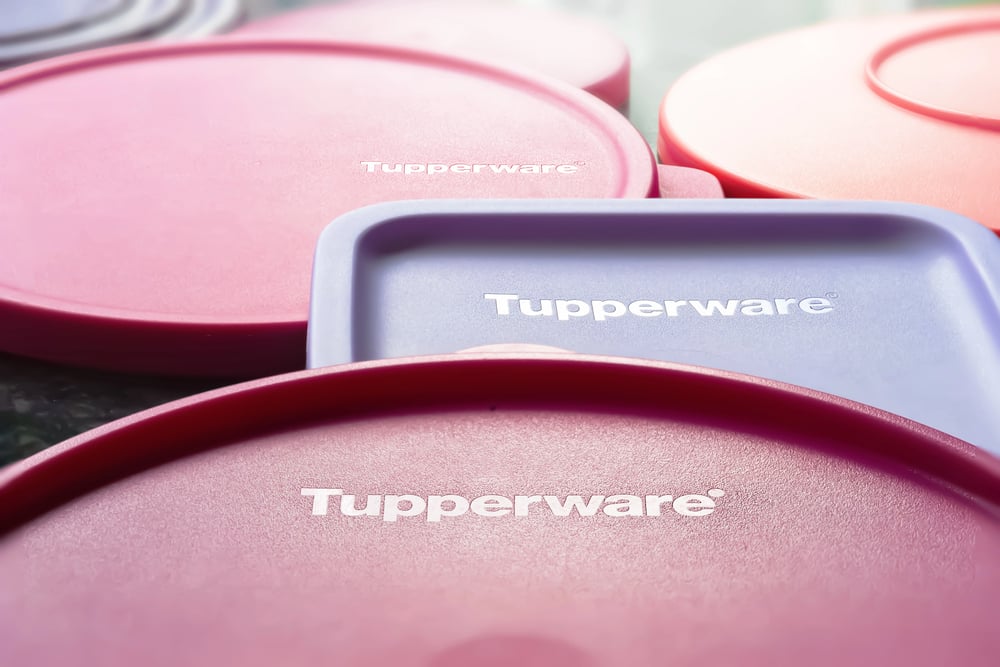
Tupperware’s signature flexible, translucent plastic was developed by Earl Tupper, who worked as a plastics engineer at DuPont before starting his own company. Tupper’s early material was derived from polyethylene slag, an industrial waste byproduct from oil refining that DuPont had been trying to find a use for.
He refined and purified the material into a durable, lightweight plastic in the 1940s, later designing the now-famous airtight seal that turned it into a home storage product marketed directly to households.
Plastic Cling Wrap
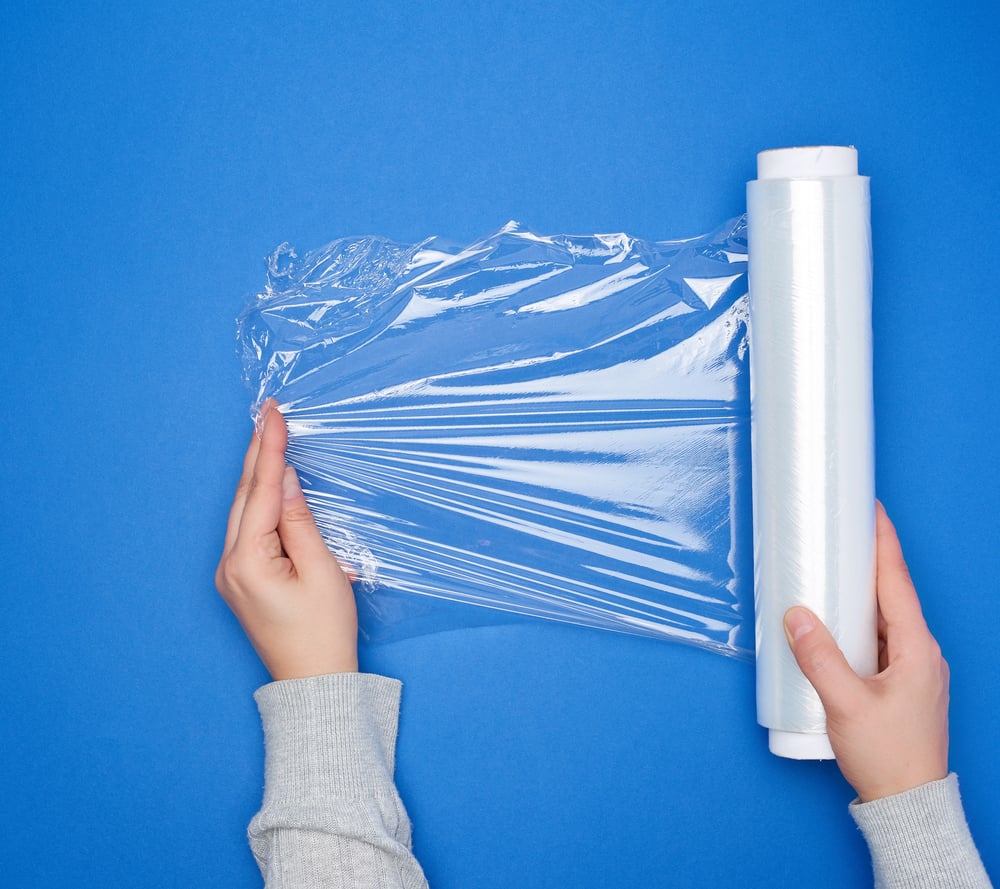
The plastic film known in the United States as Saran Wrap began as an industrial coating developed by Dow Chemical during the 1930s, originally used to protect military equipment and machinery parts from moisture and corrosion. It was also applied as a spray coating for upholstery and gas mask components before anyone considered a food application.
Dow adapted a thinner, food-safe version for household use in the early 1950s, marketing it as a way to keep leftovers fresh.
Pyrex Glassware
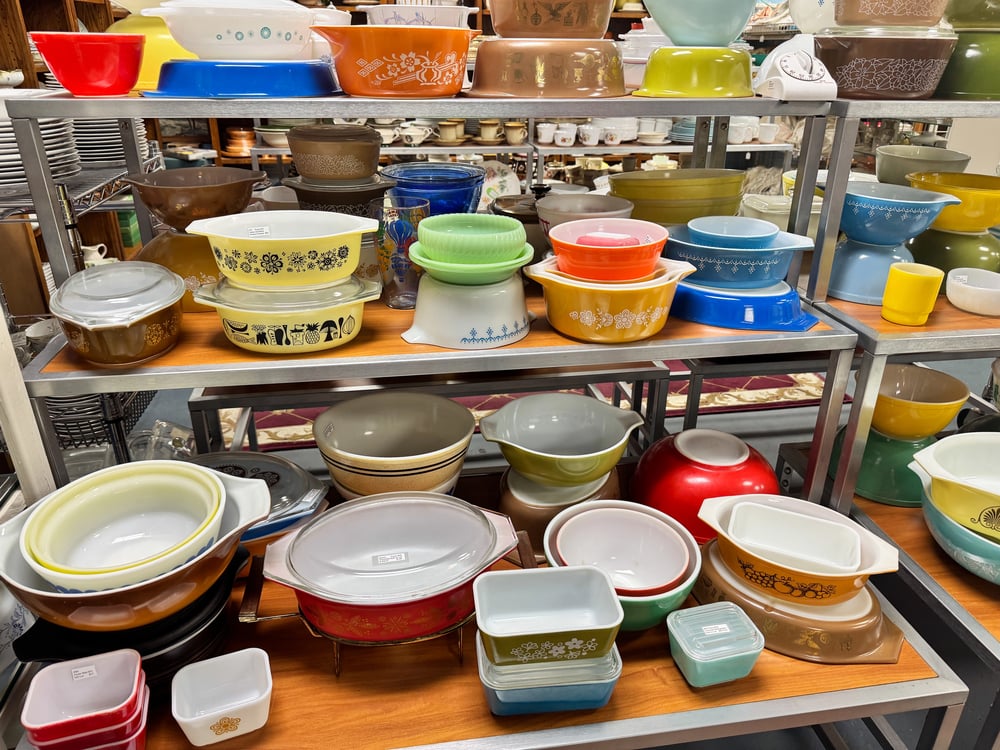
Pyrex bakeware traces back to heat-resistant borosilicate glass developed by Corning for industrial use, originally employed in railroad lantern globes and battery jars that needed to withstand extreme temperature changes without cracking. A Corning scientist’s wife reportedly baked a cake in a cut-down glass battery jar and found it cooked more evenly than in metal pans, prompting the company to develop a dedicated bakeware line.
Pyrex launched commercially for home kitchens in 1915, built on glass chemistry originally intended for railroads and industrial batteries.
Stainless Steel Cookware
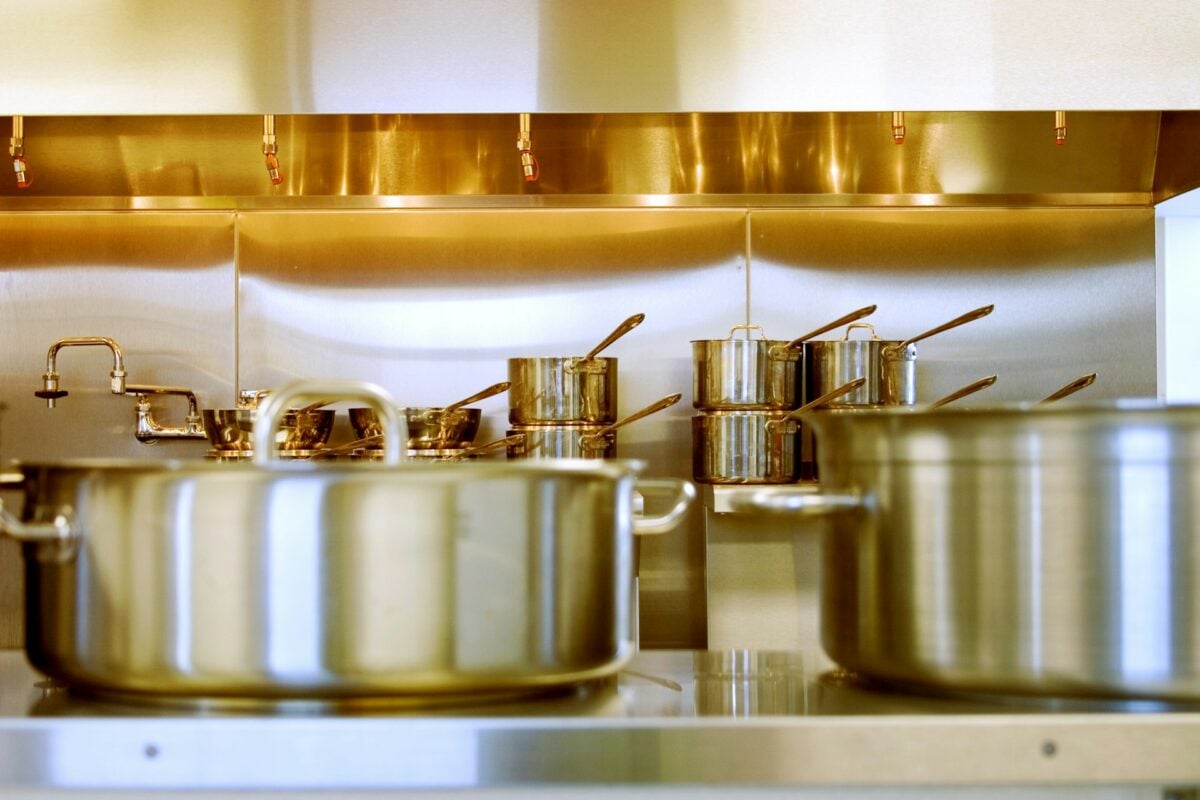
Stainless steel was developed in England in the early twentieth century by metallurgist Harry Brearley, who was researching corrosion-resistant alloys for gun barrels that could withstand the erosive heat and friction of firing. Brearley noticed that some of his failed alloy samples resisted rusting far longer than ordinary steel, and he redirected the discovery toward cutlery and tableware instead.
The same corrosion resistance that interested the arms industry made stainless steel an ideal, durable material for cookware once manufacturers began applying it there in the following decades.
The Modern Can Opener
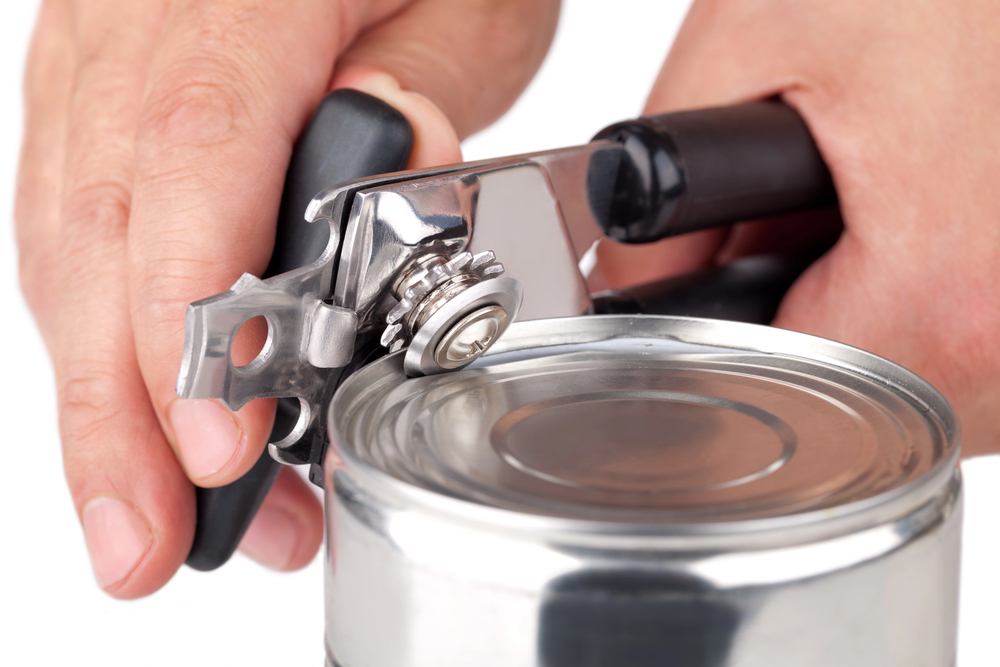
The practice of canning food was pioneered by French confectioner Nicolas Appert in the early 1800s to solve a distinctly non-domestic problem: keeping military rations edible for Napoleon’s army during long campaigns. Sealed cans proved remarkably effective at preserving food for years, but for decades afterward there was no reliable tool to open them, and soldiers and consumers alike resorted to knives, bayonets, and hammers.
The first practical can opener was not patented until 1858, nearly half a century after canning itself had already proven itself on the battlefield.
The Electric Toaster
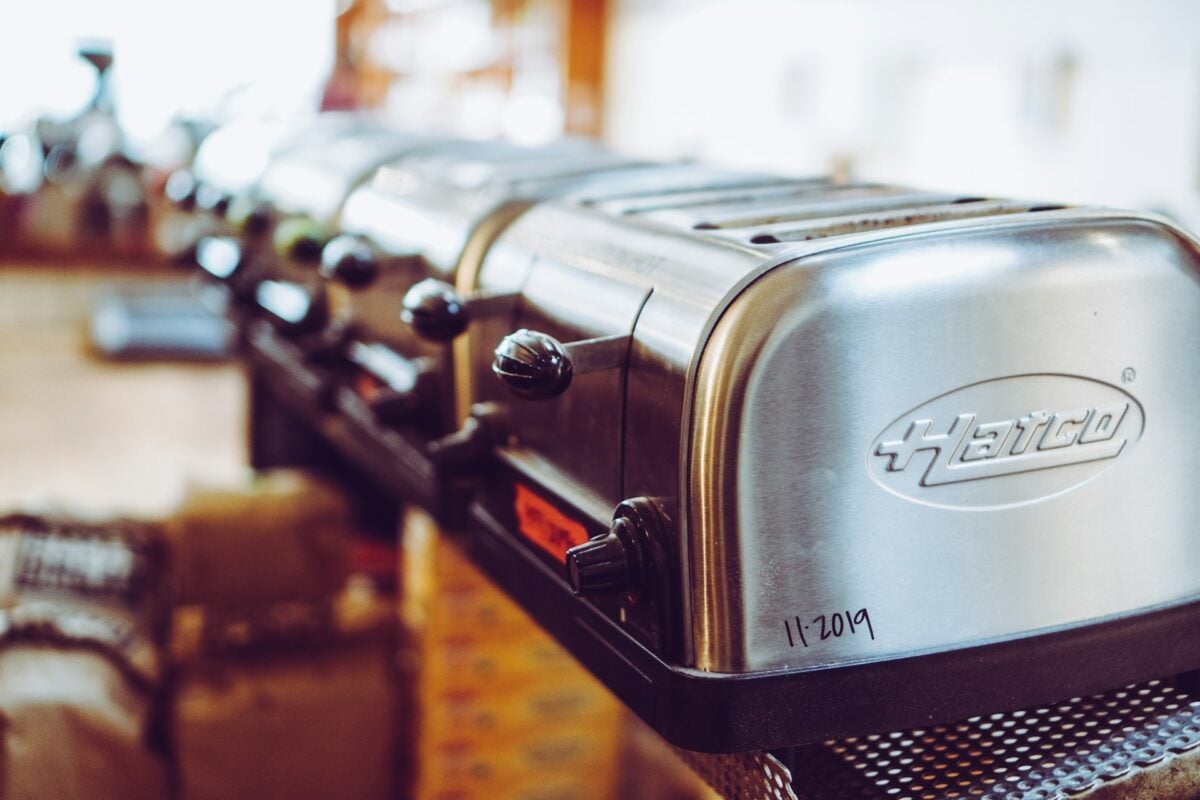
The pop-up electric toaster owes its automatic timing mechanism to a factory cafeteria problem rather than a home kitchen one. Charles Strite, working at a manufacturing plant in Minnesota, grew frustrated with the burnt toast regularly served in the company cafeteria and set out to design a toaster that would eject bread automatically once it was done.
He patented his design in 1919 and initially sold it exclusively to restaurants and institutional kitchens, with a home version, the Toastmaster, not reaching consumers until 1926.
The Industrial Logic of a Home Kitchen
None of these inventions were designed with a family dinner in mind, and that turns out to be the whole story. Radar, battleships, refrigerant research, and military rations all demanded solutions to problems that had nothing to do with cooking, and the kitchen simply inherited the leftover technology once someone spotted a second use for it.
That gap between original purpose and eventual application is worth remembering the next time a nonstick pan or a stand mixer seems unremarkable. Almost everything on a modern counter was, at some point, considered a serious engineering achievement for an entirely different industry, and got demoted to a kitchen gadget only after it proved itself somewhere much less comfortable.
More from Go2Tutors!

- The Romanov Crown Jewels and Their Tragic Fate
- 13 Historical Mysteries That Science Still Can’t Solve
- Famous Hoaxes That Fooled the World for Years
- 15 Child Stars with Tragic Adult Lives
- 16 Famous Jewelry Pieces in History
Like Go2Tutors’s content? Follow us on MSN.