25 Inventions That Saved Millions of Lives
Most lifesaving inventions look unimpressive. One is a strap, another is a pipe bent into a curve, and a third is a two-pronged needle that costs less than a cent to make.
Their inventors are mostly forgotten, and several gave the rights away for nothing. The death tolls they prevented are counted in the millions, and in one or two cases the billions.
The Three-Point Seat Belt
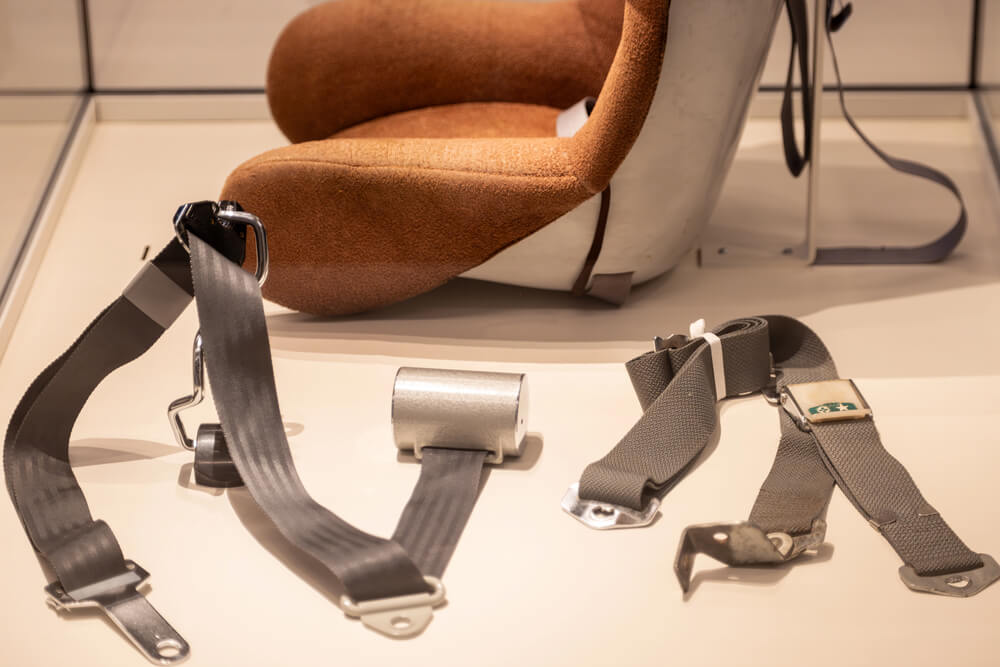
Volvo hired Nils Bohlin in 1958 from Saab’s aircraft division, where he had designed ejection seats and understood what sudden deceleration does to a body. Lap belts of the day caused internal injuries in high-speed crashes.
Bohlin’s design, introduced in 1959, anchored one continuous strap across both chest and hips with a buckle beside the hip, and it could be fastened with one hand. Volvo then opened the patent to every competitor at no charge.
The company estimates the belt has saved more than a million lives, and American regulators credit it with around 15,000 a year.
The Home Smoke Detector
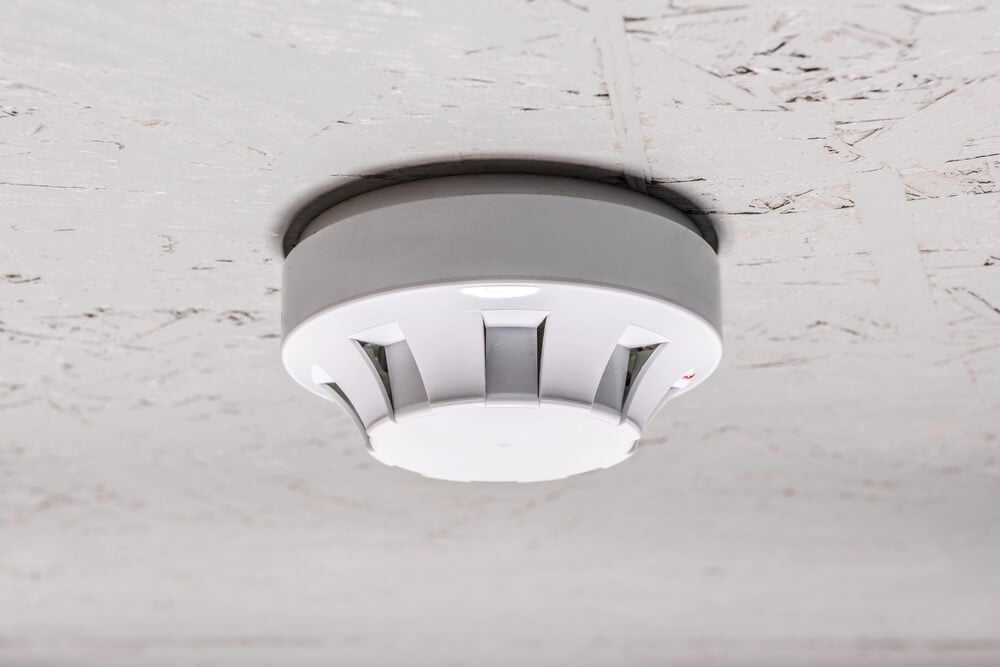
Duane Pearsall was building static-control equipment for photo darkrooms in Colorado in the mid 1960s when a drifting wisp of smoke sent one of his ion meters haywire. He recognized the nuisance as a product.
His battery-powered SmokeGard unit, which a homeowner could mount with two screws, reached the market within a few years at a price ordinary families could pay. Household fire deaths in the United States have fallen by roughly half since the 1970s even as the population grew.
The fire protection association reports that the death rate in homes with working alarms is about sixty percent lower.
The Haber-Bosch Process

Plants need nitrogen, and by 1900 the world was running short of the mined Chilean nitrates and seabird guano that supplied it. German chemist Fritz Haber found a way in 1909 to pull nitrogen from the air and combine it with hydrogen under enormous pressure, and engineer Carl Bosch scaled the reaction to factory size by 1913.
Synthetic fertilizer now grows the food that supports roughly half of humanity. About half the nitrogen atoms in a typical human body passed through a Haber-Bosch plant.
The same chemistry made explosives, and Haber’s later work on poison gas darkened his name permanently.
Semi-Dwarf Wheat

Traditional wheat grew tall, and when farmers fed it fertilizer the heavy heads toppled the stalks into the mud. Norman Borlaug, an Iowa-born agronomist working in Mexico, crossed local varieties with a short Japanese strain called Norin 10 to produce sturdy, waist-high plants that could carry far heavier heads of grain.
Mexico became self-sufficient in wheat by 1956. When famine threatened South Asia in the mid 1960s, shiploads of his seed reached India and Pakistan, and both countries nearly doubled their harvests within five years.
Borlaug received the 1970 Nobel Peace Prize and is often credited with saving a billion lives.
Mechanical Refrigeration
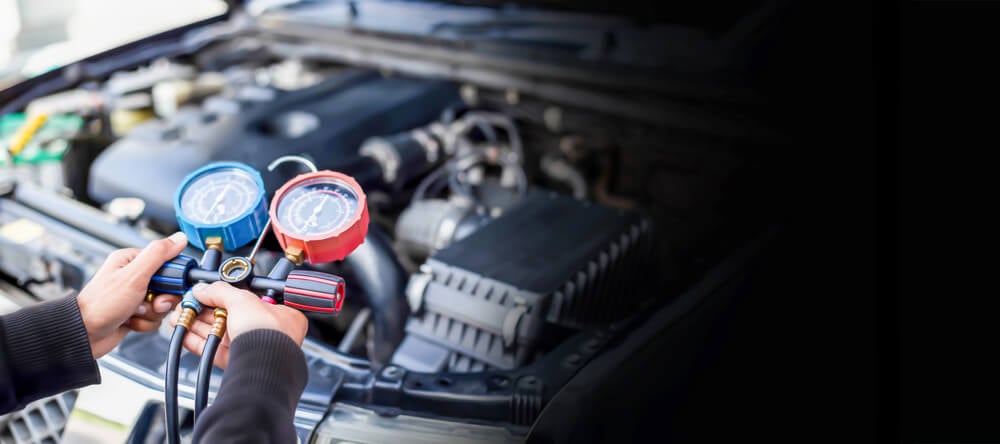
Before reliable cold, summer meant spoiled milk, tainted meat and a seasonal spike in infant deaths from contaminated food. Carl von Linde’s ammonia compressors of the 1870s were built for Bavarian breweries, and the technology then spread to meatpacking, shipping and finally the household kitchen.
Inventor Frederick McKinley Jones added a rugged portable cooling unit for trucks around 1938, and the armed forces used versions of it to carry blood and medicine during the Second World War. Nearly every vaccine on earth now travels through an unbroken cold chain that depends on the same principle.
The Hypodermic Syringe
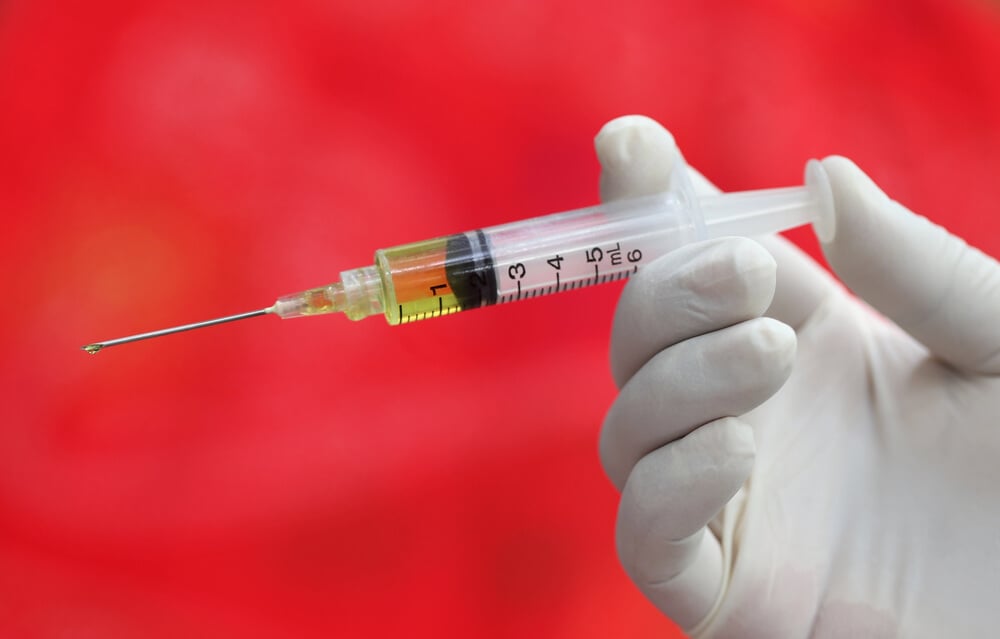
Scottish physician Alexander Wood and French surgeon Charles Pravaz each devised a hollow needle joined to a plunger in 1853, working independently. The device made it possible to deliver a precise dose directly into the body, and later made vaccination, insulin and anesthesia practical on a mass scale.
Reusable glass syringes spread hepatitis when poorly sterilized, so New Zealand pharmacist Colin Murdoch patented a disposable plastic version in 1956. Health workers now give around 16 billion injections a year.
A more recent design locks after a single use, which prevents the dangerous reuse common in poor clinics.
The Bifurcated Needle
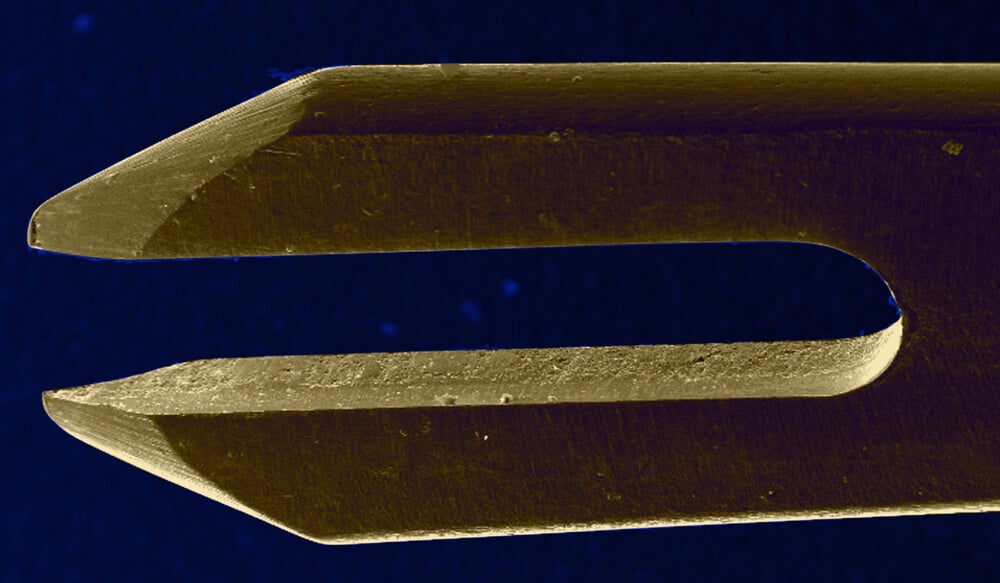
The global campaign against smallpox needed a way for lightly trained volunteers to vaccinate millions of people in remote villages. Benjamin Rubin, a microbiologist at Wyeth, took the eyelet end of a sewing machine needle in 1965 and ground it down into a tiny two-pronged fork.
Dipped in vaccine, the fork held exactly one dose by capillary action, using a quarter as much as earlier methods. Fifteen quick jabs into the upper arm did the job, and anyone could learn the technique in minutes.
Wyeth waived its royalties. The needle is a main reason eradication succeeded by 1980.
The Infant Incubator
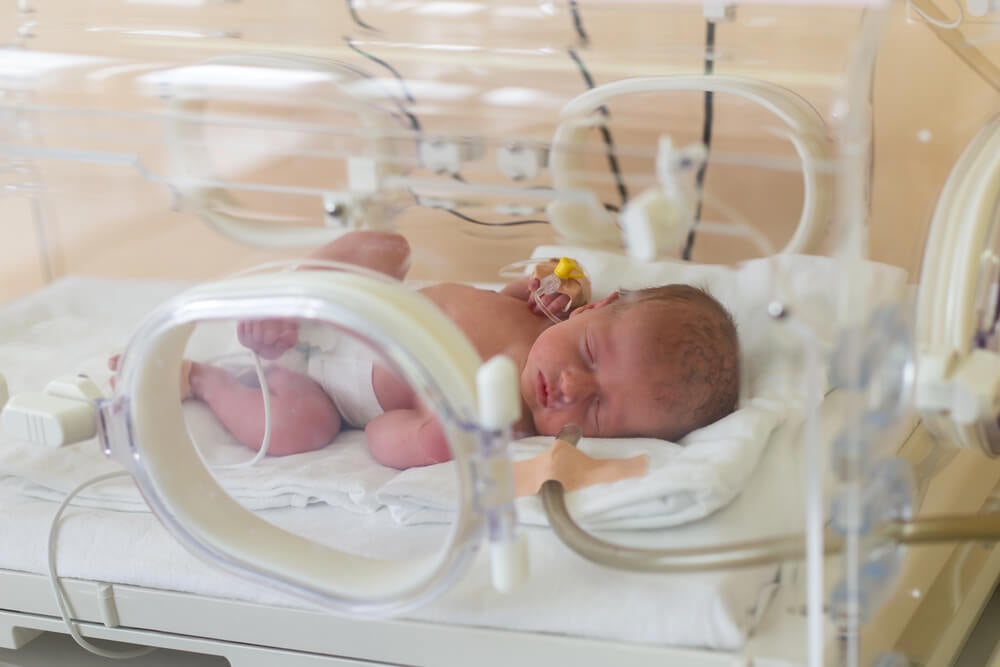
French obstetrician Stephane Tarnier saw a chicken hatchery warmer at the Paris zoo around 1880 and had the zookeeper build one for babies. Deaths among small newborns at his hospital fell by nearly half.
American hospitals showed little interest for decades, so a showman named Martin Couney exhibited premature infants in incubators at Coney Island from 1903 to 1943, charging the public a quarter to look and the parents nothing. He employed trained nurses and claimed to have saved about 6,500 of the 8,000 babies brought to him.
Several of his graduates lived into their nineties.
The Iron Lung
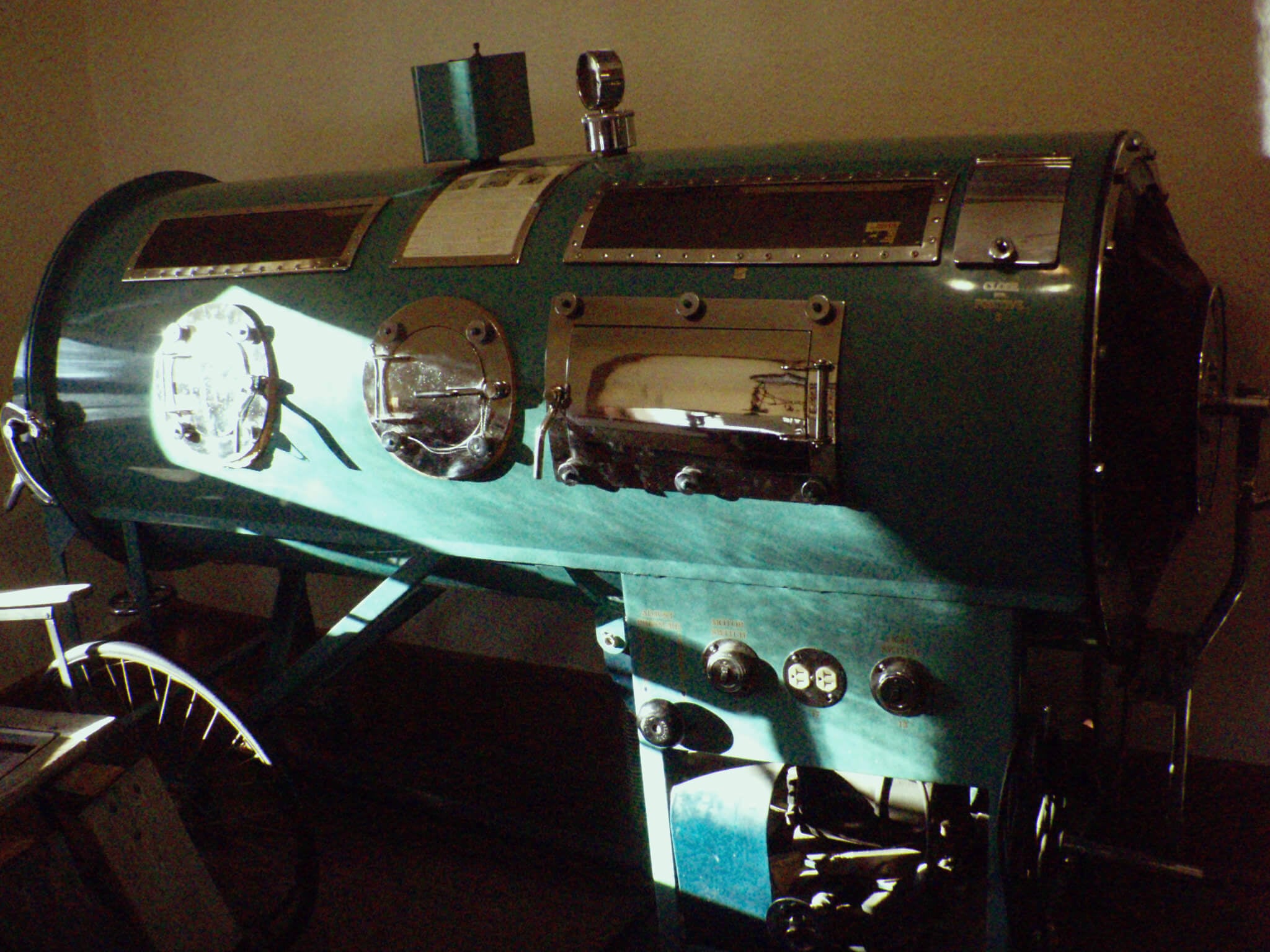
Polio could paralyze the muscles of breathing, leaving children to suffocate while fully conscious. Harvard engineer Philip Drinker and physiologist Louis Agassiz Shaw built a sealed metal tank in 1928, powered by two vacuum cleaner blowers, that pulled air into the lungs by lowering the pressure around the body.
Its first patient, an eight-year-old girl at Boston Children’s Hospital, revived within minutes. Hospital wards in the epidemic years held rows of the machines, each with a small head poking out.
The tank respirator established that machines could breathe for people, the idea behind every modern ventilator.
The External Defibrillator
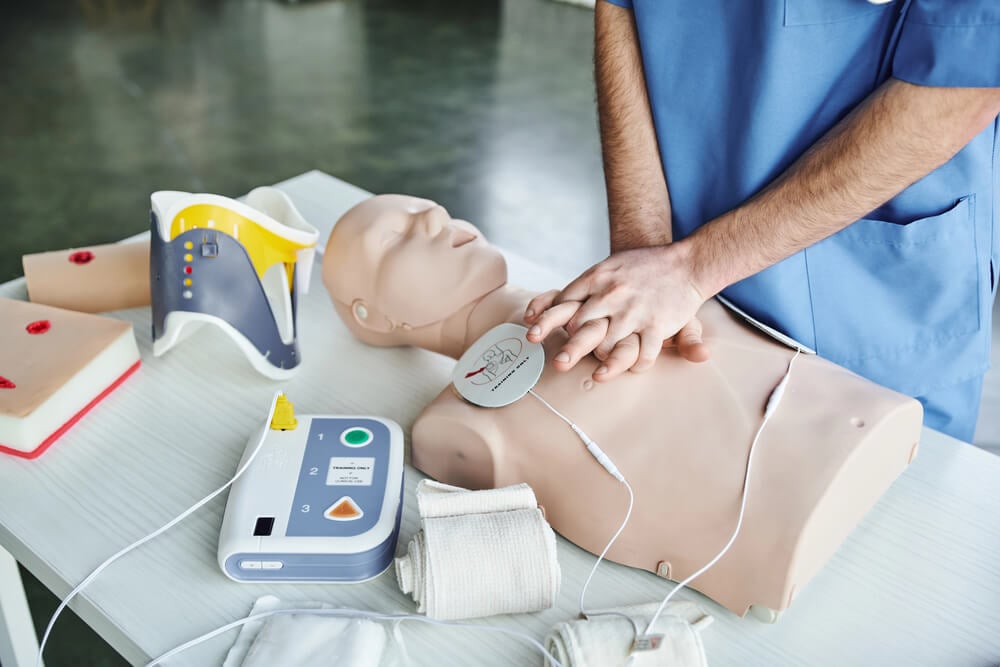
Cleveland surgeon Claude Beck first shocked a human heart back into rhythm in 1947, touching paddles directly to the exposed organ of a fourteen-year-old boy. Boston cardiologist Paul Zoll showed in 1956 that a strong enough jolt worked through the closed chest.
The machines stayed bolted to hospital walls until Frank Pantridge of Belfast built a portable model in 1965, a seventy-kilogram unit run off car batteries in the back of an ambulance. Most cardiac arrests happen at home or in the street.
Pantridge’s descendants now hang in airports, gyms and shopping malls, designed for untrained hands.
The Implantable Pacemaker
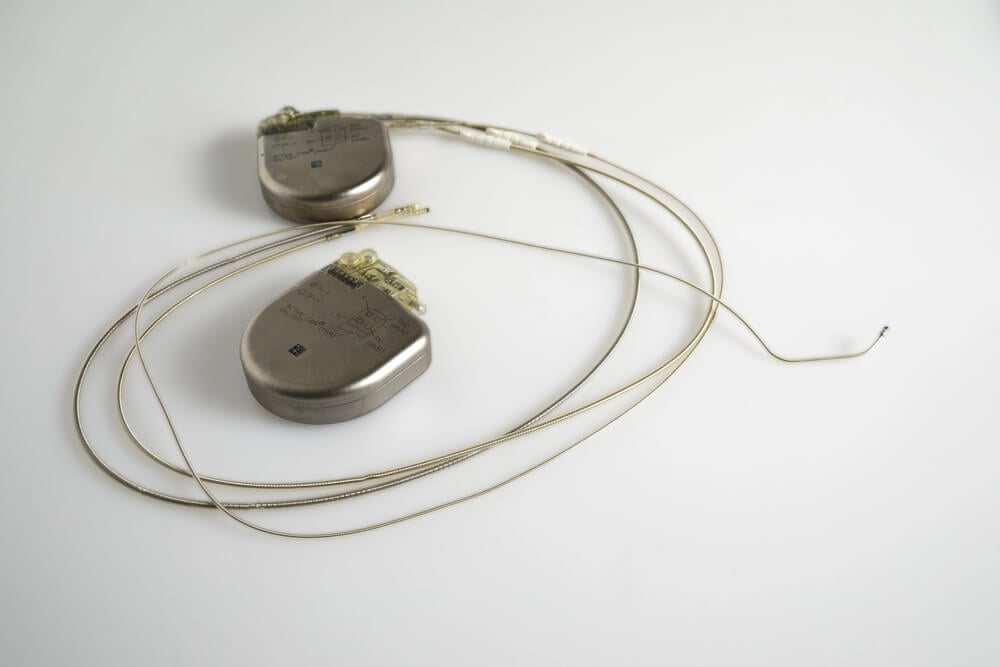
In 1956 engineer Wilson Greatbatch was building a device to record heart sounds when he pulled the wrong resistor from a box and soldered it in. The circuit began to pulse, on for a fraction of a second and off for a second, and he recognized a heartbeat.
Swedish doctors implanted the first internal pacemaker in 1958 in Arne Larsson, who went on to outlive both the surgeon and the inventor. Greatbatch’s more durable design went into an American patient in 1960.
Roughly a million pacemakers are now implanted worldwide every year.
The Dialysis Machine
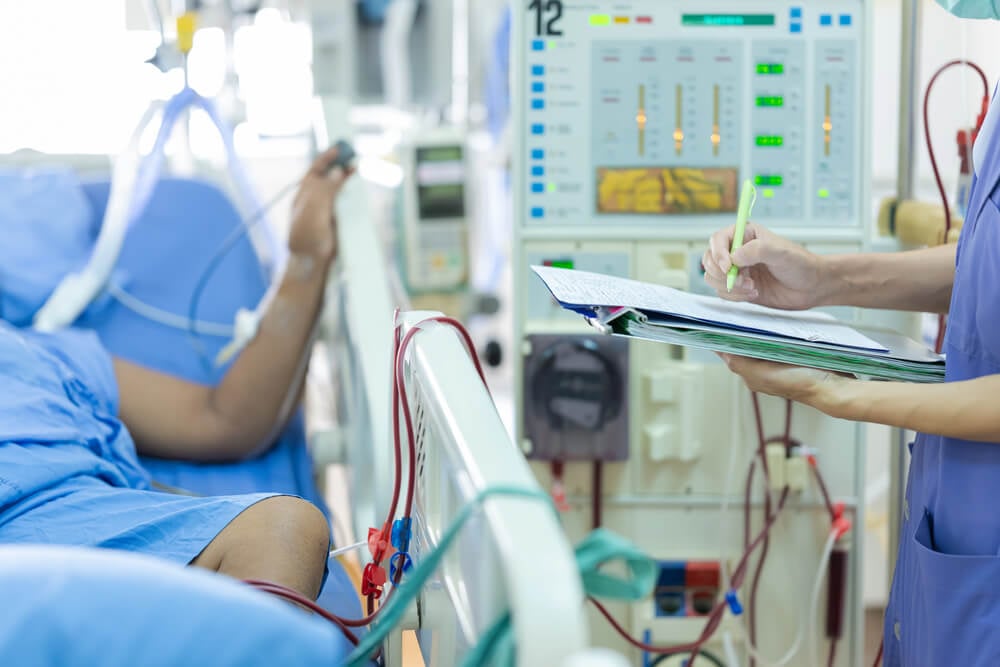
Willem Kolff built the first artificial kidney in the occupied Netherlands in 1943 from sausage casing, orange juice cans, a wooden drum and salvaged machine parts, while also sheltering people from the Gestapo. Blood flowed through the cellophane tubing as it rotated in a salt bath, and waste filtered out.
His first patients, more than a dozen of them, all died. Then in 1945 a 67-year-old woman in a uremic coma woke on the machine and lived seven more years.
Kolff never patented the machine and shipped copies to hospitals abroad. Several million people now depend on dialysis.
The X-Ray Machine
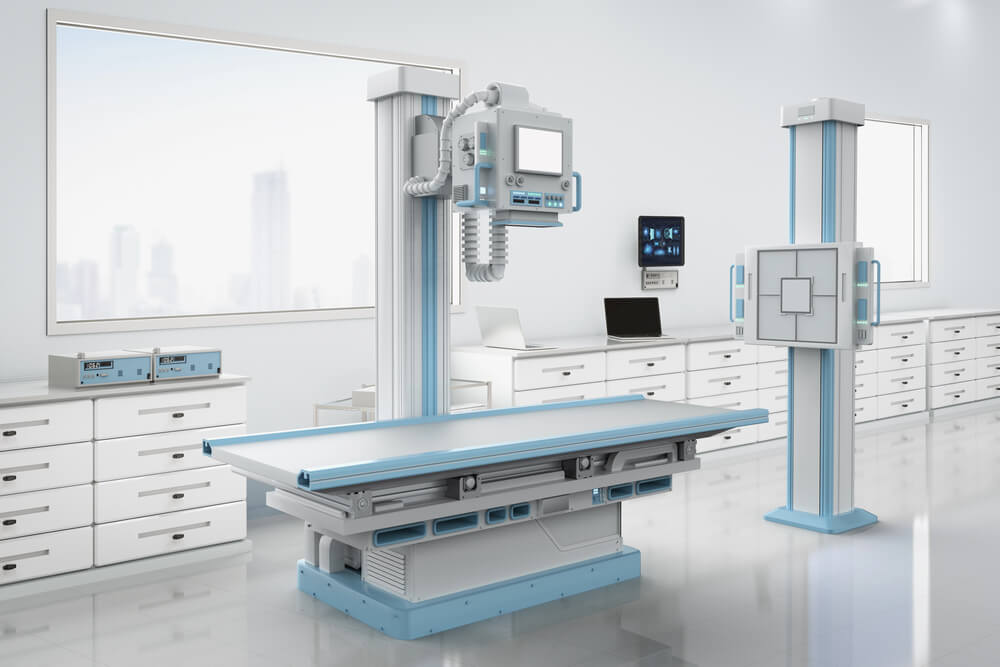
Wilhelm Roentgen noticed a fluorescent screen glowing across his darkened lab in Wurzburg on November 8, 1895, lit by an unknown ray from a covered vacuum tube. Six weeks later he photographed the bones of his wife’s hand, wedding ring and all, and she reportedly said she had seen her own death.
Doctors were using the rays to locate bullets and set fractures within months. Roentgen refused to patent the discovery and gave away his Nobel Prize money.
For the first time, physicians could see inside a living body without cutting it open.
The CT Scanner
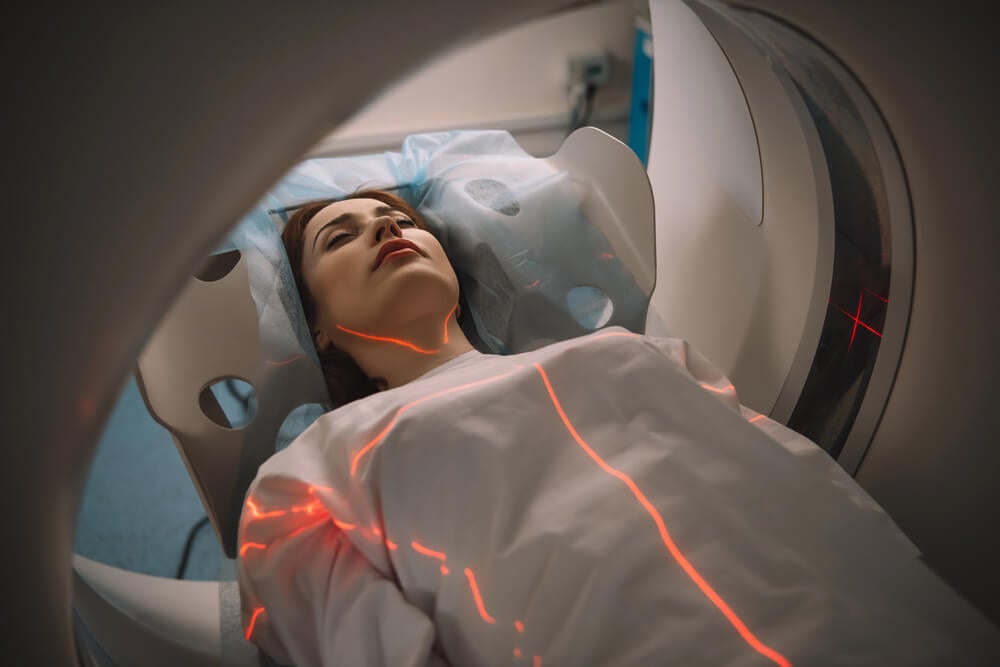
Godfrey Hounsfield, an engineer at the British electronics and record company EMI, had no university degree and built his first prototype on a lathe bed. It took nine days to scan a preserved brain.
On October 1, 1971, a refined version at Atkinson Morley Hospital in London imaged a living patient and revealed a cyst in her frontal lobe in clear cross-section. Surgeons had previously diagnosed head injuries by drilling exploratory openings in the skull.
Hounsfield shared the 1979 Nobel Prize, and the scanner now guides emergency care for strokes, trauma and cancer many millions of times a year.
The Electrocardiograph
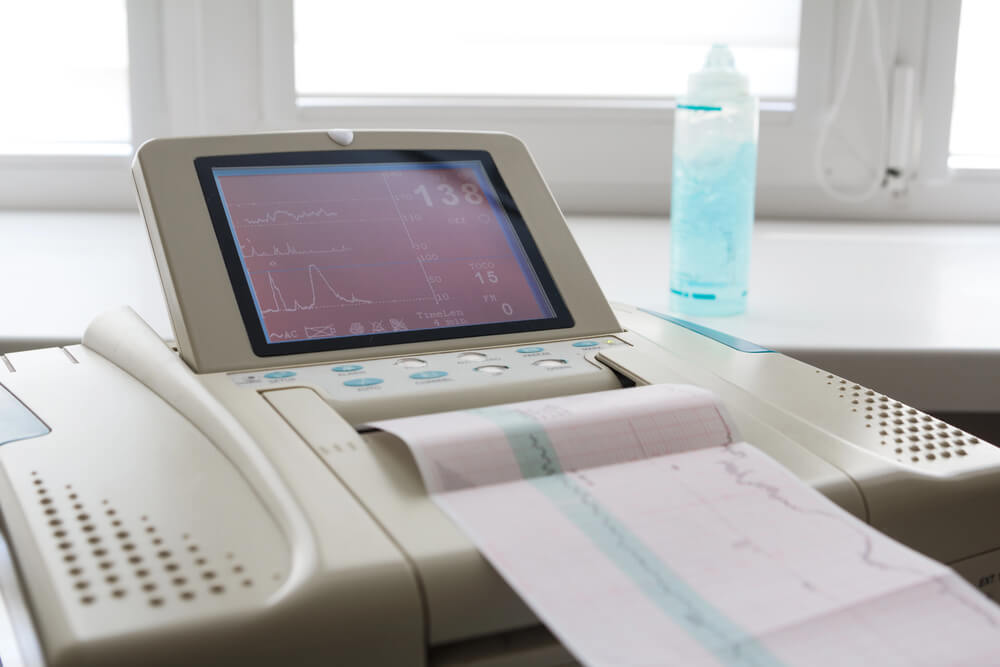
Dutch physiologist Willem Einthoven built a machine in 1903 that could trace the electrical rhythm of a heartbeat onto photographic paper using a silver-coated quartz thread finer than a hair. The apparatus weighed about 600 pounds, filled two rooms and needed five people to run it, and patients sat with both arms and one leg in buckets of salt water.
Einthoven named the waves P, Q, R, S and T, labels still printed on every tracing. He won the Nobel Prize in 1924.
The modern version fits inside a wristwatch and catches dangerous rhythms before they kill.
Obstetric Ultrasound
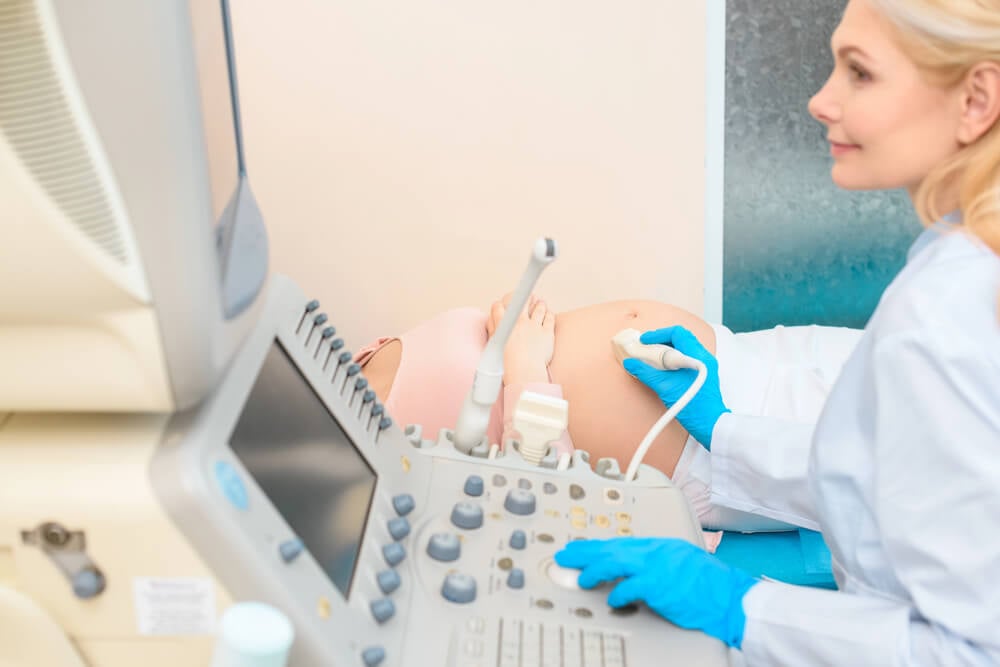
Glasgow obstetrician Ian Donald had seen radar and sonar during his wartime air force service. In the mid 1950s he borrowed an industrial flaw detector that a local boilermaker used to check welds, and carried tumors and cysts to the factory in the trunk of his car to see what echoes they gave.
His 1958 paper in The Lancet showed that sound waves could distinguish a harmless cyst from a cancer and, soon after, picture a fetus. Ultrasound replaced the prenatal X-ray, spots dangerous placental positions and twins in advance, and involves no radiation at all.
The Pulse Oximeter
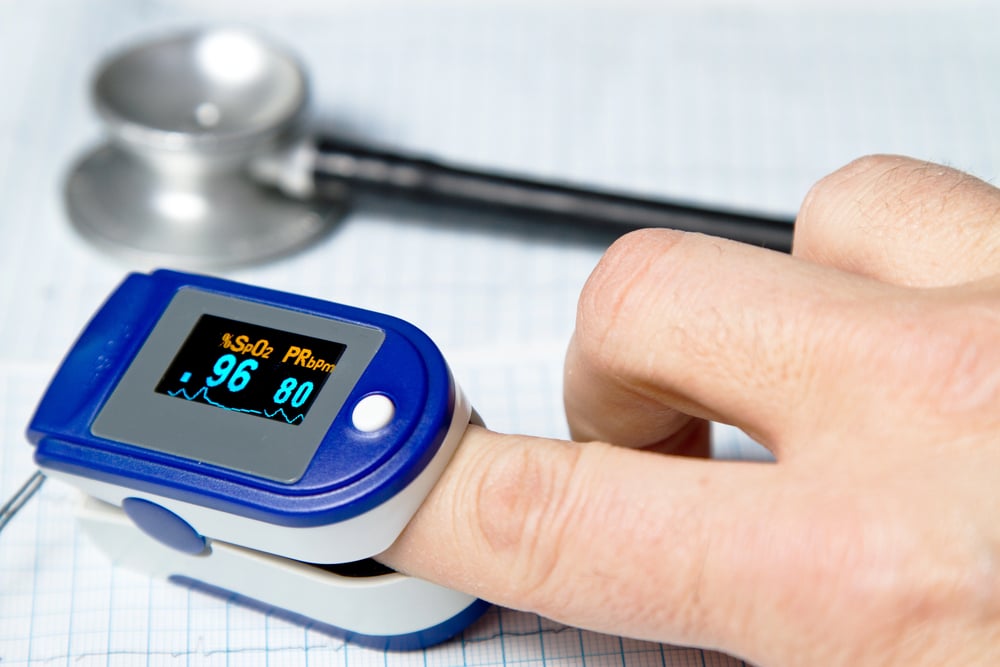
Japanese engineer Takuo Aoyagi was trying to measure cardiac output in the early 1970s when the pulse kept adding noise to his signal. He realized the noise was the prize.
By comparing how much red and infrared light passed through a fingertip with each beat, he could calculate how much oxygen the blood carried. His company filed a patent in 1974 and then largely lost interest, and American firms brought the device into operating rooms in the 1980s.
Deaths linked to anesthesia fell sharply once staff could see oxygen dropping minutes before a patient turned blue.
The Blood Pressure Cuff
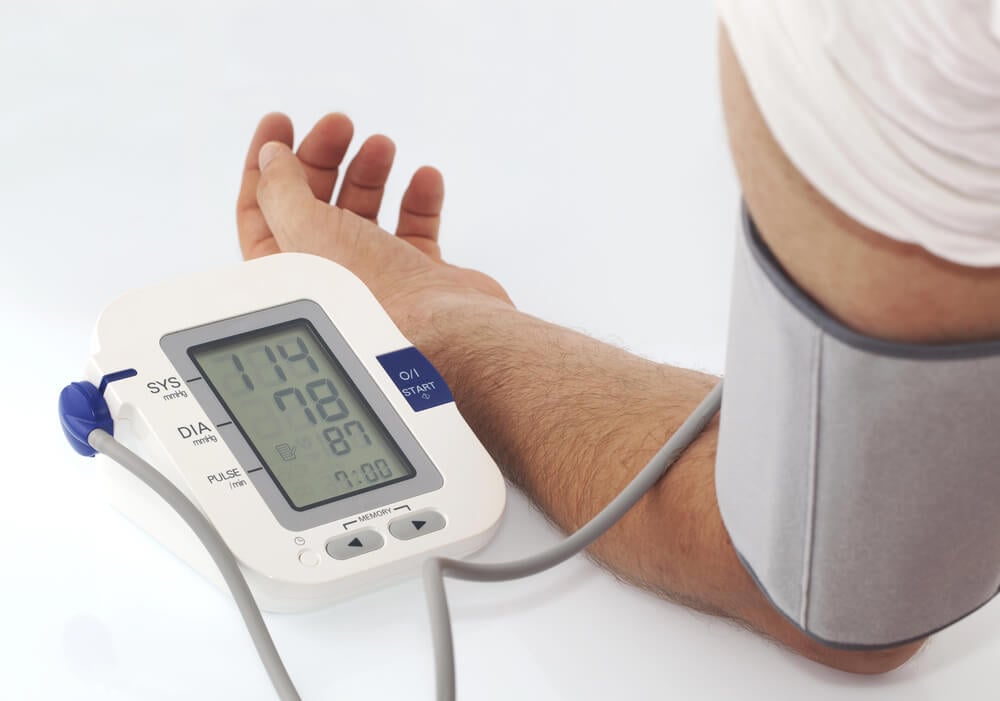
Italian physician Scipione Riva-Rocci described an inflatable arm cuff attached to a column of mercury in 1896, replacing instruments that required a needle in an artery. American surgeon Harvey Cushing saw it in Pavia in 1901, sketched the design and brought it to Johns Hopkins.
Russian army surgeon Nikolai Korotkoff added the stethoscope method in 1905, which gave the familiar two numbers. High blood pressure has no symptoms until it causes a stroke or heart attack, and it contributes to around ten million deaths a year.
Nothing could be done about it until it could be measured.
The Blood Bank

Captain Oswald Robertson stored type O blood in glass bottles on ice during the Battle of Cambrai in 1917 and carried it forward to casualty stations, proving blood could be collected ahead of need. Bernard Fantus opened a storage facility at Cook County Hospital in Chicago in 1937 and gave it a friendlier name, the blood bank, since patients could make deposits and withdrawals.
Surgeon Charles Drew then organized large-scale plasma collection for wartime Britain and standardized the methods. A modern trauma center can run through a hundred units on one patient, which only a banked supply allows.
The Autoclave
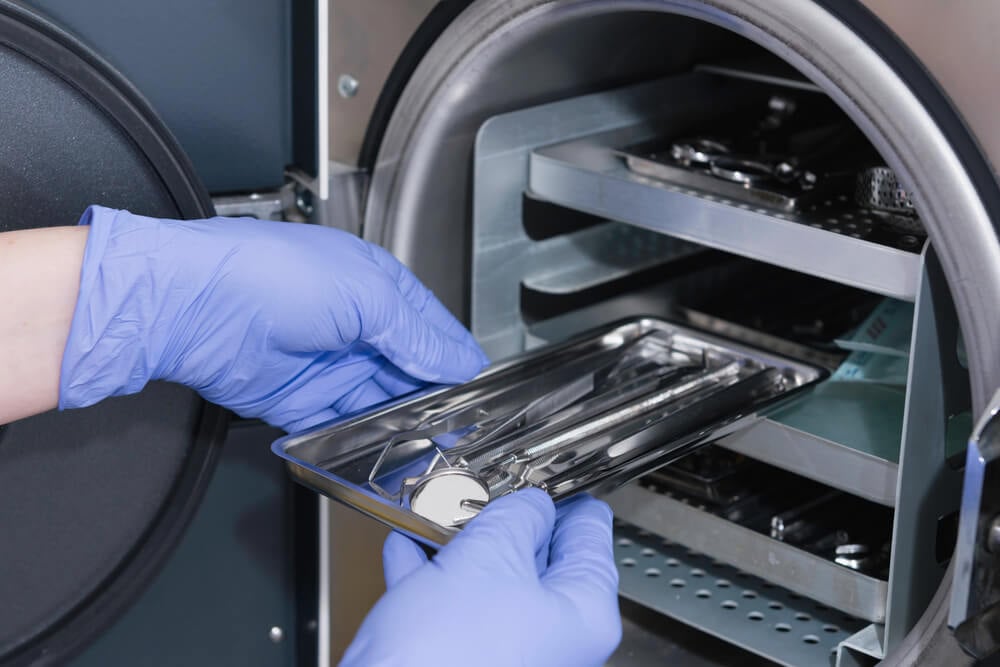
Charles Chamberland, a physicist working in Louis Pasteur’s laboratory, built the first steam sterilizer in 1879 by adapting the pressure cooker. Boiling water tops out at 100 degrees Celsius, and some bacterial spores survive it.
Steam under pressure reaches about 121 degrees and kills everything within minutes. The device made it possible to guarantee that surgical instruments, dressings and laboratory glassware carried no living organisms.
Every sterile operating room, vaccine plant and dental office since has depended on some version of it. It remains, at heart, a very serious cooking pot.
Surgical Gloves
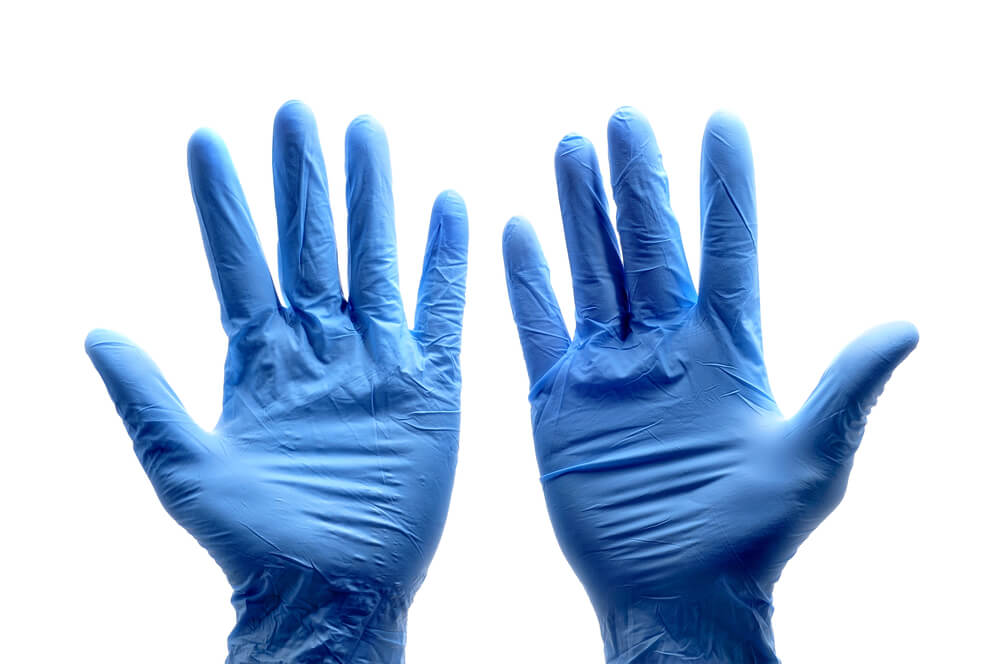
William Halsted’s scrub nurse at Johns Hopkins, Caroline Hampton, developed a painful rash from the mercuric chloride used to disinfect hands, and in 1889 he asked the Goodyear Rubber Company to make her a pair of thin gloves. The gloves worked, and Halsted married her the following year.
His assistants began wearing them too, mostly because they improved grip. A decade later surgeon Joseph Bloodgood reviewed hundreds of hernia operations and found that infections had fallen from about seventeen percent to under two once the entire team was gloved.
Protection of the patient had been an afterthought.
The N95 Respirator
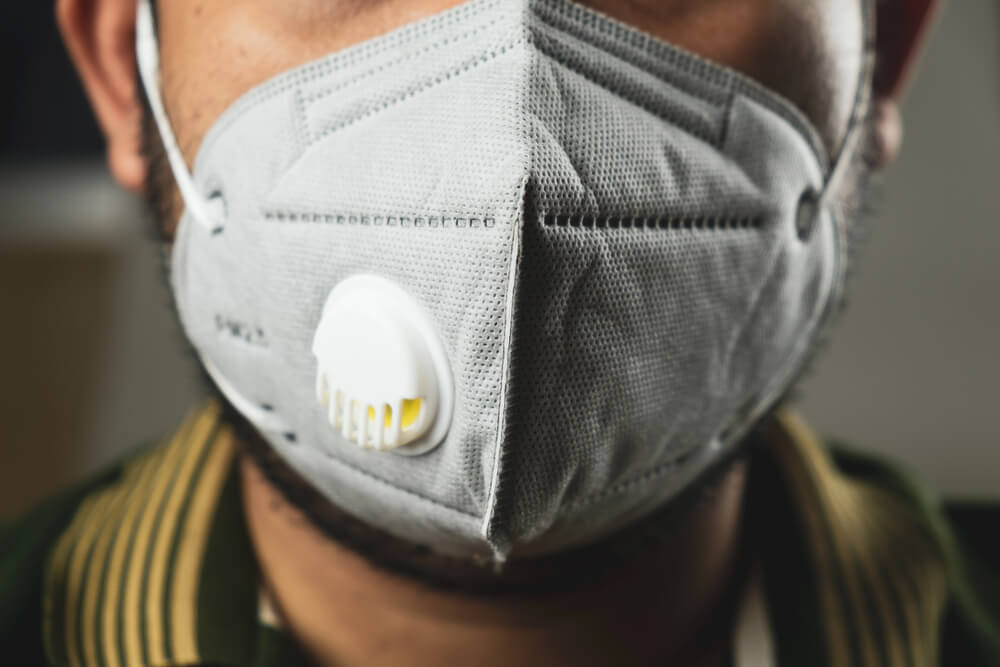
Malaysian-born physician Wu Lien-teh designed a layered gauze and cotton mask during the Manchurian plague of 1910, and a visiting French doctor who refused to wear one died within days. The modern successor came from materials scientist Peter Tsai at the University of Tennessee, who patented a method in 1995 of giving synthetic fibers a permanent electrostatic charge.
The charge pulls in particles far smaller than the gaps in the fabric, so the mask filters at least 95 percent while staying breathable. Tsai came out of retirement in 2020 to work out how hospitals could safely sterilize and reuse them.
The Insecticide-Treated Bed Net
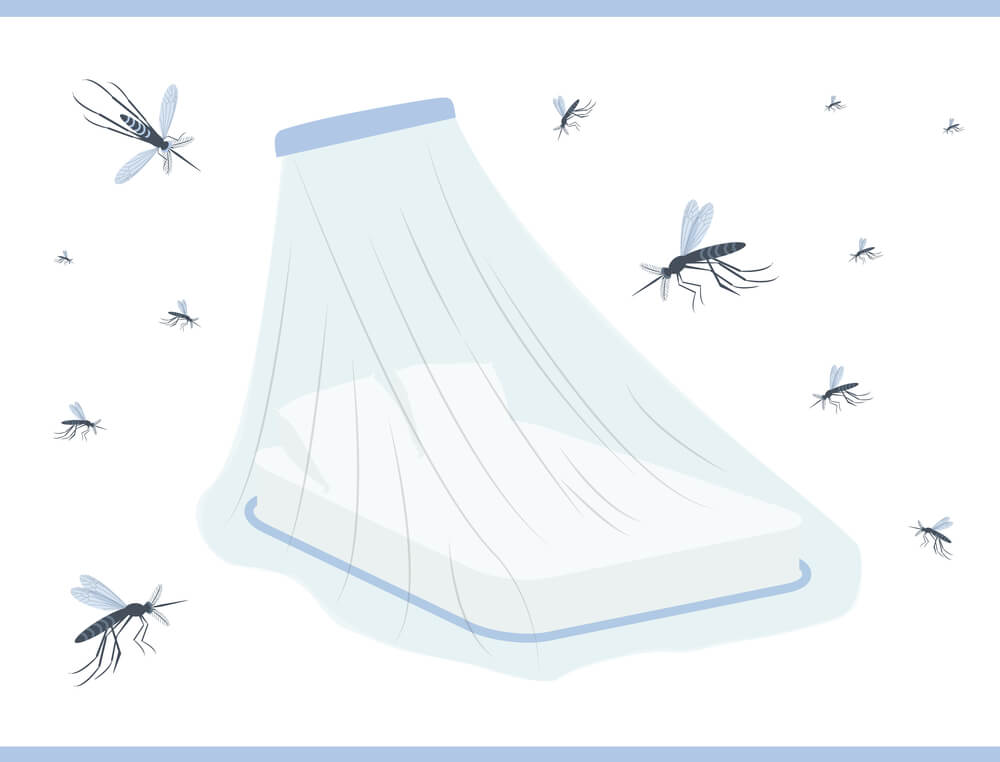
Malaria mosquitoes bite mostly between dusk and dawn, which makes a sleeping child the usual target. Trials in the Gambia in the late 1980s found that nets soaked in pyrethroid insecticide cut child deaths from all causes by a substantial margin, because the chemical kills mosquitoes that land as well as blocking them.
Manufacturers later learned to bind the insecticide into the fiber so it survives years of washing. A 2015 study in Nature estimated that malaria control had averted 663 million cases in Africa since 2000, and credited nets with about two thirds of them.
Each costs a few dollars.
Resusci Anne
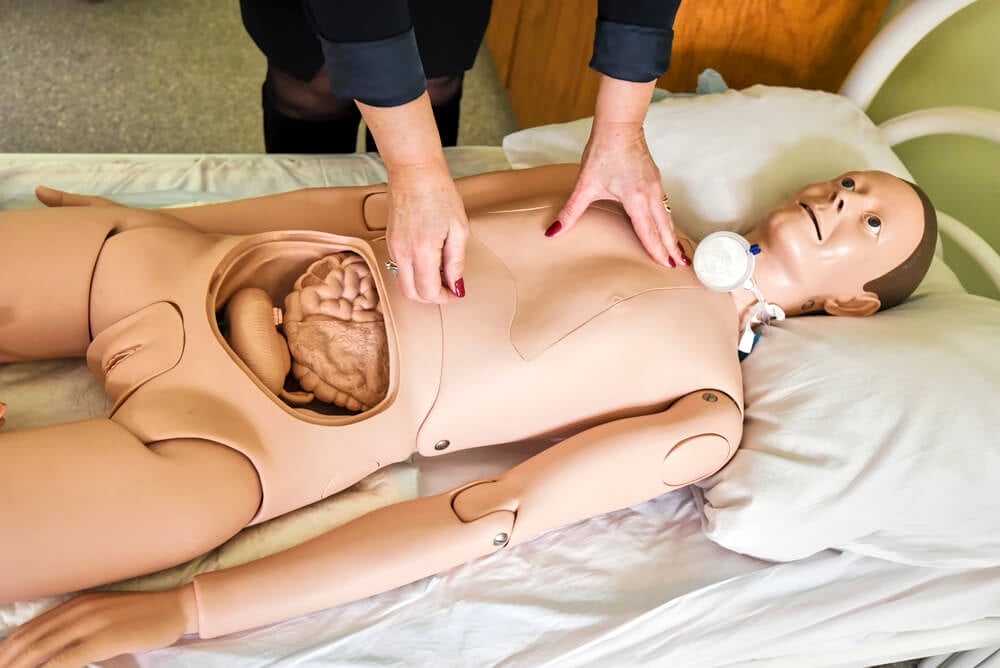
Norwegian toymaker Asmund Laerdal, who had once pulled his own two-year-old son lifeless from the water and revived him, was asked in the late 1950s to build a life-size training doll for the newly developed technique of mouth-to-mouth resuscitation. He gave her the face of an unidentified young woman drowned in the Seine decades earlier, whose serene death mask had hung in Paris studios.
Hundreds of millions of people have since learned CPR on the mannequin. Instructors taught students to shake her and ask if she was okay, a line that found its way into a Michael Jackson hit.
The S-Bend Trap
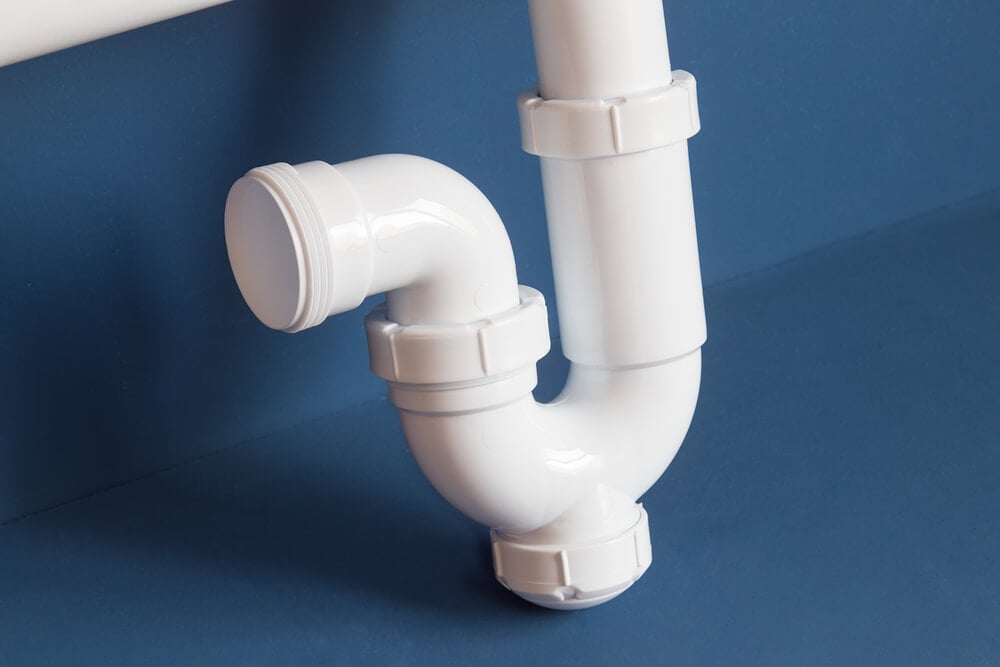
Early indoor toilets connected homes directly to the sewer, and the gases that drifted back up were foul, explosive and widely blamed for disease. Scottish watchmaker Alexander Cumming patented a simple fix in 1775, a curved section of pipe below the bowl that stays full of water and seals off the drain.
The flush toilet became tolerable to live beside, and cities could finally move human waste out of streets, cellars and drinking wells. When a leading British medical journal asked readers in 2007 to choose the greatest medical milestone since 1840, sanitation beat antibiotics and anesthesia.
Plain Objects, Enormous Arithmetic

Few of these inventions required a scientific revolution. A surprising number came from borrowing, whether from a chicken hatchery, a shipyard weld tester, a sewing needle or a pressure cooker.
The insight was usually in noticing that an existing tool could solve a different and deadlier problem. The other common thread is generosity.
Bohlin’s belt, Kolff’s kidney, Roentgen’s rays and Rubin’s needle were all handed over without a royalty, and their reach is a direct result. An idea saves lives at scale only when it is cheap enough and free enough to be everywhere.
More from Go2Tutors!

- The Romanov Crown Jewels and Their Tragic Fate
- 13 Historical Mysteries That Science Still Can’t Solve
- Famous Hoaxes That Fooled the World for Years
- 15 Child Stars with Tragic Adult Lives
- 16 Famous Jewelry Pieces in History
Like Go2Tutors’s content? Follow us on MSN.



