13 Fascinating Mona Lisa Facts
You’ve seen her face a thousand times—on coffee mugs, in memes, maybe even on that tacky poster your college roommate had. But how much do you really know about Leonardo da Vinci’s most famous work? The Mona Lisa isn’t just a pretty face with a mysterious smile.
This little painting has survived theft, inspired countless conspiracy theories, and somehow managed to become the most recognized piece of art on the planet.There’s way more to her story than meets the eye.
Let’s dive into some genuinely interesting stuff about this Renaissance rockstar. Here is a list of 13 fascinating Mona Lisa facts that’ll change how you see this iconic painting.
She’s Surprisingly Small
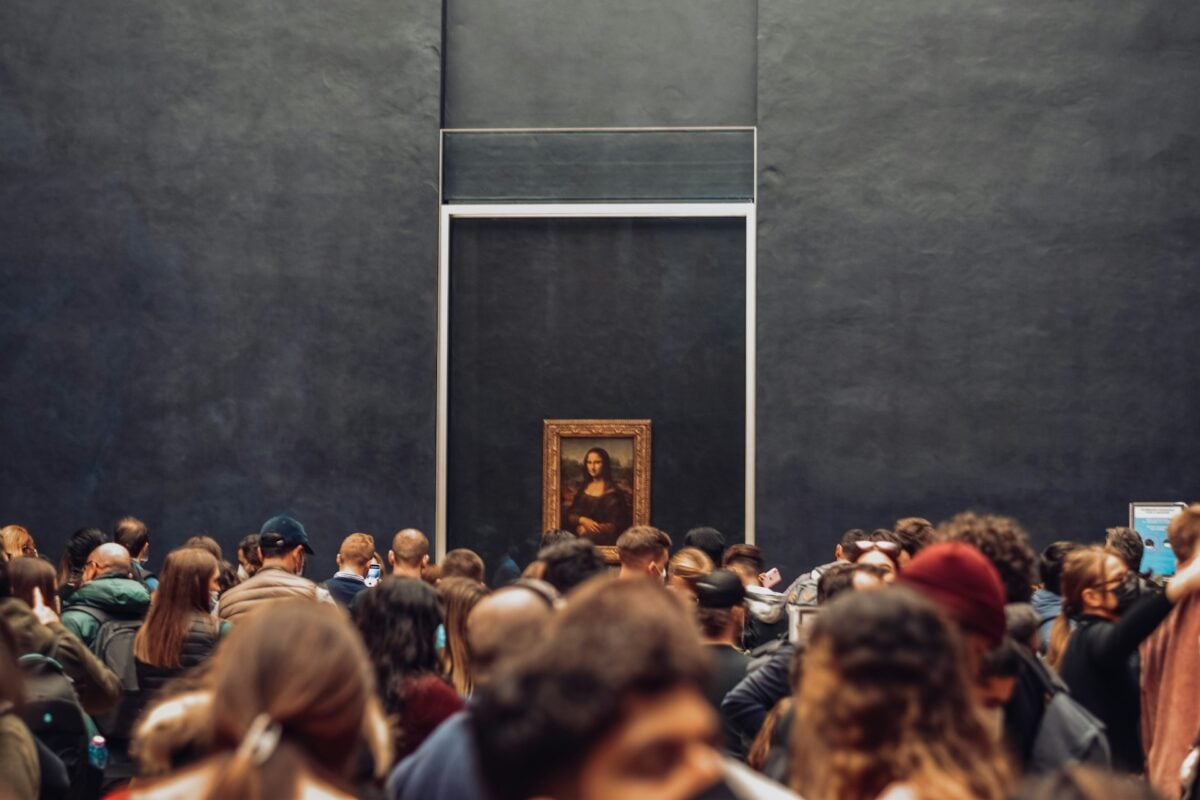
When you finally see the Mona Lisa in person at the Louvre, your first thought might be ‘wait, that’s it?’ The painting measures just 30 inches by 20 7/8 inches (77 x 53 cm)—roughly the size of a large laptop screen. People expect something massive given her enormous fame, but Leonardo painted her on a modest poplar wood panel.
This compact size actually made it easier for the painting to travel throughout history, which ironically helped boost her worldwide recognition.
Leonardo Probably Never Finished Her
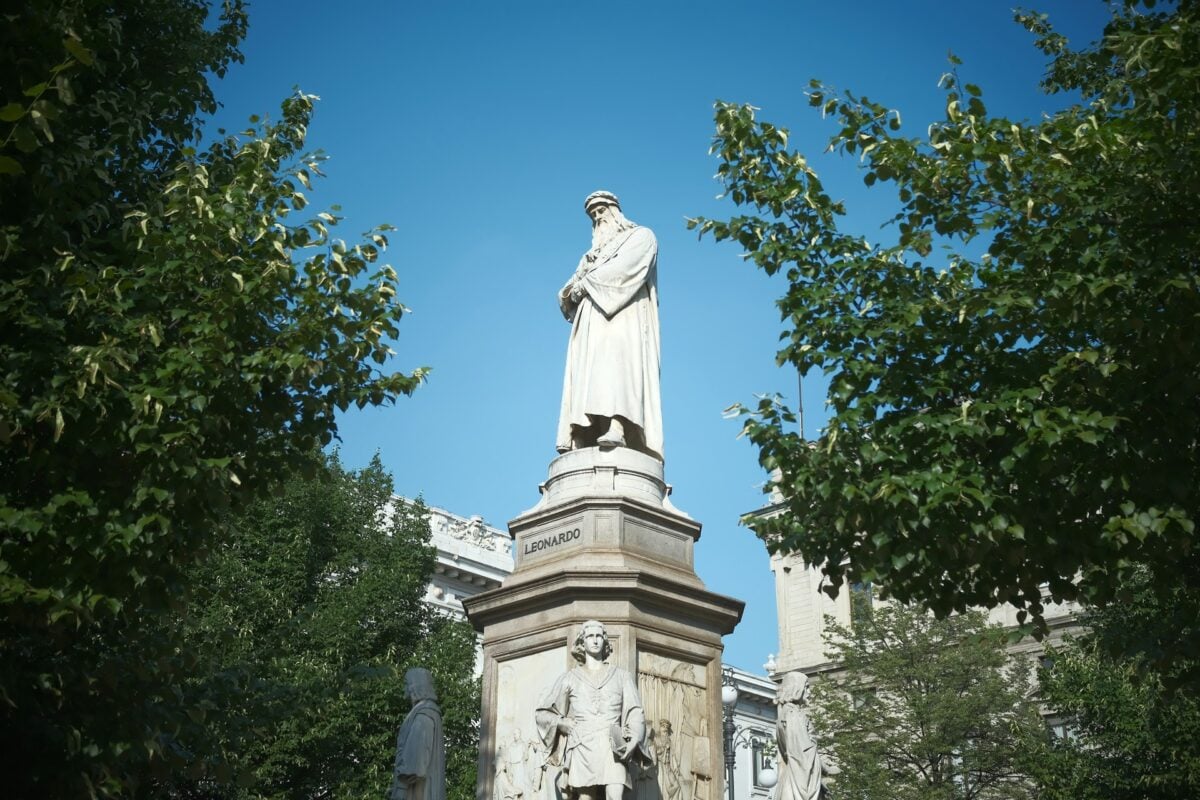
Leonardo worked on the Mona Lisa starting around 1503, but he likely continued refining it for years and never delivered it as finished. The perfectionist artist kept the painting with him, adding touches here and there rather than calling it done.
He even took the painting with him when he moved to France in 1516, still making adjustments. Leonardo was known for leaving projects unfinished, but with the Mona Lisa, he just kept refining rather than abandoning it altogether.
Like Go2Tutors’s content? Follow us on MSN.
The Theft That Made Her a Superstar
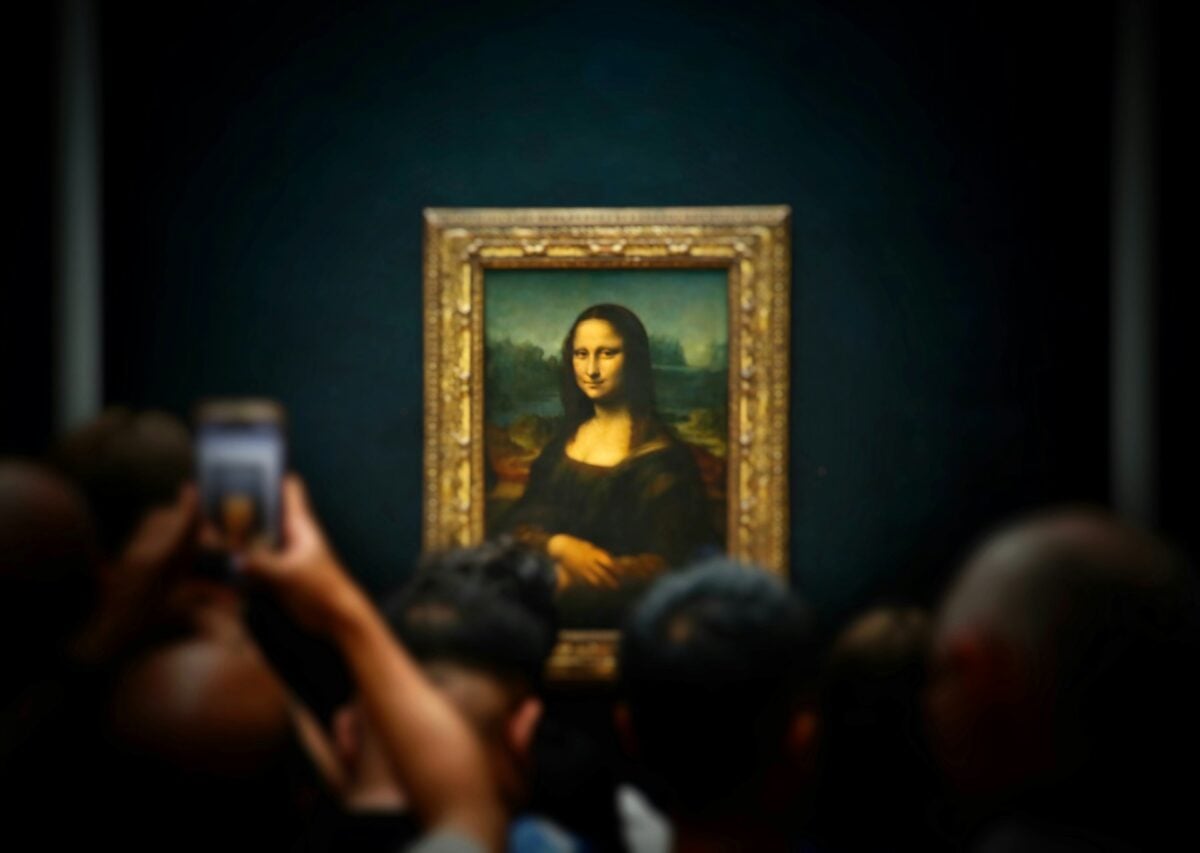
Sure, the Mona Lisa was admired before 1911, but she wasn’t the global phenomenon she is today. That changed when an Italian handyman named Vincenzo Peruggia walked into the Louvre on August 21, 1911, hid the painting under his work smock, and simply strolled out the door.
The theft made front-page news worldwide, and suddenly everyone wanted to know about this mysterious lady. When she was recovered 28 months later, the Mona Lisa had transformed from a respected artwork into an international celebrity.
Peruggia Hid Her in His Apartment for 28 Months
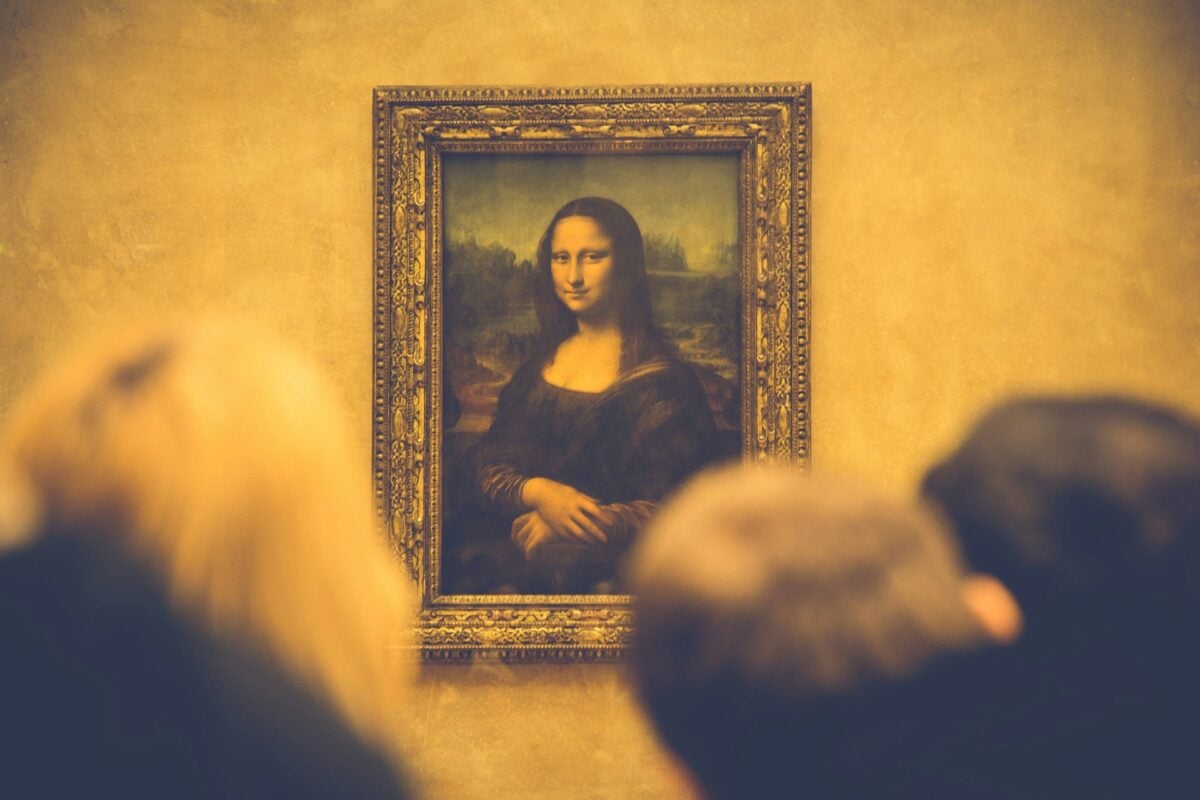
After stealing the painting, Vincenzo Peruggia kept it stashed in a trunk in his tiny Paris apartment for 28 months. He later claimed he was being patriotic—he mistakenly believed Napoleon had stolen the painting from Italy and wanted to return it to its homeland.
This was completely false—Leonardo himself brought the painting to France and sold it to King Francis I. Peruggia eventually tried to sell it to an art dealer in Florence, who promptly called the police.
Picasso Was a Suspect
When the Mona Lisa went missing, the investigation got pretty wild. French poet Guillaume Apollinaire was arrested because his secretary had previously stolen small statuettes from the Louvre.
During questioning, Apollinaire implicated his friend Pablo Picasso, who had purchased some of those stolen statuettes. Both men were interrogated in connection with the Mona Lisa theft but were eventually cleared due to lack of evidence—they had nothing to do with the painting’s disappearance.
Like Go2Tutors’s content? Follow us on MSN.
She Has No Eyebrows
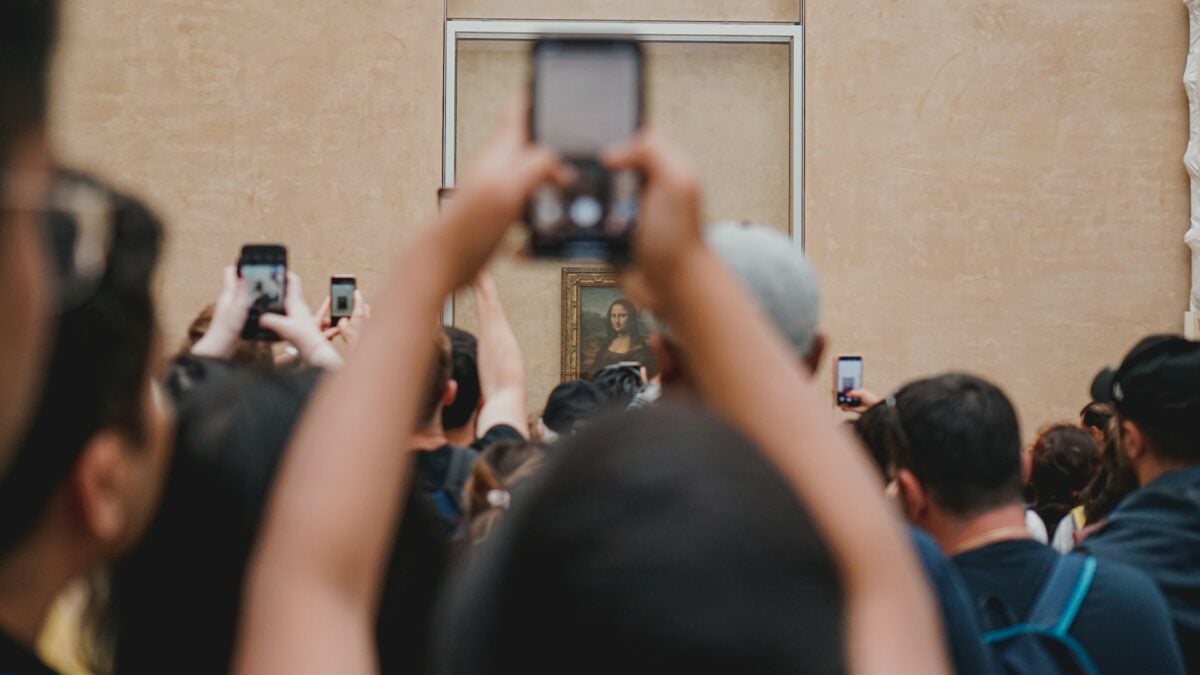
Take a close look at the Mona Lisa’s face and you’ll notice something odd—she’s got no visible eyebrows or eyelashes. Some historians think Leonardo originally painted them but they faded over time or were accidentally removed during cleaning.
In 2007, high-resolution scans conducted by the Louvre found faint traces of pigment where eyebrows and eyelashes would have been. Whether Leonardo intended them to disappear or they were lost to time remains part of the painting’s enduring mystery.
Lisa Gherardini Was Probably the Model
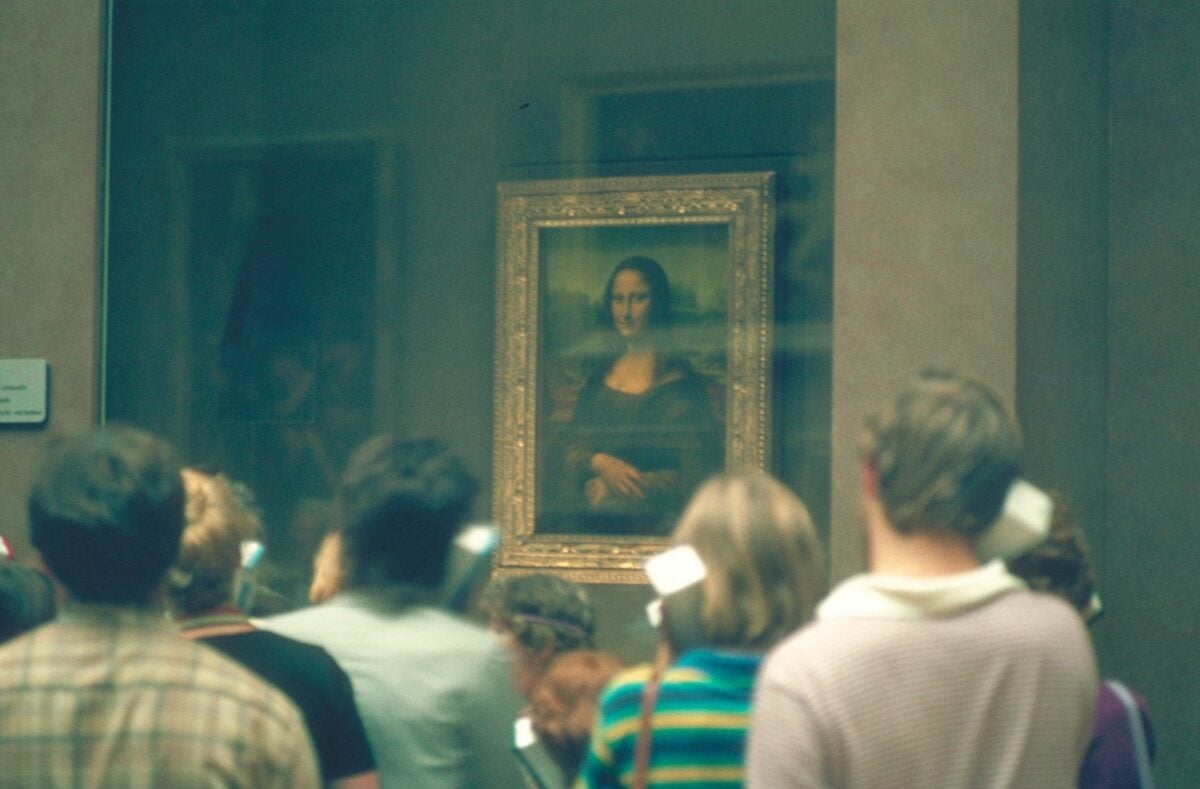
Most scholars agree the painting depicts Lisa Gherardini, wife of a wealthy Florentine silk merchant named Francesco del Giocondo. That’s why the painting is also called ‘La Gioconda’ in Italian.
Francesco likely commissioned the portrait around 1503 to celebrate the birth of their second son. Lisa was about 24 years old at the time, and by all accounts, she was just a regular person—not royalty, not anyone particularly famous.
Leonardo Never Gave the Painting to the Family

Here’s the weird part—even though Francesco del Giocondo probably commissioned and paid for the portrait, Leonardo never delivered it. Instead, he kept working on it for years and eventually took it with him to France.
The painting became part of the French royal collection after Leonardo’s death in 1519, when King Francis I acquired it. So the Giocondo family never actually got to hang their portrait on the wall.
Like Go2Tutors’s content? Follow us on MSN.
Napoleon Kept Her in His Private Quarters
Before the Mona Lisa ended up permanently in the Louvre, she had a stint in a much more intimate location. After becoming Emperor, Napoleon had the painting moved from the Louvre to his private chambers at the Tuileries Palace, where he kept it for several years before it was returned to the museum.
While some accounts claim it hung in his actual bedroom, the details are murky. Either way, it’s a strange footnote in the painting’s history that shows just how prized she’s been throughout the centuries.
The Background Is a Real Mystery
That dreamy landscape behind Mona Lisa has puzzled experts for ages. Some researchers believe it depicts the Montefeltro region in central Italy, while others argue it shows Lecco near Lake Como in northern Italy.
However, most scholars now lean toward the idea that Leonardo created a composite or imaginary scene rather than painting any specific real location. The winding paths, distant mountains, and that little bridge create an otherworldly atmosphere that’s probably more fantasy than fact.
She Survived Vandalism Multiple Times
Being the world’s most famous painting makes you a target. In 1956, someone threw acid at the lower part of the painting, damaging the area near her elbow.
Later that same year, a different person hurled a rock at it, chipping some paint near her left elbow. In 2009, a woman threw a ceramic mug at the bulletproof glass protecting the painting.
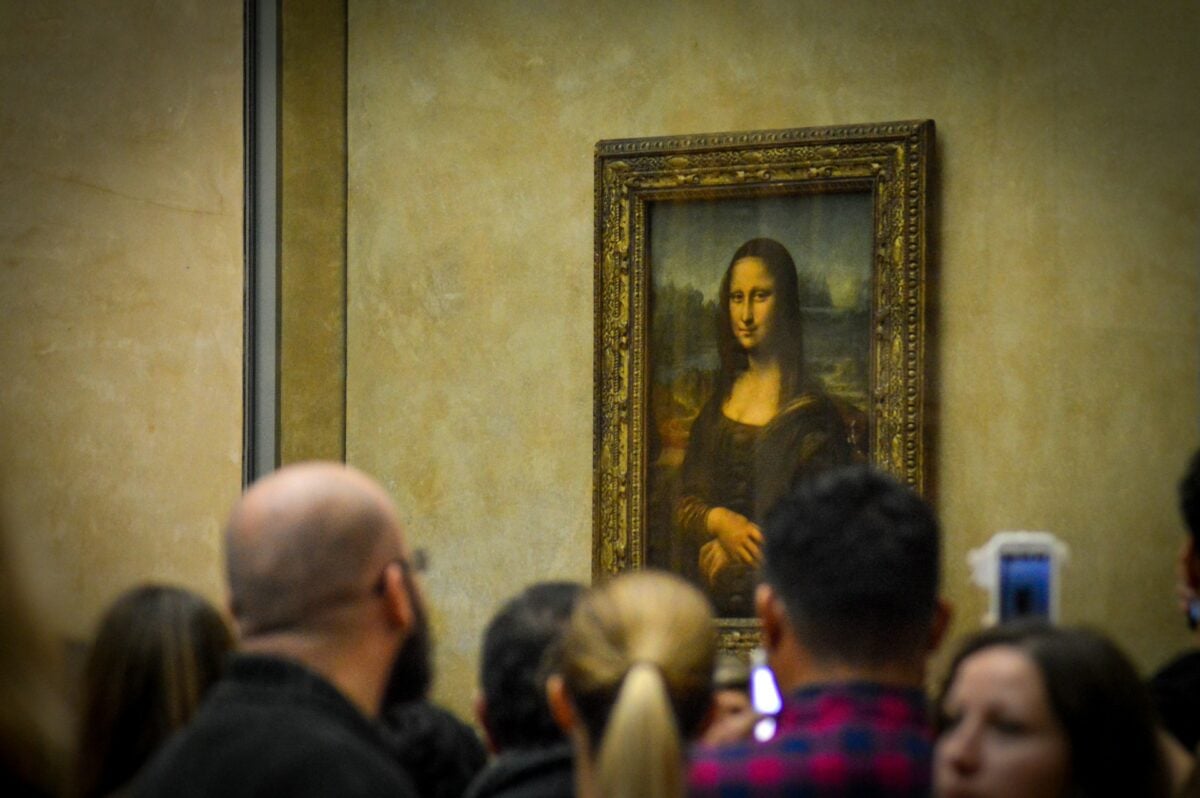
These days, the Mona Lisa sits behind thick protective glass in a climate-controlled case, and good luck getting anywhere near her with anything throwable.
Like Go2Tutors’s content? Follow us on MSN.
Millions Visit Her Every Year

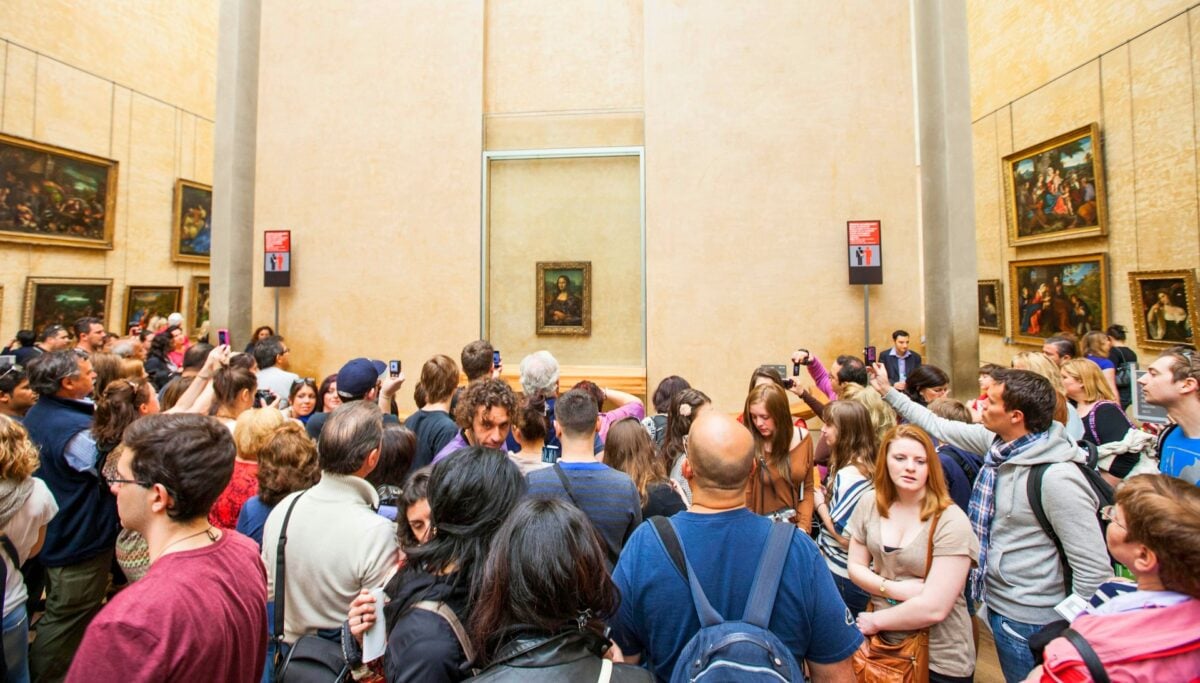
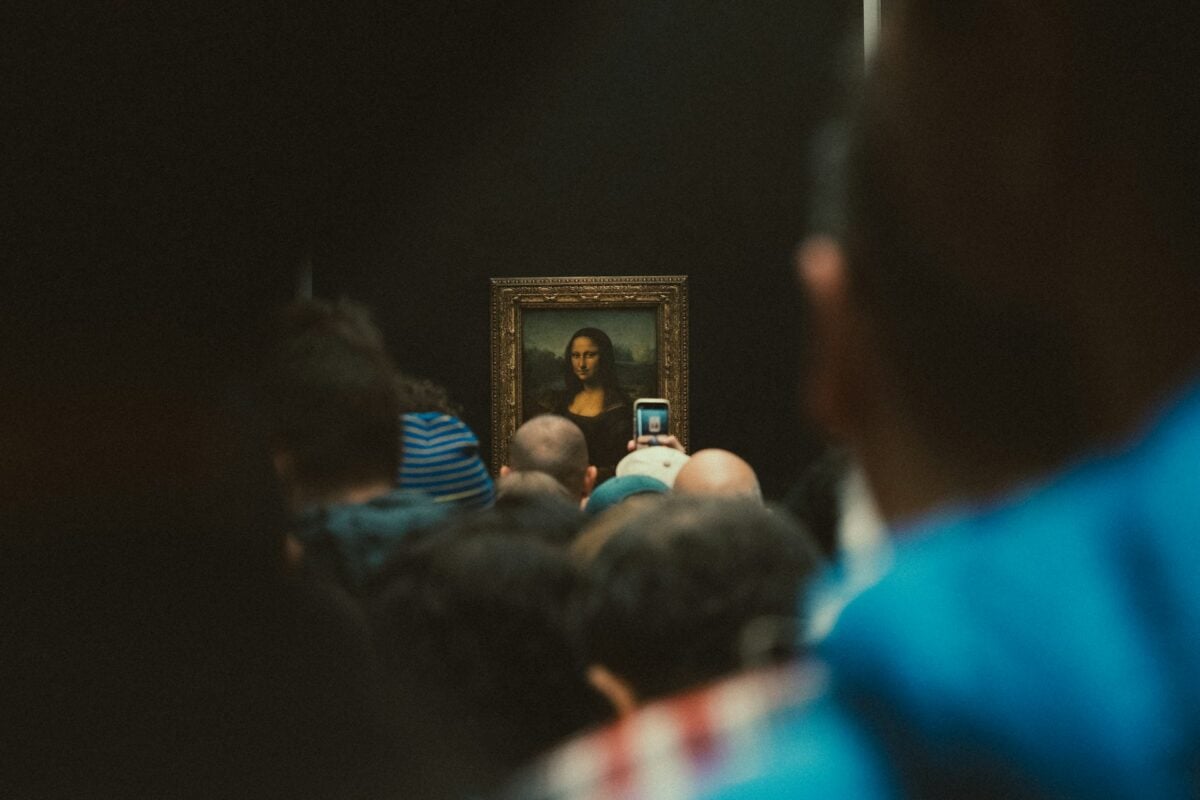
The Mona Lisa is the single most popular attraction at the Louvre Museum. Millions visit her each year—often cited around 10 million, with roughly 80 percent of Louvre visitors coming mainly to see her.
That means tens of thousands of people per day when the museum is open. Most visitors spend less than a minute looking at the actual painting because of the massive crowds.
The scene can be chaotic—everyone jostling for position, phones held high to snap a photo to prove they were there.
Her Smile Still Baffles Scientists

Centuries after Leonardo painted her, scientists are still trying to decode that enigmatic expression. The sfumato technique creates ambiguity around her mouth and eyes, making it nearly impossible to pin down exactly what emotion she’s expressing.
Some researchers suggest she looks happy, others see sadness or even grief. Studies have shown that depending on where you focus your gaze—directly at her mouth or at other parts of the painting—your brain interprets her expression differently.
Leonardo understood something fundamental about human perception and emotion, and he captured it in a way that still messes with our heads today.
The Painting That Transcends Time
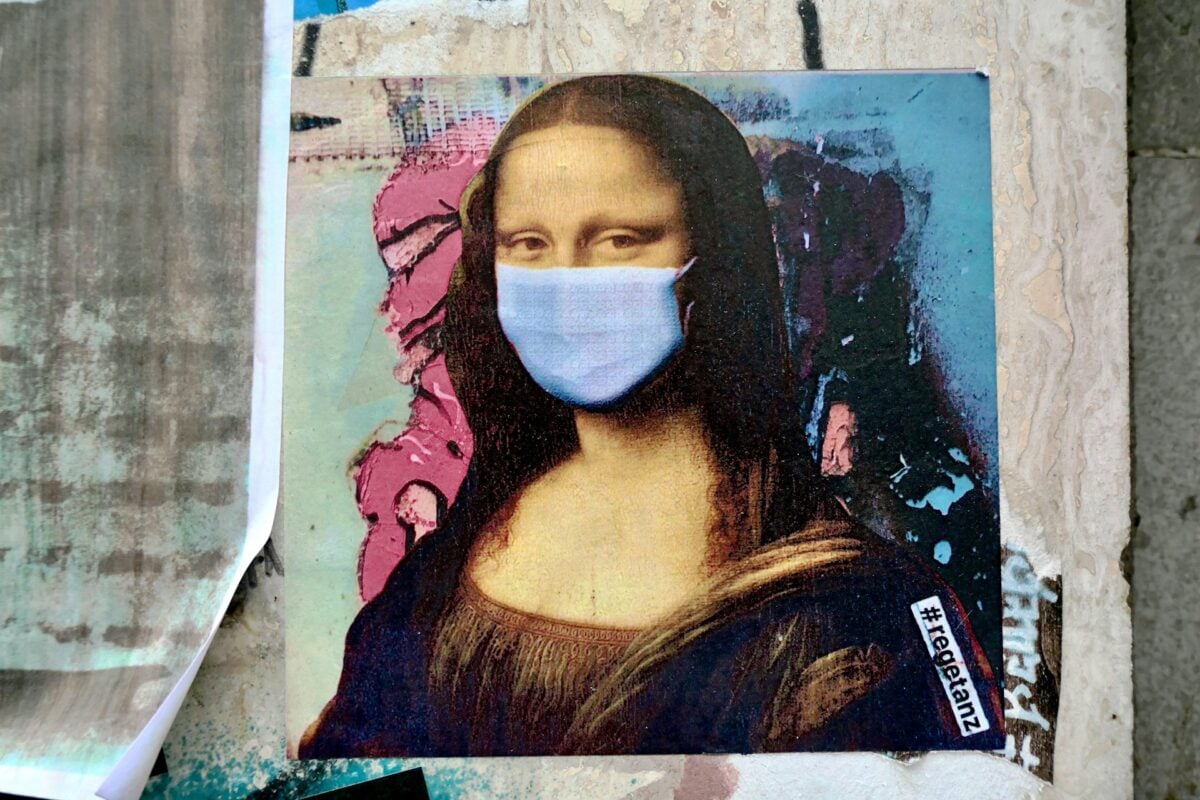
What makes the Mona Lisa truly remarkable isn’t just her fame or the drama surrounding her theft—it’s how she represents a turning point in art history. Leonardo combined scientific observation with artistic genius in ways nobody had done before.
He studied human anatomy through dissections, researched how light behaves, and understood facial muscles well enough to capture subtle emotion. The painting bridges Renaissance innovation with timeless human curiosity.
Five hundred years later, people still travel from every corner of the world just to stand in front of a small wooden panel and wonder what she’s thinking. That’s not just art history—that’s the power of human creativity to connect across centuries.
More from Go2Tutors!

- 16 Historical Figures Who Were Nothing Like You Think
- 12 Things Sold in the 80s That Are Now Illegal
- 15 VHS Tapes That Could Be Worth Thousands
- 17 Historical “What Ifs” That Would Have Changed Everything
- 18 TV Shows That Vanished Without a Finale
Like Go2Tutors’s content? Follow us on MSN.