25 Documents Released Long After the Fact
Paper outlives the people who want it hidden. That’s the quiet rule behind every archive on earth.
A minister stamps a file secret, a poet seals his letters, a government locks a box, and all of them forget that the box has more time than they do. Sooner or later somebody opens it.
A law expires, a court orders it, a regime falls, or a historian simply refuses to stop asking. What comes out is rarely a complete surprise.
More often it’s the proof of something people suspected for decades and couldn’t pin down. Here are 25 times the paper finally spoke.
1. The Pentagon Papers, Officially
Daniel Ellsberg leaked this secret history of the Vietnam War to the press in 1971, and the Supreme Court let newspapers print it. You’d think that settled the matter.
Yet the 7,000-page study remained formally classified for another forty years. The US government declassified it in full in June 2011.
Scholars could at last cite a document that had been sitting in public libraries since the Nixon era. Bureaucracy keeps its own calendar.
2. The Secret Protocol of the Nazi-Soviet Pact
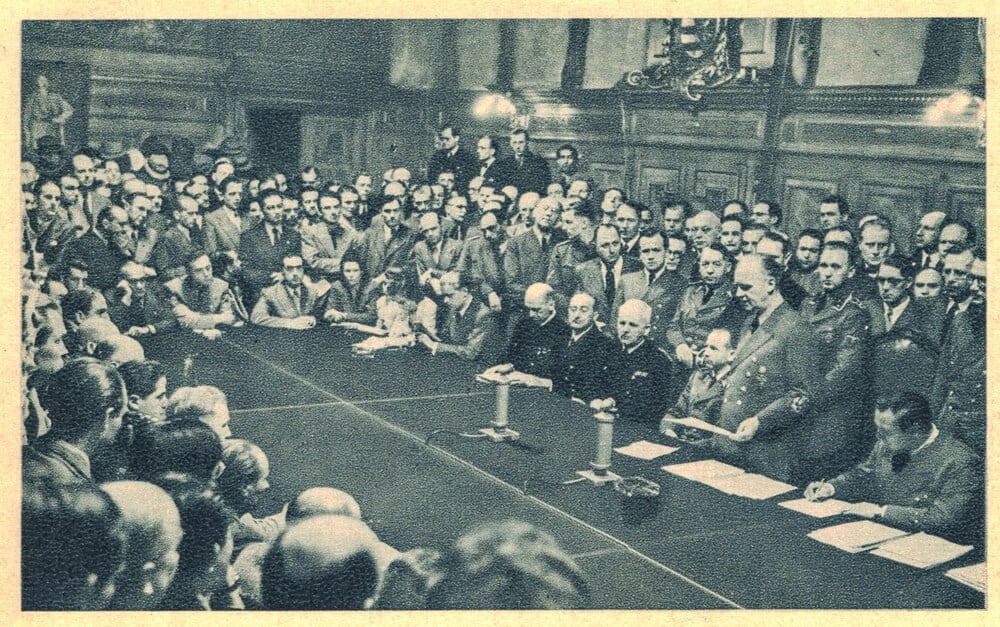
In August 1939, Germany and the Soviet Union signed a non-aggression treaty with a hidden annex that carved Poland, the Baltic states, and Finland into spheres of influence. American forces captured a microfilm of the German copy in 1945 and published it in 1948.
Moscow called it a forgery for the next four decades. The Soviet parliament finally admitted the protocol existed in December 1989.
The original, with Molotov’s signature, surfaced in the presidential archive in 1992. It had been there the whole time, in a sealed envelope, passed from one Soviet leader to the next.
3. The Venona Decrypts
From 1943, American codebreakers worked through thousands of intercepted Soviet cables. The messages identified spies inside the Manhattan Project, the State Department, and the White House itself.
The project ran until 1980, and the public knew nothing. Washington released the decrypts in 1995.
They confirmed the guilt of Julius Rosenberg, among others, and showed that some people accused in the McCarthy years were innocent. Both sides of a fifty-year argument had to give ground.
4. The Ultra Secret
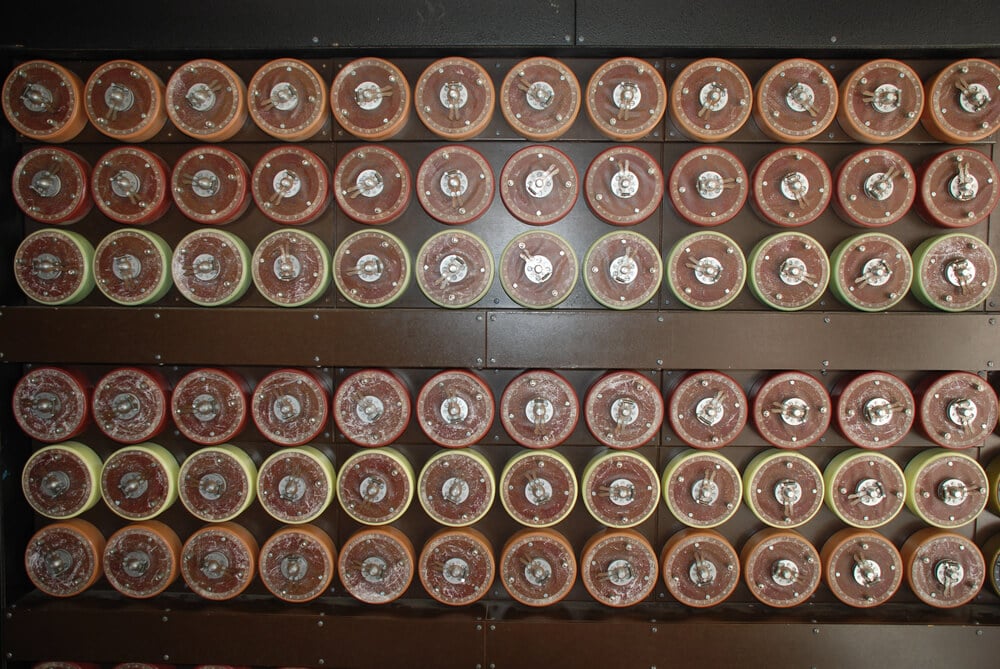
About 10,000 people worked at Bletchley Park breaking German codes during the war, and every one of them signed the Official Secrets Act. They kept their word for thirty years.
Husbands and wives who had both worked there didn’t tell each other. The silence ended in 1974 when a former officer published a book with government permission.
Historians had to revisit almost every major campaign of the war, because Allied generals had been reading the enemy’s mail. Some veterans died before the ban lifted, and their families never knew what they’d done.
5. The JFK Assassination Files
A 1992 law, passed after a Hollywood film stirred public anger, ordered every assassination record released within 25 years. The deadline arrived in October 2017.
Presidents from both parties then approved delay after delay at the request of the intelligence agencies. Tens of thousands of pages came out unredacted in March 2025.
They contained no second gunman. What they did show was how much the CIA had known about Lee Harvey Oswald before Dallas, and how hard it had worked to hide its own operations.
The cover-up was real, even if the conspiracy wasn’t the one people expected.
6. The Martin Luther King Files
In 1977 a federal judge sealed the FBI’s surveillance recordings of Dr King for fifty years, until 2027. Separately, the government held back a vast set of records from the investigation into his 1968 murder.
In July 2025, the National Archives released more than 230,000 pages from that investigation. King’s children asked the public to read them with care and with context, because the Bureau had spent years trying to destroy their father.
The files are as much a record of what the FBI did as of what King did.
7. The CIA’s “Family Jewels”
In 1973, a nervous CIA director ordered staff to report every activity that fell outside the agency’s charter. The answers filled nearly 700 pages.
They covered assassination plots against foreign leaders, mail opening, surveillance of journalists, and the testing of drugs on unwitting Americans. Parts leaked at once, but the agency released the full set only in June 2007.
The director at the time called it a glimpse of a very different CIA. Critics asked how he could be so sure.
8. The CIA’s Role in Iran’s 1953 Coup
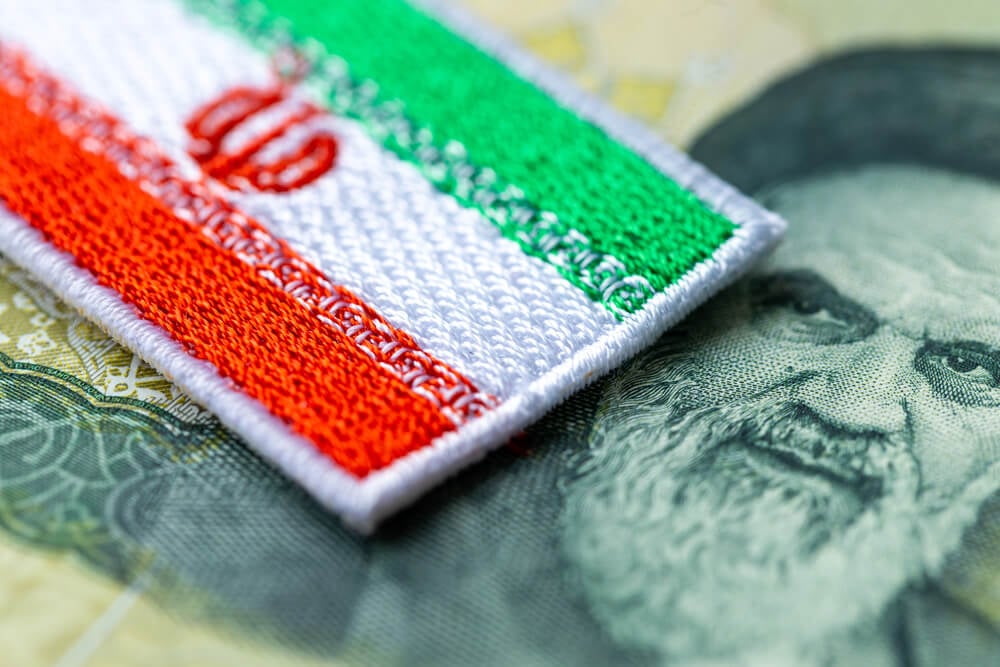
Everyone in Iran knew that America and Britain had helped overthrow Prime Minister Mohammad Mossadegh after he nationalised the country’s oil. The agency refused to confirm it for sixty years.
In August 2013, an American research archive obtained an internal CIA history through a freedom of information request. One sentence mattered most.
It stated that the coup was carried out under CIA direction as an act of US foreign policy. Iranians hadn’t needed the document, but it ended any debate in Washington.
9. Operation Northwoods

In March 1962, America’s top generals sent the defence secretary a proposal for justifying an invasion of Cuba. They suggested staging attacks and blaming Castro: blowing up an American ship, faking a hijacking, even a terror campaign in Miami.
The Joint Chiefs of Staff signed it. President Kennedy rejected the plan, and its chief author lost his post.
A review board declassified the memo in 1997. It remains the document sceptics reach for first, because it shows that a government did put such ideas in writing.
10. Britain’s “Migrated Archives”
As the British Empire wound down, officials in colony after colony sorted their files. Some they burned.
Others they flew home in secret, to a government facility in the English countryside. The Foreign Office denied for decades that any such collection existed.
It admitted the truth in 2011, forced by a court case brought by elderly Kenyans tortured during the Mau Mau uprising. Roughly 8,800 files from 37 former colonies emerged.
Britain paid compensation to more than 5,000 Kenyan claimants in 2013. The files that were burned, of course, will never emerge at all.
11. The Wartime Archives of Pope Pius XII
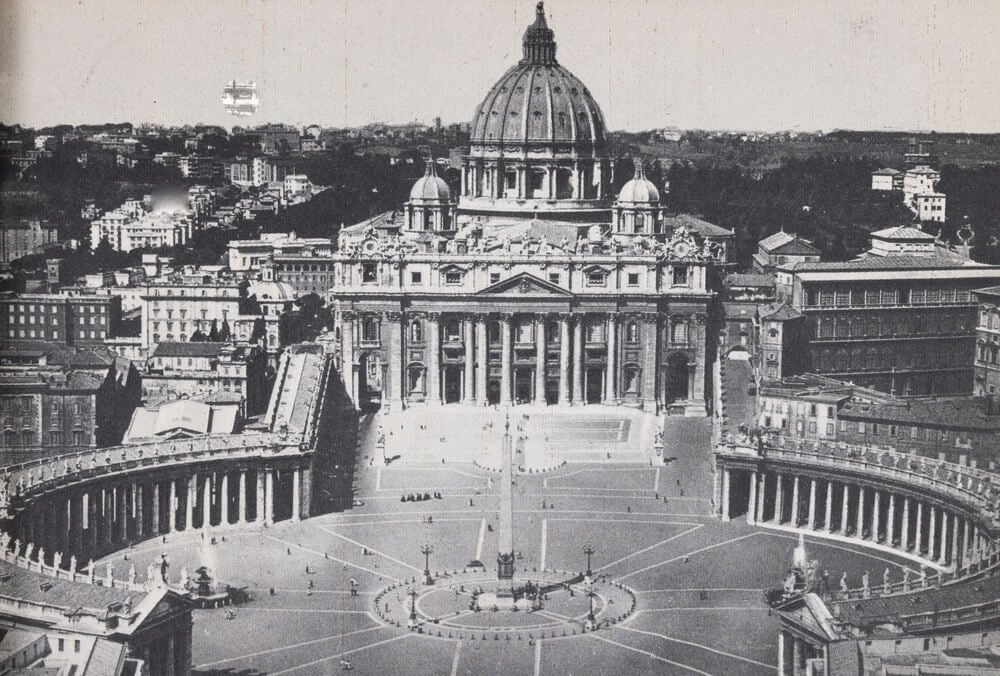
Pius XII led the Catholic Church from 1939 to 1958, and the argument over his public silence during the Holocaust has never cooled. The Vatican usually waits seventy years after a papacy ends before opening its records.
Pope Francis moved early and opened them on 2 March 2020. Researchers got a few days at the desks before the pandemic closed the reading rooms.
Work has since resumed, and the early findings show the Vatican received detailed reports of mass killings as early as 1942. The Church, Francis said, isn’t afraid of history.
12. The Stasi Files
East Germany’s secret police kept records on around six million people, enough paper to fill 111 kilometres of shelving. When the regime collapsed, officers ran the shredders until the machines burned out, then tore files by hand.
Citizens stormed the offices and stopped them. From January 1992, any German could apply to read their own file.
Millions have. People learned that their colleagues, best friends, and in some cases their husbands had reported on them for years.
Teams are still piecing together 16,000 sacks of torn pages, first by hand and now with software.
13. The Dead Sea Scrolls
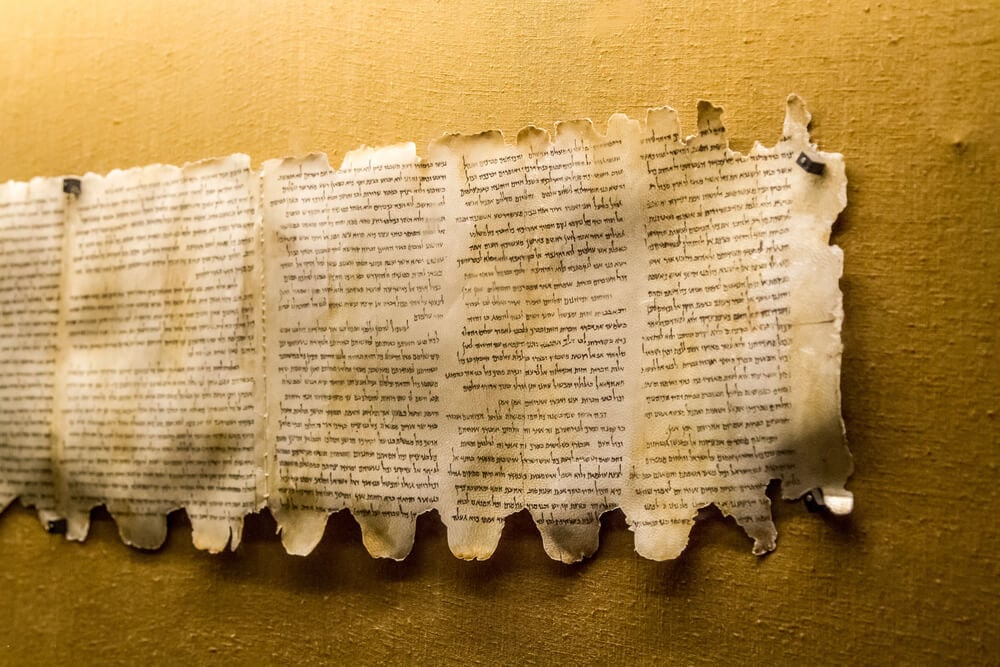
Bedouin shepherds found the first scrolls in a cave near Qumran in 1947. The texts, the oldest known copies of the Hebrew Bible, belonged to everyone.
Yet a small committee of scholars controlled the unpublished fragments for more than forty years, publishing at a crawl and refusing access to outsiders. In September 1991, a library in California announced it held a complete set of photographs and would show them to any qualified researcher.
The monopoly collapsed within weeks. It took a librarian, not an archaeologist, to free the most important manuscript find of the century.
14. The Hillsborough Papers
Ninety-seven Liverpool supporters died as a result of a crush at a Sheffield stadium in April 1989. Police blamed drunk and ticketless fans, and a tabloid printed the claims under the headline “The Truth.”
Families spent 23 years fighting that version. In September 2012, an independent panel published around 450,000 pages of documents.
They showed that officers had altered 116 police statements to remove criticism of the force. Fresh inquests in 2016 ruled the victims were unlawfully killed and the fans bore no blame.
15. The Rivonia Trial Recordings
The 1963 to 1964 trial that sent Nelson Mandela to Robben Island was recorded, all 256 hours of it, on a format called Dictabelt: thin blue plastic loops with grooves pressed into them. By the 2000s, no working machine in South Africa played them properly.
The voices of Mandela, Sisulu, Mbeki, and Kathrada sat silent in the National Archives in Pretoria. A French audio institute took on the job using a device its own engineer had invented to read obsolete formats.
It completed the work and handed back the full digitised set between 2016 and 2018. South Africans could finally hear, in his own voice, the speech from the dock that every school textbook quotes.
Reading “an ideal for which I am prepared to die” is one thing. Hearing the pause before it is another.
16. The 44 Tonnes South Africa Burned
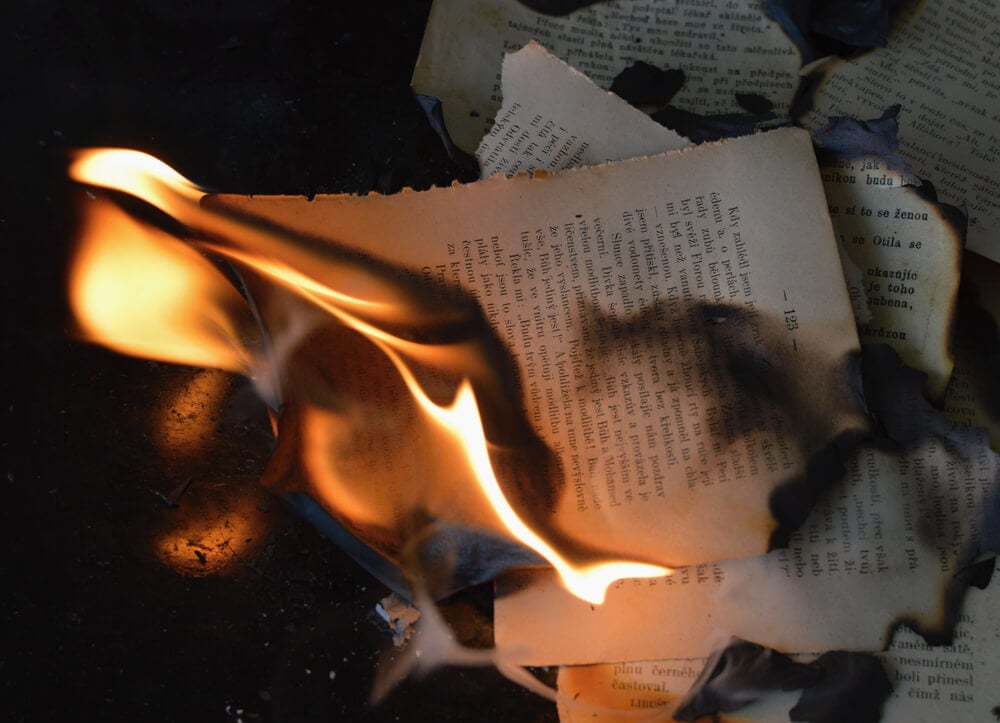
Here’s the other side of the story, and it belongs on this list as a warning. In 1993, with the transition to democracy under way, the apartheid security establishment destroyed records on an industrial scale.
The Truth and Reconciliation Commission later found that the National Intelligence Service alone sent roughly 44 tonnes of paper and microfilm to furnaces over a few months, including the steelworks ovens in Pretoria. Those files are never coming out.
Every researcher working on that period knows the feeling of following a reference to a folder that no longer exists. Release is only possible where somebody chose not to strike the match.
17. Samuel Pepys’s Diary
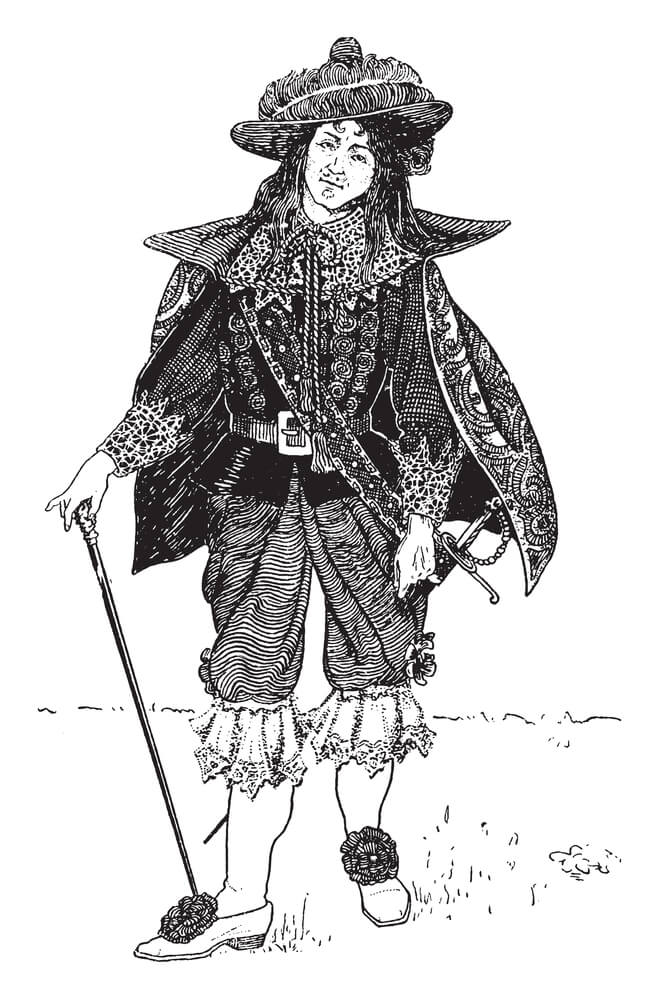
Pepys recorded nine years of London life in the 1660s, including the plague and the Great Fire, in a private shorthand. He left the six volumes to his old Cambridge college with the rest of his library.
They sat there unread for more than a century. A student spent three years deciphering them, and the first edition appeared in 1825.
The poor man never realised that the key to the shorthand system was sitting on a shelf in the same library. The diary is now the best eyewitness account of Restoration England anyone has.
18. Anne Frank’s Covered Pages
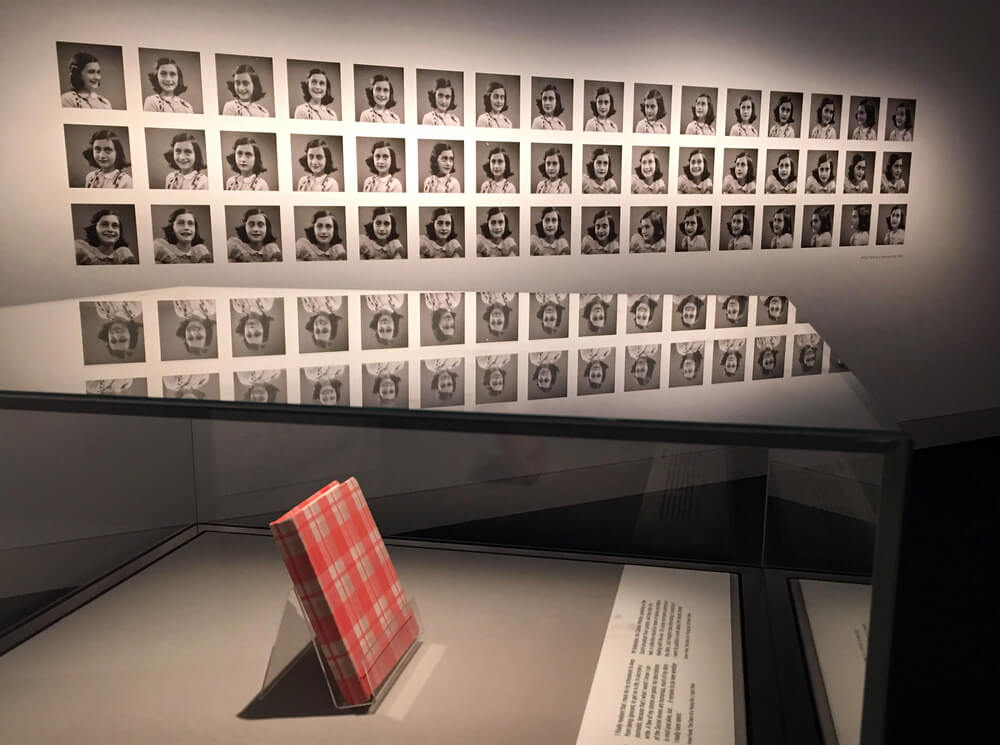
Two pages in Anne Frank’s first diary were pasted over with brown paper, by Anne herself. Conservators never dared to peel it off.
In 2018, researchers in Amsterdam photographed the pages with a light behind them and used software to read the text through the paper. Underneath were a few risqué jokes and a teenager’s frank thoughts about growing up.
The discovery changed nothing about the history. It did remind readers that the most famous victim of the Holocaust was a cheeky thirteen-year-old girl who wanted to be a writer and edited her own drafts.
19. Mark Twain’s Autobiography
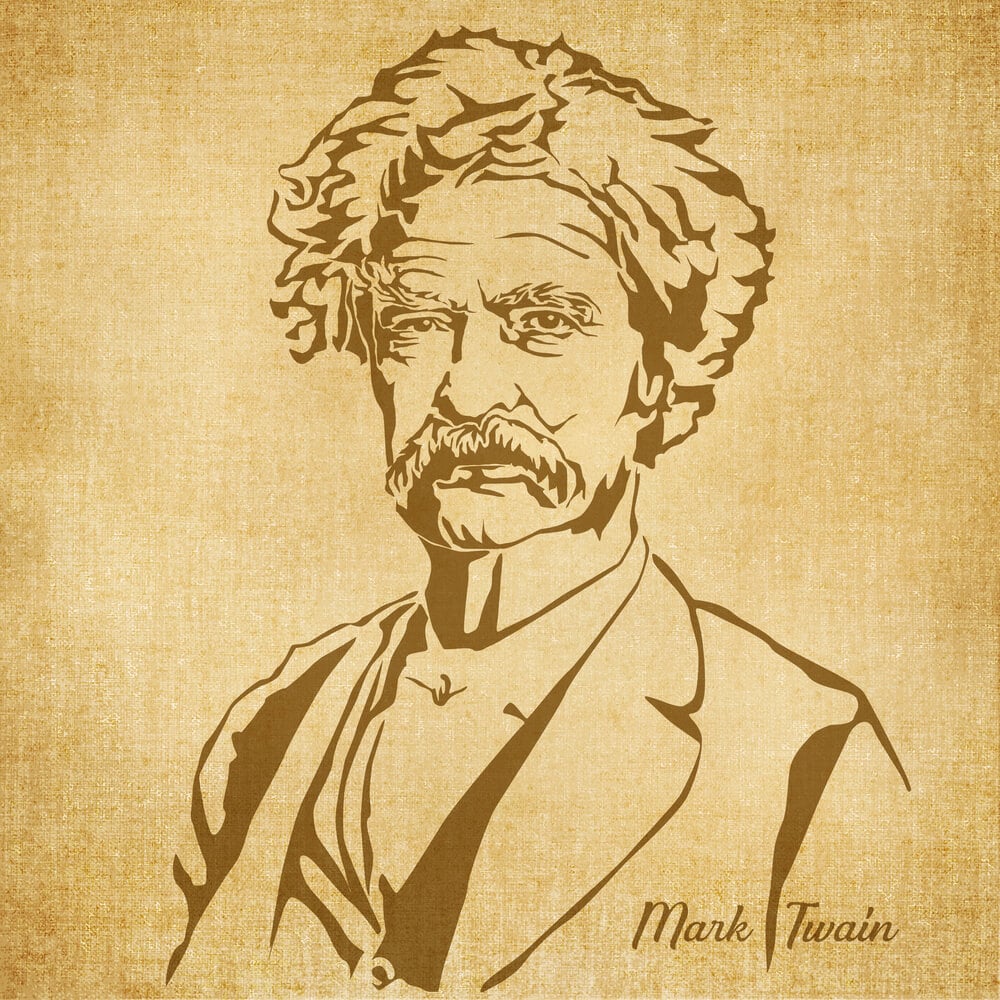
Twain dictated half a million words of memoir in his final years and left instructions that the full text wait a hundred years after his death. He wanted to speak freely about people he knew, and he wanted them and their children safely gone.
He died in 1910. The University of California published the first volume in November 2010, right on schedule.
It became a bestseller. Twain had worked out how to have a hit book a century after his own funeral, which is exactly the kind of joke he liked.
20. T.S. Eliot’s Letters to Emily Hale
Eliot wrote more than 1,100 letters to Emily Hale, an American drama teacher he’d loved since his twenties. She gave them to Princeton University on condition that they stay sealed until fifty years after both had died.
The boxes opened on 2 January 2020, bound in the original metal bands. Eliot had seen it coming.
On the same day, a Harvard library released a statement he’d written in 1960 for exactly this moment, playing down the relationship. The letters say otherwise, and scholars now read some of his greatest poems differently.
21. Operation Unthinkable
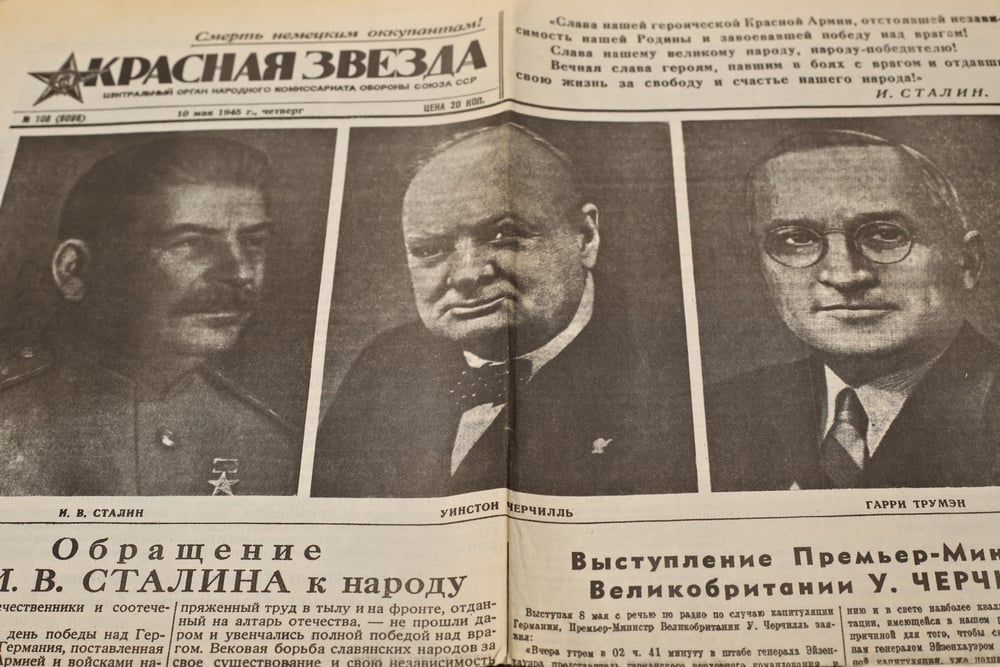
In May 1945, days after Germany surrendered, Winston Churchill asked his military planners a question. Could Britain and America attack the Soviet Union and push it out of Poland?
The planners sketched a surprise offensive for 1 July, using up to 100,000 rearmed German soldiers. Their conclusion was that it would fail.
Britain kept the plan secret until 1998. Its release showed the Cold War starting on paper before the hot war had fully ended.
22. The Arolsen Archive
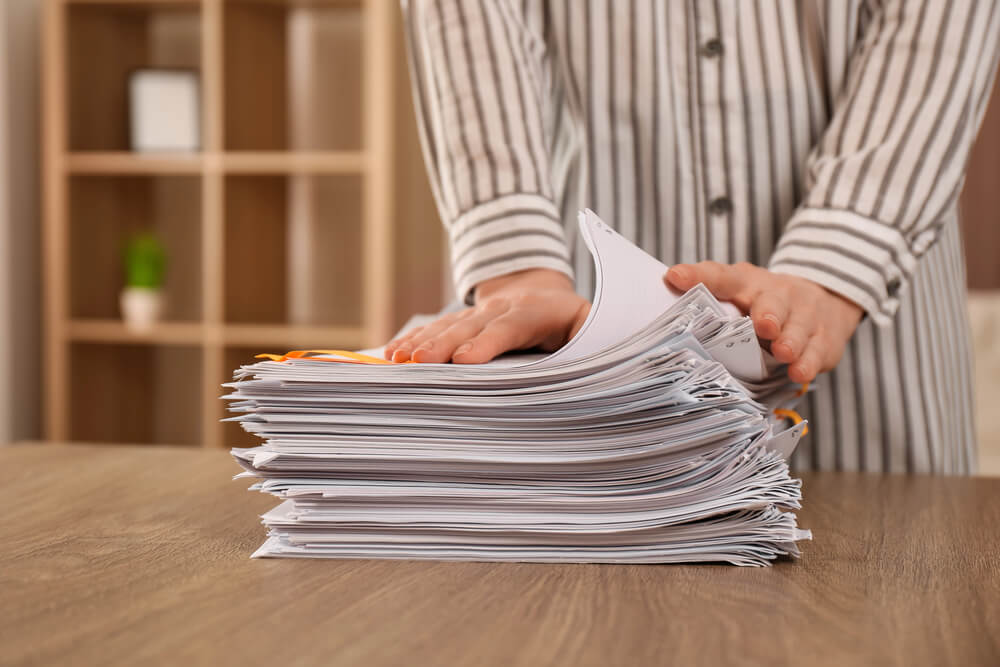
After the war, the Allies gathered Nazi records of camps, forced labour, and deportations in the small German town of Bad Arolsen, so that families could trace the missing. The collection grew to around 30 million documents covering 17.5 million people.
For sixty years only the Red Cross tracing service could consult it. The eleven governing countries agreed to open it to researchers and survivors in 2007.
Much of it is now searchable online. Families have found a grandfather’s prison card, signed in his own hand, from a laptop at home.
23. Australia’s Palace Letters
In November 1975, the Queen’s representative in Australia, Sir John Kerr, dismissed the elected prime minister. It remains the country’s greatest constitutional crisis.
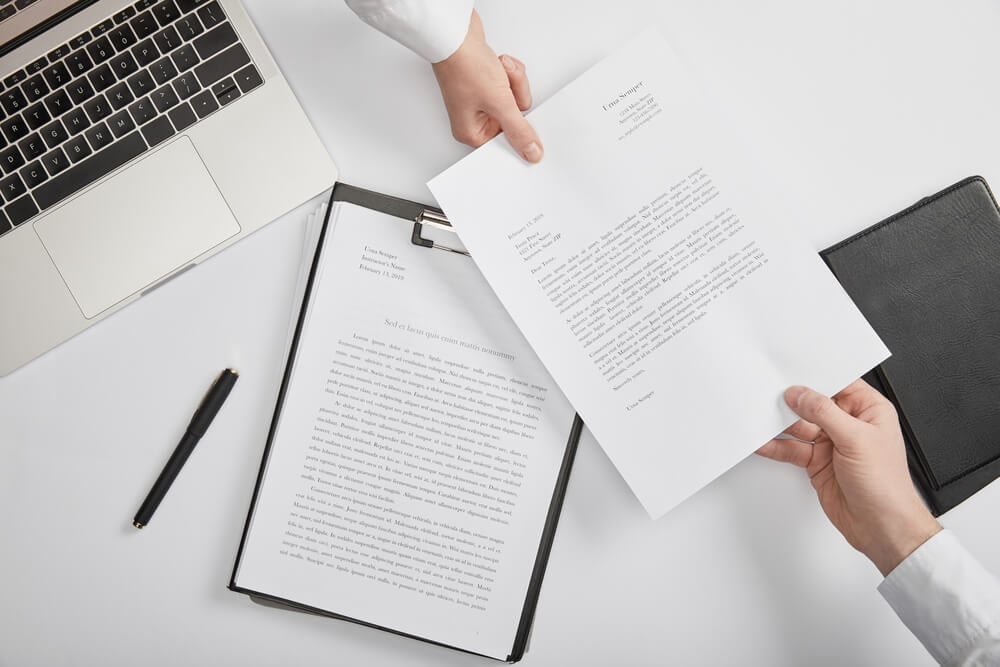
Kerr’s correspondence with Buckingham Palace went into the National Archives marked as personal, under an embargo the Palace could extend indefinitely. A historian named Jenny Hocking fought for the letters for a decade and won in Australia’s highest court in 2020.
The 211 letters showed that Kerr hadn’t told the Queen in advance. They also showed how thoroughly he’d discussed his options with her private secretary in the months before.
24. What Survived of MKUltra
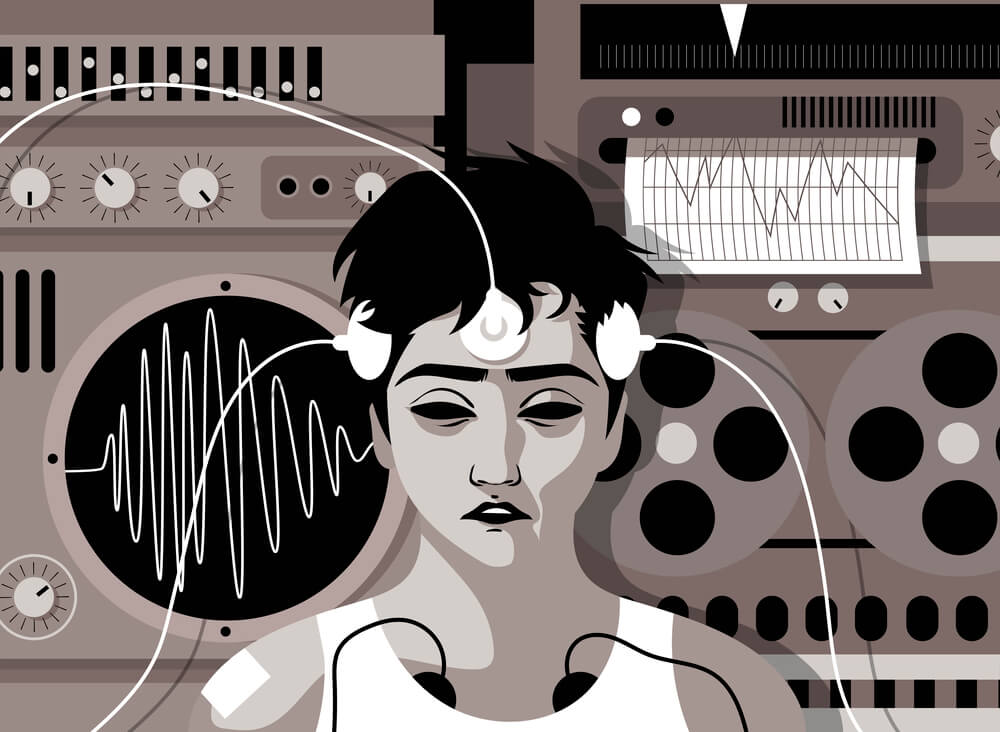
From 1953, the CIA funded experiments in mind control, including dosing people with LSD without their knowledge. In 1973 the agency’s director ordered every MKUltra file destroyed, and staff obeyed.
That should have been the end of it. But around 20,000 pages had been filed in the wrong place, among financial records in a separate building.
A freedom of information request turned them up in 1977, and Senate hearings followed. A filing error did more for accountability than any oversight committee of the period.
25. The Black Boxes of Flight 007
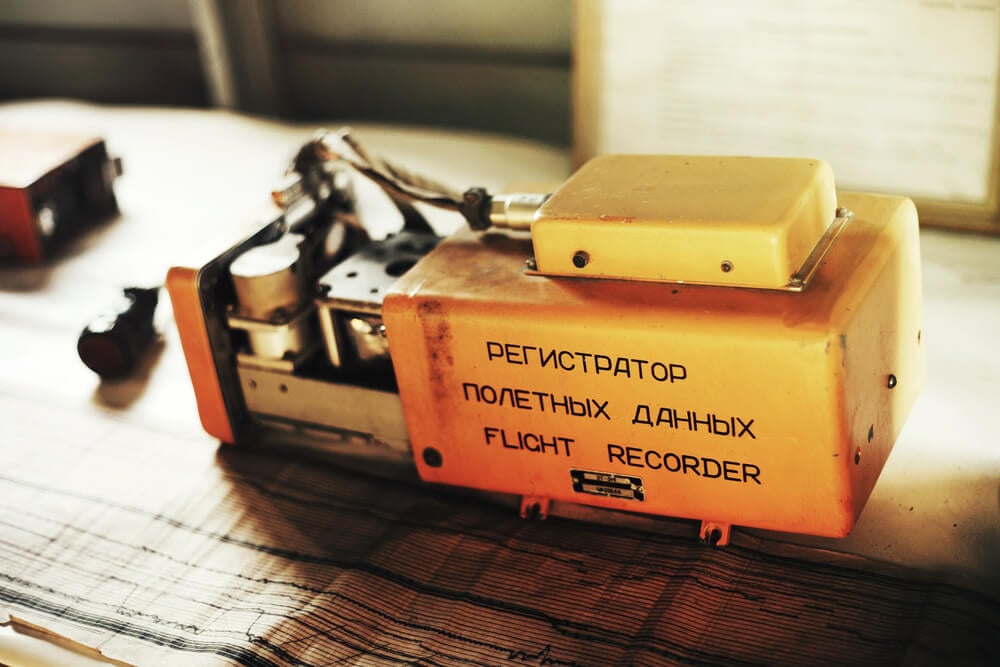
Soviet fighters shot down a Korean airliner that had strayed over Sakhalin in September 1983, killing all 269 people aboard. Moscow insisted it never found the flight recorders.
American and Japanese ships searched the seabed for weeks while Soviet vessels harassed them. The Soviets had recovered the boxes within two months and hidden them.
Boris Yeltsin admitted it in 1992 and handed them over. The recordings showed a crew chatting calmly, unaware they were off course until the missile hit.
Moscow had spent a decade calling it a spy mission while holding the proof that it wasn’t.
The Patience of Paper
If you’re chasing a record yourself, a relative’s military file, a land claim, an old inquest, use the law. South Africa’s Promotion of Access to Information Act gives you the right to ask, and a refusal must come with reasons.
Ask in writing, keep copies, and ask again. The 25 cases above share one feature.
None of these documents released itself. Somebody filed the request, brought the lawsuit, invented the machine, or spent three years on the shorthand.
The archive keeps the paper, and stubborn people get it out.
More from Go2Tutors!

- The Romanov Crown Jewels and Their Tragic Fate
- 13 Historical Mysteries That Science Still Can’t Solve
- Famous Hoaxes That Fooled the World for Years
- 15 Child Stars with Tragic Adult Lives
- 16 Famous Jewelry Pieces in History
Like Go2Tutors’s content? Follow us on MSN.