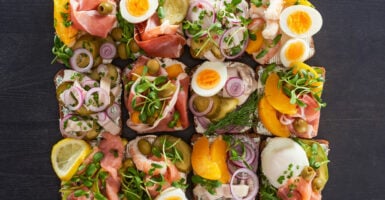
27 Southern Desserts Grandmothers Made From Scratch
Southern grandmothers rarely measured anything, which made their desserts nearly impossible to copy. A handful of flour, a lump of butter the size of an egg and an oven that ran hot on one side were all part of the recipe.
These are the cakes, pies and candies that filled cake stands and church fellowship halls across the South. Most came from lean times and cheap pantry staples, and a few came from the newspaper.
Hummingbird Cake From the Magazine Mailbag
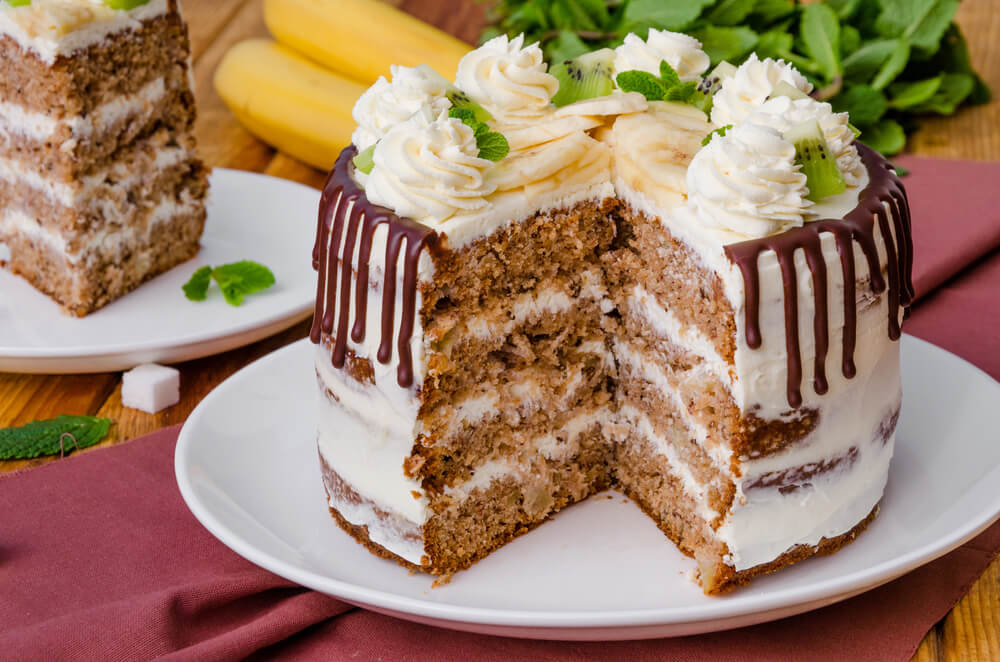
Hummingbird cake is a spiced layer cake packed with mashed bananas, crushed pineapple and chopped pecans, finished with cream cheese frosting. Southern Living printed a reader’s recipe for it in February 1978, and it went on to become the most requested recipe in the magazine’s history.
Earlier versions circulated in Jamaica, where the doctor bird, a native hummingbird, gave the cake one of its names. The batter needs no mixer, only a bowl and a spoon.
Grandmothers liked that it stayed moist for days, which made it a safe choice for funerals and church homecomings.
Red Velvet Cake With Boiled Frosting
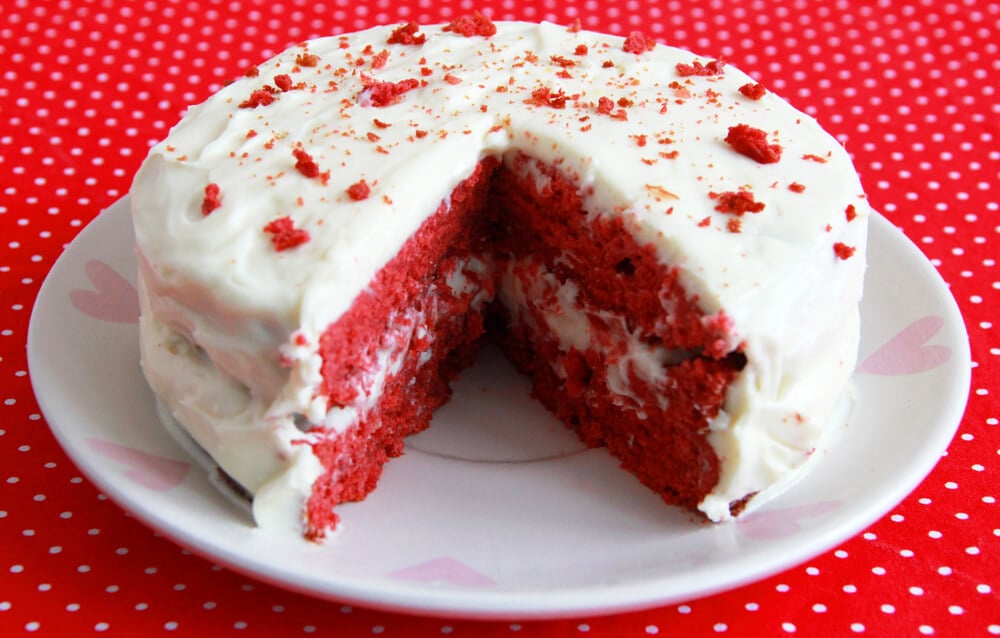
Before red food coloring took over, red velvet cake owed some of its reddish tint to the reaction between natural cocoa, buttermilk and vinegar. The Adams Extract Company of Texas pushed the cake hard in the 1940s and 1950s by selling red dye and printing recipe cards to go with it.
Older Southern cooks frosted it with ermine icing, a cooked flour-and-milk frosting beaten with butter and sugar until it turned light and fluffy. Cream cheese frosting came later.
Grandmothers often baked it at Christmas, when the red layers against white icing looked festive on a sideboard.
Lane Cake From Clayton, Alabama
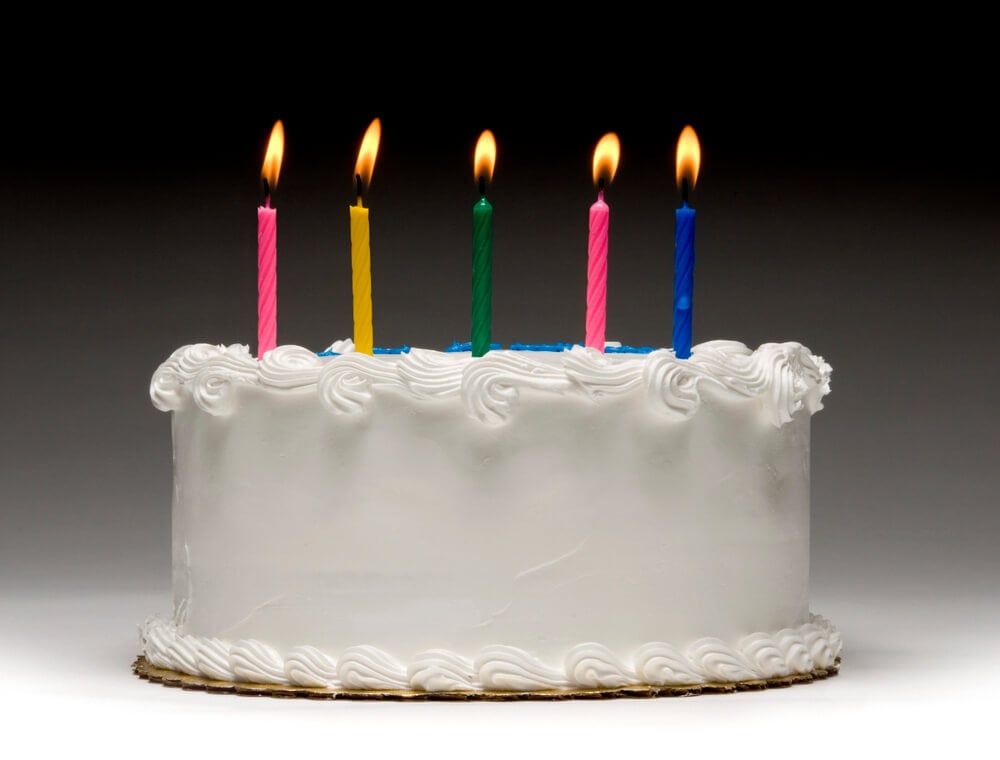
Emma Rylander Lane of Clayton, Alabama, won first prize at a fair in Columbus, Georgia, with this cake and published the recipe in her 1898 cookbook, Some Good Things to Eat. The white sponge layers are filled with a cooked custard of egg yolks, butter, raisins, pecans and a generous pour of bourbon or brandy.
Harper Lee mentioned Lane cake in To Kill a Mockingbird, where Scout says Miss Maudie’s version was strong enough to make her tipsy. The cake needs a day or two to mellow, and grandmothers kept it covered in a cool pantry until company arrived.
Pecan Pie Built on Karo Syrup
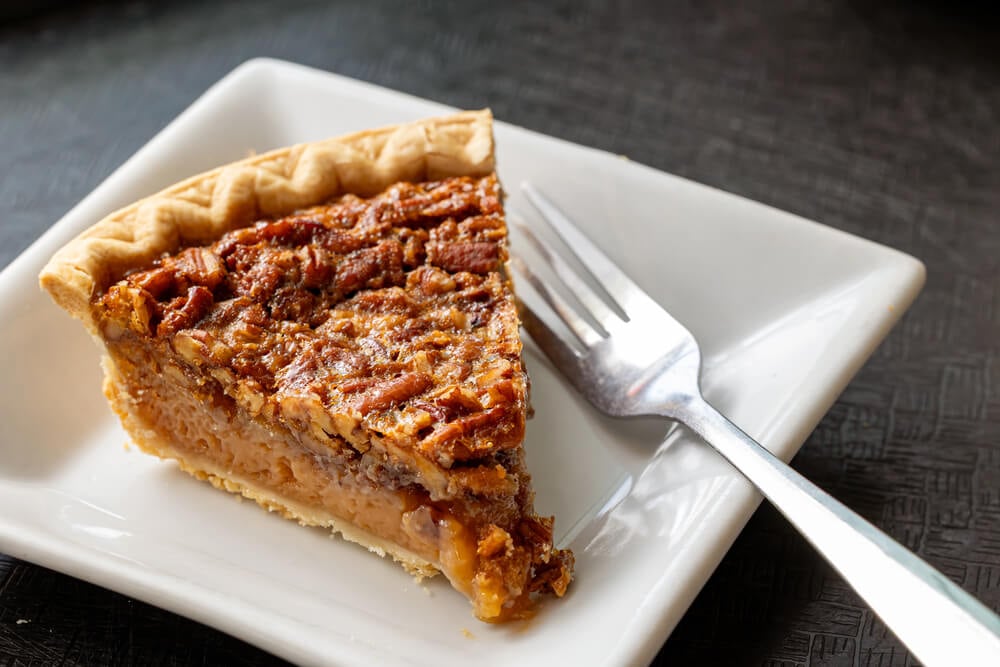
Pecan pie existed long before the 1930s, but the version most grandmothers baked came from the label of a Karo corn syrup bottle. The makers of Karo popularized the recipe in that decade, and it gave families a cheap, reliable way to turn a fall pecan harvest into dessert.
The filling is corn syrup, sugar, eggs, butter and vanilla, which sets into a gooey custard as the pecans float to the top. Families in Georgia, Texas and Alabama often gathered the nuts from their own yards.
Grandmothers argued over dark versus light syrup, and some added a quiet spoonful of bourbon.
Chess Pie on the Holiday Table
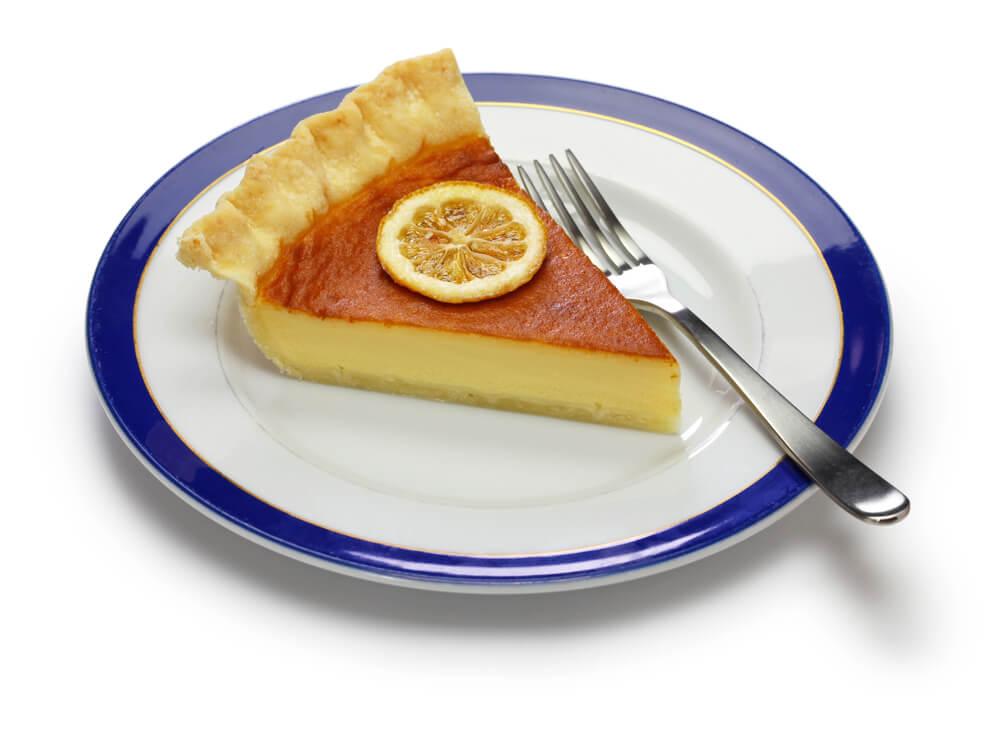
Chess pie is a plain custard pie of sugar, butter, eggs and a little cornmeal, sometimes brightened with vinegar or lemon juice. Nobody agrees on the name.
The most repeated story says a cook who was asked what she was baking replied that it was just pie, which in a Southern accent sounded like chess pie. Another theory ties the word to the pie chest, a cabinet where baked goods were stored.
The pie keeps well without refrigeration, which made it practical in farmhouse kitchens. Grandmothers cut it in thin slices because it is so rich.
Banana Pudding With Meringue on Top
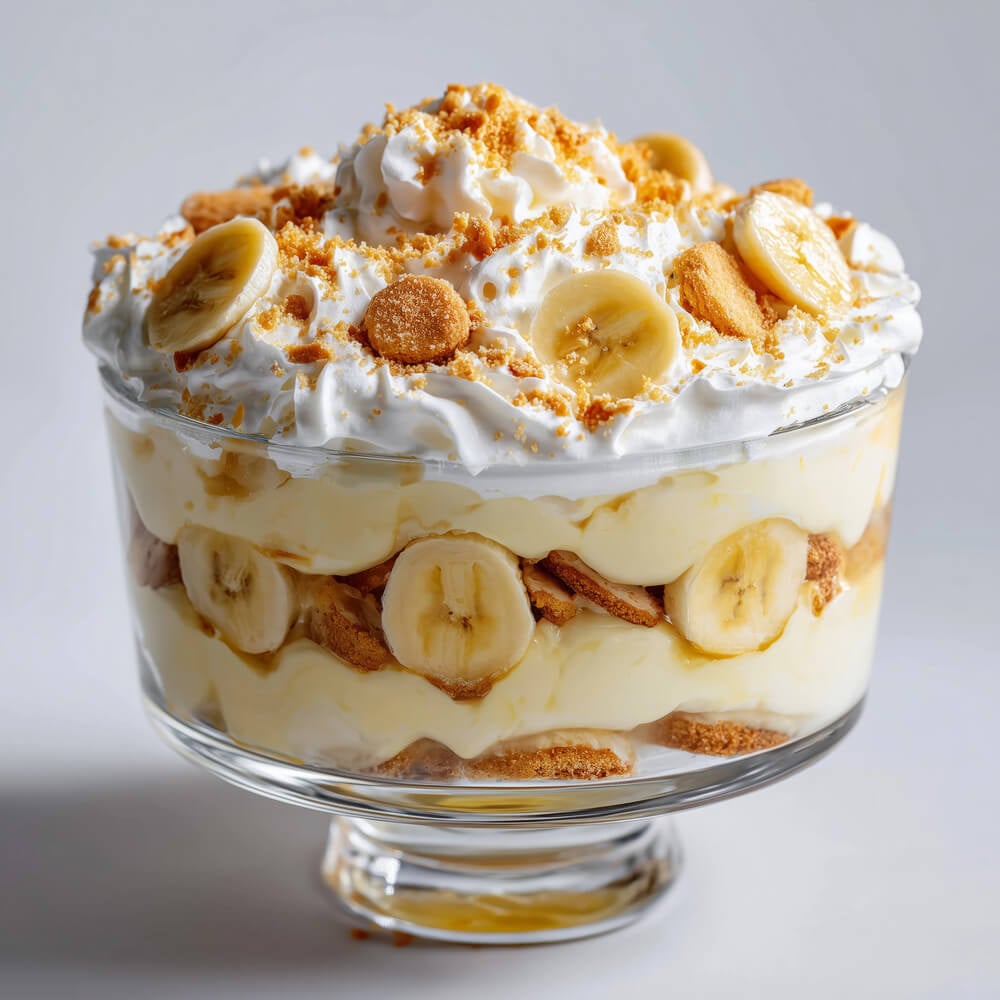
Southern banana pudding is layered in a deep dish with vanilla wafers, sliced bananas and a stovetop custard, repeated until the dish is full. Older versions were topped with meringue and browned in the oven rather than covered in whipped cream.
Nabisco printed a banana pudding recipe on its vanilla wafer box for decades, and that recipe became the default in countless kitchens. The wafers soften overnight into something close to cake.
Grandmothers made it for Sunday dinners, reunions and funerals, and kids scraped the browned meringue off the top when nobody was watching.
Fresh Coconut Layer Cake
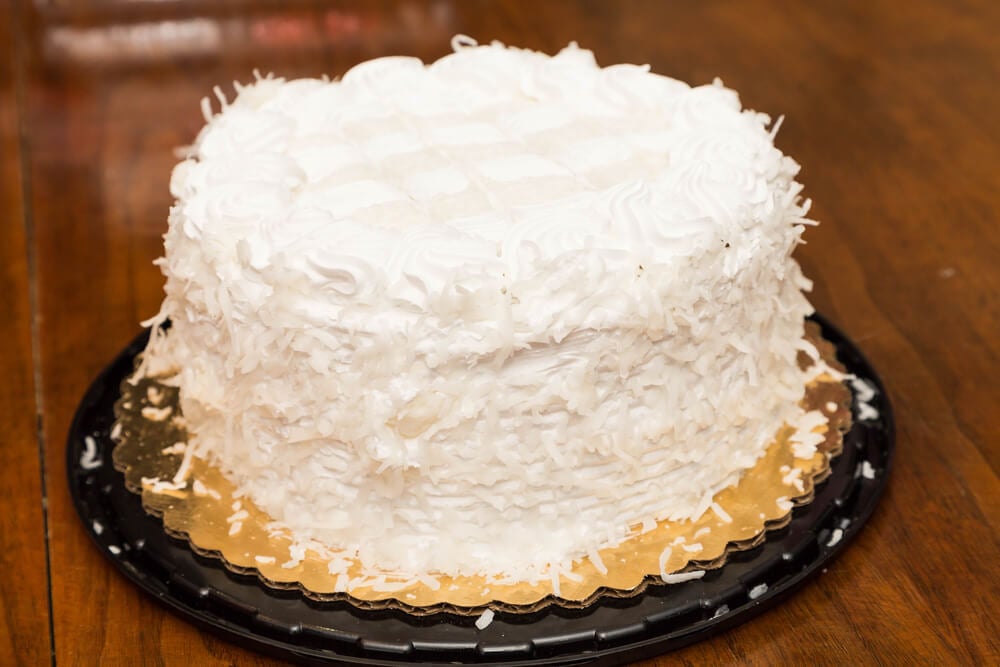
Before bagged coconut became common, a coconut cake began with a hammer, a screwdriver and a fresh coconut. Cooks drained the milk, cracked the shell, pried out the white meat and grated it by hand, often brushing the coconut milk onto the cake layers to keep them moist.
The finished cake is covered in seven-minute frosting and pressed with grated coconut until it looks like fresh snow. It was a Christmas and Easter centerpiece across the South.
Grandmothers who made it the hard way rarely let anyone forget it, and the cake stand came out only for company.
Caramel Cake With Cooked Icing
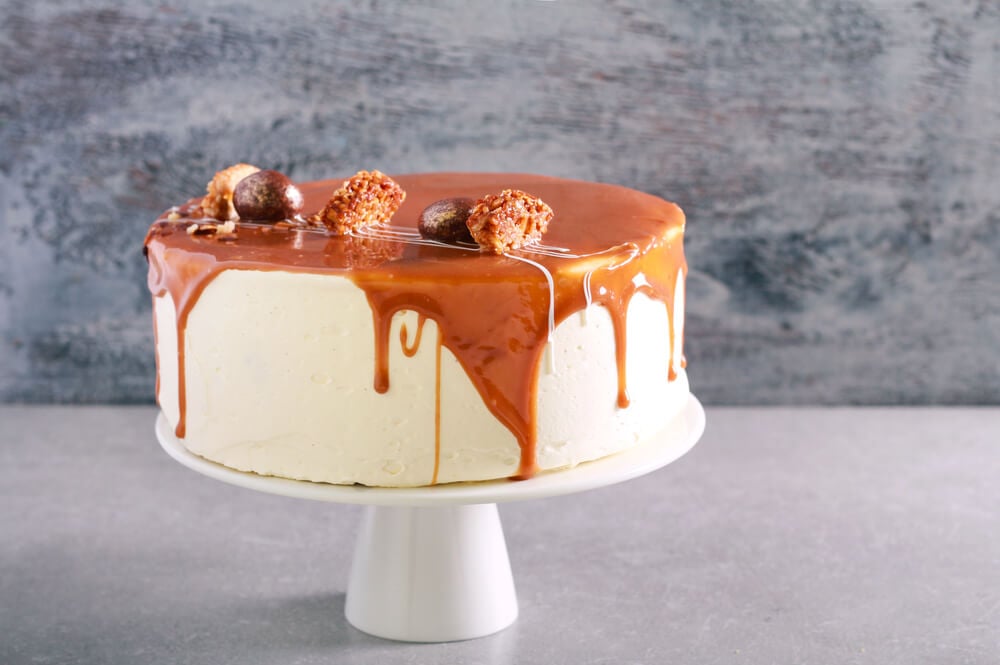
Caramel cake is a yellow butter cake covered in a cooked caramel icing that sets into a thin, fudgy shell. The icing is the hard part, since it means cooking sugar, butter and evaporated milk to the right stage and then beating it quickly before it seizes.
Many cooks caramelized a portion of the sugar in a cast-iron skillet first. Mississippi, Alabama and the Carolinas all claim strong caramel cake traditions.
Grandmothers who could make it were asked for it at every birthday, and those who could not simply ordered one from the lady at church who could.
Sweet Potato Pie at Thanksgiving
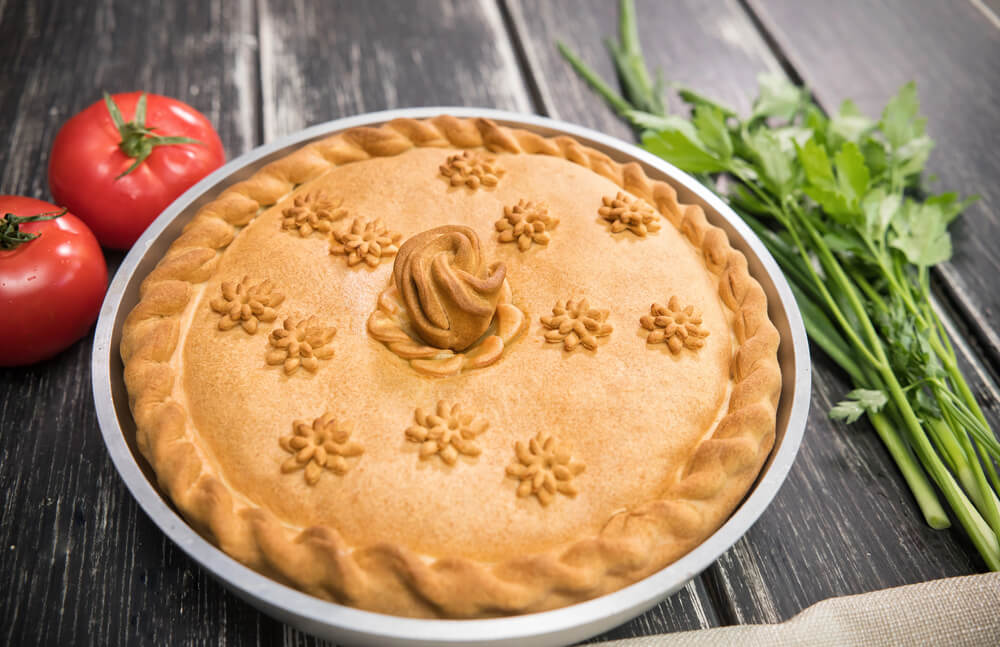
In much of the South, sweet potato pie holds the place that pumpkin pie claims elsewhere. The sweet potatoes are boiled or baked, mashed and mixed with butter, sugar, eggs, evaporated milk and spices like nutmeg and cinnamon.
Recipes range in texture from silky to rustic, depending on whether the cook pushes the potatoes through a sieve. The pie has deep roots in African American cooking, and George Washington Carver included sweet potato recipes in the farm bulletins he wrote at Tuskegee.
Many families bake a dozen at a time for the holidays and hand them out to neighbors.
Peach Cobbler From Summer Fruit
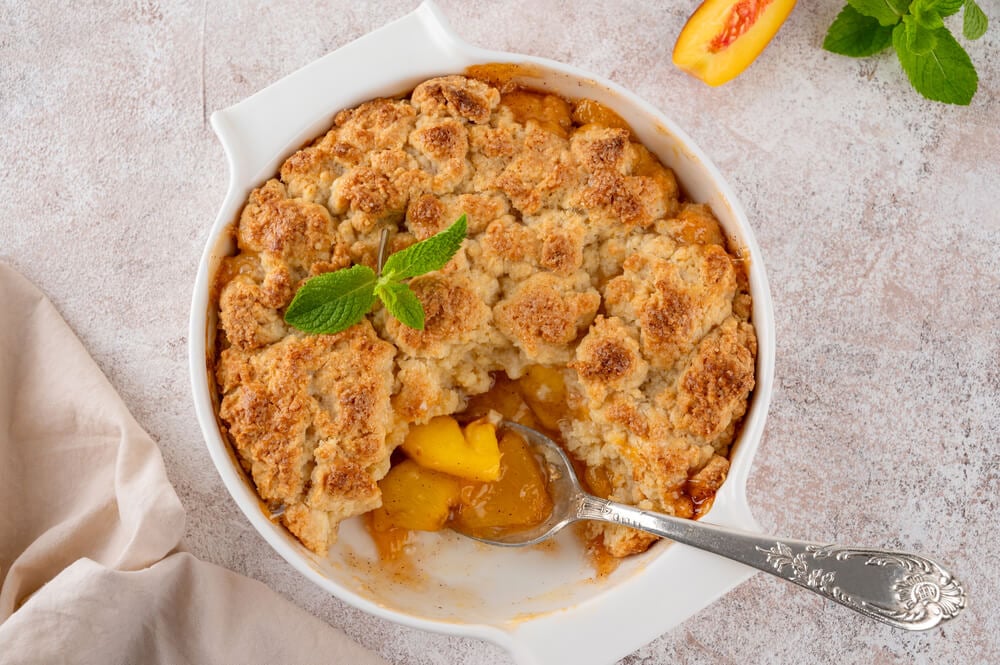
Peach cobbler is a summer dessert built around ripe fruit and very little fuss. Georgia and South Carolina, the two big peach states, both claim it, and cooks disagree about whether the topping should be biscuit dough dropped over the fruit or a batter poured into melted butter that rises around it.
The batter method is the default in many Southern families. Grandmothers served it warm with vanilla ice cream melting into the juice.
National Peach Cobbler Day falls on April 13, a date that arrives well before any Southern peach is ready to pick.
Fried Hand Pies With Dried Apples
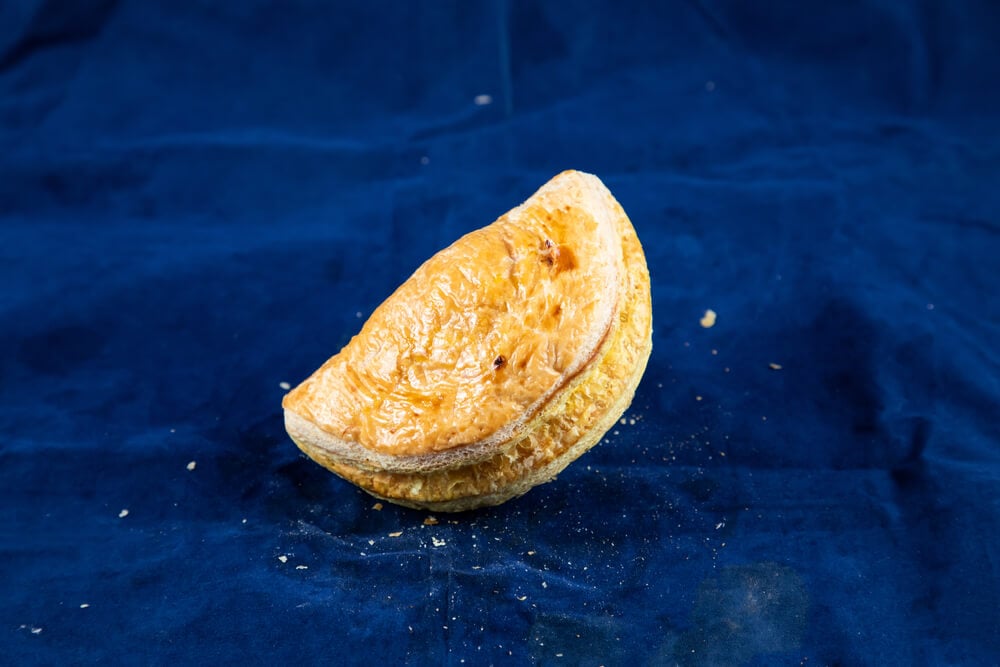
Fried pies are half-moon turnovers filled with stewed dried fruit, crimped with a fork and fried in lard or shortening until blistered and crisp. Appalachian and Ozark families dried apples and peaches on screens in the summer sun so they could make them through the winter.
The fruit was simmered with sugar and cinnamon until thick enough to hold inside the dough. Grandmothers made them by the plateful, and they traveled well in lunch pails and coat pockets.
Gas stations and small-town diners across the South still sell them wrapped in wax paper beside the register.
Cream Cheese Pound Cake in a Bundt Pan
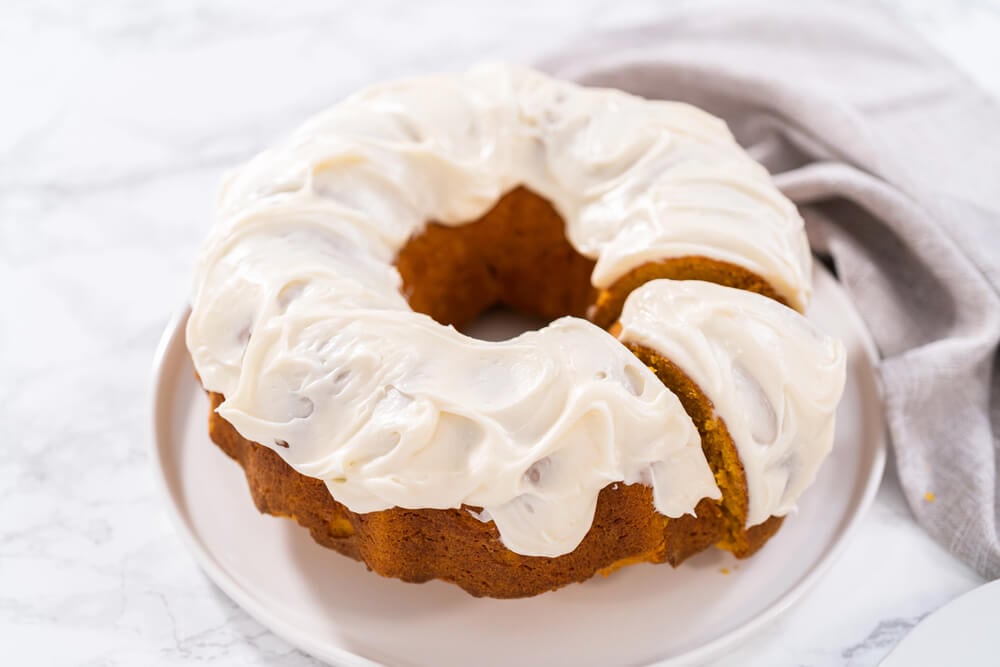
Pound cake got its name from the original formula, a pound each of butter, sugar, eggs and flour. Southern cooks added a block of cream cheese in the twentieth century, which gave the crumb a tighter, richer texture and a golden crust.
Many recipes call for a cold oven, an old habit that some grandmothers swore by. The cake keeps for days and freezes well, so a spare usually sat in the freezer for emergencies.
Grieving families across the South were likely to receive at least one within a day of a death in the family.
Divinity on a Dry Day
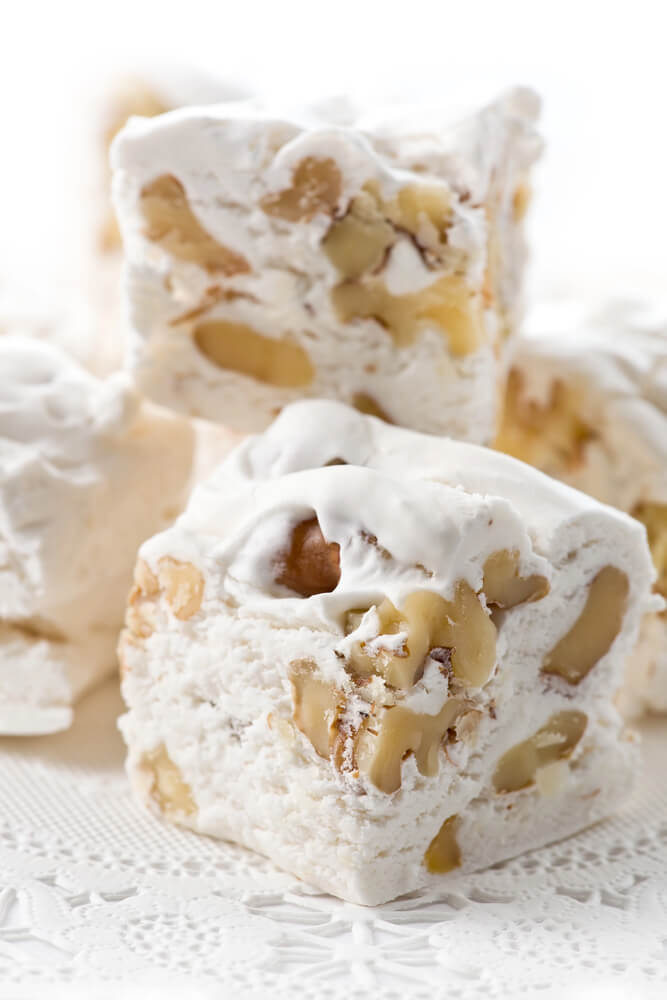
Divinity is a white, cloudlike candy of sugar, corn syrup and egg whites, often studded with pecans. Making it depends almost entirely on the weather, since humidity keeps the candy from setting, and experienced cooks refused to try on rainy days.
Hot syrup is poured into beaten egg whites while mixing, and the candy is spooned onto wax paper at the moment it loses its gloss. Timing is everything.
Grandmothers who could make divinity reliably made it every Christmas, and the rest of the family considered it a mysterious skill that skipped generations.
New Orleans Pralines
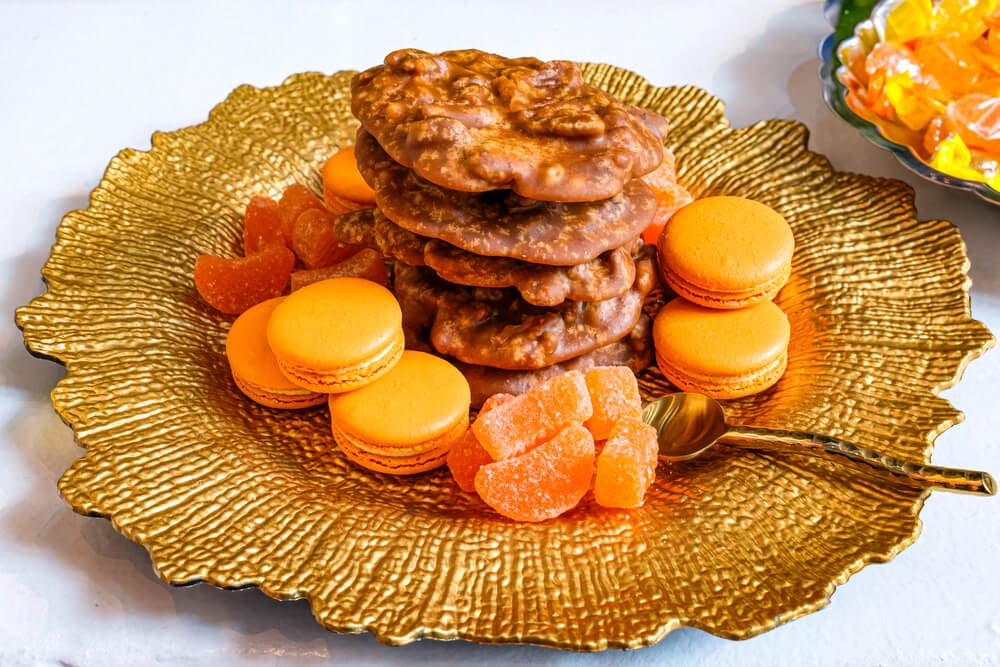
New Orleans pralines are flat, fudgy candies of brown sugar, butter, cream and pecans, and locals pronounce them prah-leens. French settlers brought the almond praline to Louisiana, and cooks there substituted the plentiful local pecan.
Street vendors known as pralinieres, many of them free women of color, sold them in the French Quarter in the 1800s. The candy has to be spooned out quickly once it thickens, before it turns grainy.
Grandmothers along the Gulf Coast made batches for holidays and wrapped them in wax paper to give away.
Appalachian Apple Stack Cake
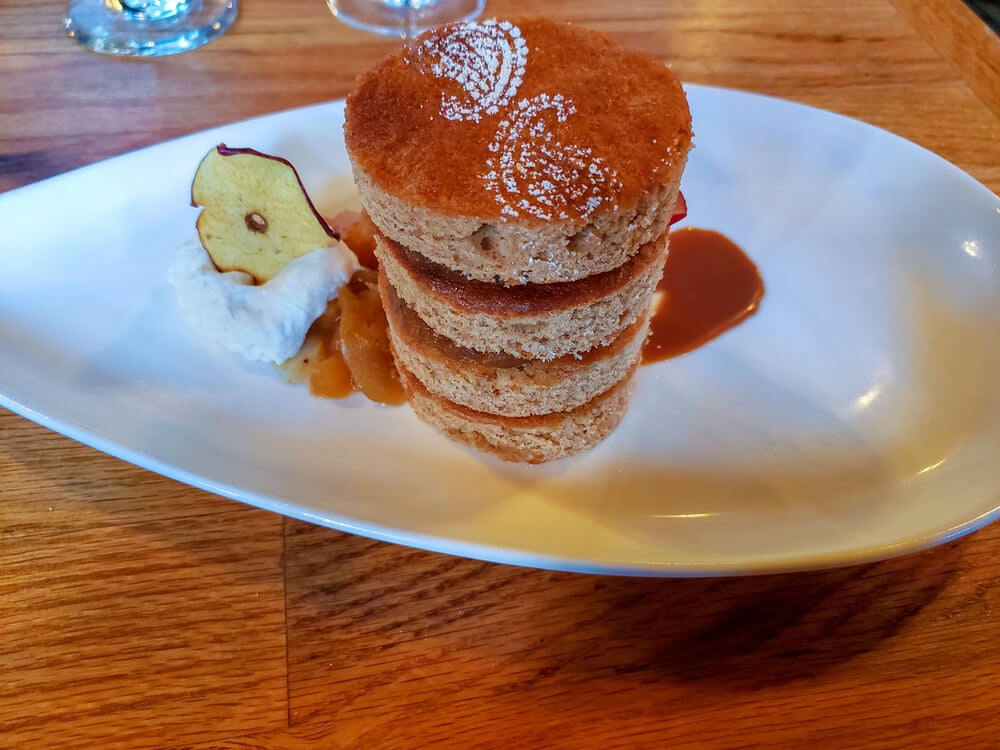
Apple stack cake is built from six or more thin, cookie-like layers of dough sweetened with sorghum or molasses, each spread with spiced dried apple filling. Once assembled, it rests for a day or two while the layers soften and absorb the fruit.
A popular story says wedding guests in the mountains each brought a layer, and the height of the cake showed how well liked the bride was. Food historians question the tale, but families still repeat it.
Grandmothers in eastern Kentucky and Tennessee made the cake in the fall after the apple harvest.
Chocolate Gravy Over Biscuits
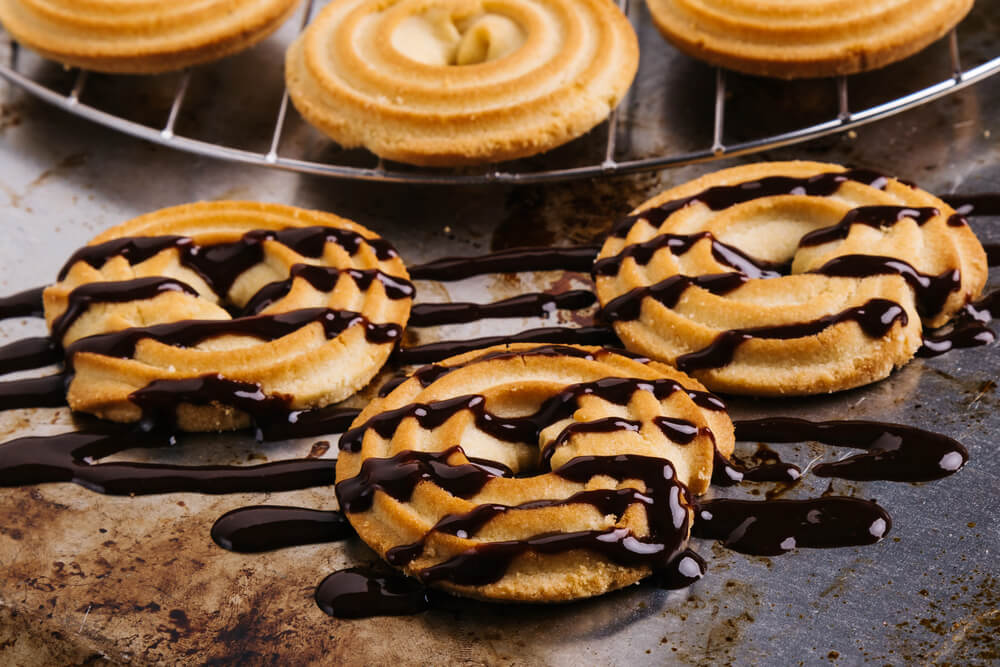
Chocolate gravy is a breakfast treat found mostly in Arkansas, the Ozarks and parts of Tennessee and Oklahoma. It is a simple stovetop sauce of cocoa, sugar, flour and milk, poured warm over split biscuits and finished with a pat of butter.
Some food writers connect it to Spanish or Mexican chocolate traditions that traveled through the region, though no clear record settles the question. Families made it as a Sunday treat or on cold mornings.
Visitors from outside the region usually assume it is a joke until they taste it.
Southern Tea Cakes in a Tin
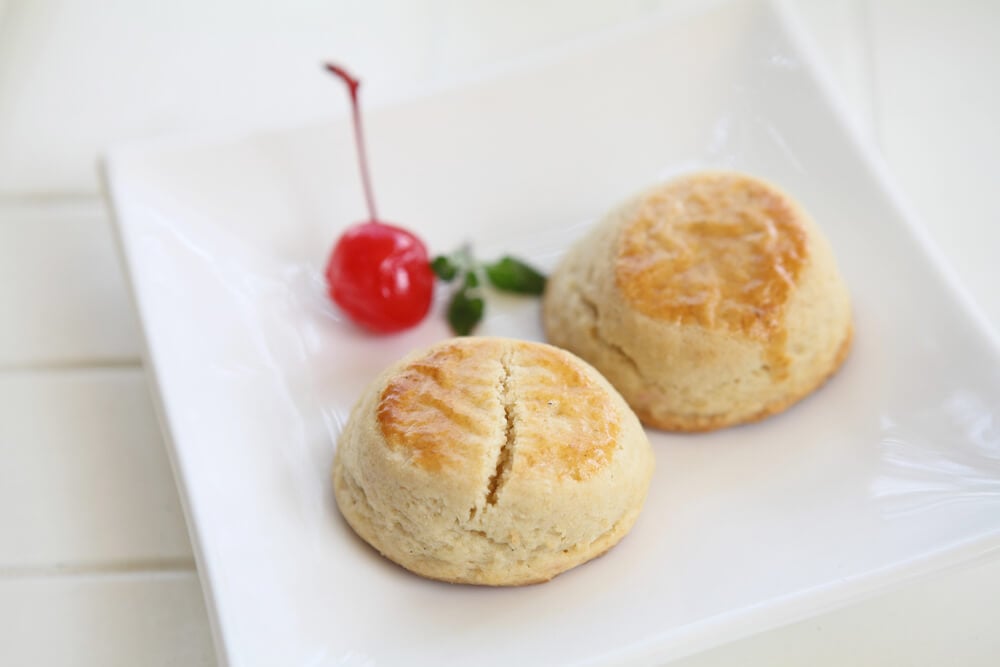
Tea cakes are soft, lightly sweet cookies made from butter, sugar, eggs, flour and a little nutmeg or vanilla. They are among the oldest desserts in Southern kitchens and hold a particular place in African American family history, where recipes were often passed down orally for generations.
The dough is rolled and cut with a biscuit cutter or the rim of a drinking glass. Tea cakes are plain on purpose.
Grandmothers kept them in a tin on the counter, and grandchildren learned that the best ones came slightly crisp at the edges and soft in the middle.
Mississippi Mud Cake
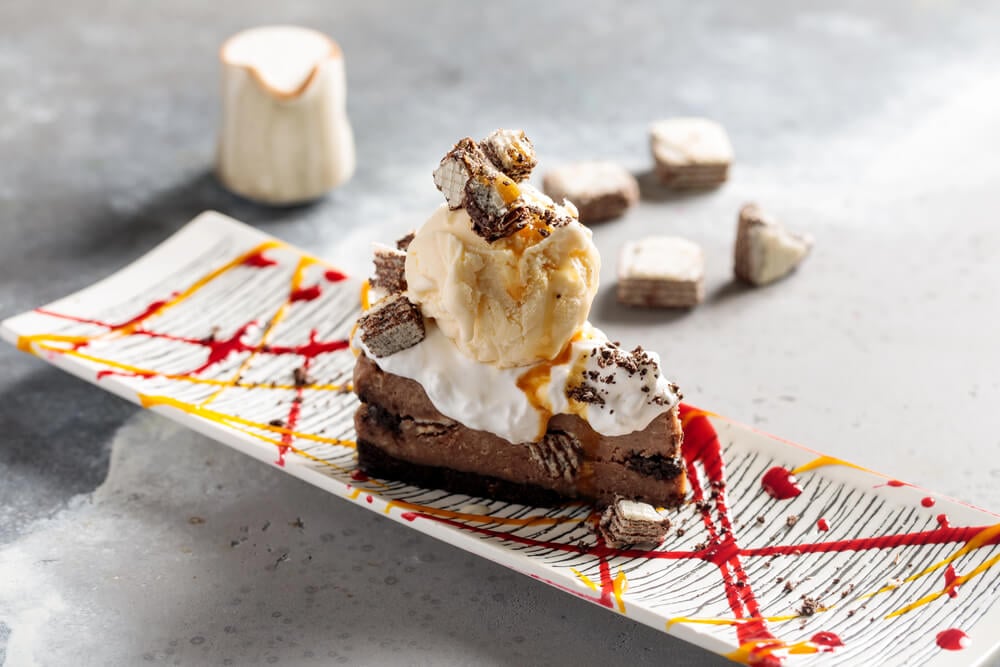
Mississippi mud cake is a dense chocolate sheet cake topped with marshmallows while still hot, then covered in chocolate icing that melts the marshmallows into swirls. The name is usually traced to the thick, dark mud along the banks of the Mississippi River.
Pecans are often folded into the icing. The recipe spread through church and community cookbooks in the middle of the twentieth century.
Grandmothers made it in a sheet pan for crowds, and grandchildren circled the pan waiting for the pieces with the thickest marshmallow swirls.
Key Lime Pie From the Florida Keys
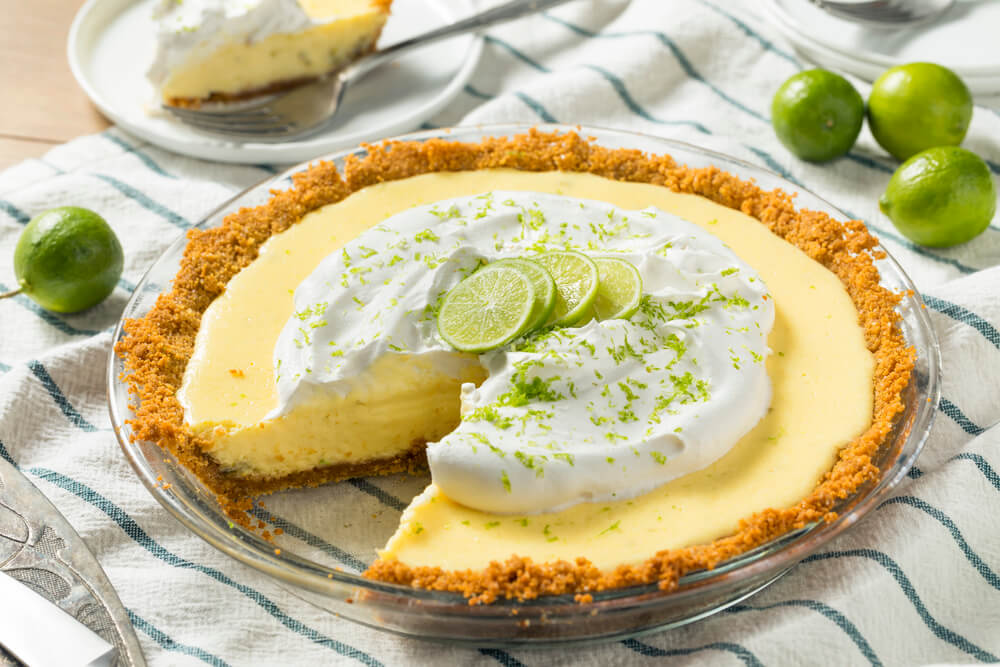
Key lime pie depends on sweetened condensed milk, which reached the Florida Keys in the late 1800s, when fresh milk was hard to keep on the islands. The small, yellowish Key limes supply a sharp acidity that thickens the filling.
Florida made Key lime pie its official state pie in 2006. Genuine versions are pale yellow rather than green, and many cooks top them with meringue instead of whipped cream.
Grandmothers in South Florida often used a graham cracker crust, and they had little patience for any restaurant pie dyed bright green.
Buttermilk Pie From the Churn
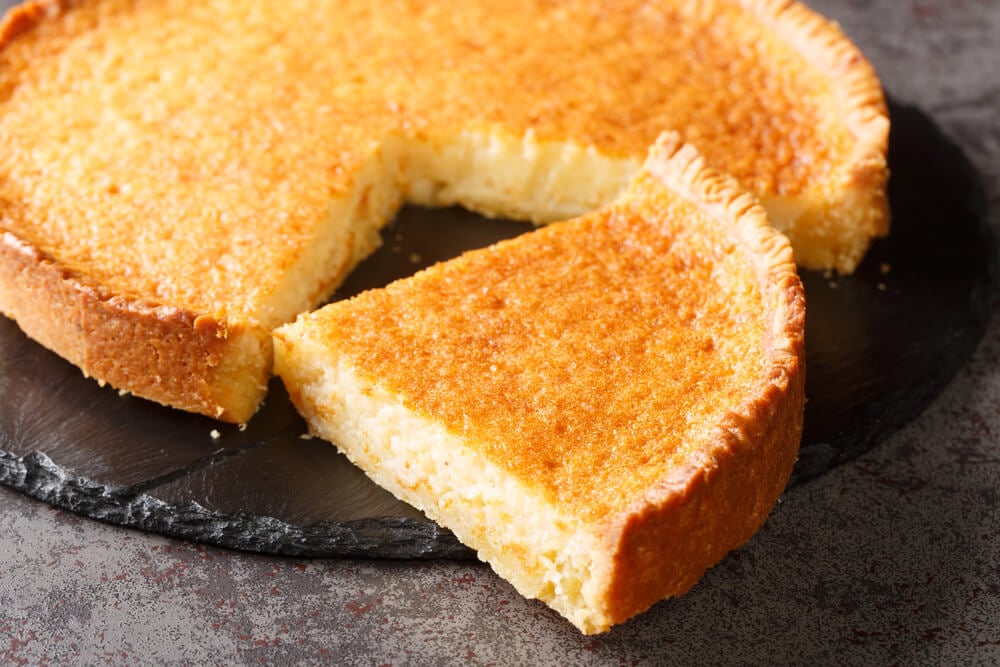
Buttermilk pie was a way to use the buttermilk left over from churning, and farm kitchens across the South turned it into dessert. The custard of buttermilk, sugar, eggs, butter and a little flour bakes into a smooth filling with a tangy edge.
The top browns lightly, and the texture sets somewhere between chess pie and cheesecake. Lemon zest and nutmeg are the usual flavorings.
Texas cooks are especially loyal to it. Grandmothers made it when the pantry was nearly empty, because nearly every farm had eggs, sugar and buttermilk on hand.
Japanese Fruitcake at Christmas
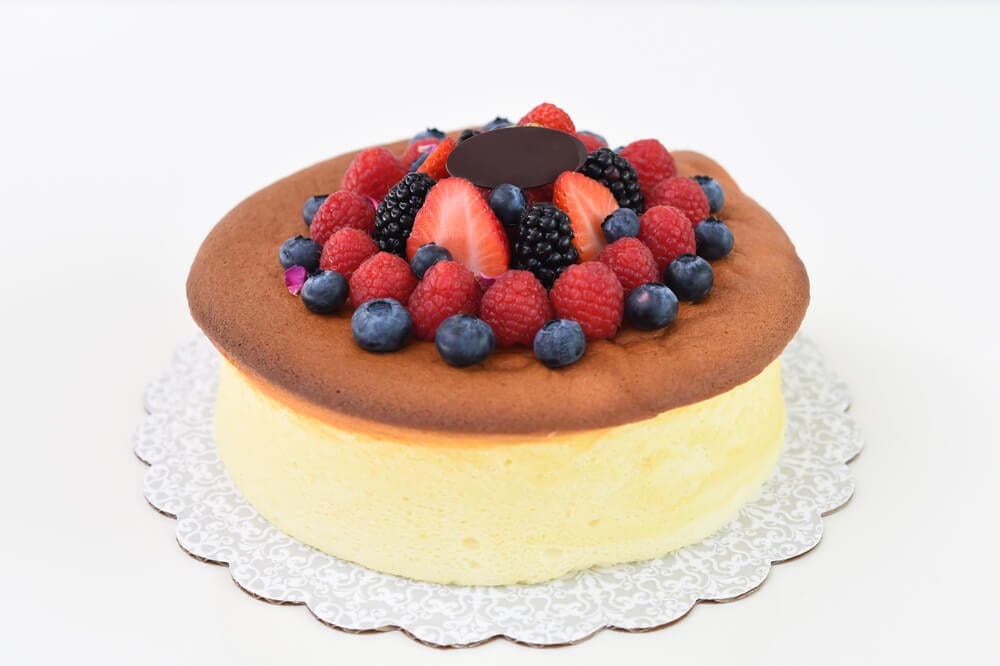
Japanese fruitcake contains nothing Japanese, and many versions contain no candied fruit either. The layers alternate between a white cake and a spice cake full of raisins and pecans, all held together by a cooked filling of coconut, lemon and sugar.
The origin of the name is unclear, though some historians connect it to the American fascination with Japan in the late 1800s. Recipes appear in Southern cookbooks from the early twentieth century.
Grandmothers made it at Christmas, and it usually sat on the sideboard beside the coconut cake.
Bread Pudding With Whiskey Sauce
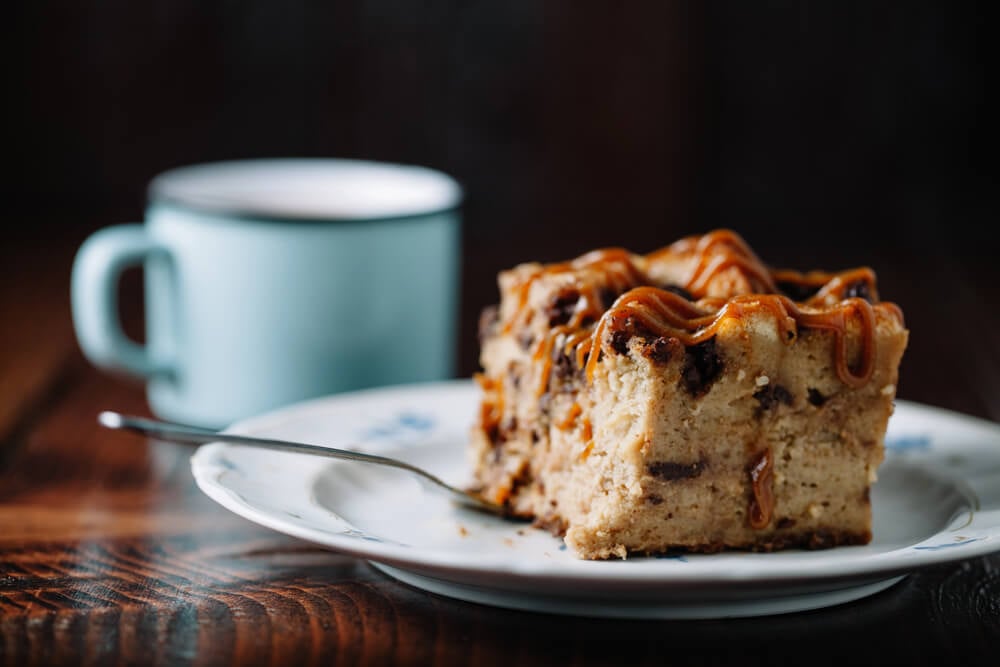
New Orleans bread pudding was a way to use stale French bread, which goes hard within a day. The bread is soaked in a custard of milk, eggs, sugar, vanilla and cinnamon, often with raisins, then baked until puffed and golden.
A warm sauce of butter, sugar, egg and bourbon or whiskey is poured over each serving. Commander’s Palace and other New Orleans restaurants made it a fixture, but it came from home kitchens first.
Grandmothers kept day-old loaves in a bag set aside specifically for it, and nobody else was allowed to touch that bag.
Kentucky Blackberry Jam Cake
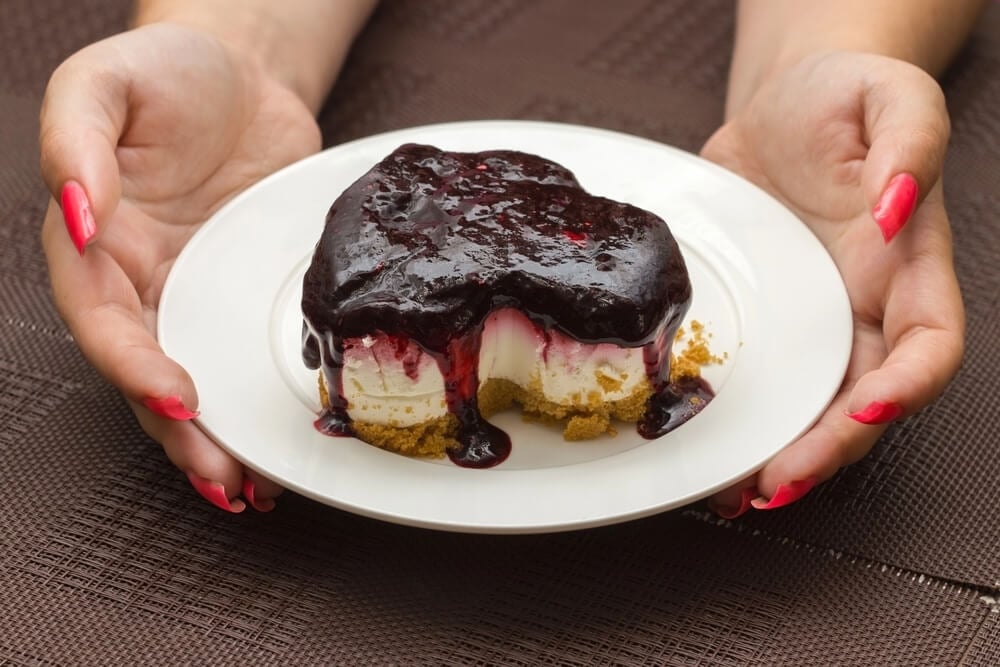
Jam cake is a Kentucky Christmas tradition, a spiced layer cake made with blackberry jam stirred into the batter along with buttermilk, raisins and nuts. It is usually finished with a cooked caramel icing.
The recipe depended on jam put up from wild blackberries in the summer, so the cake was a way to bring July to December. Many families baked it weeks ahead and wrapped it in cloth to age.
Grandmothers passed down handwritten recipe cards stained with jam, and those cards now circulate among grandchildren who want the exact version.
Doberge Cake From New Orleans
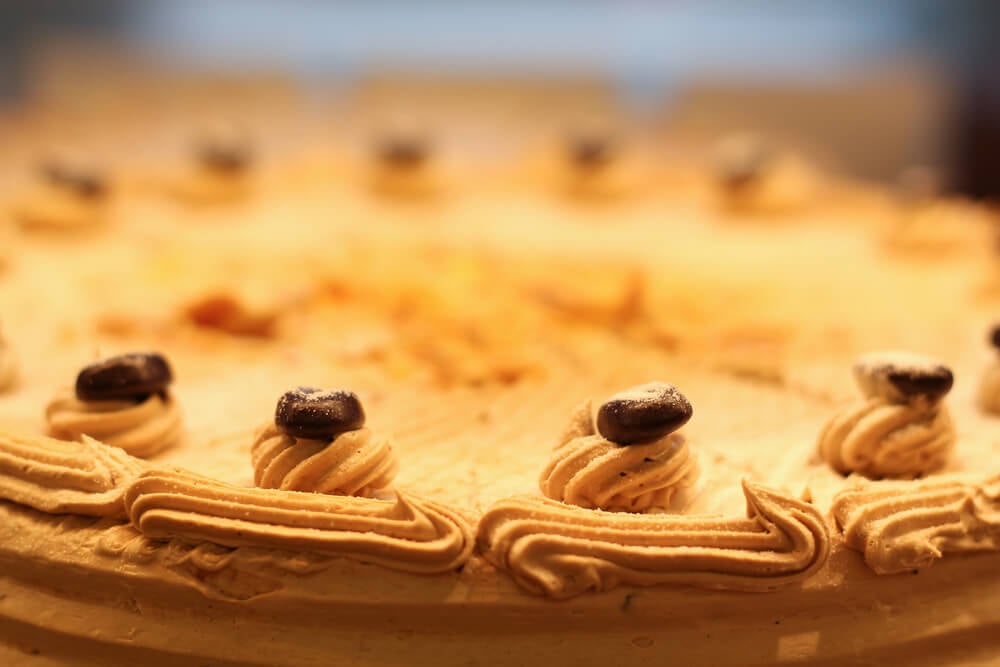
Doberge cake is a New Orleans layer cake with six to nine thin layers of yellow cake separated by custard filling and covered in a shell of fondant or ganache. Baker Beulah Ledner adapted it from the Hungarian Dobos torte in the 1930s and gave it a French-sounding name.
She sold her business in the 1940s, and Gambino’s Bakery still makes the cake. Half chocolate, half lemon versions are common at birthdays.
Home cooks who attempted it spent a full day on the layers, which is why a homemade doberge was reserved for milestone birthdays.
Ambrosia in a Cut-Glass Bowl
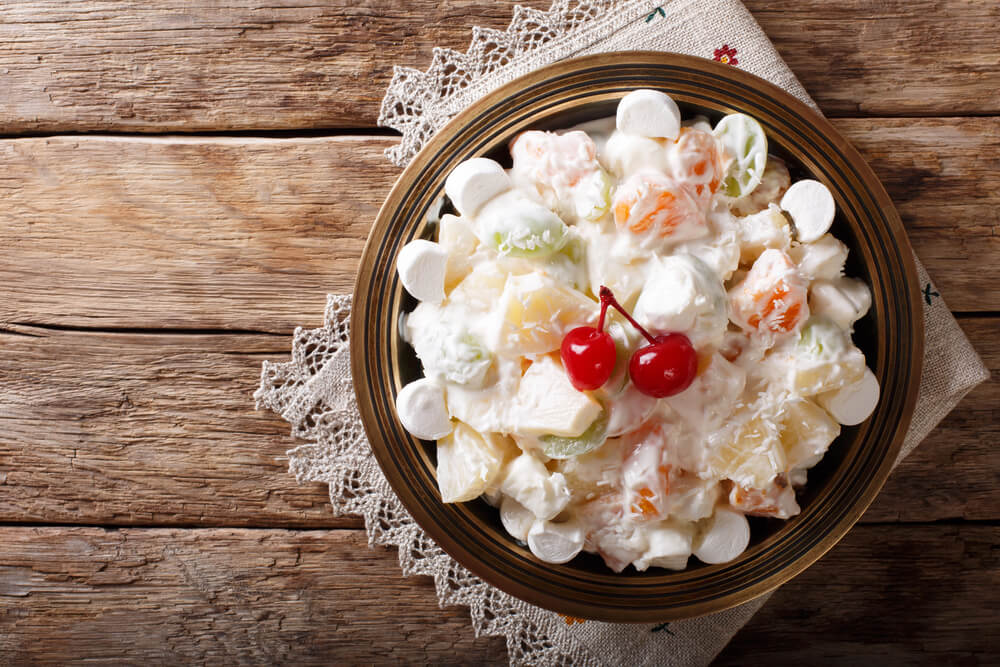
Ambrosia began as a simple Christmas dish of sliced oranges and freshly grated coconut layered in a glass bowl, sometimes with sugar and a splash of sherry. Oranges were a luxury in much of the South in the late 1800s, which made the dish a holiday statement.
Later versions added pineapple, marshmallows, maraschino cherries and sour cream. Purists regard those additions as a different salad entirely.
Grandmothers spent Christmas Eve peeling and sectioning oranges with a paring knife, and the kids were drafted to pick out the seeds.
Coca-Cola Cake in a Sheet Pan
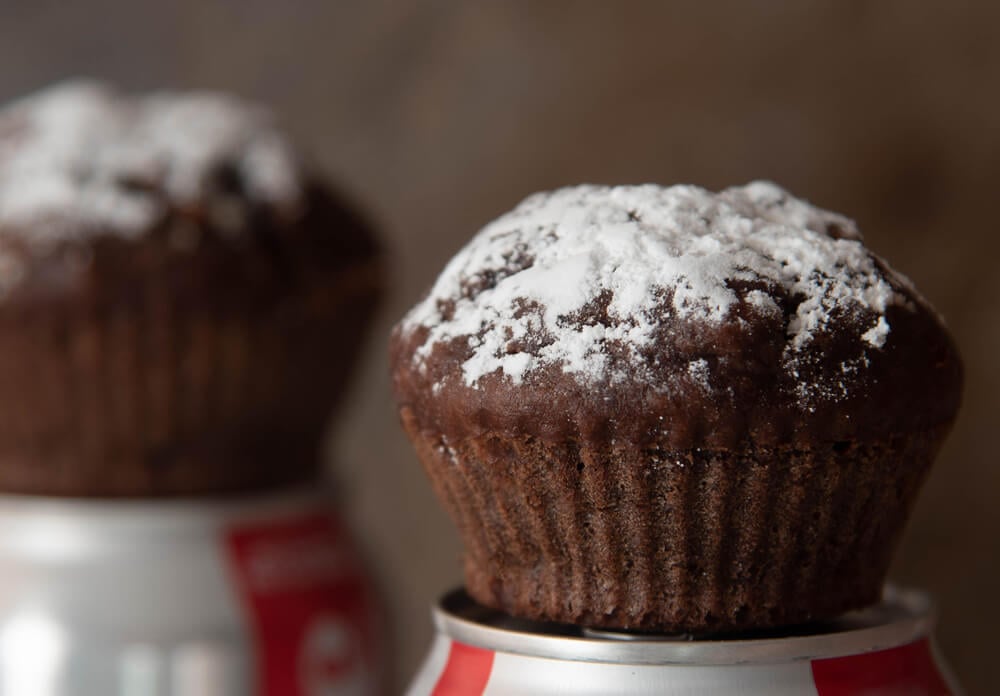
Coca-Cola cake is a chocolate sheet cake with Coke stirred into both the batter and the icing, where it adds sweetness and a faint caramel note. Southern community cookbooks printed versions in the 1950s and 1960s, and the recipe became closely associated with Georgia, home of the Coca-Cola Company.
Miniature marshmallows melt into the batter during baking. The icing goes on while the cake is still warm, so it soaks in and sets glossy.
Grandmothers served it straight from the pan, and it rarely lasted past the second day.
Charleston Benne Wafers
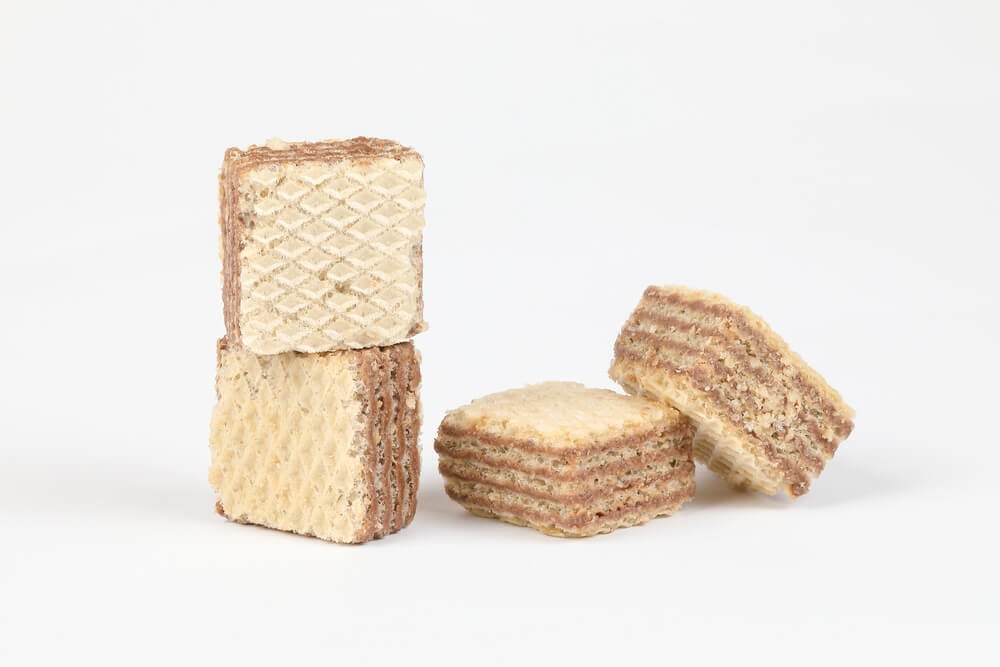
Benne wafers are thin, crisp cookies made with toasted sesame seeds, a Lowcountry specialty in Charleston and Savannah. Benne is a West African word for sesame, and enslaved West Africans brought the seed to the Carolina Lowcountry, where it was planted in kitchen gardens and considered lucky.
The cookies are made with brown sugar, butter and egg and baked until lacy at the edges. Charleston bakeries still sell them in tins to visitors.
Grandmothers in the Lowcountry baked them for New Year’s and kept a tin on hand for callers.
Pantry Math and Inherited Recipes
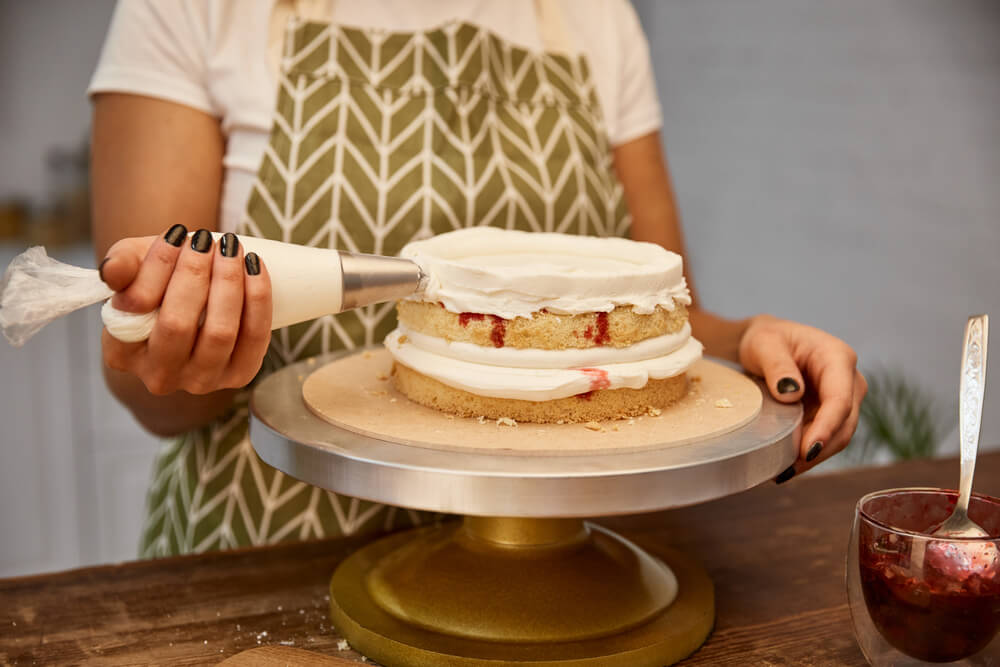
Nearly every dessert on this list came from a kitchen that had to make do. Buttermilk left from churning, stale bread, dried apples, a jar of summer jam and a sack of yard pecans were turned into the most celebrated food on the table.
The ingenuity was in the substitution rather than the ingredients. Most of these recipes survived because someone wrote them down on a card, often without precise measurements or oven temperatures.
Grandchildren who try to reproduce them usually discover that the missing information lived in someone’s hands. That gap is why families still argue over whose version is right, and why nobody has settled it.
More from Go2Tutors!

- The Romanov Crown Jewels and Their Tragic Fate
- 13 Historical Mysteries That Science Still Can’t Solve
- Famous Hoaxes That Fooled the World for Years
- 15 Child Stars with Tragic Adult Lives
- 16 Famous Jewelry Pieces in History
Like Go2Tutors’s content? Follow us on MSN.