16 Old Magazines from the ’60s and ’70s That Are Selling for Serious Money
The dusty stack of magazines in your attic might be worth more than your car. While most people tossed these publications after reading them, a few held onto issues that have become unexpected goldmines.
The counterculture movements, music revolutions, and cultural shifts of the ’60s and ’70s created magazines that captured lightning in a bottle — and collectors are paying handsomely for that preserved energy today.
Rolling Stone
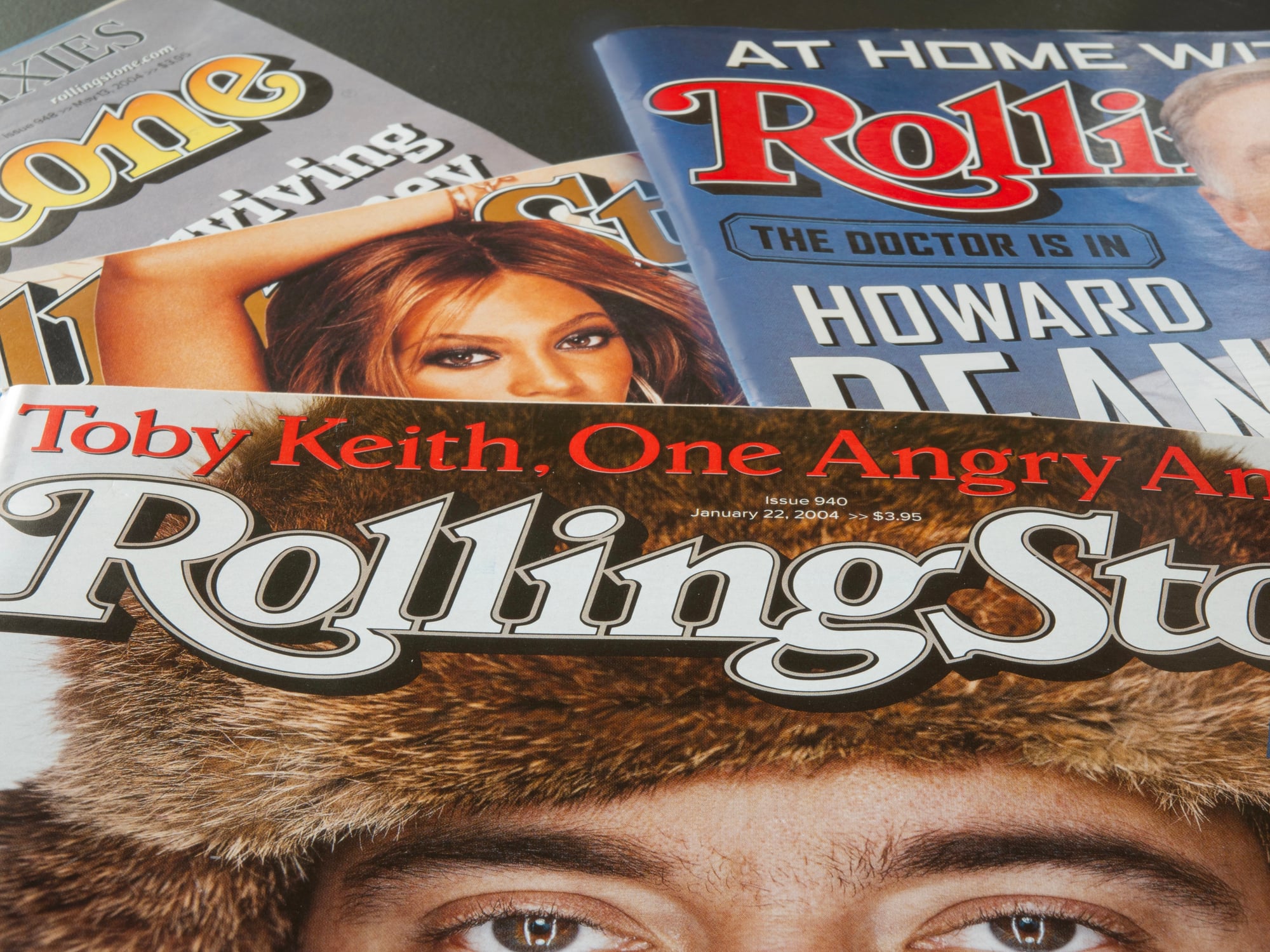
The inaugural issue from November 1967 sells for $2,000 to $6,000 depending on condition, making it one of the most coveted magazine collectibles from the era. John Lennon graced the cover, and inside sat the manifesto that would define music journalism for decades.
But here’s what makes this particular issue so valuable (beyond the obvious historical significance): Rolling Stone printed a relatively small first run because nobody knew if the magazine would survive past issue two. So when Jann Wenner decided to launch a counterculture music publication in San Francisco, he wasn’t exactly printing millions of copies — he was hoping to break even and maybe, just maybe, capture something real about what was happening in music.
Playboy
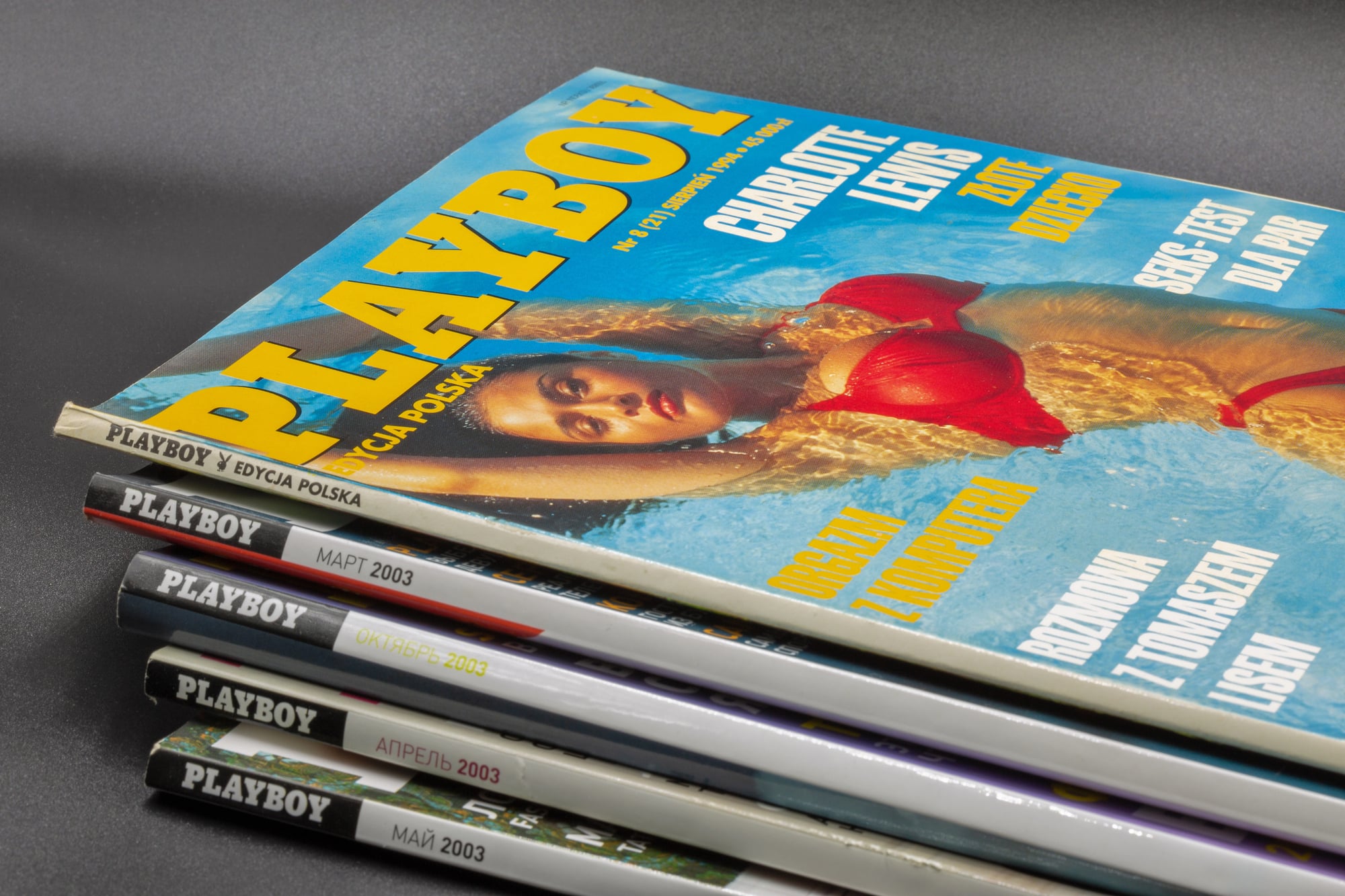
First issues command serious money. The December 1953 debut with Marilyn Monroe reaches $8,000 to $15,000 in mint condition.
Issues from the ’60s and ’70s featuring major cultural figures or controversial content routinely sell for $200 to $1,500. Magazine collecting operates like vintage wine — certain years just hit differently, and certain covers become cultural artifacts that transcend their original purpose.
The Playboy interviews from this era read like a who’s who of American influence: Malcolm X, Martin Luther King Jr., John Lennon, and countless others sat down for conversations that newspapers wouldn’t touch. And collectors recognize this.
They’re not just buying magazines; they’re buying pieces of cultural history that happened to be wrapped in a publication that parents told their kids not to read.
Life Magazine
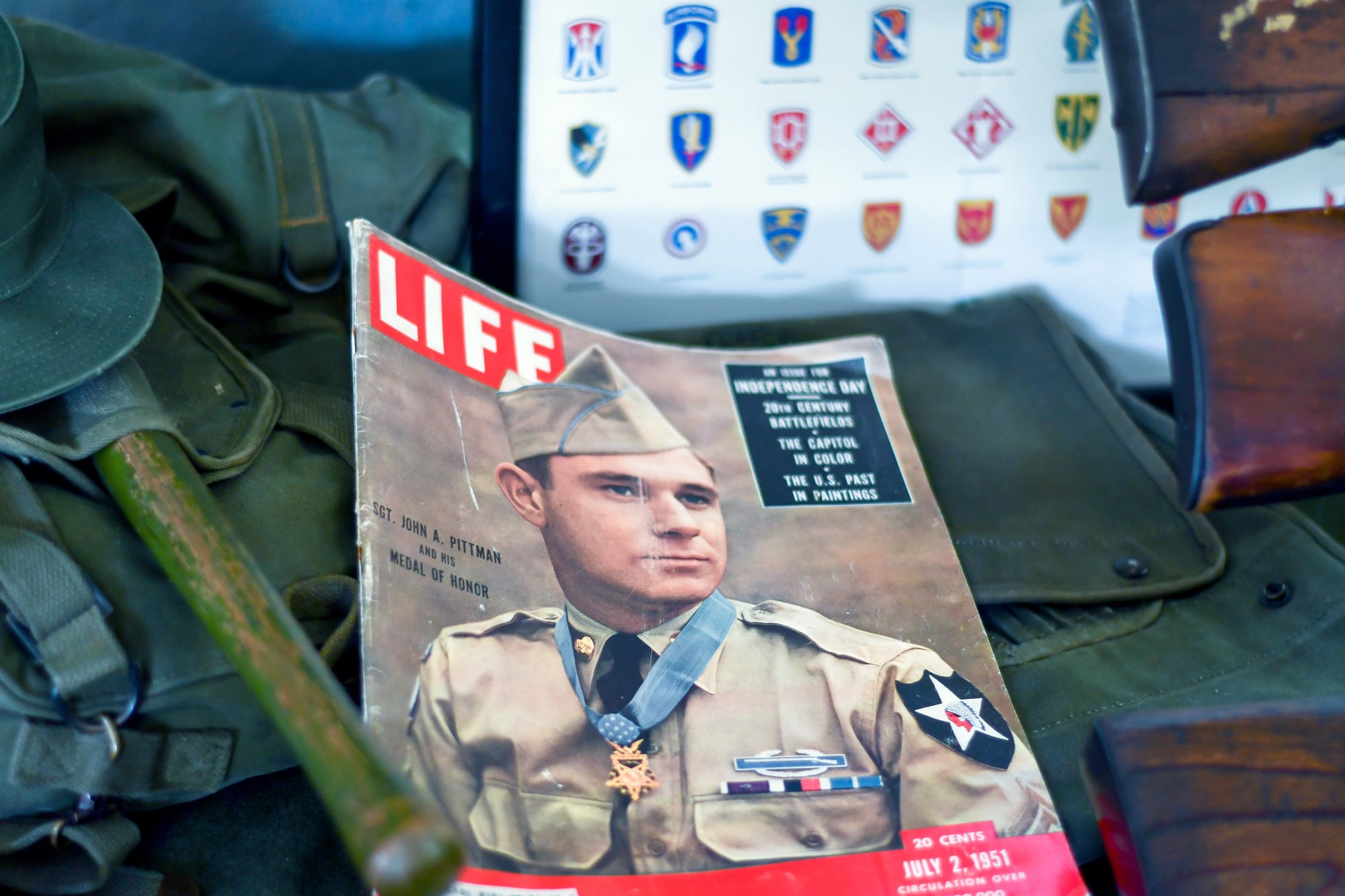
Life captured the defining moments of both decades through photography that newspapers couldn’t match. The JFK assassination issue from November 29, 1963, brings $100 to $300.
The Beatles’ first appearance in February 1964 sells for $75 to $200. Woodstock coverage from August 1969 reaches $50 to $150.
These weren’t just magazines — they were visual time machines that froze history in glossy spreads. When Life photographers showed up somewhere, you knew something important was happening.
Mad Magazine
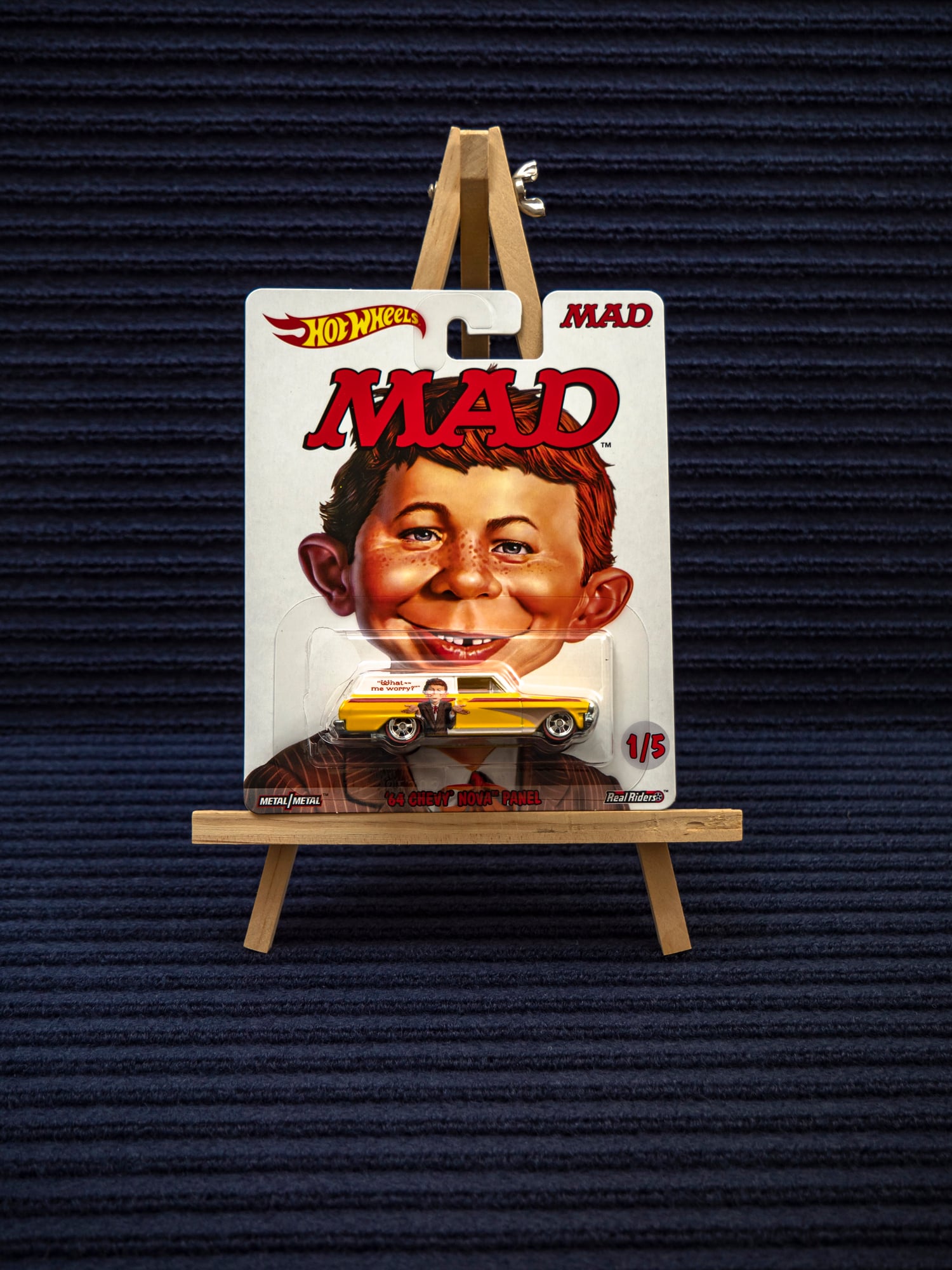
Early issues from the ’60s sell surprisingly well, particularly those featuring movie parodies or cultural satire. Issue #121 (December 1968) with the Star Trek parody brings $30 to $80.
The 1970 issue mocking Woodstock reaches $25 to $60, proving that even satire ages into valuable collectibles. The magazine taught an entire generation that authority figures were fair game for mockery.
Parents didn’t always appreciate this lesson, which makes surviving copies somewhat rare — many got confiscated or thrown away by adults who didn’t find Alfred E. Neuman as charming as their kids did.
Ramparts
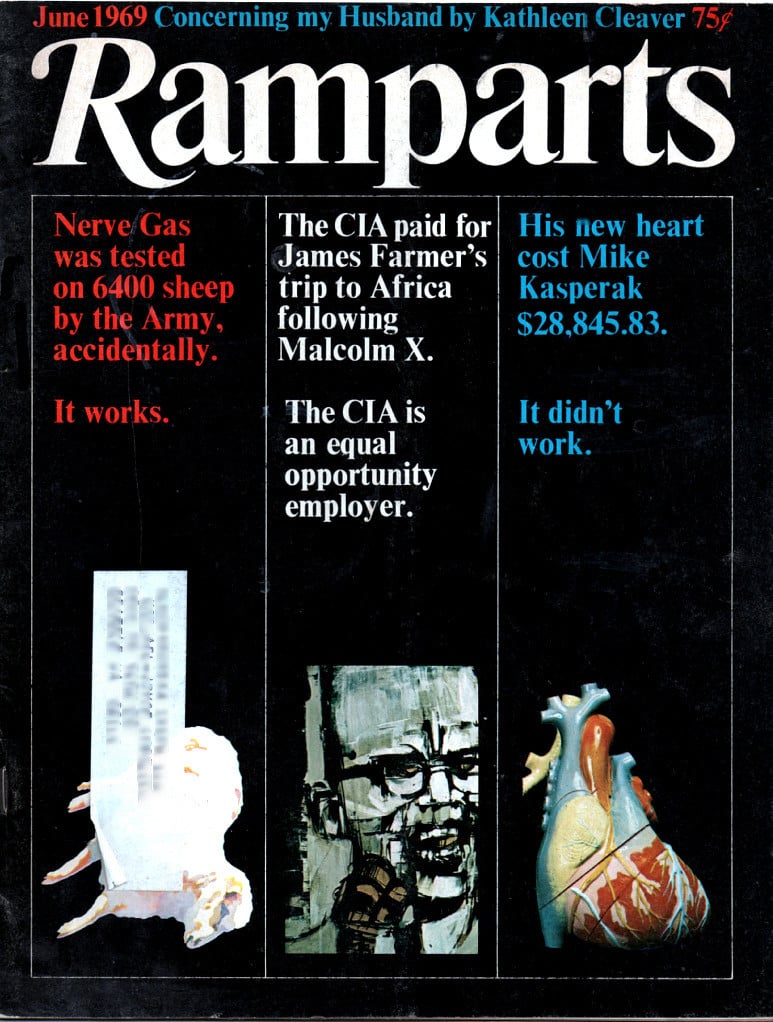
This radical political magazine from the late ’60s captures the anti-establishment fervor like no other publication (and the FBI surveillance that came with it, which somehow makes surviving issues feel even more historically significant). The October 1967 issue exposing CIA activities on college campuses sells for $75 to $200, while the March 1968 Martin Luther King Jr. memorial issue brings $100 to $250.
You have to understand: Ramparts wasn’t playing it safe. The magazine published investigations that mainstream publications wouldn’t touch, exposed government secrets that other editors deemed too dangerous, and gave platforms to voices that network television kept off the air.
So when collectors find intact issues today, they’re essentially holding pieces of American dissent that someone managed to preserve through decades of political turbulence. The magazine folded in 1975, partly because it made too many powerful enemies — which, in retrospect, only adds to its collectible appeal.
National Geographic
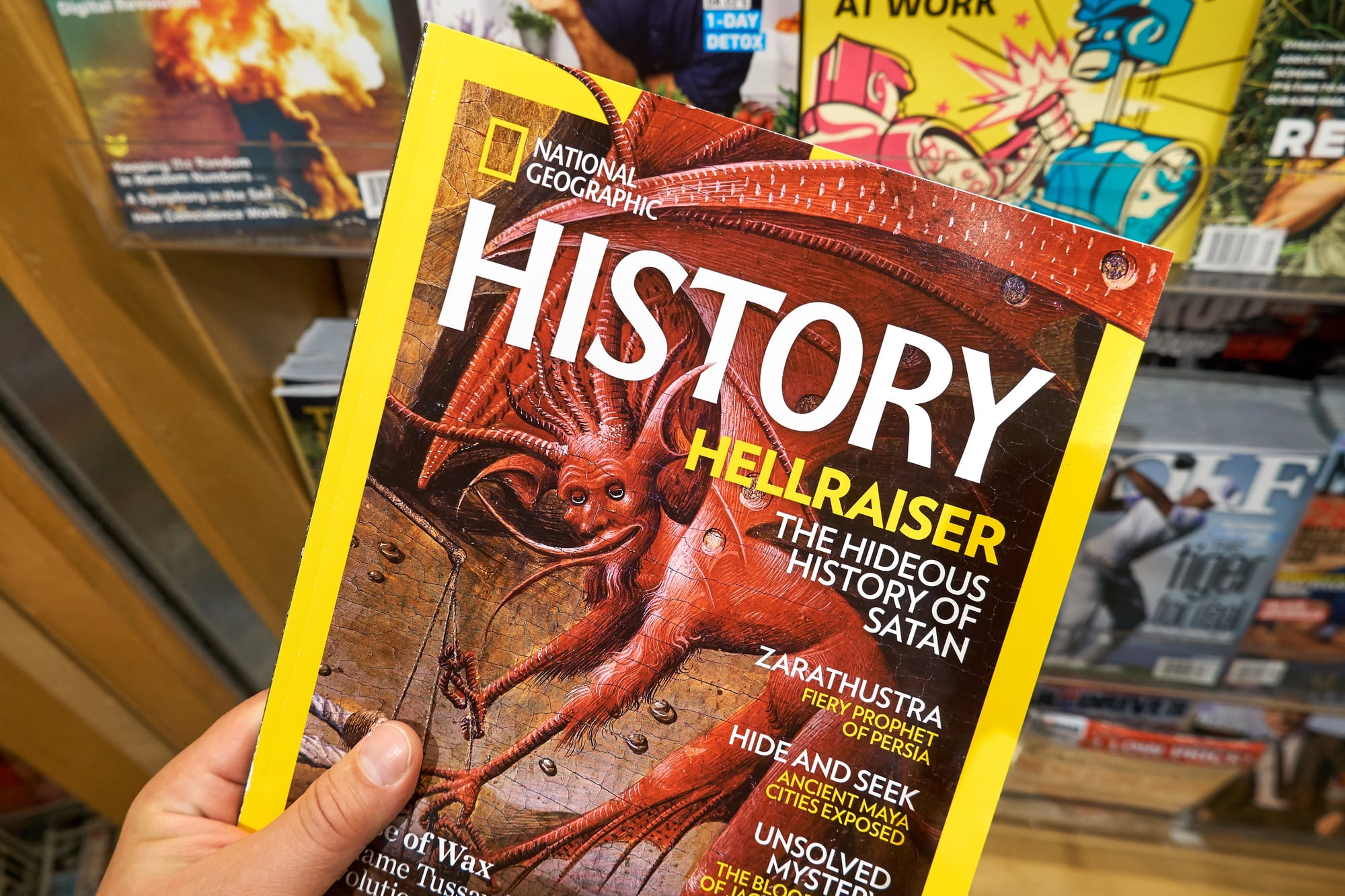
The 1969 moon landing issue commands $40 to $120, while issues covering social movements or environmental concerns from the early ’70s bring $20 to $80. These magazines aged into historical documents that captured how America saw itself and the world during turbulent times.
Geographic represented something that feels almost quaint now: shared cultural experiences. When that moon landing issue arrived in mailboxes, it carried the same photos and stories to millions of American families simultaneously.
No personalized feeds, no algorithmic sorting — just one magazine, one story, experienced collectively.
High Times
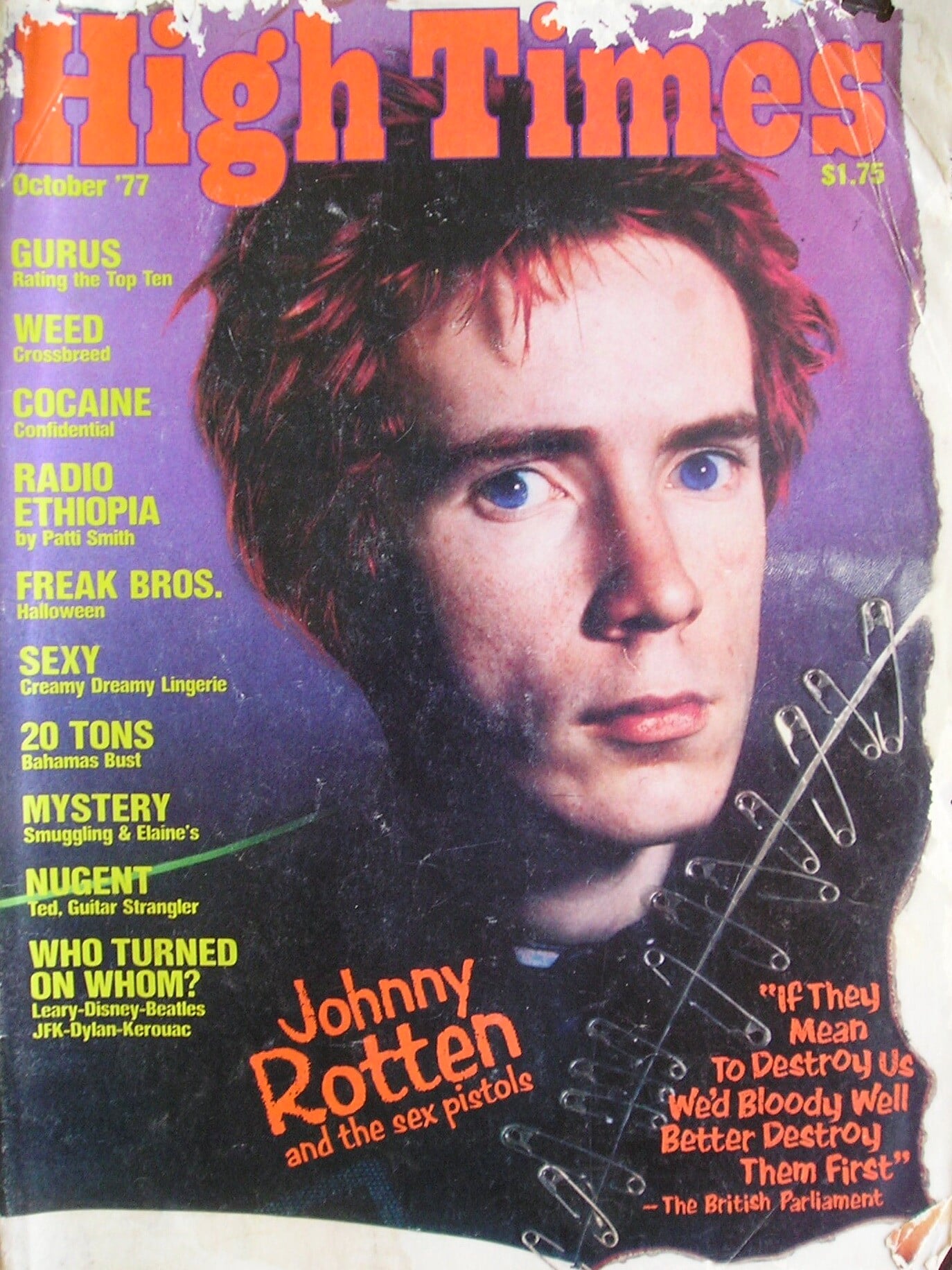
The magazine launched in 1974 and early issues have become surprisingly valuable. Issue #1 sells for $300 to $800, while the first few years bring $50 to $200 per issue.
The publication documented the emerging cannabis culture with a boldness that mainstream media avoided. High Times existed in a legal gray area that made simply owning copies somewhat rebellious.
The magazine provided growing tips, strain reviews, and cultural commentary that you couldn’t find anywhere else — because no other publication was willing to risk the legal consequences. This underground status has only increased the collectible value.
Creem
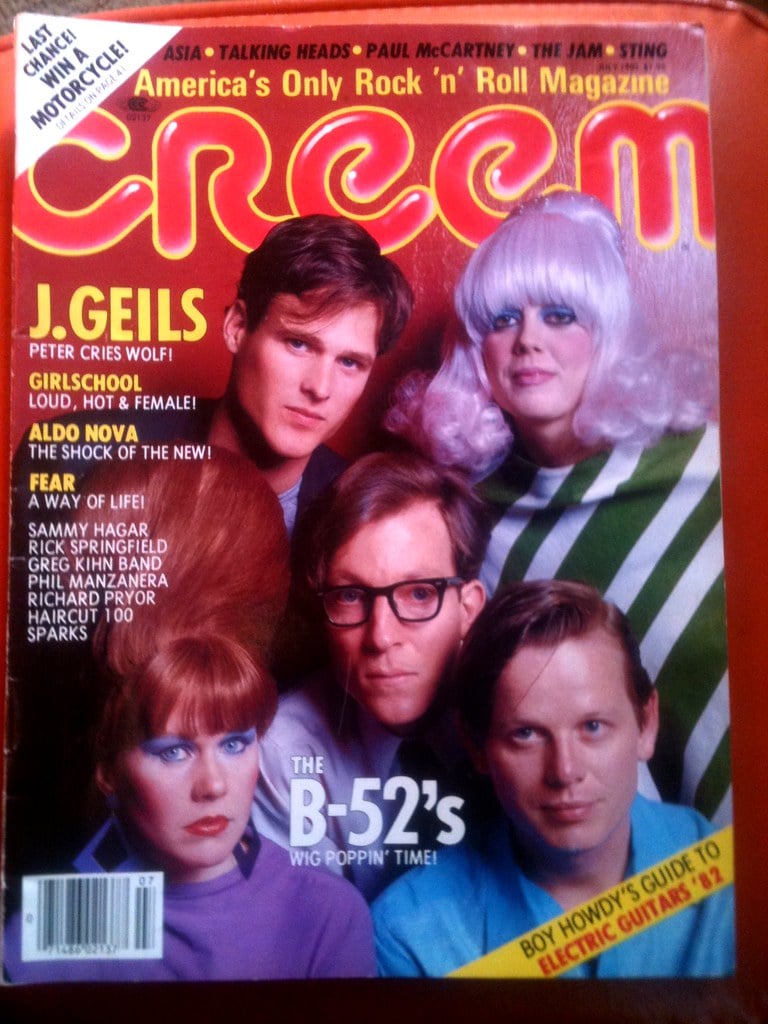
Detroit’s punk rock magazine captured the raw energy of emerging music scenes (and the music industry’s bewilderment at what kids actually wanted to hear, which makes reading these issues feel like eavesdropping on cultural revolution in real time). Early issues from 1969-1972 sell for $100 to $400, while later ’70s issues bring $30 to $150.
Creem writers didn’t pretend to be objective journalists — they were fans who could write, and the difference shows on every page. The magazine championed bands that radio stations ignored, invented phrases that became part of rock vocabulary, and maintained an irreverent tone that made Rolling Stone look corporate.
But here’s the thing about being ahead of your time: you don’t print massive quantities because you don’t have massive audiences yet. So when those bands Creem championed became legendary, the magazine issues that first covered them became rare collectibles almost by accident.
The Whole Earth Catalog
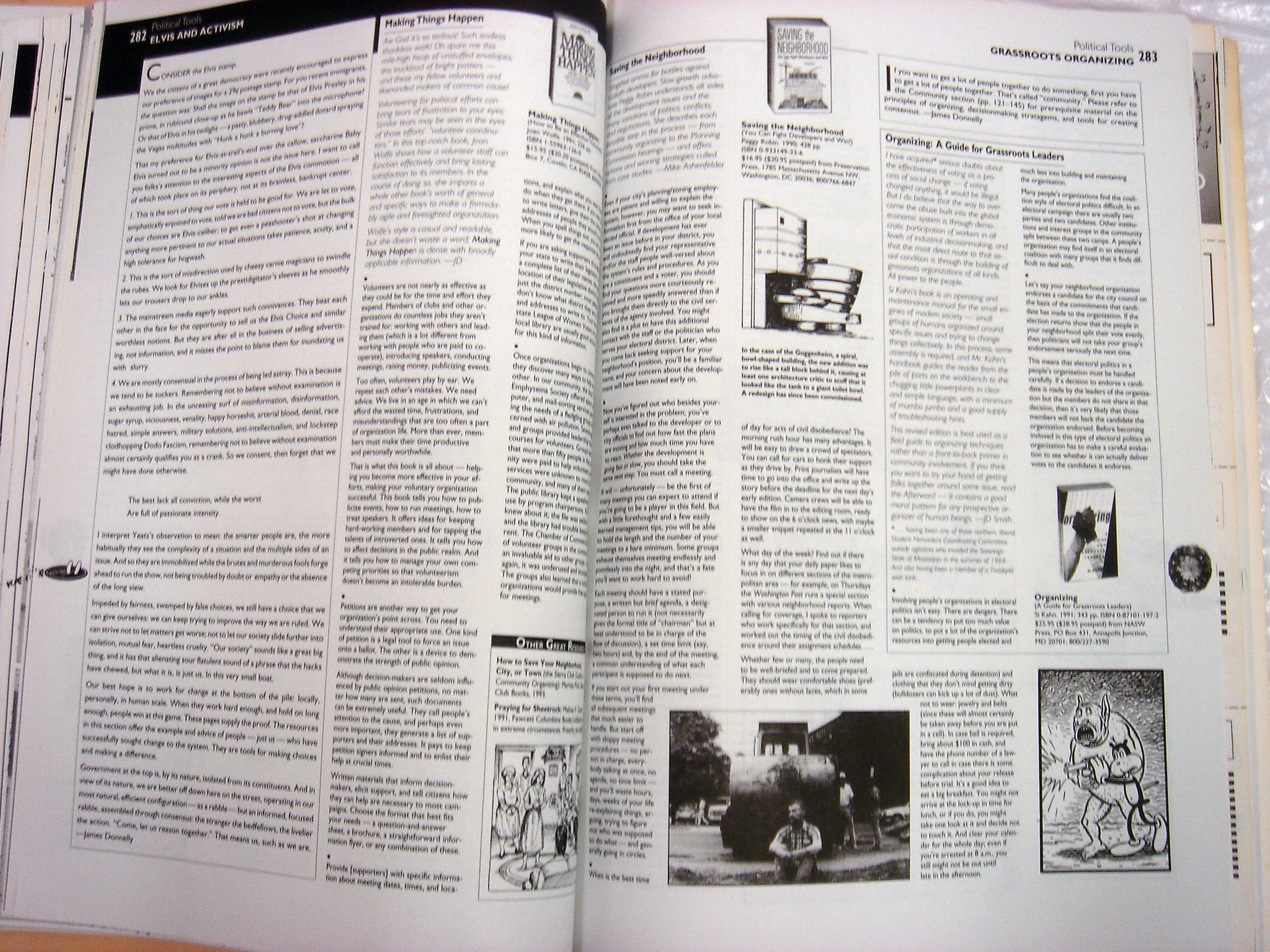
This isn’t technically a magazine, but it published regularly and collectors treat it like one. Early editions from 1968-1972 bring $75 to $300.
The publication influenced the environmental movement and early computer culture, making it a crossroads document of ’60s counterculture and emerging technology. Steve Jobs called it “Google in paperback form,” which understates both its cultural impact and its current collectible value.
The catalog bridged hippie idealism with practical information, creating something that worked equally well for commune organizers and suburban gardeners.
Esquire
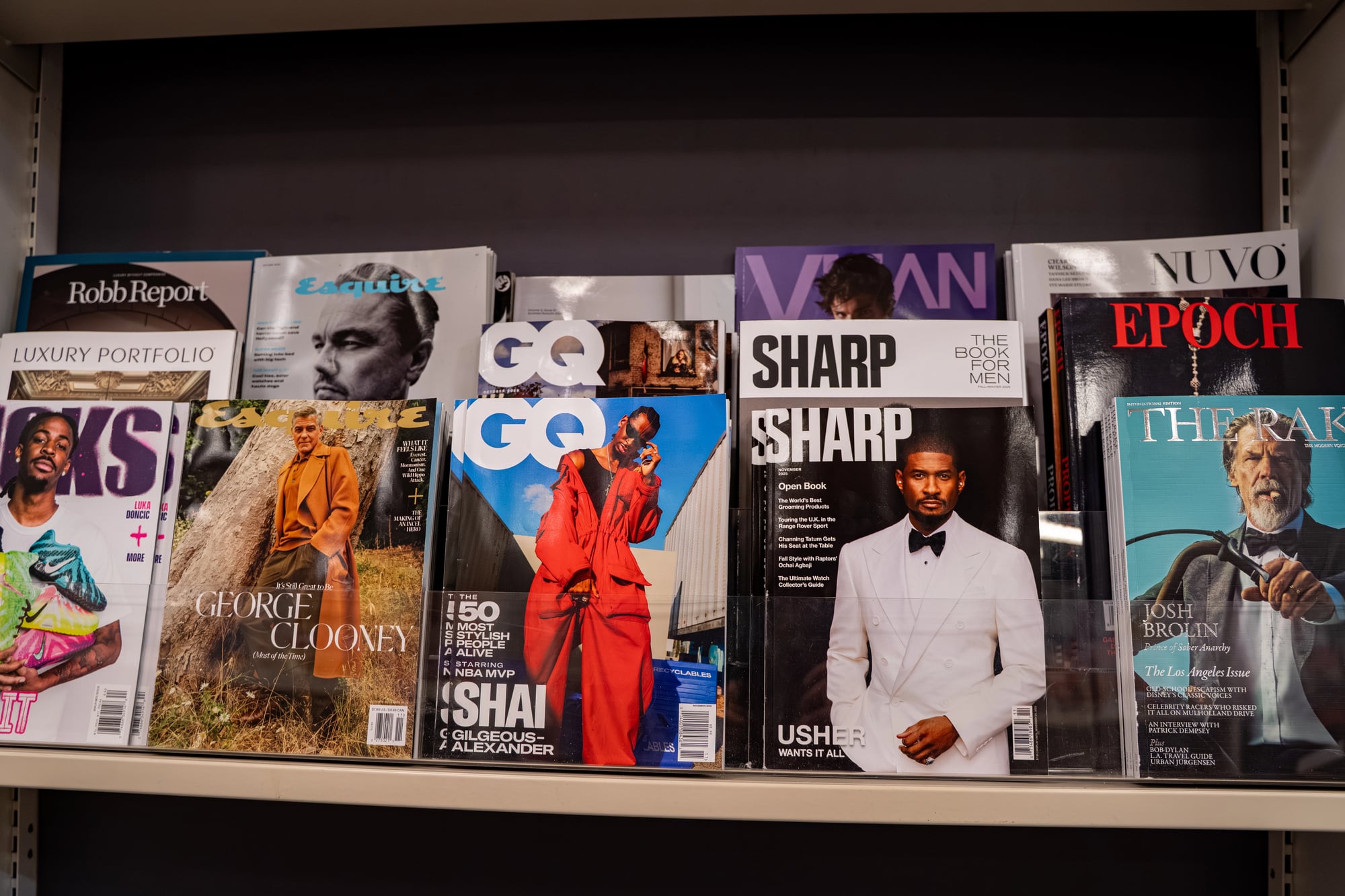
The magazine’s bold graphic design and cultural commentary from this era created several highly collectible issues. The April 1968 issue featuring Martin Luther King Jr. brings $100 to $300.
The October 1970 issue with Muhammad Ali sells for $75 to $200. The magazine consistently featured controversial covers that captured the era’s tensions.
Esquire understood something that other publications missed: the ’60s and ’70s demanded visual boldness that matched the cultural upheaval. Conservative magazine design wouldn’t work for unconservative times.
Crawdaddy
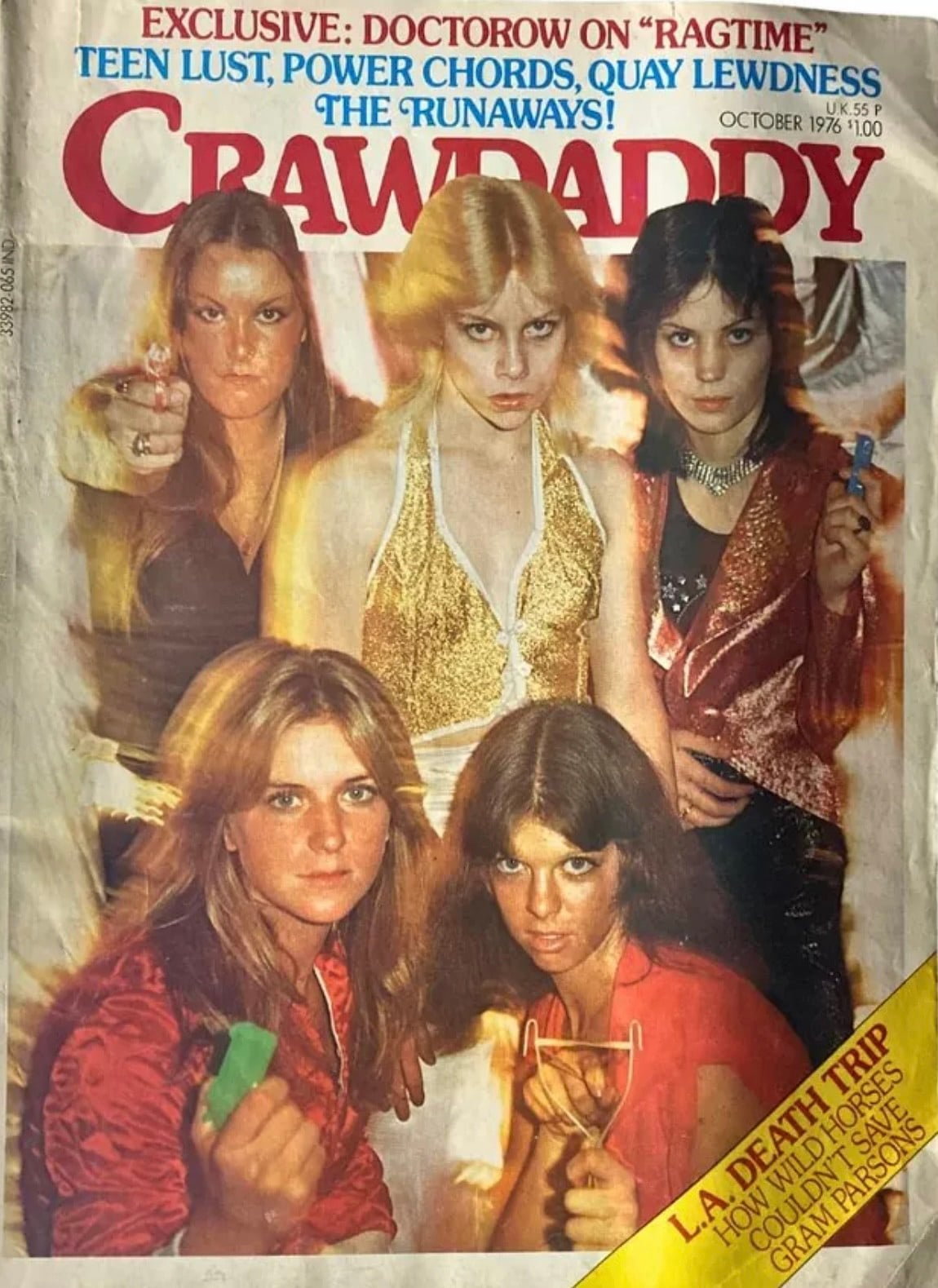
This music magazine predated Rolling Stone and captured the earliest days of rock criticism. Issues from 1966-1970 sell for $150 to $500, particularly those featuring emerging artists or groundbreaking interviews.
The magazine folded and restarted several times, making certain issues exceptionally rare. Crawdaddy treated rock music as serious art when most publications still considered it teenage noise.
The magazine published academic-level analysis of songs that radio DJs introduced with jokes. This intellectual approach attracted a small but devoted readership — which means fewer copies survived, which means higher prices today.
Penthouse
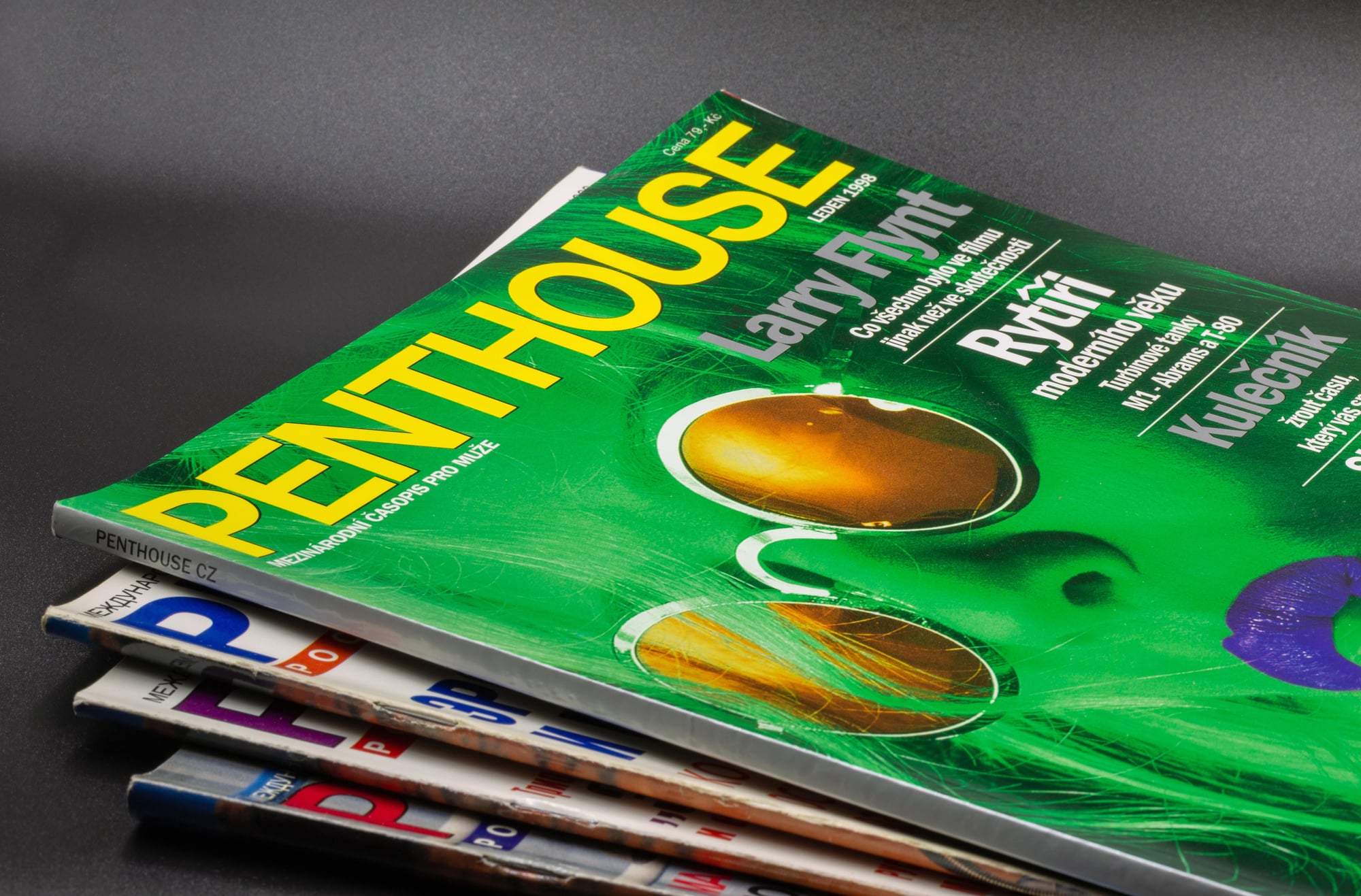
Early issues from 1969-1972 command $50 to $200, while special editions or celebrity features bring higher prices. The magazine positioned itself as more sophisticated than its competitors, attracting readers who wanted cultural content alongside the obvious attractions.
The publication launched with genuine literary ambitions, commissioning fiction from serious writers and conducting interviews that newspapers avoided. This elevated approach created issues that collectors value for content beyond the centerfolds.
Fusion

This Boston-based rock magazine from 1967-1974 documented the intersection of music and politics during the counterculture era. Issues featuring major artists or political coverage sell for $75 to $250.
The magazine’s limited distribution makes surviving copies relatively rare. Fusion understood that music and politics couldn’t be separated during this era — every song carried social implications, every concert became a political gathering.
The magazine covered both angles simultaneously, creating historical documents that capture the complete cultural moment.
EVO (East Village Other)
This underground newspaper/magazine hybrid from New York’s counterculture scene publishes valuable issues throughout its 1965-1972 run. Early issues bring $100 to $400, while special events or festivals coverage sells for $150 to $500, particularly when documenting the Greenwich Village scene.
EVO existed completely outside mainstream media, which meant it could cover stories and perspectives that established publications avoided. The paper documented drug culture, radical politics, and alternative lifestyles with a frankness that seems remarkable even today.
Avatar

Boston’s underground newspaper ran from 1967-1968 and documented the East Coast hippie movement. Complete issues sell for $200 to $600, while individual issues bring $75 to $200.
The publication’s brief run and alternative distribution methods make surviving copies exceptionally rare. Avatar represented something that mainstream media couldn’t capture: the day-to-day reality of counterculture communities.
The publication covered commune life, protest organization, and alternative economics with insider knowledge that outsider journalists couldn’t match.
Berkeley Barb
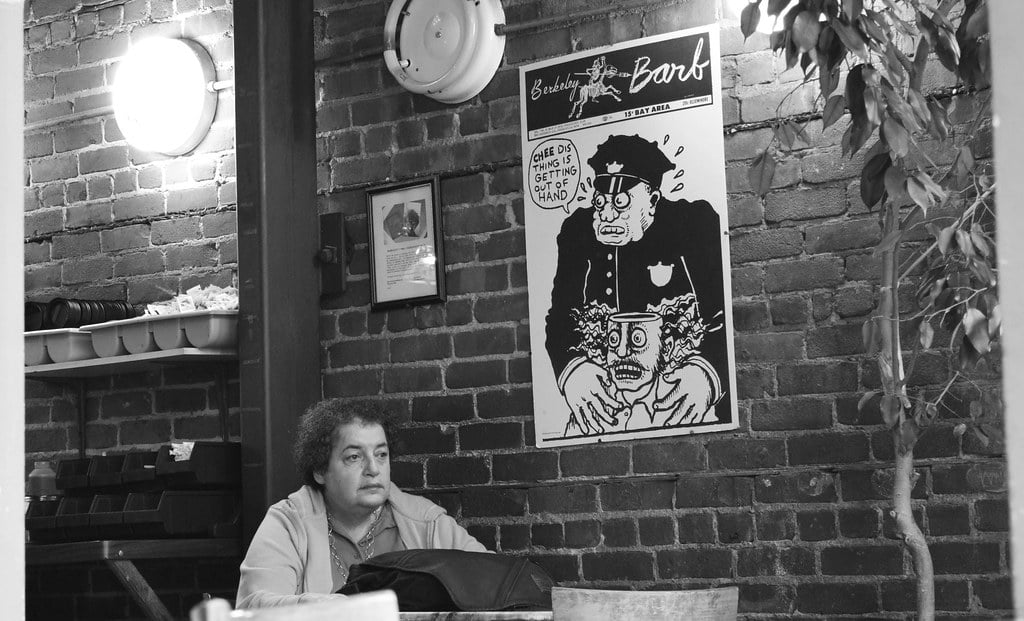
This California underground newspaper documented the Free Speech Movement and subsequent campus activism from 1965-1980. Early issues sell for $100 to $350, while special events coverage brings higher prices.
The publication’s role in organizing protests makes it historically significant beyond its entertainment value. The Barb didn’t just report on the movement — it helped organize it.
Reading these issues feels like accessing the communication network that coordinated protests, spread information, and maintained community connections across the Bay Area’s radical scene.
The Magic of Preserved Moments
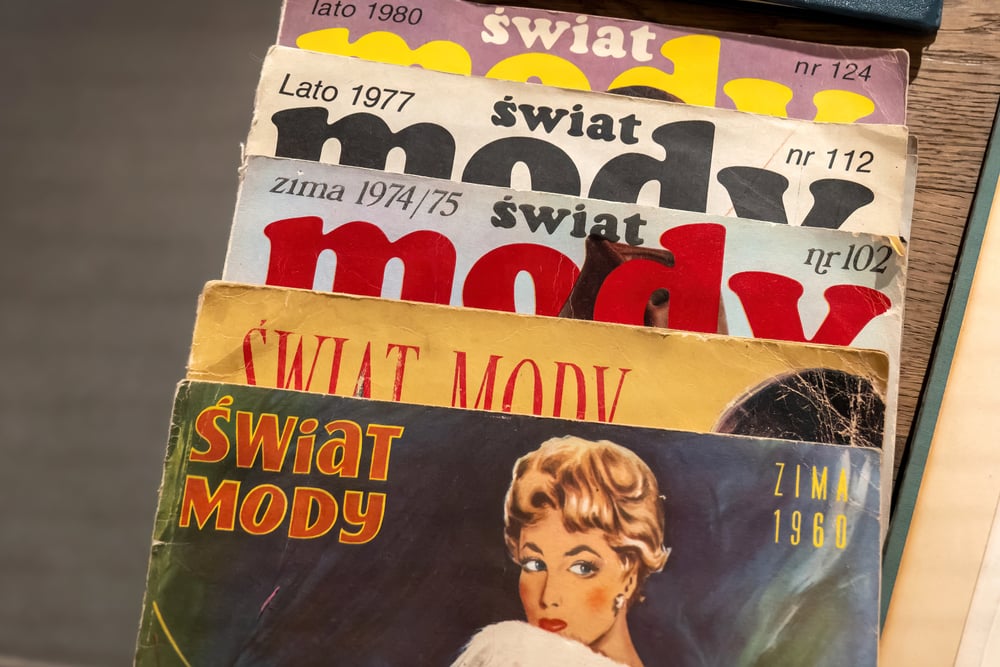
Flipping through any of these magazines today feels like time travel, but it’s not nostalgia that drives their value — it’s recognition that these publications captured cultural lightning that can’t be replicated. The writers didn’t know they were documenting history; they thought they were just covering the news.
That unconscious authenticity, combined with the physical scarcity of surviving copies, creates collectibles that represent more than just old magazines. They’re artifacts from times when publishing something controversial required real courage, when magazine covers could genuinely shock people, and when reading the right publication made you part of a cultural movement rather than just a subscriber.
More from Go2Tutors!

- The Romanov Crown Jewels and Their Tragic Fate
- 13 Historical Mysteries That Science Still Can’t Solve
- Famous Hoaxes That Fooled the World for Years
- 15 Child Stars with Tragic Adult Lives
- 16 Famous Jewelry Pieces in History
Like Go2Tutors’s content? Follow us on MSN.