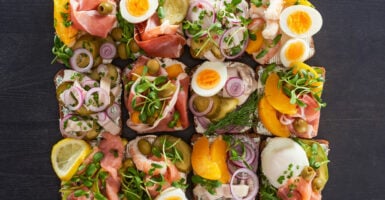
32 Classic Sandwiches Families Rarely Make Anymore
The American sandwich used to be a map of the pantry. Whatever sat in a can, a jar, or the back of the refrigerator could end up between two slices of white bread, and lunch was often a creative response to the end of the grocery budget.
Some combinations came from hotel kitchens, some from lunch counters, and some from the Depression.
Many of these sandwiches are still made somewhere, usually by a grandparent or a single diner that refuses to change the menu. In most kitchens, though, they have quietly disappeared.
Monte Cristo Dusted With Powdered Sugar
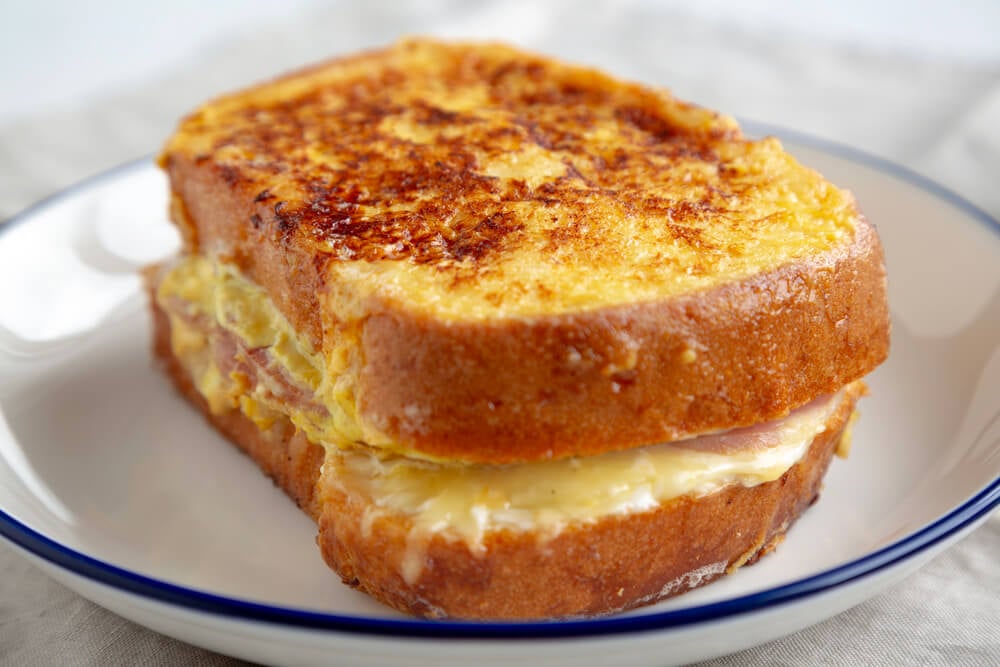
Diners making a Monte Cristo layered ham, turkey, and Swiss cheese between slices of bread, dipped the entire thing in egg batter, and fried it until golden. It arrived at the table dusted with powdered sugar and served with a side of jam or preserves for dipping.
The sweet and savory combination became a fixture of California restaurant menus in the 1950s and 1960s, and Disneyland’s Blue Bayou Restaurant turned it into a signature dish. At home, it was a weekend lunch or a way to use holiday leftovers.
Its richness and frying step have made it rare outside of restaurants.
Kentucky Hot Brown
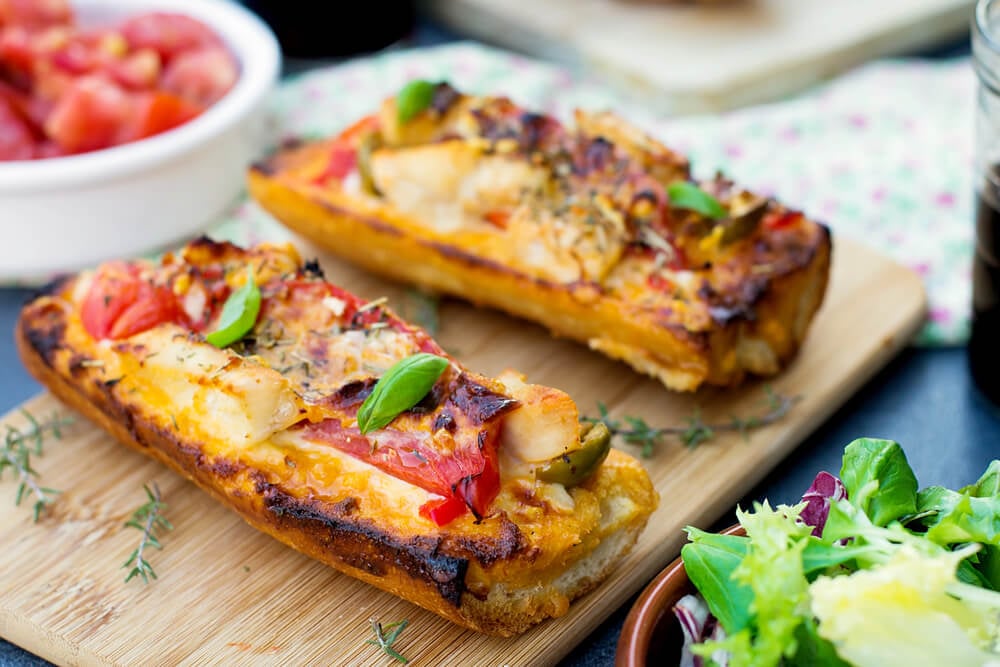
Chef Fred Schmidt created the Hot Brown at the Brown Hotel in Louisville in 1926, as a late-night dish for guests coming off the dance floor. The open-faced sandwich layered roasted turkey on toast, smothered it in Mornay sauce, topped it with bacon and tomato, and ran it under the broiler until bubbling.
It became a Kentucky classic, especially around Derby season. Home cooks once made it with leftover Thanksgiving turkey.
The Brown Hotel still serves it, but the sandwich has faded from most home kitchens outside the state.
Springfield Horseshoe
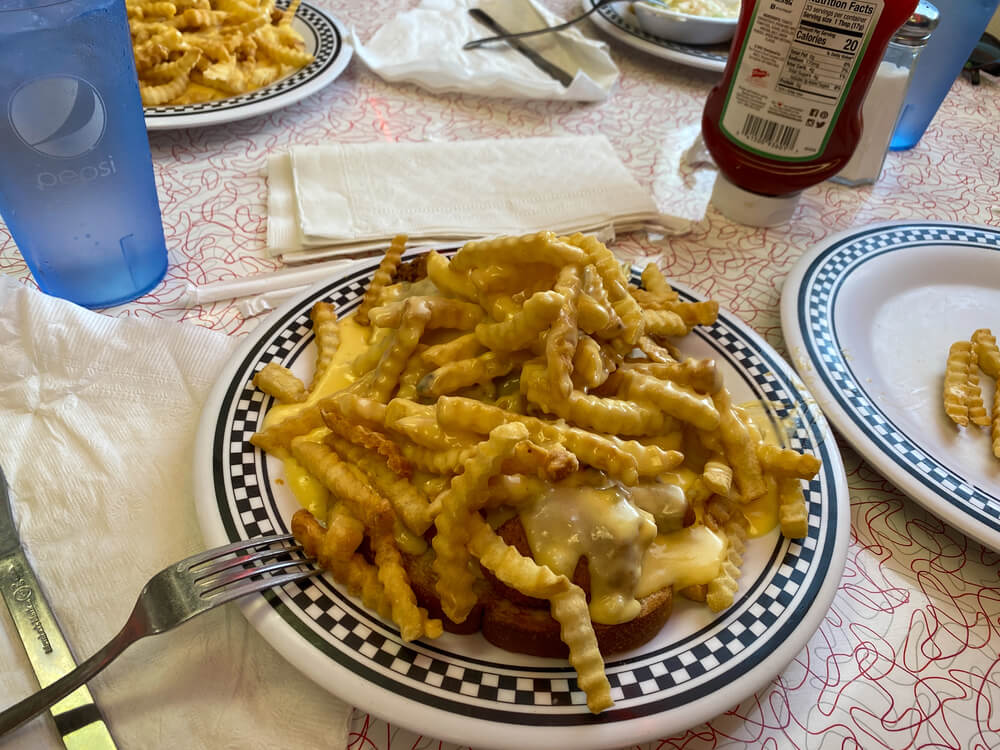
Springfield’s horseshoe sandwich was created in 1928 at the Leland Hotel in Springfield, Illinois, by chef Joe Schweska. The original was thick toast topped with ham, a mound of french fries, and a generous pour of cheese sauce, all served open-faced on a hot metal platter.
The ham was supposedly cut to resemble a horseshoe, and the fries represented the nails. A smaller version is called a pony shoe.
The horseshoe remains a point of local pride in Springfield, but it has never caught on much beyond central Illinois.
Iowa Loose Meat Sandwich
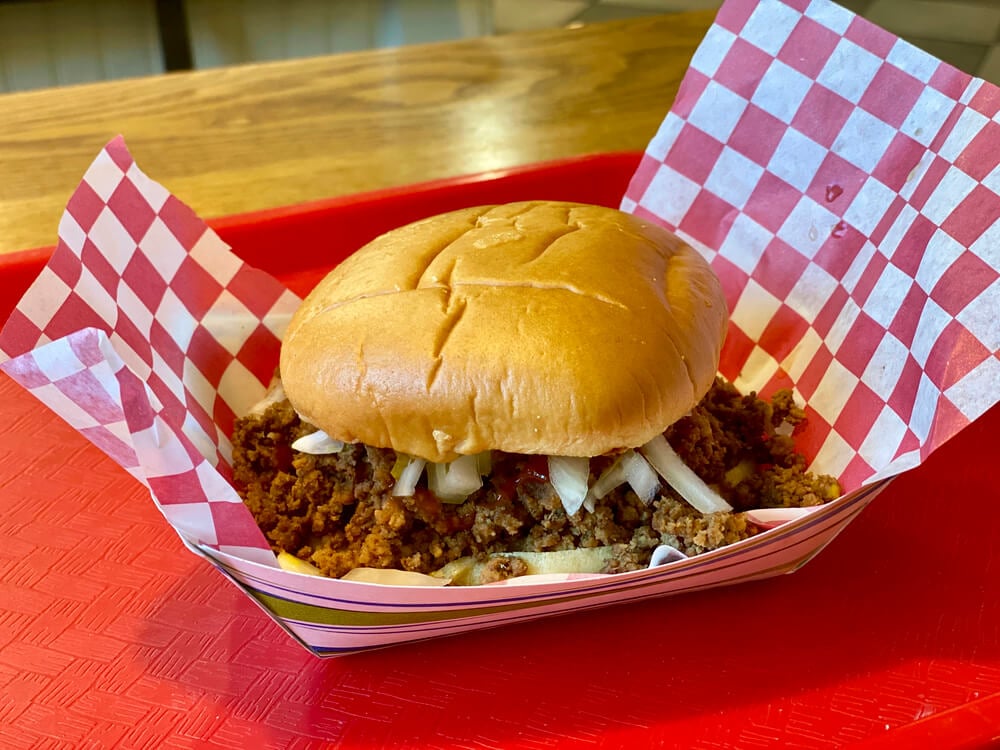
A loose meat sandwich is exactly what it sounds like, seasoned ground beef cooked crumbly and piled on a bun without being formed into a patty. Fred Angell founded the Maid-Rite chain in Muscatine, Iowa, in 1926 to sell them, and the sandwich became a Midwestern staple served with a spoon to catch the falling meat.
Home cooks made their own versions with onions, mustard, and pickles. The sandwich got a moment of fame on the sitcom Roseanne, where the family ran a loose meat restaurant.
It remains beloved in Iowa but rare elsewhere.
Liverwurst and Onion on Rye
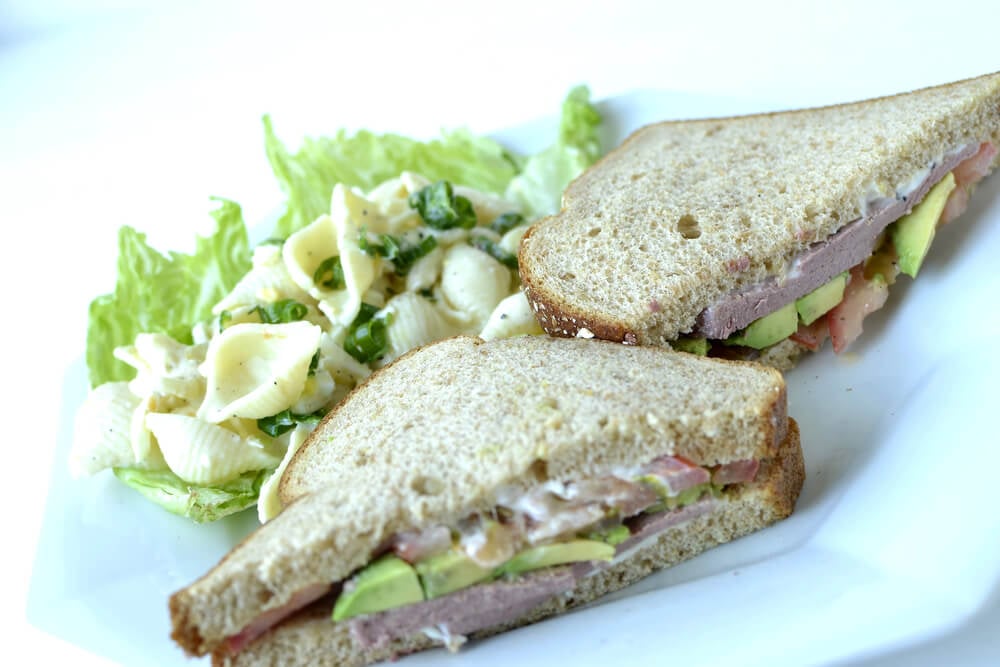
Liverwurst, a soft spreadable sausage made from pork liver, was once a common sandwich meat, especially in families with German roots. The classic version put thick slices on rye or pumpernickel with raw onion and spicy brown mustard.
It was cheap, filling, and full of iron, which parents cited as a selling point to skeptical children. The strong flavor made it divisive, and younger generations increasingly passed on it.
Liverwurst is still sold in delis and supermarkets, but it has largely vanished from lunch boxes.
Olive Loaf With Pimento-Stuffed Olives
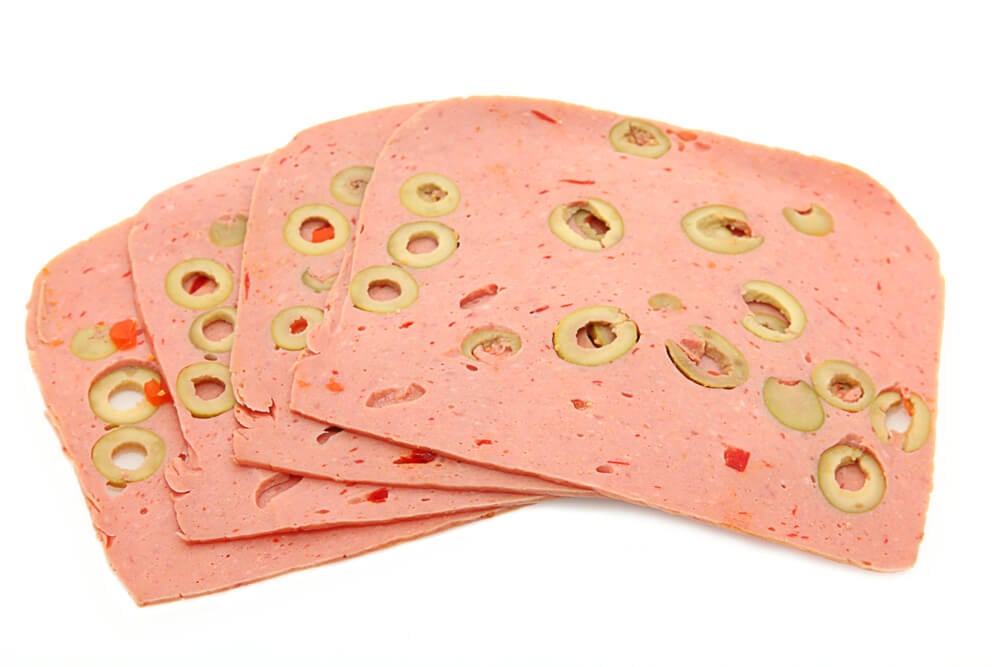
Olive loaf was a bologna-like luncheon meat studded with slices of green olives stuffed with red pimento. The polka-dot slices looked festive on a sandwich, and the olives added a briny flavor that set it apart from plain bologna.
It was a common lunch meat from the 1950s through the 1970s, usually served on white bread with mayonnaise. Kids either picked the olives out or loved it for them.
Oscar Mayer sold a packaged version for decades, which put the polka-dot slices into countless supermarket carts. Olive loaf is still available at some deli counters, but its heyday is long past.
Underwood Deviled Ham
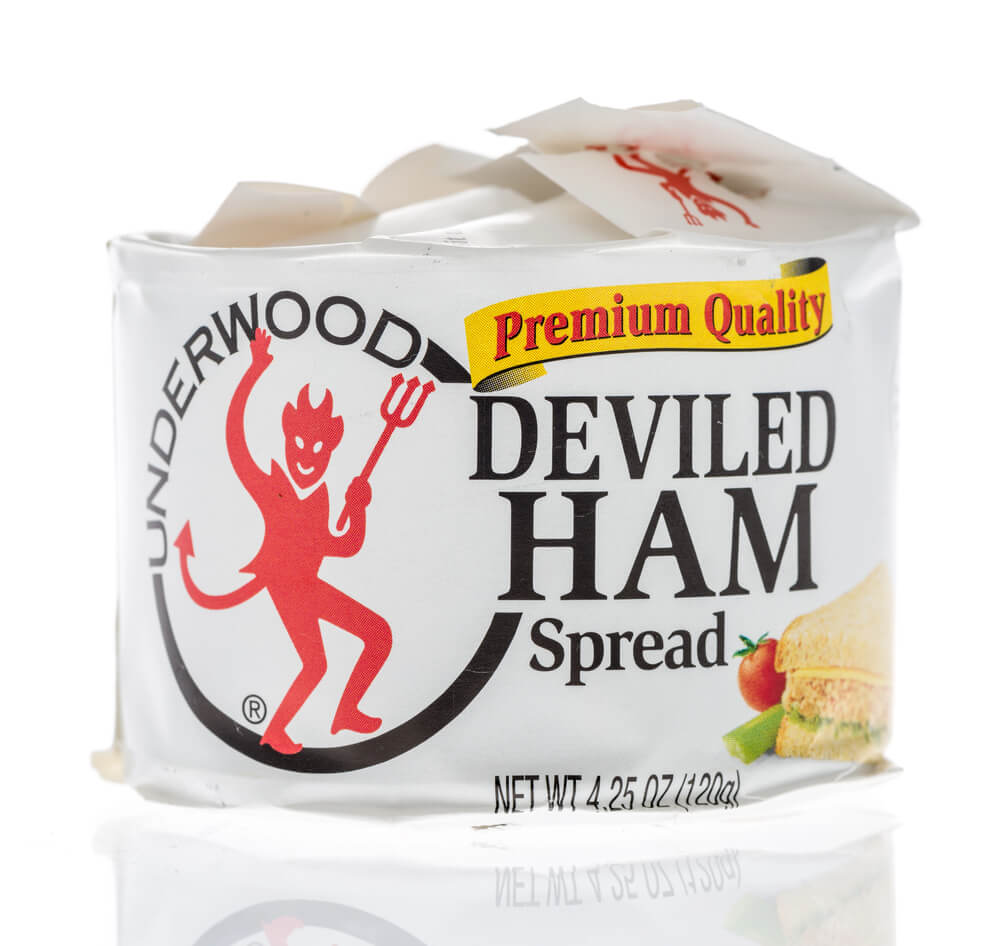
Underwood deviled ham came in a small can wrapped in white paper with a red devil on the label. The company began making deviled products in Boston in 1868, and its devil logo, registered in 1870, is often cited as the oldest food trademark still in use in the United States.
The spread was mixed with mayonnaise or pickle relish and spread on crackers or bread. It was an easy lunch for kids and a party appetizer for adults.
The cans are still sold, but homemade deviled ham sandwiches are a rarity now.
Fried Bologna With a Slit Edge
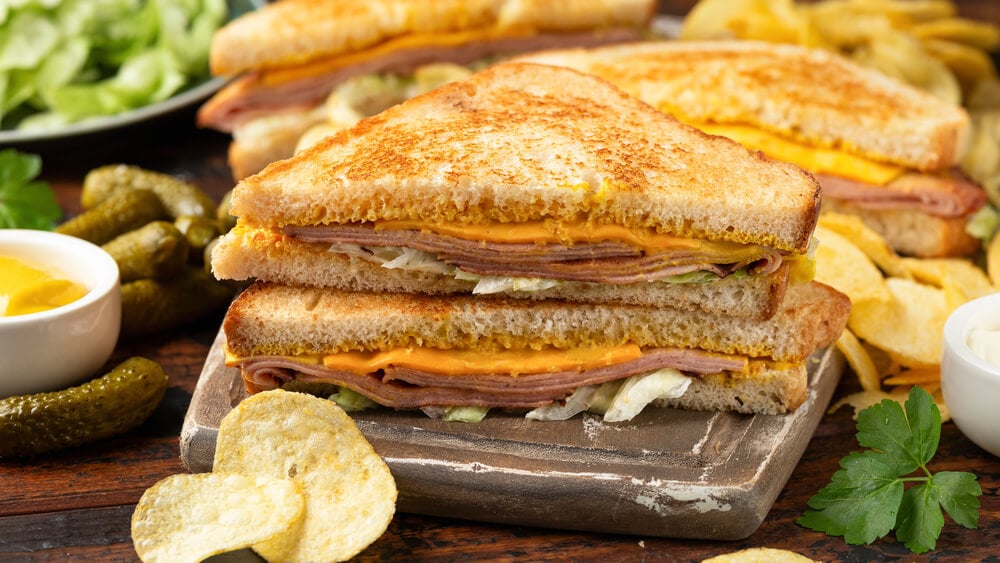
Fried bologna was a quick and cheap sandwich that turned an ordinary lunch meat into something crispy and hot. Slices were fried in a skillet until browned at the edges, and cooks cut a slit from the center to the edge so the meat would not puff up into a dome.
The fried bologna went on white bread with mustard or cheese. It was especially popular in the South and Appalachia.
Some restaurants now serve it as a nostalgic specialty, but it rarely appears on home menus.
Creamed Chipped Beef on Toast
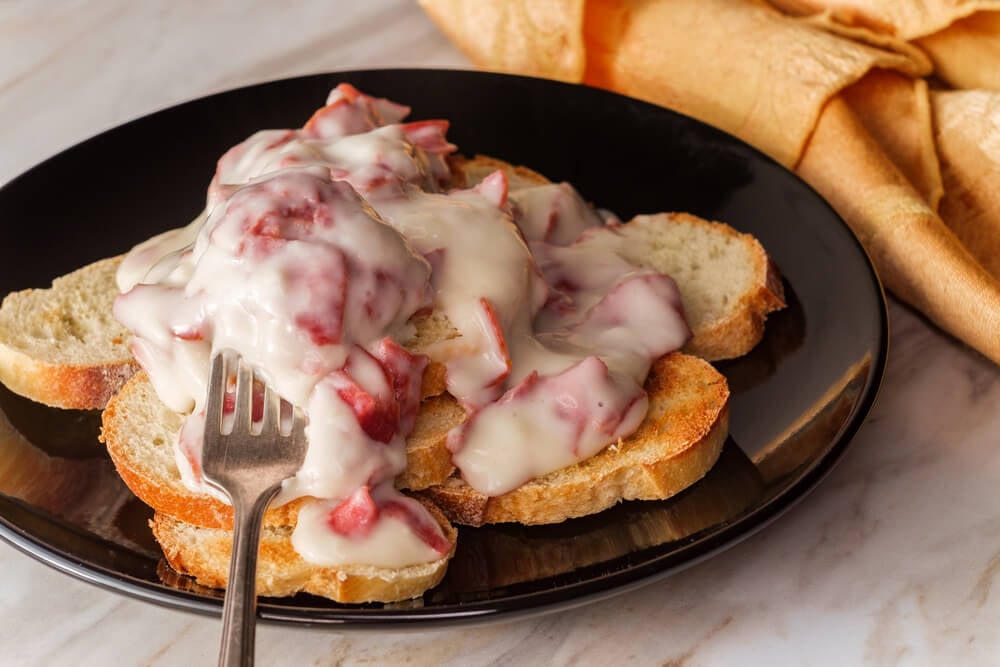
Creamed chipped beef on toast was made by simmering thin slices of dried, salted beef in a white sauce and pouring the mixture over toast. It became a staple of military mess halls during the Second World War, where soldiers gave it a crude nickname that stuck for generations.
At home, the dried beef came in small glass jars, and the dish was an easy and cheap dinner. The salty, creamy meal was comfort food for veterans and their families.
Few younger cooks make it now, though some diners still keep it on the breakfast menu.
Open-Faced Hot Turkey With Gravy
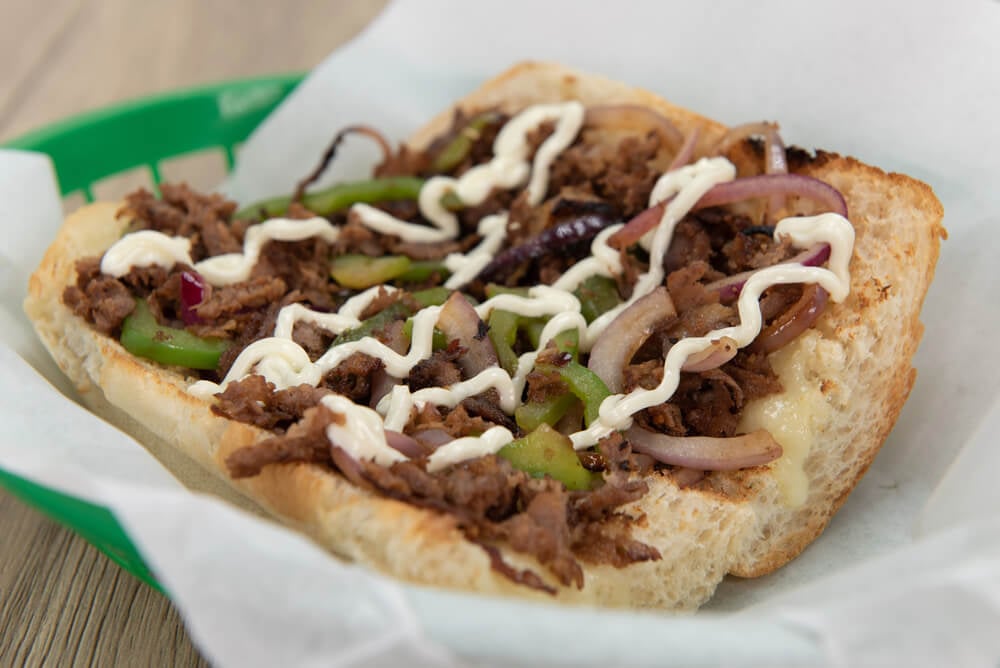
Hot turkey on bread was a diner and home favorite, made by laying sliced turkey over bread and smothering the entire plate in brown gravy, often with a scoop of mashed potatoes on the side. It was typically eaten with a knife and fork rather than by hand.
Families made it with Thanksgiving leftovers, and diners served it as a blue plate special. A similar version used roast beef.
The open-faced hot sandwich has become less common as diners have closed and home cooks have moved toward cold sandwiches.
Peanut Butter and Mayonnaise
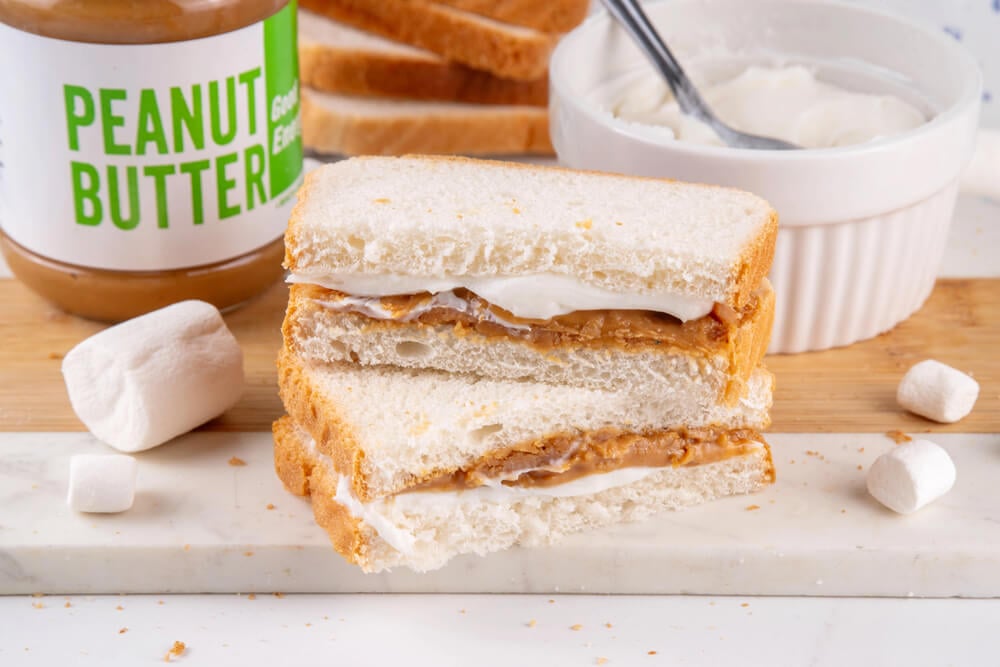
Peanut butter and mayonnaise sounds like a dare now, but during the Great Depression it was an ordinary lunch built from two cheap, calorie-dense staples. Cookbooks and newspaper food columns of the 1930s and 1940s printed versions of it, sometimes with lettuce, sliced pickles, or crumbled bacon added.
The sandwich held on longest in the South, where Duke’s mayonnaise loyalists still defend it with real conviction. Fans describe the mayonnaise as a way to loosen the peanut butter and add a tangy edge.
To most younger eaters it is a curiosity, and it survives mainly as a family habit passed down from grandparents.
Peanut Butter and Banana, Fried in Butter
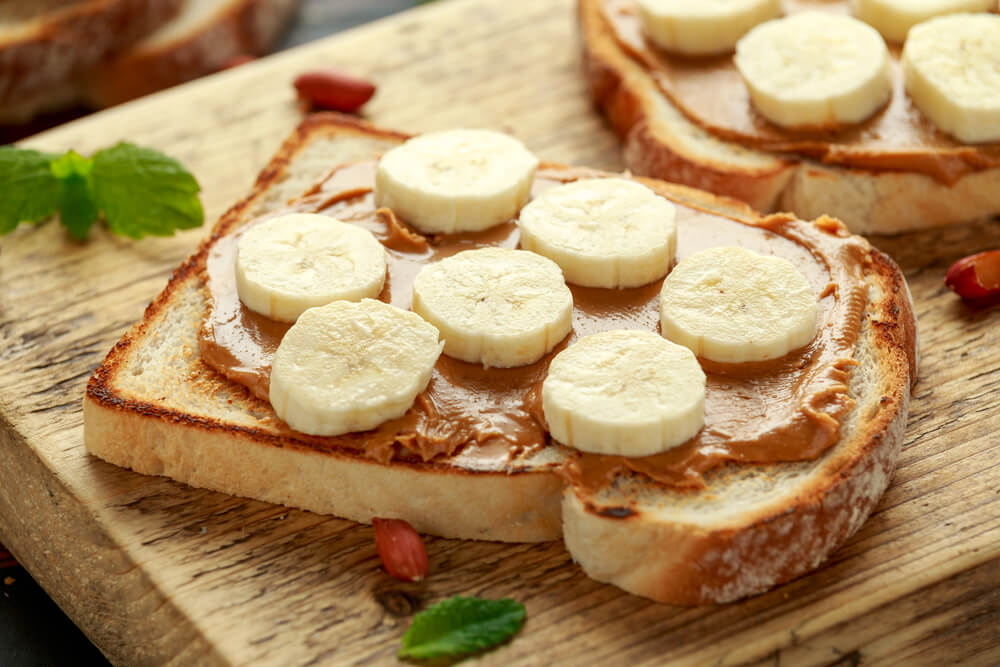
Sliced bananas on peanut butter were a lunch box standard long before anyone tied the sandwich to a celebrity. Elvis Presley changed that, since his favorite version was grilled in butter until the bread turned golden and the banana softened, sometimes with bacon tucked inside.
Stories about the singer’s late-night cravings made the fried version famous, and restaurants in Memphis still sell it to visitors. At home, most kids ate the plain cold version on soft white bread, often with a drizzle of honey.
The griddled Presley style, with its pat of butter and hot skillet, has become more of a novelty than a regular lunch.
Fluffernutter
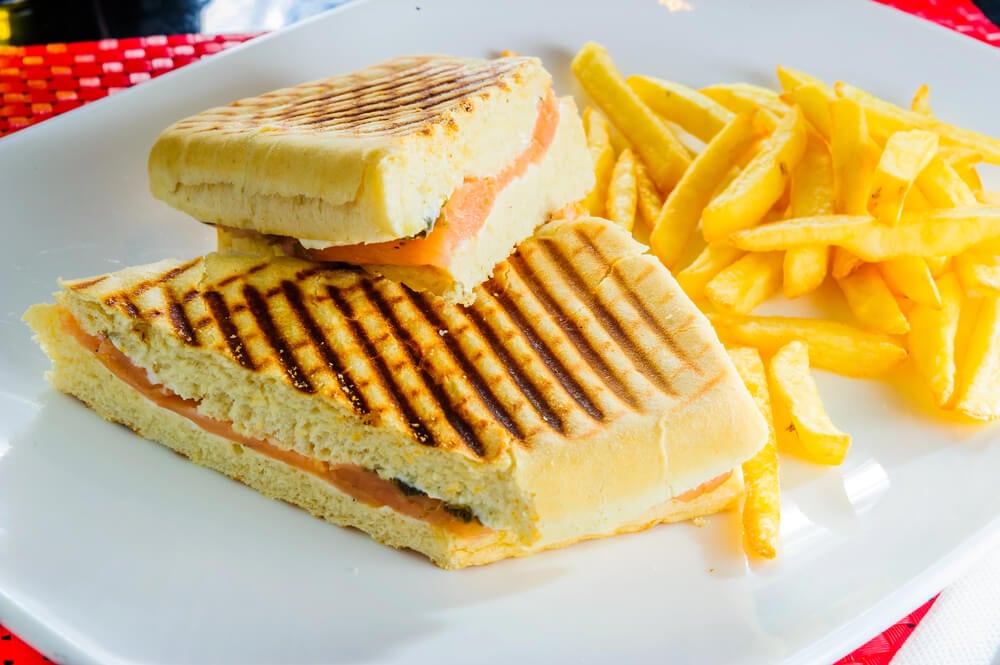
Fluffernutters combined peanut butter and Marshmallow Fluff on white bread, a sticky, sweet sandwich especially popular in New England. Marshmallow Fluff was made by Durkee-Mower in Lynn, Massachusetts, and an advertising agency coined the name Fluffernutter around 1960.
In 2006, a Massachusetts state senator proposed limiting the sandwich in schools, prompting another lawmaker to propose making it the official state sandwich. The sandwich remains a regional icon but is less common in lunch boxes than it once was, as parents have become more cautious about sugar.
Butter and Sugar Sandwich
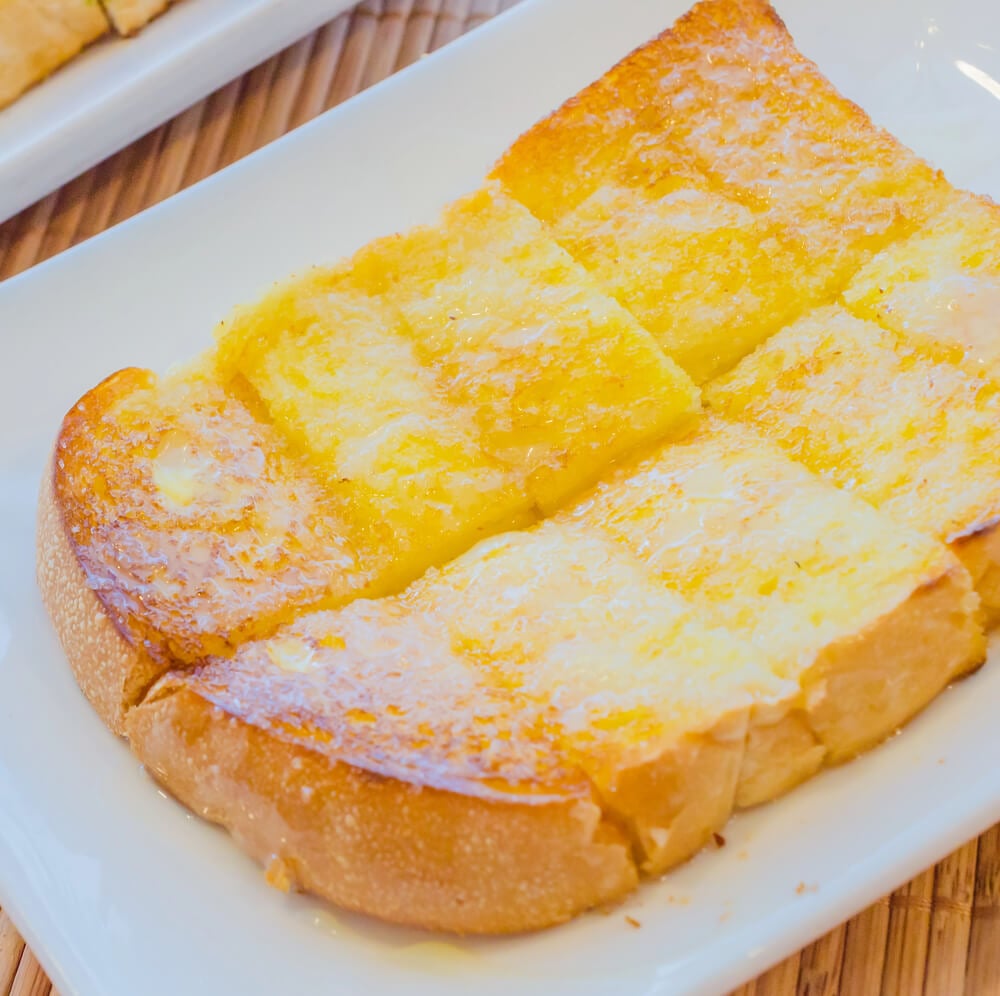
Butter and sugar on bread was exactly what the name promised, white bread spread with softened butter and sprinkled with granulated sugar. It was a Depression-era and wartime treat, when real sweets were scarce and rationing made sugar feel like a luxury worth stretching.
Kids ate it as an after-school snack, and some families pressed the sugared side into a hot skillet so it caramelized. Variations used brown sugar, a dusting of cinnamon, or a few drops of vanilla in the butter.
For older generations it carries real sentimental weight, while younger ones mostly hear about it in stories that begin with how little anyone had.
Cream Cheese and Chopped Olive
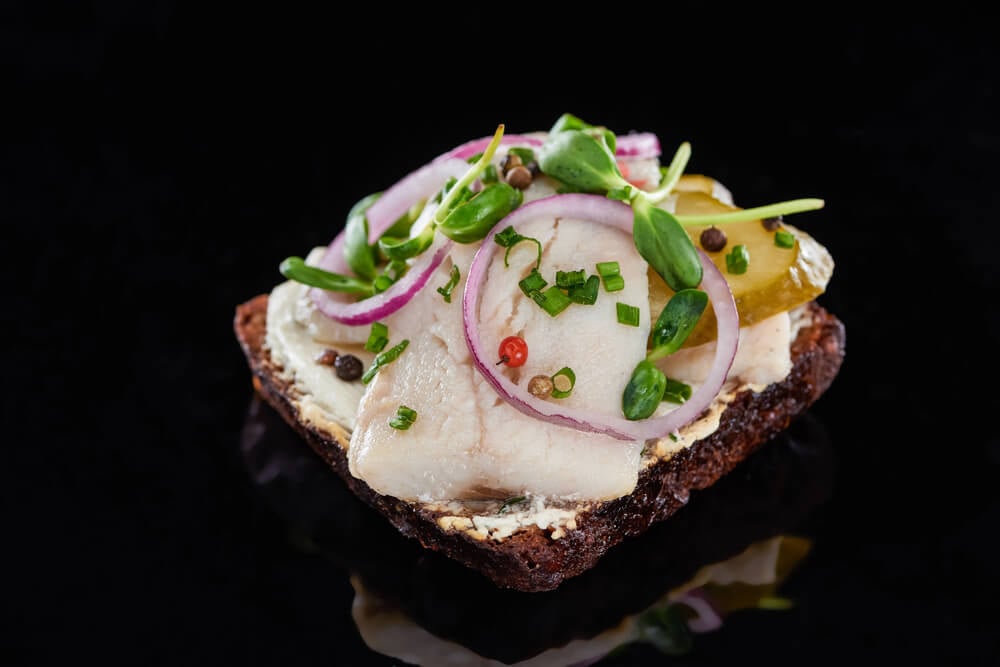
Cream cheese mixed with chopped pimento-stuffed green olives was a standard filling at ladies’ luncheons, bridge parties, and church receptions in the mid-twentieth century. The spread went on thin white bread with the crusts trimmed away, and the sandwiches were cut into triangles, ribbons, or rounds and arranged on a platter.
Southern cooks often folded in chopped pecans, a version known simply as olive nut spread. A spoonful of olive brine loosened the mixture and sharpened the flavor.
The sandwich faded along with the formal luncheon culture that made it popular, though it still turns up at funerals and bridal showers in some regions.
Date Nut Bread With Cream Cheese
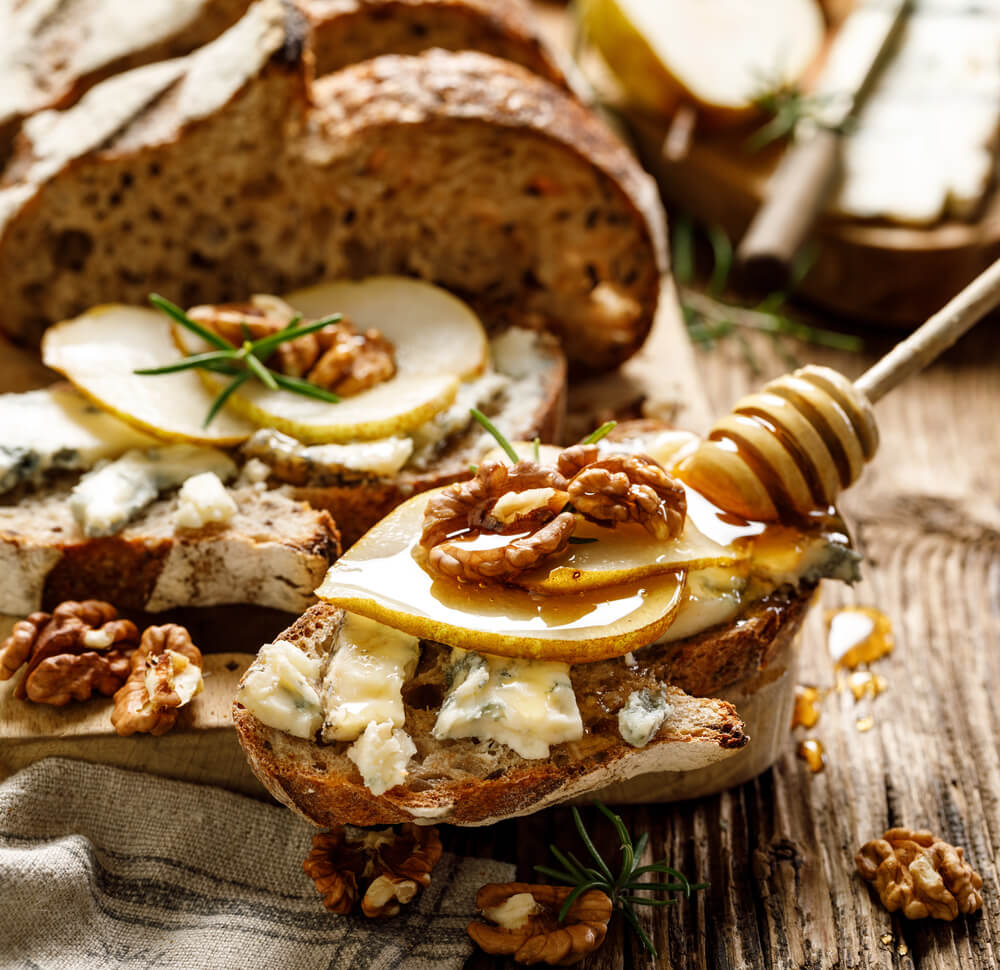
Date nut bread spread with cream cheese was a signature item at Chock full o’Nuts lunch counters in New York City for decades, served alongside coffee to office workers in a hurry. The dense, dark bread was studded with dates and walnuts, and the cream cheese added a cool, tangy contrast to the sweetness.
At home, many families bought date nut bread in a can, pushed it out in one cylinder, and sliced it into neat rounds. The sandwich worked as lunch, dessert, or an afternoon snack.
Chock full o’Nuts closed its lunch counters long ago, and the sandwich largely went with them.
Spam on White Bread
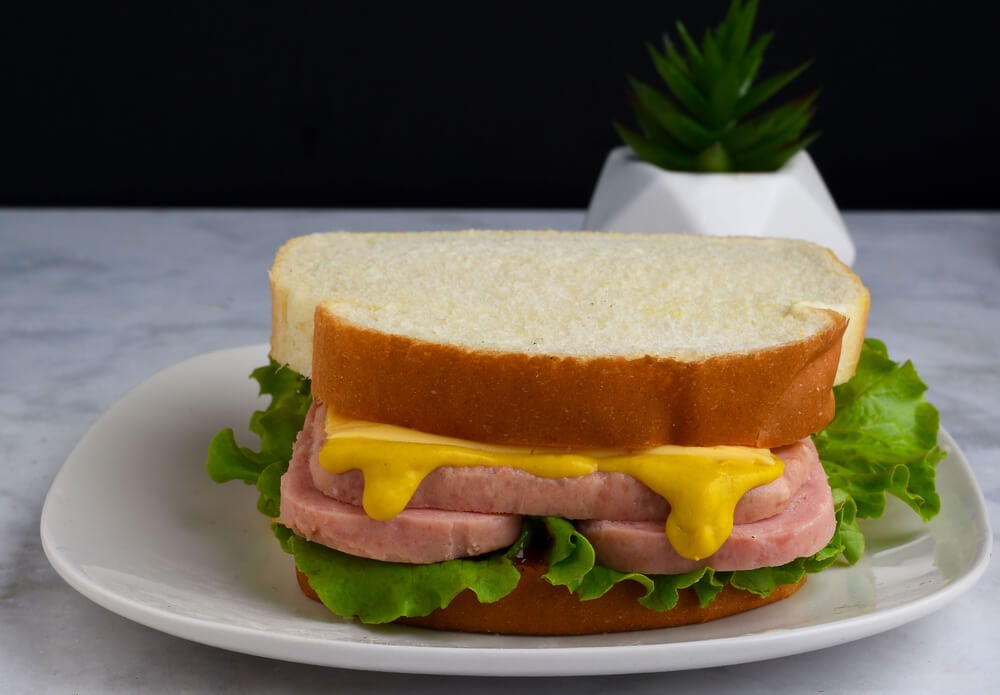
Hormel introduced Spam in 1937, and the canned pork product became a wartime staple, feeding soldiers during the Second World War. After the war, Spam sandwiches became a common lunch, made with slices fried in a skillet or eaten cold with mustard or mayonnaise.
Spam remains hugely popular in Hawaii and parts of Asia, where it appears in dishes like Spam musubi. On the mainland, the Spam sandwich is less common than it once was.
Hawaii consumes more Spam per person than any other state, a habit that dates to the war years.
Pickled Tongue on Rye
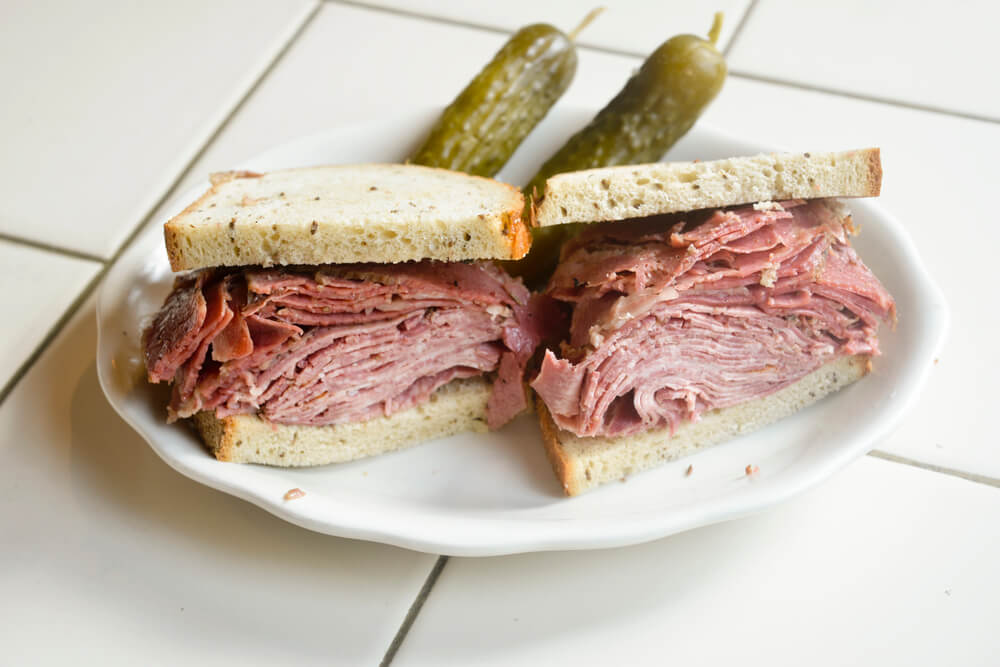
Beef tongue was once a standard deli meat, especially in Jewish delis where it was pickled or corned, simmered for hours, peeled, and sliced thin for sandwiches on rye with mustard. The meat was tender and mild, with a fine grain that surprised people who tried it expecting something strange.
Home cooks with Eastern European roots simmered their own and served the leftovers cold in sandwiches all week. Price played a part in its popularity, since tongue was once an inexpensive cut.
As deli menus shrank and eaters grew squeamish, tongue became a specialty item found mostly at old-school delis and butcher shops.
Sardine and Onion Sandwich
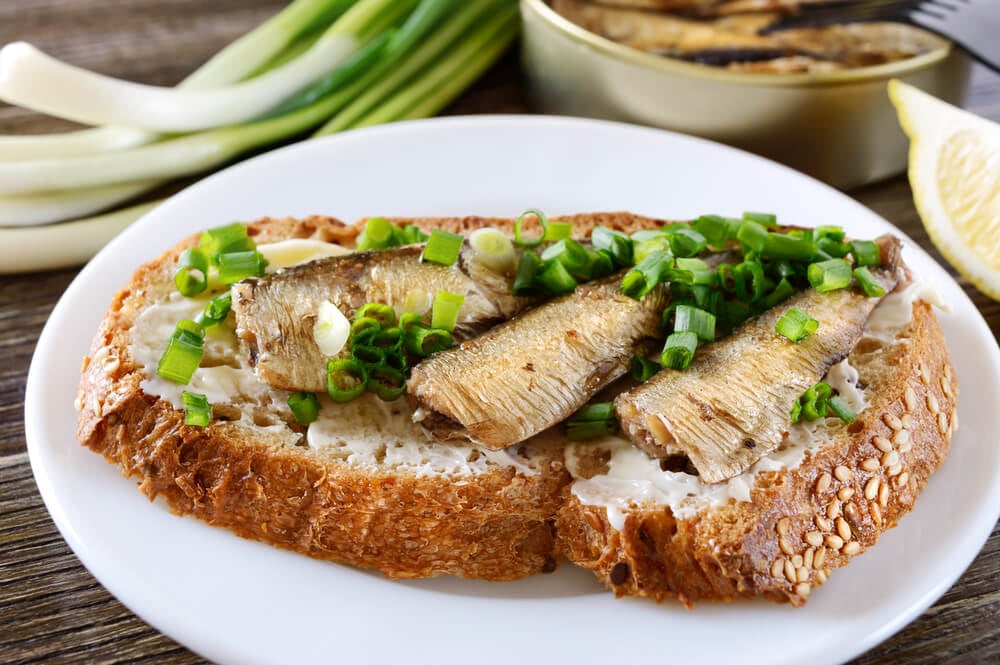
Canned sardines were a cheap, shelf-stable source of protein, and sardine sandwiches were a common working-class lunch for much of the twentieth century. The fish were mashed onto bread with mustard, mayonnaise, or butter, then topped with slices of raw onion and sometimes a squeeze of lemon.
The flat tins, opened with a small key rolled around the lid, were a pantry fixture, and brands like King Oscar and Brunswick were familiar names. The smell was strong enough to clear a break room.
Tinned fish has enjoyed a recent revival among food enthusiasts, but the humble sardine sandwich remains rare in most kitchens.
Denver Sandwich
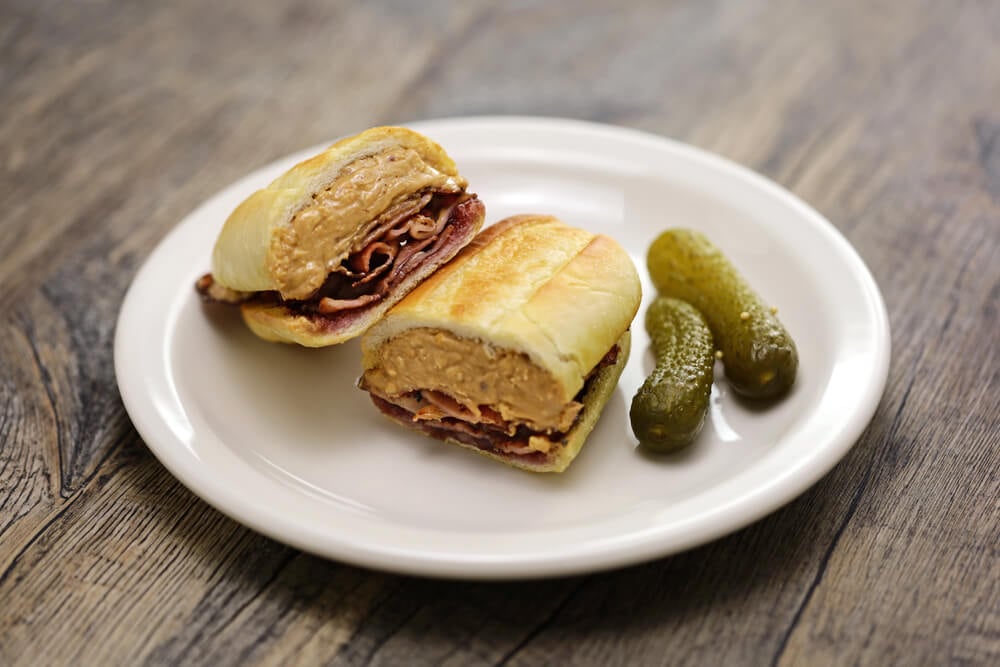
Denver sandwiches were built around an omelet of diced ham, onion, and green pepper, cooked flat and folded between slices of toast or white bread. It is the sandwich twin of the Western omelet, and its origin is disputed, with stories crediting cattle drive cooks, pioneer wagon trains, and Chinese cooks working on the railroads in the West.
Whatever its birthplace, it became a standard on diner menus and lunch counter chalkboards across the country for decades. Truck stops served it all day long.
Breakfast sandwiches on English muffins, biscuits, and bagels gradually took its place, and many diners quietly dropped it from the menu.
Fall River Chow Mein Sandwich
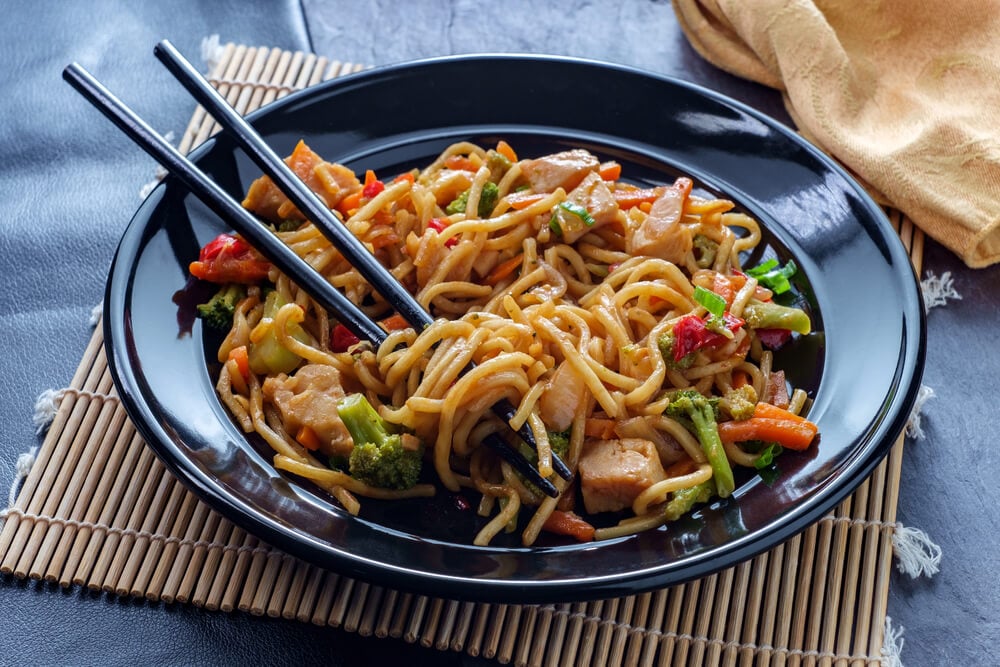
Chow mein on a bun is a regional specialty of Fall River, Massachusetts, and surrounding towns, built by piling crispy fried noodles and a brown gravy with celery, onion, and bean sprouts onto a soft hamburger bun. It was cheap, filling, and hugely popular with mill workers in the first half of the twentieth century.
Local Chinese American restaurants served it, and a packaged chow mein mix sold in the region let families make it at home. The sandwich was typically eaten with a fork once the bun surrendered to the gravy.
It remains a nostalgic item in southeastern New England and is almost unknown anywhere else.
Ham Salad From Ground Bologna
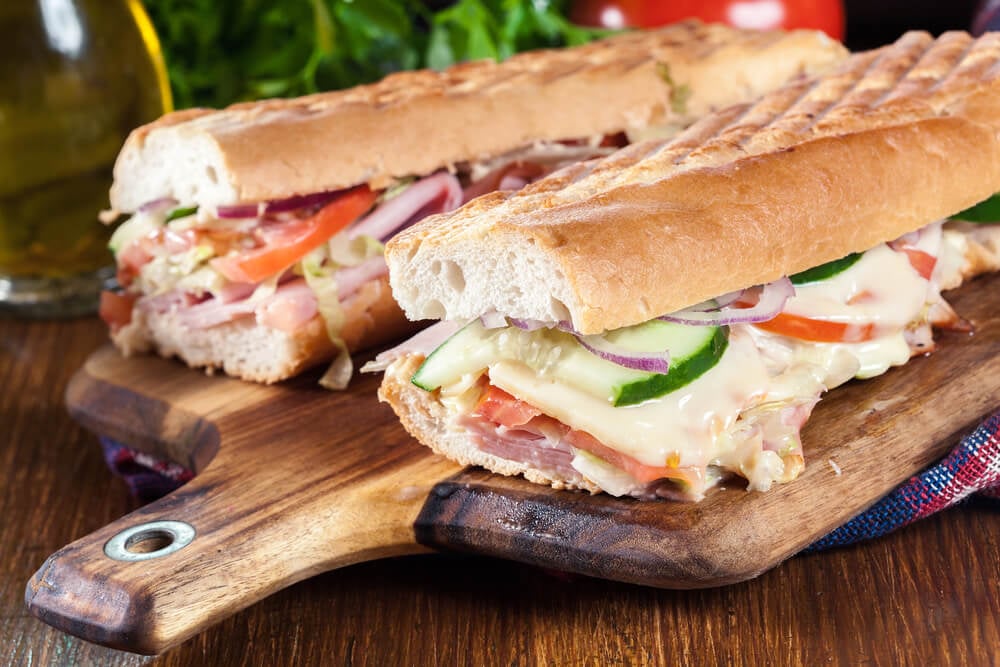
Ham salad was often made from ground bologna rather than actual ham, especially in the Midwest and South, where thrift took priority over labels. Cooks ran the meat through a hand-cranked cast iron grinder clamped to the edge of the kitchen counter, then mixed it with mayonnaise, sweet pickle relish, and sometimes chopped hard-boiled eggs.
The spread went on white bread for lunch or on crackers for parties. Leftover holiday ham got the same treatment, which made it a natural January sandwich.
Some deli counters still sell ham salad by the pound, but the grinder and the homemade batch have mostly disappeared.
Welsh Rarebit on Toast
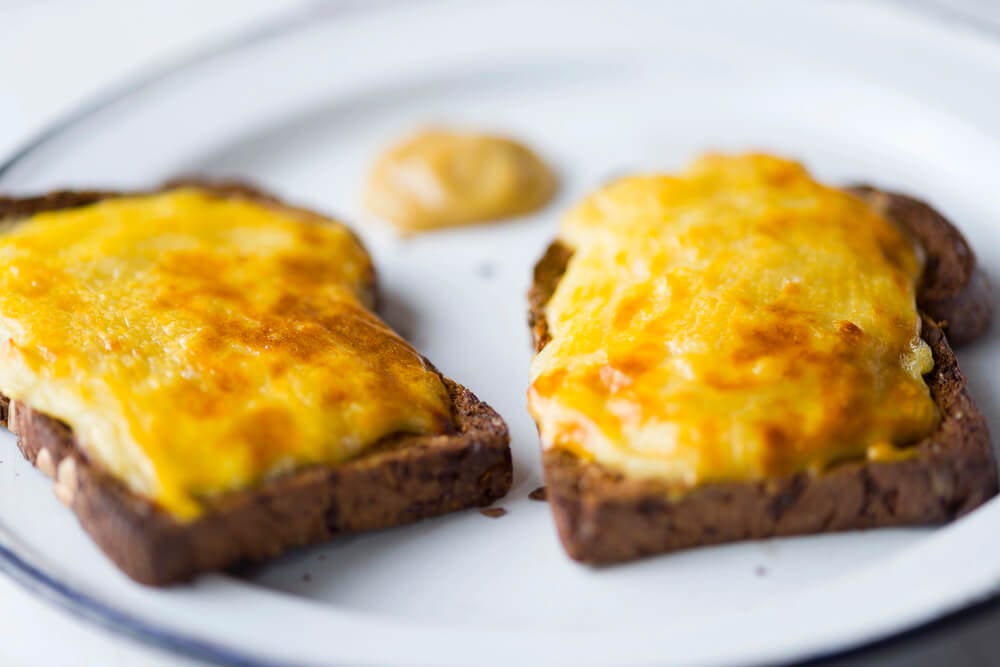
Welsh rarebit is a rich sauce of melted cheddar cheese, beer or ale, mustard, and Worcestershire sauce, poured hot over thick slices of toast. The dish has British roots, but it became a fixture of American home cooking and hotel dining rooms in the late nineteenth and early twentieth centuries.
Chafing dishes made it a popular late-night supper for entertaining. Stouffer’s sold a frozen version for years, which kept it in circulation long after most cooks stopped making it from scratch.
Today it appears mostly on the menus of British-style pubs, and many younger diners have never tasted it.
Cheese Dream
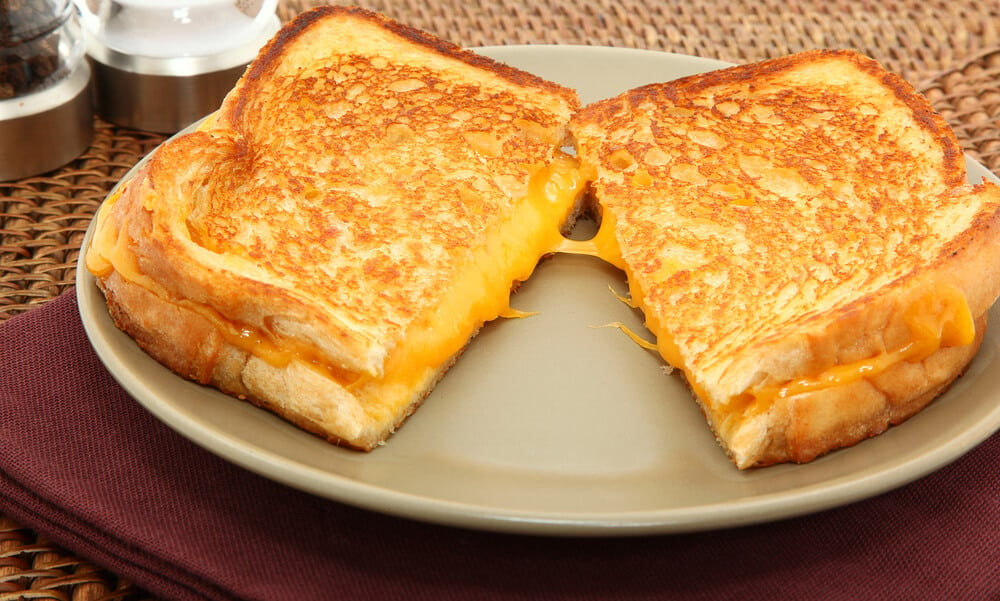
Cheese dreams were open-faced sandwiches of bread topped with sliced cheese, often a slice of tomato and a strip of bacon, and slid under the broiler until the cheese bubbled and browned. They were popular from the 1920s through the 1950s at church suppers, women’s clubs, and home lunches, and they appeared in community cookbooks under that dreamy name.
Some versions spread the bread with mustard or added a thin slice of onion. Cooks sometimes baked a batch on a sheet pan to feed a crowd.
The grilled cheese sandwich eventually took over, and the cheese dream faded into old recipe boxes.
Head Cheese on Rye
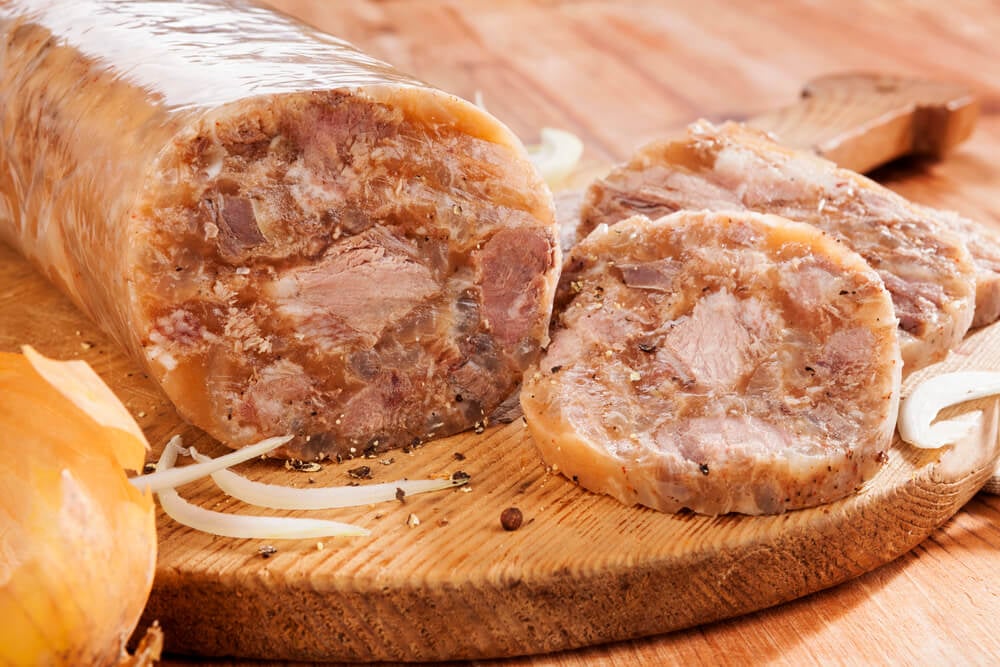
Head cheese is not cheese at all but a cold cut made from meat taken from a pig’s head, simmered, chopped, and set in its own natural gelatin. The loaf was sliced and served on rye bread with mustard, or sometimes with a splash of vinegar and raw onion.
It was a thrifty way to use every part of the animal, and it was common in households with German, Polish, and other Central European roots. Butchers sold it at the counter next to the liverwurst.
Many modern eaters find the idea off-putting, and head cheese sandwiches have become rare outside a few specialty delis.
Fried Brain Sandwich
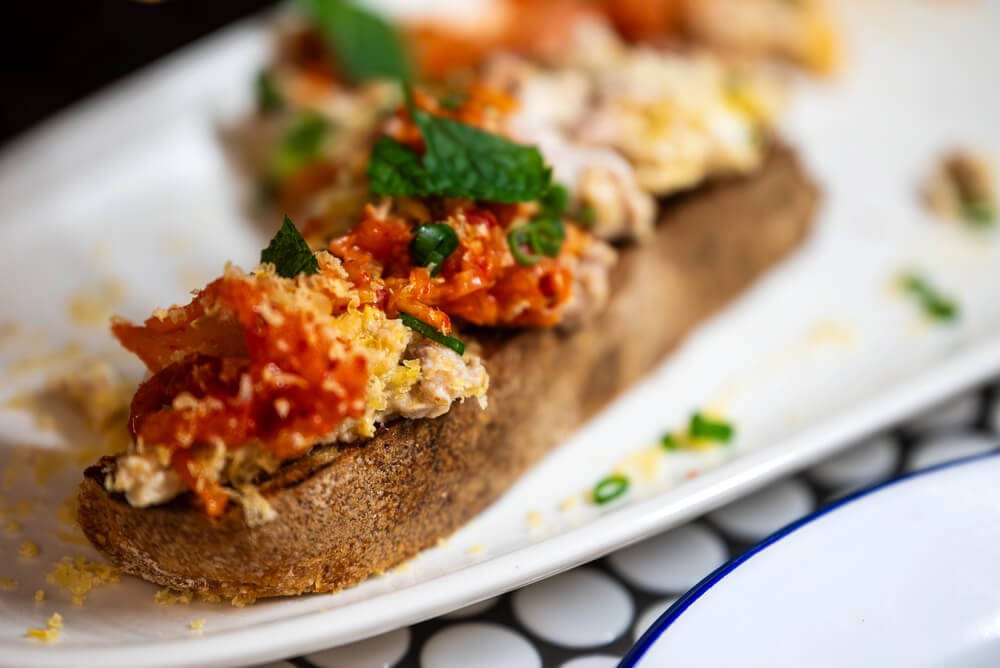
The fried brain sandwich was a specialty in St. Louis and along the Ohio River valley, with Evansville, Indiana, the best-known stronghold. Calves’ or pigs’ brains were battered, fried until puffy and crisp, and served on a bun with pickles and raw onion.
Neighborhood taverns and church festivals sold them by the hundreds, and customers described the texture as creamy inside a crunchy shell. Concerns about mad cow disease in the 1990s, along with changing tastes and supply problems, led most restaurants to drop it.
A few holdouts still serve the sandwich, mostly to curious visitors and longtime regulars.
Lettuce and Mayonnaise Sandwich
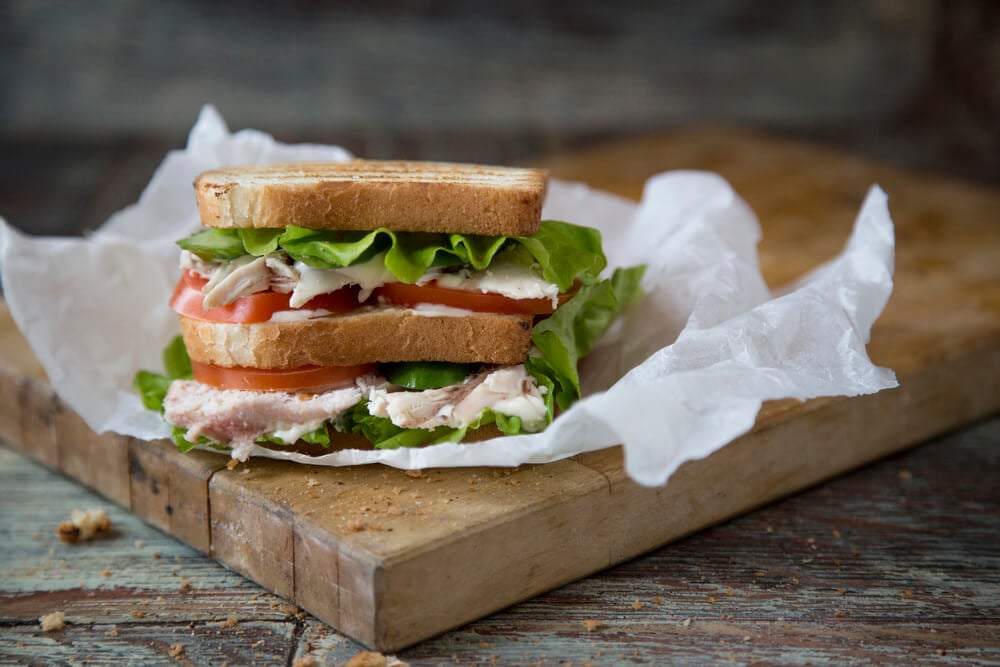
The lettuce sandwich was nothing but crisp iceberg lettuce and mayonnaise on soft white bread, seasoned with salt and pepper. It was a thrifty Depression lunch, when meat was scarce and a head of lettuce went a long way, and it lingered as a light summer sandwich for decades afterward.
Some cooks added a slice of tomato from the garden or a few thin rings of onion. The contrast of cold, crunchy lettuce against soft bread had a real appeal on a hot day.
Most modern eaters expect a sandwich to include protein, so the lettuce sandwich now sounds like a joke rather than a meal.
James Beard’s Onion Sandwich
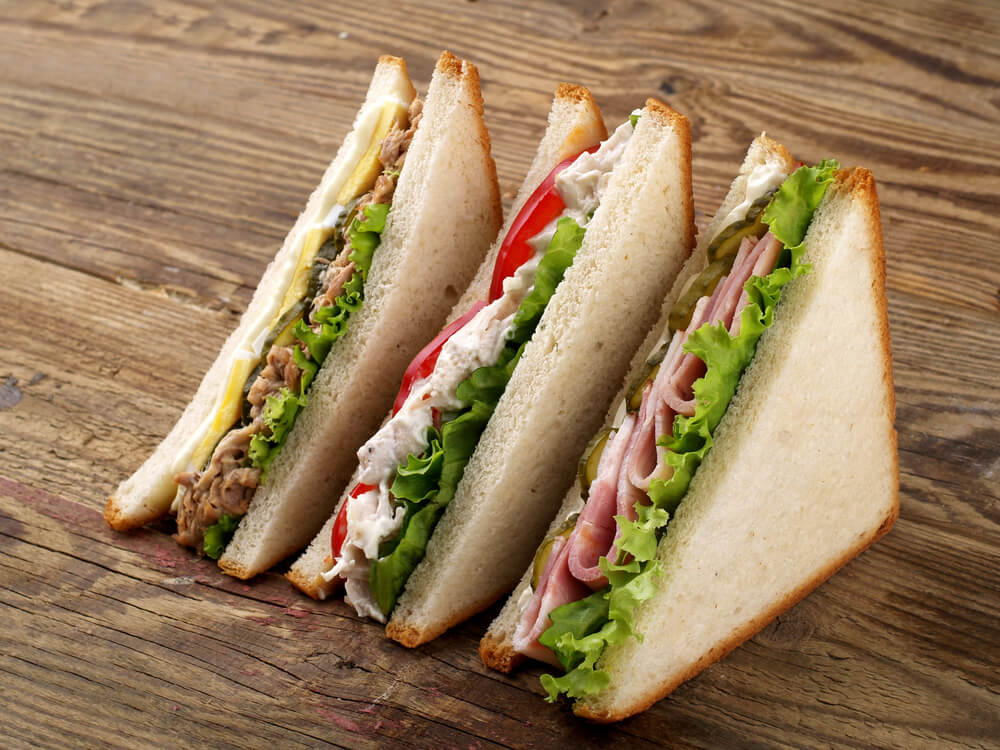
Cookbook author James Beard made the onion sandwich famous as a cocktail party staple. Thin rounds of brioche were spread with mayonnaise and filled with paper-thin slices of sweet onion, and the edges were then rolled in finely chopped parsley so each little sandwich wore a green collar.
Beard served them at gatherings for decades and wrote about them fondly, insisting they be made just before guests arrived. The contrast of sharp onion, rich bread, and creamy mayonnaise was far more sophisticated than the ingredient list suggested.
They now survive mainly among food historians and fans of midcentury entertaining.
Louisville Benedictine Sandwich
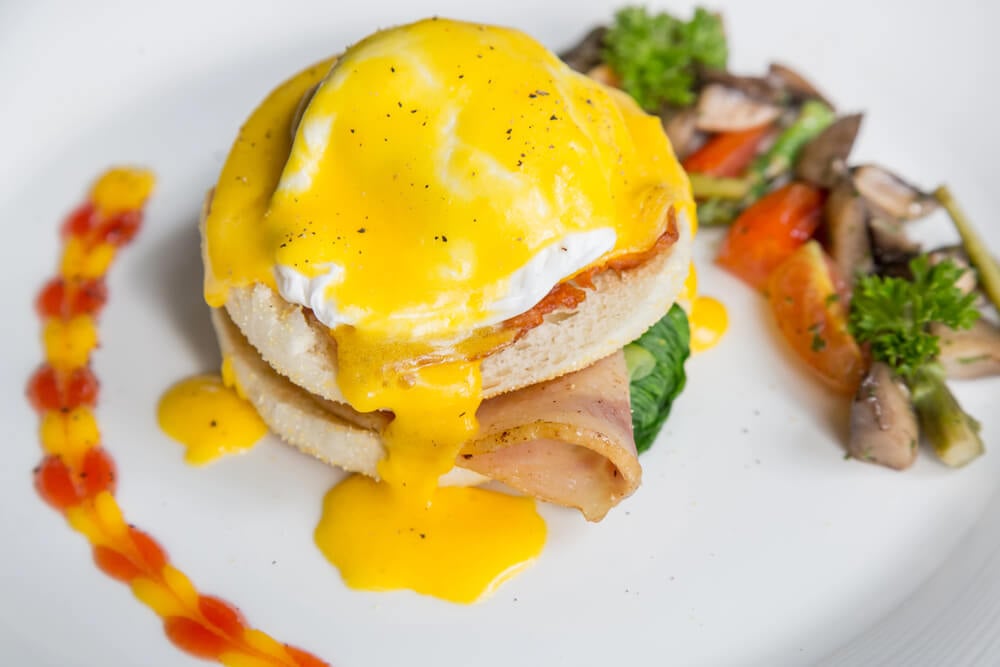
Benedictine is a spread of cream cheese and grated cucumber, often tinted a pale green with a drop of food coloring, created by Louisville caterer and restaurateur Jennie Benedict around the turn of the twentieth century. It was served on thin white bread as finger sandwiches at teas, showers, and luncheons, and it became a staple of Kentucky Derby parties.
Grated onion added a little bite, and some cooks swapped the cream cheese for a mix with mayonnaise. The cool spread was especially welcome in the summer heat.
Benedictine remains a proud Kentucky tradition, but it is little known outside the state.
Pittsburgh Chipped Chopped Ham Barbecue
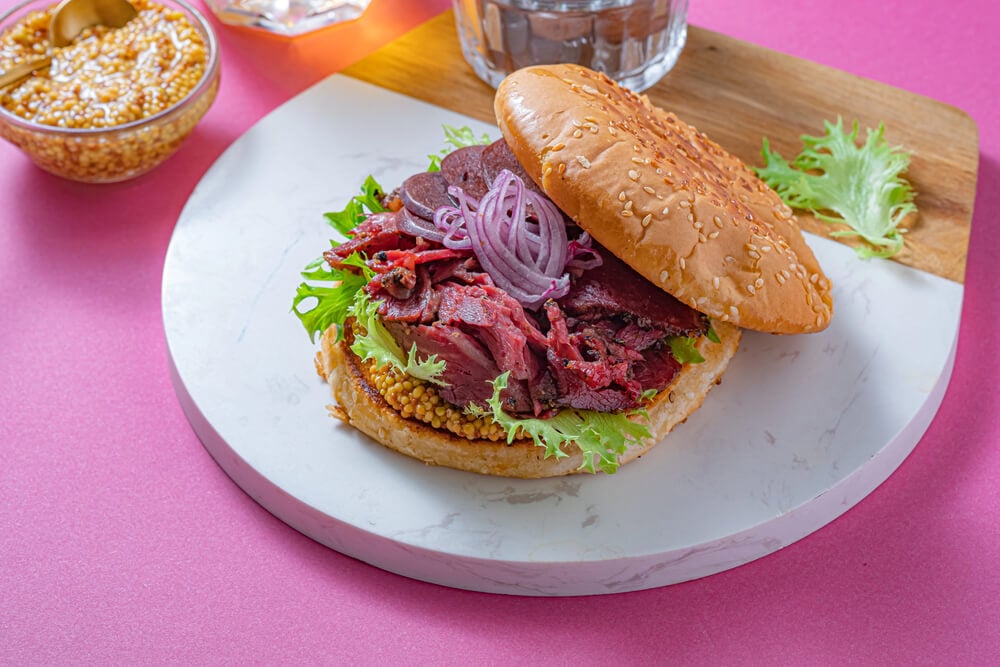
Chipped chopped ham, a pressed ham loaf shaved so thin it fell into ruffles, was a Pittsburgh specialty made famous by the Isaly’s dairy and deli chain. Families bought it by the pound and piled it high on buns, and the favorite preparation simmered the ham in a sweet, tangy barbecue sauce for sandwiches known locally as ham barbecues.
The dish showed up at graduation parties, church picnics, and weeknight dinners across western Pennsylvania. Most Isaly’s stores closed decades ago, although the ham is still sold in the region.
Outside the Pittsburgh area, the sandwich is almost entirely unknown.
Dagwood Stacked a Foot High
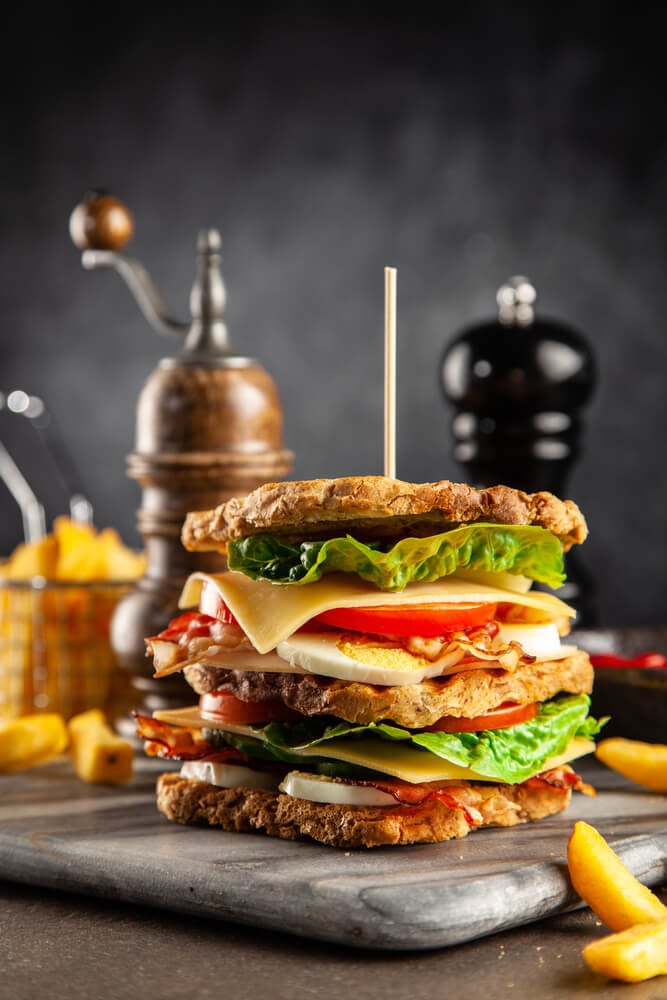
The Dagwood sandwich takes its name from Dagwood Bumstead, the perpetually hungry husband in Chic Young’s Blondie comic strip, which began in 1930. Dagwood regularly raided the refrigerator late at night and built towering sandwiches of cold cuts, cheeses, pickles, sardines, and anything else within reach.
The gag made the sandwich famous in the 1930s, and the name became a general term for any overstuffed creation. Kids and adults tried to recreate it at home, usually with a toothpick holding it together.
The name still appears in dictionaries, but few people attempt a genuine Dagwood anymore.
Canned Salmon Salad
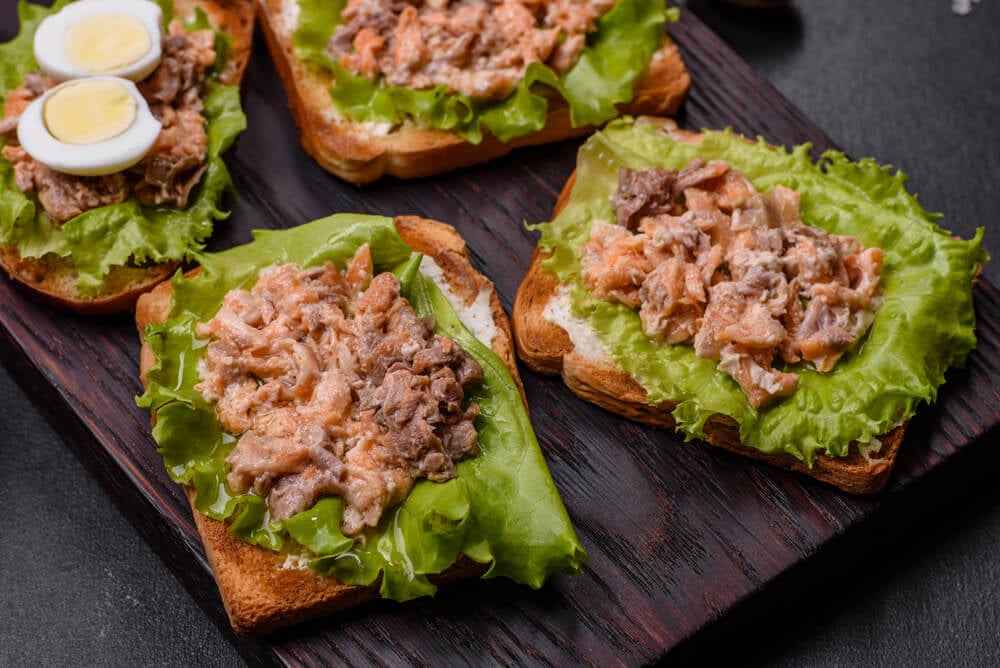
Canned salmon salad was a common alternative to tuna salad, made by flaking canned pink salmon with mayonnaise, chopped celery, and onion. The cans included soft, edible bones and skin, and thrifty cooks mashed the bones into the salad for extra calcium rather than picking them out.
The sandwich was a Friday lunch in many Catholic households when meat was off the menu, and it also went into salmon patties for dinner. Canned salmon was once inexpensive and widely available.
Canned tuna gradually took over the market, and salmon salad sandwiches became far less common in American kitchens.
Bread as a Record of Thrift
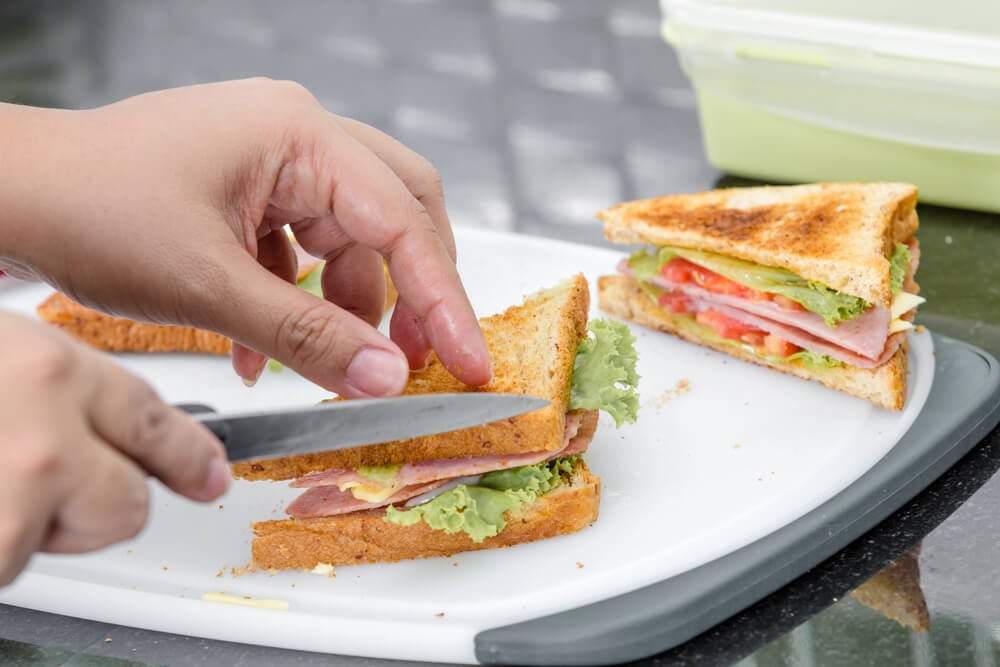
Most of these sandwiches came from the same impulse. Families used what was cheap, what was canned, and what was left over, and they found ways to make it taste good.
The results said as much about the economics of the time as about taste. As grocery options expanded and food budgets shifted, many of these combinations fell out of favor.
They survive in diners, regional specialties, and family recipe boxes. A few may yet make a comeback, but most live on mainly in memory.
More from Go2Tutors!

- The Romanov Crown Jewels and Their Tragic Fate
- 13 Historical Mysteries That Science Still Can’t Solve
- Famous Hoaxes That Fooled the World for Years
- 15 Child Stars with Tragic Adult Lives
- 16 Famous Jewelry Pieces in History
Like Go2Tutors’s content? Follow us on MSN.