Oldest Family Businesses Still Running Today
Some businesses open and close within a year. Others last a decade, maybe two, before the market shifts or the next generation moves on.
And then there are the ones that have been passing down their trade for centuries — through wars, plagues, revolutions, and economic collapses — still running today with family members at the helm. These aren’t just old companies.
They’re living proof that a business can outlast almost anything if the people behind it care enough to keep it going.
A Japanese Hotel That’s Been Open Since 705 AD
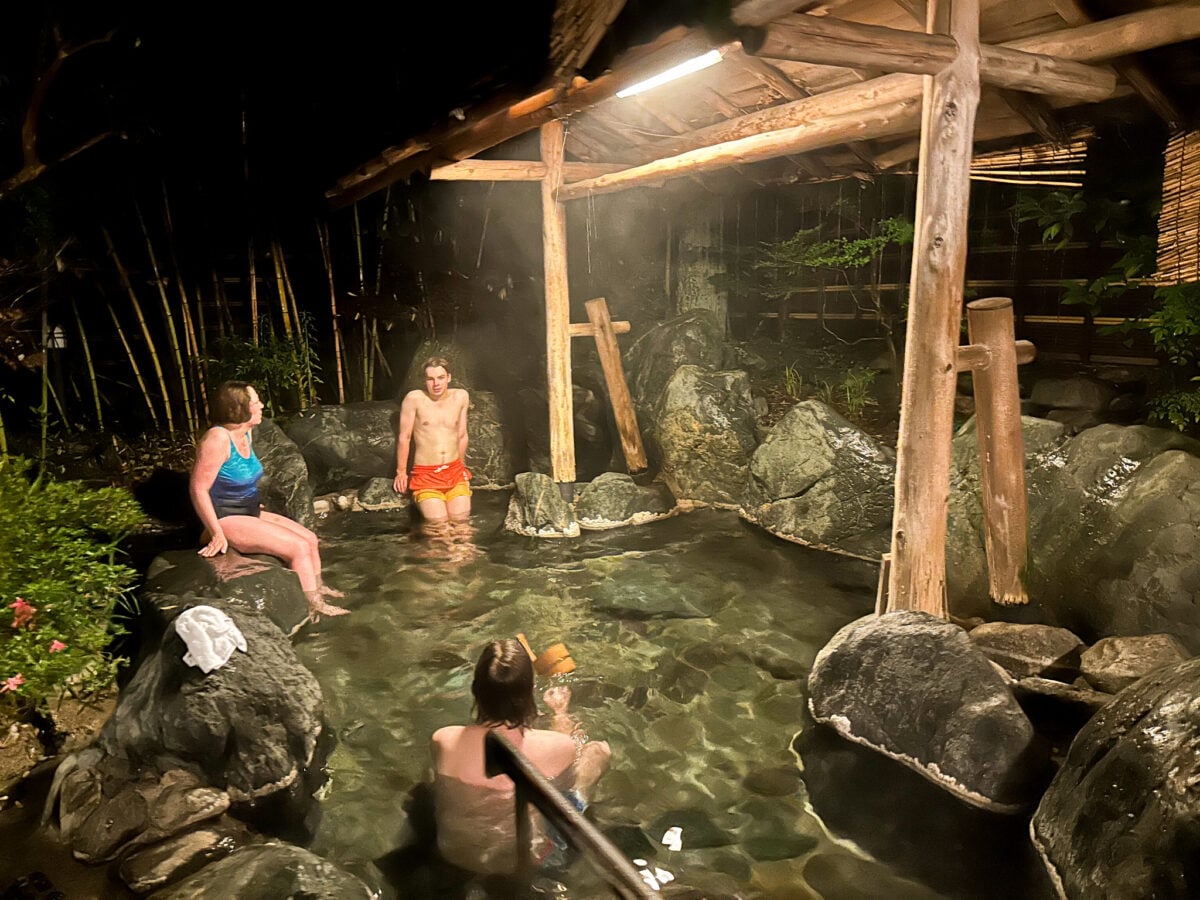
Nishiyama Onsen Keiunkan in Japan holds the record for the oldest hotel in the world, and it’s been operating continuously since 705 AD. That’s over 1,300 years.
The Mahiko family has run it for more than 50 generations. The hotel sits in the mountains of Yamanashi Prefecture, fed by natural hot spring water that hasn’t changed since the doors first opened.
What makes this one striking is that it wasn’t preserved as a museum or turned into a heritage site. It’s still a working hotel.
Guests book rooms, soak in the baths, and eat food prepared on-site. The business has simply never stopped.
The World’s Oldest Restaurant Dates to 1153
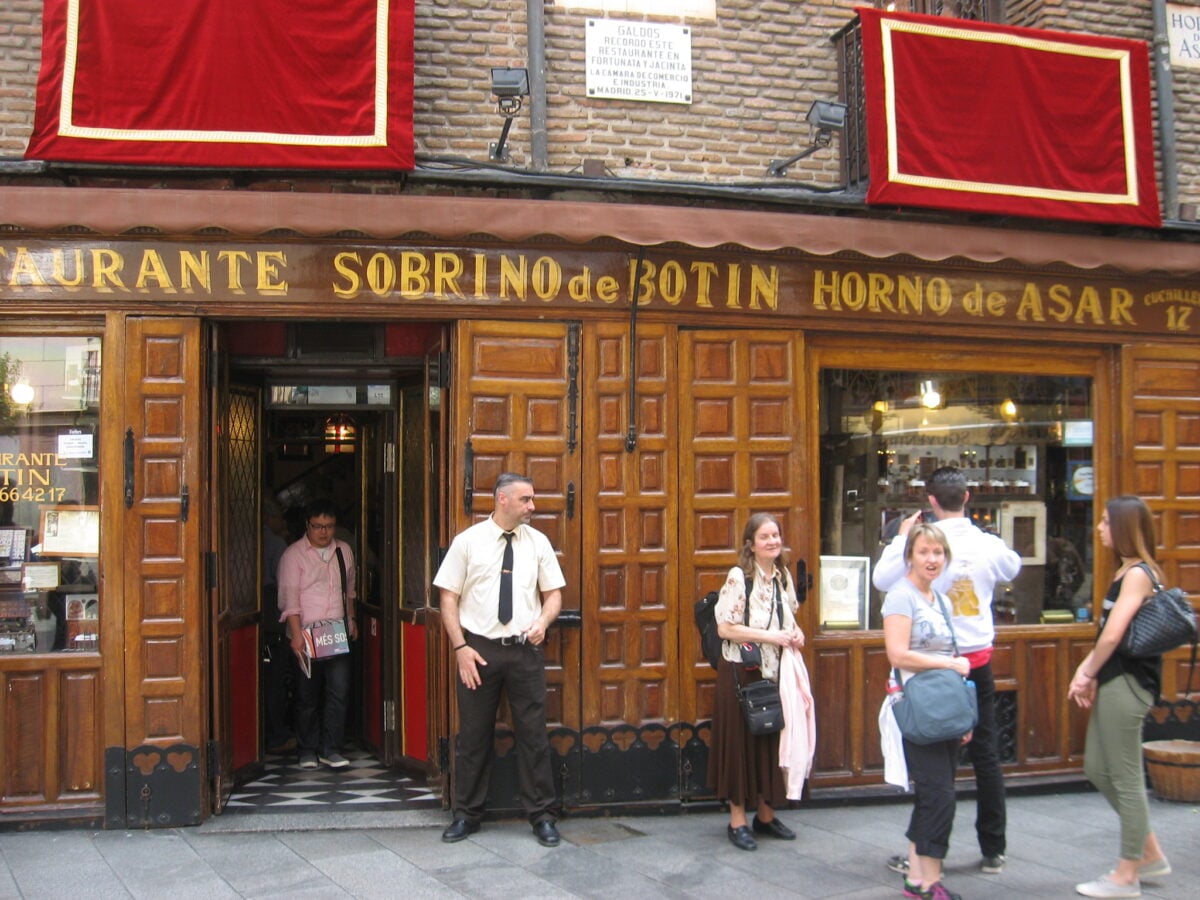
Sobrino de Botín in Madrid, Spain, has been serving food since 1725 — at least according to the Guinness World Records, which officially named it the oldest restaurant in the world. But the building itself and the tradition of hospitality there stretches even further back.
It still uses the original wood-fired oven from the 18th century to roast its signature Castilian lamb. Ernest Hemingway wrote about eating there.
Generations of travelers have passed through. And the family connection has remained intact through it all.
A Sake Brewer With Over 400 Years of History
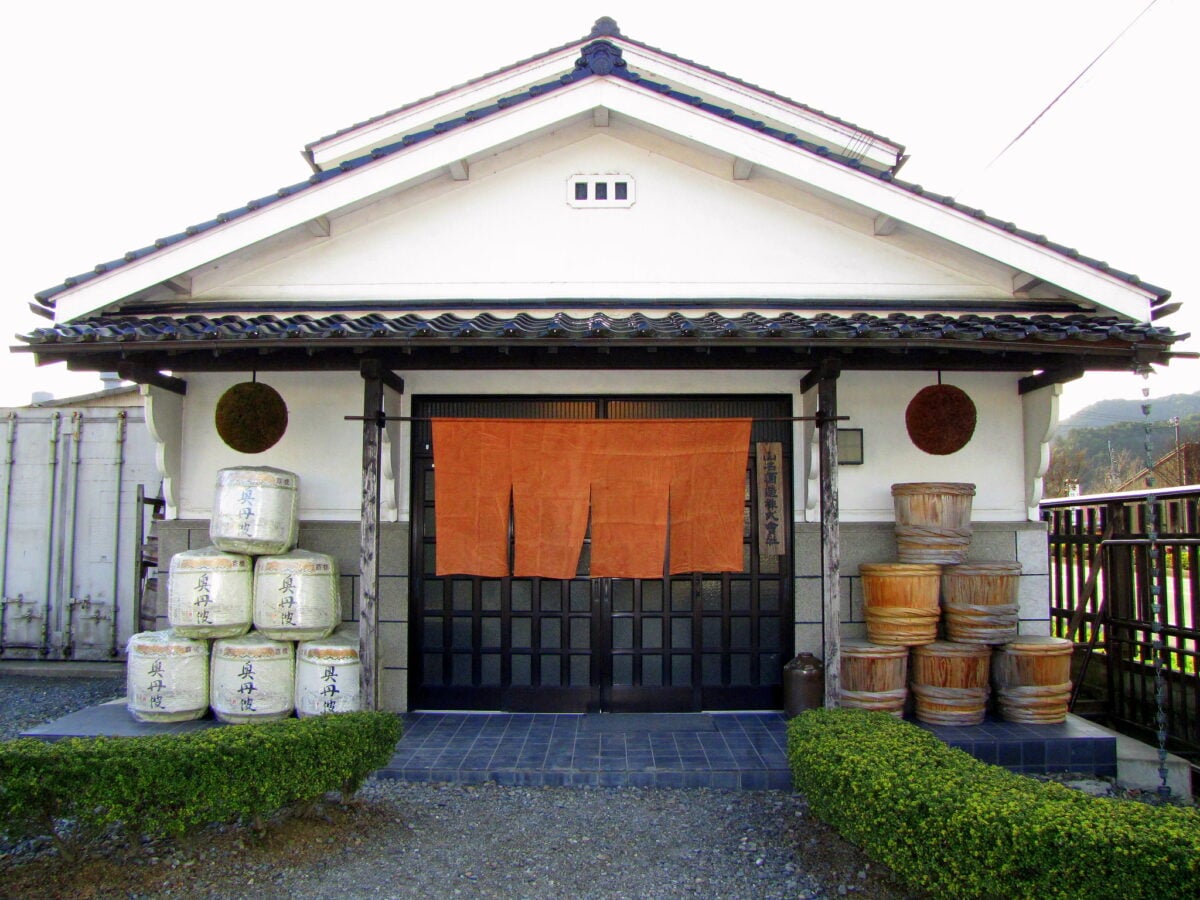
Sudo Honke in Ibaraki, Japan, has been brewing sake since 1141 — making it one of the oldest sake breweries in the world. It’s still run by the Sudo family, now in its 55th generation.
The brewery has survived earthquakes, wars, and the near-collapse of the sake industry multiple times over. The current president has spoken about the pressure of carrying such a long legacy.
But the company continues to produce its traditional varieties, and the methods used today trace back centuries.
A British Publishing House Founded in 1534
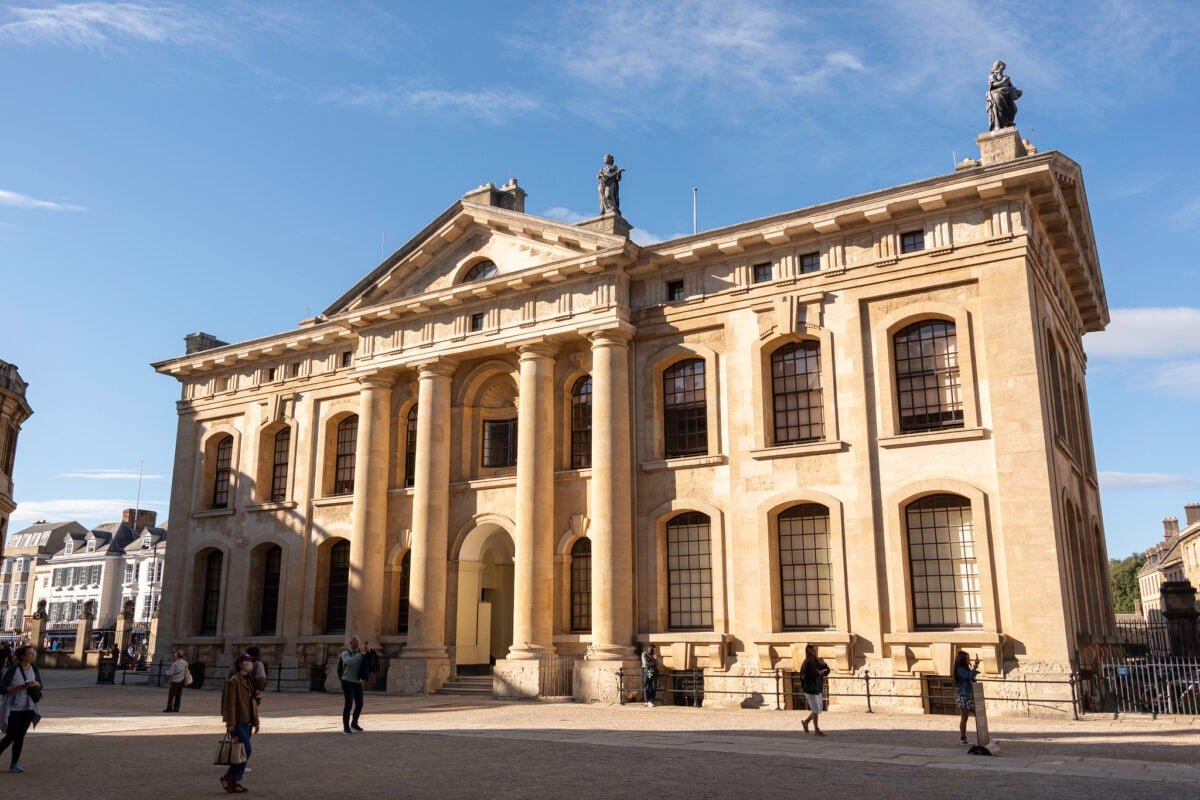
Oxford University Press is one of the largest university presses in the world, and it has been publishing continuously since 1534. While it operates under the governance of Oxford University rather than a single family, the lineage of printers and publishers tied to it has deep family roots going back to its earliest decades.
It produced its first book just decades after the printing press arrived in England. Today it publishes thousands of titles a year in over 100 languages.
The scale has changed enormously. The commitment to the printed word hasn’t.
A French Wine Estate Running Since the 13th Century
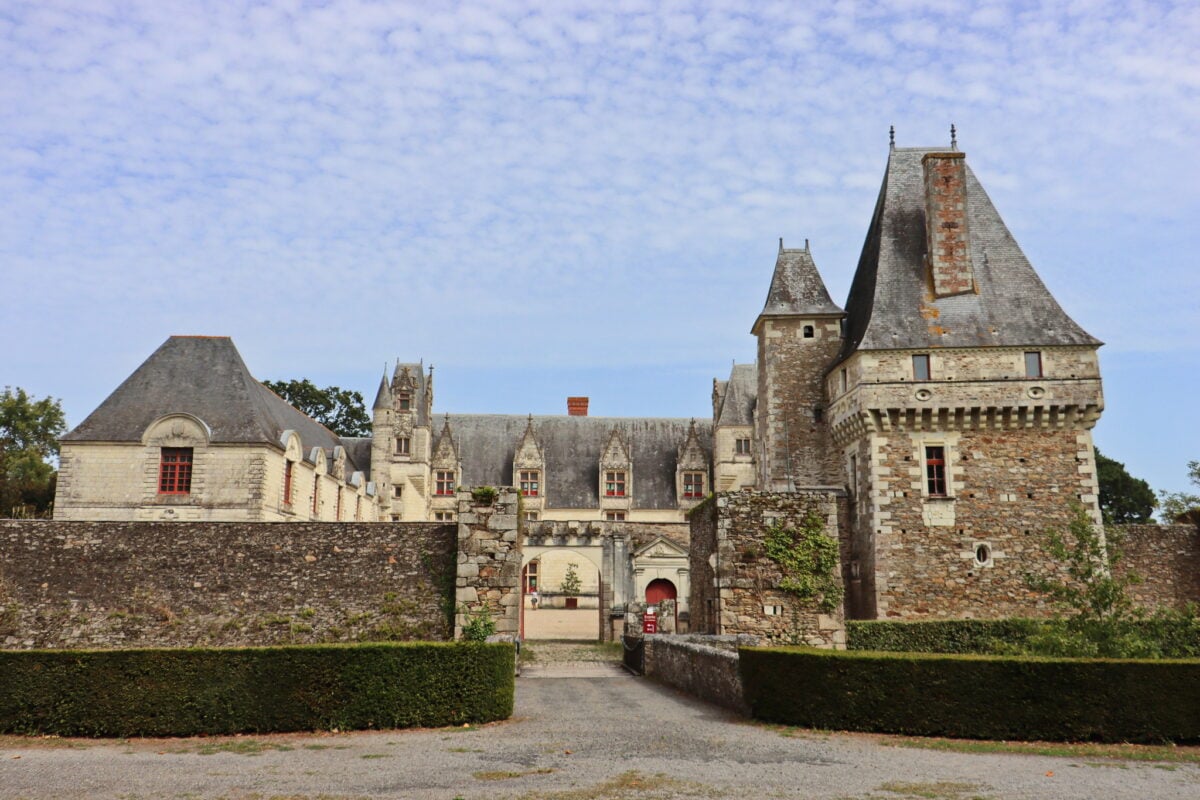
Château de Goulaine in the Loire Valley, France, has been producing wine since around 1000 AD, though the current château structure dates from the late 15th century. The de Goulaine family has owned it for over 1,000 years, making it one of the longest-running family estates in Europe.
The estate passed out of family hands briefly during the French Revolution, when it was sold to a Dutch businessman. But the family bought it back in 1858.
The vineyards still produce white wine today, and the château also operates as a museum and butterfly conservatory.
A Japanese Construction Company From 578 AD
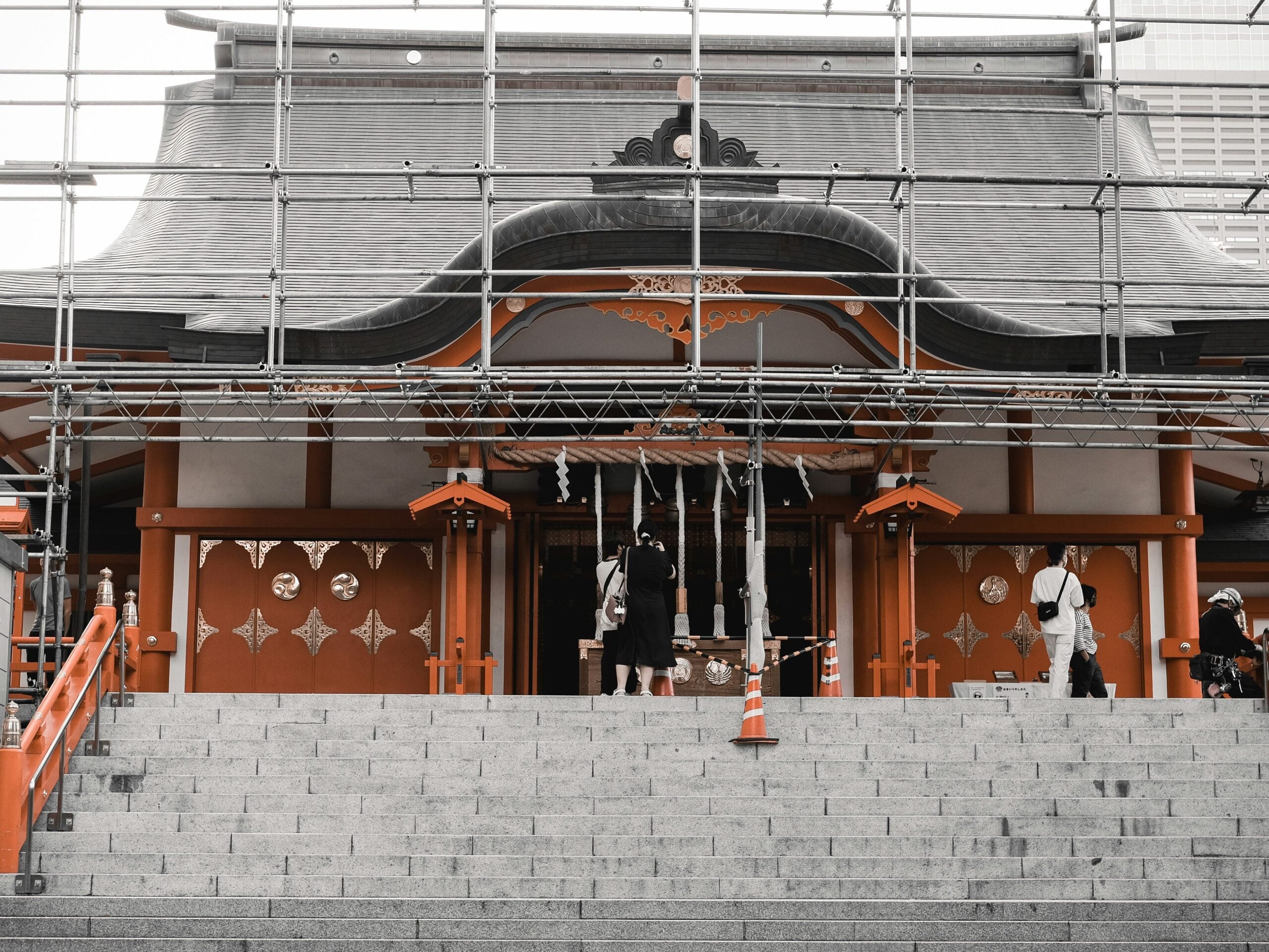
Kongō Gumi, a Japanese construction company founded in 578 AD, is often cited as the oldest continuously operating company in history. It was founded to help build a Buddhist temple in Osaka, and for over 1,400 years, it focused almost exclusively on temple construction and repair.
The company ran as a family business until 2006, when financial difficulties caused it to be absorbed by a larger construction group. But during its family-run period, it operated for more than 40 generations under the Kongō family — a record that’s unlikely to ever be broken.
An Italian Bell Foundry Since 1000 AD
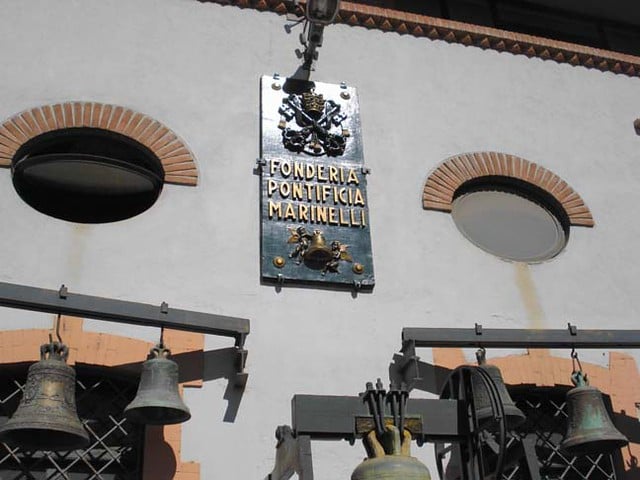
Pontificia Fonderia Marinelli in Agnone, Italy, has been casting bells since around 1000 AD. The Marinelli family has run it for over 30 generations.
The foundry still uses a wood-fired furnace and techniques that have changed very little over the centuries. The Vatican officially recognized the foundry, giving it the right to use a papal emblem on its products.
Church bells from this foundry hang in religious buildings around the world. The family members who work there today learned the trade the same way their ancestors did — by watching and doing.
A Scottish Farm in the Same Family Since 1380
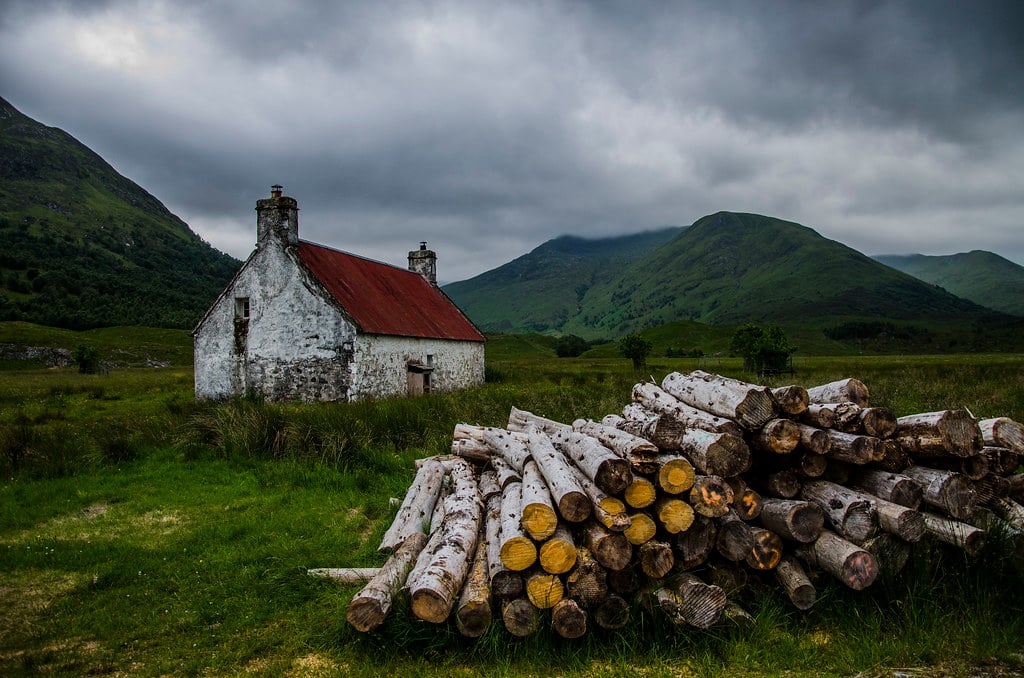
Affric Estate in the Scottish Highlands has been farmed and managed by the same family since 1380. The land has changed hands within the family across dozens of generations, surviving the Highland Clearances and two world wars.
What’s remarkable here isn’t a product or a trade. It’s land stewardship — a family deciding, generation after generation, that this place is worth holding onto.
The estate today includes forestry, conservation work, and a small tourism operation.
A German Brewery Since 1040
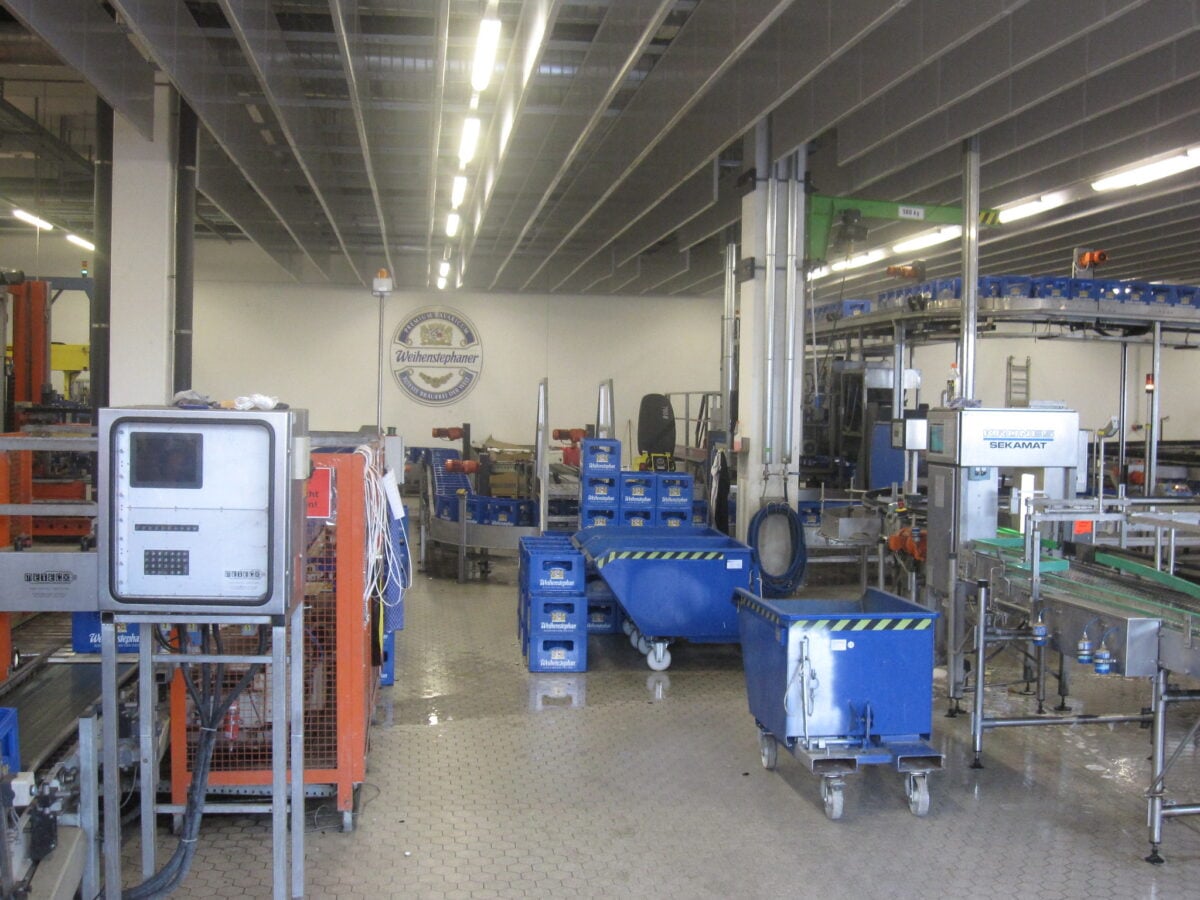
Weihenstephan Brewery in Bavaria, Germany, claims to have been brewing beer since 1040, making it the oldest brewery in the world still in operation. It started as a monastery brewery on a hill that had been cultivating hops since at least 768 AD.
After secularization in the early 1800s, the Bavarian state took it over, so it’s no longer strictly a family business. But its unbroken brewing tradition spans nearly a thousand years.
The site now also houses a university focused on brewing and food technology, keeping the knowledge alive in a different form.
A Swedish Ironworks From the 1580s
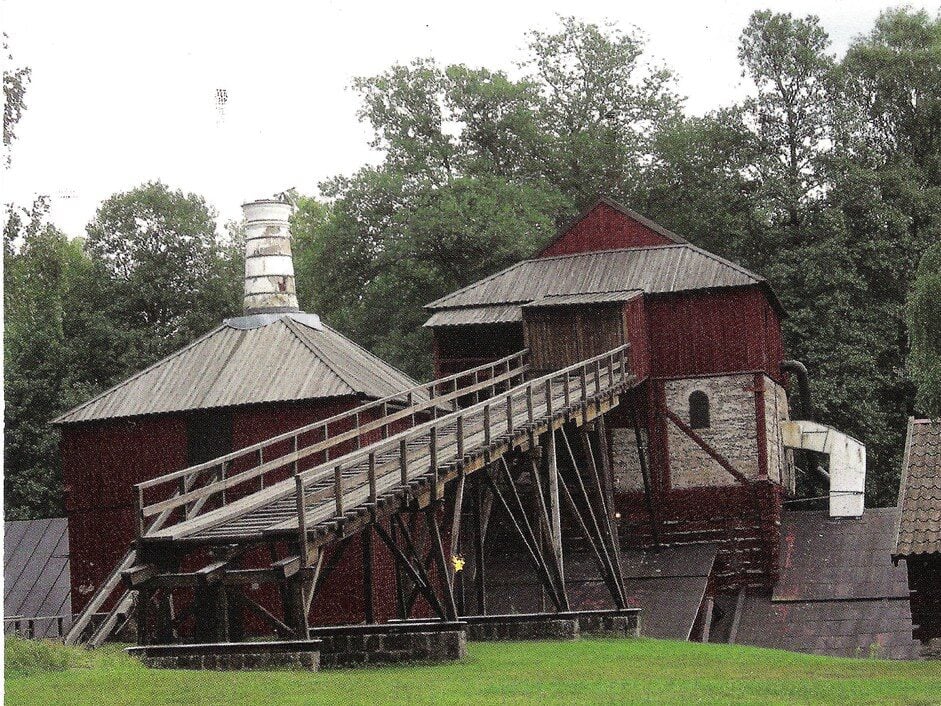
Fagersta Bruk in Sweden traces its roots to an ironworks established in the 1580s. Families tied to Swedish iron production worked these sites for centuries, passing down metallurgical knowledge that became the foundation for modern Swedish steel.
The connection between family craft and industrial development in Swedish iron history is well documented. What started as small-scale iron smelting by extended family operations grew into one of the industries that shaped modern Scandinavia.
A Japanese Confectionery Since 1000 AD
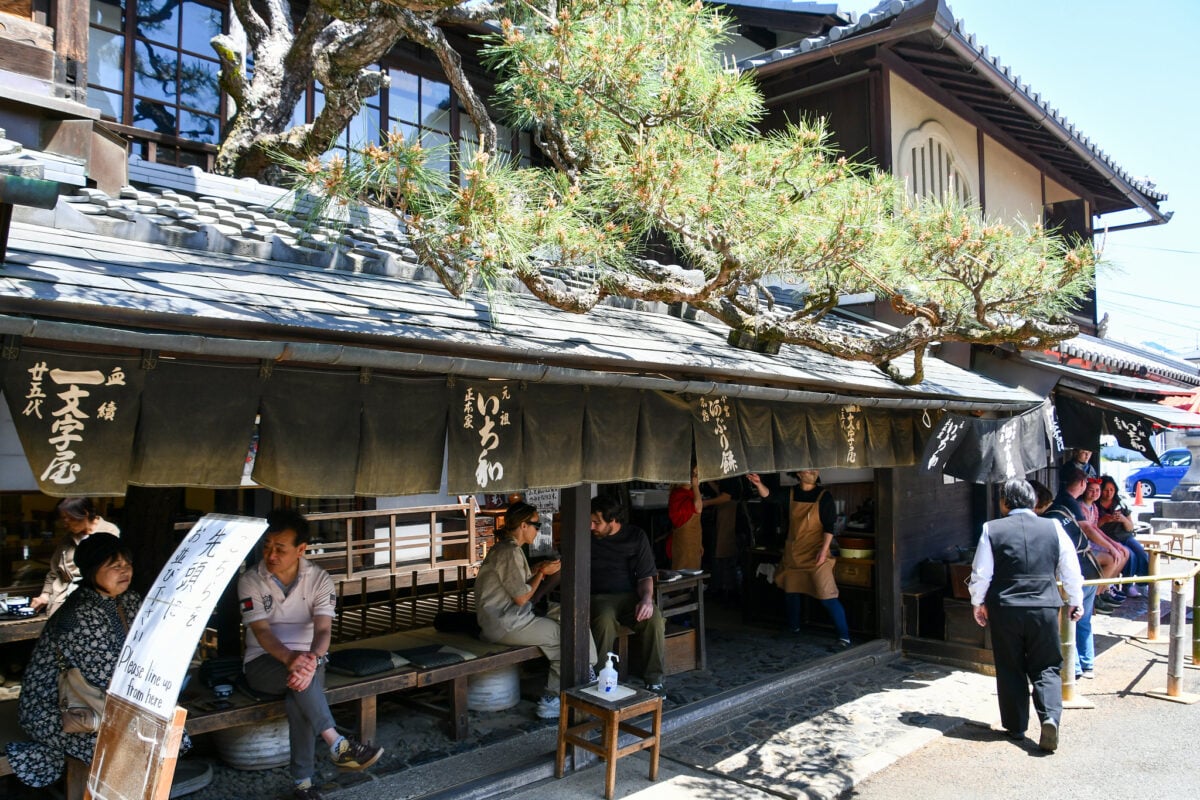
Ichimonjiya Wasuke in Kyoto, Japan, has been making traditional sweets called yatsuhashi since around 1000 AD. The shop sits near a shrine and has served pilgrims and travelers for over a millennium.
The same family has run it continuously, and the recipe — rice flour, sugar, and cinnamon — hasn’t changed much in all that time. Walk into the shop today and you can buy the same sweets that samurai and emperors once purchased.
There’s something quietly extraordinary about that.
A Portuguese Cork Producer in the Family Since 1870
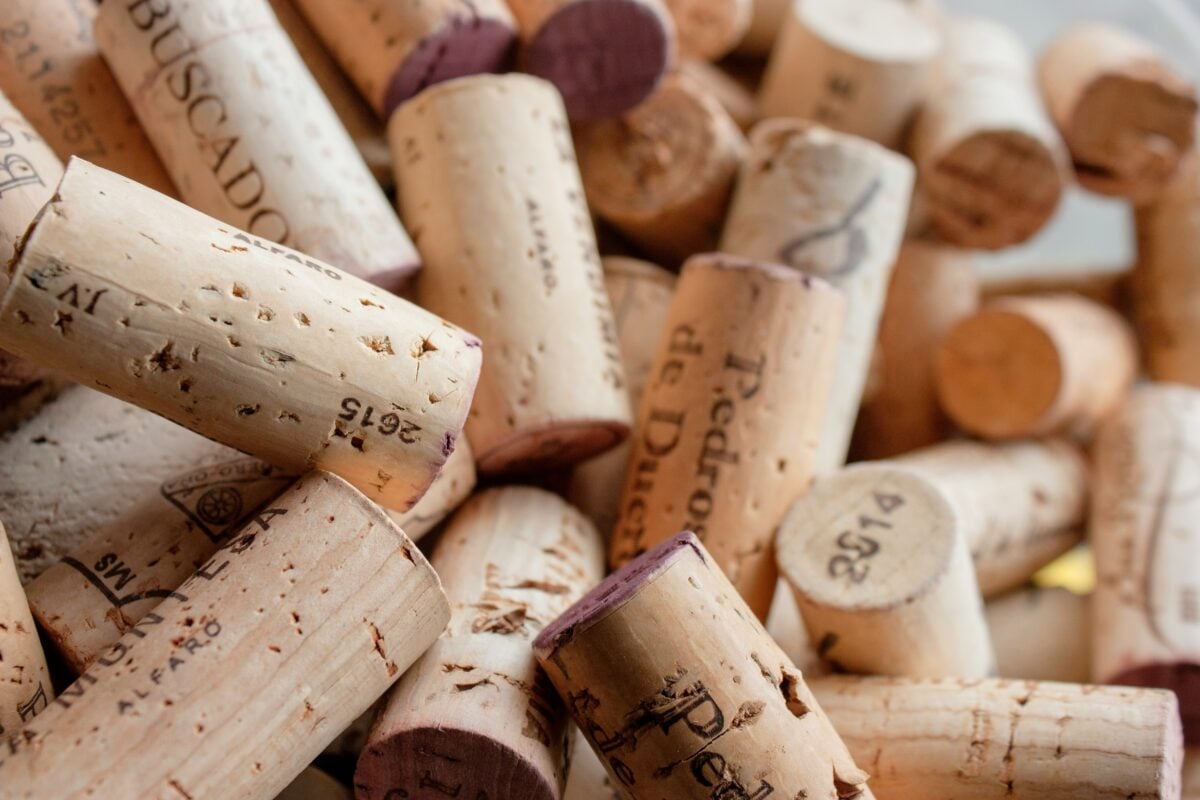
Starting in 1870, the Amorim family began making cork in Portugal. Today, their business still belongs to them – now run by cousins and uncles from the fourth and fifth generations.
Across oceans, wineries rely on material that comes from this one source. Size-wise, no other company matches what they deliver worldwide.
Out here, trees grow slow – so decisions stretch beyond a single lifetime. Planting today means someone else reaps tomorrow.
This rhythm shapes every choice made on the land. Time folds into itself when roots run deep.
A Japanese Inn Managed Through 46 Generations
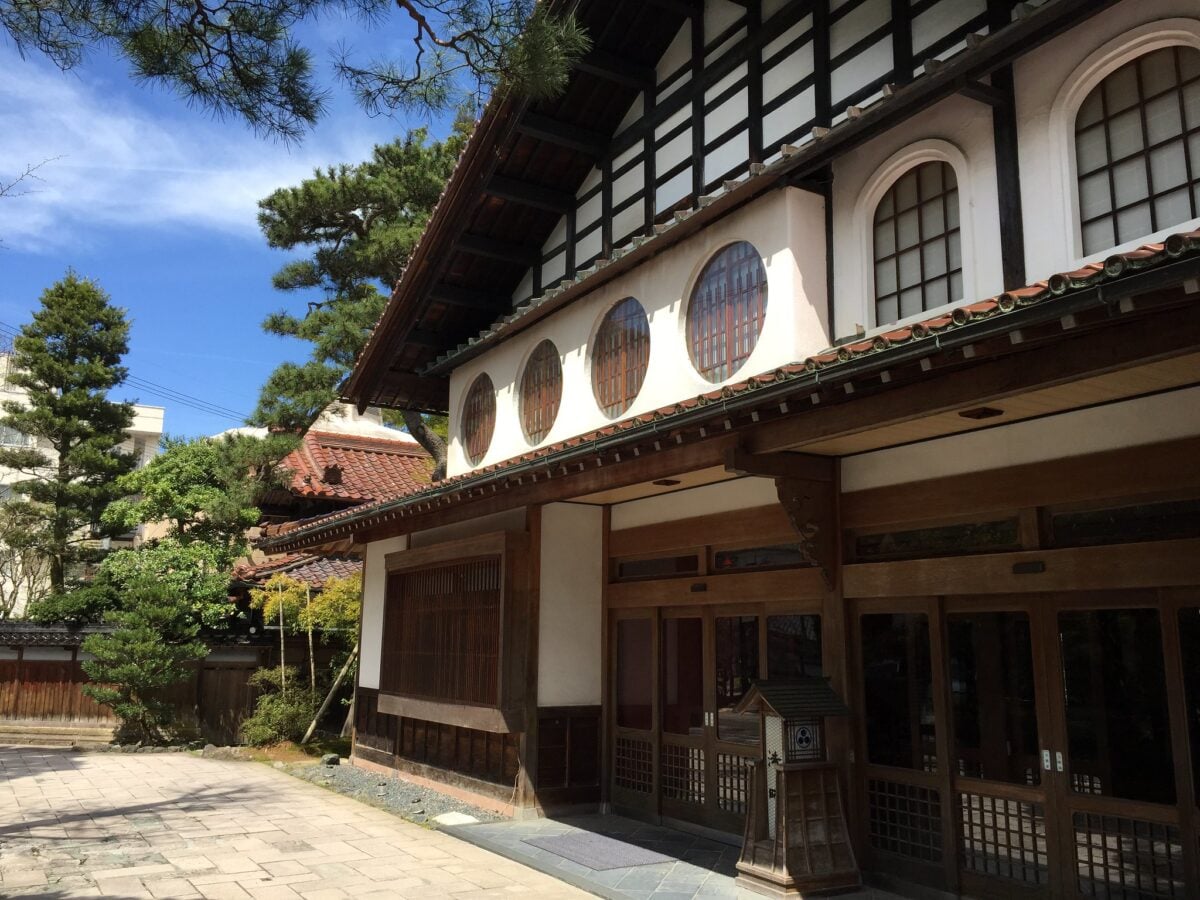
Guests first arrived at Hōshi Ryokan back in 718 AD, deep in the mountains of Ishikawa, Japan. Running through forty-six generations, the Hōshi line holds a presence here that stretches beyond thirteen centuries.
Though time shifts, the inn remains where it began, shaped by quiet continuity rather than change. Each generation steps forward only after learning what those before them quietly built.
More than just walls and wood, this place carries breath passed down like seasonlight across ages. Down by steaming water, the inn rests where healers long ago soaked their troubles away.
Folks show up even now hoping warmth might ease what ails them. Over years walls came down, wood was replaced, roofs reshaped – yet one thing never shifted.
Blood ties hold it together, along with quiet kindness passed hand to hand.
A Dutch Shipbuilding Tradition From 1697
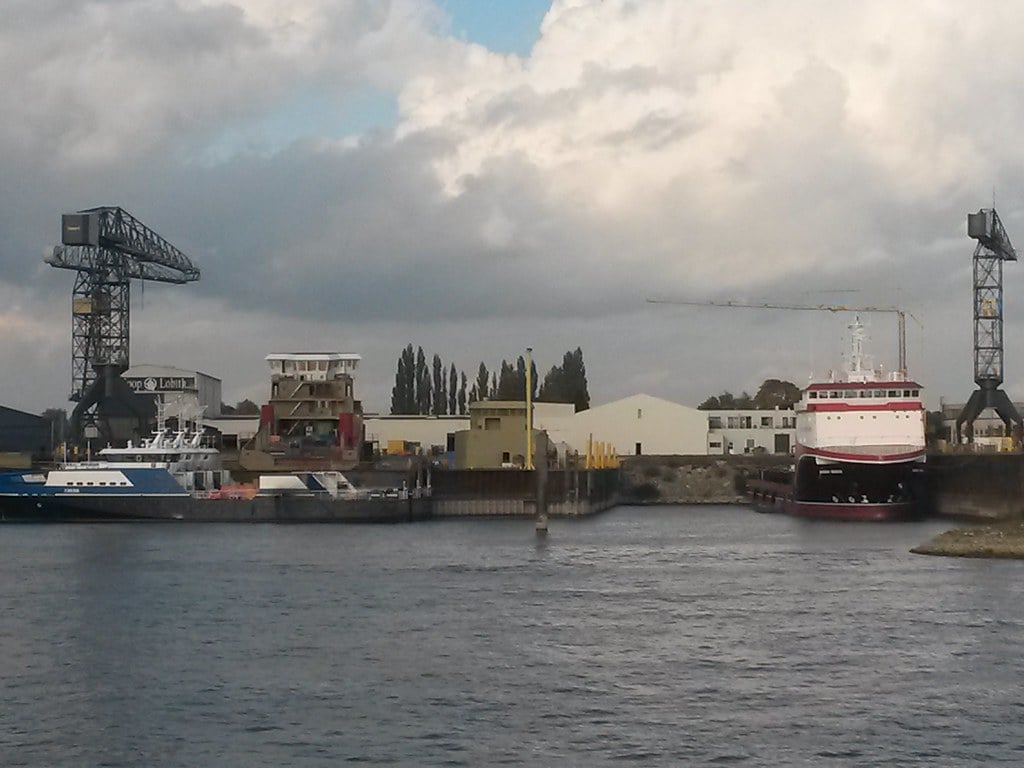
Back in 1697, a shipyard began in the Netherlands under the name Scheepsbouwwerf & Machinefabriek De Hoop. For generations it stayed within one family, passed down like old tools kept in working order.
Only later did companies step in when running such places changed shape. Ships crafted by Dutch builders from those times sailed far beyond their shores.
These vessels moved across oceans while the nation’s sea strength peaked. A boat builder’s skill lived in small things: how they shaped wood, what angle suited each wave.
That understanding traveled hand to hand, never quite captured by classrooms. Years of doing taught what books could not carry.
What Keeps These Businesses Alive

Time breaks most companies. Not poor concepts, just slow movement.
Markets change shape. Founders grow older.
Kids chase new paths. Yet some survive anyway.
Over decades, even centuries. Fifty generations forward, they still stand.
Some habits show up again and again. Rooted in work people always need – building homes, cooking meals, making bread, shaping wood, honoring beliefs.
Not drawn by what was popular at the time. Time anchored them; generations held ground in one place, forming depth over hundreds of years.
Protection mattered more than gain; passing it along shaped their way. Waiting quietly lives inside these stories, something hardly seen now.
Not one decision made for three months’ profit shapes a company lasting centuries. Staying matters when those who come after choose to hold it too.
The Weight of a Name Living Beyond Your Life
Inheriting a company begun in 700 feels odd. Not your creation.
Nowhere near its start. Just here to make sure it doesn’t die on your watch.
Pressure does strange things to people, brings out a kind of focus. These family-run places – breweries, hot springs, bell workshops, candy stores – keep going not because they must, but because they choose to.
Generation follows generation without fanfare. They stay where their ancestors stood, making what was always made, for reasons that never needed explaining.
History isn’t behind them, it’s under their hands.
More from Go2Tutors!

- The Romanov Crown Jewels and Their Tragic Fate
- 13 Historical Mysteries That Science Still Can’t Solve
- Famous Hoaxes That Fooled the World for Years
- 15 Child Stars with Tragic Adult Lives
- 16 Famous Jewelry Pieces in History
Like Go2Tutors’s content? Follow us on MSN.



