16 innovations that changed digital payments
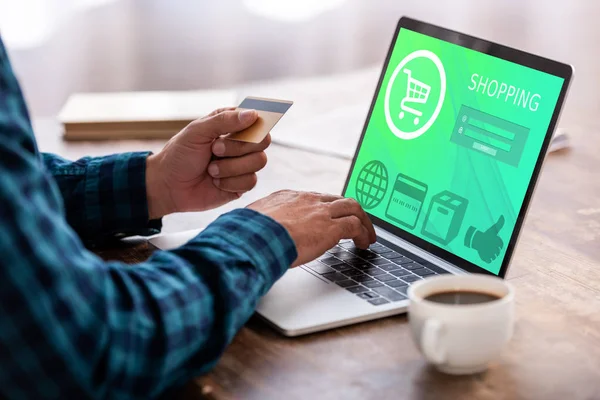
Digital payments have reshaped how money moves in the modern world. It didn’t happen overnight but through many inventions and ideas over decades. These innovations made paying faster, safer, and more convenient for people everywhere. Understanding these changes helps us see why digital payments are now a part of daily life for billions. From plastic cards to smartphones and digital coins, the journey of money is truly fascinating.
Let’s dive into the 16 innovations that helped build the digital payment world we know today.
Credit cards
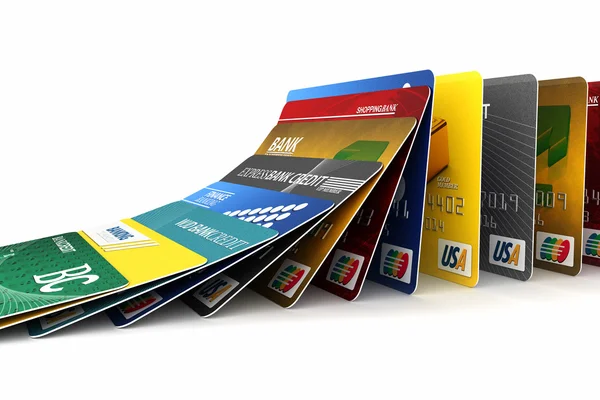
Credit cards changed shopping by allowing people to buy things now and pay later. Before them, you had to carry cash or wait to save enough money. Credit cards gave a way to borrow money temporarily with a promise to pay it back. This convenience made it possible for more people to buy items they needed or wanted right away. The way credit cards linked to payment networks made it easy to use them in stores, restaurants, and even on the phone. Over time, credit cards also offered rewards like cashback and travel points, which helped boost their popularity. Despite many new payment methods, credit cards still remain a core way people pay worldwide.
Automated teller machines (ATMs)

ATMs changed banking completely by making cash accessible 24/7. Before ATMs, banks had strict hours and long lines. Suddenly, anyone with a card and a PIN could withdraw money or check their balance anytime, day or night. This convenience saved countless trips to the bank and gave people more control over their cash. ATMs also allowed services like depositing checks or transferring money between accounts. This machine-based banking started getting people comfortable with technology handling their money. The idea that machines could safely deal with cash paved the way for more digital money tools and self-service finance.
Magnetic stripe cards
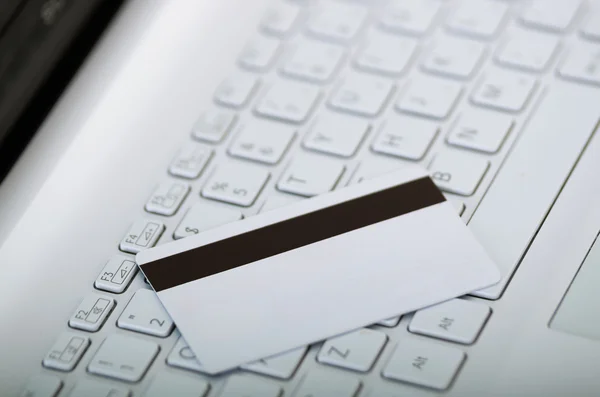
The magnetic stripe on cards was a small but huge technical step. It stored payment information in a way that machines could read quickly, making transactions fast. Instead of handing over paper forms or manually typing card numbers, the swipe read the info instantly. This not only sped up payments but also reduced errors and fraud caused by misread numbers. The magnetic stripe became a standard for cards around the world, helping businesses accept payments more easily. It also allowed cards to be used in ATMs and early point-of-sale systems. Though newer technologies like chips have replaced it in many places, the magnetic stripe made the idea of digital payments practical and common.
Online banking

Online banking was a major breakthrough that put the power of banks into people’s hands through computers. No longer tied to bank hours or physical branches, users could transfer money, pay bills, and check accounts from home. This made money management easier and faster, especially for busy people or those far from banks. Online banking services grew quickly and gave birth to features like automatic bill pay and direct deposits. It also helped people trust digital finance by giving clear, instant access to their money. As internet speeds improved, online banking became safer and more reliable, leading to the smartphone banking apps common today.
Secure Sockets Layer (SSL) encryption

Before SSL, people worried about sharing credit card details on the internet. The fear of data theft kept many away from online shopping. SSL encryption solved this by encrypting data sent between a user’s browser and a website. This scrambling meant hackers couldn’t easily read sensitive information like card numbers or passwords. The appearance of HTTPS and the little padlock icon reassured users their data was safe. This tech was crucial for the growth of e-commerce because it built trust and made online payments feel secure. Today, SSL remains a basic security layer protecting billions of online transactions every day.
Mobile wallets

Mobile wallets took digital payments to the next level by making phones payment devices. Instead of carrying several cards or cash, people now tap their smartphones or smartwatches to pay. Mobile wallets safely store card details and sometimes bank accounts, combining payment, loyalty cards, and tickets in one place. They also often use tokenization, which replaces card info with a random code, improving security. Mobile wallets speed up checkout lines and reduce the chance of losing physical cards. Many stores and transit systems have adopted them, making mobile wallets a popular, convenient choice worldwide.
Near Field Communication (NFC)

NFC technology lets devices talk to each other wirelessly at very close range. This small technology made contactless payments easy and fast. You don’t have to swipe or enter a PIN for small purchases; just hold your phone or card near the reader, and the transaction finishes in seconds. This convenience is perfect for busy places like cafes or buses where speed matters. NFC also helps with things like digital tickets and building access cards. Its ability to work without physical contact also became important during health concerns, adding a safety benefit to its convenience.
Cryptocurrency
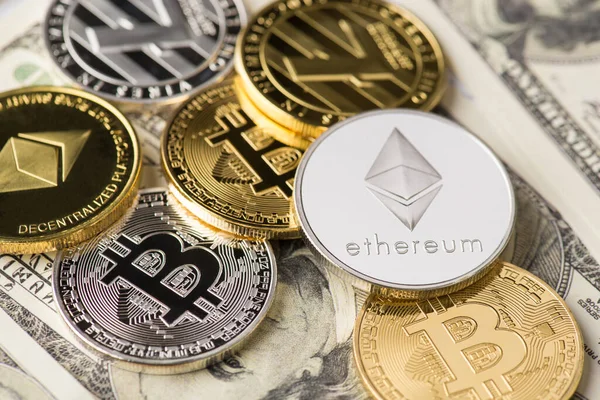
Cryptocurrency introduced a new idea that doesn’t rely on banks or governments. Digital currencies like Bitcoin operate on a network that anyone can join, using cryptography for security. This peer-to-peer system allows quick money transfers anywhere in the world, often with lower fees than banks. Cryptocurrency also offers privacy and control since users can manage their own wallets without needing a bank account. Despite challenges like price swings and limited acceptance, cryptocurrencies open up new possibilities for global digital payments and financial inclusion, especially where traditional banking is limited.
Blockchain technology

Blockchain is the technology behind cryptocurrencies but has wider uses. It’s like a public ledger that records every transaction and can’t be changed or deleted. This permanent, transparent record reduces fraud and makes digital payments safer. Many companies and banks now explore blockchain to make payments faster and cheaper by cutting out middlemen. For example, international payments that took days before can now happen in minutes. Blockchain also supports smart contracts, which automatically execute agreements, adding new layers to digital payment options.
Two-factor authentication

Two-factor authentication (2FA) is a security step that makes digital payments much safer. Instead of only typing a password, users verify their identity with a second method, such as a text message code, fingerprint, or face scan. This extra layer stops hackers from easily accessing accounts, even if they steal passwords. 2FA is now standard for most online banking and payment apps because it protects users and lowers fraud. It reassures people who might worry about paying online or through apps that their money and data are safe.
Payment gateways
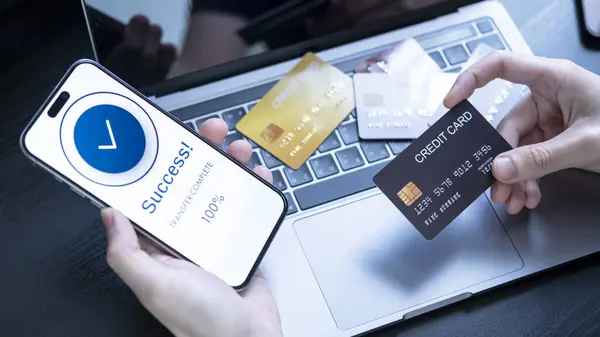
Payment gateways act like the middleman between online shoppers and banks. When a buyer enters card details on a website, the payment gateway sends this info securely to the bank and checks if the payment can be approved. It handles the complex work in seconds, including fraud checks and encryption. Without payment gateways, online shopping would be much slower and riskier. They make sure sellers get paid while protecting buyers’ sensitive data. Payment gateways power millions of online transactions daily, supporting e-commerce growth worldwide.
QR code payments
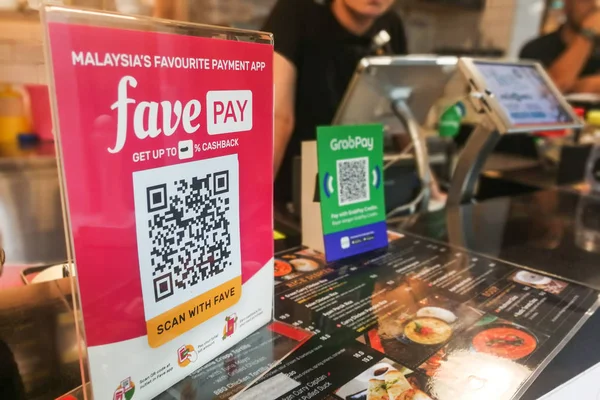
QR codes made digital payments simple in places without expensive card readers. A customer just scans a QR code with their phone, which opens a payment app or website. After confirming the amount, the payment completes quickly. This method works well for small shops, food stalls, and markets, where setting up card machines may be hard. QR code payments are cheap, fast, and only require a smartphone, helping many businesses go cashless. They also enable easy peer-to-peer money transfers, bill payments, and charity donations without cash.
Contactless cards

Contactless cards let people pay by tapping their card on a reader without swiping or inserting it. This speeds up buying small items and cuts down wait times in lines. The technology uses radio waves to send payment info securely in seconds. Contactless cards became especially popular during the COVID-19 pandemic since they reduce physical contact. They often come with spending limits per transaction to protect users and require PIN entry for bigger purchases. Contactless cards combine ease and security, making everyday spending quick and safe.
Peer-to-peer payment apps
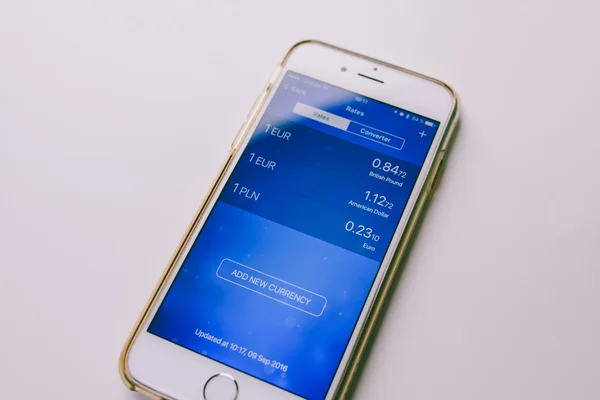
Peer-to-peer (P2P) apps like Venmo, PayPal, and Cash App transformed how people send money to friends and family. Instead of carrying cash or writing checks, users can instantly transfer funds through an app. These apps link to bank accounts or cards and often include social features like sharing payment notes or splitting bills. P2P apps became very popular among younger generations and for casual payments like splitting dinner or rent. They helped make money transfers more personal, social, and straightforward, fitting modern lifestyles.
Biometric payments
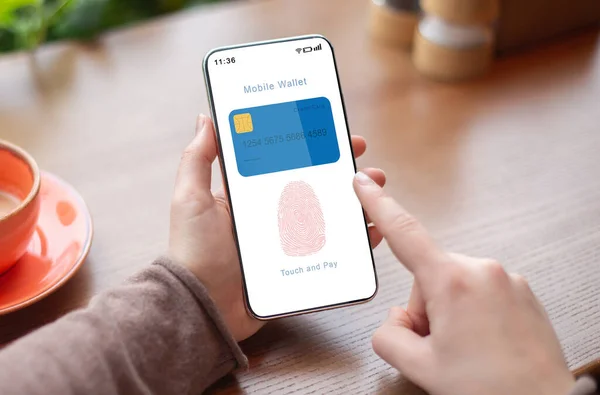
Biometric payments use unique physical features like fingerprints, face scans, or even voice to confirm payments. This technology removes the need to remember passwords or carry physical cards. Since biometric data is very hard to fake, it offers strong protection against fraud. Many phones and payment systems now support biometric login and payment approval, making buying faster and more secure. Biometric payments also improve accessibility for people who find typing or remembering passwords difficult, bringing convenience and safety to all users.
Instant payment systems
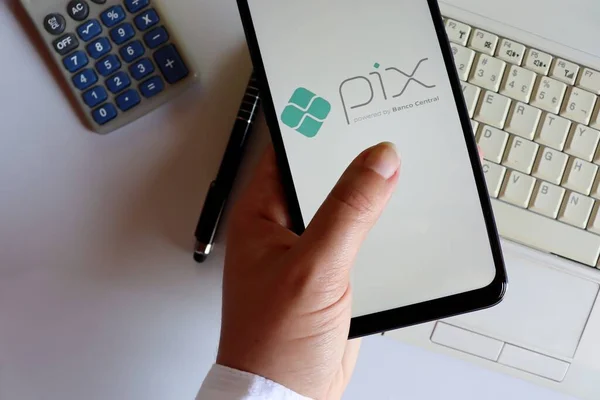
Instant payment systems let money move between bank accounts immediately, 24/7. Traditional bank transfers can take hours or days, especially on weekends or holidays. Instant payments remove these delays so people and businesses get money faster. This speed improves cash flow, helps with urgent bills, and supports online shopping or service payments without waiting. Many countries now build or expand instant payment networks, making sure digital payments meet modern expectations for speed and availability.
The new face of money movement

All these innovations together have transformed how people handle money every day. Payments are now faster, safer, and easier than ever before. Each invention built on what came before, from plastic cards to phones and blockchain. Digital payments now affect almost everything, from buying coffee to running global businesses. The future will likely bring even more changes, but these 16 steps show how technology has already reshaped money in powerful ways.
More from Go2Tutors!

- 16 Historical Figures Who Were Nothing Like You Think
- 12 Things Sold in the 80s That Are Now Illegal
- 15 VHS Tapes That Could Be Worth Thousands
Like Go2Tutors’ content? Follow us on MSN.



