32 Old Handheld Games Worth Pulling From Drawers
Every household seems to have a kitchen drawer full of dead batteries, tangled chargers and a handheld game nobody has switched on since the last family road trip. Most of those devices are worth little.
Some are worth a surprising amount, and the difference can hide in a model number or the color of a shell.
Handheld collecting has grown fast as the kids who carried these machines to school reach their forties. Buyers chase working screens, original boxes, sealed cartridges and the strange experiments that flopped in stores the first time around.
Mattel Auto Race
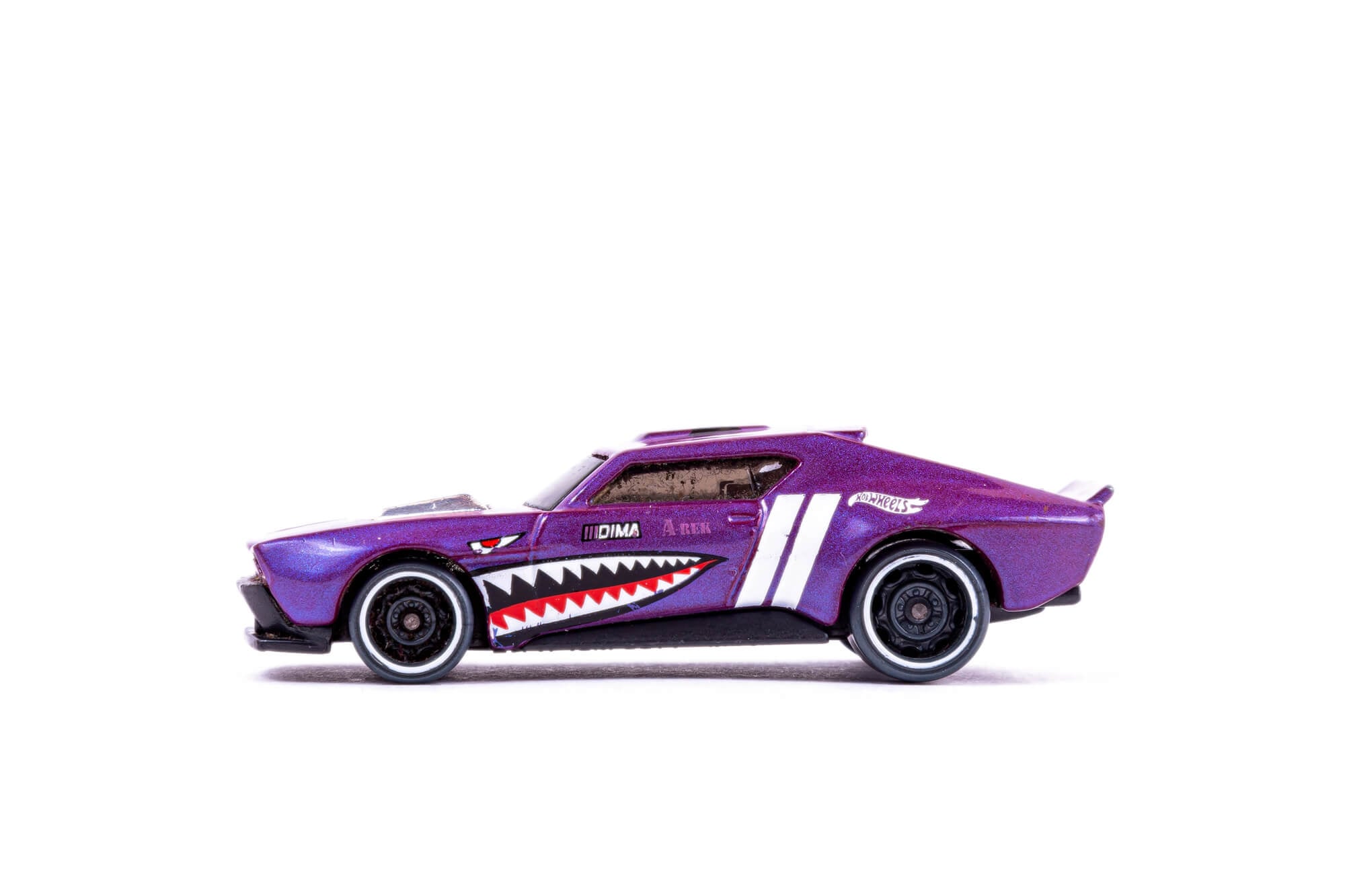
Mattel released Auto Race in 1976, and it is widely cited as the first all-electronic handheld game. Players steered a red LED blip past oncoming cars on a tiny screen, and the program was small enough to fit in a calculator chip.
Working examples move at 50 to 150 dollars, while boxed ones clear several hundred. The display should light fully, and the battery compartment should be free from corrosion.
Cracked cases and dead LEDs lower value, and a complete boxed unit with instructions is the version collectors hope to find.
Milton Bradley Microvision
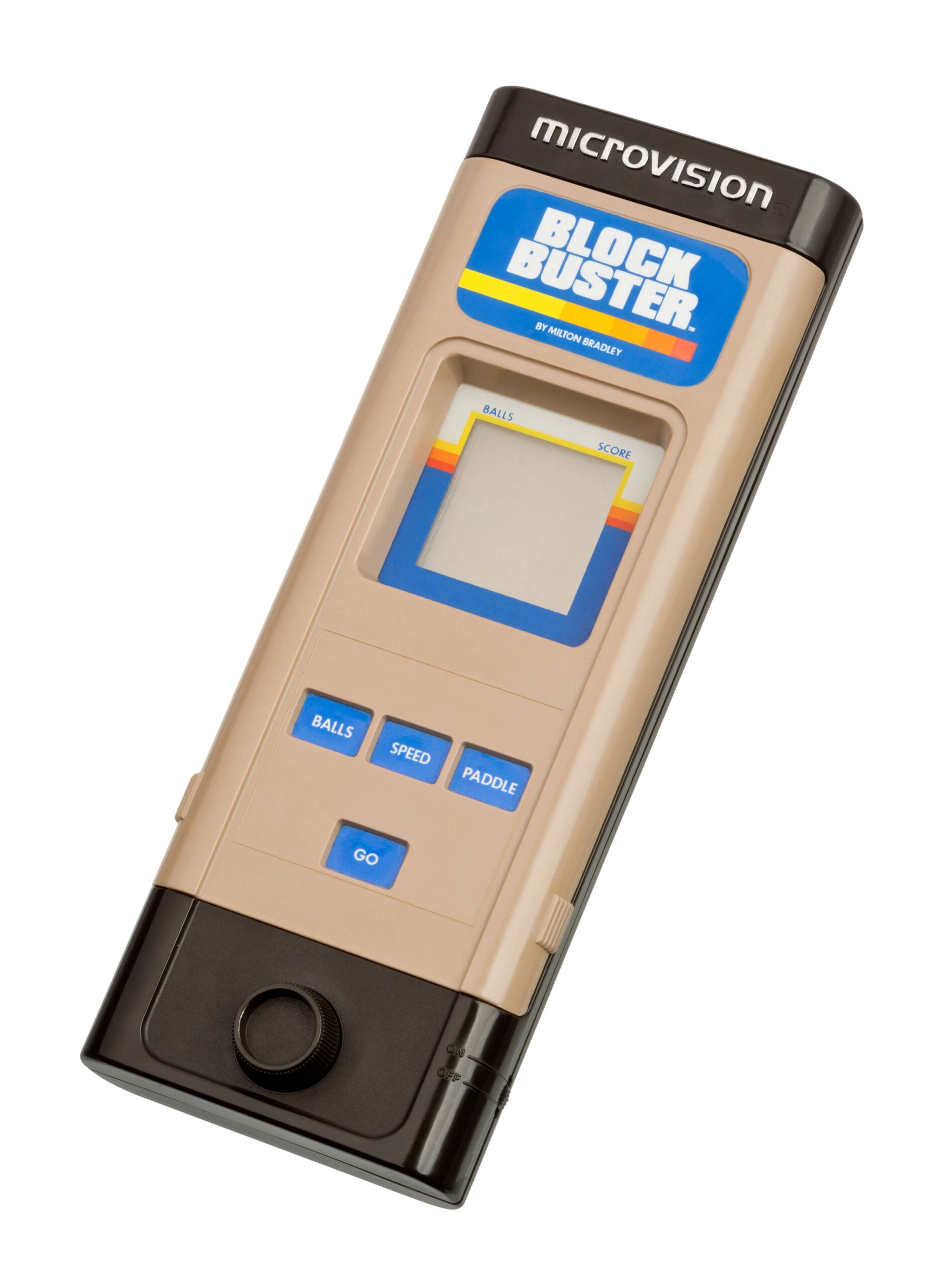
Milton Bradley launched the Microvision in 1979, the first handheld with interchangeable cartridges, each carrying its own processor and a plastic overlay for the screen. It predated the Game Boy by a decade.
Working consoles move at 50 to 200 dollars, while complete boxed sets clear more. The LCD is notorious for screen rot, a darkening that ruins the display, and static electricity could fry the chips in early cartridges.
A console with a clean screen and working cartridges is uncommon, so buyers test before paying.
Parker Brothers Merlin
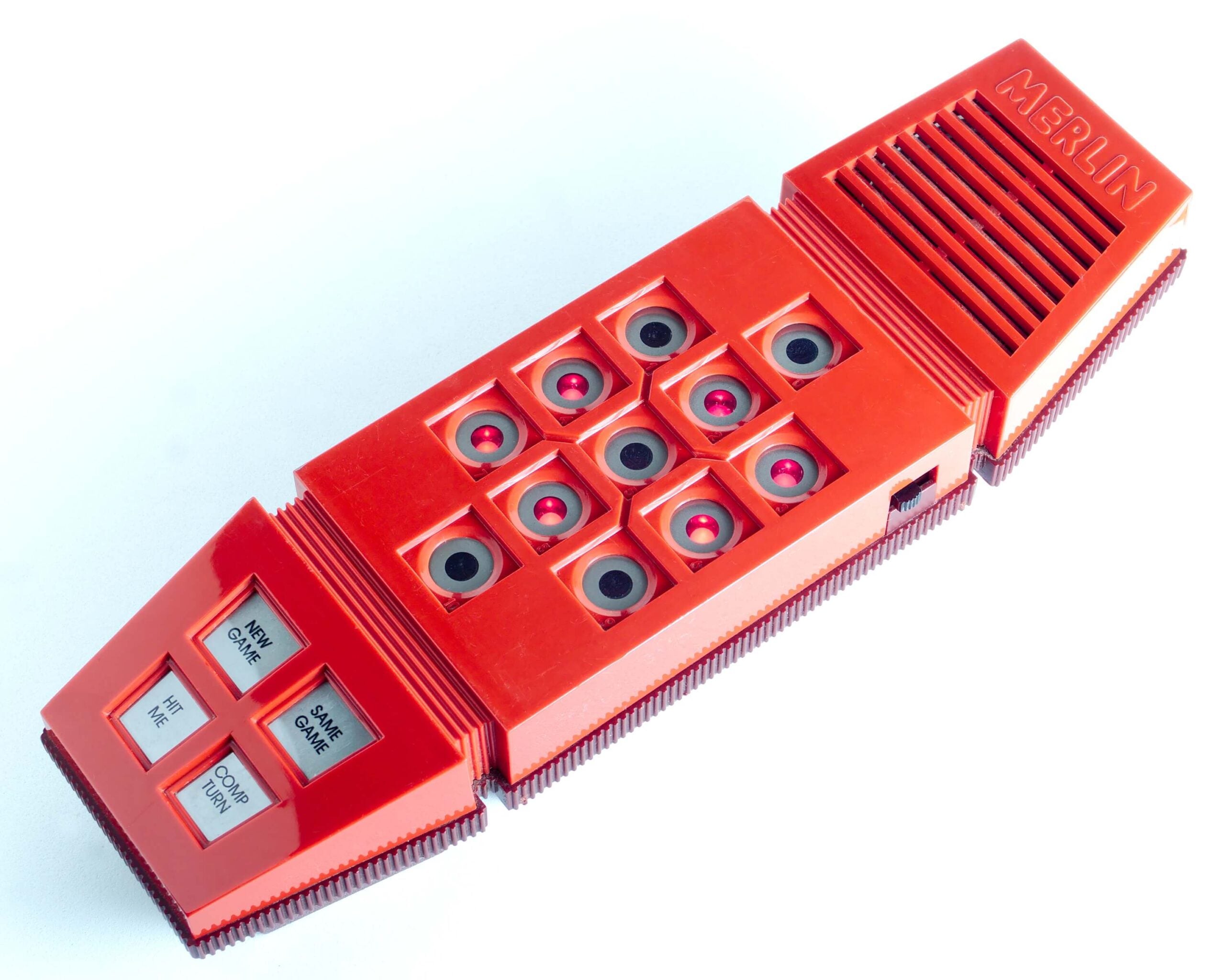
Merlin arrived from Parker Brothers in 1978, a red handheld shaped like a telephone receiver with a grid of eleven lighted buttons and six built-in games, including tic-tac-toe and a music maker. It ranked among the top-selling electronic toys of its day.
Working examples move at 30 to 100 dollars, and boxed ones clear more. Faded buttons, cracked shells and corroded battery contacts lower value.
The later Master Merlin is scarcer, and collectors like to own both side by side, since the pair shows how quickly the category grew.
Early Game and Watch Models
Nintendo launched its Game and Watch line in 1980, a series of single-game LCD handhelds designed by Gunpei Yokoi that also kept time and set alarms. The idea reportedly came from watching a bored commuter play with a pocket calculator.
Early Silver and Gold series models move at 50 to 300 dollars depending on title and condition. Boxed examples with instructions clear much more.
Dark spots in the LCD, scratched faceplates and missing battery covers lower value, and a working alarm is a small bonus.
Donkey Kong Multi Screen Game and Watch
The 1982 Donkey Kong Game and Watch opened like a clamshell with two screens, and it introduced the cross-shaped directional pad that Nintendo later put on the NES controller and nearly every console since. That small plus sign changed how people held games.
Working examples move at 50 to 150 dollars, while boxed ones with the instructions clear several hundred. Cracked hinges, faded screens and missing battery doors lower value.
Collectors check that both screens display cleanly, since one dim panel is a common problem.
Panorama Screen Game and Watch Models
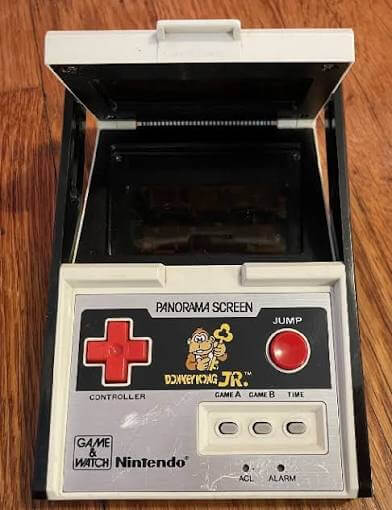
Nintendo’s Panorama Screen Game and Watch units of the early 1980s folded open to reflect a color image from a hidden LCD onto a mirror, creating a colorful display without a backlight. Titles included Donkey Kong Jr. and Mario’s Bombs Away.
Fewer were sold than standard models, so they move at 100 to 400 dollars when working and more when boxed. The mirror and hinge are fragile, and cloudy reflections lower value.
A clean display is essential, since the entire appeal is that brief flash of color in an otherwise gray era.
Zelda Game and Watch From 1989
Released in 1989 as one of the last multi-screen Game and Watch units, the Zelda model packed a small adventure with dungeons and a dragon into two LCD panels. It arrived just as the Game Boy was taking over, so it sold in modest numbers.
Working examples move at 100 to 300 dollars, while boxed ones clear more. The hinge and screens need to be in good shape, and scratched faceplates lower value.
Collectors of Zelda material pay a premium, which pushes prices above most other Game and Watch titles.
Tiger Electronics LCD Games Still Sealed
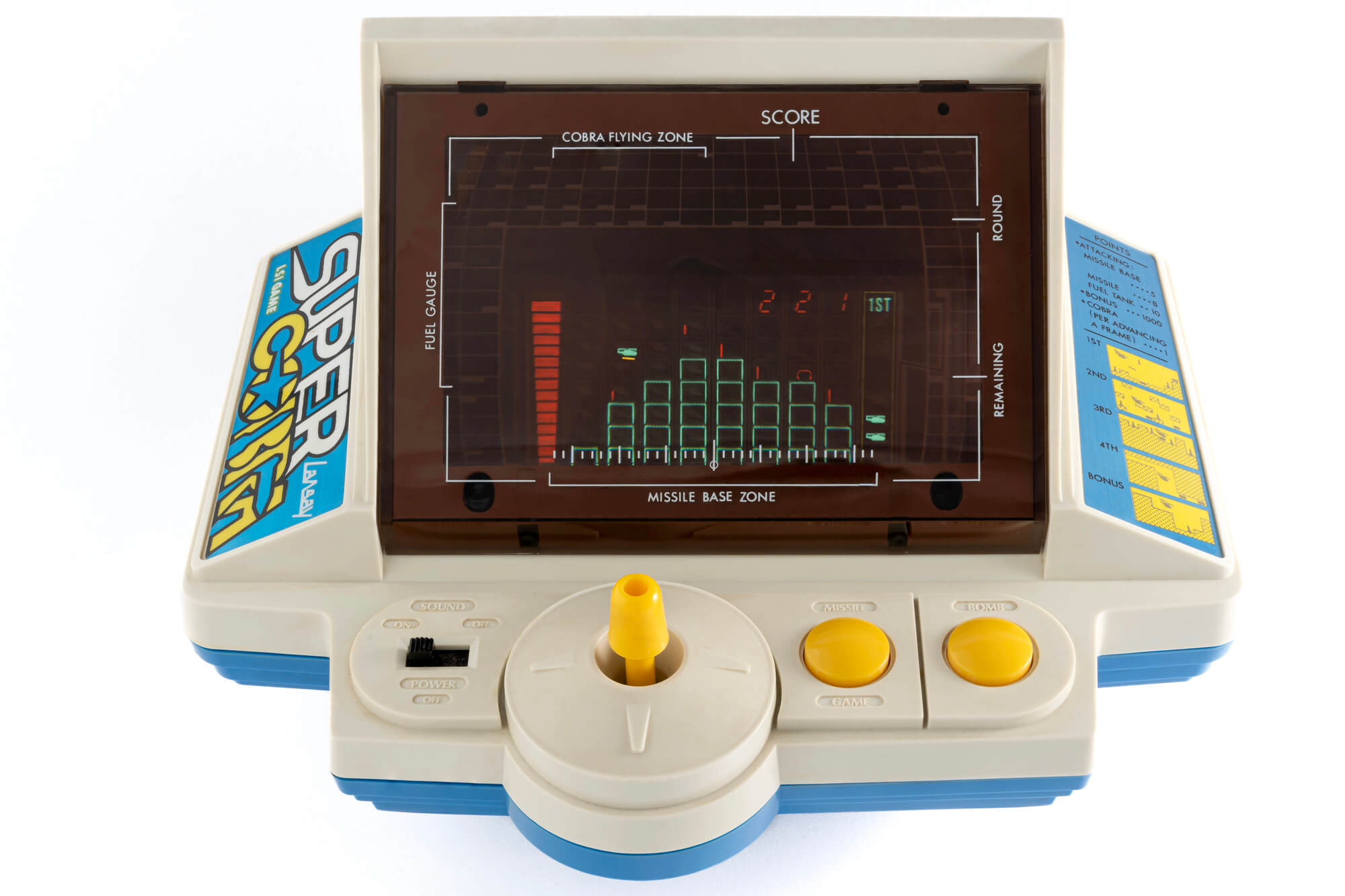
Tiger Electronics sold inexpensive licensed LCD games through the 1980s and 1990s, with titles tied to movies, cartoons, wrestling stars and arcade hits. The games themselves were simple, with fixed images that lit up in set positions, but the packaging carried bright cover art from every major franchise of the era.
Opened examples are common and move at 5 to 30 dollars. Sealed ones clear 50 to 200 dollars, with popular licenses going higher.
Crushed boxes and faded cards lower value, and some collectors build complete runs from a single license.
Original Gray Game Boy
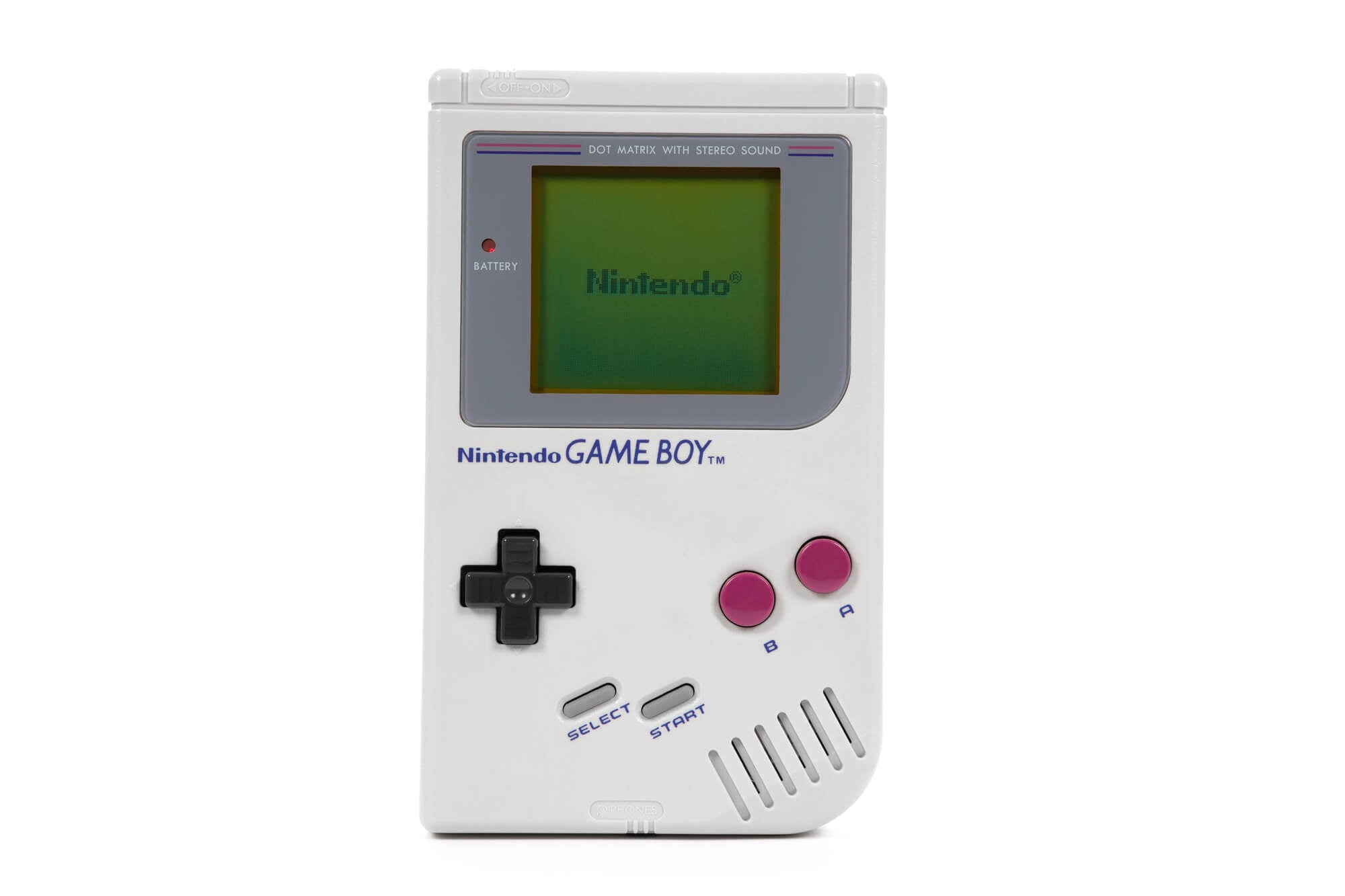
The Game Boy arrived in 1989, a gray brick with a green-tinted screen that ran for hours on four AA batteries. It sold more than 100 million units with its successors, and plenty of them still work.
Loose consoles move at 40 to 100 dollars, while boxed consoles with inserts clear several hundred, and sealed early examples clear much more. Dead pixel lines on the screen are the most common fault.
Scratched lenses and yellowed plastic lower value, while buyers confirm that the sound and buttons work.
Japan-Only Game Boy Light
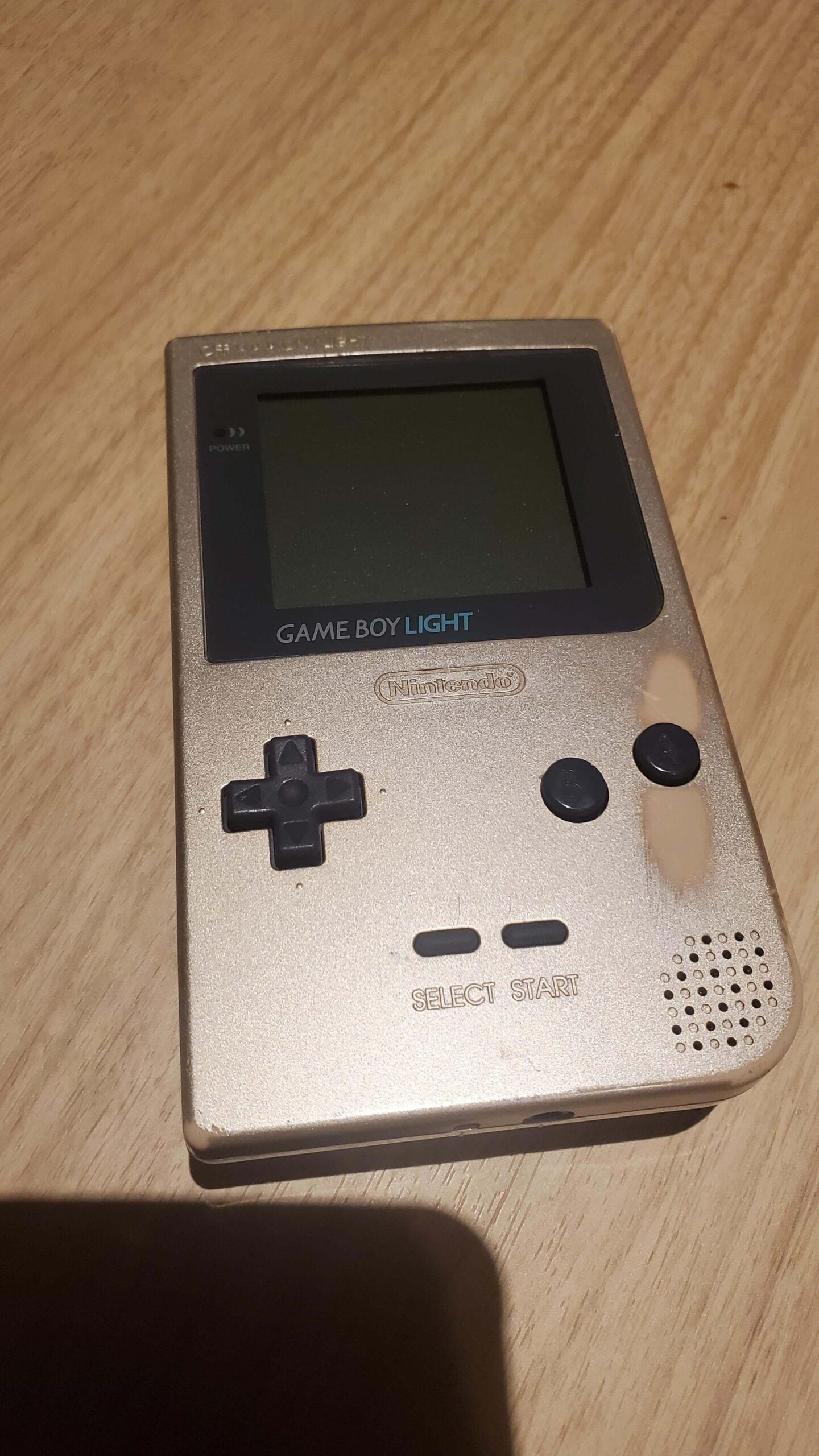
Released only in Japan in 1998, the Game Boy Light was a backlit version of the Game Boy Pocket with an electroluminescent screen that glowed blue-green in the dark. It was quickly overshadowed by the Game Boy Color, which arrived later that same year, and it never received an official release elsewhere.
Working examples move at 150 to 400 dollars, and special editions clear more. The backlight can fail, and scratched screens lower value.
American collectors import them because it is the one early Nintendo handheld most of them never saw in stores.
Pokemon Special Edition Game Boy Color
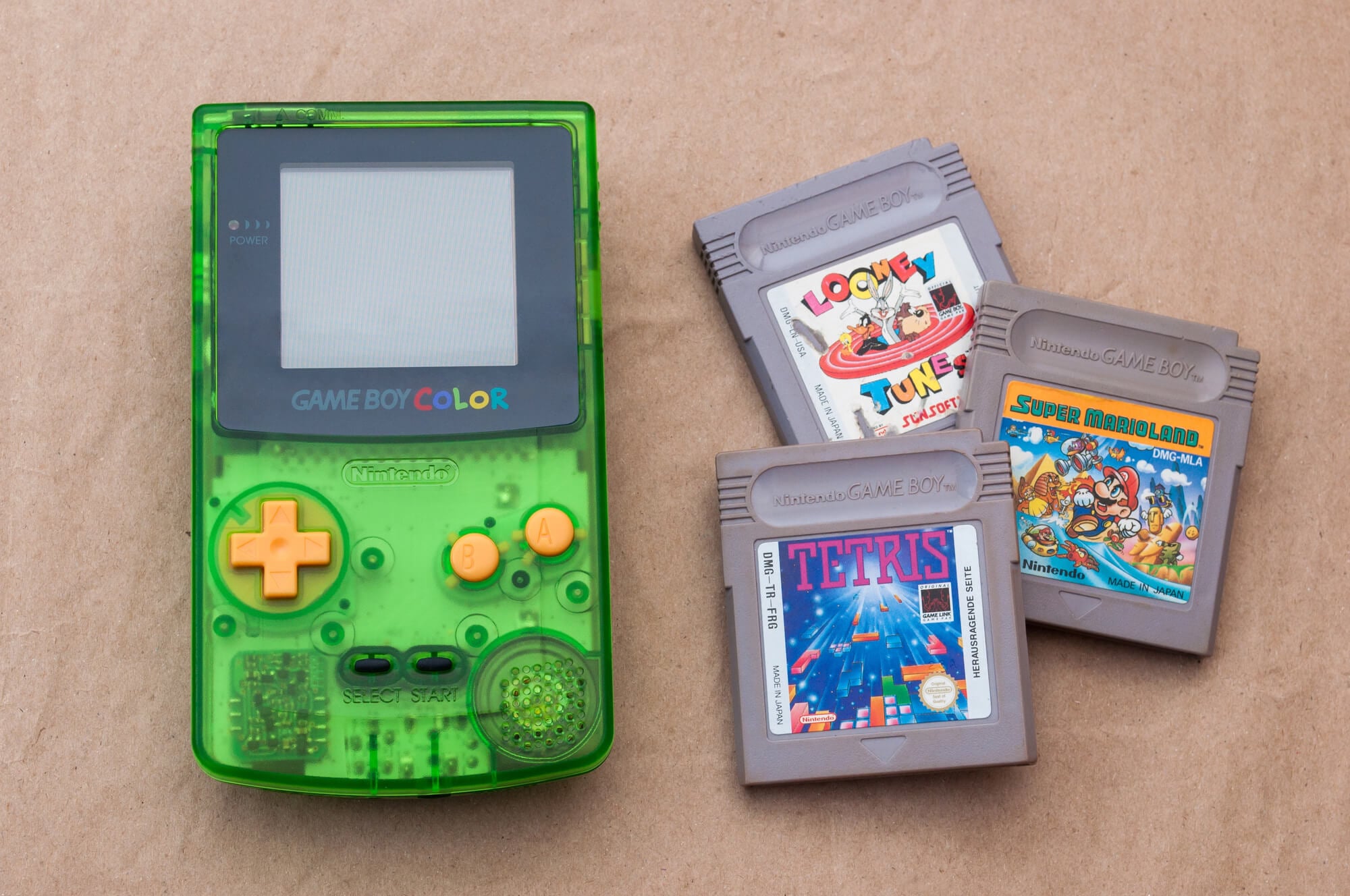
A special edition Game Boy Color with a yellow and blue shell decorated with Pikachu, Jigglypuff and Pichu arrived in 1999, at the height of the Pokemon craze. Parents lined up for them during the holiday season, and many ended up in toy boxes with cracked screens.
Loose examples move at 80 to 200 dollars, while boxed ones with inserts clear several hundred. Scratched screen lenses, faded shells and worn buttons lower value.
The standard Game Boy Color sold in huge numbers, so special editions are where collector money goes.
Game Boy Camera
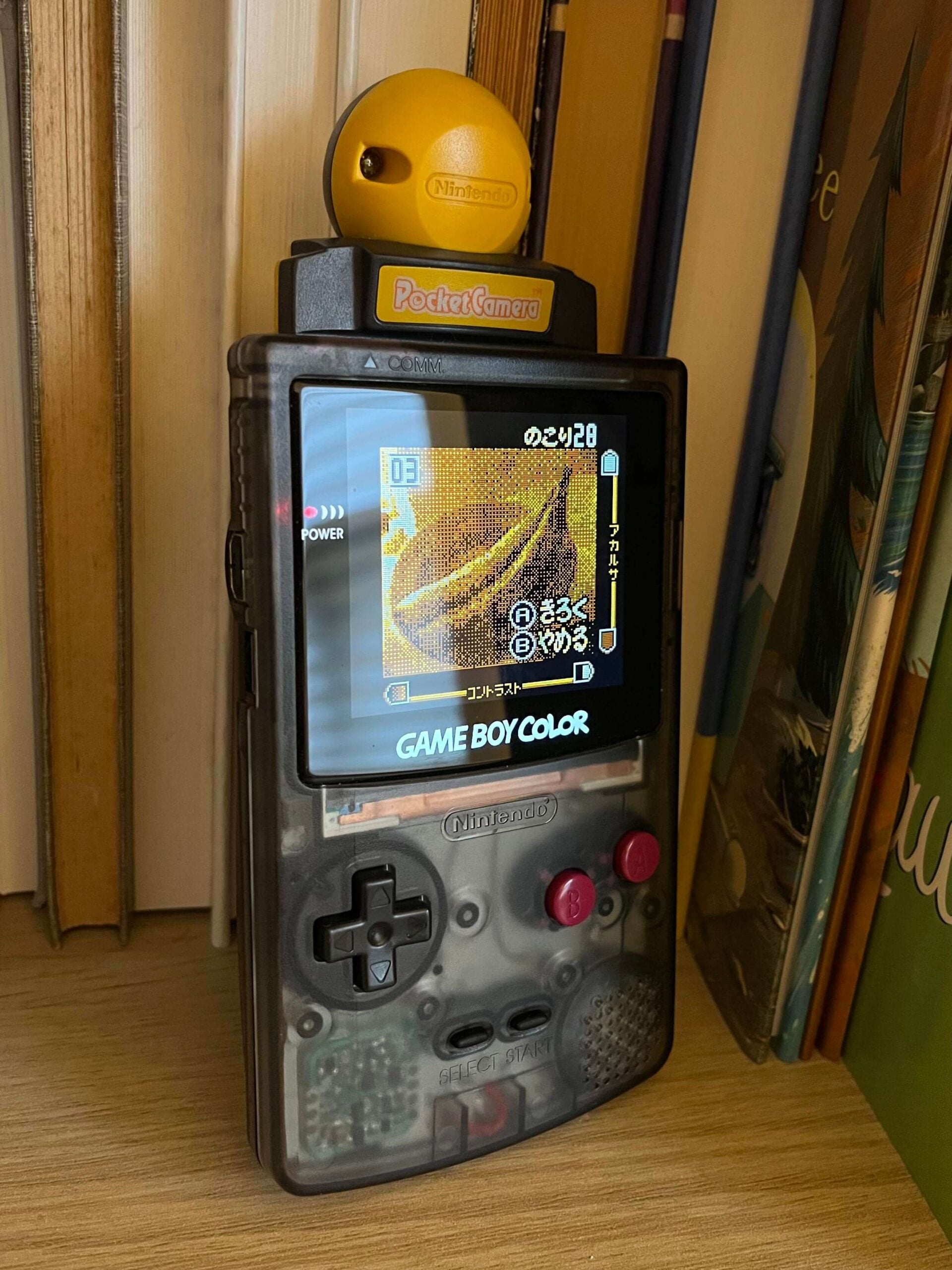
Guinness World Records recognized the Game Boy Camera as the world’s smallest digital camera when Nintendo released it in 1998. The cartridge shot tiny four-shade grayscale images and paired with the Game Boy Printer to produce thermal stickers.
Loose cameras move at 20 to 60 dollars, while boxed ones clear more, and the printer and paper rolls are collected separately. The lens should be clear, and the internal battery that saves photos often dies.
A working camera and printer set with sealed paper is the classic find for collectors of odd accessories.
Backlit AGS-101 Game Boy Advance SP
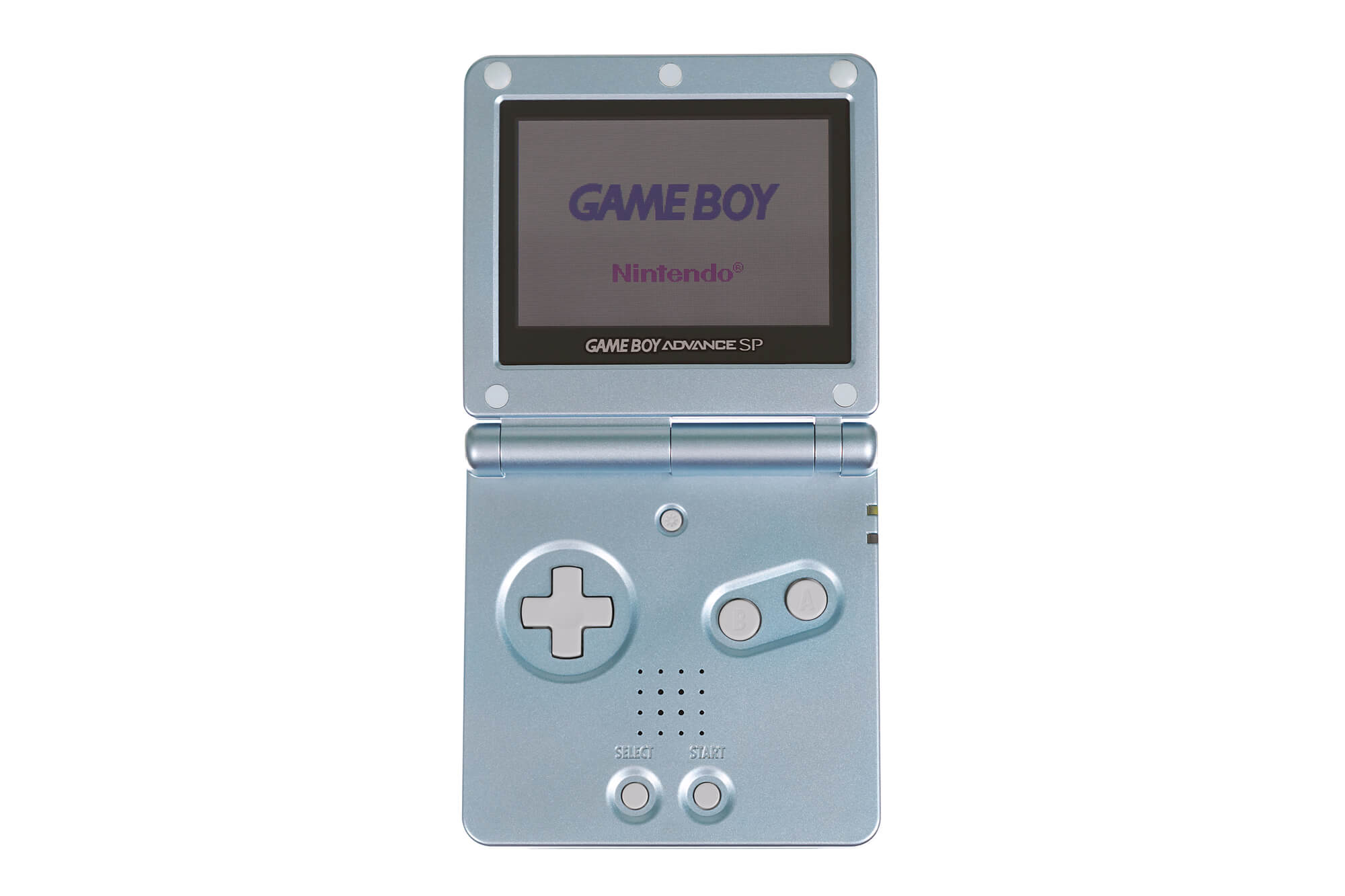
The first Game Boy Advance SP of 2003 had a front-lit screen, but in 2005 Nintendo quietly released the AGS-101 model with a much brighter backlit display. Nothing on the outside of the clamshell announces the change, and the only easy way to tell them apart is the model number printed on the back.
AGS-101 units move at 100 to 250 dollars, well above the earlier model. Scratched screens, loose hinges and missing chargers lower value.
Special edition colors clear more, and boxed examples are the target.
Tiny Game Boy Micro
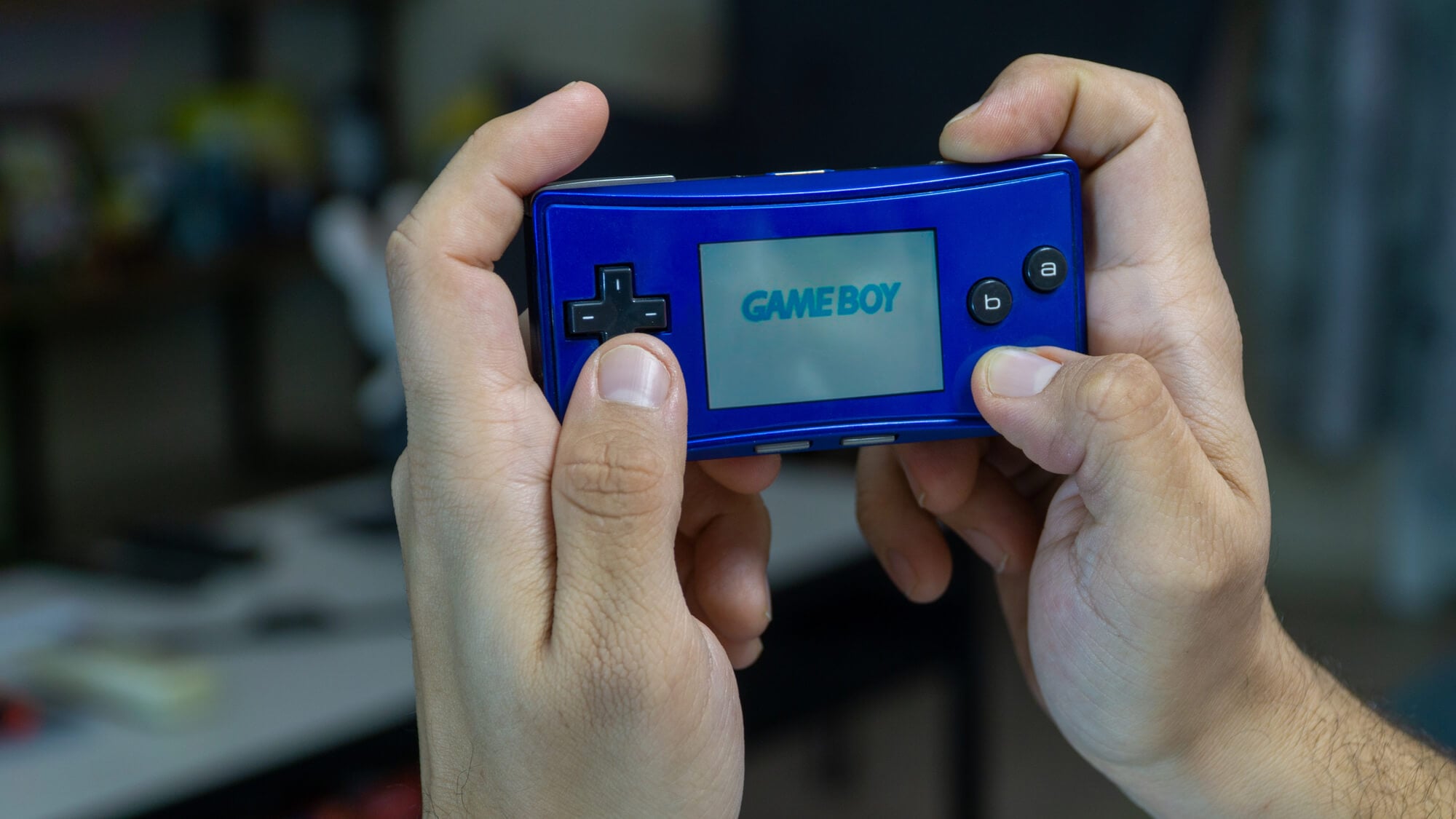
Launched in 2005, the Game Boy Micro was a pocket-sized Game Boy Advance with a sharp backlit screen and swappable faceplates that let owners change its look in seconds. It arrived months after the Nintendo DS, which could also play Game Boy Advance cartridges, so shoppers largely ignored it and sales fell short of expectations.
It cannot run older Game Boy or Game Boy Color games, another reason it faded so quickly. Working examples move at 100 to 300 dollars, and special editions, including a Famicom-themed version sold in Japan, clear more.
Scratched screens, missing faceplates and worn shoulder buttons lower value.
NEC TurboExpress
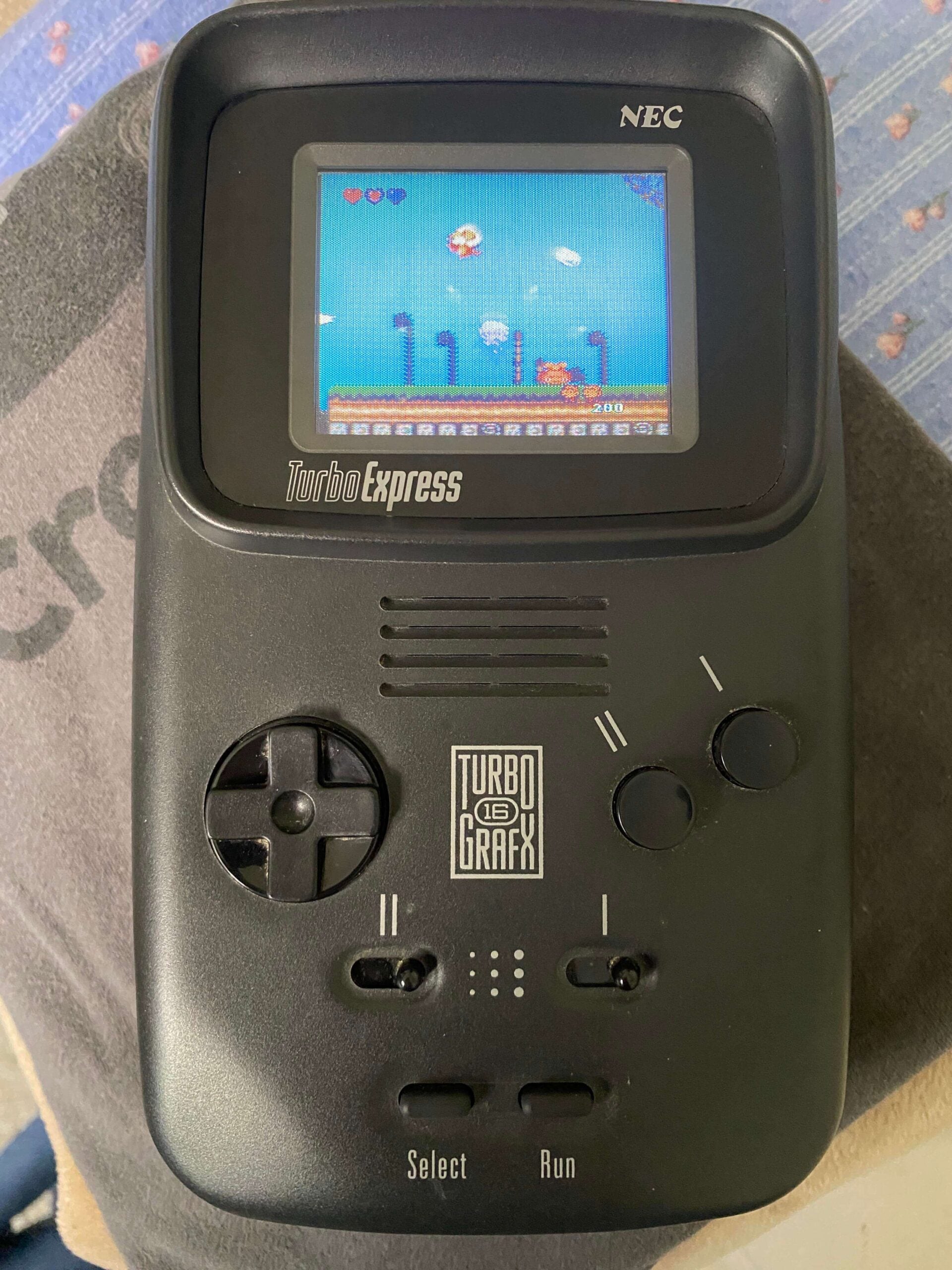
NEC released the TurboExpress in 1990, a handheld that played the same HuCard games as the TurboGrafx-16 home console, which made it one of the first portable machines to run a home system’s full library. It was expensive, launching at close to 250 dollars, and sold in small numbers against cheaper rivals.
Working units move at 200 to 500 dollars and clear more when boxed. Dead pixels, failing capacitors and faded screens are common problems, and many surviving units have been repaired.
The optional TV tuner accessory is scarce, and collectors pay extra for complete sets that include it.
Sega Nomad
Sega released the Nomad in 1995, a handheld version of the Genesis that played standard cartridges on a backlit color screen and could plug into a television for two-player games. It arrived late in the Genesis lifecycle, sold only in North America and was overshadowed by the new Saturn.
Battery drain was severe, so owners needed a separate pack that clipped to the back. Working units move at 150 to 350 dollars, and boxed examples clear more.
Screen quality varies widely, and many units now show dim or ghosting displays, so collectors test the screen and sound before paying.
Monochrome Neo Geo Pocket
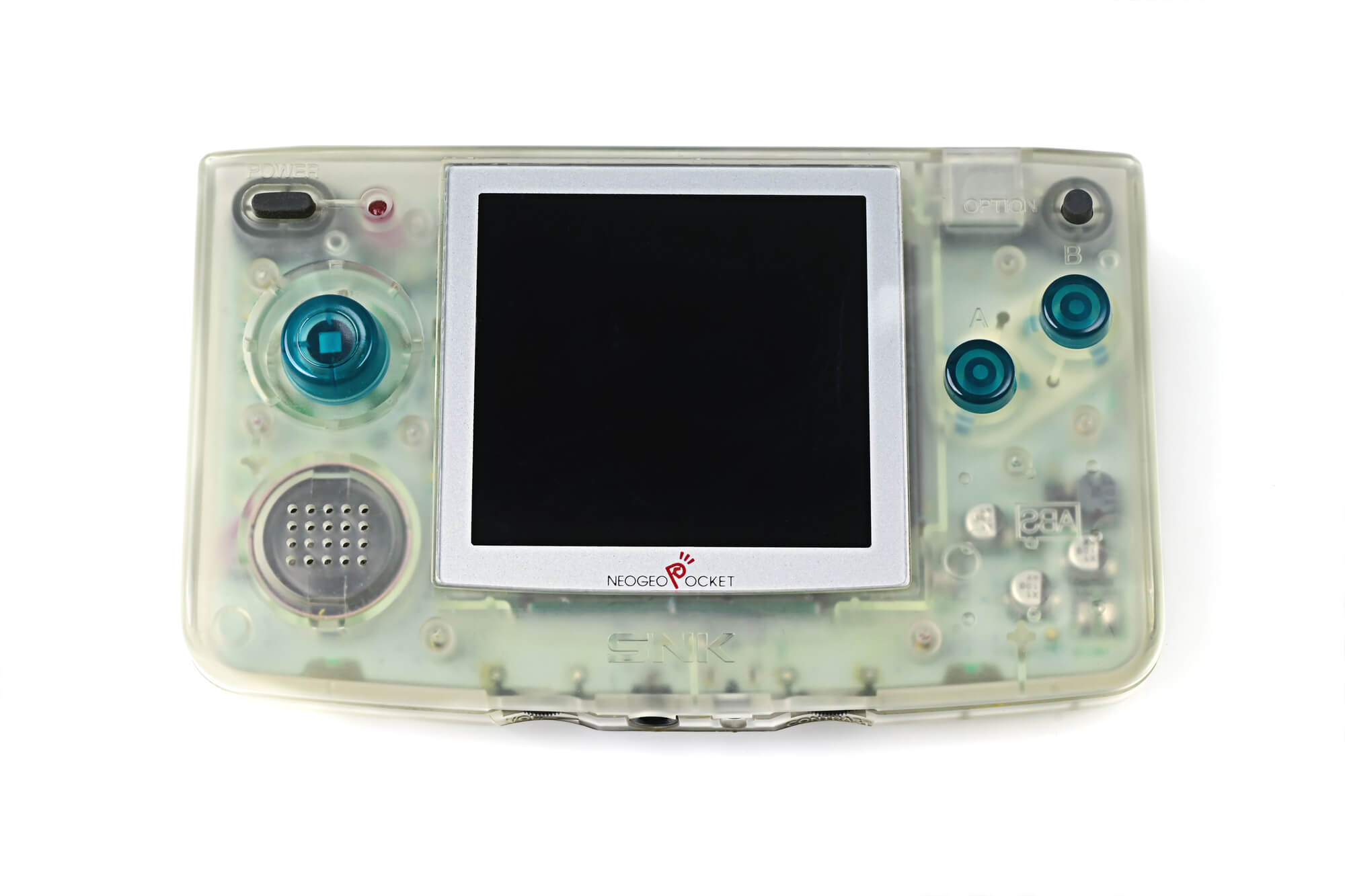
Before the color model, SNK sold a black-and-white Neo Geo Pocket in Japan beginning in October 1998. It lasted only a few months on shelves, since the Neo Geo Pocket Color replaced it the following spring and made the original look outdated almost overnight.
That brief run left relatively few units in circulation, and most were sold in Japan and Hong Kong. Working examples move at 100 to 300 dollars, and a boxed one clears more.
Scratched screens, worn joysticks and faded shells lower value, and collectors pairing both versions often find the monochrome one harder to locate.
SNK Neo Geo Pocket Color
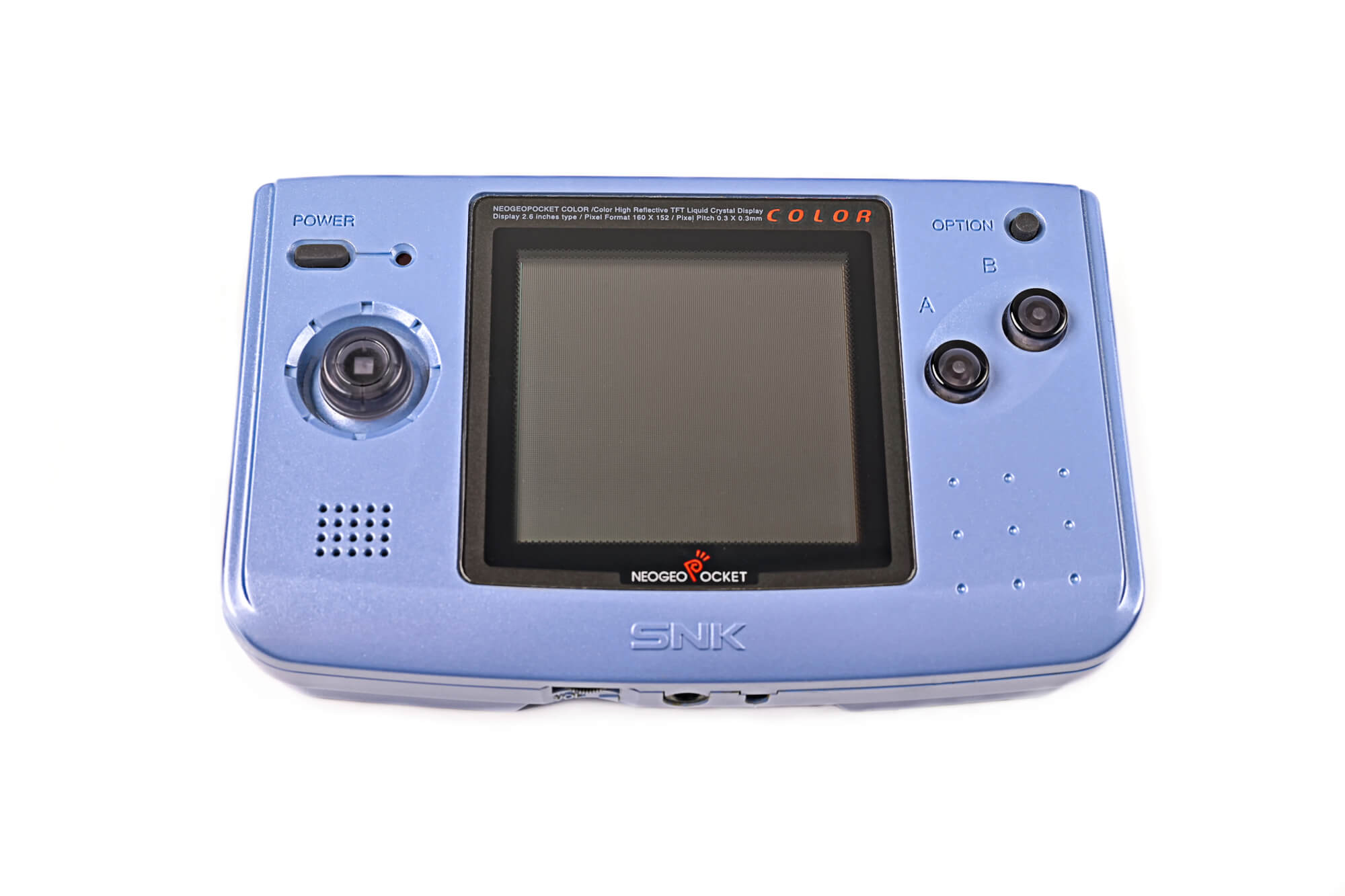
SNK launched the Neo Geo Pocket Color in 1999, and players still praise its clicky microswitch joystick, which made fighting games feel precise on a tiny screen. The company pulled out of North America in 2000, cutting the system’s life there to little more than a year and leaving stores to clear stock at discount prices.
Loose consoles move at 80 to 200 dollars, and boxed ones clear more. Scarce games such as the Card Fighters Clash card battle titles draw strong interest on their own.
Scratched screens and worn joysticks lower value, and the short Western run keeps demand ahead of supply.
Bandai WonderSwan
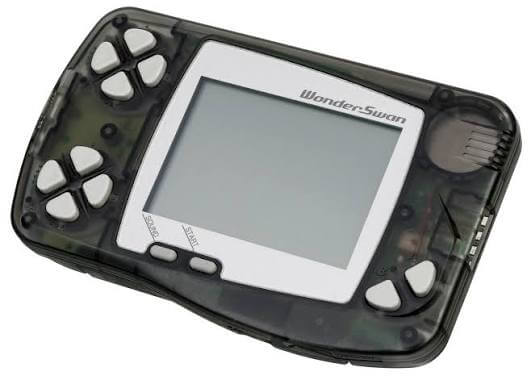
Bandai released the WonderSwan in Japan in 1999, and it was developed with Koto Laboratory, the company Gunpei Yokoi founded after leaving Nintendo. It could be held vertically or horizontally depending on the game and ran for many hours on a single AA battery.
The system never officially left Japan, so American collectors import it through resellers. Consoles move at 40 to 150 dollars, with the later color models and special editions clearing more.
Scratched screens, missing battery covers and faded shells lower value, and bundles tied to Final Fantasy remakes draw the most interest from buyers.
Tiger Game.com
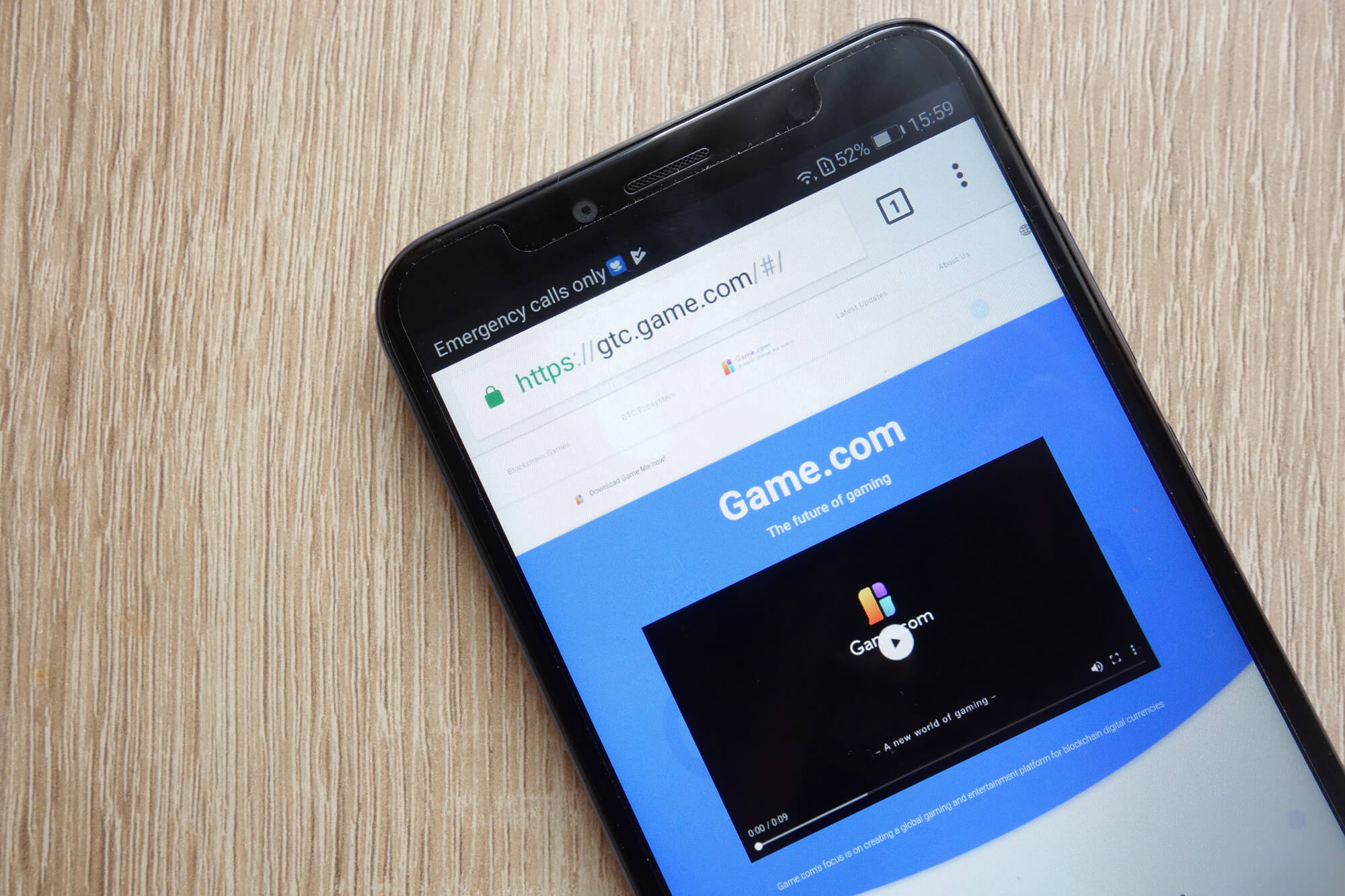
Tiger released the game.com in 1997, a handheld with a touchscreen, a stylus and the ability to dial into the internet through a separate modem. It is widely described as the first handheld console with internet access, years before phones did the same job far better.
It was ambitious and flawed, with a blurry screen that smeared during motion and a thin library of licensed games. Working units move at 30 to 100 dollars, and boxed ones clear more.
Missing styluses, scratched screens and dead touch panels lower value, and collectors buy it as an oddity of the pre-smartphone era.
Nokia N-Gage
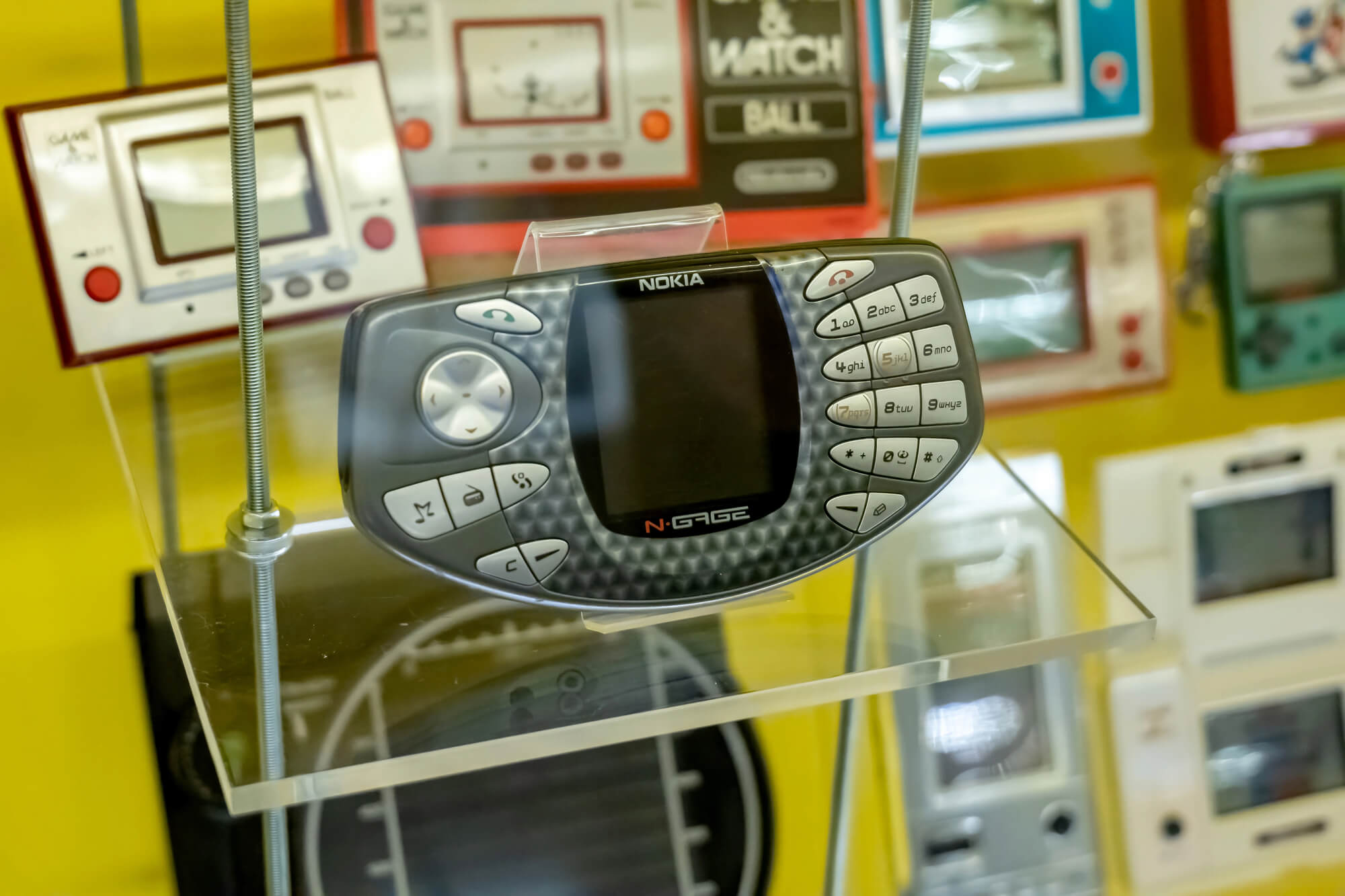
Nokia released the N-Gage in 2003, a mobile phone and game system with a sideways shape that critics quickly nicknamed the taco phone. On the original model, players had to remove the back cover and battery just to change game cards, and making a call meant holding the device edge-on against the ear.
A redesigned QD model fixed some of those problems in 2004. Units move at 40 to 150 dollars, and boxed ones clear more.
Scratched screens, worn keys and missing chargers lower value, and collectors buy it as a strange crossover from the early mobile era.
Original Tamagotchi
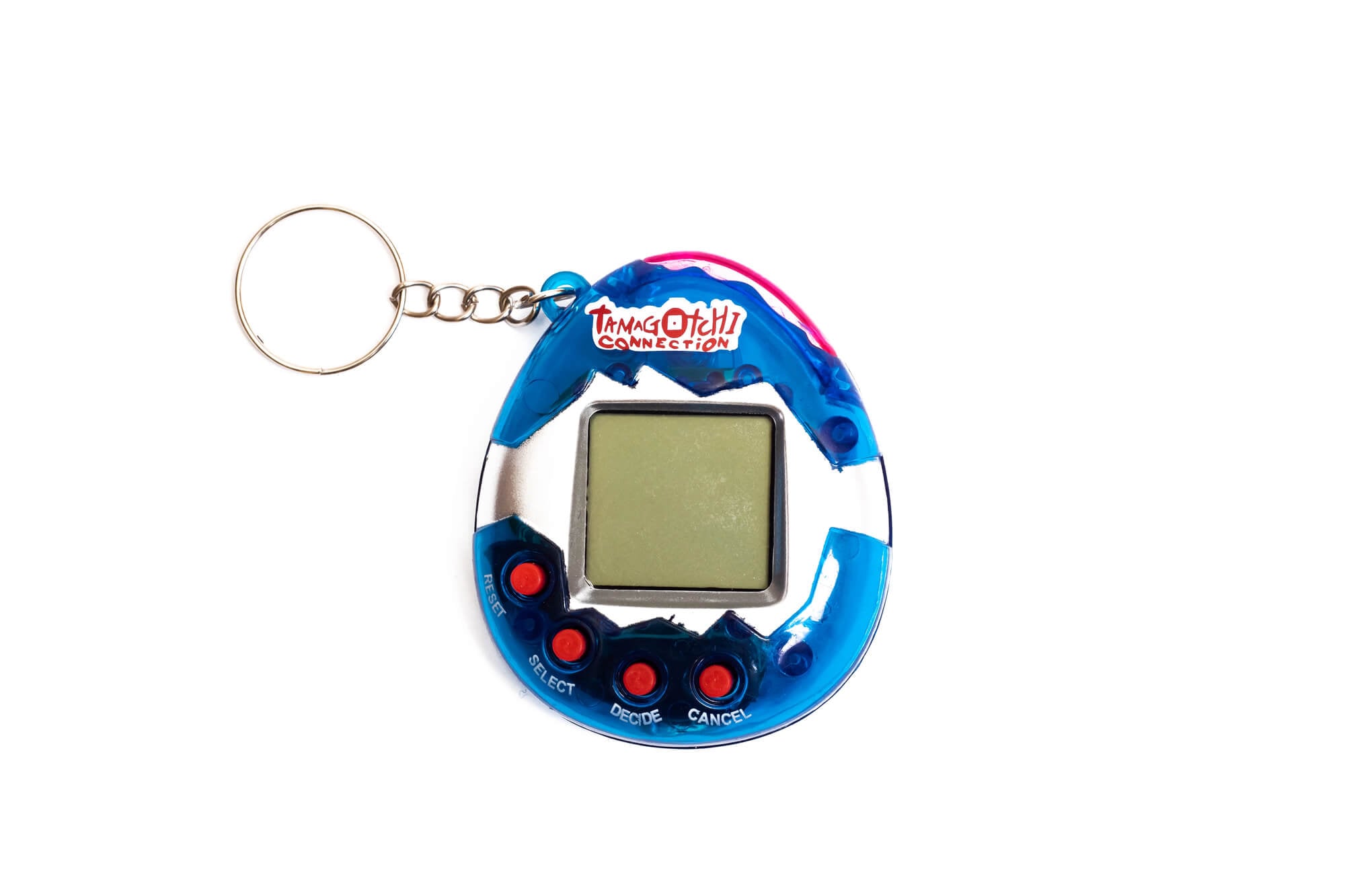
Bandai launched the Tamagotchi in Japan in 1996 and in the United States in 1997, an egg-shaped keychain pet that needed feeding, cleaning and attention through three tiny buttons. Neglect meant the pet died, and schools across the country banned the toys for disrupting class.
Tens of millions sold worldwide within a few years. Opened examples are common and cheap, but sealed originals move at 50 to 200 dollars, and rare shell colors clear more.
Faded screens, scratched shells, missing chains and corroded battery contacts lower value, so the sealed first release is the target.
Digimon Digital Monster Virtual Pets
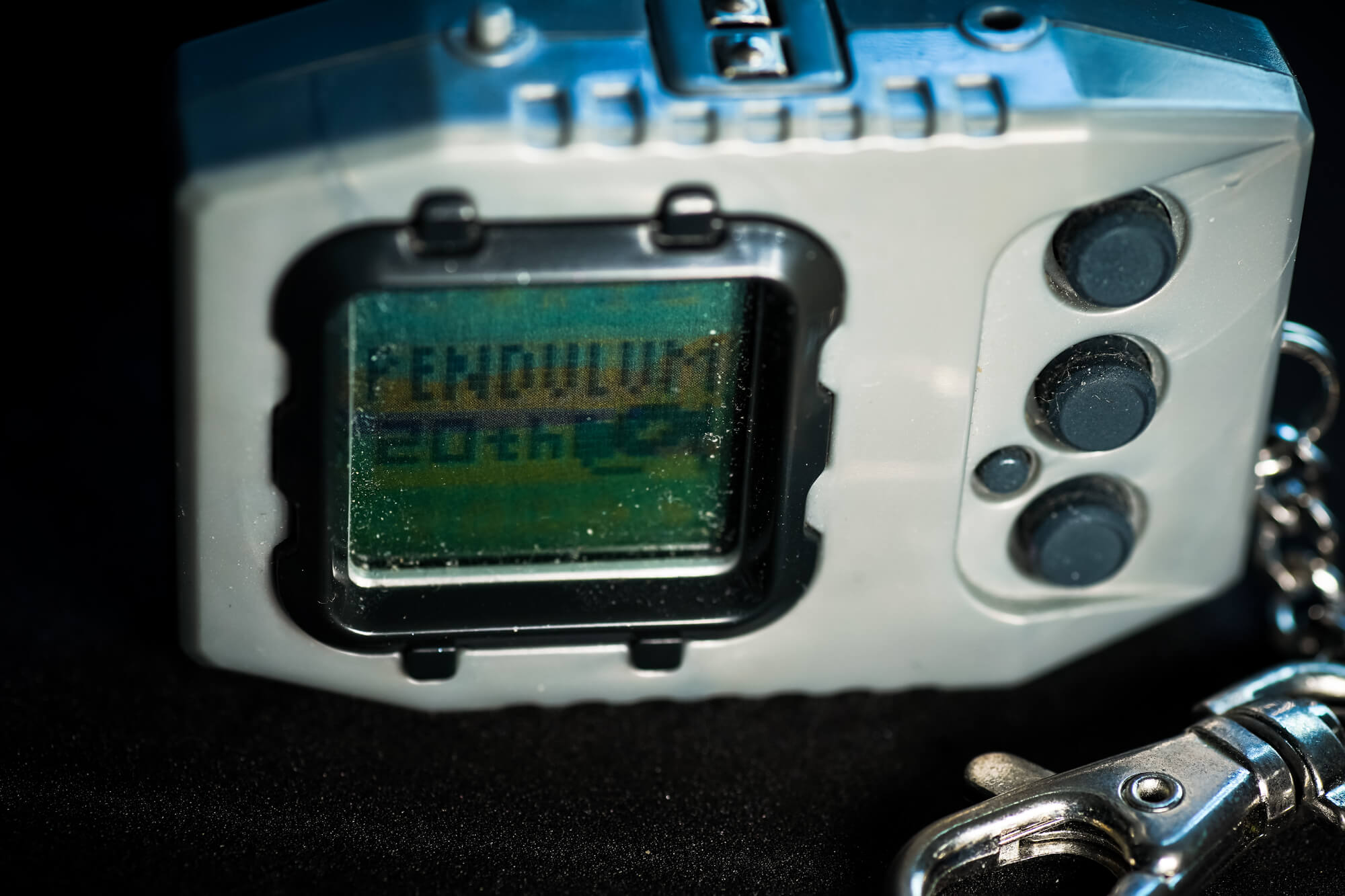
Riding the success of the Tamagotchi, the first Digital Monster virtual pets appeared in Japan in 1997, aimed at boys who wanted something tougher than a digital chick. Owners raised creatures that evolved into different forms and could battle a friend’s device by plugging the two units together.
The toys spawned a long-running anime and card game. Sealed originals move at 50 to 200 dollars, and rare shell colors clear more.
Faded screens, cracked shells and worn contact points lower value, and loose units that still link for battles sell faster than ones that do not.
Pikachu Pedometer Virtual Pet
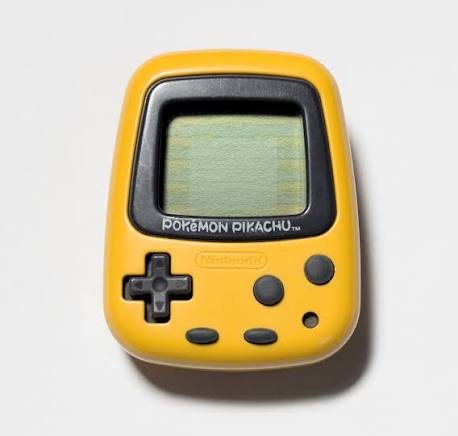
Launched in Japan in 1998 and in North America the following year, the Pokemon Pikachu was a pedometer and virtual pet rolled into one small device. Each step earned watts that could be spent on presents for Pikachu, and a neglected Pikachu grew sulky and refused to respond.
A later color version added infrared links to Game Boy Color games. Loose units move at 20 to 60 dollars, and boxed ones clear more.
Screen fading, cracked cases and missing belt clips lower value, and a boxed original that still counts steps accurately is the version collectors want.
Palm-Sized Pokemon Mini
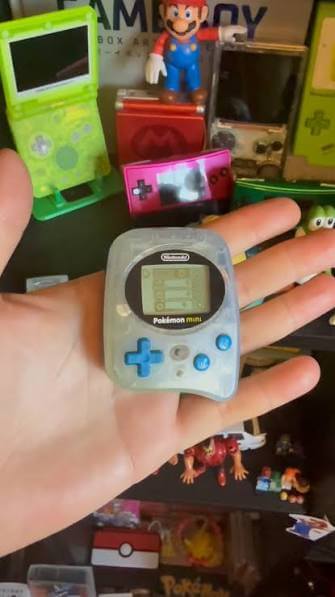
Arriving in 2001, the Pokemon Mini was the smallest cartridge-based console Nintendo ever produced, small enough to disappear inside a closed hand. It packed a rumble motor, an infrared port for linking units, a shock sensor that reacted when the console was shaken and a built-in clock.
Only a handful of games reached North America, where it was sold mainly through the Pokemon Center store in New York. Loose units move at 50 to 150 dollars, and boxed ones clear more, while games are collected separately.
Scratched screens and missing battery covers lower value.
Tiger R-Zone
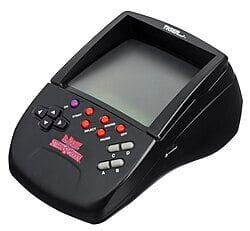
Tiger released the R-Zone in 1995, a head-mounted game system that projected red LCD images onto a small reflective screen in front of one eye. Critics compared it unfavorably with the Virtual Boy, which arrived the same year, and many players complained of eye strain after short sessions.
Later versions dropped the headset for a tabletop screen and a conventional handheld shape. Units move at 20 to 80 dollars, while sealed examples clear more.
Cracked visors, broken headbands and missing cartridges lower value, and collectors want boxed headsets with every piece still present.
Sealed Pokemon Red and Blue
Pokemon Red and Blue reached North America in 1998, two years after the first Pokemon games appeared in Japan, and sold in enormous numbers over the next few years. Loose cartridges are common and move at 20 to 50 dollars, mostly to players.
Sealed copies are a different market, and examples graded by professional services move at thousands of dollars, with the highest grades clearing far more. The shrink-wrap, seams and box corners decide the grade, so a crushed corner can cut the price sharply.
Collectors check for resealed copies, since fake shrink-wrap is a known problem.
Shantae for Game Boy Color
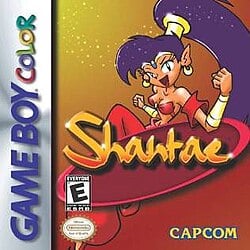
Capcom published Shantae in 2002, nearly a year after the Game Boy Advance had launched, when few shoppers were still buying Game Boy Color cartridges. The platformer by WayForward starred a half-genie hero who attacked by whipping her hair, and it sold poorly despite strong reviews.
That small print run turned it into one of the most valuable Game Boy Color releases. Complete copies with box and manual move at hundreds of dollars, and sealed copies clear thousands.
Worn box corners, missing manuals and label damage lower value, and reproduction cartridges are common enough that buyers check the board inside.
Ninja Five-O
Konami published Ninja Five-O for the Game Boy Advance in 2003, an action game in which a police officer trained as a ninja used a grappling hook to swing through levels. It shipped in small numbers in North America and vanished from shelves quickly, while reviewers who did play it praised the tight controls.
Complete copies with box and manual move at hundreds of dollars, and loose cartridges bring a fraction of that. Crushed boxes, missing manuals and faded labels lower value.
Reproductions exist, so collectors compare label printing and circuit boards before paying.
Complete Copies of Pokemon Crystal
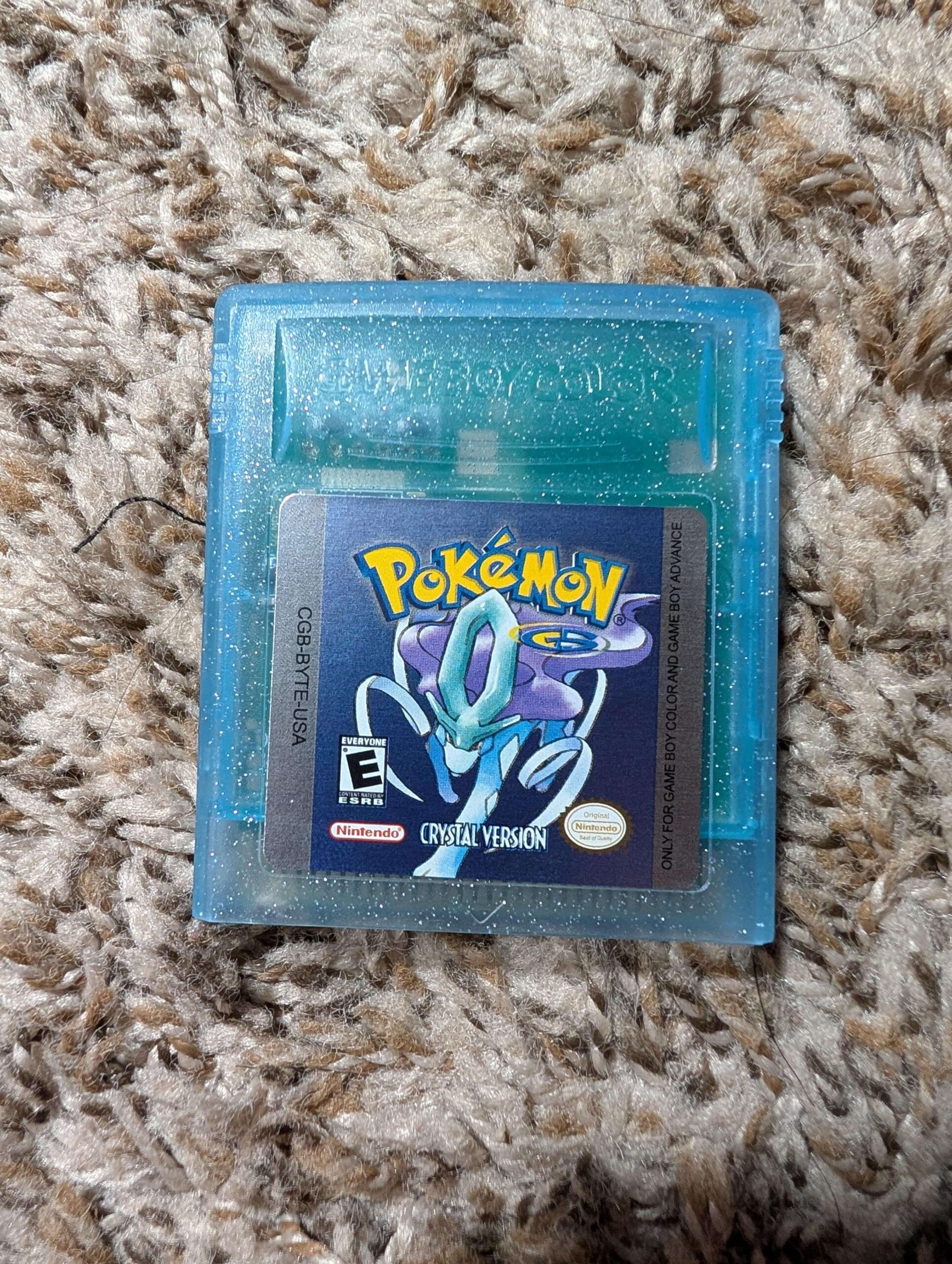
Pokemon Crystal reached North America in 2001 and added features the earlier Gold and Silver lacked, including animated sprites and the first option in the series to play as a girl. Its translucent blue cartridge stands out on a shelf, and an internal battery saved progress and kept the in-game clock running.
Complete copies with box and manual move at 100 to 300 dollars, and sealed graded copies clear much more. Many cartridges now need a new battery, and worn labels, missing manuals and crushed boxes lower value.
Buyers check for counterfeit cartridges, which are common.
Nelsonic Game Watches
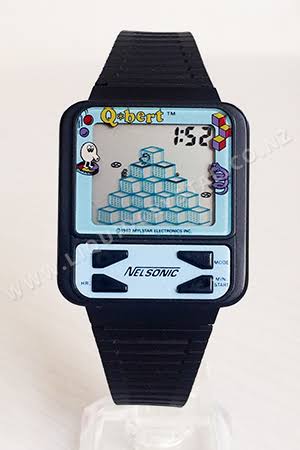
Nelsonic made LCD game watches in the late 1980s and early 1990s, many carrying Nintendo licenses for Super Mario Bros., Zelda and other hit series. Each watch told time and played a single simple game on its face, a wrist-sized echo of the Game and Watch idea.
They sold cheaply in toy aisles, and most were worn until the straps cracked. Loose watches move at 30 to 100 dollars, and carded examples clear more.
Faded screens, broken straps and dead buttons lower value, and a sealed watch still on its original card is the version collectors hope to find.
Game Boy Advance e-Reader
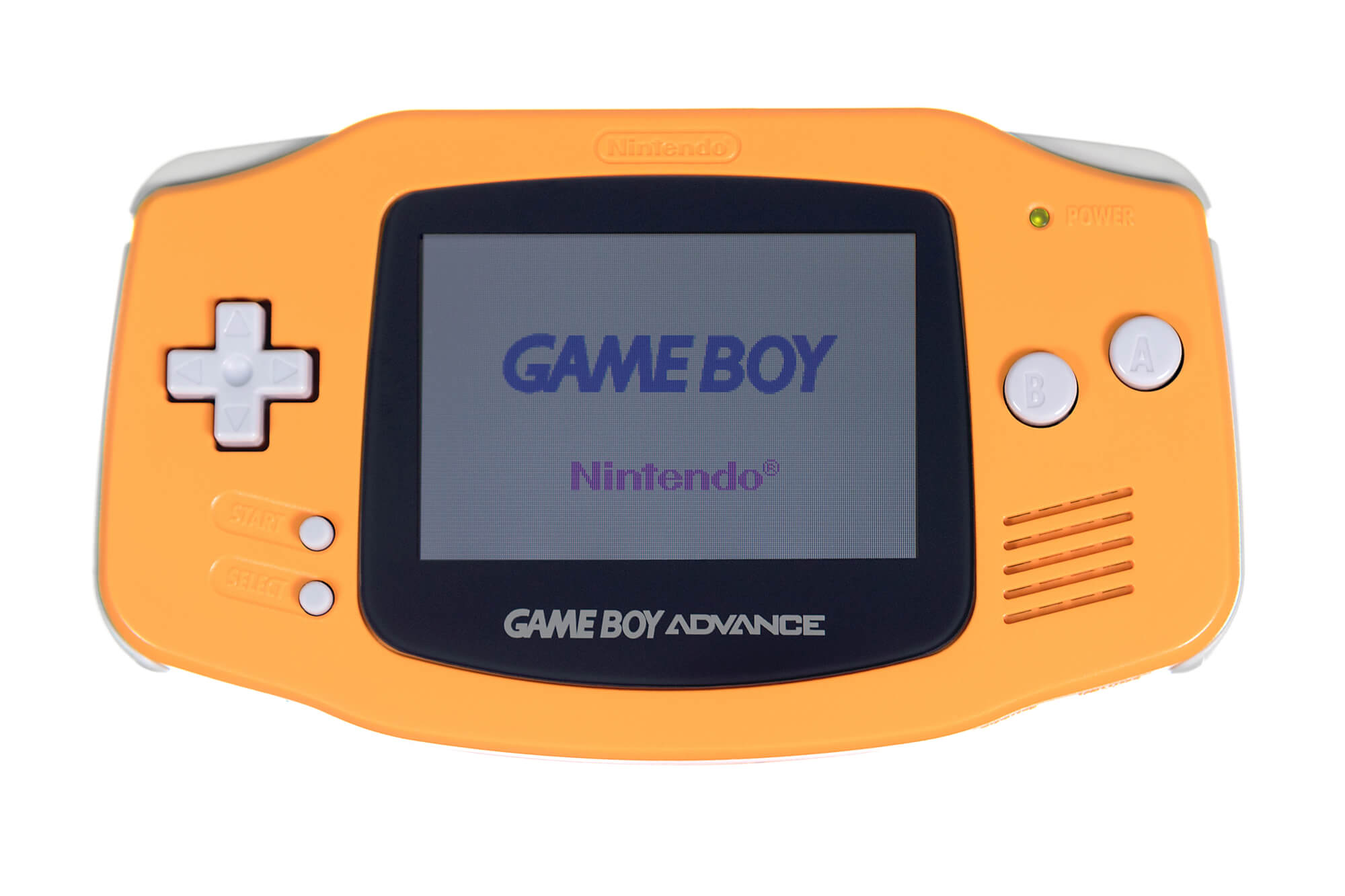
Released in North America in 2002, the e-Reader attached to the Game Boy Advance and scanned strips of printed dot code on collectible cards. Swiping a card could open up extra levels in games like Super Mario Advance 4 or load complete NES classics such as Excitebike and Donkey Kong.
The accessory sold poorly outside Japan and disappeared from American shelves within a couple of years. Loose readers move at 50 to 150 dollars, and boxed ones clear more, while card sets are collected separately.
Scratched scanners and bent cards lower value, and sealed packs of e-Reader cards clear strong prices.
Pocket-Sized History
Handheld games were built to be carried, dropped and passed around the back seat, which is why so few survive in clean condition. The machines that bring the best prices now are the ones that sold poorly, arrived late or came with parts that were easy to lose.
Commercial failure and careless childhood use did the work of creating scarcity.
Anyone opening an old drawer should test the screen, check the battery compartment and look for the box before assuming a device is junk. A backlit model number, a sealed cartridge or a Japan-only shell can separate a 20 dollar sale from a serious one.
The past was pocket-sized, and plenty of it is still sitting in kitchens waiting to be found.
More from Go2Tutors!

- The Romanov Crown Jewels and Their Tragic Fate
- 13 Historical Mysteries That Science Still Can’t Solve
- Famous Hoaxes That Fooled the World for Years
- 15 Child Stars with Tragic Adult Lives
- 16 Famous Jewelry Pieces in History
Like Go2Tutors’s content? Follow us on MSN.