25 Everyday Foods With Origins So Bizarre They Sound Made Up
The food on your plate has been through more adventures than you probably realise. What looks like a perfectly ordinary meal — ketchup on the side, cornflakes in the morning, a biscuit with the tea — turns out to have a backstory that reads less like culinary history and more like a stranger-than-fiction short story.
Monks, feuding brothers, petulant chefs, an 11-year-old on a cold porch, a nobleman’s craving from Bengal: these are the people who accidentally built the modern food landscape. None of this is trivia for its own sake.
When you trace where a food actually came from, what you find is that most of the meals eaten daily around the world arrived by accident, stubbornness, colonial trade, or sheer desperation. The ingredient that seemed exotic is now in every corner shop. The snack born from an insult is now a billion-dollar industry.
Here are 25 foods with origins strange enough to make you look at your next meal a little differently.
Ketchup
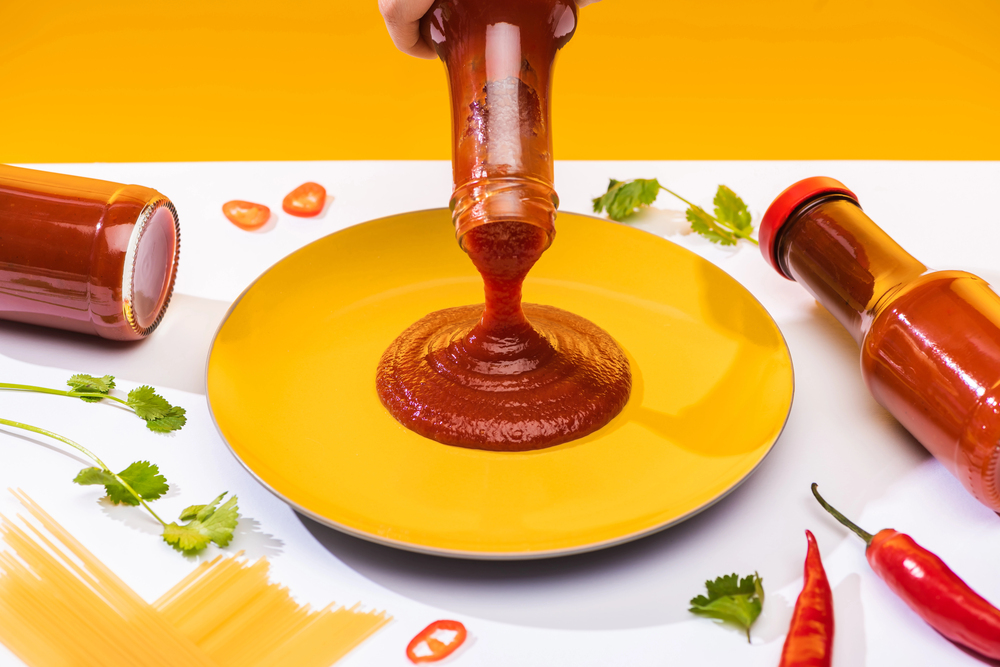
Ketchup began as ke-tsiap, a fermented fish sauce from southeast China that British sailors encountered in the 17th century and carried home. Early British versions used mushrooms, walnuts, or anchovies — not a tomato in sight.
The tomato-based version Americans and most of the world now recognise didn’t arrive until the 19th century, and the familiar Heinz recipe wasn’t refined until 1876. For about two centuries, “ketchup” described a sharp, savoury, entirely non-tomato condiment that bore almost no resemblance to what now sits beside the chips.
Corn Flakes
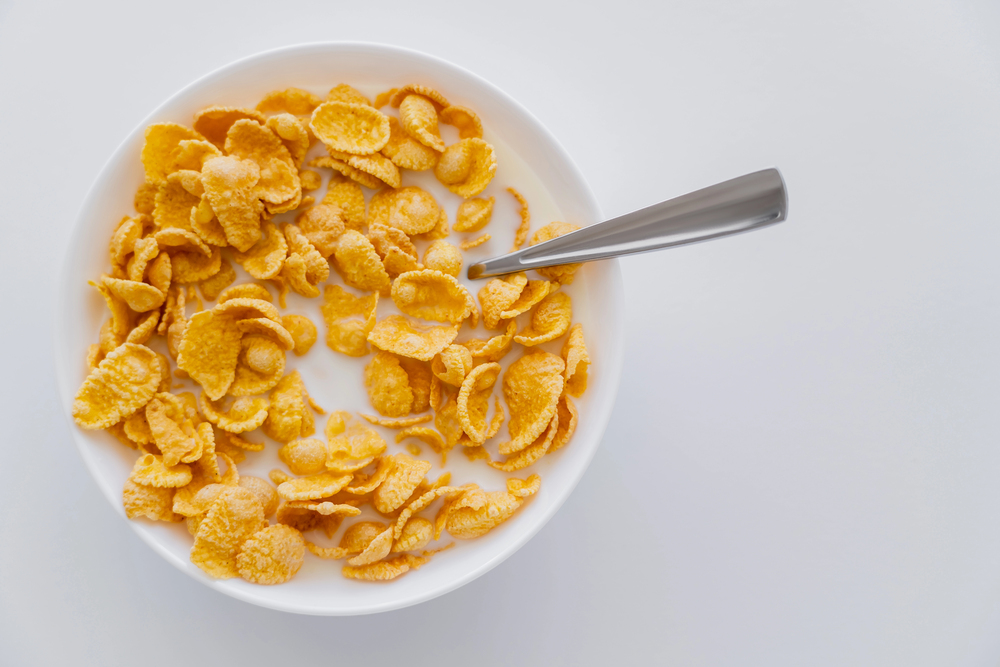
Dr. John Harvey Kellogg invented corn flakes in the late 19th century not to make breakfast convenient, but to suppress desire. Running the Battle Creek Sanitarium in Michigan as a devoted Seventh-day Adventist, Kellogg believed bland, flavourless food would discourage what he considered immoral behaviour.
His patients ate the tasteless flakes as part of a strict regimen. His brother Will, who worked in the sanitarium kitchen, eventually added sugar — which drove John into a fury and fractured the family relationship permanently.
The world got breakfast cereal. The brothers never fully reconciled.
Worcestershire Sauce
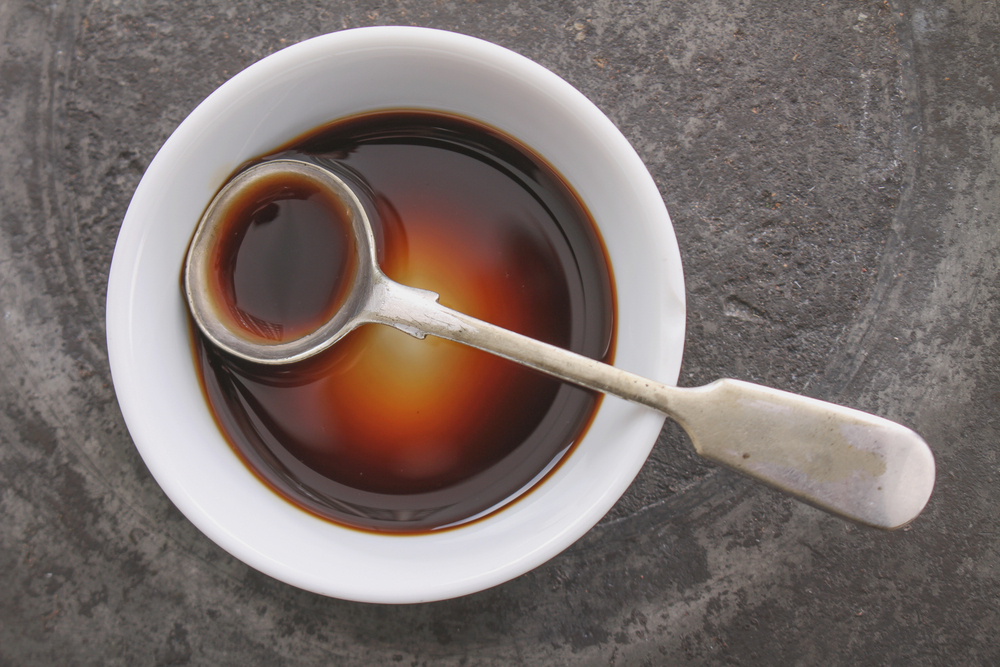
In the mid-1830s, chemists John Wheeley Lea and William Henry Perrins were asked to recreate a sauce that a local nobleman had tasted in Bengal, India. Their first attempt was so foul-smelling and unpleasant that they abandoned the batch and left it to fester in their basement.
When they rediscovered it nearly two years later and tasted it out of curiosity, the fermentation had done something remarkable. The sauce that became one of the most complex condiments in the British kitchen was essentially a forgotten failure that time improved beyond recognition.
Potato Chips
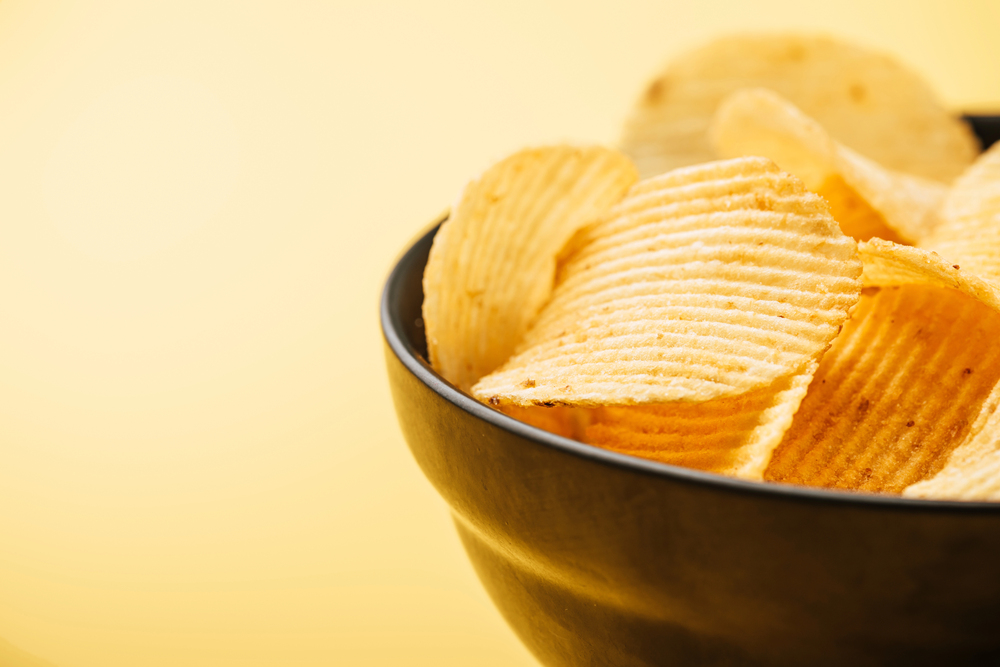
In 1853, chef George Crum at a restaurant in Saratoga Springs, New York, had a customer — some accounts say Cornelius Vanderbilt — who kept sending back his fried potatoes as too thick and soft. Annoyed by the repeated complaints, Crum sliced a batch as thin as he could and fried them to a crisp, fully intending the dish as a provocation.
The customer loved them. What started as a restaurant insult became the Saratoga Chip, and from there, one of the most consumed snacks in the world.
French Fries
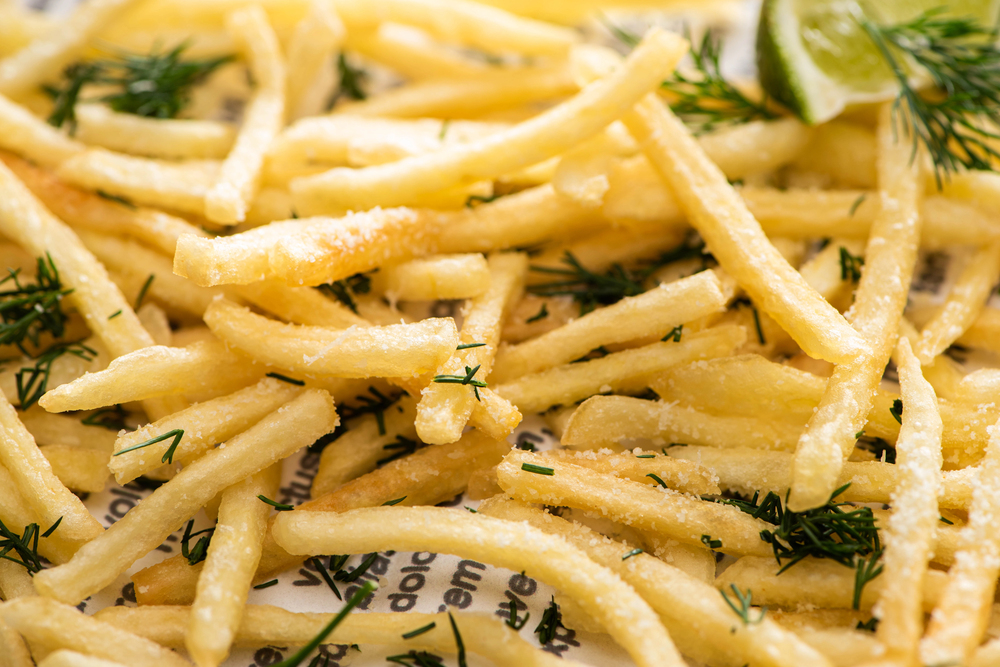
The name points to France, but the origin points to Belgium. Villagers near the Meuse River in Belgium had long eaten fried fish as a staple.
In winter, when the river froze and the fish disappeared, they cut potatoes into fish-like strips and fried them instead. American soldiers stationed in Belgium during the First World War encountered them and brought the habit home. Because the predominant language in that part of Belgium was French, the soldiers called them “French fries.”
The name stuck. Belgium, which consumes an average of around 165 pounds of fries per person annually, has been quietly annoyed about the misattribution ever since.
The Popsicle
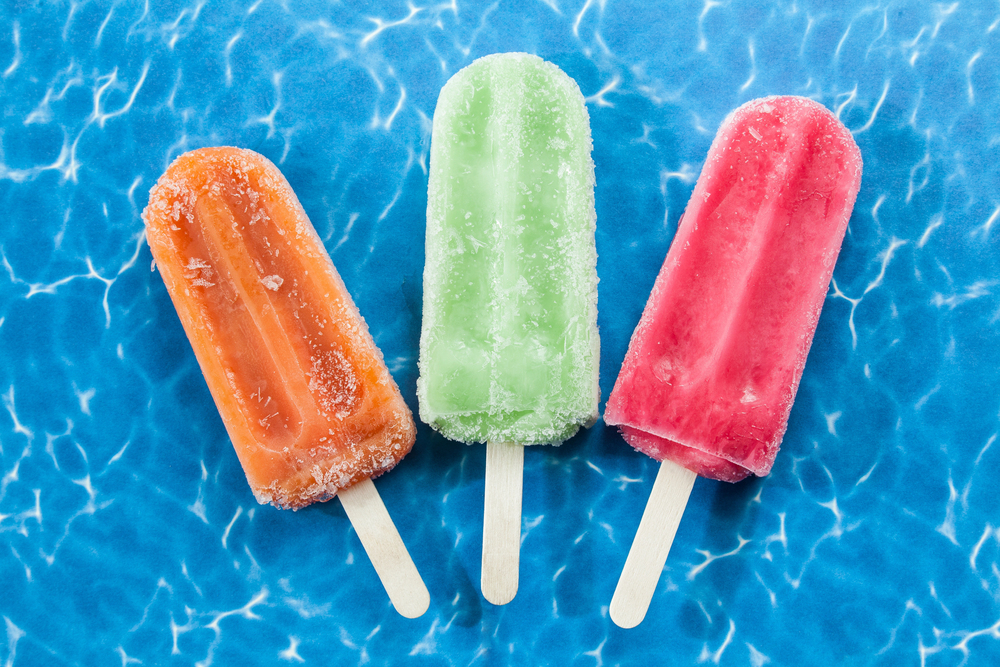
In 1905, an 11-year-old boy named Frank Epperson in San Francisco was mixing himself a drink from powdered soda and water on his porch when the temperature dropped below freezing overnight. He left the cup outside with the stirring stick still in it.
In the morning, he found his drink had frozen solid around the stick. He was amused enough to eat it that way, and then forgot about the concept for 18 years.
In 1923, now an adult, he started selling the frozen treats at an amusement park in Oakland, eventually patenting the Popsicle. The entire frozen novelty industry traces back to a boy who forgot to bring his drink inside.
Graham Crackers
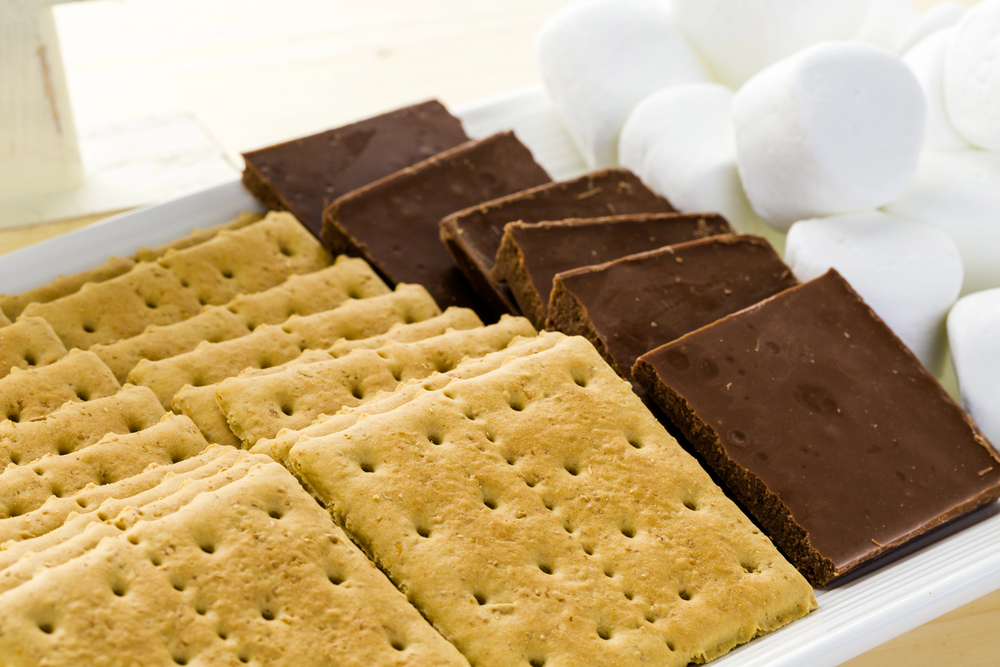
Sylvester Graham was a Presbyterian minister in the early 19th century who believed that a bland, unseasoned diet was the surest path to moral purity. His “Graham diet” promoted plain, unsifted wheat flour products on the theory that stimulating food stimulated thoughts he considered sinful.
The crackers he designed were intentionally flavourless and dry — a dietary punishment dressed up as a health intervention. Somewhere in the century that followed, the food industry added honey, cinnamon, and sugar, transforming a minister’s instrument of restraint into a dessert component.
Carrots (Orange Ones)
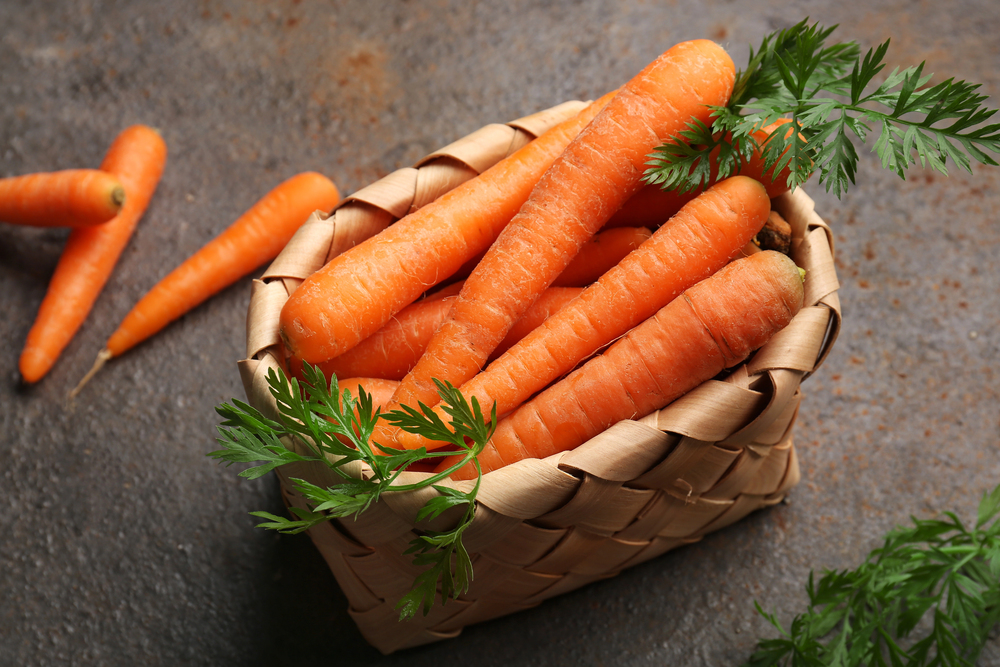
Carrots existed for thousands of years before anyone ate an orange one. The wild varieties were purple, white, and yellow. Dutch farmers in the 17th century bred and selected for orange varieties, reportedly as a tribute to William of Orange, who led the Dutch struggle for independence.
Whether the patriotic motivation is entirely accurate or a later embellishment is debated, but the orange carrot is a documented Dutch agricultural product that didn’t exist before that period. The idea that carrots improve night vision is a separate fiction, invented by the British government during the Second World War to explain away improved RAF targeting accuracy — which was actually due to radar, not root vegetables.
The Sandwich
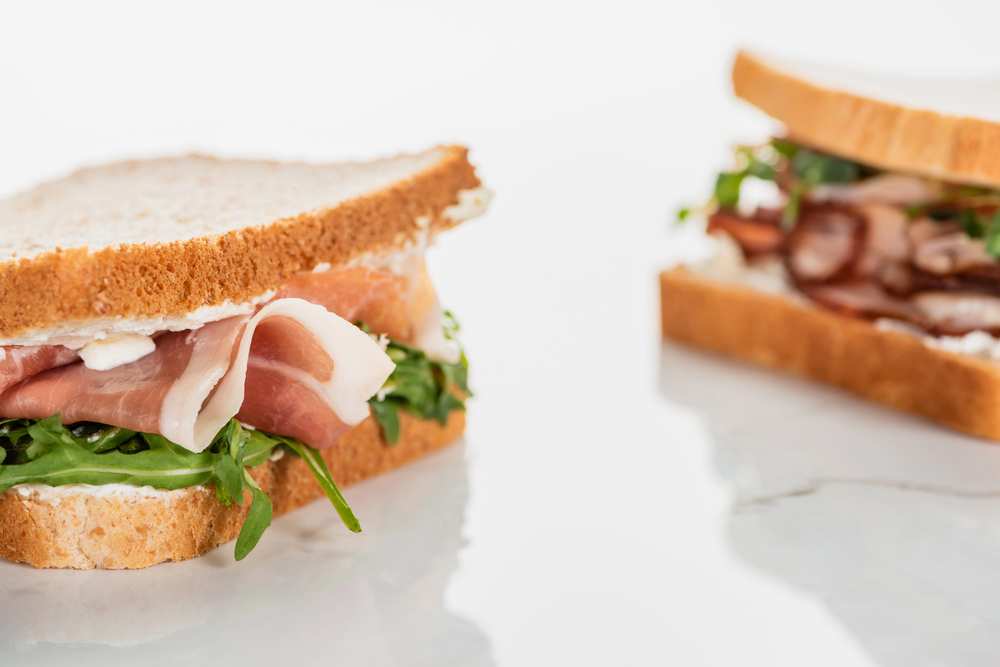
John Montagu, the fourth Earl of Sandwich, was deeply committed to long card-game sessions and resented having to stop to eat. In the 1760s, he reportedly asked for meat to be placed between two slices of bread so he could continue playing without interrupting his game.
Whether this account is precisely accurate or polished by legend is contested, but the historical record does confirm that the sandwich was named after him and spread rapidly as a concept. An aristocrat’s habit of playing cards gave the world its most utilitarian meal.
Tea Bags
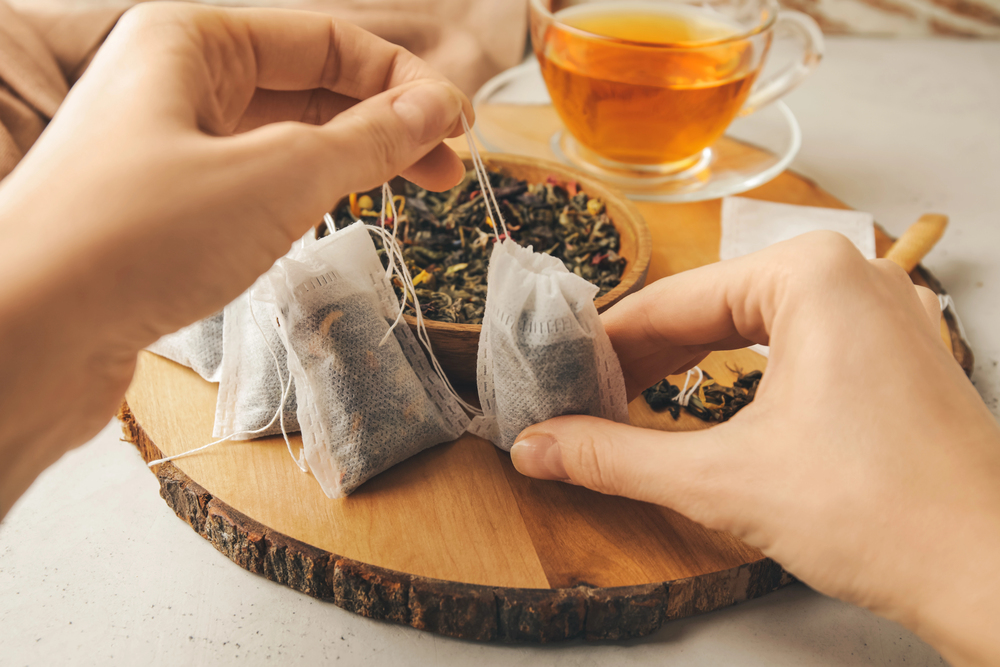
Tea bags were an accident of commerce. In the early 20th century, American tea merchant Thomas Sullivan began sending samples of tea to customers in small silk pouches instead of the usual tins, intending for customers to remove the leaves before brewing.
Instead, customers dunked the entire pouch directly into the water and found the result perfectly adequate. Sullivan received complaints when the tea bags weren’t included in future orders.
He had invented a product by accident and only found out about it through customer feedback.
Chocolate Bars
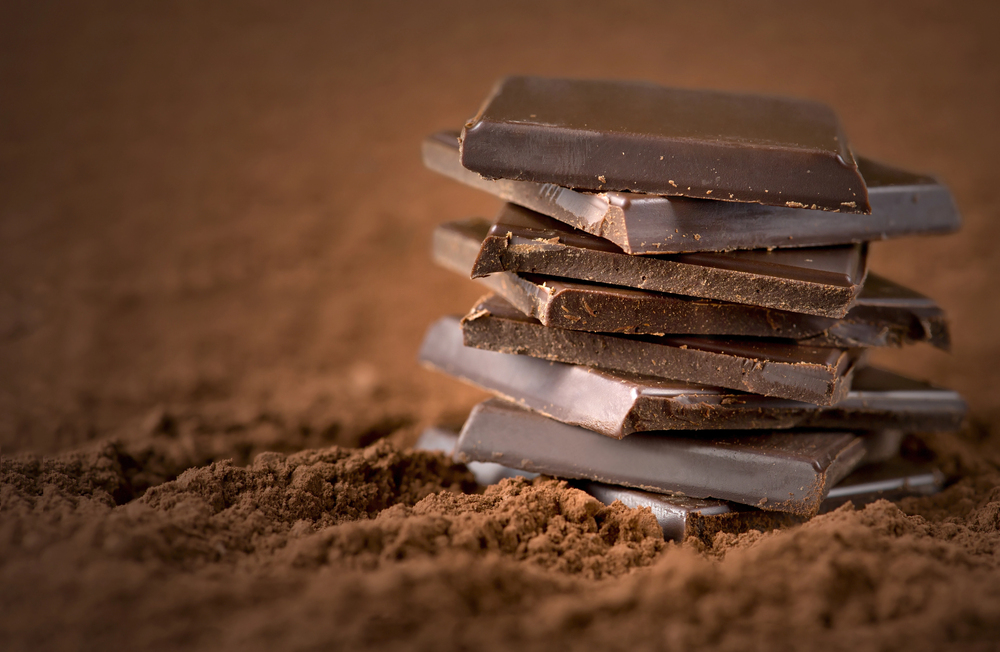
For most of chocolate’s history, it was a drink — a bitter, spiced beverage consumed by the Aztecs and Mayans, reserved for nobility and ritual. Solid chocolate bars only became possible in the 19th century through industrial processing advances.
Joseph Fry created the first modern chocolate bar in 1847 by mixing cocoa powder, sugar, and cocoa butter into a paste that could be moulded. The idea that chocolate is primarily a confection you eat rather than a drink you take with chilli would have been genuinely puzzling to the Aztec court where the ingredient originated.
Caesar Salad
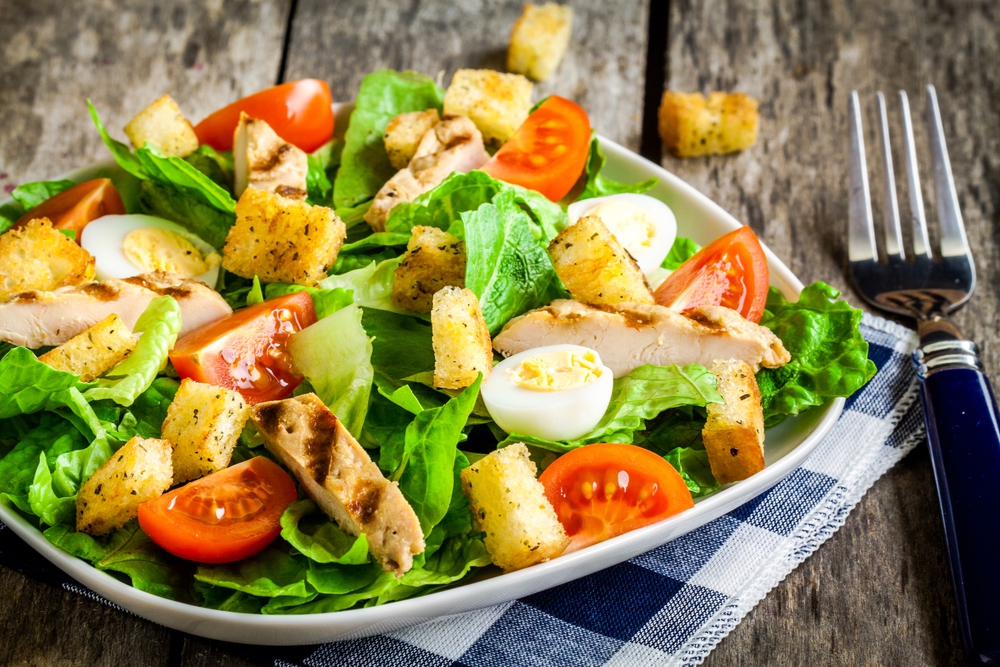
Caesar Cardini was running a restaurant in Tijuana, Mexico, when the Fourth of July rush in 1924 left his kitchen nearly empty. Running out of ingredients and unwilling to disappoint customers, he assembled a salad from what he had left: romaine lettuce, bread, egg, Worcestershire sauce, lemon, olive oil, and Parmesan.
He tossed it tableside as a performance move, partly to distract from how simple it was. The resulting salad became one of the most replicated dishes in the world, and the man whose name it bears invented it as a solution to a supply crisis.
Chocolate Chip Cookies
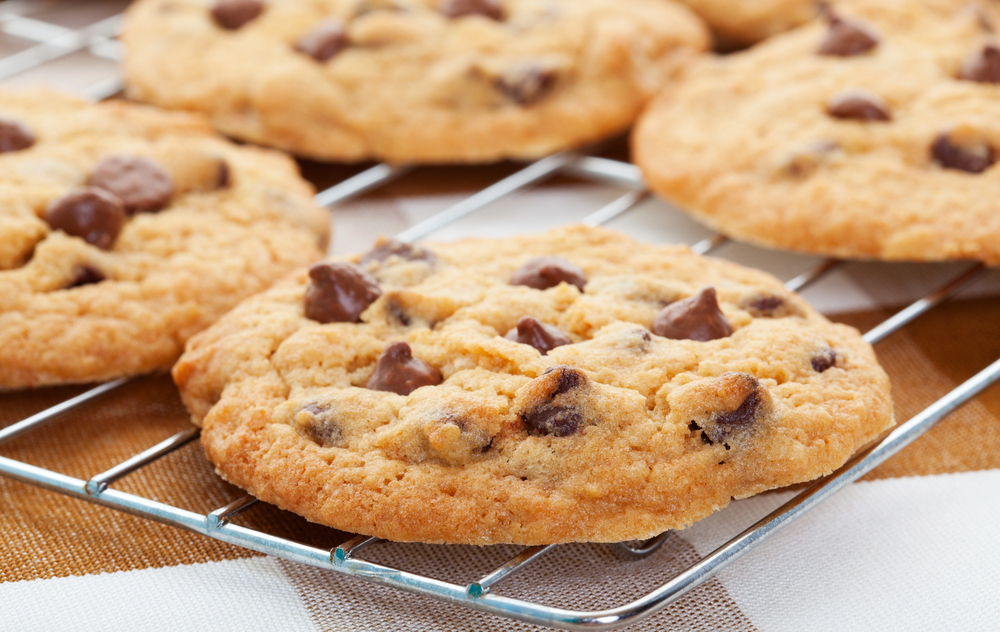
In 1930, Ruth Graves Wakefield was baking butter cookies at the Toll House Inn in Massachusetts when she discovered she’d run out of an ingredient. She substituted chopped pieces of a Nestlé chocolate bar, expecting them to melt fully into the dough.
They didn’t. The chunks held their shape, and the resulting cookies were popular enough that Nestlé negotiated the right to print Wakefield’s recipe on their packaging in exchange for a lifetime supply of chocolate.
One of the most widely baked items in home kitchens the world over was born from a substitution that didn’t behave as expected.
Beer
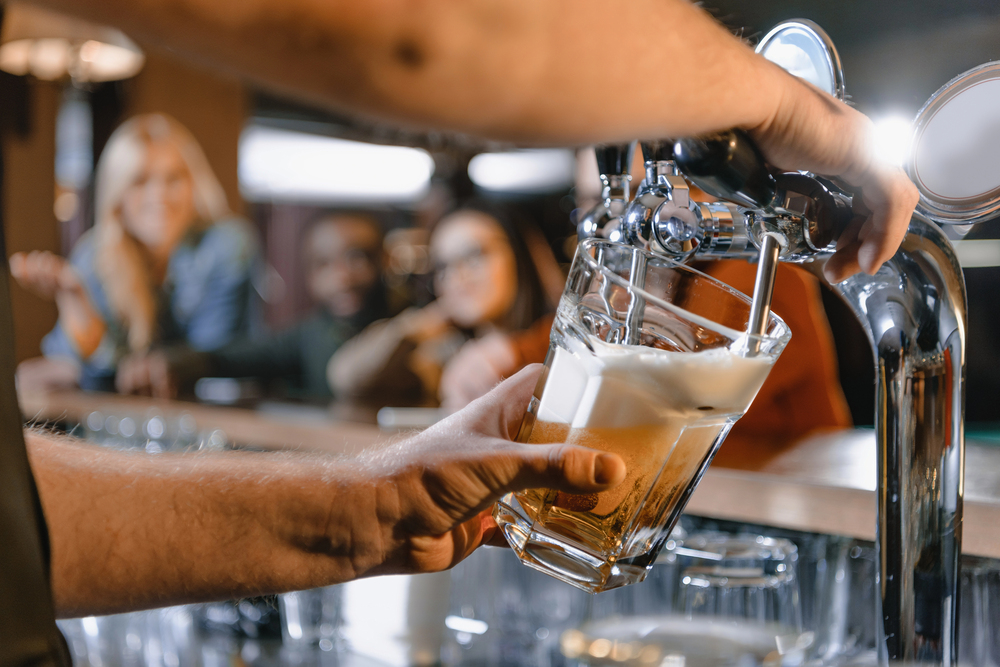
Beer is approximately 7,000 years old, and its discovery was almost certainly accidental. In ancient Mesopotamia — present-day Iraq — someone’s grain supply got wet, sprouted, was baked into bread, and then soaked in water. Wild yeast did the rest.
The resulting liquid was intoxicating, nutritious, and surprisingly enjoyable. Ancient Sumerian records from around 3900 BCE include written references to beer, making it one of the oldest documented foods in human history.
It was consumed by workers, used in religious ceremonies, and considered safer than untreated water — a function it maintained for thousands of years.
Beurre Blanc
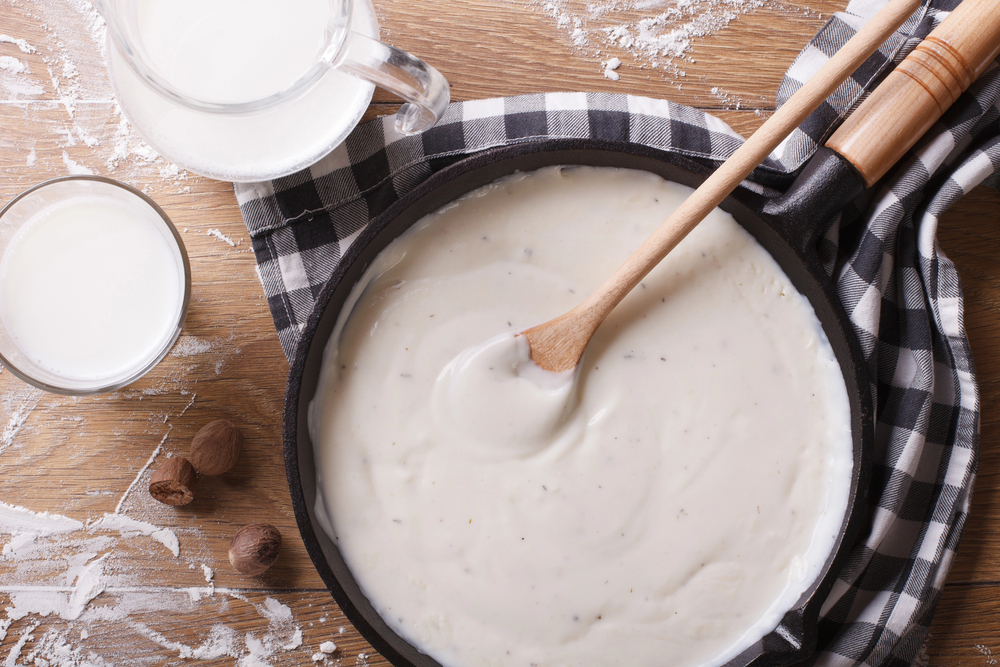
Beurre blanc — the classic French butter sauce — originated from a mistake. A cook in the Loire Valley, reportedly named Clémence Lefeuvre, was making a béarnaise sauce in the early 1900s and forgot to add the eggs.
The resulting emulsion of butter, shallots, and wine reduction turned out to be delicious on its own terms. It became a foundational French sauce, taught in culinary schools as a deliberate technique, with no acknowledgment that it entered the world as an absent-minded error.
Pineapple on Pizza
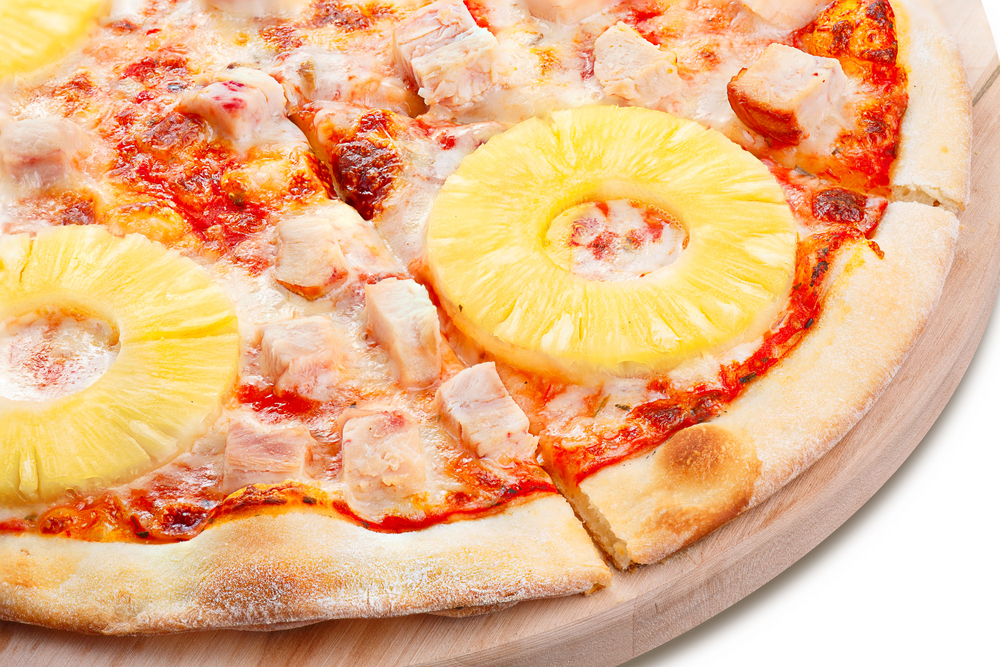
Hawaiian pizza — pineapple and ham on a tomato and cheese base — was invented in 1962 in Ontario, Canada, by Greek immigrant Sam Panopoulos. He ran a restaurant and was experimenting with adding canned pineapple to pizza because he liked the contrast of sweet and savoury.
He had no particular culinary rationale for the combination and has admitted in interviews that it was essentially a curiosity. The recipe sparked a debate about appropriate pizza toppings that has continued with remarkable intensity for over 60 years, all because someone in Ontario had a can of pineapple and a willingness to try things.
Tabasco Sauce
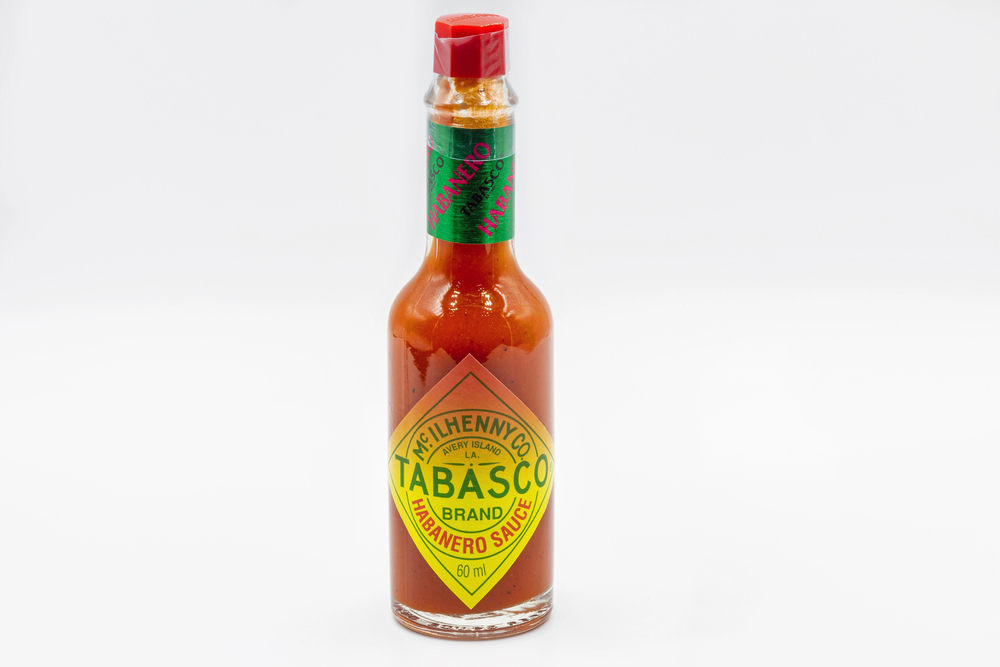
Edmund McIlhenny, a banker from New Orleans, retreated to Avery Island, Louisiana after the Civil War with seeds of Mexican peppers. He began experimenting with hot sauce in the late 1860s, fermenting the mashed peppers in salt in second-hand cologne bottles — the original Tabasco bottles were cologne-style dash bottles specifically because that was what he had available.
He named the sauce after a state in Mexico, though the peppers’ actual origin is disputed. The formula he developed has remained essentially unchanged, and the bottles are still recognisably similar to those cologne bottles from the 1860s.
Fortune Cookies
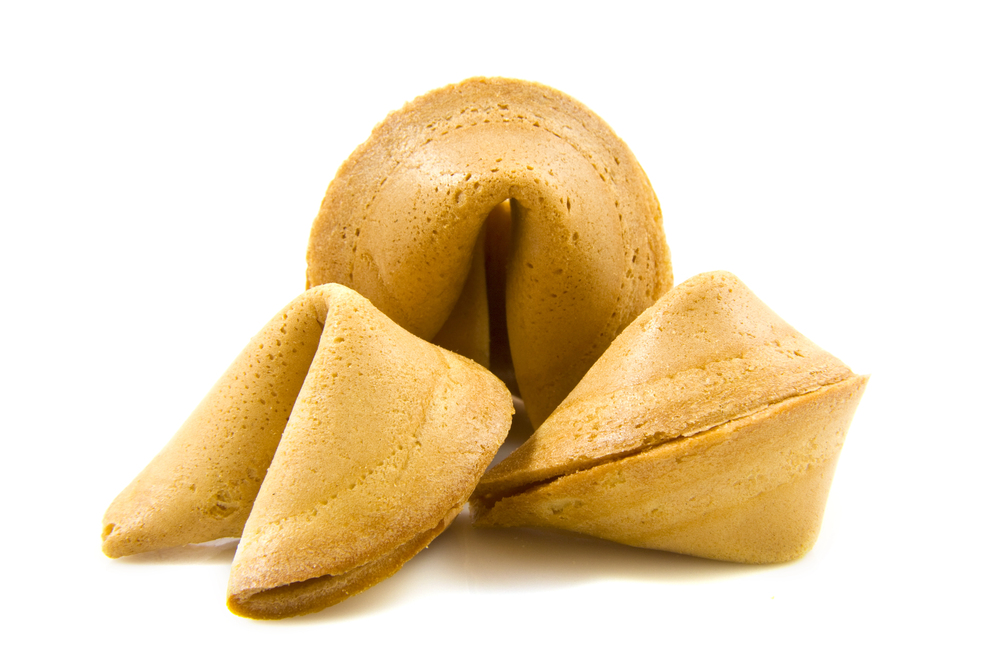
Fortune cookies are served in Chinese restaurants across much of the world but were not invented in China. They are Japanese.
The modern fortune cookie is descended from tsujiura senbei, a traditional Japanese cracker that contained fortune slips and was sold at temples near Kyoto. Japanese immigrants brought the concept to California in the early 20th century, where it found its way into Chinese-American restaurants.
By the time fortune cookies became ubiquitous in American Chinese food, the original Japanese source had been almost entirely forgotten — including in Japan, where the cookie eventually had to be reintroduced as a novelty.
Margarine
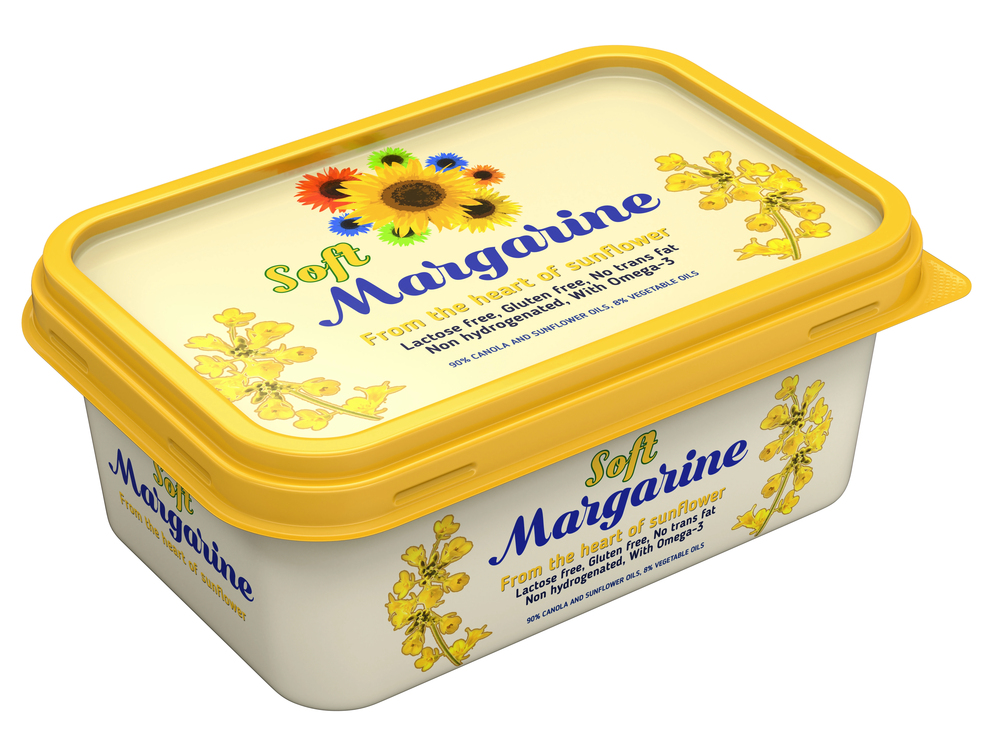
Margarine was invented in 1869 as a result of a direct challenge from Napoleon III of France, who offered a prize to anyone who could create a cheaper substitute for butter to feed French troops and the urban poor. Hippolyte Mège-Mouriès won the prize with an emulsion made from beef fat and skimmed milk.
The product went through several reformulations over the decades that followed and became a global commodity, but at its origin, it was military logistics food born from a government competition to find something cheaper than butter.
Ice Cream Cones
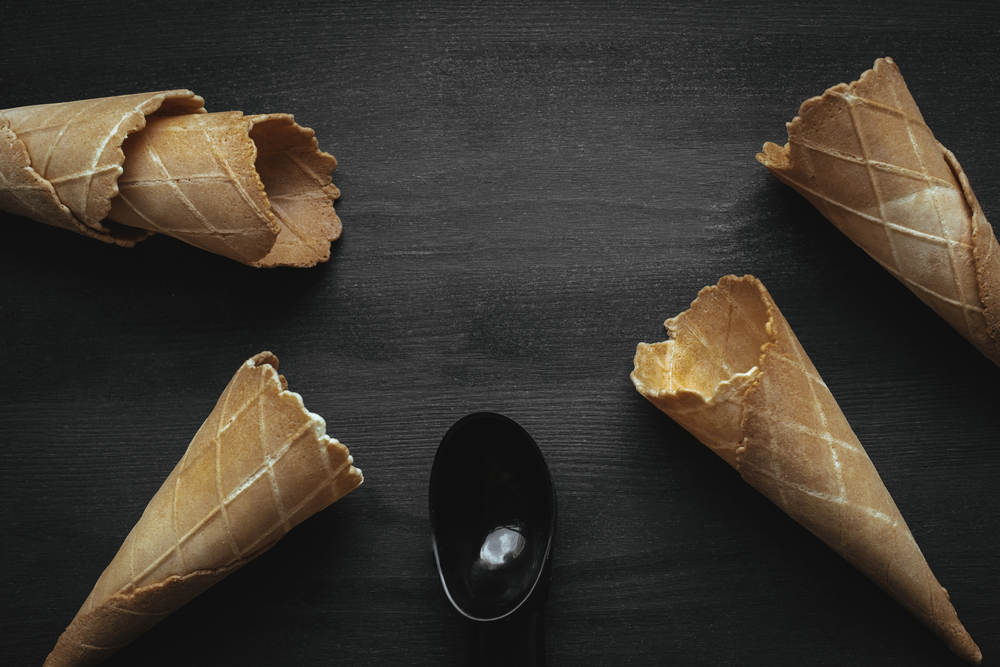
Before 1904, ice cream was served in dishes. The cone was invented at the St. Louis World’s Fair when an ice cream vendor ran out of dishes and turned to a neighbouring waffle stall for help.
The waffle vendor, Ernest Hamwi, rolled a warm waffle into a cone shape that could hold a scoop. Multiple vendors at the same fair later claimed the invention, making the exact first instance difficult to verify, but the basic story — that ice cream cones exist because someone ran out of dishes at a fair — is well-supported.
A supply shortage created a format that has never gone away.
Champagne

The story of Dom Pérignon discovering champagne and declaring “I’m drinking stars” is largely apocryphal — the monk was actually trying to prevent secondary fermentation in his wine bottles, not encourage it. Early champagne was in fact considered a defect.
The bottles of the era frequently exploded from the pressure, and secondary fermentation inside the bottle was something winemakers tried to eliminate. It was only through the gradual improvement of bottle strength, cork quality, and winemaking understanding in the 17th and 18th centuries that what had been an accident became a product.
The bubbles were a bug that the market decided was a feature.
Brandy
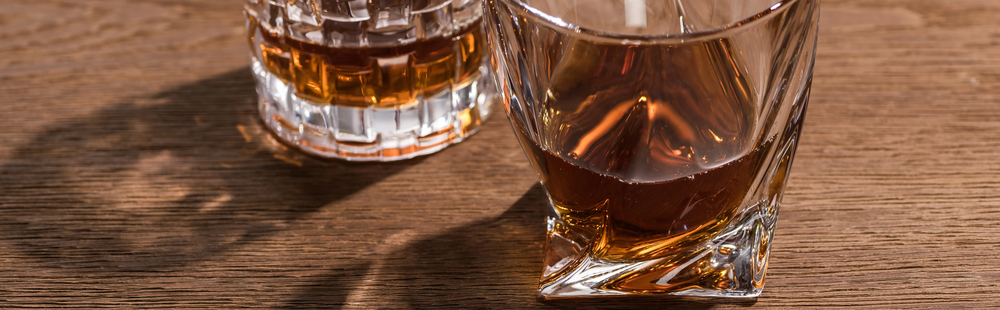
Brandy evolved directly from an attempt to make shipping easier. Dutch wine merchants in the 16th century began distilling wine to reduce its volume for transport, intending to add water back at the destination to reconstitute it.
The concentrated result — brandewijn, or “burned wine” — was meant to be temporary. Merchants and sailors who tried the distilled version found they preferred it to the reconstituted wine and began consuming it undiluted.
The product sold for transport became the product itself, and the Netherlands effectively invented brandy by accident while trying to solve a logistics problem.
Tarte Tatin
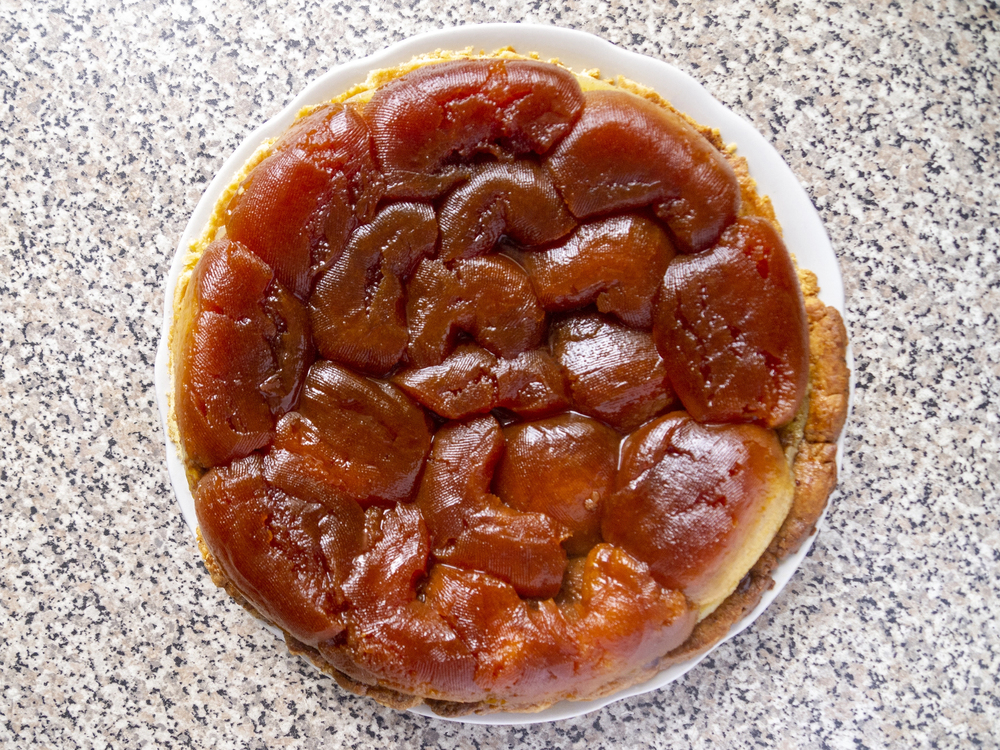
The Tarte Tatin is a caramelised upside-down apple candy that originated in the 1880s at the Hotel Tatin in Sologne, France. One of the Tatin sisters — accounts differ on which one — left apples cooking in butter and sugar for too long, then attempted to rescue the overcooked filling by adding pastry on top and inverting the whole thing when it came out of the oven.
The guests loved the result, it was added to the menu, and the dish eventually became a French classic. The hotel no longer exists, but the sweets named after it are now made in restaurants on every continent.
Nachos
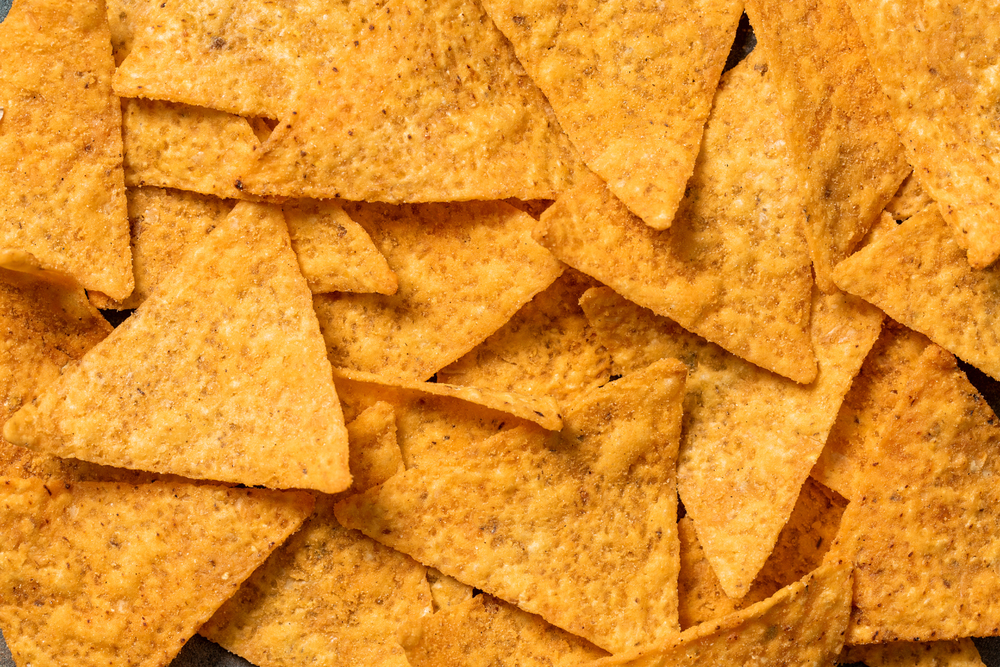
Nachos were invented in 1943 by Ignacio “Nacho” Anaya, a maître d’ at a restaurant in Piedras Negras, Mexico, when a group of US Army wives arrived after closing time and the kitchen had almost nothing left. Anaya cut up some corn tortillas, fried them, added shredded cheese, and warmed jalapeño slices on top.
He named the improvised snack “Nacho’s Special” after himself. The dish spread across the southwestern United States via word of mouth, entered stadiums and cinemas, and became one of the most widely eaten snack foods in North America — all because a kitchen was technically closed when a group of hungry visitors arrived.
Muesli
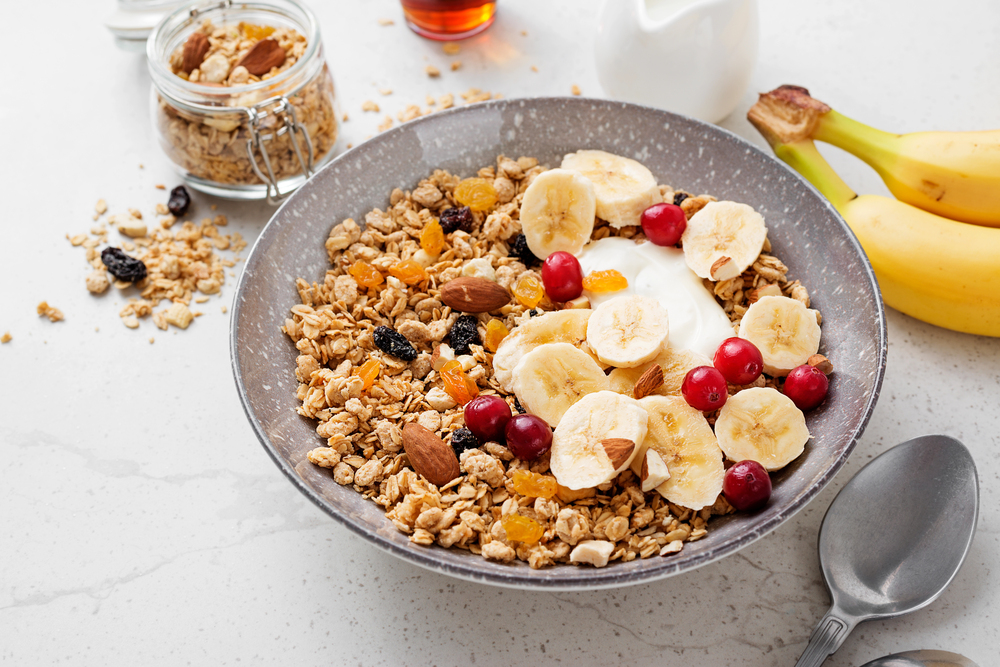
Muesli was developed in the late 1800s by Swiss physician Maximilian Bircher-Benner as a medical prescription. He believed that raw food was superior to cooked food and designed the oat, fruit, and nut mixture specifically for patients at his Zürich clinic.
It was not meant to be enjoyed — it was meant to heal. Bircher-Benner served it as a first course at every meal, including dinner. The Swiss public was initially baffled by the concept of eating raw oats.
What is now the default low-effort breakfast of a significant portion of the world’s population was, in 1900, a controversial clinical intervention that most patients found eccentric.
How an Accident Became Dinner
The thread running through all of these is the same one that runs through much of history: intention rarely determines outcome. A sauce left to rot becomes a condiment.
A batch of grain left overnight becomes the breakfast table. A canny waffle vendor rolls something into a shape that feeds the world.
What makes these stories more than just curiosities is what they reveal about how things actually develop — through error, improvisation, and the willingness to taste something that wasn’t supposed to exist. The foods that define daily life were rarely planned.
They were mostly just not thrown away.
More from Go2Tutors!

- The Romanov Crown Jewels and Their Tragic Fate
- 13 Historical Mysteries That Science Still Can’t Solve
- Famous Hoaxes That Fooled the World for Years
- 15 Child Stars with Tragic Adult Lives
- 16 Famous Jewelry Pieces in History
Like Go2Tutors’s content? Follow us on MSN.