30 Hidden Rooms Inside Famous Buildings
Famous buildings are photographed from every angle, yet many keep a door that most visitors never see. Some of these spaces were built for kings in a hurry, some for hunted priests, and some for a sculptor with big ideas about posterity.
A few were sealed on purpose, a few were simply forgotten, and a few are still in use by people who would rather not advertise them.
Hall of Records Behind Mount Rushmore
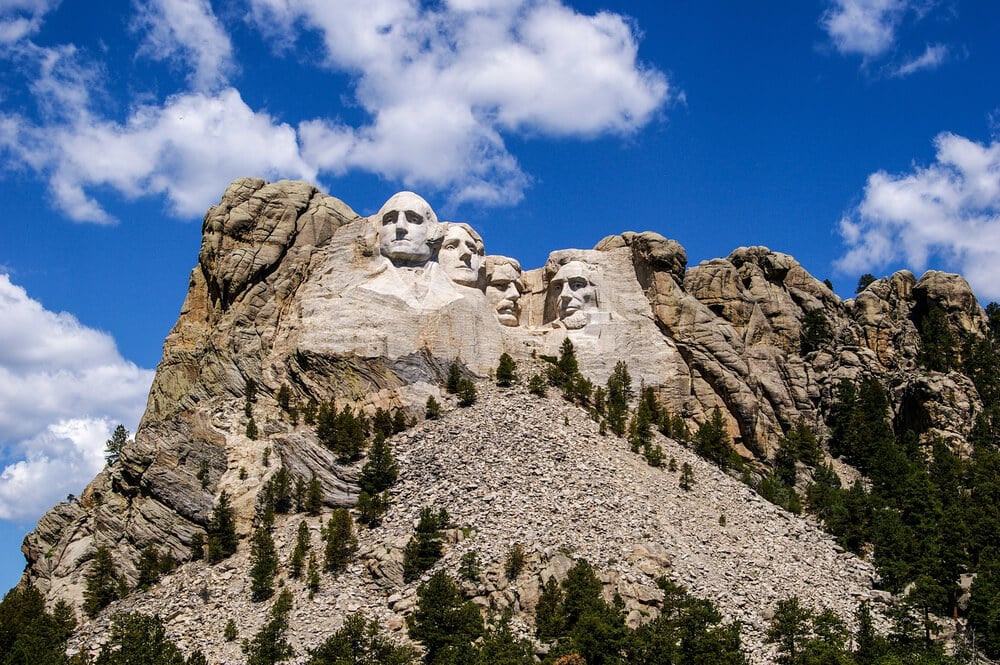
Gutzon Borglum, the sculptor of Mount Rushmore, wanted more than four faces. He planned a grand Hall of Records carved into the canyon behind Lincoln’s head, where the founding documents of the United States and an account of the monument would be stored for future civilizations.
Workers blasted a tunnel roughly 70 feet into the granite in 1938 and 1939 before funding ran out and the project was abandoned. In 1998 the National Park Service finally placed a teakwood box inside the tunnel entrance, holding 16 porcelain enamel panels with historical texts, sealed beneath a heavy granite capstone.
Gustave Eiffel’s Apartment Atop His Tower
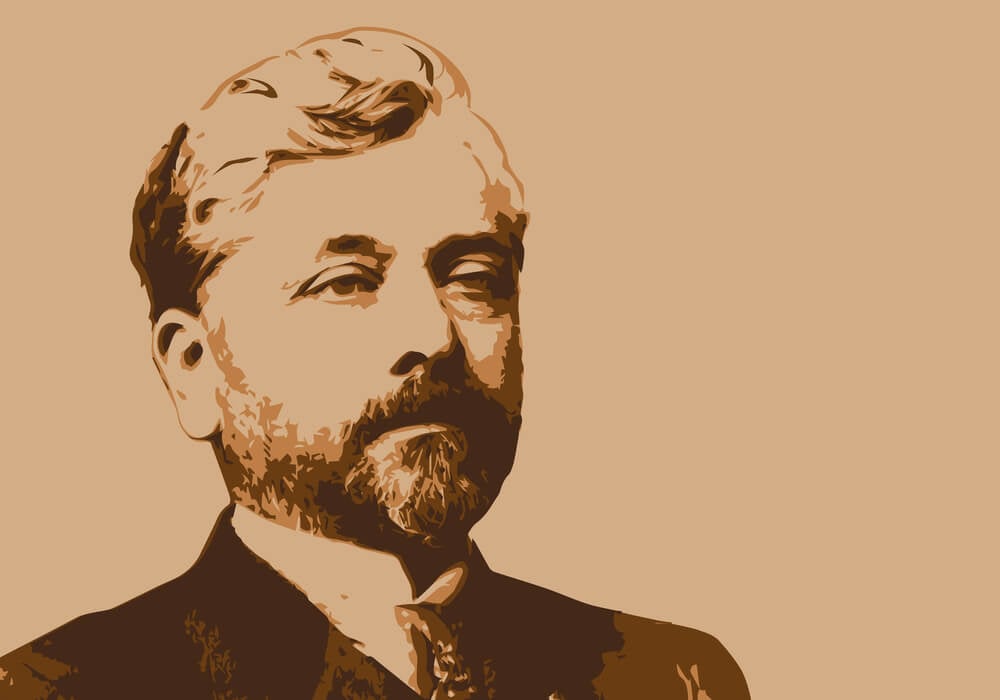
When the Eiffel Tower opened in 1889, its engineer kept a small private apartment for himself near the summit, more than 900 feet above Paris. The rooms were decorated in a cozy bourgeois style with wallpaper, wooden furniture and a piano, a striking contrast to the bare iron around them.
Eiffel used the space for scientific experiments and for entertaining distinguished guests. In September 1889 he welcomed Thomas Edison there, and the inventor presented him with one of his new phonographs.
Visitors can now peer into the restored apartment, where wax figures of Eiffel and Edison are posed in conversation.
Club 33 in Disneyland’s New Orleans Square

Behind an unmarked door at 33 Royal Street in Disneyland sits Club 33, a private dining club that Walt Disney planned as a place to entertain sponsors and dignitaries. He died in December 1966, a few months before it opened in 1967.
For decades it was famous as the only place in the park where alcohol was served. Membership is expensive and the waiting list has at times stretched for years, which only adds to the mystique.
The origin of the name is still debated, though the most common explanation is simply the street address beside the door.
Walt Disney’s Apartment Above the Fire Station
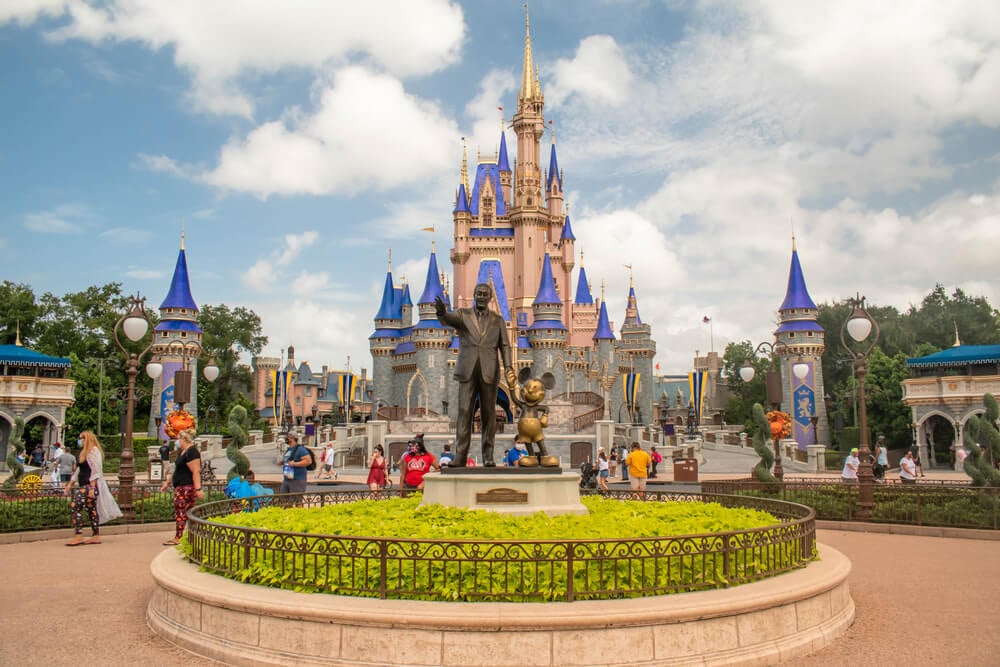
Above the fire station on Main Street, U.S.A., Walt Disney built a small apartment where he could stay overnight and watch his park come to life. It was furnished in a Victorian style that matched the street below, with a sofa that folded out into a bed.
Disney often stood at the window watching guests without being noticed. A lamp was kept burning in the window whenever he was in the park, and since his death in 1966 that lamp has been left lit as a tribute.
The apartment is shown only on certain guided tours.
Track 61 Beneath the Waldorf Astoria
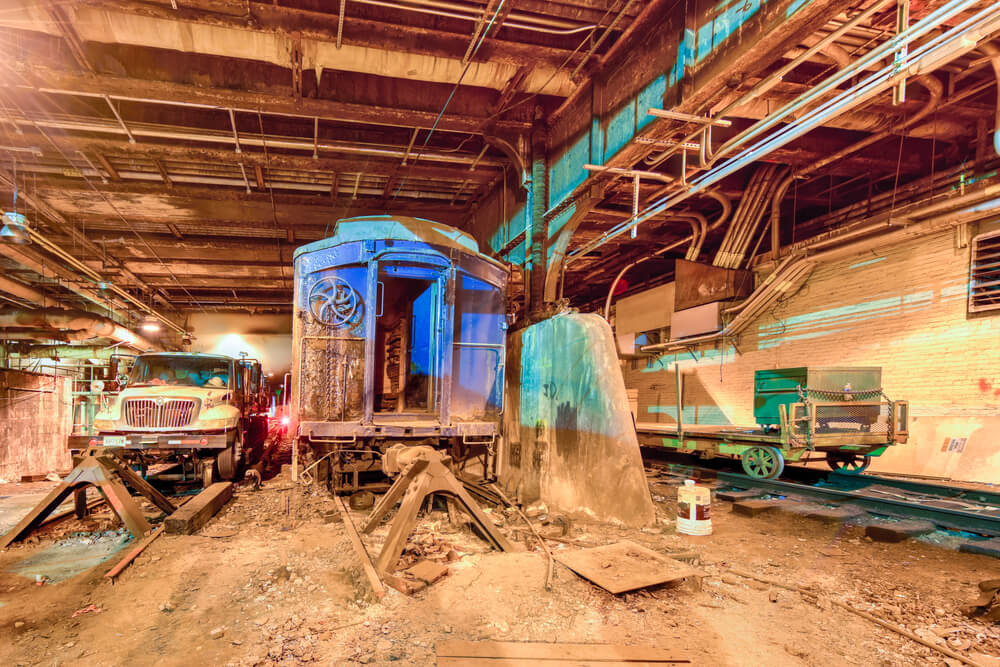
Beneath the Waldorf Astoria hotel in Manhattan lies an unmarked railroad platform connected to Grand Central Terminal. Known as Track 61, it was never an official passenger stop, but it had an elevator large enough for a car leading up into the hotel.
Franklin Roosevelt is widely reported to have used it to hide his paralysis from the public, arriving by private train and being driven straight into the building. A windowless railcar long associated with the story has sat on the siding for decades.
In 1965 Andy Warhol even held an underground party on the platform.
Undercroft Beneath the Lincoln Memorial
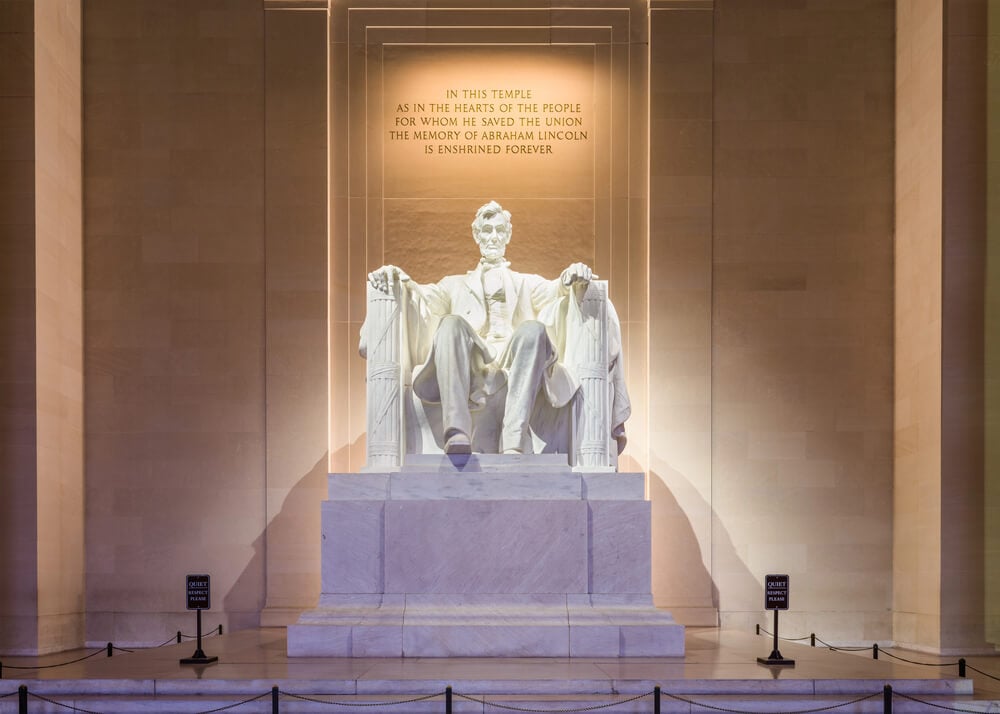
Visitors climb the steps of the Lincoln Memorial without realizing that the building stands on a vast hollow foundation. Below the chamber lies an undercroft of concrete columns and cavernous spaces, where water seeping through the structure over the decades formed stalactites and stalagmites like a natural cave.
The space was largely forgotten until the 1970s, when it was rediscovered during maintenance work. Tours were offered for a time before being ended for security reasons.
Workers renovating the memorial later found graffiti left by the original construction crews, including pencil drawings and signatures from the 1910s.
Prison Room Inside Elizabeth Tower
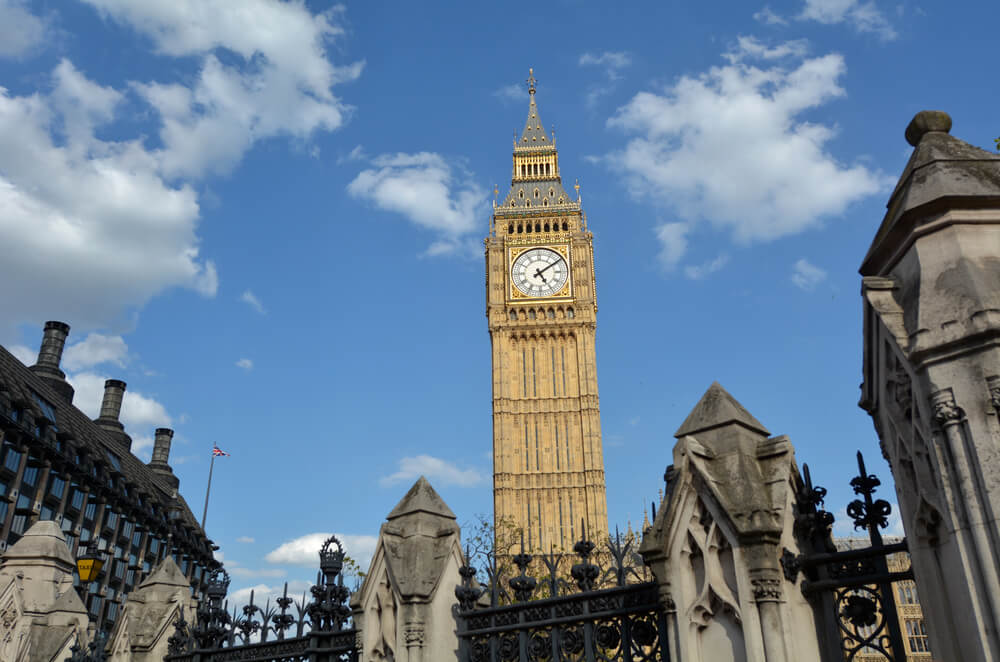
Elizabeth Tower, the clock tower at the Palace of Westminster that houses the great bell known as Big Ben, contains a small prison room once used to hold members of Parliament. Lawmakers could be confined there for breaching parliamentary privilege.
The last person held in the room was Charles Bradlaugh in 1880. An outspoken atheist, he had been elected to Parliament but refused to take the religious oath of allegiance and then insisted on taking his seat anyway.
He spent one night in the cell. Parliament’s power to imprison people in this way has never been formally abolished.
Hidden Door in Buckingham Palace’s White Drawing Room
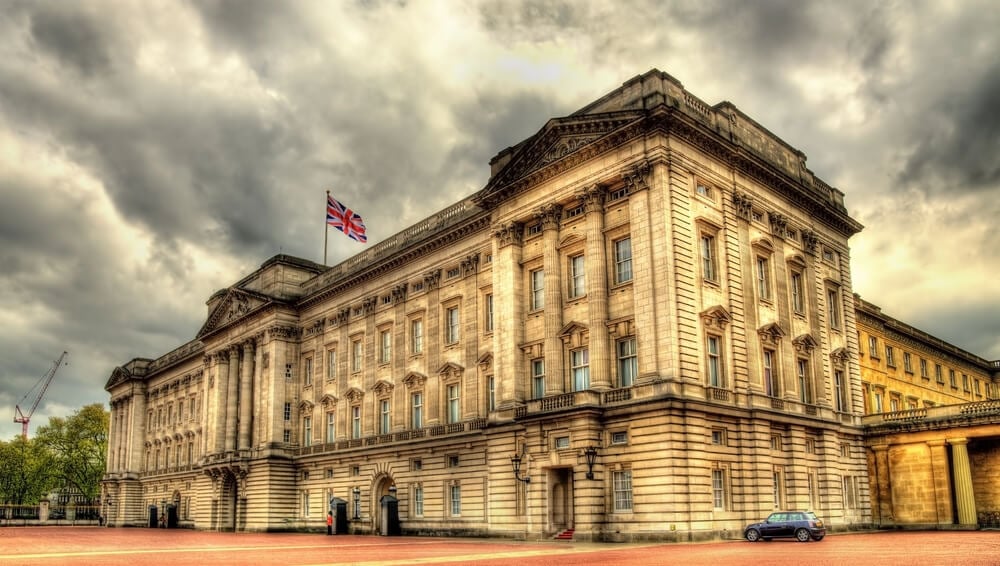
One of the grandest state rooms in Buckingham Palace, the White Drawing Room is decorated with white and gold paneling, chandeliers and a grand piano. It also hides a secret.
A large mirror and a cabinet on one wall swing open as a concealed door linking the room to the private apartments of the royal family. During official receptions the monarch and family members can enter through it and appear in the room as if from nowhere, surprising guests who have been watching the regular doors.
The door is so well disguised that most visitors never notice it.
Room of Tears Beside the Sistine Chapel
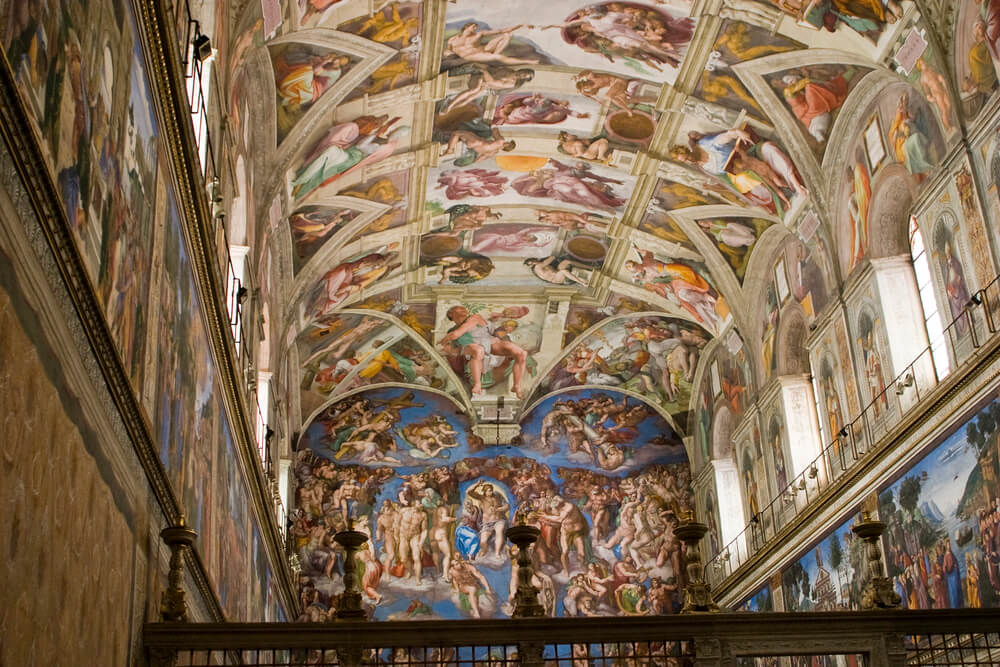
After a new pope is elected in the Sistine Chapel, he leaves the voting cardinals and enters a small room beside the altar known as the Room of Tears. There he changes out of his red cardinal’s robes and into the white cassock of the papacy for the first time.
Three sets of papal vestments in different sizes are prepared in advance, since no one knows who will be chosen. The name comes from the emotion that new popes are said to feel in that moment, when the enormity of the job sets in, before stepping out onto the balcony of St. Peter’s.
Passetto di Borgo Between the Vatican and Castel Sant’Angelo
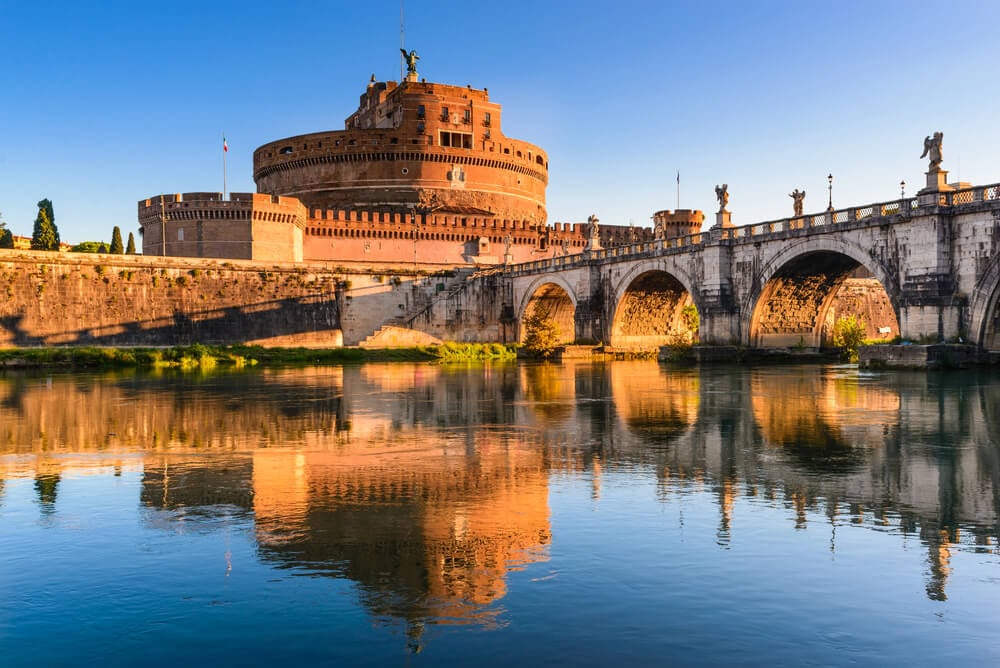
A raised passage runs along the top of an old defensive wall between the Vatican and the fortress of Castel Sant’Angelo, about half a mile away. Known as the Passetto di Borgo, it gave popes an escape route to the fortress in times of danger.
The most famous escape came in 1527, when German and Spanish mutineers sacked Rome and Pope Clement VII fled along the passage while Swiss Guards held off the attackers. Of the 189 guards on duty, only 42 survived.
The passage was later restored and occasionally opens to visitors on special tours.
Empty Tomb Beneath the US Capitol
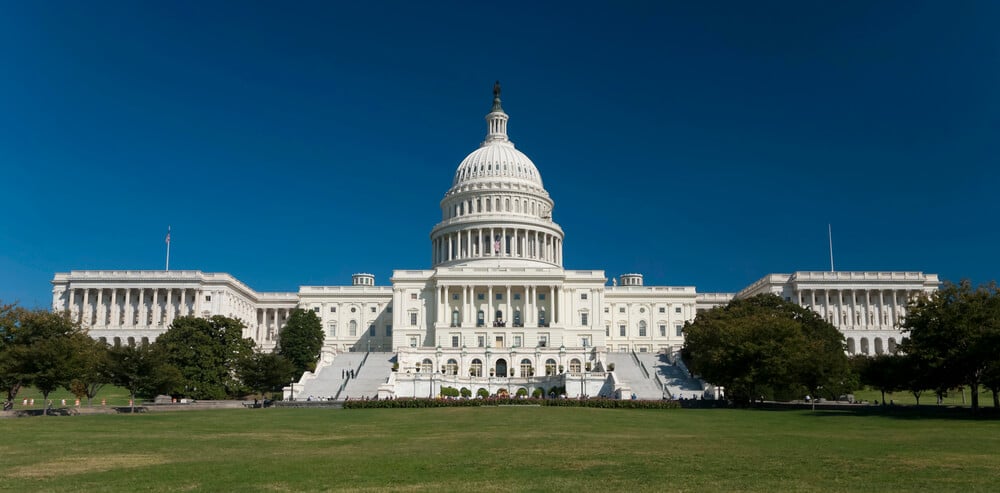
Two levels below the Capitol Rotunda lies a burial chamber designed for George Washington. Congress planned to move his remains there after the building was completed, with a star in the crypt floor above marking the spot.
But Washington’s will specified burial at Mount Vernon, and his family refused to allow the move. The tomb has remained empty ever since.
For well over a century it was used to store the catafalque built in 1865 to support the coffin of Abraham Lincoln, which has since been used for many others who have lain in state in the Capitol.
Marie Antoinette’s Escape Passage at Versailles
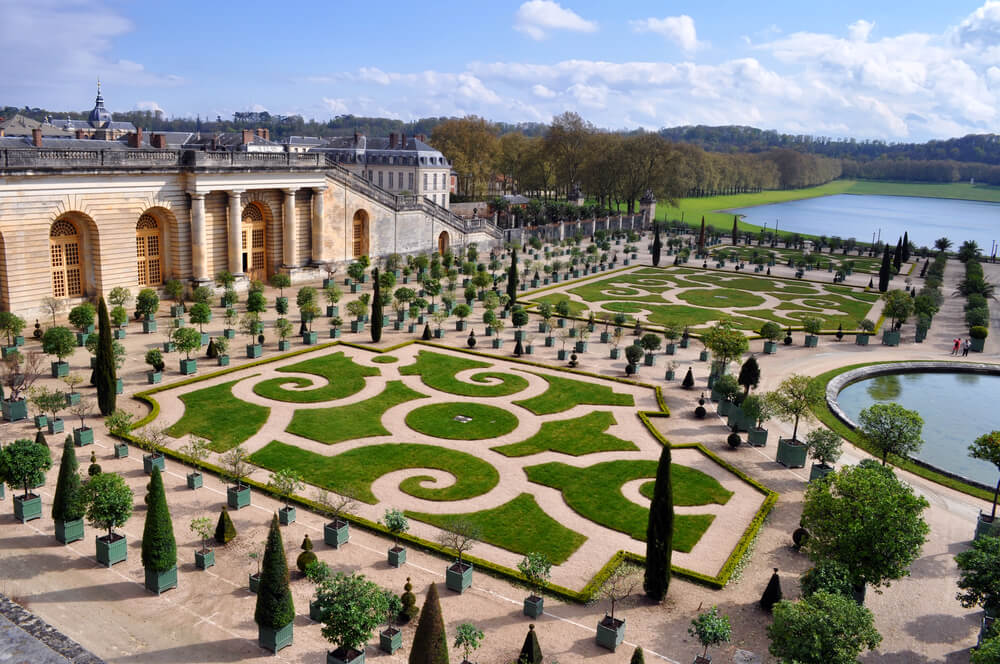
Queen Marie Antoinette’s bedroom at Versailles looks like a showpiece of gilded paneling and silk, but it hides a door in the wall beside the bed. The door led to a small network of private passages connecting her rooms to those of King Louis XVI.
On the morning of October 6, 1789, an angry crowd from Paris broke into the palace and stormed toward her rooms. She escaped through the hidden door to the king’s apartments just in time.
Later that day the royal family was forced to leave Versailles for Paris, and they never returned.
Secret Annex Behind the Bookcase
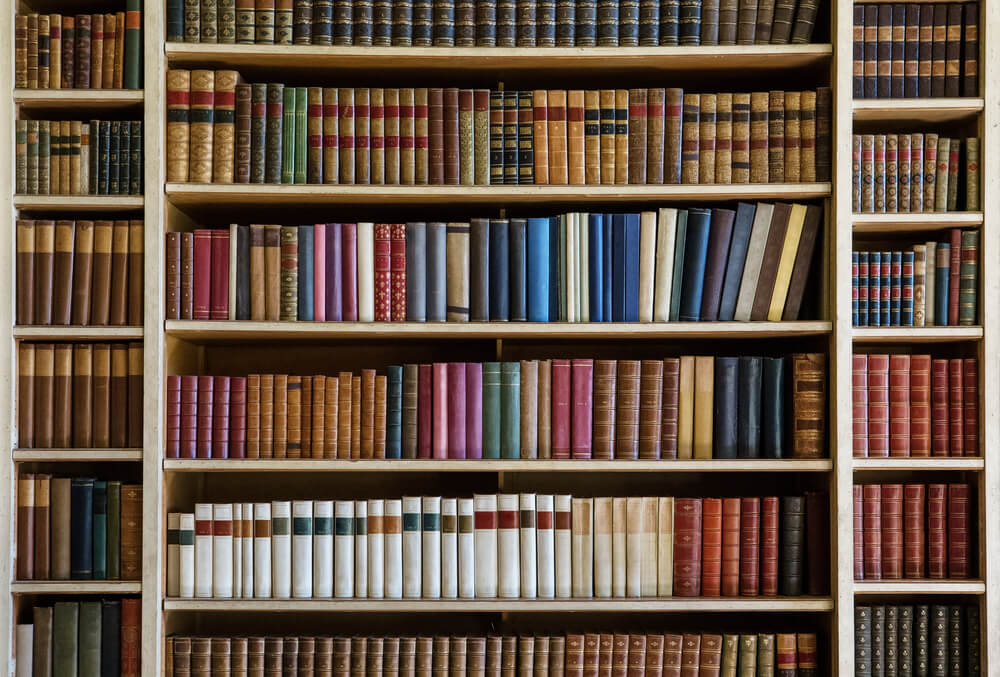
At Prinsengracht 263 in Amsterdam, a hinged bookcase concealed the entrance to the rooms where Anne Frank, her family and four others hid from the Nazis. The swinging bookcase was built by Johan Voskuijl, the father of one of the helpers, to disguise the door to the upper floors of the annex.
Eight people lived in the cramped rooms from July 1942 until August 4, 1944, when they were discovered and arrested. Anne died in the Bergen-Belsen camp in early 1945.
The Secret Annex, including the bookcase, is now part of the Anne Frank House museum.
Seance Room at the Winchester Mystery House
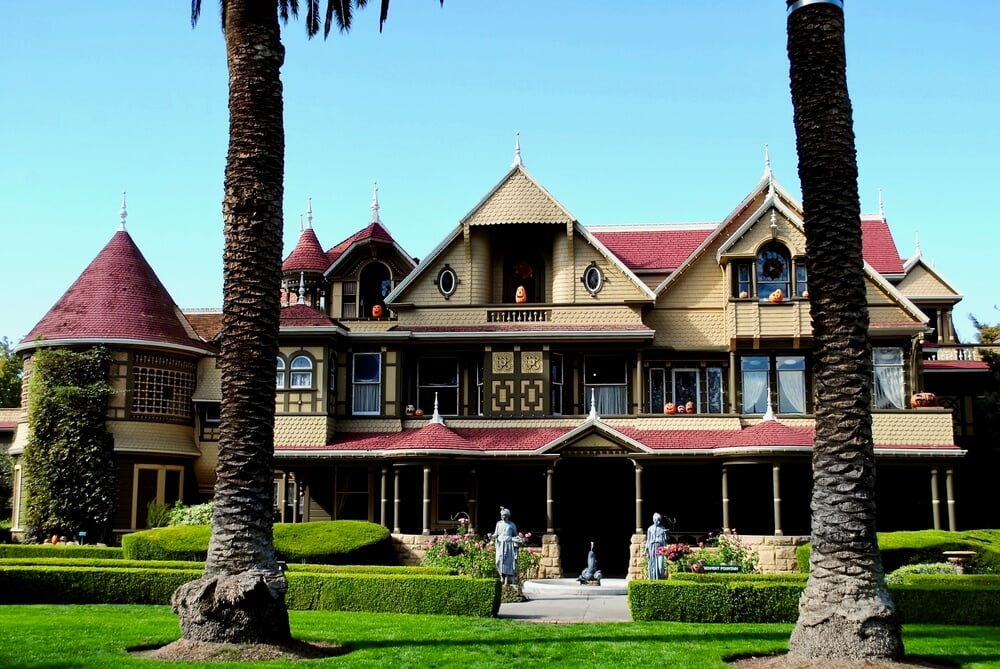
Sarah Winchester, widow of the heir to the Winchester rifle fortune, kept builders working on her mansion in San Jose, California, almost continuously from 1886 until her death in 1922. The house grew to around 160 rooms, with staircases that end at ceilings and doors that open onto blank walls.
At its center is a small room many believe she used for seances, reached through a maze of passages. Legend says she built endlessly to confuse the spirits of people killed by Winchester rifles, though historians argue she was simply an enthusiastic and eccentric amateur architect.
Priest Hides of Harvington Hall
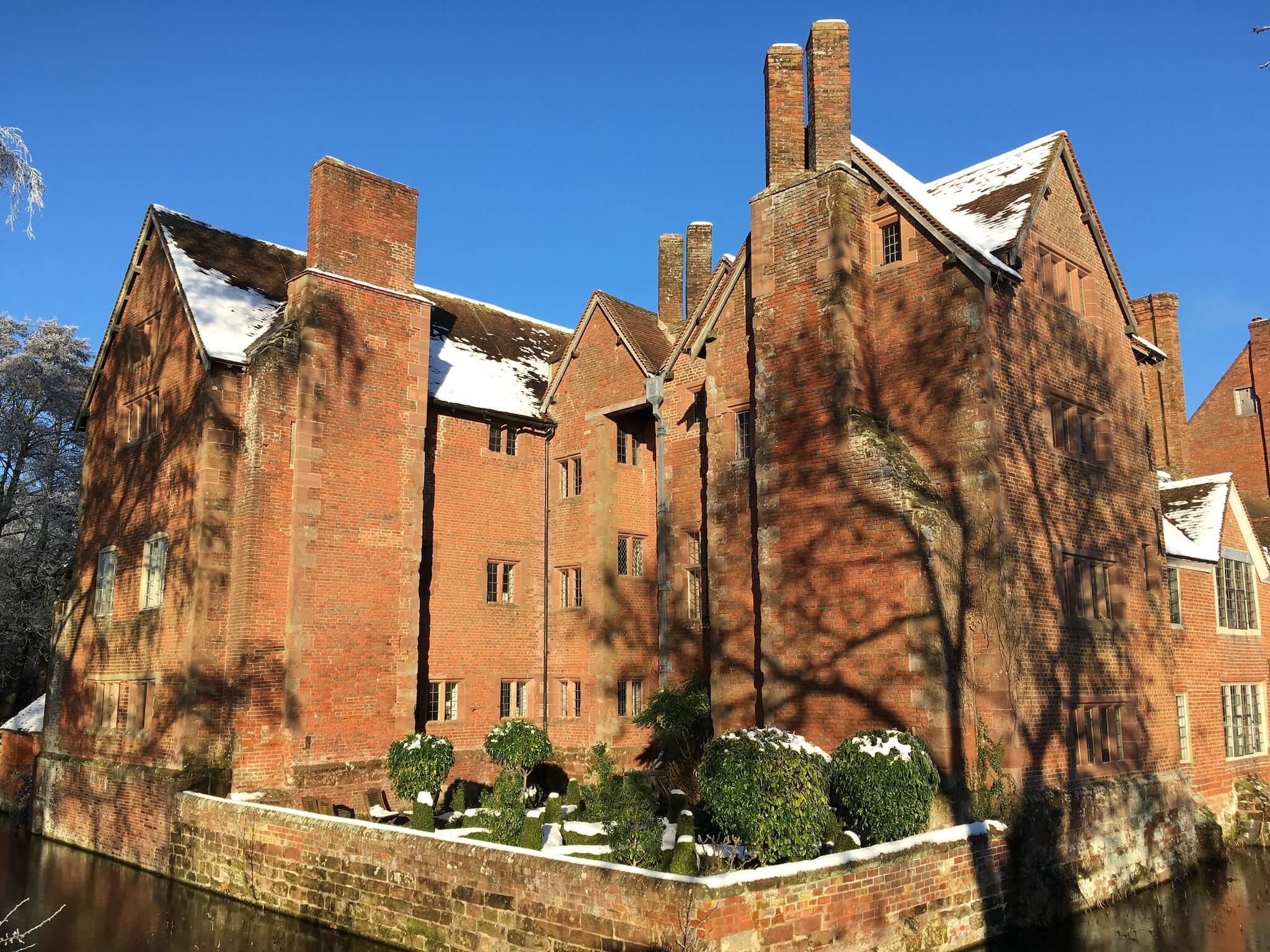
In Elizabethan England, Catholic priests risked execution, and wealthy Catholic families concealed them in secret compartments known as priest hides. Harvington Hall in Worcestershire is often said to have more surviving priest hides than any other house in England, with seven tucked beneath stairs, behind fireplaces and under floorboards.
Many are thought to be the work of Nicholas Owen, a Jesuit lay brother and carpenter who spent years building hiding places in Catholic homes. Owen was eventually captured in 1606 and died under torture in the Tower of London without revealing a single secret.
He was declared a saint in 1970.
Little Ease in the Tower of London
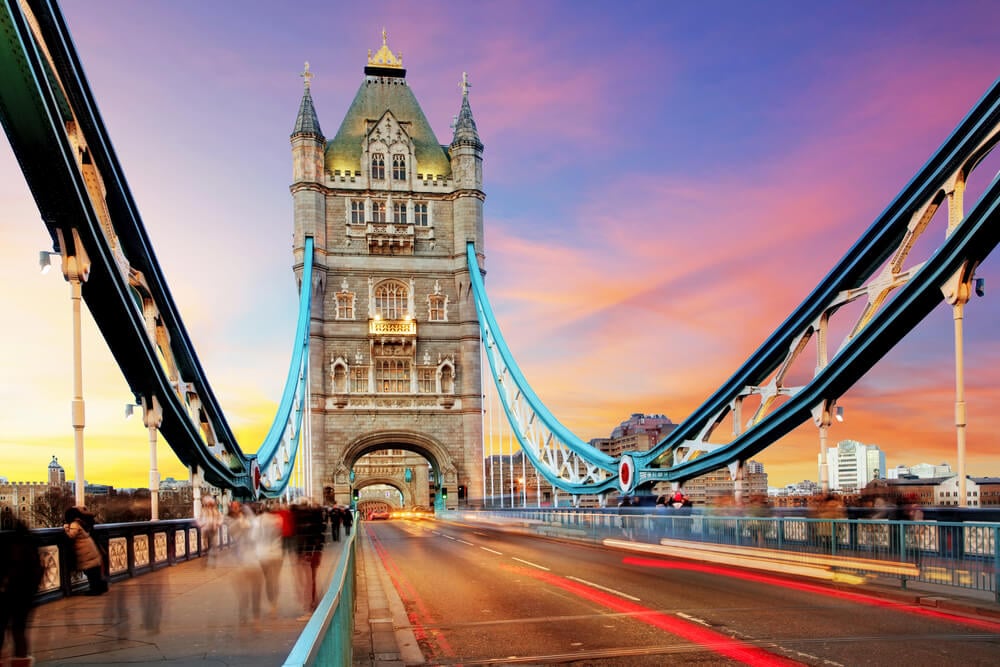
Among the grimmest rooms in the Tower of London was a tiny cell known as Little Ease. It was reportedly built so that a prisoner could neither stand upright nor lie down fully, forcing a permanent painful crouch.
Records suggest it was located in the basement of the White Tower, though its exact position is now uncertain. Guy Fawkes is said to have been held there in 1605 after the failure of the Gunpowder Plot.
Other prisoners reportedly spent days or weeks in the cell, a form of punishment that required no instruments at all, only confinement.
Mary King’s Close Under Edinburgh
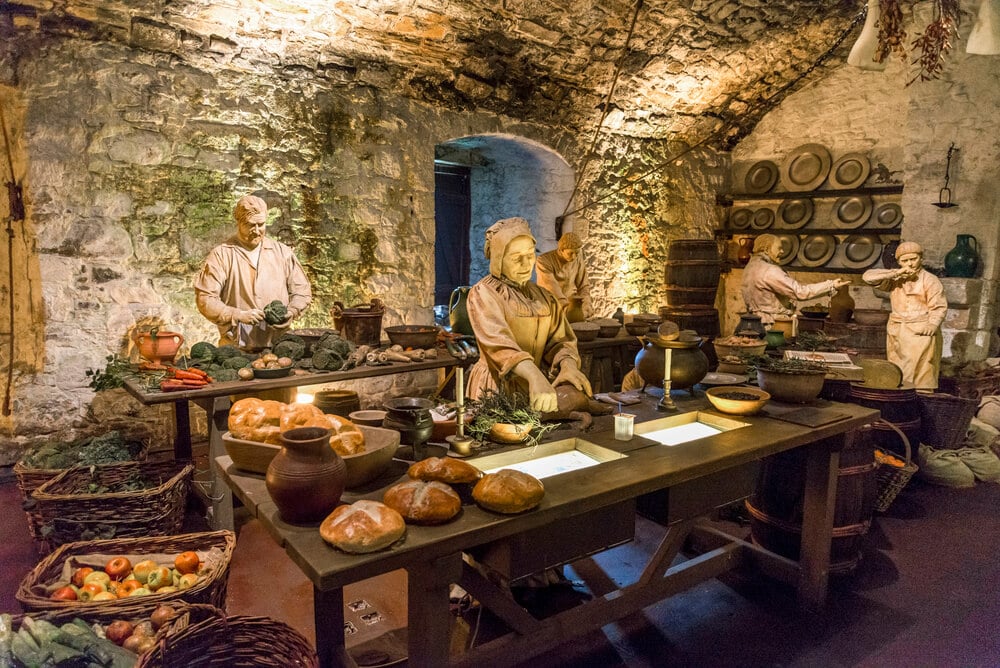
Beneath the Royal Mile in Edinburgh lies a buried street once lined with homes and shops. Mary King’s Close was a narrow alley packed with residents, but in the 1750s the upper stories of its buildings were demolished and the lower levels used as foundations for the Royal Exchange, now the City Chambers.
The close became a sealed underground street, preserved almost intact. It gained a reputation as a haunted place connected to plague victims of the 1640s.
Since 2003 it has been open to the public on guided tours through its dark rooms.
Studiolo of Francesco de’ Medici in the Palazzo Vecchio
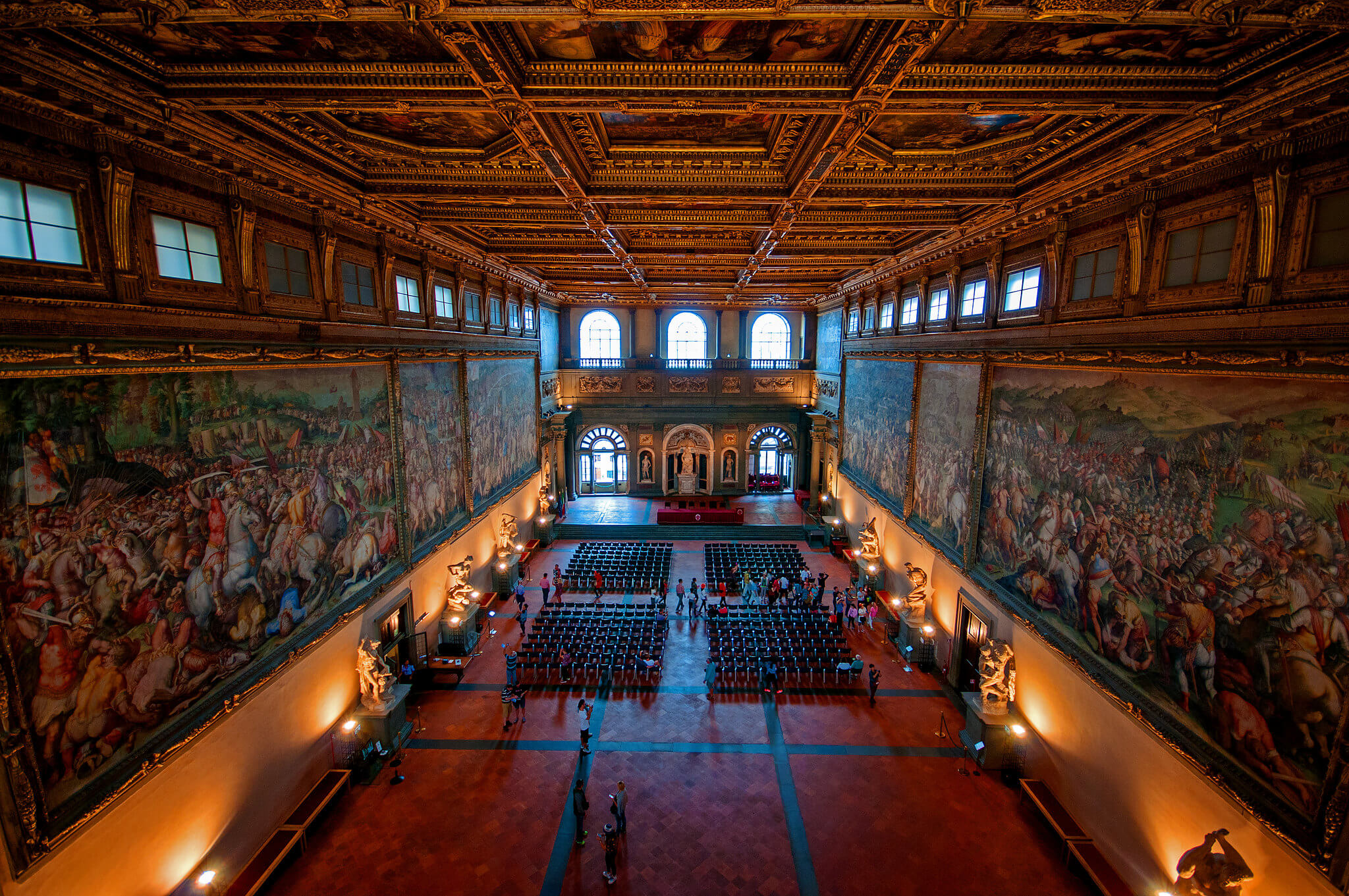
Hidden inside the Palazzo Vecchio in Florence is a small windowless study created between 1570 and 1575 for Francesco de’ Medici, the eldest son of Cosimo. The Grand Duke was fascinated by alchemy and natural science, and he filled the room with rare objects and specimens.
The walls are covered in painted panels that are actually cabinet doors, each concealing items from his collection. Other hidden doors led to secret staircases, including one to his treasury.
The room was dismantled after his death and later restored. Visitors today can see it only through its doorway or on special tours.
Piombi Under the Doge’s Palace Roof
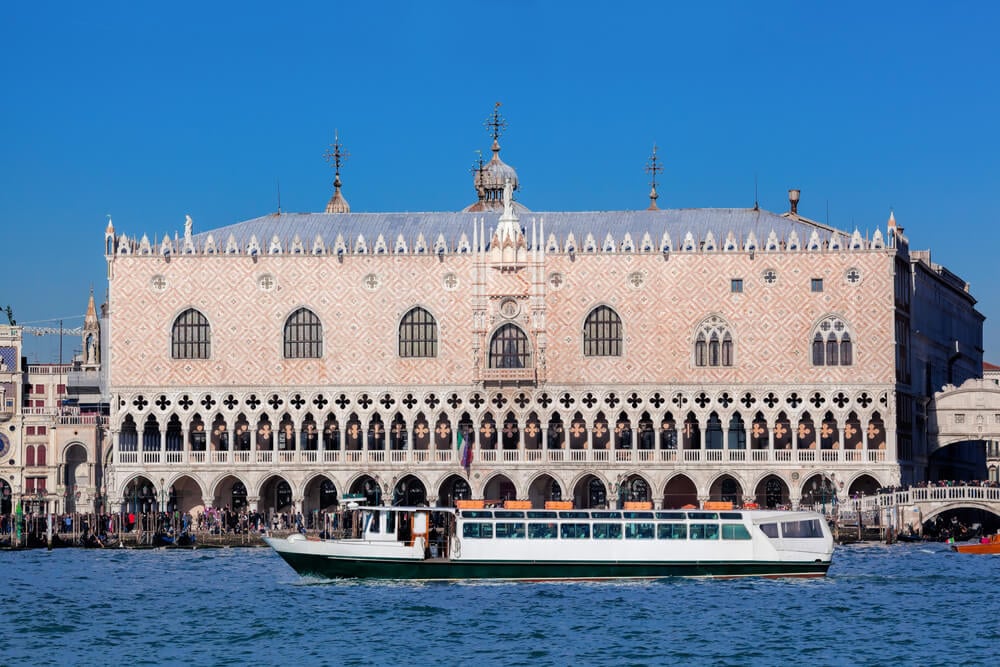
The Piombi were prison cells hidden under the lead roof of the Doge’s Palace in Venice. Their name comes from the Italian word for lead, and the cells were notoriously hot in summer and freezing in winter.
The most famous prisoner was Giacomo Casanova, jailed in 1755 for offenses against religion and public decency. On the night of October 31, 1756, he escaped with a fellow prisoner by breaking through the roof and climbing across the rooftops.
He wrote about his escape in a memoir that became a bestseller across Europe.
Water Tank Beneath the Palais Garnier
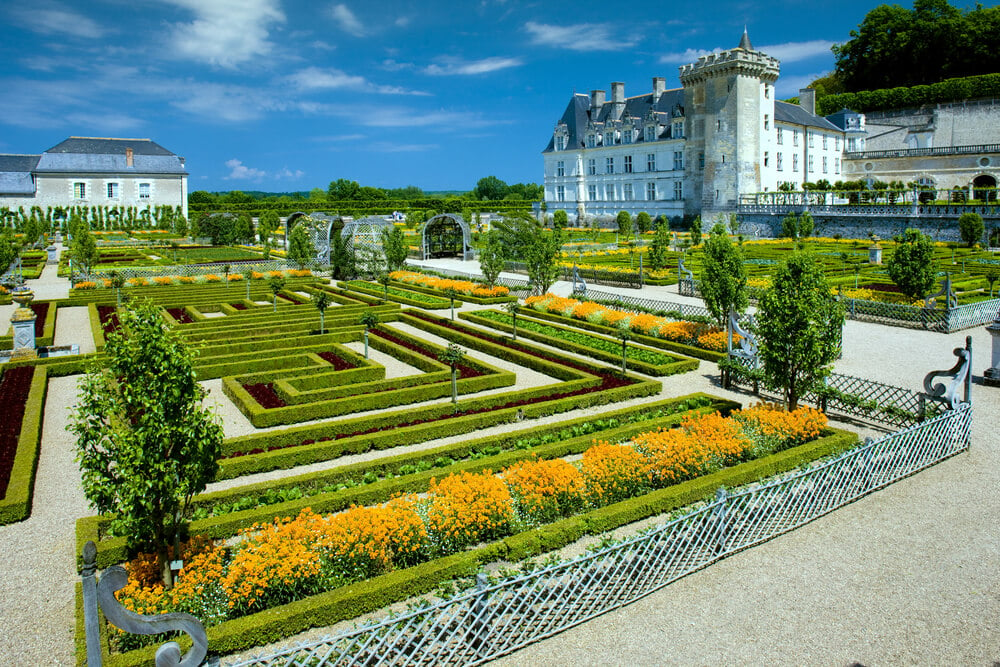
When construction began on the Paris Opera house in 1861, builders ran into groundwater from an underground stream. Architect Charles Garnier solved the problem by building a huge concrete water tank beneath the building to stabilize the foundations.
The tank still exists and is used by firefighters for training, and reports say fish live in its dark water. The tank inspired the underground lake in Gaston Leroux’s novel The Phantom of the Opera.
Box 5, where Leroux placed the phantom’s seat in the auditorium, now carries a plaque honoring the fictional ghost.
Cinderella Castle Suite
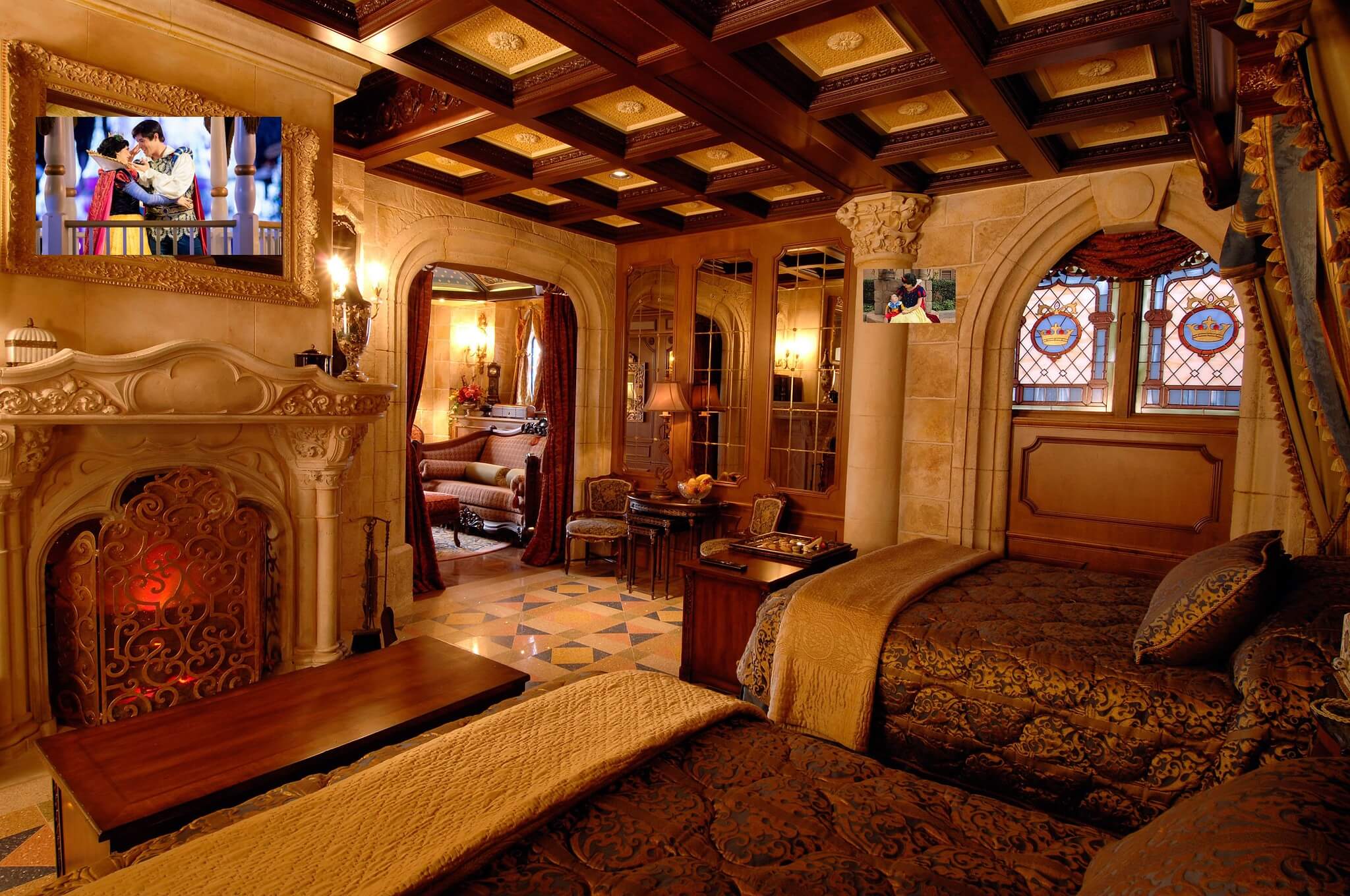
When Magic Kingdom opened in 1971, the upper floors of Cinderella Castle were reportedly planned as an apartment for the Disney family. That plan never materialized, and the space was used for storage and offices for decades.
In 2007, as part of a promotion called the Year of a Million Dreams, Disney converted it into a luxurious suite with a mosaic floor, stained glass windows and a bathroom made to look like a royal bath. Selected guests won overnight stays.
The suite cannot be booked by the public and remains one of the most exclusive rooms at Walt Disney World.
Sealed Chambers Below the Taj Mahal
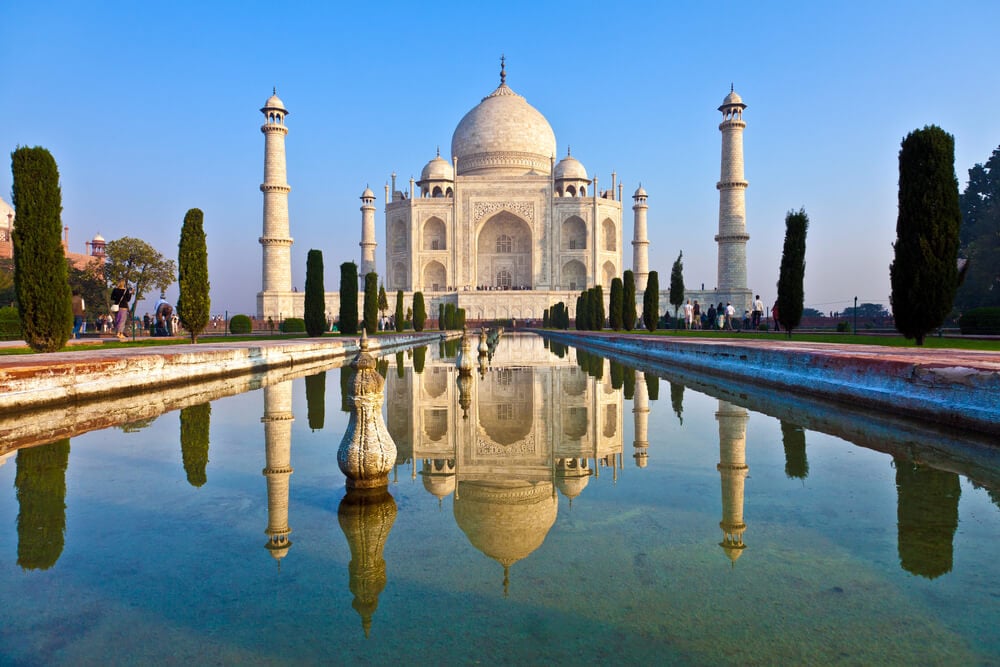
Beneath the marble platform of the Taj Mahal in Agra lies a series of rooms that visitors never see. In 2022 a petition in the Allahabad High Court asked for 22 sealed rooms in the monument to be opened, claiming they might hold evidence of an earlier Hindu temple.
The court dismissed the petition. The Archaeological Survey of India said the rooms were not secret, merely closed for conservation reasons, and released photographs showing restoration work inside.
The rooms are corridors and chambers built as part of the monument’s original design in the 17th century.
Big Void Inside the Great Pyramid
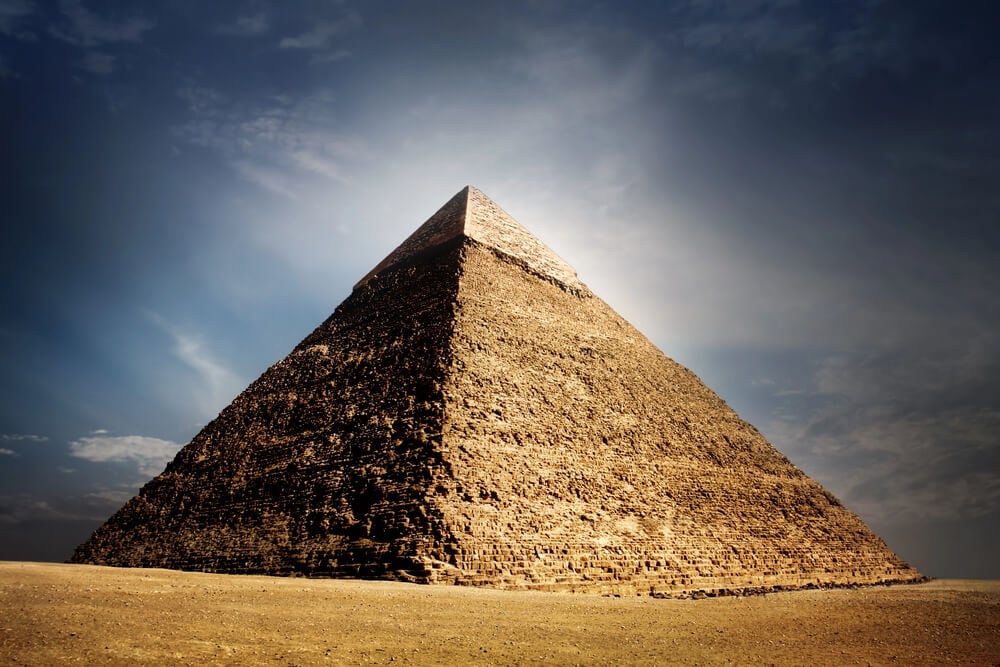
In 2017 scientists with the ScanPyramids project used particles from cosmic rays called muons to peer inside the Great Pyramid of Giza. They found a large empty space above the Grand Gallery, at least 30 meters long, which became known as the Big Void.
Its purpose remains unknown, since no one has entered it. In 2023 the team announced another discovery, a corridor about 9 meters long above the main entrance, and a tiny camera was inserted to film its interior.
The pyramid has been studied for centuries but can still keep secrets.
Dome Room at Monticello
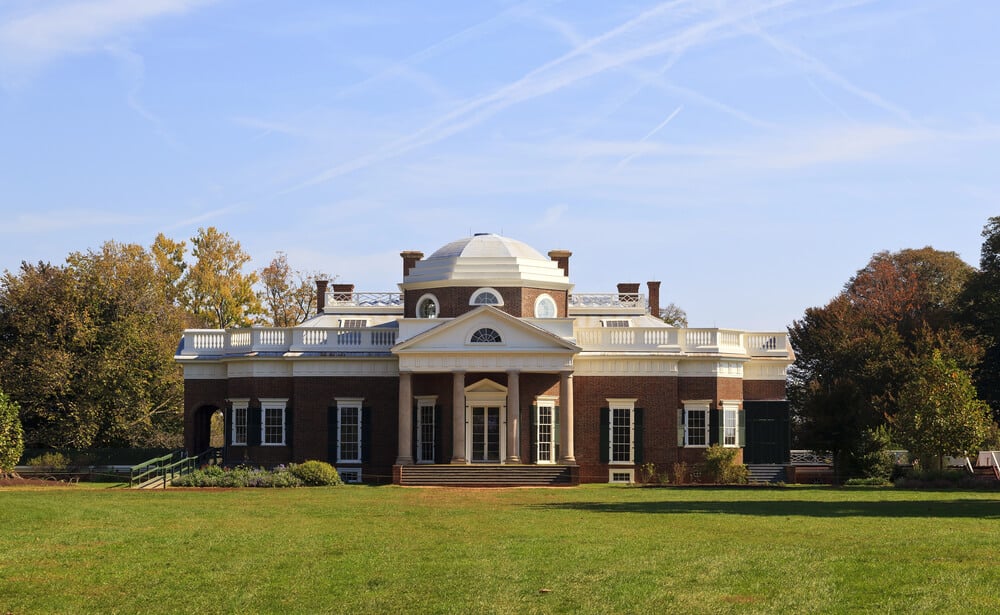
Thomas Jefferson’s home at Monticello in Virginia is famous for its dome, but few visitors realize a room lies beneath it. The octagonal Dome Room is reached by a narrow, steep staircase that made it hard to use.
Jefferson seems to have had little use for the space, and records suggest it was used for storage and by his grandchildren as a playroom. Its circular windows look out over the grounds.
The room was closed to most visitors for years due to fire codes and access issues, and it now opens only on special tours.
Congressional Bunker Under the Greenbrier
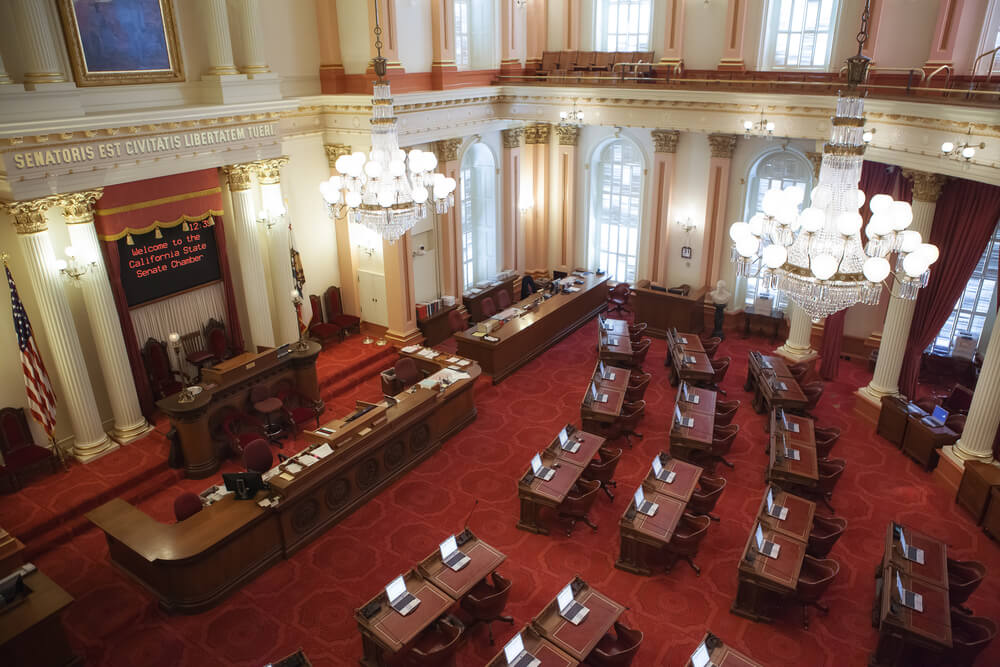
For more than 30 years, a luxury resort in White Sulphur Springs, West Virginia, hid a secret. Beneath a new wing of the Greenbrier hotel, built between 1958 and 1961, lay a bunker designed to house Congress in the event of nuclear war.
It included dormitories, a cafeteria, a hospital, and chambers for the House and Senate. The facility was maintained by government employees posing as hotel staff.
In 1992 the journalist Ted Gup exposed it in The Washington Post, and the bunker was decommissioned. It now offers guided tours.
Venus Grotto at Linderhof Palace
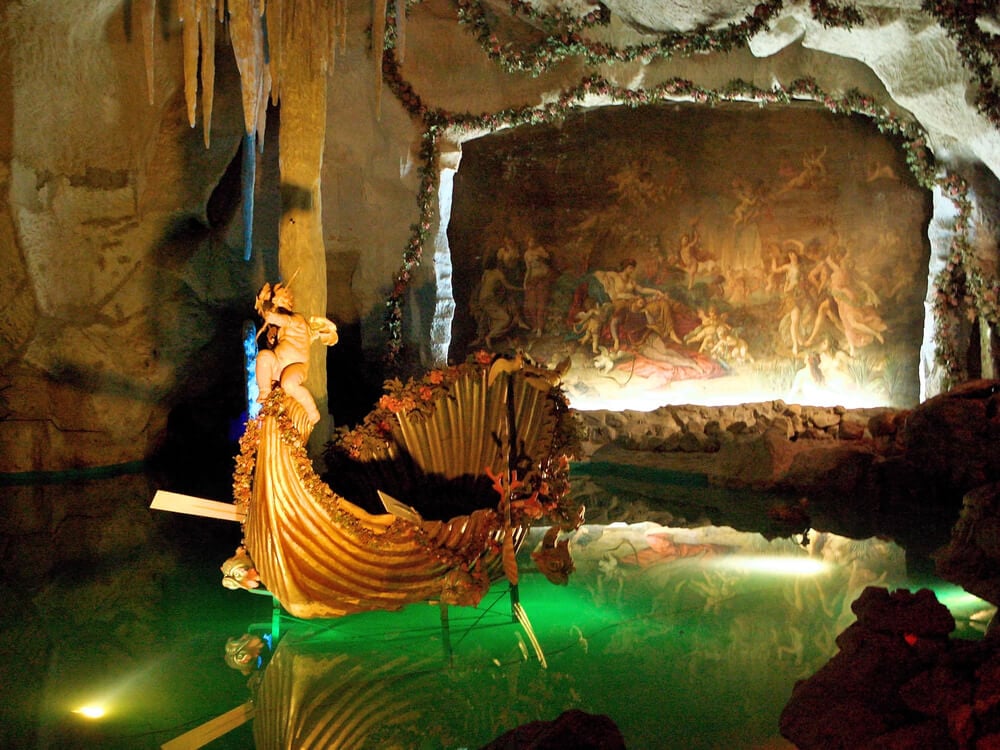
King Ludwig II of Bavaria built an artificial cave on the grounds of Linderhof Palace between 1876 and 1877 to recreate a scene from Wagner’s opera Tannhauser. The Venus Grotto includes an underground lake, a waterfall, a golden boat shaped like a shell and walls of artificial stalactites.
It was one of the first places in the world lit by electric lights powered by generators, which let the king change the colors of the cave. Ludwig liked to be rowed across the lake alone while listening to music.
Vaults Inside the Brooklyn Bridge Anchorage
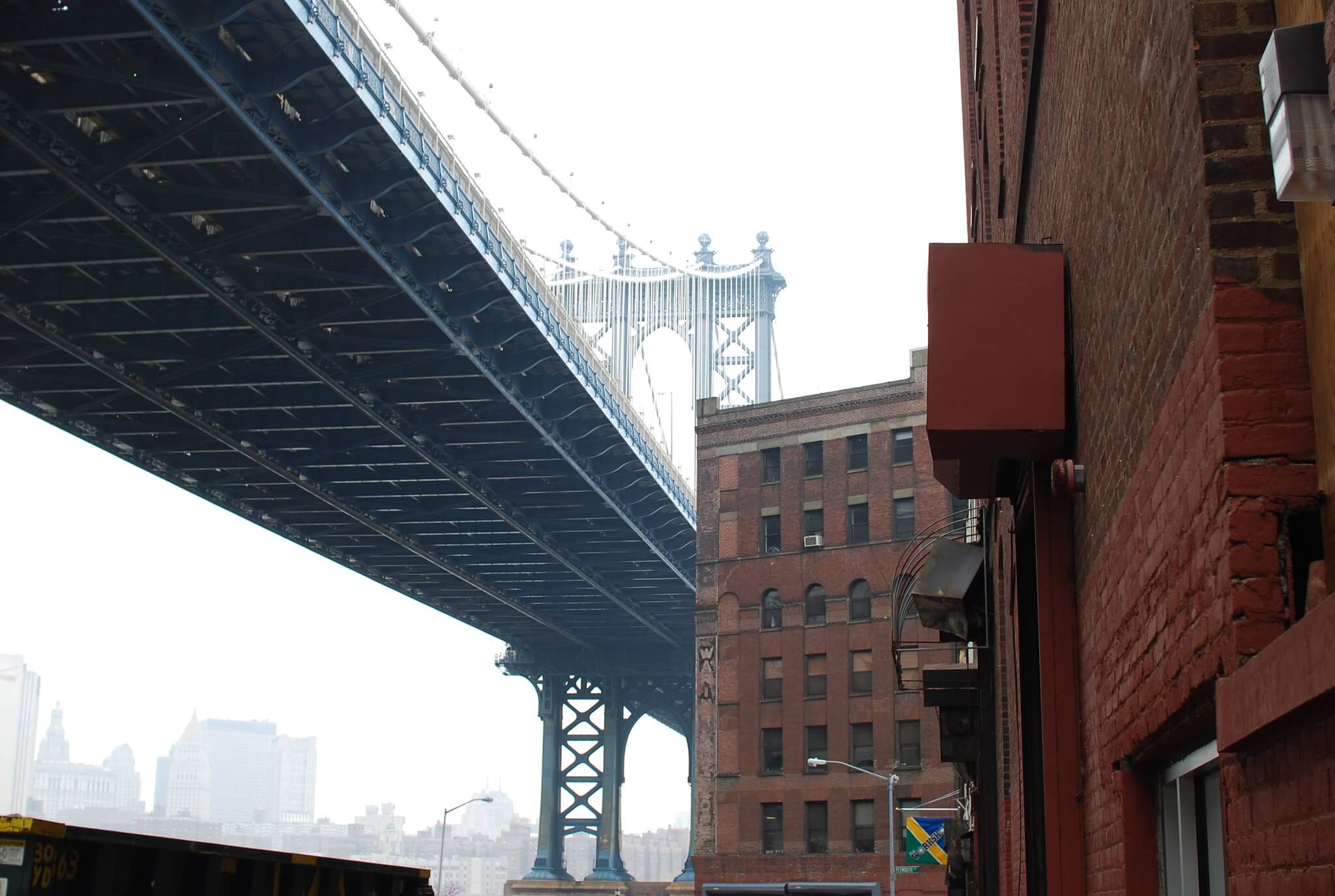
The massive stone anchorages of the Brooklyn Bridge are not solid. Inside the Manhattan anchorage are vaulted chambers that the city once rented to wine merchants to help pay for the bridge’s upkeep.
The cool, stable temperature was ideal for storing wine. In 2006 city workers inspecting the bridge found a forgotten stockpile of Cold War survival supplies in one of the vaults, including water drums, medical kits and crackers, some stamped with dates from the early 1960s.
The chambers have occasionally been opened for art exhibitions and events.
Roxy Suite at Radio City Music Hall
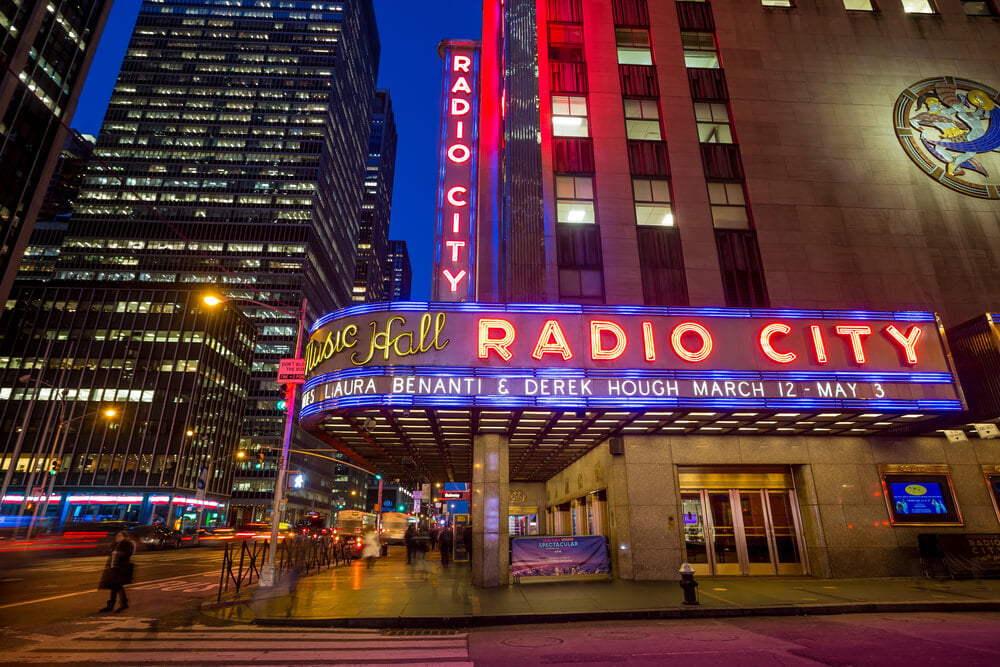
Samuel Rothafel, a showman known as Roxy, was the creative force behind Radio City Music Hall when it opened in 1932. He had a private apartment built inside the building, a luxurious Art Deco suite with a high ceiling, wood paneling and a dining room.
Rothafel hosted famous guests there, and the apartment became a symbol of his status in the entertainment world. He died in 1936, just a few years after the hall opened.
The Roxy Suite has been preserved and is now used for private events and receptions.
Secret Passages of Casa Loma
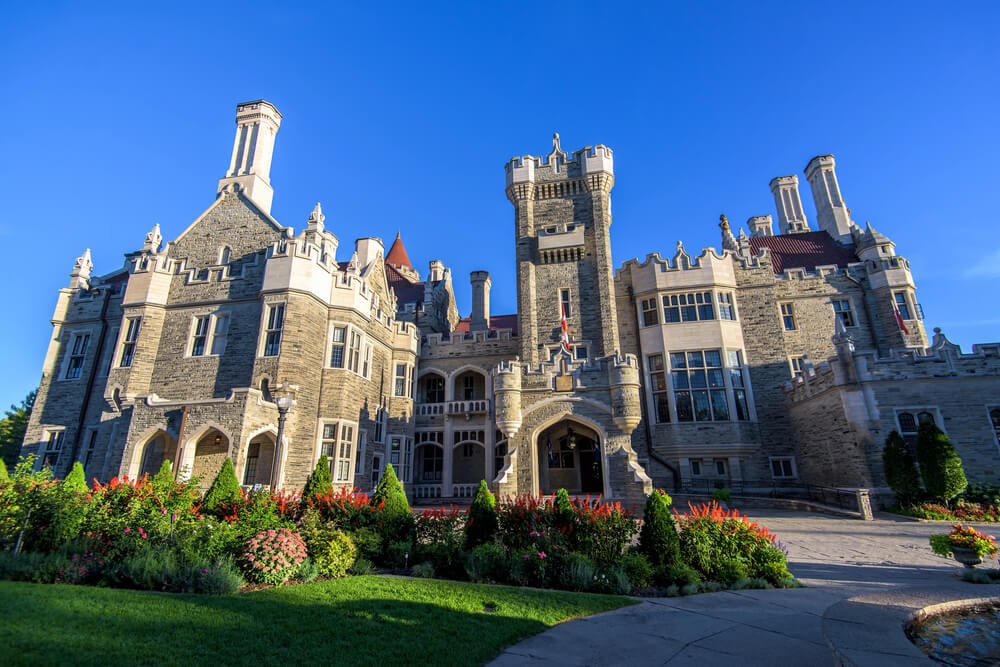
Casa Loma in Toronto was built between 1911 and 1914 for financier Sir Henry Pellatt, who wanted a castle to match his ambitions. The house has 98 rooms and many hidden features, including secret passages and concealed doors in Pellatt’s study.
Some lead to the wine cellar, while others connect to hidden stairs. An 800-foot tunnel runs beneath the grounds to the stables.
Pellatt lost his fortune in the 1920s and had to leave the house. Today it is a museum and popular filming location.
Torch of the Statue of Liberty
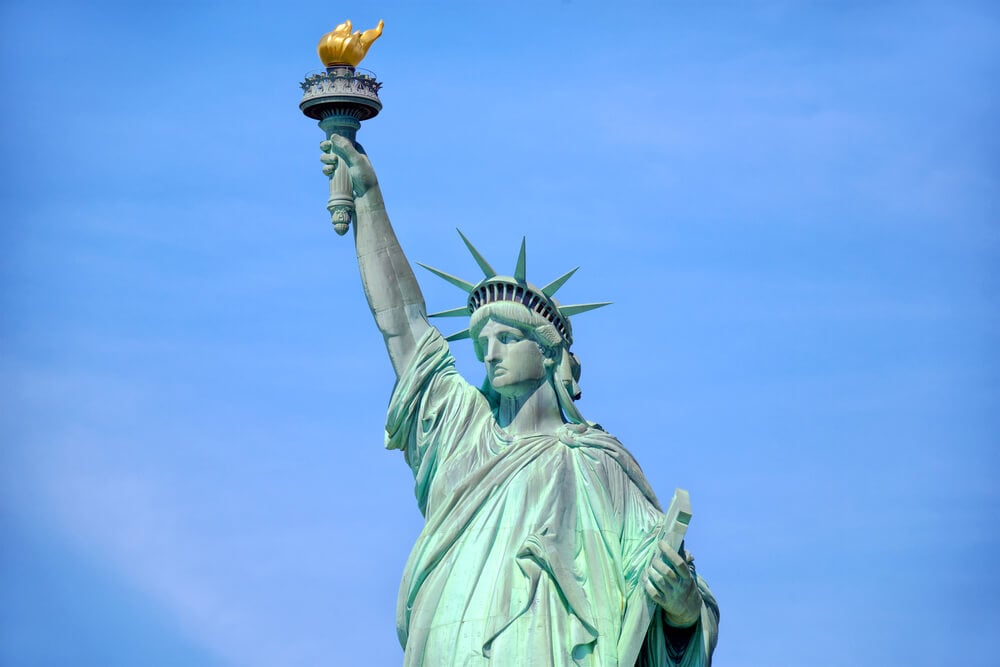
The torch of the Statue of Liberty was once open to visitors, who climbed a narrow ladder inside the raised arm to reach the balcony around the flame. That ended in 1916 after the Black Tom explosion, when German saboteurs blew up a munitions depot in New Jersey.
The blast damaged the statue’s arm, and the torch has been closed to the public ever since. The original torch was replaced during a restoration in 1986 and is now displayed in the Statue of Liberty Museum on Liberty Island.
Architecture Loves a Secret
Hidden rooms reveal what builders were afraid of. Some feared mobs, some feared persecution, some feared nuclear war, and some simply feared being forgotten.
A bookcase, a mirror or a slab of granite could be the difference between discovery and safety. Other rooms were hidden for comfort or pride, not fear.
A private apartment above a crowd or a study full of secrets let their owners stand apart from the world while still being part of it. The most interesting parts of any famous building are often the ones visitors never see.
More from Go2Tutors!

- The Romanov Crown Jewels and Their Tragic Fate
- 13 Historical Mysteries That Science Still Can’t Solve
- Famous Hoaxes That Fooled the World for Years
- 15 Child Stars with Tragic Adult Lives
- 16 Famous Jewelry Pieces in History
Like Go2Tutors’s content? Follow us on MSN.