28 Old Magazines Collectors Actively Want
A magazine’s collectibility rarely depends on age alone. Instead, value hinges on four factors: what graced the cover, what appeared inside, how many survived printing, and what condition remains.
First editions of niche publications, celebrity covers from critical moments, and issues featuring major cultural events command prices that exceed their weight in gold. The secondary market for vintage magazines has exploded as enthusiasts track down examples of forgotten subcultures, rare photography, and historical documentation that textbooks never captured.
Playboy Vol. 1, No. 1, December 1953 (Marilyn Monroe)
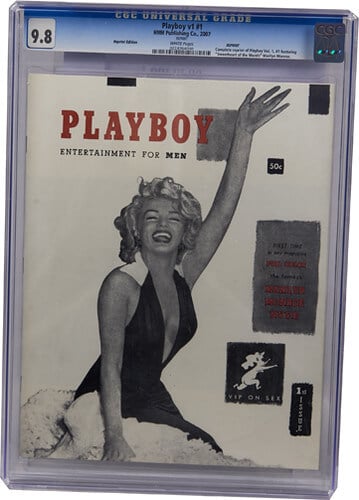
The single most valuable widely collected magazine, this inaugural Playboy features Marilyn Monroe on the cover. In near-mint condition, it commands approximately $107,000; even in realistic “good” condition found at estate sales, examples sell for roughly $2,700.
The December 1953 issue sold for $6,500 at auction in April 2024, and its value shows no signs of declining as collectors prize early issues with minimal distribution.
Sports Illustrated Inaugural Issue, 1954 (Mickey Mantle)

The first issue of Sports Illustrated, featuring Yankees centerfielder Mickey Mantle, has appreciated dramatically over five years. Its value has increased by more than 1,100% in this period, making it one of the most explosive collectibles in sports journalism.
Condition-dependent pricing ranges significantly, but signed copies and those in near-pristine state attract serious bidders at Heritage Auctions, which recorded $1.87 billion in total sales for collectible magazines during 2024.
The Strand Magazine (Sherlock Holmes Stories)
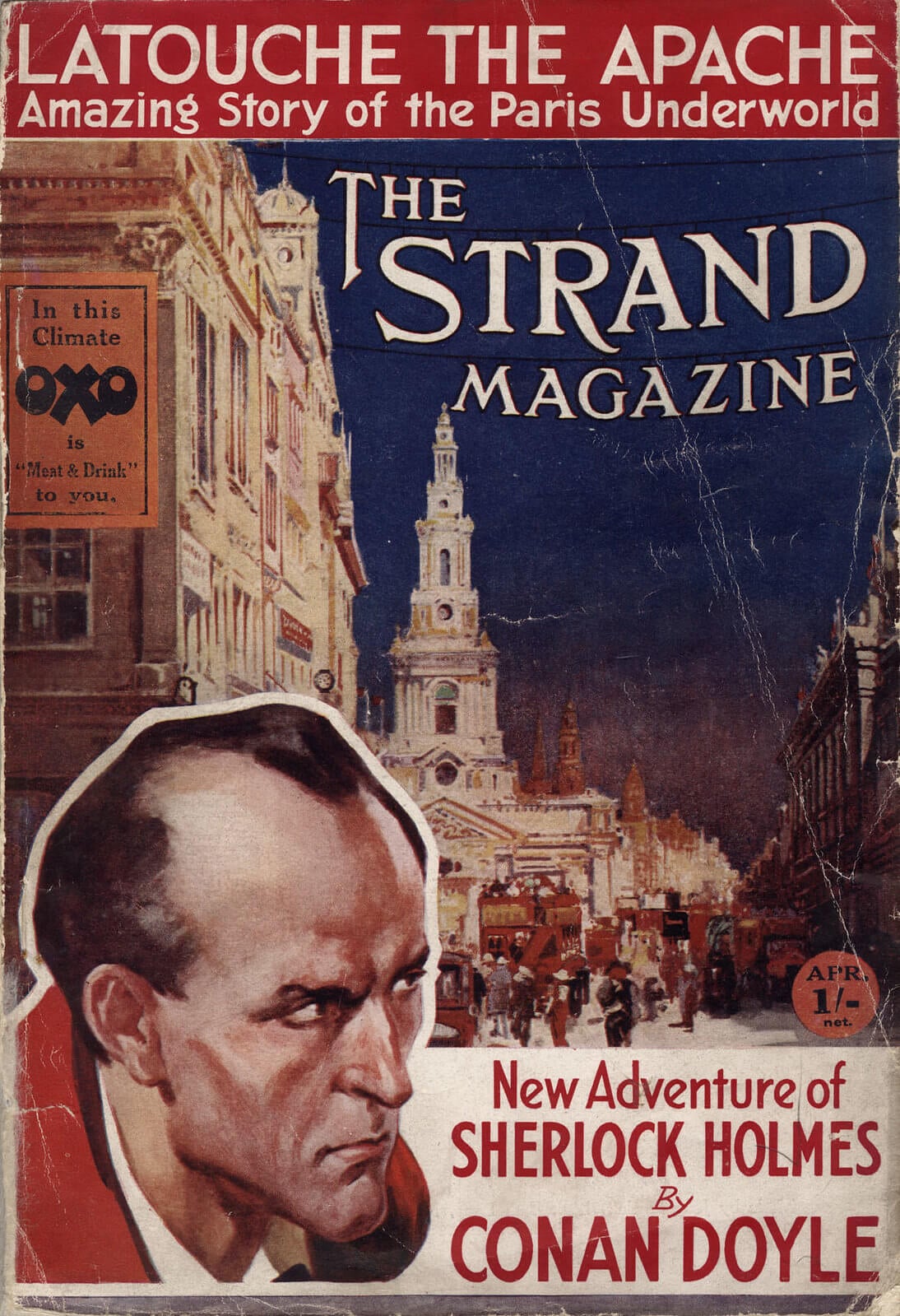
Collectors of Sherlock Holmes actively hunt back issues of The Strand Magazine, which serialized Arthur Conan Doyle’s detective before they appeared as books. The magazine ran Holmes stories exclusively, creating a devoted collector base outside standard magazine circles.
A copy of Beeton’s Christmas Annual from 1887, notable for printing Holmes’s first appearance, fetched $156,000 at Sotheby’s, proving that literary provenance transcends the magazine medium itself.
Rolling Stone with John Lennon (Annie Leibovitz)
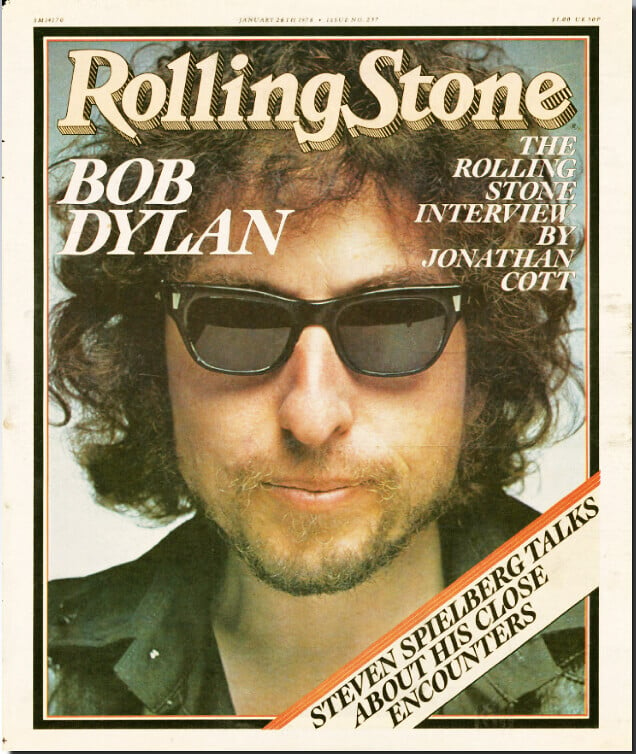
The Rolling Stone cover photograph of John Lennon, taken by renowned photographer Annie Leibovitz just before his death, became one of the most sought-after magazine covers. Originals from the 1970s and 1980s, especially in near-mint condition, command premium prices that reflect both the iconic subject and the historical weight of that moment.
Collectors prioritize this issue above nearly any other rock music magazine, and demand far exceeds supply.
Wizard: The Comics Magazine (First Issues)
Niche comic-focused publication Wizard built a devoted secondary market because it captured comic book subculture at specific moments. Early issues from the publication’s founding represent a window into collecting culture that commercial magazines never documented, and comic book collectors actively cross-collect these magazines.
The magazine never achieved the distribution of mainstream titles, making surviving copies valuable to collectors of comic art and industry history.
Good Housekeeping, 1800s Editions

Back issues of Good Housekeeping from the nineteenth century captivate both collectors and historians for their unflinching snapshot of domestic life. A full year’s run of issues from a single decade serves collectors as a cultural time capsule, launching collections and enticing dealers who bundle them for institutional sales.
Condition varies widely for nineteenth-century examples, but complete annual runs attract serious interest from museums and academic researchers.
Electronic Gaming Monthly, Early Runs
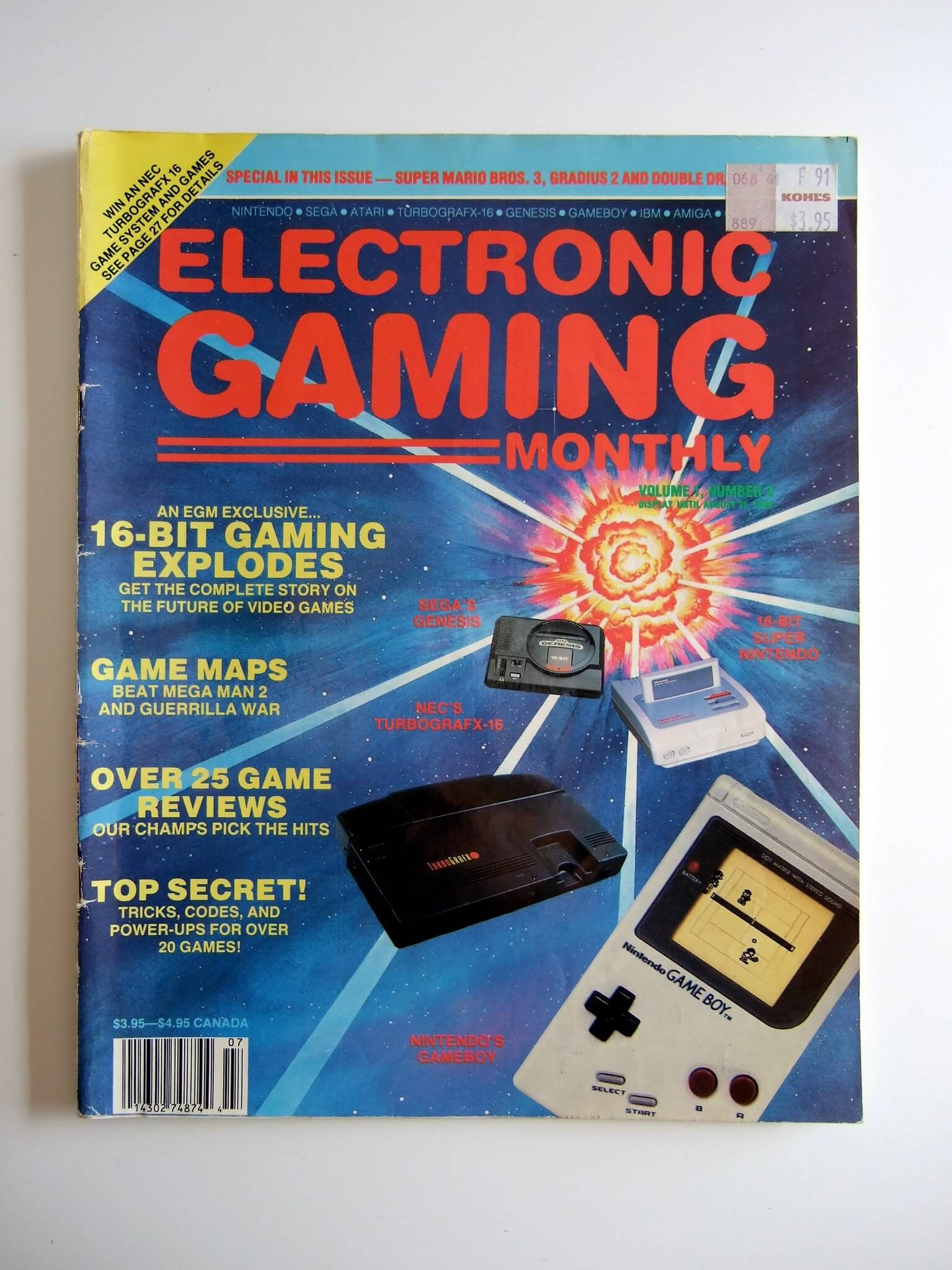
Electronic Gaming Monthly (EGM) dominated video game journalism in the 1990s, and early issues now appeal to gaming historians and nostalgia collectors. Complete runs from single years or special issues covering landmark game launches hold steady value on the secondary market.
The magazine never survives in large quantities because readers destroyed them through heavy use, making any pristine copy exceptional.
Dragon Magazine (TSR Publications)

Published by the makers of Dungeons & Dragons, Dragon Magazine delivered tabletop gaming content to a devoted but numerically small audience. First issues and special editions from the 1980s and 1990s hold value among gaming enthusiasts and RPG historians, who recognize the magazine as the definitive record of that era’s hobby culture.
The limited print runs of this niche publication explain why surviving copies command collector attention.
Playboy March 1962 Issue (Marilyn Monroe)
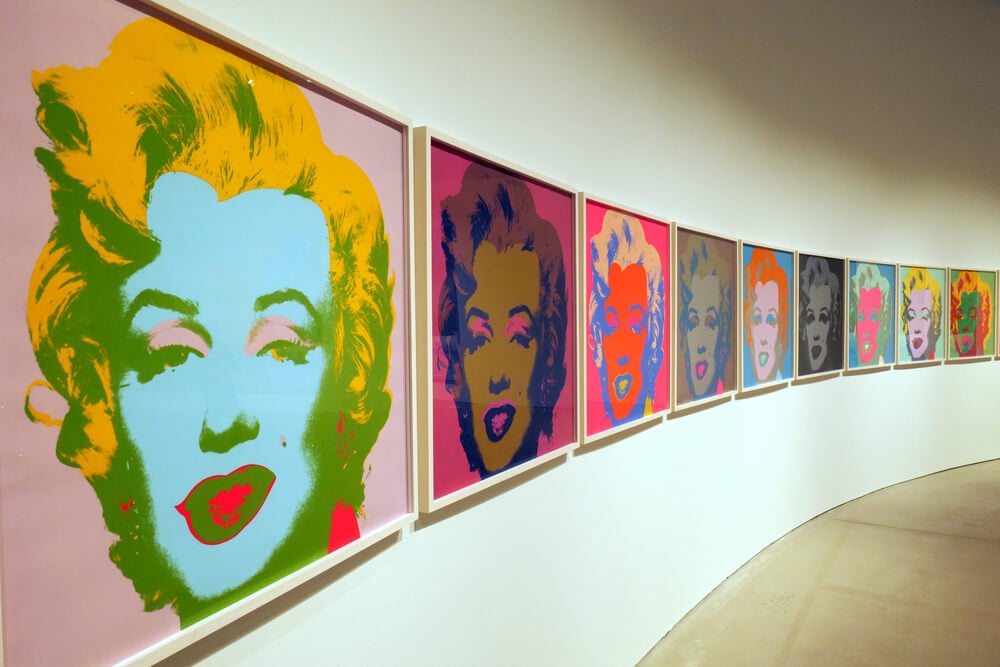
This issue, featuring Marilyn Monroe on the cover, can sell for up to $10,000 depending on condition and whether it includes all inserts. The 1962 issue represents the post-inaugural era when Playboy had established its identity, yet early issues remain scarce.
Buyers actively seek this particular cover, pushing prices well above most other Playboy editions from the same decade.
Time Magazine, Historic Event Issues
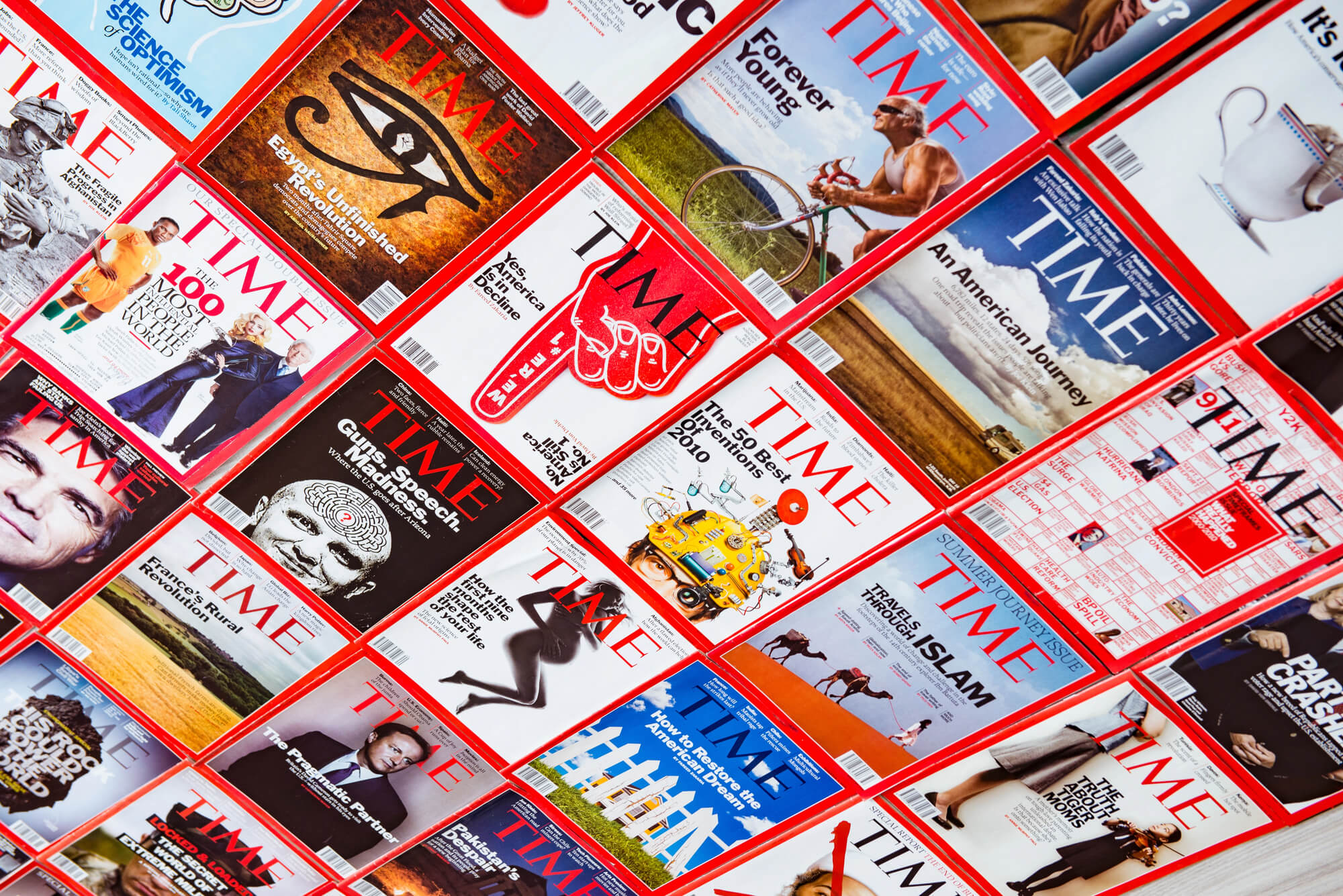
Magazines documenting major historical moments—assassination announcements, moon landings, disaster coverage—retain value as contemporary records of those events. Collectors prize these copies not merely for their age but for what they captured at the exact moment.
A single issue announcing a world-changing event holds more collector interest than twenty generic issues from the same month.
Life Magazine, Special Edition Runs
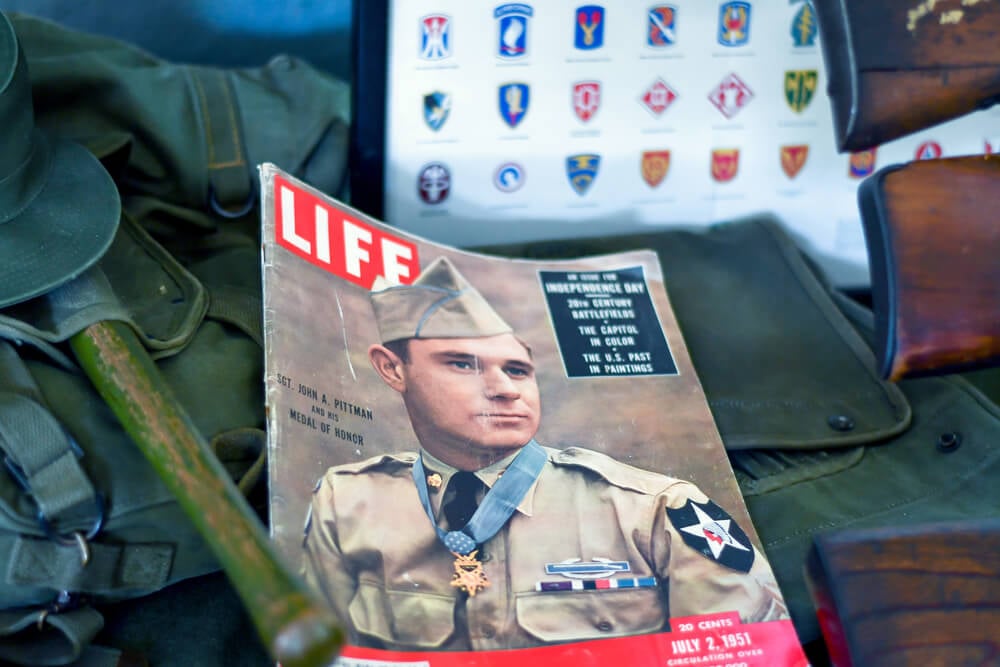
Life Magazine captured photojournalism at its peak, and special issues or annual compilations attract collectors seeking visual history. Color photography in Life was exceptional for its era, and complete sets of Life spanning particular years or decades represent comprehensive visual documentation of a historical period.
The magazine’s massive circulation means common issues remain affordable, but rare special editions command premiums.
Vogue, Rare Pattern Issues (Fashion Historians)

Vogue magazines from the 1950s through 1980s contain the definitive record of fashion evolution and contained pattern inserts sewn into the magazine binding. These pullout paper patterns were not included in every copy, making issues with intact patterns far more valuable than standard copies.
Fashion historians and seamstresses actively seek these issues, driving prices significantly higher than comparable issues without patterns.
The New Yorker, Rare Cover Art Editions
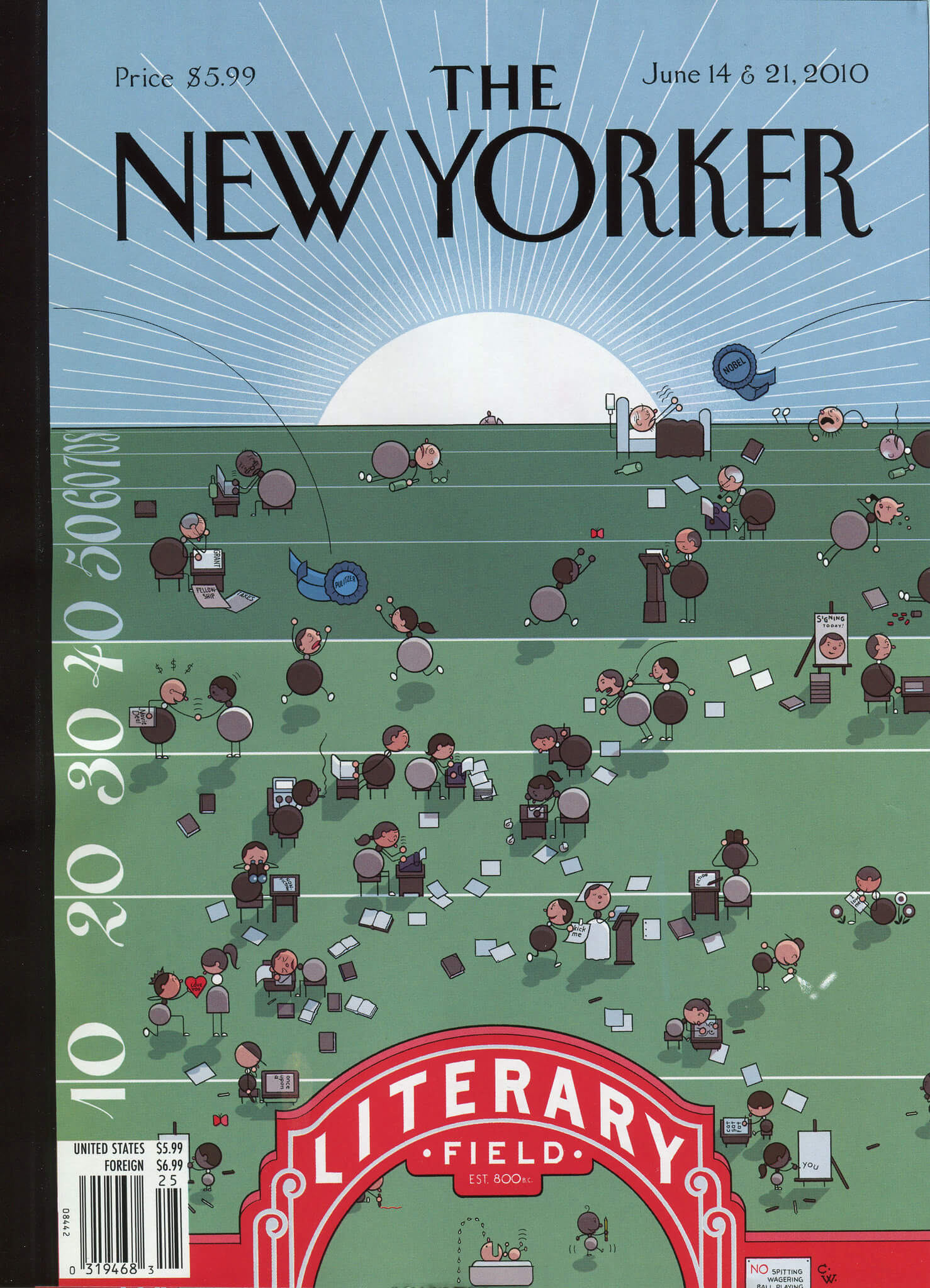
Certain issues of The New Yorker feature cover art by renowned illustrators or capture satirical commentary on specific historical moments. Collectors seek out issues covering cultural watersheds—new administrations, cultural upheavals, or major technological shifts—because the cartoons and commentary capture the exact tenor of that week.
Mint condition copies of seminal issues command prices exponential to age alone.
National Geographic, Unexpurgated Issues
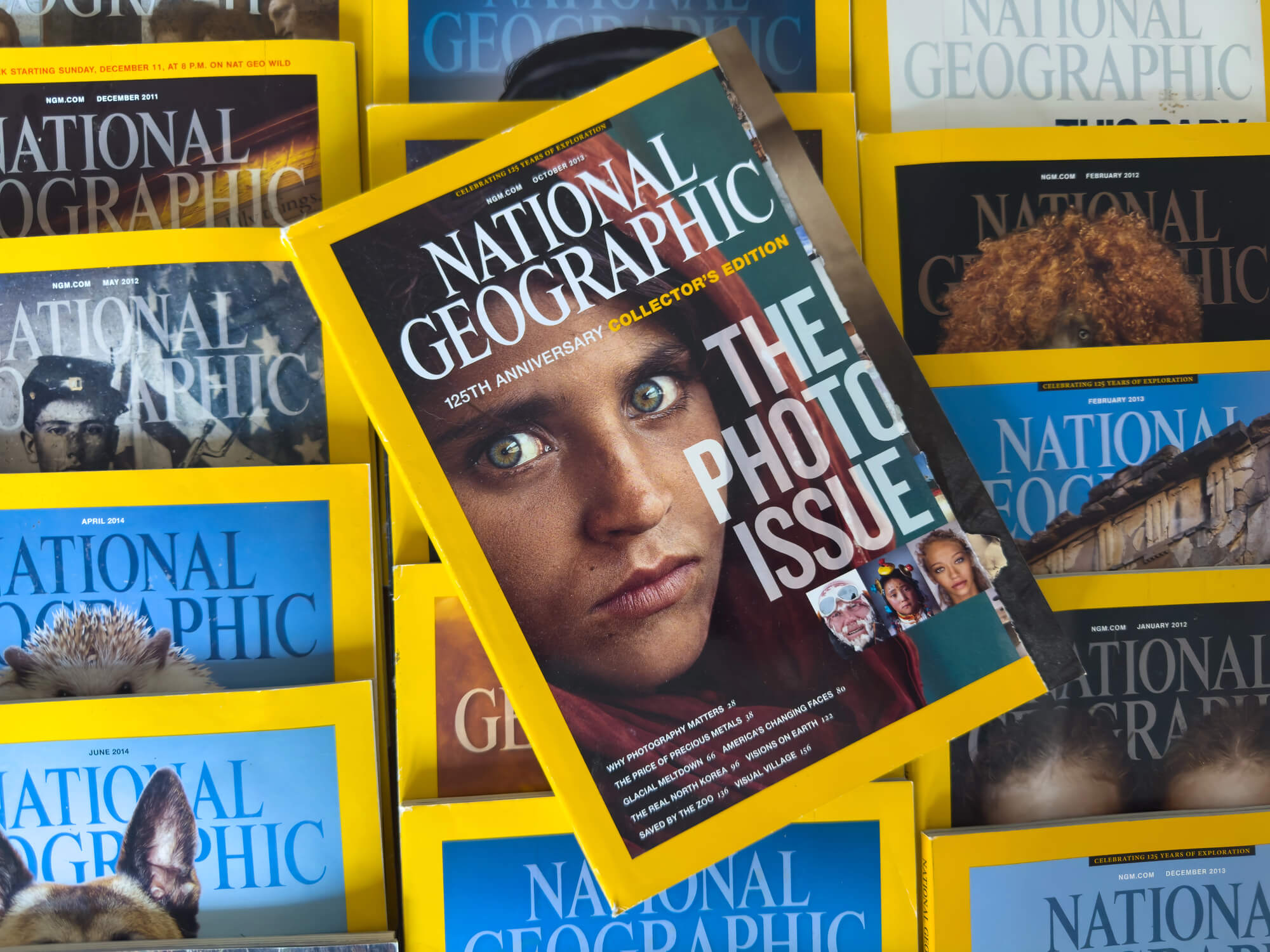
Certain early issues of National Geographic, particularly those featuring cultures documented before anthropological protocols tightened, have become controversial collectibles. These magazines represent historical records of disappearing ways of life, but their explicit imagery also reflects dated attitudes toward indigenous peoples.
Collectors prize early issues for their raw documentation, yet their controversial nature actually increases demand among museums seeking comprehensive historical records.
Circus Magazine, Hard Rock Special Issues
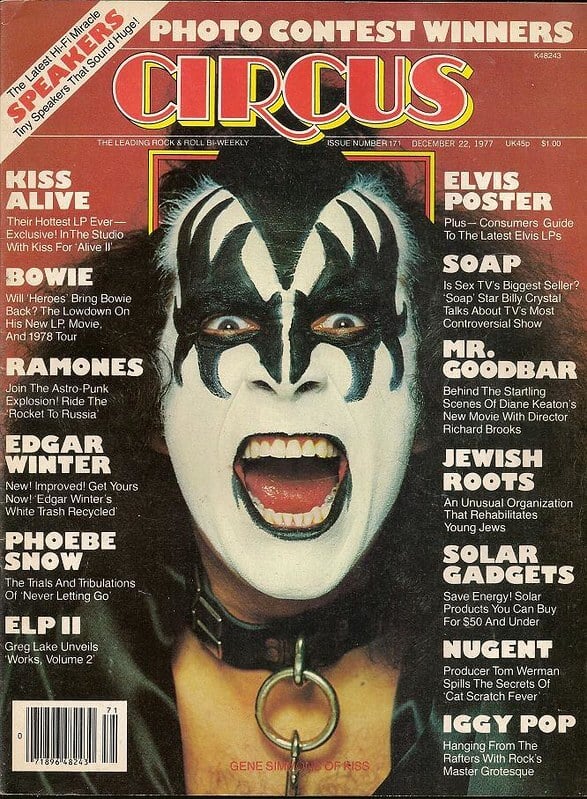
Circus Magazine chronicled heavy metal and hard rock music, and special issues featuring career retrospectives or breakthrough albums command attention from music collectors. The magazine captured the visual identity of rock music in high-quality color photography when such coverage was rare.
Limited print runs and heavy reader use mean pristine copies have become scarce.
Interview Magazine, Rare Warhol Era Issues
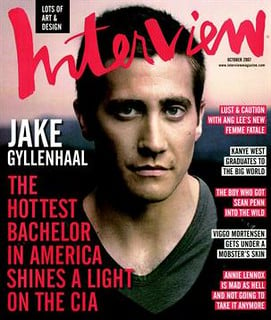
Interview Magazine, founded by Andy Warhol and featuring his hand-drawn covers and editorial choices, created an intersection of visual art and celebrity journalism. Signed or annotated copies from Warhol’s direct involvement escalate value dramatically, and standard issues from the magazine’s early years remain collectible.
The magazine’s art world significance means museum institutions actively acquire runs.
Fangoria, Horror Film Special Editions
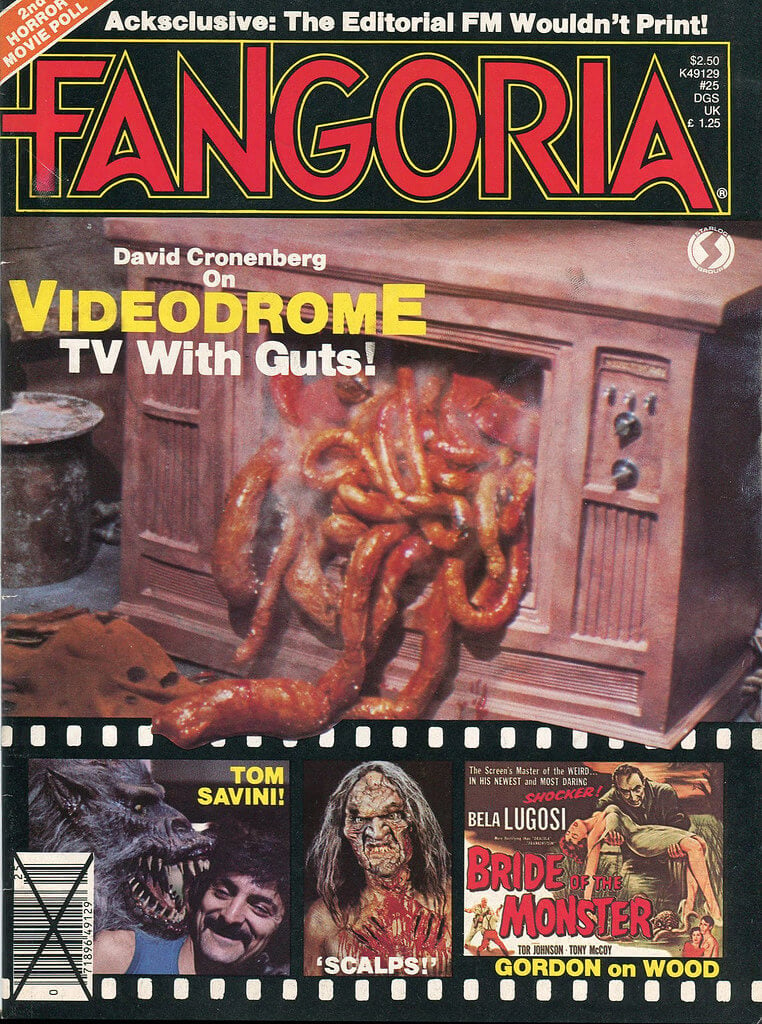
This magazine documented horror cinema during the industry’s most prolific era, and special issues covering iconic franchises or breakthrough directors hold collector value. Behind-the-scenes photography and interviews with creature effects artists captured knowledge that rarely appeared elsewhere.
Horror film enthusiasts and special effects historians actively seek complete runs.
Penthouse, Early Issues
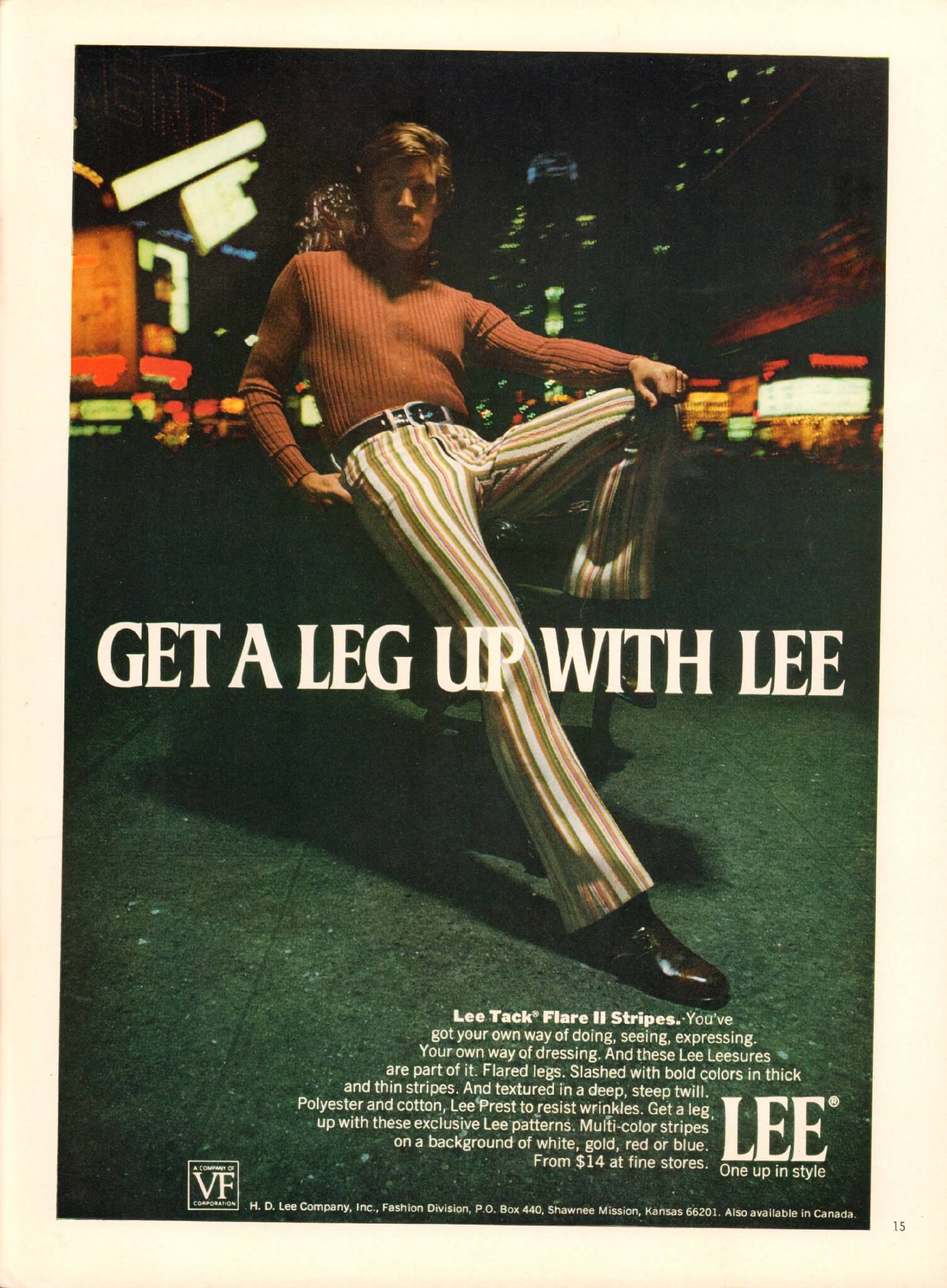
Early issues of Penthouse represent the competitive era when the magazine challenged Playboy’s dominance, and first editions from its founding years appreciate in value. Certain issues featuring notable photographers or controversial editorial stands hold premium value among collectors who view these magazines as cultural artifacts.
Condition dramatically affects value; collectible examples rarely survive from the era of heavy use.
MAD Magazine, Rare Cover Variants
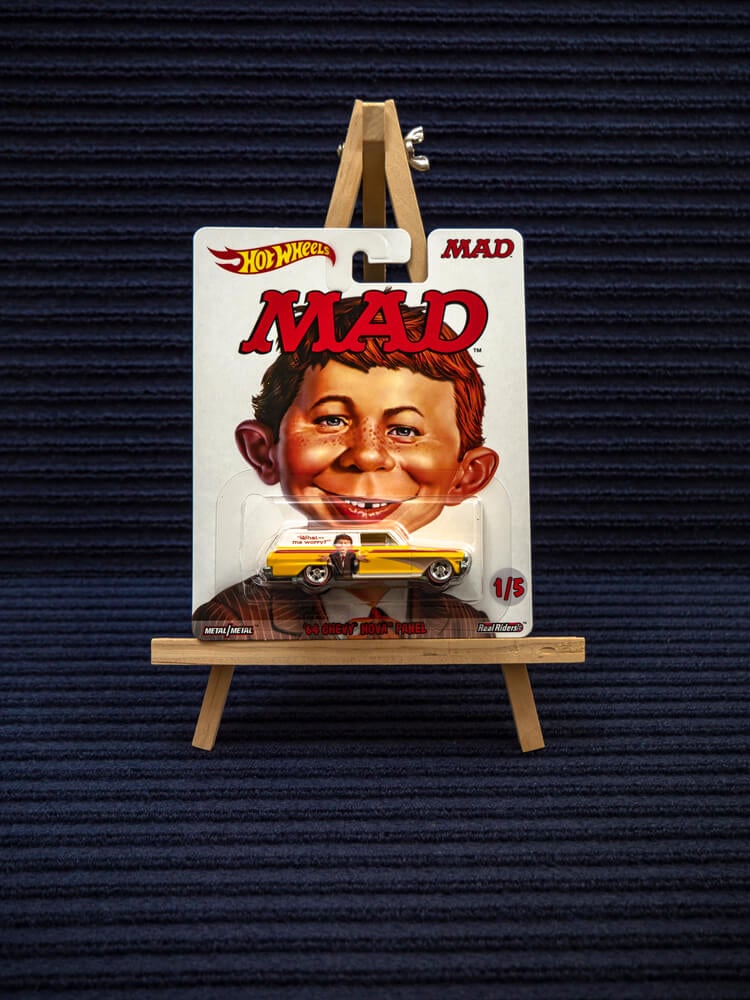
First issues of MAD Magazine and subsequent special editions remain collectible for their satirical commentary and Alfred E. Neuman imagery. Certain printings included variant covers or special inserts, making those runs more valuable.
The magazine’s influence on humor culture means collectors seek out seminal issues and complete runs spanning particular decades.
Psychology Today, Pioneering Issues

Early issues of Psychology Today documented the emergence of popular psychology and counterculture thought. Collectors value these issues for their unique intersection of science communication and cultural commentary, capturing a specific intellectual moment.
Complete annual runs from the 1970s attract academics and cultural historians.
Cosmos Magazine, Carl Sagan-Era Issues
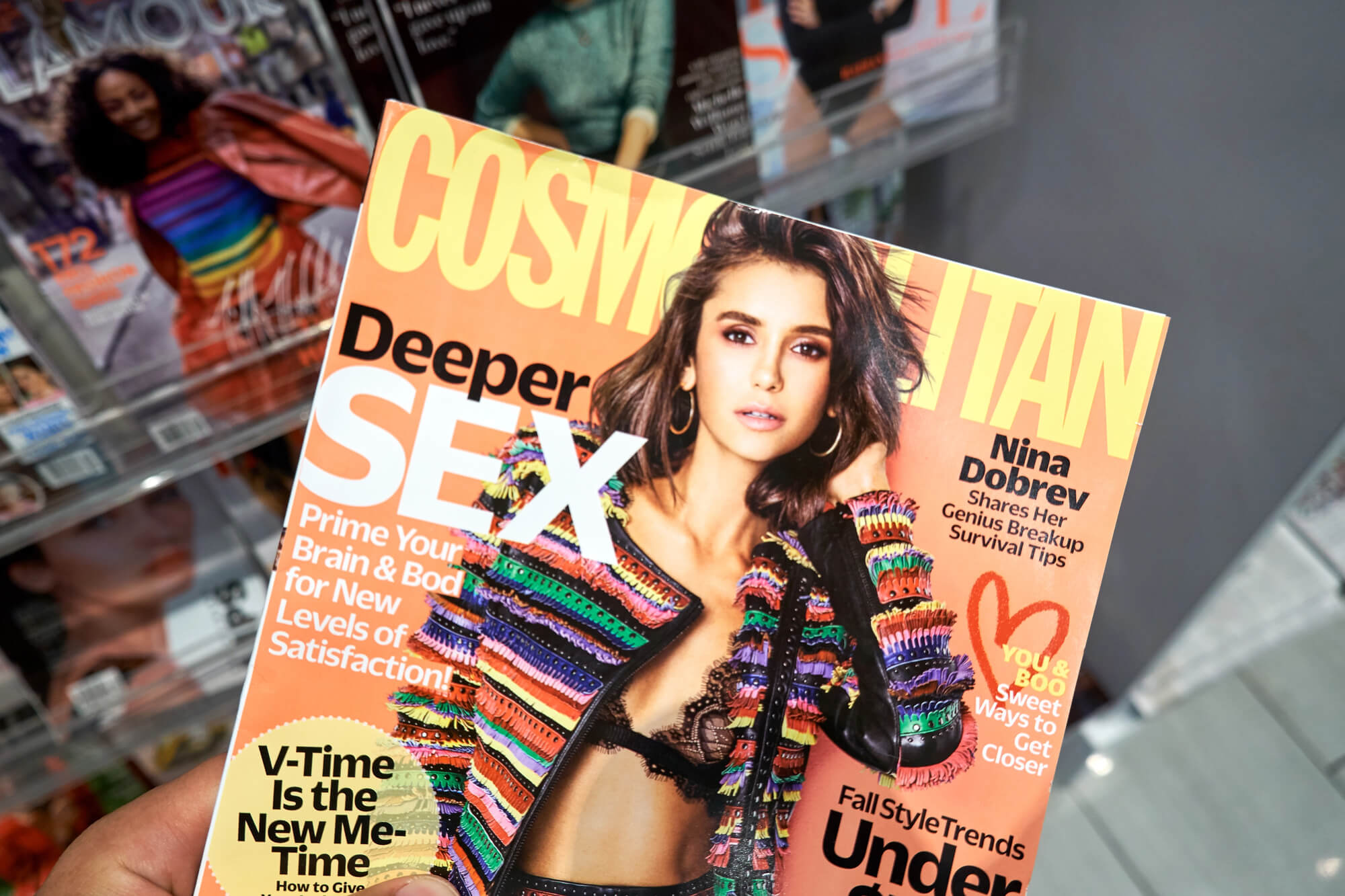
Cosmos Magazine, edited by Carl Sagan, created a short-lived but highly collectible publication merging cosmology and cultural commentary. The magazine never achieved the scale of mainstream competitors, making surviving copies scarce.
Collectors of science writing and Sagan memorabilia prioritize these issues above nearly all other magazines.
Ms. Magazine, Founding Issues

Ms. Magazine launched the feminist periodical market, and first issues from its founding represent documented history of the second-wave feminist movement. Collectors seek these issues both for their historical significance and for their design and editorial voice.
Complete sets spanning the 1970s attract historians and feminist scholars.
Punk Magazine, Early New York Issues
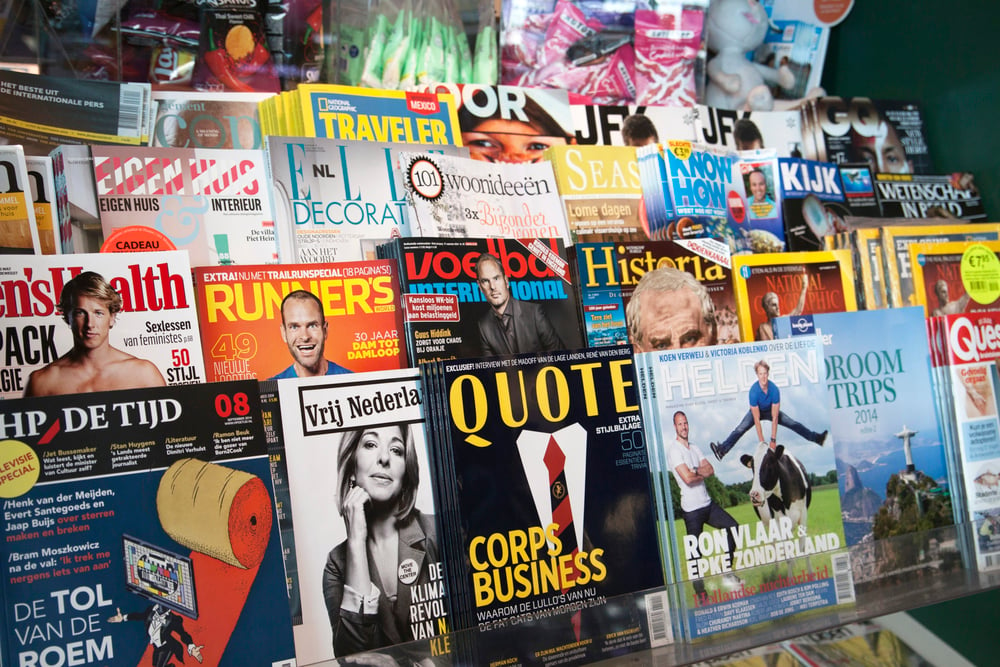
Punk Magazine documented the New York punk scene before punk became mainstream, capturing interviews and photography of emerging artists. The magazine survives in limited quantities because its small print runs targeted an underground audience.
Music historians and punk enthusiasts actively seek surviving copies.
Car and Driver, Muscle Car Era Issues
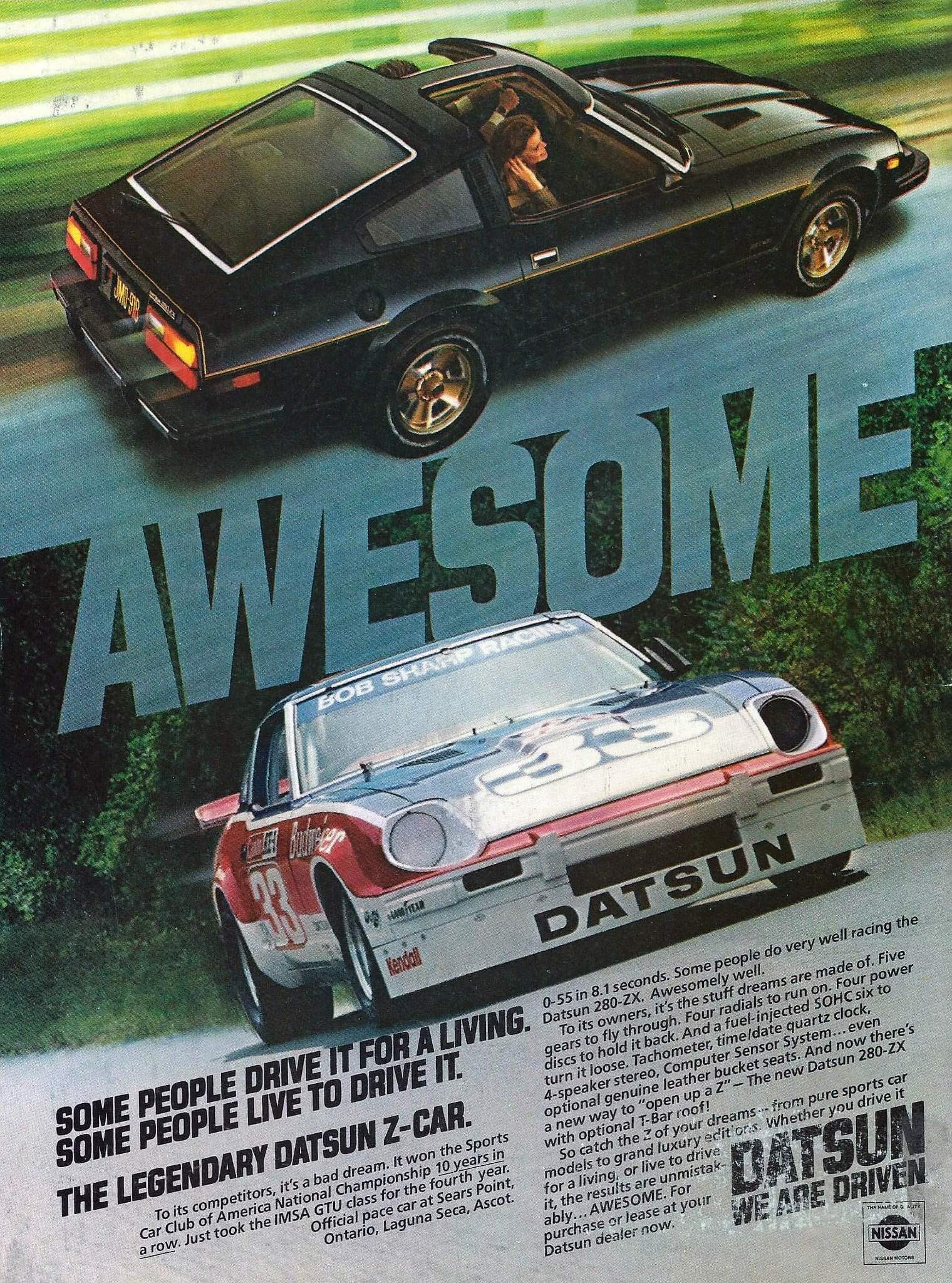
Car and Driver magazines from the muscle car era (1960s-1970s) documented automotive design at a peak moment. Collectors of automotive history and muscle car enthusiasts seek issues featuring iconic vehicles or landmark tests.
Technical articles and period photography make these issues valuable as records of automotive culture.
Heavy Metal Magazine, Rare Comic Issues

Heavy Metal Magazine brought European comic art to American readers and published illustrated stories that never appeared elsewhere. Early issues and special editions from the 1980s hold value among comic collectors.
The magazine’s cult status means supply remains limited and demand robust.
Mechanics Illustrated, Rare Technology Issues

Mechanics Illustrated featured predictions of future technology and documented emerging inventions during pivotal moments. Certain issues—especially those predicting space exploration or computing technology—command premiums from science and technology historians.
The magazine captured optimism about progress that dated issues find valuable to collectors tracking the history of speculation.
Crawdaddy!, Rock Music Journalism Pioneer

Crawdaddy!, one of the earliest rock music journalism magazines, documented emerging artists and cultural criticism during the counterculture era. The magazine never achieved mass circulation, making surviving copies valuable to music historians.
First issues and complete annual runs from the late 1960s attract serious collectors of music culture.
Heavy Metal Rock Album Issue Sets

Collector sets bundling multiple music magazines from particular eras—such as when a landmark album launched—retain value as documentation of the album’s contemporary reception. These sets often include multiple magazine covers featuring the same artist, representing comprehensive coverage from that historical moment.
When Obsession Becomes Curation

The value of a magazine rarely hinges on how long ago it was printed. Instead, the most sought copies preserve moments when obscure cultures reached the page, when emerging technologies first appeared in illustration, or when photographers captured the exact tenor of an era.
Collectors understand that printing a magazine is easy; surviving for fifty years in readable condition is not. That rarity, combined with the specific knowledge captured in ink and paper, ensures that the most valuable magazines are those that documented worlds that disappeared, moments that passed, and ideas that once felt impossible.
More from Go2Tutors!

- The Romanov Crown Jewels and Their Tragic Fate
- 13 Historical Mysteries That Science Still Can’t Solve
- Famous Hoaxes That Fooled the World for Years
- 15 Child Stars with Tragic Adult Lives
- 16 Famous Jewelry Pieces in History
Like Go2Tutors’s content? Follow us on MSN.



