33 Old Glass Bottles Diggers Sell Online
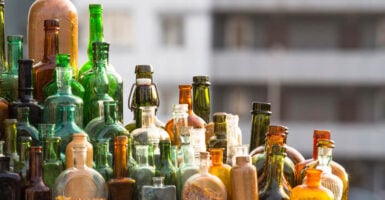
Somewhere under a Victorian backyard sits a privy pit, and in it sits a century of household trash that nobody wanted. Bottle diggers spend weekends with probes and shovels looking for exactly that, and the good finds end up listed online within days.
Most dug glass is worth a few dollars. A small group of bottles sells for far more, and the difference usually comes down to color, embossing, age and whether the glass came out of the ground in one piece.
Hutchinson-Stopper Coca-Cola Bottles
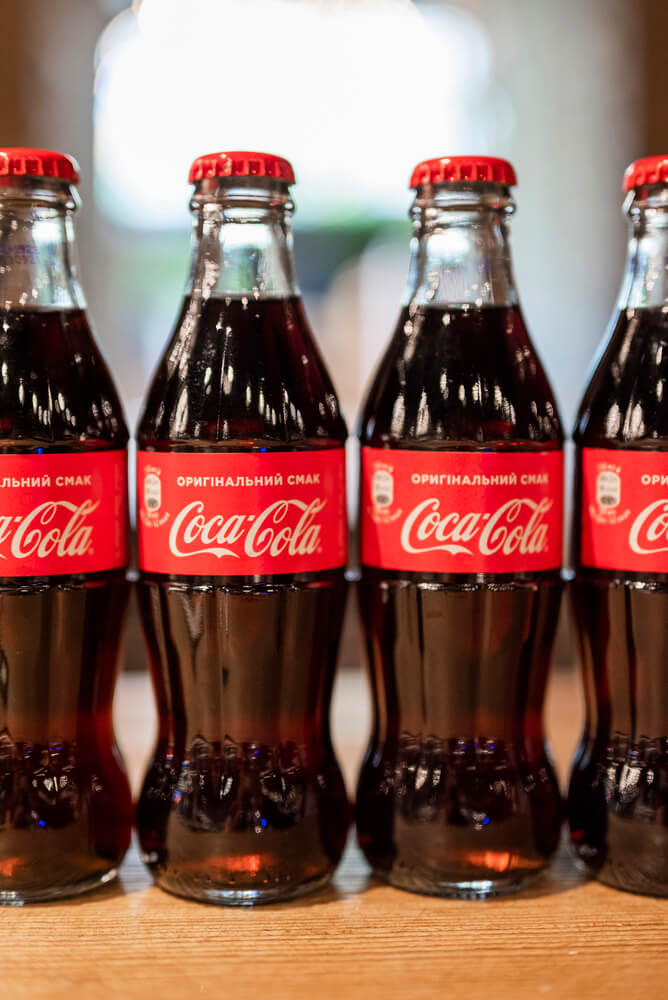
Before the contour bottle, Coca-Cola was sold by local bottlers in straight glass sealed with a Hutchinson stopper, a wire loop and rubber gasket pushed down into the neck. Hutchinson bottles with Coca-Cola in script are scarce, since the style was dropped in the early 1900s, and fakes circulate constantly.
Genuine examples usually trade at four figures, and a clean one with strong lettering brings several thousand dollars. Condition drives the spread.
A cracked lip, heavy stain or worn embossing can cut the price in half, and buyers expect the town name on the base to match a documented bottler.
Straight-Sided Coca-Cola Bottles From Small-Town Plants
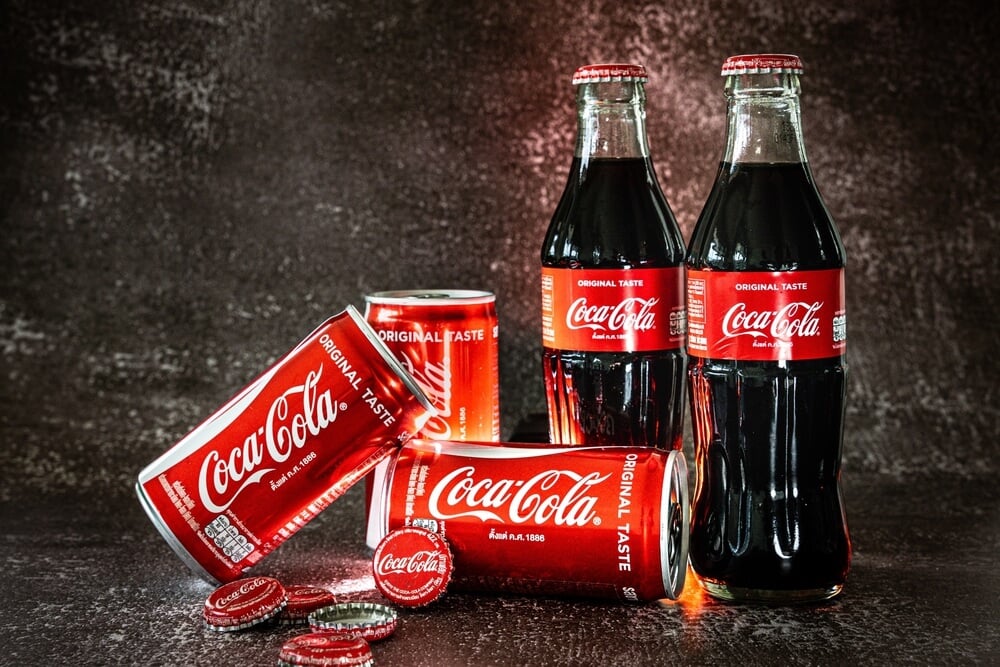
Between roughly 1900 and 1916, hundreds of franchised bottlers filled their own straight-sided bottles, each embossed with a city name. Amber examples from towns such as Huntsville or Akron draw steady interest, while clear and aqua versions are far more common.
Plain aqua bottles often trade at 20 to 60 dollars, and scarce amber or unusual-city bottles bring several hundred. Value depends heavily on the lettering staying crisp and on the absence of chips at the base.
A bottle from a plant that operated only a year or two will always beat a more attractive example from a big city.
Drake’s Plantation Bitters Log Cabins
Bitters were medicine in name and liquor in practice, which let sellers dodge taxes and temperance laws. Drake’s Plantation Bitters came in a figural log cabin, embossed with the cryptic date code 1860 and the letter X, and the bottles turn up in amber, puce and rarer shades of green and yellow.
Common amber cabins trade at 100 to 300 dollars. The rare color variants bring thousands.
Diggers pay close attention to the roofline and corners, since chips there are common and expensive, and a cabin with interior haze sells for less than a sparkling one.
Doctor Fisch’s Bitters Fish Bottles
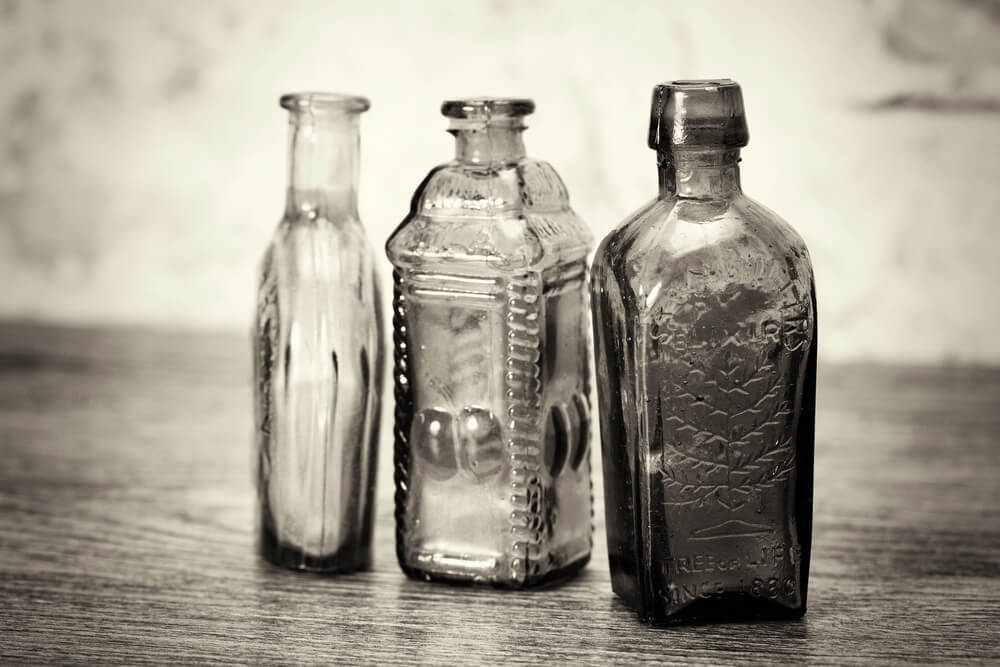
Figural bitters bottles shaped like fish were produced in the 1860s and 1870s, and the Doctor Fisch’s version is the one most diggers hope to see. The body is molded with scales and fins, embossed with the name and a patent date, and usually found in amber.
Examples in good condition trade at a few hundred dollars, with unusual color variants reaching well beyond that. Scale detail wears easily in the ground, so sharp molding matters.
A fish with a clean mouth and no fins chipped is worth noticeably more than one showing sickness or scratches along the belly.
Hostetter’s Bitters in Unusual Colors
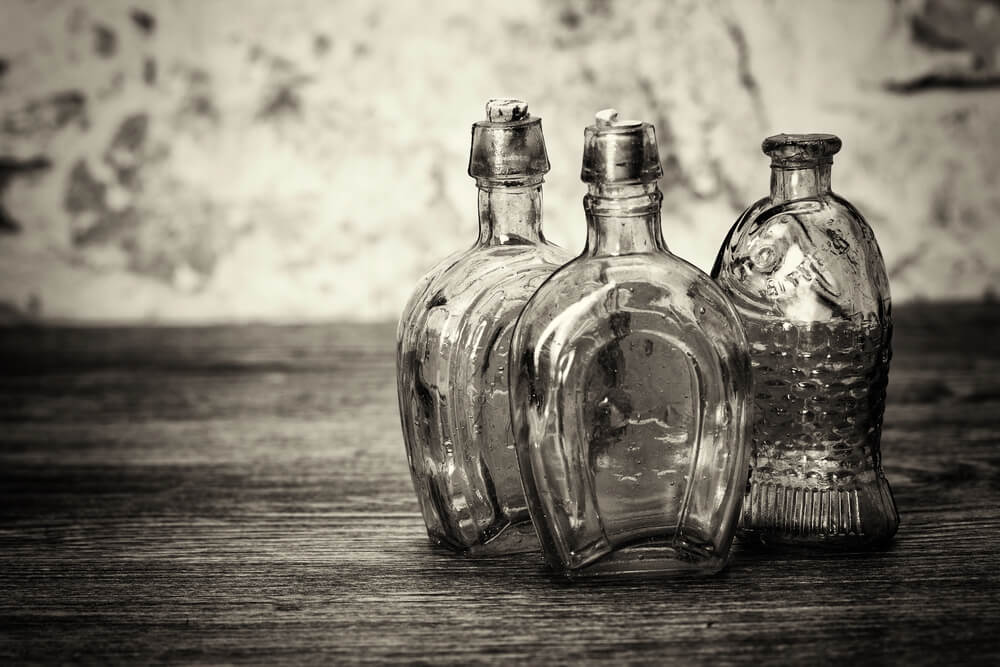
Dr. J. Hostetter’s Stomach Bitters was one of the best-selling patent medicines of the nineteenth century, so plain amber bottles are everywhere. Diggers still dig them out because color changes everything.
A standard amber Hostetter’s brings 15 to 40 dollars, while yellow olive, citron and bright green variants trade at hundreds. The bottle was sold across the country for decades, and many were reused by other bottlers, so the same shape surfaces in every state.
Buyers check the base and shoulders for chips and cracks. Interior staining can sometimes be cleaned, but a bruise in the glass cannot.
E.G. Booz’s Old Cabin Whiskey
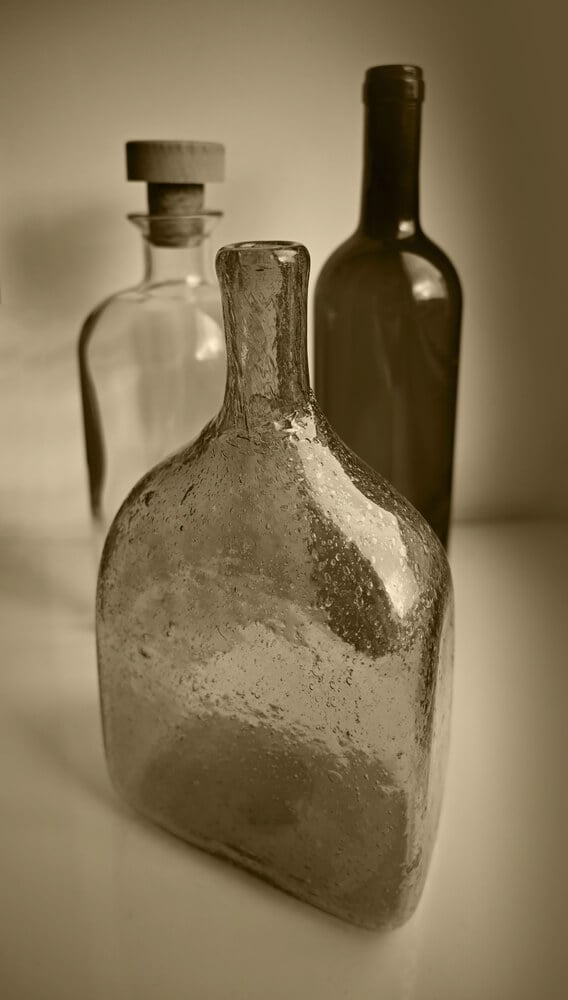
This building-shaped bottle from Philadelphia is embossed with the name E.G. Booz and the date 1840, although the bottles were produced later, around the 1860s. Folklore claims the brand gave English the word booze.
It did not, since the word is centuries older, but the story helps the bottle sell. Originals are scarce and valuable, often reaching thousands of dollars, while reproductions made for the tourist trade in the 1930s and later are common and cheap.
The genuine article shows period glass character and exact embossing details that experienced buyers check before bidding.
Eagle and Masonic Historical Flasks
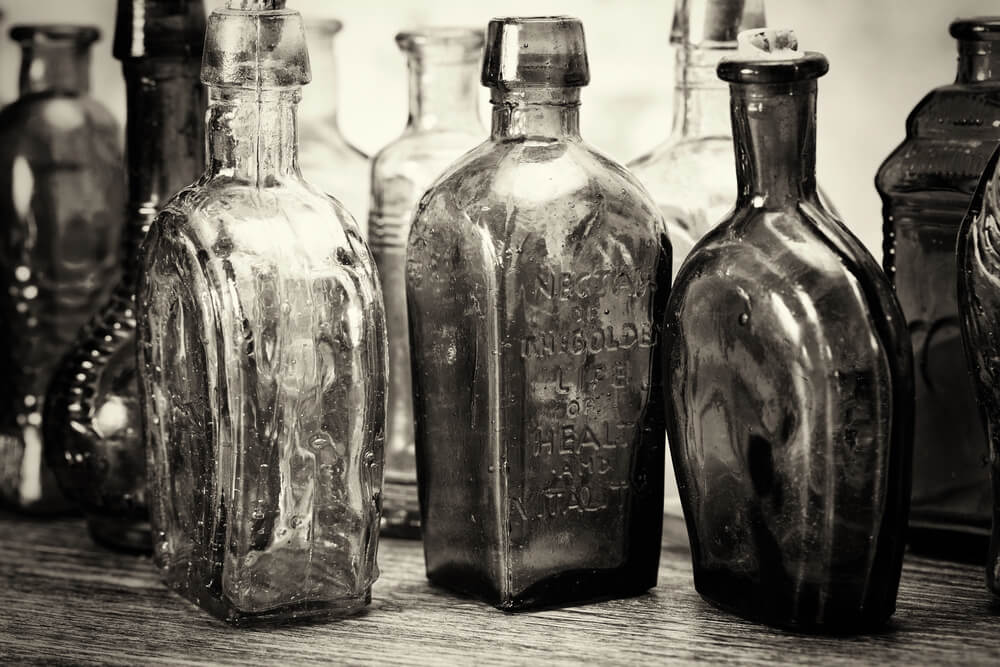
American glasshouses in the early nineteenth century made pint and half-pint flasks with patriotic and fraternal designs, and collectors catalog them by number using the McKearin system. Eagles, Masonic emblems, portraits of Washington and Zachary Taylor, and ships all appear.
Common aqua flasks trade at a few hundred dollars. Rare mold and color combinations in cobalt, amethyst or deep green have brought five figures at specialist auctions.
Pontil marks on the base help confirm age. Wear on the high points of the design is expected, but cracks and repaired lips reduce value sharply.
Pontiled Patent Medicines
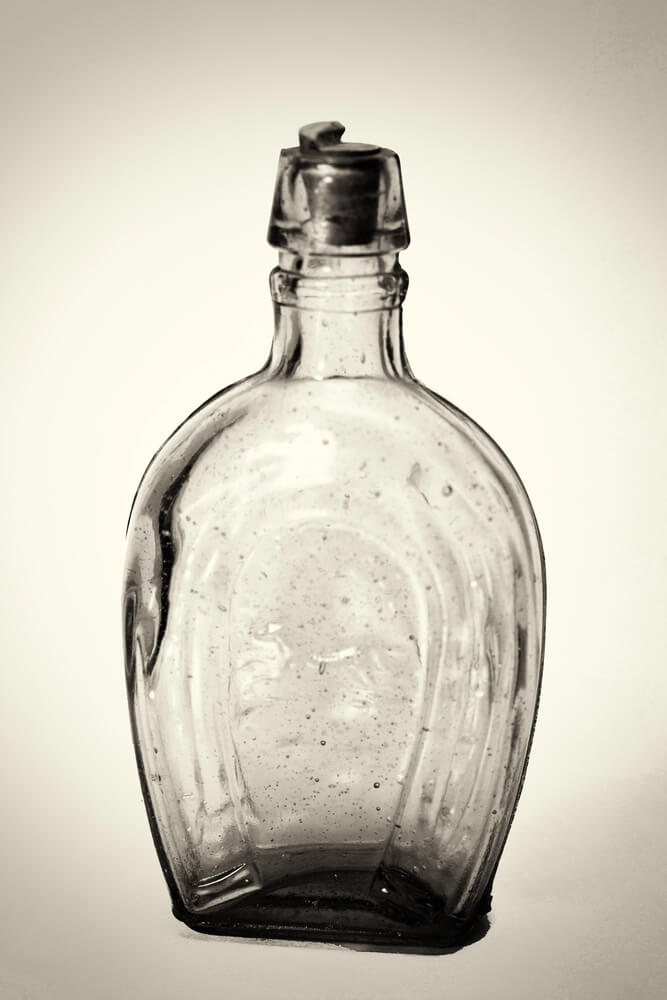
Before snap-case tools took over around the 1850s and 1860s, glassblowers held bottles with a pontil rod, leaving a rough scar on the base. Diggers prize patent medicines that still carry that mark, because it places them among the oldest glass in a dump.
Embossed pontiled medicines with names such as Swaim’s Panacea or Dr. Townsend’s often trade at 50 to 500 dollars, depending on color and rarity. An open pontil on an aqua cure bottle from a short-lived maker can be worth more than a much prettier later bottle.
Lip damage and cracks remain the usual deal-breakers.
Warner’s Safe Cure Bottles
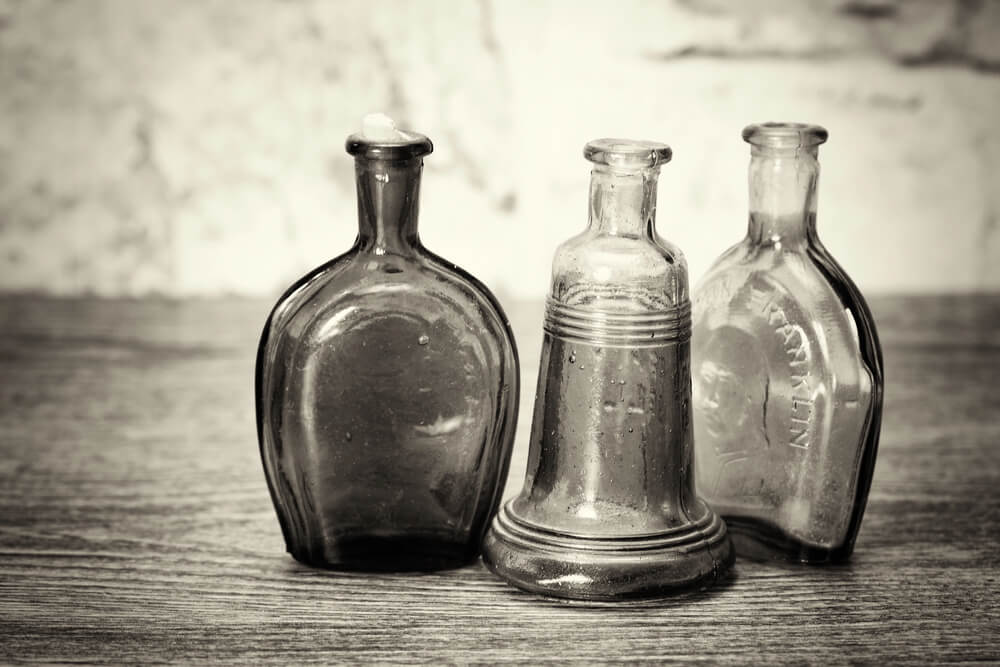
Henry H. Warner built a patent medicine empire in Rochester, New York, and his bottles carry an embossed safe on the front. Standard amber Warner’s bottles are common and trade at 10 to 40 dollars.
Variants from his branch offices in London, Melbourne, Toronto, and Frankfurt draw more interest, and the small pint sizes and rarer colors in green or red amber reach hundreds. Collectors track the product names, including kidney cures, nervines and diabetes remedies, as separate varieties.
The embossed safe needs to be crisp, and interior residue from the original contents is common but usually cleanable.
Cobalt Poison Bottles With Embossed Warnings
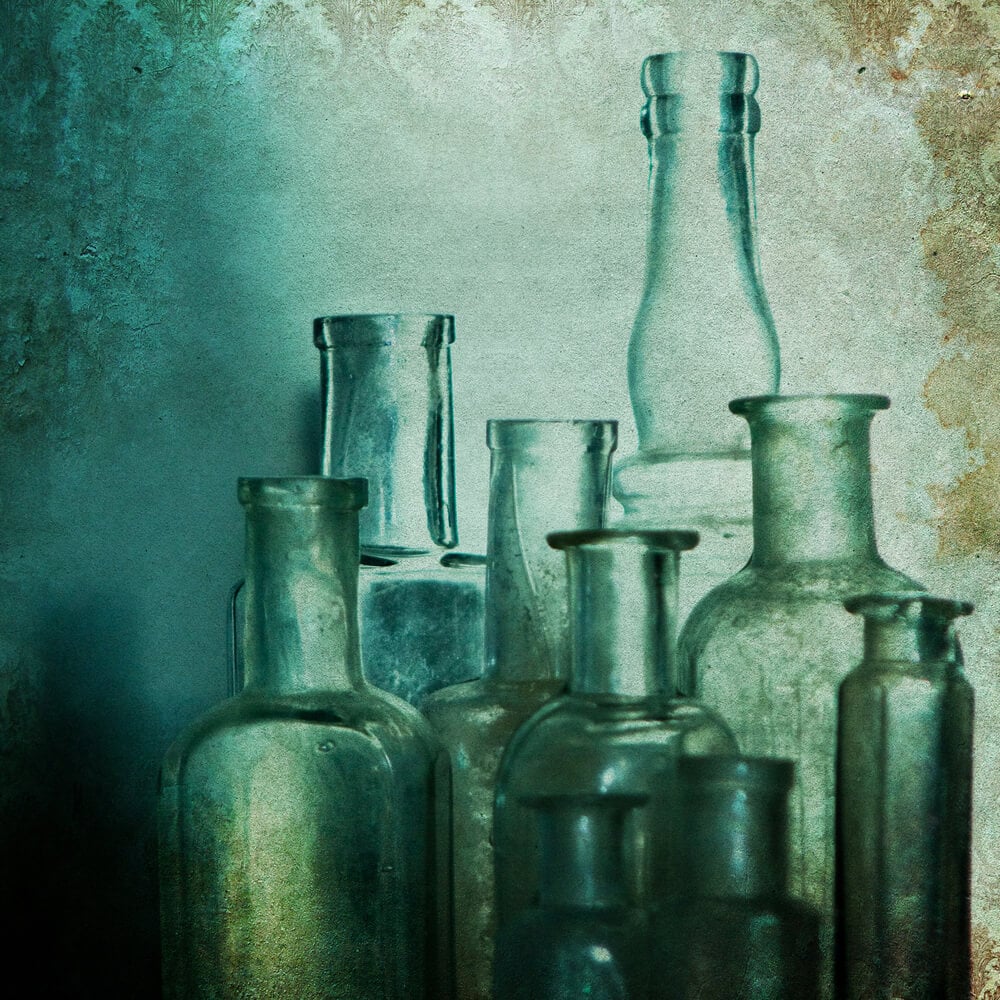
Poison bottles were made to be felt as well as seen, with ribs, diamond patterns or raised lettering so that a person reaching into a dark cabinet would not mistake them for medicine. Cobalt blue is the collector favorite.
Common ribbed cobalt poisons trade at 10 to 50 dollars, while figural designs such as the coffin shape or skull-shaped bottles bring hundreds and sometimes more. Size matters, with the tiniest and largest versions usually scarcest.
Chips on the raised ribs are common and expensive, and buyers check the stopper finish closely because original glass stoppers add value.
Hayward and Harden Fire Grenades
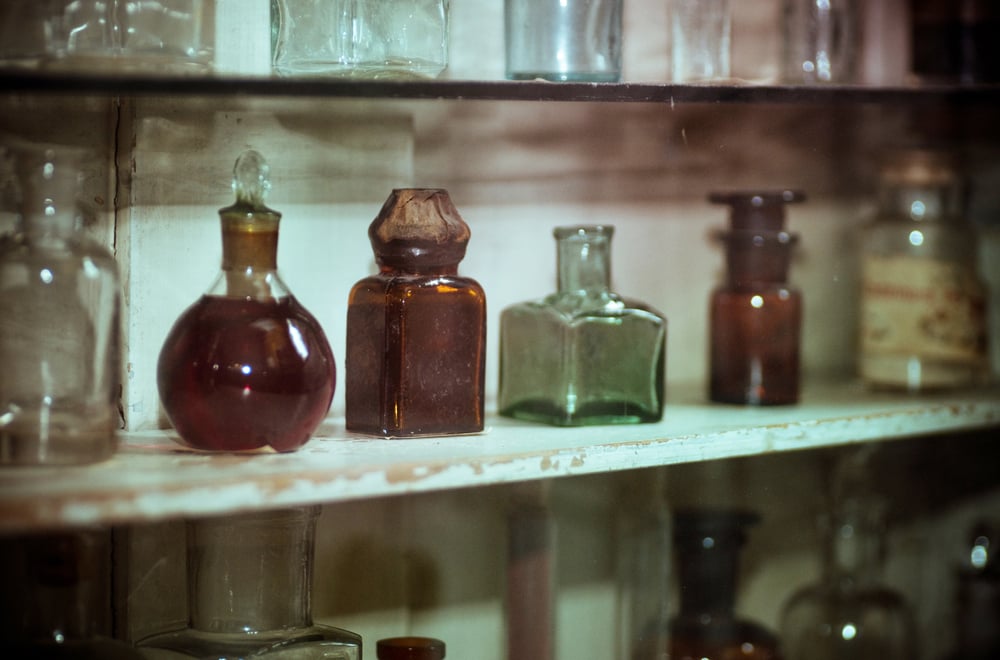
In the late nineteenth century, households hung glass bulbs filled with liquid near stoves and in hallways, meant to be thrown at a fire to break and douse the flames. Brands such as Harden’s Star and Hayward’s Hand Fire Grenade came in cobalt, amber and green.
Complete examples, especially those still holding liquid, trade at hundreds of dollars, and scarce colors go past a thousand. The irony is that a bottle designed to shatter on impact is only valuable when it never did.
Surviving contents should not be opened, since some formulas contained hazardous chemicals.
Codd-Neck Bottles With the Marble Intact
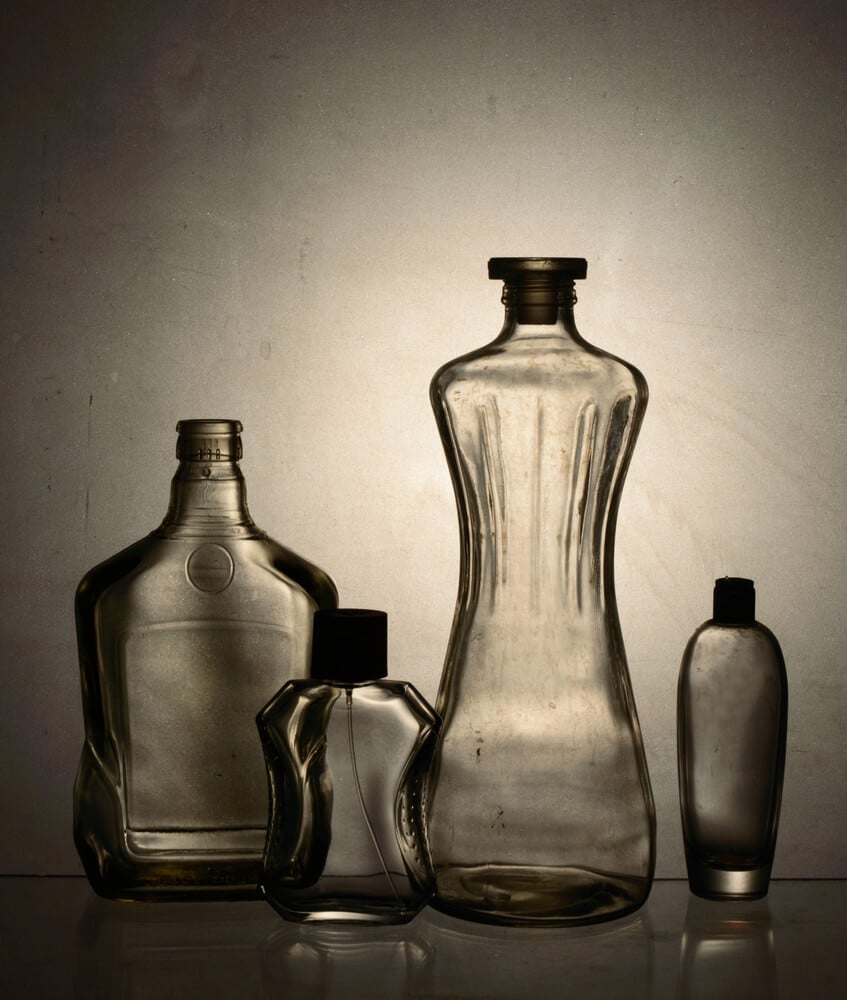
Hiram Codd patented his soda bottle in the 1870s. A glass marble in the neck was pressed upward by carbonation against a rubber ring, sealing the drink.
Children smashed countless Codds to get the marble, which is why intact ones are worth digging for. Common aqua Codds trade at 10 to 50 dollars, while colored examples in cobalt, amber or green trade at hundreds and sometimes thousands.
British and Australian diggers find them most often. Chipped necks and missing marbles cut value hard, and embossing that names a small local maker adds interest.
Blob-Top Beer Bottles From Local Breweries
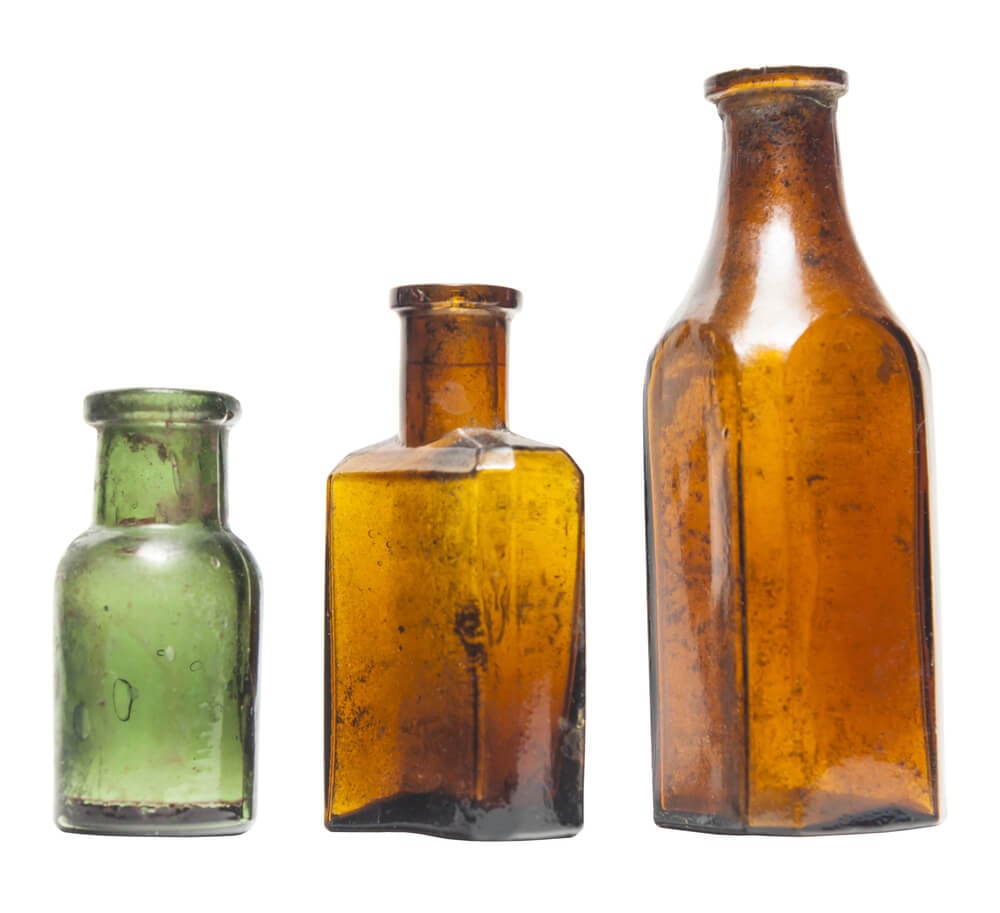
Before crown caps, beer bottles closed with corks held down by wire, and the thick rounded lip that gripped the wire is called a blob top. Local breweries embossed their names and cities, making these bottles collectible by region.
A common aqua blob-top trades at 10 to 30 dollars, while scarce brewery names or colored glass bring hundreds. Collectors in cities with deep brewing histories, including Milwaukee and St. Louis, pay the most for their home names.
Stain from decades underground is common, and a bruised lip or bad chip at the blob lowers the price more than light haze.
Cathedral Pickle Jars
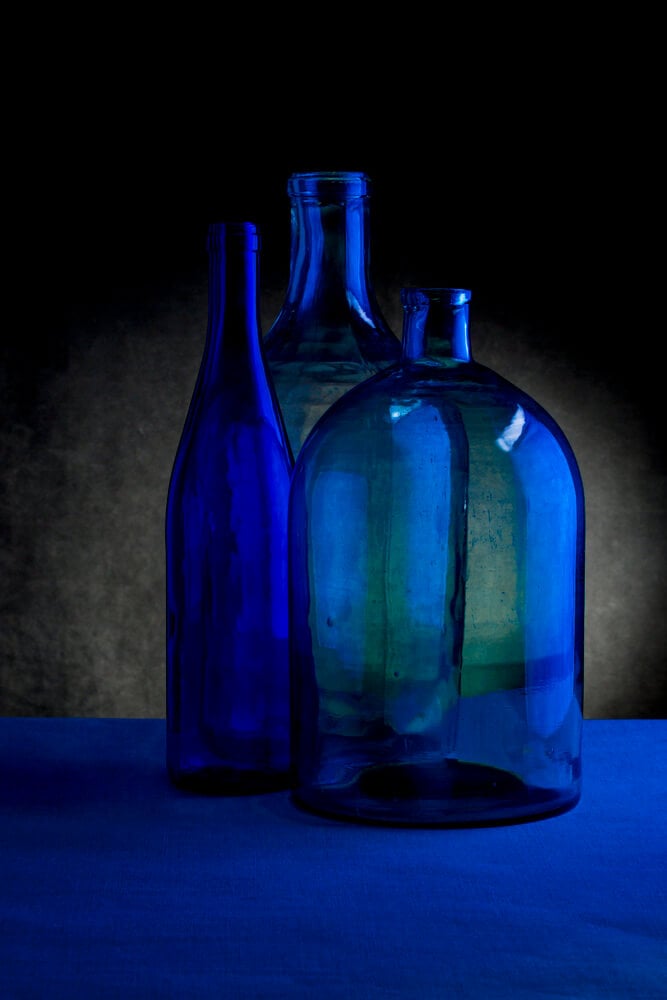
Gothic-style pickle jars with arched panels on each side were made from roughly the 1850s through the 1870s. They are large, aqua or green, and look like small stained-glass windows.
Many carry no embossing at all, and value depends on the complexity of the panels, the color and the size. Plain aqua examples bring a few hundred dollars.
Rare colors and elaborate designs reach into four figures. The panels break easily, so complete jars are harder to find than the number of shards in any dump suggests.
Chips at the rim are common and reduce value.
Umbrella and Cone Ink Bottles
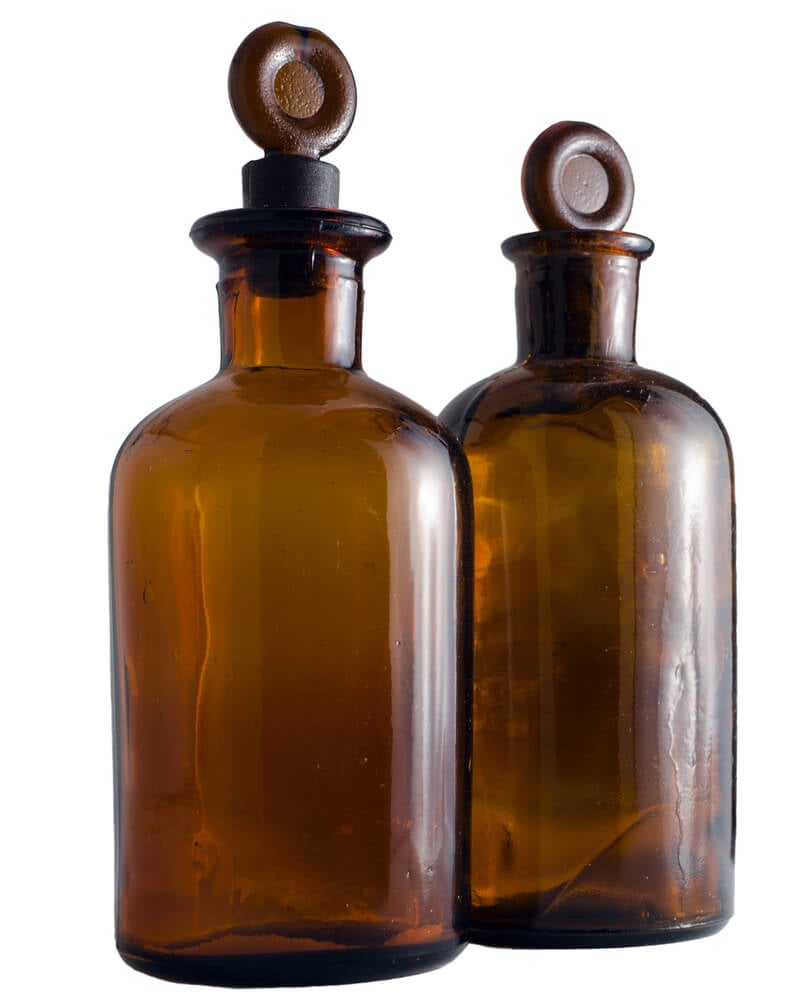
Nineteenth-century ink came in small bottles with wide bases that resisted tipping. The umbrella ink has eight or more angled panels.
The cone ink has a sloping shape. Most are aqua and trade at 20 to 100 dollars, but pontiled examples and those in cobalt, amber or emerald trade at hundreds.
Figural inks shaped like houses, turtles or barrels are the prizes of the category. The small size means they survive well, but chips at the lip and base are common, and the price drops sharply with any crack.
Saratoga Mineral Water Bottles
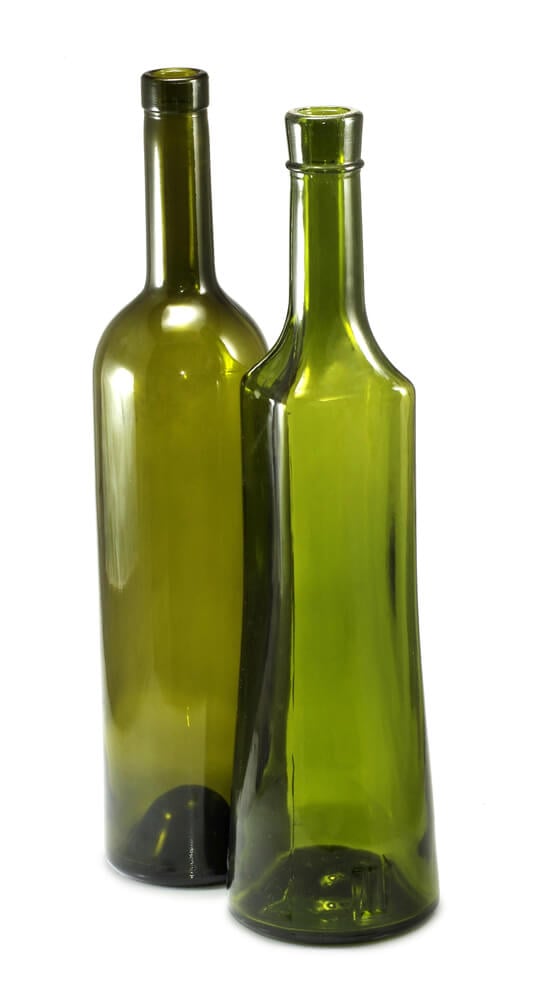
Saratoga Springs, New York, turned its springs into a national bottling business in the nineteenth century, shipping heavy mineral water bottles in olive, emerald and amber glass. Names such as Congress and Empire Spring, High Rock Spring, and Saratoga Star Spring are embossed on the bottles.
Common shades trade at 50 to 200 dollars. Unusual colors and scarce spring names bring more.
The glass is thick, so these bottles come out of the ground in better shape than most. Diggers watch for bruising at the shoulders and for interior haze that cleaning cannot fully remove.
Dr. Townsend’s Sarsaparilla
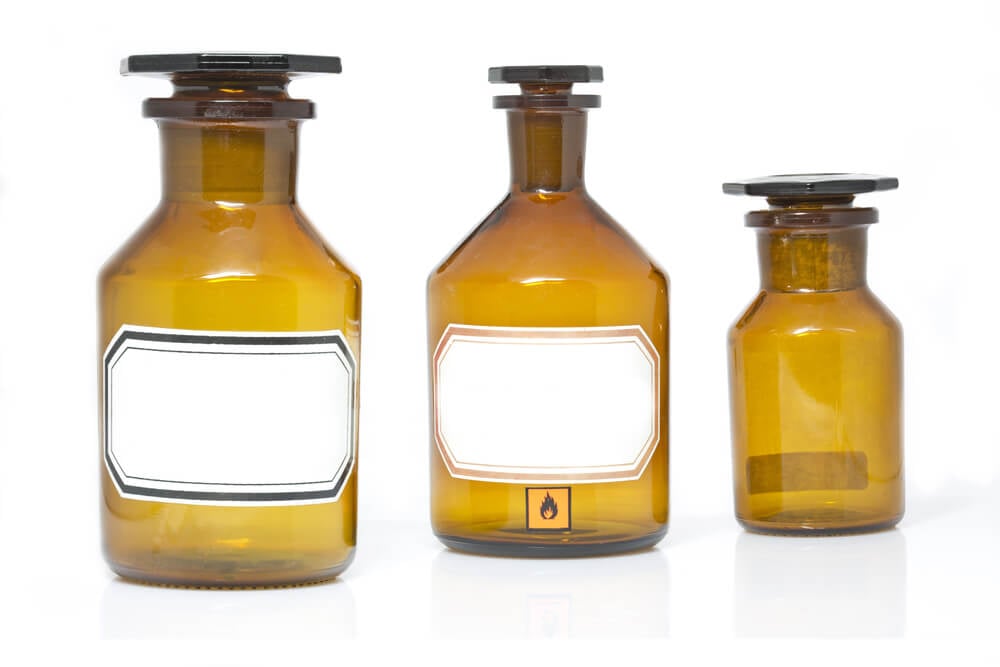
Sarsaparilla was sold as a blood purifier, and Dr. Townsend’s was one of the first big brands, with square bottles embossed in large letters. Early pontiled versions came in emerald, olive, and aqua.
The emerald and olive colors are the ones diggers hope for, trading at 150 to 500 dollars, sometimes more for strong color. Aqua versions sell for less.
The brand fought legal battles with a rival marketer who used the same name, so there are two Townsend lines to sort out. Base chips and interior stain remain the usual problems.
Black Glass Onion Bottles
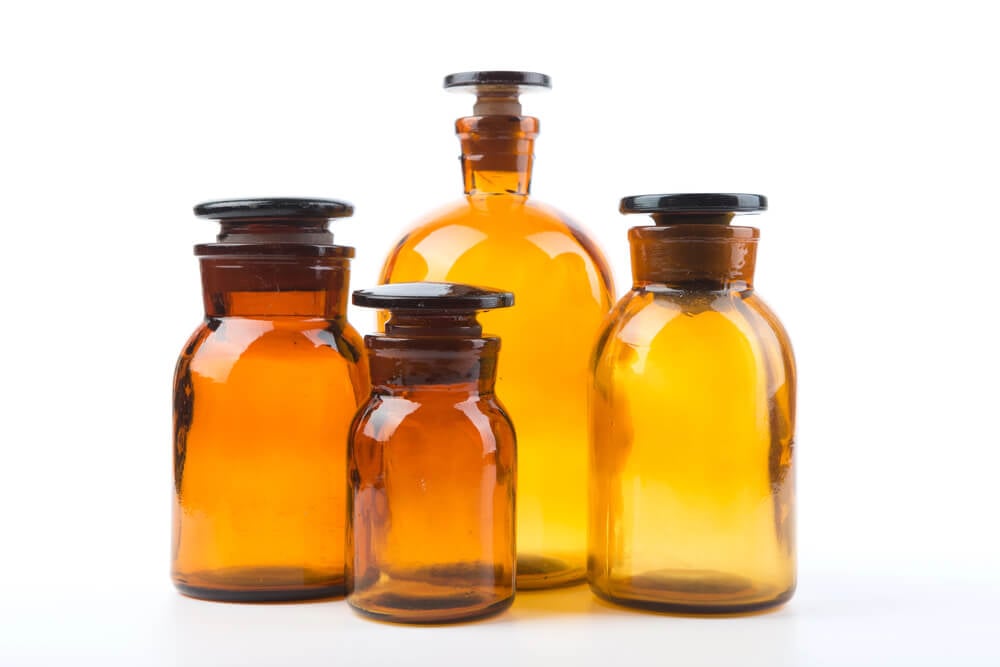
English wine and spirit bottles from the late seventeenth and eighteenth centuries were blown in dark olive glass so thick it looks black, with squat onion-shaped bodies. Some carry applied glass seals bearing initials or dates.
Unsealed onion bottles trade at a few hundred dollars. Sealed and dated examples reach thousands.
Diggers find them in colonial sites, river mud and English building projects. Their surfaces often show iridescent weathering, which collectors accept and sometimes prefer, but cracks through the body and damaged necks lower value considerably.
Dutch Case Gin Bottles
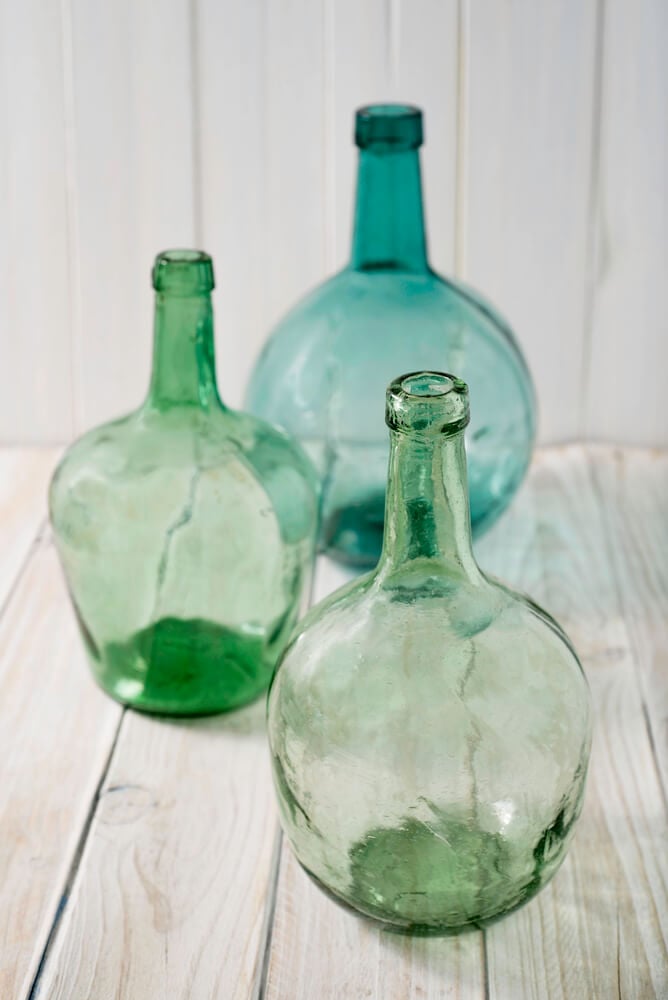
Case gin bottles were square and tapered toward the base so they could pack tightly into wooden crates for shipping. They came mostly from the Netherlands in dark olive glass, and examples carrying an applied seal or embossed maker name command more.
Plain case gins trade at 50 to 150 dollars. Sealed or unusual colored versions reach several hundred.
They turn up in colonial sites across North America, the Caribbean and Australia. Buyers look for intact lips, since the applied finish breaks easily, and for glass free from major cracks.
Mason’s Patent 1858 Fruit Jars
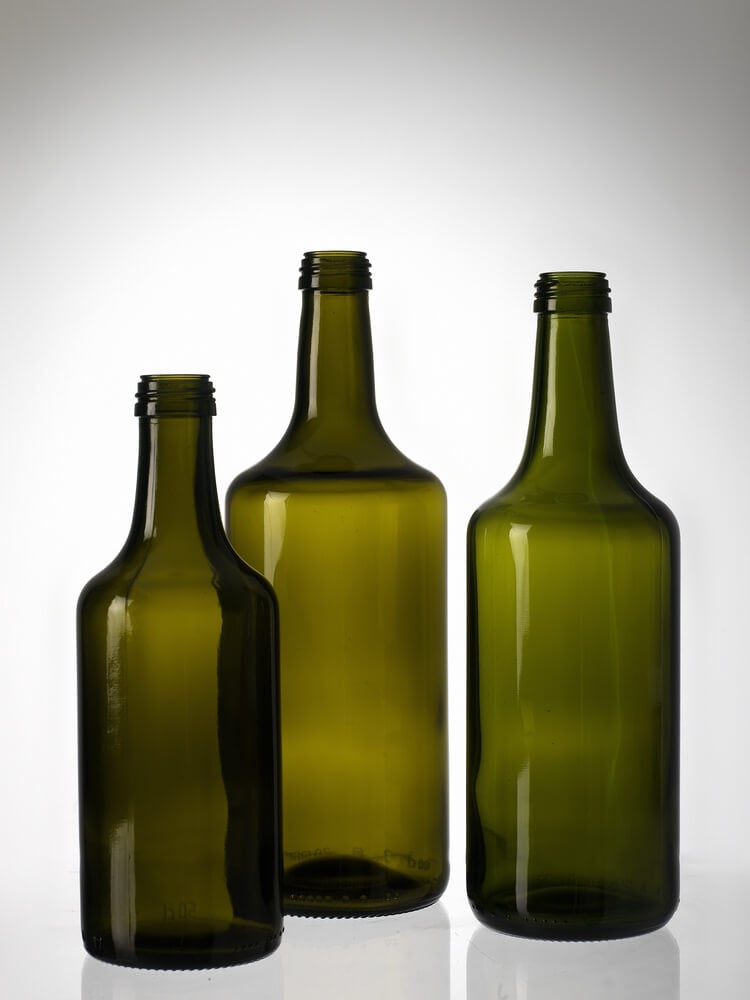
John Landis Mason patented his screw-thread jar on November 30, 1858, and that date was embossed on jars for decades after. Common aqua versions trade at 10 to 40 dollars.
Scarce colors such as amber, cobalt and deep green trade at hundreds. The ultimate finds are early examples with a ground lip and unusual mold marks.
Collectors use jar reference books to identify variants, and there are thousands. Chips on the ground lip are common and lower value, and buyers expect the glass to be free from cracks at the shoulder.
Embossed Milk Bottles From Vanished Dairies
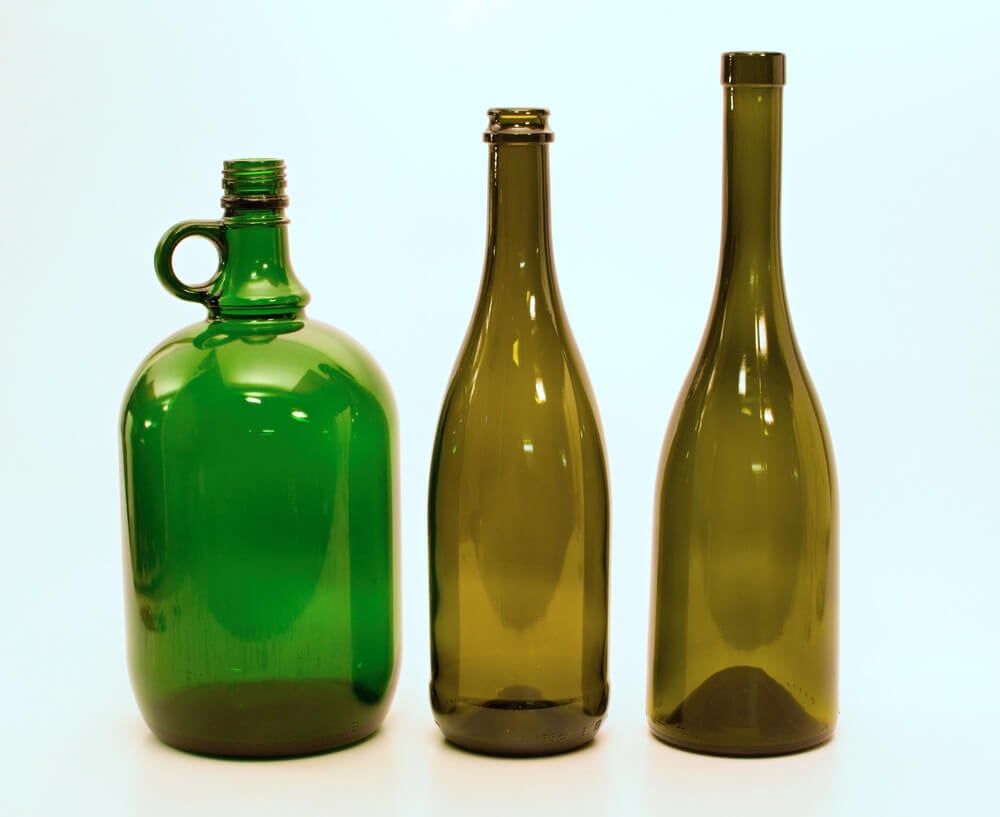
Milk was delivered in glass bottles well into the twentieth century, and every local dairy had its own embossed or painted bottles. Most trade at 10 to 40 dollars, but bottles with war slogans, cream-top designs, or the names of tiny rural dairies sell for more.
Collectors often buy by region, and a bottle from a dairy that operated only a few years can reach 100 dollars or more. Painted labels fade and scratch, so strong color matters.
Chips at the lip and base are common because the bottles were washed and refilled many times.
Local Drugstore Prescription Bottles
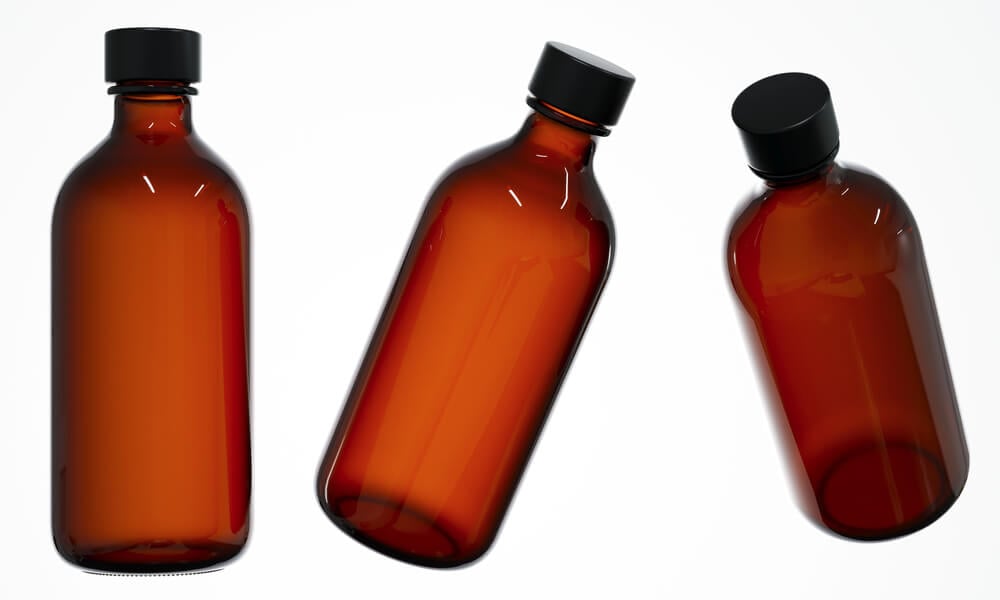
Pharmacies in the late nineteenth and early twentieth centuries ordered bottles embossed with their own names and towns. These bottles are small and mostly clear or aqua, and each one is a record of a business on a specific Main Street.
Common examples trade at 5 to 20 dollars. Scarce towns and colored glass bring more, and bottles from places that no longer exist draw regional collectors.
Condition matters less than rarity with these, but chips, stains and cracks still lower the price. A bottle with a legible town name and a clear shape always sells.
Barber Bottles in Milk Glass and Hobnail
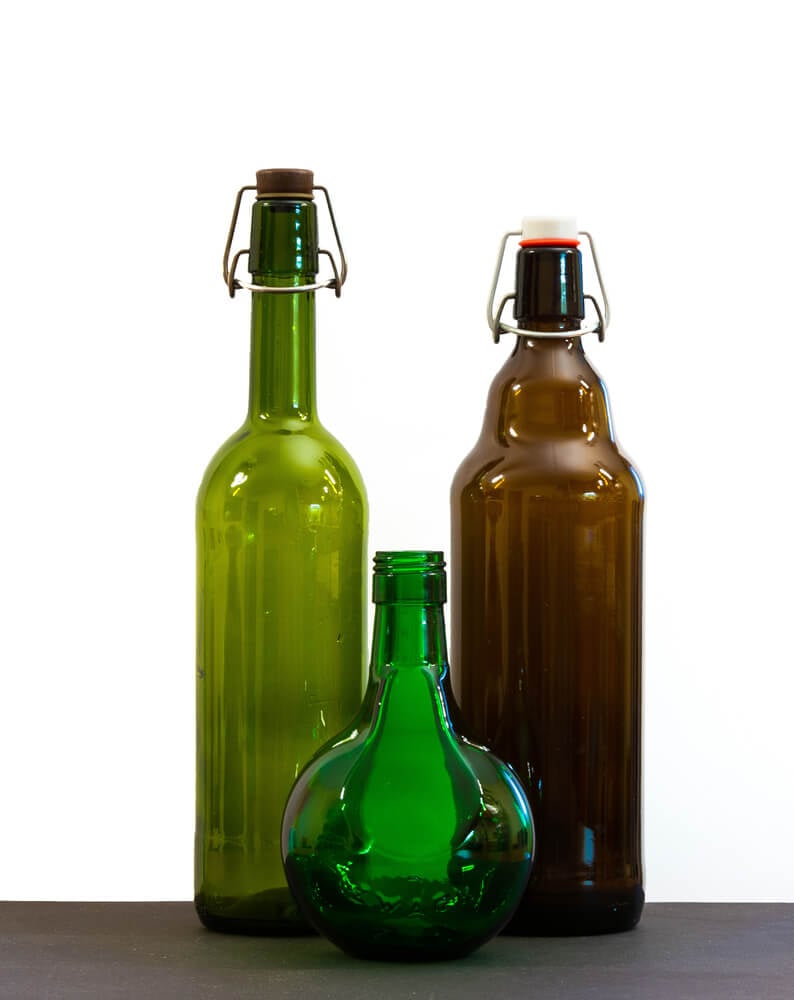
Barbershops of the late nineteenth century kept tonics and colognes in decorative bottles, often in milk glass, cranberry glass or hobnail patterns, with hand-painted flowers and enameled labels. These were shelf bottles rather than retail containers, so they were made to look good.
Common barber bottles trade at 50 to 200 dollars, while elaborately enameled and rare colors bring hundreds. Many were refilled, so staining is common.
Buyers check for worn enamel and chips at the lip. A matching pair from the same shop is worth more than two separate bottles.
Seltzer Siphons With Etched Names
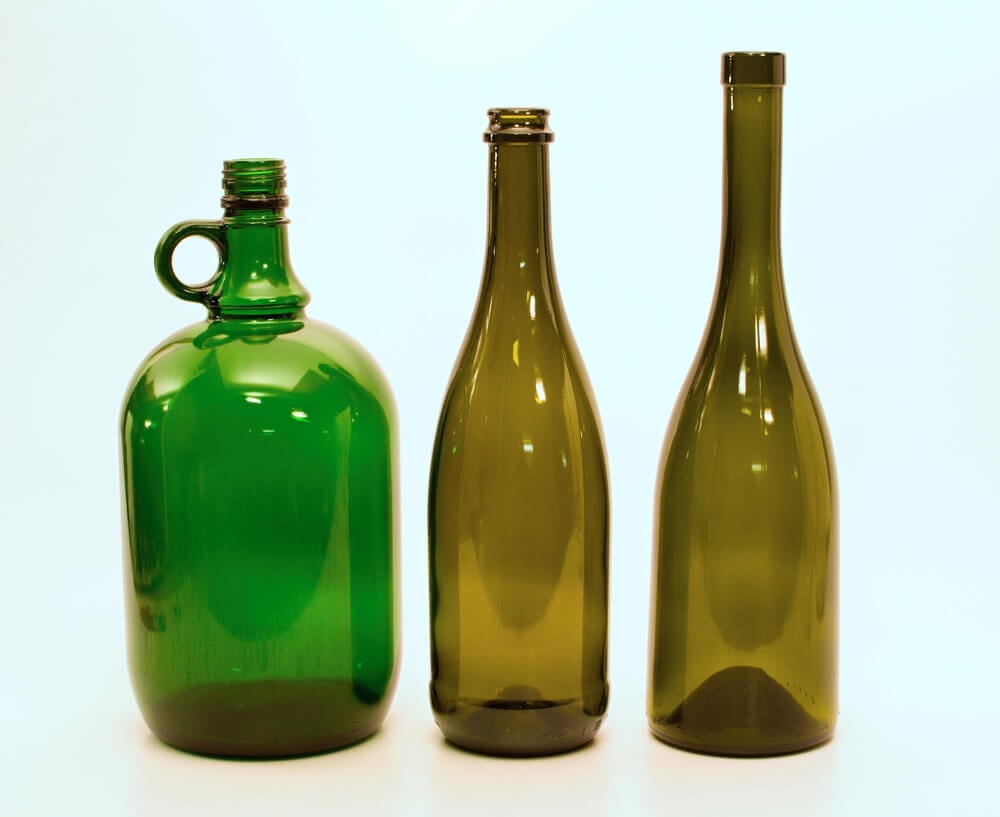
Seltzer siphons were heavy glass bottles with metal heads that dispensed carbonated water under pressure, delivered by the case to homes and bars well into the twentieth century. Many were acid-etched with the name of a local bottler, and colored glass in cobalt, green or amethyst adds real value.
Common clear siphons trade at 30 to 80 dollars, while colored and scarce-name examples bring hundreds. Diggers usually recover bodies without heads, which is why complete siphons command a premium.
Replaced heads lower value, and faint etching makes a siphon hard to sell.
Painted-Label Soda Bottles
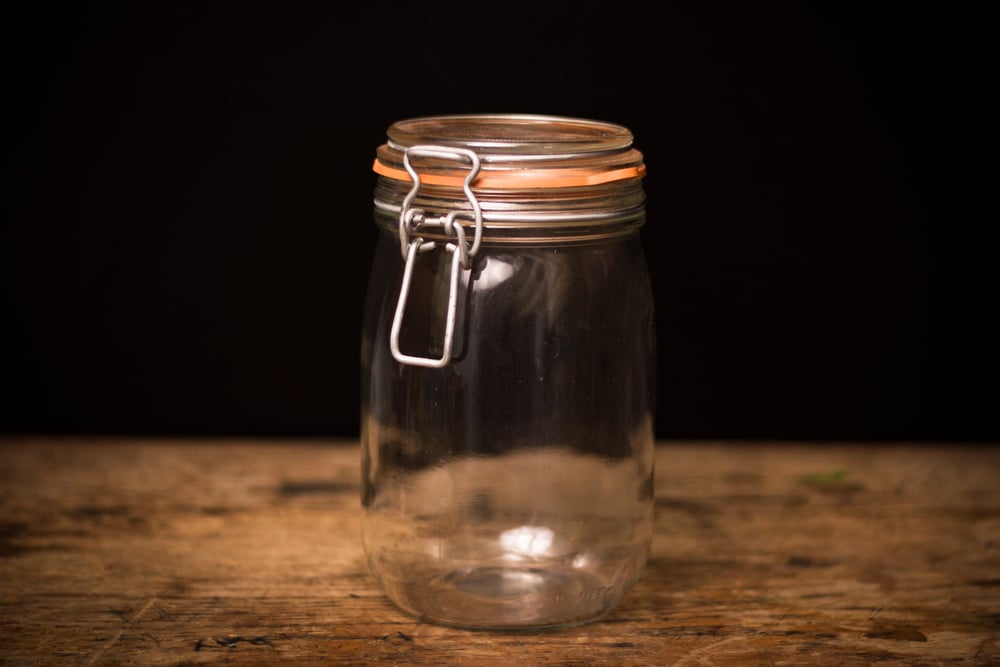
Applied color labels, fired permanently onto the glass, arrived on soda bottles in the 1930s and let small bottlers print cowboys, rockets, animals and cartoon mascots right on the bottle. Regional brands are the draw here, and a bottle from a one-town bottler often outsells anything from a national company.
Common painted-label bottles trade at 5 to 30 dollars, while scarce brands with bold two-color graphics bring 100 dollars and more. Crate rub is the enemy.
Labels scratch and fade where bottles knocked together on delivery trucks, so a bright, complete label is what buyers pay for.
Mrs. S.A. Allen’s World’s Hair Restorer
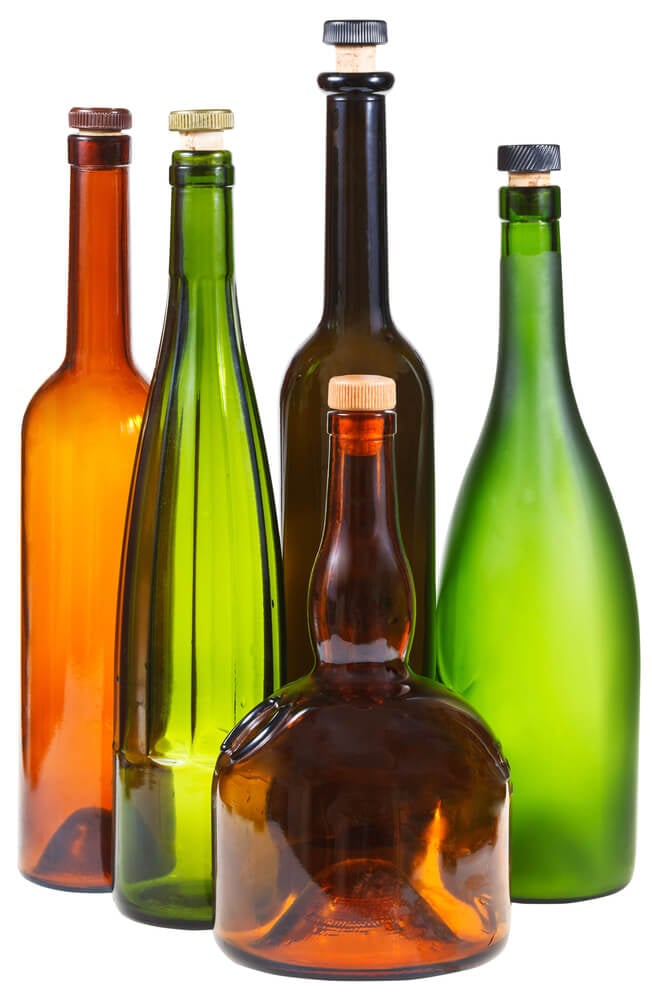
Hair tonics crowded nineteenth-century drugstore shelves, and Mrs. S.A. Allen’s World’s Hair Restorer stood out with bottles in deep amethyst, a shade collectors often call puce. The product promised to return gray hair to its natural color, and it sold in large numbers across the country.
Common examples trade at 30 to 80 dollars, with lighter or unusual color variants bringing more. Held to a window, the amethyst glows red, which is half the appeal.
Base chips and residue inside the neck are common, and crisp embossing is what separates an easy sale from a slow one.
Midwest Pattern-Molded Chestnut Flasks
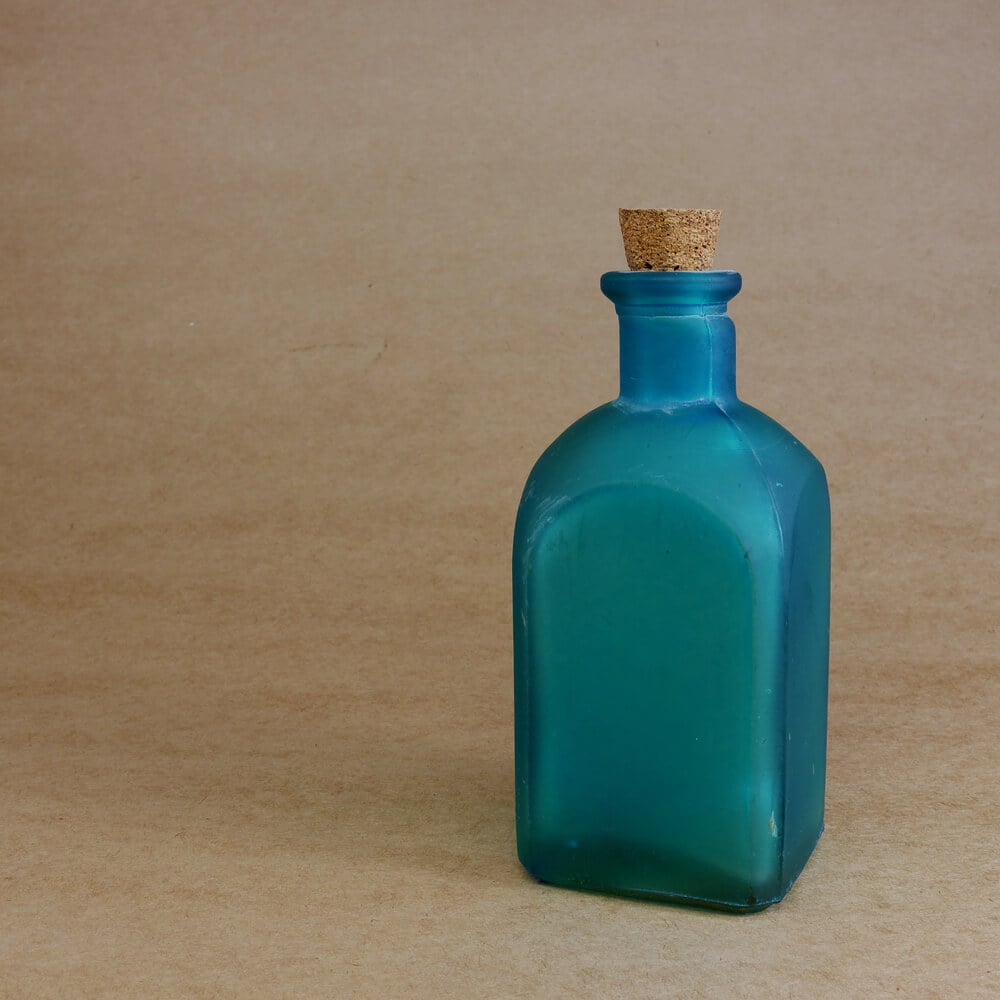
Ohio glasshouses around Zanesville and Mantua blew small flasks with swirled or ribbed patterns in the early nineteenth century, and collectors call them chestnut flasks for their rounded, nutlike shape. Colors run from aqua through amber and green, with amethyst and blue the rarities.
Common aqua chestnuts trade at a couple of hundred dollars, and the rare colors have reached thousands at specialist sales. Pattern clarity decides a lot.
Ribs should read crisp rather than blurred, a pontil scar should show on the base, and cracks or heavy stain pull the price down fast.
Stoddard Glass From New Hampshire
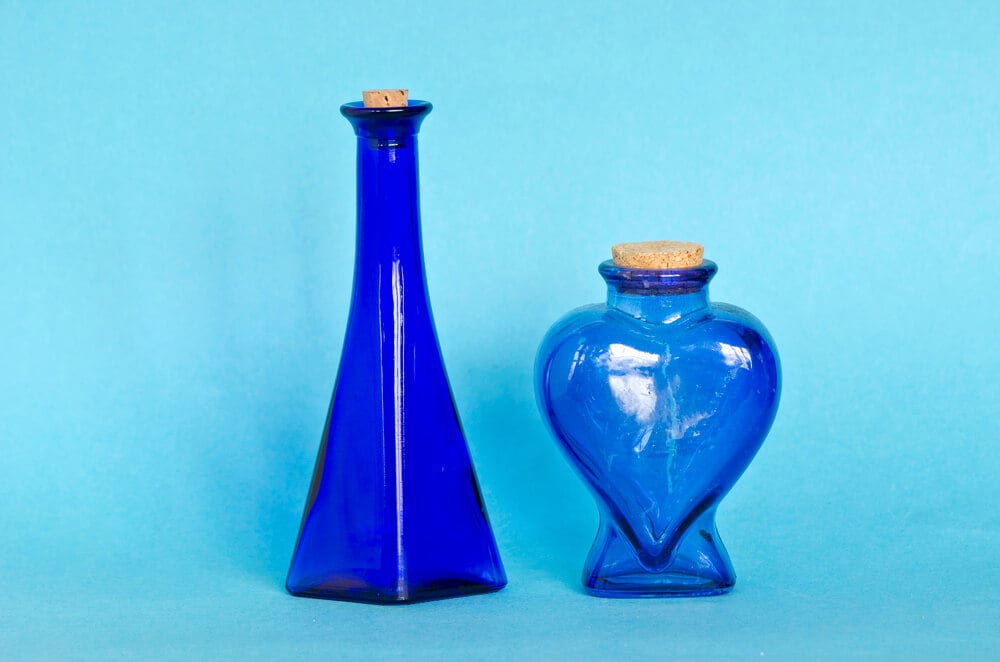
Several small glasshouses in Stoddard, New Hampshire, made bottles, flasks and jars in the mid-nineteenth century, and their output is known for deep amber and olive tones full of seed bubbles. Collectors treat those imperfections as a signature rather than a flaw.
Common Stoddard bottles trade at 100 to 300 dollars, while rare embossed flasks bring thousands. Attribution matters, since similar glass came from other New England works, and dealers lean on documented shards from the factory sites.
Cracks and lip chips still cut value, even on a piece with perfect color.
Bininger Clock-Shaped Regulator Bottles
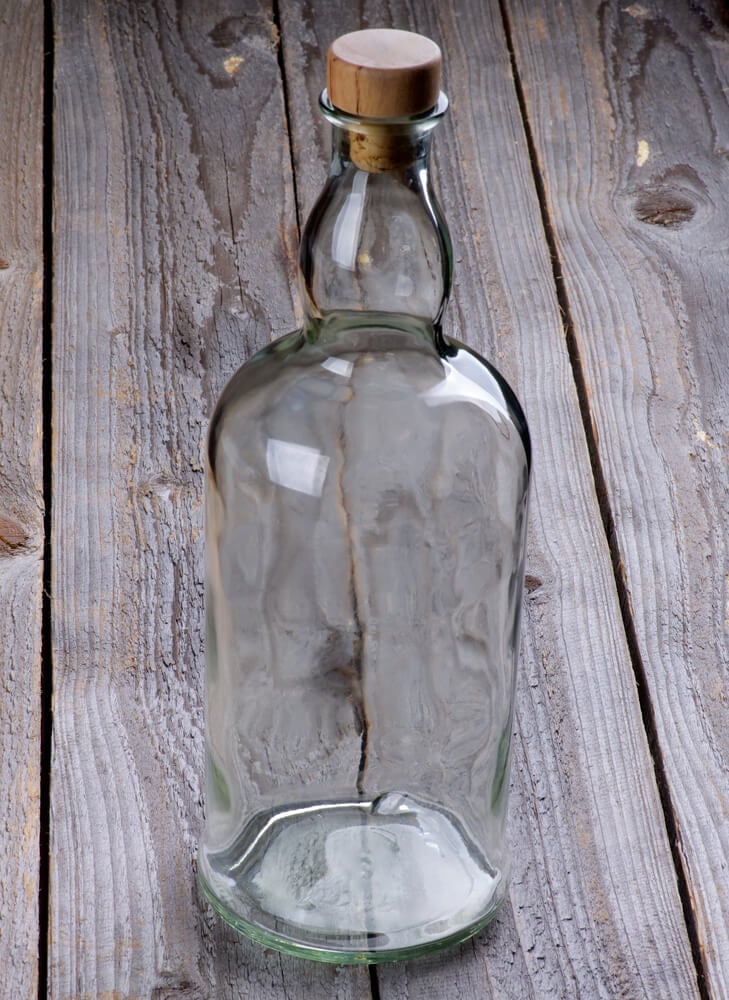
A.M. Bininger and Company of New York sold liquor in figural bottles during the mid-nineteenth century, and the clock-shaped Regulator is the one diggers talk about. The bottle is molded as a mantel clock with a dial face on the front, usually in amber glass.
Examples trade at hundreds of dollars and occasionally reach four figures. The raised dial is the first place wear shows, and chipped edges on the case knock value down quickly.
Bininger made other figural designs too, and a collector chasing the full set pays extra for the scarce ones.
Pumpkinseed Saloon Flasks
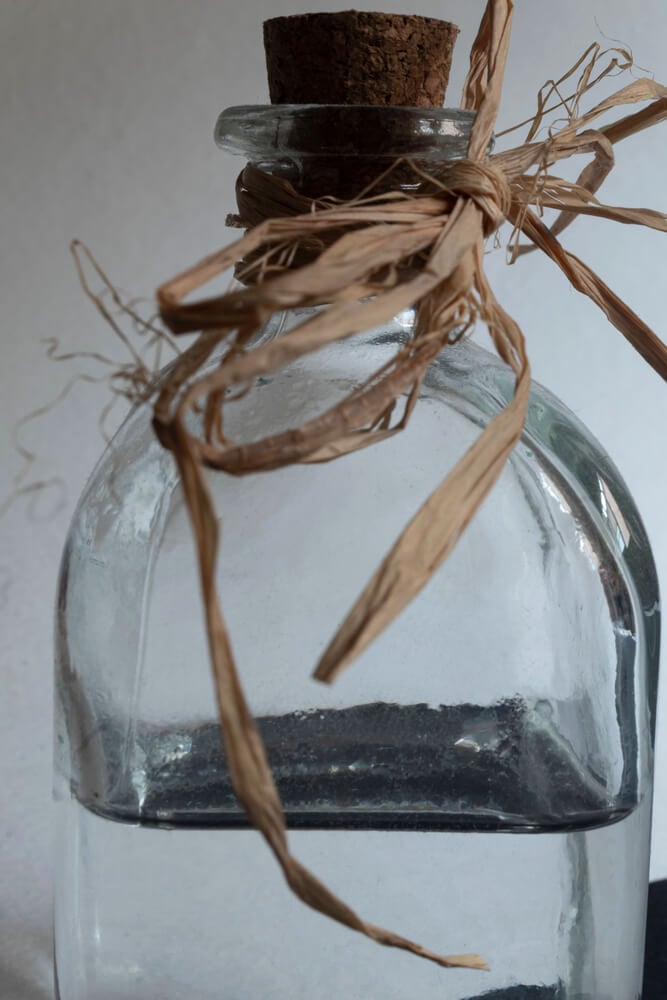
Western saloons of the late nineteenth century handed out small, flat flasks, nicknamed pumpkinseeds for their shape, often embossed with the saloon name and town. They were cheap giveaways meant to slip into a coat pocket and be refilled at the bar.
Plain examples trade at 20 to 60 dollars, while embossed flasks from small mining or cattle towns bring hundreds. Collectors of Western history pay the most for places that boomed and vanished.
Lettering usually outranks condition here, so a legible name from a ghost town beats a flawless flask with nothing on it.
Radam’s Microbe Killer Bottles
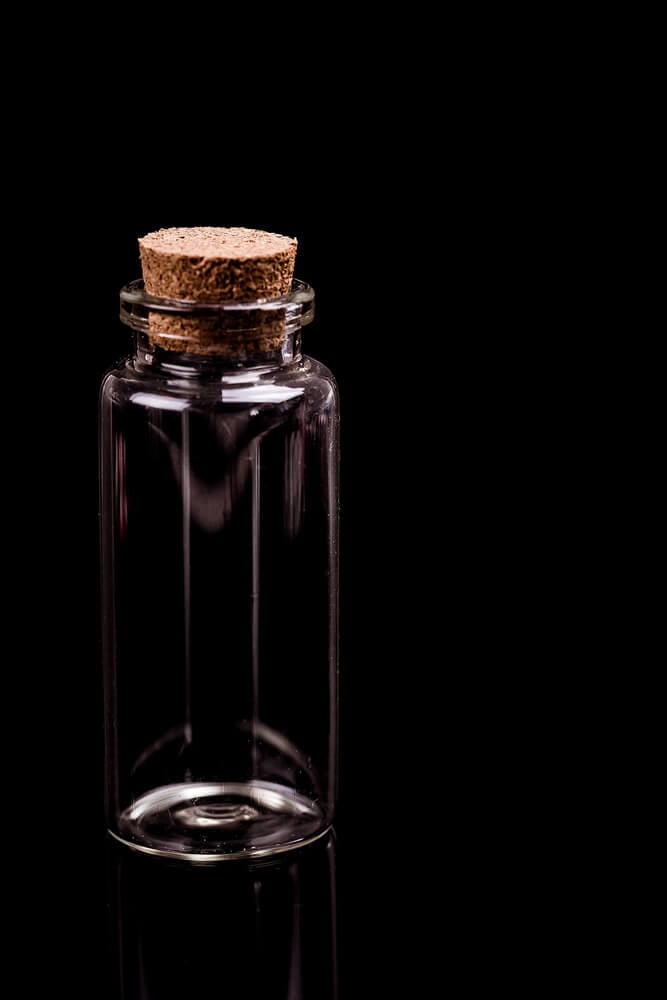
William Radam sold his Microbe Killer in the 1880s and 1890s with the claim that it cured every disease, and critics who tested it found little more than water with traces of acid. The amber bottles are embossed with a man clubbing a skeleton, one of the strangest images in American glass.
Common examples trade at 50 to 150 dollars, with scarce sizes and colors bringing more. The figure is the selling point, so buyers look for a sharp skeleton and a readable name.
Base chips and heavy interior stain lower the price.
Moxie Nerve Food Bottles
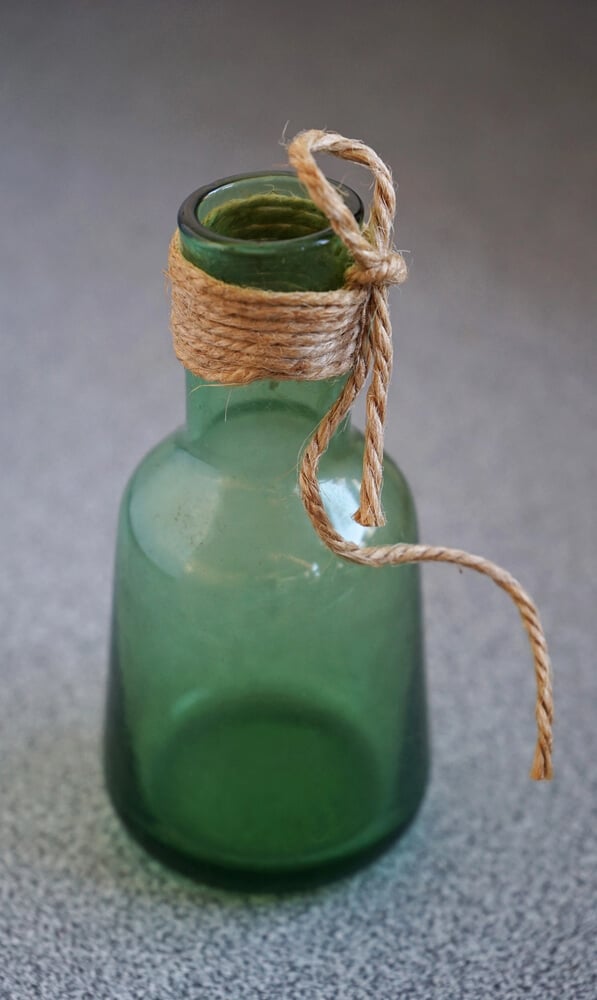
Moxie began in Lowell, Massachusetts, in 1876 as a patent medicine called Moxie Nerve Food, sold as a cure for nervousness and fatigue, before drifting into the soft drink business. Early aqua bottles are embossed with the medicine name, a relic of the brand’s first identity.
Examples trade at 30 to 100 dollars, with scarce early variants bringing more. The drink is still sold and still loved in New England, which keeps regional demand steady.
Buyers want clean embossing and a chip-free lip, and a bottle that marks the shift from medicine to soda draws the most attention.
Torpedo Soda Bottles With Round Bottoms
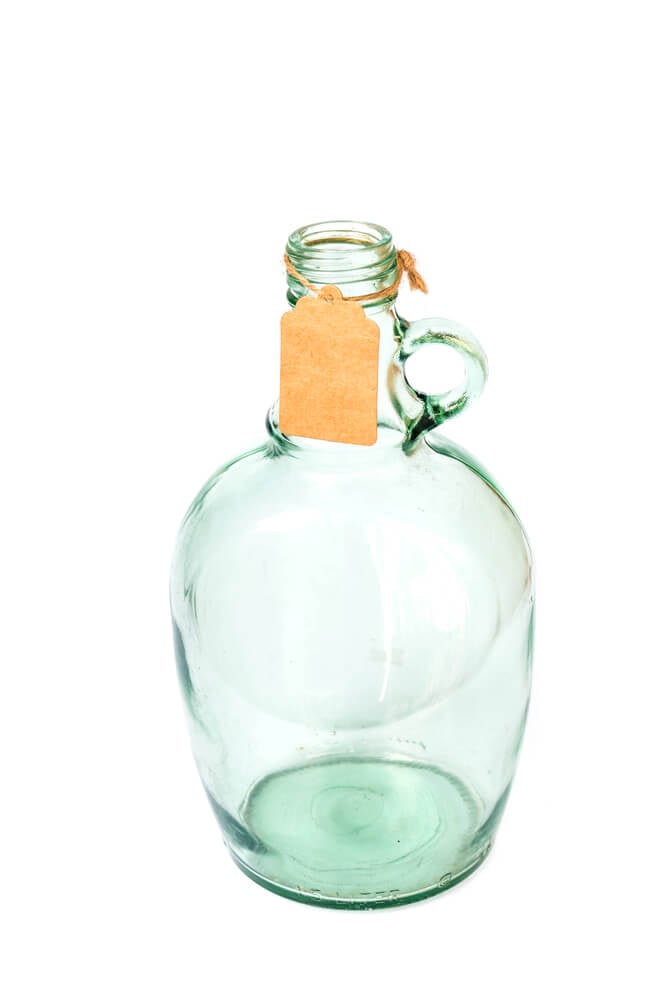
Early soda and mineral water bottles were sometimes made with rounded or pointed bases so they had to lie on their sides, keeping the cork wet and swollen tight. Collectors call these torpedo or Hamilton bottles, and they date mostly to the early and middle nineteenth century.
Common aqua examples trade at 50 to 150 dollars, while embossed and colored versions bring hundreds or more. The shape invites damage, and chips at the tip are common.
A torpedo naming a known maker, with a clean tip and no cracks, sells fastest.
Glass From the Ground Up
Every dug bottle is a small piece of evidence about what people drank, took for illness and threw away. The embossing records a business, a town and a year that may have no other surviving trace.
That is why a cracked bottle from a tiny maker can outsell a perfect common one, and why diggers treat each privy pit like a lost archive. The market rewards color, rarity and condition, in that order more often than not.
Fakes and reproductions are common, so buyers study bases, seams and lips. The best diggers learn the history before they learn the prices, because knowing which names matter is what separates a lucky find from a real one.
More from Go2Tutors!

- The Romanov Crown Jewels and Their Tragic Fate
- 13 Historical Mysteries That Science Still Can’t Solve
- Famous Hoaxes That Fooled the World for Years
- 15 Child Stars with Tragic Adult Lives
- 16 Famous Jewelry Pieces in History
Like Go2Tutors’s content? Follow us on MSN.