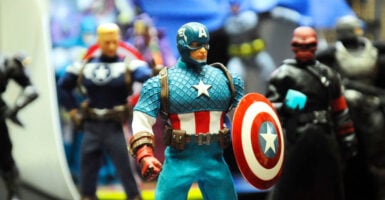
30 Vintage Action Figures and Robots Worth Money
A toy that cost a few dollars in 1978 was built to be bent, dropped, lost in a sandbox and chewed by a dog. Most met exactly that fate, which is why the survivors now trade like fine art.
The figures and robots below span tin windups from postwar Japan to plastic heroes from Saturday morning television. Some are valuable because almost nobody bought them, while others sold by the millions and are valuable because almost nobody kept one sealed.
Rocket-Firing Boba Fett Prototypes
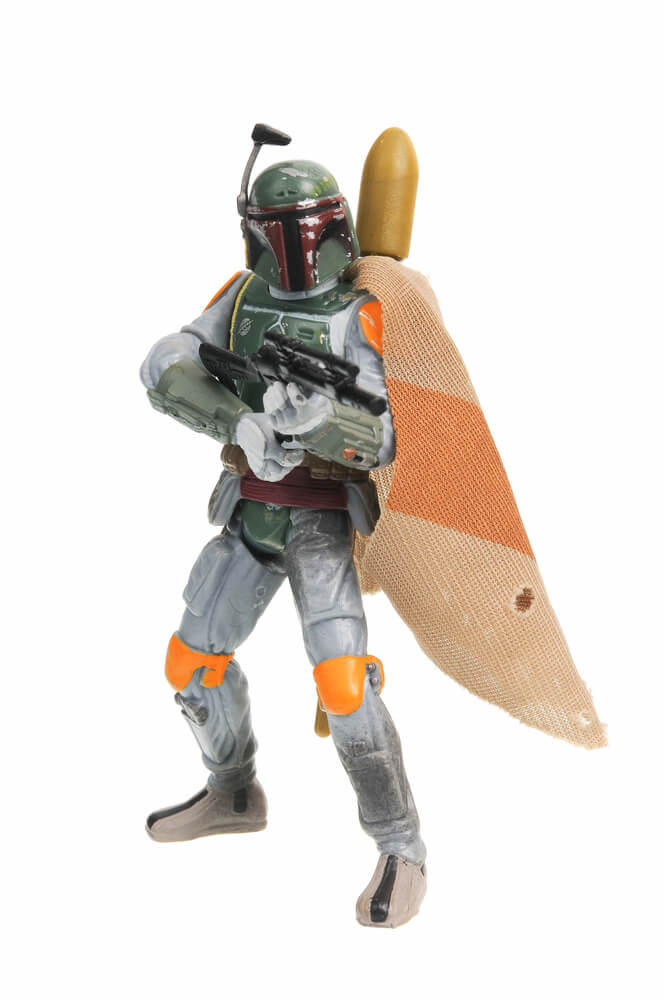
Kenner showed a Boba Fett with a spring-loaded backpack rocket at the 1979 New York Toy Fair, then scrapped the firing feature before production. Only prototypes survive, sorted by collectors into L-slot and J-slot versions after the shape of the firing mechanism.
An unpainted L-slot example sold for 236,000 dollars at Hake’s in 2022, and a painted J-slot sold for 204,435 dollars there the same year. Grading drives everything, since many prototypes were heated, frozen and stress-tested at the factory.
The production figure, with its rocket glued in place, sells at a small fraction of those sums.
Vinyl Cape Jawa
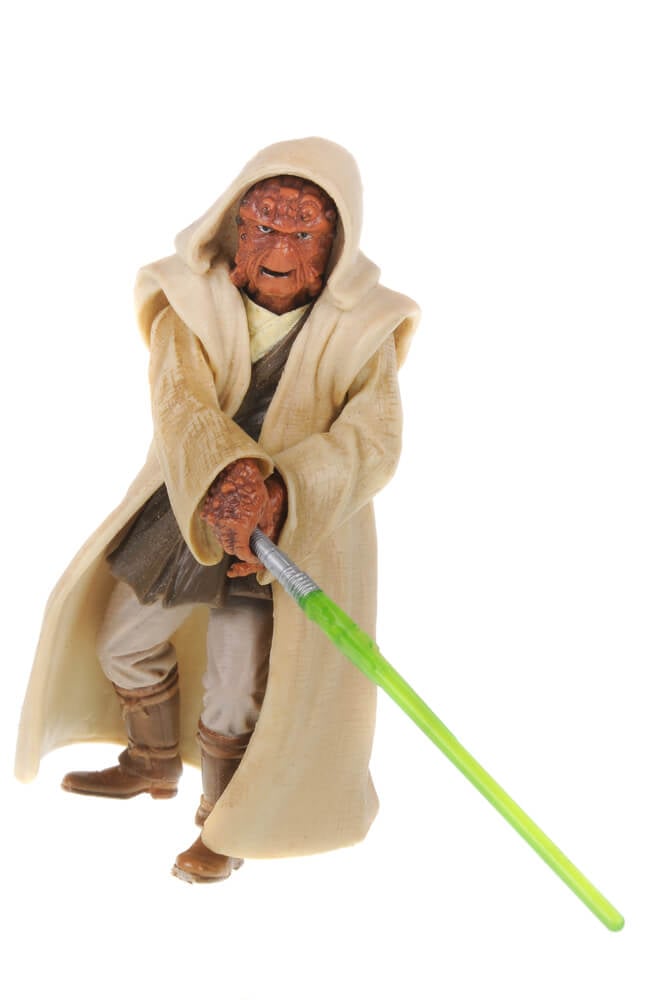
The first Jawa figures Kenner shipped in 1978 wore a thin vinyl cape, which was quickly swapped for a cloth robe that looked less like a cheap toy. The short run made the vinyl version one of the scarcest carded Star Wars figures.
A graded example on an unpunched 12-back card sold for 40,887 dollars at Hake’s in 2022, a record for any Jawa at the time. Loose capes are heavily reproduced, so collectors examine the vinyl’s sheen and the exact cut before paying serious money.
A loose figure with a verified original cape sells at hundreds.
Double-Telescoping Lightsaber Figures
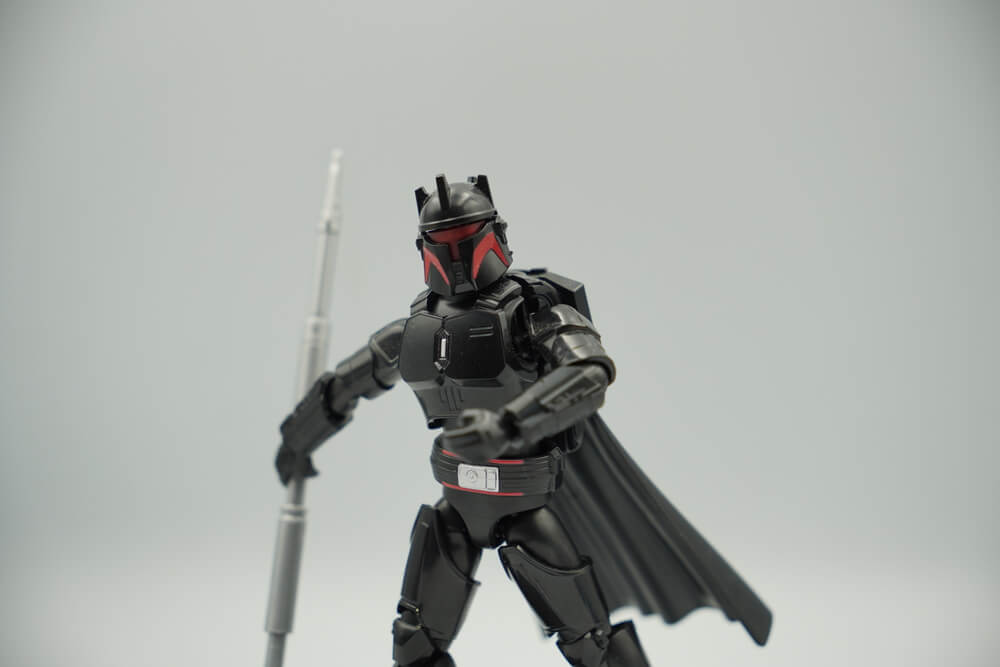
Kenner’s earliest Luke Skywalker, Darth Vader and Ben Kenobi figures had lightsabers with a thin inner tip that slid out of a second tube, a design dropped almost immediately because it broke so easily. Figures still sealed on early 12-back cards are rare enough to reach five figures, and a graded Ben Kenobi sold for 64,900 dollars at Hake’s in 2019.
Loose sabers are faked constantly. Authentic examples have specific plastic color and tip shapes that experts check under magnification.
A clean card, clear bubble and sharp corners matter as much as the figure inside.
Power of the Force Yak Face
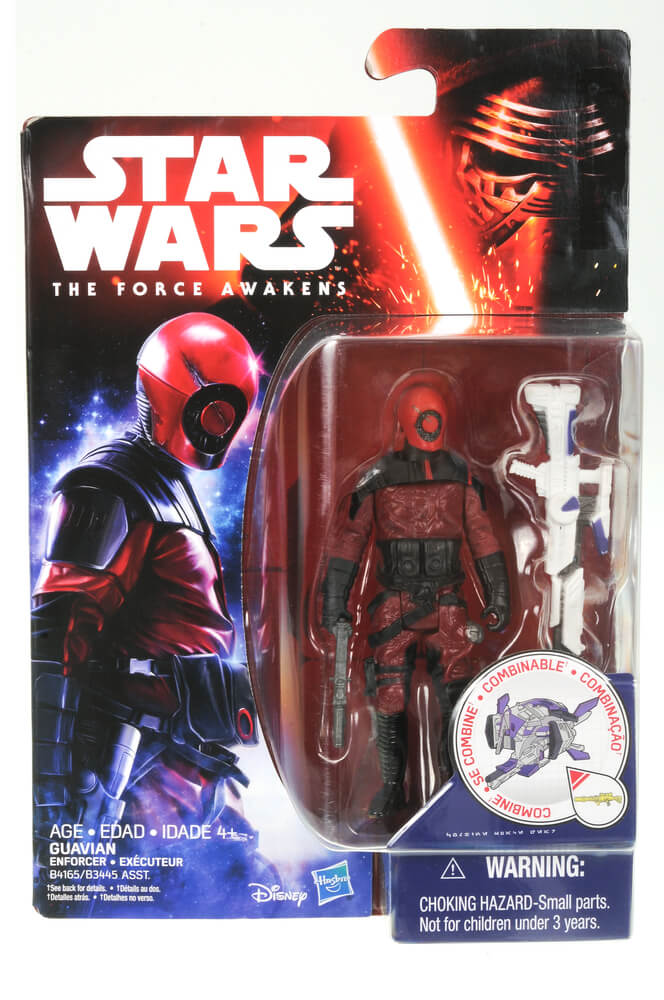
By 1985 the Star Wars line was winding down, and Kenner’s Power of the Force series came with collector coins. Yak Face, a minor alien from Jabba’s palace, was released on a Power of the Force card only outside the United States, making him the unofficial last figure of the vintage line.
Carded examples sell at thousands of dollars in strong condition. Loose Yak Face figures are more affordable but still well above most vintage aliens.
His small staff accessory is easy to lose, and a complete figure with an original weapon brings noticeably more.
First-Year G.I. Joe Action Soldiers
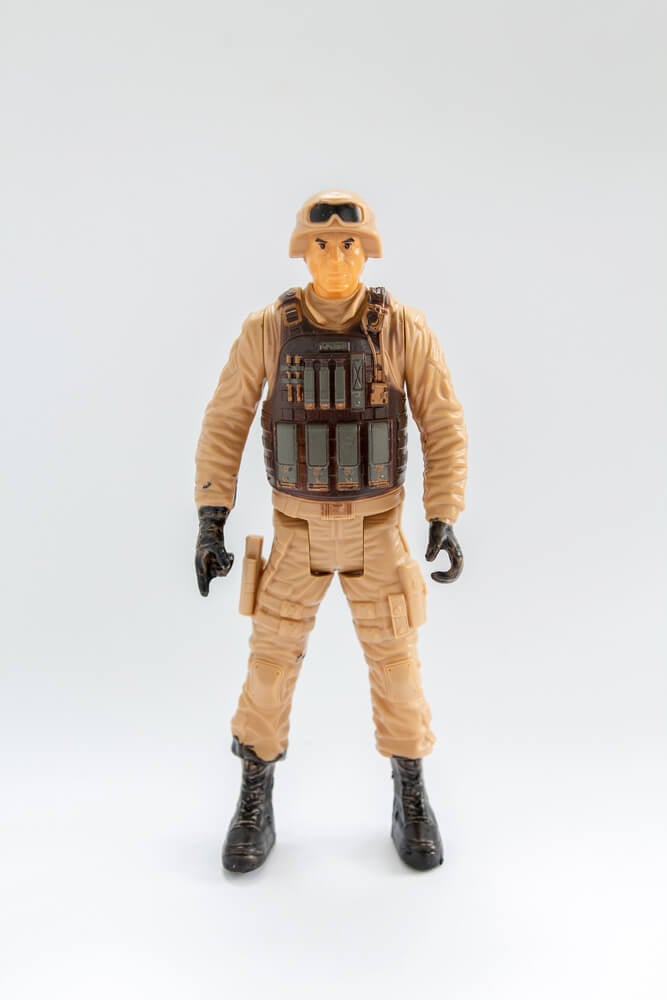
Hasbro launched G.I. Joe in 1964 and called him an action figure, a phrase coined so boys could be sold a doll without the word. The first 12-inch figures had a scar on the right cheek and a patent-pending stamp on the rear, details collectors use to date them.
Loose early figures sell at 100 to 400 dollars, while boxed first-year examples reach thousands. Uniforms and accessories add up fast, and original dog tags and boots are often missing.
Painted hair that has rubbed off and cracked joints lower value considerably.
Captain Action and His Costume Sets
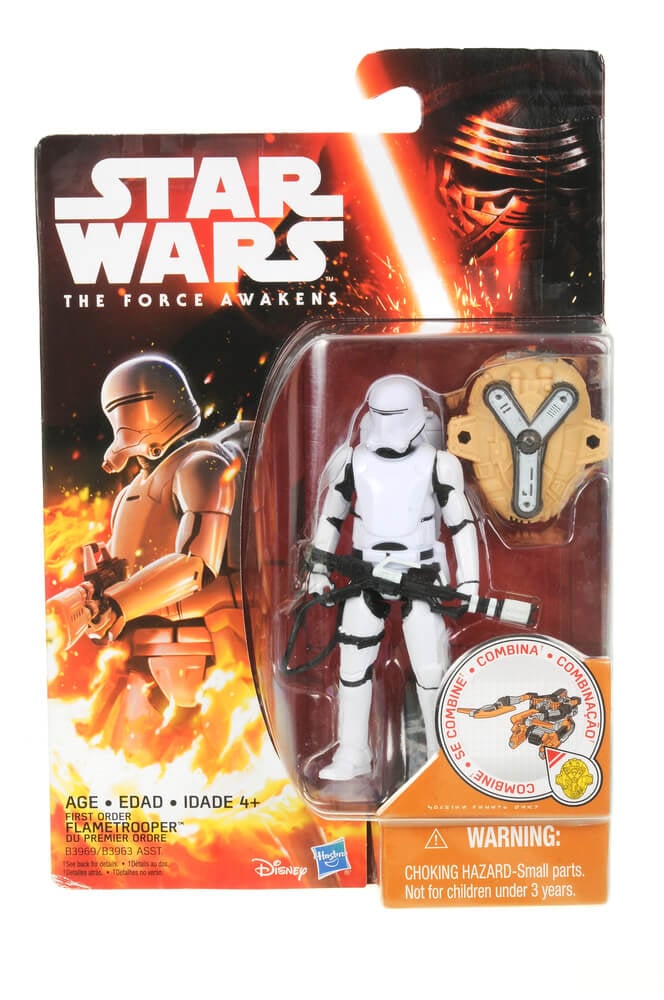
Ideal launched Captain Action in 1966 as a single figure that could change into Superman, Batman, the Lone Ranger and other heroes using costume sets sold separately. The idea let one toy borrow the value of many licenses.
Boxed figures sell at hundreds to a few thousand dollars, and the costume sets are collected individually, with the rarer ones such as Spider-Man and Buck Rogers selling at thousands complete. Masks and small accessories are the parts that go missing.
Boxes with bright graphics and no tears bring the best prices.
Mego World’s Greatest Super-Heroes
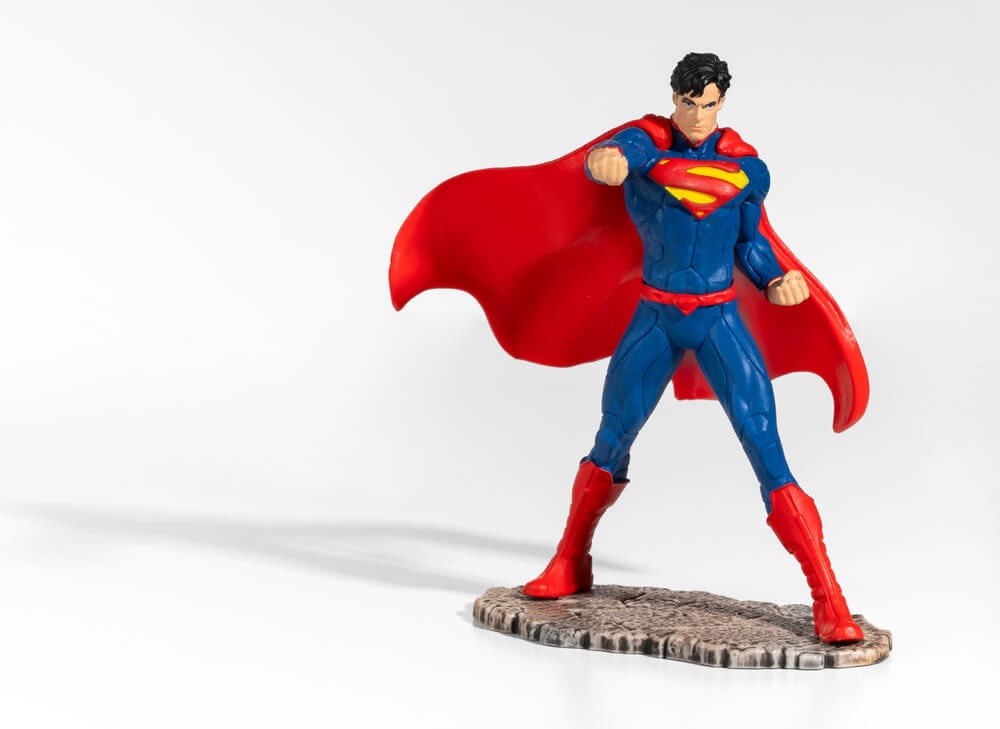
Mego’s 8-inch superhero line, launched in 1972, gave kids Batman, Spider-Man and a long roster of DC and Marvel characters with cloth costumes. The figures sold well for a decade and are now the core of 1970s toy collecting.
Loose common figures sell at 30 to 150 dollars. Carded and boxed examples of scarce characters such as the Green Arrow, Isis or the Fist Fighting versions reach much higher.
Costume fading and loose elastic are common problems. Original boots, belts and capes need to be present, since replacements are widely sold.
Mego Star Trek Figures
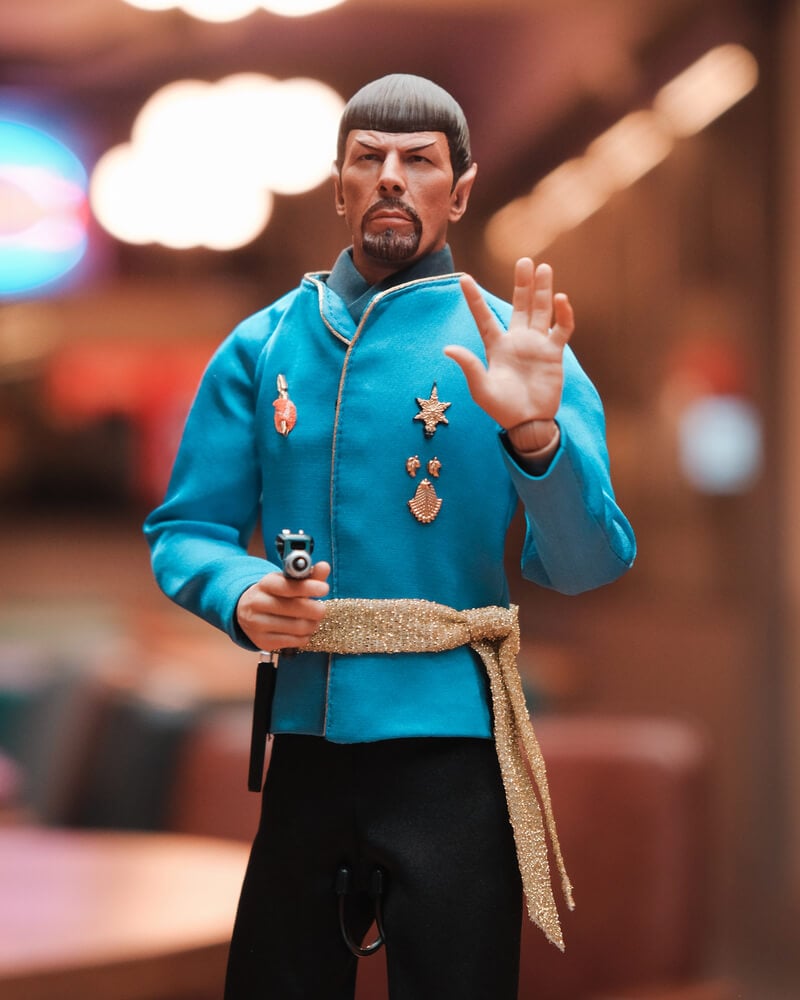
Mego’s 8-inch Star Trek line began in 1974 with Kirk, Spock, McCoy, Scotty and a Klingon, followed by aliens including the Andorian and the Talosian. The alien figures were produced in smaller numbers and are the valuable ones.
Loose crew figures sell at 30 to 100 dollars. Boxed or carded aliens reach hundreds and occasionally thousands.
The Enterprise bridge playset is also sought after. Costumes that have lost their color, torn uniforms and missing phasers lower value.
Unpunched cards and intact bubbles are what serious collectors want.
Six Million Dollar Man
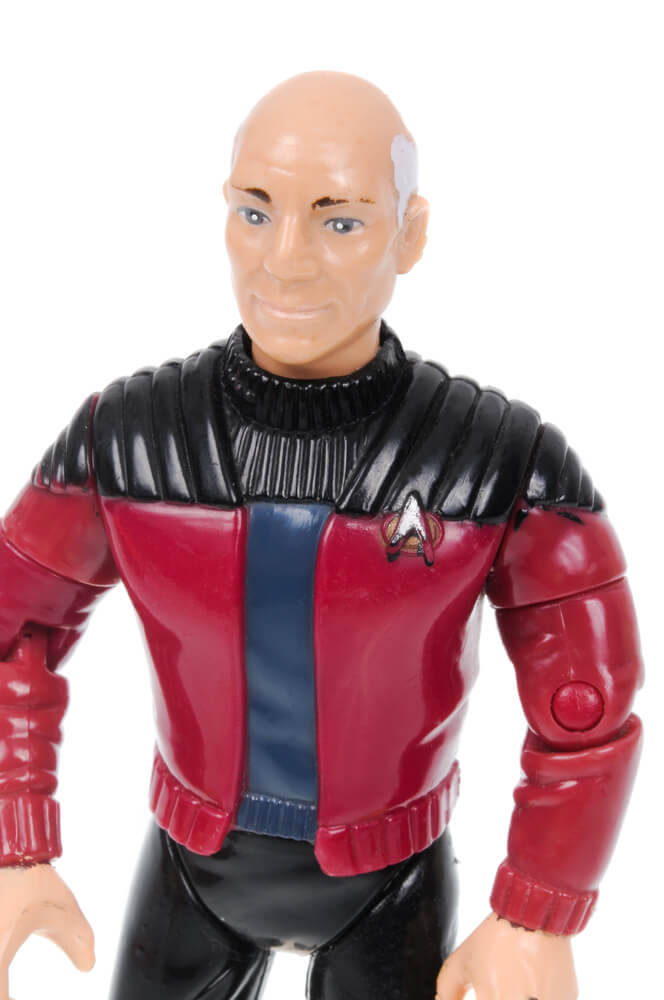
Kenner’s 1975 Steve Austin figure had a bionic eye that the owner could look through, a rubber arm skin that rolled back to reveal bionic parts and a button that let him lift a toy engine block. The line sold very well, so loose figures are common and sell at 20 to 60 dollars.
Boxed examples, the rare Maskatron and the Bionic Woman spin-offs bring more. The rubber arm skin tears easily, and missing engine blocks lower value.
A boxed figure with an intact arm and clear lens is what collectors want.
Kenner 18-Inch Alien
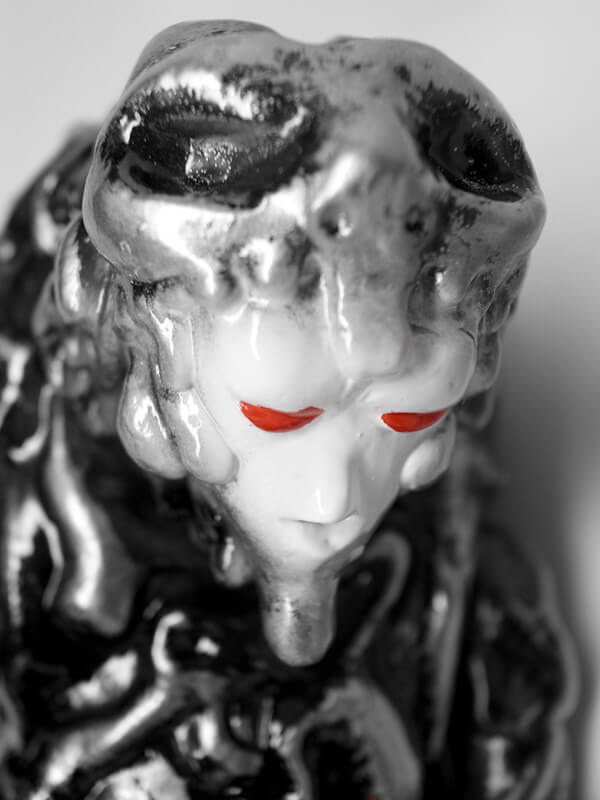
Kenner released an 18-inch Alien in 1979 based on the movie. It had a glow-in-the-dark head and a jaw that extended with a lever.
Parents complained that the toy was frightening, and it was pulled quickly. Boxed examples now sell at thousands of dollars, while loose ones sell at hundreds.
The fragile tail and arm spines are often broken. The glow paint fades, and the rubber parts can crack.
A complete boxed example with an intact head is one of the major prizes in movie toy collecting.
Micronauts With Chrome and Clear Bodies
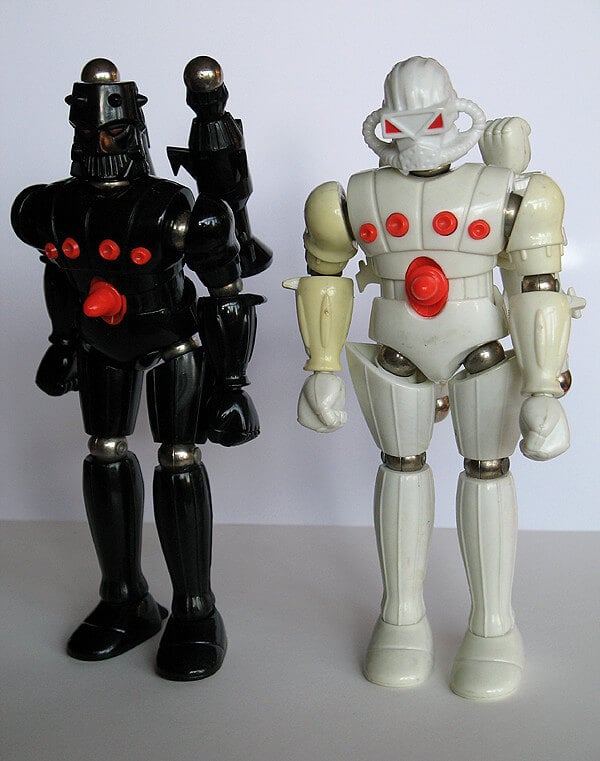
Mego imported the Micronauts in 1976, adapting them from Takara’s Microman line in Japan. The 3.75-inch figures had chrome armor, transparent bodies and limbs that swapped between figures and vehicles, a design years ahead of most American toys.
Loose figures sell at 20 to 80 dollars, and carded figures and boxed vehicles sell at hundreds. The villain Baron Karza and his magnetic horse are the line’s headliners.
Chrome wear, missing magnets and broken peg joints lower value, and the original Japanese Microman releases carry a separate and devoted following.
Mattel Shogun Warriors
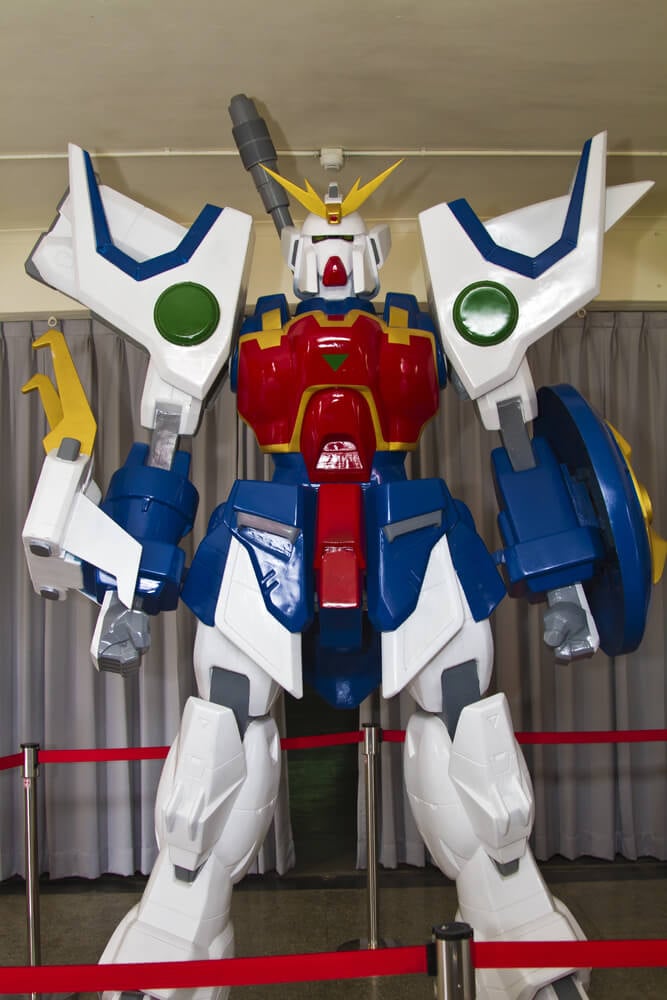
Mattel imported giant Japanese robots in 1979 and sold them as the Shogun Warriors, with 24-inch plastic figures of Raydeen, Mazinga and Great Mazinga. The jumbo figures could launch their fists and missiles with a trigger, a feature later modified after safety complaints about spring-loaded projectiles.
That change makes early launching versions the ones collectors want. Loose 24-inch figures sell at 200 to 500 dollars, and boxed examples reach well past that.
Launchers and missiles are frequently missing, and peeling stickers lower value. Smaller die-cast versions form their own collecting niche.
Popy Chogokin Mazinger Z
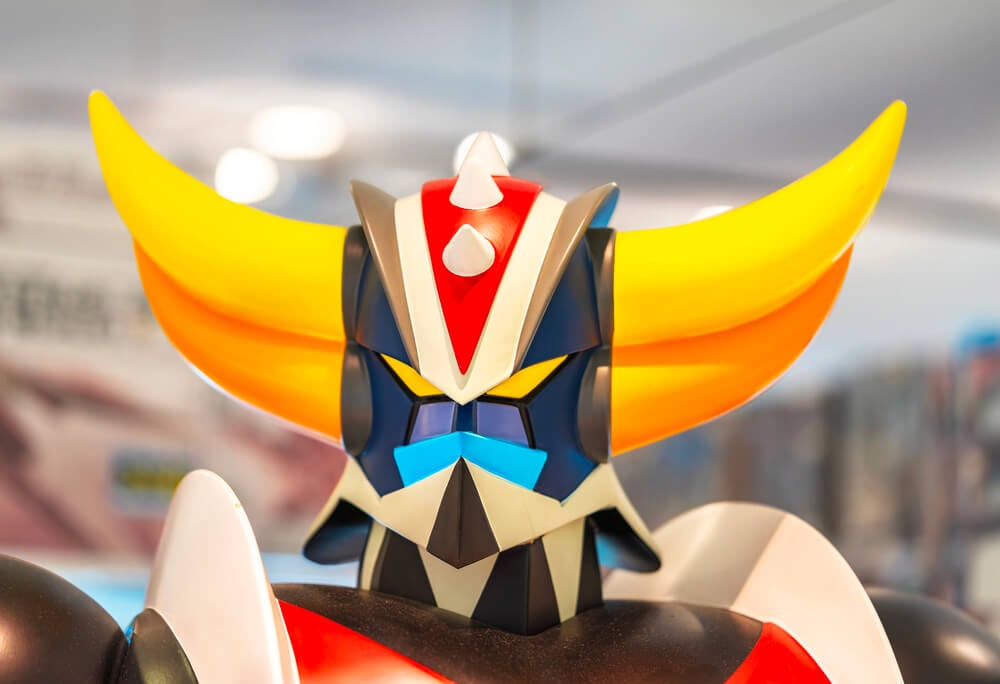
Japanese toy maker Popy released a die-cast Mazinger Z in 1974 and launched the chogokin category of heavy metal robot toys. The name translates as super alloy, borrowed from the fictional metal that protects the robot in the anime.
That toy set the template for decades of Japanese collectible robots. Boxed early examples sell at hundreds to a few thousand dollars, while loose ones sell for much less.
The launching rocket fists and small parts are the first things to go missing. Paint chipping on the metal lowers value, and intact Japanese boxes are prized.
Transformers Generation One Optimus Prime
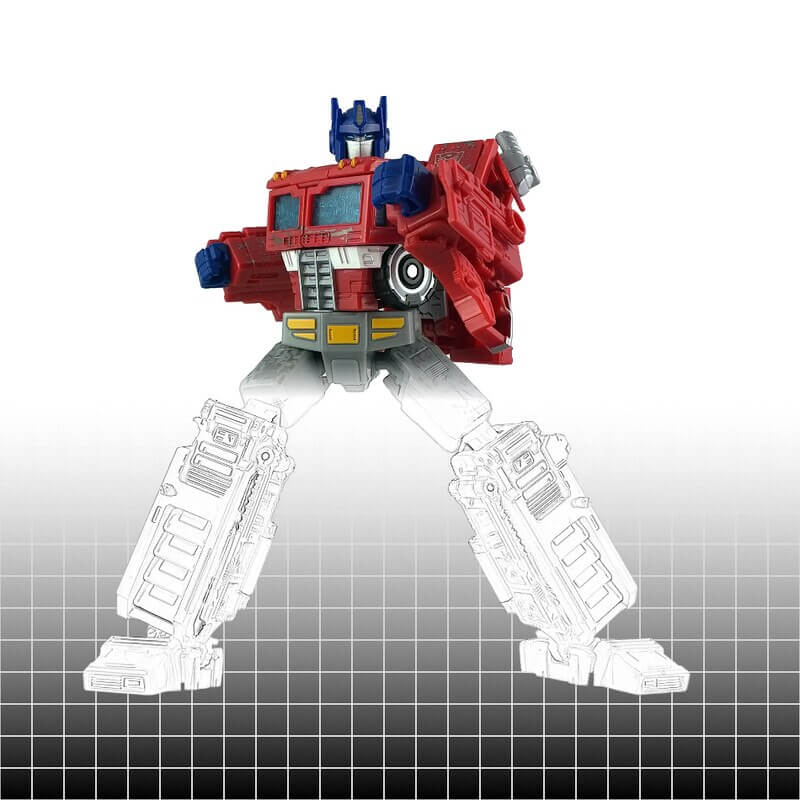
Hasbro’s 1984 Optimus Prime was a red and blue truck cab that converted into a robot, paired with a gray trailer that opened into a combat deck with a small scout vehicle. The mold came from Takara’s earlier Diaclone line in Japan.
A sealed example sold for 34,462 dollars at Hake’s in 2023, a record for any Transformer at auction at the time. Loose complete figures sell at 100 to 300 dollars.
Missing fists and rifle are the usual problems, along with worn chrome and broken smokestacks. The rubber tires and trailer parts should be original.
Masters of the Universe He-Man
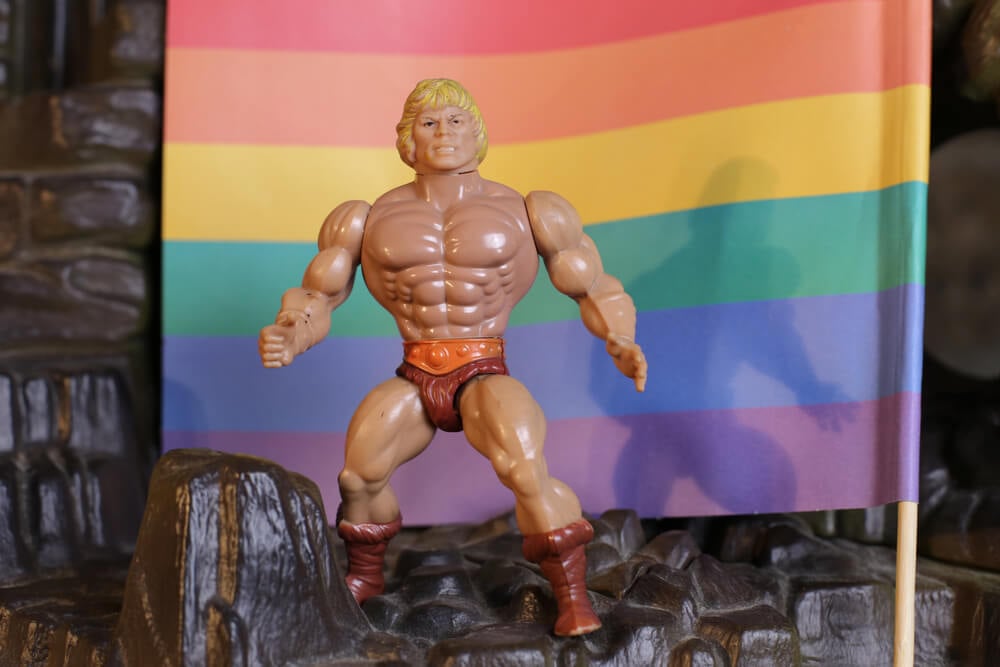
Mattel launched Masters of the Universe in 1982, and He-Man arrived with a power sword, battle axe and a twist-waist action that let kids wind up a punch. The line became one of the best-selling toy lines of the decade, so loose figures are plentiful and sell at 20 to 60 dollars.
First-wave figures still sealed on the original eight-back cards are another matter, reaching hundreds and occasionally thousands when graded. The sword and axe are the parts that vanish.
Loose joints, rubbed paint on the hair and worn chest harness sculpting all push prices down.
Teenage Mutant Ninja Turtles
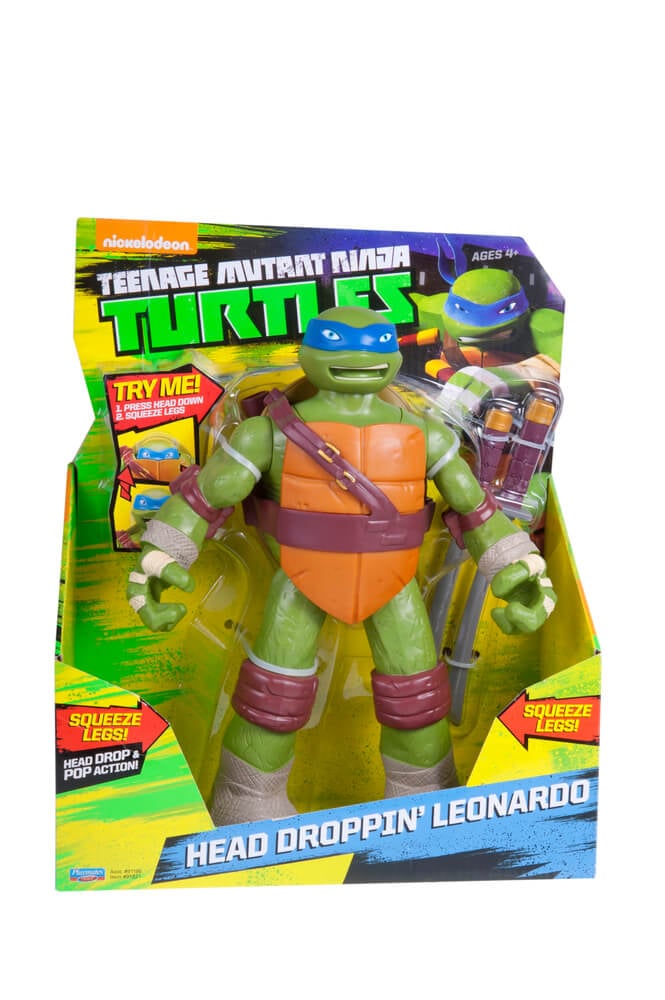
Playmates launched its Teenage Mutant Ninja Turtles figures in 1988, and the earliest production run gave the four brothers softer, squishier heads than later releases. That small change in plastic is now a major collecting point.
Loose early turtles sell at 20 to 60 dollars, while carded first-run figures, especially graded soft-head examples, sell at hundreds and more. The weapons are tiny and easy to lose, and headband paint rubs off quickly.
Because millions were sold, sealed packaging and crisp card corners account for most of the value in this line.
ThunderCats Figures
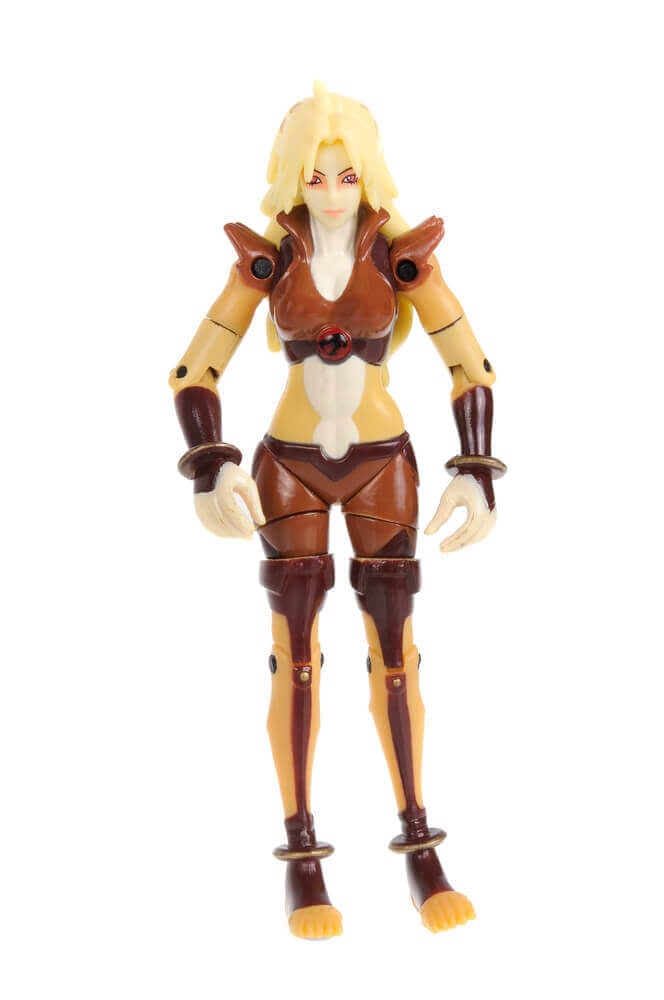
LJN brought the ThunderCats to toy shelves in 1985, with Lion-O, Tygra, Panthro, Cheetara and the villain Mumm-Ra among the first wave. Many figures came with a battle-action feature, and several had eyes that lit up when a ring on the accessory touched a sensor in the figure’s back.
Loose figures sell at 20 to 80 dollars, and carded examples sell at hundreds. The Sword of Omens and other small weapons are frequently missing.
Dead light-up features and yellowed plastic lower value, while a complete Cats Lair playset draws steady interest.
Marx Big Loo

Marx released Big Loo in 1963 as a friendly robot from the moon, standing about 37 inches tall and packed with more than a dozen play features, including a compass, a whistle, a bell and a squirting water function. It was expensive for its day, and its size meant plenty were thrown out when the novelty wore off.
Complete examples sell at hundreds to a few thousand dollars. The small missiles and accessories rarely survive together.
Faded paint, cracked plastic and a nonworking mechanism reduce value, and an original box is a genuine rarity.
Ideal Robert the Robot
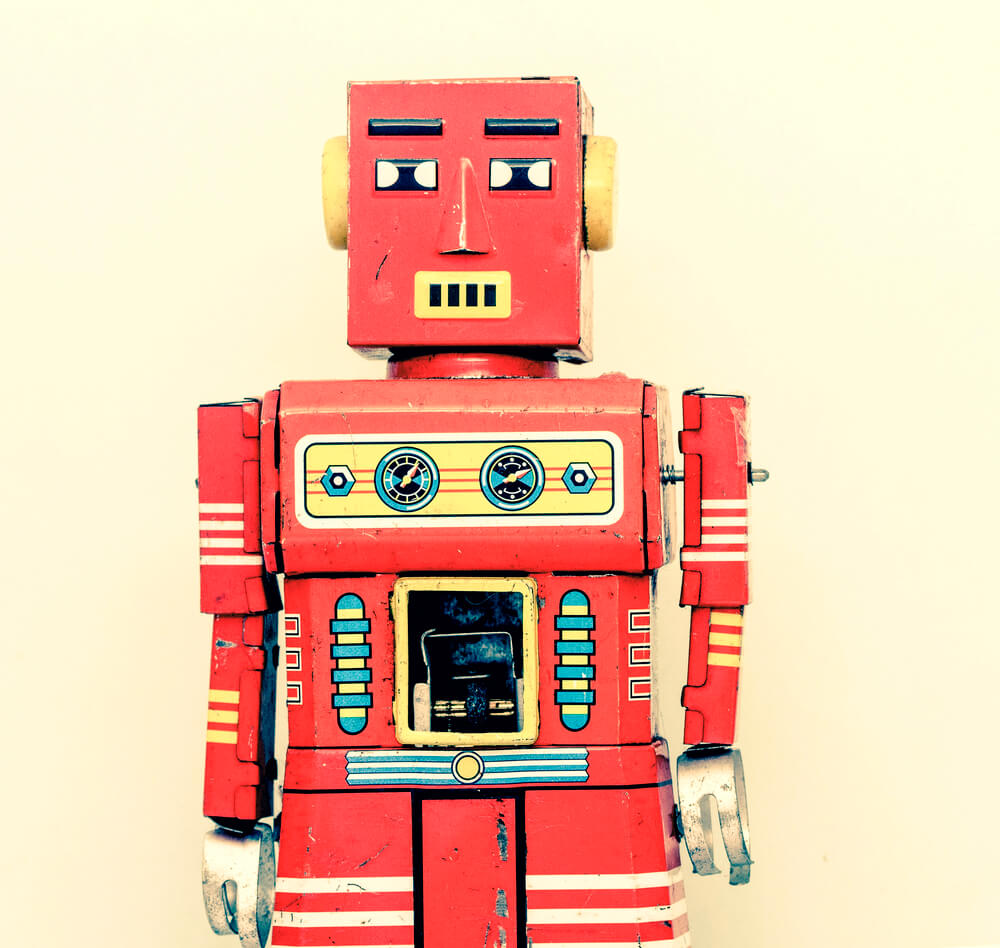
Ideal released Robert the Robot in 1954, a plastic robot driven by a hand crank on a remote cable, with a voice feature that said a short phrase when a crank on his back was turned. He is often cited among the earliest plastic toy robots sold widely in the United States, arriving just as tin robots from Japan were catching on.
Examples sell at 100 to 400 dollars, with boxed versions reaching more. The voice mechanism often fails and the cable cracks with age.
Complete robots with the original small tools bring the best prices.
Ideal Mr. Machine
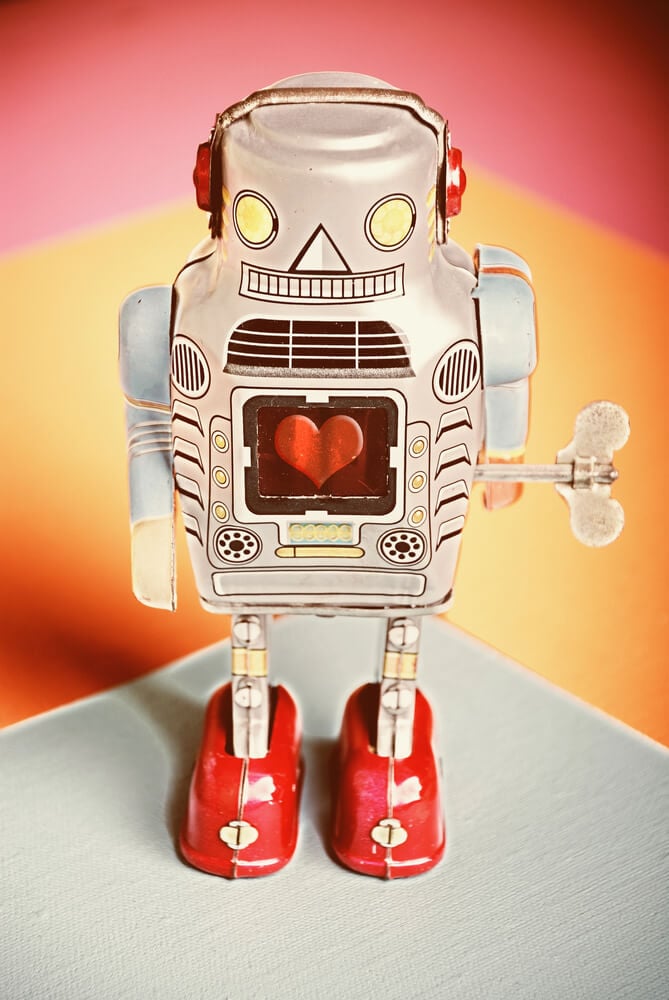
Ideal’s Mr. Machine, launched in 1960, was a windup robot with a transparent plastic body that showed every gear inside as he marched forward, swung his arms and rang a bell. He was also designed to be taken apart and put back together, which is exactly why so many survive in pieces.
Examples sell at 100 to 300 dollars, and boxed first-edition versions bring more. The top hat, key and small parts go missing easily.
A working mechanism matters most, since a Mr. Machine that no longer marches loses much of its appeal to buyers.
Rock ‘Em Sock ‘Em Robots
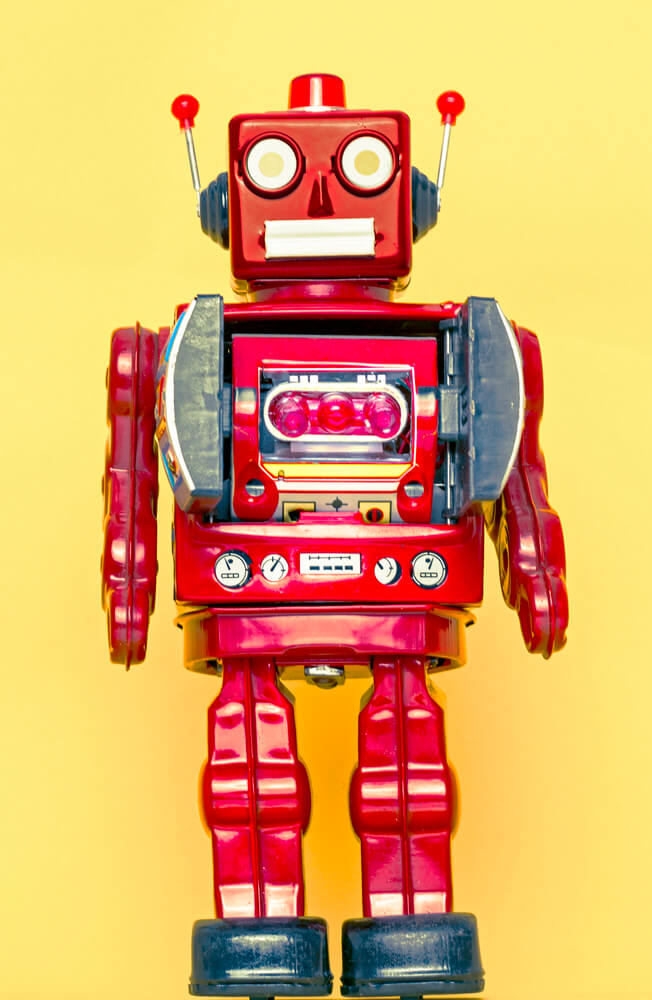
Marx released Rock ‘Em Sock ‘Em Robots in 1964, pitting a red robot against a blue one in a plastic ring, each controlled by thumb plungers. A clean hit to the jaw popped the loser’s head up with a spring.
The game sold enormously, so loose sets are common and sell at 30 to 100 dollars. Early boxed sets with bright graphics sell at more.
Heads that no longer pop, broken plungers and cracked ring posts lower value. Collectors check the springs first, since a knockout that fails to knock out is a hard sell.
Masudaya Machine Man
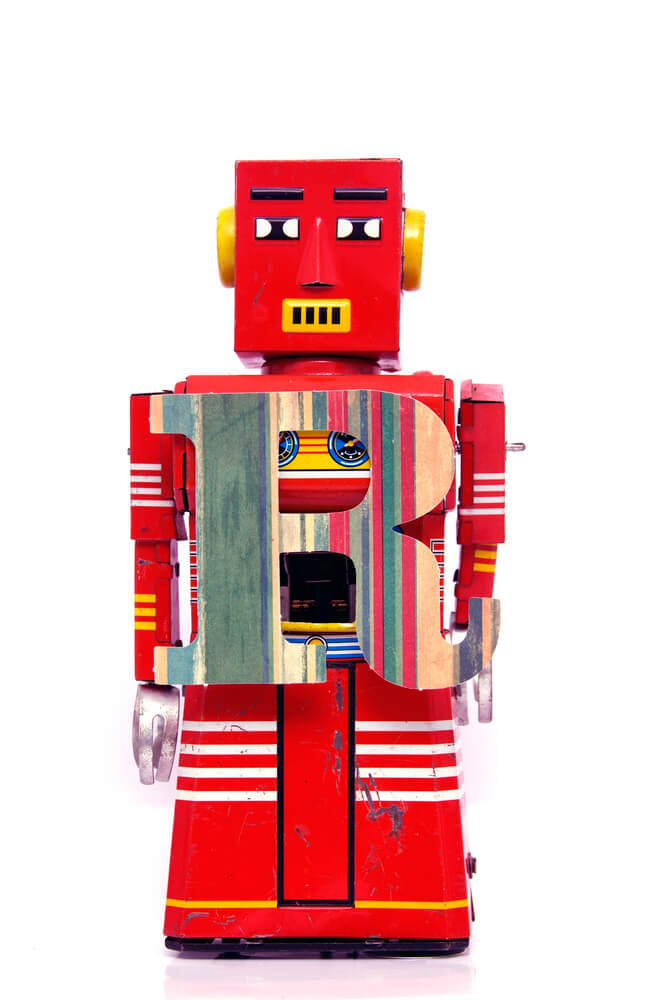
Masudaya of Japan produced a group of large battery-operated tin robots that collectors call the Gang of Five, and Machine Man is the rarest of them. He was reportedly made in very small numbers, possibly as a promotional or test piece, and few examples are known.
Complete examples sell at many thousands of dollars on the rare occasions they surface. The rest of the group, including Target Robot and Radicon Robot, sells for less but still at high prices.
Rust, paint loss and replaced parts are the key issues, and an original box adds a significant premium.
Lilliput Tin Robot
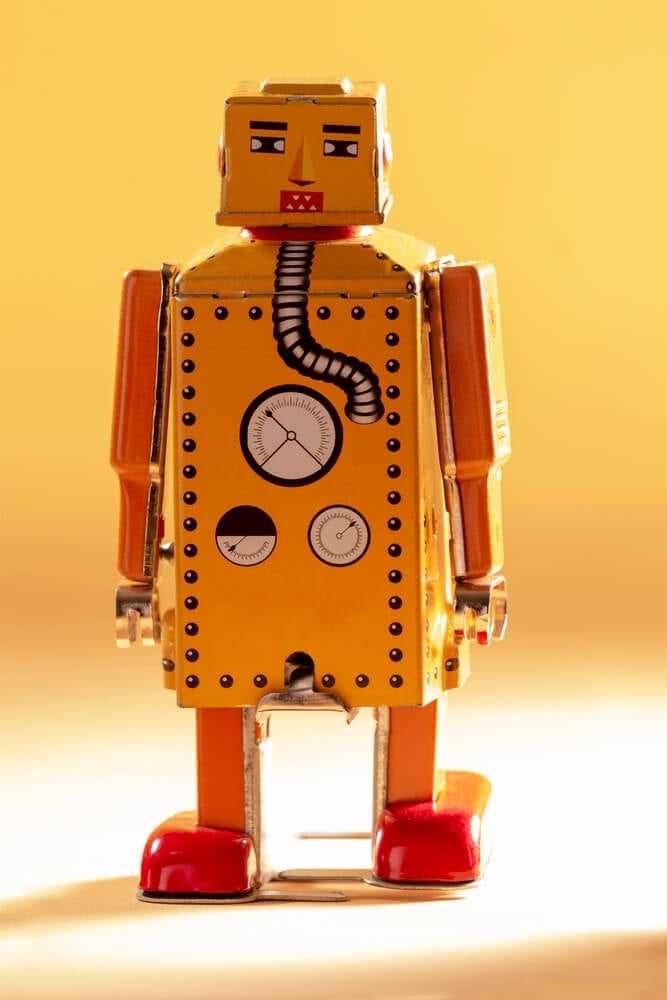
Lilliput is often described as the first Japanese tin toy robot, dating to the late 1940s during the postwar years when Japanese toy makers were rebuilding an export trade. The small yellow windup has a boxy body and simple lithographed details.
Examples sell at thousands of dollars, depending heavily on paint condition and whether the key survives. Rust along the seams and flaking lithography reduce value.
Original boxes are extremely rare, and a boxed Lilliput is one of the major prizes in early robot collecting.
Atomic Robot Man
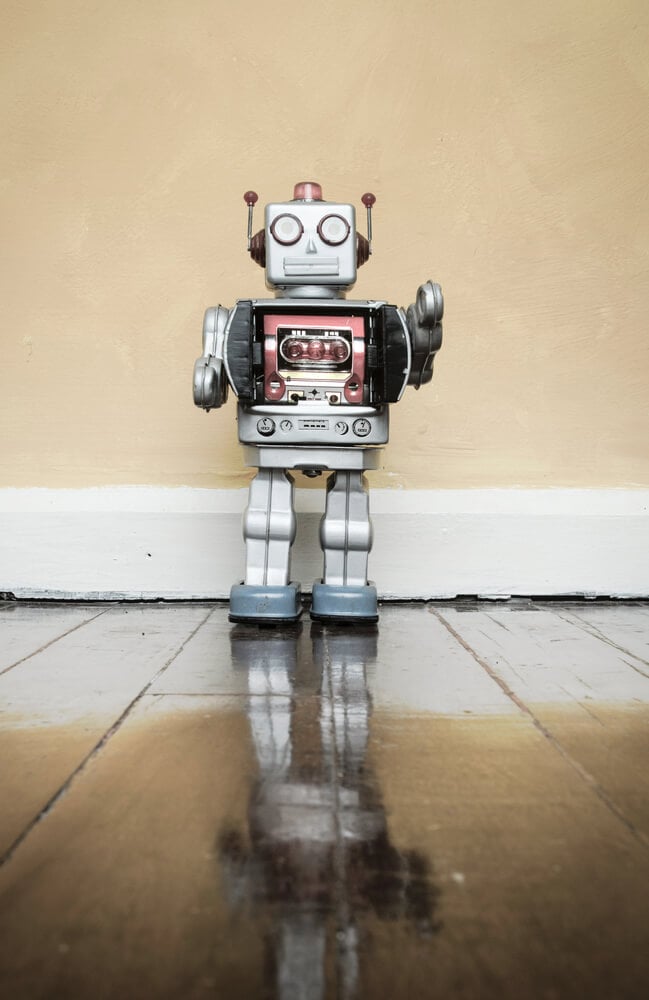
Atomic Robot Man is another of the earliest Japanese tin robots, generally dated to around 1948 or 1949. He is a small, stocky windup with simple lithographed dials and panels on the body, and he walks with a stiff, rocking shuffle that collectors still demonstrate at shows.
Examples sell at hundreds to a few thousand dollars, depending on condition. Rust and paint wear are the main issues, and the windup mechanism often fails after decades.
Original boxes are scarce and add a strong premium, since they help confirm the robot’s early Japanese origin.
Robby the Robot Mechanized Toys
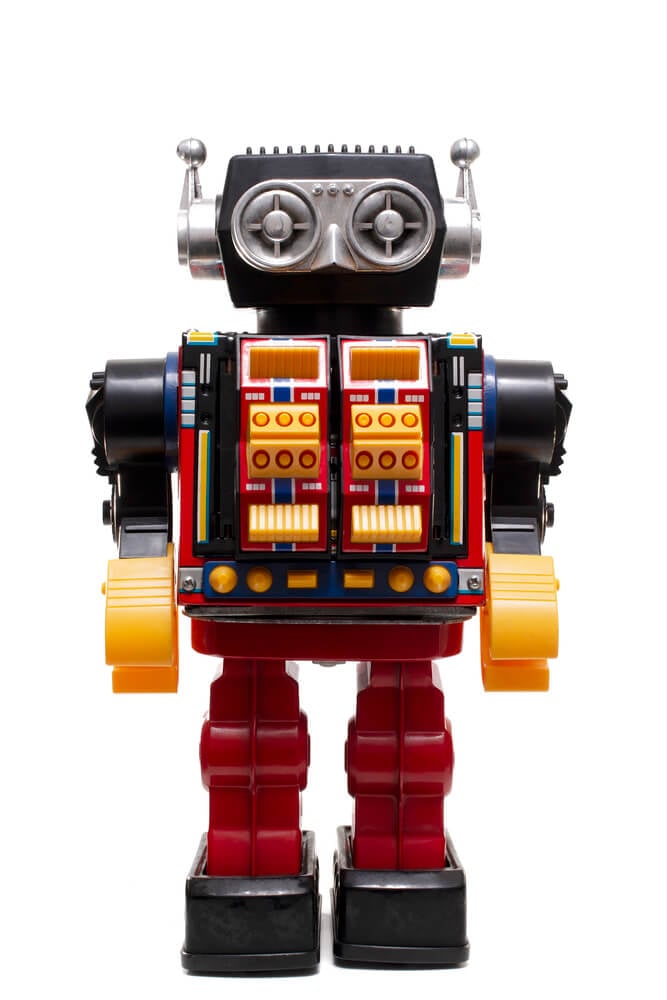
Robby the Robot appeared in the 1956 film Forbidden Planet and became one of the most recognizable robots in movie history. Japanese maker Nomura produced a tin, battery-operated version usually called the Mechanized Robot, with pistons moving inside a clear dome.
Examples sell at hundreds to a few thousand dollars, with boxed versions reaching the top of that range. The dome, antennae and small moving parts are often damaged or missing.
Battery corrosion inside the body is common and lowers value, and collectors check that the movements still work.
Remco Lost in Space Robot
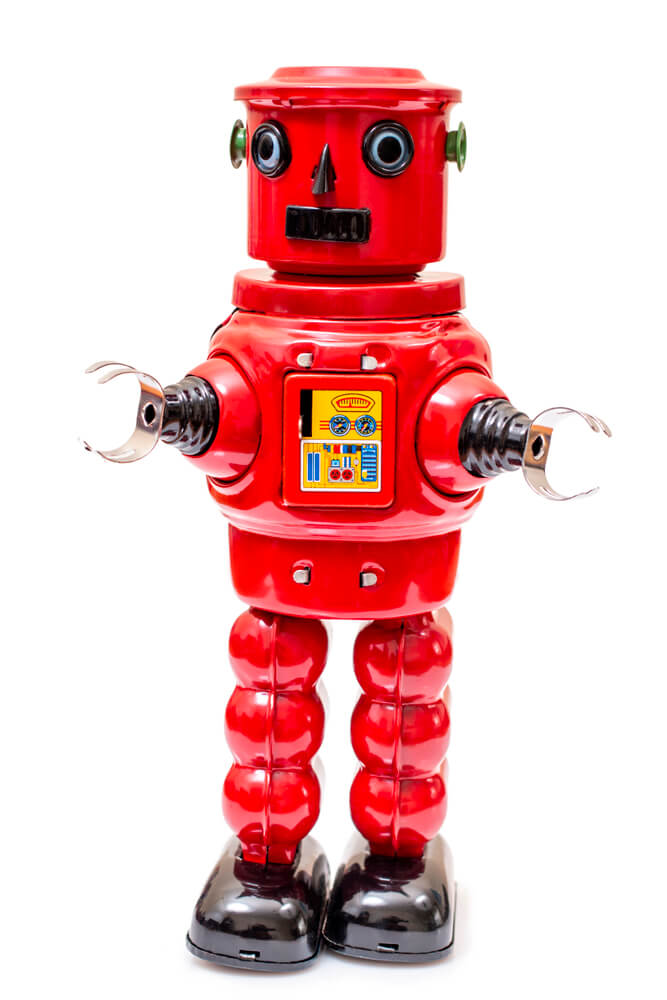
Remco released a battery-operated robot in 1966 based on the Robot from the television series Lost in Space. The toy moved forward and had flashing lights, and it came in brighter plastic colors than the metallic prop seen on the show.
Examples sell at 100 to 400 dollars, with boxed versions reaching more. Battery corrosion, missing claw hands and cracked plastic lower value.
The show’s cult following keeps demand steady, and a complete example with the box is the most desirable version for collectors of science fiction toys.
Zeroids Motorized Space Robots
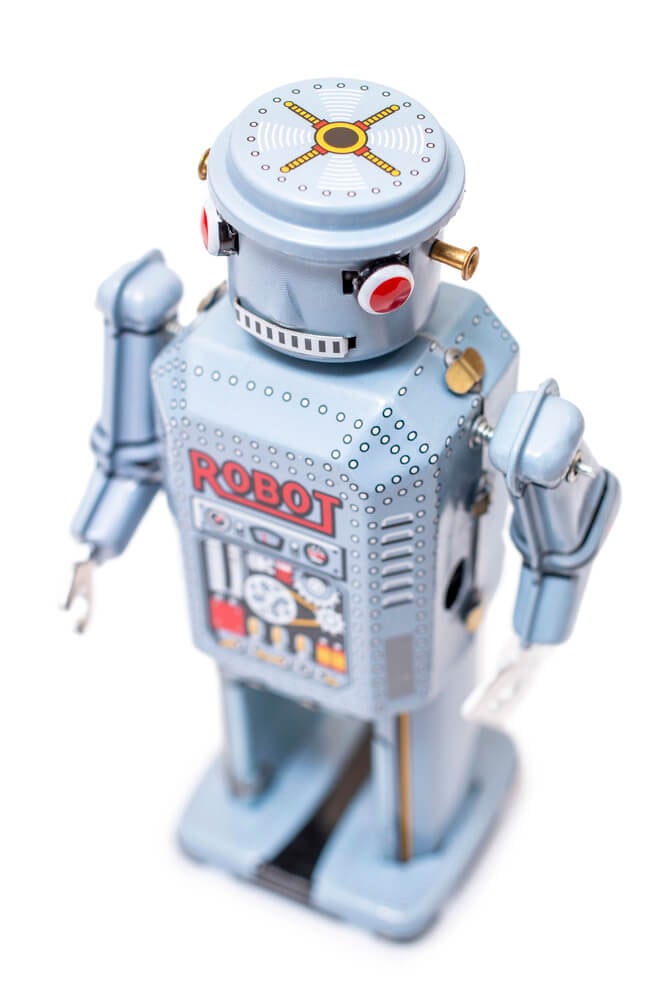
Ideal released the Zeroids in 1968, a set of motorized robots with treads and grabbing hands, sold with space-themed accessories. The characters included Zobor, Zerak and Zintar, each with a different color scheme.
Examples sell at 50 to 200 dollars, and boxed sets sell at more. The motors often fail, and the small accessories and tread belts are frequently missing.
Collectors of late-1960s space toys value the Zeroids for their design. A complete, working example with the box sells at the top of the range.
Planet of the Apes Figures With Rubber Heads
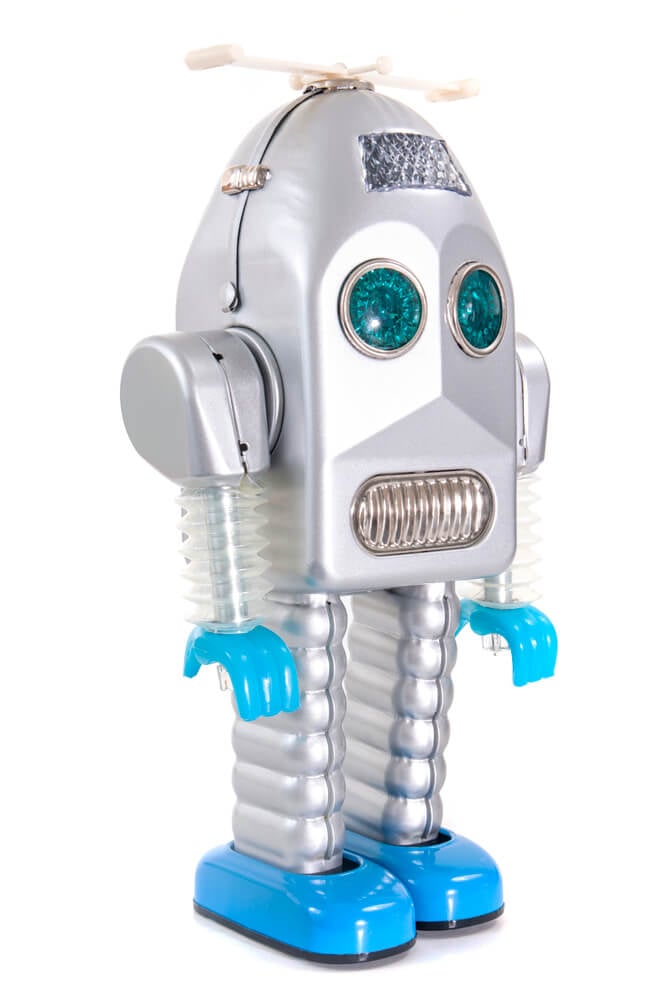
Mego released Planet of the Apes figures in 1973 and 1974, based on the film series and the later television show, with characters including Cornelius, Zira, Dr. Zaius and General Ursus. The 8-inch figures had cloth costumes and rubber heads.
Loose figures sell at 30 to 150 dollars, and carded or boxed examples sell at hundreds. The rubber heads can crack or fade, and missing costumes and boots lower value.
The Treehouse and Fortress playsets are also collected, and the television series figures are generally scarcer.
Kenner Super Powers
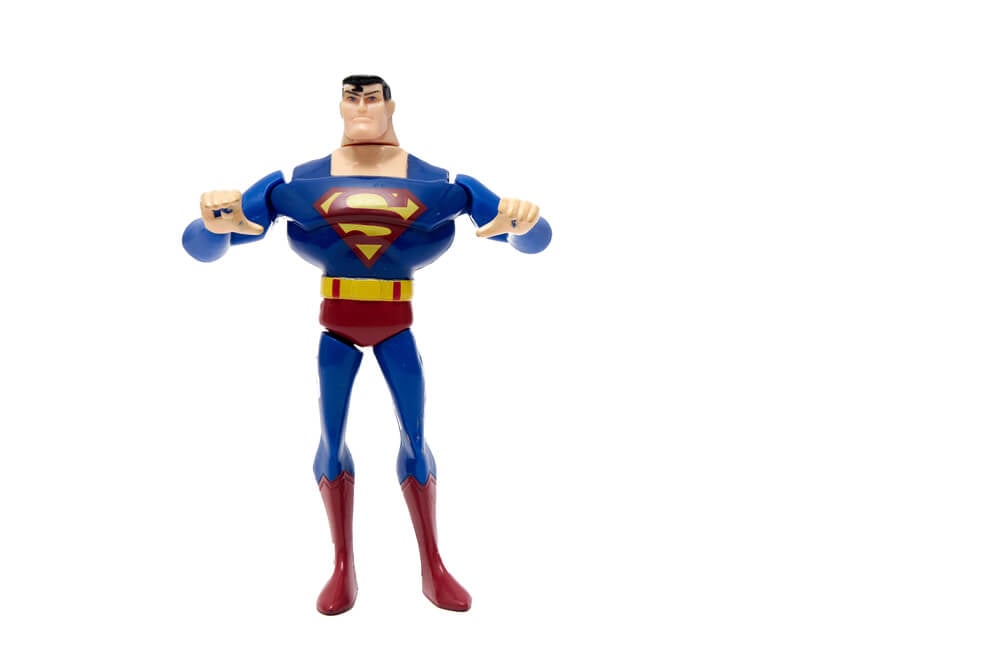
Kenner launched its Super Powers line in 1984 with DC characters including Superman, Batman and Wonder Woman, each with a squeeze-action feature that made the figure punch or kick when its arms or legs were pressed. The line ran until 1986, and the final wave was produced in smaller numbers as the market cooled.
Loose common figures sell at 20 to 80 dollars. Carded final-wave figures such as Cyclotron and Plastic Man sell at hundreds.
Missing capes and accessories lower value, and card condition drives prices for sealed figures.
G.I. Joe A Real American Hero Straight-Arm Figures
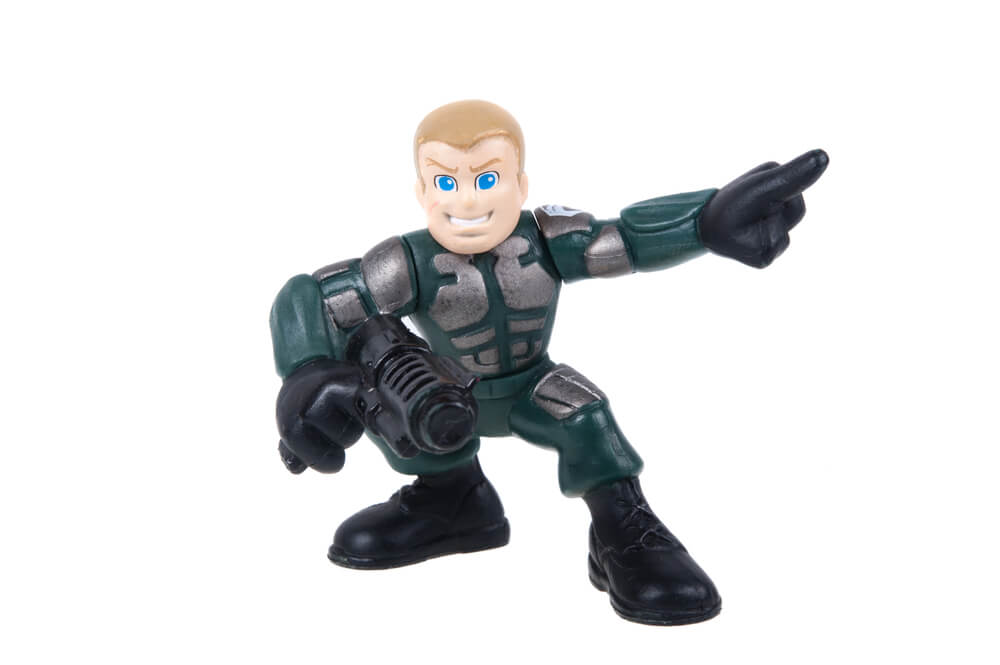
Hasbro relaunched G.I. Joe in 1982 as a line of 3.75-inch figures with a new team concept and a cartoon to go with it. The first wave of figures had straight arms with no swivel at the elbow, and the swivel-arm battle grip arrived in 1983.
Loose straight-arm figures sell at 20 to 100 dollars, and carded examples sell at hundreds. Snake Eyes and Cobra Commander are among the most collected.
Loose thumbs break easily, and missing weapons lower value, while sealed cards need crisp corners and clear bubbles.
Plastic That Refused to Break
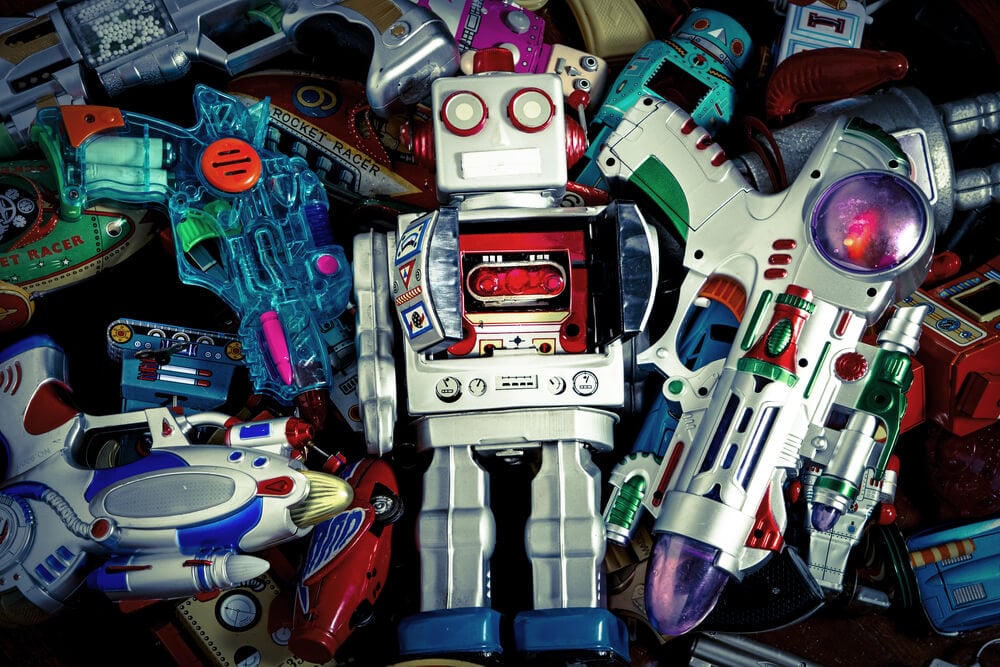
Almost every toy on this list was designed for a few years of hard play and then the trash can. The ones that survived intact are a record of what children wanted, what parents worried about and what factories could build on a budget.
Prices follow scarcity, but they also follow memory, and a figure tied to a first movie or a first cartoon carries weight that plastic alone cannot explain.
Serious collectors now pay for packaging and grading as much as for the toy itself. That shift rewards the rare kid who never opened anything, and it punishes the far larger number who actually played.
The irony is hard to miss, since the toys worth the most are the ones that were never used for the reason they were made.
More from Go2Tutors!

- The Romanov Crown Jewels and Their Tragic Fate
- 13 Historical Mysteries That Science Still Can’t Solve
- Famous Hoaxes That Fooled the World for Years
- 15 Child Stars with Tragic Adult Lives
- 16 Famous Jewelry Pieces in History
Like Go2Tutors’s content? Follow us on MSN.