Strange Facts About Henry VIII
Few monarchs stir talk like Henry VIII – truth is, he earned every bit of it. Ruling England between 1509 and 1547, his years were packed with upheaval, bold moves, yet also deep contradictions shaping the nation long after.
Strip away the tales of six marriages and splitting from the Catholic Church, then something else appears: strange routines, peculiar fixations, glimpses of a personality wilder than textbooks admit. A few odd facts about the Tudor king could catch you off guard.
Strange details pop up when you look close. One moment he seems predictable, then – suddenly – a twist appears.
His habits often clashed with expectation. You’d think power made him steady, yet quirks slipped through.
Even small choices felt out of step. Some actions baffled those nearby.
Behind grand titles hid behavior nobody saw coming. A gifted player of instruments, he crafted lyrics now then.
Music flowed through his fingers while stories took shape on paper. Songs emerged when melodies met words in quiet moments.
A gifted player of instruments, he crafted lyrics now then
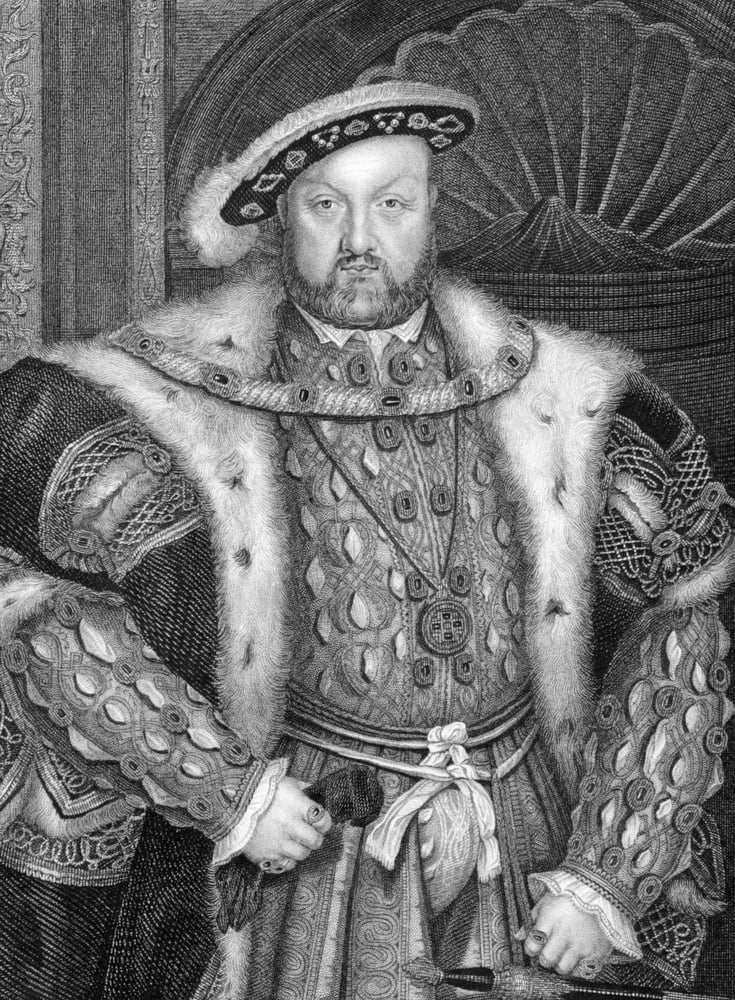
Sitting still never suited Henry VIII. A tune often came from his hands, not only words.
Music flowed through him – he shaped notes as much as laws. One of his songs, ‘Pastime with Good Company,’ spread fast across courts and homes alike.
The lute answered to his touch, also the virginals, plus the deep voice of the organ. Skill showed whenever he played – no mere dabbler, but someone committed.
He returned to melodies again and again, treating them like duties almost. Those around him had little choice; silence was not welcome where he ruled.
Sound filled his world far beyond ceremony or show. Playing meant something real, not just passing hours.
His fingers knew strings, keys, stops – not for fame, but need. Court life bent toward harmony when he lifted an instrument.
Few expected such depth behind the crown. Songs outlasted many decrees he signed.
What stayed in people’s ears long after? Not speeches – but tunes made by a king who refused to be still.
Later on, his waist measured fifty-two inches, clear under the armor.
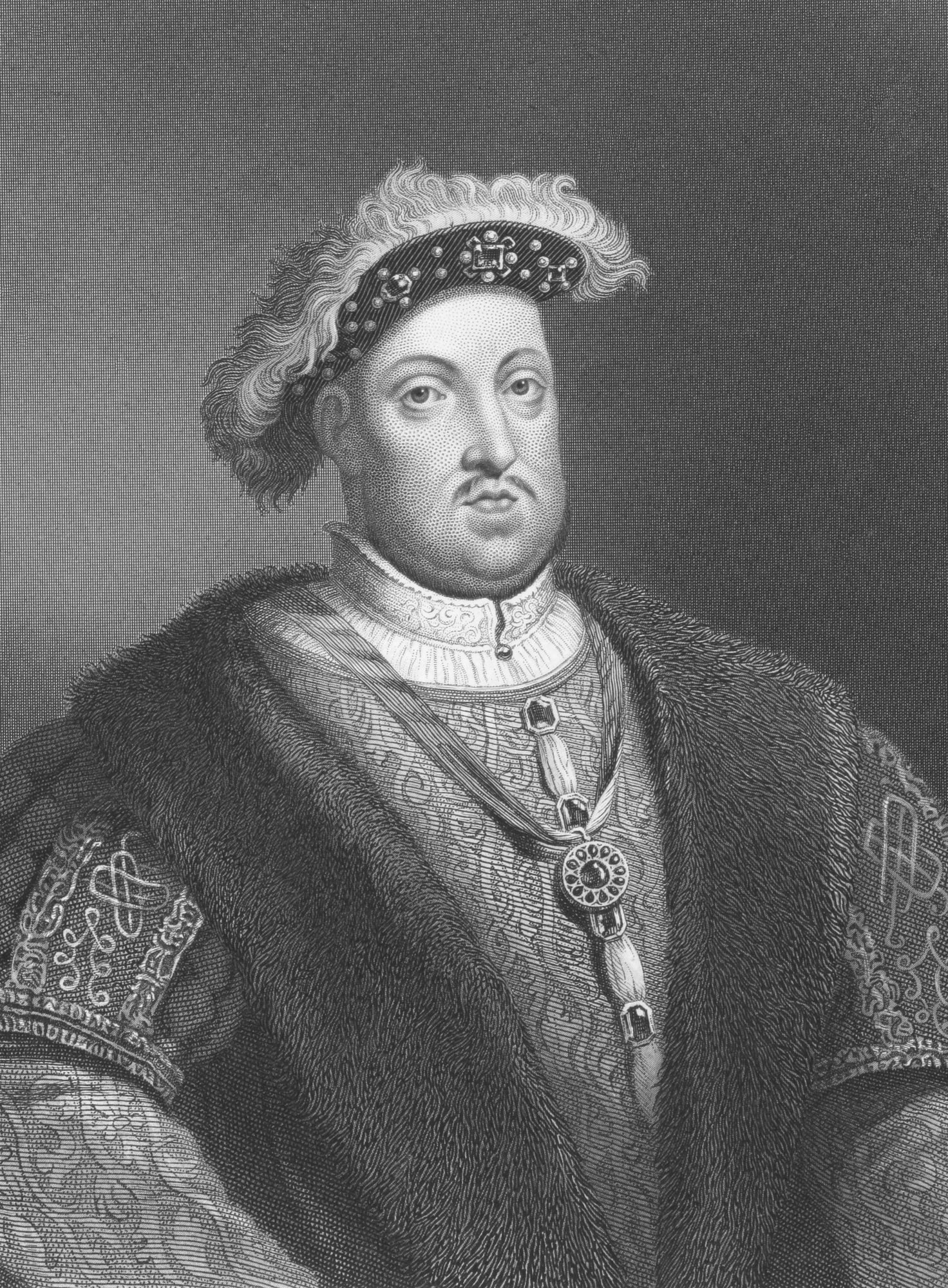
Heavy metal frames built for him near the end hint at a belly too wide for today’s seamsters to believe. Tall he started, well past six feet, yet slowly swelled beyond recognition.
Movement turned hard, then rare, after years of steady growth. Gone was the agile boy; left behind a ruler who leaned on others just to stand.
What once fit a lively youth now needed custom fittings, piece by awkward piece.
The very first flush toilet in England belonged to him

Water trickled from a tank to sweep filth aside, something nearly unheard of back then. Installed at Richmond Palace, the device arrived thanks to Sir John Harington, a royal servant with clever ideas.
Instead of heading outside or grabbing a pot, someone could now rely on flowing liquid. This convenience landed in Henry’s home because he favored ease along with gadgets others ignored.
Few had such setups when most made do without.
That stench from his leg ulcers

People left the room fast. The smell hit hard, like a slap.
Air turned sour near him. One whiff and bodies moved toward the door.
The wound’s odor ruled every space he entered. In 1536, a jousting mishap injured Henry badly – his body failed to mend fully afterward.
His leg sores leaked day after day, filling rooms with an odor nobles grumbled about when writing secretly. Healers tested remedies, some herbal, others spiritual, yet none brought relief.
Rotting flesh probably played a part in his worsening temper and weakening frame near life’s end.
He ate around 5,000 calories daily from meat alone

Meat ruled Henry’s table, each day unfolding much like the last – swan roasted until golden, venison rare, slabs of beef, hams heavy with salt, and lamb seared on open flames. Hardly a feast passed without them.
At Hampton Court, more than two00 cooks stirred pots, carved joints, basted birds, fueled by nothing but his appetite. Greens sat far from his reach, dismissed as fare for farmers, unworthy of a crown.
His body widened over time, shaped not only by feasts without restraint but also by stillness – he moved less once the joust had broken him.
Folks who snored too loudly around him ended up put to death

Old age sharpened the king’s distrust into something wild. Papers from his court tell of servants punished harshly just for breaking his rest.
Though killing someone for snoring sounds beyond reason, even by Henry’s standards, men still died for smaller slights. A hush lived in every corridor, each person moving slow, afraid a wrong step might ignite fury.
Fear shaped their days, silence became routine.
His morning routine took four hours with dozens of attendants

Dressing took time if you wore the crown. For Henry, mornings began with a group of attendants arriving well before sunrise.
One man handled his shirt, another managed boots, each focused on just one part. A different servant greeted him at every stage.
It unfolded like scenes in a play, moment by moment. Strict rules governed who moved where and when.
By the time he stood fully ready, hours had passed. Midday crept closer even though they started while stars still showed.
A man waited nearby whenever he used the toilet. This person cleaned him once finished. Someone always handled this task without being asked

Odd as it might seem, this role held serious weight behind palace doors. Closest to the king during quiet hours, the groom of the stool quietly shaped decisions.
Helping Henry through personal routines came with unspoken trust. Despite how odd the duties sound, many sought the post for its hidden reach.
Favors flowed freely – lands, ranks, all handed out without fuss.
He collected weapons obsessively and owned thousands

The royal armories bulged with swords, daggers, axes, crossbows, and early firearms. Henry didn’t just collect them for show—he knew how to use each type and practiced regularly in his younger days.
The Tower of London housed much of this arsenal, which continued growing throughout his reign. Some historians estimate he owned over 6,500 weapons by the time he died.
For Henry, having the biggest and best collection mattered almost as much as using them.
His wine consumption was legendary even by Tudor standards

While exact numbers are hard to verify, records show the royal household went through enormous quantities of wine. Henry preferred sweet wines from France and Spain, drinking throughout the day starting at breakfast.
The combination of constant drinking and overeating created a recipe for disaster health-wise. His physicians never suggested moderation, probably because suggesting the king cut back on anything could cost them their heads.
He had his own portable toilet throne that traveled with him

Henry’s ‘close stool’ was an elaborate velvet-covered chair with a chamber pot underneath. This fancy toilet went everywhere he did, whether to other palaces or on royal progresses through the countryside.
The close stool was more comfortable than regular toilets and showed off his status. It even had a special carrier whose only job was transporting and maintaining this royal necessity.
He rewrote the Bible to suit his divorce needs
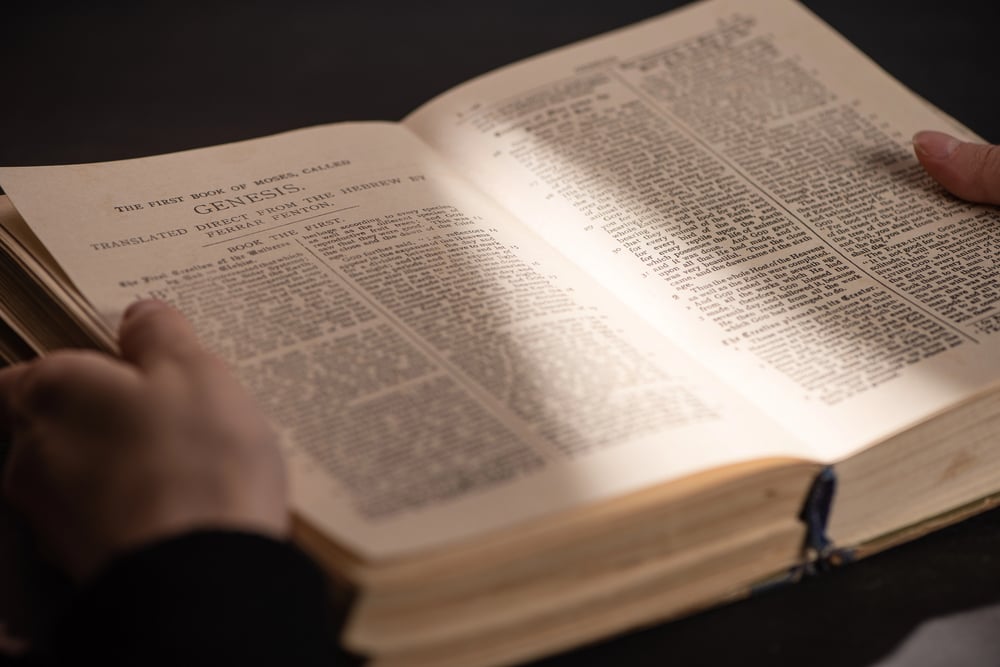
When the Pope refused to annul his marriage to Catherine of Aragon, Henry didn’t just leave the Catholic Church. He established himself as head of the Church of England and authorized new Bible translations that supported his position.
Scholars worked under pressure to interpret scriptures in ways that justified his actions. The political and religious chaos this created lasted for generations.
Henry essentially changed an entire country’s faith to get what he wanted.
He gave out ‘healing’ gold coins he claimed could cure disease

Henry believed in the royal touch, an ancient tradition claiming kings could cure scrofula by touching sufferers. He also distributed special gold coins called ‘touch pieces’ to people seeking healing.
Thousands lined up hoping for a miracle cure from their king. The practice combined medieval superstition with royal propaganda perfectly.
Henry enjoyed playing the role of divine healer, even though the coins obviously had no medical value.
His court spent more on clothing than on his entire navy
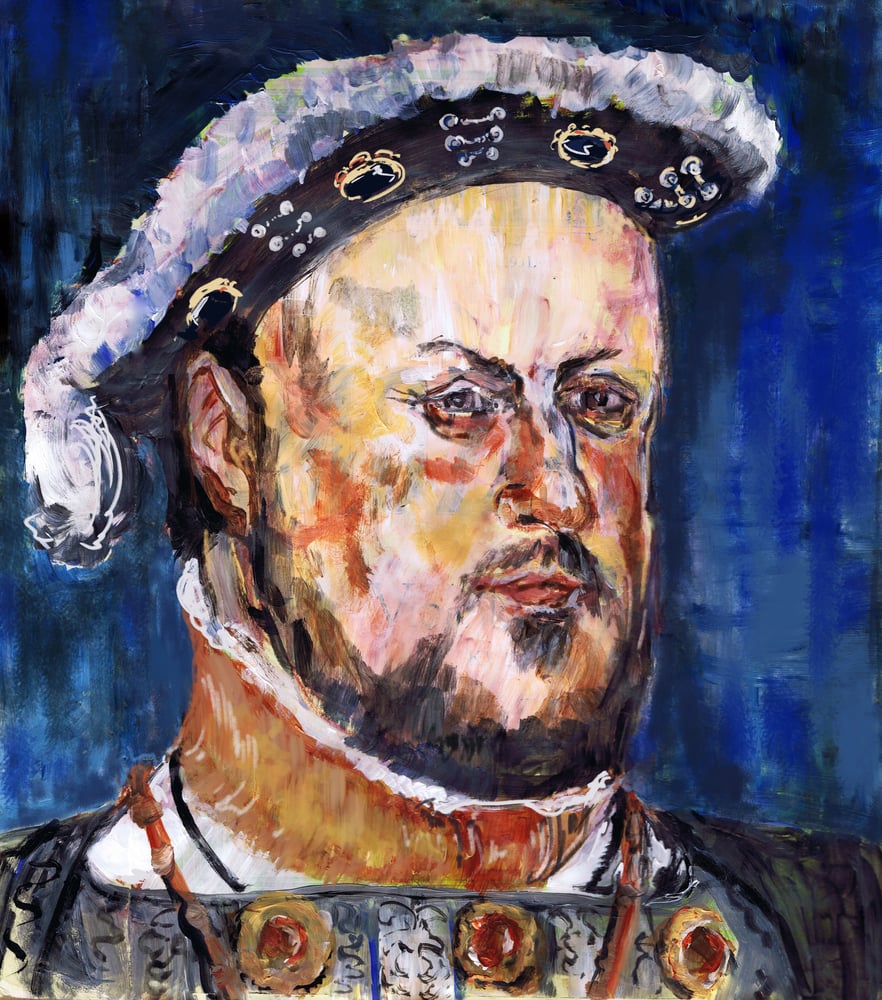
The Tudor court was all about appearance and outdoing everyone else with fancy outfits. Henry himself changed clothes multiple times daily and owned hundreds of elaborately embroidered garments.
The annual clothing budget for the royal household exceeded what he spent on warships and naval operations. Silk, velvet, gold thread, and precious gems covered every outfit.
Priorities were clearly different in the 16th century.
He kept exotic animals including lions in the Tower of London

The royal menagerie at the Tower housed lions, leopards, and even a polar bear that fished in the Thames. Henry added to this collection regularly, receiving animals as diplomatic gifts from foreign rulers.
Keeping these creatures alive in Tudor London was no easy task, but it demonstrated power and wealth. The public could pay to view the animals, making the Tower an early version of a zoo.
The roars of lions echoing through London must have been quite a sound.
He banned certain foods because he thought they caused the plague

Henry issued proclamations restricting the sale of specific foods during plague outbreaks, believing diet affected disease transmission. Fresh fish, fruits, and certain vegetables ended up on the banned list at various times.
The science was completely wrong, but the king’s word was law. People followed these rules even though they made no sense and probably caused more hunger than health benefits.
His medical theories were as questionable as his relationship decisions.
Where the past meets the present day

Henry VIII died nearly 500 years ago, but his influence on England and the wider world hasn’t faded one bit. The Church of England still exists because of his marital problems, and his daughters Mary and Elizabeth shaped history in their own dramatic ways.
Modern Britain’s relationship with religion, government, and monarchy all trace back to decisions this odd, complicated king made. His strange habits and terrible choices remind us that even the most powerful people are still just people—flawed, weird, and very human.
More from Go2Tutors!

- The Romanov Crown Jewels and Their Tragic Fate
- 13 Historical Mysteries That Science Still Can’t Solve
- Famous Hoaxes That Fooled the World for Years
- 15 Child Stars with Tragic Adult Lives
- 16 Famous Jewelry Pieces in History
Like Go2Tutors’s content? Follow us on MSN.



