28 Breakfast Cereals From the ’90s Kids Begged For
Saturday morning cartoons in the 1990s were really a long advertisement for the cereal aisle. Kids watched mascots, movie tie-ins and marshmallow promises, then spent the next grocery trip negotiating from the seat of the cart.
Some of these boxes lasted only a year or two before vanishing. Others survived, disappeared and came back when grown-up fans demanded them on social media.
Oreo O’s
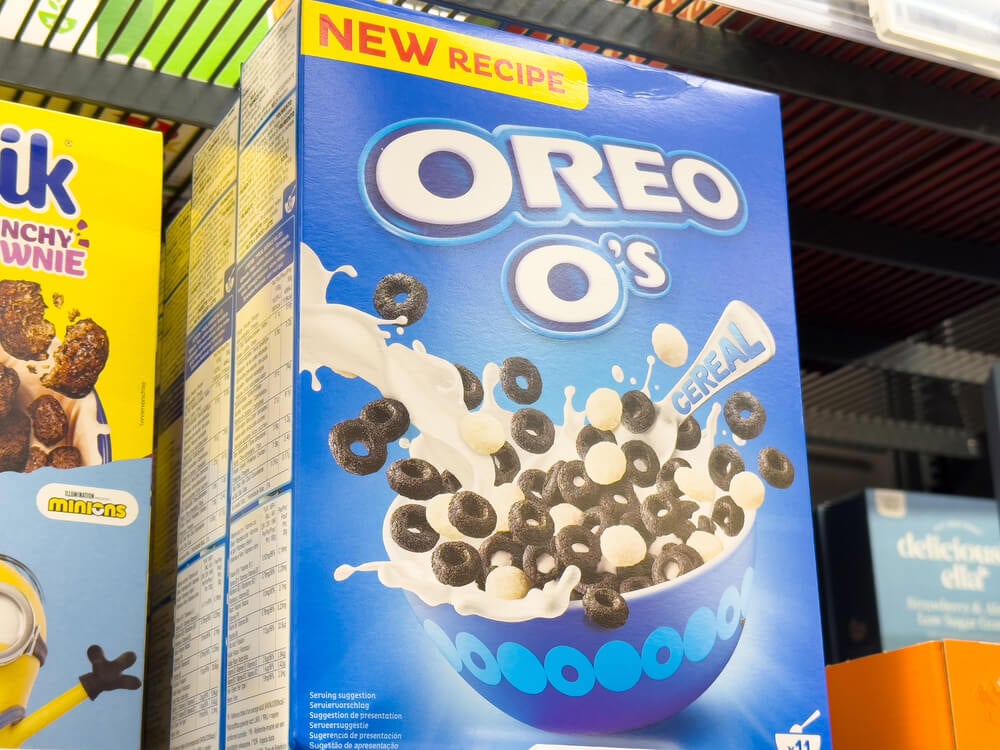
Post introduced Oreo O’s in 1998, turning the famous sandwich cookie into chocolate rings dusted with bits of Oreo and a creme coating. The cereal was pure dessert in a bowl, and kids who managed to get it into the cart considered it a major victory.
Post discontinued it in the United States in 2007, and fans spent the next decade asking for it back. The company relaunched Oreo O’s in 2017, first at Walmart, and it has stayed on shelves since.
For many adults, the return tasted close enough to trigger a wave of nostalgia.
French Toast Crunch
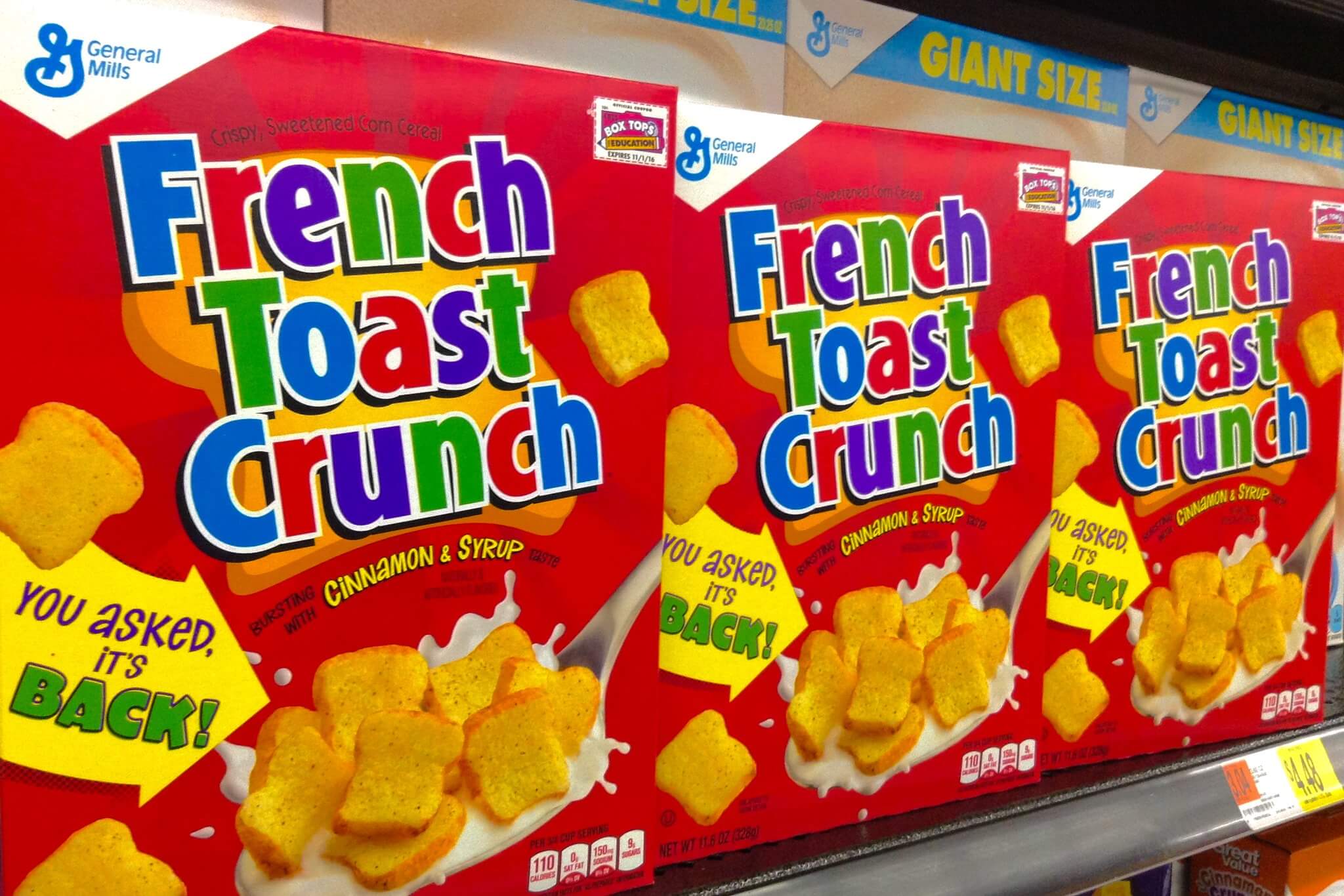
Launched by General Mills in 1995, French Toast Crunch shaped each piece like a tiny slice of bread and flavored it with maple and cinnamon. The miniature toast pieces were the entire appeal, and kids loved pretending they were eating breakfast in doll size.
The shapes were later changed to simple squares, and the cereal was discontinued in the United States in 2006. Fans lobbied for years, and General Mills brought it back in late 2014 with the original toast shape restored.
It has since become one of the clearest examples of a cereal revived purely by nostalgia.
Waffle Crisp
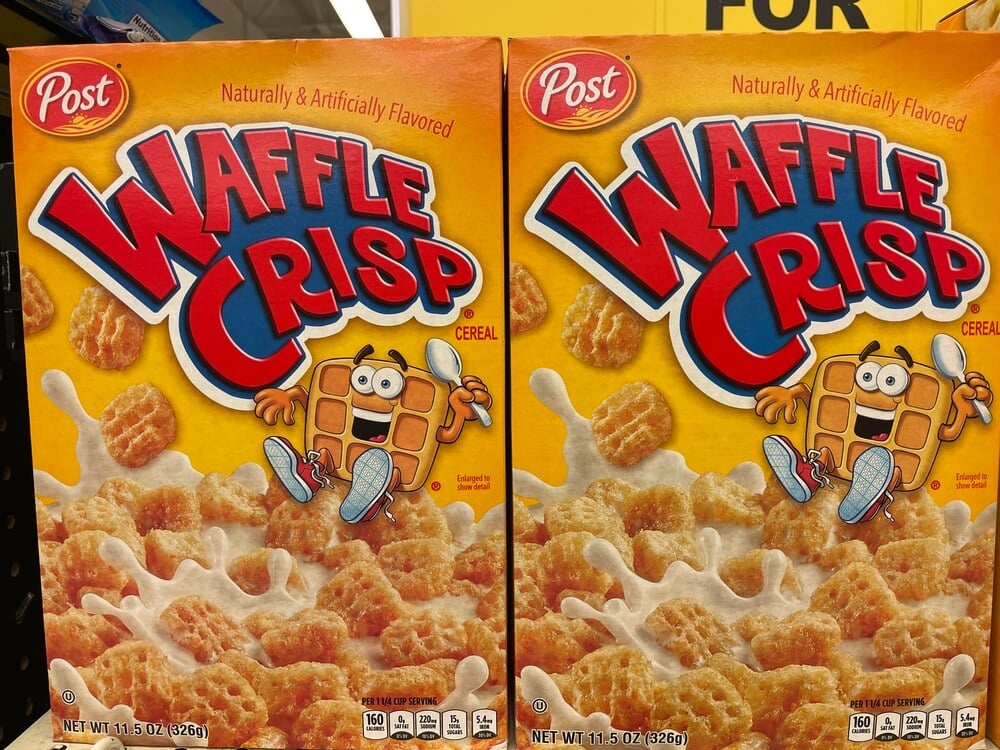
Post introduced Waffle Crisp in 1996, small crunchy squares shaped like waffles and flavored like maple syrup. The commercials featured cheerful grandmothers supposedly making each tiny waffle by hand, which kids found charming and parents found hard to believe.
The cereal was discontinued in 2018, then returned in a limited Walmart run in 2021 before a broader relaunch in 2022. Post said the comeback was driven by fans who kept asking for it online.
The squares soak up milk quickly, so fans insist on eating fast, and the syrup flavor lingers in the bowl afterward.
Reese’s Puffs
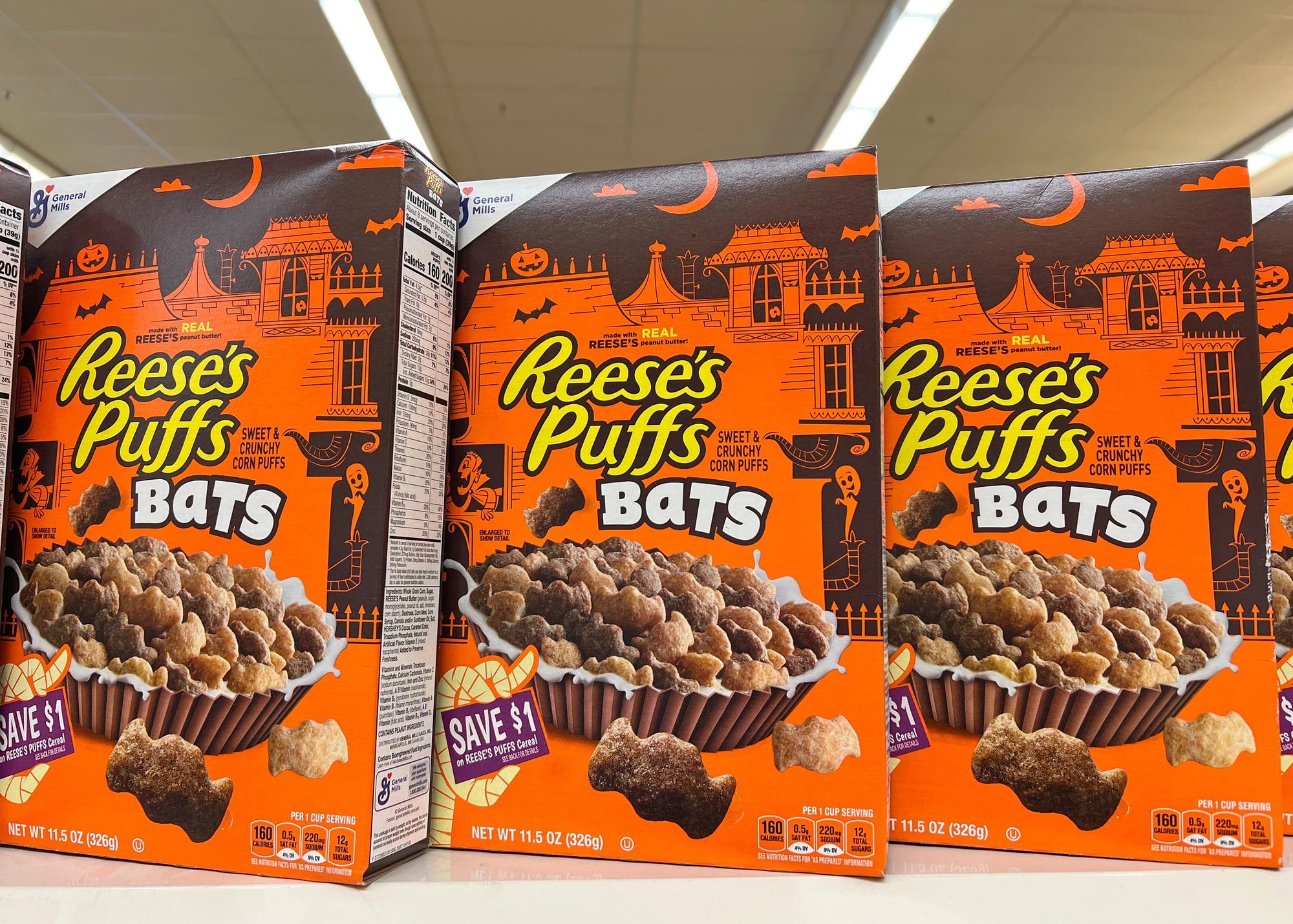
Reese’s Peanut Butter Puffs arrived from General Mills in 1994, combining chocolate and peanut butter flavored corn puffs under the Hershey brand name. The cereal delivered the taste of a peanut butter cup in a bowl, and kids understood the pitch immediately.
The name was later shortened to Reese’s Puffs, and the cereal remains a best seller. It has gone through many versions and spinoffs over the years, but the original mix of brown and tan puffs still defines it.
The chocolate milk left at the bottom of the bowl was a major part of the appeal.
Rice Krispies Treats Cereal
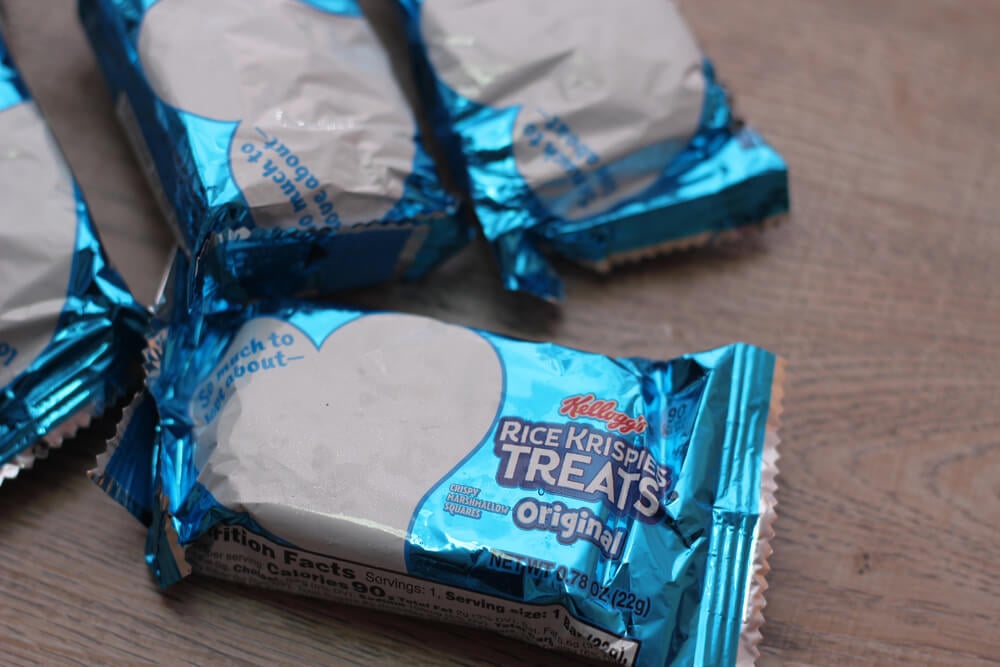
Kellogg’s turned its famous marshmallow squares into a cereal in the early 1990s, with sweet, crunchy pieces meant to taste like the homemade bars. The cereal felt like a clever workaround, a way to eat dessert at breakfast with a parent’s approval.
The pieces were small clusters coated in a buttery marshmallow flavor, and they stayed crunchy longer than regular Rice Krispies. The product has come and gone over the decades, sometimes appearing in limited runs.
Fans still remember the version from their childhood as the one that tasted most like the treats.
Frosted Cheerios
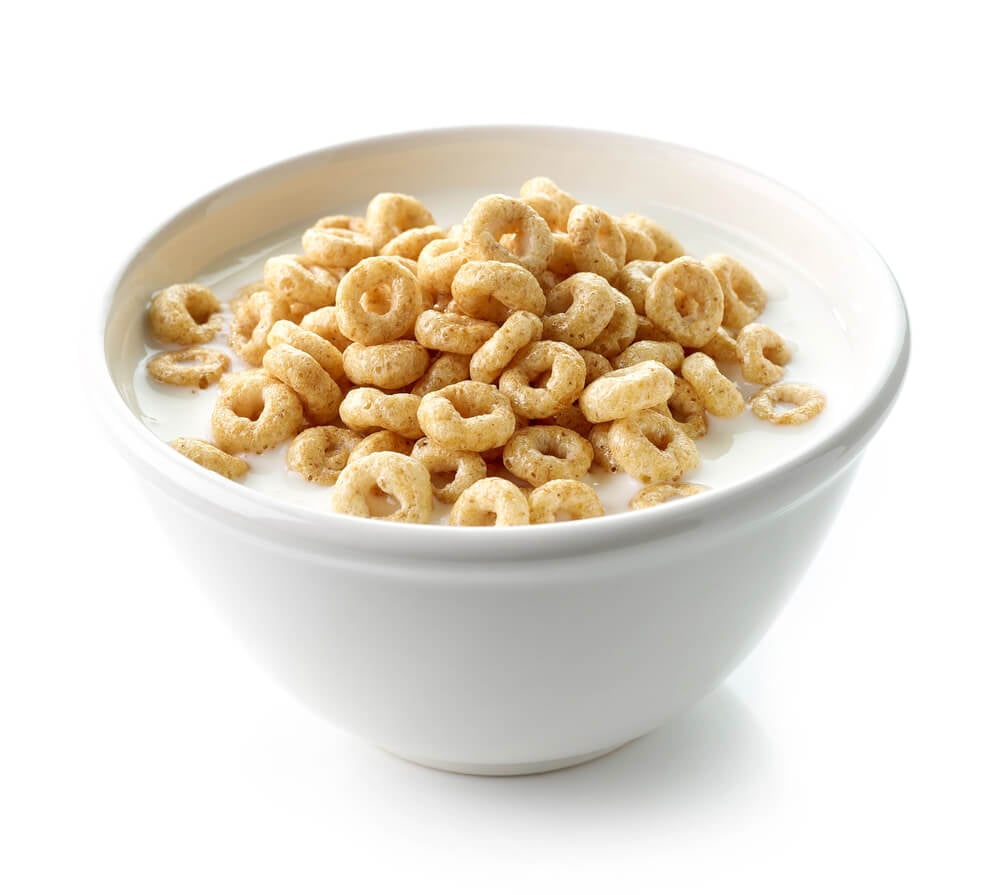
Frosted Cheerios arrived in 1995, when General Mills added a sweet coating to the familiar oat rings. The launch was a big deal, because it turned a cereal associated with toddlers and parents into something kids wanted to choose for themselves.
The frosting made the rings sweeter and crunchier than the original, which made them popular as snacks straight from the box. Frosted Cheerios has remained on shelves in various forms.
For many 1990s kids, it was the rare sweet cereal that parents did not argue about, because the name still said Cheerios.
Berry Berry Kix
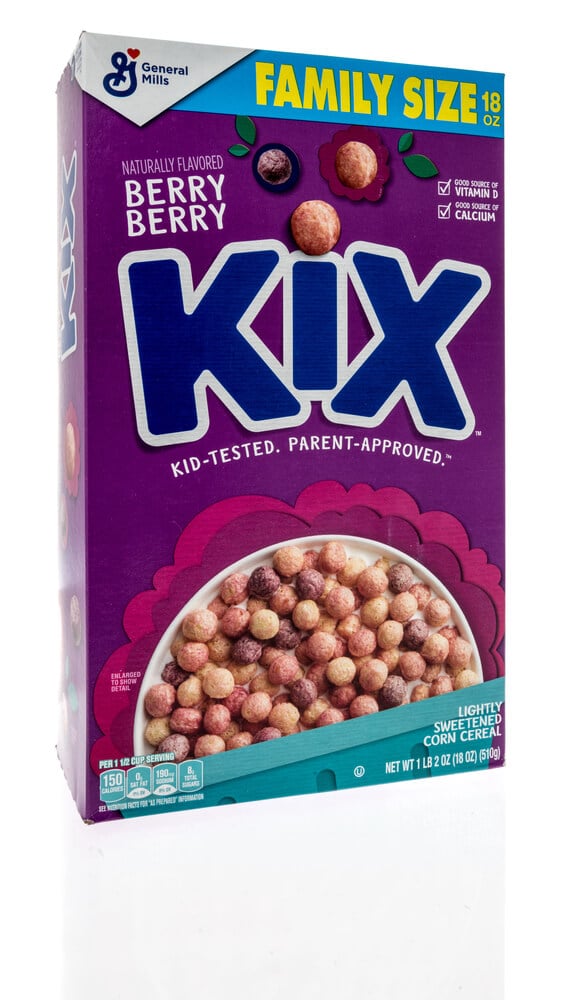
Berry Berry Kix was a fruity spinoff of the long-running Kix brand, featuring colorful puffs in berry flavors. In 1995, marked boxes included cards from the Marvel Overpower card game featuring the X-Men, with three free cards in each box and 21 cards to collect.
The promotion turned an ordinary cereal into a trading-card hunt, and kids pushed for more boxes to complete their sets. The berry version kept the light, crunchy texture Kix was known for.
Collectors still seek out the cards, and the promotion is a reminder of how cereal boxes doubled as toy stores.
Cap’n Crunch’s Oops All Berries
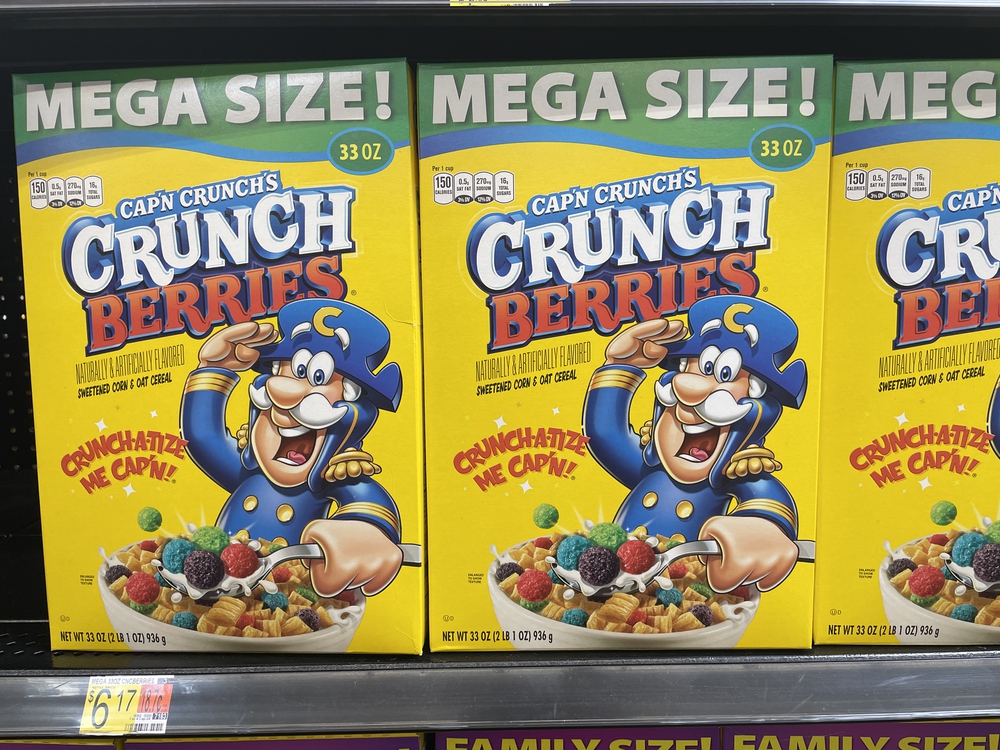
Quaker introduced Oops All Berries in 1997, a box of Cap’n Crunch filled only with the colorful berry pieces and none of the regular yellow squares. The marketing played it as a happy accident, as if a factory mistake had produced the cereal kids always wanted.
The idea worked because many children already picked the berries out of Crunch Berries. The cereal became a cult favorite and has returned several times since.
Its vivid colors and berry flavor made it memorable, and the name itself became a meme for anything made entirely of the best part.
Urkel-Os
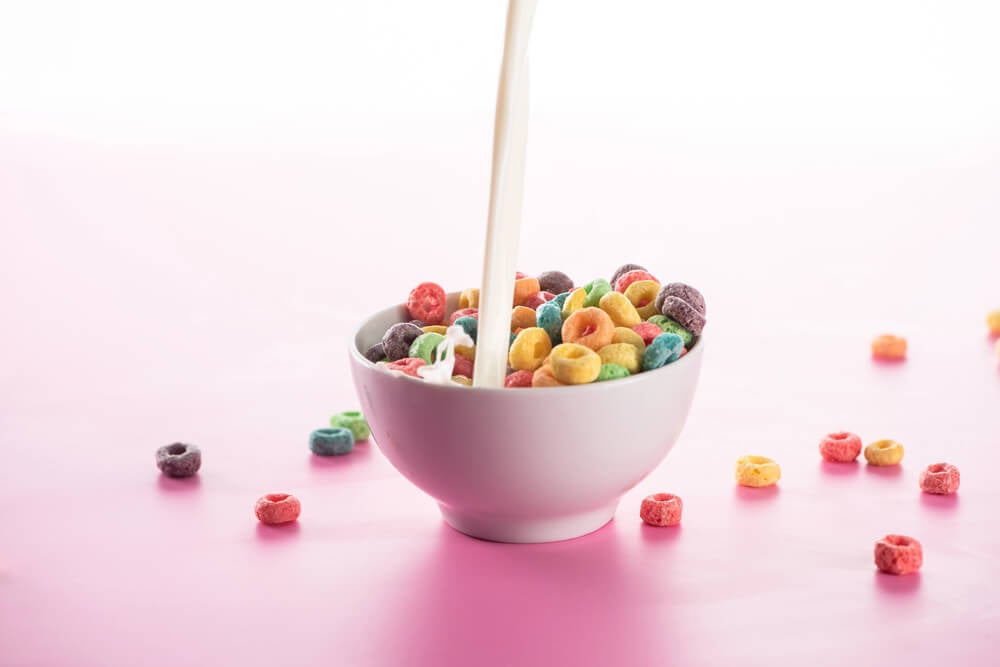
Ralston introduced Urkel-Os in 1991, a tie-in with the sitcom Family Matters and its breakout character, Steve Urkel. The strawberry and banana flavored rings resembled a simplified Froot Loops, with only red and yellow pieces.
A 1992 election-year box featured Urkel For President buttons and games, while other boxes showed Urkel dancing. The cereal reached stores at the height of Urkel mania, when the character had become one of television’s biggest stars.
It faded from shelves before the end of the decade, and unopened boxes now appear in collector auctions.
The Addams Family Cereal
An Addams Family cereal from Ralston arrived in the early 1990s, capitalizing on the 1991 film starring Anjelica Huston and Raul Julia. The box featured the famously spooky family, and the cereal was sweet and colorful, with pieces designed to evoke the macabre theme.
It was one of many licensed products that Ralston rolled out during that era, paying royalties to use popular characters. The cereal was not around long, but it became a favorite among fans of the film and a sought-after collectible.
The box itself is now more memorable than the flavor.
Bill and Ted’s Excellent Cereal
Ralston released Bill and Ted’s Excellent Cereal in 1991, tying into the animated series spun off from the time-travel comedy films. The cereal was sweet and fruity, and the box leaned heavily on the duo’s surfer slang and air guitar poses.
It was part of the wave of licensed cereals that turned any popular property into breakfast. The product did not last long, which has only increased its mystique.
Collectors now seek out empty boxes, and the name is regularly cited as one of the strangest tie-ins of the decade.
Sprinkle Spangles
Sprinkle Spangles hit shelves in the fall of 1993 as star-shaped pieces covered with rainbow sprinkles. The mascot was the Sprinkle Genie, voiced by comedian Dom DeLuise, who appeared less than a year after Disney’s Aladdin made genies wildly popular.
The commercials showed the genie granting children’s wishes for sprinkles at breakfast. The genie was dropped before the cereal itself disappeared, and Sprinkle Spangles was gone by the mid-1990s.
Fans still describe the sprinkles as the crunchy real thing, and online campaigns to revive it surface regularly.
Hidden Treasures
Hidden Treasures arrived from General Mills in 1993 alongside Sprinkle Spangles, offering square corn pieces that all looked the same on the outside. Some were filled with cherry, orange or grape frosting, while others were empty, which made every spoonful a small gamble.
Clever kids soon figured out that the position of the seam on each piece revealed the flavor inside. A robot mascot named H.T. appeared in one of only two commercials made for the cereal.
It was discontinued by 1995, but people who ate it still remember breaking the pieces open to investigate.
Millennios From Cheerios
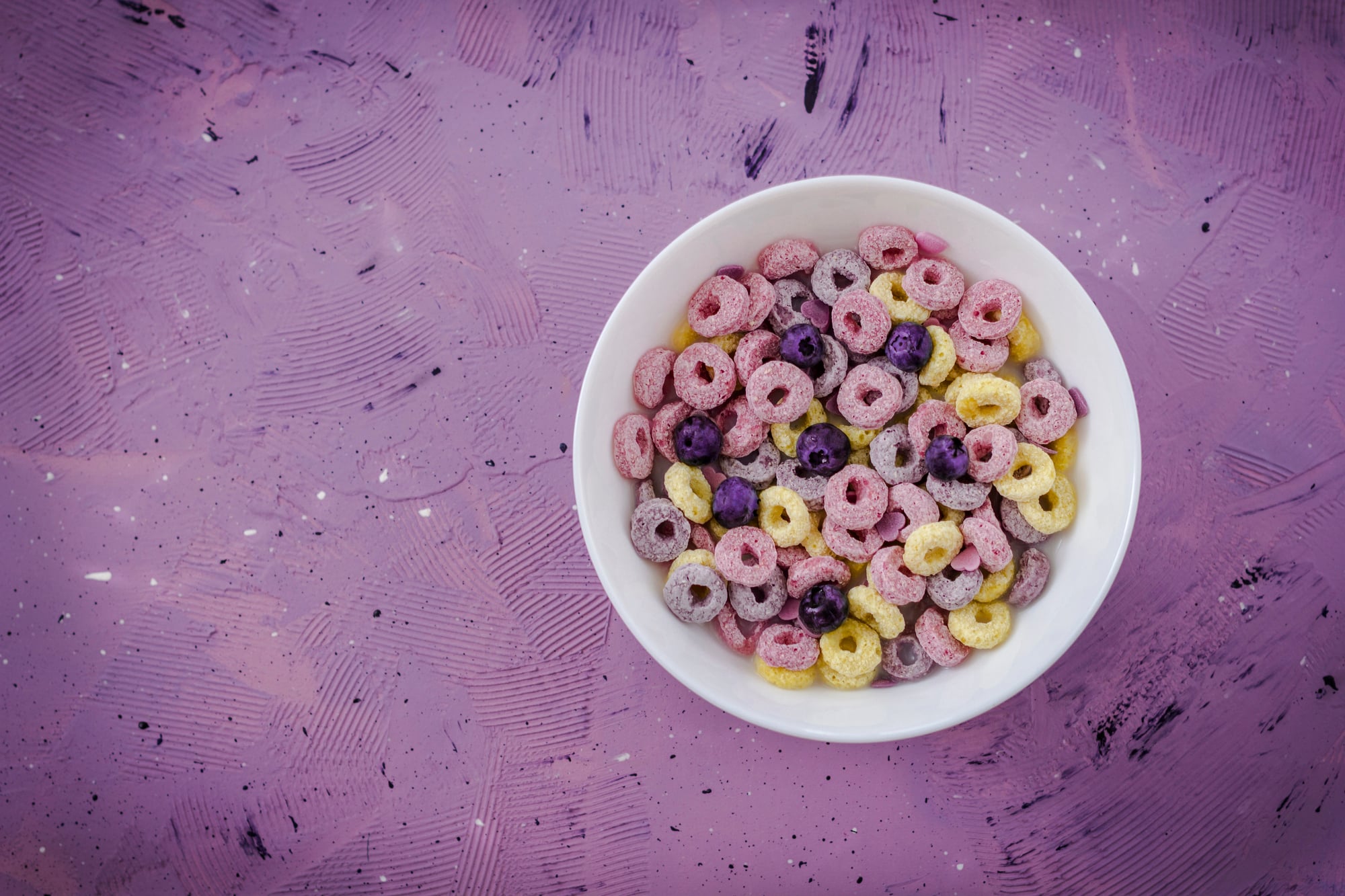
Millennios were created for 1999, when General Mills added sweetened pieces shaped like the numeral 2 to Cheerios to mark the coming year 2000. The cereal came in a shiny purple box, and the back panel listed predictions about the future with blanks for kids to fill in the year.
It was one of the few pieces of Y2K merchandise that sold well, at a time when many retailers avoided the theme because of fears about the computer bug. The Smithsonian’s National Museum of American History holds a box in its collection, a sign of how seriously the moment was taken.
The cereal disappeared once the new year arrived, exactly as planned.
Trix in Fruit Shapes
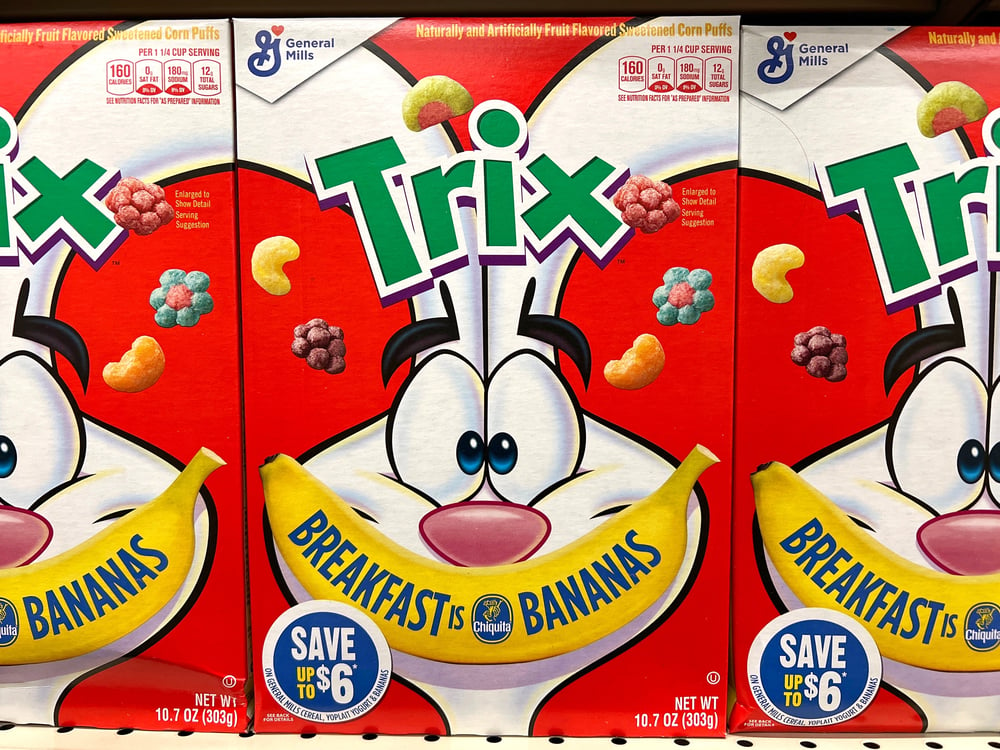
In 1991, Trix switched from its round puffs to fruit-shaped pieces, including grapes, oranges, lemons and raspberries, and the change defined the cereal for a generation. The Trix rabbit continued his endless attempts to get a bowl, always foiled by kids reminding him the cereal was for them.
General Mills later returned to round puffs, then brought back the classic fruit shapes in 2018 after fans complained. The shapes made eating Trix feel more like play.
For many 1990s kids, the fruit pieces were the only Trix they ever knew.
Monster Cereals All Year Round
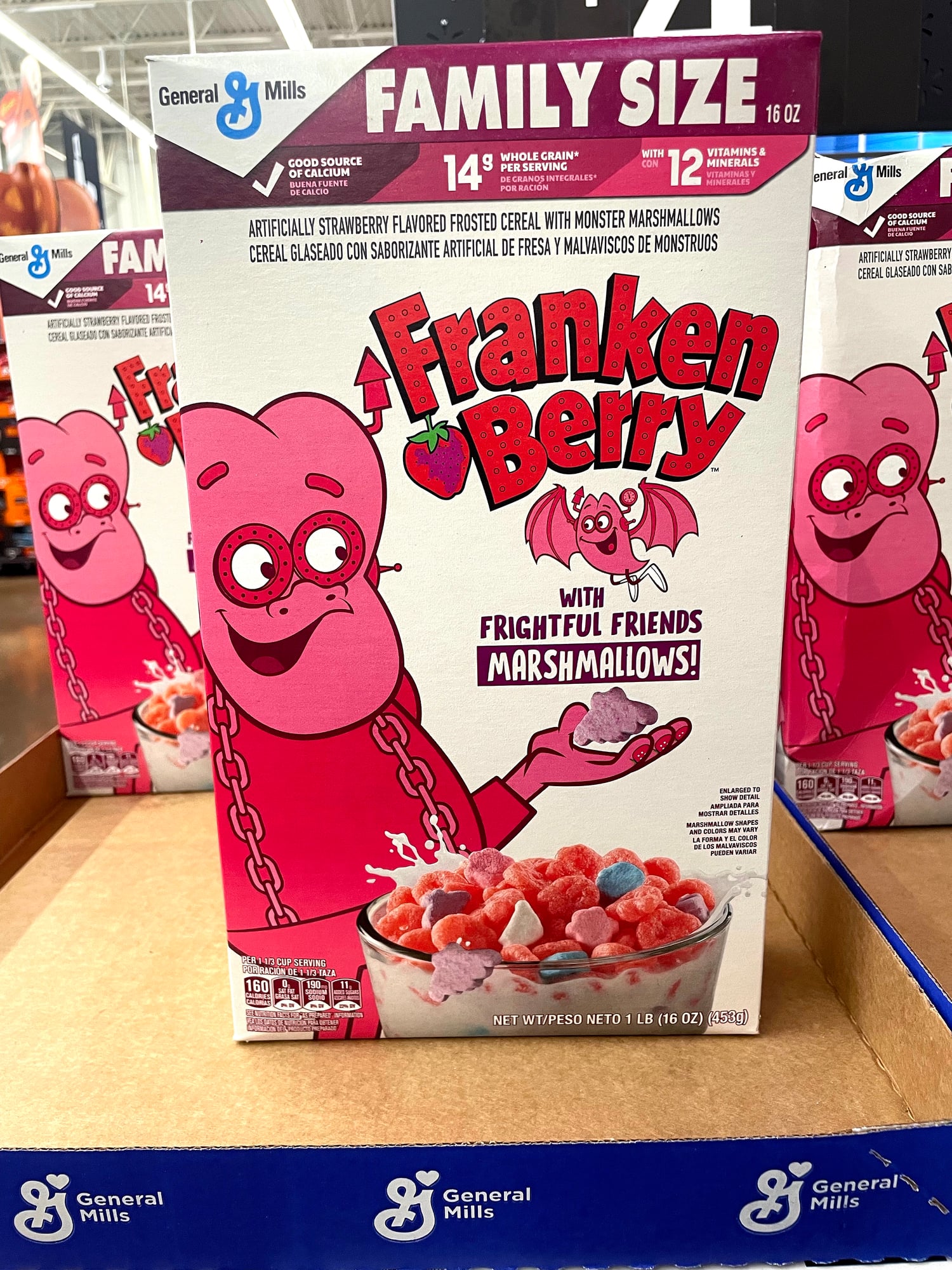
Count Chocula, Franken Berry and Boo Berry debuted in the early 1970s and stayed on shelves year-round for decades, which meant 1990s kids could eat chocolate and berry monster cereals in the middle of summer. The marshmallows and cartoon characters gave the cereals a playful spooky theme.
In 2010, General Mills moved them to limited seasonal release around Halloween. The monster cereals remain popular, with special packaging and collaborations each fall.
Fans who want a box in spring now have to stock up in October. The idea of eating Count Chocula in June belongs to earlier generations.
Cinnamon Toast Crunch and Its Bakers
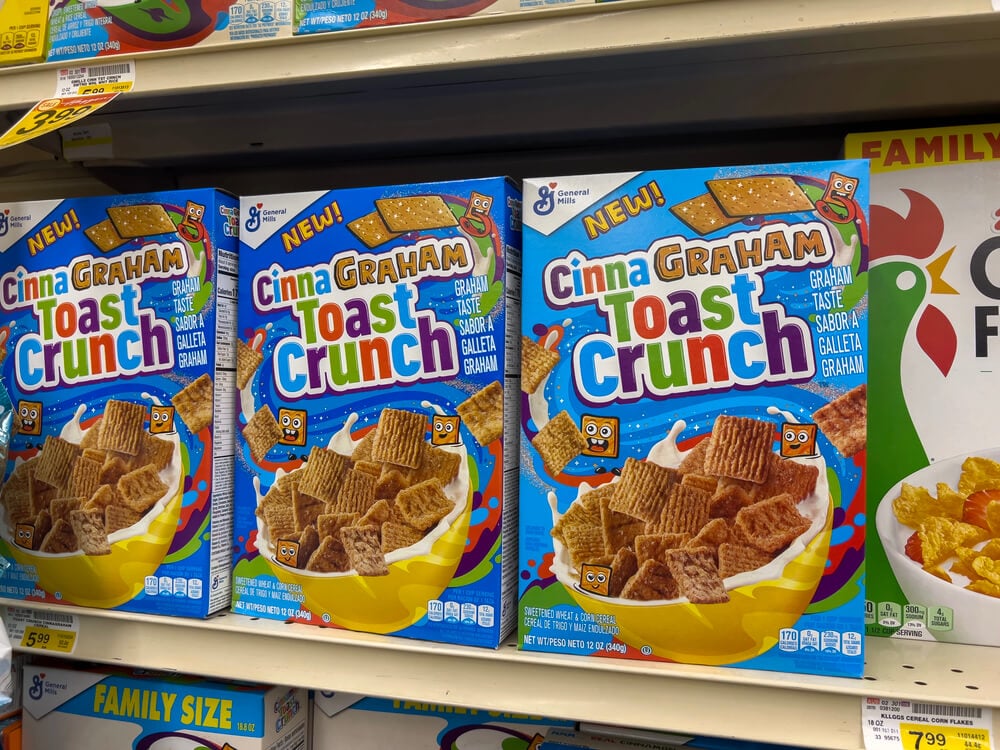
General Mills introduced Cinnamon Toast Crunch in 1984, but its 1990s commercials made it a household favorite, featuring cartoon bakers led by Wendell who marveled at the cinnamon swirls on every square. The pitch was simple: the cereal tasted like cinnamon toast, and kids could see the swirls.
The squares also left sweet cinnamon milk behind, which kids happily drank. Cinnamon Toast Crunch has since become one of the best-selling cereals in the country.
The bakers have come and gone, but the swirl remains central to the cereal’s identity.
Cookie Crisp
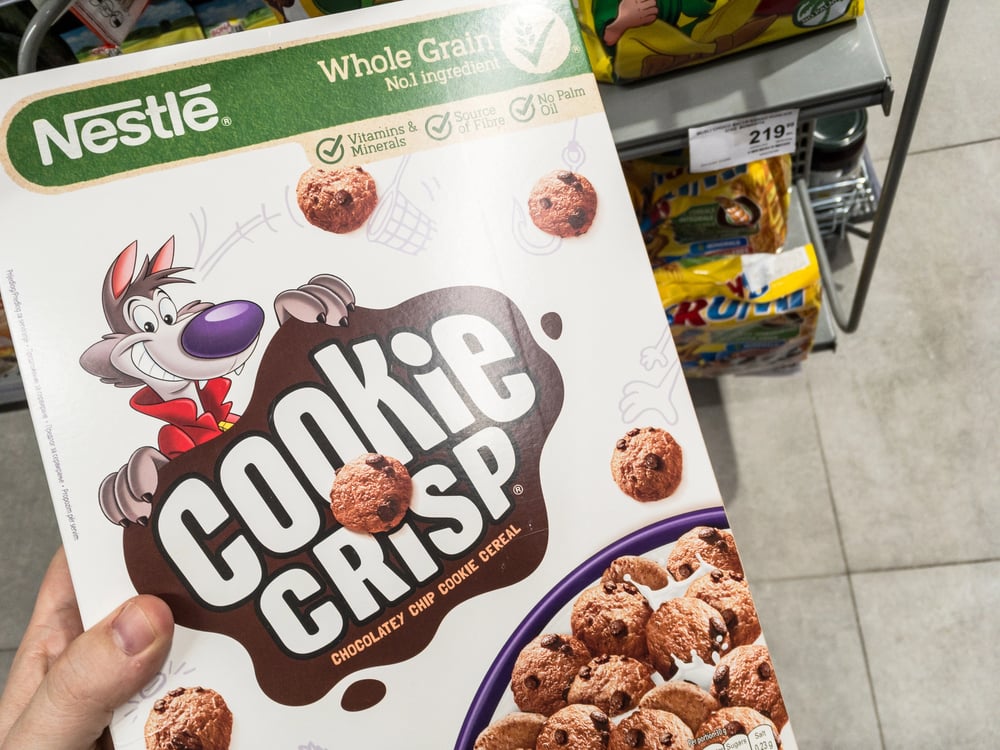
Cookie Crisp debuted in 1977 as tiny chocolate chip cookies for breakfast, and it remained a coveted box throughout the 1990s. Ralston made it for years before the brand moved to General Mills, and its mascots changed along the way, from the Cookie Crook and Officer Crumb to a cartoon dog named Chip.
The cereal was essentially cookies in milk, which made it an easy sell to kids and a harder sell to parents. The shapes changed slightly over the years.
Many adults remember begging for it and being told to choose something else.
Cocoa Puffs and Sonny
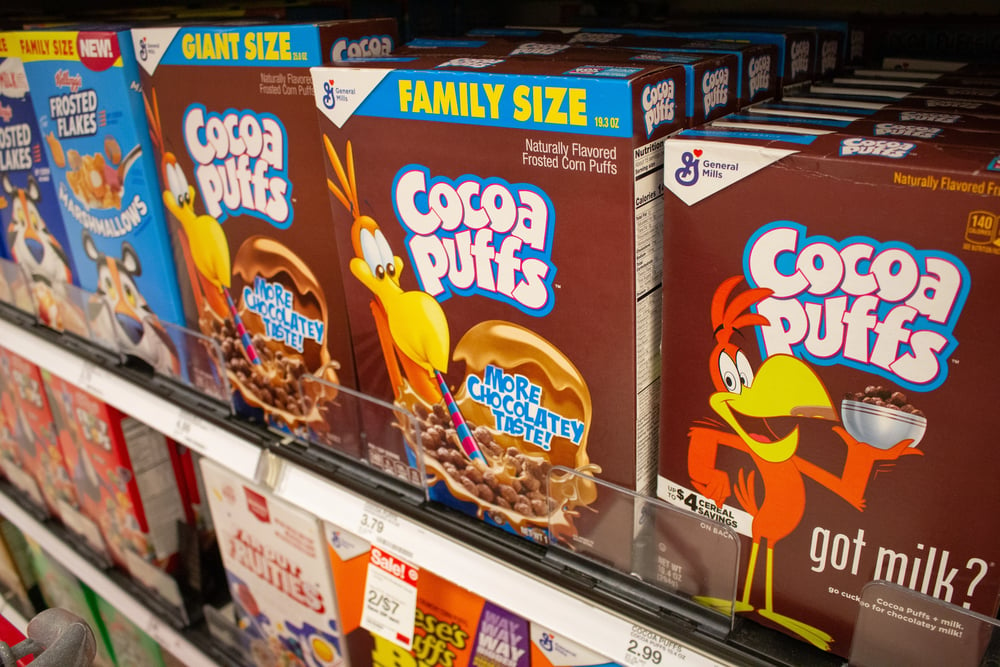
General Mills introduced Cocoa Puffs in 1956, and its mascot, Sonny the Cuckoo Bird, became famous for losing control at the mere mention of chocolate. His catchphrase about being cuckoo for Cocoa Puffs was everywhere in the 1990s.
The commercials showed Sonny trying and failing to stay calm, which kids loved. The cereal itself turned milk into chocolate milk, a key selling point, and few mascots were as reliably unhinged as Sonny.
The brand remains popular today, but for 1990s kids, the manic bird and his repeated breakdowns defined Saturday morning television.
Lucky Charms Olympic Edition
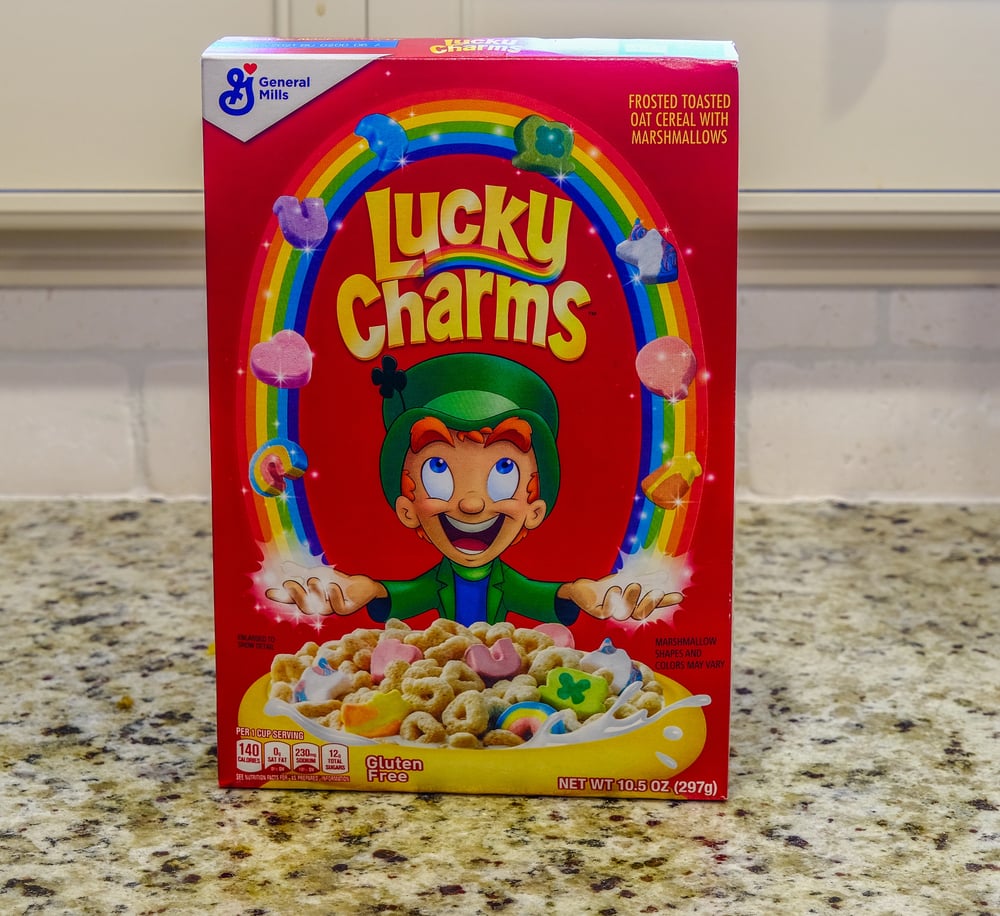
In 1996, General Mills released a commemorative Olympics edition of Lucky Charms, adding six Olympics-themed marshmallows to the familiar hearts, stars, horseshoes, clovers and other shapes. The promotion tied in with the Summer Games in Atlanta.
Kids collected boxes to see the new marshmallows, and the special edition made the cereal feel like part of a national event. Lucky Charms has added and retired many marshmallow shapes over the years, but the Olympic version is remembered by collectors.
The marshmallows remain the main reason kids pick the cereal.
Kellogg’s Cinnamon Mini Buns
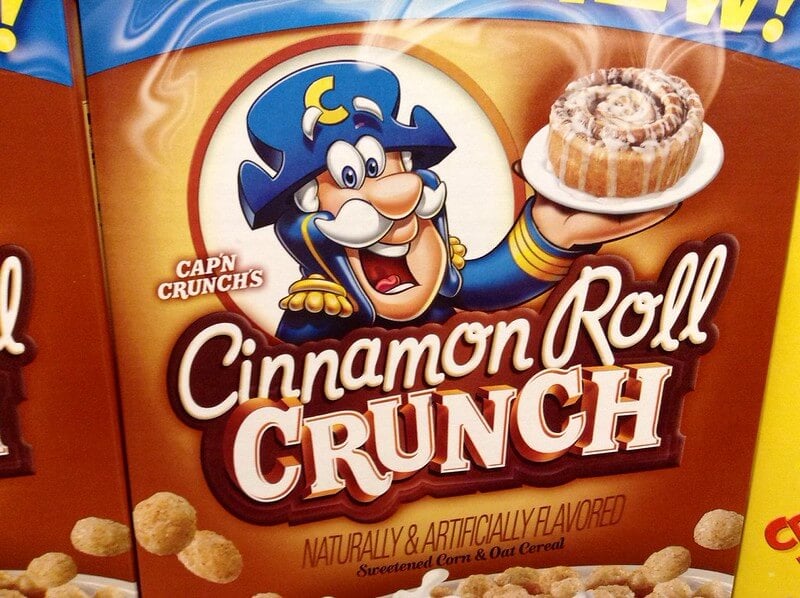
Kellogg’s Cinnamon Mini Buns were tiny swirled pieces that looked like cinnamon rolls, with a sweet glaze and crunchy texture. The cereal delivered the flavor of a bakery treat in a bowl, and kids loved the tiny swirls.
It appeared in the 1990s and later returned in different versions, but many fans insist the original was best. The shape made it feel special compared with ordinary squares and flakes.
The cereal is often included in lists of discontinued favorites, and fans still share photos of the original box.
Teenage Mutant Ninja Turtles Cereal
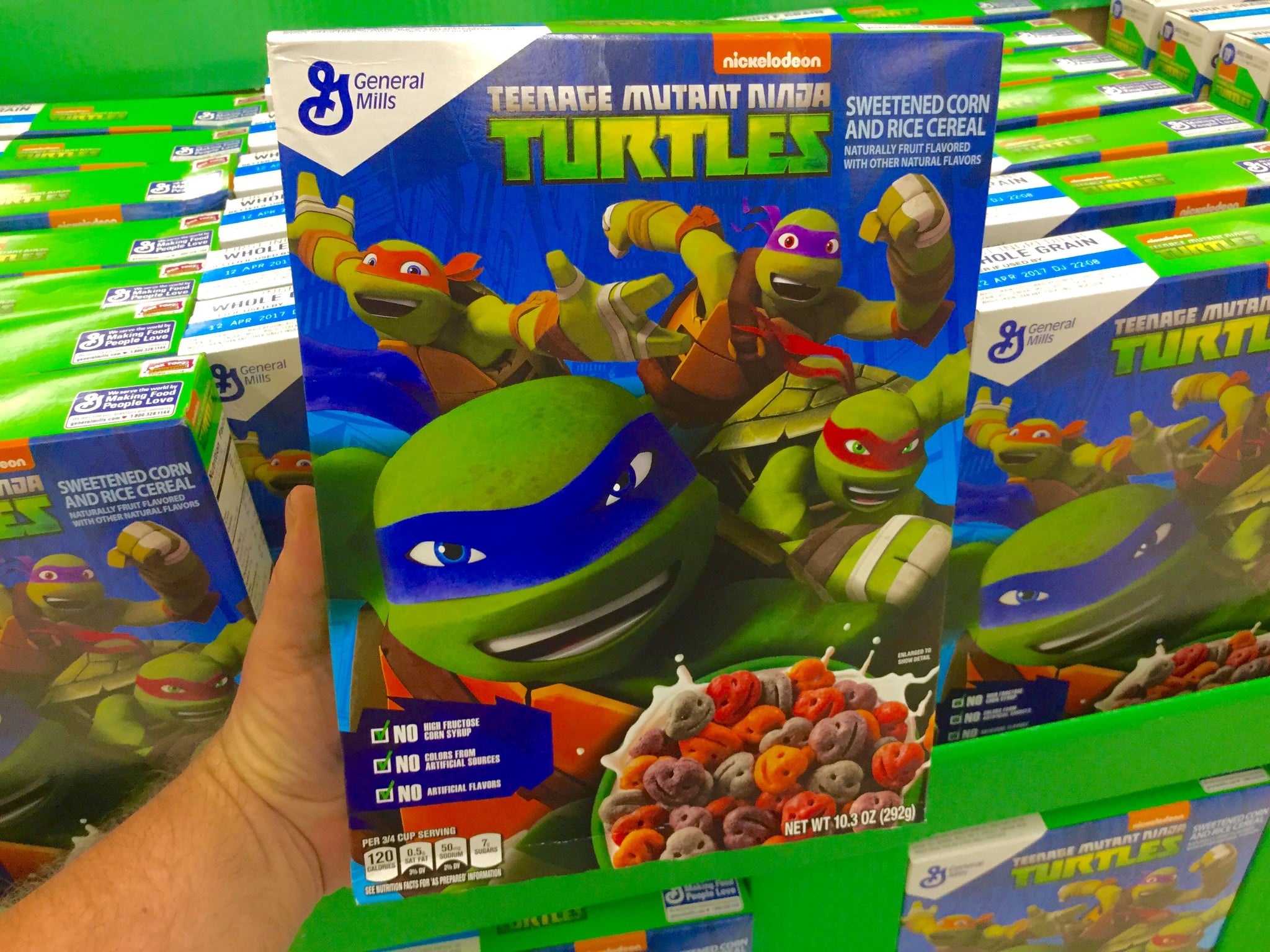
Teenage Mutant Ninja Turtles cereal arrived from Ralston in 1989 and lasted into the early 1990s, which was unusually long for a tie-in. The cereal combined lattice-shaped pieces called ninja nets with marshmallows, and later versions added pizza-shaped marshmallows.
In 1991, boxes promoted the film The Secret of the Ooze with packets of green honey ooze to pour over the cereal. The brand also offered collectible turtle-shaped bowls.
The cereal was revived for later movies, but fans say the original version remains unmatched. The mix of cartoon, film and breakfast made that box a fixture of the era.
Spider-Man Cereal
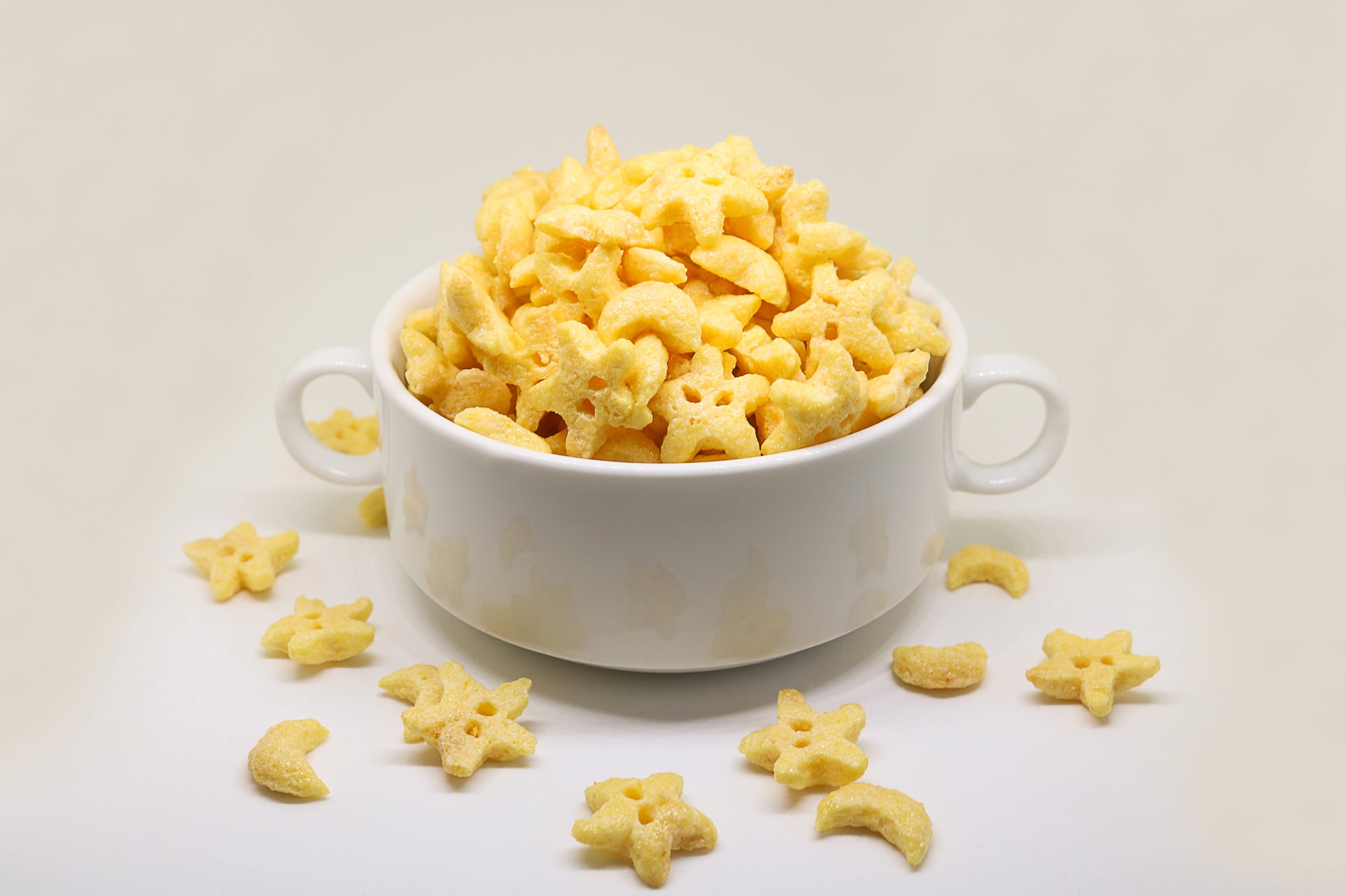
Spider-Man cereal arrived from Ralston in 1995, riding the popularity of the animated series that had premiered on Fox the year before. The crunchy pieces were shaped like spider webs, and the marshmallows included spider symbols, the pumpkin bombs thrown by the Hobgoblin and even small figures of the Kingpin.
The web pieces were essentially a relabeled version of the lattice squares Ralston had used in its Ninja Turtles cereal. Kids who followed the Saturday morning show wanted the box for the marshmallows alone.
The cereal did not stay on shelves long, and intact boxes now sell to collectors of both comics and cereal.
Hot Wheels Cereal
Hot Wheels cereal reached stores in 1990, a frosted oat cereal with pieces shaped like tiny mag wheels mixed with marshmallow cars. Specially marked boxes carried a free die-cast Hot Wheels car sealed in a plastic bag, so kids got a real toy along with breakfast.
That promotion made the box an easy request for children who already collected the Mattel cars and traded them at recess. The cereal did not last long on shelves, a common fate for licensed products of the period.
Sealed promotional cars from those boxes still turn up at toy shows and online, where fans of the brand track every variation.
Fruity Pebbles and the Fred and Barney Feud
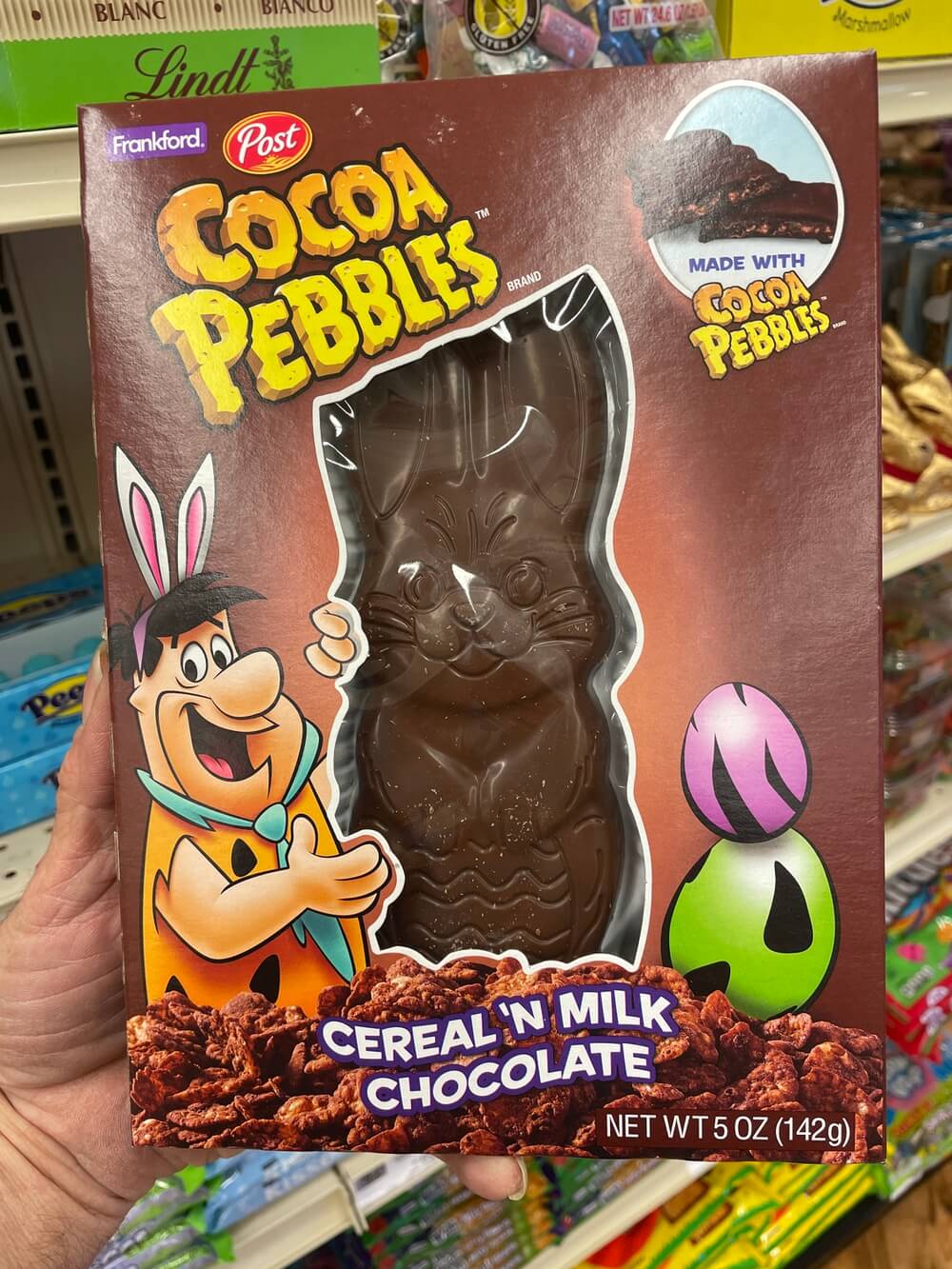
Post introduced Fruity Pebbles in 1971, but its 1990s commercials, in which Barney Rubble schemed to steal Fred Flintstone’s cereal, made the rivalry a running joke. Barney used disguises, tricks and elaborate plans, and Fred always discovered the theft with an outraged yell.
The cereal itself, colorful rice pieces with a fruity flavor, turned milk into a rainbow. Cocoa Pebbles offered a chocolate alternative.
The commercials made the brand feel like an ongoing cartoon, and Fruity Pebbles remains popular. Kids watching the ads often sided with Barney, at least until the next commercial.
Golden Crisp and Sugar Bear
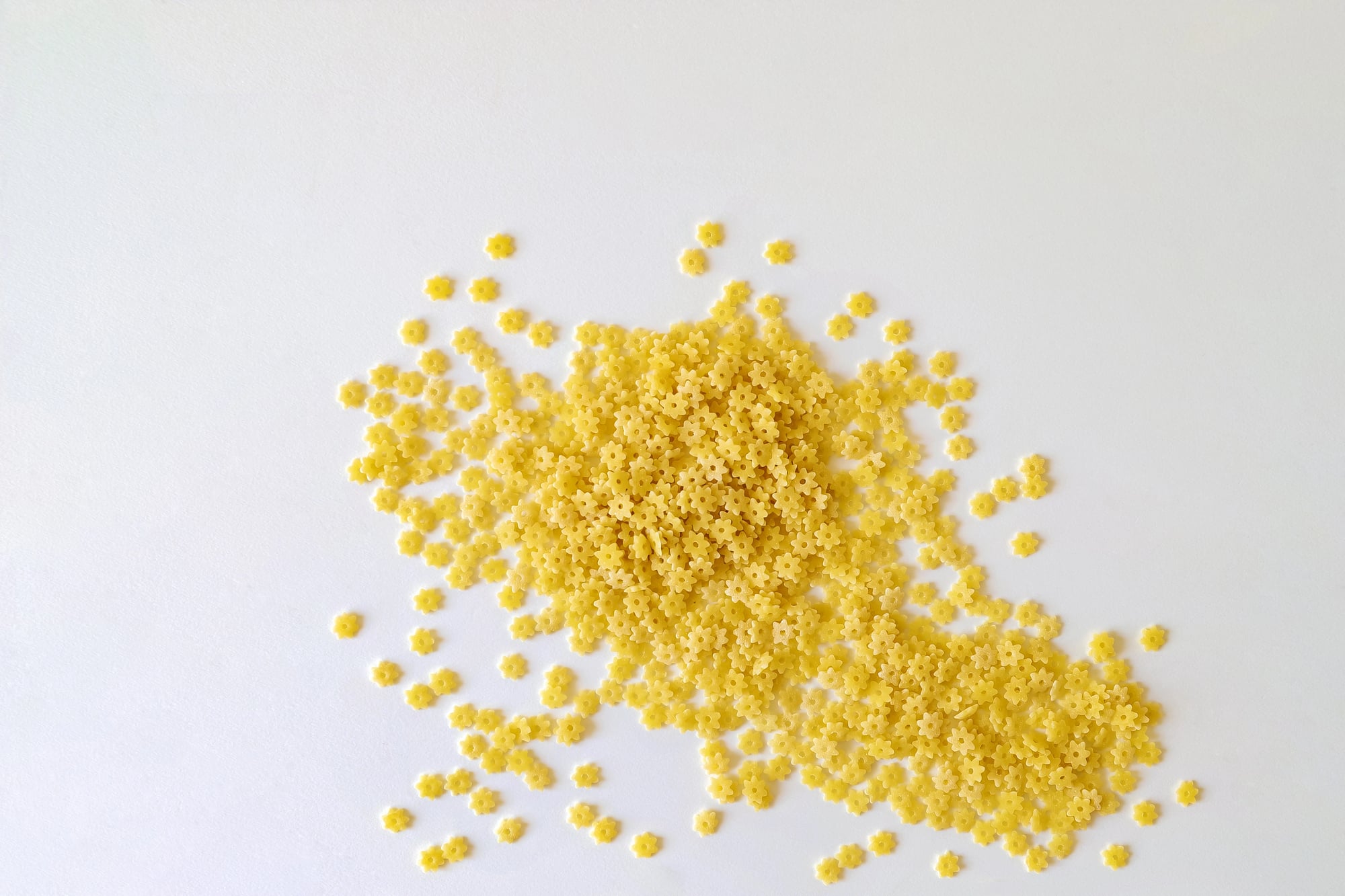
Super Sugar Crisp from Post was renamed Golden Crisp in 1985, but its mascot, Sugar Bear, continued to appear in 1990s commercials, crooning about the cereal in a laid-back voice. The cereal consisted of sweet, puffed wheat pieces coated in a honey glaze.
The commercials often showed Sugar Bear thwarting villains who tried to steal his cereal. The product remains on shelves, but Sugar Bear’s crooning era is a vivid memory for many 1990s kids.
The renamed cereal kept the sweet taste even as the name softened.
Dunkin’ Donuts Cereal
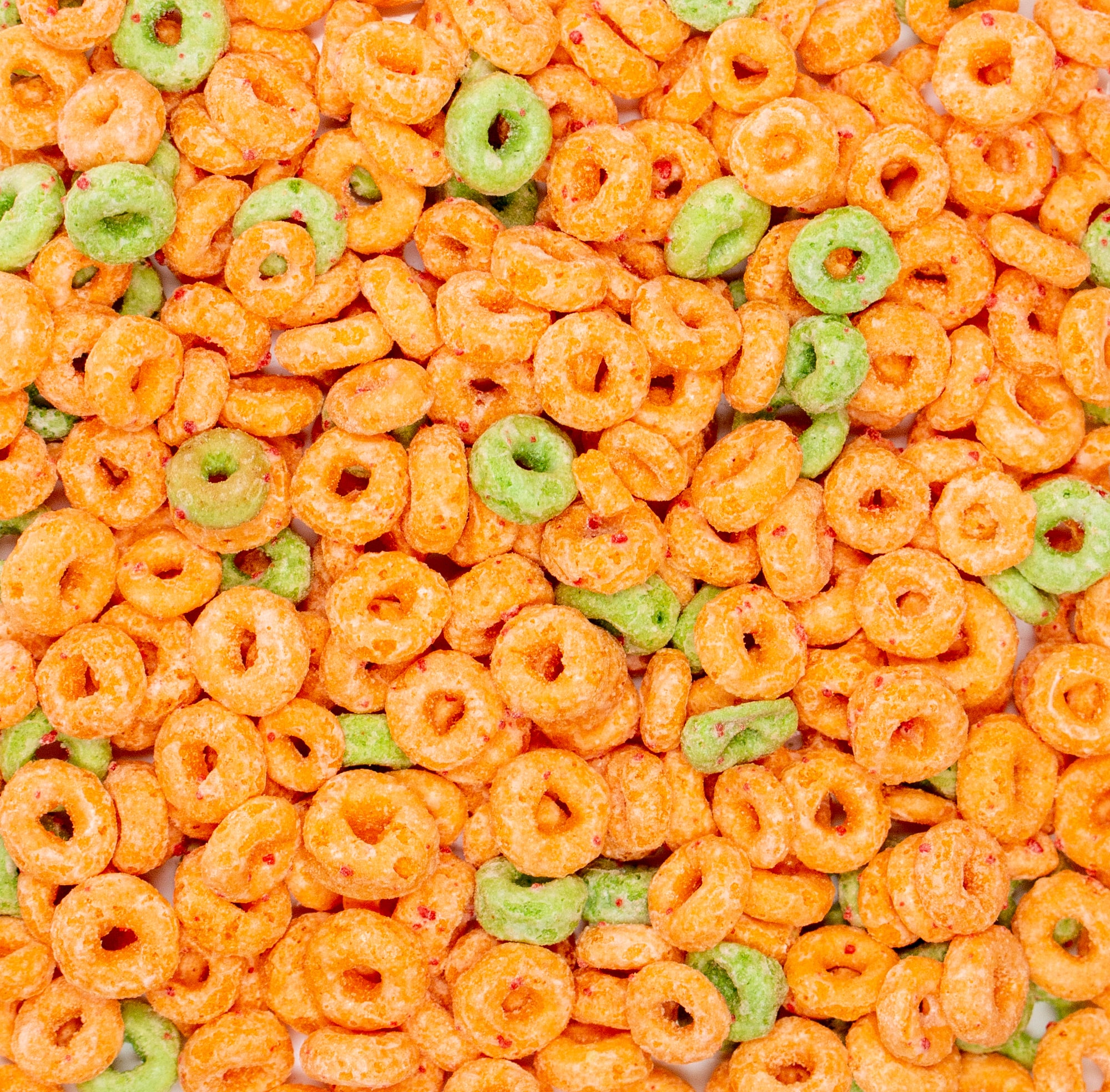
A Dunkin’ Donuts cereal from Ralston arrived in 1988 and stayed on shelves until about 1990, offering small ring-shaped pieces in glazed and chocolate flavors. The cereal looked a bit like Cheerios but tasted far sweeter, closer to the doughnuts that inspired it.
It was one of many licensed products that Ralston created at the time, bringing brands from fast food, movies and toys into the cereal aisle. The product did not last, but it became a cult favorite among those who remember it.
The chocolate version tended to vanish from the box first.
Nintendo Cereal System
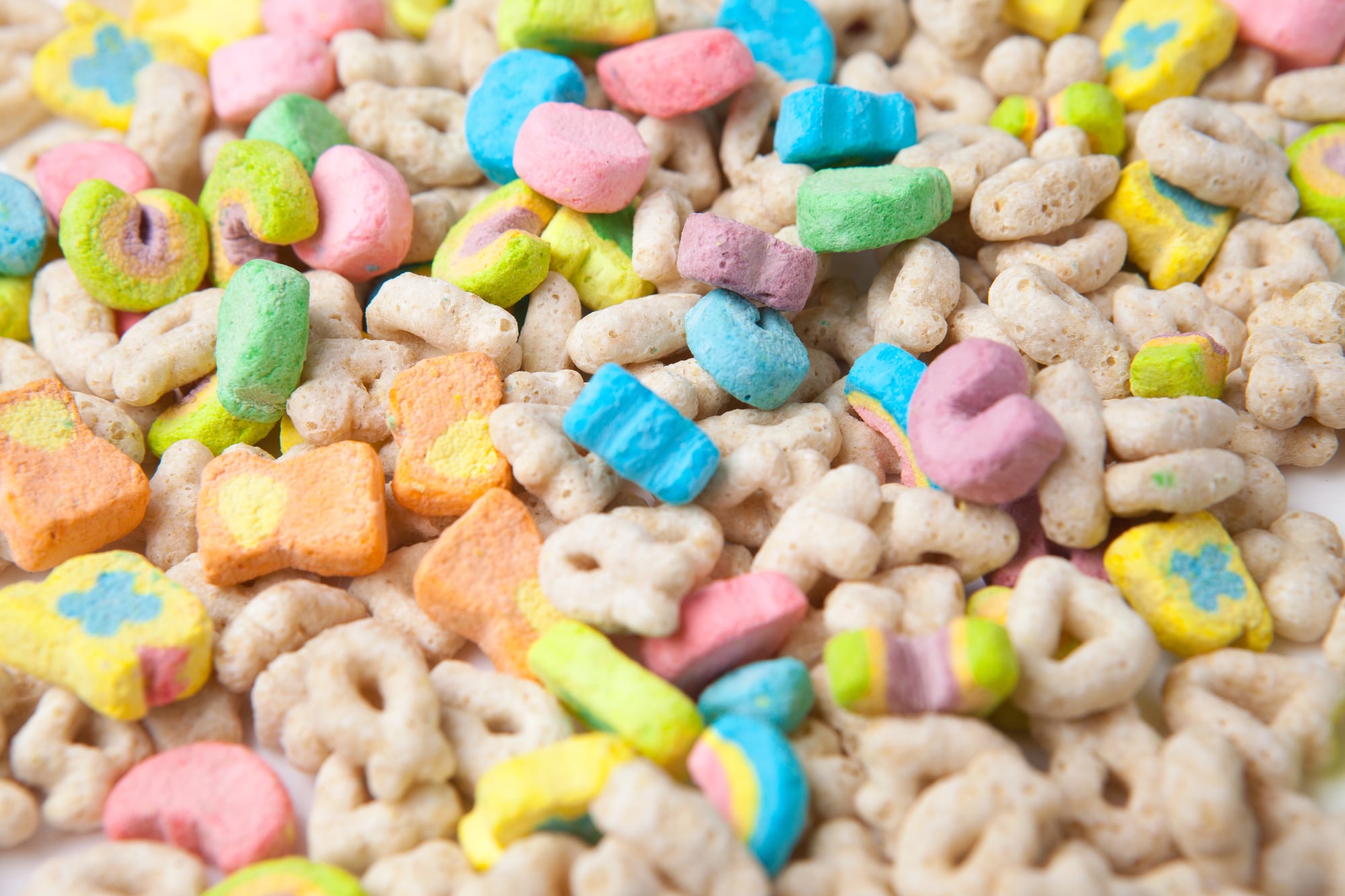
The Nintendo Cereal System from Ralston arrived at the end of the 1980s, with two separate bags inside one box: a Super Mario Bros. cereal and a Legend of Zelda cereal. Each bag had its own shapes and flavors, based on the popular video games.
The dual-bag concept made the box feel like a game console, and kids loved it. The cereal lasted into the early 1990s.
It is remembered as one of the most creative tie-ins of its era, and unopened boxes are prized by collectors of video game memorabilia.
Sugar, Cartoons and the Art of the Ask
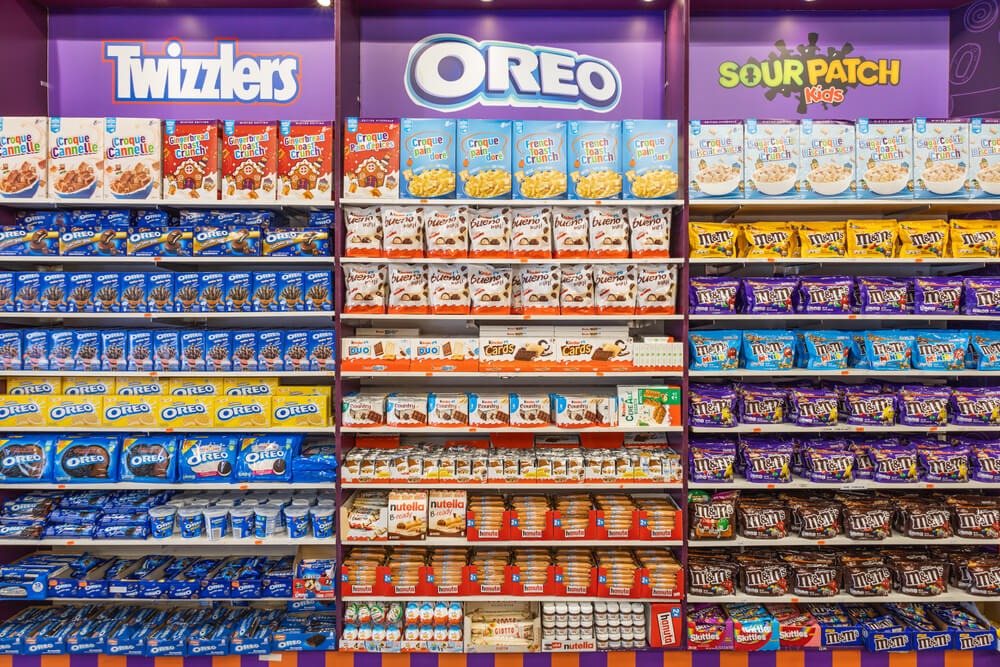
Kids in the 1990s did not choose cereal based on nutrition. They chose it based on mascots, toys, shapes and the latest movie.
The cereal aisle was a showroom, and cartoons were the sales pitch. The flavors mattered less than the experience.
Every box carried a promise, whether it was a prize, a marshmallow or a connection to a favorite show. The adults who grew up begging for these cereals now know the game, and many still buy the revivals.
More from Go2Tutors!

- The Romanov Crown Jewels and Their Tragic Fate
- 13 Historical Mysteries That Science Still Can’t Solve
- Famous Hoaxes That Fooled the World for Years
- 15 Child Stars with Tragic Adult Lives
- 16 Famous Jewelry Pieces in History
Like Go2Tutors’s content? Follow us on MSN.