18 Animals That Are Better Architects Than Humans
Skyscrapers and mega-bridges might dazzle us, yet nature has been quietly showcasing architectural brilliance for millions of years. While humans rely on blueprints, cranes, and degrees, animals create with instinct—no formal training needed. And the results? Often sturdier, more efficient, and surprisingly elegant.
From deep-sea colonies to airborne marvels, these creatures are designed with precision that challenges our best efforts. Here are 18 animals whose construction skills leave even the most seasoned human architects looking for notes.
Beavers
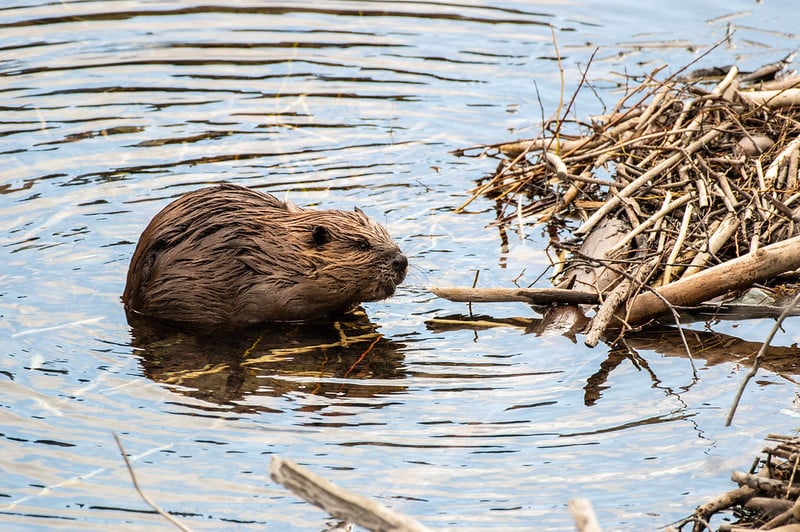
Masters of hydraulic engineering—beavers craft dams that stretch over 2,000 feet and form self-regulating aquatic ecosystems. Logs, rocks, and mud interlock seamlessly—creating natural water management systems that human engineers still study for inspiration. Some of these structures even outlast the builders themselves.
Termites
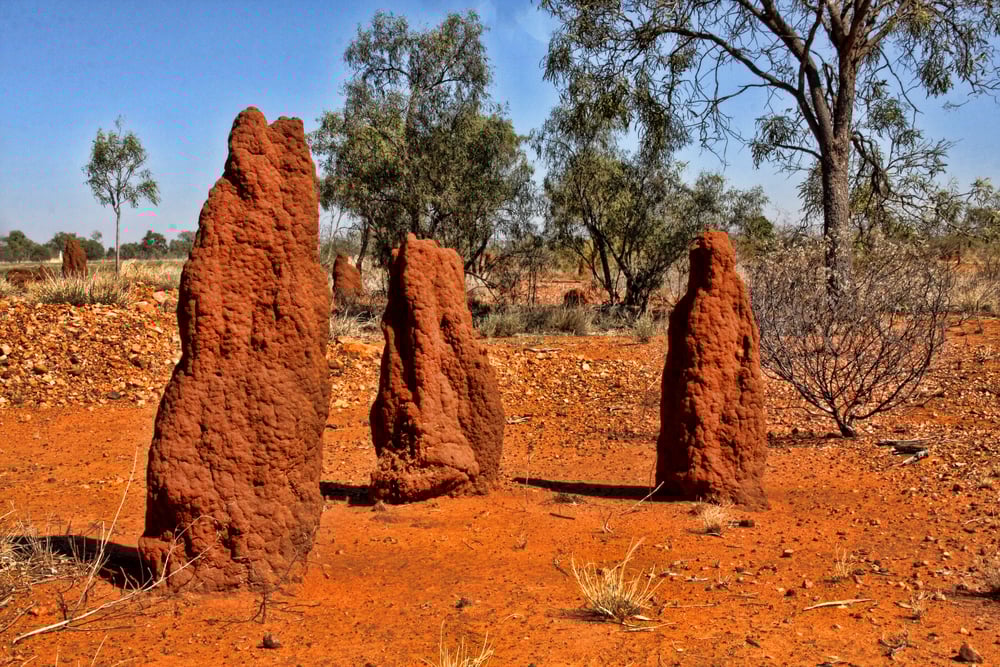
These insects construct towering mounds—sometimes up to 30 feet high—with built-in climate control. Inside, temperatures stay stable year-round thanks to intricate airflow systems. No wires, no fans—just evolutionary genius. Their technique now influences sustainable design in modern architecture.
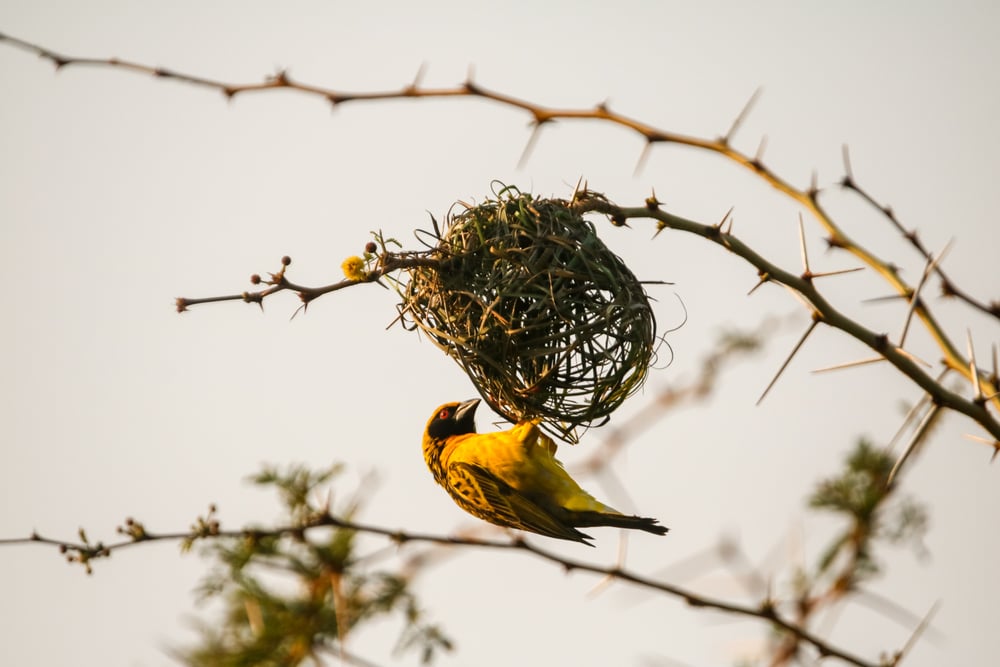
Weaver Birds
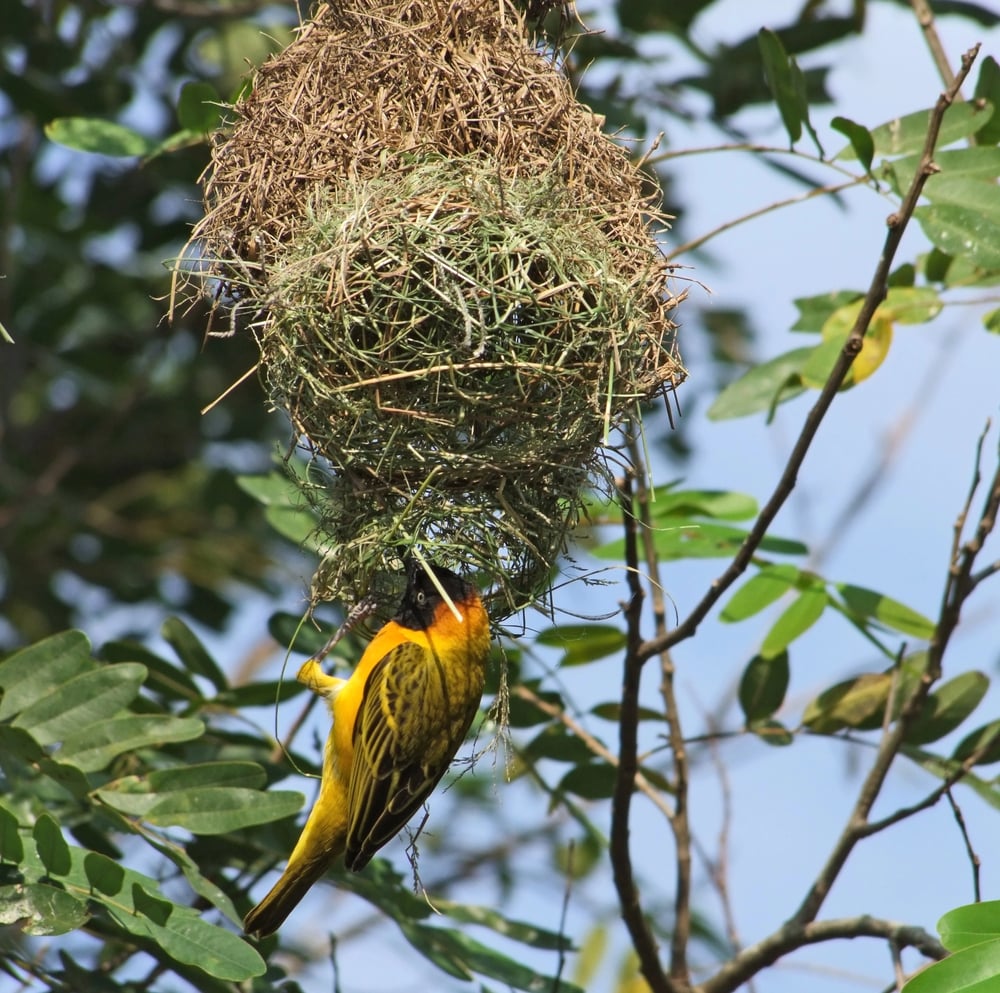
Precision and artistry meet in the nests of weaver birds. Using strips of grass, they weave hanging homes with thousands of tiny knots. Entrances are cleverly positioned underneath to ward off predators. Each nest is a wind-resistant cradle—complex, strong, and undeniably clever.
Honeybees

Bees don’t just build—they do math. Their honeycombs feature hexagonal cells, a shape proven to use minimal material while maximizing strength and storage. No waste, no flaws. And they do it all without calculators or CAD software.
Prairie Dogs
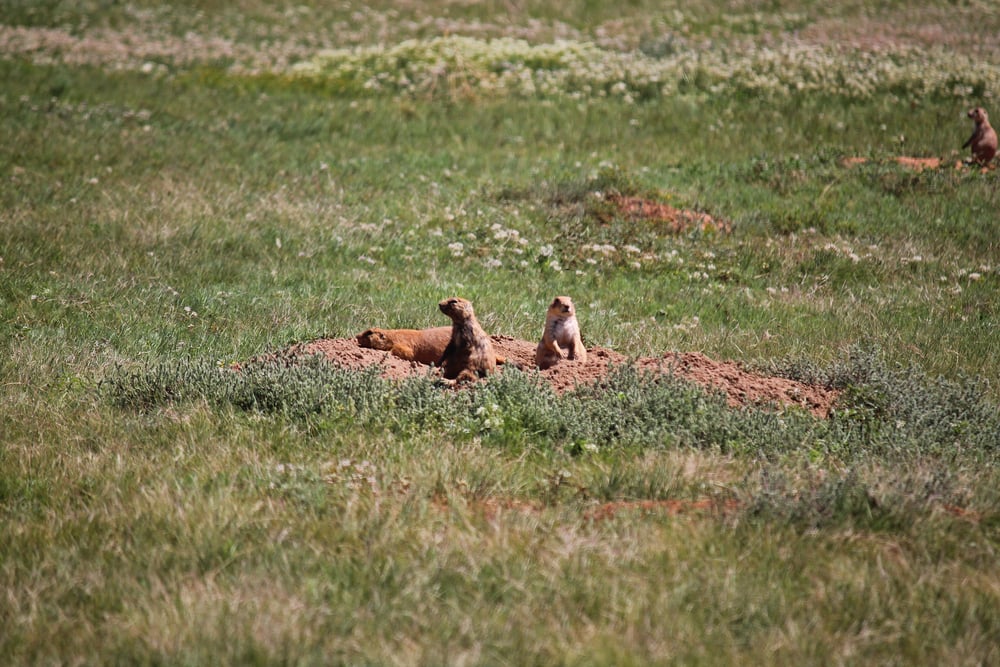
Beneath open fields, prairie dogs carve out sprawling underground cities—complete with nurseries, food chambers, and waste zones. Multiple entrances, smart ventilation, and flood control all come standard. Its infrastructure with survival baked in.
Caddisfly Larvae
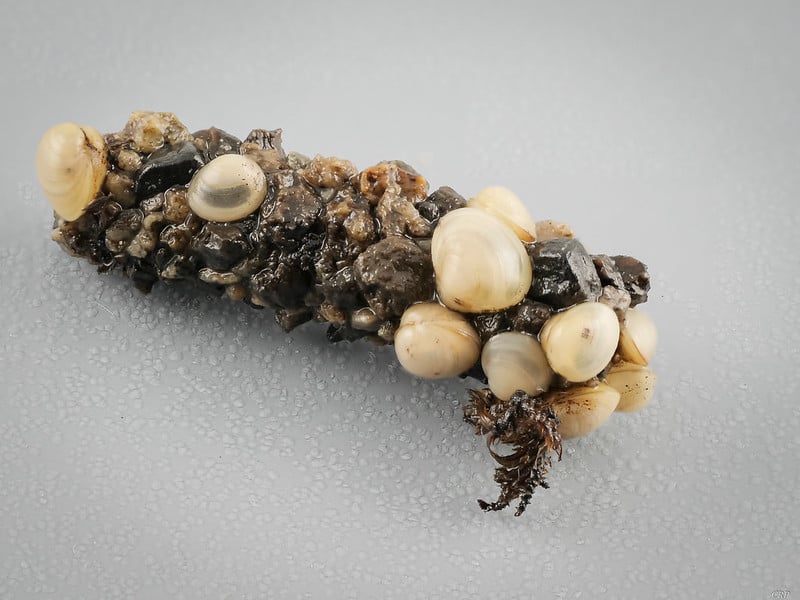
Caddisflies are underwater architects, building portable homes from silk combined with local debris—pebbles, twigs, and sand. Each species has its own design language, resulting in tiny but resilient structures. Some are so beautiful, artists have turned them into jewelry.
Paper Wasps
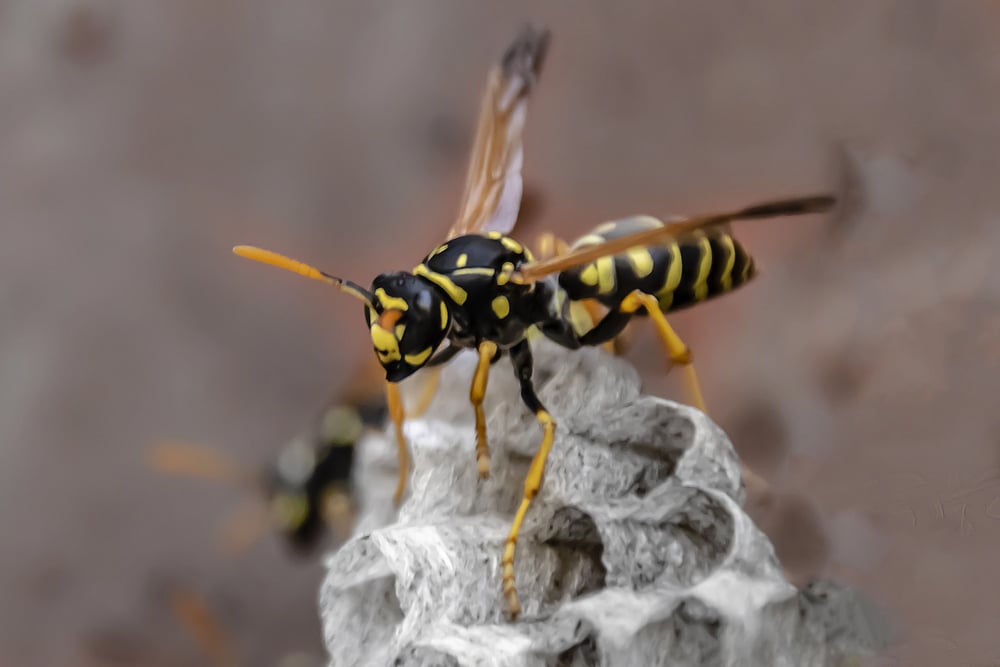
Long before humans figured out paper, these wasps were making it. They chew wood into pulp and form elegant, layered nests with hexagonal interiors—light, tough, and weatherproof. Their use of tension and suspension rivals man-made hanging architecture.
Coral Polyps

Tiny but mighty—coral polyps build massive reef cities out of limestone. These ecosystems shelter a quarter of marine life and are so large, they can be seen from space. And they endure—withstanding waves, storms, and time.
Bower Birds
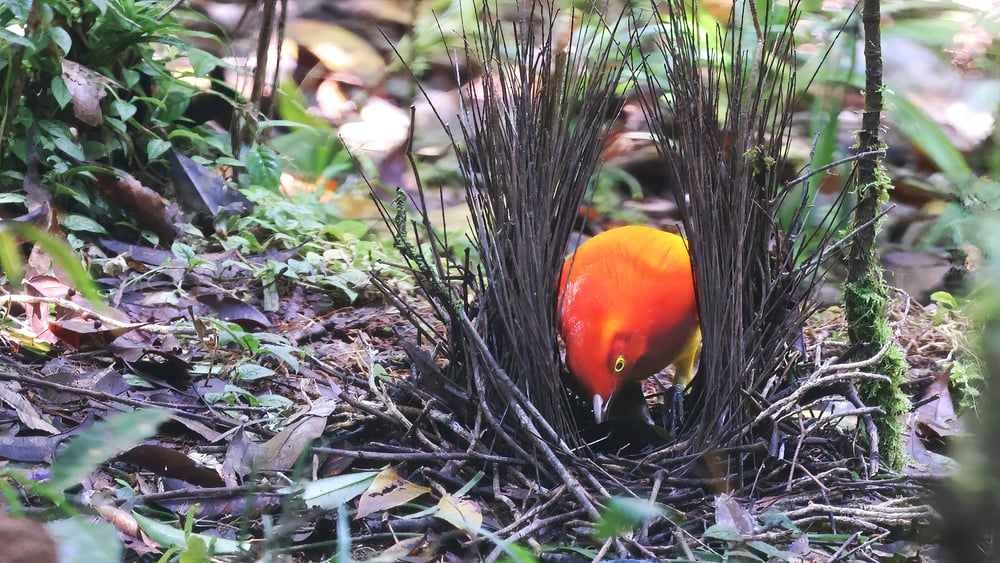
Part builder, part decorator—male bower birds create elaborate displays to impress mates. They arrange shells, berries, and plastic in color-coordinated patterns, often using forced perspective tricks. Call it avian interior design—with a marketing twist.
Sociable Weavers
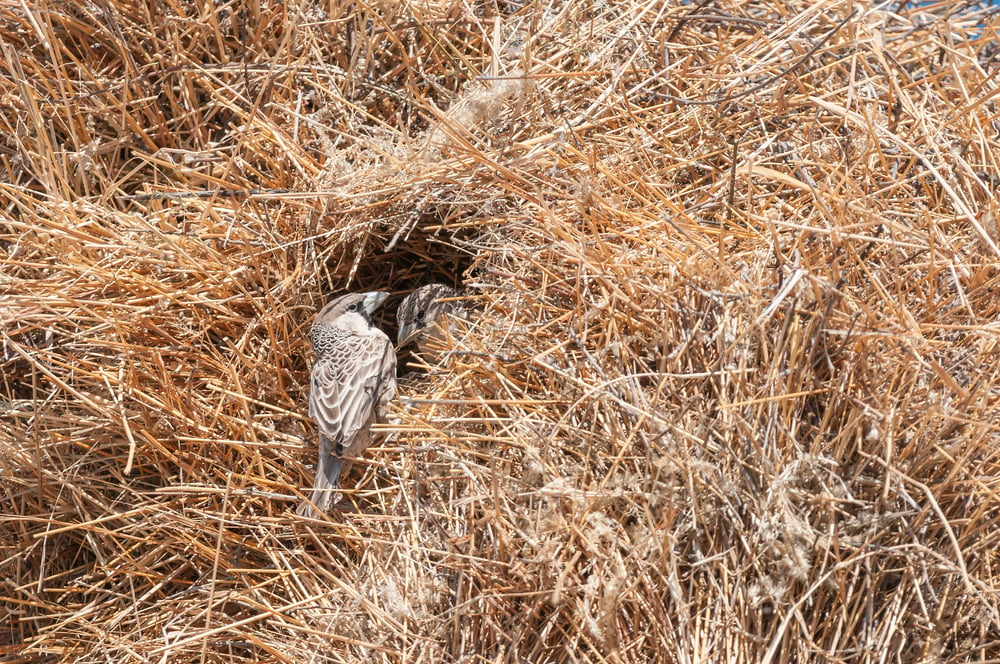
These birds don’t settle for single-family homes. Instead, they build enormous communal nests—some housing over 500 individuals. Designed for extreme climates, the nests insulate against both heat and cold, lasting decades if left undisturbed.
Caddisfly Architects (Again, But Different)

Some caddisfly species go beyond basic casing—experimenting with design. From log-cabin layouts using twigs to spiral shells shaped like nautiluses, each is tailored for survival. They’re the modular housing pioneers of the insect world.
Trapdoor Spiders

Living in bunkers hidden beneath the earth, these spiders engineer trapdoor lids that blend perfectly with their surroundings. Silk hinges, watertight design, and flood prevention all play a role. It’s stealth housing—nature’s version of a pop-up hideaway.
Mud Dauber Wasps
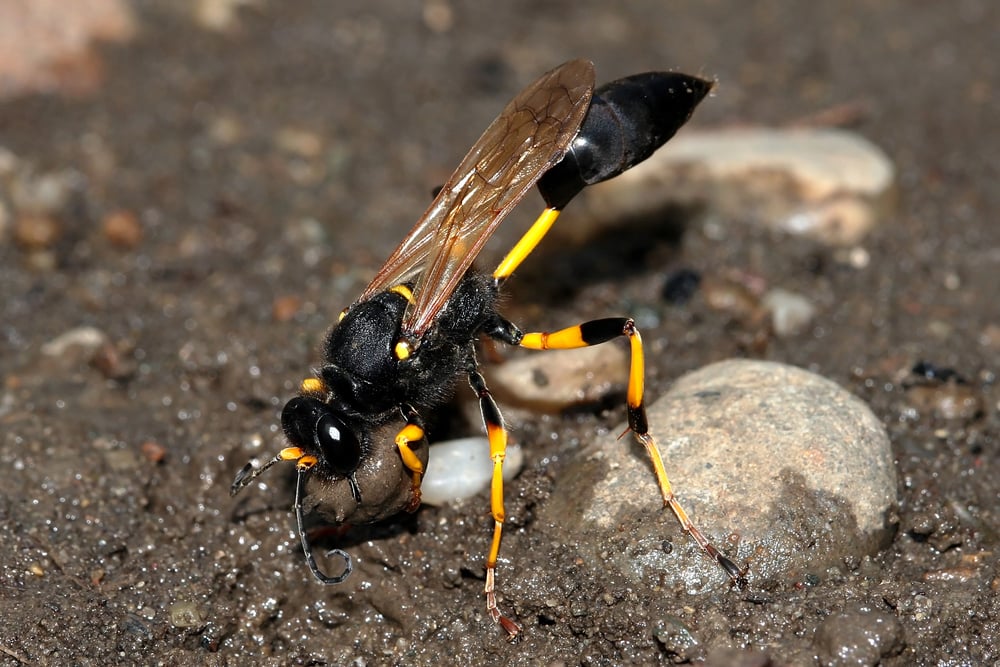
Mixing mud with surgical precision, these wasps craft sturdy, vase-like nests. Each cell inside stores food and acts as a nursery. They’re weatherproof and often built high on walls—strong enough to last through seasonal shifts and rainstorms.
Swiftlets
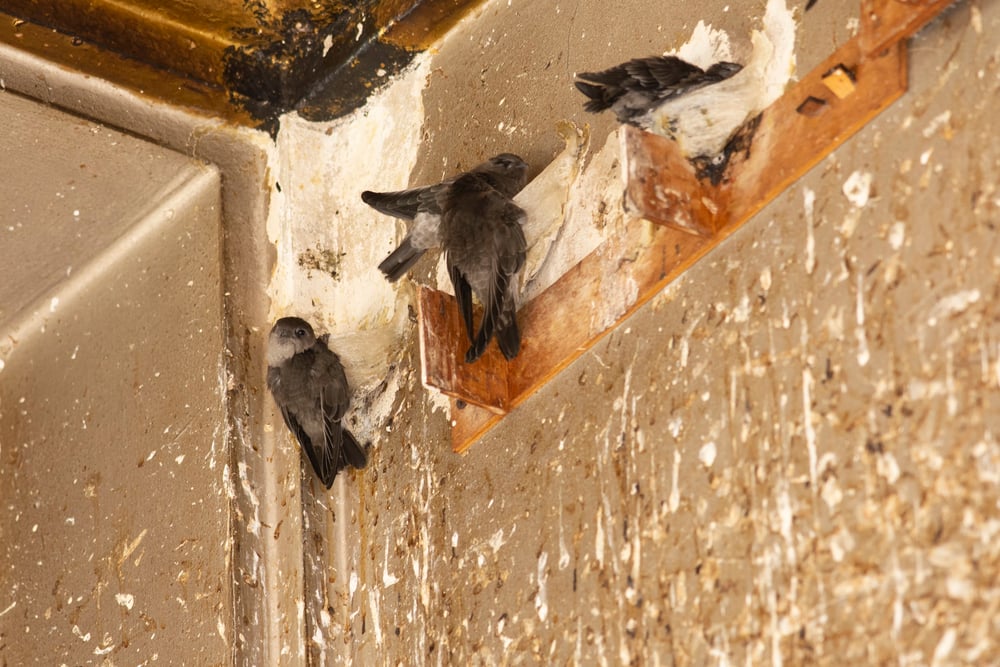
Using nothing but hardened saliva, swiftlets build nests on vertical cave walls—some nearly impossible for humans to reach. The material sets into a natural glue so durable, it’s harvested for food in some cultures. Their precision placement keeps the nests secure, even in high humidity.
Army Ants
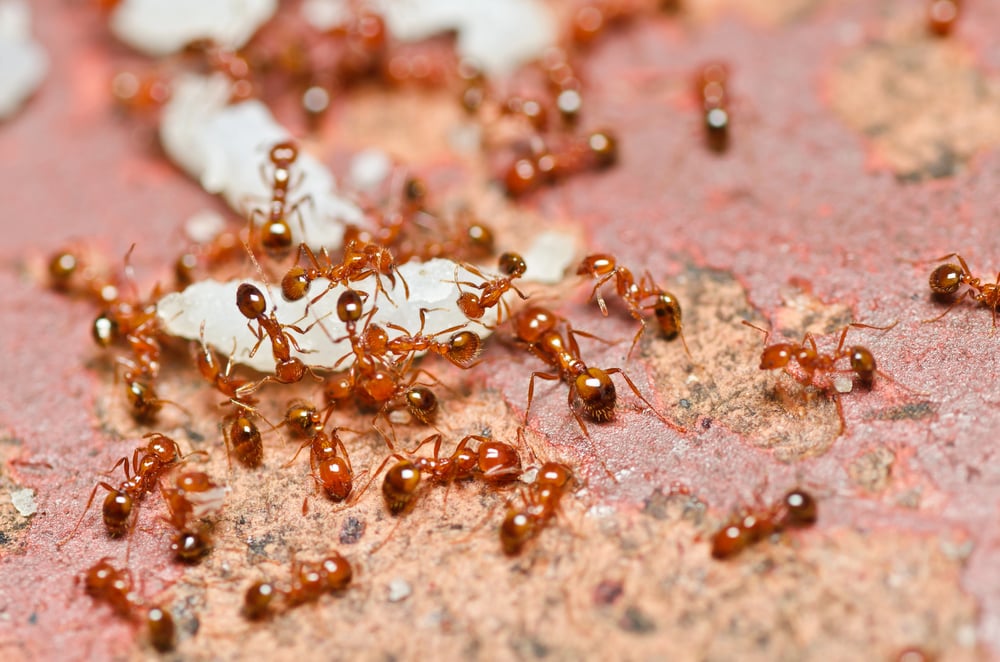
Who needs construction materials when you’ve got teamwork? Army ants form bridges and shelters from their own bodies, adjusting the structure in real-time as needed. These living frameworks adapt faster than most human-engineered systems during disaster response.
Ovenbirds
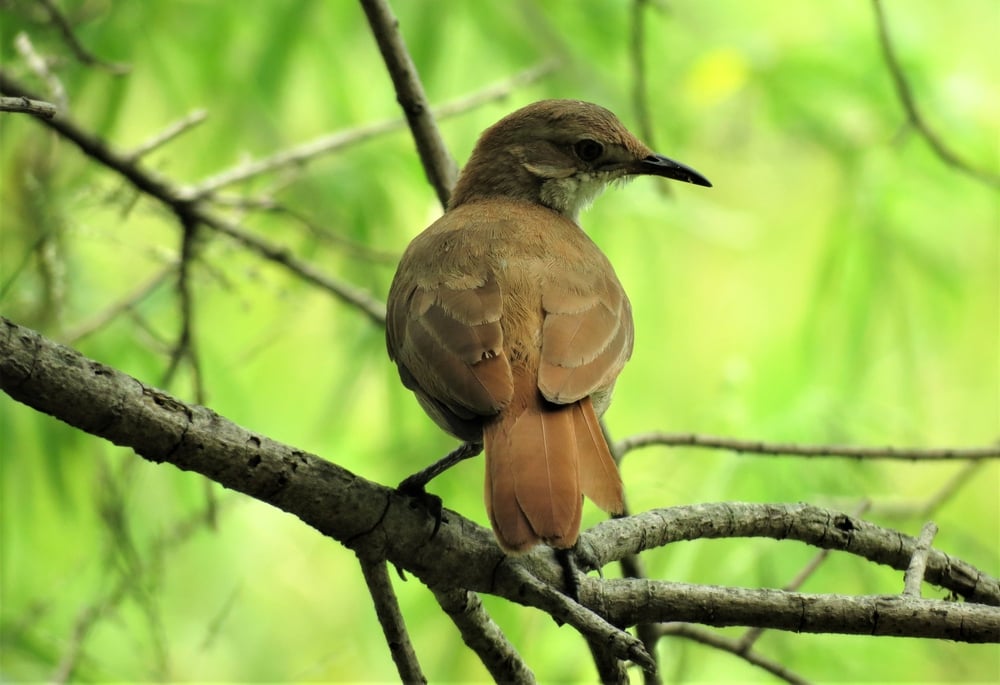
These birds mold mud and grass into dome-shaped nests that look like miniature ovens. Each one features entrance tunnels and insulated chambers—keeping out heat, cold, and rain. It’s low-tech, but high-performance natural construction.
Montezuma Oropendolas

These rainforest birds weave hanging nests—some reaching six feet in length—that dangle from high branches. Despite their plant-based materials, the nests are tightly woven, waterproof, and storm-resistant. Think eco-friendly skyscrapers, suspended mid-air.
Harvest Mice

Using fine strands of grass, harvest mice weave tight, round nests that hover between stalks. Despite wind and movement, the nests hold shape—thanks to evenly distributed weight and strategic anchoring. Light as air, but incredibly stable.
What We Can Learn from Nature’s Builders
Animals have been building smarter, cleaner, and longer-lasting homes long before we ever picked up a hammer. Their creations don’t just shelter—they serve entire ecosystems, resist extreme weather, and use materials without waste.
We’re only now starting to catch up—borrowing ideas for green architecture and energy-efficient design. But while we talk about smart homes and carbon-neutral buildings, these animals have already mastered it—quietly, elegantly, and instinctively.
More from Go2Tutors!

- The Romanov Crown Jewels and Their Tragic Fate
- 13 Historical Mysteries That Science Still Can’t Solve
- Famous Hoaxes That Fooled the World for Years
- 15 Child Stars with Tragic Adult Lives
- 16 Famous Jewelry Pieces in History
Like Go2Tutors’s content? Follow us on MSN.



