Curious Sleep Traditions in Other Cultures
Getting a good night’s rest is something every human needs, but how we achieve that varies wildly around the world. While most folks in Western countries hop into bed around 10 PM and aim for eight straight hours, countless other societies have developed completely different approaches to catching some shut-eye.
From afternoon naps baked into the workday to ancient heating systems that keep floors toasty warm, these traditions show just how creative humans can be when it comes to rest. Here is a list of curious sleep traditions that reveal the fascinating diversity of how people around the world approach their nightly rest.
Segmented Sleep
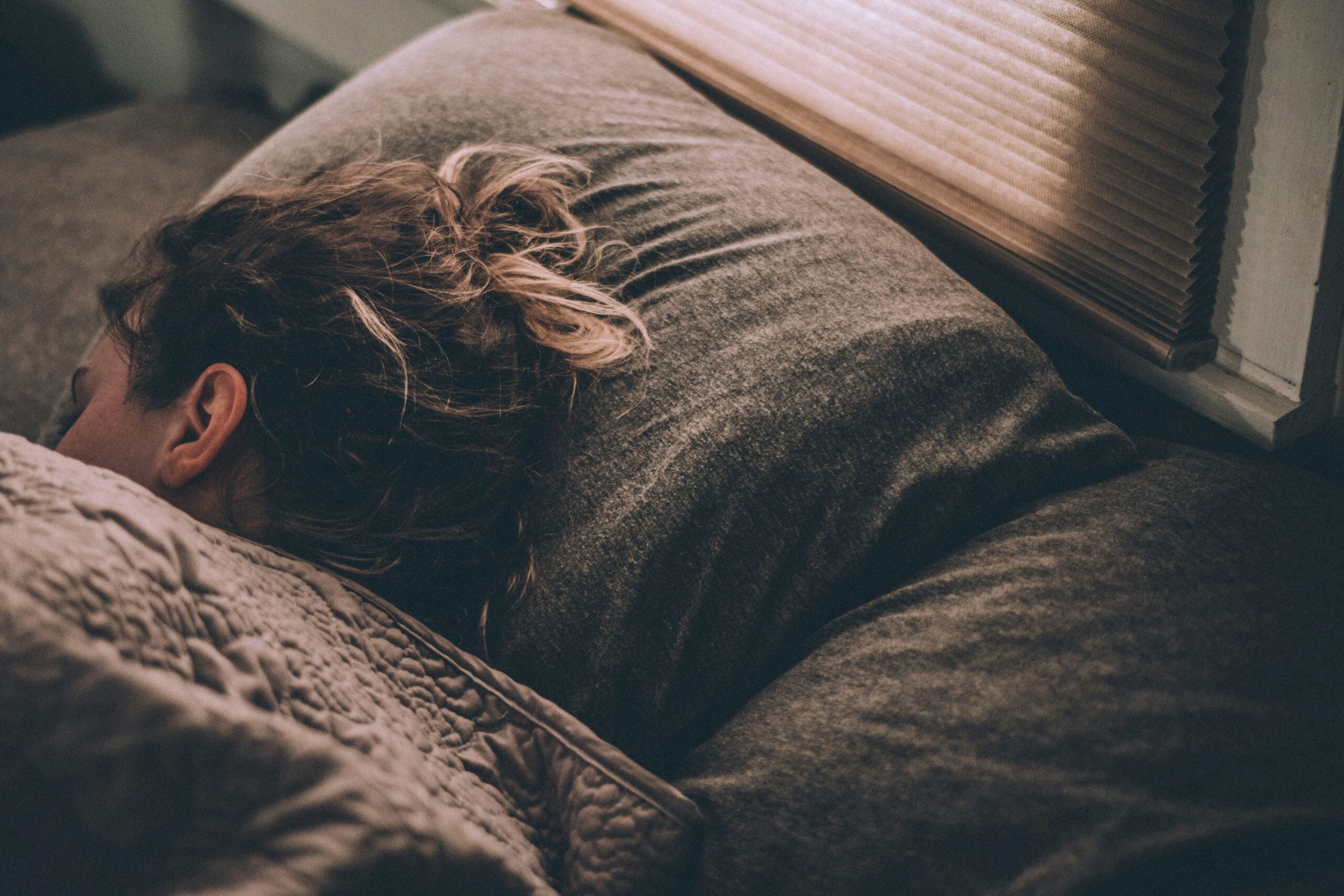
Before the Industrial Revolution, many Europeans didn’t sleep through the night in one go. Instead, they practiced segmented sleep, breaking their rest into two four-hour chunks with a period of wakefulness in between around midnight.
During this quiet hour or two, people would pray, read, have intimate conversations, work on small tasks, or simply lie awake and reflect. While evidence for this pattern is strongest in pre-industrial Europe, similar practices may have existed elsewhere, though the custom largely disappeared once artificial lighting extended active hours into the night.
Siesta Culture

Spain and many Latin American countries developed the siesta tradition of afternoon naps to escape intense midday heat. While the romantic image of entire towns shutting down remains true in smaller communities and rural areas, modern reality looks different in major Spanish cities where businesses increasingly stay open to compete globally.
Still, the cultural value of midday rest persists even if the practice has adapted to contemporary work demands.
Like Go2Tutors’s content? Follow us on MSN.
Inemuri
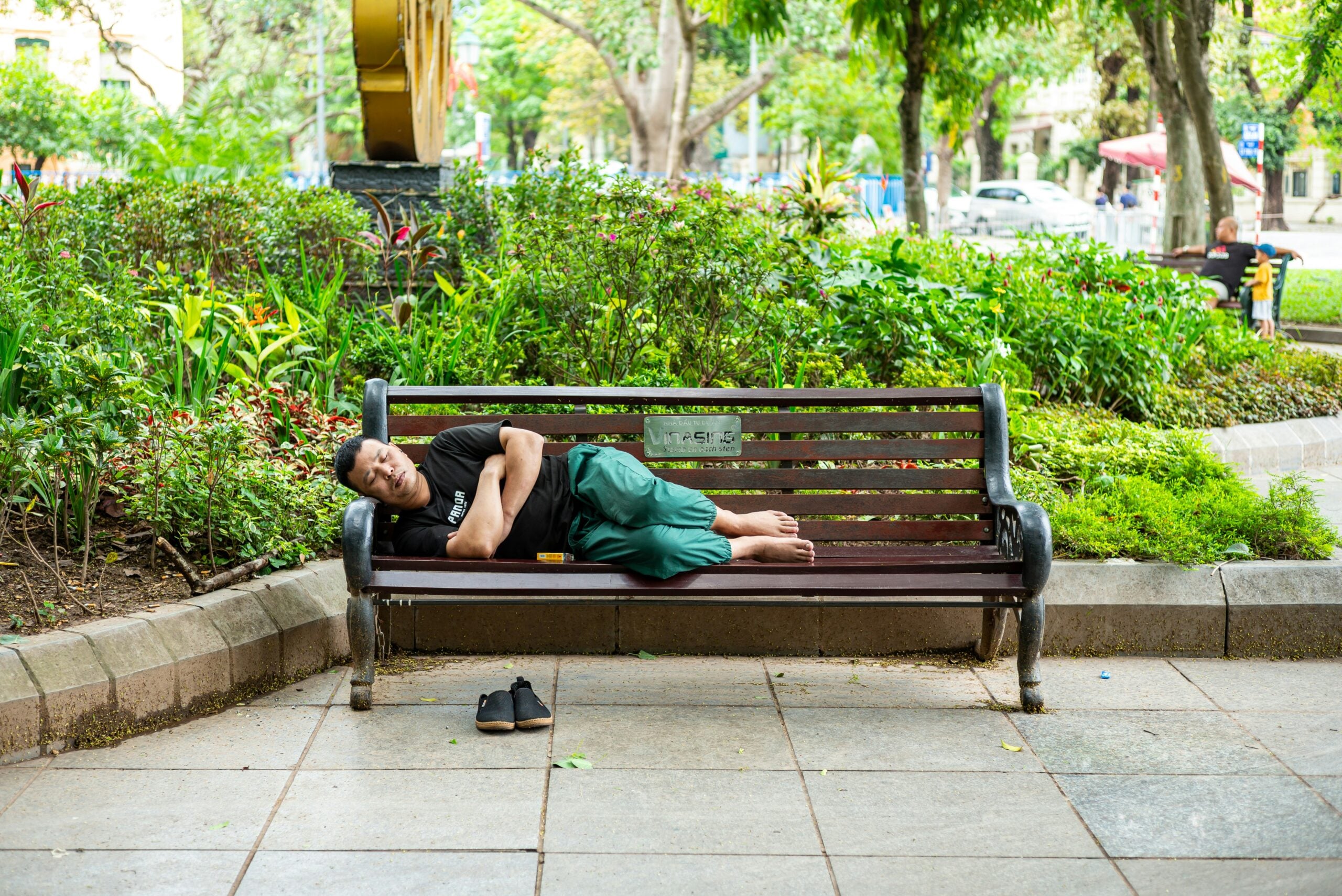
In Japan, falling asleep in public spaces like trains or offices can be socially acceptable in certain contexts. This practice, called inemuri or ‘sleeping while present,’ is particularly common among students and workers who’ve exhausted themselves through dedication.
It signals hard work rather than laziness, though it’s not literally acceptable everywhere—dozing during an important client meeting would still be frowned upon, while nodding off on your commute home earns understanding nods.
Ondol Floor Heating
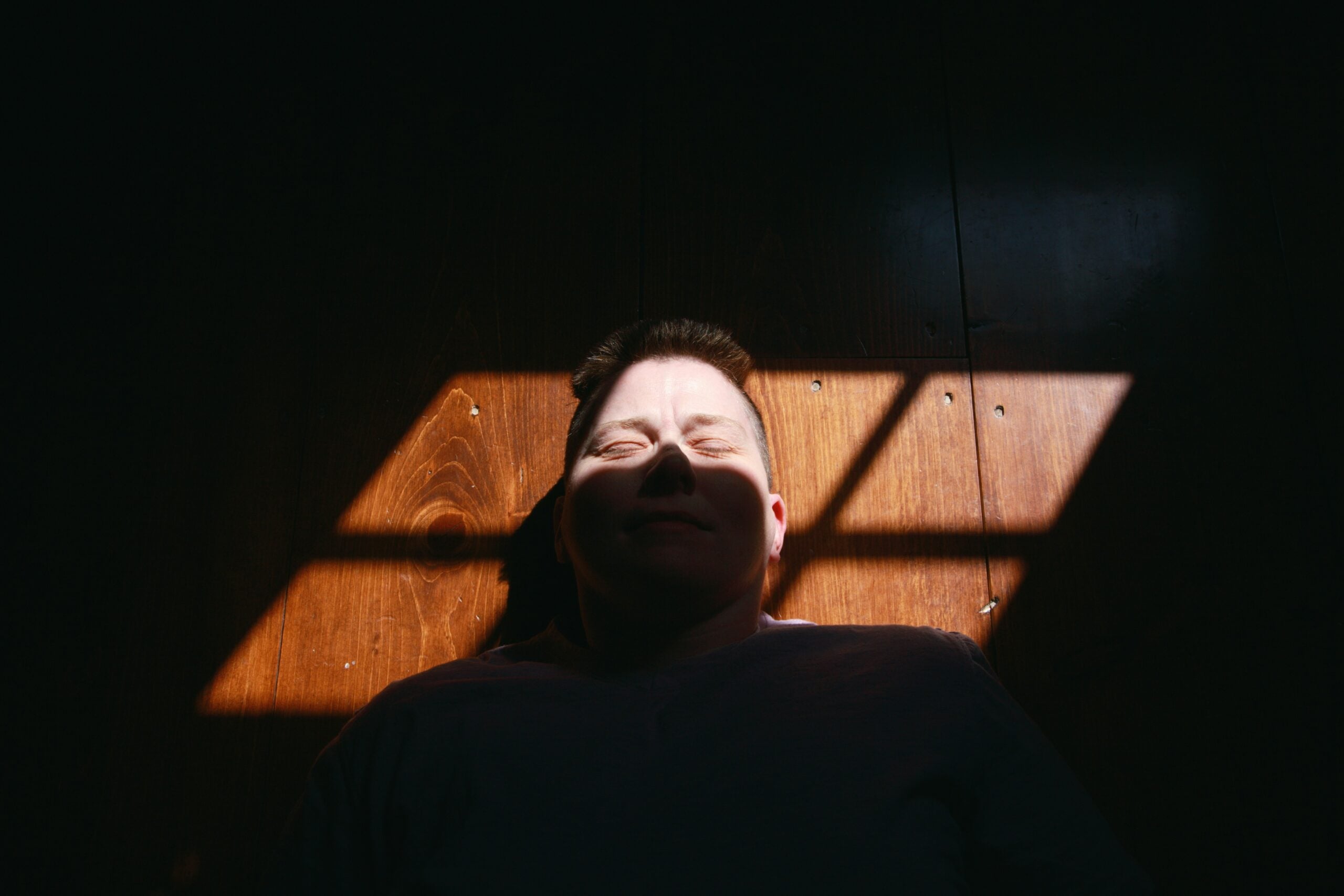
Koreans have been sleeping on heated floors for approximately 2,000 years thanks to the ondol system, which channels hot air from cooking fires through passages beneath stone slabs. The retained heat keeps floors toasty warm long after the fire goes out, allowing people to sleep comfortably on thin mats placed directly on the floor.
Modern Korean homes still embrace this concept with hot water pipes, and over 90% of houses in South Korea incorporate some version of this ancient underfloor heating technology.
Scandinavian Outdoor Napping
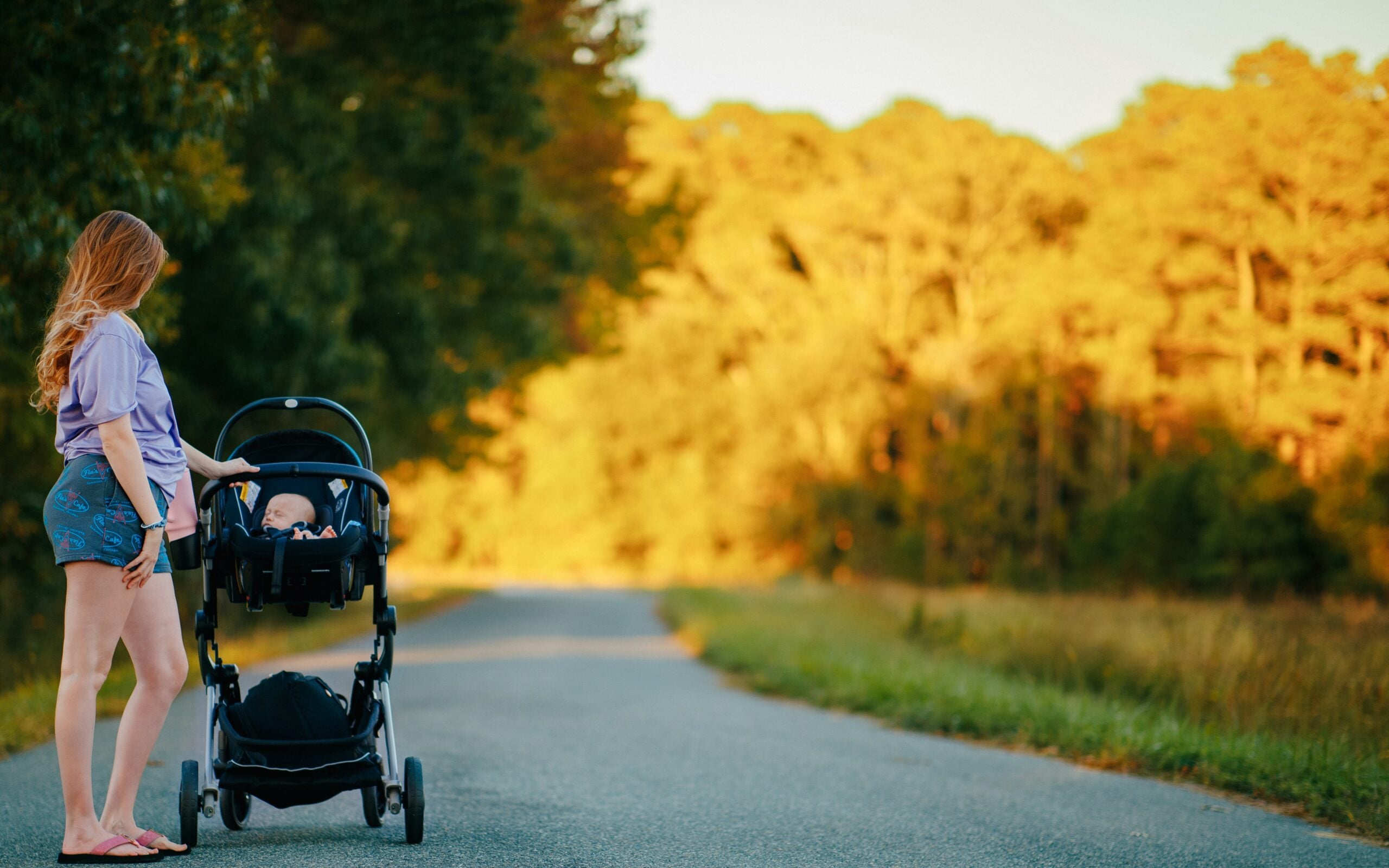
In Nordic countries, especially Norway and Sweden, it’s common to see babies napping outdoors in strollers even during cold weather. Parents and daycare centers firmly believe fresh air strengthens children’s immune systems and helps them sleep better, so they bundle up infants for outdoor naps in supervised settings like home balconies or daycare yards.
While the practice might seem shocking to outsiders, parents typically remain nearby checking on the children rather than leaving them completely unattended while shopping.
Like Go2Tutors’s content? Follow us on MSN.
Worry Dolls

In Guatemala’s highlands, indigenous Mayan children use tiny handmade dolls to banish bedtime anxieties. Before sleeping, kids whisper their worries and fears to these dolls, then tuck them under their pillows so the dolls can do all the worrying during the night.
By morning, according to tradition, the dolls have absorbed all those concerns and the children wake up unburdened and refreshed, ready to face a new day.
Asian Lunch Naps

In many parts of China and Vietnam, catching some shut-eye during lunch breaks isn’t just accepted but actively encouraged by employers. Companies provide dedicated nap rooms where workers can retreat for 15 minutes to an hour of rest, or employees simply lean back in their office chairs and doze off at their desks.
These naps help combat the effects of early morning starts, with some workers rising as early as 4 AM to begin their days.
British Nocturnal Habits
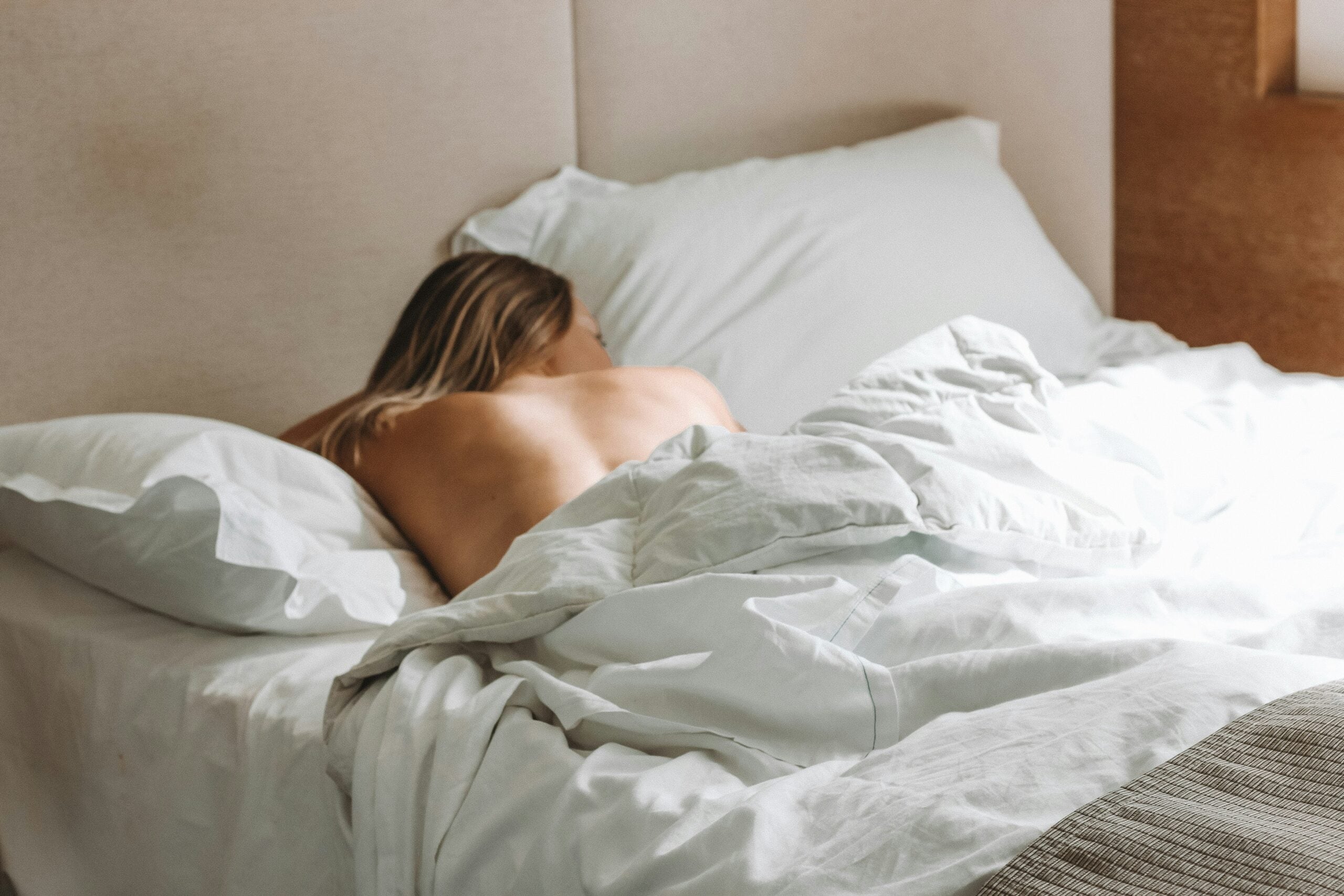
According to a 2013 survey, the United Kingdom has a notably high percentage of people who prefer sleeping without clothing, with nearly one-third of Britons reporting this preference. While survey data doesn’t capture everyone’s habits, this finding suggested that British nighttime preferences lean more toward freedom from pajamas compared to many other surveyed countries where nightwear remains more common.
Like Go2Tutors’s content? Follow us on MSN.
Hammock Sleeping

Throughout Central and South America, as well as the Caribbean, hammocks serve as traditional sleeping arrangements, particularly in rural and tropical areas. Indigenous populations have used hammocks for centuries, and the tradition remains popular in these regions because suspended beds relieve back pain, provide a gentle rocking motion that aids sleep, and keep sleepers cool by allowing air circulation all around the body, making them ideal for warm climates.
Flexible Sleep Schedules
Some traditional hunter-gatherer groups, including the Hadza people of Tanzania and San groups in southern Africa, don’t follow set sleep schedules at all. Instead of designating specific nighttime hours for rest, people in these societies simply sleep whenever they feel tired, whether that’s mid-afternoon, early evening, or the middle of the night.
This flexible approach responds to the body’s natural rhythms rather than imposing an artificial structure based on clocks and work schedules.
Co-Sleeping Traditions
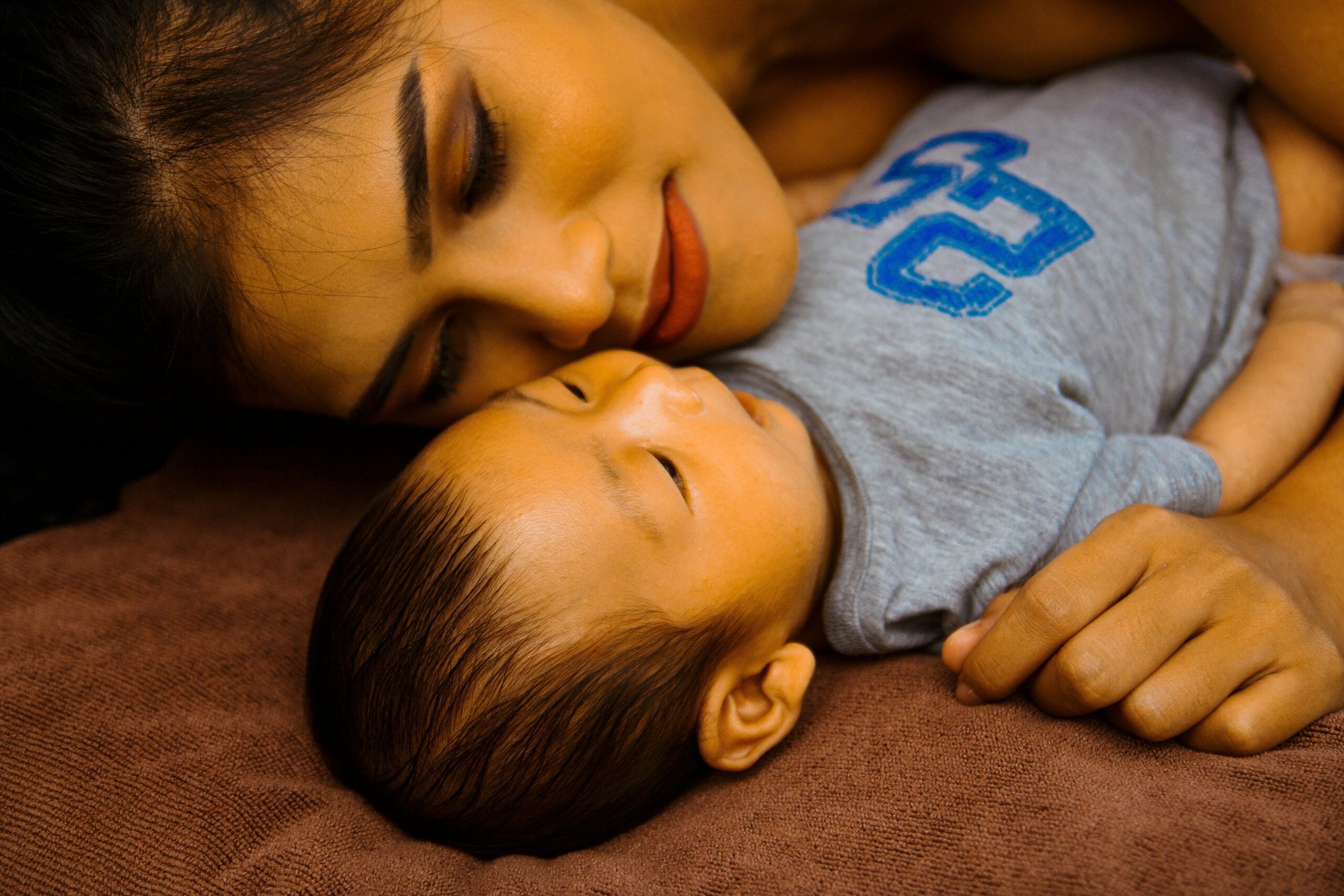
In many societies across Asia, Africa, and Latin America, families routinely sleep in close proximity, though the specifics vary widely from culture to culture. Some families share the same bed while others sleep in the same room but on separate sleeping surfaces.
While Western countries often emphasize early independence and separate sleeping arrangements for children, these societies view nighttime proximity as strengthening family connections and providing comfort and security for all ages.
Like Go2Tutors’s content? Follow us on MSN.
Swedish Two-Duvet System

Swedish couples have figured out a simple solution to nighttime blanket wars: each person gets their own duvet while sharing the same bed. This approach eliminates fighting over covers, allows partners to regulate their individual temperature preferences, and reduces disturbances from movement during the night.
The practice has started spreading to other countries as people discover its benefits for relationship harmony.
Argentine Late Bedtimes
In urban Argentina, particularly in Buenos Aires, families keep children involved in evening activities much later than typical Western schedules. Dinner rarely happens before 9 PM, and it’s common for young children to stay up with parents socializing until 11 PM or midnight.
While this pattern is most pronounced in cities where the cultural emphasis on family togetherness and evening social life runs strong, practices vary across different regions of the country.
Rest as Cultural Identity

These varied sleep traditions show there’s no universal ‘right way’ to rest. What works for one culture might seem bizarre to another, yet each approach evolved to suit specific climates, lifestyles, and values.
Whether it’s segmented medieval sleep patterns or Korean heated floors, these customs reveal how deeply our environment and culture shape even the most basic human need. As our world becomes more connected, we’re learning that the Western eight-hour block isn’t the only path to good rest, and there might be wisdom in revisiting some of these time-tested traditions.
Like Go2Tutors’s content? Follow us on MSN.
More from Go2Tutors!

- 16 Historical Figures Who Were Nothing Like You Think
- 12 Things Sold in the 80s That Are Now Illegal
- 15 VHS Tapes That Could Be Worth Thousands
- 17 Historical “What Ifs” That Would Have Changed Everything
- 18 TV Shows That Vanished Without a Finale
Like Go2Tutors’s content? Follow us on MSN.