31 Old Paper Bills Worth More Than Face Value
Most money passes through a wallet without anyone looking at it twice. That habit is exactly how collectible notes end up spent on coffee, tucked into birthday cards, or folded inside an old Bible for decades.
Paper money collectors read bills the way jewelers read rings. A colored seal, a star beside the serial number, an odd printing mistake, or a design the government stopped using a century ago can make a single bill worth many times what it says on its face.
Star Notes With a Replacement Symbol
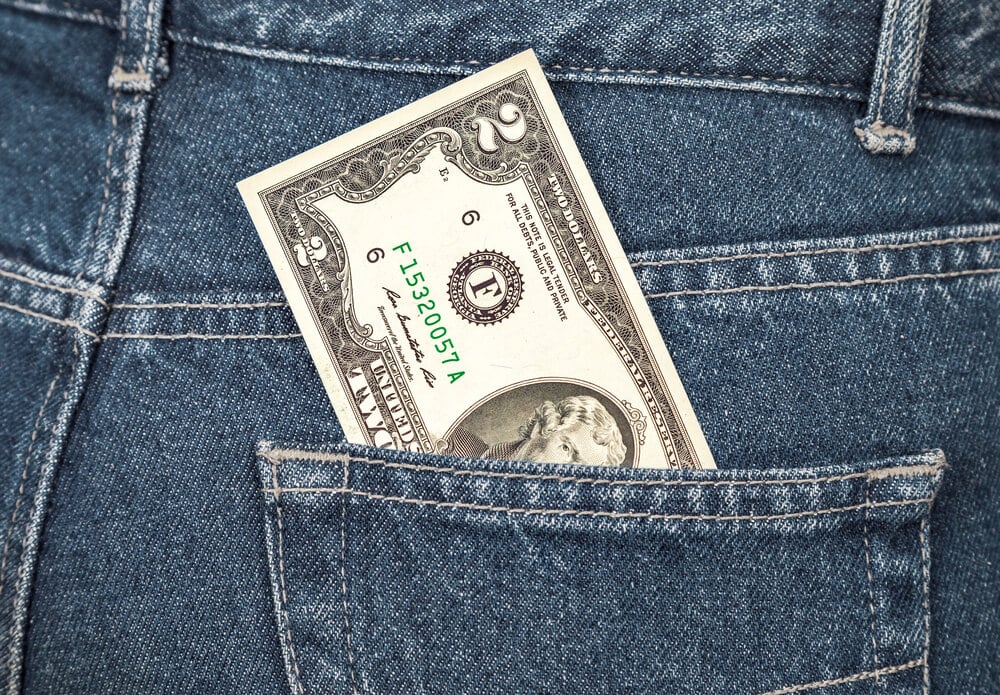
When a sheet of currency is damaged during printing, the Bureau of Engraving and Printing replaces it with a sheet whose serial numbers carry a small star. Most star notes are worth only a small premium, but some print runs were tiny.
Collectors track runs of 640,000 notes or fewer, which are far scarcer than the usual runs of several million. A crisp low-run star note is worth 20 to several hundred dollars, depending on series and denomination.
Folds, stains, and wear from circulation reduce that sharply. Checking a star note’s run size takes a minute online and can pay for itself quickly.
Solid Serial Numbers
A bill whose serial number repeats a single digit, such as 55555555, is called a solid, and collectors chase them hard. Each digit appears only once per full run of serials, so a given solid turns up rarely in circulation.
Values run from a few hundred dollars for a worn modern note to several thousand for a crisp one in a desirable digit. Solid eights often draw extra interest from Asian collectors, who consider the number lucky.
Folds, stains, and tears reduce what a solid is worth, but even circulated examples sell well above face.
Radar Serial Numbers
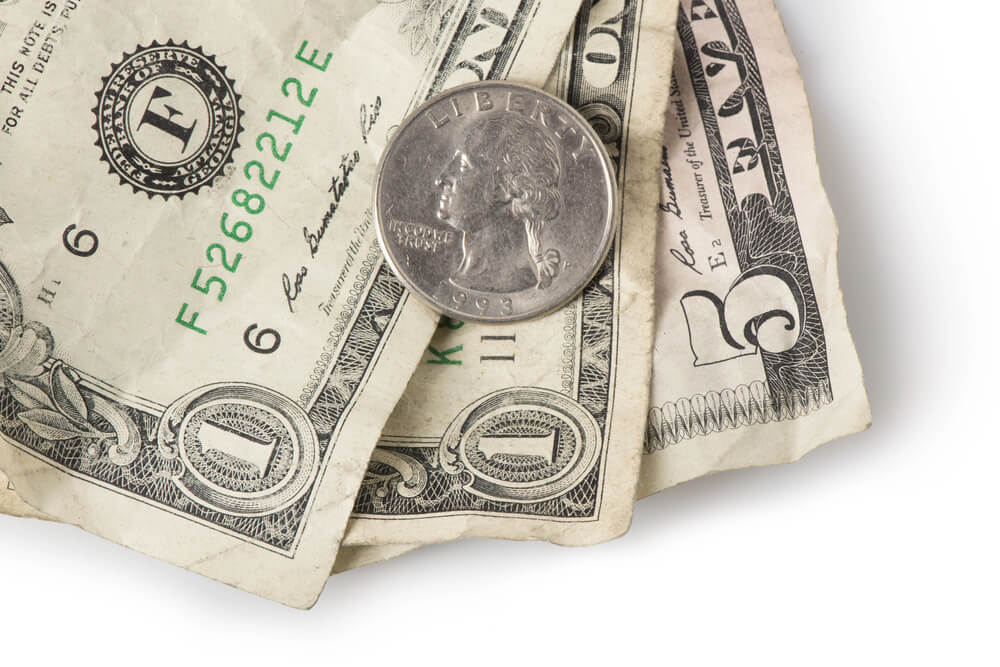
A radar note carries a serial number that reads the same forward and backward, such as 13577531. They are far more common than solids, turning up often enough that many people have spent one without noticing.
A circulated radar is worth 10 to 30 dollars, while crisp uncirculated examples with interesting patterns go higher. Super radars, where every digit except the ends is the same, are worth considerably more.
Condition matters here as with any note, and a limp, stained bill has little premium left. The fun of hunting them keeps interest steady among new collectors.
Ladder Serial Numbers
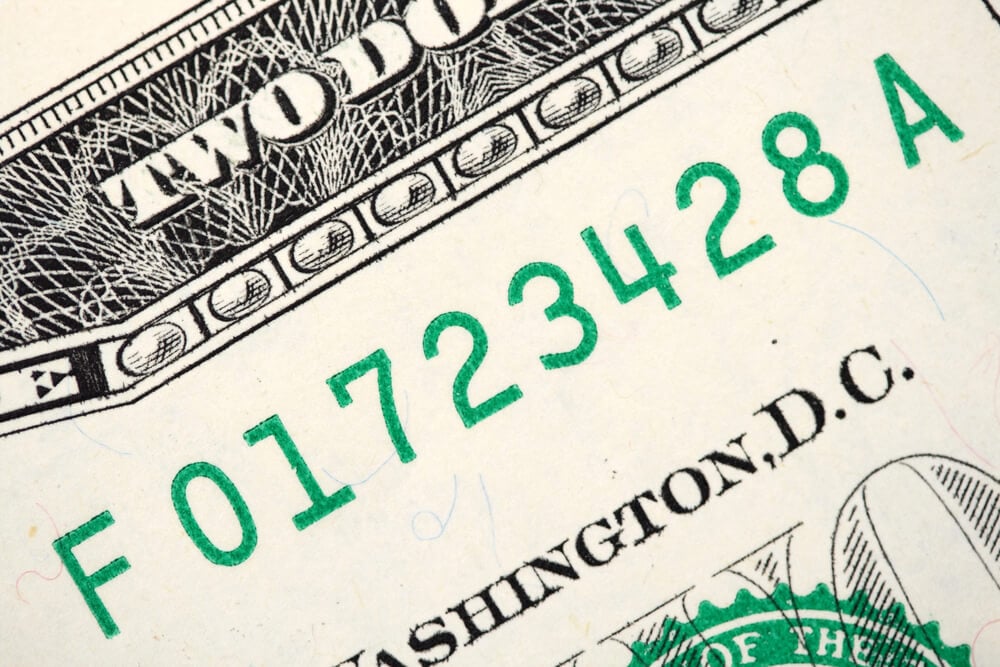
Genuine ladder serials run in perfect sequence, such as 12345678 or 87654321. There is only one of each per run, which makes them far scarcer than radars.
A real ladder is worth anywhere from 300 dollars to a few thousand, depending on condition and series. Partial ladders and broken sequences sell for much less.
Collectors check that the note has not been altered, since faked serials have appeared on the market. Folds and wear reduce values less here than for many notes because the serial itself is the draw, but crisp examples always bring more.
Very Low Serial Numbers
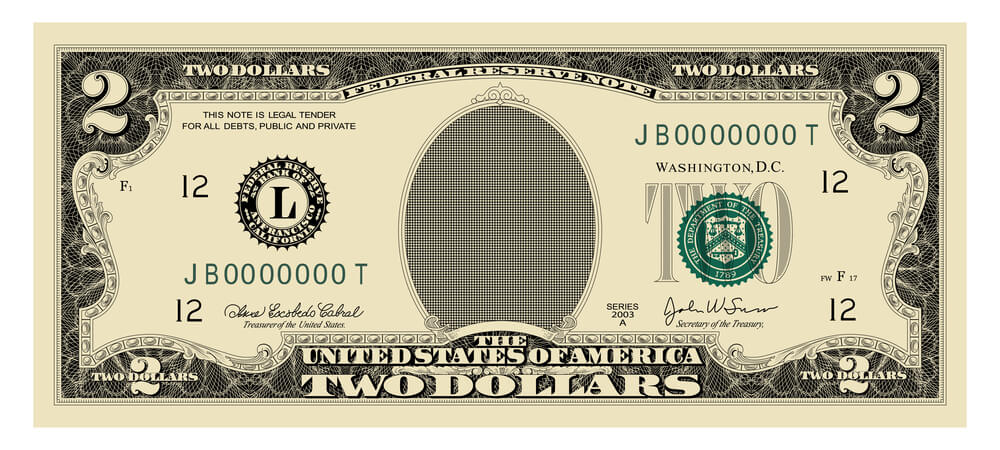
Notes numbered 00000001 through 00000100 are prized because only a handful exist in each series and denomination. Serial number one is the ultimate target, and it is worth thousands of dollars in many series.
Low numbers were sometimes pulled by bank officials or given to dignitaries, and they occasionally reach circulation. Values run higher for older series and for notes in crisp condition.
Stains, heavy folds, and small tears lower prices, but a low serial remains worth checking before anyone spends it. A bill with serial 00000007 draws obvious attention for luck alone.
Repeater Serial Numbers
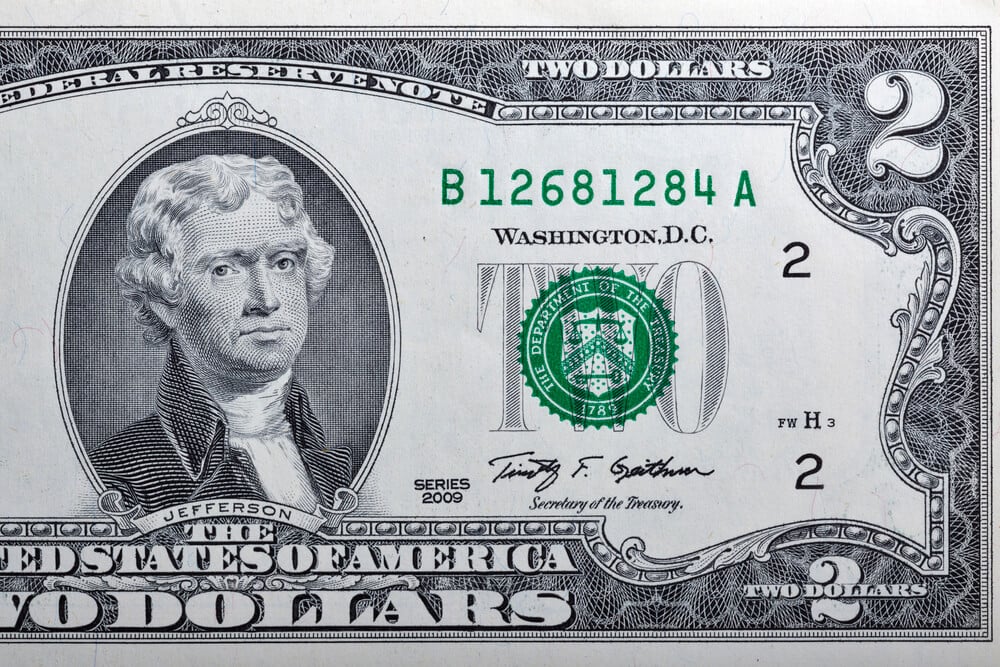
A repeater has a serial number where a block of digits repeats, such as 12341234 or 56565656. Collectors also chase binary notes, which use only two different digits, and trinary notes, which use three.
These are more common than solids but still scarce enough to carry a premium. A crisp repeater is worth 20 to 100 dollars, while unusual combinations go higher.
Circulated notes lose much of that premium. Spotting one takes only a quick glance at the serial, which is why collectors check every bill that passes through their hands.
Red Seal Two Dollar Bills From 1928
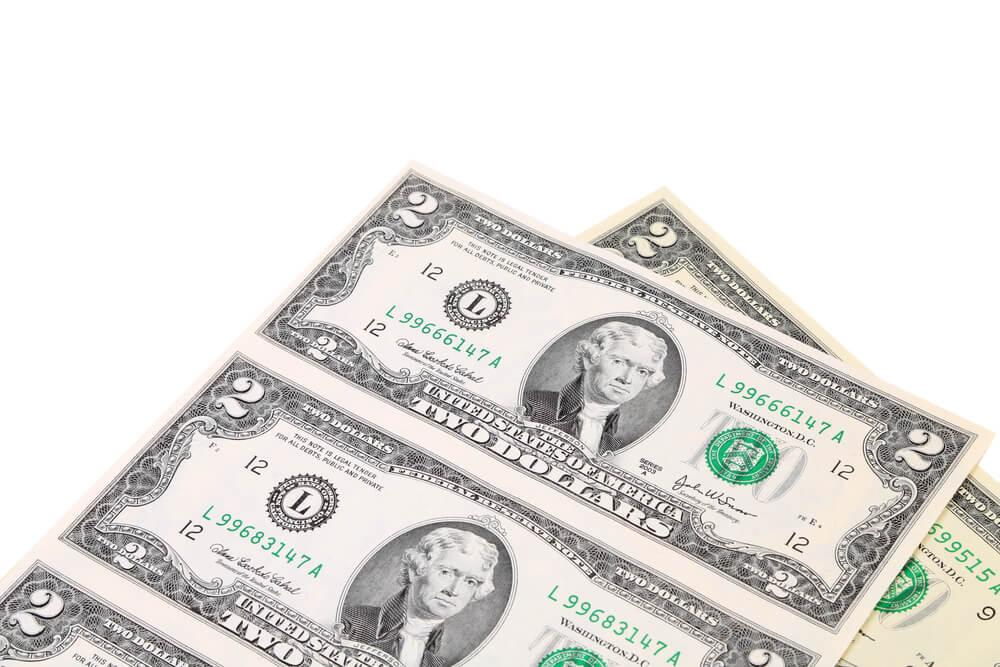
Two dollar bills from series 1928 were United States Notes, marked with red seals and red serial numbers, a quick visual difference from modern green seals. They were printed into the early 1950s, and many were saved as curiosities.
A circulated 1928 note is worth 10 to 50 dollars, while crisp uncirculated examples bring more. Star notes from the series carry larger premiums.
Heavy folds, tears, and stains reduce value. Their back shows Monticello, which was later replaced by a scene from the signing of the Declaration of Independence on the 1976 design.
Bicentennial Two Dollar Bills With a First Day Stamp
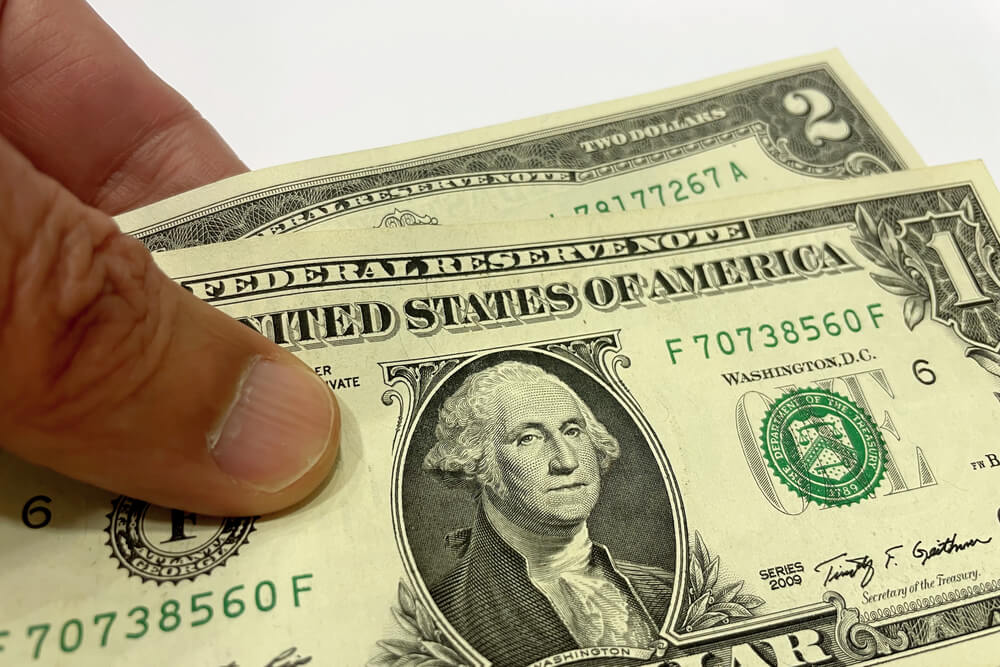
Two dollar bills returned in 1976 with a new back design showing the signing of the Declaration of Independence. It entered circulation on April 13, 1976, the birthday of Thomas Jefferson, whose portrait is on the front.
Collectors took notes to post offices, affixed a stamp, and had it postmarked that day. Those first day notes are worth 5 to 20 dollars, and unusual postmarks sell for more.
An ordinary 1976 two dollar bill is worth little more than face. Condition matters, and a smeared or faded postmark reduces value.
Funnyback One Dollar Silver Certificates
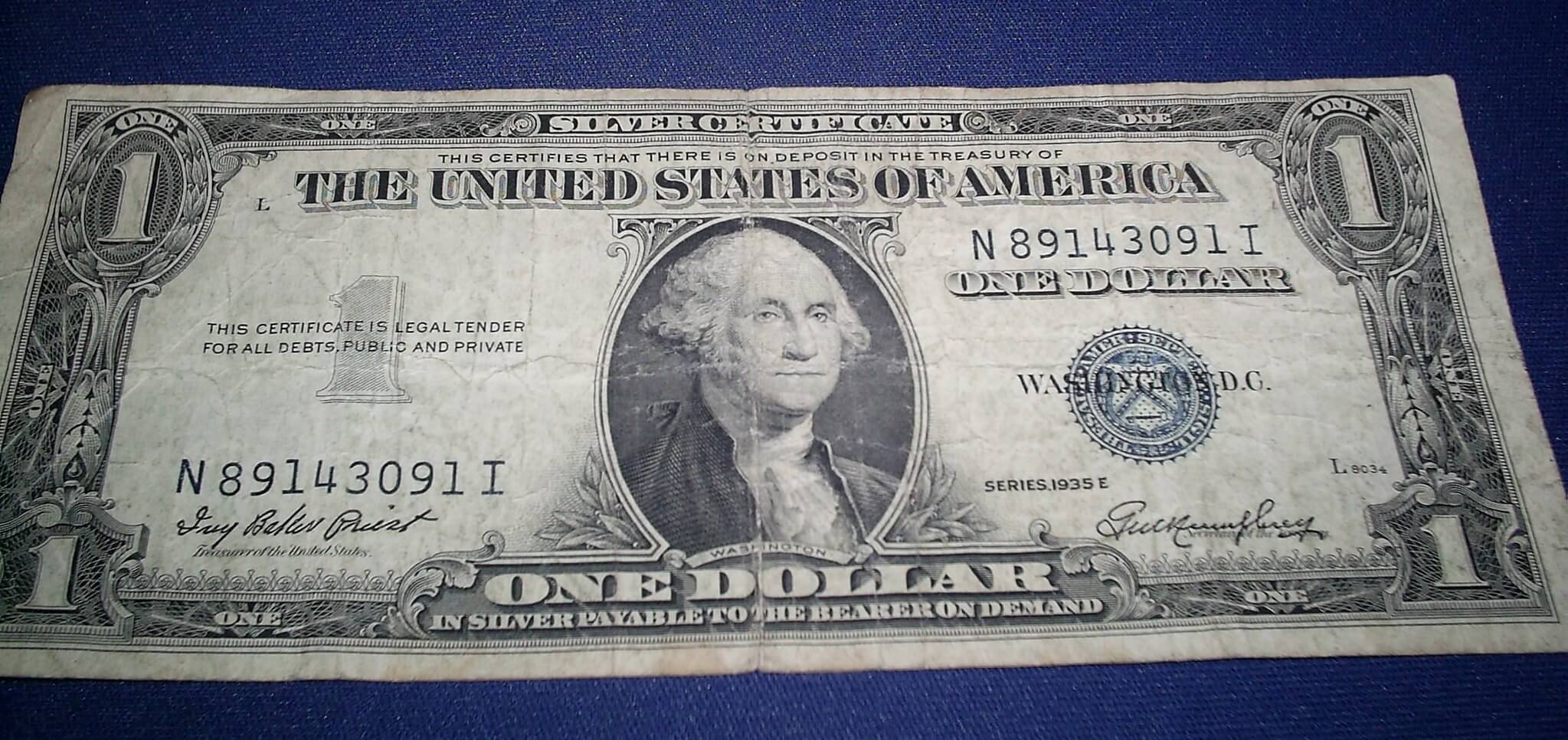
Collectors call series 1928 one dollar silver certificates funnybacks because the back shows a large ONE rather than the familiar eagle and pyramid design. Their unusual look makes them easy to spot among old family notes.
They were produced only briefly before the design changed in the 1930s. A circulated example is worth 20 to 60 dollars, and crisp uncirculated notes bring more.
Star notes of this series carry strong premiums. Tears, stains, and heavy creasing lower values, but even worn funnybacks draw interest from collectors.
Hawaii Overprint Notes Issued After Pearl Harbor
After the attack on Pearl Harbor, the Treasury replaced ordinary currency in Hawaii with notes overprinted with the word HAWAII and printed with brown seals. The idea was that if the islands were captured, the notes could be declared worthless.
Collectors seek these emergency notes in all denominations from one dollar to 20 dollars. A circulated one dollar note is worth 20 to 60 dollars, and higher denominations and crisp examples go higher.
Stains, tears, and heavy folds reduce what they bring. They are one of the most tangible souvenirs of wartime America.
North Africa Yellow Seal Notes
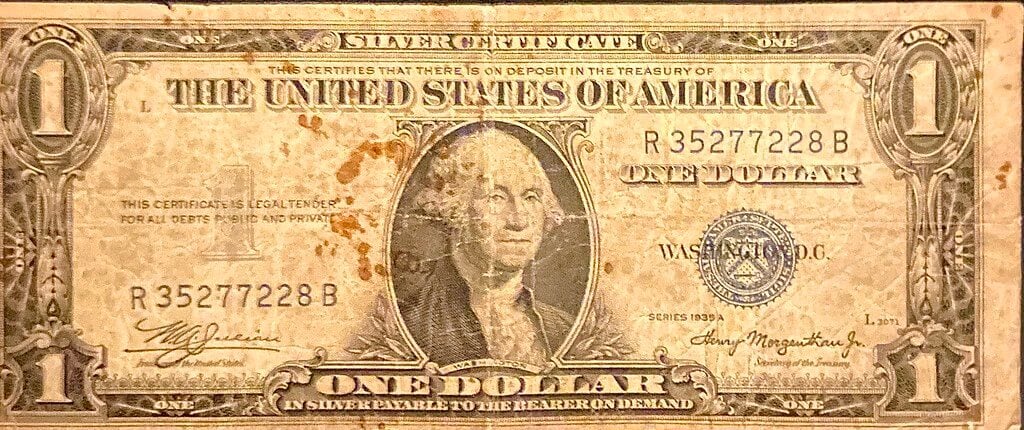
Troops landing in North Africa during the Second World War carried silver certificates with yellow seals rather than blue. As with the Hawaii notes, the yellow seals marked the money so it could be demonetized if captured.
Many soldiers brought examples home as souvenirs. A circulated yellow seal note is worth 20 to 80 dollars, while crisp examples and higher denominations are worth more.
Heavy folds, stains, and repairs reduce value. Collectors also look for star notes in this series, which are considerably scarcer than regular issues.
Experimental R and S Notes From 1944
In 1944 the Treasury used series 1935A one dollar silver certificates for an experiment testing different types of paper. Notes printed on regular paper carried a red R, and those printed on special paper carried a red S.
They were released into circulation to see how they wore over time. Surviving examples are worth 50 to 300 dollars, with crisp notes bringing more.
Many were spent without anyone noticing the letters. Condition plays a large role in value, and stains and tears lower prices significantly.
Black Eagle Silver Certificates From 1899
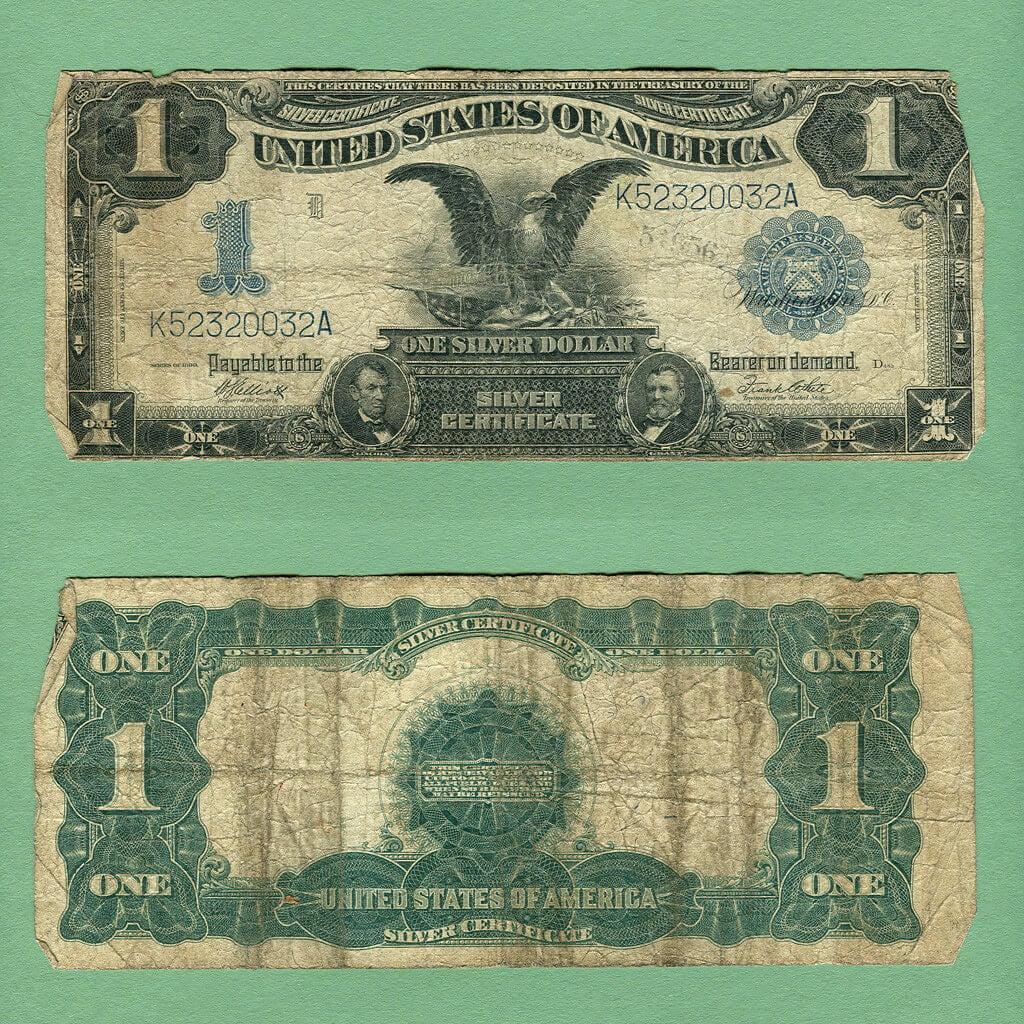
An eagle perched on a flag dominates the series 1899 one dollar silver certificate, flanked by small portraits of Abraham Lincoln and Ulysses Grant. Collectors call it the Black Eagle, and it is one of the most popular large-size notes.
Large-size notes were issued before 1929 and are noticeably bigger than modern bills. A circulated Black Eagle is worth 100 to 300 dollars, while crisp uncirculated notes go much higher.
Tears, stains, and missing corners reduce value. Pin marks and small repairs also affect the grade.
Educational Series Notes From 1896
Many collectors call the 1896 silver certificates in one, two, and five dollar denominations the most beautiful notes the United States ever issued. The one dollar note shows History Instructing Youth, and the five dollar note features an allegorical scene titled Electricity Presenting Light to the World.
The designs were so busy that they were replaced after only a few years. Even circulated examples are worth hundreds of dollars, and crisp notes reach thousands.
The five dollar note is the most valuable of the three. Stains, tears, and heavy folds reduce values.
Martha Washington Silver Certificates
Martha Washington’s portrait appears on the one dollar silver certificates of 1886 and 1891, making her the only woman shown as the main portrait on the face of a U.S. paper bill. They are large-size notes and quite scarce today.
A circulated example is worth several hundred dollars, and crisp uncirculated notes bring much more. The back designs differ between the two series, which collectors track.
Condition problems such as tears, stains, and heavy folds reduce value. Many families kept one because the portrait seemed unusual even at the time.
Bison Ten Dollar Notes From 1901
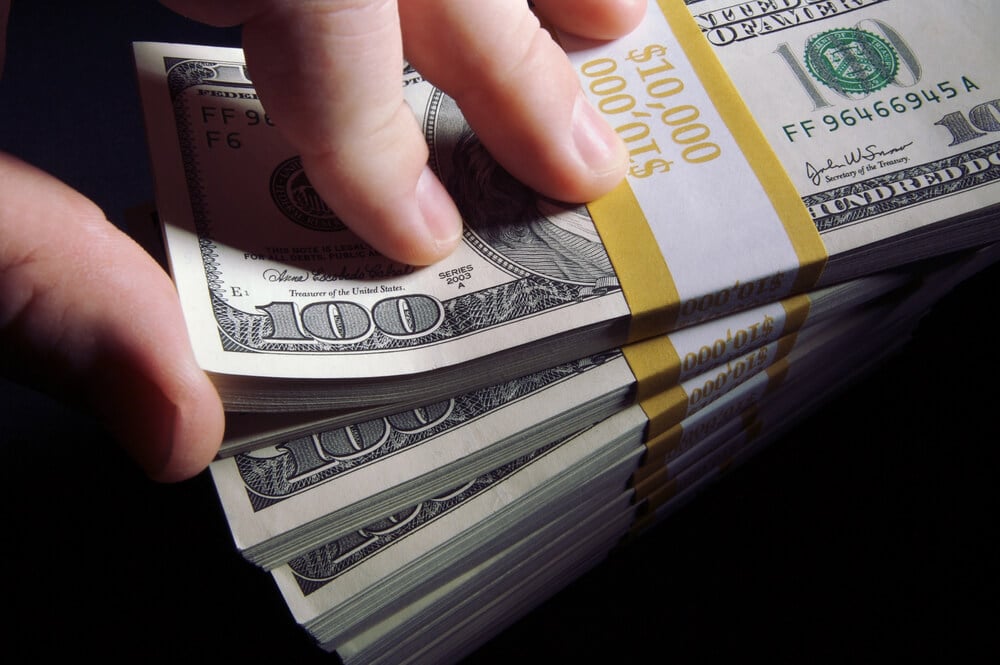
An American bison fills the center of the series 1901 ten dollar legal tender note, and collectors simply call it the Bison note. The image of the animal is one of the most striking designs in American currency.
Portraits of Meriwether Lewis and William Clark flank the bison on the front. Circulated examples are worth several hundred dollars, and crisp notes reach thousands.
Tears, stains, and folds reduce value. The note is one of the most recognizable large-size designs and often draws buyers from outside the currency hobby.
Framed examples hang in plenty of Western-themed dens and offices.
Treasury Notes of 1890
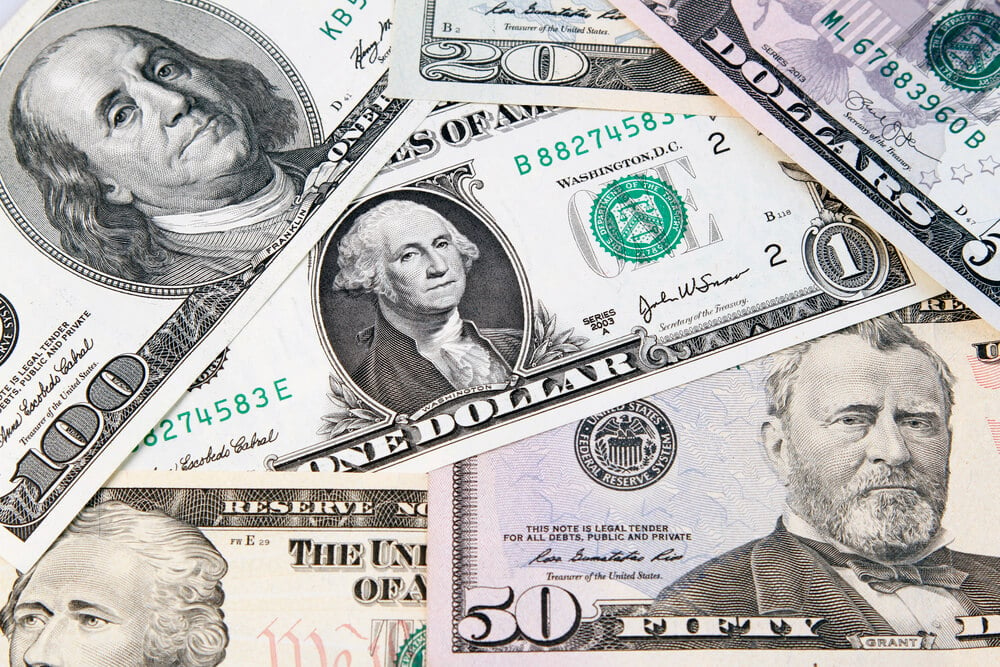
The Treasury Notes of 1890, also called coin notes, were issued to pay for silver purchases under the Sherman Silver Purchase Act. The 100 dollar note is known as the Grand Watermelon because the large zeros on its back resemble watermelons.
Only a few examples are known, and it is among the most valuable U.S. notes. Lower denominations from the same series are also collectible, worth hundreds to thousands of dollars.
Condition is critical at this level, and every tear and stain is documented by grading services.
National Bank Notes From Local Banks
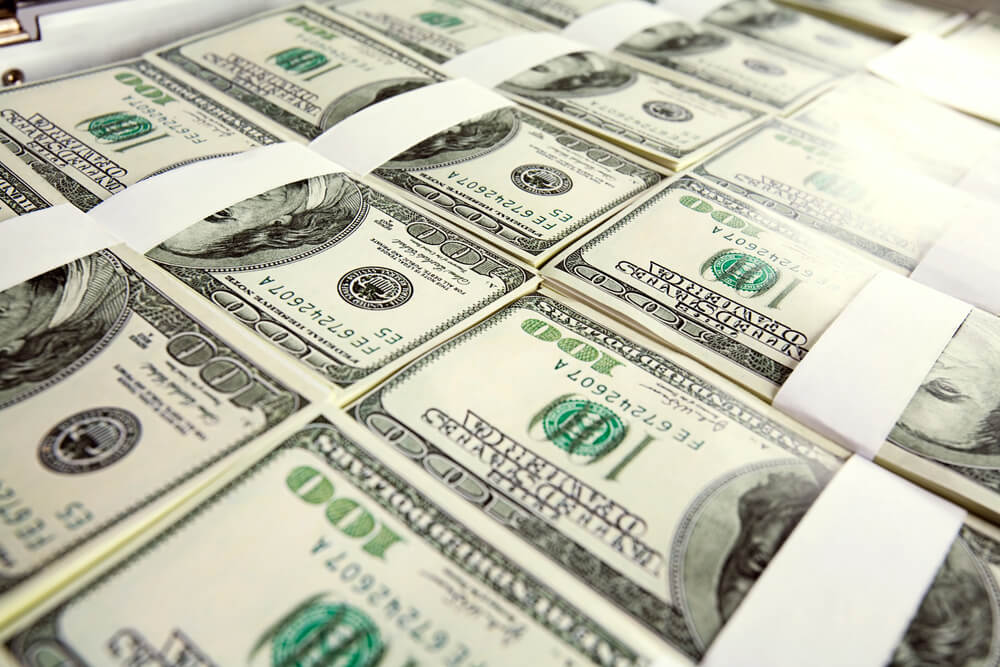
From 1863 to 1935, thousands of local banks issued their own notes backed by U.S. bonds, printed with the bank’s name and charter number. A note from a small town bank that issued only a few notes can be worth far more than one from a large city bank.
Collectors often focus on notes from their home state or town. Values run from 50 dollars for common notes to thousands for rare banks.
Condition matters, and tears, stains, and heavy folds lower prices. A bank’s charter number helps identify how scarce a note is.
Gold Certificates With Yellow Seals
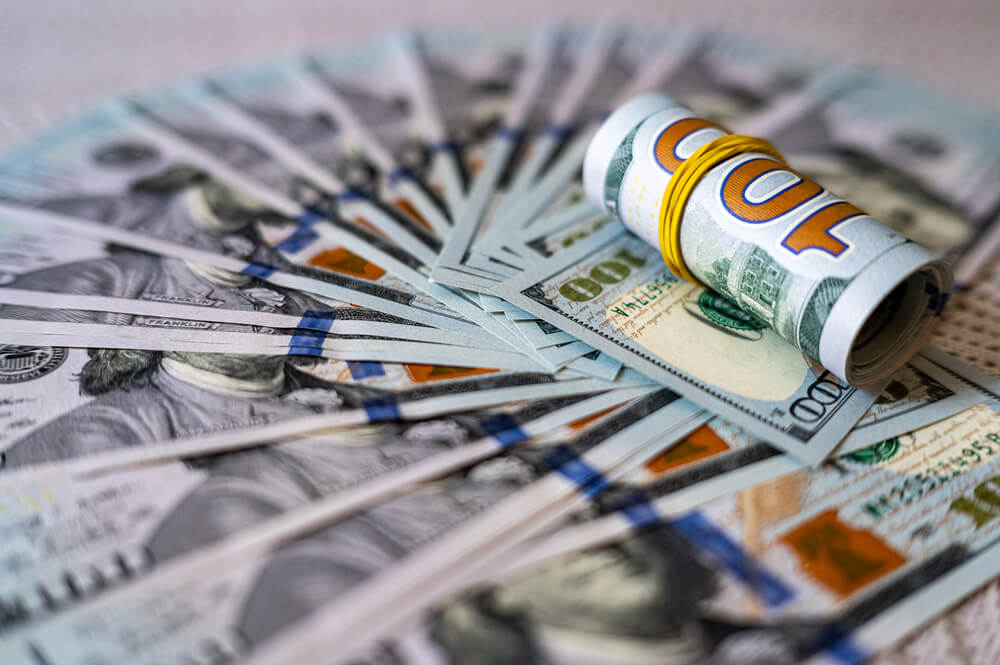
Series 1928 gold certificates carry gold seals and could be redeemed in gold coin until 1933, when private gold ownership was restricted. Holding them was technically illegal until 1964, which led many to be turned in or hidden.
Surviving notes are worth well above face value, with ten dollar notes worth 50 to 200 dollars in circulated condition. Crisp examples and higher denominations are worth more.
Stains, tears, and heavy folds reduce value. Large-size gold certificates from earlier series are worth considerably more.
The bright orange backs make them easy to spot in any stack of old money.
Five Hundred and One Thousand Dollar Bills
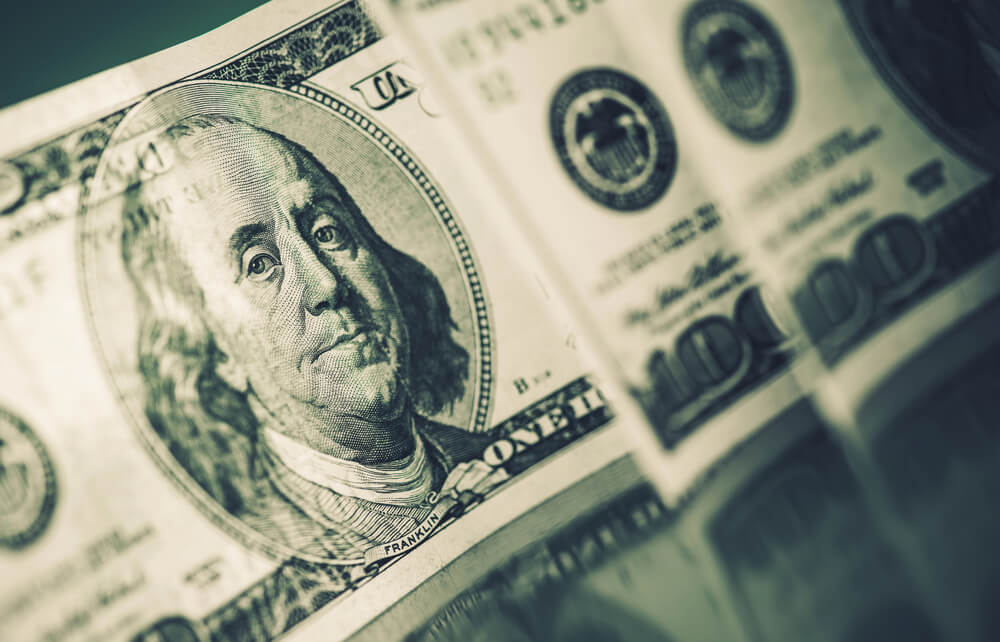
The Federal Reserve stopped distributing 500 and 1,000 dollar bills in 1969, but they remain legal tender. Series 1928 and 1934 notes show William McKinley on the 500 and Grover Cleveland on the 1,000.
Collectors pay well above face, and values run from about 1,000 dollars for a worn 500 dollar note to several thousand for crisp examples. The 1,000 dollar note is worth more than the 500.
Condition matters, and stains, tears, and folds reduce value. Banks that receive one usually send it to the Federal Reserve for destruction, so owners do better selling to collectors.
Fractional Currency From the Civil War
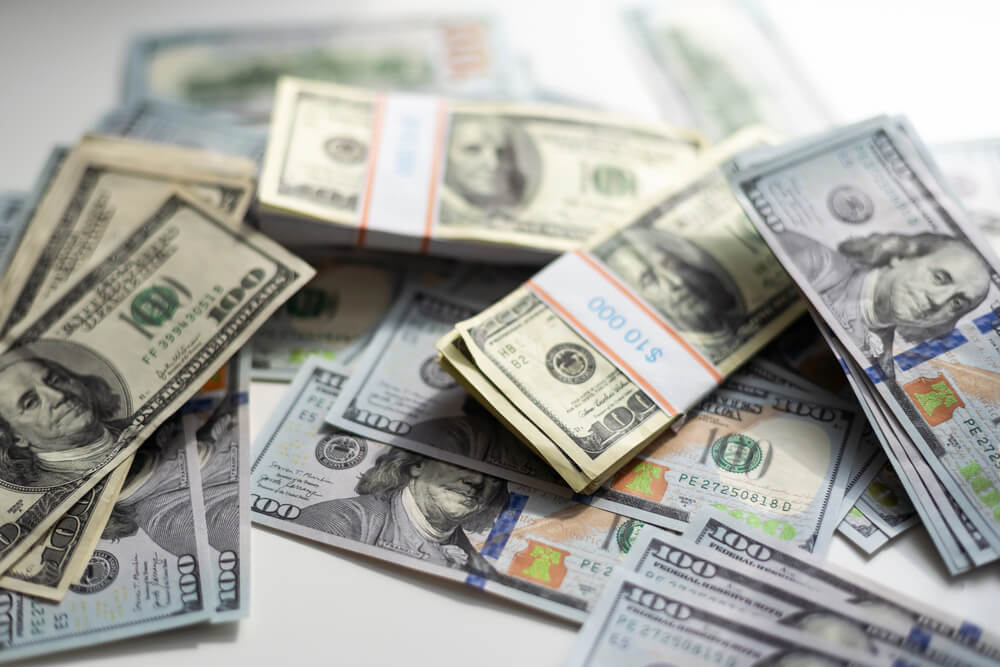
During the Civil War, coins disappeared from circulation as people hoarded metal, and the government issued paper notes worth 3 to 50 cents. These small notes, called fractional currency, were issued until 1876.
They are small, fragile, and easy to overlook in old albums. Values run from 5 dollars for common notes to hundreds for rare issues.
Condition is critical, and stains, tears, and trimming reduce value. Some notes carry portraits of officials who were controversial at the time, which adds to their appeal among history buffs.
Confederate Currency
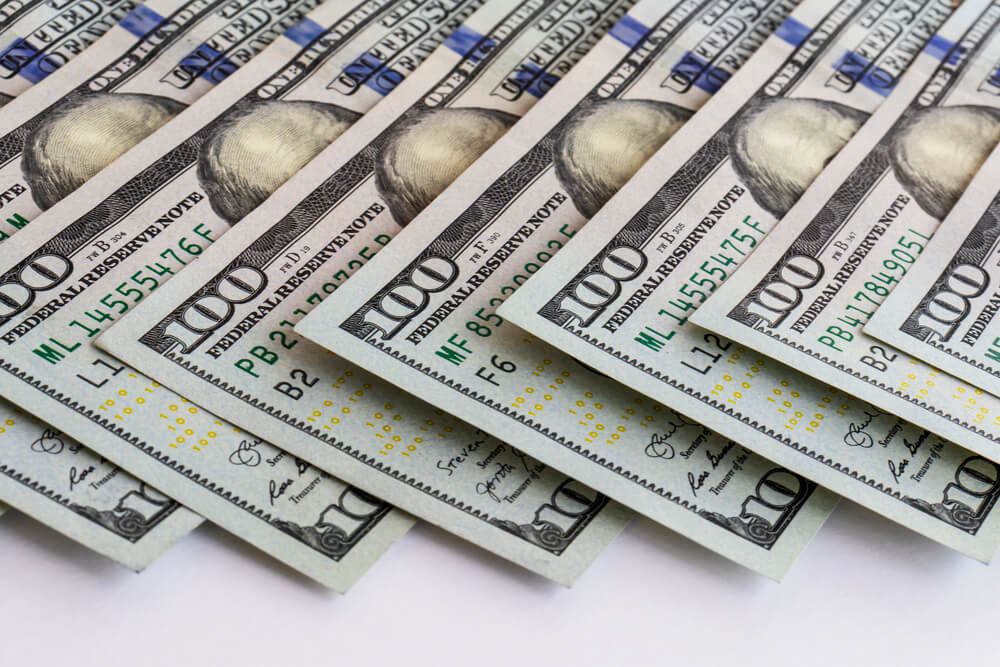
Confederate notes were printed in huge quantities, and many surviving examples are common. However, certain issues, such as the early Montgomery notes of 1861, are rare and worth thousands.
Souvenir reproductions are everywhere, often sold at tourist shops, so authentication matters. Genuine common notes are worth 20 to 100 dollars, while scarce issues go much higher.
Condition affects value, and stains, tears, and folds lower prices. Many families have a Confederate note or two tucked away as heirlooms.
Paper quality, printing method, and signatures help separate genuine wartime notes from later copies.
Inverted Back Errors
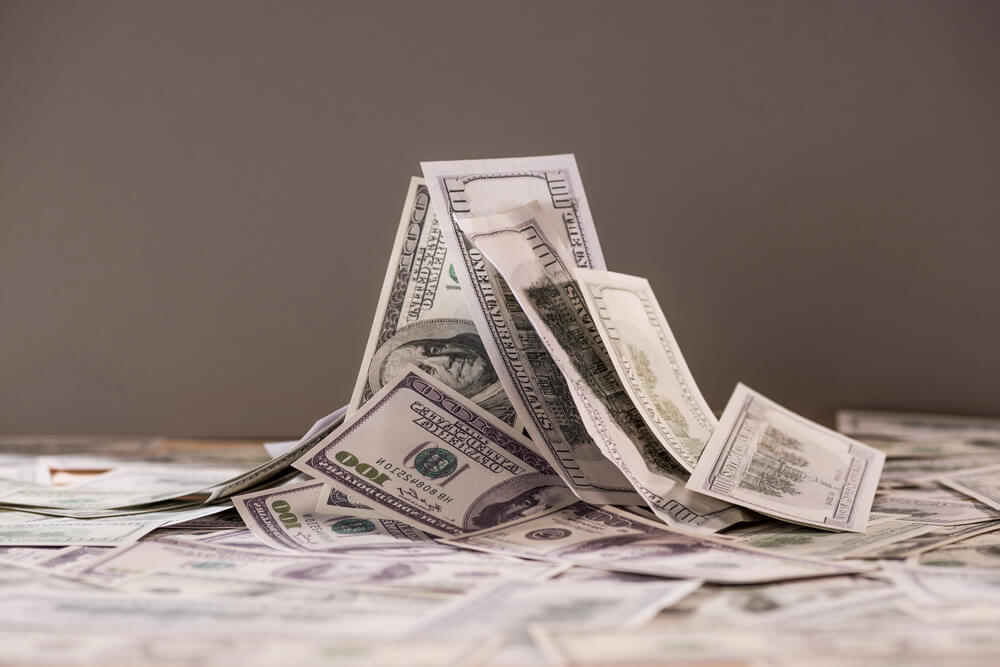
An inverted back error occurs when the back is printed upside down relative to the front, a mistake that slips past inspectors now and then. Collectors pay strong premiums for these errors, especially on older series.
Values run from several hundred dollars to thousands, depending on the denomination and condition. Folds and stains reduce value but do not erase the premium.
Checking whether a bill looks right when flipped takes a second and occasionally pays off. Fakes exist, so authentication is wise before any serious sale.
Mismatched Serial Numbers
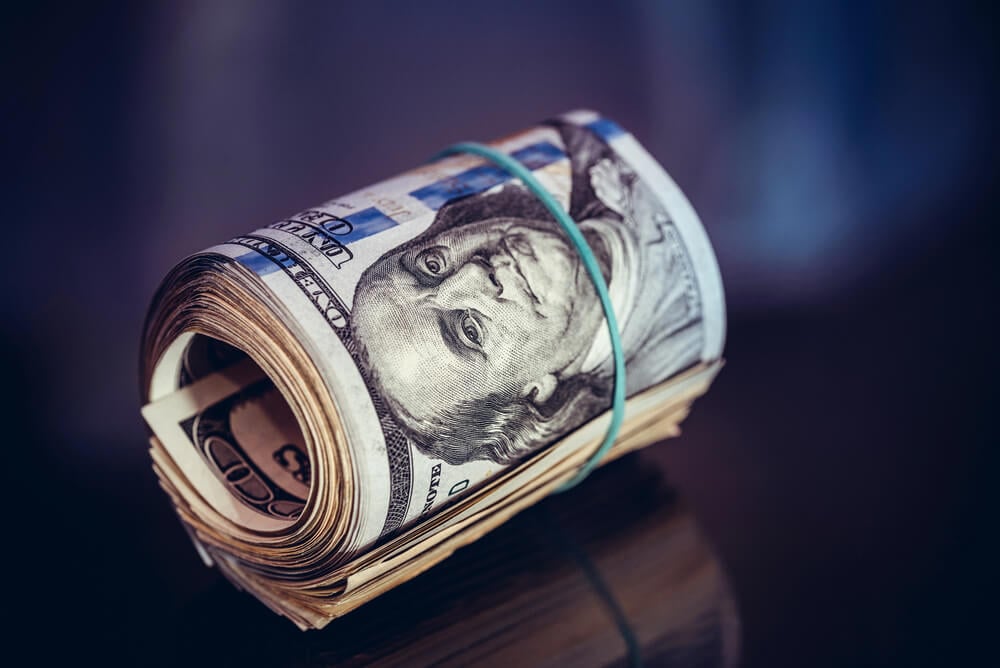
Each bill carries its serial number twice, and occasionally the two do not match because of a printing error. Mismatched serial number errors are rare and worth hundreds to thousands of dollars.
The mismatch can be a single digit, which makes it easy to miss. Collectors value notes where the mismatch is dramatic and the note is crisp.
Folds and stains reduce value. Checking both serials takes only seconds, and it is one of the simplest error checks anyone can do.
A single mismatched digit has turned plenty of ordinary bills into prized finds.
Butterfly Fold Errors
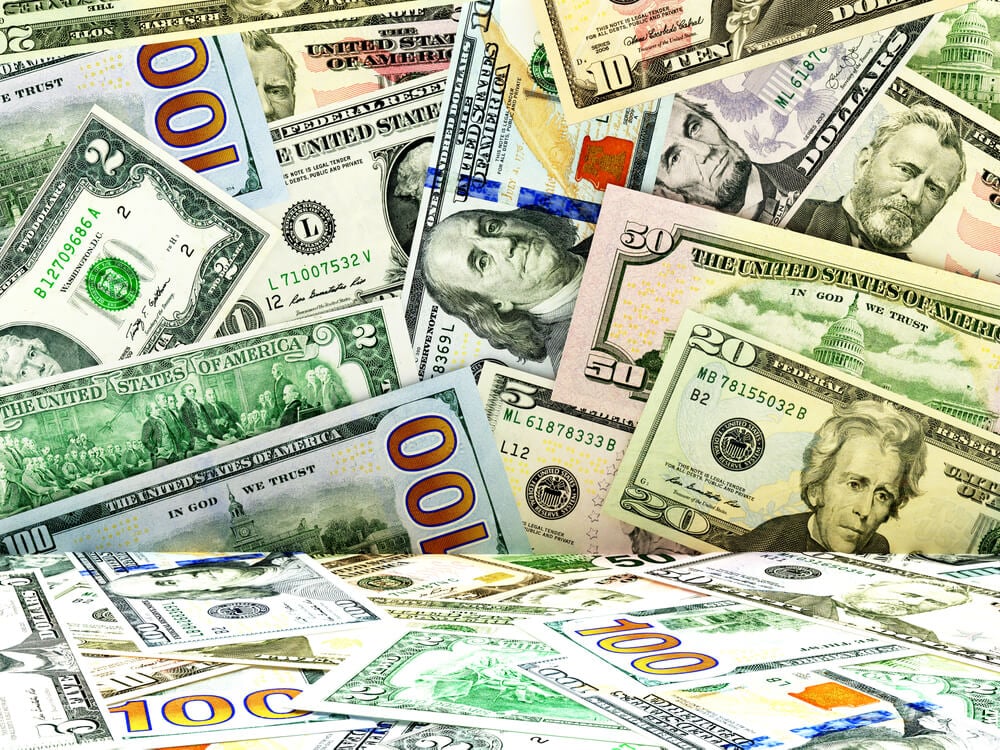
Butterfly folds happen when a sheet of paper is folded before printing, leaving part of the design printed across the fold. When the note is unfolded, it shows an odd shape with an extra flap of paper.
These are among the most dramatic currency errors and are worth thousands of dollars. Condition plays a role, but the error itself drives most of the value.
Collectors prefer examples where the flap is still attached. Authentication is critical because the error is dramatic enough to tempt fakers.
Web Press Notes From the Early 1990s
Between 1992 and 1996 the Bureau of Engraving and Printing tested a web press, printing one dollar notes from paper fed off a continuous roll. These web notes can be identified by the back plate number printed on the right side of the design.
Most web notes are worth 5 to 30 dollars, but certain combinations are worth more. Star notes printed on the web press are especially scarce.
Condition matters, and crisp notes bring the best prices. The experiment was abandoned, which makes these notes a small piece of printing history.
Barr Notes From 1963B
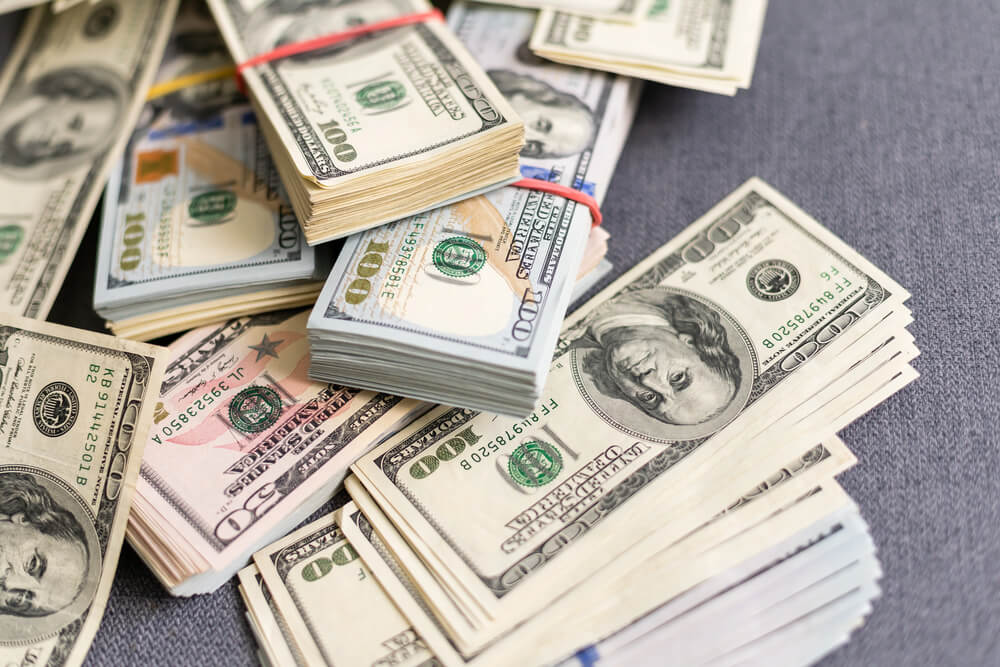
Joseph Barr served as Treasury Secretary for less than a month, from December 1968 to January 1969, but his signature appears on series 1963B one dollar notes. Rumors that these notes were valuable circulated widely, leading many people to save them.
In reality, they are worth only a small premium, with crisp examples worth a few dollars. Star notes from the series are worth more.
Condition matters, and folds and stains reduce value. The Barr note remains a good example of how a story can outrun the numbers.
Military Payment Certificates
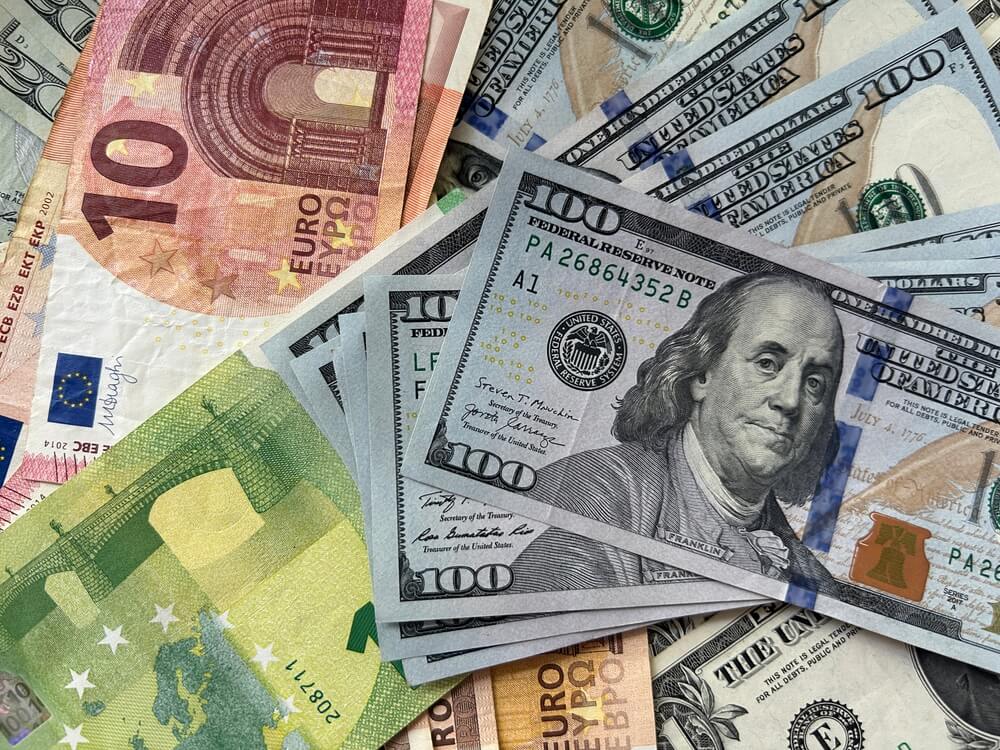
From 1946 to 1973, U.S. military personnel overseas were paid in military payment certificates rather than dollars. The certificates came in denominations from 5 cents to 20 dollars and changed series regularly to prevent black market trading.
Some series were used only briefly and are scarce today. Values run from a few dollars for common notes to thousands for rare series.
Condition matters, and stains, tears, and heavy folds reduce value. Many veterans brought examples home, which is why they show up in family collections.
Green Eagle Federal Reserve Bank Notes
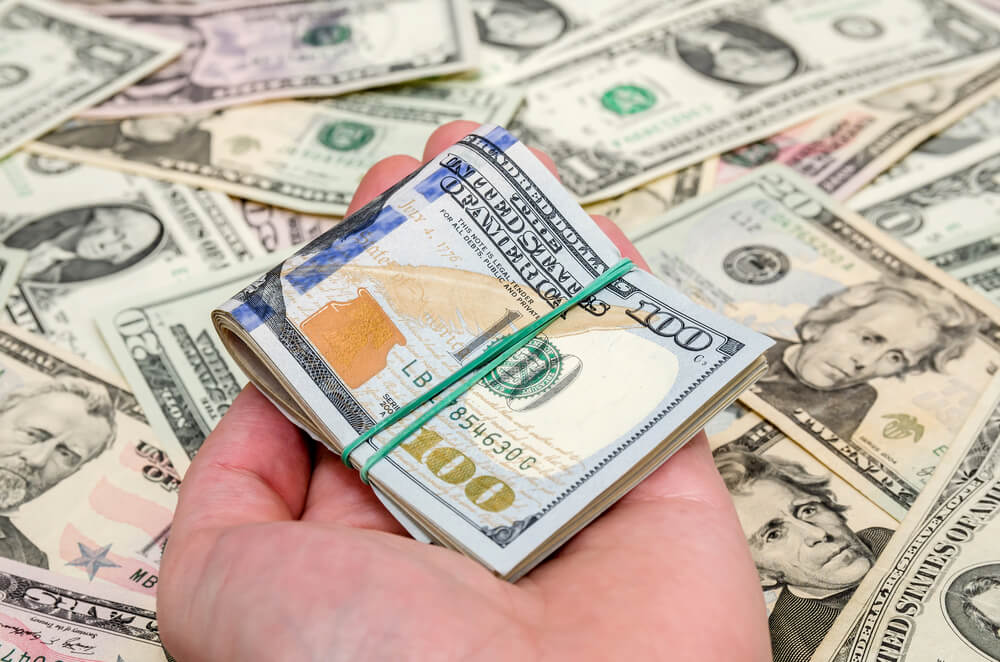
Series 1918 one dollar Federal Reserve Bank Notes show a large eagle holding a flag on the back, printed in green ink. Collectors call them green eagles.
They are large-size notes, and each was issued by one of the 12 Federal Reserve Banks. A circulated example is worth 50 to 200 dollars, and crisp examples bring more.
Tears, stains, and folds reduce value. The design is striking, and the note is one of the more affordable large-size types.
For collectors new to large-size currency, it is a common first purchase.
Continental Currency From the Revolution
The Continental Congress issued paper money to finance the American Revolution, and it lost value so quickly that the phrase not worth a Continental entered the language. Some notes were printed by Hall and Sellers of Philadelphia, a firm linked to Benjamin Franklin, and carried nature prints of leaves to deter counterfeiting.
Surviving notes are worth 50 to several hundred dollars, with rare denominations worth more. Condition matters, and tears and stains reduce value.
Counterfeits from the period exist and are collected too, since British forces reportedly produced fakes to undermine the currency.
Canadian Devil’s Face Notes From 1954
Canada’s 1954 notes showed the young Queen Elizabeth with highlights in her hair that appeared to form a grinning face. The design caused a public stir and was modified in 1956.
Original devil’s face notes are worth 10 to several hundred dollars, depending on denomination and condition. Crisp examples bring more, and folds and stains reduce value.
The story makes them popular with collectors outside Canada. They are a reminder that a single engraving detail can turn a bill into a collectible.
The Bank of Canada retouched the hair on new plates, which ended the controversy.
Currency Stops Being Money
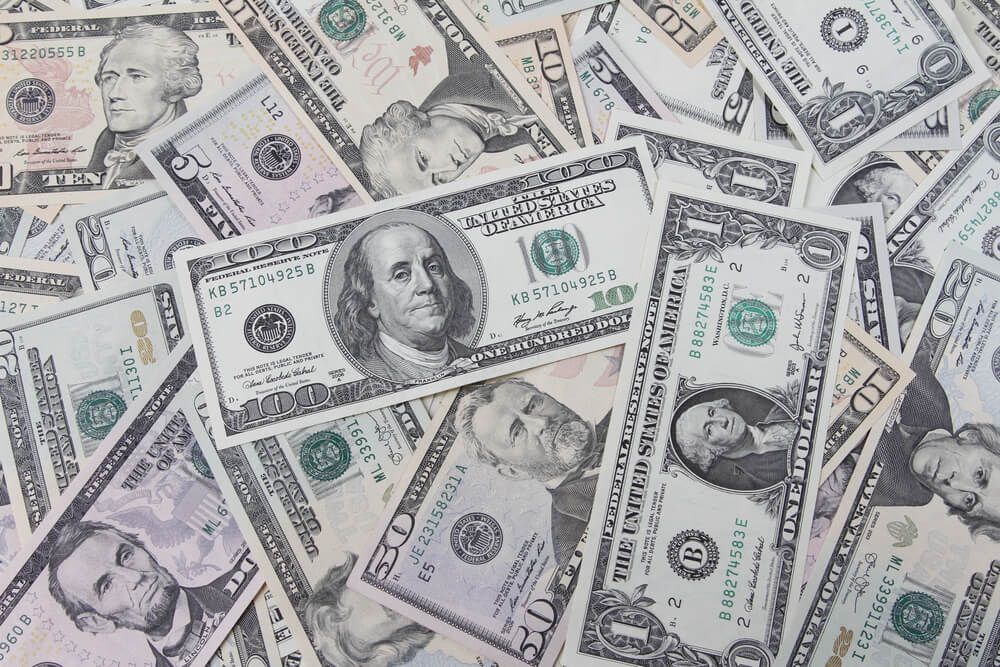
Every note on this list began as ordinary cash and became something else when people noticed a detail. A star, a seal, an error, or a forgotten design turned spending money into a collectible.
The value lives in those details rather than in the printed denomination. That shift explains why old bills deserve a second look before they go back into circulation.
A bank will only ever pay face value, but a collector will pay for the story. Condition protects that story, so flat storage and careful handling make a real difference.
More from Go2Tutors!

- The Romanov Crown Jewels and Their Tragic Fate
- 13 Historical Mysteries That Science Still Can’t Solve
- Famous Hoaxes That Fooled the World for Years
- 15 Child Stars with Tragic Adult Lives
- 16 Famous Jewelry Pieces in History
Like Go2Tutors’s content? Follow us on MSN.