17 Camouflage Techniques Beyond Simple Color Changing
Most people think camouflage means changing colors like a chameleon, but that’s just scratching the surface of nature’s incredible hiding arsenal. Animals have developed mind-bending ways to disappear that go far beyond simple color shifts, using everything from light manipulation to behavioral trickery that would make a magician jealous.
These techniques are so sophisticated that military engineers and designers still study them to improve human technology. The natural world has spent millions of years perfecting the art of invisibility, creating solutions that work in every environment imaginable.
Here is a list of 17 camouflage techniques that showcase how creative evolution gets when survival depends on staying hidden.
Shape Disruption
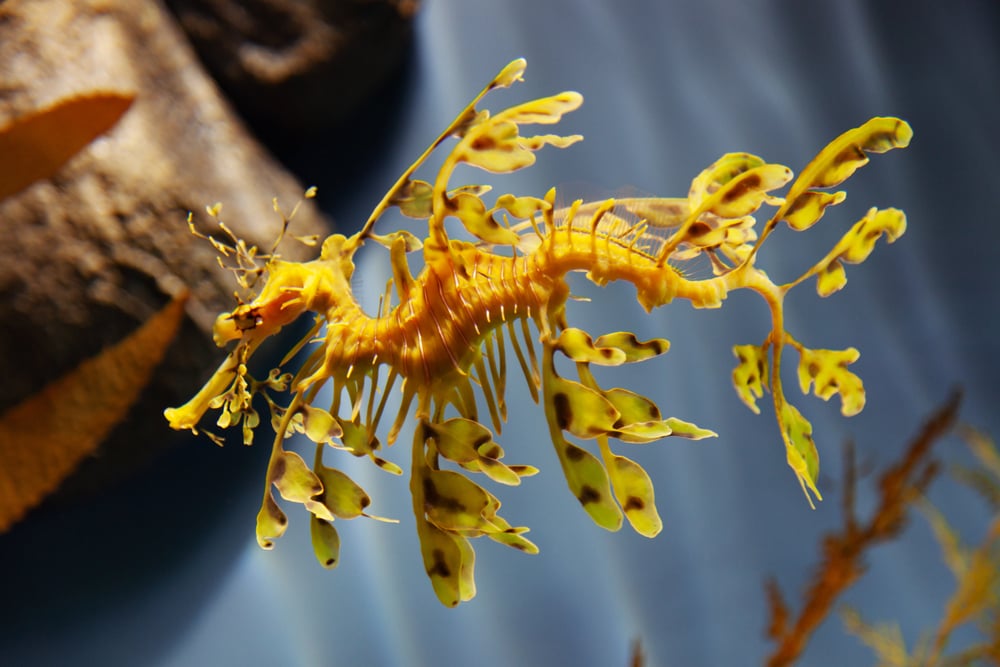
Many animals break up their body outline to confuse predators and prey about where they begin and end. Fish like the leafy sea dragon grow elaborate appendages that look exactly like floating seaweed, making it nearly impossible to distinguish the animal from its surroundings.
Stick insects take this concept even further by mimicking twigs so perfectly that they sway with the breeze and even have fake bark textures. The key is making your silhouette blend seamlessly with background objects rather than standing out as a recognizable animal shape.
Counter-Shading
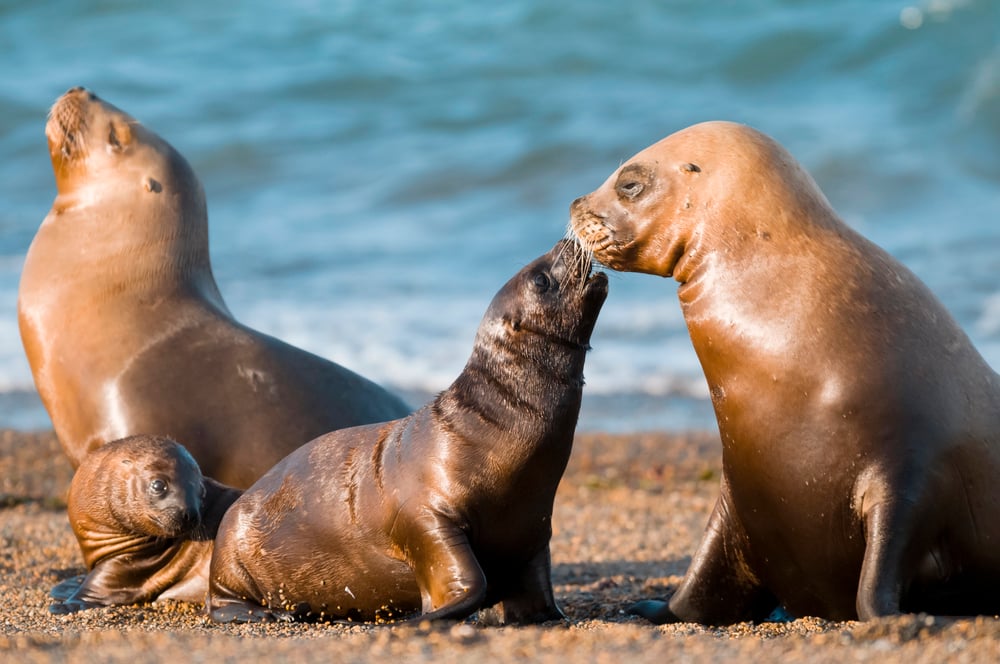
This technique uses light and shadow to create an optical illusion that flattens an animal’s three-dimensional appearance. Most fish, sharks, and marine mammals have dark backs and light bellies, which counteract the natural shadowing effect of sunlight coming from above.
When viewed from below, their light bellies blend with the bright surface water, while their dark backs merge with the deep water when seen from above. This makes them appear flat and less noticeable to both predators swimming below and prey swimming above.
Like Go2Tutors’s content? Follow us on MSN.
Motion Camouflage

Some predators use movement patterns that make them appear stationary relative to their prey, essentially becoming invisible through motion rather than stillness. Dragonflies are masters of this technique, adjusting their flight path so they maintain a constant bearing relative to their target, making them appear as a fixed point in space rather than an approaching threat.
Cuttlefish employ similar tactics by matching the movement patterns of their surroundings, swaying with kelp or drifting with debris to mask their approach. This type of camouflage works because the prey’s visual system is designed to detect relative motion, not objects moving at consistent angles.
Transparency
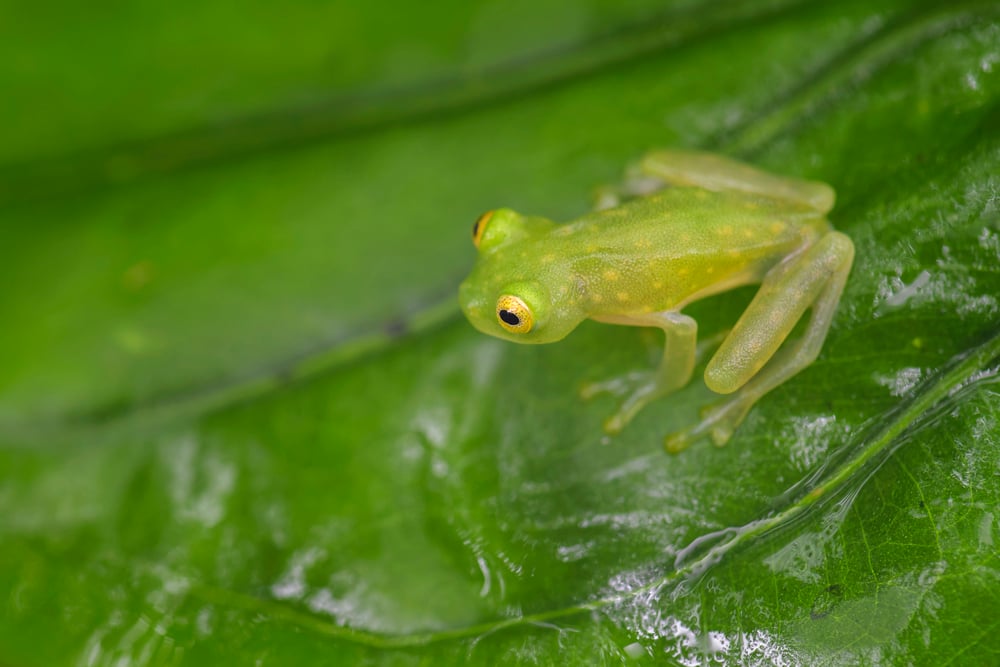
Rather than trying to match their surroundings, some animals achieve invisibility by becoming see-through. Glass frogs have transparent skin on their bellies that reveals their internal organs, making them blend perfectly with leaves when viewed from below.
Deep-sea creatures like glass squids and transparent jellyfish take this to the extreme, with bodies so clear that light passes right through them. The challenge with transparency is that completely clear animals would still be visible due to light refraction, so many transparent species have specialized cells that help bend light around their bodies more naturally.
Bioluminescent Matching

Deep-sea animals use light-producing organs to match the dim sunlight filtering down from above, effectively erasing their silhouettes against the faint background glow. Lanternfish and many species of squid have rows of light-producing photophores along their bellies that they can adjust to match the intensity and color of downwelling light.
This counter-illumination camouflage is so precise that some species can adjust their bioluminescence in real-time as they move through different water depths. The result is that predators looking up from below see a uniform field of light rather than a dark animal silhouette.
Like Go2Tutors’s content? Follow us on MSN.
Texture Mimicry
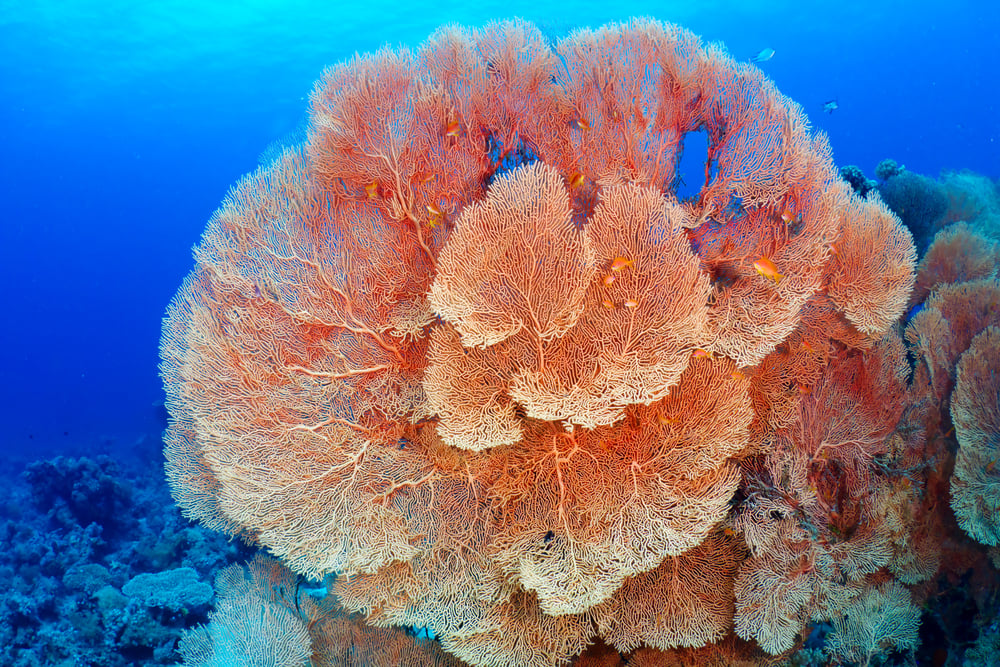
Animals that perfectly replicate the surface textures of their environment can hide in plain sight even when their colors don’t match perfectly. Octopi are the undisputed champions of texture mimicry, able to transform their smooth skin into convincing imitations of coral, rocks, or algae-covered surfaces within seconds.
Tree bark spiders have bodies covered in bumps, ridges, and irregular patterns that make them indistinguishable from the bark they rest on. The key is matching not just the visual texture but also the three-dimensional surface features that create realistic shadows and highlights.
Aggressive Mimicry

Some predators disguise themselves as harmless or even beneficial creatures to get close to their prey. Alligator snapping turtles have a pink, worm-like appendage on their tongues that they wiggle to attract fish into their mouths.
Assassin bugs in some species cover themselves with the corpses of their victims, creating a gruesome but effective disguise that allows them to approach other prey without triggering alarm responses. This technique works because it exploits the prey’s existing behavioral patterns and expectations about what constitutes a threat.
Background Matching Behavior

Beyond physical camouflage, many animals actively choose backgrounds that enhance their concealment and position themselves to maximize the effect. Peppered moths select resting spots on tree bark that best match their wing patterns, with light-colored moths preferring lichen-covered bark and dark moths choosing soot-stained surfaces.
Crab spiders position themselves on flowers that match their body colors and even change flowers when their appearance changes. This behavioral component of camouflage shows that successful hiding often requires active decision-making rather than just passive blending.
Like Go2Tutors’s content? Follow us on MSN.
Disruptive Coloration

Bold stripes, spots, and contrasting patterns can actually make animals harder to see by breaking up their body outline in confusing ways. Zebras use their distinctive stripes not just to confuse predators about individual identity within a herd, but also to make it difficult to judge their speed, direction, and body boundaries.
Many snakes have striking zigzag patterns that make it nearly impossible to determine where their head ends and body begins, buying them crucial seconds during predator encounters. The patterns work by creating visual noise that overwhelms the observer’s ability to process the animal’s actual shape and movement.
Chemical Camouflage
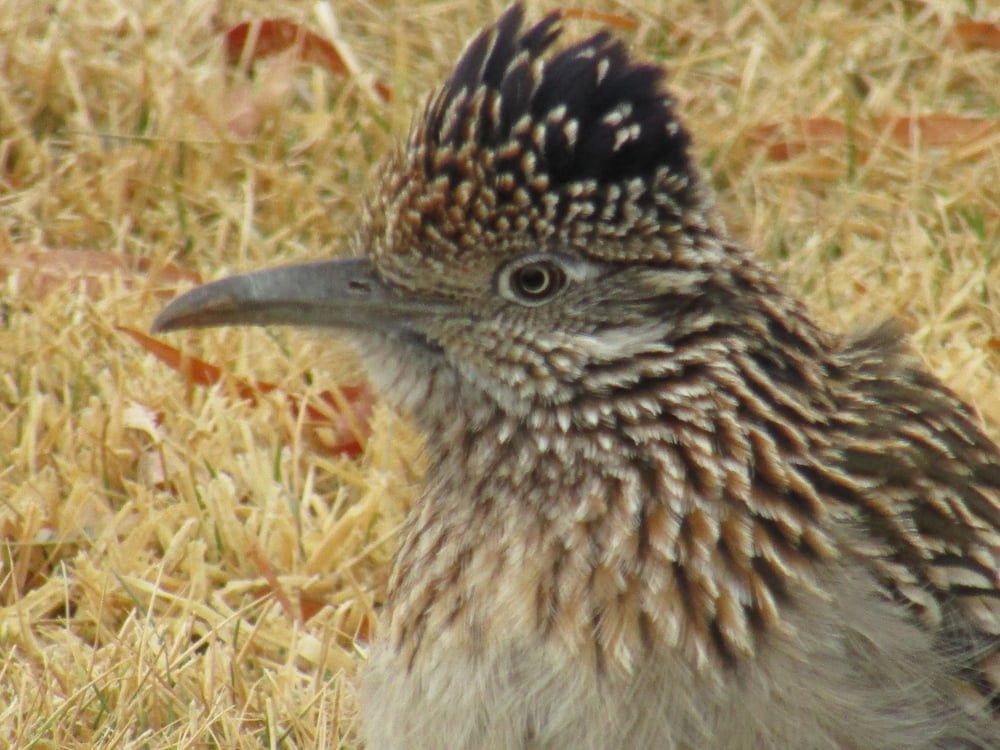
Some animals hide by disguising their scent rather than their appearance, essentially becoming invisible to creatures that hunt primarily by smell. Cuckoo birds lay eggs that not only look like their host species’ eggs but also produce chemical compounds that mimic the host’s scent signature.
Certain beetles cover themselves with the pheromones of their prey species, allowing them to walk freely among their victims without triggering alarm responses. This olfactory camouflage is particularly important for animals that hunt or hide from creatures with highly developed chemical senses.
Eyespot Misdirection
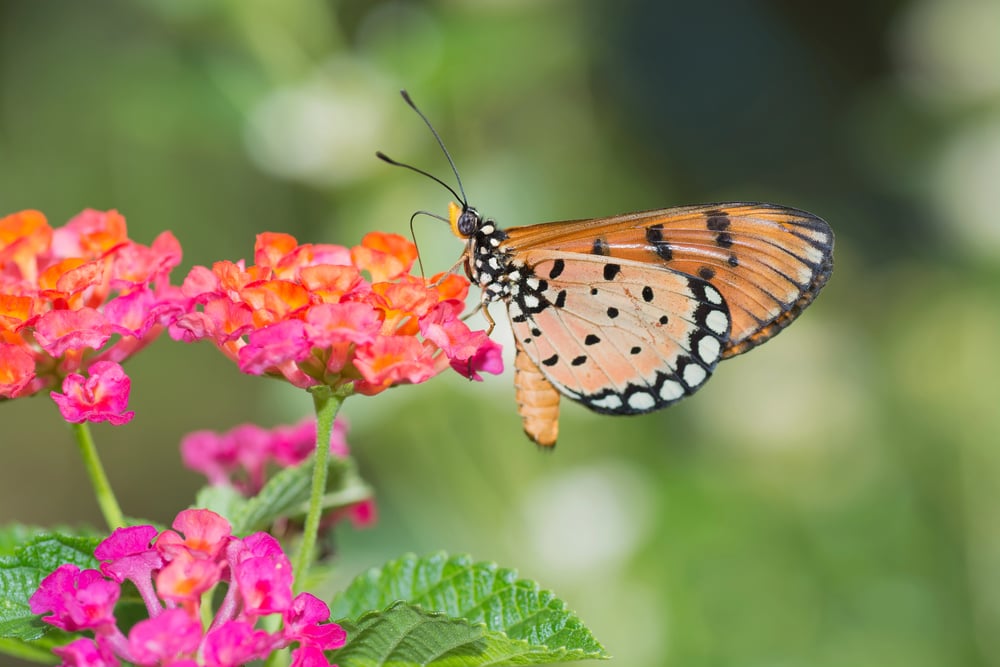
Large, prominent eyespots can serve as camouflage by confusing predators about which end of an animal is the head, making it harder to predict escape routes. Many butterflies and moths have realistic eyespots on their wing edges that make predators attack the wrong end of their bodies, allowing the insect to escape in the opposite direction.
Some fish have eyespots near their tails combined with head coloration that resembles a tail, creating complete misdirection about their body orientation. This technique works because most predators instinctively target the head region of their prey, and eyespots exploit this hunting behavior.
Like Go2Tutors’s content? Follow us on MSN.
Seasonal Adaptation
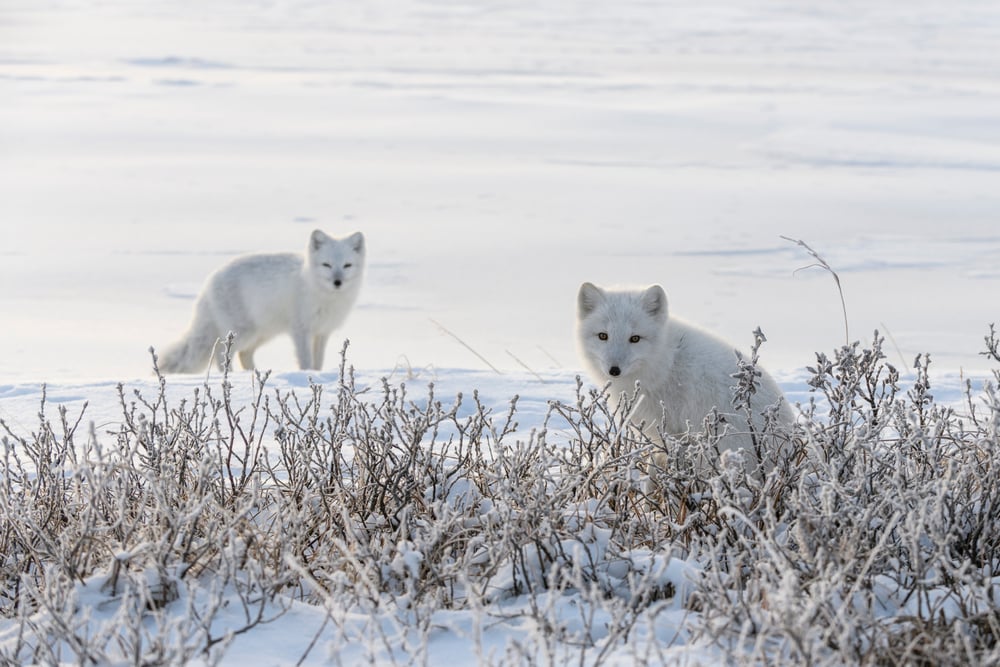
Animals in environments with dramatic seasonal changes often completely transform their appearance to match changing backgrounds throughout the year. Arctic foxes grow white winter coats that blend with snow and brown summer coats that match tundra vegetation, with the timing of these changes triggered by daylight duration rather than temperature.
Snowshoe hares undergo similar transformations, and ptarmigan birds even change the color of their feet and beaks to maintain perfect camouflage year-round. These adaptations require precise biological timing to ensure the animal’s appearance matches environmental conditions during vulnerable transition periods.
Group Camouflage
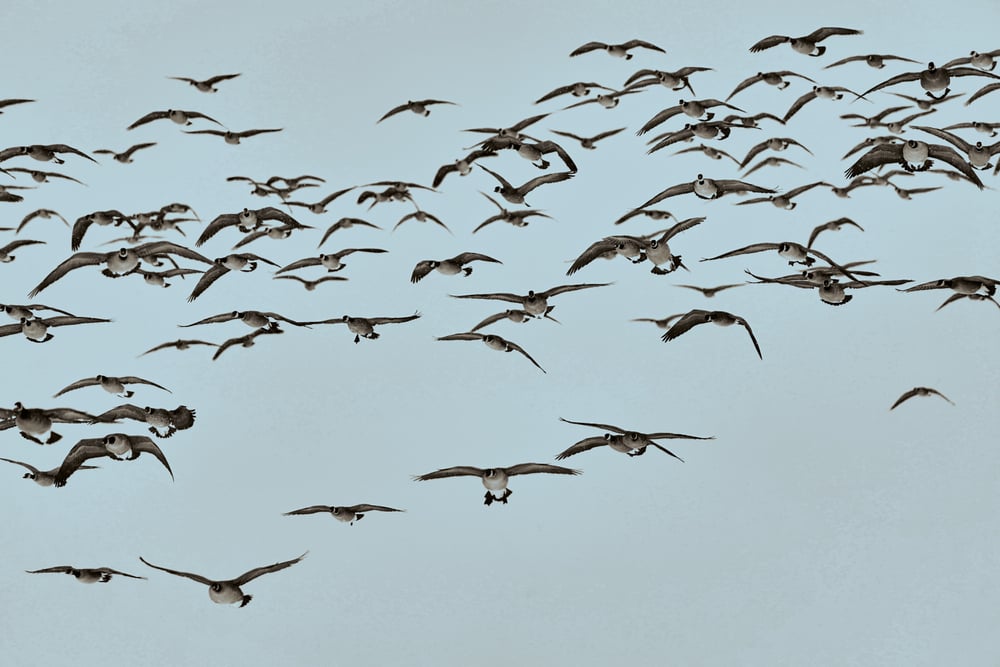
Schools of fish and flocks of birds use collective movement patterns that make it difficult for predators to target individual animals within the group. Sardine schools create swirling, three-dimensional patterns that confuse predators about the location and movement of individual fish, while the collective silver flashing of their scales creates additional visual confusion.
Starling murmurations produce fluid, shape-shifting clouds that make it nearly impossible for hawks to lock onto a single target. This group camouflage works by overwhelming predator visual systems with too much movement and too many choices, leading to decision paralysis or targeting errors.
Structural Coloration
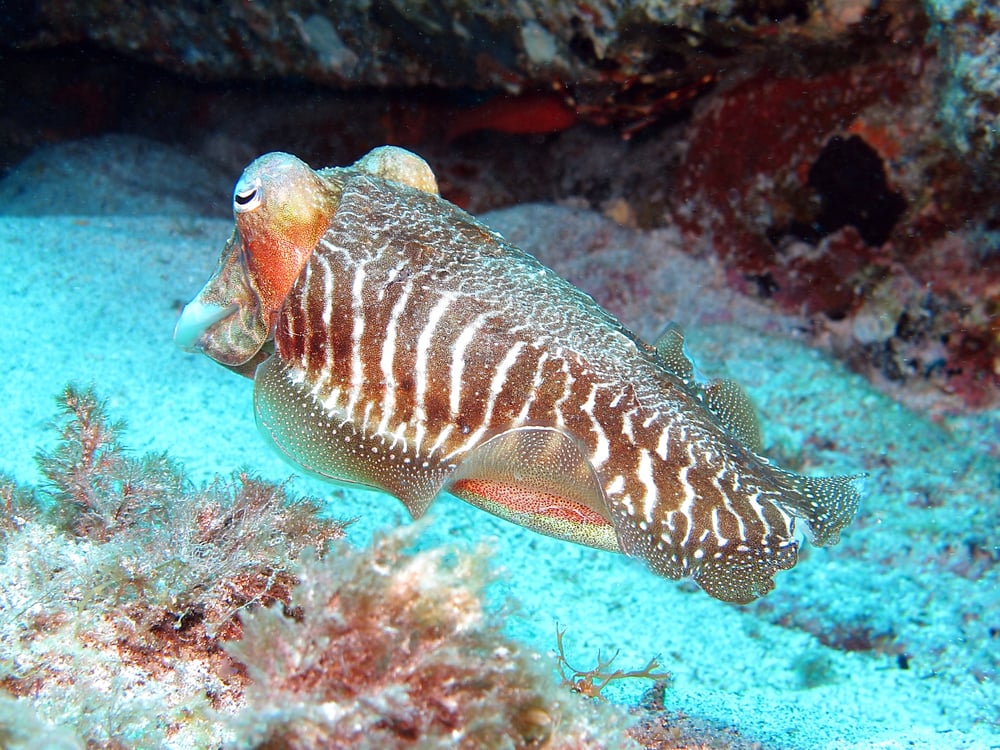
Some animals create camouflage colors using microscopic structures that manipulate light rather than traditional pigments, allowing for more dynamic and precise color control. Cuttlefish have specialized skin cells called iridophores that contain stacks of reflective plates, which they can adjust to create different colors and patterns instantly.
Many birds achieve their brilliant blues and greens through feather structures that scatter light at specific wavelengths rather than using blue or green pigments. This structural approach to coloration allows for rapid changes and can create colors that shift depending on viewing angle, adding another layer of visual confusion.
Like Go2Tutors’s content? Follow us on MSN.
False Flagging
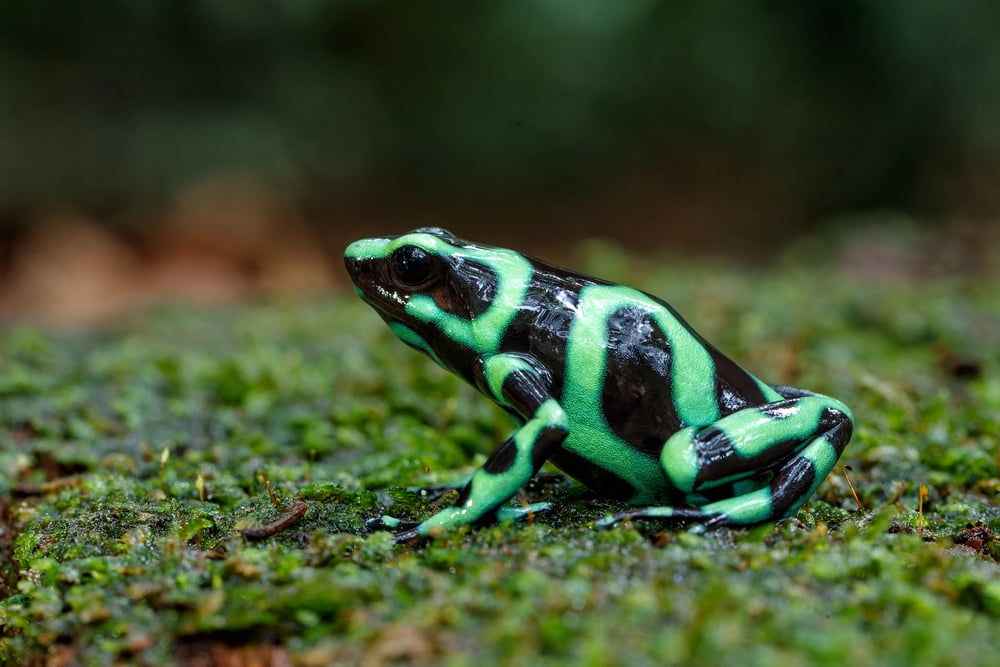
Animals sometimes advertise their presence with bright warning colors when they want to be seen, then switch to camouflage mode when they need to hide. Poison dart frogs display brilliant warning colors when threatened but can quickly duck into vegetation where their patterns actually provide effective camouflage among dappled light and shadow.
Some coral snakes have bright warning bands that make them highly visible in open areas but become disruptive camouflage patterns when they’re among fallen leaves or in dense vegetation. This dual-purpose coloration allows animals to be conspicuous when they want to send a warning and invisible when they need to avoid detection.
Dust and Debris Coating

Many insects and spiders actively cover themselves with environmental materials to enhance their camouflage beyond what their natural coloration provides. Lacewing larvae collect debris, dead aphids, and other small particles on specialized hooked bristles, creating a mobile garbage heap that perfectly disguises their predatory nature.
Some crab species attach living sponges, algae, and small creatures to their shells, creating a constantly changing disguise that grows and evolves with their environment. This technique is particularly effective because it incorporates actual elements from the local environment rather than just imitating them.
Sound Masking

While most camouflage focuses on visual concealment, some animals hide by masking their acoustic signatures or mimicking environmental sounds. Certain moths have evolved fuzzy body coverings that absorb bat sonar, essentially making them acoustically invisible to their primary predators.
Frogfish can remain motionless for hours while producing subtle vibrations that mimic water movement around coral reefs, masking any sounds they might make while breathing or shifting position. This acoustic camouflage is crucial for animals that face predators or prey with highly developed hearing, adding an auditory dimension to the traditional visual hiding game.
Like Go2Tutors’s content? Follow us on MSN.
Electric Camouflage
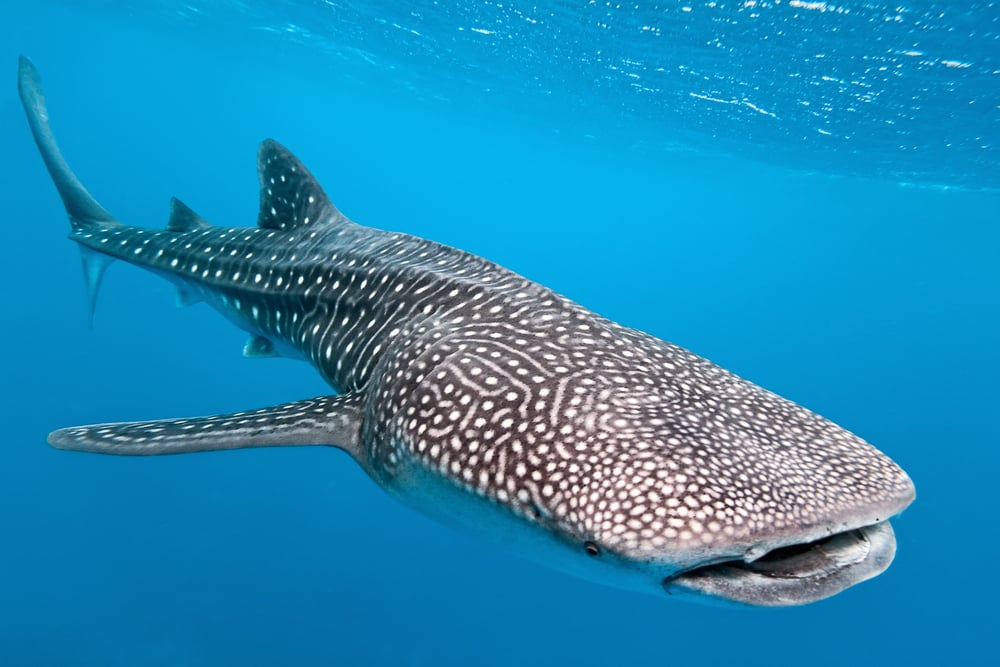
Some aquatic animals can suppress or modify the electrical fields their bodies naturally produce, making them invisible to predators that hunt using electroreception. Certain rays and skates can reduce their electrical output when threatened, effectively disappearing from the electrical sense of sharks and other predators that rely on detecting bioelectric fields.
This technique works because all living creatures produce small electrical fields through muscle contractions and nerve activity, and many aquatic predators have evolved to detect these signals. By controlling their electrical signature, these animals add yet another layer to their concealment strategy.
The Art of Disappearing

These diverse camouflage techniques reveal that nature’s approach to invisibility goes far beyond simple color changes, encompassing everything from light manipulation to behavioral trickery. Each method represents millions of years of evolutionary refinement, with animals constantly improving their concealment abilities in response to equally evolving predator detection systems.
The sophistication of these natural camouflage systems continues to inspire human innovations in military technology, fashion design, and materials science. Understanding these techniques also reminds us that in nature, the best defense is often not being noticed at all, and the most successful predators are masters of staying hidden until the perfect moment to strike.
More from Go2Tutors!

- 16 Restaurant Chains That Went Too Fast
- 12 Things Sold in the 80s That Are Now Illegal
- 15 Strange Things People Have Tried to Ban (And Failed)
- 16 Collectibles People Tossed Out Too Soon
- 17 Myths from Your Childhood That Were Actually Based on Real Things
Like Go2Tutors’s content? Follow us on MSN.