15 Books That Were the First of Their Kind in Print
The history of printing is filled with pioneers who pushed boundaries and created entirely new categories of books. From the moment Johannes Gutenberg revolutionized communication with movable type, inventors and authors have been finding fresh ways to package information, tell stories, and share knowledge with the world.
Some books didn’t just succeed—they invented entirely new genres that we now take for granted. Here is a list of 15 groundbreaking books that were the absolute first of their kind in print.
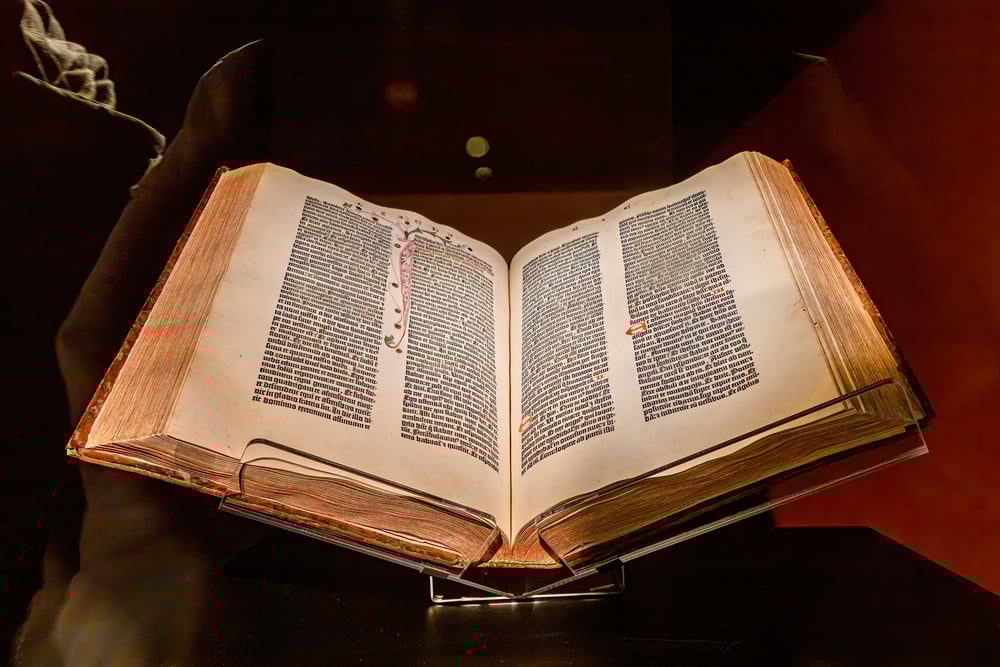
Gutenberg Bible
— Photo by Alexander2323
When Johannes Gutenberg completed his 42-line Bible around 1455 in Mainz, Germany, he didn’t just print a book—he launched a revolution. This was the first major book printed in Europe using movable metal type, marking the true beginning of the age of printed books in the West.
About 160 to 180 copies were originally printed, and today only 49 survive in whole or in part. The quality was so exceptional that some still consider it one of the most beautiful books ever made.
De honesta voluptate et valetudine
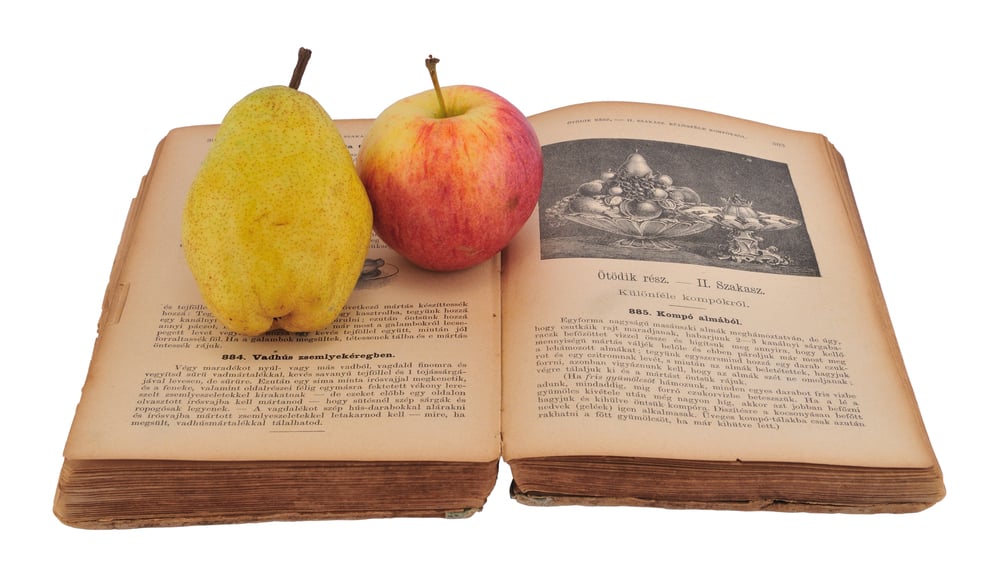
The world’s first printed cookbook hit the shelves in 1474, just 19 years after the Gutenberg Bible. Written in Latin by Italian author Bartolomeo Platina, De honesta voluptate et valetudine (On Right Pleasure and Good Health) combined recipes with health advice based on medieval medical theory.
The recipes themselves were actually borrowed from renowned Italian chef Maestro Martino of Como, whose work Platina incorporated into his book. Before this, cookbooks existed only as handwritten manuscripts accessible to wealthy households.
Like Go2Tutors’s content? Follow us on MSN.
Theatrum Orbis Terrarum

In 1570, Brabantian cartographer Abraham Ortelius published the first modern atlas, Theatrum Orbis Terrarum. This collection of systematically arranged maps of uniform size set the standard for all atlases that followed.
The word ‘atlas’ in a geographical context actually dates from 1595 when Flemish geographer Gerardus Mercator published his own work and gave the term its modern meaning. Ortelius’s atlas made geographic knowledge accessible in a way that had never been possible before.
Relation aller Fürnemmen und gedenckwürdigen Historien

German publisher Johann Carolus created the world’s first newspaper in 1605 in Strasbourg. Called Relation aller Fürnemmen und gedenckwürdigen Historien (Account of all Distinguished and Commemorable Stories), it was recognized by the World Association of Newspapers as the first true newspaper.
Carolus had previously prepared handwritten news reports for wealthy customers, but he purchased a printing press to speed up the process and reach more readers. The shift from manuscript to print transformed how information spread across Europe.
Don Quixote
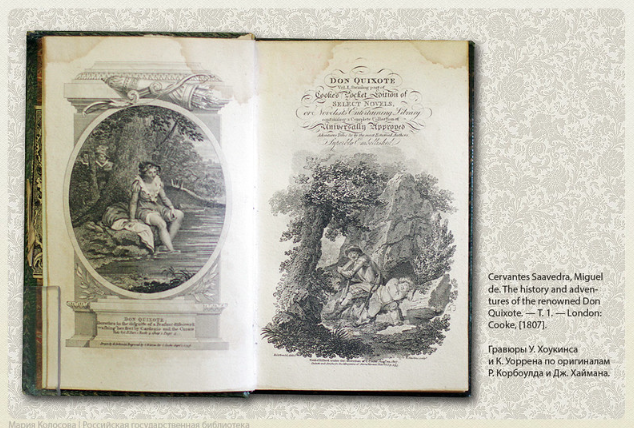
When Miguel de Cervantes published El ingenioso hidalgo Don Quixote de la Mancha in 1605, he created what many consider the first modern novel. The book was an immediate sensation—by 1608, seven editions had been printed.
The story of a nobleman who loses his mind reading chivalric romances and decides to become a knight-errant became a founding work of Western literature. The novel’s innovative narrative techniques and character development set a template that writers still follow today.
Like Go2Tutors’s content? Follow us on MSN.
A Table Alphabeticall
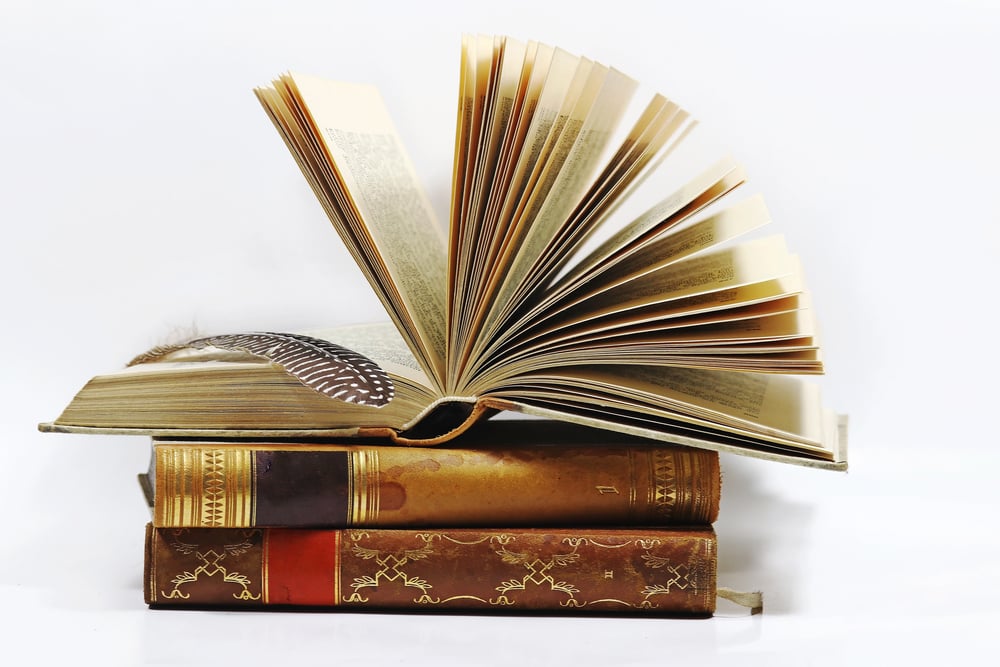
Robert Cawdrey’s A table alphabeticall, published in 1604, is generally regarded as the first genuine dictionary in English. The full title promised to help ‘ladies, gentlewomen, or any other unskillful persons’ understand hard English words borrowed from Hebrew, Greek, Latin, or French.
Before this, English speakers had no comprehensive reference for their own language, though Latin-English dictionaries existed. Cawdrey’s work opened the door for English to be studied and standardized as a language in its own right.
Orbis Sensualium Pictus

Czech philosopher and teacher John Comenius published the first children’s picture book, Orbis Sensualium Pictus (The World of Things Obvious to the Senses Drawn in Pictures), in 1658. It contained 150 illustrations designed to help young readers define objects and animals, understand theological concepts, and identify trades.
Before this revolutionary book, the idea of creating illustrated educational materials specifically for children was virtually unheard of.
Encyclopaedia Britannica

The Encyclopaedia Britannica, first published between 1768 and 1771 in Edinburgh, became the oldest English-language general encyclopedia. It was printed in serial installments and came together to form three volumes.
The first edition began appearing in December 1768, promising ‘Accurate Definitions and Explanations’ compiled ‘upon a New Plan.’ While earlier encyclopedic works existed, Britannica became the model for comprehensive, alphabetically organized reference works in English.
Like Go2Tutors’s content? Follow us on MSN.
Adventures of Obadiah Oldbuck
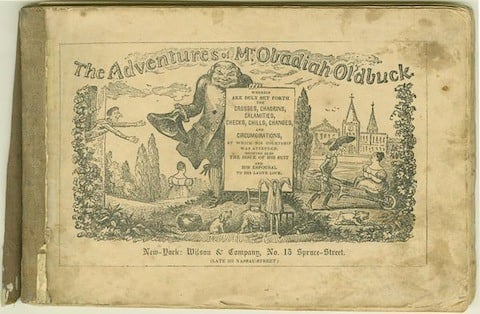
Most historians now recognize Histoire de M. Vieux Bois by Swiss caricaturist Rodolphe Töpffer as the first comic book. Originally published in Geneva in 1837, it appeared in America in 1842 as The Adventures of Obadiah Oldbuck.
The American edition, printed on September 14, 1842, made it the first comic book printed in America. It was 40 pages long and contained 6 to 12 panels per page with text under each panel describing the story.
This format would eventually evolve into the comic books we know today.
The Pencil of Nature

— Photo by Dimatague
William Henry Fox Talbot published The Pencil of Nature in 1844, creating the first commercially published book illustrated with photographs. Released in six installments between 1844 and 1846, it contained 24 photographic plates demonstrating the potential of Talbot’s new calotype process. Each photograph came with explanatory text proposing applications for photography that included reproducing rare prints, recording portraits, inventorying possessions, and making art.
Despite being a commercial failure at the time, it changed the future of illustrated books forever.
Fasciculus Medicinae

Johannes de Ketham’s Fasciculus Medicinae, printed in Venice in 1500, was the first anatomy book printed with illustrations. The woodcut images were spectacular for their time, showing clear, well-proportioned anatomical details with plenty of blank space on each page.
While earlier medical texts existed, this was the first to successfully combine detailed medical text with anatomical illustrations in a printed format. It made medical knowledge visual and accessible in ways manuscript copies never could.
Like Go2Tutors’s content? Follow us on MSN.
De Humani Corporis Fabrica
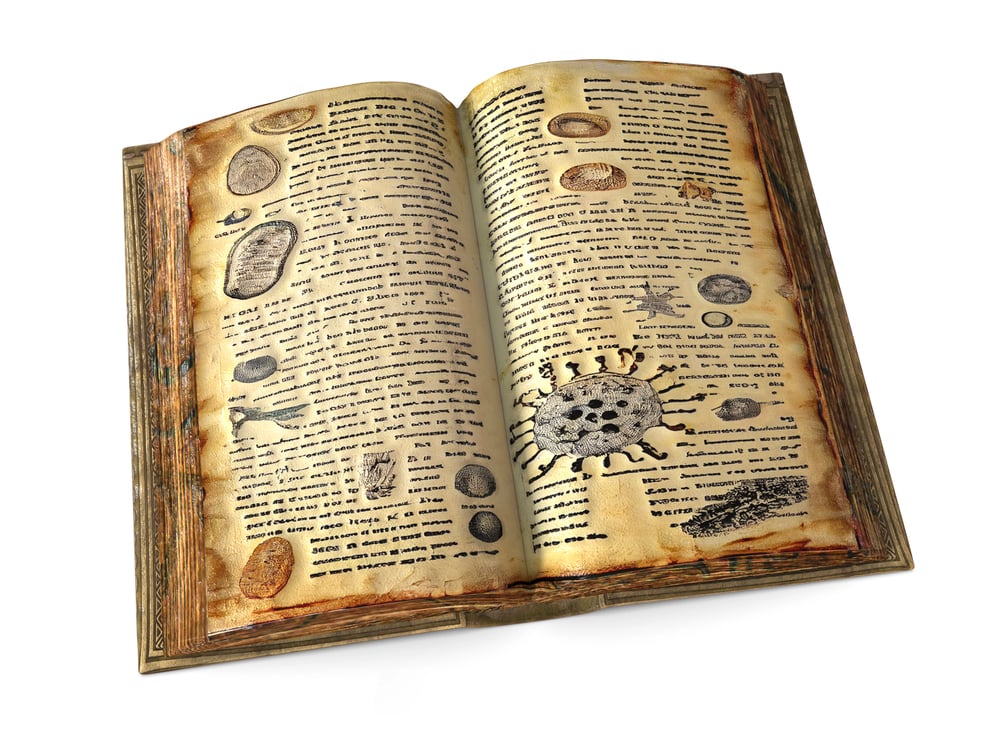
Andreas Vesalius published De Humani Corporis Fabrica in Basel in 1543, creating what’s considered the first ‘modern’ medical book that emphasized clinical observation over dependence on ancient texts. Vesalius’s groundbreaking approach made anatomy a central subject in medical schools, and even today, first-year medical students dissect cadavers as a result of his influence.
The book represented a paradigm shift in how science was practiced and documented.
Biblia pauperum
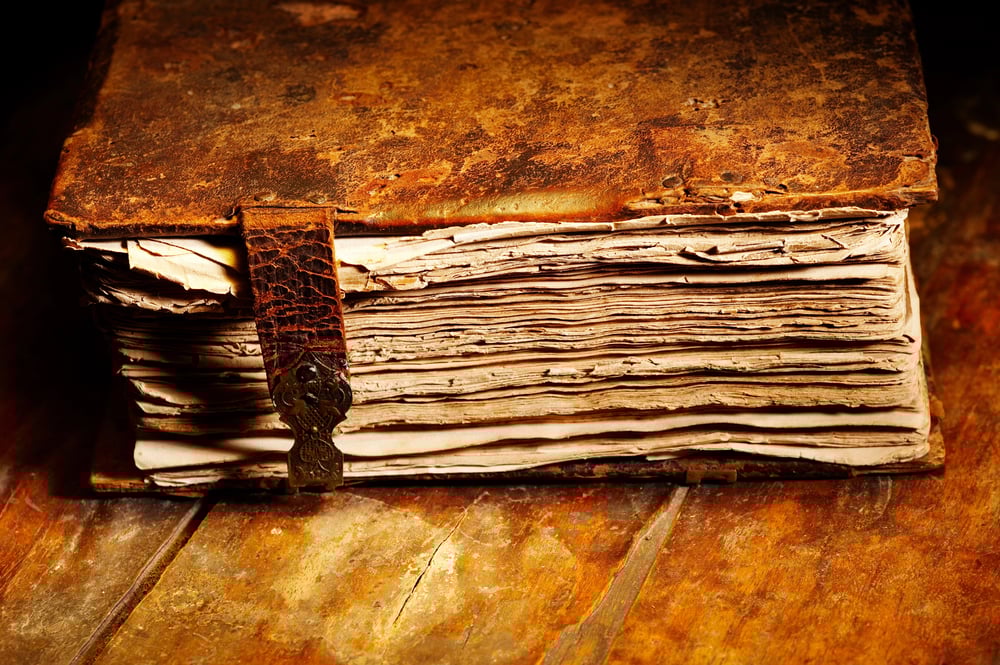
Printer Albrecht Pfister published the first illustrated Bible around 1462-1463 in Bamberg. Of his three editions of the Biblia pauperum (Paupers’ Bible), two were in German and one in Latin.
Before appearing in print, the Paupers’ Bible had been incredibly popular as a blockbook—a book where each page was carved from a single wooden block. Pfister’s work demonstrated that religious texts could be mass-produced with illustrations, making scripture accessible to those who couldn’t afford expensive manuscript Bibles.
The Bay Psalm Book
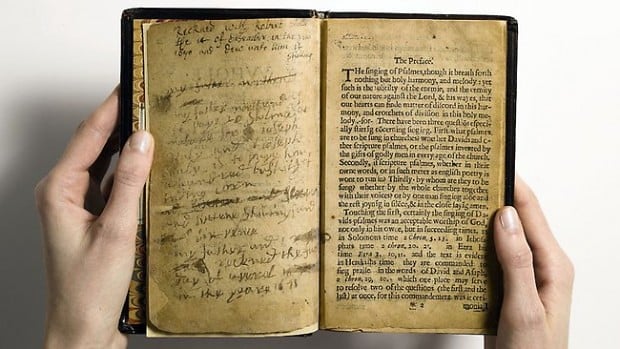
In colonial America, one of the first texts printed was The Whole Booke of Psalmes Faithfully Translated into English Metre, alternatively known as The Bay Psalm Book, printed in 1640. This made it the first book printed in British North America.
The printing press had only arrived in the colonies two decades earlier, and religious texts like this were among the first priorities for the new technology. It represented the beginning of American book publishing.
Like Go2Tutors’s content? Follow us on MSN.
First Almanac
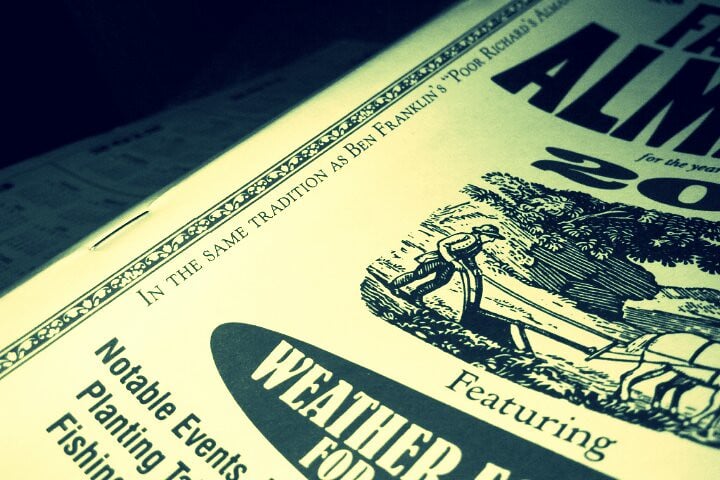
The first printed almanac appeared in the mid-15th century, containing a calendar along with astronomical phenomena, weather predictions, and seasonal suggestions for farmers. These practical books became essential household items, offering everything from planting schedules to medicinal advice.
Almanacs represented one of the earliest forms of mass-market publishing, bringing useful information to ordinary people at affordable prices. Benjamin Franklin’s Poor Richard’s Almanack would later become one of the most famous examples of this enduring genre.
Looking Back, Moving Forward

These groundbreaking books didn’t just fill a gap—they created entirely new ways of organizing and sharing human knowledge. From Gutenberg’s Bible to Talbot’s photographs, each innovation built upon the last, transforming how we learn, communicate, and understand our world.
The printing press democratized information in ways that medieval scribes could never have imagined, and these first books showed just how powerful that democratization could be.
More from Go2Tutors!

- 16 Historical Figures Who Were Nothing Like You Think
- 12 Things Sold in the 80s That Are Now Illegal
- 15 VHS Tapes That Could Be Worth Thousands
- 17 Historical “What Ifs” That Would Have Changed Everything
- 18 TV Shows That Vanished Without a Finale
Like Go2Tutors’s content? Follow us on MSN.