25 Strange Holiday Dishes Only Southerners Serve
A Southern holiday table rarely explains itself. The turkey looks familiar enough, but it shares space with a quivering red ring of aspic, oranges buried in coconut, and a pot of peas that supposedly controls next year’s bank balance.
Most of these dishes arrive with a rule attached, whether it is the number of greens in the pot or the humidity on candy day. Outsiders tend to ask what they are eating. Southerners tend to answer with who made it first.
Hoppin’ John on New Year’s Day
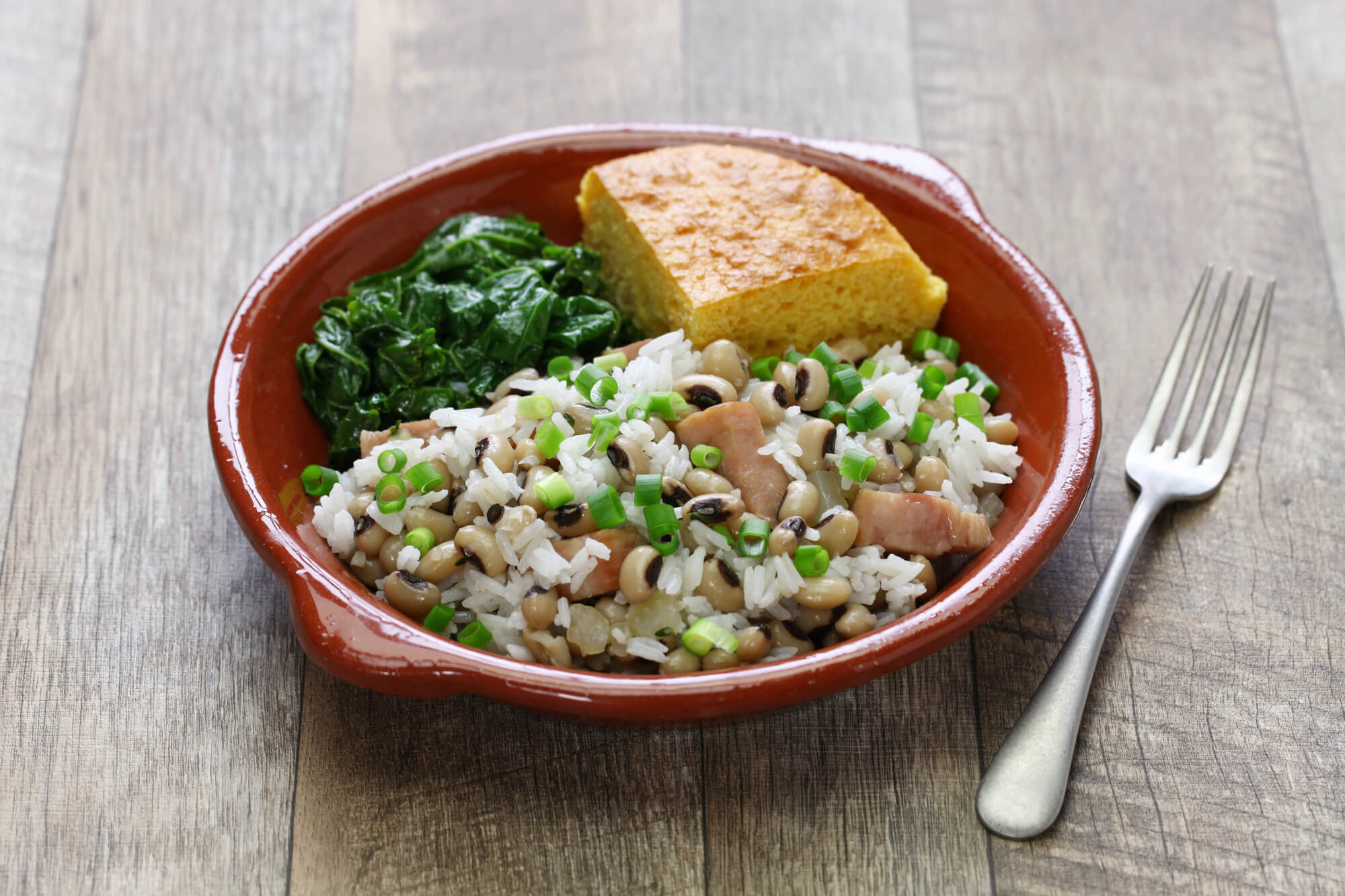
Black-eyed peas simmered with rice and a piece of smoked pork are the standard New Year’s Day plate across the South, and the peas come with a job description. Each one supposedly represents a coin, so a full bowl promises a prosperous year.
Some families drop a real dime into the pot or tuck one under a plate, and the diner who finds it gets the best luck of the group. The dish is tied to the Lowcountry of South Carolina, where rice growing and West African cooking shaped it.
Leftovers served the next day get their own name in some kitchens, Skippin’ Jenny, and eating them is said to stretch the luck even further.
Collard Greens as Folding Money
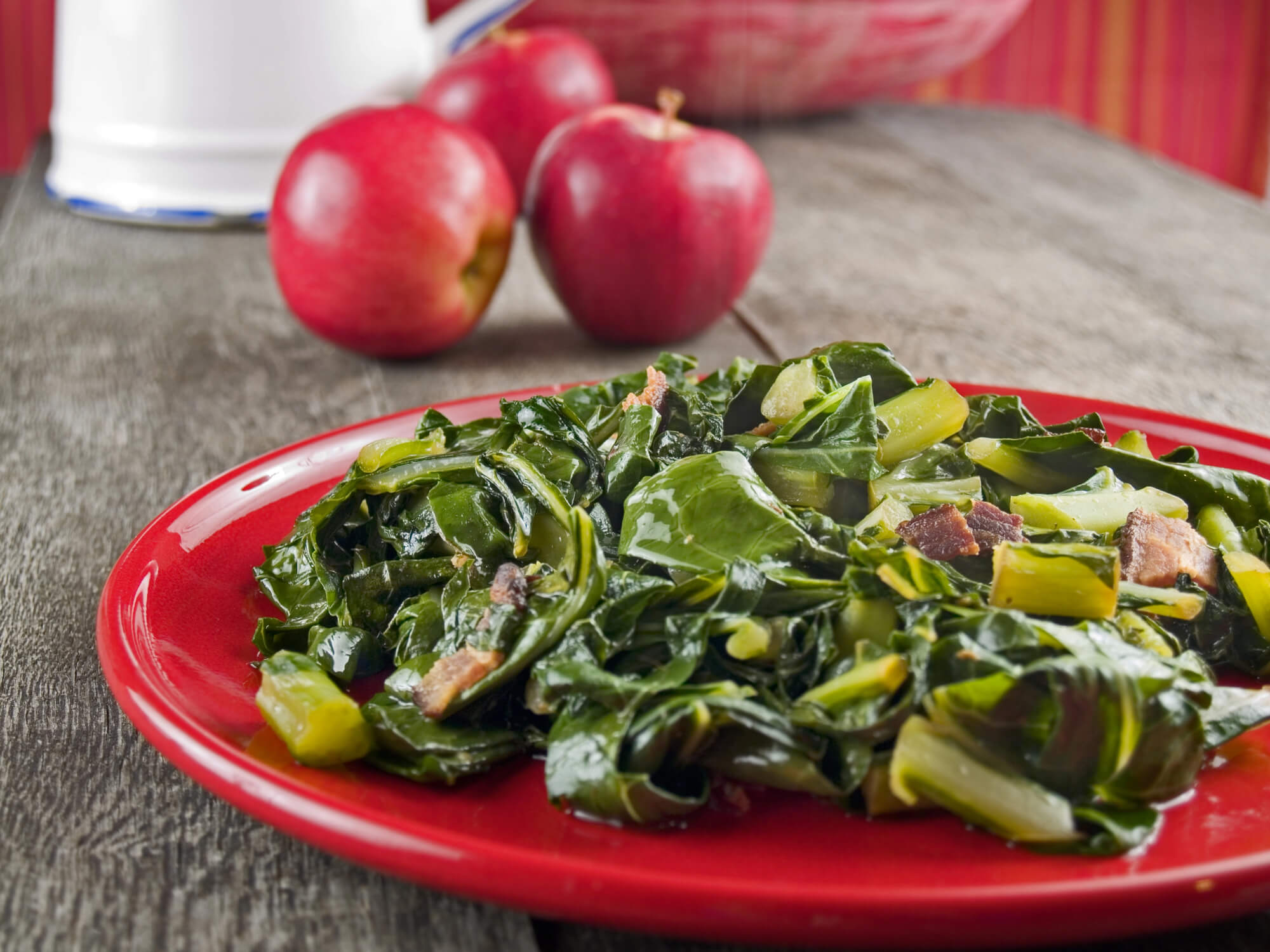
Collards cooked low with ham hock or fatback sit beside the peas on January 1, and the logic behind them is simple: green leaves look like paper money. Southern cooks simmer them for an hour or more, until the potlikker, the broth left in the pot, is worth drinking by itself.
That broth gets sopped up with cornbread, which some families say represents gold. Cabbage takes the place of collards in parts of the region, and turnip or mustard greens appear where they grow better.
Few people outside the South expect a pot of greens to carry financial predictions, which is part of the fun of serving them to a visitor.
Hog Jowl for the First Meal of the Year
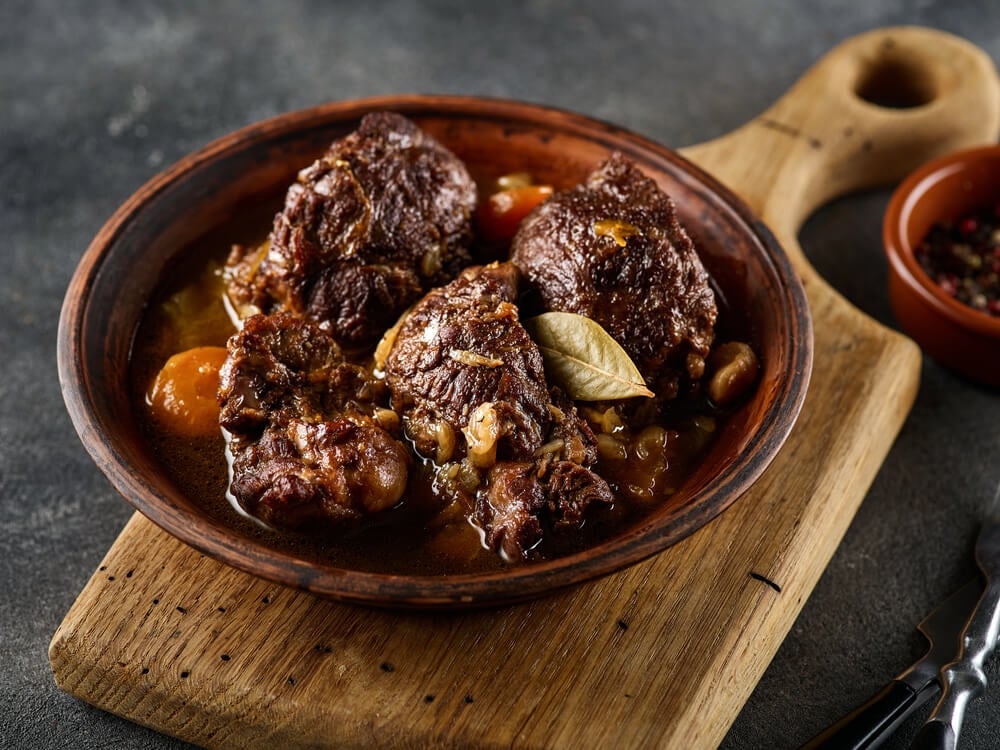
Hog jowl, the cured and smoked cheek of a pig, is sliced and fried like thick bacon on New Year’s Day across much of the South. Folk belief holds that pigs root forward with their snouts while chickens scratch backward, which made pork the sensible choice for a fresh year.
Jowl is fattier and chewier than belly bacon, with a deeper smoke flavor that seasons everything it touches. Grocery stores in Georgia, Tennessee and the Carolinas stock extra jowl in late December, and the shelves are often bare by New Year’s Eve.
Cooks who skip frying it simply drop a few slices into the pot of peas.
Ambrosia in the Cut-Glass Bowl
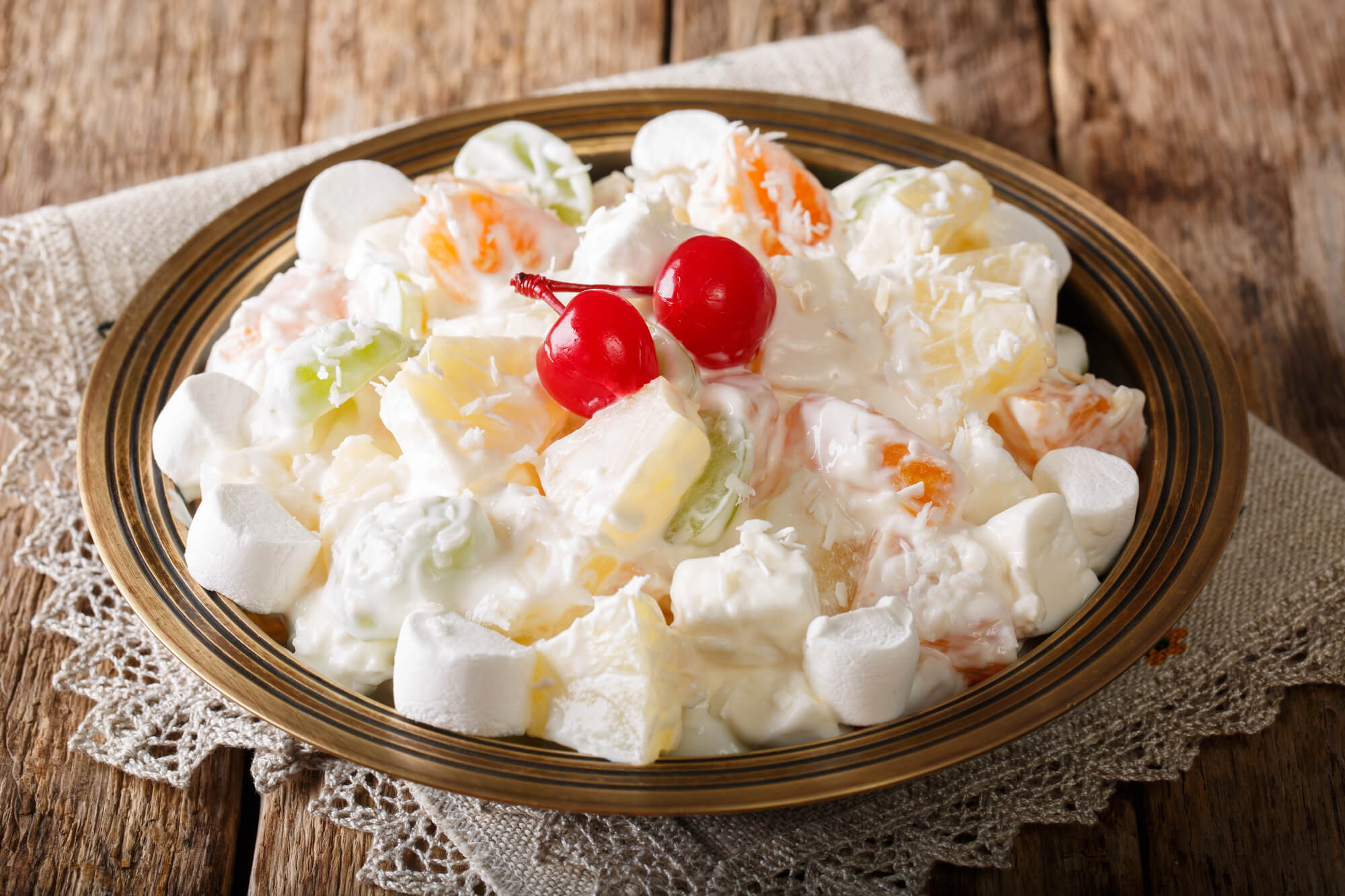
Ambrosia began as a simple layered dish of sliced oranges, grated fresh coconut and sugar, served at Christmas when citrus was a luxury shipped up from Florida. Older Southern cookbooks treat it almost as a ritual, and some cooks insisted that every membrane be removed from the orange sections by hand.
Later generations added pineapple, maraschino cherries, miniature marshmallows and sour cream, which purists regard as vandalism. The dish usually appears in a cut-glass bowl that comes out of the cabinet once a year.
Family arguments over which version counts as correct can easily run longer than the meal itself.
Tomato Aspic With a Dollop of Mayonnaise
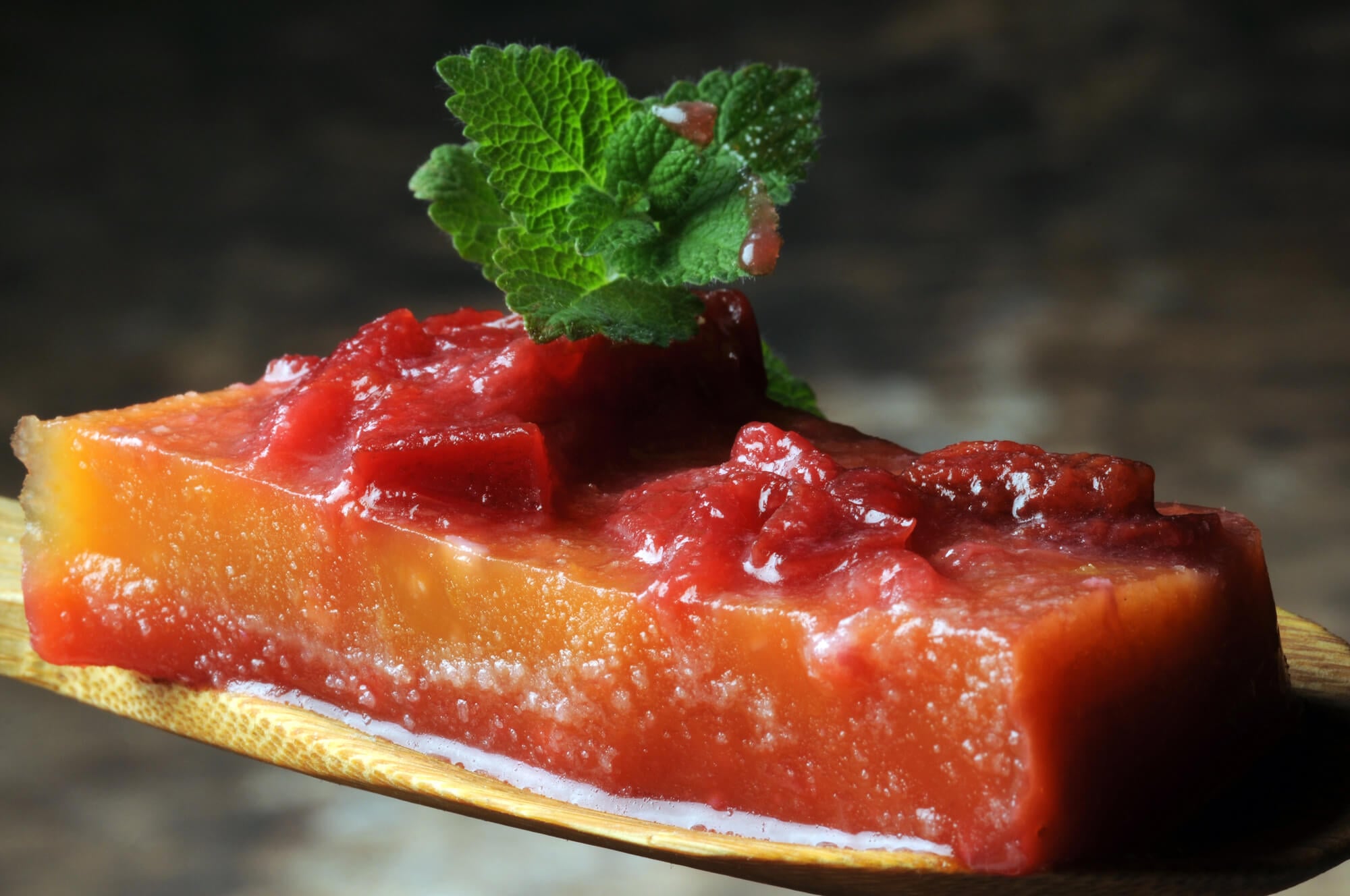
Tomato aspic is tomato juice set firm with gelatin, seasoned with celery, onion, lemon and sometimes Worcestershire, then turned out of a ring mold onto lettuce. Deep South hostesses served it at Thanksgiving, Christmas luncheons and bridal teas, and plenty still do.
The classic topping is a spoonful of mayonnaise, occasionally homemade and sometimes sharpened with horseradish. The texture baffles newcomers, who expect something sweet from a wobbling red ring and get something closer to a cold Bloody Mary.
Some versions suspend shrimp, olives or artichoke hearts inside the gelatin, which turns the mold into a kind of edible display case.
Pear Salad With Mayonnaise and Cheddar
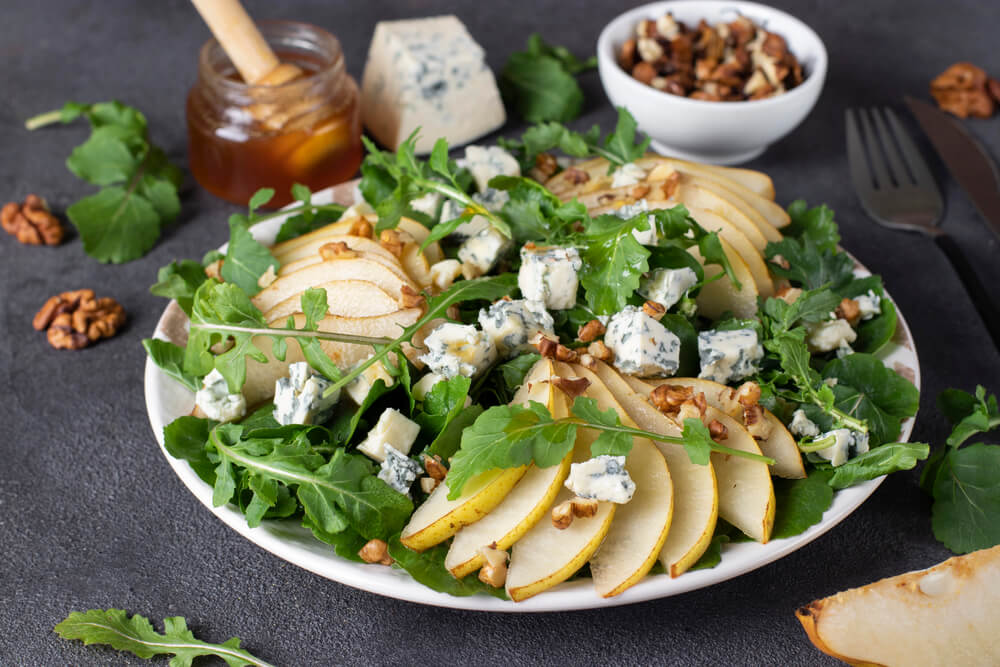
Canned pear halves set cut-side up on iceberg lettuce, a dab of mayonnaise in the hollow, a shake of shredded cheddar and a maraschino cherry on top make up the holiday pear salad that confuses nearly everyone north of Virginia. It appears at Easter dinners, Thanksgiving buffets and church homecomings throughout the South.
The mix of syrupy fruit, tangy dressing and sharp cheese sounds like a dare, yet it has survived for generations, partly because children are allowed to assemble it. Many cooks insist on Duke’s, the mayonnaise Eugenia Duke began selling in Greenville, South Carolina, in 1917.
Every ingredient comes from the pantry, which made the salad dependable in winter.
Oyster Dressing on the Gulf Coast
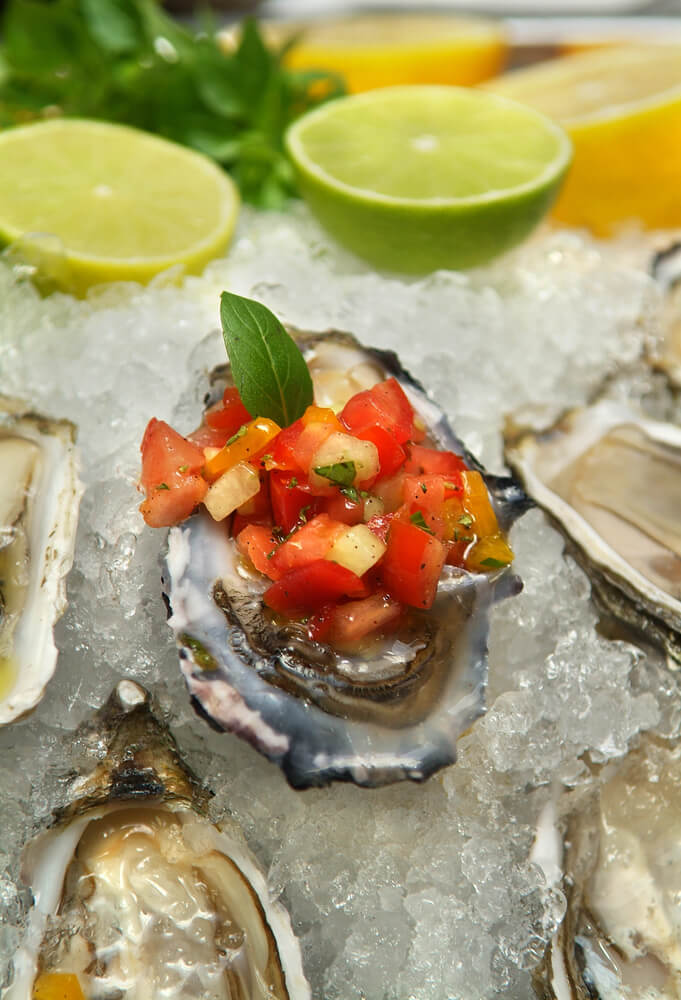
Along the Gulf Coast from Mobile to New Orleans, Thanksgiving dressing often includes shucked oysters folded into cornbread or French bread along with celery, onion and bell pepper, the trio Louisiana cooks call the holy trinity. The oysters and their liquor, the briny juice from the shell, go in near the end so they stay tender.
Oysters are at their best in the colder months, which lined up neatly with the holiday calendar long before refrigerated trucks. Southerners also insist on calling it dressing rather than stuffing, because it bakes in a pan instead of inside the bird.
Inland guests usually approach it cautiously, then return for seconds.
Giblet Gravy With Chopped Boiled Egg
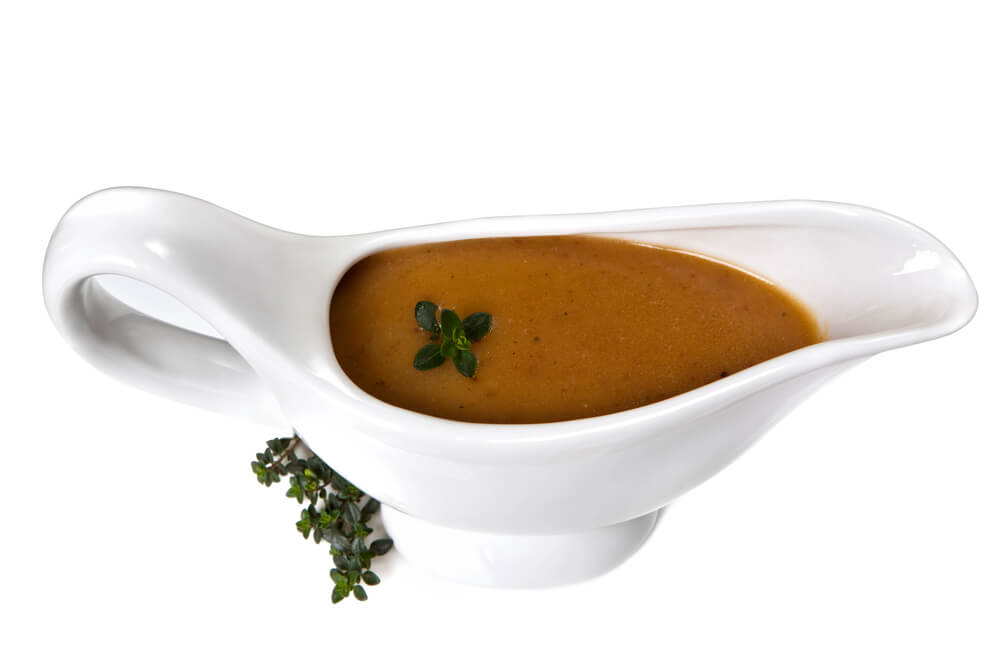
Southern giblet gravy is made from the turkey’s neck, heart, gizzard and liver, simmered into a stock and thickened with pan drippings and flour. The surprise comes at the end, when chopped hard-boiled egg is stirred right into the gravy boat.
Guests from other regions often assume something went wrong in the kitchen. The egg probably began as a way to stretch the gravy for a crowded table, and it adds body along with a mild richness.
Many families now keep one bowl with egg and one without, a truce that shows how seriously the dish is taken. Few other holiday sauces require diplomacy.
Chitlins on the Stove All Day
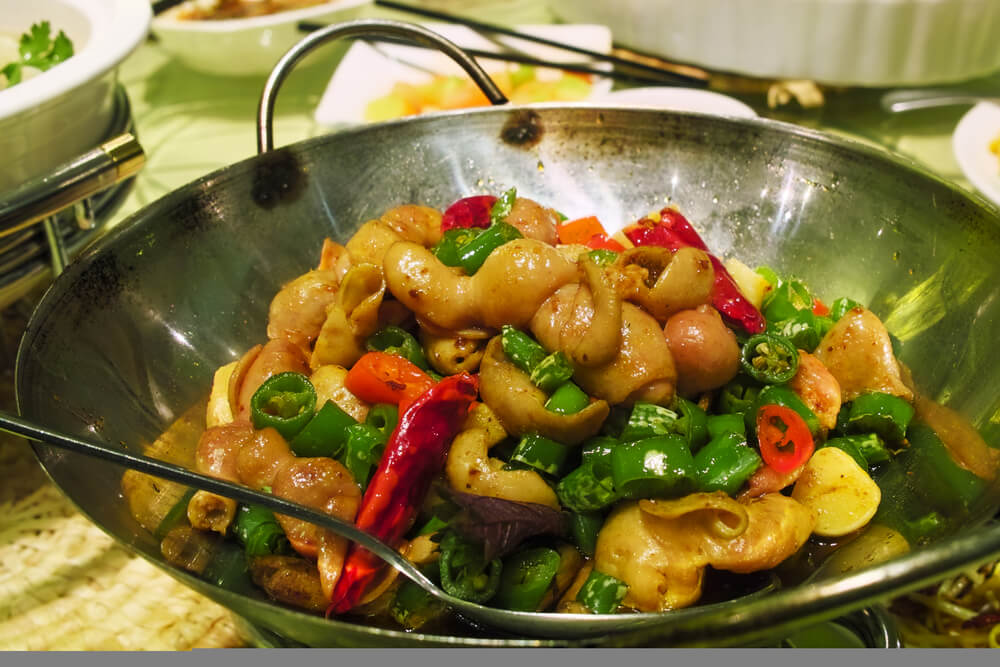
Chitterlings, usually called chitlins, are cleaned pig intestines boiled for hours with onion, vinegar and hot pepper, and they remain a Christmas and New Year’s tradition in many Black Southern households. The dish is commonly traced to the era of slavery, when enslaved cooks turned the cast-off parts of the hog into something worth eating.
Cleaning them properly takes hours of rinsing and trimming, so the job is often shared among relatives. The smell during cooking is famous enough that some cooks drop a potato into the pot or move the operation to a porch burner.
Frozen, pre-cleaned buckets now fill Southern supermarket freezers every December.
Boiled Custard by the Glass
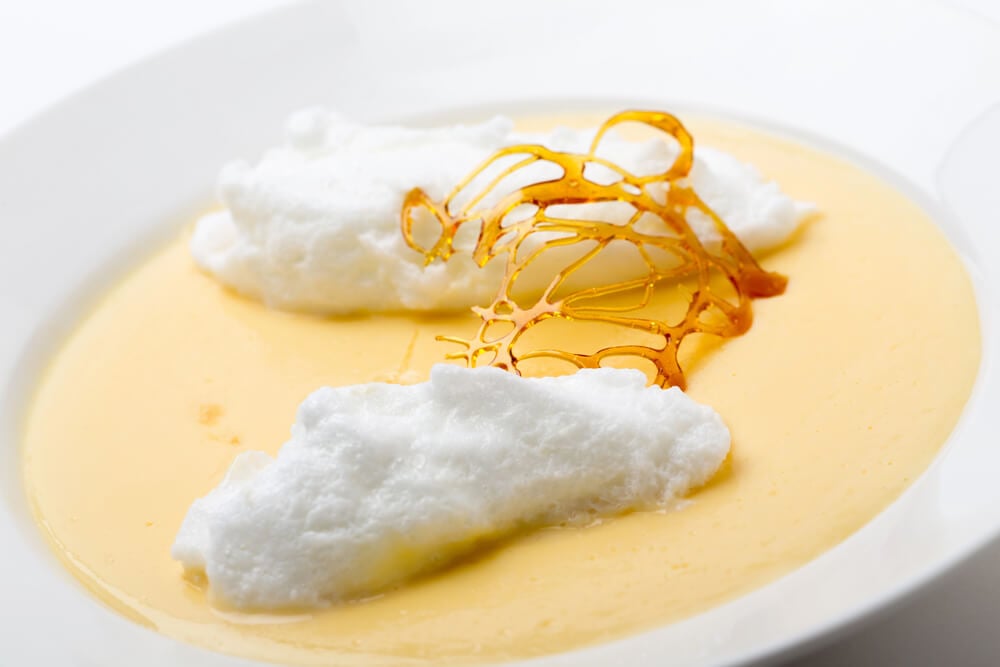
Boiled custard is the upper South’s holiday drink, especially in Tennessee and Kentucky, and it is thinner than pudding but thicker than eggnog. Milk, eggs, sugar and vanilla are cooked gently until the mixture coats a spoon, then chilled and poured into cups.
Despite the name, letting it actually boil ruins it, because the eggs scramble. Purity Dairies in Nashville sells it by the carton every winter, and some families serve it beside slices of pound cake or fruitcake.
Adults who want a stronger version add bourbon at the table rather than in the pot, which keeps the children’s cups safe.
Japanese Fruitcake With No Connection to Japan
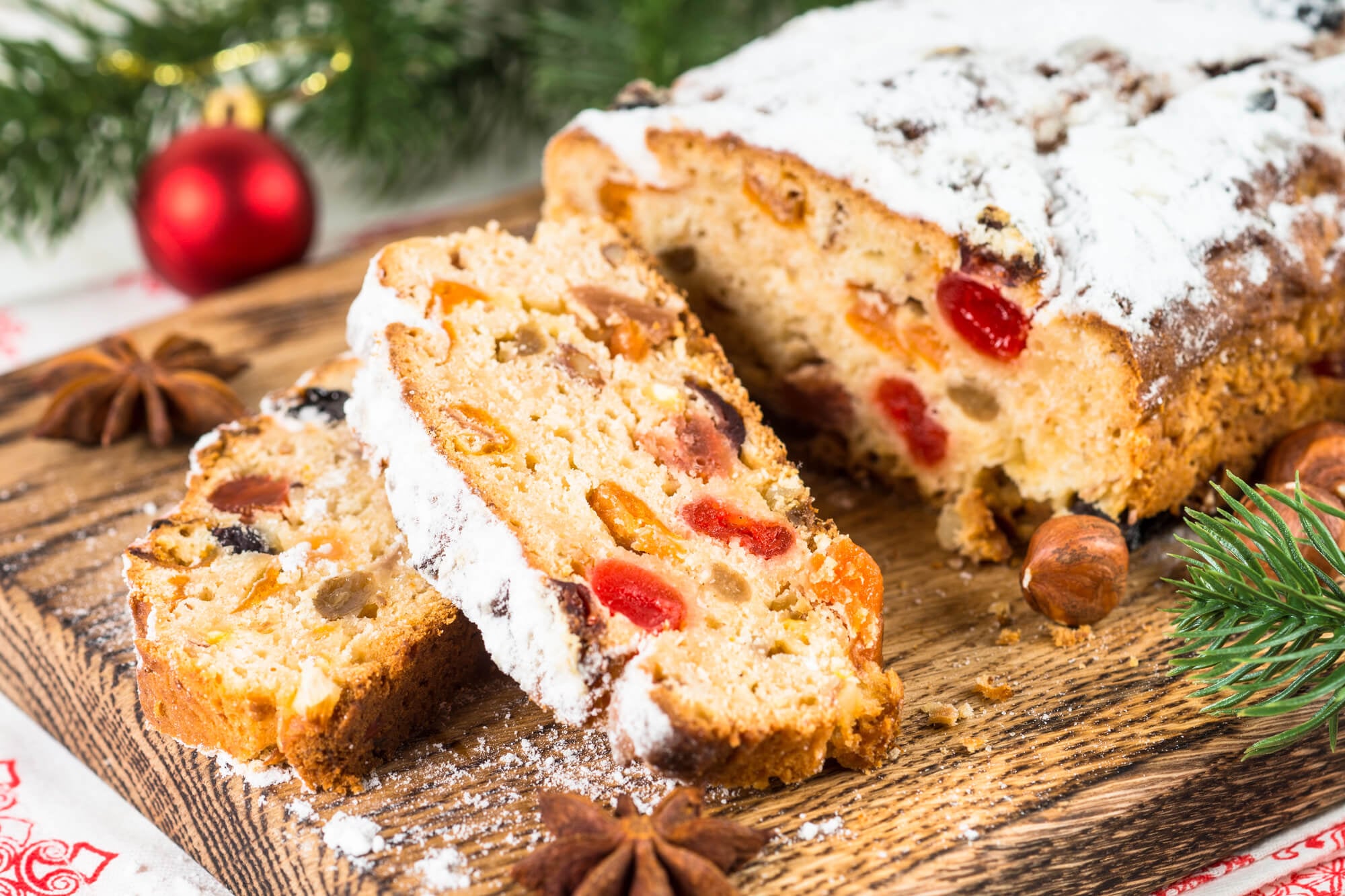
Japanese fruitcake is a Southern layer cake in which some layers are spiced and studded with raisins and nuts, and the filling is a cooked mixture of coconut, lemon and orange. Recipes for it appear in Southern cookbooks from the early 1900s, and nobody has convincingly explained the name, although theories point to the era’s fondness for anything that sounded exotic.
The cake keeps well for days, which made it practical during the Christmas visiting season. It looks nothing like the dense, dark fruitcake of holiday jokes.
Bakers who make it tend to guard the recipe, and many versions survive only as handwriting on index cards.
Lane Cake and Its Bourbon Filling
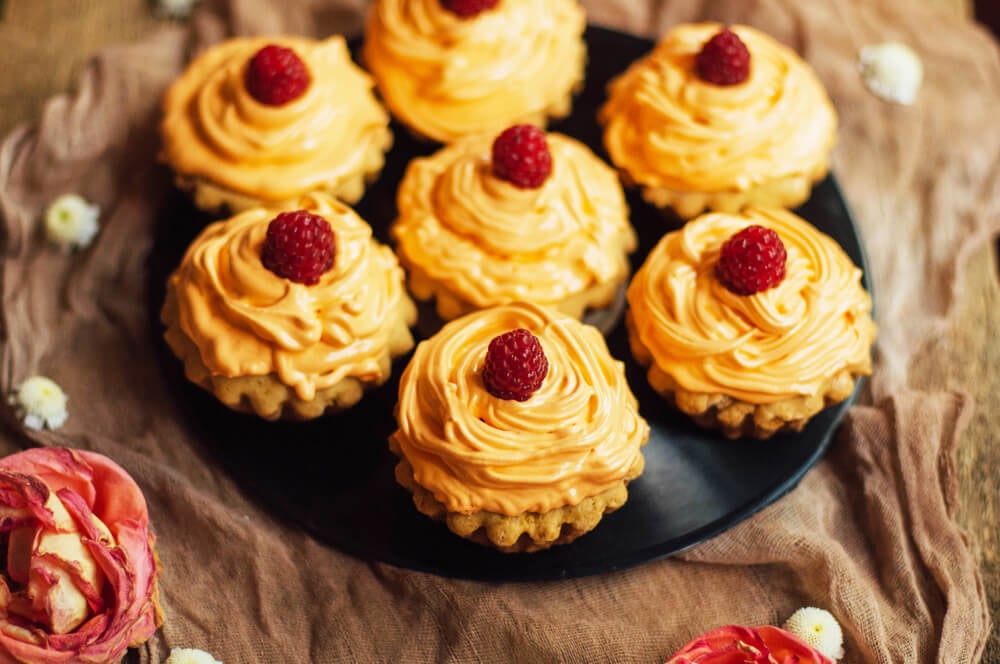
Lane cake is a white layer cake filled with a cooked mixture of egg yolks, butter, raisins, pecans, coconut and a generous pour of bourbon or brandy. Emma Rylander Lane of Clayton, Alabama, published the recipe in her 1898 cookbook, Some Good Things to Eat, after the cake won a prize at a fair in Columbus, Georgia.
It reached a far wider audience when Harper Lee mentioned it in To Kill a Mockingbird, where it arrives with a reputation for being strong. Alabama named it the official state cake in 2016.
Making one takes most of a day, so it is saved for Christmas and milestone occasions.
Lady Baltimore Cake From Charleston
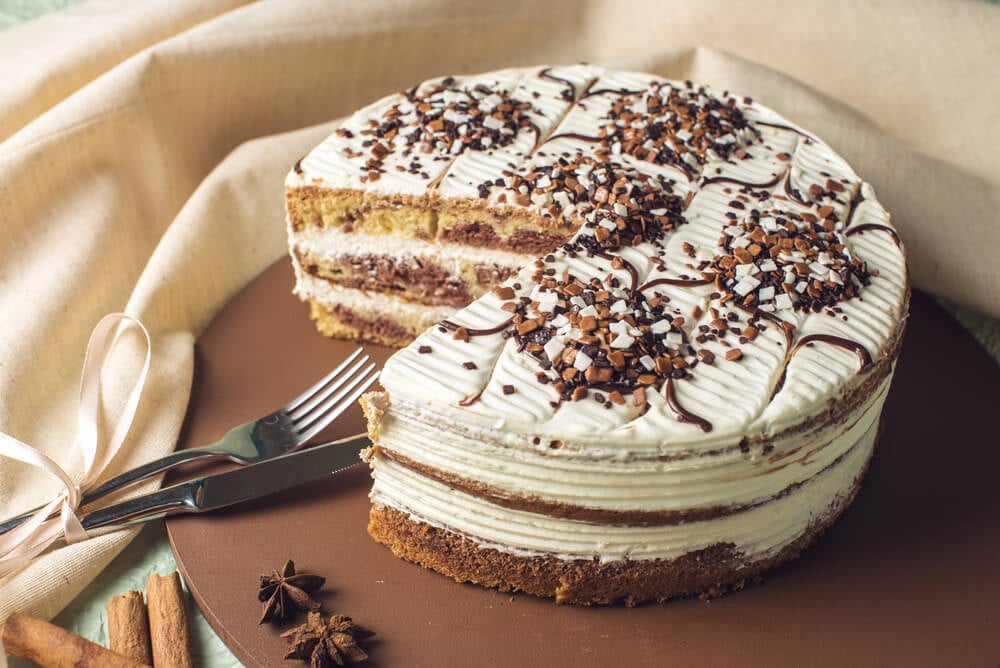
Lady Baltimore cake is a tall white cake frosted with boiled icing and filled with chopped figs, raisins and pecans. It is linked to Charleston, South Carolina, where a tearoom became known for it, and the name spread after Owen Wister’s 1906 novel Lady Baltimore described the cake in loving detail.
The book’s popularity sent readers hunting for the recipe, and Southern hostesses adopted it for holidays and weddings. The fig filling is what separates it from an ordinary white cake.
Outsiders are often surprised to learn that a dessert owes its fame to a romance novel written by the author of The Virginian.
Cheese Straws in Every Tin
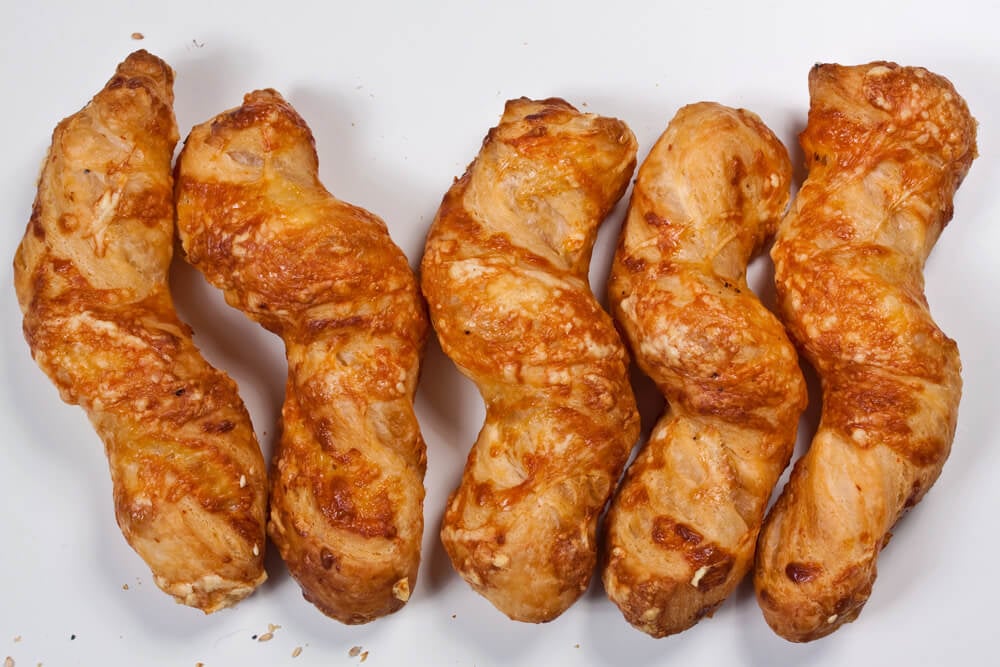
Cheese straws are thin, crisp strips of sharp cheddar, butter, flour and cayenne, piped through a cookie press into ridged ribbons and baked. They are the South’s default Christmas gift, packed into tins and delivered to neighbors, teachers and the mail carrier.
Outsiders expect a cookie and get a savory snack with a slow cayenne heat instead. Old cookie presses are passed down like heirlooms, and many cooks swear only one particular press makes the right ridges.
Commercial versions, including those from the Mississippi Cheese Straw Factory in Yazoo City, sell heavily in December, but a homemade tin still counts as the higher compliment.
Country Ham With Red-Eye Gravy
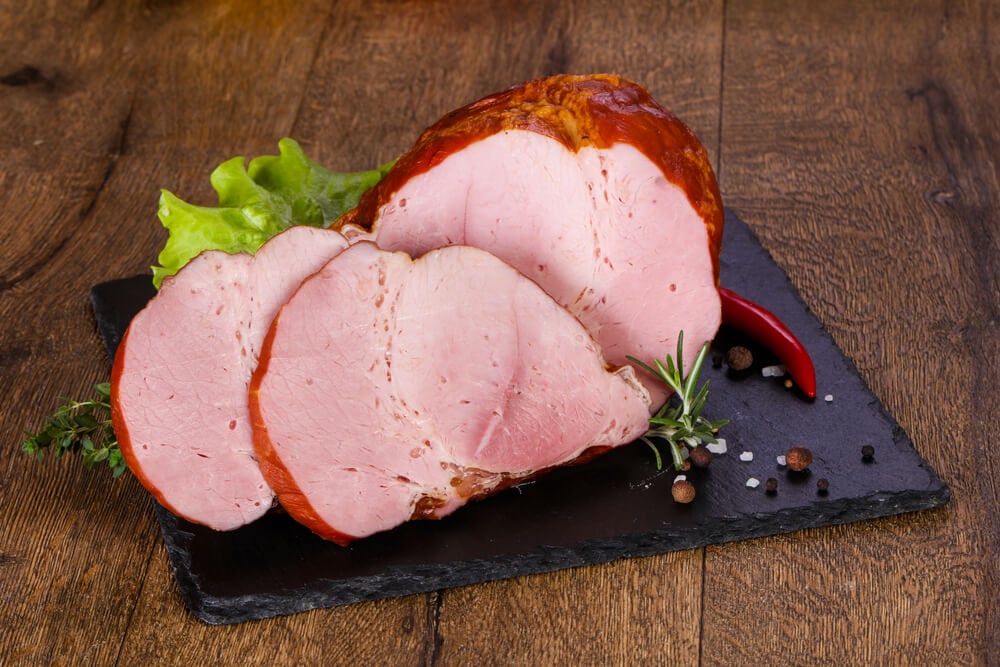
Christmas breakfast in much of the South features salt-cured country ham fried in a cast-iron skillet, with red-eye gravy made by deglazing the pan with black coffee. The gravy is thin, salty and dark, and the droplets of fat floating in the center are said to resemble a red eye.
Country ham is dry-cured for months and is far saltier than the pink spiral ham sold elsewhere, which catches first-time eaters off guard. Producers such as Benton’s in Madisonville, Tennessee, have made the style famous among chefs.
Biscuits or grits soak up the gravy, since nobody drinks it straight.
Beaten Biscuits With Thin-Sliced Ham
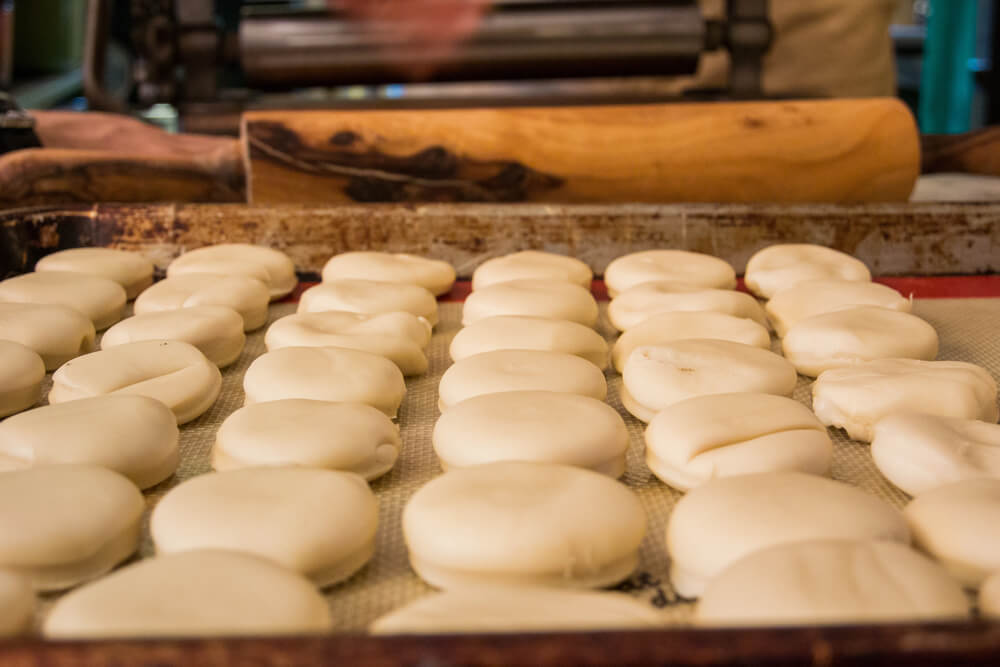
Beaten biscuits are small, hard, pale biscuits made without leavening, and the dough was traditionally pounded with a mallet or the flat of an axe for half an hour or more. The beating works air into the dough and gives the biscuits a crisp, almost cracker-like texture.
Maryland and Kentucky both claim them, and they are split and filled with paper-thin country ham at Christmas parties. Hand-cranked machines called biscuit brakes, fitted with heavy rollers, were sold in the 1800s to spare cooks the pounding.
First-time eaters expect something fluffy and find something closer to a crunchy wafer.
Turducken From Cajun Country
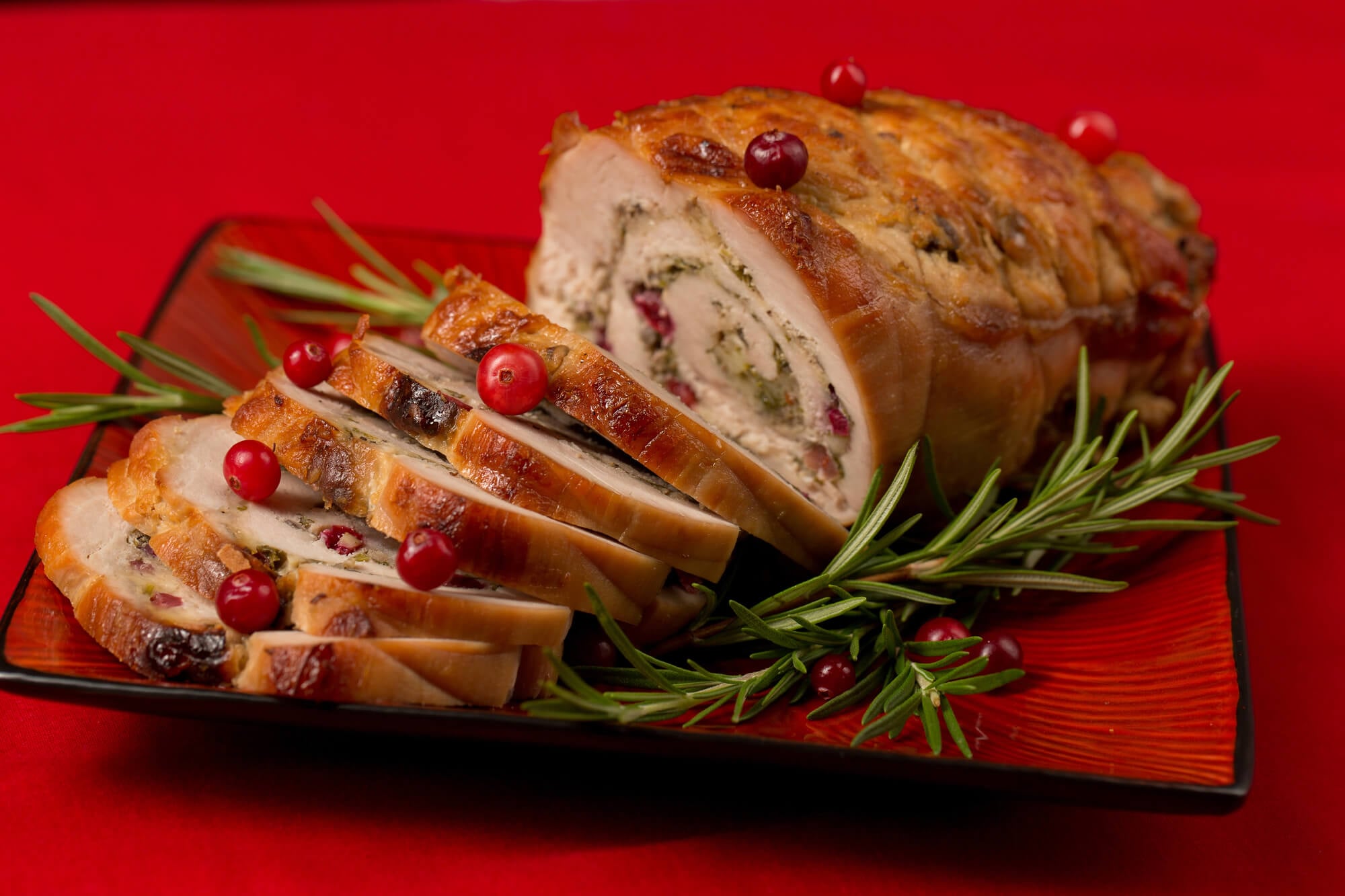
A turducken is a deboned turkey stuffed with a deboned duck, which is stuffed with a deboned chicken, with layers of dressing in between. Chef Paul Prudhomme trademarked the name in 1986 and said he had created the dish years earlier, while Hebert’s Specialty Meats in Maurice, Louisiana, says it made its first in 1985 for a customer who brought in his own birds.
The dish won national attention when sportscaster John Madden praised it during Thanksgiving broadcasts. Carved crosswise, it reveals a striped cross-section of three meats.
Louisiana butchers now ship them frozen all over the country each November.
Deep-Fried Turkey in the Driveway
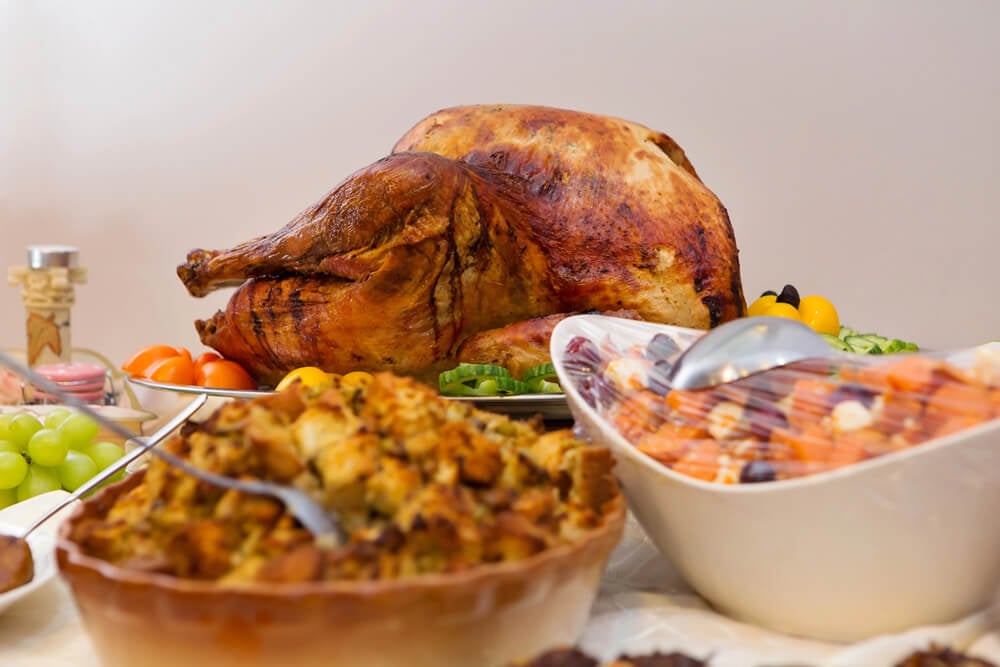
Frying an entire turkey in a tall pot of hot peanut oil is a Cajun custom that spread across the South and then the rest of the country. The bird cooks in roughly three to four minutes per pound, with crackling skin and surprisingly moist meat.
The setup requires a propane burner and a large stockpot, so the cooking happens outdoors, often in the driveway. Fire departments issue warnings every November, because a partially frozen bird or an overfilled pot can send burning oil over the side.
Experienced fryers measure the right oil level beforehand by lowering the raw turkey into a pot of water.
Gumbo z’Herbes on Holy Thursday
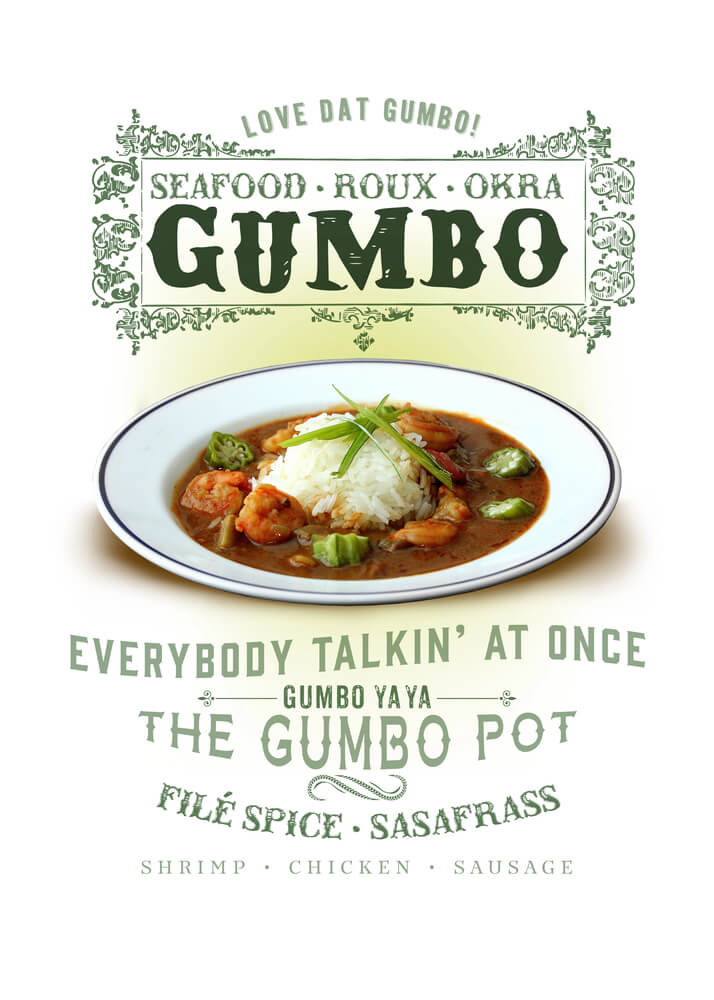
Gumbo z’herbes is a green gumbo made from a large mix of greens such as collards, mustard, turnip tops, spinach, beet tops and watercress, simmered with sausage, ham and brisket. It is a Creole Catholic tradition for Holy Thursday, the last big meal before the Good Friday fast.
Dooky Chase’s Restaurant in New Orleans, long run by chef Leah Chase, has served it on that day for decades. Chase insisted the greens come in an odd number for luck, and tradition says each green in the pot brings a new friend in the year ahead.
Tables fill quickly, and many diners treat the meal as an annual appointment.
Moravian Lovefeast Buns and Coffee
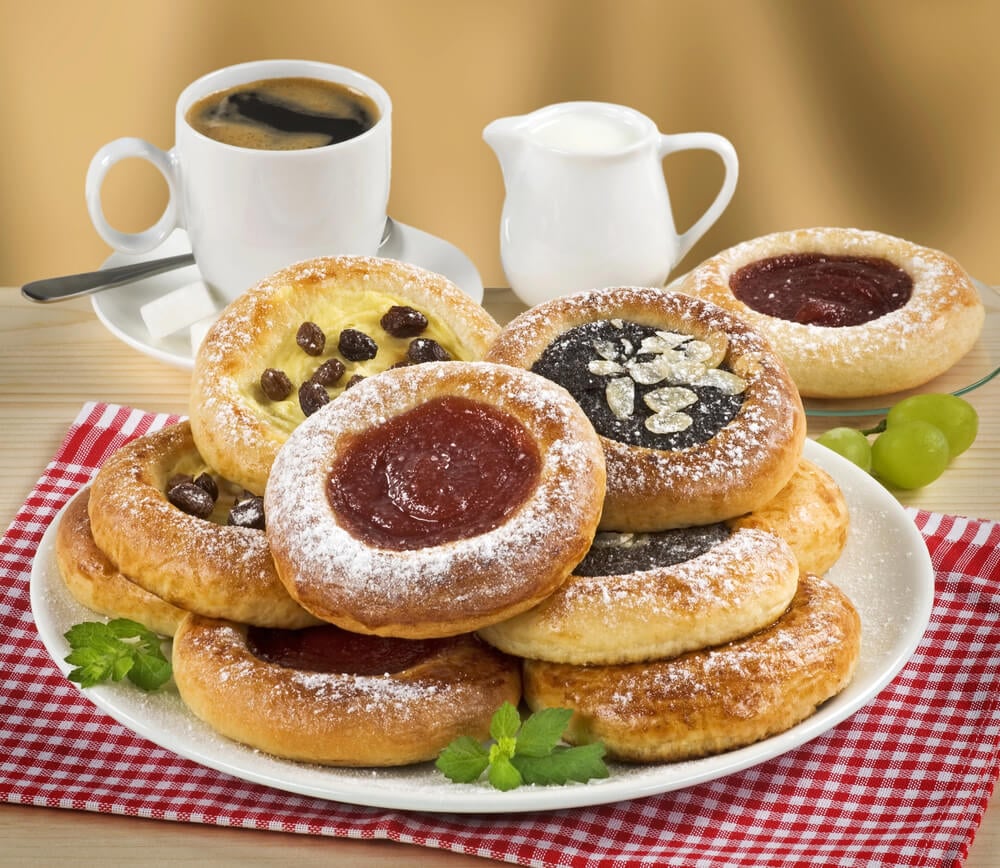
In Winston-Salem, North Carolina, Moravian congregations hold a Christmas Eve lovefeast in which sweetened coffee and soft, lightly sweet buns are passed down the pews and shared during the service. The custom came with the Moravian settlers who founded Salem in the 18th century.
Worshippers also hold beeswax candles trimmed with red paper frills. Local bakeries sell the buns along with the region’s other Moravian specialties, including paper-thin spice cookies and a yeast-raised sugar cake dotted with pools of butter and brown sugar.
Visitors are often surprised that a church service includes a snack, and that the snack is treated with such care.
Divinity Made Only on Dry Days
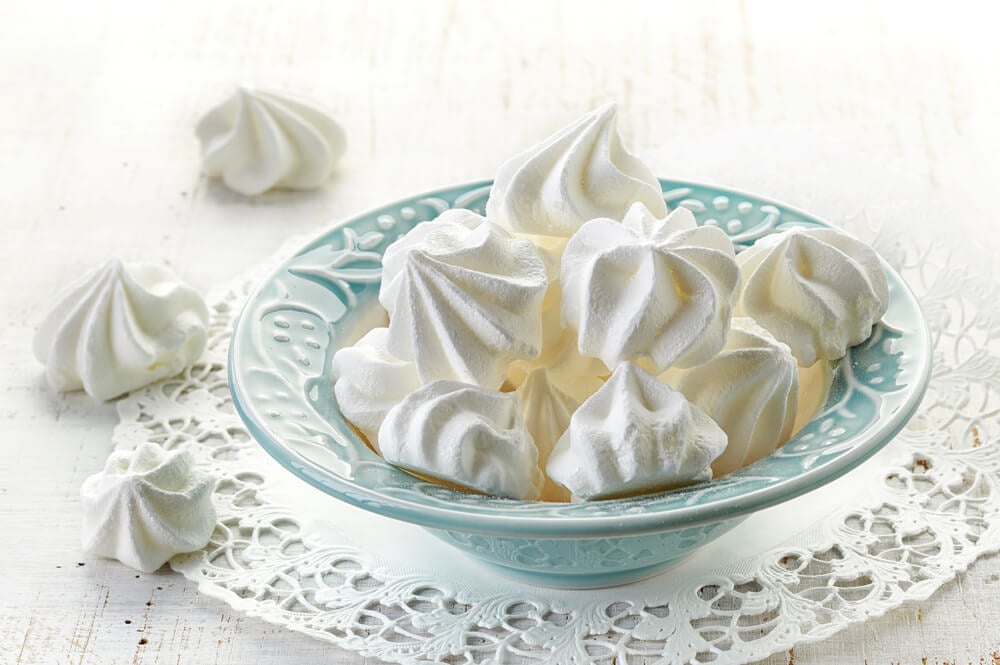
Divinity is a white, cloudlike candy made by beating hot sugar syrup into stiff egg whites, often with chopped pecans folded in at the end. It is a Christmas staple in Southern homes, and its most famous rule has nothing to do with ingredients: never make it on a humid or rainy day.
Moisture in the air keeps the candy from setting, leaving a sticky puddle instead of neat peaks. Older cooks check the forecast before planning a batch, and some refuse to try until a dry cold front passes through.
A stand mixer helps, since the beating once took long enough to exhaust both arms.
King Cake and the Plastic Baby
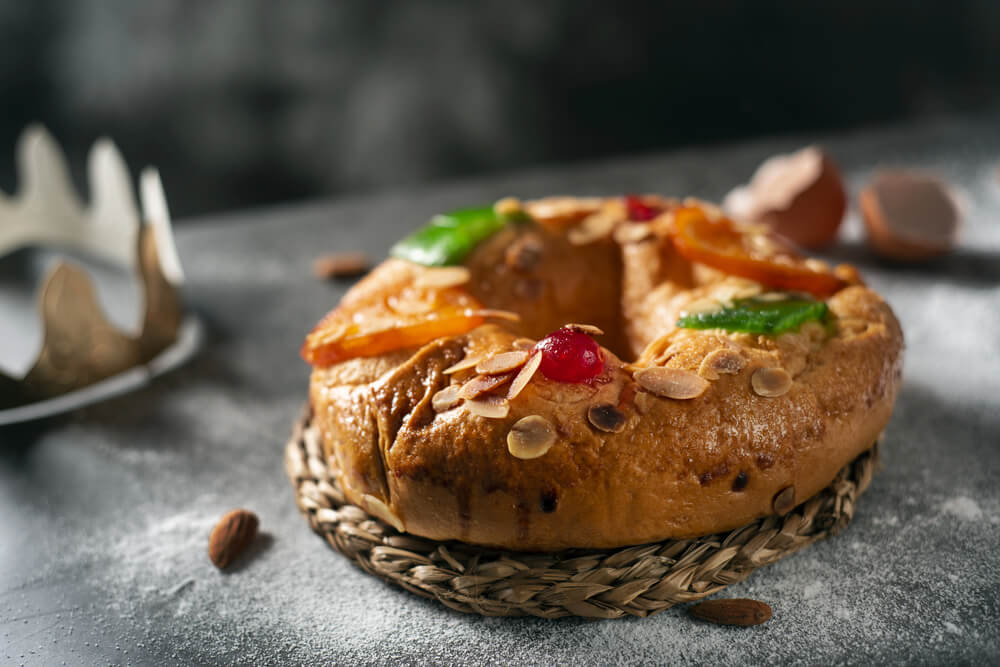
King cake is a ring of sweet brioche or Danish-style dough, braided or twisted, topped with icing and sugar in purple, green and gold. In New Orleans it is sold from January 6, the feast of the Epiphany, until Mardi Gras.
A small plastic baby is hidden inside, and whoever finds it in a slice is expected to buy or bake the next cake. Bakeries such as Haydel’s and Dong Phuong now ship them across the country during Carnival season.
Many shops tuck the baby into the box instead of baking it inside, a concession to liability worries that purists consider a small tragedy.
Stuffed Mirlitons for Thanksgiving
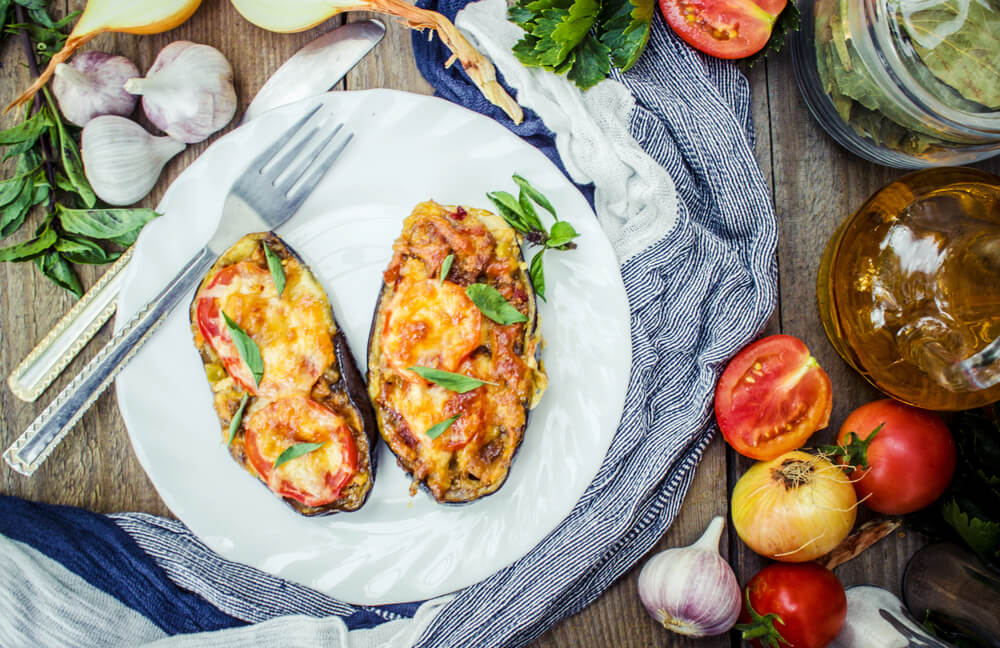
The mirliton, a pale green squash known elsewhere as chayote, is a Thanksgiving fixture in New Orleans, where it is halved, scooped and stuffed with shrimp, ham, breadcrumbs and seasoning before baking. Backyard mirliton vines once climbed fences all over the city, and neighbors traded the fall harvest over those same fences.
Many vines were lost in the flooding after Hurricane Katrina in 2005, and local growers worked to save the heirloom strains that survived. The vegetable tastes mild, somewhere between cucumber and summer squash, which makes it a blank canvas for Creole seasoning.
Outside Louisiana, few cooks even know what to call it.
Pepper Jelly Poured Over Cream Cheese
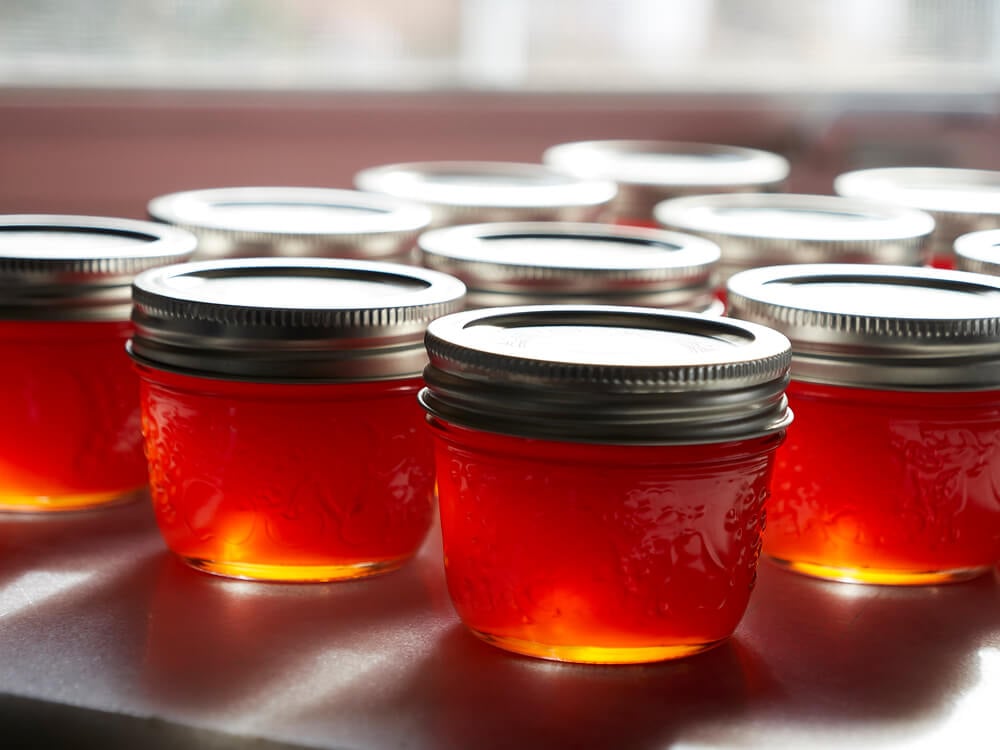
Hot pepper jelly spooned over a block of cream cheese and surrounded by crackers is the appetizer that greets guests at Southern Christmas parties. The jelly is usually made from jalapenos or red bell peppers and sets clear and glossy, sometimes tinted green or red for the season.
The contrast of sweet, hot and creamy is the entire point, and the dish needs no cooking at the party. Companies such as Braswell’s of Statesboro, Georgia, sell it by the jar, though homemade batches circulate as gifts topped with gingham cloth.
Newcomers hesitate at jelly on cheese, then stand guard near the tray for the rest of the evening.
Apple Stack Cake From Appalachia
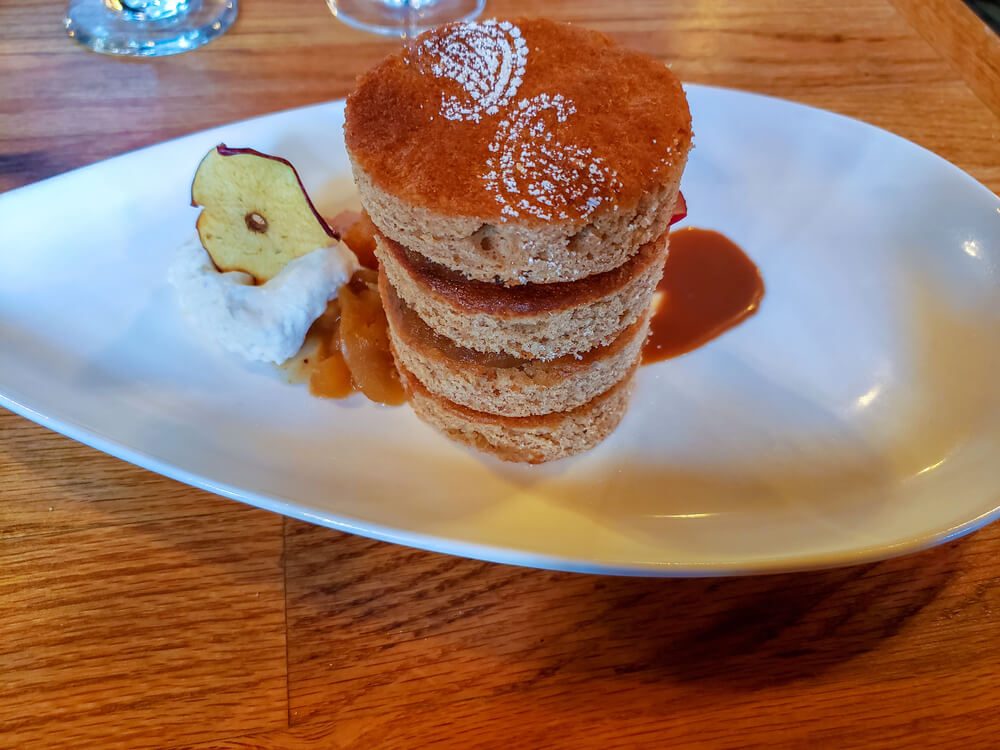
Apple stack cake is built from six or more thin, cookie-like layers of sorghum or molasses dough, spread with a thick filling of cooked dried apples. It is an Appalachian specialty for Christmas and other gatherings in eastern Kentucky, Tennessee and western North Carolina.
The cake needs to rest for a day or two so the apple filling can soften the firm layers. A widely repeated story holds that wedding guests once each brought a layer, so the height of the finished cake measured the bride’s popularity, though historians have found little evidence for it.
Dried apples give it a deep, concentrated flavor unlike any fresh apple dessert.
Tradition Served on the Good China
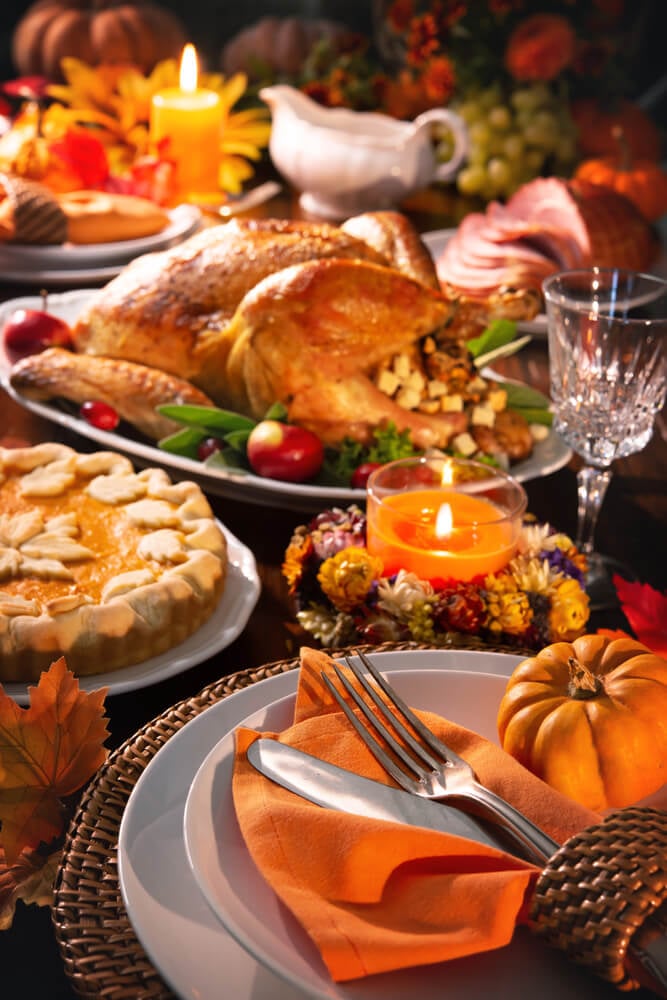
Nearly every dish on this list survives because it comes with a story, a superstition or a rule that somebody’s grandmother enforced. The peas promise coins, the gumbo promises friends, and the candy refuses to set when the air is wet.
None of these claims would survive a scientific review, and none of them needs to.
The repetition is the real ingredient. Outsiders see pears topped with mayonnaise or eggs floating in gravy, but the people at the table see their own history on a plate.
Holiday food in the South works less like a menu and more like a family record, and every odd dish marks a place where someone decided the old way was worth keeping.
More from Go2Tutors!

- The Romanov Crown Jewels and Their Tragic Fate
- 13 Historical Mysteries That Science Still Can’t Solve
- Famous Hoaxes That Fooled the World for Years
- 15 Child Stars with Tragic Adult Lives
- 16 Famous Jewelry Pieces in History
Like Go2Tutors’s content? Follow us on MSN.



