Items Never Meant for Consumers
Most products have their customers in mind from day one. They have been tested, perfected, packaged, and finally placed on store shelves with a purpose.
There is, however, a small group of products that have not had their customers in mind. These products were not originally meant for use by the general public, but rather had other uses, such as industrial, military, or internal uses, before somehow ending up in the general public’s hands.
There is a possibility that these products were repurposed, modified, or simply too good to pass up. What was originally intended to solve a particular problem, albeit a niche one, is now something that people use every day.
Here is a closer look at a variety of products that were not originally intended for use by the general public, but somehow ended up in their hands.
Bubble Wrap
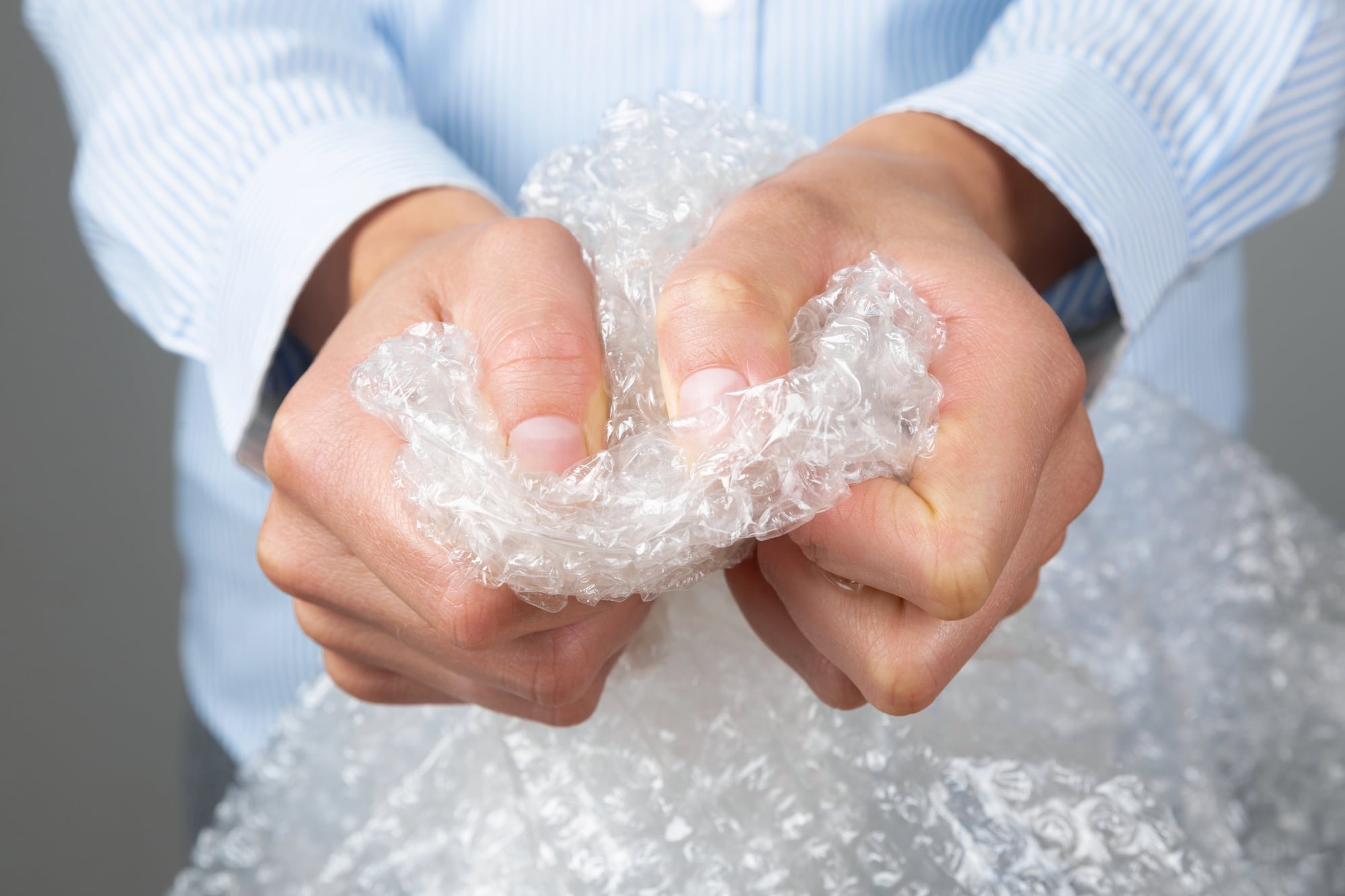
Bubble wrap was not created to protect fragile packages. In fact, its original purpose was far more decorative.
In the late 1950s, engineers experimented with sealing air bubbles between plastic sheets to create textured wallpaper. The idea did not catch on in home design, but the material’s cushioning properties quickly became obvious.
Businesses realized it could protect delicate items during shipping, and it soon became a packaging staple. Still, bubble wrap eventually developed a life of its own.
Beyond shipping, people now associate it with stress relief and that oddly satisfying habit of popping the bubbles.
Play-Doh

Play-Doh began as a cleaning product rather than a toy. It was originally developed to remove soot from wallpaper during a time when coal heating left residue on interior walls.
The soft, pliable compound proved effective for lifting dirt without damaging surfaces. As heating methods changed, the demand for wallpaper cleaner declined.
The product might have disappeared entirely if not for teachers who discovered children enjoyed using it for creative play. That shift transformed the product into one of the most recognizable children’s toys.
What started as a practical cleaning solution became a tool for imagination and creativity.
Super Glue
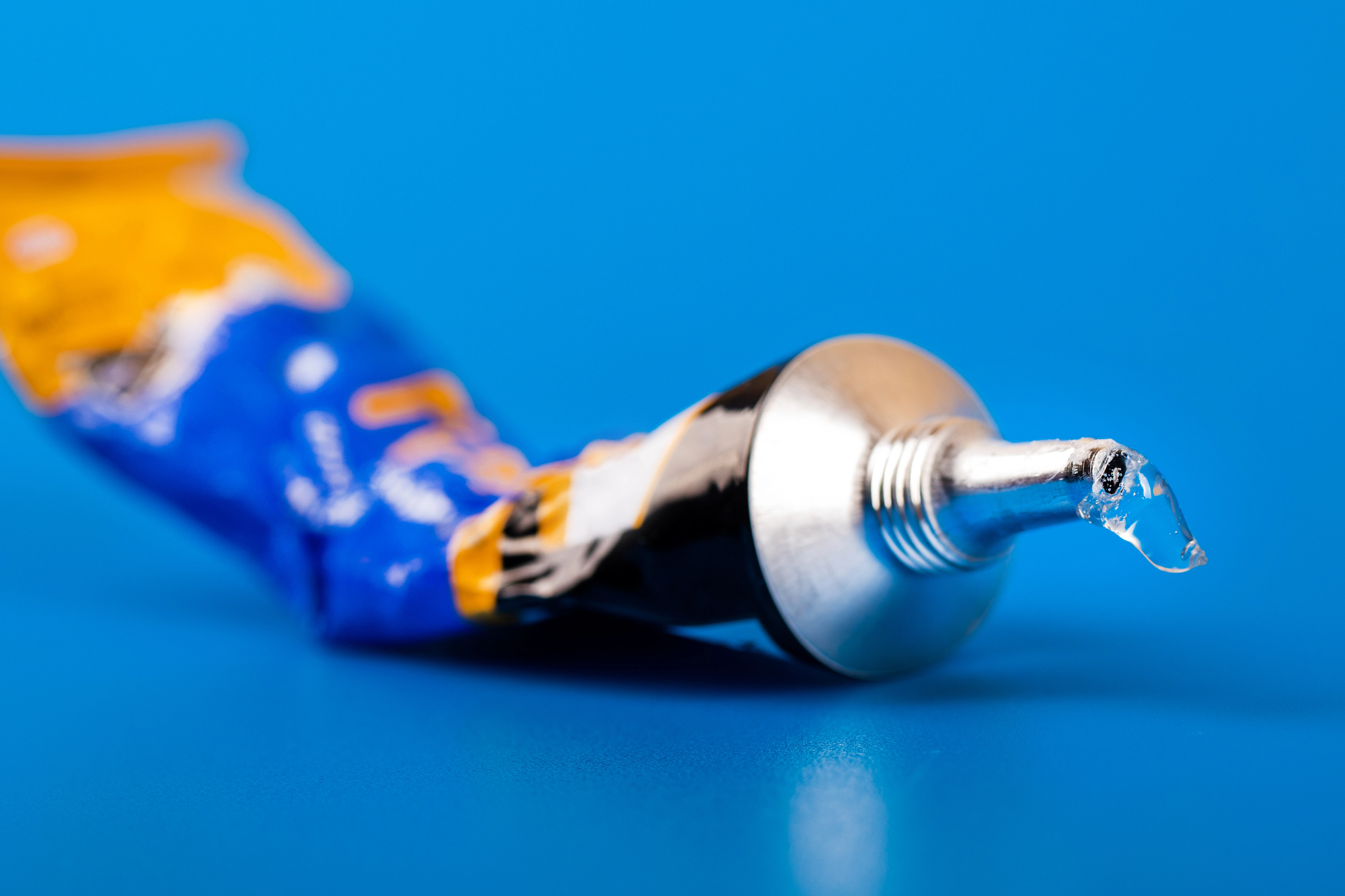
Super glue was discovered accidentally during research into materials for clear plastic gun sights during World War II. Scientists were not looking for an adhesive, and at first, the substance was considered too sticky to be useful.
Later, its bonding strength was reconsidered, and researchers realized its potential. The adhesive could bond surfaces almost instantly, making it valuable in a wide range of applications.
Even so, super glue eventually became a household essential. It is now used for everything from quick repairs to intricate crafts, despite never being designed for consumer convenience in the first place.
Stainless Steel

Stainless steel emerged from efforts to improve weapon durability in the early twentieth century. Metallurgists were searching for a material that could resist corrosion in harsh conditions, particularly for gun barrels.
The resulting alloy proved far more versatile than expected. Its resistance to rust and staining made it suitable for a wide range of uses beyond military applications.
Today, stainless steel is everywhere, from kitchen appliances to cutlery. Its clean appearance and durability have made it a standard material in homes, even though it began as a solution for industrial challenges.
Teflon

Teflon was discovered by accident during experiments with refrigerants in the 1930s. A scientist found that a gas had polymerized into a slippery, heat-resistant substance that resisted almost everything.
Initially, the material found use in industrial and military applications, including components for handling highly reactive substances. Its non-stick properties were not the original focus.
That said, Teflon eventually became synonymous with non-stick cookware. What began as a specialized industrial material now makes cooking and cleaning far more convenient.
Kevlar

Kevlar was developed to create stronger, lighter materials for industrial use, particularly in tire reinforcement. Researchers needed fibers that could withstand extreme stress without adding significant weight.
The resulting material turned out to be incredibly strong, with applications that extended into protective gear such as bullet-resistant vests. Its strength-to-weight ratio made it invaluable in demanding environments.
Still, Kevlar’s uses have expanded into consumer products like sports equipment and protective clothing. Its origins in high-performance materials highlight how advanced research can influence everyday items.
Duct Tape
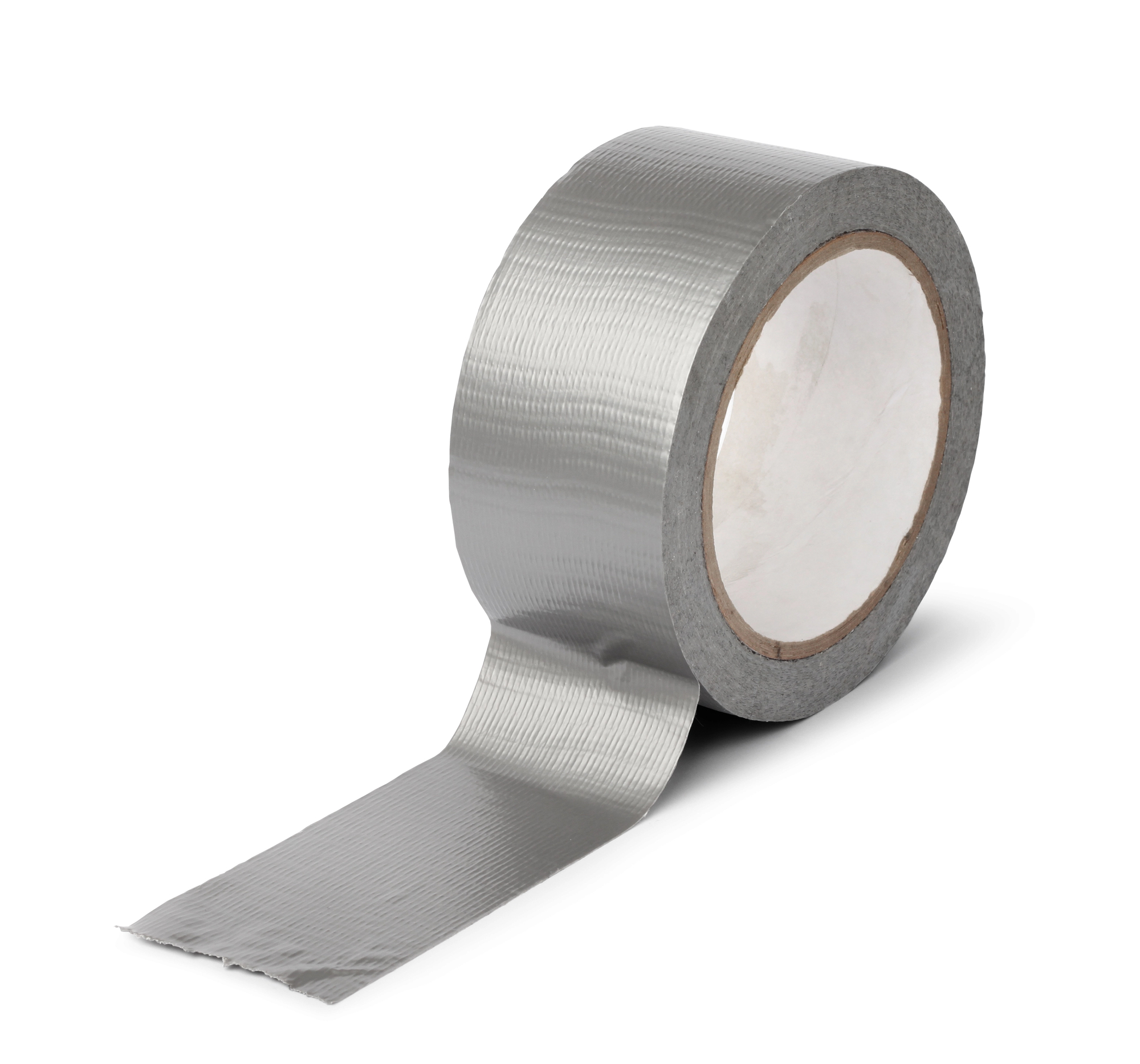
Duct tape was originally created during World War II to seal ammunition cases and keep moisture out. It needed to be strong, flexible, and resistant to water under harsh conditions.
Soldiers quickly discovered its versatility, using it for quick repairs in the field. After the war, the product transitioned into civilian use, particularly in construction and home repairs.
Even so, duct tape has since become a symbol of improvisation. Its ability to fix almost anything has made it a staple in households around the world.
Silly Putty
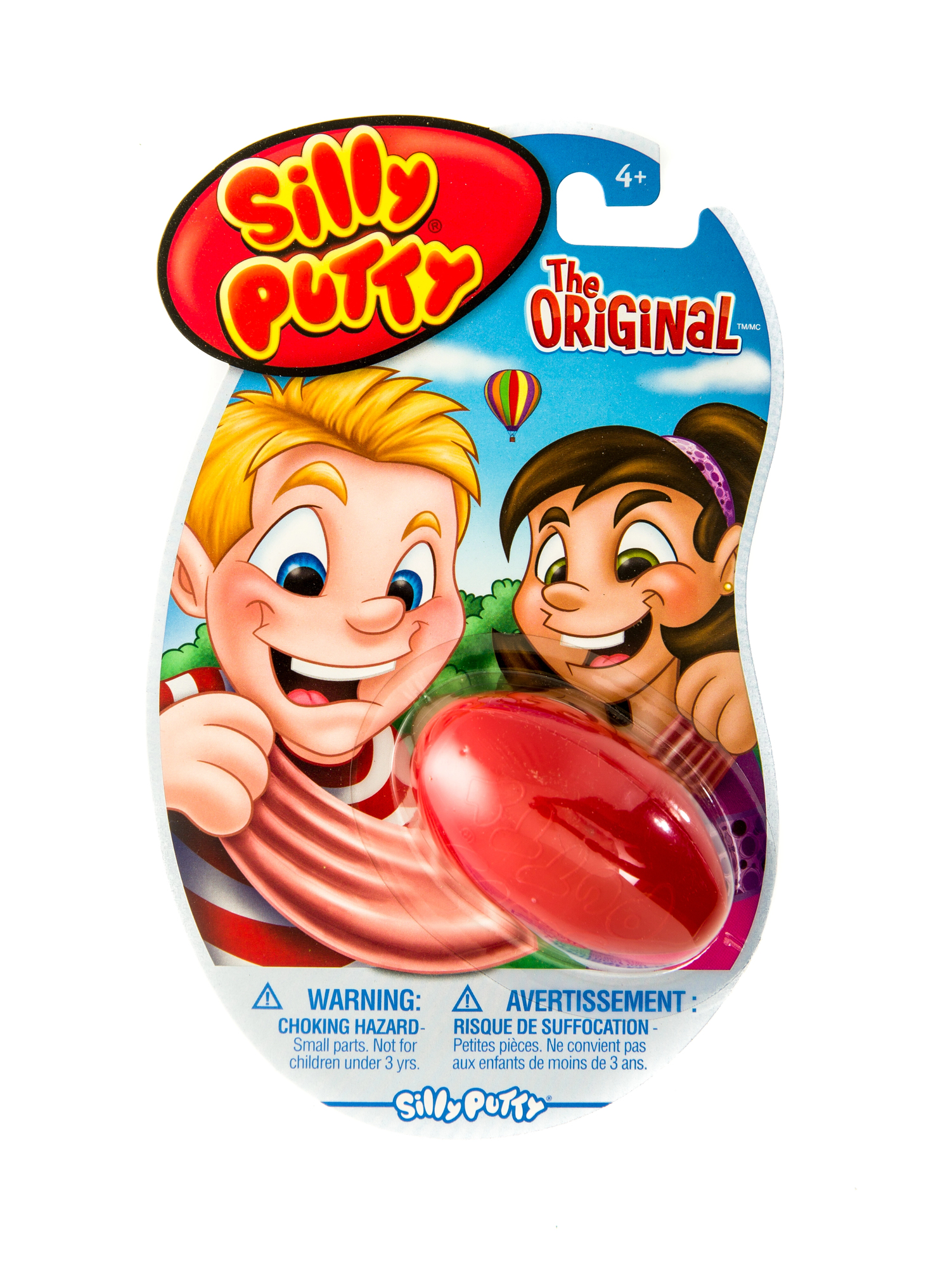
Silly Putty began as part of research into synthetic rubber during World War II. Scientists were attempting to create alternatives to natural rubber, which was in short supply at the time.
The material they produced behaved in unusual ways, stretching slowly but snapping when pulled quickly. It was not suitable for its intended purpose, and the project did not achieve its original goal.
On the other hand, the material’s unique properties caught the attention of marketers. It was eventually sold as a toy, where its unusual behavior became part of its appeal.
GPS Technology

Global Positioning System technology was developed for military navigation and coordination. The system relied on satellites to provide precise location data, allowing for accurate positioning in a wide range of environments.
For many years, access to GPS was limited or restricted. Over time, the technology became available for civilian use, transforming industries and daily life.
Today, GPS is embedded in smartphones, vehicles, and countless applications. What began as a strategic military tool now helps people navigate city streets and plan road trips with ease.
The Microwave Oven
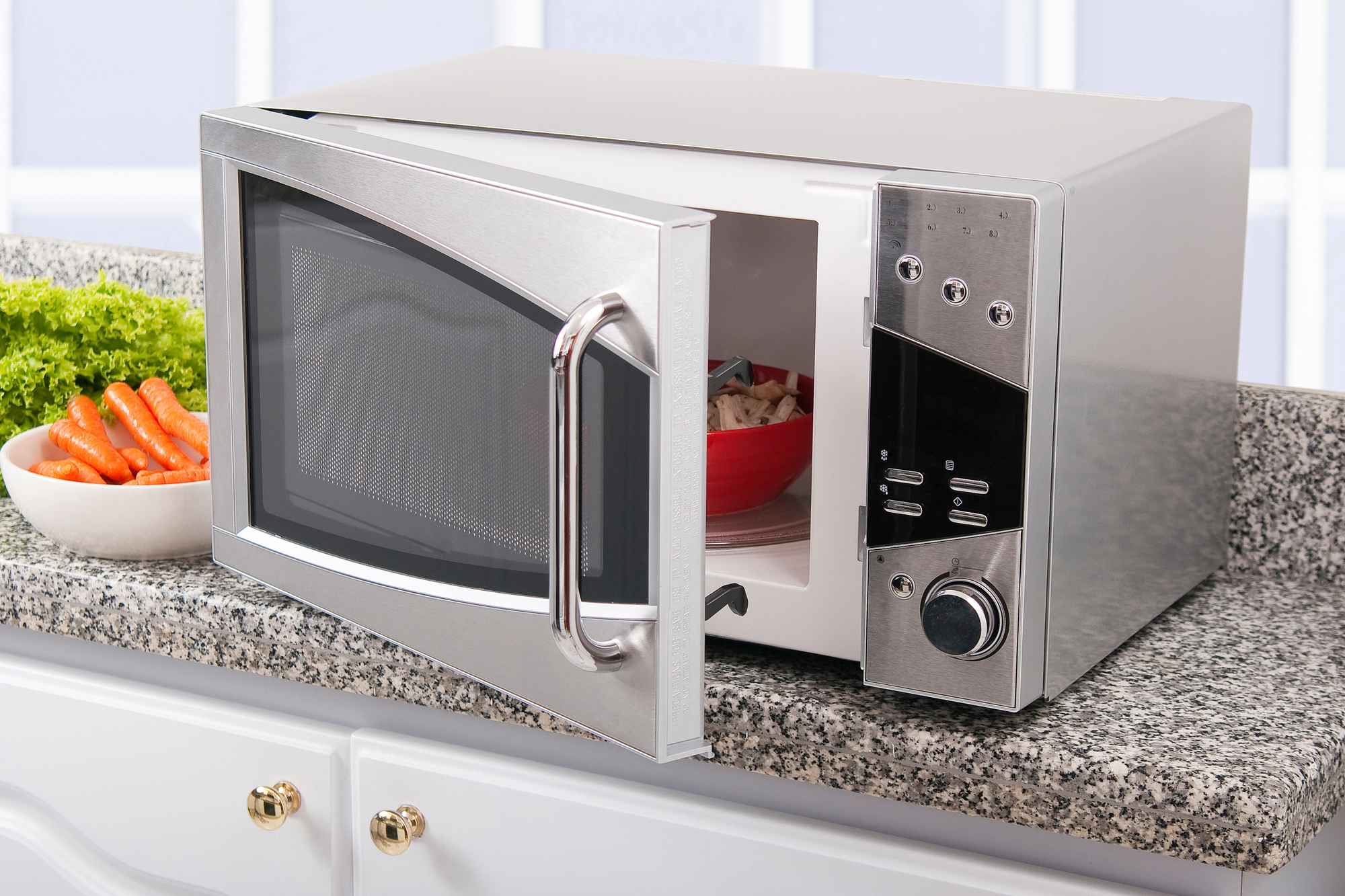
The microwave oven was discovered through an unexpected observation during radar research. An engineer noticed that a chocolate bar in his pocket had melted while he was working near radar equipment.
Further investigation revealed that microwave radiation could heat food quickly and efficiently. Early versions of the technology were large and designed for industrial or commercial use.
Still, the technology was eventually adapted for home kitchens. The microwave oven is now a standard appliance, valued for its speed and convenience despite its unusual origins.
How Accidental Inventions Shape Everyday Life

Many of the products that people use every day were not originally intended to serve consumers. Rather, they were created to solve certain problems, whether those problems were related to experiments, wartime needs, or industrial challenges.
However, these products have found new life in ways that were not originally intended. Furthermore, these products have found success because they were created to solve problems more effectively than any other solutions available.
This is not to say that these products were not originally created to solve certain problems. Rather, their ability to serve consumers is a testament to the unpredictable nature of innovation.
Even failed experiments can lead to new solutions with a new point of view. Ultimately, these products serve as a reminder that, sometimes, progress is not always about solving one problem, even if the solutions were originally intended to do just that.
More from Go2Tutors!

- The Romanov Crown Jewels and Their Tragic Fate
- 13 Historical Mysteries That Science Still Can’t Solve
- Famous Hoaxes That Fooled the World for Years
- 15 Child Stars with Tragic Adult Lives
- 16 Famous Jewelry Pieces in History
Like Go2Tutors’s content? Follow us on MSN.