29 Midwestern Dishes Kids Grew Up Eating
Midwestern cooking rarely makes the glossy magazines, and the people who grew up on it tend to like it that way. It came out of church basements, fairground stands and supper tables where a can of cream of mushroom soup counted as a pantry staple and nobody apologized for it.
The dishes below traveled from grandmother to grandchild on index cards and potluck sign-up sheets. Some came from immigrant farmers, some from a single diner, and a few from the side of a cereal box.
Tater Tot Hotdish at Every Minnesota Potluck
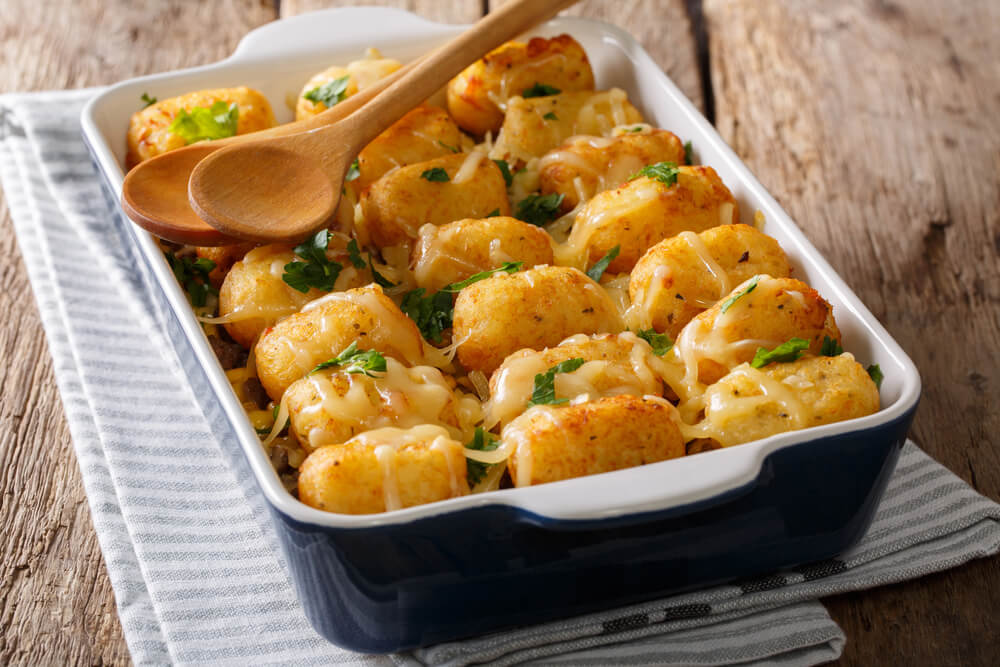
Minnesota calls it hotdish, and the Tater Tot version became the one nearly every family seemed to own. Ground beef, frozen vegetables and a can of cream soup go into a pan, then rows of Tater Tots are laid across the top like shingles before baking.
Ore-Ida introduced the Tater Tot in 1953 as a way to use potato slivers left over from making fries, and hotdish cooks adopted it almost immediately. Church cookbooks across the Upper Midwest print dozens of variations, some with green beans and some with corn.
Kids learned early that the crispy corner piece was the prize, and older siblings claimed it without shame.
Maid-Rite Loose Meat Sandwiches in Iowa
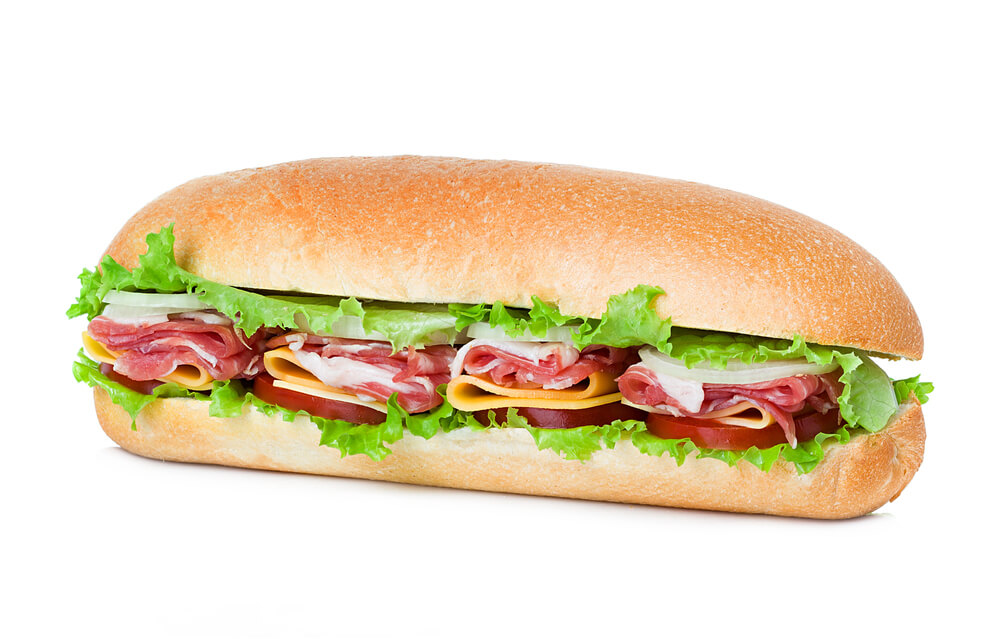
In 1926, a butcher named Fred Angell opened a sandwich stand in Muscatine, Iowa, selling seasoned, crumbled ground beef on a bun instead of a formed patty. A customer supposedly told him the sandwich was just made right, and the Maid-Rite name followed.
The loose meat is steamed rather than grilled, so it falls apart the moment anyone takes a bite, which is why many counters hand out spoons. Iowa kids grew up scooping the fallen meat off the wax paper.
The sandwich reached a national audience in the 1990s when the sitcom Roseanne gave its fictional family a loose meat restaurant.
Cincinnati Chili Served Three-Way
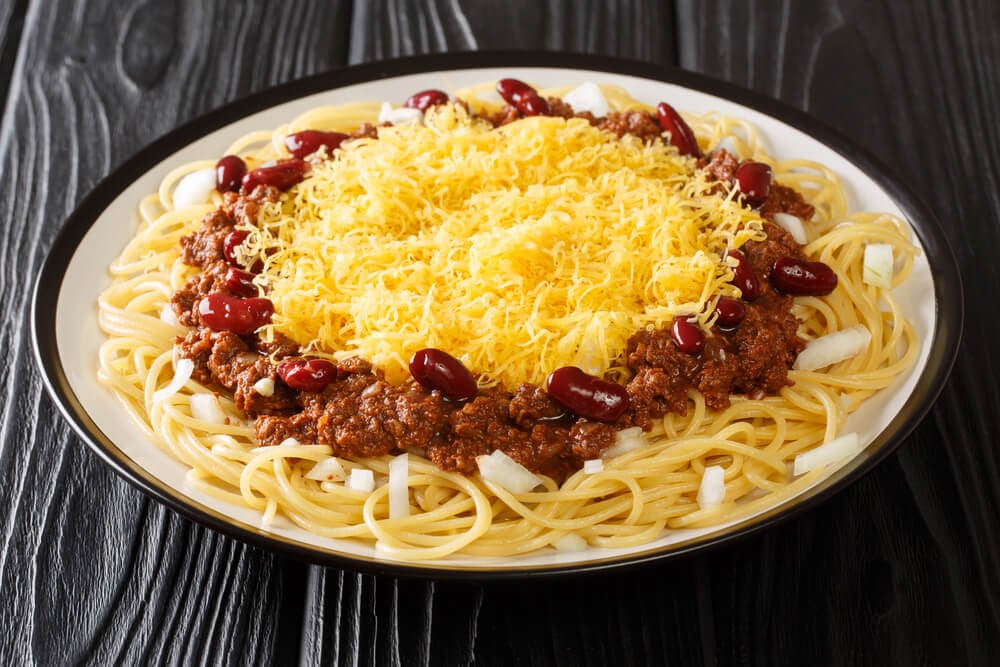
Cincinnati chili looks strange to outsiders because it is not really a bowl of chili at all. Macedonian immigrant brothers Tom and John Kiradjieff opened the Empress restaurant in 1922 and developed a thin meat sauce seasoned with cinnamon and clove to spoon over spaghetti.
Orders come in ways: a three-way adds a heap of finely shredded cheddar, a four-way adds onions or beans, and a five-way adds both. Skyline and Gold Star, the two big chains, still divide loyalties across the city.
Families raised children on cheese coneys, small hot dogs buried in the same sauce and cheese, often ordered two or three at a time.
Runza Sandwiches From Nebraska
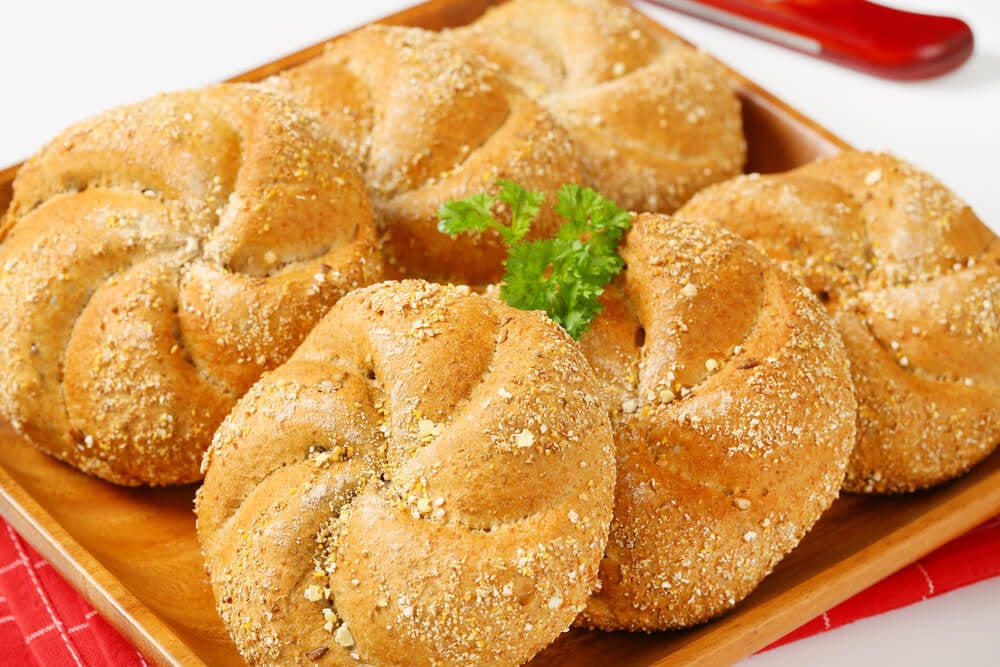
A runza is a yeast bun baked around ground beef, cabbage and onions, and Nebraskans treat it as a birthright. The recipe came with the Germans from Russia who settled the Great Plains, where the same pocket is often called a bierock.
Sally Everett and her brother Alex Brening opened the first Runza drive-in in Lincoln in 1949, and the chain now has dozens of locations, most of them in Nebraska. On Husker game days, runzas travel into Memorial Stadium by the thousands.
Kids learned to eat them warm from the paper wrapper, often with fries on the side and a cold soda.
Hubcap-Sized Pork Tenderloin Sandwiches
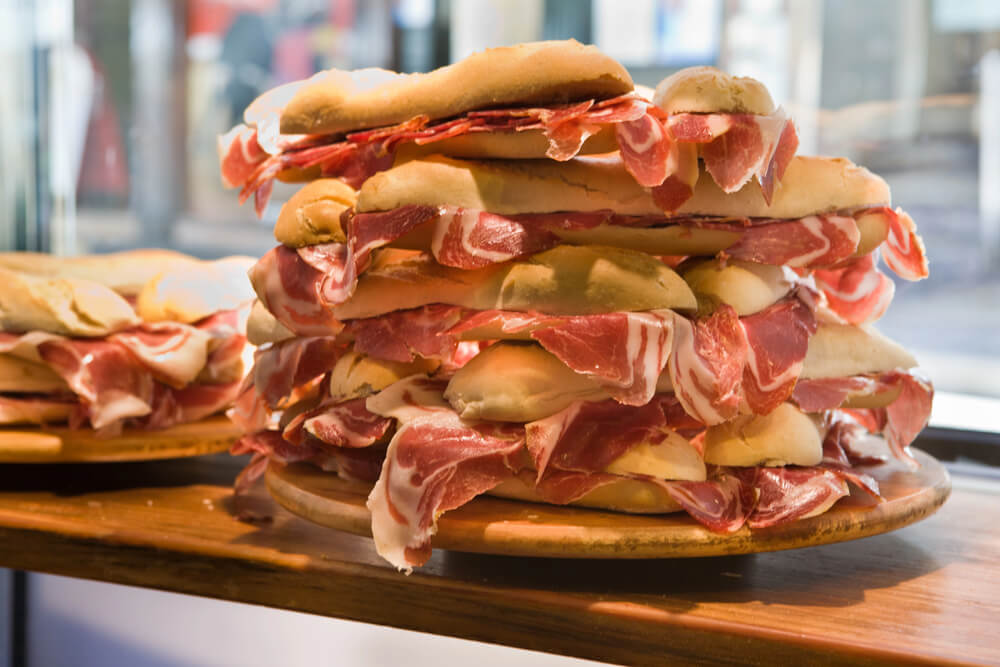
Indiana and Iowa both claim the breaded pork tenderloin sandwich, and both serve it the same absurd way. Cooks pound a cut of pork loin until it is thin and wide, bread it, deep-fry it and set it on a hamburger bun that it overhangs by several inches in every direction.
Nick’s Kitchen in Huntington, Indiana, says it first served the sandwich in 1908. Pickles, onion and yellow mustard are the usual toppings.
Children quickly learned that the only practical method was to eat the overhanging edges first, working inward until the bun finally came into play.
Provel-Topped St. Louis Pizza
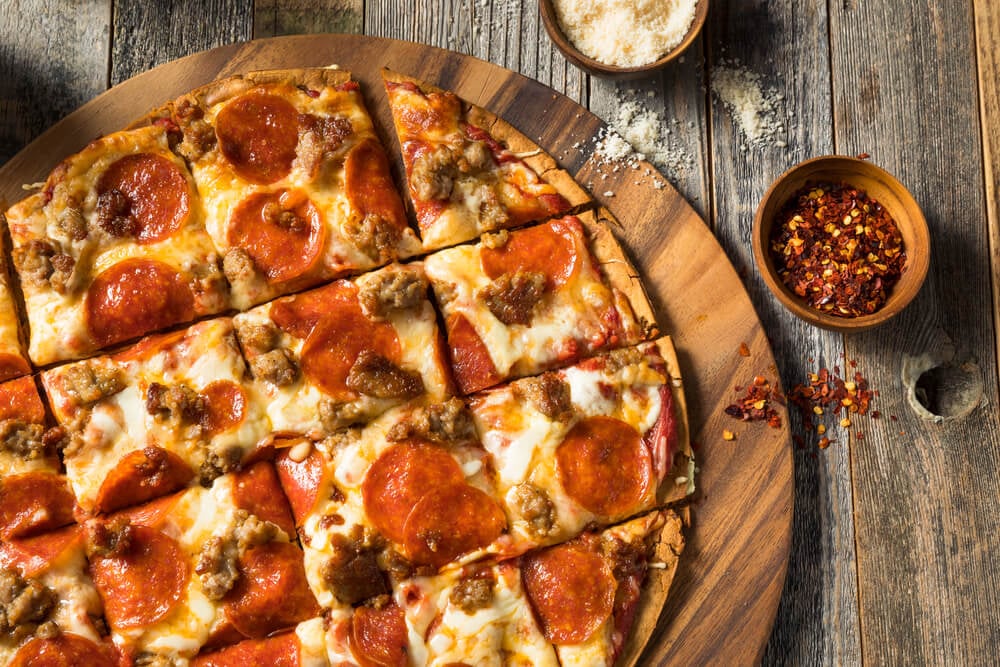
St. Louis pizza has a cracker-thin crust made without yeast, a sweet sauce and a topping called Provel, a processed blend of cheddar, Swiss and provolone that melts into a gooey sheet rather than stretching. Imo’s Pizza, founded by Ed and Margie Imo in 1964, spread the style across the metro area.
The pies are cut into small squares instead of wedges, a method locals call a party cut or tavern cut. Kids fought over the crunchy edge squares with no toppings on them.
Outsiders often find Provel baffling, which only makes St. Louis natives defend it harder.
Toasted Ravioli From The Hill
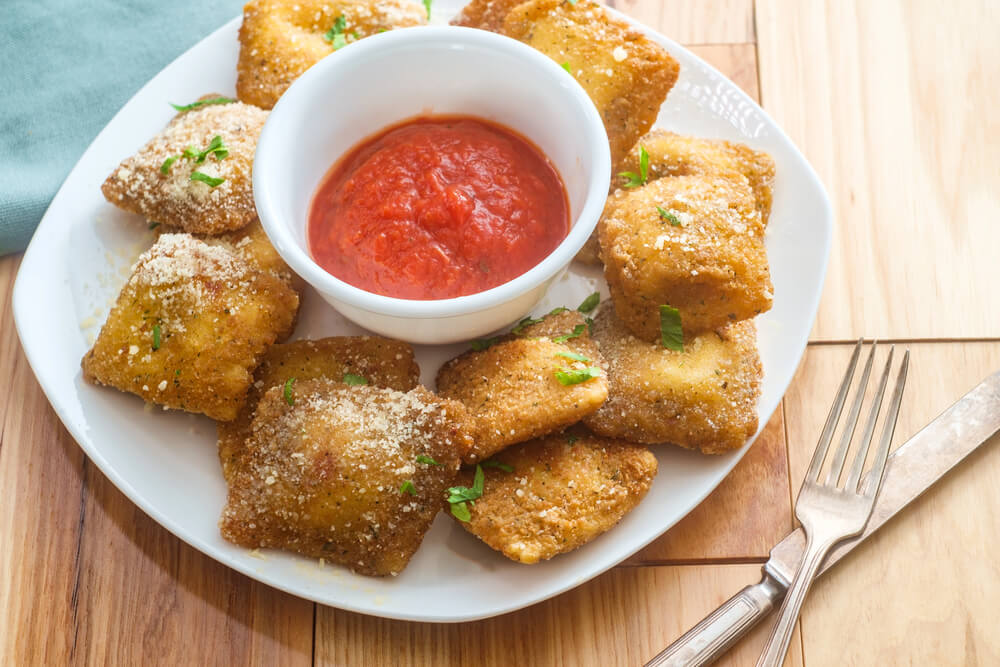
The Hill, the Italian neighborhood of St. Louis, gets credit for toasted ravioli, which is not toasted at all. Meat-filled ravioli are breaded and deep-fried, dusted with Parmesan and served with marinara for dipping.
Two restaurants on the Hill, Charlie Gitto’s and Mama’s on the Hill, have both claimed the dish was born when a cook accidentally dropped ravioli into hot oil in the 1940s. The story may be tidier than the truth, but the appetizer spread to nearly every restaurant menu in the city.
School cafeterias and youth sports concession stands served it too, usually from a frozen bag.
Squeaky Wisconsin Cheese Curds
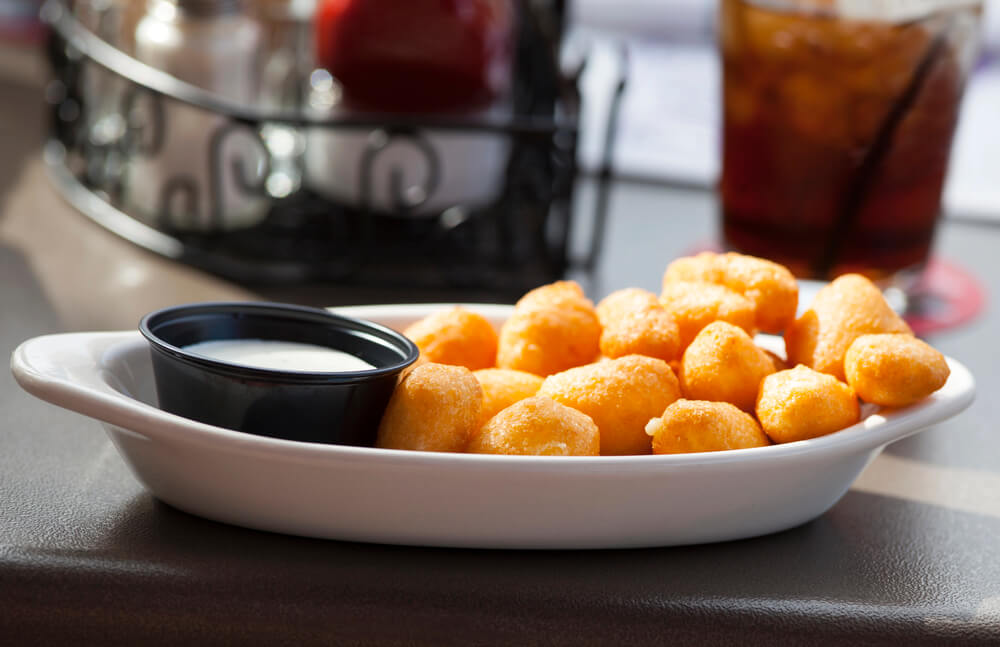
Fresh cheese curds squeak against the teeth, and Wisconsin kids learned to judge freshness by that sound. Curds are the young, unaged pieces of cheddar that form before the cheese is pressed into blocks, and the squeak fades within a day or so as the protein strands relax.
Dairies sold them in bags by the register, and gas stations did too. Battered and fried, they became a fixture at the Wisconsin State Fair and at supper clubs.
Refrigeration kills the squeak faster, which is why purists leave a fresh bag on the counter and finish it the same afternoon.
Green Bay Booyah in Giant Kettles
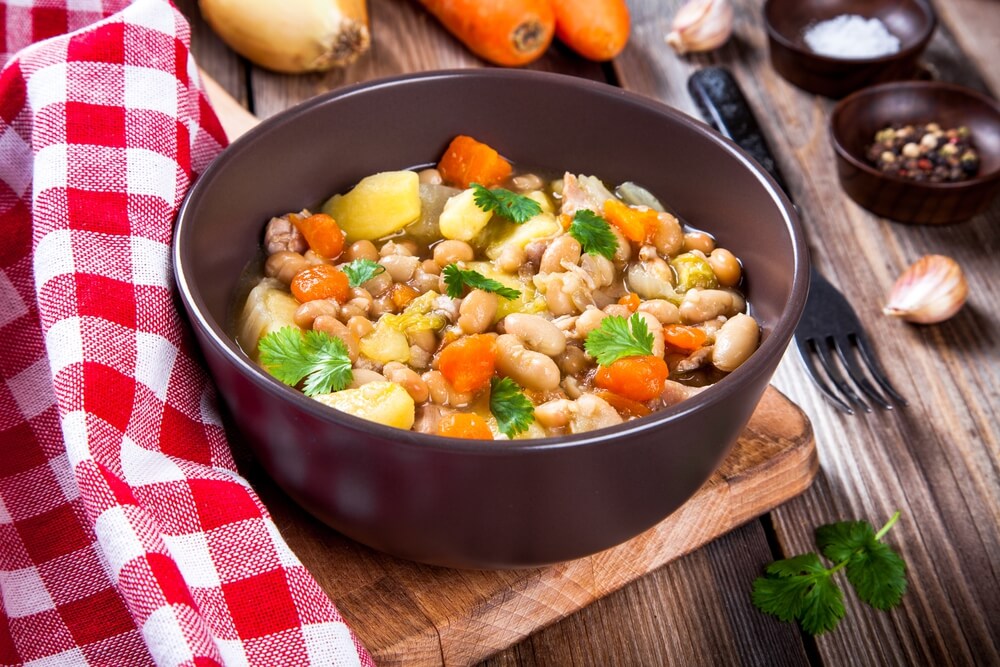
Booyah is a thick chicken and vegetable stew cooked in kettles big enough to feed a parish, and northeastern Wisconsin claims it as its own. Belgian immigrants around Green Bay made it for church picnics and fundraisers, and the name is often explained as a local version of the word bouillon.
Cooks stir it with canoe paddles through the night, adding chicken, beef, cabbage, potatoes, carrots and peas. Families brought their own pots and buckets to fill at the booyah stand.
Parishes and taverns in the area still hold booyah days each fall, and kids remember the long lines more than the stew.
Upper Peninsula Pasties
In Michigan’s Upper Peninsula, the pasty is pronounced with a short a, like past, and locals correct anyone who gets it wrong. Cornish miners brought the folded meat and vegetable pie to the copper and iron mines in the 1800s, where its thick crimped crust made it easy to carry underground and eat by hand.
Finnish miners adopted it too and often added rutabaga. Governor George Romney declared a Michigan Pasty Day in 1968, and Calumet holds an annual Pasty Fest.
Yooper kids ate them with ketchup or gravy, a debate that still sparks arguments at the table.
Scotcheroos in the Church Cookbook
Scotcheroos are a no-bake bar of Rice Krispies stirred into warm peanut butter, corn syrup and sugar, pressed into a pan and covered with melted butterscotch and chocolate chips. A version printed on Rice Krispies boxes in the 1960s spread fast across the Midwest, where the bars became a standard at graduation parties, funerals and bake sales.
Kids who could not yet use the oven made them anyway because the stovetop step was simple. The finished bars harden enough to cut into neat squares, but they still stick to the knife.
In Minnesota and North Dakota, a pan of them counts as a basic food group.
Puppy Chow by the Bowlful
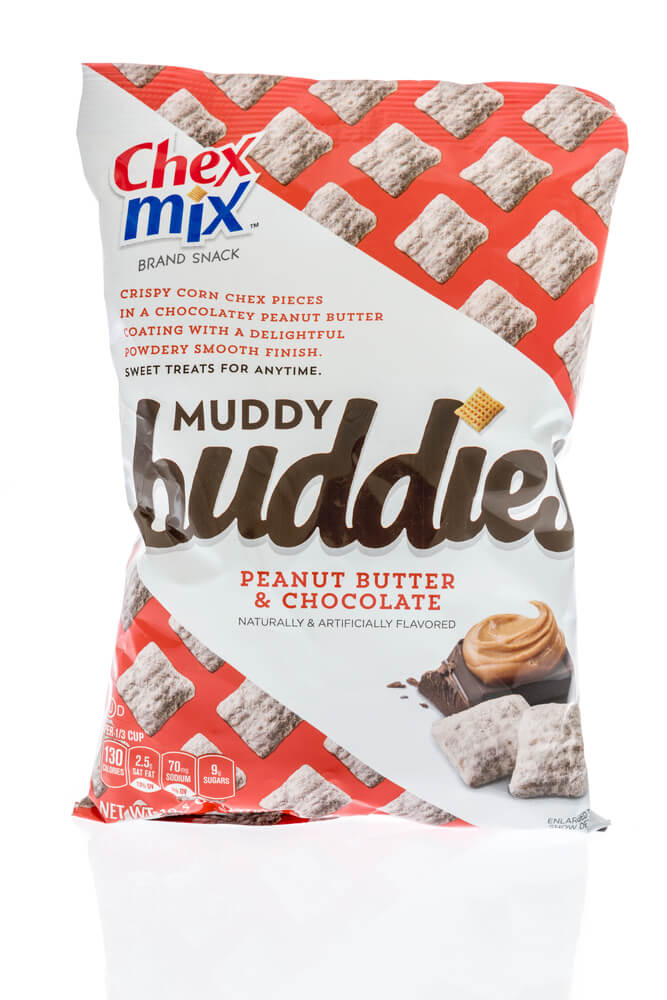
Puppy chow has nothing to do with dogs, although the finished snack looks alarmingly like dry dog food in a bowl. Rice or corn Chex cereal is tossed in melted chocolate and peanut butter, then shaken in a paper bag with powdered sugar until every piece is coated.
General Mills publishes the recipe under the name Muddy Buddies, but most Midwestern families never adopted that label. It showed up at holiday parties, sleepovers and Super Bowl gatherings.
The shaking step was usually assigned to the youngest child in the kitchen, who inevitably left a trail of powdered sugar across the floor.
Snickers Salad at Family Reunions
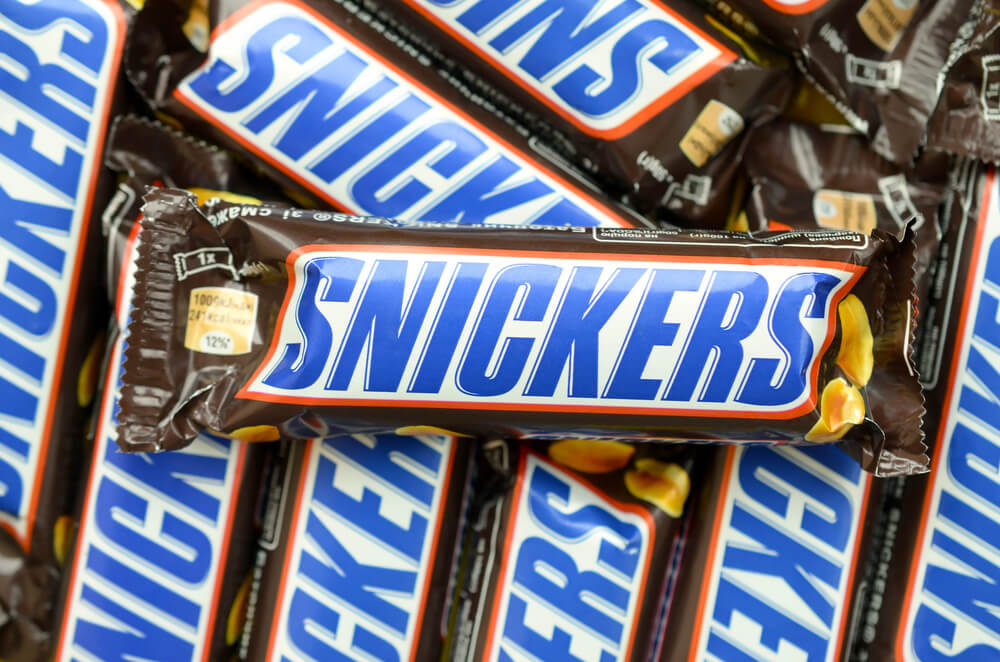
Midwestern menus have a loose definition of salad, and Snickers salad pushes it as far as it goes. Chopped Snickers bars and crisp Granny Smith apples are folded into a mix of vanilla pudding and Cool Whip, and the result is served in a bowl next to the potato salad.
Nobody at the reunion pretends it is a vegetable dish, but it sits on the side dish table anyway. The apples provide just enough crunch to justify the name.
Kids treated it as a second dessert, and relatives who brought it could expect an empty bowl before the ham was carved.
Walking Tacos From the Concession Stand
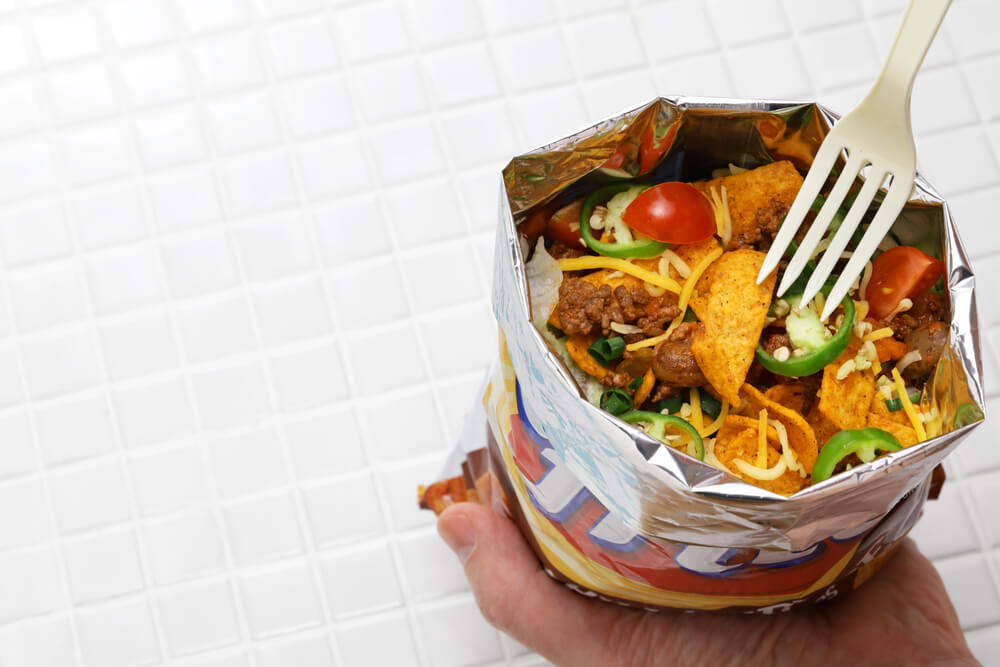
A walking taco is a single-serving bag of Fritos or Doritos, split open along the side and loaded with taco meat, shredded cheese, lettuce, salsa and sour cream. It is eaten straight from the bag with a plastic fork, which is the point, since it requires no plate and no table.
Concession stands at Friday night high school games, church fundraisers and county fairs across the Midwest made it a standard. The Southwest has its own long history with Frito pie, but the walking taco name took hold in Midwestern gyms and fairgrounds.
Kids liked crushing the chips inside the bag before the toppings went in.
Beef and Noodles Over Mashed Potatoes
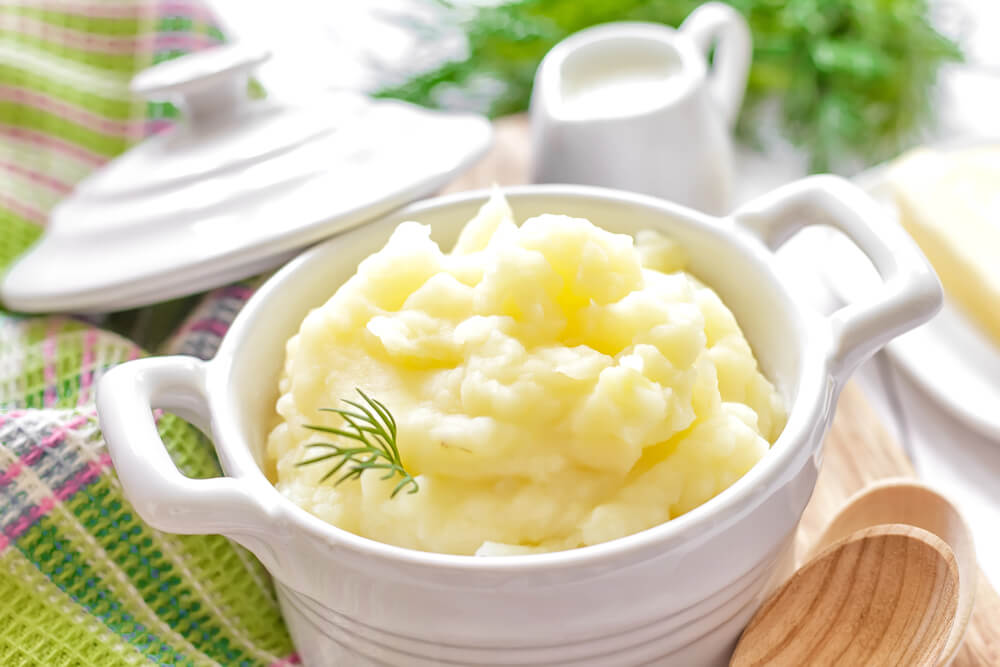
In Indiana and Ohio, beef and noodles are served on top of mashed potatoes, a double-starch arrangement that makes perfect sense to anyone raised on it. The noodles are thick egg noodles, cooked slowly in beef broth with shredded roast until the liquid turns into a heavy gravy.
The dish is a fixture at the Indiana State Fair, at church dinners and at Thanksgiving tables, where it sits beside the turkey. Frozen Reames egg noodles, made in Iowa, became the shortcut many families trusted.
Visitors who ask why there are two starches on one plate usually get a puzzled look instead of an answer.
South Dakota Chislic on a Toothpick
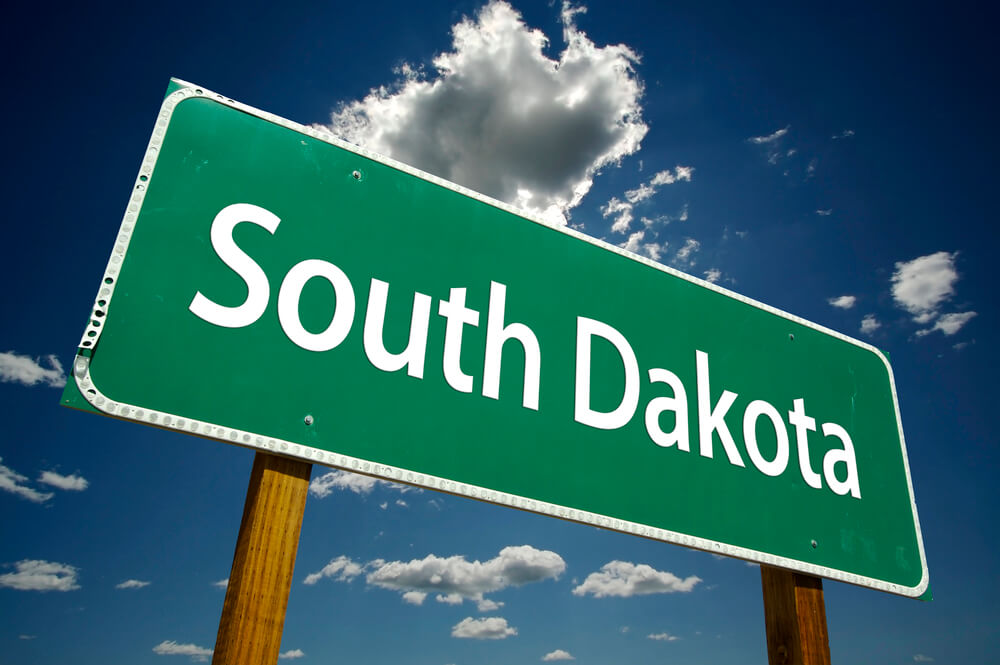
Chislic is cubed red meat, usually mutton or lamb, deep-fried or grilled and served on toothpicks with garlic salt and saltine crackers. Germans from Russia brought the dish to the southeastern corner of Dakota Territory in the 1870s, and Hutchinson County still considers itself the home of it.
The South Dakota legislature named chislic the official state nosh in 2018. The town of Freeman now holds an annual Chislic Festival.
Kids grew up eating it at county fairs, church suppers and family gatherings, dipping the cubes in ranch dressing, a later addition that purists have mostly accepted.
Czech Kolaches in Wilber
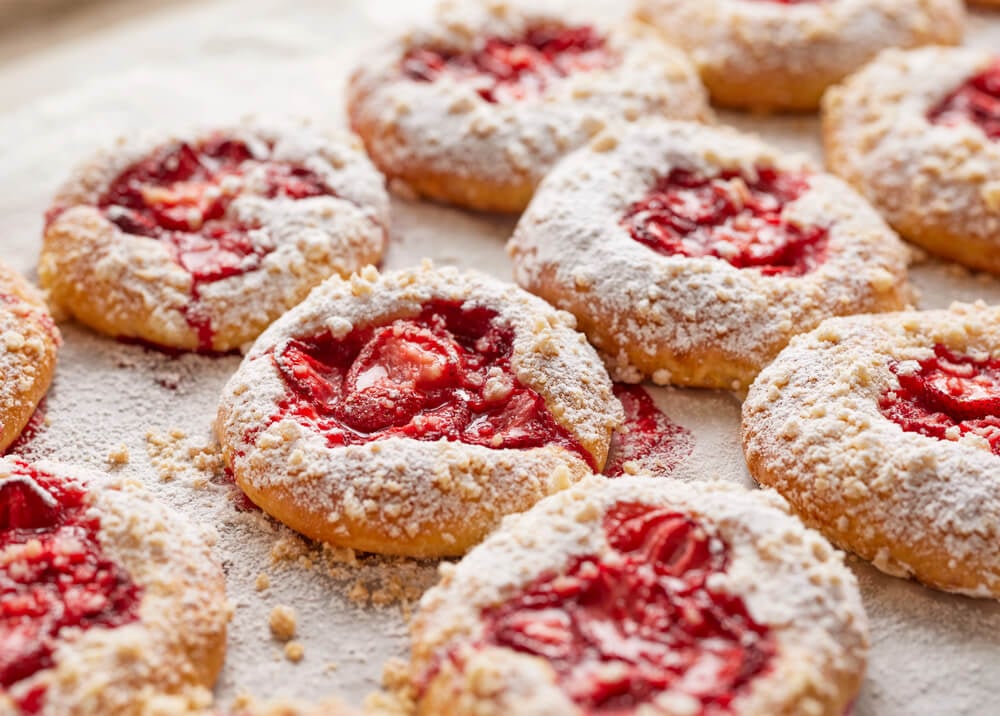
Kolaches are round, soft yeast pastries with a well of filling in the center, often apricot, prune, poppy seed or sweet cheese. Czech immigrants brought them to Nebraska, Iowa and Minnesota in the late 1800s, and Congress recognized Wilber, Nebraska, as the Czech Capital of the USA in 1987.
The town holds a Czech festival every August, and Cedar Rapids, Iowa, has its own Czech Village. Grandmothers made kolaches by the dozens for weddings and holidays, and poppy seed was usually the flavor kids avoided until they were older.
Store-bought versions rarely match a homemade batch, so family recipes are guarded closely.
Goetta Fried Crisp for Breakfast
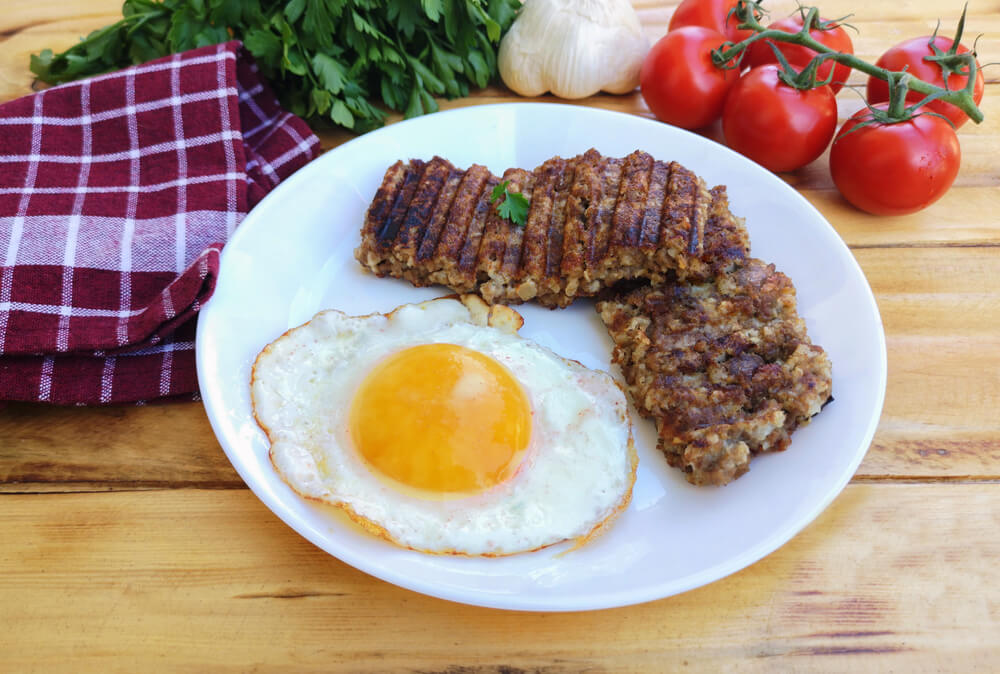
Goetta, pronounced get-uh, is a Cincinnati breakfast meat made from pork, beef, onions and steel-cut pinhead oats. German immigrants developed it as a way to stretch meat, simmering the mixture for hours until it set into a loaf that could be sliced and fried.
Glier’s, the biggest producer, sells more than a million pounds a year and runs Goettafest each summer across the river in Newport, Kentucky. The goal in the skillet is a crust on both sides and a soft middle.
Kids ate it next to eggs, on sandwiches and occasionally with syrup, a combination that still divides families.
Minneapolis Jucy Lucy Burgers
The Jucy Lucy puts the cheese inside the burger, sealing a slice of American cheese between two thin patties so it melts into a molten core. Two south Minneapolis bars, Matt’s Bar and the 5-8 Club, both claim to have invented it in the 1950s, and the rivalry remains famously unresolved.
Matt’s spells it without the i, as Jucy, while the 5-8 Club uses Juicy. Nearly every child who tried one learned the same lesson from the first bite, when the cheese scalded the roof of the mouth.
Servers at both bars warn customers to let it cool first.
Lefse Rolled With Butter and Sugar
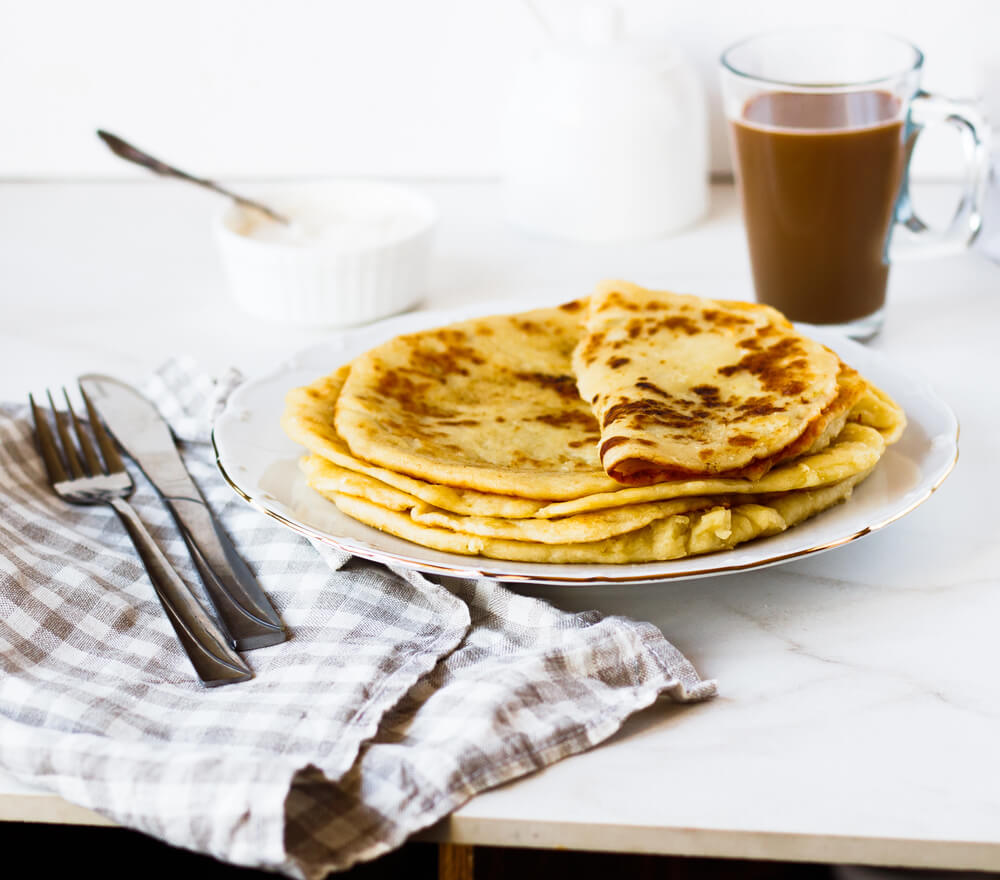
Lefse is a soft Norwegian flatbread made from riced potatoes, flour, butter and cream, rolled paper-thin and cooked on a large round griddle. Norwegian settlers brought it to Minnesota, North Dakota and Wisconsin, where families still gather in November and December to make it in batches.
The specialized tools include a grooved rolling pin, a cloth-covered board and a long, flat wooden turning stick. Kids usually ate it spread with butter and sprinkled with sugar, then rolled into a tube.
Some families add cinnamon or lingonberry jam, and plenty of Christmas tables feel incomplete without a stack.
Friday Night Fish Fry in Wisconsin
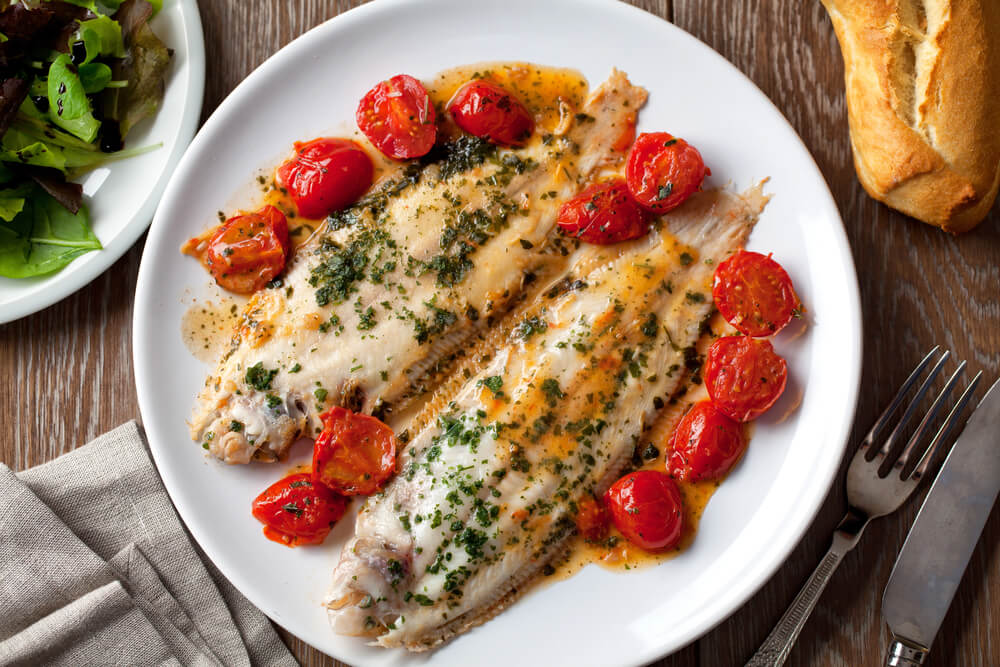
Friday fish fries in Wisconsin grew from Catholic meatless Fridays and became a statewide habit that has little to do with religion anymore. Supper clubs, taverns, churches and VFW halls serve beer-battered cod, perch, walleye or bluegill with coleslaw, rye bread and potato pancakes or fries.
Many places keep the tradition going every Friday of the year, well beyond Lent. Kids grew up drinking a Shirley Temple or root beer while the adults ordered brandy old fashioneds.
Lines often stretch out the door by six o’clock, and regulars know which halls run out of perch first.
Minnesota Wild Rice Soup
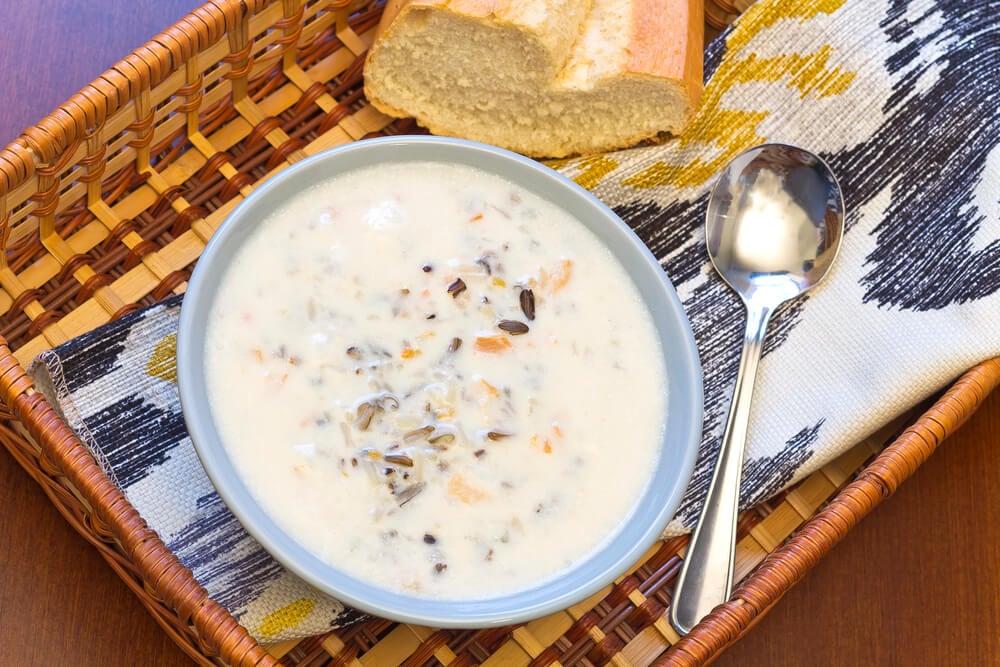
Wild rice is the official state grain of Minnesota, and the creamy soup made with it is the dish most families serve. The grain is actually the seed of an aquatic grass, harvested by hand from canoes in lakes and rivers, a practice the Ojibwe have kept for centuries.
Cooks combine it with chicken, carrots, celery and a cream base, sometimes finishing it with a splash of sherry. Community cookbooks across the state print it in dozens of forms.
Kids grew up eating it on cold days, often with oyster crackers floating on top and a second bowl already requested.
Racine Kringle at Christmas
Kringle is a flaky, oval Danish pastry filled with fruit, nuts or cream cheese and topped with a thin white icing. Danish immigrants brought the recipe to Racine, Wisconsin, in the late 1800s, and bakeries there still fold dozens of layers of butter into each batch of dough.
O and H Danish Bakery and Racine’s other kringle shops ship them across the country every December. Wisconsin named kringle its official state pastry in 2013.
Pecan and almond are the classic fillings, while raspberry tends to win over kids, and families mail kringles to relatives who moved away.
Buckeyes Dipped in Chocolate
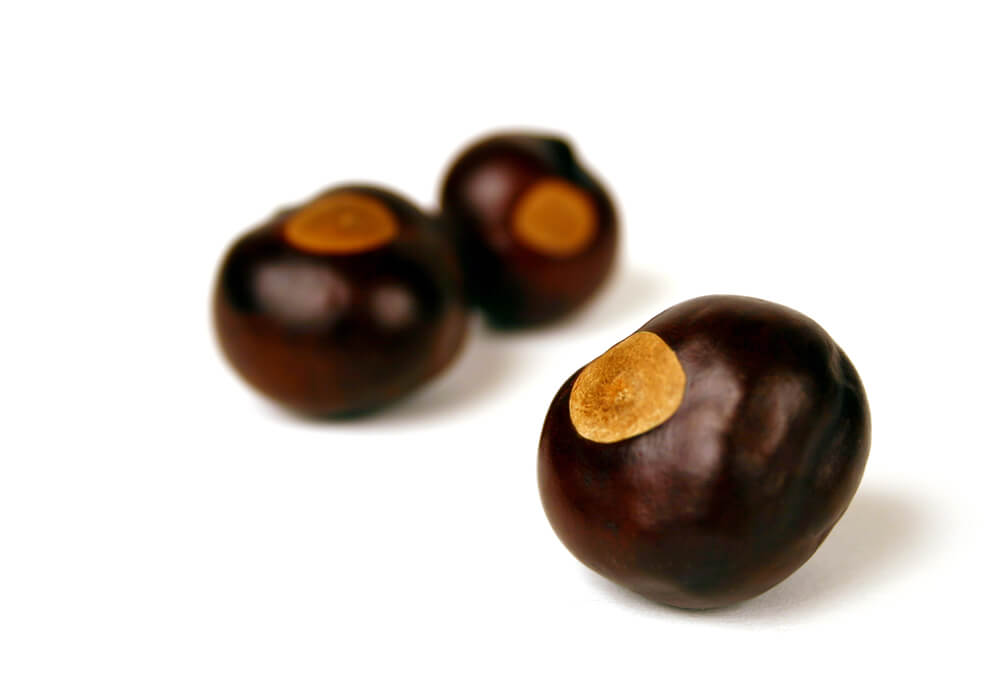
Ohio’s buckeye candy is a round nugget of peanut butter fudge dipped in chocolate, with a small circle left uncoated so it resembles the nut of the Ohio buckeye tree. The buckeye is the state tree, and Ohio State’s teams are called the Buckeyes, so the candy appears at every Christmas cookie exchange and every tailgate.
The trick is spearing each piece with a toothpick, dipping it and smoothing over the toothpick mark afterward. Kids usually handled the rolling, which left peanut butter on every surface of the kitchen.
The unwritten rule is that the uncoated circle should look like the real nut.
Hoosier Sugar Cream Pie
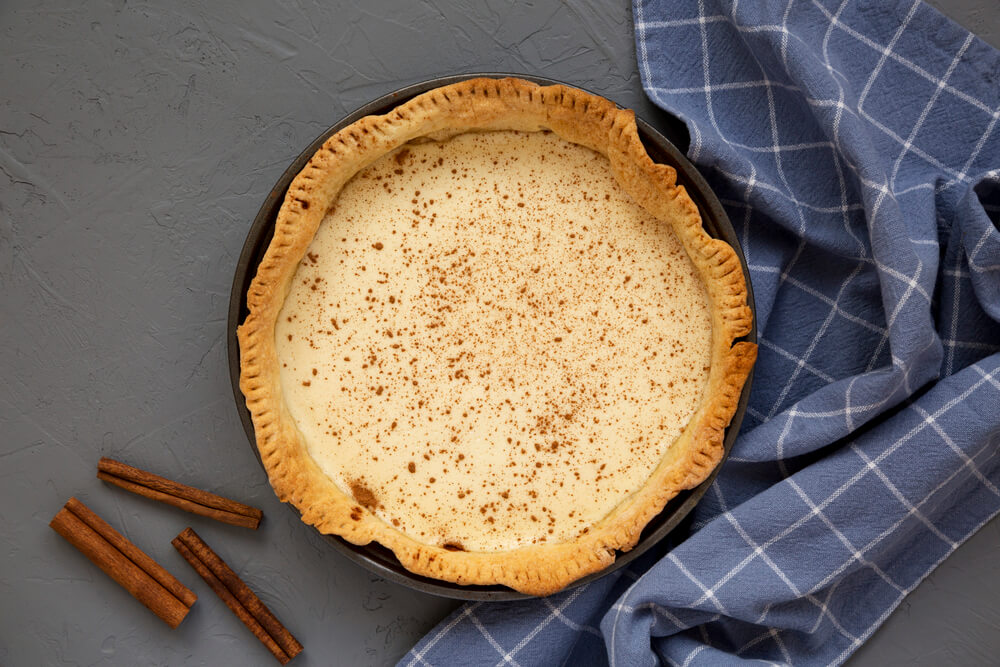
Sugar cream pie is Indiana’s official state pie, named by the legislature in 2009. It is a simple custard of cream, sugar, flour, butter and vanilla with a dusting of nutmeg, and most recipes need no eggs.
Shaker and Amish communities are often credited with the recipe, which relied on pantry staples when fresh fruit was scarce in winter. Some cooks stir the filling directly in the unbaked crust with their fingers, a technique old recipes describe.
Wick’s Pies in Winchester, Indiana, made it commercially famous. Kids remember it as the pie that tasted like the inside of a sugar cookie.
Detroit Coney Dogs
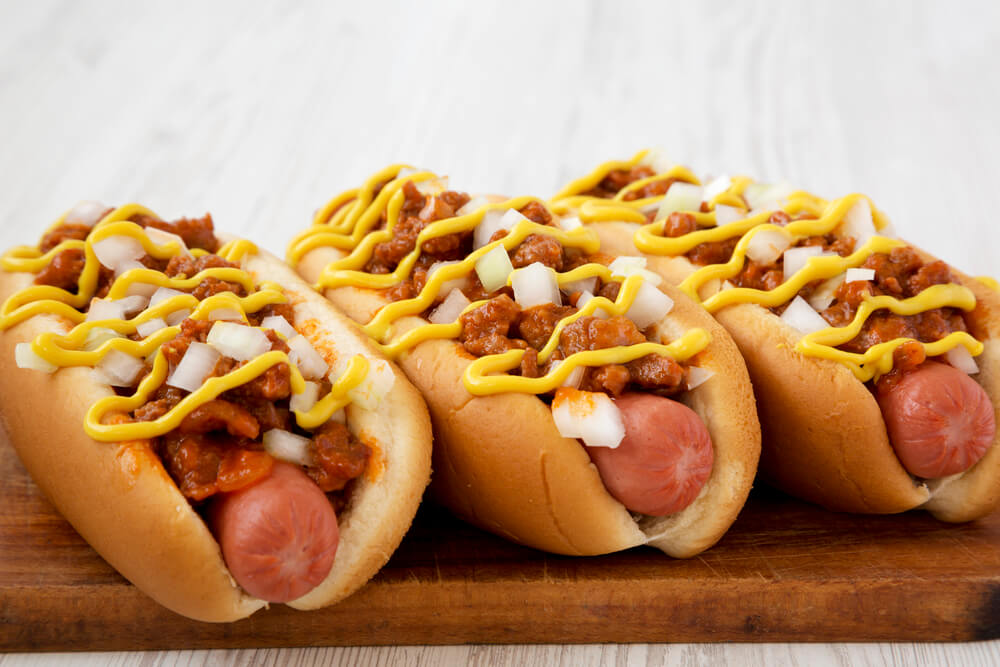
A Detroit coney is a natural-casing hot dog topped with a beanless meat chili, yellow mustard and chopped white onions. American Coney Island and Lafayette Coney Island sit side by side on Lafayette Boulevard downtown, both founded by members of the same Greek immigrant family, and their rivalry has lasted about a century.
Every Detroiter picks a side. Across the metro area, independent coney islands, diners with the same basic menu, fill strip malls and corners.
Kids grew up ordering two with everything, plus a loose coney, the sauce and crumbled meat served on a bun with no hot dog at all.
Wisconsin Butter Burgers
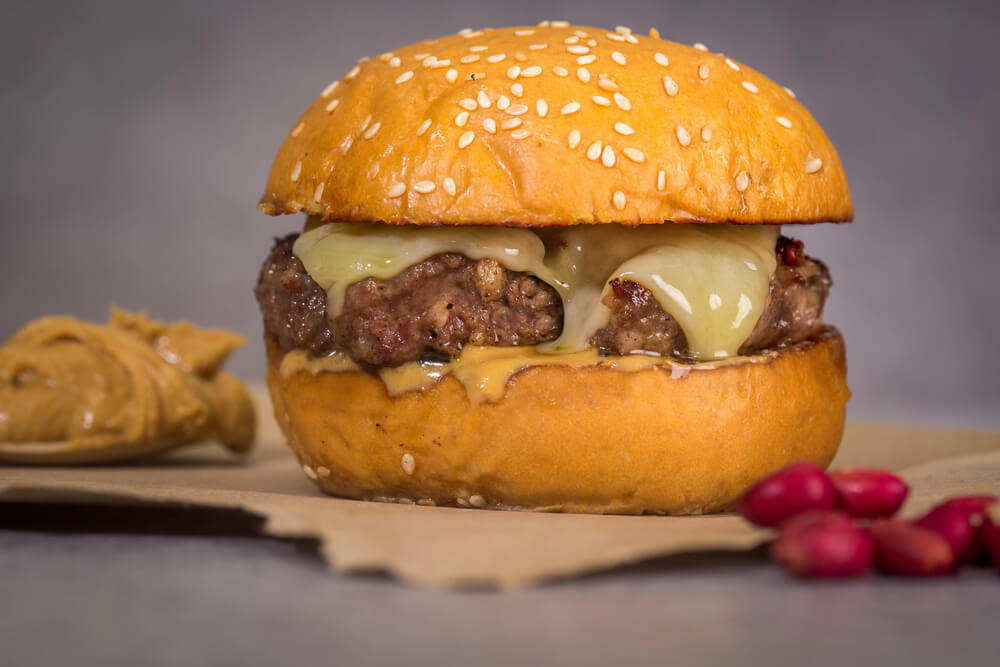
The butter burger is a Wisconsin habit in which the bun, the patty or both get a generous smear of butter. Solly’s Grille in Glendale, just north of Milwaukee, has served its version since 1936 with stewed onions and so much butter that it pools on the plate.
Culver’s, founded in Sauk City in 1984, took a lighter version national by buttering the crown of the toasted bun. Families pairing it with frozen custard turned the trip into a weekend ritual.
Kids who grew up in the state often assumed every burger in America came this way until they traveled.
Pork Chop on a Stick at the Iowa State Fair
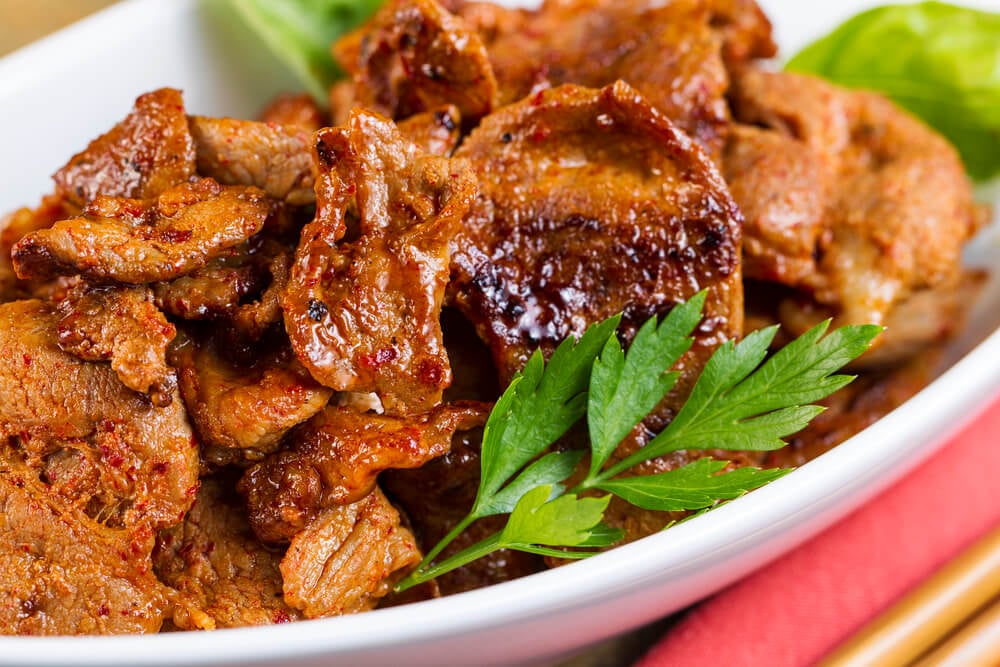
Dozens of foods are sold on sticks at the Iowa State Fair, but the grilled pork chop on a stick is the one most Iowans name first. The Iowa Pork Producers Association runs the tent, grilling thick bone-in chops that are served without a plate, the bone itself doubling as the handle.
Iowa raises more hogs than any other state, which makes the fair stand something close to a civic statement. Kids walked the midway gnawing on the bone.
Families who visited every August usually planned their route past the pork tent early and then again before leaving.
Kansas City Burnt Ends
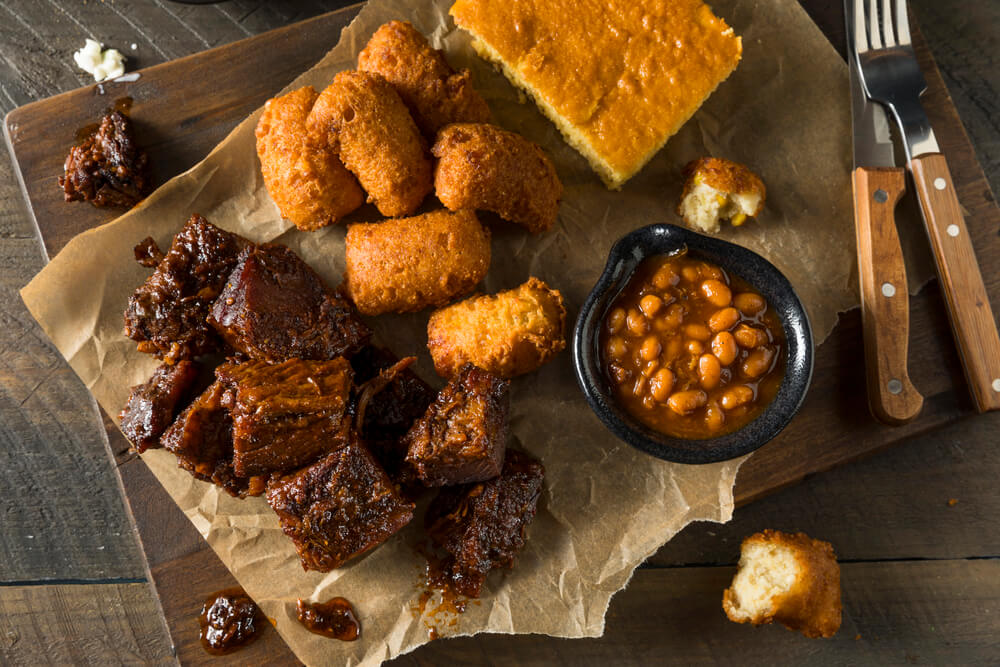
Burnt ends were once the charred, fatty point ends of smoked beef brisket that Kansas City barbecue joints trimmed off and handed to waiting customers for free. Arthur Bryant’s made them famous, and writer Calvin Trillin, a Kansas City native, wrote about them in the 1970s and called Bryant’s the best restaurant in the world.
Pitmasters now cube the brisket point, sauce it and smoke it a second time on purpose. Kids in Kansas City grew up eating them on white bread with pickles.
What was once a free scrap now often costs more per pound than the brisket it came from.
Hotdish Logic and a Region’s Sense of Home
Almost none of these dishes were built to impress anyone. They were built to stretch a pound of meat, fill a church hall, use up a surplus or survive a long drive to a relative’s house.
That practicality gave Midwestern food a reputation for blandness, which misses how fiercely local most of it is.
A Cincinnati kid and a Nebraska kid grew up a few states apart and ate almost nothing in common. Each town kept its own strange specialty and defended it against the rest of the country.
The dishes lasted because they tied people to a particular place, and leaving that place is usually when people realize how much they miss them.
More from Go2Tutors!

- The Romanov Crown Jewels and Their Tragic Fate
- 13 Historical Mysteries That Science Still Can’t Solve
- Famous Hoaxes That Fooled the World for Years
- 15 Child Stars with Tragic Adult Lives
- 16 Famous Jewelry Pieces in History
Like Go2Tutors’s content? Follow us on MSN.