Movie trivia that’s stranger than fiction
Movies transport us to other worlds, but sometimes the most unbelievable stories happen behind the camera. From accidental explosions to cats that wandered onto set and became cinema legends, Hollywood’s history is filled with moments that sound too bizarre to be true.
These aren’t the polished stories you’ll find in press kits—they’re the weird, wonderful, and downright absurd realities of filmmaking. The following collection reveals some of cinema’s most outrageous true stories. Here are fascinating movie facts that prove reality can be stranger than any screenplay.
Michael Myers’ mask was originally Captain Kirk
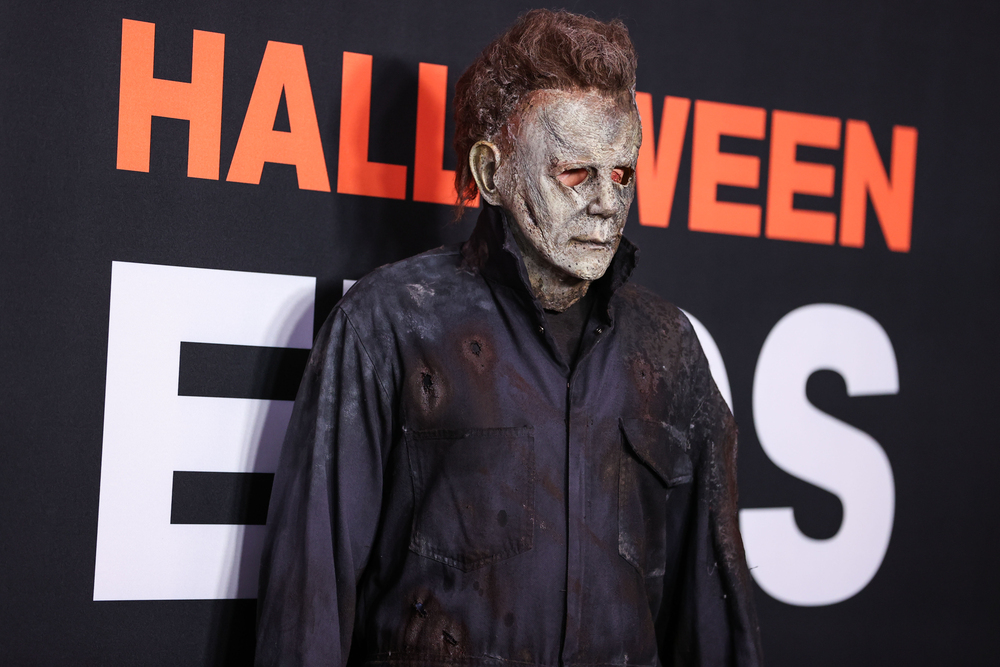
The iconic Michael Myers mask from Halloween started as a $1.98 William Shatner mask from a Hollywood costume shop. Production designer Tommy Lee Wallace bought it on a tight budget, then spray-painted it white, cut larger eyeholes, and messed up the hair to create the creepy look we recognize today.
Even funnier, Shatner himself later wore the mask trick-or-treating years after the film’s release.
A stray cat created one of cinema’s most memorable scenes

The cat purring in Marlon Brando’s arms during The Godfather wasn’t in the script—it was just a stray wandering around the set. Director Francis Ford Coppola spotted the feline and placed it directly into Brando’s hands, creating an instantly iconic shot.
The cat’s loud purring nearly ruined the scene because the microphone picked up so much of it that Brando’s dialogue was barely audible, and you can still hear it in the final film.
Coconuts became the sound of galloping horses

Monty Python and the Holy Grail’s famous coconut-clapping horse sounds weren’t just a comedic choice—they were born from necessity. The production couldn’t afford real horses and riding gear, and the coconuts also solved transportation issues across rough terrain and narrow medieval paths.
This budget constraint accidentally created one of the film’s most memorable running gags.
The Matrix’s green code came from sushi recipes
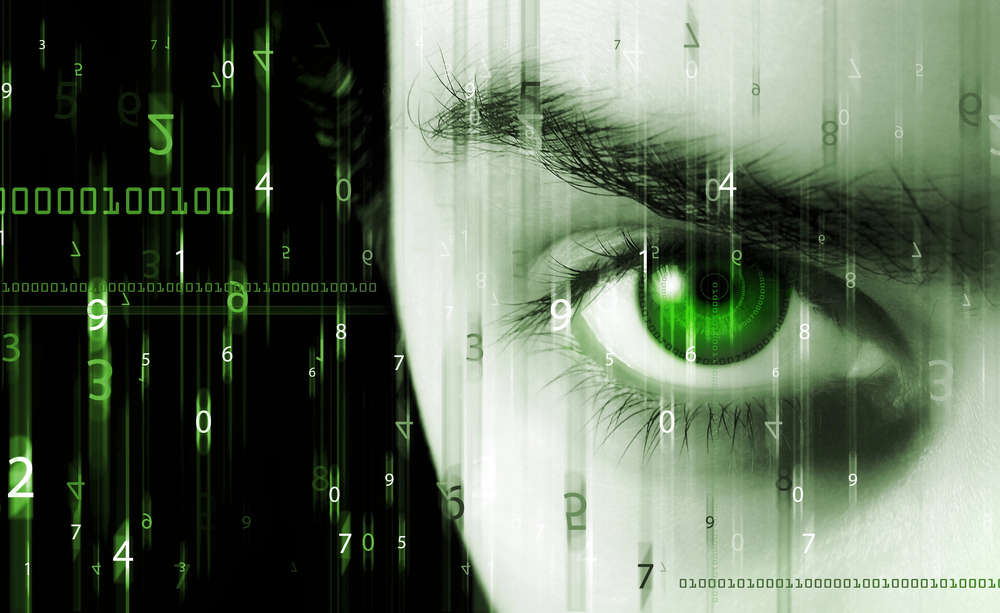
Simon Whiteley, the visual effects designer behind The Matrix’s iconic green digital rain, found his inspiration in an unexpected place: his wife’s sushi cookbooks. He digitized the Japanese recipes to create those memorable cascading lines of code.
Sometimes the most futuristic effects come from the most ordinary sources.
Jurassic Park’s velociraptors were actually tortoises
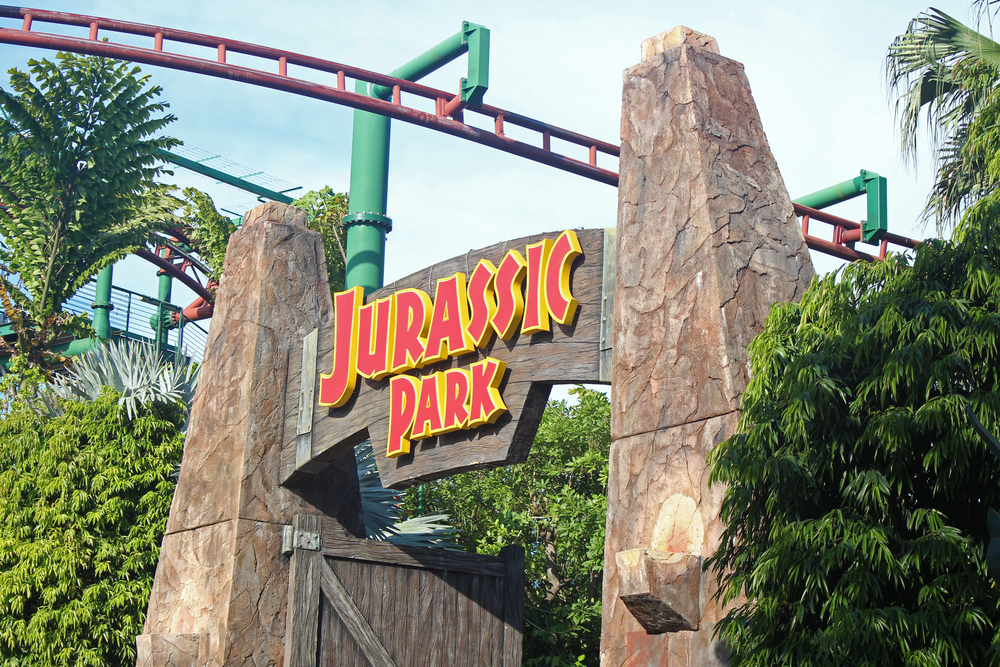
Sound designer Gary Rydstrom created the velociraptor communication sounds using recordings of tortoises mating at Marine World in California. The park employees suggested he mic up the romantic reptiles, and their sounds became the raptors’ signature barks.
The dinosaur sounds also incorporated horses breathing, dolphins squealing, and geese hissing to complete the prehistoric illusion.
Gene Kelly sang in the rain while seriously ill
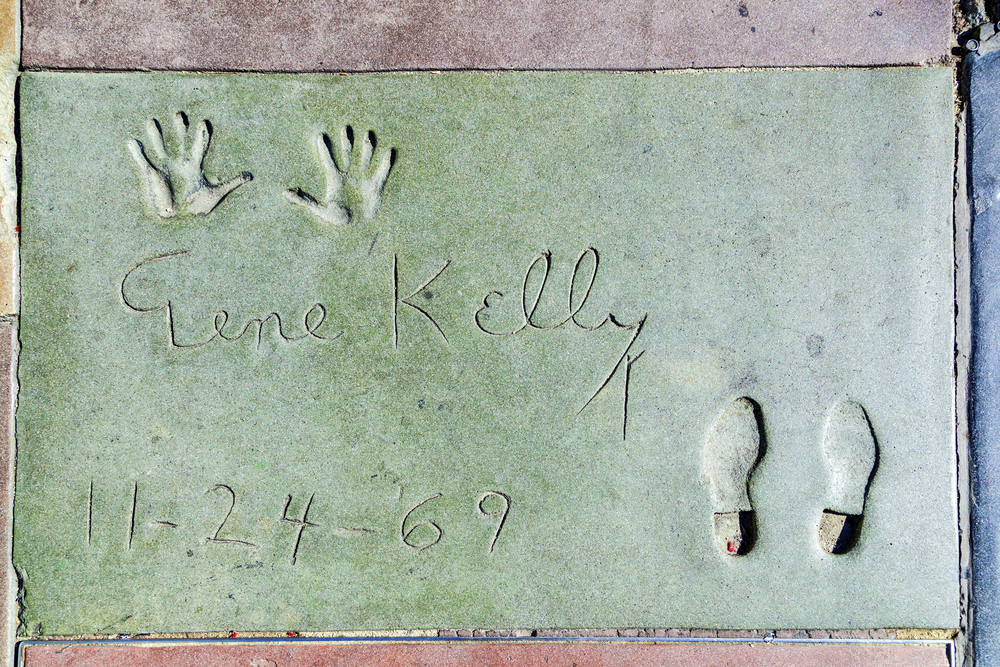
When filming the legendary ‘Singin’ in the Rain’ scene, Gene Kelly was actually very sick with a high fever. His dedication to getting the perfect take while battling illness makes the joyful performance even more remarkable.
The scene remains one of cinema’s most iconic moments, proving that sometimes the show really must go on.
Titanic’s massive engine room was mostly mirrors
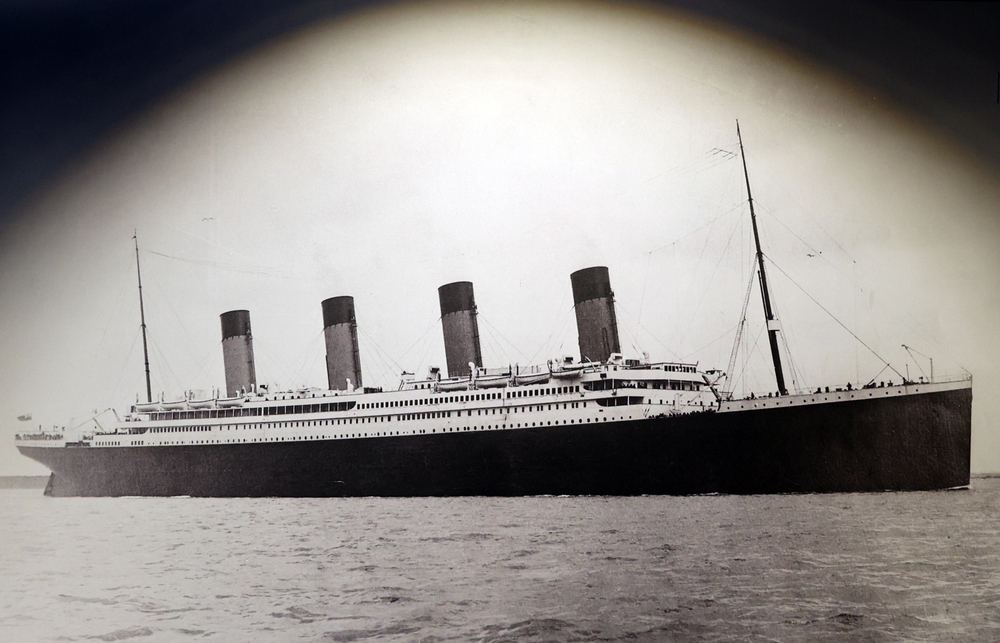
The seemingly enormous engine room in Titanic was actually a small set enhanced with a large mirror to make it appear much bigger. Additionally, most of the actors visible in the scene were only about five feet tall, making the machinery seem much more massive than it really was.
Cameron’s team used every trick in the book to create the illusion of the ship’s true scale on a manageable budget.
Sean Bean walked up a mountain every day for Lord of the Rings
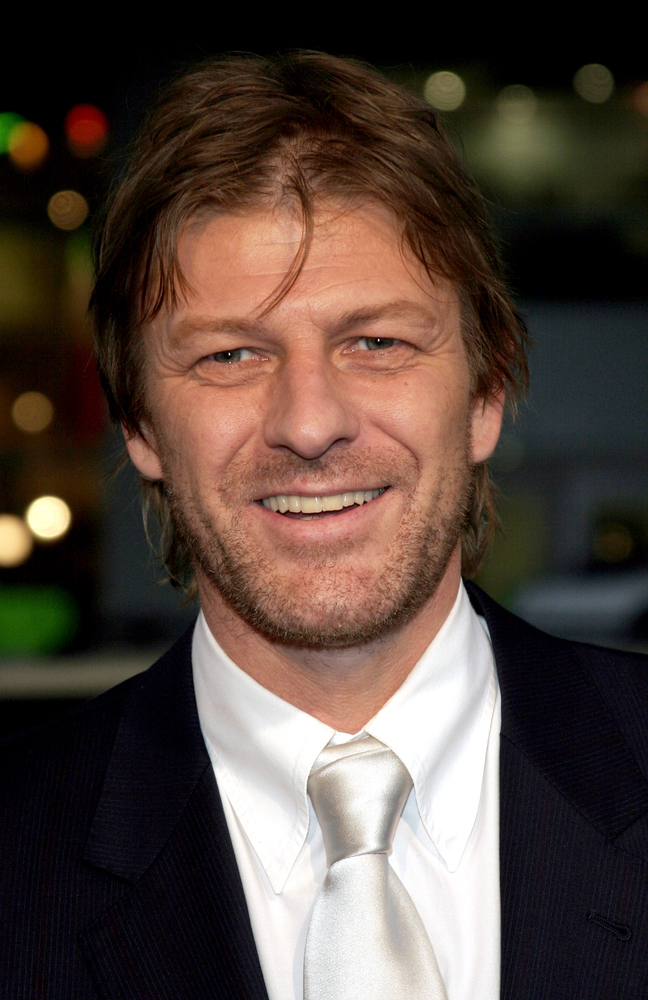
While the rest of the Lord of the Rings cast took helicopters to reach the mountainous New Zealand filming locations, Sean Bean chose to hike up in full costume every single day. His fear of flying turned into an extreme daily commute that probably gave him the most authentic warrior workout of the entire cast.
Anthony Hopkins barely blinks as Hannibal Lecter
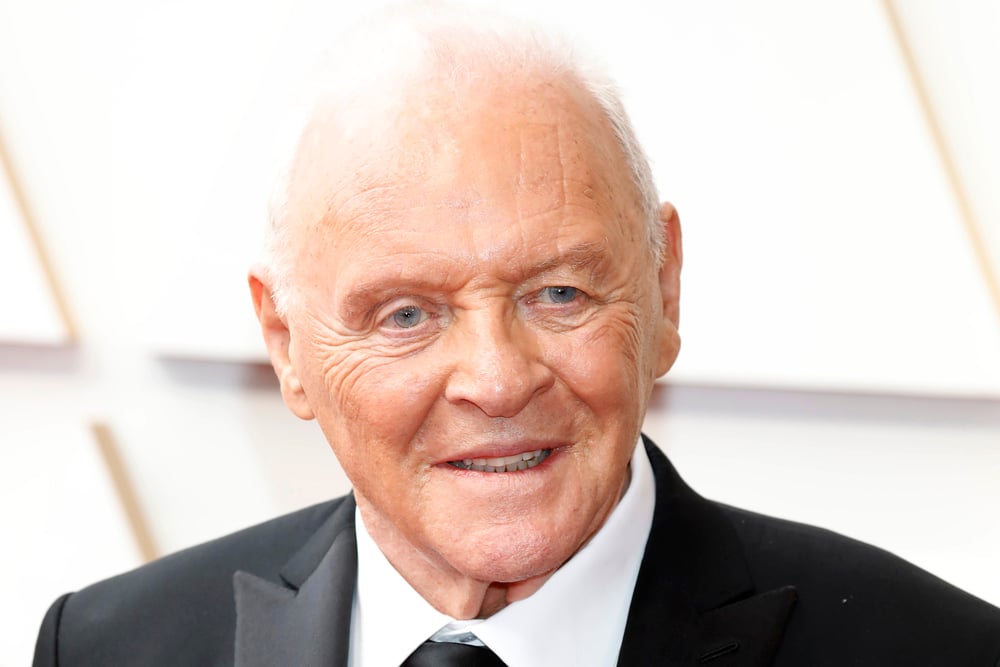
Hopkins appears for only about 16 minutes in The Silence of the Lambs’ 118-minute runtime, but his bone-chilling performance is enhanced by a simple trick: he never blinks during his scenes. Hopkins explained that ‘stillness has an economy, and it has a power about it,’ learning this technique from watching other great American actors.
Christian Bale based Patrick Bateman on Tom Cruise
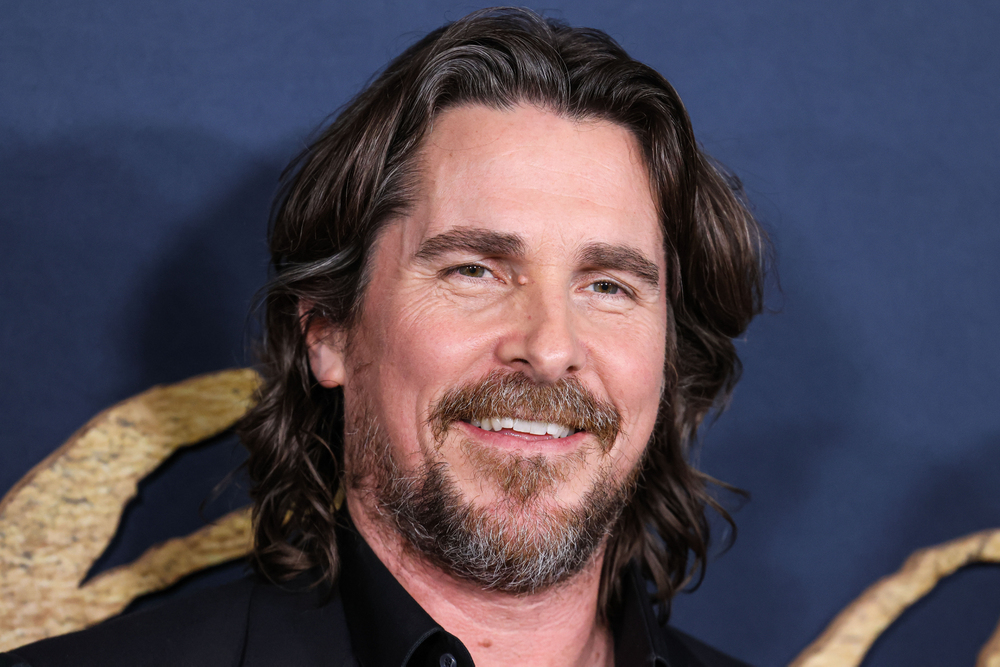
When developing his American Psycho character, Christian Bale drew inspiration from watching Tom Cruise on David Letterman. According to director Mary Harron, Bale saw ‘this very intense friendliness with nothing behind the eyes.’
The idea that one of Hollywood’s biggest stars inspired cinema’s most famous psychopath adds an extra layer of unsettling brilliance to Bale’s performance.
The making of movie magic through chaos

These behind-the-scenes stories reveal an essential truth about filmmaking: the most polished final products often emerge from the messiest, most unpredictable circumstances. What audiences see as seamless movie magic frequently results from quick thinking, creative problem-solving, and sometimes pure accident.
From budget constraints forcing innovative solutions to unexpected animals wandering into frame and becoming cinema legends, these tales remind us that great art often comes from embracing chaos rather than controlling it. The next time you watch a classic film, remember that somewhere behind that perfect scene might be a story stranger than any fiction.
More from Go2Tutors!

- The Romanov Crown Jewels and Their Tragic Fate
- 13 Historical Mysteries That Science Still Can’t Solve
- Famous Hoaxes That Fooled the World for Years
- 15 Child Stars with Tragic Adult Lives
- 16 Famous Jewelry Pieces in History
Like Go2Tutors’s content? Follow us on MSN.