Surprising Facts About Superyachts
Most people think superyachts are just really big boats for really rich people, and while that’s technically true, it barely scratches the surface. These floating palaces come with price tags that make luxury mansions look like affordable housing, operating costs that could fund small countries, and features so ridiculous they make James Bond gadgets seem practical.
The world of superyachts is absurd, excessive, and way more complicated than you’d think. Here’s what actually goes on behind those tinted windows.
The Purchase Price Is Just The Beginning

Buying a superyacht might cost you anywhere from $10 million to $600 million (or more if you’re Jeff Bezos), but that’s honestly the cheapest part of ownership. The annual running costs are typically 10% of the purchase price.
So if you drop $100 million on a yacht, you’re looking at $10 million a year just to keep it operational—and that’s before you actually go anywhere or turn on the air conditioning.
You Need A Small Army To Run One
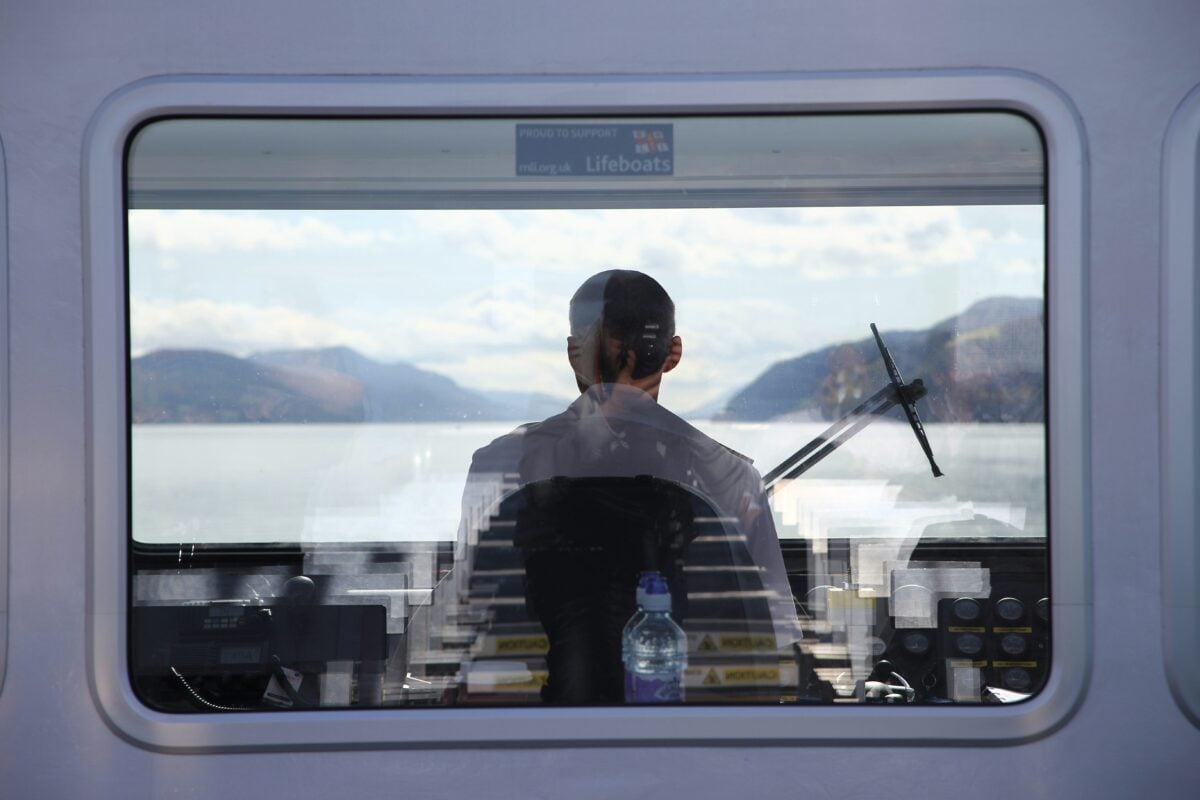
A 150-foot yacht requires a minimum crew of about 8-12 people. Go bigger, and you might need 50+ crew members living onboard. We’re talking captains, engineers, deckhands, chefs, stewardesses, security personnel, and sometimes even hairdressers and personal trainers.
These aren’t part-timers either—they live on the yacht, work insane hours, and the total annual crew salary can easily hit $1-2 million for a mid-sized superyacht (and yes, you have to pay them even when the yacht is just sitting in Monaco doing nothing).
Most Superyachts Spend 90% Of Their Time Empty
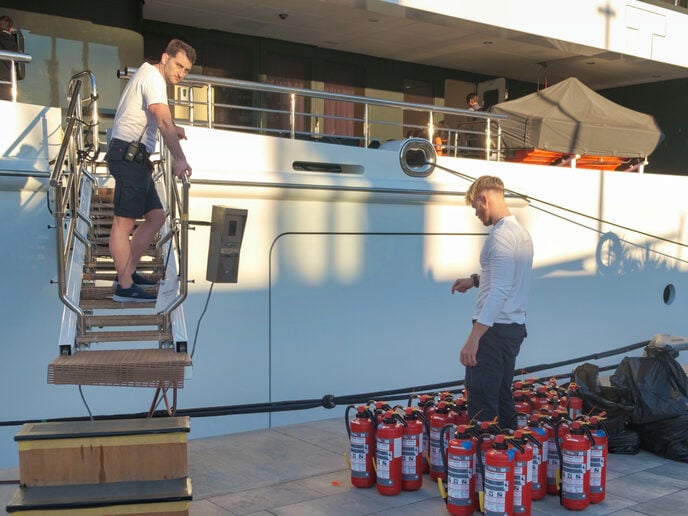
The average superyacht owner uses their vessel about 30-40 days per year. The rest of the time it’s just floating there, being maintained by the full-time crew, burning through money like it’s going out of style.
It’s like owning a hotel that’s only open for a month but has to pay staff year-round. Makes perfect financial sense.
They Guzzle Fuel Like You Wouldn’t Believe

A large superyacht can burn through 500 gallons of diesel fuel per hour while cruising. That’s not a typo. At typical cruising speeds, you’re looking at fuel costs of around $400,000 for a transatlantic crossing (depending on fuel prices and the size of the yacht).
Some of the biggest yachts hold over 200,000 gallons of fuel, and filling up the tank can cost over a million dollars.The environmental impact is staggering—one superyacht produces as much carbon in a year as about 1,500 cars.
Shadow Vessels Are Actually A Thing

Really wealthy yacht owners often have a second yacht that follows the main one around. These “shadow vessels” or “support yachts” carry extra toys like submarines, helicopters, jet skis, additional tenders, cars, and sometimes even more crew.
It’s like having a floating garage that costs tens of millions of dollars (because the main yacht doesn’t have enough space for all the toys, apparently). Some support yachts are nearly as large as the primary vessel.
The Depreciation Is Brutal

New superyachts lose about 20-30% of their value the moment they hit the water, similar to driving a new car off the lot but with way more zeros involved. After 10 years, a yacht might be worth only 40-50% of its original price.
Unlike real estate or classic cars, yachts are depreciating assets that require constant upkeep, and the bigger and more custom they are, the harder they are to resell.
Helipads Double As Party Decks

Most large superyachts come with helipads (because apparently using a tender to get from shore is too pedestrian). But when the helicopter isn’t landing, that helipad becomes prime real estate for parties, yoga sessions, or just showing off.
Some convert into jacuzzis or dance floors. The really over-the-top yachts have multiple helipads at different levels.
Anti-Paparazzi Systems Are Standard

High-end yachts come equipped with laser systems that detect camera lenses and either blast them with light to ruin photos or create a “light shield” around the yacht. Some have facial recognition software tied to security systems.
There are also acoustic systems that can jam drones. If you’re famous enough to need a superyacht, you’re famous enough to weaponize it against TMZ (which feels very dystopian but here we are).
Submarines Are No Longer Optional For The Ultra-Rich
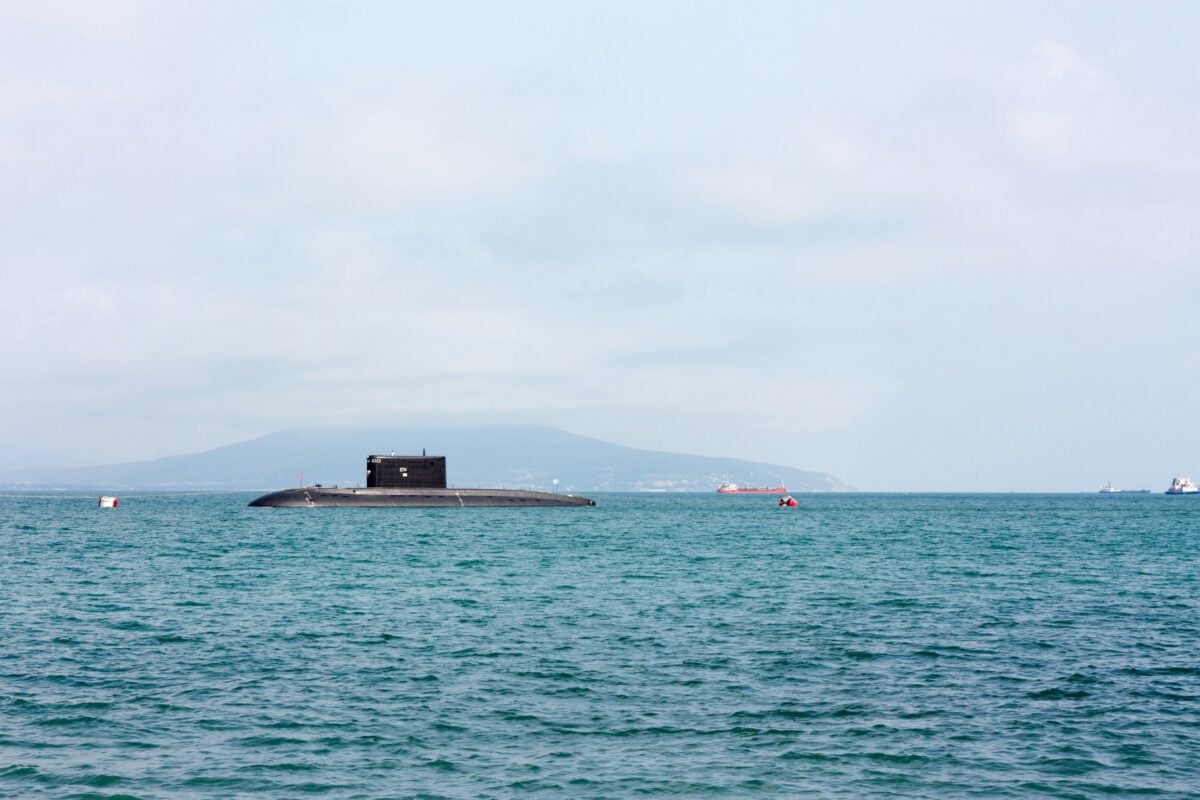
Personal submarines that can be stored in the yacht’s hull are becoming increasingly common. These aren’t toy subs—they’re multi-million dollar vessels that can dive to 1,000+ feet and stay submerged for hours.
Some come with underwater lights, robotic arms for marine research, and luxury seating. Because once you’ve conquered the surface of the ocean, you might as well go deeper.
Marina Fees Will Ruin Your Day

Docking a superyacht in Monaco during peak season can cost $4,000-$10,000 per day just for the slip, and that doesn’t include electricity, water, or services. Some exclusive marinas charge by the meter, so a 300-foot yacht could rack up $100,000 per week just to park.
Then there’s the tipping culture—you’re expected to tip the marina staff, the dock hands, the security… It adds up fast.
They’re Registered In Countries They Never Visit

Most superyachts fly flags from places like the Cayman Islands, Marshall Islands, or Malta—countries chosen for their favorable tax laws and light regulations, not because the owner has any connection to them. This “flag of convenience” system lets owners avoid stricter safety standards, labor laws, and taxes from their home countries.
A yacht owned by an American billionaire, built in Germany, and cruising the Mediterranean will probably have a Marshall Islands flag (fun regulatory loopholes for everyone).
Interior Designers Command Insane Budgets

The interior fit-out of a superyacht can cost as much as the hull and engines combined. Owners hire high-end designers who work with materials like Lalique crystal, gold leaf, marble from specific Italian quarries, and rare woods that cost more per square foot than most people’s houses.
One yacht reportedly spent $100,000 on a single chandelier. Another commissioned a custom mosaic made from crushed mother-of-pearl that took artisans two years to complete.
The design budget for a large superyacht can easily hit $50-100 million.
Stabilization Technology Costs More Than Most Homes

Modern superyachts use gyroscopic stabilizers that can cost $2-5 million to install. These massive spinning gyroscopes counteract the boat’s rolling motion, keeping it stable even in rough seas (so champagne flutes don’t tip over during dinner, obviously).
The technology is the same used in spacecraft and military applications. Some yachts have stabilizers that weigh over 30 tons each.
Tracking Them Has Become A Sport

Websites and apps now track superyachts in real-time using AIS transponders, creating a weird subculture of yacht watchers who monitor where billionaires are vacationing. You can see when Jeff Bezos’ yacht leaves port or when a Russian oligarch’s vessel is docked in the French Riviera.
Some owners have started turning off their transponders to avoid this surveillance (which is technically illegal but rarely enforced). The transparency has become so detailed that journalists use yacht movements to track business deals and political meetings.
It’s Not About The Journey Anymore
At a certain wealth level, the superyacht isn’t about sailing or ocean adventures—it’s a mobile tax haven, a flex, and a floating office that happens to have a nightclub and a movie theater. These vessels spend most of their time anchored off expensive coastlines while owners fly in for a weekend, party, conduct some business meetings, and fly back out.
The romance of the sea has been replaced by the logistics of asset management and status signaling, which is kind of sad when you think about it.
More from Go2Tutors!

- The Romanov Crown Jewels and Their Tragic Fate
- 13 Historical Mysteries That Science Still Can’t Solve
- Famous Hoaxes That Fooled the World for Years
- 15 Child Stars with Tragic Adult Lives
- 16 Famous Jewelry Pieces in History
Like Go2Tutors’s content? Follow us on MSN.