30 Inventions Built Before the World Was Ready
Innovation rarely arrives at convenient moments. Often, inventors conceptualize solutions before infrastructure exists to support them, before supply chains emerge to manufacture components, before society organizes itself to use what has been created.
Leonardo da Vinci sketched flying machines five centuries before powered flight; ancient engineers built water systems that Romans wouldn’t replicate for centuries. These inventions existed—sometimes functional, sometimes merely theoretical—yet the world possessed neither resources nor cultural readiness to adopt them.
They languished forgotten until circumstances caught up with vision.
Leonardo da Vinci’s Helicopter Sketches (1500s, 500-Year Delay)
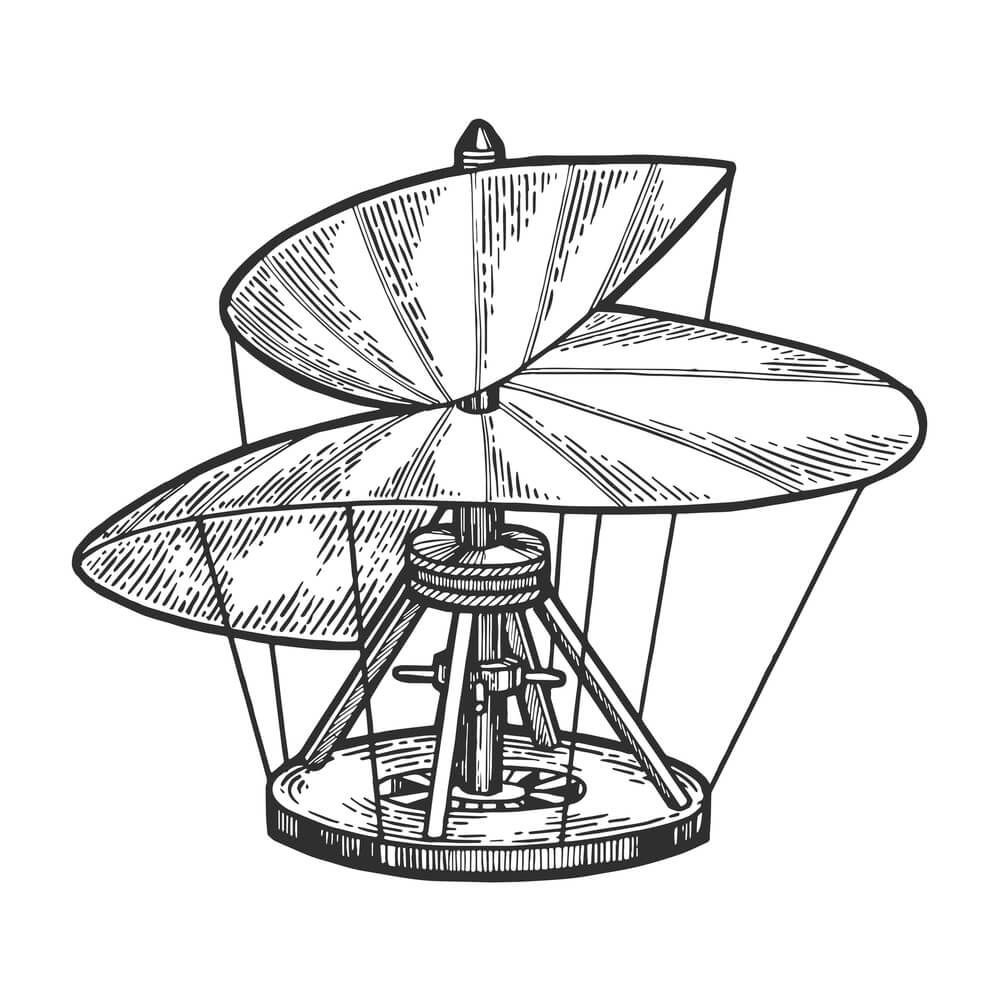
Leonardo da Vinci sketched an early helicopter design in his notebooks during the fifteenth and sixteenth centuries. The sketches, never built during his lifetime, survived in archives and eventually inspired scientists 500 years later to prove the design’s principles.
Da Vinci’s conceptual work preceded practical helicopter development by half a millennium, demonstrating visionary thinking unmoored from contemporary technological capacity.
Da Vinci’s Armored Car (1500s, Mechanical Design, Never Built)
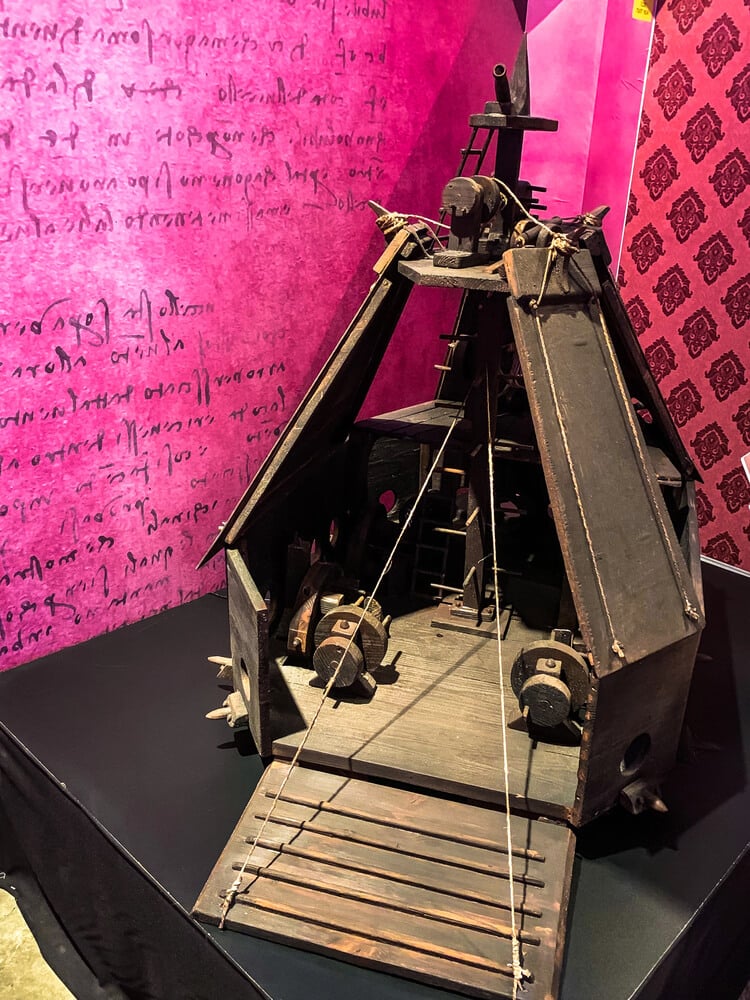
— Photo by Flik47
Another da Vinci design proposed an armored vehicle entirely filled with cannons, driven by cranking internal wheels. The design contained a mechanical flaw preventing the wheels from turning properly, but the concept predated mechanized warfare by centuries.
The armored car sketch existed as pure theoretical vision, centuries before such vehicles became practical.
Galileo’s Pendulum Clock (1630s, Incomplete, 26-Year Delay)
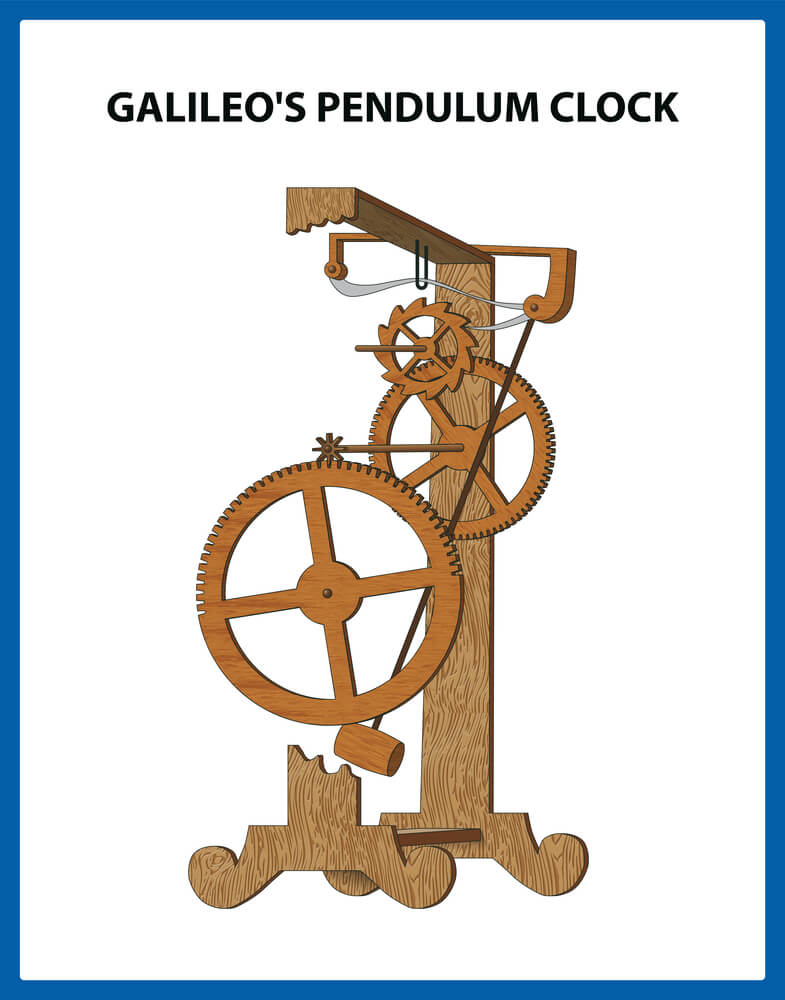
Galileo Galilei designed the first pendulum clock in the 1630s, observing that pendulum swings maintained consistent duration regardless of amplitude. Neither Galileo nor his son lived long enough to complete a functional prototype.
The Dutch inventor Christiaan Huygens patented the idea in 1656, decades later, and built the first working pendulum clocks. Galileo’s concept predated its practical implementation by a generation.
Ancient Roman Flushing Toilets (100 BCE, Lost Technology)

The ancient Romans developed flushing toilets in sophisticated urban systems, managing water flow and waste removal. When Roman civilization collapsed, this technology disappeared.
Centuries later, Europeans had to “reinvent” flushing toilets without knowledge that such systems had previously existed. Technology lost to civilizational collapse had to be rediscovered millennia later.
Ancient Minoan Water Fountains (1700 BCE, Hydraulic Systems, Lost Knowledge)

In the palace complexes of ancient Crete, Minoans engineered sophisticated water management systems including fountains and aqueducts. This sophisticated hydraulics remained unknown to later European civilization, which developed similar water systems independently.
Technology centuries ahead of its rediscovery existed, used, then disappeared.
The Antikythera Mechanism (100 BCE, Celestial Computer)
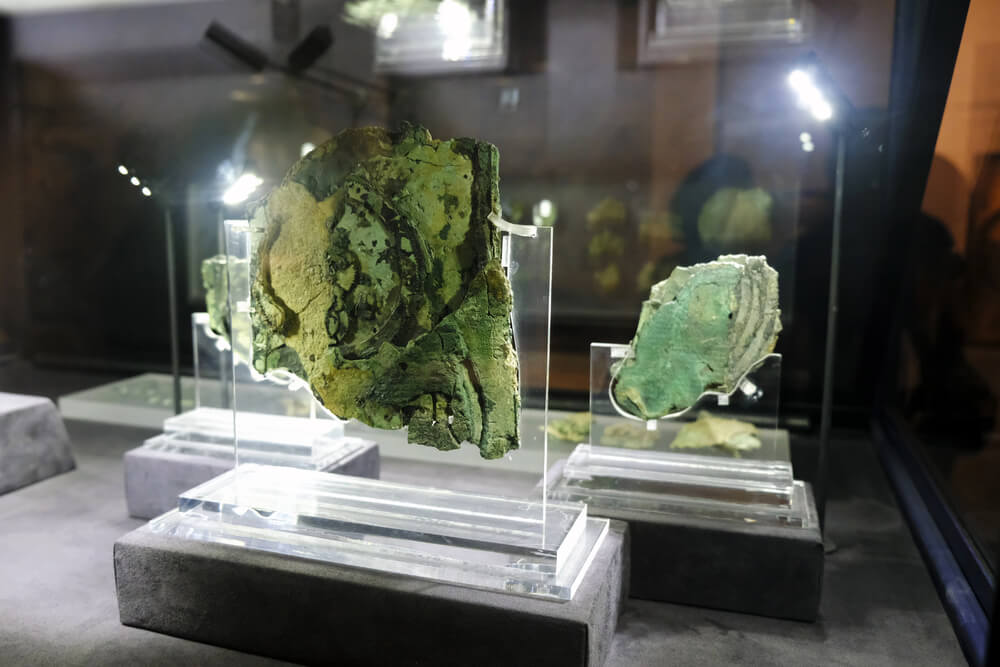
— Photo by Ale_Mi
Discovered in a Roman shipwreck near Antikythera, Greece, this bronze device (dated between 205 and 100 BCE) shocked scholars with its complexity. It accurately tracked celestial cycles and predicted eclipses, functioning as a mechanical computer centuries before mechanical clocks were conceptualized.
Sophisticated technology existed in antiquity, then disappeared from the historical record for nearly two millennia.
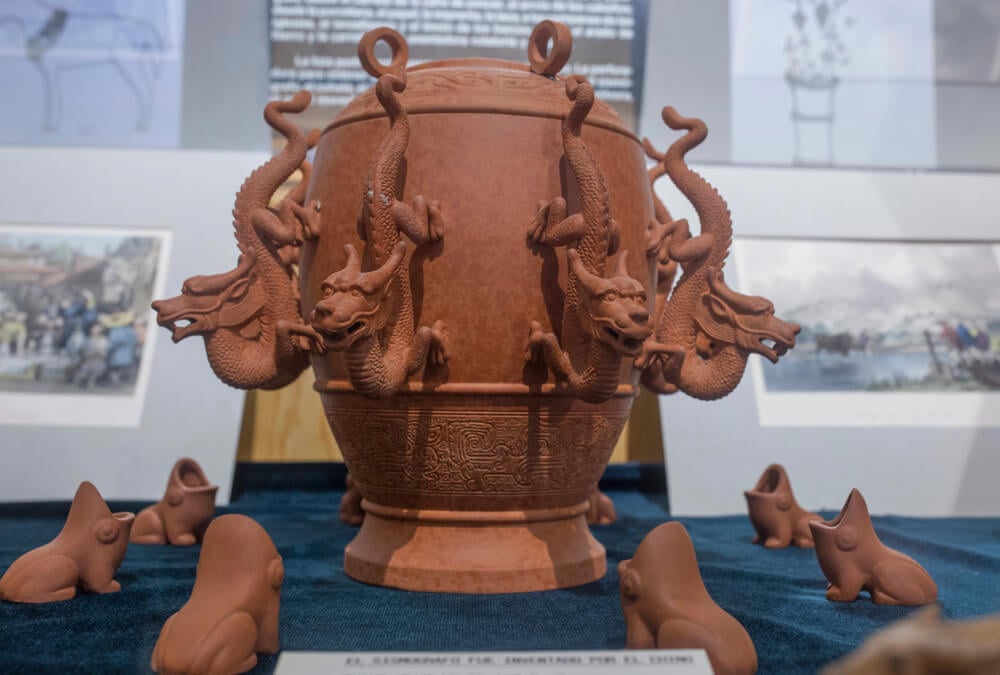
Zhang Heng’s Seismoscope (132 CE, Earthquake Detection)
— Photo by WHPics
Chinese polymath Zhang Heng devised a bronze device in 132 CE that detected distant earthquakes through a mechanism of dragon heads that dropped orbs into toads’ mouths. The device could detect quakes hundreds of kilometers away.
This sophisticated earthquake detection technology was lost and not rediscovered until modern seismology independently developed similar detection methods.
Heron of Alexandria’s Steam-Powered Sphere (1st Century CE, Aeolipile)

Heron of Alexandria built a steam-powered sphere that rotated as steam escaped through tubes. The device demonstrated the principle of rotational motion from steam power, yet Heron’s culture never developed steam engines for practical use.
The technology existed as a curious demonstration, centuries before the Industrial Revolution applied steam power.
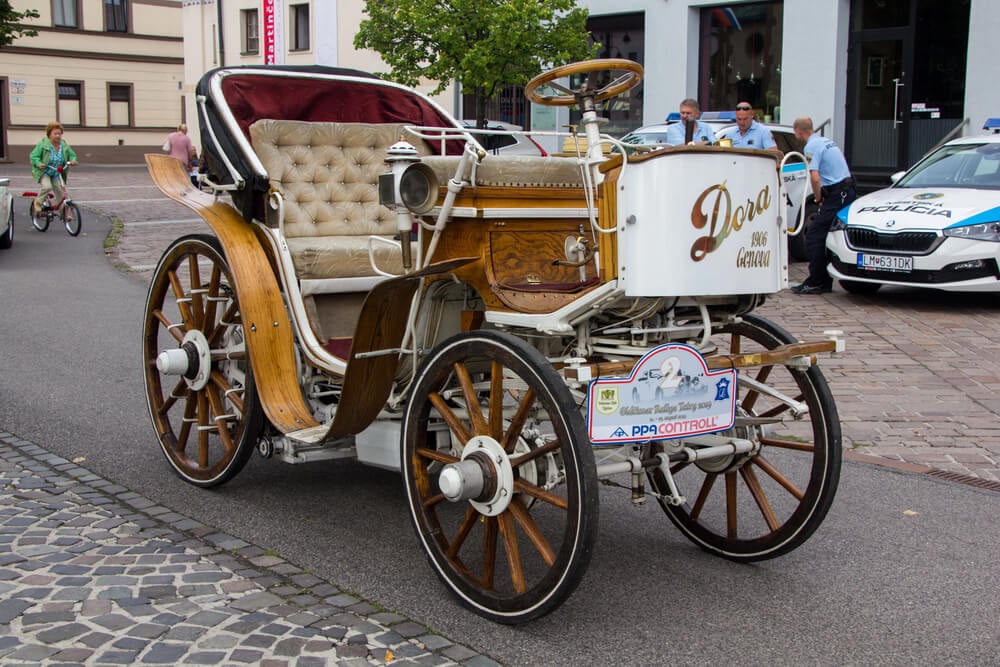
Electric Cars (1880s-1900s, Pre-Gasoline Dominance)
— Photo by lennystan
Electric vehicles powered by rechargeable batteries existed and operated on city streets in the late nineteenth century. They were clean, quiet, and efficient for urban use. However, weak battery technology, absence of charging infrastructure, and the discovery of oil reserves made gasoline-powered vehicles more practical.
Electric cars predated their widespread adoption by a century.
Nikola Tesla’s Wireless Power Transmission (1891, Unrealized)
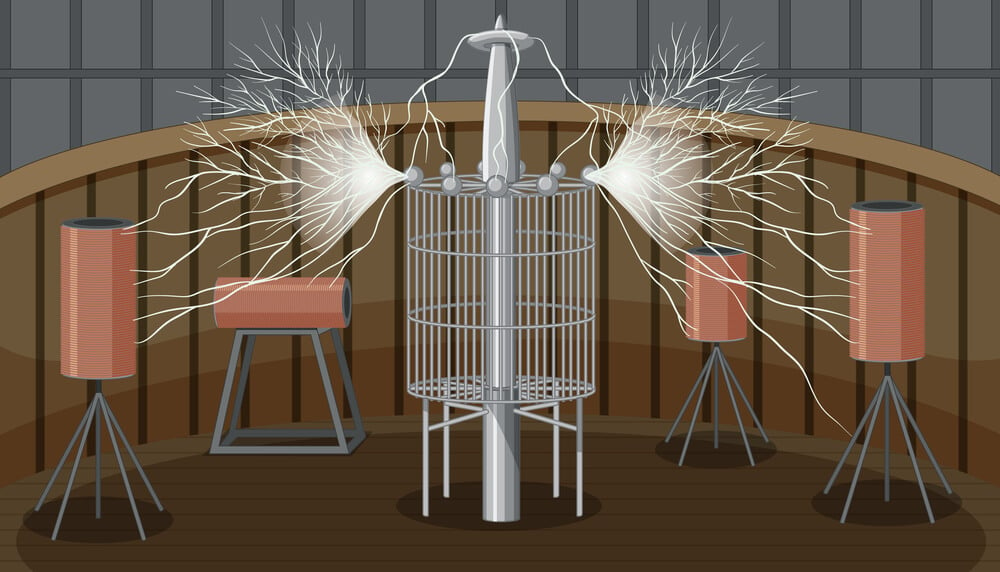
Nikola Tesla conceived of wireless transmission of electrical power across distances without physical wires. His 1891 patent applications and theoretical work preceded practical wireless electricity by more than a century.
The fundamental concepts existed, but technological and economic barriers prevented implementation until recent advances renewed interest in wireless power.
Alfred Beach’s Pneumatic Subway (1870, New York, 1-Block Demonstration)

Engineer Alfred Beach built an underground train in New York using air pressure to push a passenger car along a track. People loved it, but the single-block demonstration remained the only pneumatic subway ever constructed.
The technology was viable but did not scale; an entire transport revolution would occur via electric-powered subways instead.
Buckminster Fuller’s Dymaxion Car (1933, Radical Aerodynamics)
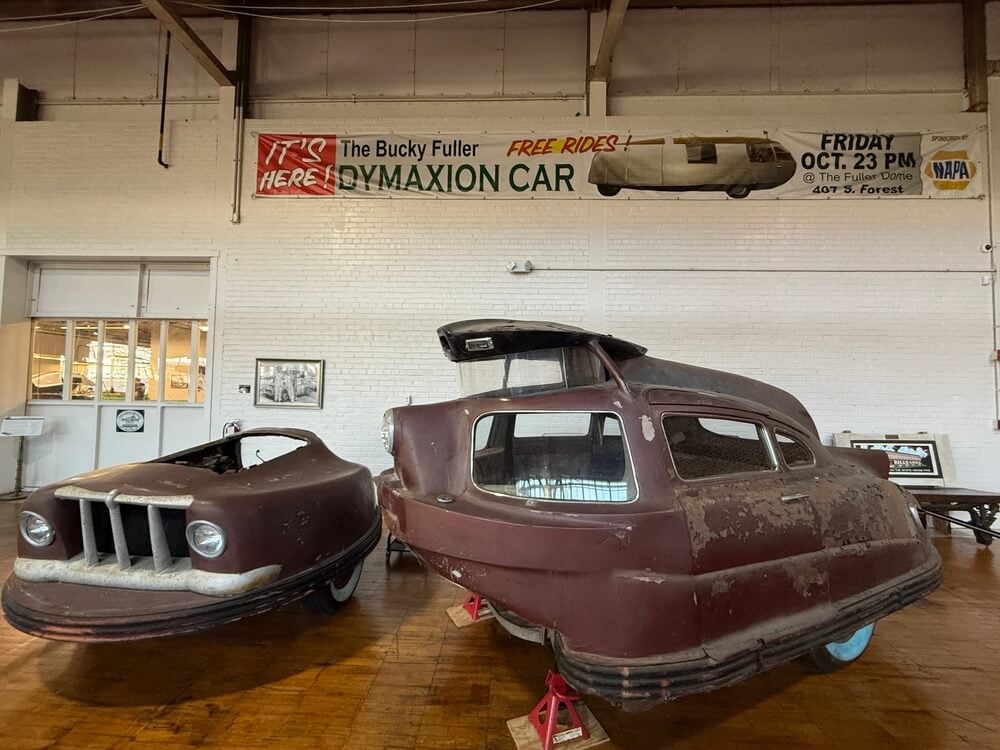
Visionary architect Buckminster Fuller designed the Dymaxion Car in the 1930s—a three-wheeled, aerodynamic vehicle promising 30 miles per gallon and accommodation for up to 11 passengers. Only a handful of prototypes were built before the concept was abandoned.
Fuller’s innovative but unconventional design was too far ahead of its time, predating modern sustainable transport concepts by decades.
Early Electric Engine Development (Nikola Tesla, 1888)
— Photo by savo74
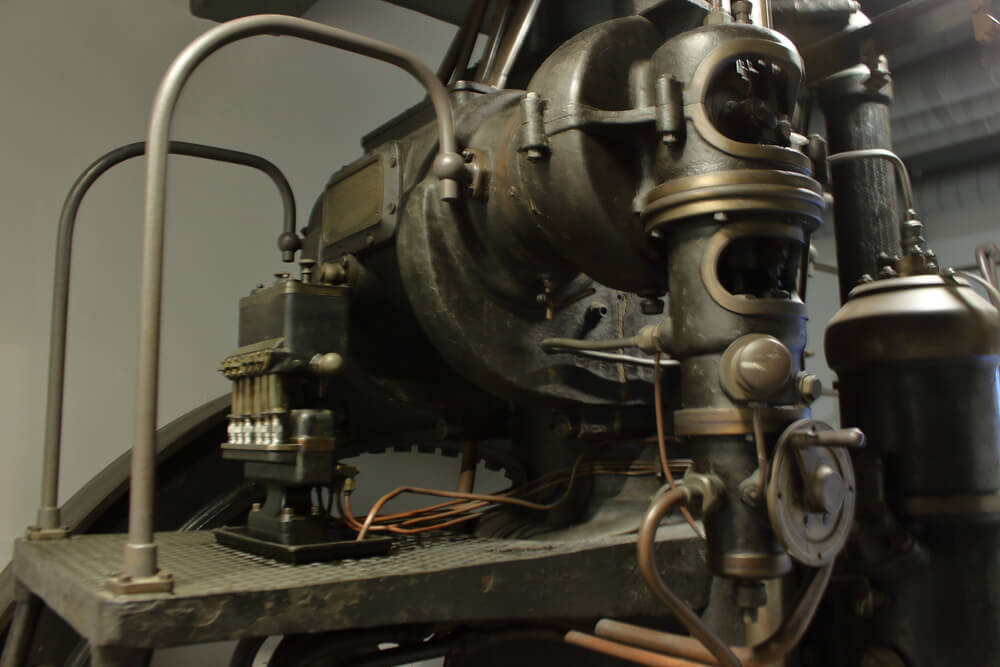
Nikola Tesla invented a workable AC electric motor in 1888, preceding modern electric transportation by more than a century. Powerful controlling interests in the gasoline industry prevented the widespread adoption of electric motors for vehicles.
Political and economic barriers, not technological limitations, delayed electric vehicle development.
Gallium Nitride Semiconductors (1932, 60-Year Delay to Application)

Gallium nitride as a semiconductor material was theoretically developed in 1932, yet practical applications did not emerge until the 1990s. The technology existed in principle for decades before manufacturing processes caught up and demand created by LED technology pulled the innovation into practical use.
Theory predated practice by six decades.
The Stethoscope Predecessor (Wooden Tubes, Pre-1800s)
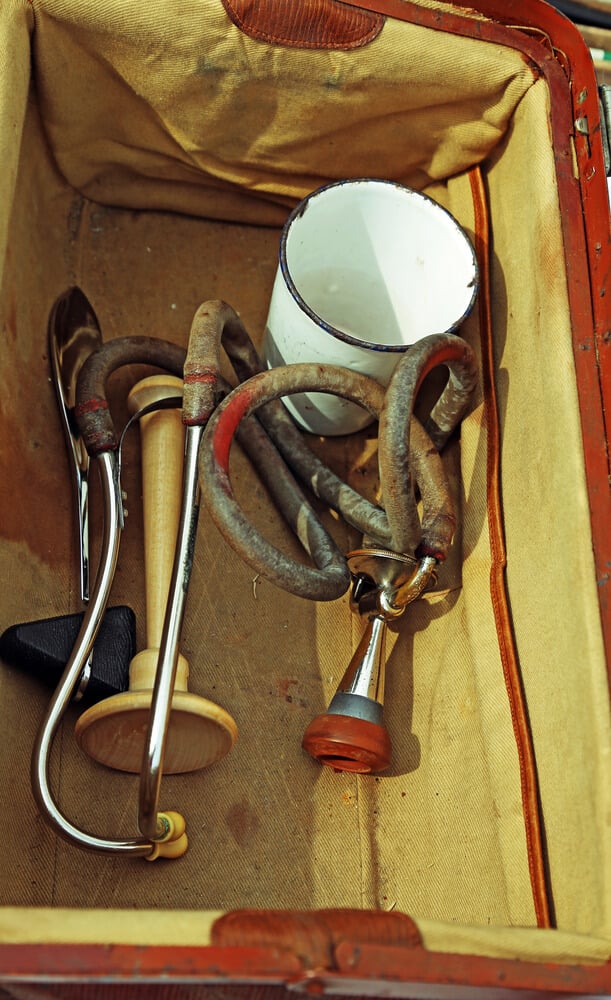
Before formal stethoscopes, doctors used wooden tubes to listen to patients’ heartbeats. The design was simple, but it established the foundation for modern diagnostic tools.
The basic principle existed centuries before formal medical instruments incorporated the concept into standardized devices.
Leonardo da Vinci’s Step Counter (1500s, Pedometer Concept)
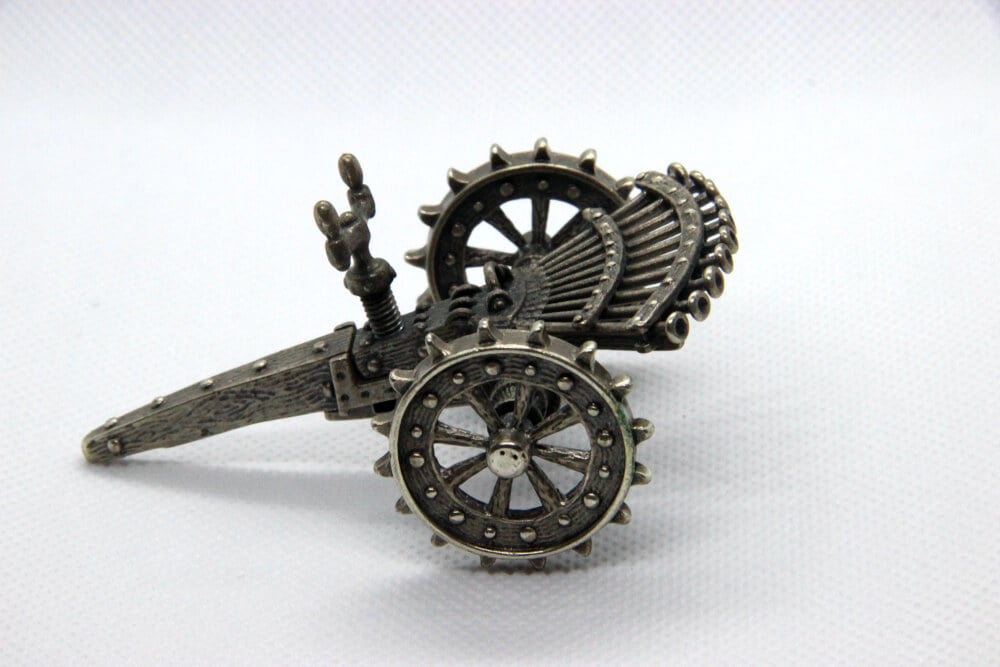
Leonardo da Vinci sketched one of the earliest versions of a step counter in his notebooks, originally conceptualized for soldiers to measure distance traveled. The design has changed little in principle; modern wearable step counters function on da Vinci’s basic concept.
Theory preceded practical implementation by half a millennium.
AT&T’s Videophone (1920s-1960s, Multiple Demonstrations, Limited Adoption)

AT&T introduced a videophone at the World’s Fair where people could see the other person while talking. Multiple videophone prototypes and demonstrations occurred from the 1920s onward, yet practical adoption did not occur until the internet enabled videoconferencing.
The technology existed decades before cultural adoption.
Color Photography (1861, Slow Commercialization)

Scottish physicist James Clerk Maxwell produced the earliest color photograph in 1861 using red, green, and blue filters. However, color photography remained expensive and impractical for decades.
Commercial color film did not become widely available until the 1930s-1940s, nearly 80 years after Maxwell’s demonstration.
Kodak’s Digital Camera (1975, Shelved by Company)
— Photo by hawkmedialv
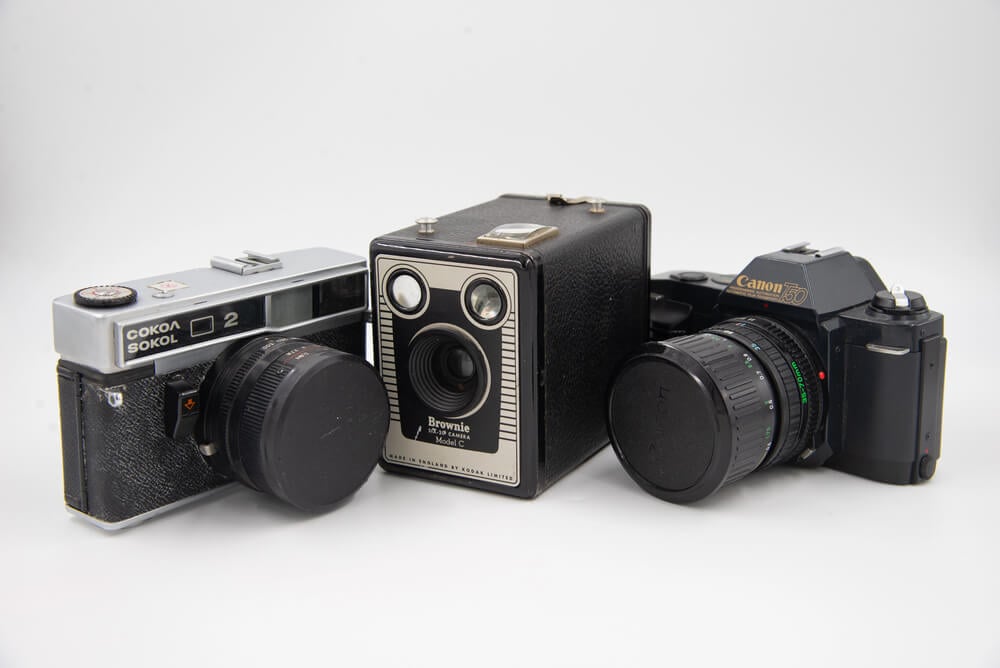
Engineer Steve Sasson built the first hand-held digital camera at Kodak in 1975. The prototype was the size of a toaster and weighed 8 pounds, capturing grainy black-and-white images.
Kodak shelved the technology, believing film photography would remain dominant. The inventor worked at the very company that would be displaced by his creation.
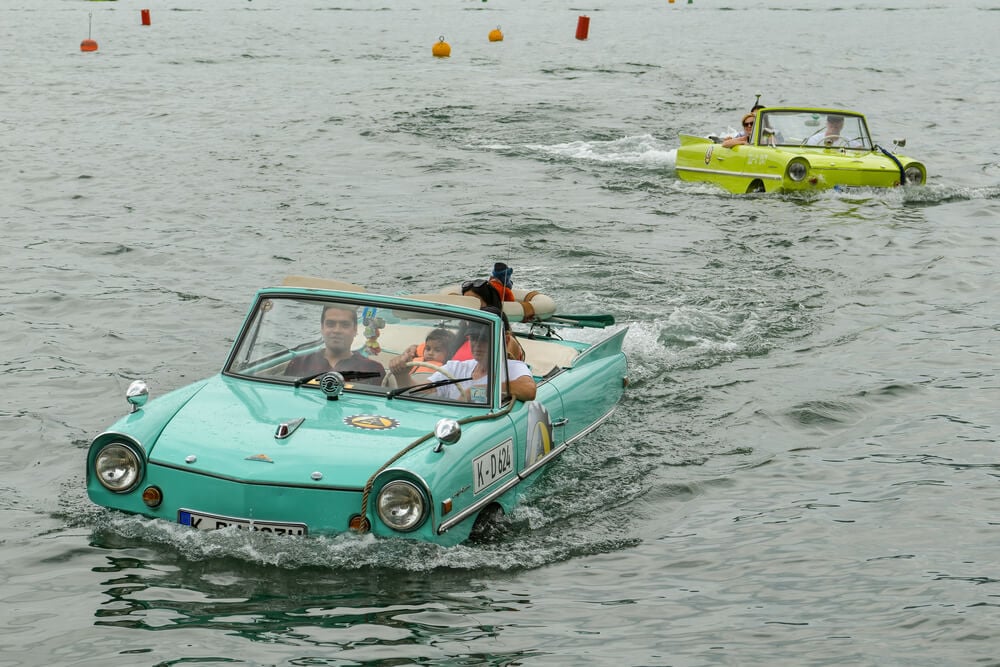
Swiss Amphibious Transit Vehicles (1950s-1960s, Land-Water Hybrids)
— Photo by bacil82
In Switzerland, inventors attempted to create public transport vehicles that could transition between land and water operation. One prototype functioned successfully, while another sank.
The concept was viable but impractical; the experiments ended before the technology could scale. The amphibious vehicle predated its modern recreational applications.
Wireless Electricity (Tesla, Renewed Interest 2000s-Present)
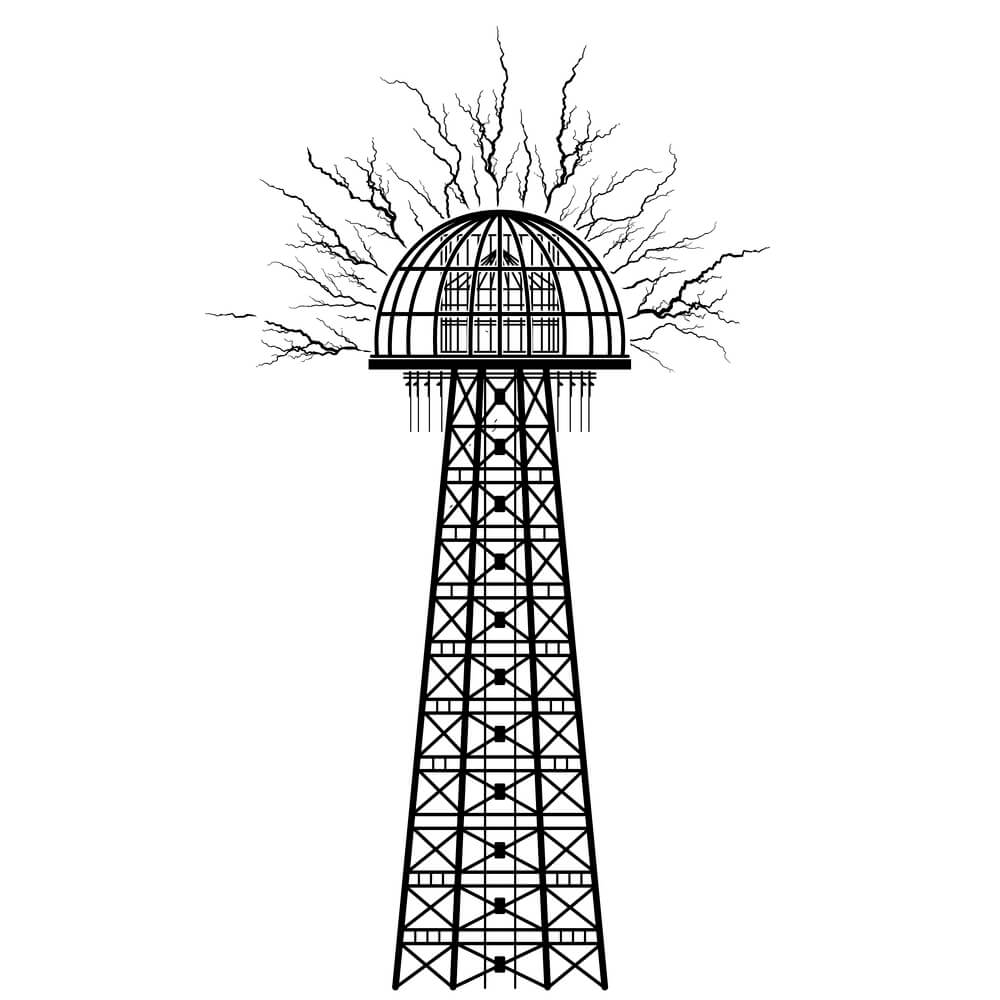
Tesla’s wireless power transmission concepts, deemed impractical in 1891, have renewed interest in the 21st century as researchers work to improve efficiency and range. Wireless charging pads for phones and the emerging Qi charging standard represent the delayed realization of Tesla’s century-old vision. Over a century passed before infrastructure supported his concept.
Prosthetics with Sensation Feedback (Neural Integration, 2010s)
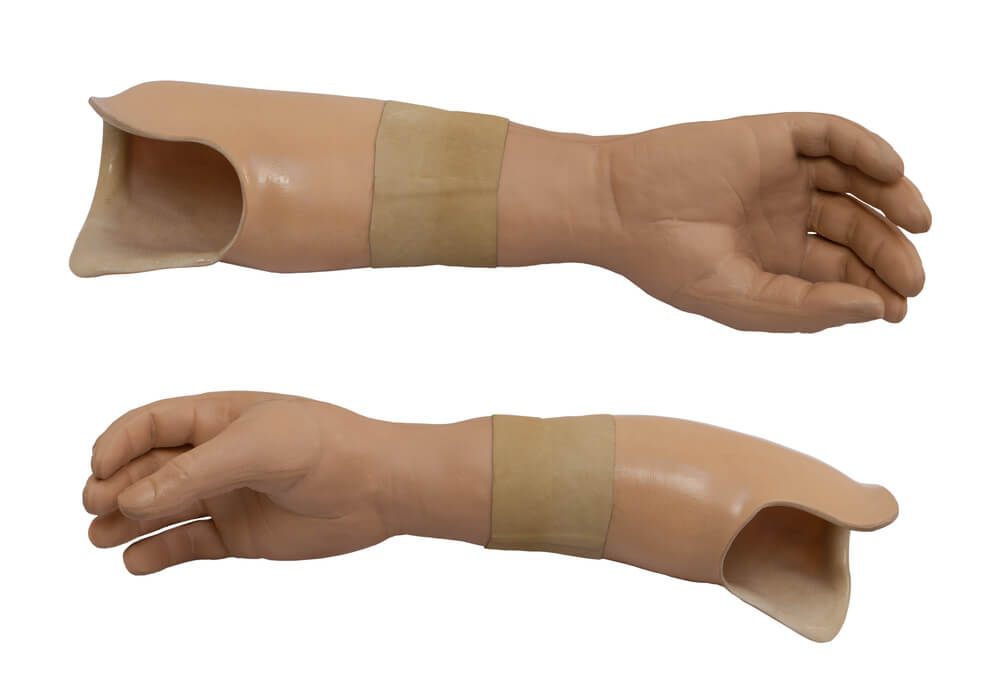
While prosthetic limbs existed for centuries, prosthetics with feedback sensations enabling amputees to feel what their artificial hands touch remained theoretical until recent years. Neurotechnology developed in the 2000s enabled direct neural integration, bringing century-old concepts of sensate prosthetics into functional reality.
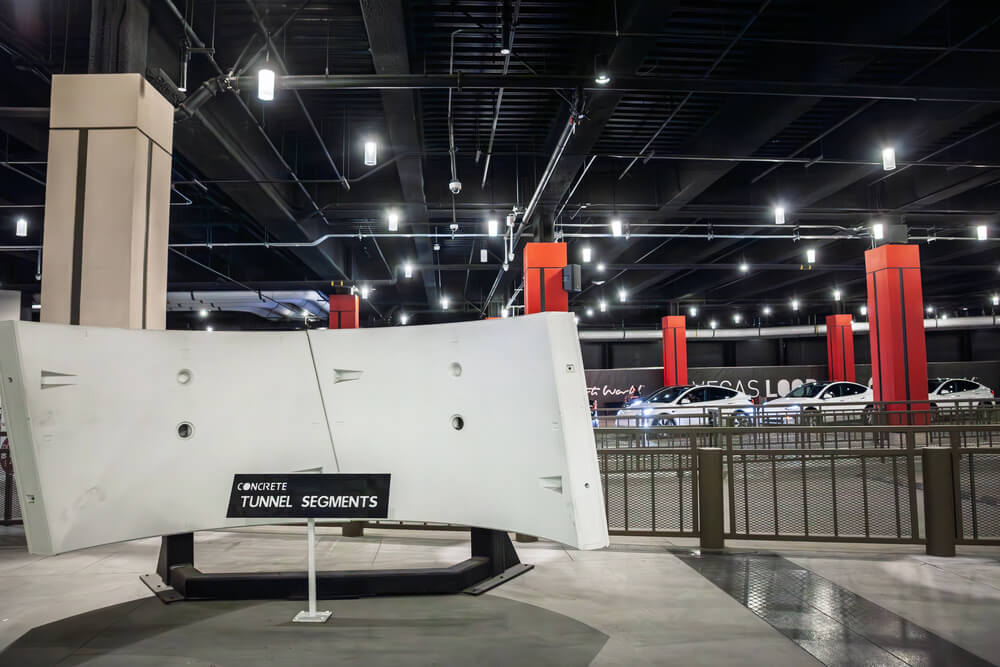
Hyperloop Concept (Elon Musk Revived, Original 1800s Concept)
— Photo by BalkansCat
The Hyperloop concept—passenger pods traveling through low-pressure tubes—dates to nineteenth-century transportation concepts. Elon Musk revived the idea in 2013 as a theoretical high-speed transit system.
The basic principle existed for a century before technological developments made serious implementation possible.
3D Printing Technology (1984 Patent, Widespread Adoption 2000s-2010s)
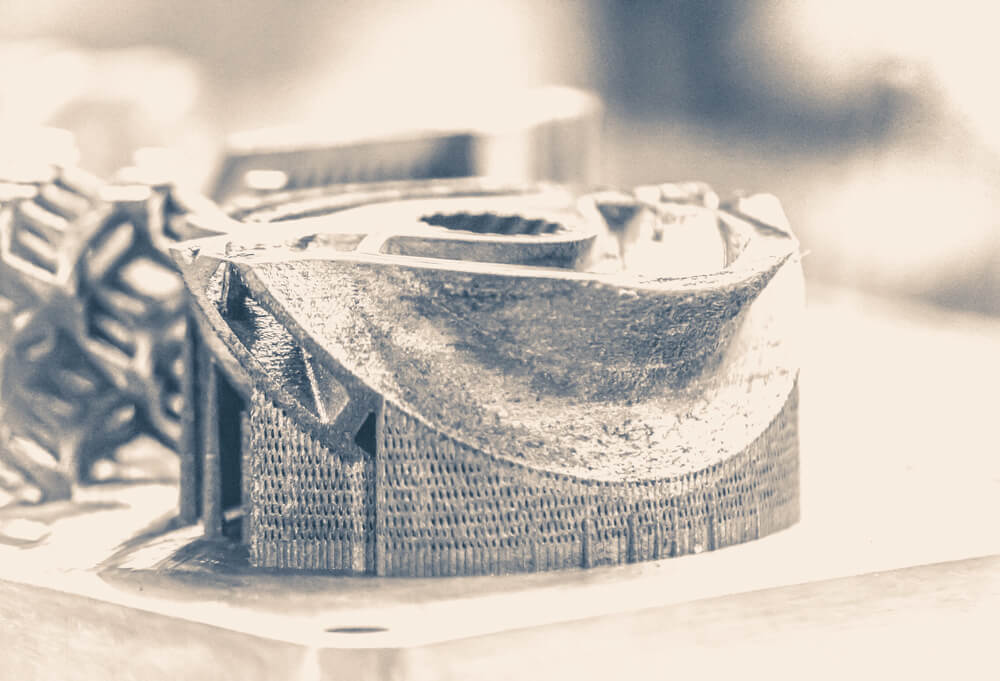
Chuck Hull patented stereolithography—the foundational 3D printing technology—in 1984. The technology existed for decades before material science, computing power, and market demand converged to drive widespread adoption in the 2000s and 2010s.
The innovation was ahead of the infrastructure needed to commercialize it.
Machine Learning Concepts (1950s Theory, 2010s Practical Power)
The theoretical foundations of machine learning and artificial neural networks were established in the 1950s by pioneering researchers. However, the computational power and training datasets necessary to make machine learning practical did not exist until decades later.
Theory preceded practice by 60 years.
Computer-Assisted Diagnosis (1960s-1970s Concepts, 1990s Adoption)

The concept of computer-assisted medical diagnosis was conceived in the 1960s and 1970s, yet practical implementation required computational power and medical imaging technology that did not mature until the 1990s. Theory existed decades before infrastructure could support it.
Solar Panels (1954 Invention, 2000s Cost-Effective Implementation)

Solar panels were invented in 1954, yet their cost remained prohibitive for decades. Only in the 2000s did manufacturing scale and efficiency improvements make solar panels cost-effective for widespread adoption.
The technology existed for half a century before economic conditions made adoption practical.
Biodegradable Plastics (1980s Theory, 2010s Practical Development)

— Photo by wisely
Concepts for biodegradable plastics emerged in the 1980s, yet practical, scalable manufacturing remained theoretical. Only in the 2010s did polymer chemistry and environmental pressure drive practical development.
Theory preceded technological implementation by three decades.
Gene Therapy Concepts (1970s-1980s Proposals, 2010s Clinical Trials)

Theoretical proposals for treating genetic diseases through gene therapy emerged in the 1970s and 1980s. However, molecular biology and delivery mechanisms necessary for practical application did not mature until decades later.
Clinical trials and FDA approvals in the 2010s represented the delayed realization of 40-year-old concepts.
CRISPR Gene Editing (2012 Conceptualization, 2020 Accelerated Adoption)

The CRISPR gene-editing technique was conceptualized and published in 2012, yet practical applications and ethical frameworks for widespread use remained underdeveloped. The COVID-19 pandemic accelerated interest in CRISPR-based treatments, representing the delayed adoption of an eight-year-old concept driven by urgent circumstances.
Waiting for the World to Catch Up

Every technological leap requires more than inspiration; it demands infrastructure, manufacturing capacity, market demand, and cultural readiness. The inventors who see decades ahead of possibility often watch their creations languish in obscurity until circumstances align.
Sometimes the delay is only years; sometimes it spans centuries. The innovators who theorize too far ahead often don’t live to see their visions realized.
Yet their sketches, prototypes, and publications wait in archives—evidence that the future was envisioned long before the present caught up.
More from Go2Tutors!

- The Romanov Crown Jewels and Their Tragic Fate
- 13 Historical Mysteries That Science Still Can’t Solve
- Famous Hoaxes That Fooled the World for Years
- 15 Child Stars with Tragic Adult Lives
- 16 Famous Jewelry Pieces in History
Like Go2Tutors’s content? Follow us on MSN.