15 Shocking Facts About the Very First Olympic Games
The ancient Olympics weren’t exactly what you’d expect from a sporting event. No medal ceremonies, no national anthems, and definitely no Nike sponsorships.
What started in 776 BC in a remote valley in Greece was something far more raw, religious, and downright bizarre than the polished spectacle we know today.
These weren’t just athletic competitions — they were sacred rituals wrapped in olive oil, political maneuvering, and enough bodies to make a modern broadcaster reach for the censorship button.
Only One Event For 52 Years

The first Olympic Games featured exactly one competition: a footrace called the stadion. That’s it.
No javelin, no wrestling, no chariot racing — just grown men sprinting roughly 200 meters in a straight line.
For more than half a century, this single event was considered sufficient entertainment for the entire Greek world.
Athletes Competed Completely Unclothed

Every single athlete competed without clothing. The practice supposedly began when a runner’s loincloth fell off during a race, giving him an aerodynamic advantage that led to victory.
Whether that story is true or not, nudity became mandatory. The Greeks believed it honored the gods and displayed the human form in its most perfect state.
Women Were Banned From Attending

The penalty for a married woman caught watching the Olympic Games was death — specifically, being thrown from a cliff called Mount Typaeum. This wasn’t just a rule on paper (and the reasoning behind it was tied to the nudity of the competitors, since the games were considered a male religious ritual).
Unmarried women could attend, though historians debate whether they actually did. The whole arrangement was so rigid that even the priestess of Demeter, one of the most important religious figures in Greece, was only allowed to watch from a special marble throne positioned at a respectable distance.
But here’s where it gets complicated: women weren’t completely shut out of Olympic glory, even if they couldn’t set foot in the stadium. They could own the horses that competed in equestrian events, and since the owner (not the rider) received the victory crown, some women actually became Olympic champions without ever being present.
Kyniska of Sparta became the first woman to achieve this in 396 BC, which must have been a peculiar sort of triumph — celebrated for a victory she wasn’t allowed to witness.
The Sacred Truce
Before each Olympics, heralds traveled throughout the Greek world announcing the ekecheiria — a sacred truce that lasted for the duration of the games. All warfare was suspended, and safe passage was guaranteed for athletes and spectators traveling to Olympia.
This wasn’t just a nice gesture; it was considered divinely mandated. Breaking the truce brought the wrath of Zeus himself, along with hefty fines that could bankrupt entire city-states.
Winners Received Olive Wreaths, Not Gold Medals

There were no gold, silver, or bronze medals. Winners received a simple olive wreath cut from a sacred tree near the Temple of Zeus.
The tree itself was supposedly planted by Hercules, and only a young boy with both parents still living could harvest the branches using a golden sickle.
That humble wreath, however, often translated into massive wealth and honor back home — free meals for life, front-row seats at theaters, and exemption from taxes.
Imagine being the kind of athlete who could change your entire family’s fortune with a 200-meter sprint, knowing that the difference between glory and obscurity was as thin as the olive branch that would (or wouldn’t) crown your head.
The weight of that single race must have felt like carrying the hopes of your entire city-state on your shoulders — which, in many ways, you were.
No Second Place Recognition

Coming in second meant nothing. Ancient Olympics recognized only the winner of each event.
There were no participation trophies, no honorable mentions, and no acknowledgment that you were the second-fastest human in the known world.
You either won or you went home empty-handed. This binary approach to victory created an all-or-nothing mentality that modern sports psychology would probably find both fascinating and problematic.
Athletes Were Professionals, Not Amateurs

The modern Olympic ideal of amateurism would have baffled ancient competitors. These were professional athletes who trained full-time and received substantial financial backing from their cities.
Winning meant a lifetime of wealth and privilege. Many athletes hired personal trainers, followed strict diets, and dedicated their entire lives to competition.
The romantic notion of gentleman amateurs competing for pure love of sport is a Victorian invention that has nothing to do with ancient reality.
Judges Were Whipped If They Made Bad Decisions

Olympic judges, called hellanodikai, faced corporal punishment for incompetence or corruption. They could be publicly flogged for making poor calls or accepting bribes.
The position came with tremendous honor and responsibility, but also genuine physical risk if you screwed up.
These weren’t volunteer referees doing their best — they were elected officials whose reputations and backs were on the line with every decision.
The training for judges was almost as intense as for the athletes themselves (they studied Olympic law and traditions for ten months before each games), and the threat of the whip kept corruption to a minimum.
So when you see a controversial call in modern sports and think the officials should face consequences — well, the Greeks had that covered, though their methods might be considered a bit extreme by today’s standards.
Only Greek Men Could Compete
Participation was restricted to freeborn Greek males. Slaves, foreigners, and anyone with Greek blood couldn’t compete, regardless of their athletic ability.
This created an exclusive club that reinforced Greek cultural identity and superiority.
The games weren’t about finding the world’s best athletes — they were about proving Greek excellence to other Greeks.
The Games Lasted Five Days

The Olympics weren’t a quick weekend event. Five full days of competition, religious ceremonies, and celebration consumed the entire Greek world’s attention.
The schedule included sacrifices to Zeus, elaborate feasts, and cultural events alongside the athletic competitions.
By the final day, Olympia would have felt less like a sporting venue and more like the center of Greek civilization.
Ancient Olympic scheduling follows a rhythm completely foreign to modern attention spans: long stretches of religious ceremony punctuated by brief, explosive moments of athletic competition, all unfolding at a pace dictated by ritual rather than television ratings or ticket sales.
The games belonged to the gods first, the athletes second, and the spectators got whatever was left over — which, as it turned out, was still pretty spectacular.
Chariot Racing Was The Most Dangerous Event
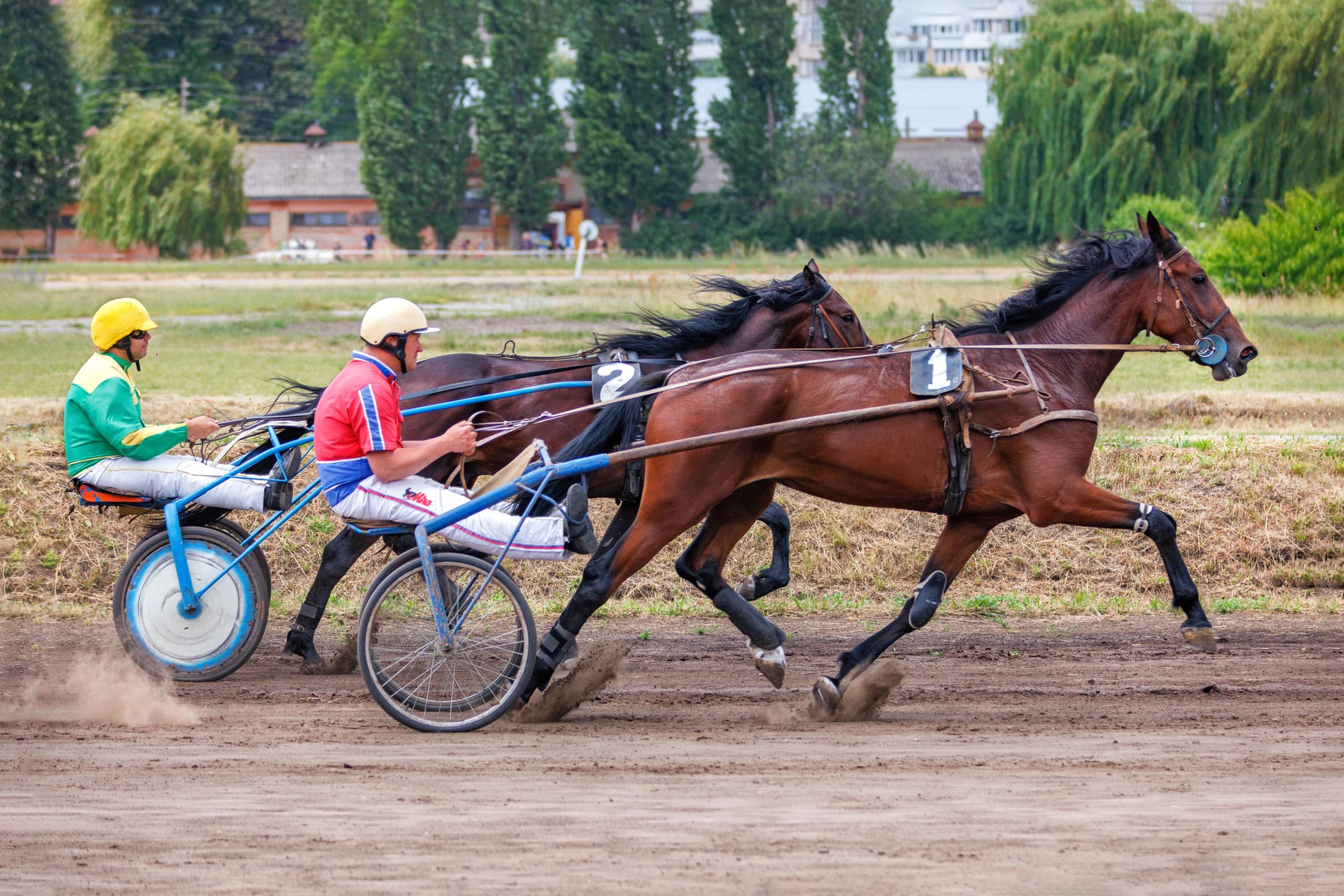
When the Olympics expanded beyond footraces, chariot racing became the deadliest competition. Drivers regularly died in crashes, and horses were just as likely to be killed as their human counterparts.
The Hippodrome at Olympia was designed for maximum spectacle, which often meant maximum carnage.
Spectators came specifically to witness the violence — it was NASCAR with actual life-or-death stakes.
Athletes Trained In Special Facilities Called Gymnasia

The gymnasium wasn’t just a building with exercise equipment — it was a complete educational and social institution. Athletes trained their bodies while philosophers trained their minds, often in the same complex.
Physical and intellectual development were considered inseparable. The best athletes were expected to be articulate, cultured individuals, not just muscular specimens.
But the gymnasium was also where the social hierarchies of Greek society played out most clearly. Who trained where, with whom, and under whose guidance was a complex web of politics, economics, and family connections.
Athletic training was never just about athletic performance — it was about reinforcing your place in the social order while potentially transcending it through victory. That’s a lot of pressure to put on a footrace, even by ancient standards.
Bribery And Corruption Were Serious Problems

Despite the whipping of judges, athletes regularly attempted to bribe competitors and officials. When caught, they were fined enormous sums that funded bronze statues called Zanes — statues of Zeus that lined the path to the stadium as a warning to future cheaters.
The bases of these statues were inscribed with the names and crimes of the offenders, creating a permanent hall of shame that lasted centuries.
The Games Were Suspended For Over 1,000 Years

Emperor Theodosius I banned the Olympic Games in 393 or 394 AD as part of the campaign to impose Christian orthodoxy on the Roman Empire. The games were considered pagan rituals incompatible with Christian beliefs.
For more than a millennium, the Olympics existed only in historical memory and scattered ruins.
The modern revival in 1896 attempted to recreate the ancient spirit, though with significantly more clothing and considerably fewer religious sacrifices.
Olympic Victors Became Legends

Winning at Olympia transformed ordinary men into semi-mythical figures. Statues were erected in their honor, poems were written about their victories, and their names were remembered for centuries.
Some winners claimed divine ancestry or supernatural powers.
The social elevation was so complete that Olympic champions essentially became a separate class of human being — part athlete, part celebrity, part demigod.
Where Ancient Glory Still Echoes

The ancient Olympics ended not with a bang but with imperial decree, leaving behind ruins that would puzzle archaeologists for centuries. What began as a single footrace in honor of Zeus became an institution that defined Greek culture for over a thousand years.
Those unclothed runners couldn’t have imagined that their simple competition would inspire a global movement that continues today — though they probably would have appreciated the modern version’s healthy disregard for wearing clothes while competing.
More from Go2Tutors!

- The Romanov Crown Jewels and Their Tragic Fate
- 13 Historical Mysteries That Science Still Can’t Solve
- Famous Hoaxes That Fooled the World for Years
- 15 Child Stars with Tragic Adult Lives
- 16 Famous Jewelry Pieces in History
Like Go2Tutors’s content? Follow us on MSN.