29 Retro Game Consoles Worth Serious Cash
Old game consoles were treated like toys, which is exactly why so few survived in good shape. Boxes went in the recycling, controllers got chewed, and entire systems were traded in for the next generation at a fraction of their price.
That rough treatment created scarcity. A console that sat in a closet with its box, manuals and cables now draws real money, and a few oddities have turned into some of the most expensive objects in the hobby.
Magnavox Odyssey, Where Home Gaming Began
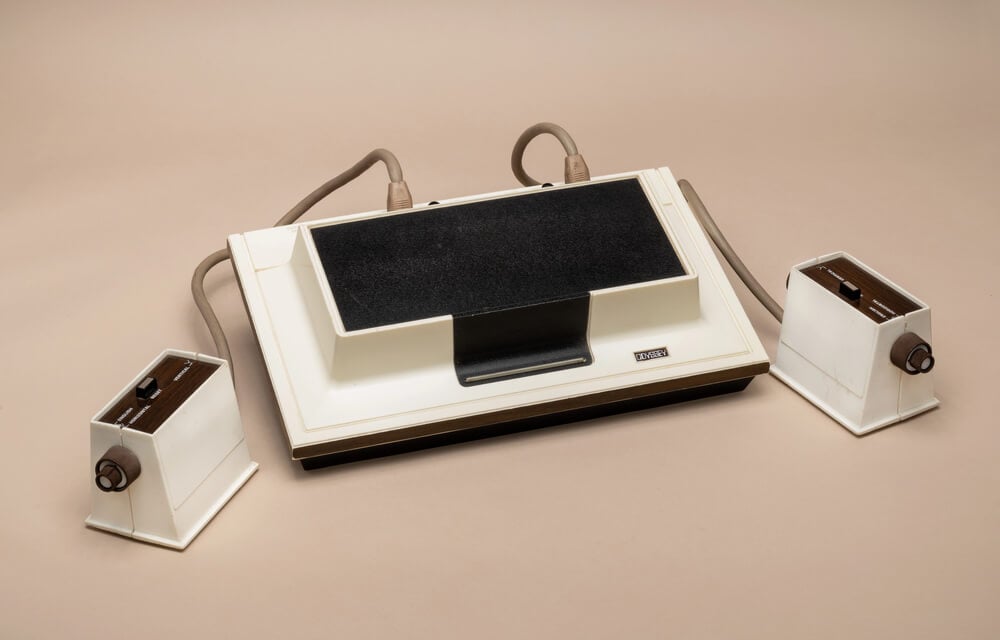
Magnavox released the Odyssey in 1972, based on a prototype by engineer Ralph Baer that he called the Brown Box. It had no sound and no color graphics, so it came with plastic overlays that stuck to the television screen to provide backgrounds.
Players also used dice, playing cards and score sheets included in the box. The Odyssey was the first commercial home video game console, which gives it a permanent place in collecting.
Complete boxed systems typically sell for about 500 to 1,500 dollars, while missing overlays, controllers or game cards reduce value sharply.
Fairchild Channel F and the First Cartridges
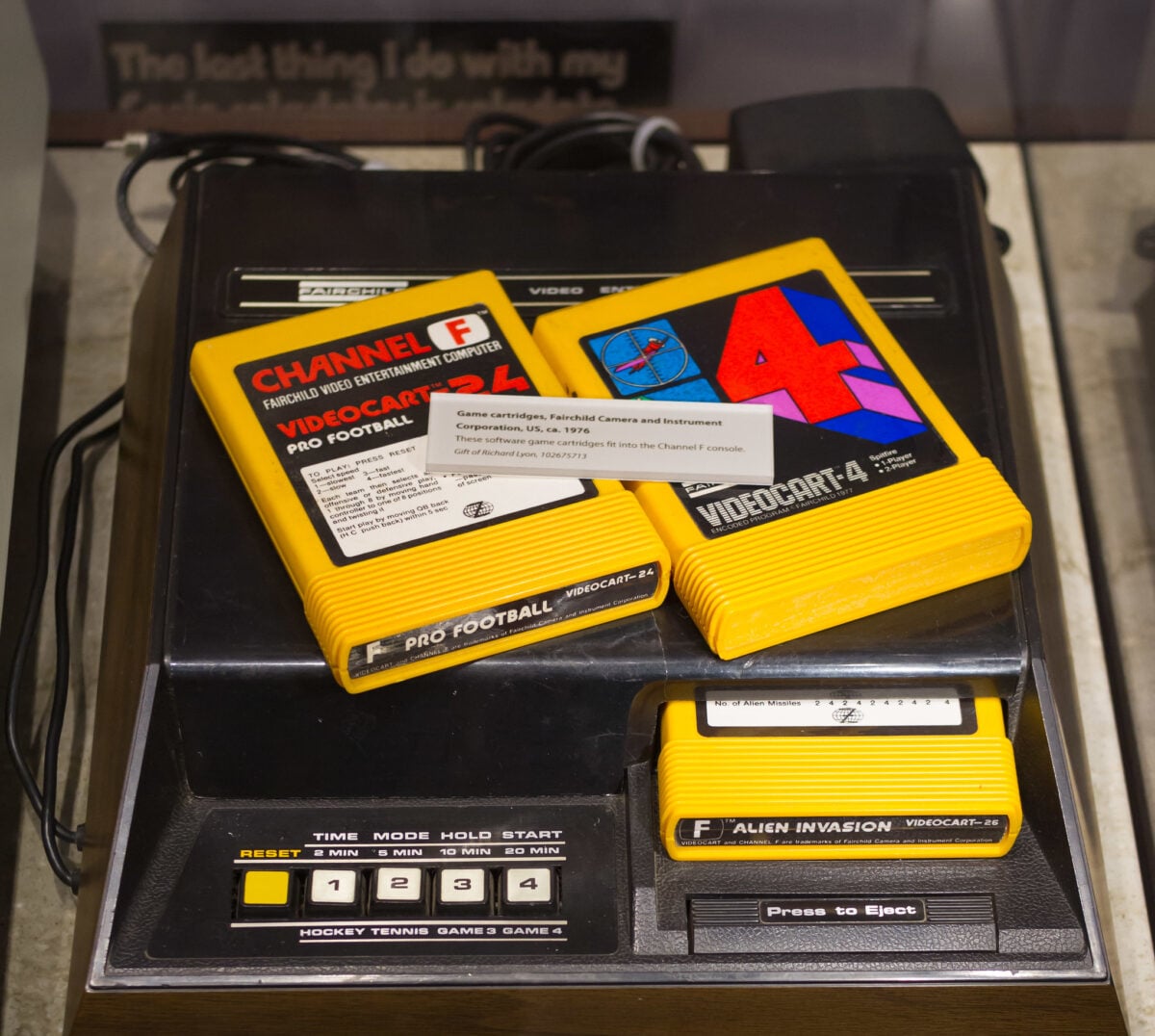
Fairchild Camera and Instrument released the Channel F in 1976, and it was the first home console built around programmable ROM cartridges. That design let players buy new games rather than being limited to what was built into the machine.
The console also included a pause feature, unusual at the time. Its cartridges, called Videocarts, were large yellow plastic blocks.
The Channel F was soon overshadowed by Atari, but collectors value its historical role. Working systems typically sell for about 100 to 300 dollars, with original boxes and controllers adding to the price.
Heavy Sixer, the First Atari 2600
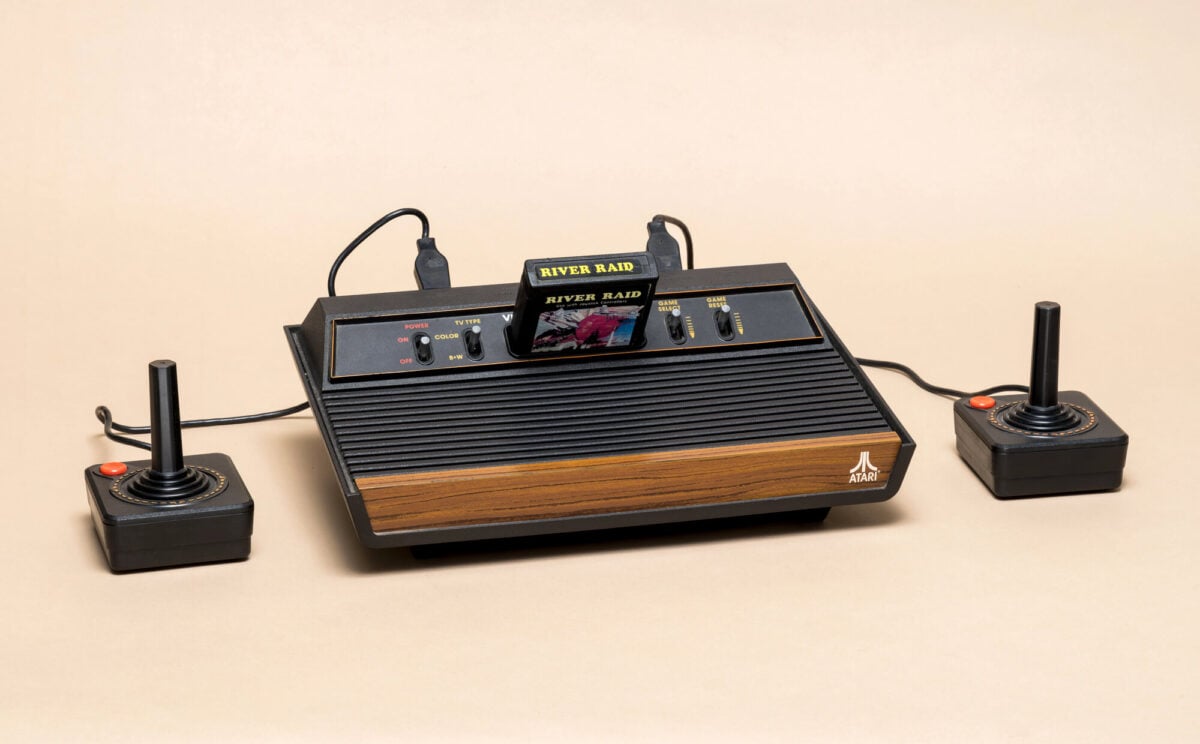
Atari released the Video Computer System in 1977, later renamed the 2600. The earliest models, nicknamed Heavy Sixers by collectors, had six switches on the front and a heavier plastic case.
They were built in Sunnyvale, California, before production moved overseas. Later models used four switches and lighter construction.
Heavy Sixers are prized for their place at the beginning of Atari’s home console run. Prices typically run about 150 to 400 dollars, with boxed systems at the top.
Cracked cases, yellowed plastic and missing switches lower value.
Atari 5200 and Its Troubled Joysticks
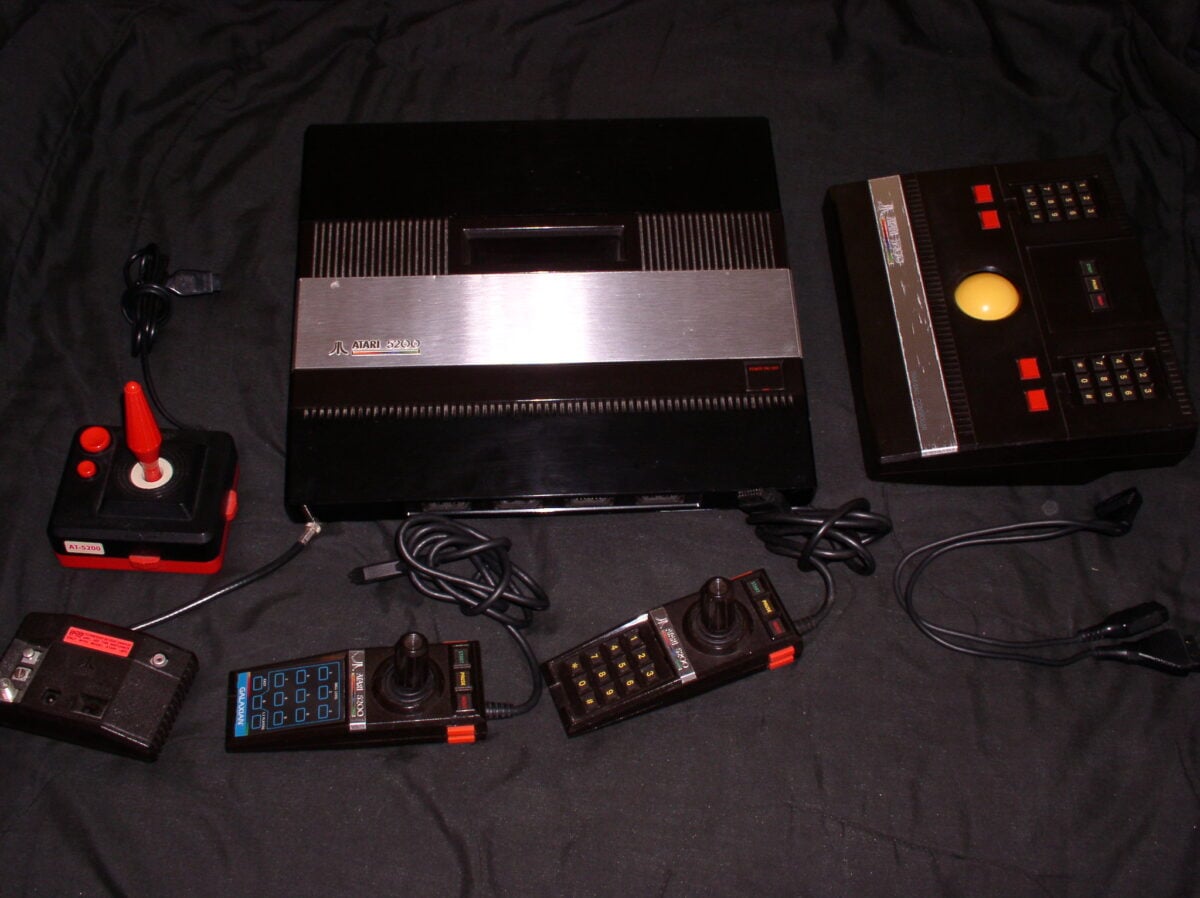
As a more powerful successor to the 2600, the Atari 5200 arrived in 1982 to the 2600. It had better graphics but shipped with analog joysticks that did not return to center when released, which frustrated players.
The controllers also broke easily. The 5200 could not play 2600 cartridges without an adapter, another drawback.
Despite its problems, collectors appreciate it as part of Atari’s history. Prices usually run about 100 to 300 dollars.
Working joysticks are a major factor, since many have failed over the decades. Original boxes and complete accessories increase value.
Atari 7800 and Backward Compatibility
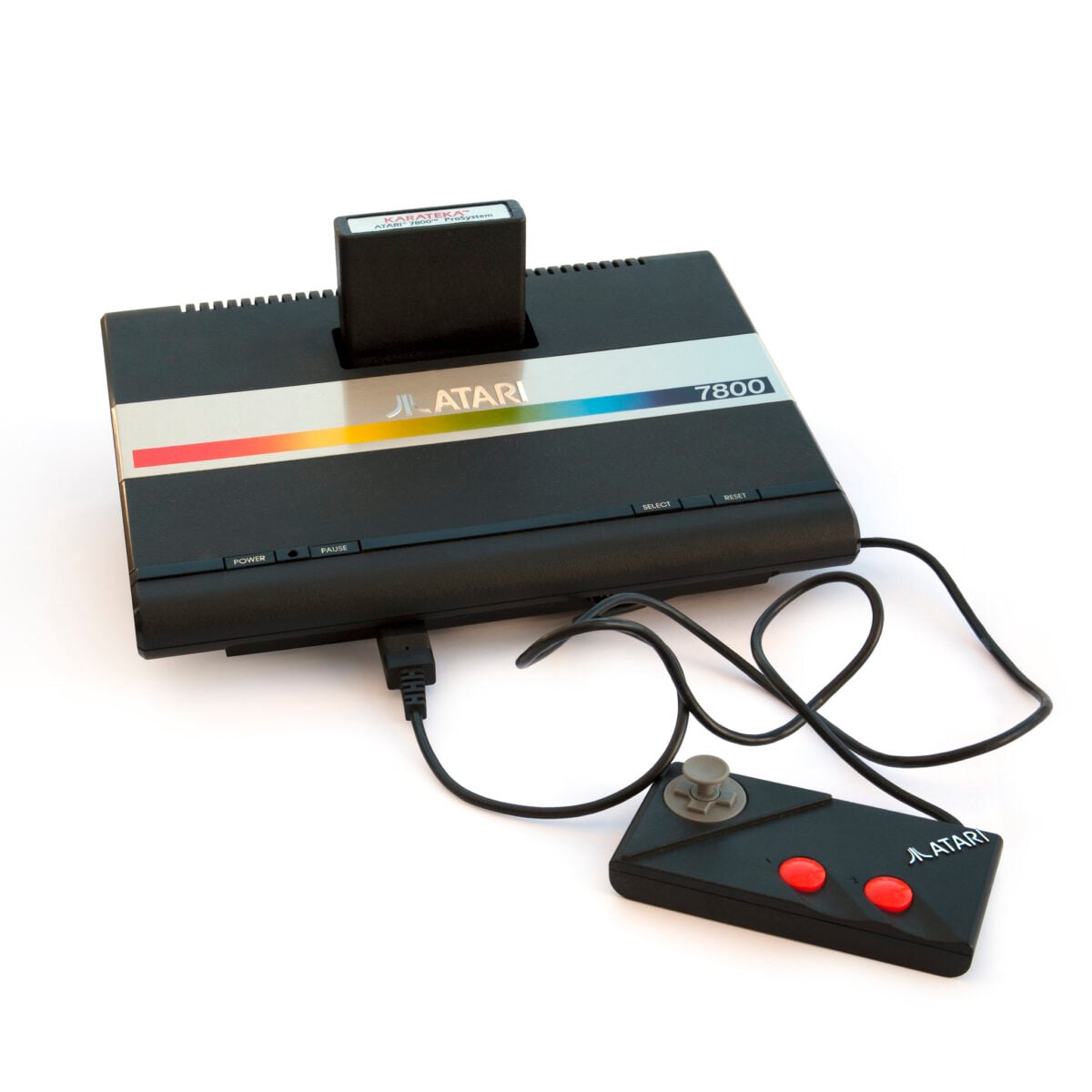
Corporate turmoil kept the Atari 7800 off most store shelves until 1986, even though the console was ready in 1984. It could play nearly all 2600 cartridges, an advantage over many competitors, and owners could keep their old library.
Unfortunately, the console arrived just as the Nintendo Entertainment System was taking over the market. Collectors appreciate its compatibility and its library of arcade ports.
Prices typically run about 75 to 200 dollars. Complete boxed systems sell for more.
Faded labels, scratched cases and missing controllers lower value, and a working power supply is essential.
Jaguar and the 64-Bit Pitch
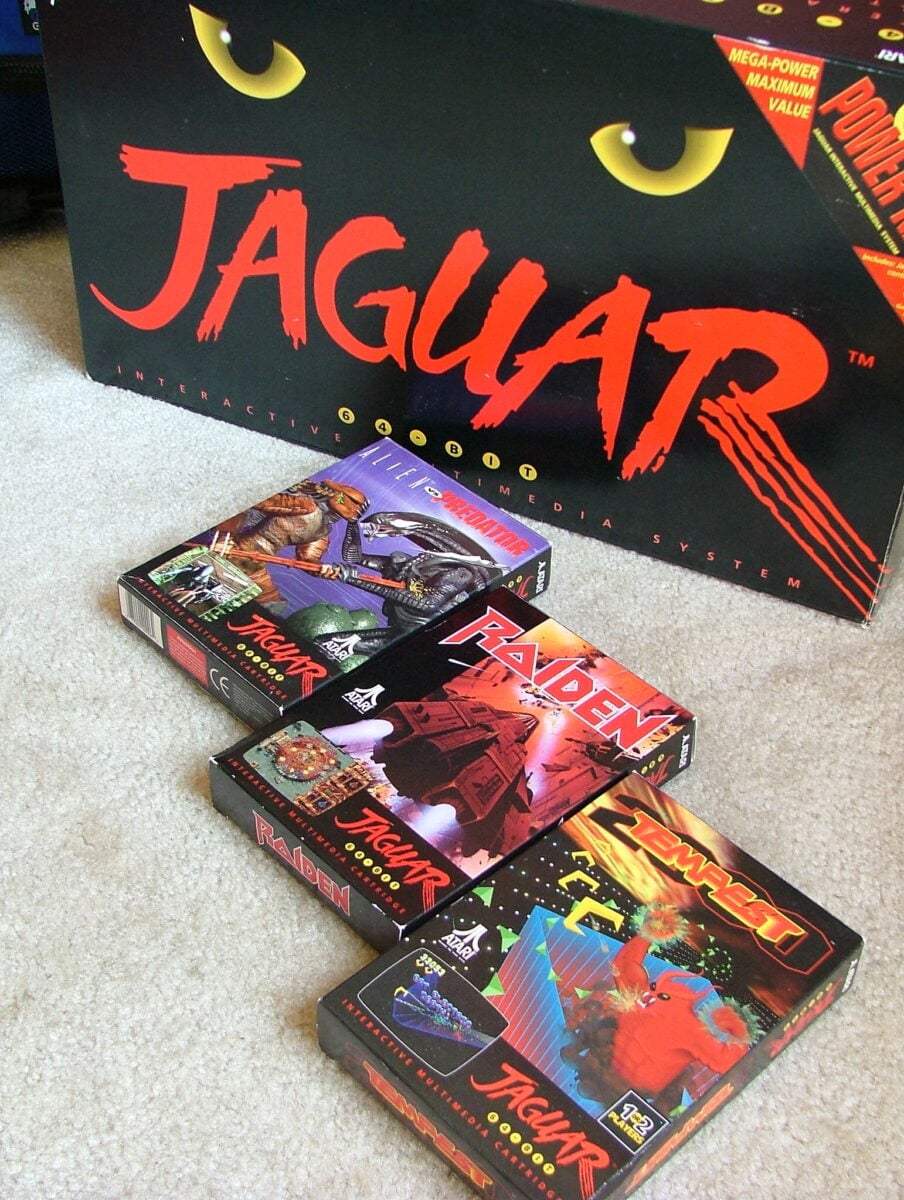
Atari released the Jaguar in 1993 with a marketing campaign that urged buyers to do the math, pointing to its 64-bit architecture. The console was powerful on paper but difficult to program, and its game library stayed small.
The controller had a numeric keypad that many players found awkward. A CD add-on followed and became known for its unusual shape.
The Jaguar was Atari’s last home console. Prices typically run about 200 to 500 dollars, with boxed systems and rare games pushing totals higher.
Missing controllers and cracked cases lower value.
Lynx, the First Color Handheld
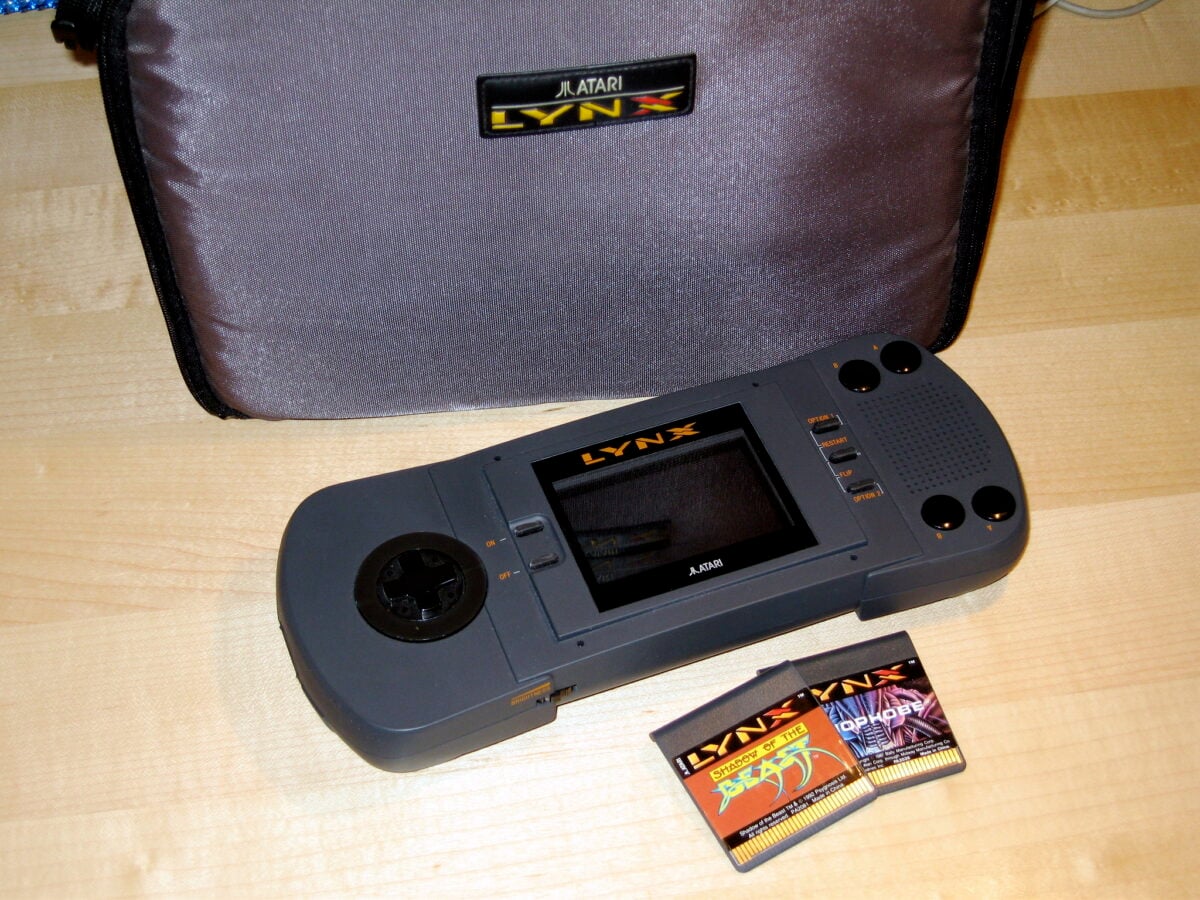
The Lynx, released by Atari in 1989, was the first handheld console with a backlit color screen. Engineers at Epyx designed the system before Atari acquired it.
The Lynx could be flipped for left-handed play, an unusual feature. Its battery life was short, and its size made it awkward to carry.
The Game Boy, released the same year, dominated the market. Collectors value the Lynx for its technology.
Prices usually run about 100 to 250 dollars. Screen problems, dead pixels and missing battery covers lower value.
ColecoVision and the Donkey Kong Bundle
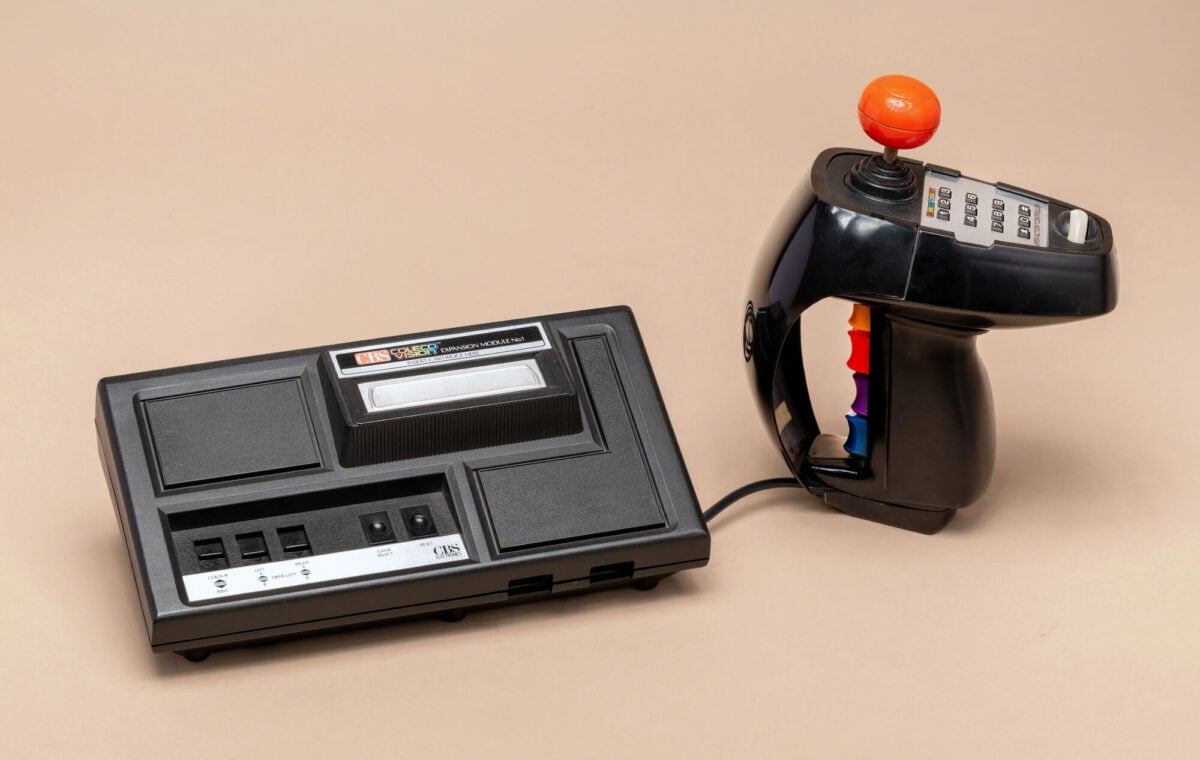
Coleco released the ColecoVision in 1982, and it came bundled with an arcade-quality version of Donkey Kong. That pack-in game was a major selling point and showed off the console’s graphics.
An expansion module let the ColecoVision play Atari 2600 games, which led to a legal fight with Atari. The console was popular until the video game crash of 1983.
Collectors appreciate its graphics and its history. Prices typically run about 150 to 400 dollars, with complete boxed systems at the top.
Broken controllers and missing power supplies lower value.
Intellivision and Its Disc Controller
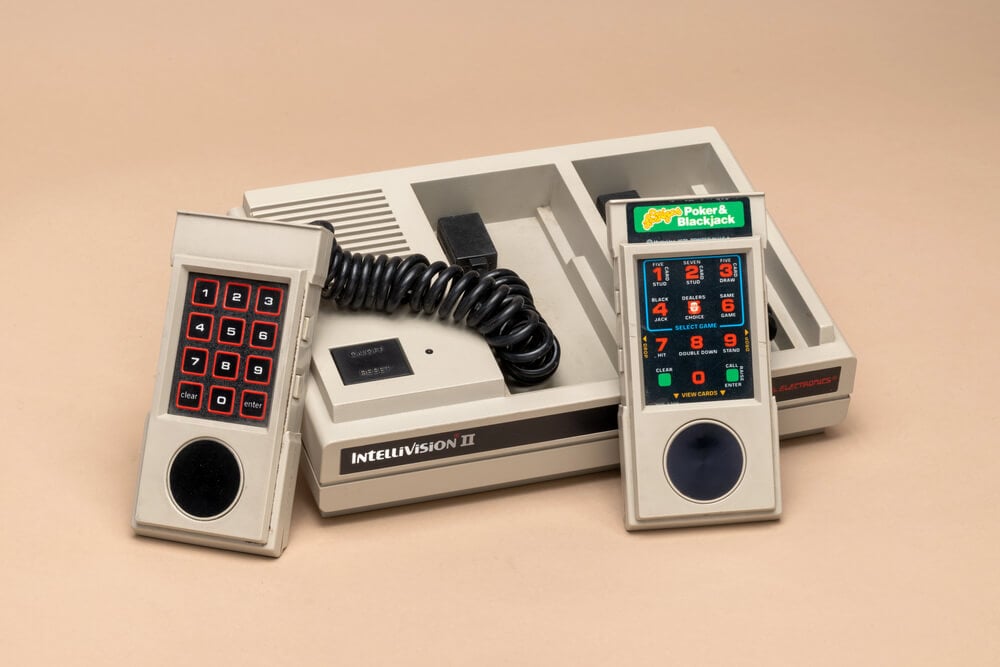
Mattel released the Intellivision nationally in 1980, and its controllers used a disc that could be pressed in 16 directions. Each game came with plastic overlays for the numeric keypad.
Mattel’s advertising featured writer George Plimpton comparing Intellivision games directly to Atari versions, a bold move at the time. The console was a strong competitor during the early 1980s.
Collectors appreciate its sports games and unusual controllers. Prices typically run about 75 to 250 dollars.
Working controllers are essential, since their contacts can fail. Original boxes and overlays add value.
Vectrex and Its Built-In Screen
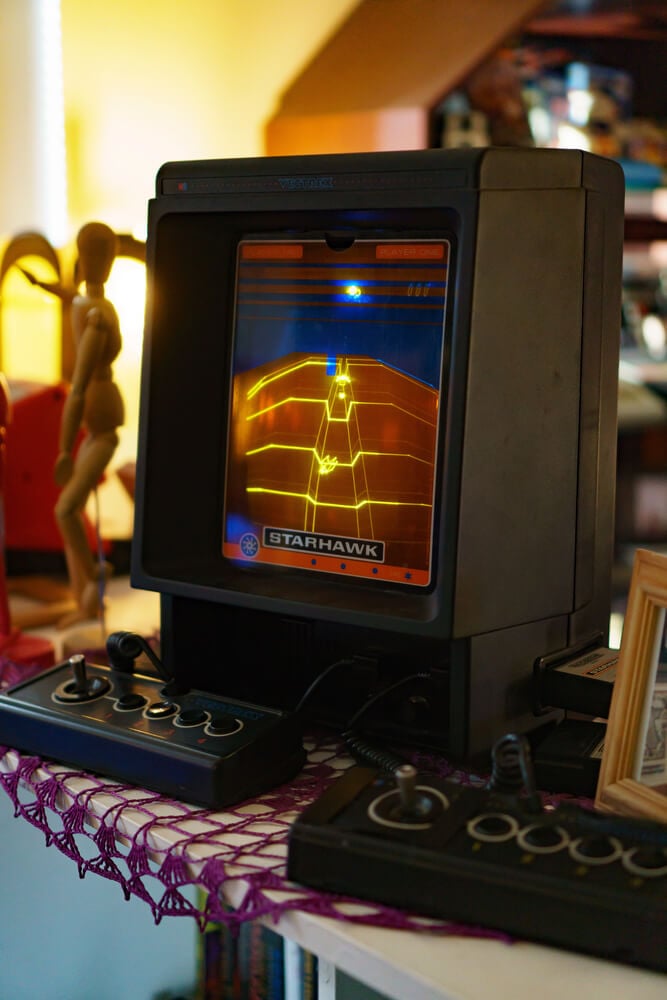
General Consumer Electronics released the Vectrex in 1982, and Milton Bradley soon acquired the company. The console had its own built-in monitor that displayed sharp vector graphics, like arcade games of the era.
Colored plastic overlays added color to the black-and-white display. The Vectrex did not need a television, which made it unique among home consoles.
It disappeared after the 1983 crash. Collectors prize it for its design.
Prices typically run about 400 to 900 dollars, depending on condition and screen quality. Burn-in and buzzing audio are common problems.
NES and the Robot Sidekick
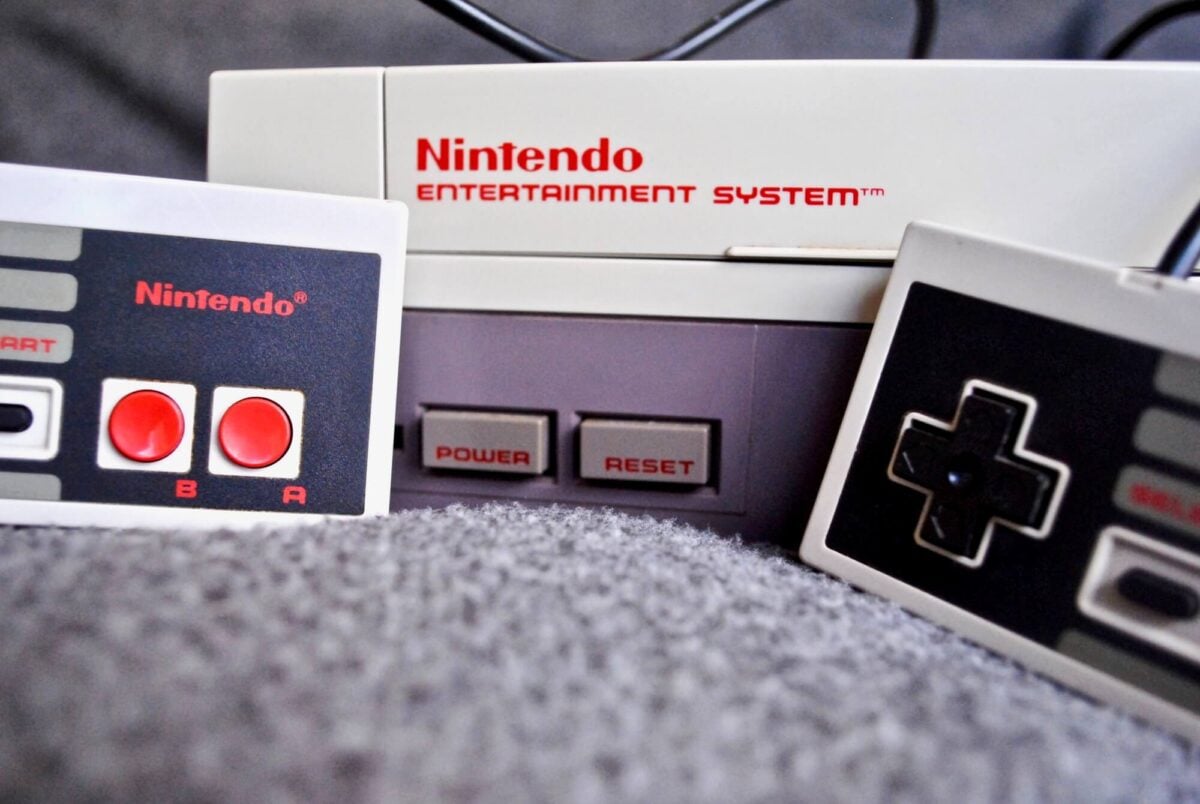
Nintendo test-launched the Nintendo Entertainment System in New York in 1985, after the 1983 crash had made retailers wary of video games. To get it into stores, Nintendo bundled a small robot called R.O.B. and presented the system as a toy.
The strategy worked, and the NES revived the industry. Collectors seek early boxed systems and the Deluxe Set with R.O.B.
Loose consoles typically sell for about 100 to 250 dollars, while complete boxed sets can bring much more. Yellowed plastic and worn connector pins are common issues.
Super Nintendo and Mode 7
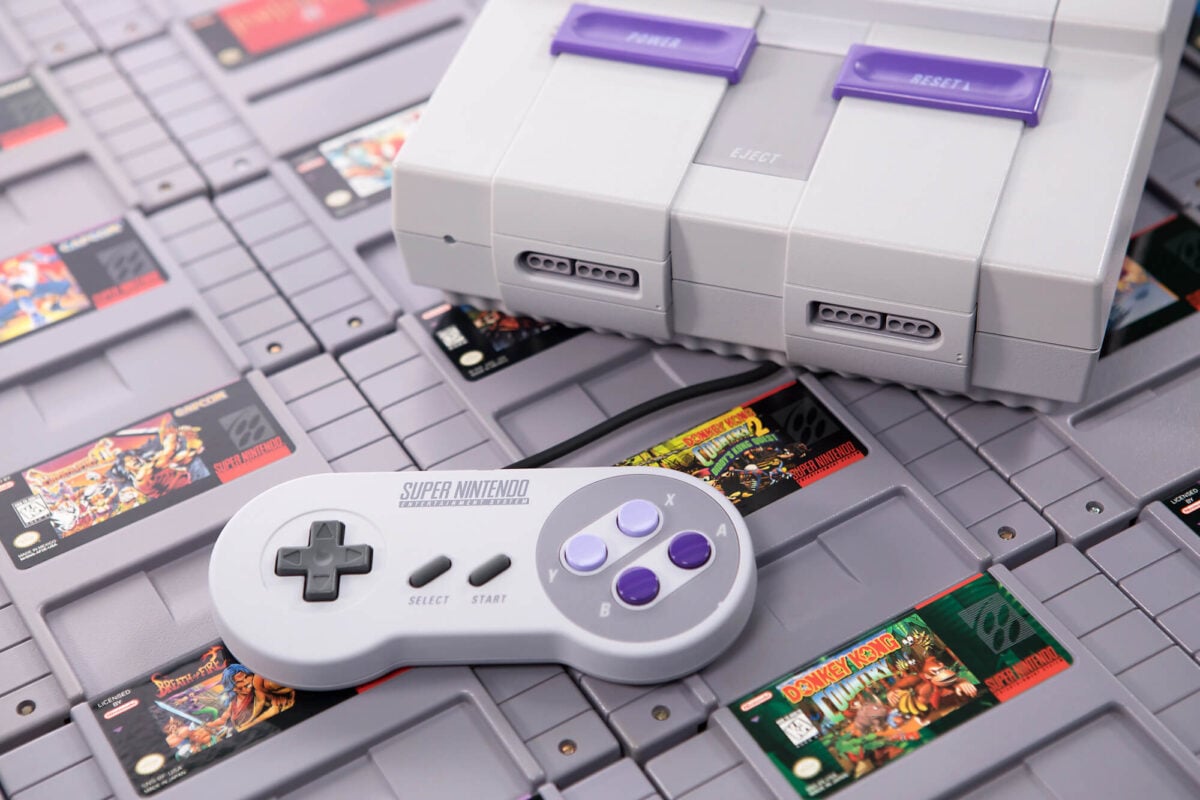
The Super Nintendo Entertainment System reached North America in 1991. Its Mode 7 graphics allowed rotating and scaling effects, which made games like F-Zero and Super Mario Kart feel three-dimensional.
The North American version had a boxy gray and purple design that differed from the rounded Japanese Super Famicom. Collectors value the system for its game library.
Loose consoles typically sell for about 100 to 250 dollars. Boxed systems in good condition bring more.
Yellowed plastic, a common issue with this model, lowers value, though some sellers carefully restore the original gray color.
Nintendo 64 Special Editions
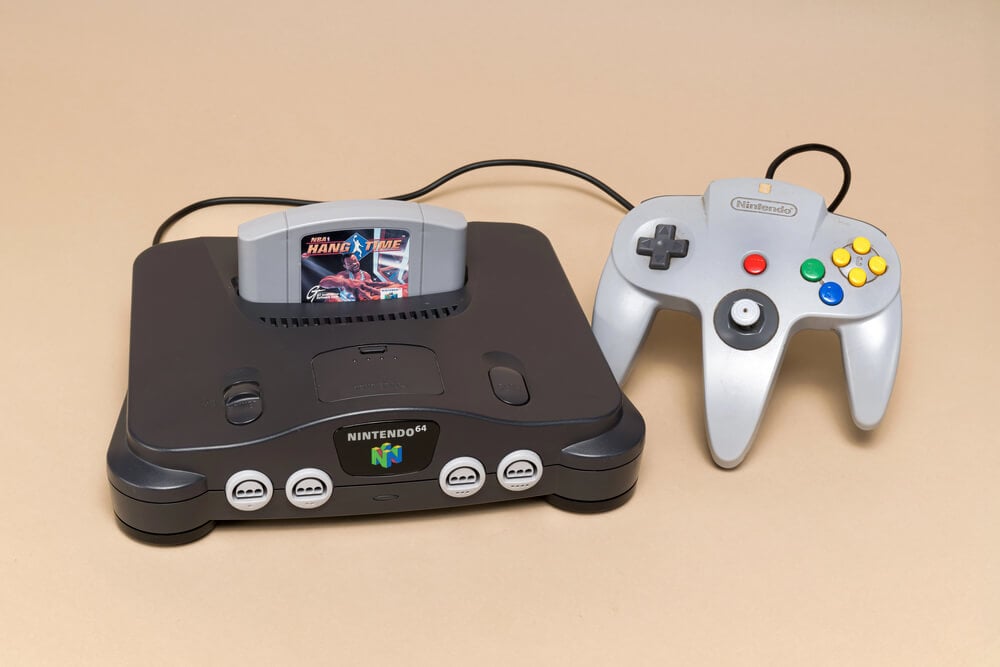
Three prongs and an analog stick made the Nintendo 64 controller instantly recognizable when the console launched in 1996. Standard charcoal gray consoles are common, but special editions attract collectors.
These include the Funtastic series in translucent colors and a Pikachu edition with a yellow Pokemon design and a light-up cheek. Standard systems typically sell for about 75 to 150 dollars.
Special editions can bring much more, especially with original boxes. Worn analog sticks and missing expansion packs lower value.
Clean, working special editions grow harder to find every year.
Virtual Boy and Its Red Glow

Red and black were the only colors on the Virtual Boy, which Nintendo released in 1995 for about 180 dollars. It displayed games in red and black through a headset mounted on a stand.
Designer Gunpei Yokoi aimed to create a 3D experience, but players complained of headaches and eye strain. Nintendo discontinued it within about a year after weak sales.
Collectors now value it as one of Nintendo’s most unusual products. Prices typically run about 150 to 400 dollars.
Screen problems, a common issue, and missing stands lower value. Complete boxed systems bring the highest prices.
Game Boy That Survived a War
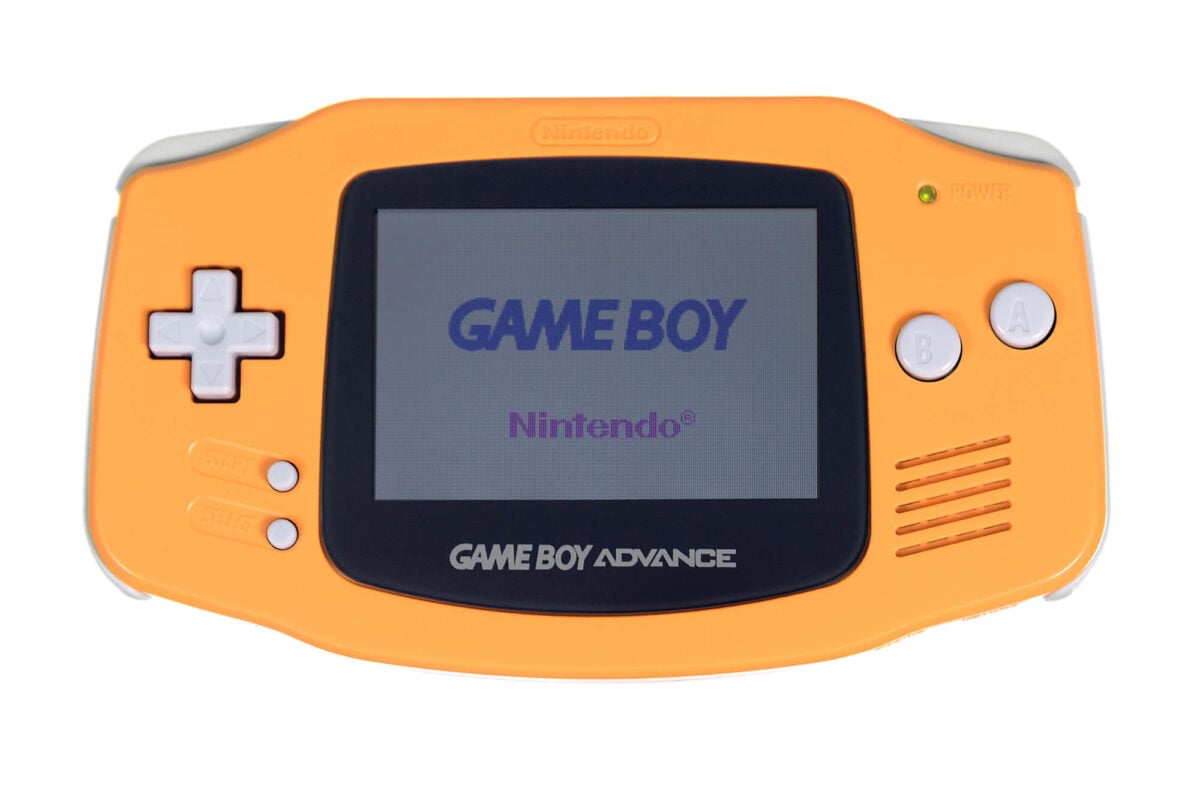
Tetris came bundled with the Game Boy when it launched in North America in 1989. Its gray body, green screen and long battery life made it a global hit.
One famous unit, damaged during the Gulf War, was displayed at Nintendo’s New York store and still worked despite its scorched, warped case. Ordinary Game Boys remain affordable.
Prices typically run about 60 to 200 dollars, depending on condition and color. Screen problems, missing battery covers and scratched displays lower value.
Boxed systems and rare color variants sell for more.
Genesis and Its High Definition Label
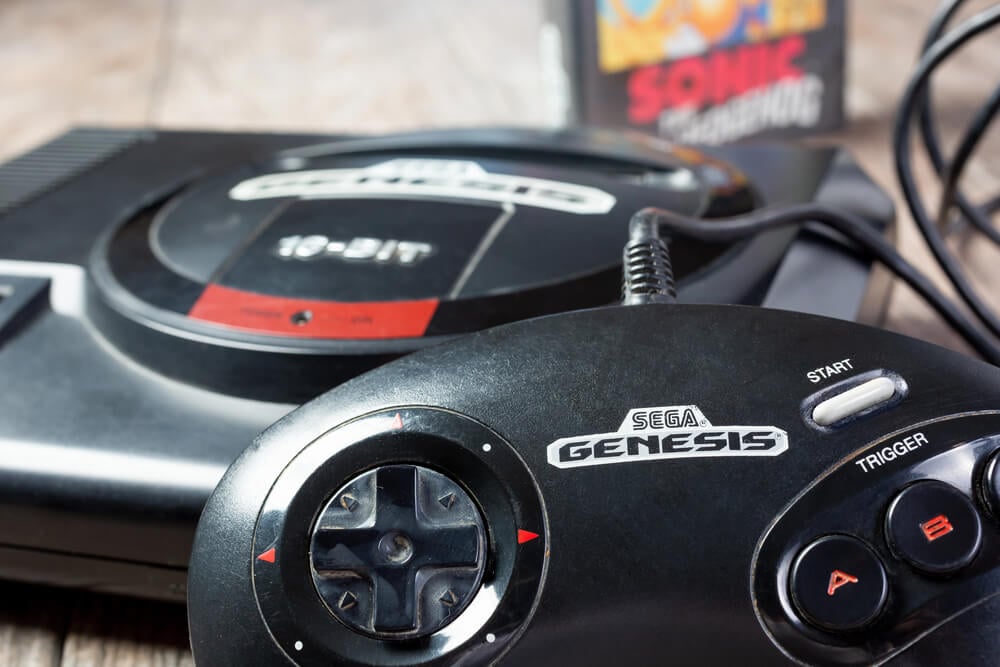
Early Model 1 Sega Genesis units, released in North America in 1989, carried a High Definition Graphics label on the top of the console. Sega’s marketing took direct aim at Nintendo, including the slogan “Genesis does what Nintendon’t.”
The console’s library later included Sonic the Hedgehog, which became Sega’s mascot. Collectors seek those early Model 1 units with the label because later models dropped it.
Prices typically run about 75 to 200 dollars, with boxed systems at the top. Scratched cases, missing controllers and faded labels lower value.
Sega Nomad, the Portable Genesis
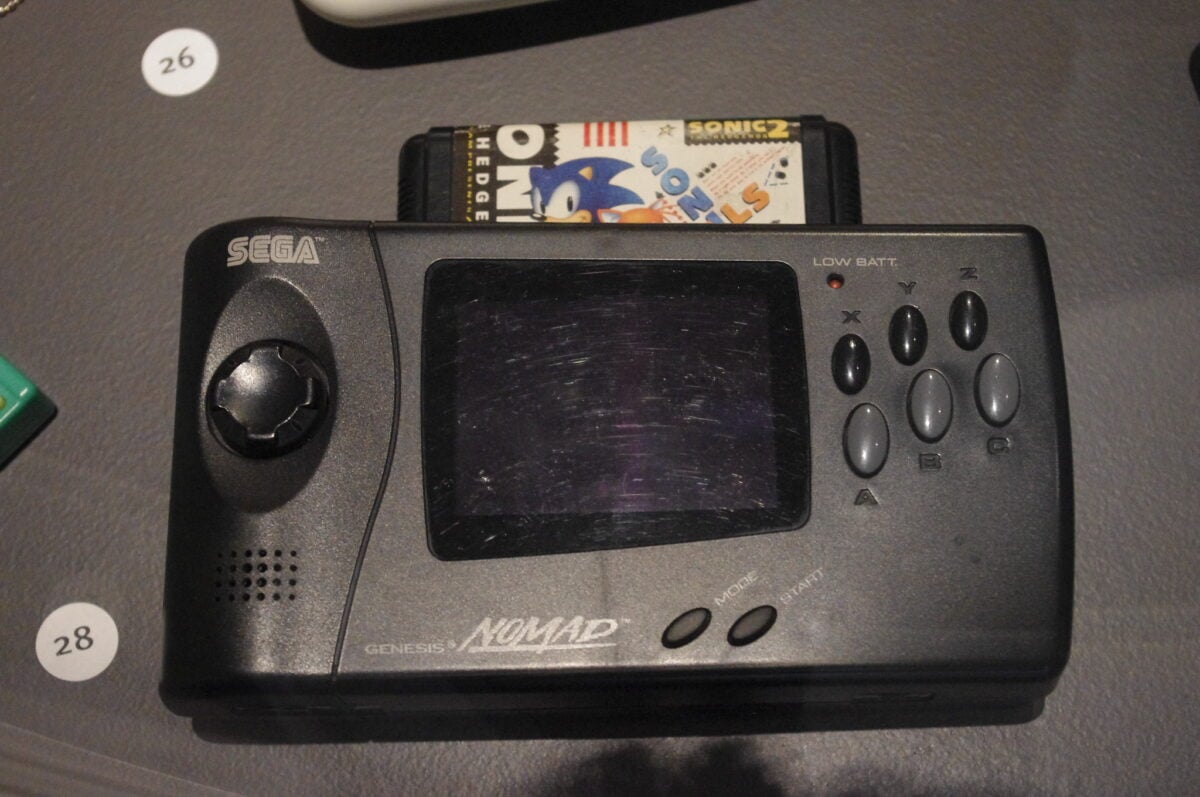
Full Genesis cartridges played on a handheld screen in the Sega Nomad, released in North America in 1995. It was a technical achievement, but it consumed batteries quickly, and many owners relied on a wall adapter.
The Nomad arrived late in the Genesis era and sold poorly. Collectors value it for its uniqueness, since nothing else let players carry their home library around.
Prices typically run about 200 to 400 dollars, depending on condition. Screen problems, a common issue, and missing battery packs lower value.
Systems with original boxes sell for more.
Saturn and Its Surprise Launch
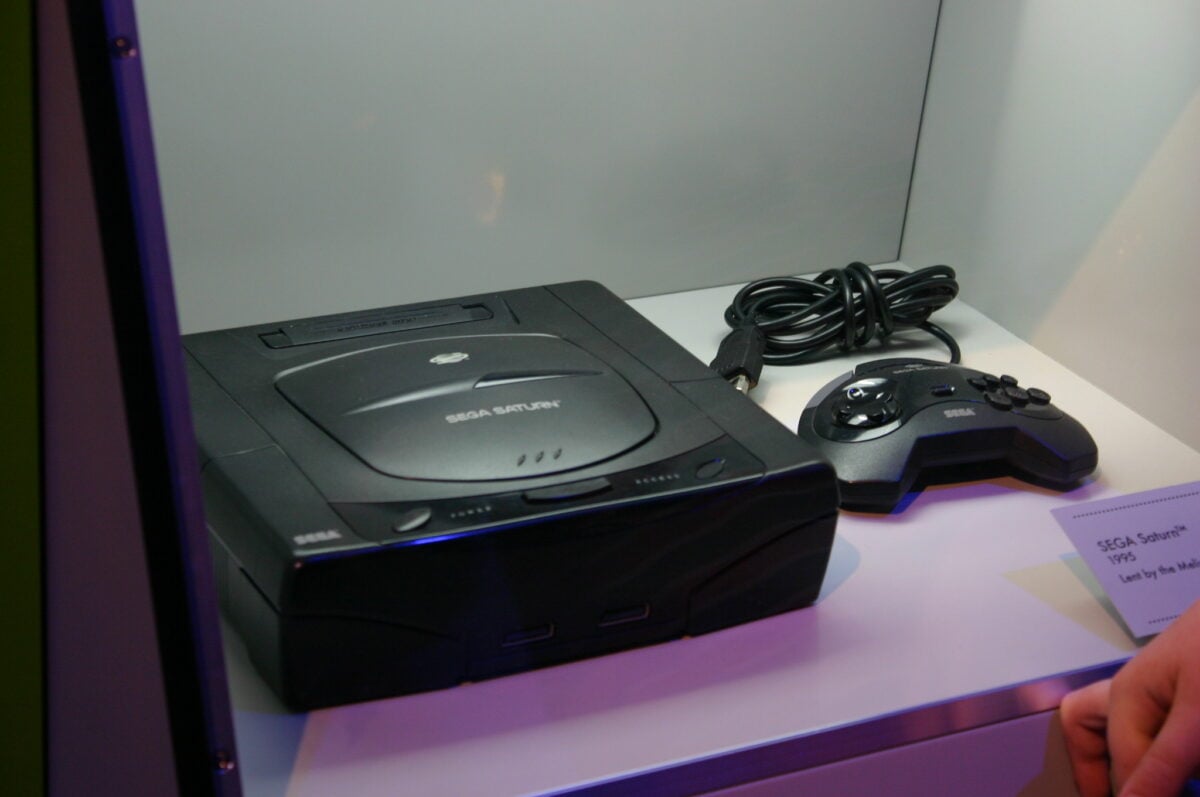
At the first E3 in May 1995, Sega announced that the Saturn was already on sale for 399 dollars, months ahead of schedule. The surprise angered retailers who had not received stock.
Sony followed by announcing the PlayStation at 299 dollars, and the room reportedly erupted. The Saturn’s library included excellent games, many of which stayed in Japan.
Collectors value it for those games. Prices typically run about 150 to 400 dollars.
Disc drive problems and missing controllers lower value. Boxed systems in good condition bring more.
Dreamcast and Its Built-In Modem
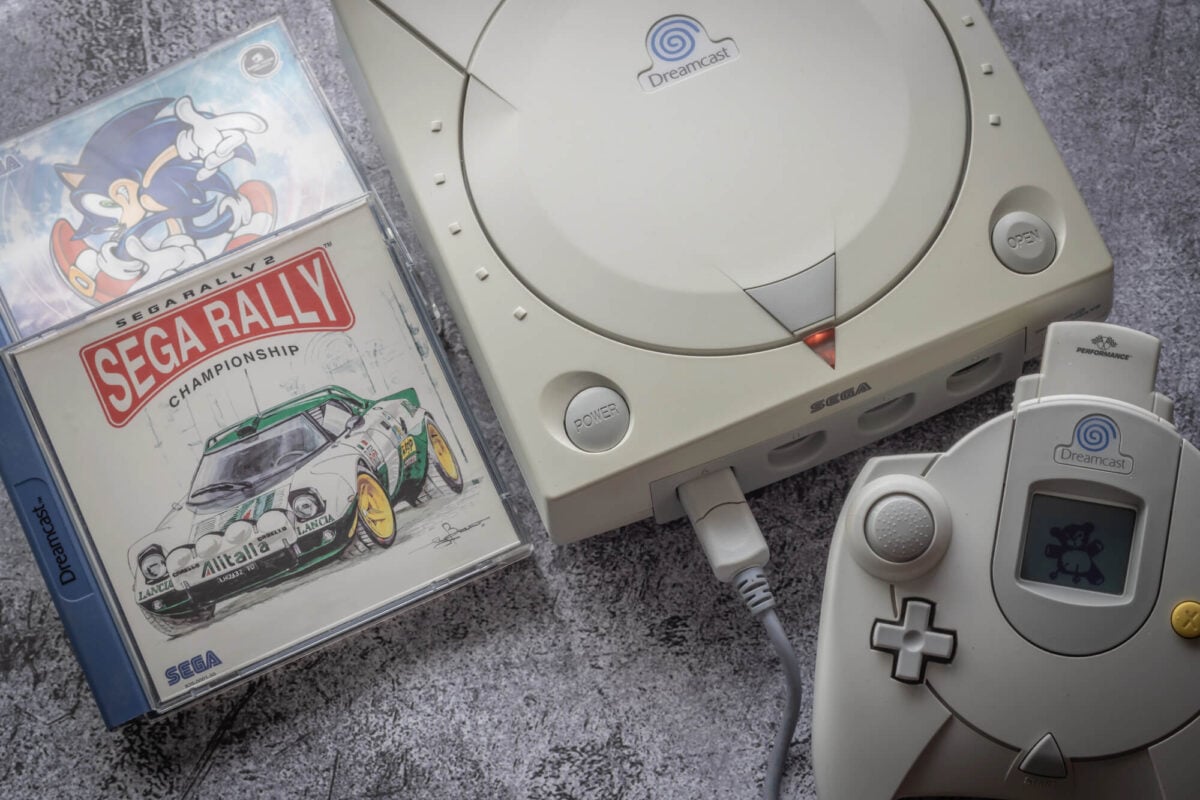
September 9, 1999, was the North American launch date for the Dreamcast, a date Sega promoted heavily as 9/9/99. It included a built-in modem for online play, a first for a major home console.
The Dreamcast was Sega’s last home console before the company left the hardware business in 2001. Collectors appreciate its innovation and its strong game library.
Prices typically run about 100 to 250 dollars. Disc drive problems and missing memory units lower value.
Boxed systems sell for more, and working modems are a bonus.
Game Gear and Its Hungry Batteries
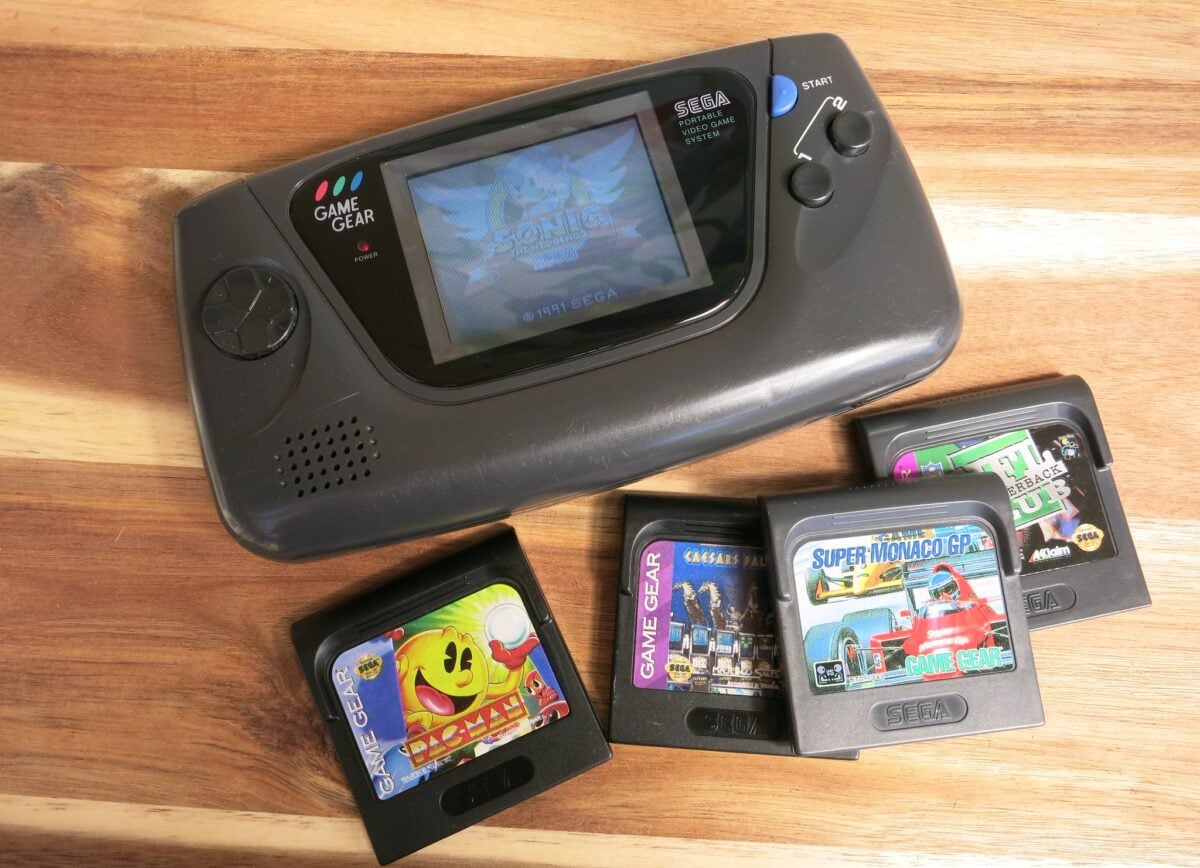
A backlit color screen let the Game Gear outshine the Game Boy’s green display when Sega released it in North America in 1991. The trade-off was battery life, since six AA batteries lasted only a few hours.
The Game Gear’s library included Sonic games and ports of Master System titles. Collectors value it for its screen.
Prices typically run about 75 to 200 dollars. Failing capacitors, a common problem, can cause sound and screen issues.
Repaired units with new capacitors often sell for more than untouched originals.
Neo Geo AES, Arcade Power at Home
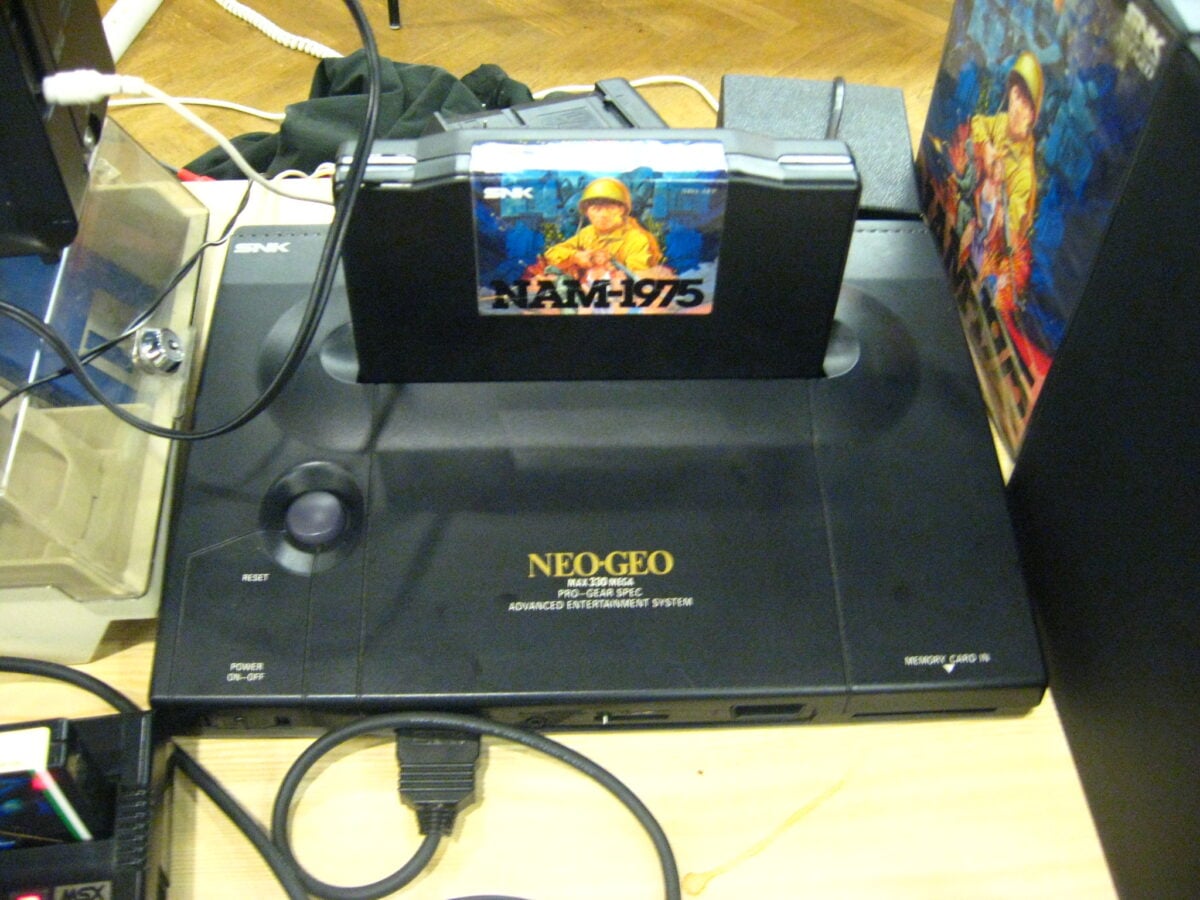
SNK released the Neo Geo AES as a home system in North America in 1991 for about 650 dollars, and its games were identical to SNK’s arcade titles. Cartridges cost around 200 dollars each, making it a luxury console.
The system attracted dedicated fans of fighting games, and the oversized cartridges are still impressive to hold. Collectors value it for its arcade-quality library.
Prices typically run about 400 to 1,000 dollars or more. Rare games can be worth thousands.
Missing controllers and damaged cartridges lower value.
TurboDuo, NEC’s Combined System
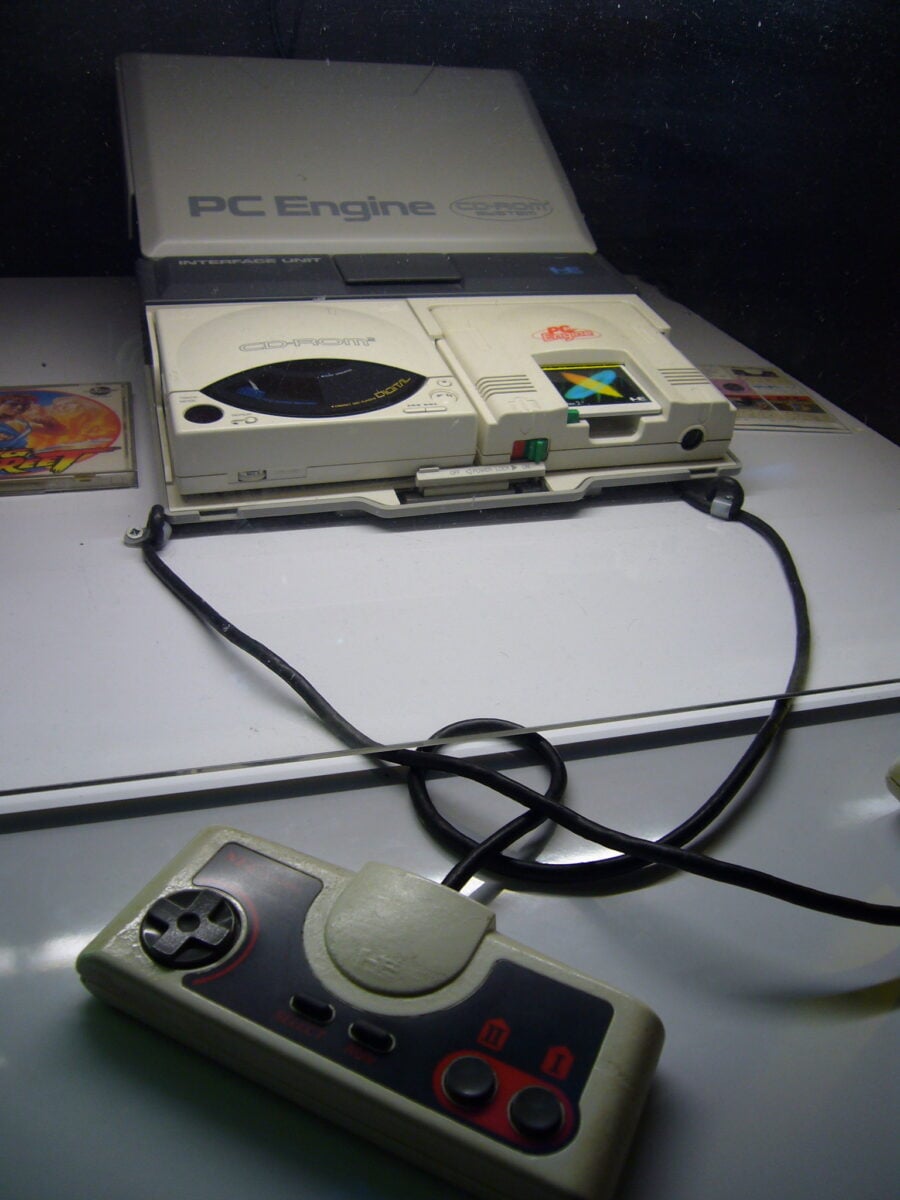
NEC released the TurboDuo in North America in 1992, combining the TurboGrafx-16 and its CD add-on in one unit. The system played both small HuCards and CDs.
It sold in small numbers in the United States, which makes it rare today. Collectors value it for its library of Japanese games, including many shooters and role-playing games.
Prices typically run about 400 to 900 dollars. Disc drive problems and missing controllers lower value.
Boxed systems sell for more, and the original memory backup feature should still work on a well-kept unit.
Expensive Ambition of the 3DO
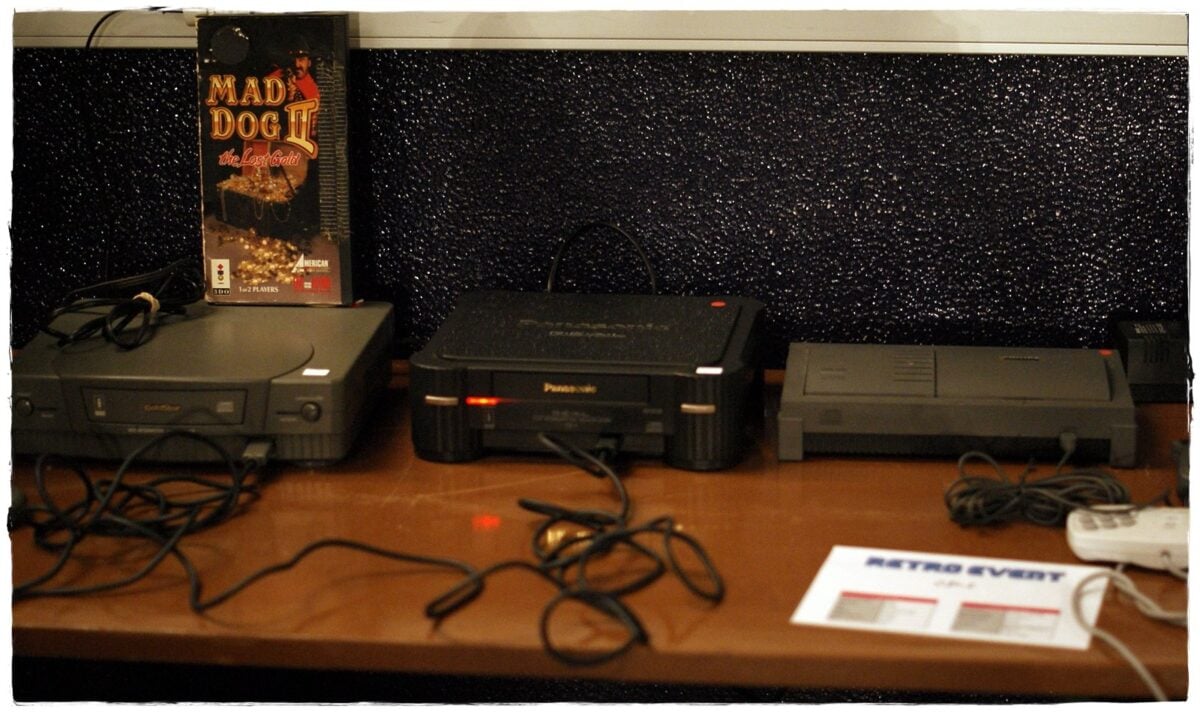
Trip Hawkins, who had founded Electronic Arts, created the 3DO format and licensed it to hardware makers. Panasonic’s version launched in 1993 for about 700 dollars, which limited sales.
The system had impressive graphics for its time but struggled against cheaper competitors like the PlayStation. Collectors appreciate its history and its odd library of early full-motion video games.
Prices typically run about 150 to 400 dollars. Disc drive problems and missing controllers lower value.
Boxed systems sell for more, especially the original Panasonic model with its front-loading tray.
CD-i and Its Infamous Zelda Games
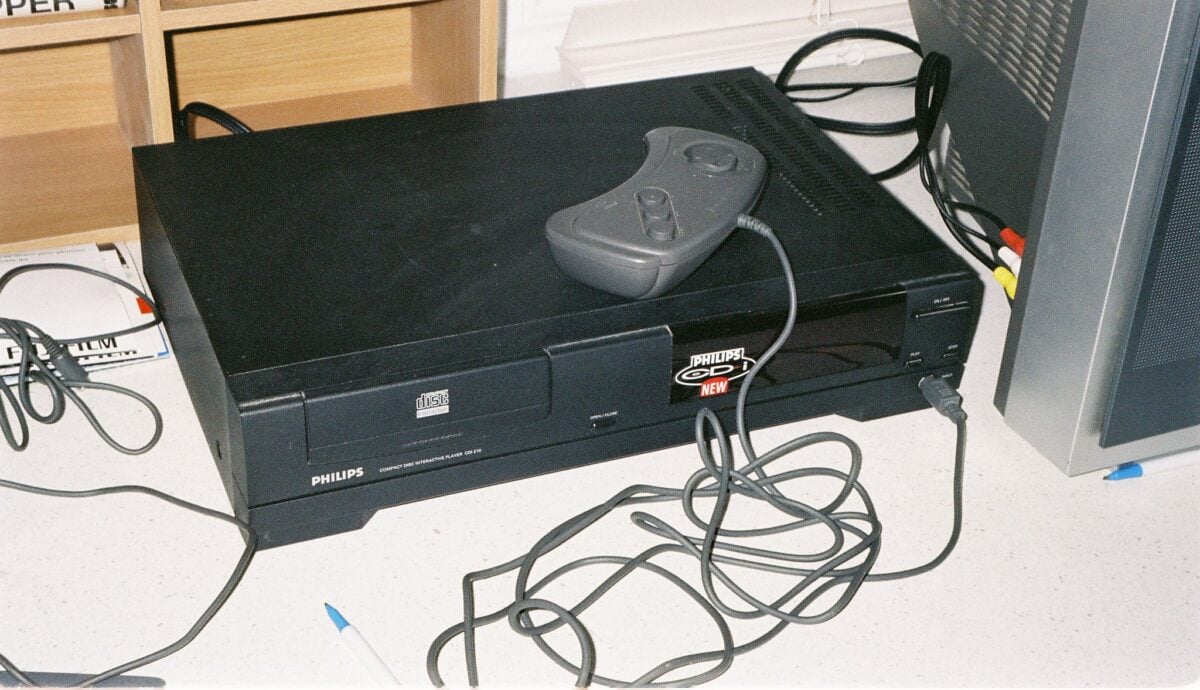
Philips released the CD-i in 1991, and after a failed partnership with Nintendo, it gained the rights to use Nintendo characters. The resulting Zelda games became infamous for their poor quality and strange animated cutscenes.
The CD-i was marketed as a multimedia device for families rather than a pure game console. Collectors value it for its strangeness.
Prices typically run about 150 to 400 dollars. Disc drive problems and missing controllers lower value.
Those Zelda discs, ironically, now sell for considerable sums to collectors who prize them as curiosities.
Nintendo PlayStation Prototype
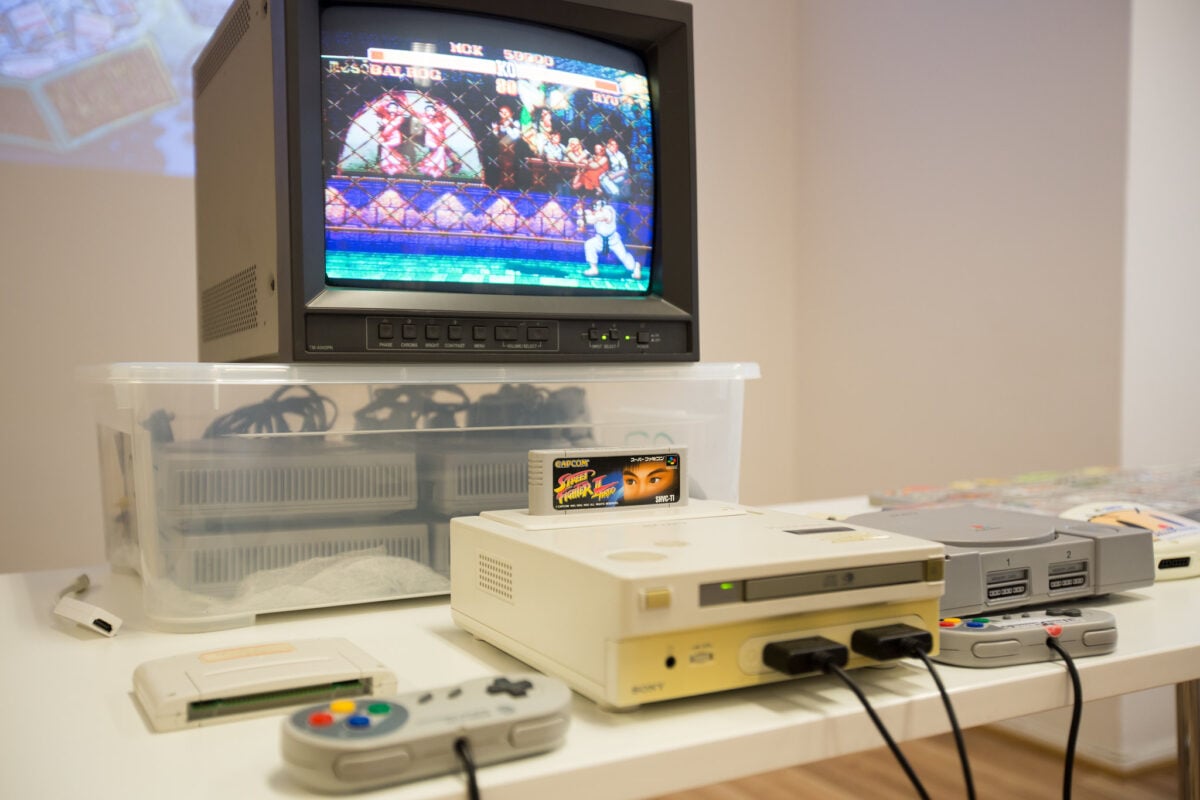
Sony and Nintendo once worked together on a CD-based add-on for the Super Nintendo, and about 200 prototypes were made around 1992 before the partnership collapsed. One surviving unit was found among items a man had bought for 75 dollars at a bankruptcy auction.
It sold at Heritage Auctions in 2020 for 360,000 dollars. The prototype still works, though no games were made for it.
Collectors consider it one of the most important objects in gaming history, since the breakup sent Sony off to build its own console.
Pippin, Apple’s Game Console

Apple and Bandai released the Pippin in 1996, and it ran a version of the Mac operating system. It cost about 600 dollars and sold only around 42,000 units.
The console was meant to be a platform that other companies would build, but few did. Collectors value it as one of Apple’s strangest products.
Prices typically run about 500 to 1,500 dollars. Missing controllers and disc drive problems lower value.
Units with original boxes are particularly hard to find. The console’s short life left very few accessories behind, so complete sets are scarce.
Pioneer LaserActive and Its Modules
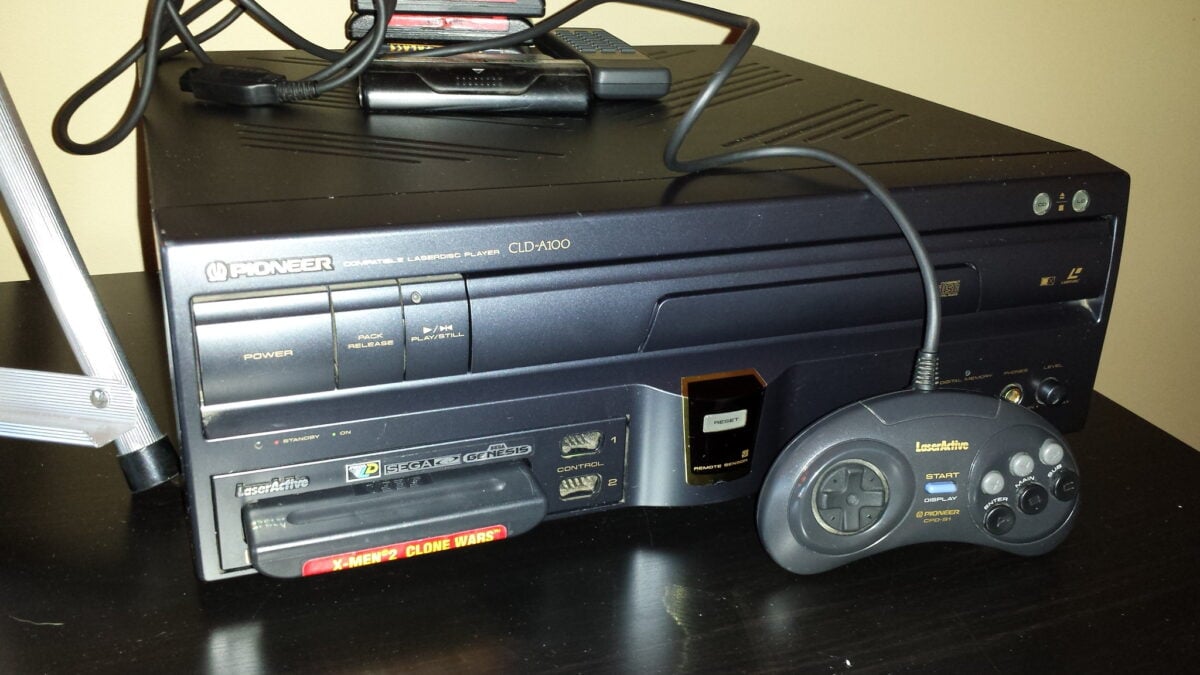
Pioneer released the LaserActive in 1993, a LaserDisc player that could play games with expansion modules. The base unit cost about 970 dollars, and each module cost hundreds more.
Modules allowed it to play Sega Genesis and NEC games as well as special LaserDisc titles. It sold in small numbers.
Collectors value it for its rarity. Prices typically run about 1,000 to 2,500 dollars or more.
Missing modules and disc drive problems lower value, and the large discs themselves can be hard to find in playable condition.
Panasonic Q, a GameCube That Plays DVDs
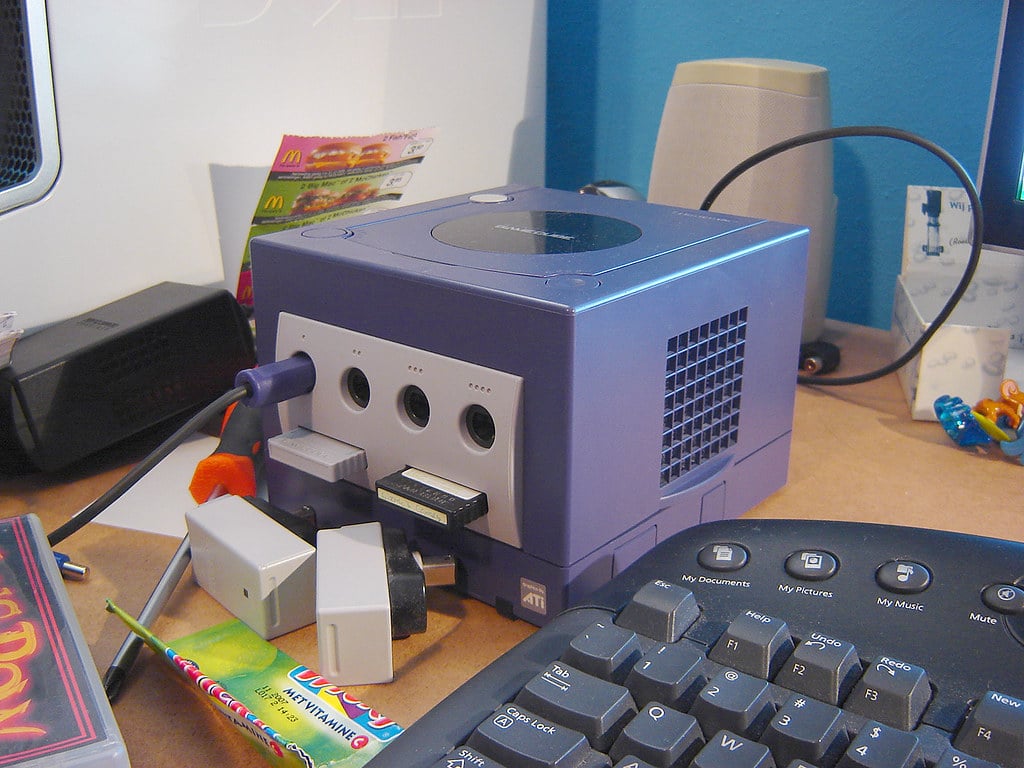
Panasonic released the Q in Japan in 2001, and it combined a Nintendo GameCube with a DVD player. It had a sleek metal case and cost much more than a standard GameCube.
The Q sold poorly and is now rare, since it was never released outside Japan. Collectors value it for its design.
Prices typically run about 400 to 800 dollars. Disc drive problems and missing remotes lower value.
A working unit with its original box is a centerpiece in many collections, and its brushed finish still looks expensive.
Home Pong From Sears
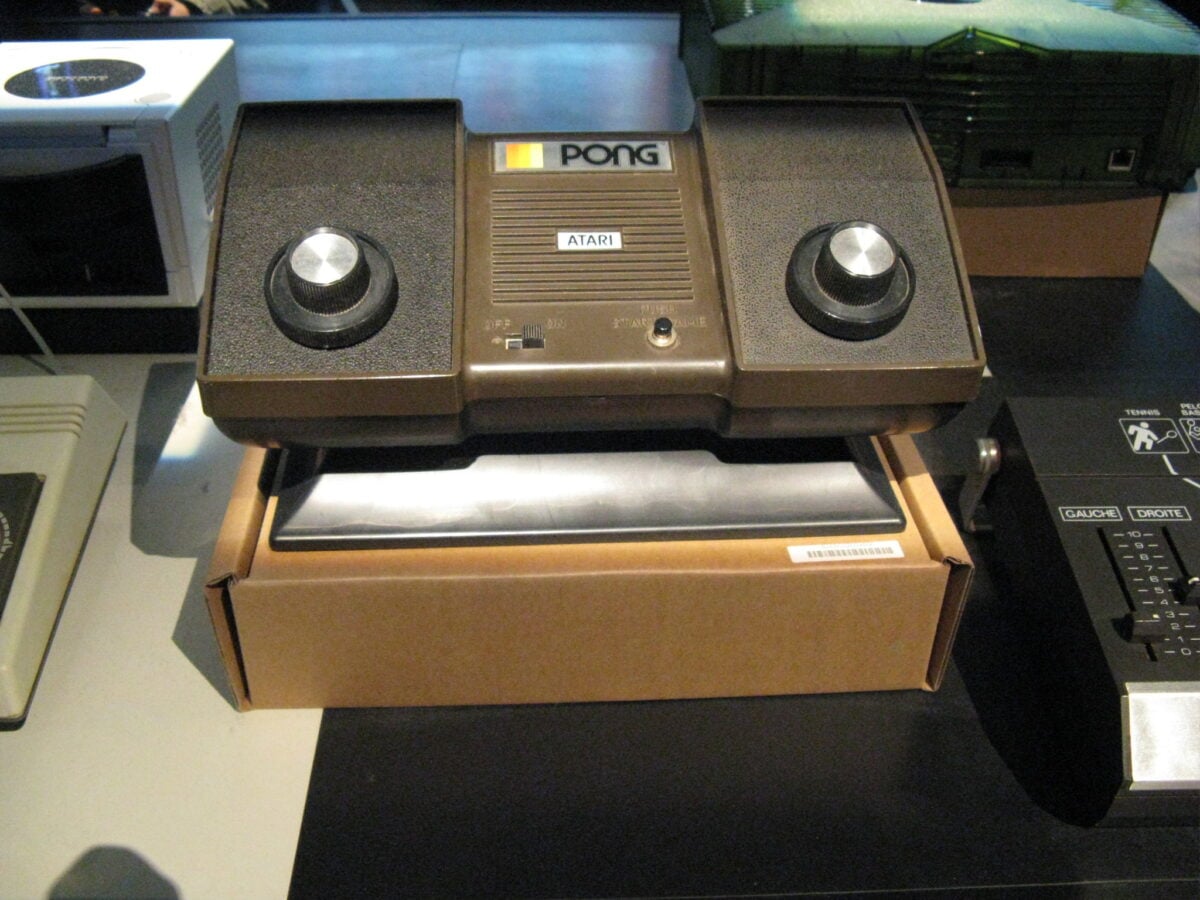
Atari released Home Pong in 1975 through Sears, which sold it under the Tele-Games brand. The console played only Pong, but it was a hit during the holiday season and showed that families wanted video games at home.
Atari later sold versions under its own name. Collectors value it for its role in early home gaming.
Prices typically run about 100 to 300 dollars. Missing boxes and faded labels lower value.
Working units with original power adapters are more valuable, and boxes still carrying the Sears branding draw extra interest.
Plastic That Became Proof
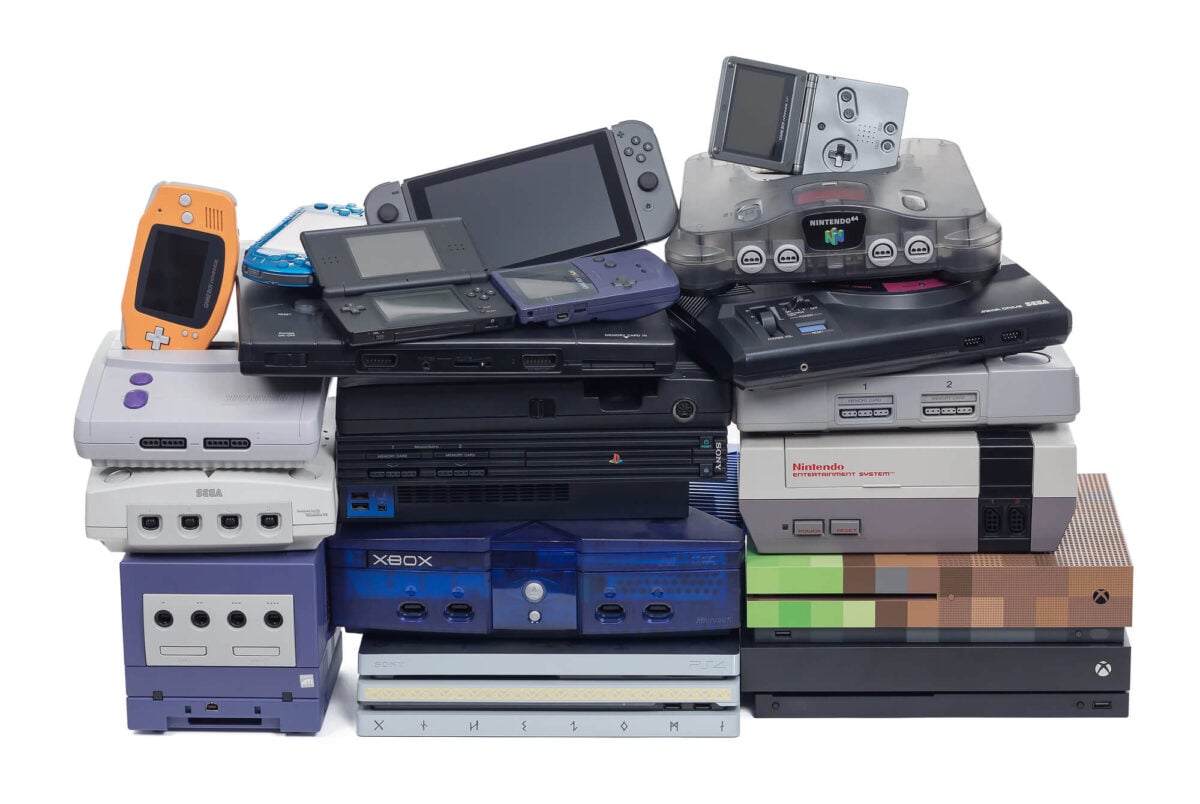
Consoles were mass-produced, but the survivors are now the proof of a childhood, a decade or an entire company’s ambition. The odd failures often draw more money than the hits because so few people bought them in the first place.
Boxes, manuals and receipts add value because almost nobody thought to keep them. That reversal is the core of the market.
A best seller that sold millions is easy to find, while a strange experiment that sold a few thousand has to be hunted down. Collectors pay for the hunt as much as the hardware.
More from Go2Tutors!

- The Romanov Crown Jewels and Their Tragic Fate
- 13 Historical Mysteries That Science Still Can’t Solve
- Famous Hoaxes That Fooled the World for Years
- 15 Child Stars with Tragic Adult Lives
- 16 Famous Jewelry Pieces in History
Like Go2Tutors’s content? Follow us on MSN.