18 Historical Events That Seemed Small at the Time but Changed the World
History rarely pivots on grand gestures. More often, it’s the small things – a misread memo, a lucky accident, a split-second decision – that end up changing everything. These moments pass quietly at first, their significance only becoming clear years or decades later.
The Failed Artist’s Application

The Vienna Academy’s routine rejection letter in 1907 carried no weight of prophecy. Just another aspiring artist who didn’t make the cut. Yet this mundane administrative decision sent a young Adolf Hitler careening toward politics – and the world toward catastrophe.
The admissions committee’s members could never have known.
The Contaminated Petri Dish
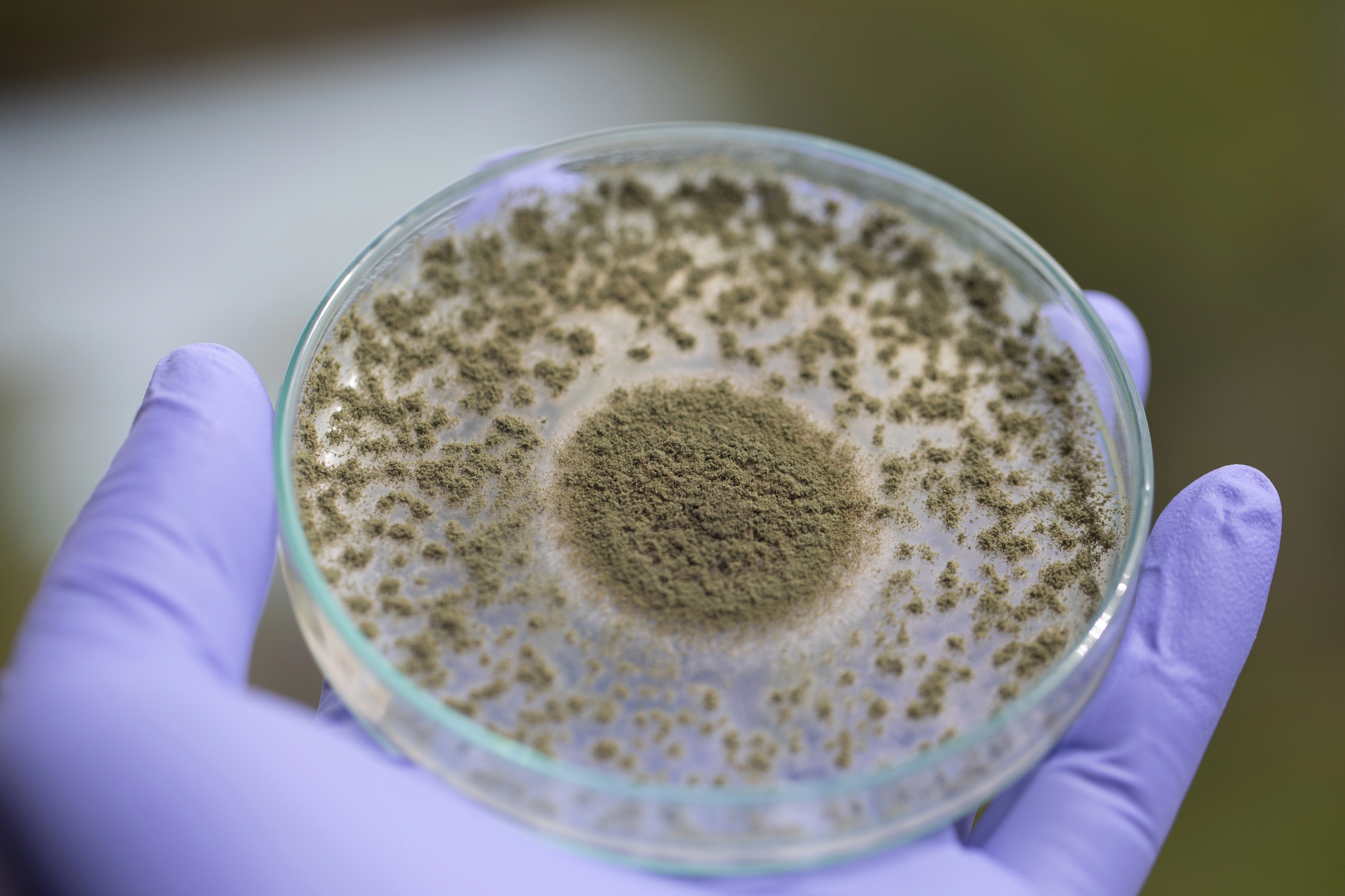
It started with mold – not the epic discovery you’d expect to revolutionize medicine, but there it was in Alexander Fleming’s messy lab in 1928. He could have just cleaned the petri dish.
Instead, his curiosity about that contamination led to penicillin… and saved millions of lives.
Nature’s Hook-and-Loop Lesson
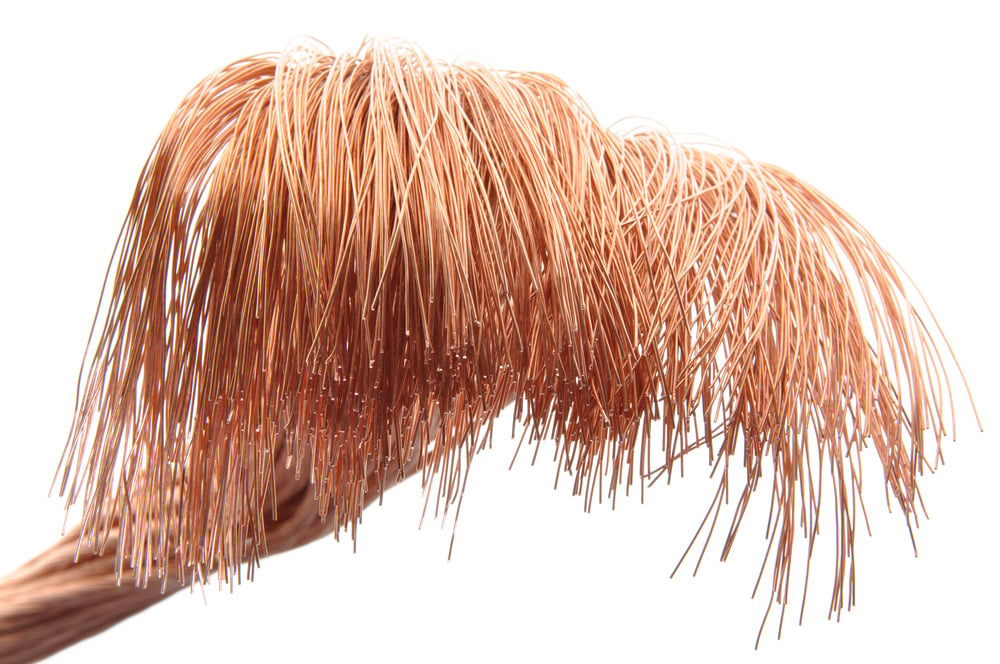
Sometimes revolution comes from life’s minor irritations. Take George de Mestral’s 1941 hiking annoyance – burrs stuck to his clothes and dog’s fur. Most would have just brushed them off.
He looked closer. Eight years later, Velcro was born. Now it’s on everything from shoes to spacecraft.
The Phone Without Strings

The story of mobile phones began with frustration. Martin Cooper, watching people trapped by their car phones, had a simple thought: Why tie the phone to the car?
That irritation in 1973 led him to create the first handheld mobile phone. Today, try finding someone without one.
The Fatal Wrong Turn
History’s greatest ironies often emerge from its smallest moments. A wrong turn in Sarajevo, 1914, by a confused driver and an heir to an empire in exactly the wrong place.
Gavrilo Princip, who had already failed to assassinate Archduke Franz Ferdinand earlier that day, couldn’t believe his luck. Neither could a world about to plunge into war.
The Press Conference Slip

Revolutions don’t always need armies. Sometimes, they just need a bureaucratic mix-up. November 9, 1989: an East German official fumbles his words at a press conference, accidentally suggesting immediate freedom to cross the Berlin Wall.
By nightfall, sledgehammers were swinging. The Cold War’s end began with a misstatement.
The Original Computer Bug
Grace Hopper found an actual bug in the Harvard Mark II computer in 1947. A moth, to be precise. Her humorous log entry – “First actual case of bug being found” – gave us terms we still use today.
That dead moth changed how we talk about technology.
The Gambler’s Meal
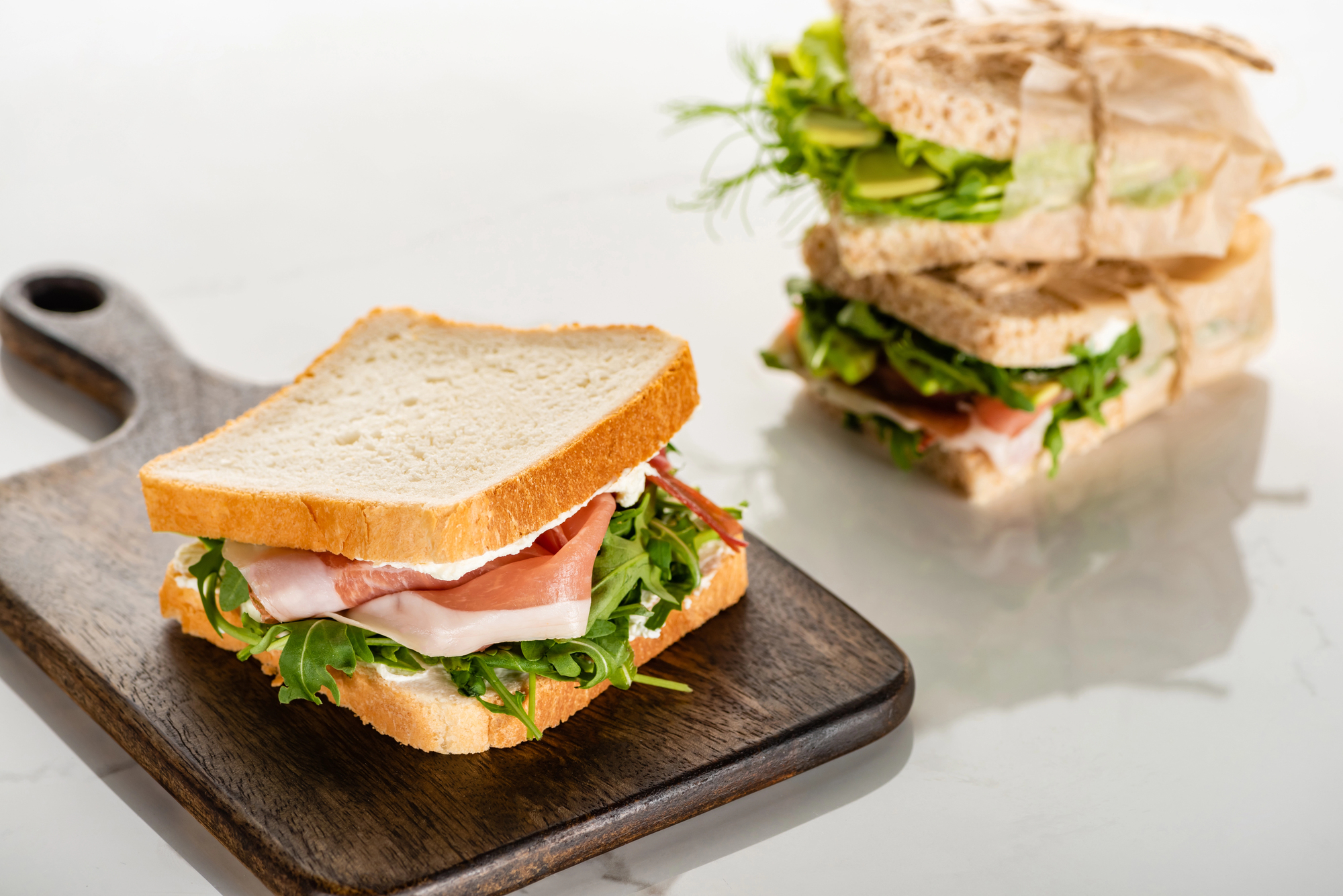
The sandwich stemmed from pure laziness. John Montagu, 4th Earl of Sandwich, didn’t want to leave his gambling table in 1762. He demanded meat between bread slices.
No ceremony, no culinary vision – just convenience. Now, the sandwich graces menus worldwide.
The Melting Chocolate Bar
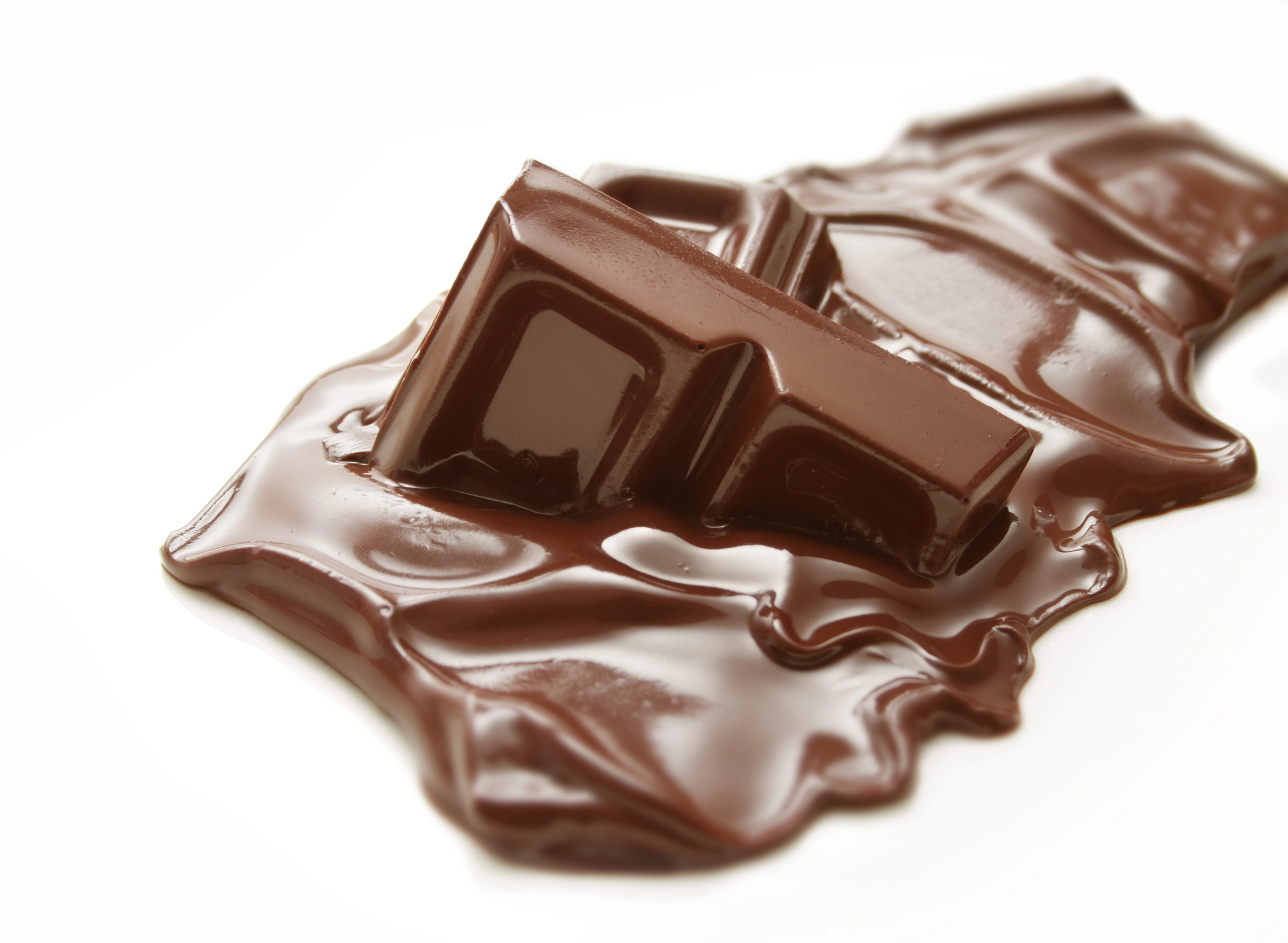
Innovation often comes from paying attention to accidents. Percy Spencer noticed his chocolate bar melting near radar equipment in 1945. He could have ignored it.
Instead, he started experimenting… and invented the microwave oven. One melted candy bar changed how we cook.
The Document Management Project

In 1989, Tim Berners-Lee was supposed to be organizing research papers at CERN. He got carried away.
The result? A little thing called the World Wide Web. Not bad for a side project.
The Fifty-Cent Apocalypse
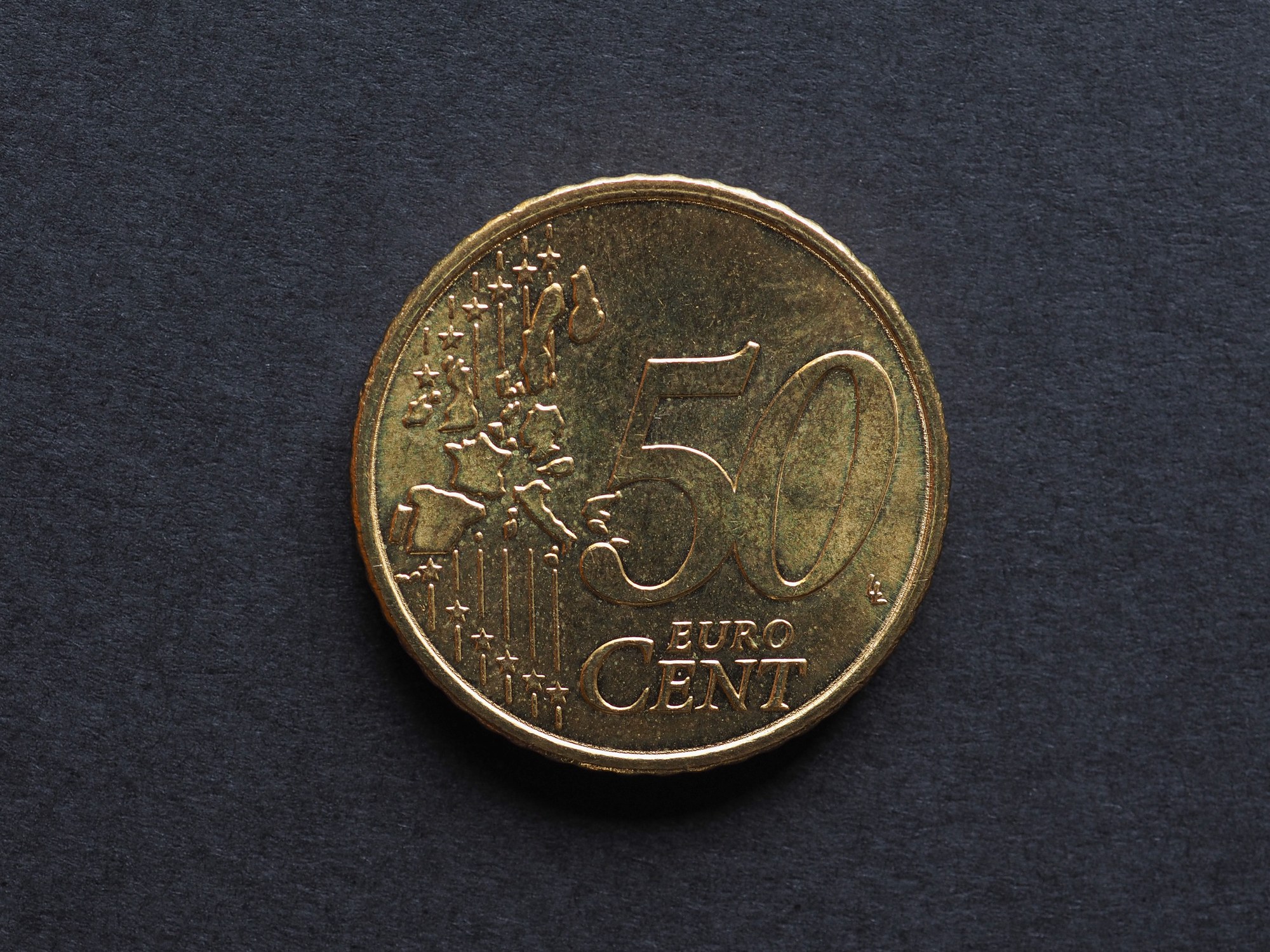
A fifty-cent computer chip almost started World War III in 1980. One malfunctioning component in NORAD’s warning system showed Soviet missiles incoming.
The world teetered on the edge because of a part worth less than a dollar.
The Waterproof Solution

Marion Donovan just wanted to stop changing wet sheets in 1946. She used shower curtains to make waterproof diaper covers.
No grand vision – just a frustrated mom solving a problem. She transformed childcare forever.
The Bus Ticket That Changed America
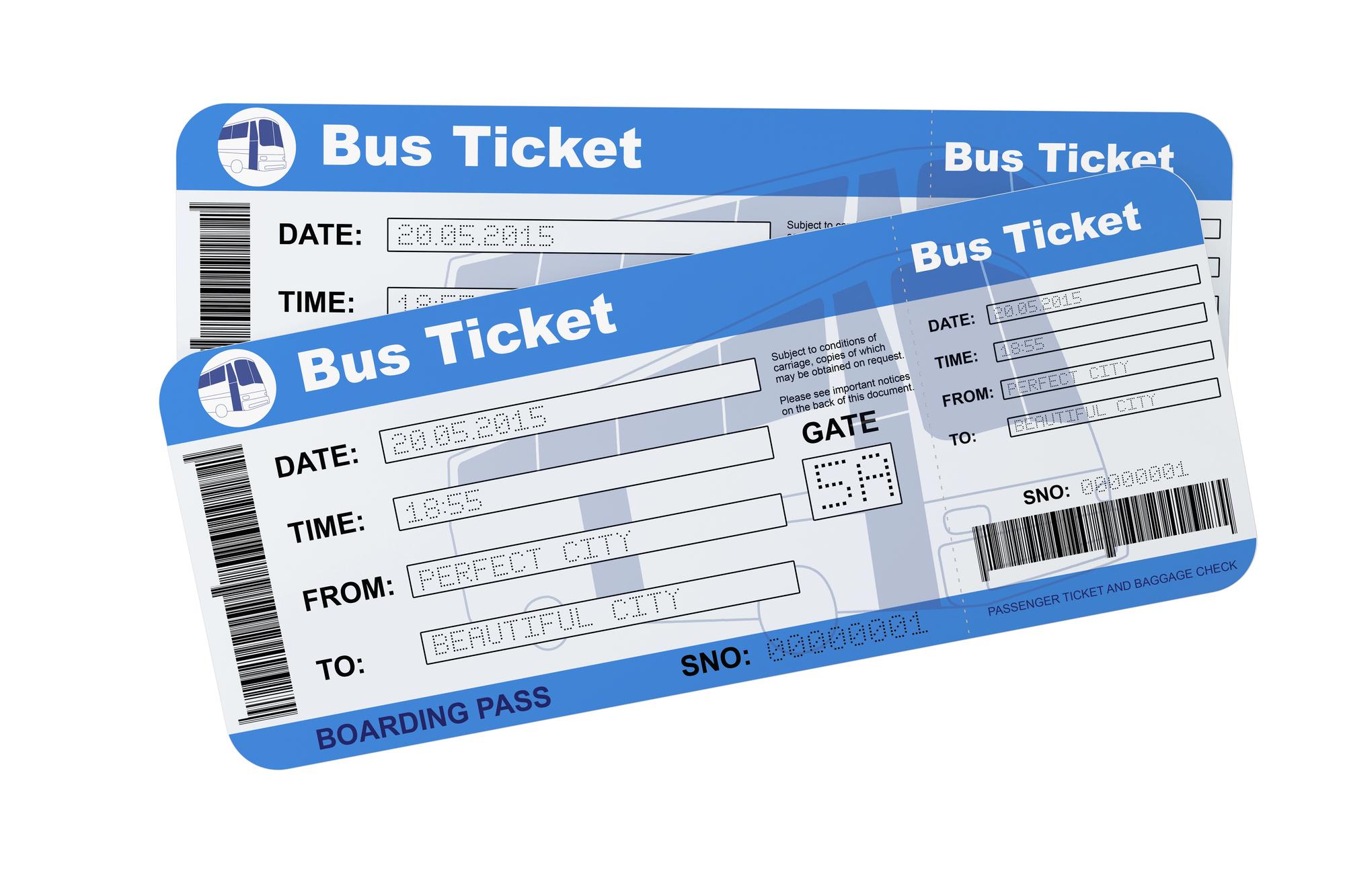
Some moments gain power precisely because they seem small. Rosa Parks’ bus receipt from December 1, 1955 – just a slip of paper.
But it became evidence in one of history’s pivotal civil rights cases. One ticket, one arrest, one movement that changed a nation.
The Arctic Bargain

“Seward’s Folly,” they called it. The 1867 purchase of Alaska from Russia seemed absurd – all that money for frozen wasteland?
Then, they found gold. And oil. That “folly” reshaped the continental United States.
The Forgotten Patent
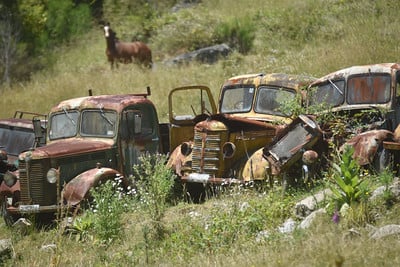
In 1888, Bertha Benz took her husband’s experimental automobile on the first long-distance car journey – without telling him.
This “unauthorized test drive” proved the vehicle’s viability and launched the automotive age. One wife’s defiant act changed transportation forever.
The Coffee Break Discovery
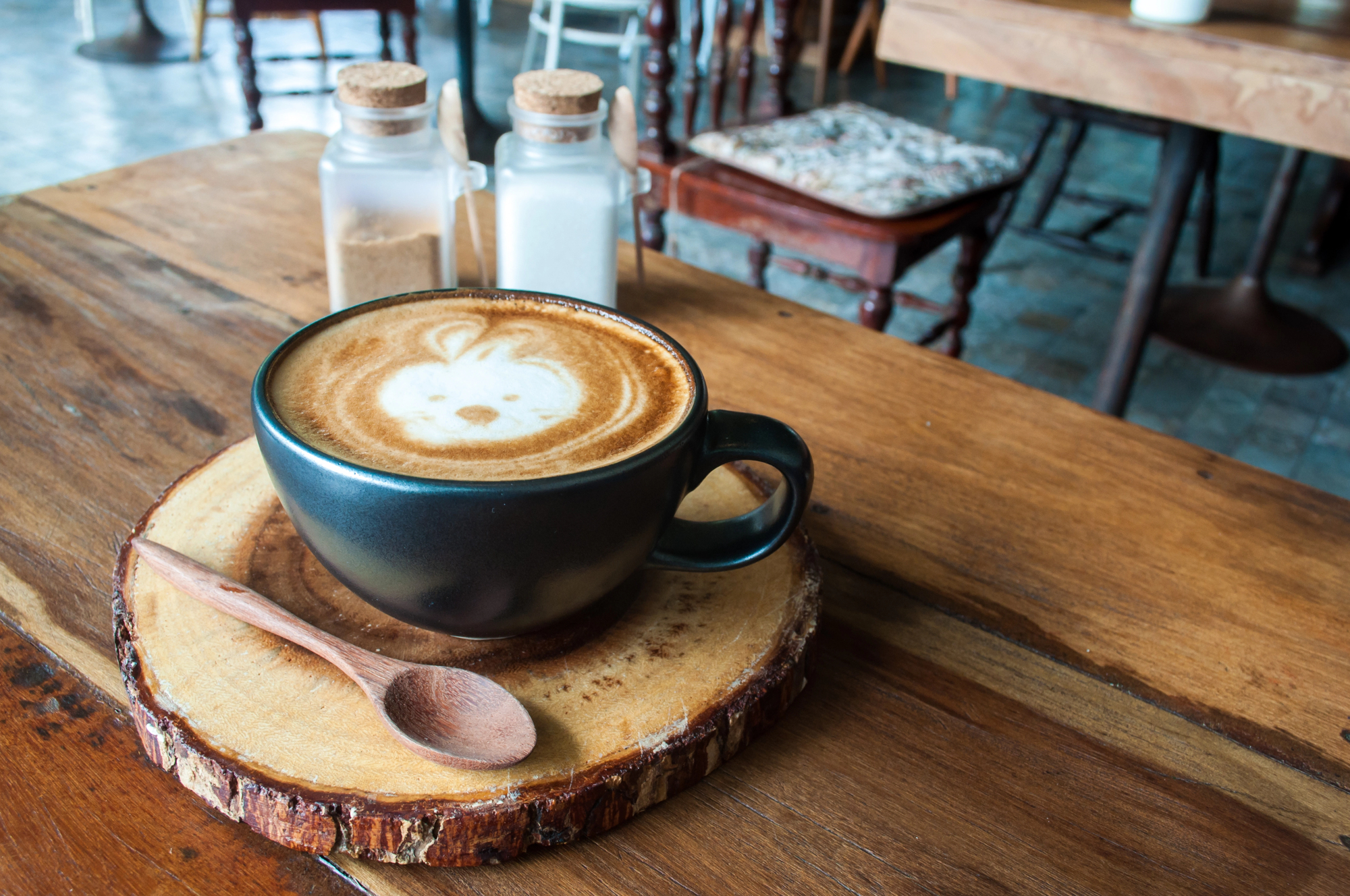
In 1992, Don Gause accidentally left his coffee on the lab counter next to some semiconductor material. The resulting reaction led to a breakthrough in microchip manufacturing.
Sometimes the biggest discoveries happen during break time.
The Playground Inspiration

In 1968, Frank Epperson remembered leaving a drink with a stirring stick on his porch one cold night when he was a kid. That memory led him to invent the Popsicle – changing summer treats forever.
Sometimes childhood accidents become adult innovations.
The Paper Jam Solution
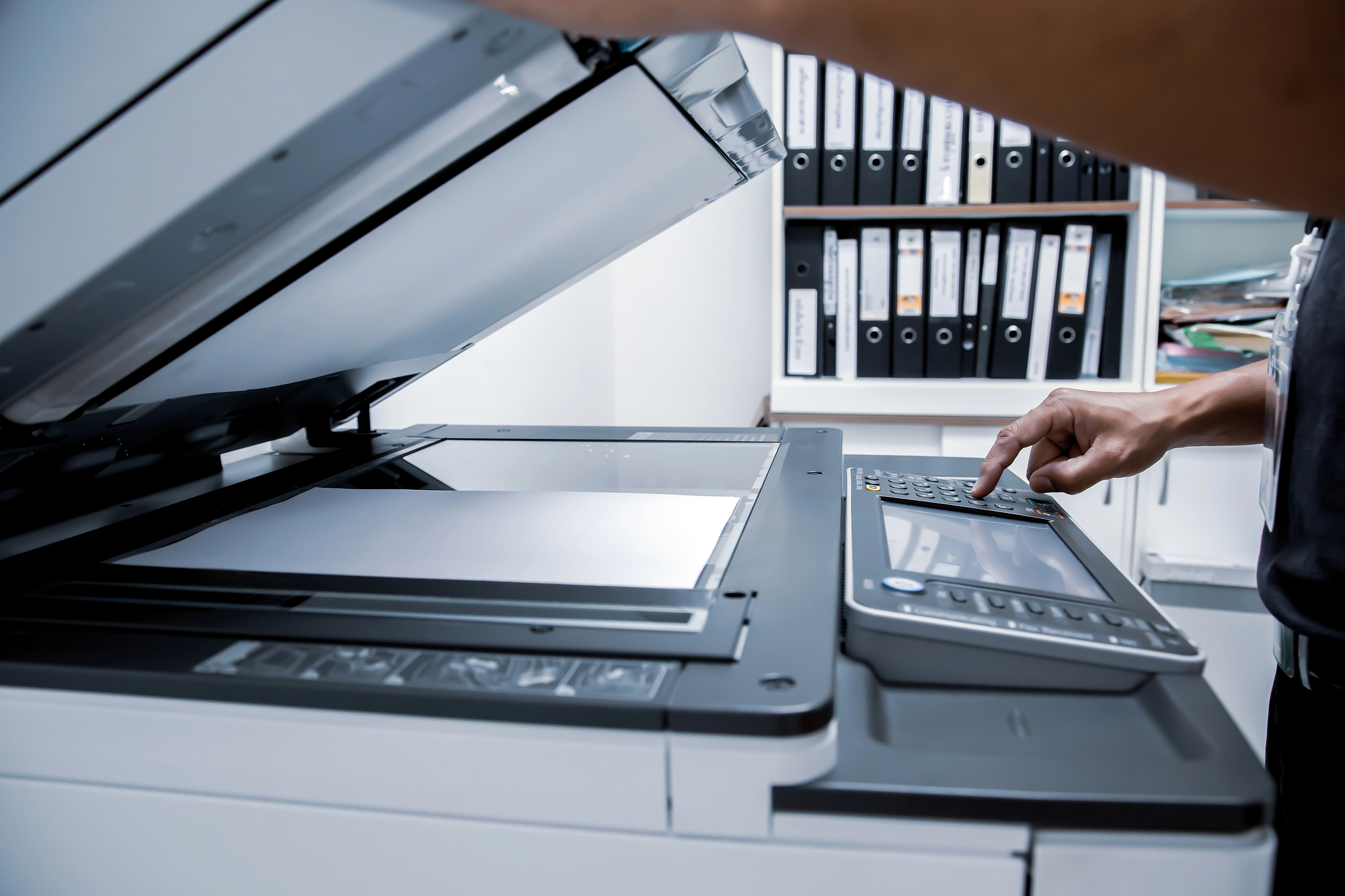
Chester Carlson’s frustration with carbon paper copies in 1938 led him to experiment in his kitchen. The result? Xerography – the foundation of all modern photocopiers.
Office work would never be the same.
Hindsight’s Perfect Vision

Small moments keep changing the world. Right now, somewhere, someone is making a decision, having an idea, or making a mistake that will reshape the future.
We just don’t know it yet. That’s the thing about history – it’s usually clearest in the rearview mirror.
More from Go2Tutors!

- The Romanov Crown Jewels and Their Tragic Fate
- 13 Historical Mysteries That Science Still Can’t Solve
- Famous Hoaxes That Fooled the World for Years
- 15 Child Stars with Tragic Adult Lives
- 16 Famous Jewelry Pieces in History
Like Go2Tutors’s content? Follow us on MSN.



