30 Attic Record Albums Vinyl Collectors Snap Up the Moment They Appear
Every record dealer has a story about a milk crate from a dead uncle’s attic that paid for a year of rent. Most crates hold Mantovani and Herb Alpert, worth a dollar apiece on a good day.
The difference between those two crates often comes down to a sleeve color, a label design, or a few letters scratched into the blank vinyl near the center. Serious collectors read those details the way jewelers read hallmarks.
Beatles Yesterday and Today With the Butcher Cover
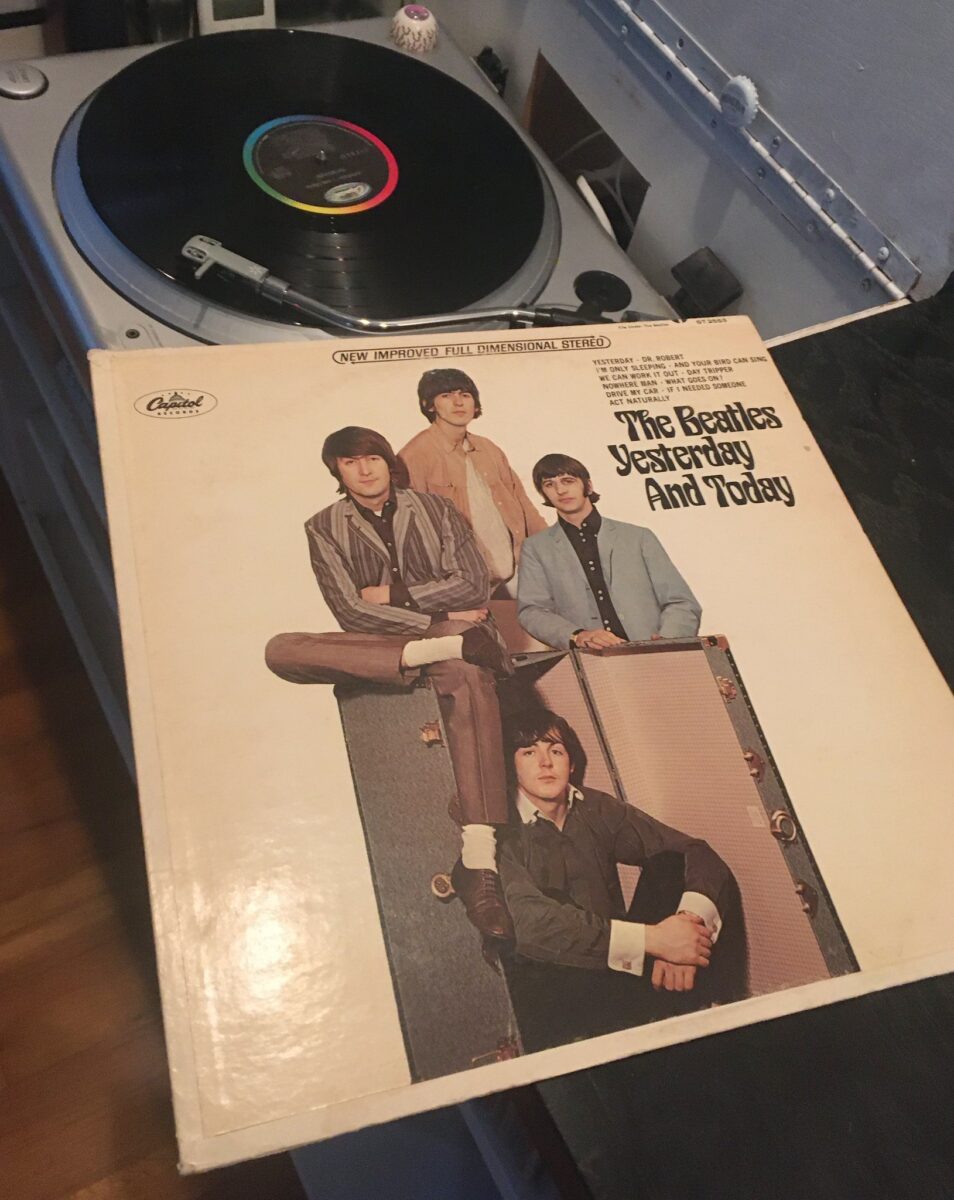
Capitol issued Yesterday and Today in June 1966 with a cover showing the Beatles in white coats draped with raw meat and broken dolls. Retailers balked, and Capitol recalled the album within days, pasting a bland photo of the band around a steamer trunk over thousands of the original sleeves.
Copies with the paste-over still intact, called second state, sell for hundreds. Carefully peeled copies go higher, and untouched first-state covers reach five figures, with sealed stereo copies higher still.
Collectors hold paste-overs up to a bright light to spot the meat hidden underneath. Seam splits, tears from bad peeling, and ring wear cut the price hard.
Introducing the Beatles on Vee-Jay
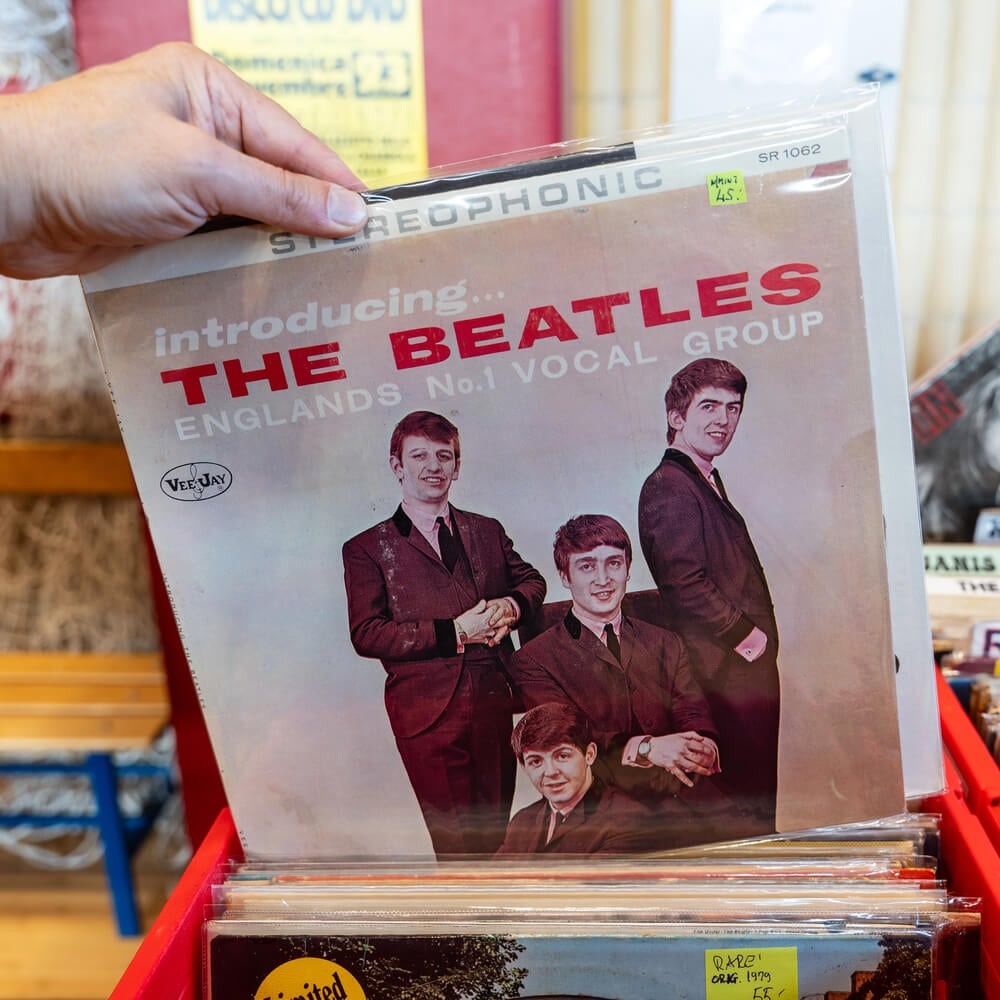
Before Capitol committed to the Beatles, the Chicago label Vee-Jay released Introducing the Beatles in January 1964. It became one of the most counterfeited albums in history, so fakes outnumber genuine copies by a wide margin.
Real first pressings, especially the version with other Vee-Jay albums advertised on the back cover, change hands for hundreds to thousands of dollars, and genuine stereo copies are far scarcer than mono. Experts compare label printing, logo placement, and the numbers stamped in the dead wax.
A genuine copy with heavy scuffs and a split seam still sells, but at a fraction of a clean one.
Please Please Me on the Gold Parlophone Label
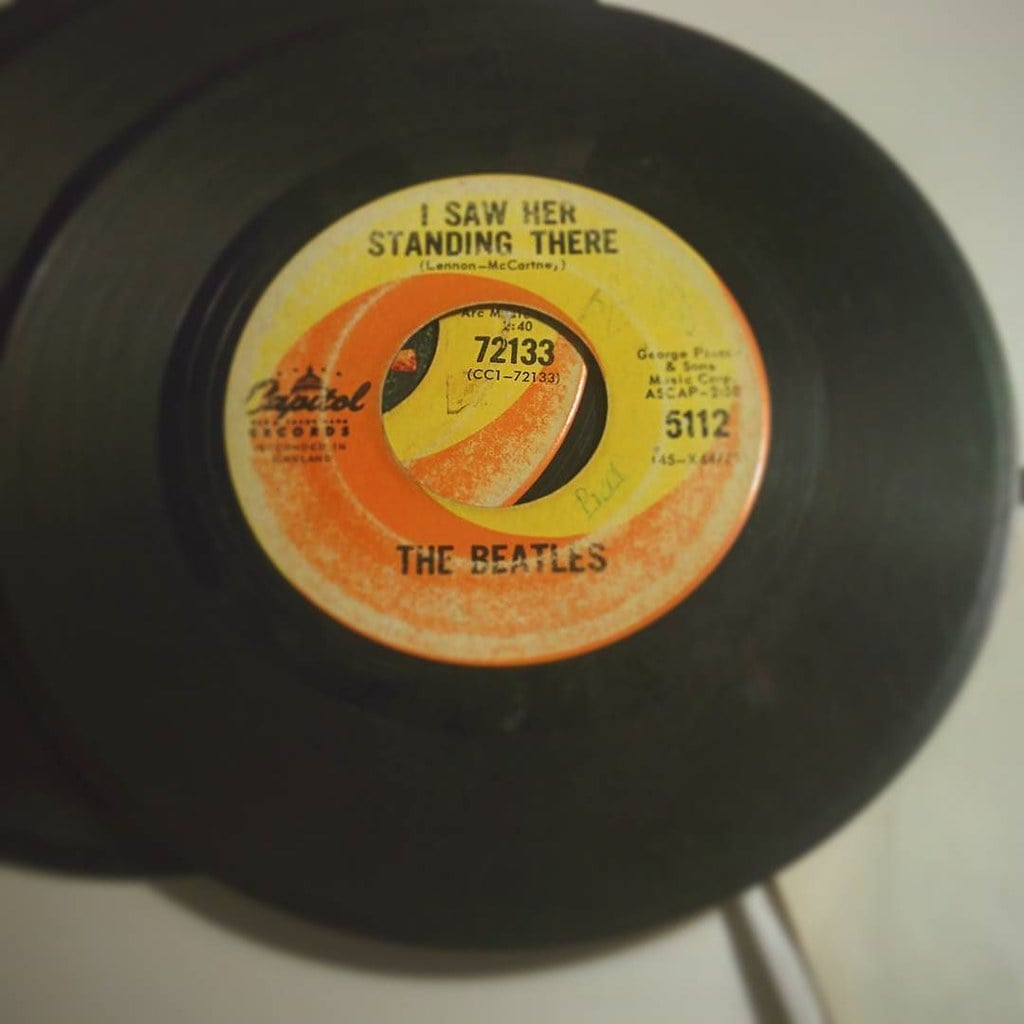
Parlophone released the Beatles’ first UK album in March 1963 on a black and gold label that the company replaced with a yellow and black design within months. Mono first pressings on the gold label sell for hundreds to low thousands depending on condition.
The stereo version is the real prize, because very few were pressed while stereo equipment was still rare in British homes. Collectors check the rim text, the song credits, and the laminated flipback sleeve.
Surface noise, writing on the back cover, and label wear drag prices down fast, and an honest description of the play quality matters as much as the photo.
Low-Numbered Copies of the White Album
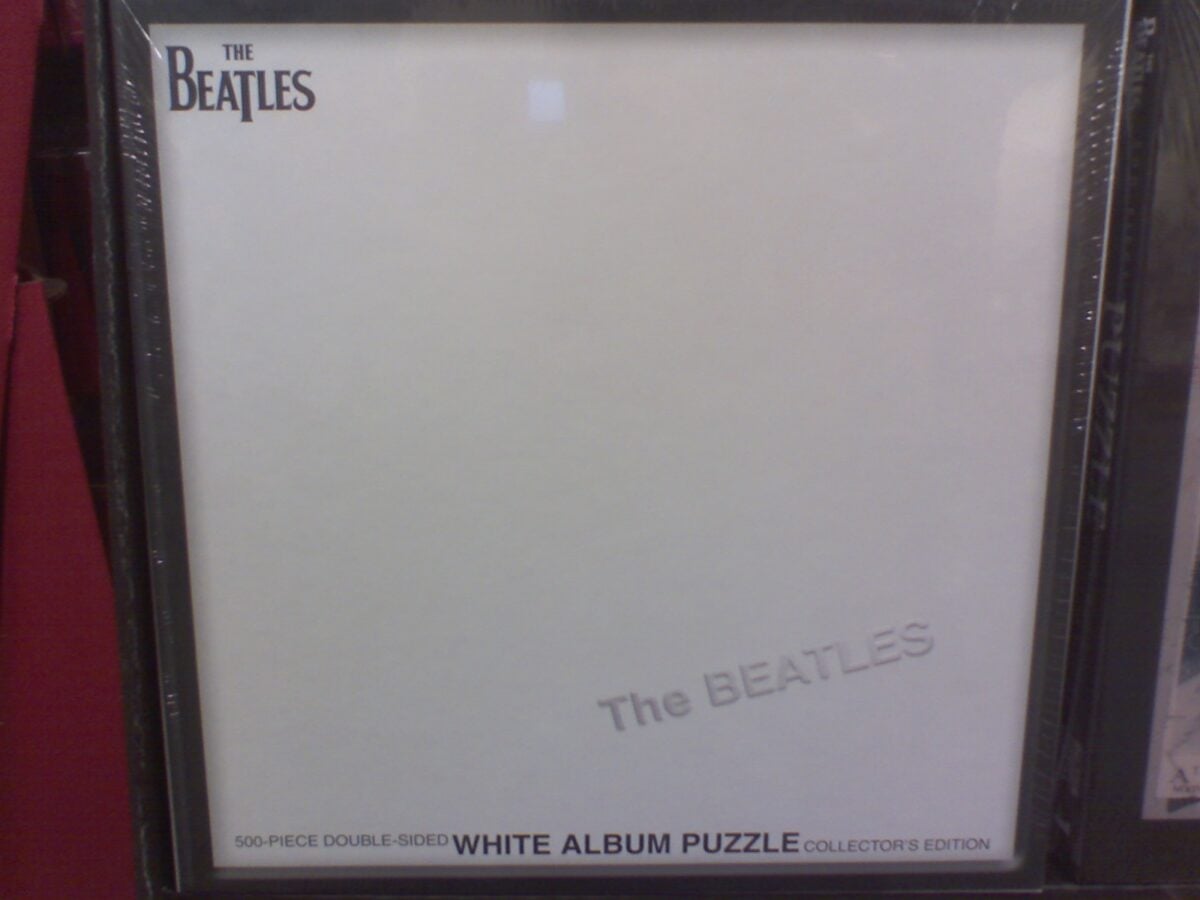
Early pressings of the Beatles’ 1968 double album carried an individually stamped serial number on the plain white cover. Numbers under 1,000 draw strong interest, and anything under 100 enters serious money.
Ringo Starr’s personal copy, stamped 0000001, sold at auction in 2015 for about 790,000 dollars, the highest price ever paid for a commercially released record at the time. Collectors want the complete package, including the poster and four glossy portrait photos.
White covers yellow, stain, and pick up handwriting easily, and a clean sleeve with sharp embossing is far scarcer than the vinyl inside.
Freewheelin’ Bob Dylan With the Four Withdrawn Songs
Columbia pressed early copies of The Freewheelin’ Bob Dylan in 1963 with four songs that were pulled before the album’s wide release and replaced with new recordings. A small number of those original pressings escaped into stores, and the label often looks identical to the standard issue.
The reliable test is the matrix number in the dead wax and a careful listen. Mono examples have sold for tens of thousands of dollars, and the handful of known stereo copies rank among the rarest American records.
Even a worn, crackling copy of the withdrawn version is worth far more than a pristine standard one.
Velvet Underground and Nico With the Peelable Banana
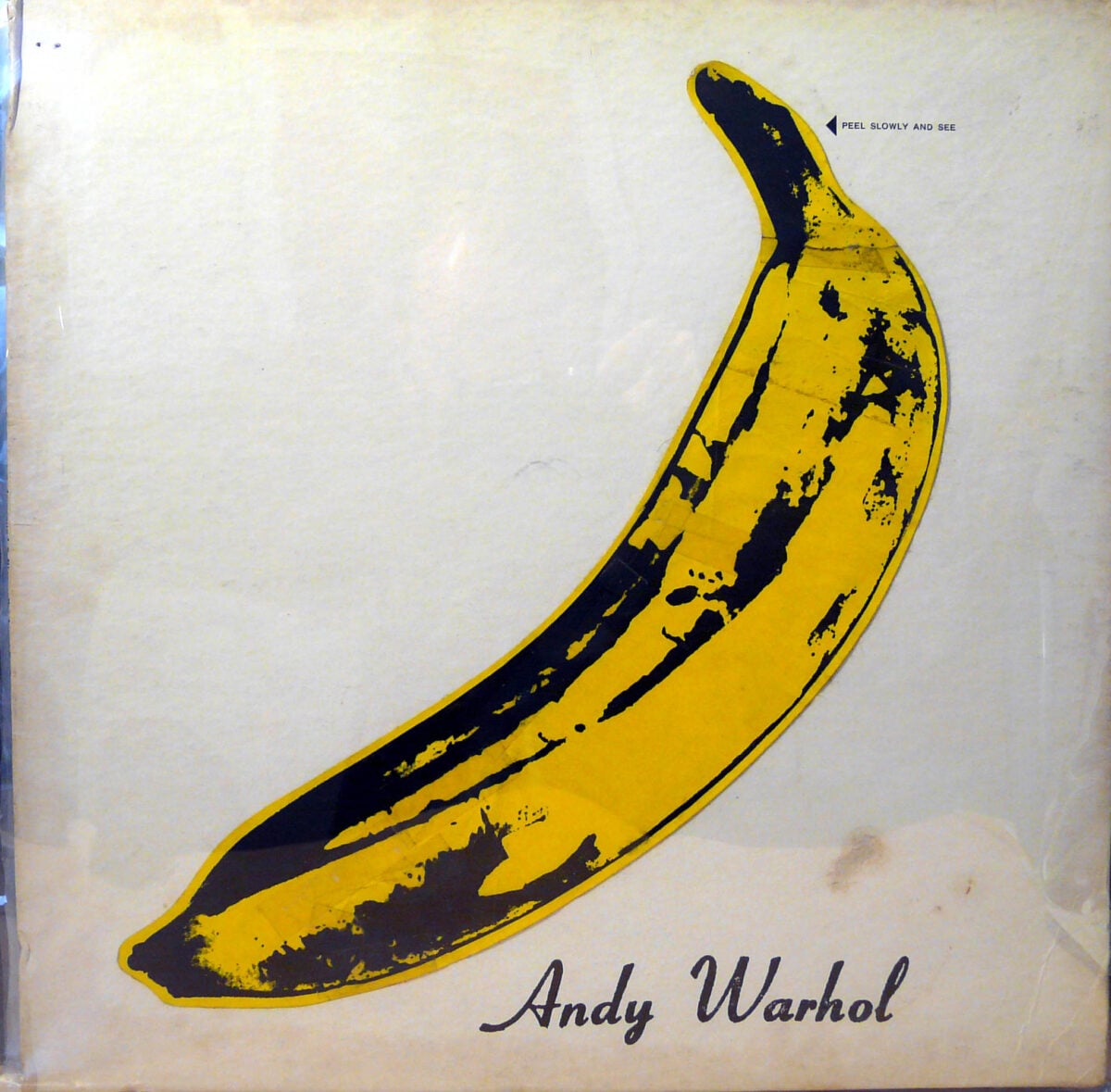
Andy Warhol designed the 1967 Verve cover with a banana sticker and a printed invitation to peel it slowly. Early copies also carry a photo on the back showing an actor who sued over its use, so the label covered the image with a sticker and later airbrushed it out.
Copies with the unpeeled banana and the uncovered photo are the ones collectors chase. Prices climb into the thousands for clean first pressings.
A peeled banana lowers value considerably, and so do ring wear and seam splits on the thin sleeve. Collectors also compare mono and stereo pressings, since the mono is scarcer.
Led Zeppelin’s Debut With Turquoise Lettering
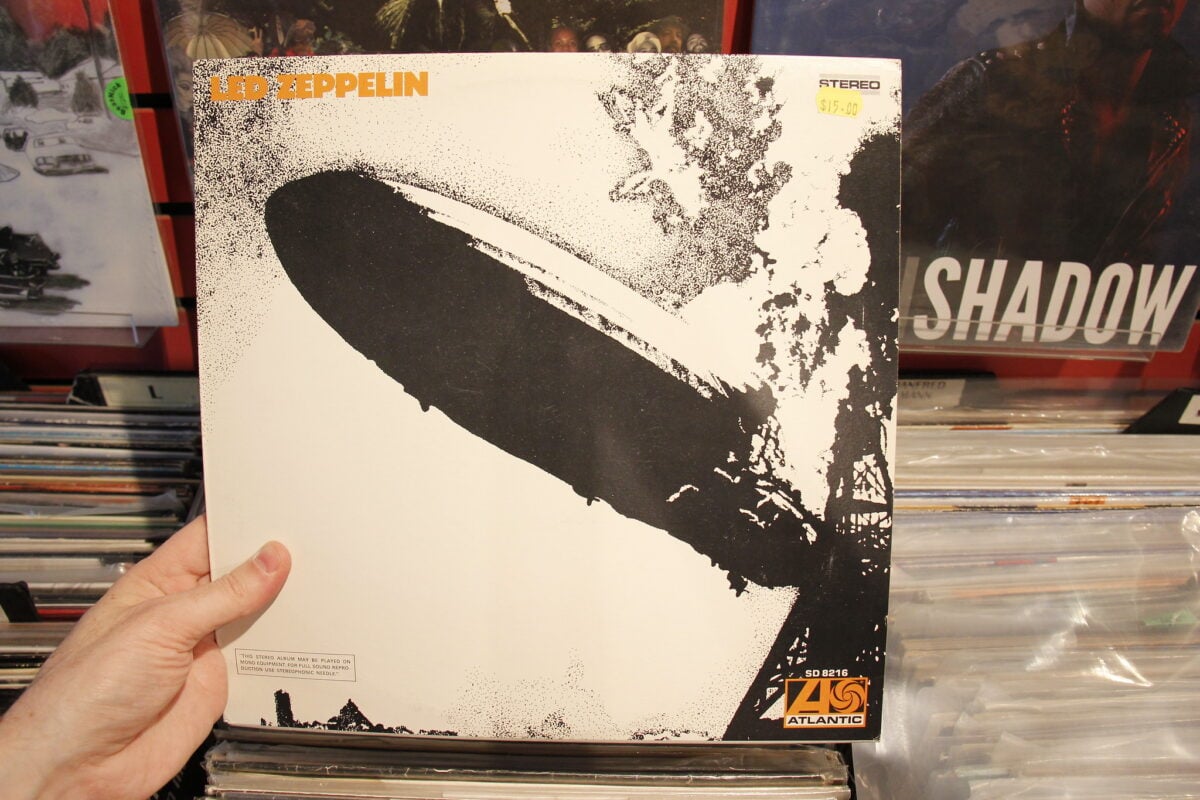
A 1969 UK first pressing of Led Zeppelin’s debut album, catalog number 588171, printed the band name and Atlantic logo in turquoise on the front cover. The color was quickly changed to orange, which makes turquoise copies easy to spot.
Clean examples sell for thousands of dollars, and the matching vinyl should carry the correct early matrix numbers. Buyers check for the laminated sleeve, the cover photo of the Hindenburg, and the Superhype publishing credit on the label.
Ring wear and scuffed lamination lower value. A turquoise sleeve with a replaced record inside is a common trap.
Dark Side of the Moon on the First UK Harvest Pressing
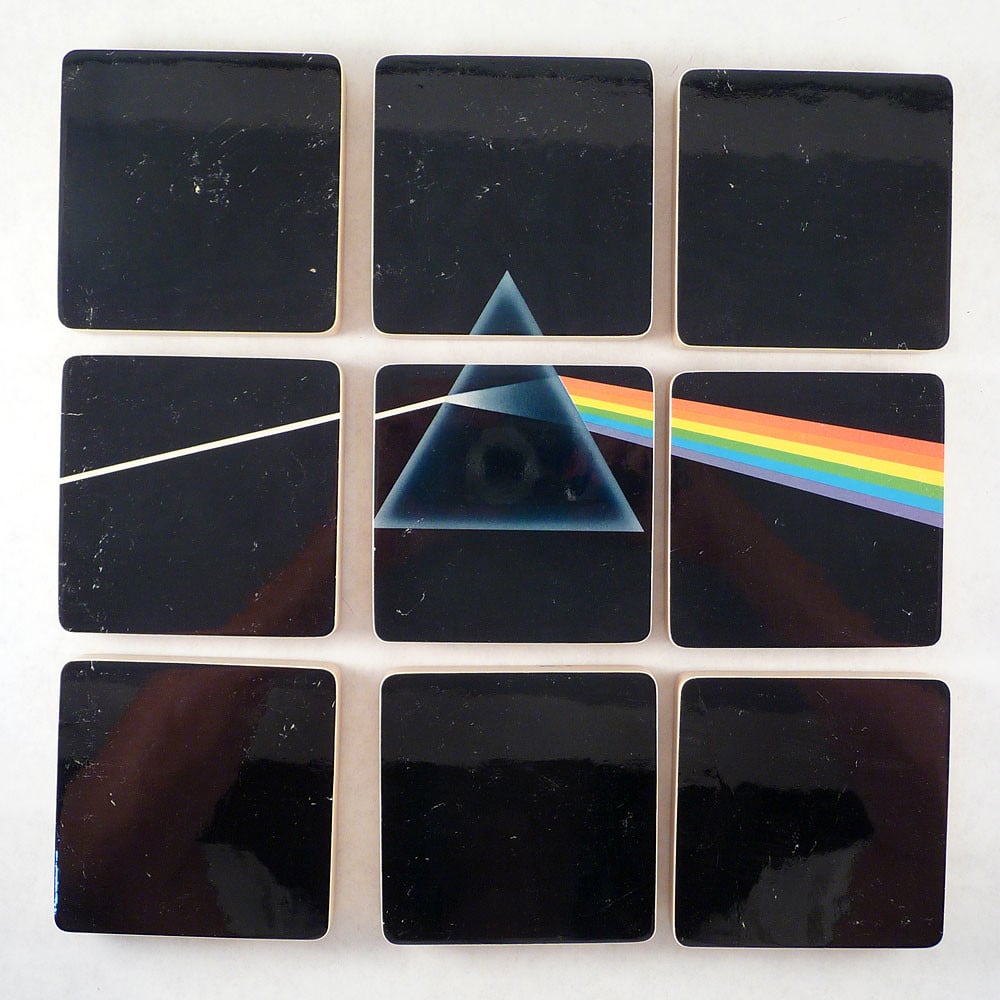
Pink Floyd’s 1973 album sold tens of millions of copies, so most are worth modest amounts. The exception is the first UK pressing on Harvest, which has a solid light blue triangle on the label and came with two posters and two stickers.
Complete first pressings sell for hundreds, and very clean examples with all inserts approach four figures. Later pressings print the triangle as an outline, which is an easy tell.
Missing posters are common, and so are creased sleeves and warped vinyl. The inserts often sell separately, so collectors check every piece before paying.
Piper at the Gates of Dawn in UK Mono
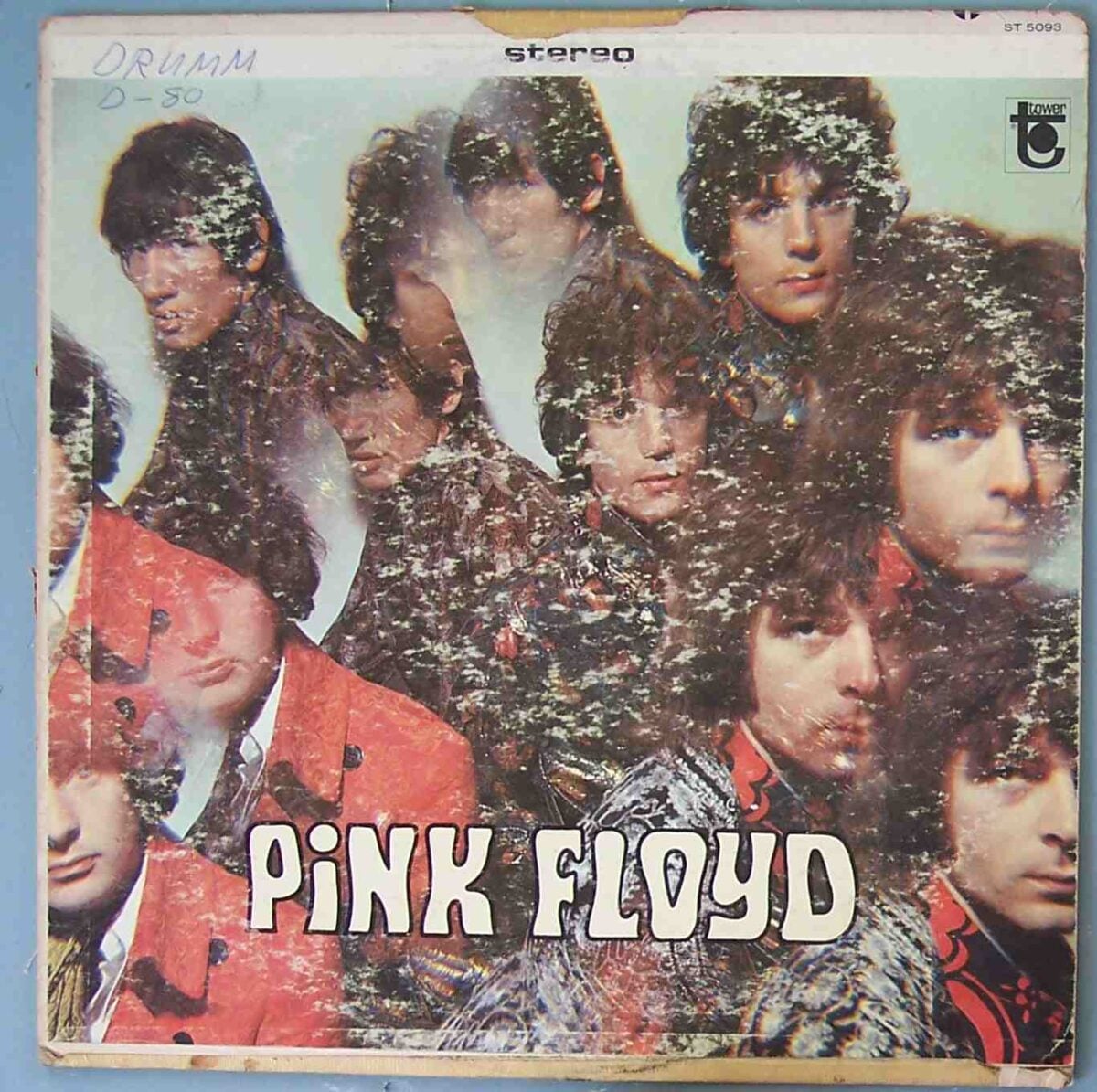
Pink Floyd’s 1967 debut, recorded while Syd Barrett was still leading the band, appeared in the UK on Columbia in both mono and stereo. The mono version, catalog SX 6157, has a different mix and is the one collectors pursue.
First pressings in good condition sell for hundreds to low thousands. Buyers look for the flipback sleeve, the correct matrix numbers, and the original inner bag.
Surface wear and scratches reduce value quickly, since psychedelic mixes suffer when played on worn equipment. The stereo version is also collected but brings less.
Nirvana’s Bleach on White Vinyl
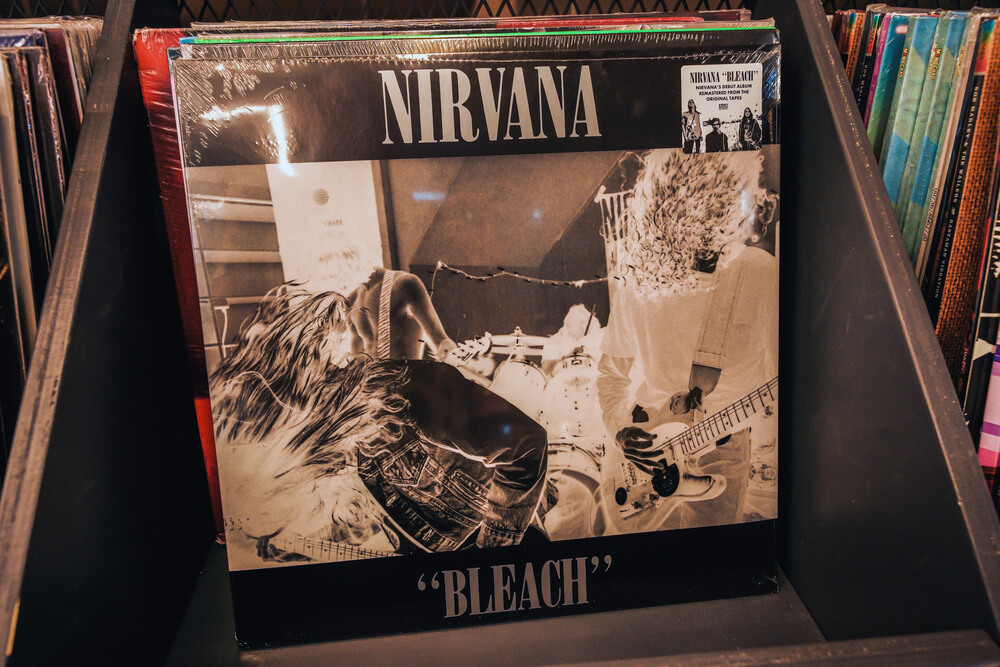
Sub Pop released Nirvana’s first album in 1989, and the first 1,000 copies were pressed on white vinyl. The label had no idea the band would soon become one of the biggest acts in the world, and many of those white copies were sold cheaply and played hard.
Genuine white vinyl copies now sell for thousands of dollars in clean condition. Collectors check the matrix numbers and the Sub Pop catalog number, SP34.
Reissues on colored vinyl exist, so provenance matters. Scratches, warps, and discoloration on the white vinyl all lower value noticeably.
Prince’s Black Album From 1987

Prince withdrew the Black Album a week before its planned December 1987 release, and Warner Bros. destroyed most of the pressings. A handful of original copies survived, and they rank among the most valuable records of the decade, selling well into five figures.
The official release in 1994 and countless bootlegs complicate the market. Genuine 1987 copies have specific matrix numbers and a plain black sleeve.
Collectors require provenance before paying serious money. Condition matters, but a verified original in any grade draws serious interest.
Bowie’s Man Who Sold the World With the Dress Cover
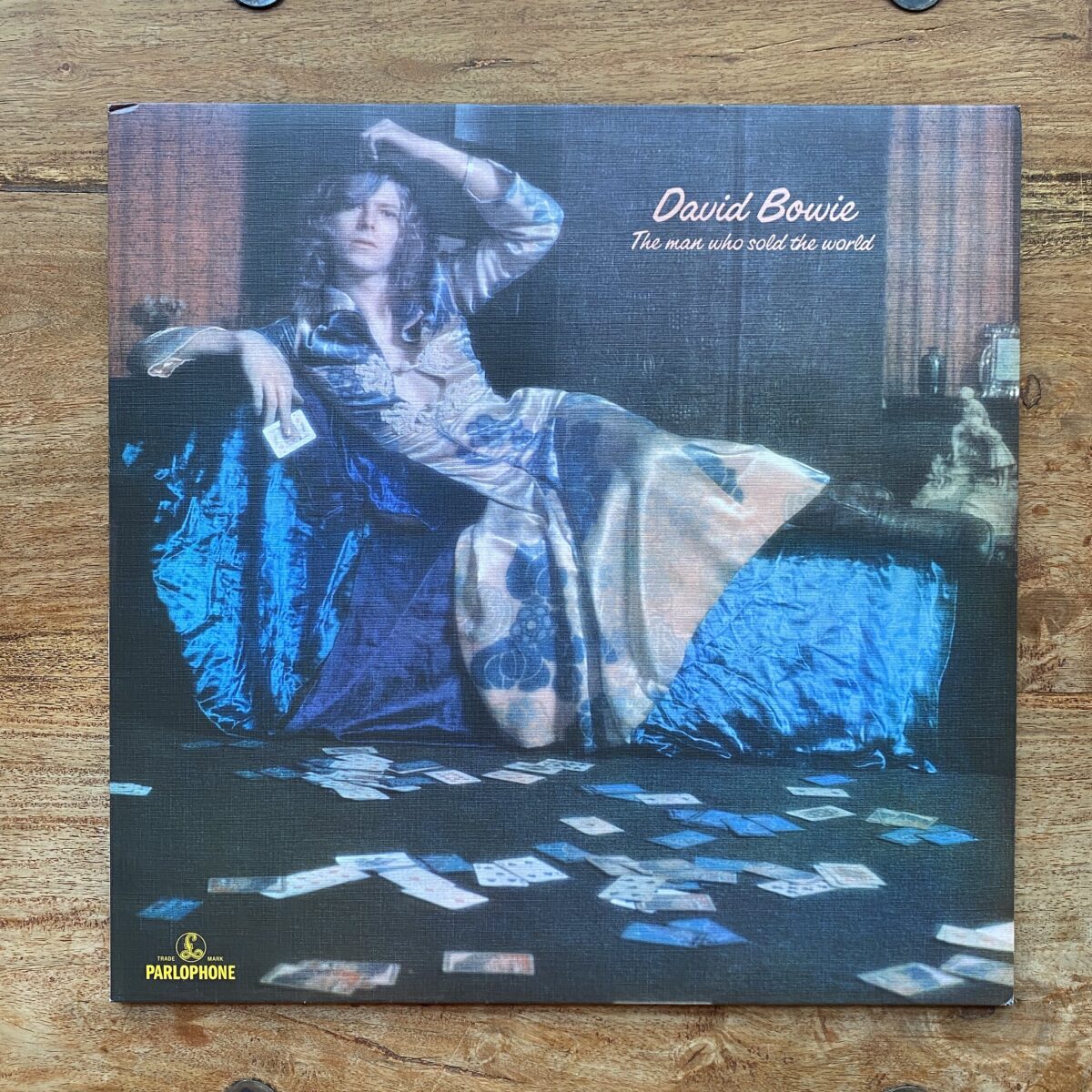
A 1971 UK Mercury release of David Bowie’s The Man Who Sold the World showed him reclining on a chaise longue in a dress. The US release had a cartoon cover instead, and the UK sleeve was soon replaced.
Original UK dress covers sell for hundreds to thousands of dollars. Collectors check for the correct Mercury label, the laminated sleeve, and the matrix numbers.
Creases, ring wear, and splits lower value. The US cartoon cover is also collected and sells for hundreds in clean condition.
Hank Mobley on Blue Note 1568
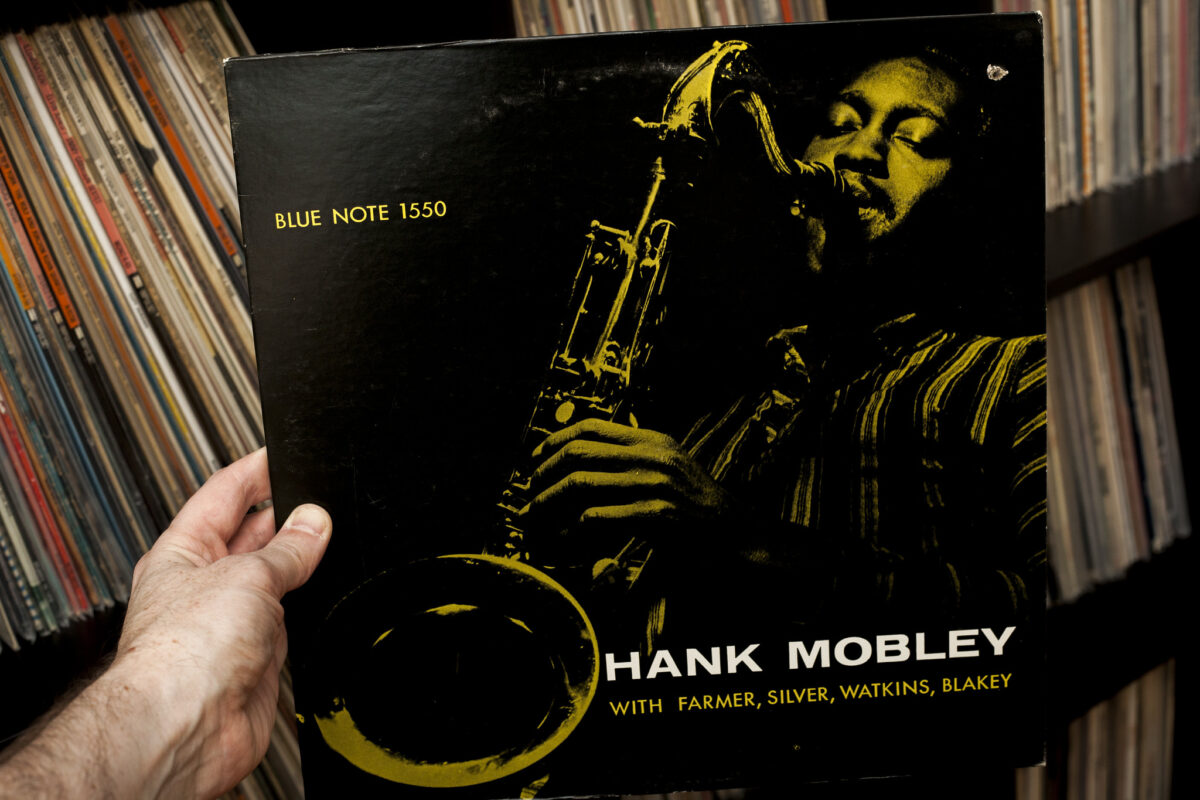
Blue Note pressed very few copies of Hank Mobley’s self-titled 1957 album, catalog 1568, and it has become one of the most valuable jazz records in the world. Original pressings show the West 63rd Street address on the label, a deep groove pressed into the vinyl, and a small ear symbol in the dead wax.
Clean first pressings sell for thousands of dollars, and exceptional copies reach much higher. Collectors check the label details carefully, since reissues exist.
Scratches, label wear, and sleeve damage lower value, but even a worn original draws buyers.
Kind of Blue on Columbia’s Six-Eye Label
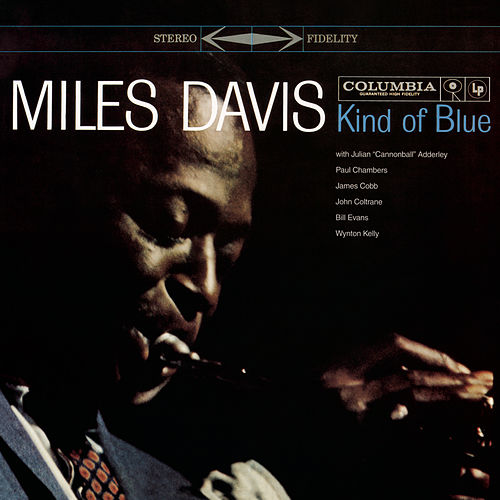
Miles Davis recorded Kind of Blue in 1959, and it became the best-selling jazz album of all time. First pressings on Columbia’s six-eye label sell for hundreds to low thousands.
Side one of the original release played slightly fast because one of the recording machines ran at the wrong speed, a flaw not corrected until the 1990s. Collectors look for the six-eye label, the correct matrix numbers, and the original liner notes.
Mono and stereo versions are both collected. Surface noise and label wear lower value.
Satanic Majesties With the 3D Cover
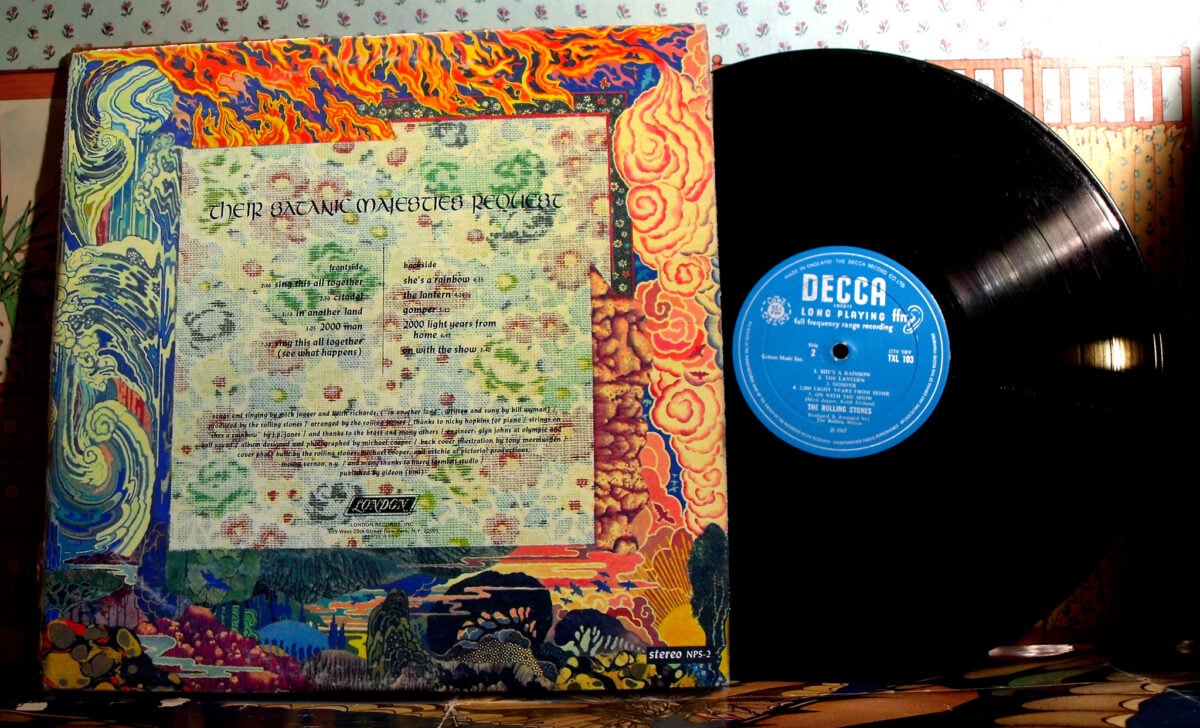
Their Satanic Majesties Request arrived in 1967 with a lenticular 3D photograph glued to the front cover, showing the Rolling Stones in wizard costumes against a painted backdrop. The image was so expensive to produce that later pressings replaced it with a flat printed version.
Original copies with the 3D panel intact change hands for a few hundred dollars, with UK Decca mono pressings at the top of the range. Look closely at a well-loved copy and the Beatles’ faces can be spotted hidden in the scenery.
Scratched or lifting lenticular panels cut value sharply, and so does a missing maze-printed inner sleeve.
Nick Drake’s Five Leaves Left on the Pink Island Label
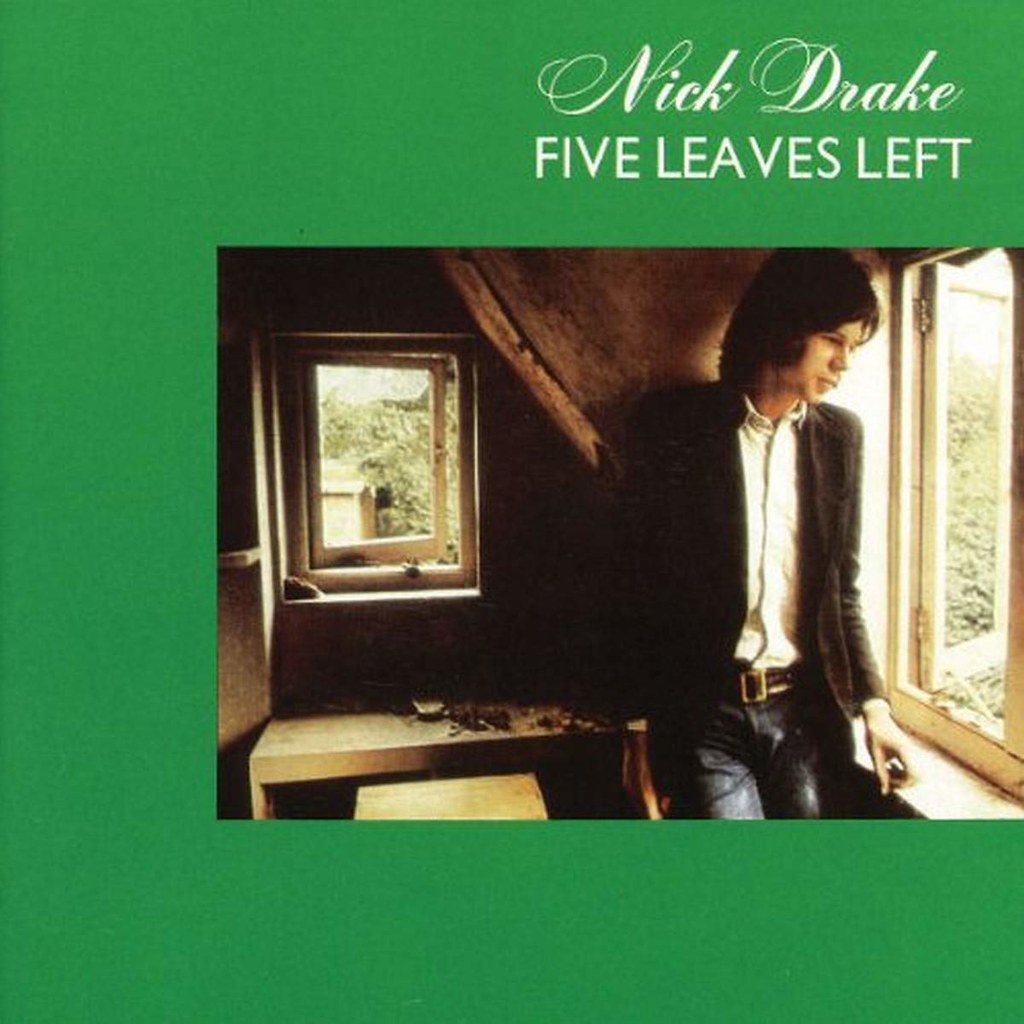
Nick Drake’s 1969 debut sold only a few thousand copies in its first years, and he died in 1974 having released just three albums to little public notice. Decades later his reputation soared, and the original UK pressing on Island’s pink label with the black circle logo became a serious collector piece.
Clean first pressings trade at several hundred dollars and occasionally cross into four figures. Buyers check for the textured sleeve, the pink label, and early matrix numbers in the dead wax.
Quiet acoustic recordings expose every scratch, so surface noise costs this album more than most.
Elvis Presley’s 1956 Debut LP
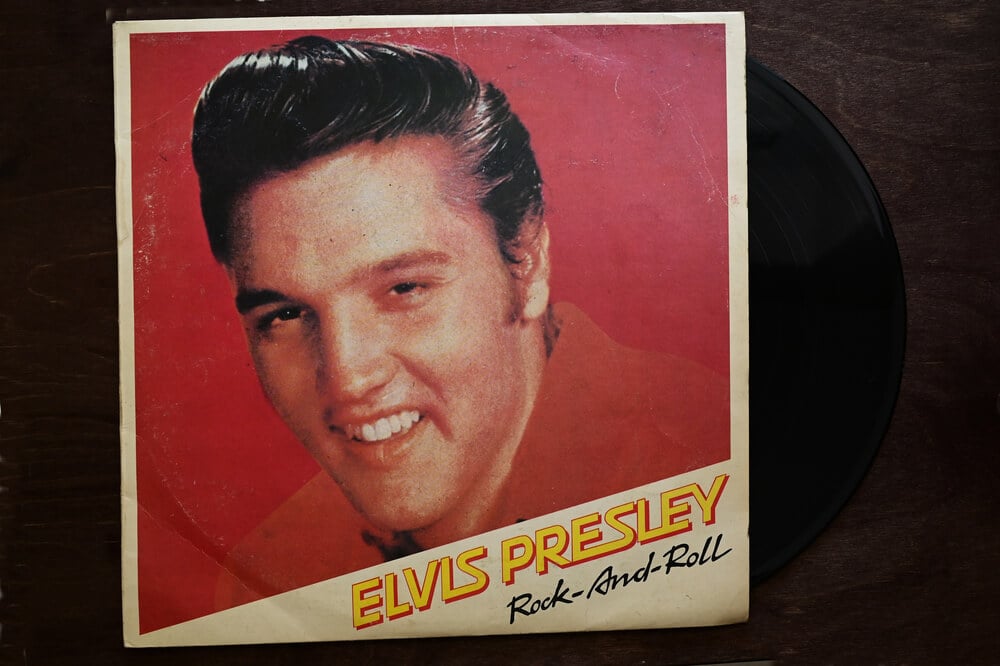
RCA Victor released Elvis Presley’s self-titled first album in March 1956, catalog LPM-1254, and it became the first rock and roll record to reach the top of the Billboard album chart. The cover, with Presley caught mid-strum and his name in pink and green letters, has been copied by bands for decades.
Early mono pressings in clean shape sell for 100 to several hundred dollars. Label details separate first pressings from the many that followed, so collectors study the wording at the bottom of the label closely.
Ring wear, handwritten names on the back, and heavy scratches from teenage parties are common.
Elvis’ Christmas Album From 1957
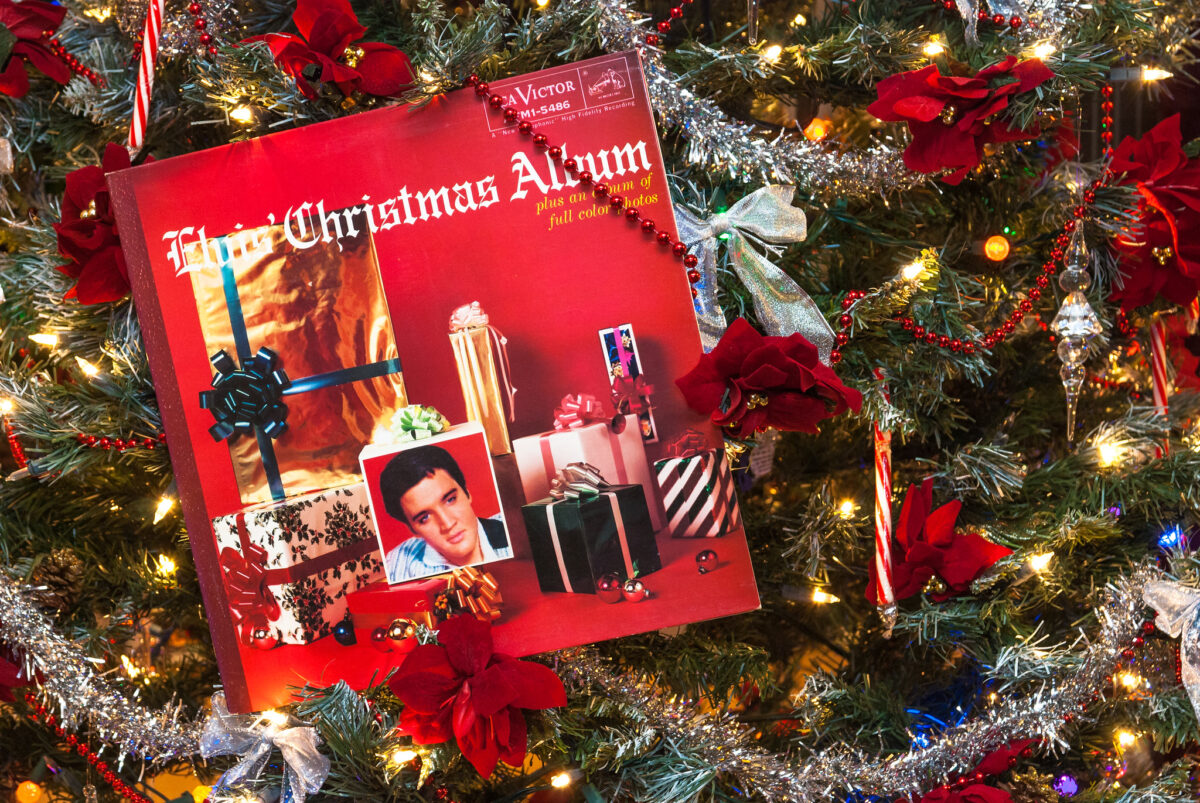
The 1957 edition of Elvis’ Christmas Album was an extravagant package for its day, with a gatefold cover, a bound booklet of photographs, and a gold sticker designed to be signed as a gift tag. Catalog LOC-1035 is the version collectors want, and complete copies with the booklet attached and the sticker still blank sell for several hundred dollars.
Later reissues in a plain single sleeve are everywhere and worth very little. Because the album was meant as a present, many stickers carry a child’s name in ink.
Loose booklets, split spines, and warped vinyl all reduce the price.
Born to Run With the Script Cover
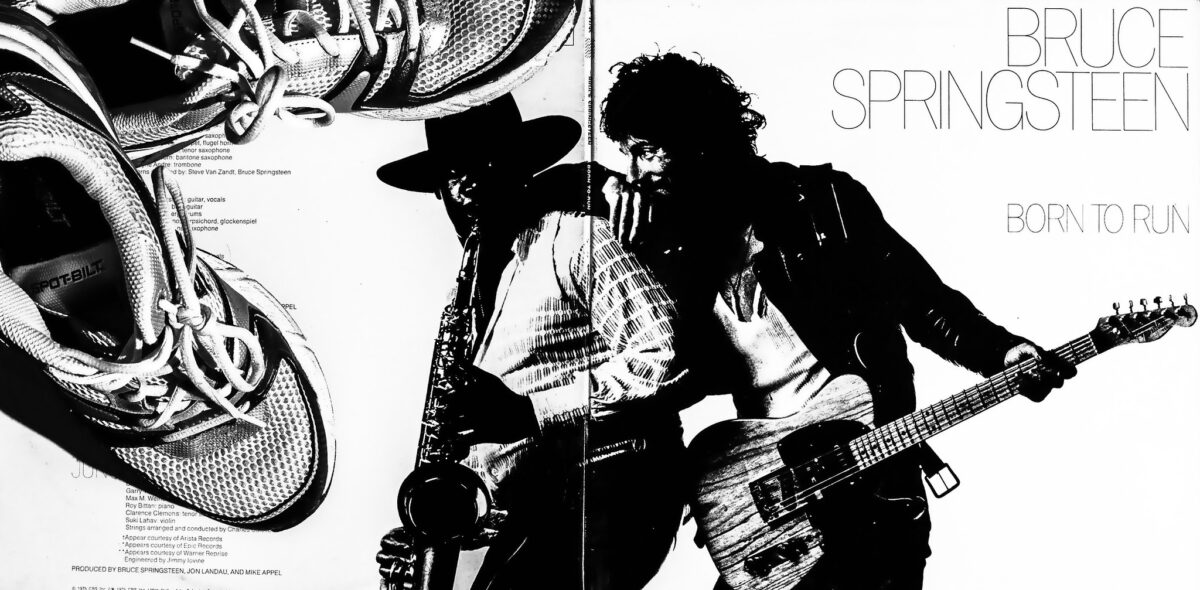
Before Born to Run reached stores in 1975, Columbia printed a batch of covers with the title in a looping script typeface. Bruce Springsteen and the label changed the design, and the script sleeves that had gone to reviewers and radio stations became instant rarities.
Genuine examples sell for hundreds of dollars and, in fine shape, past a thousand. The record inside is usually a standard pressing, so the sleeve carries nearly all the value.
Reproductions circulate, which makes provenance and paper stock important. Seam splits, radio station stamps, and ring wear lower the price, though a stamp sometimes helps prove the copy’s history.
Unknown Pleasures With the Textured Sleeve
Joy Division’s 1979 debut on Factory Records, catalog FACT 10, used a black sleeve printed with stacked lines charting radio pulses from the first pulsar ever discovered. First pressings came in a rough, textured card sleeve, while later runs switched to smoother stock.
That difference, easy to feel with a fingertip, separates copies worth a few hundred dollars from ordinary reissues. Collectors also check the inner sleeve and the messages scratched into the dead wax.
The black card scuffs and shows ring wear easily, so a crisp textured sleeve is the real find. Warped vinyl and noisy playback reduce the price further.
OK Computer on Its Original 1997 Vinyl
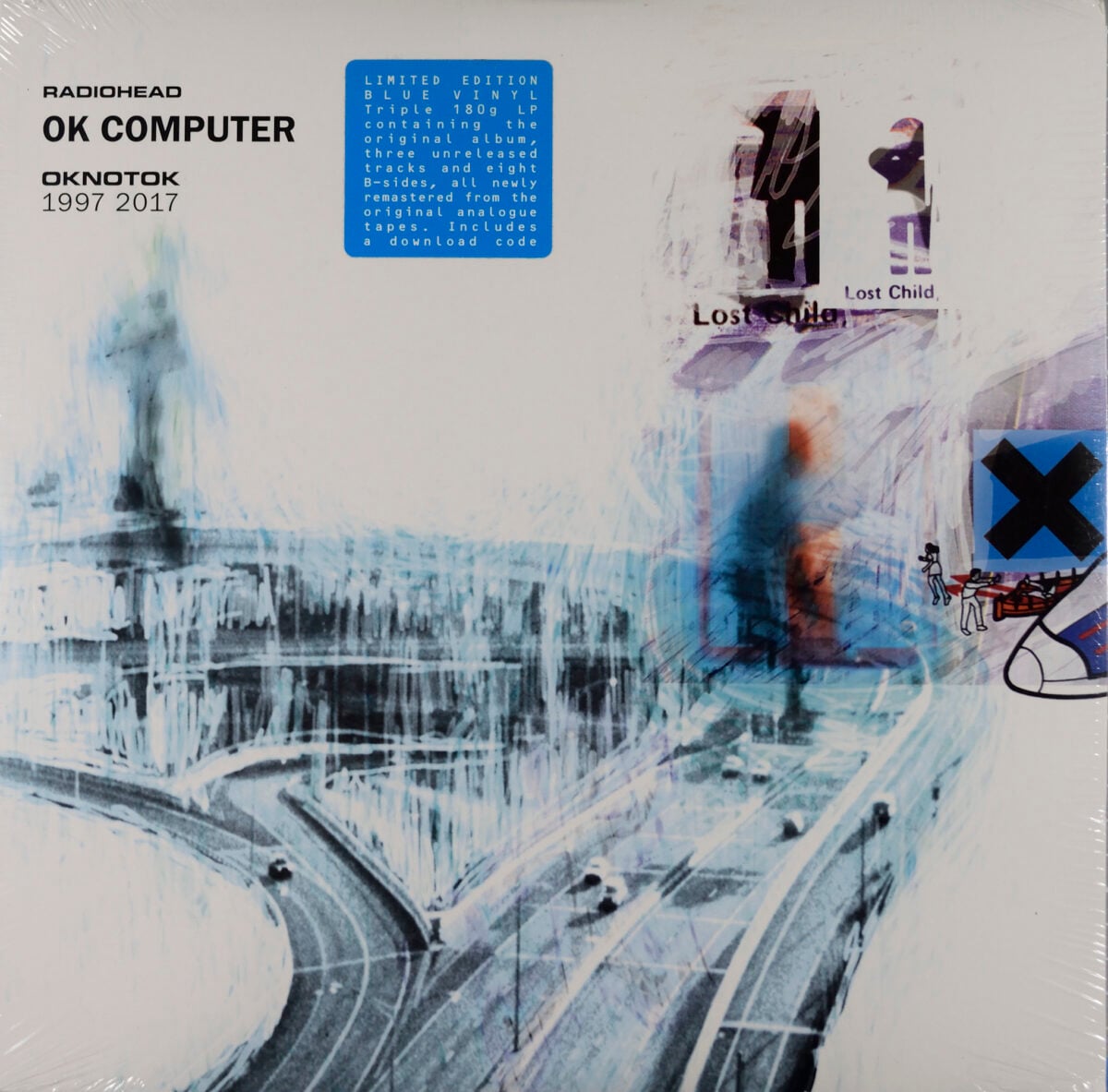
Radiohead released OK Computer in 1997, when vinyl sales had sunk to a small fraction of the CD market and record labels pressed LPs almost as an afterthought. The original Parlophone double LP was produced in limited numbers, and those copies now sell for several hundred dollars in clean condition.
Reissues from 2008 onward are common, so buyers compare catalog numbers and matrix etchings to confirm an original. The gatefold sleeve and printed inner sleeves should all be present.
Warps, scuffs, and creased corners reduce value, and a sealed 1997 copy commands a clear premium over one that has been played.
The Doors’ Debut on the Gold Elektra Label
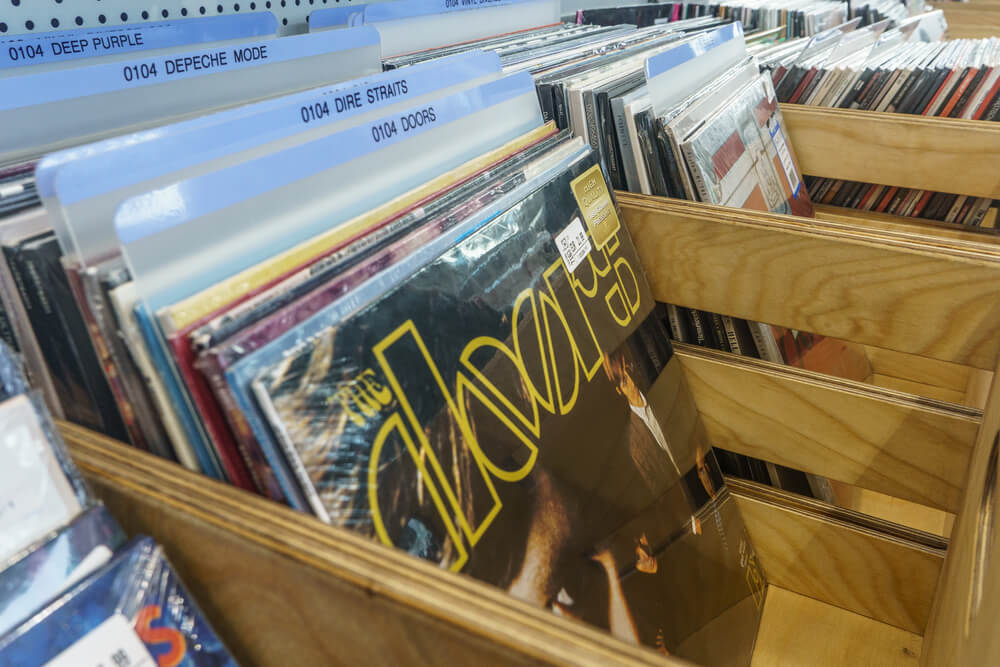
Elektra issued the Doors’ self-titled debut in January 1967 with the label’s gold design, which changed to a red label within a couple of years. Mono copies, catalog EKL-4007, were pressed in smaller numbers than stereo as the industry phased mono out, so they sell for several hundred dollars in clean condition.
Stereo gold labels bring less but still draw steady interest. Collectors examine the label color, catalog number, and dead wax markings to confirm an early press.
The album’s long tracks show wear easily, and scratches through the extended organ passages are a common complaint from buyers.
Catch a Fire With the Zippo Lighter Cover
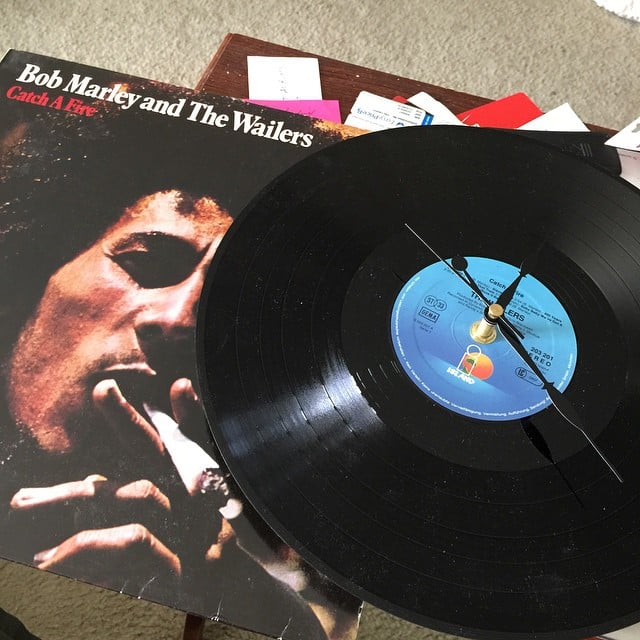
Island Records released Bob Marley and the Wailers’ Catch a Fire in 1973 in a sleeve shaped like a Zippo lighter, with a hinged top that flipped open on a metal rivet to reveal the record. The design was expensive and fragile, so Island replaced it with a photo of Marley on later pressings.
Original lighter sleeves trade at a few hundred dollars when the hinge still works cleanly. Torn hinges, missing rivets, and tape repairs are common, since curious hands flipped those lids constantly.
The vinyl inside should also carry early matrix numbers to match the cover.
In the Court of the Crimson King on Pink Island
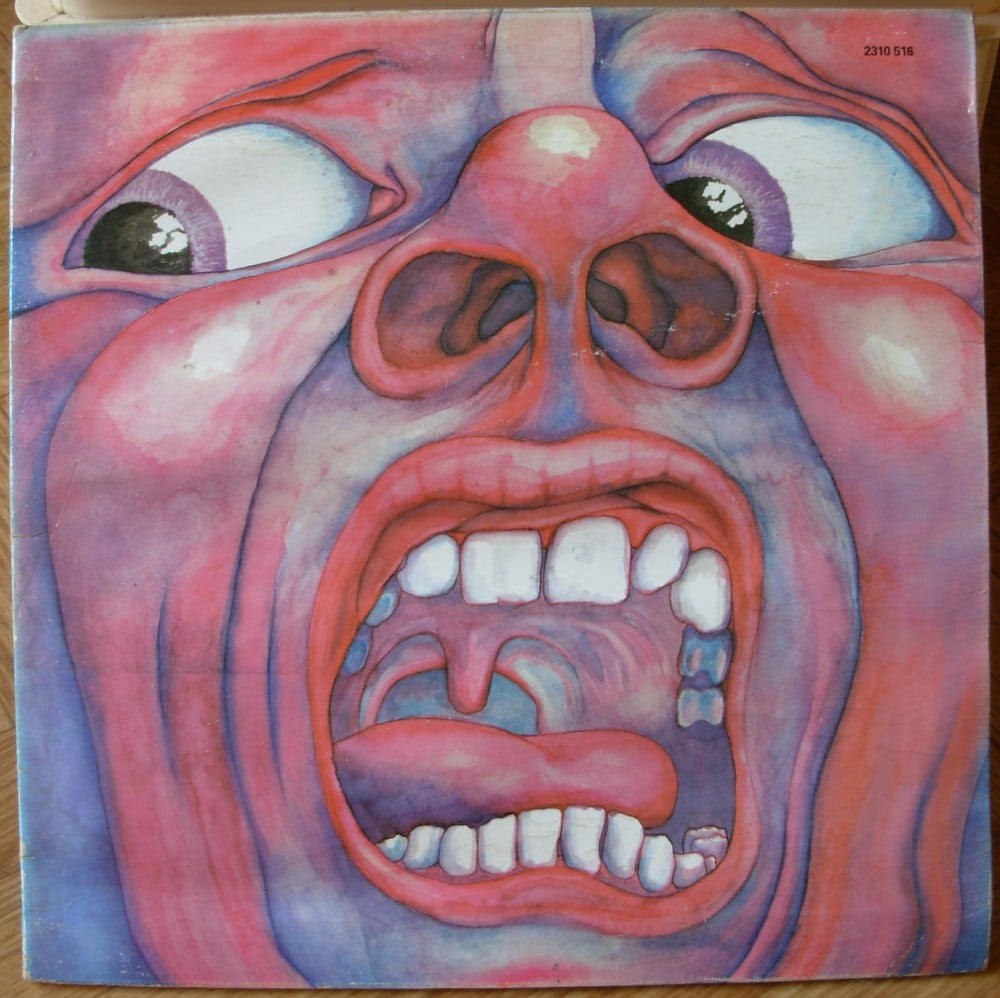
King Crimson’s 1969 debut features a screaming face painted by Barry Godber, an artist who worked with computers by day and died the following year at age 24, and the painting is the only album cover he ever produced. The first UK pressing on Island’s pink label, catalog ILPS 9111, is the version collectors want.
Clean copies sell for several hundred dollars and sometimes cross into four figures. Buyers check for the laminated gatefold sleeve, early matrix numbers, and the correct pink label with the black circle logo.
The face on the cover shows ring wear badly, and heavy scuffs there cut the price quickly.
Kill ‘Em All on Megaforce
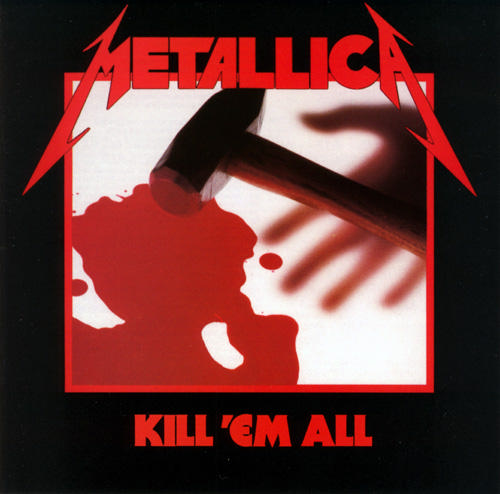
Metallica’s 1983 debut came out on Megaforce Records, a small label founded by Jon Zazula, who ran a record shop in New Jersey and gambled heavily on an unsigned band from California. The first American pressing sells for a few hundred dollars in clean condition, and sealed copies go noticeably higher.
Collectors check the label design, catalog number, and dead wax etchings to separate originals from later reissues. Many copies were played at punishing volume, so scratches and groove wear are common.
Tape residue, seam splits, and cut-out notches also bring prices down.
Hank Williams on MGM Ten-Inch LPs
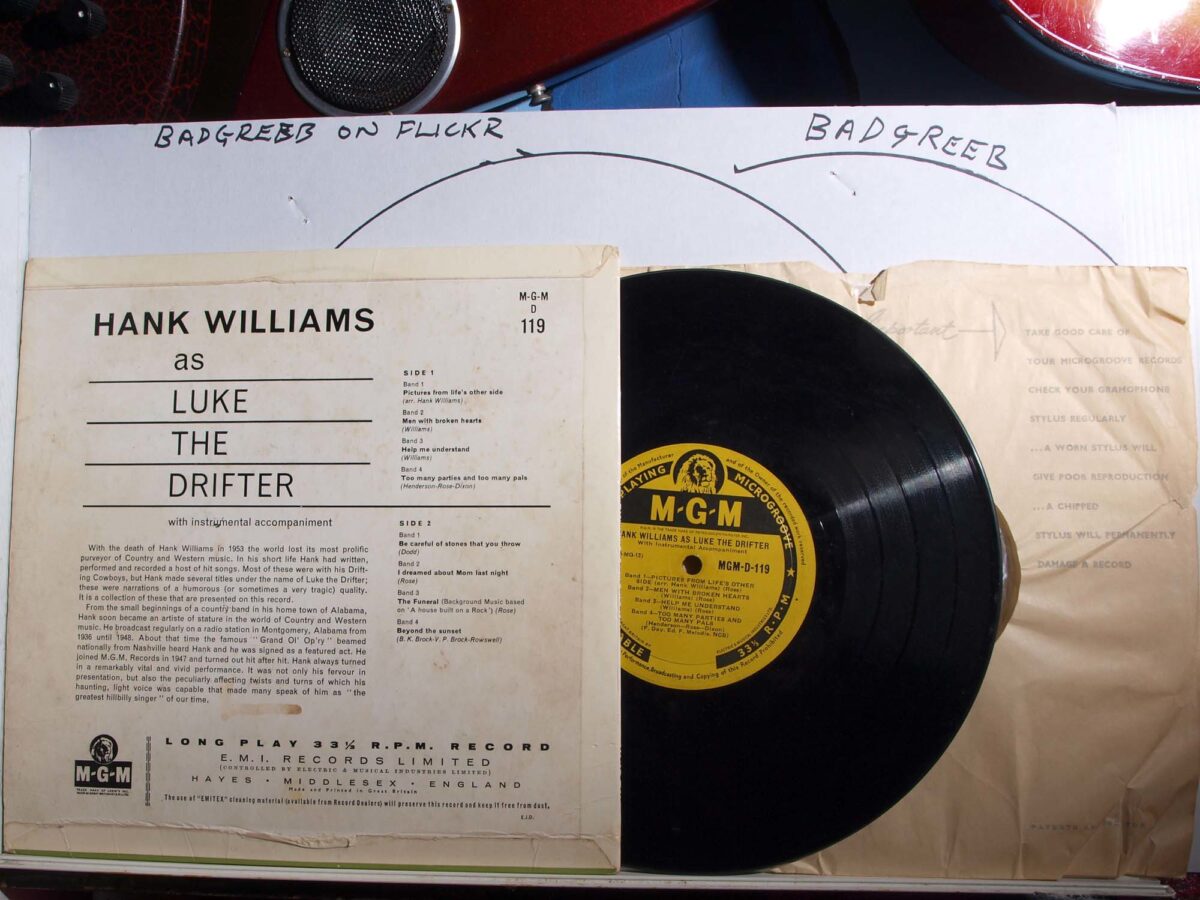
Before the 12-inch LP became standard, MGM issued Hank Williams’s early albums on 10-inch records, beginning with Hank Williams Sings in 1951. These short collections gathered singles that had already been hits on 78s, and relatively few were sold compared with the singles themselves.
Clean copies trade at a few hundred dollars. Collectors check the yellow MGM label, the cover art, and the thin cardboard sleeve, which frays and splits along the edges.
Many surviving copies were played on heavy tonearms, so groove wear is common. A 10-inch record that still plays quietly is uncommon enough to draw attention.
Johnny Cash With His Hot and Blue Guitar
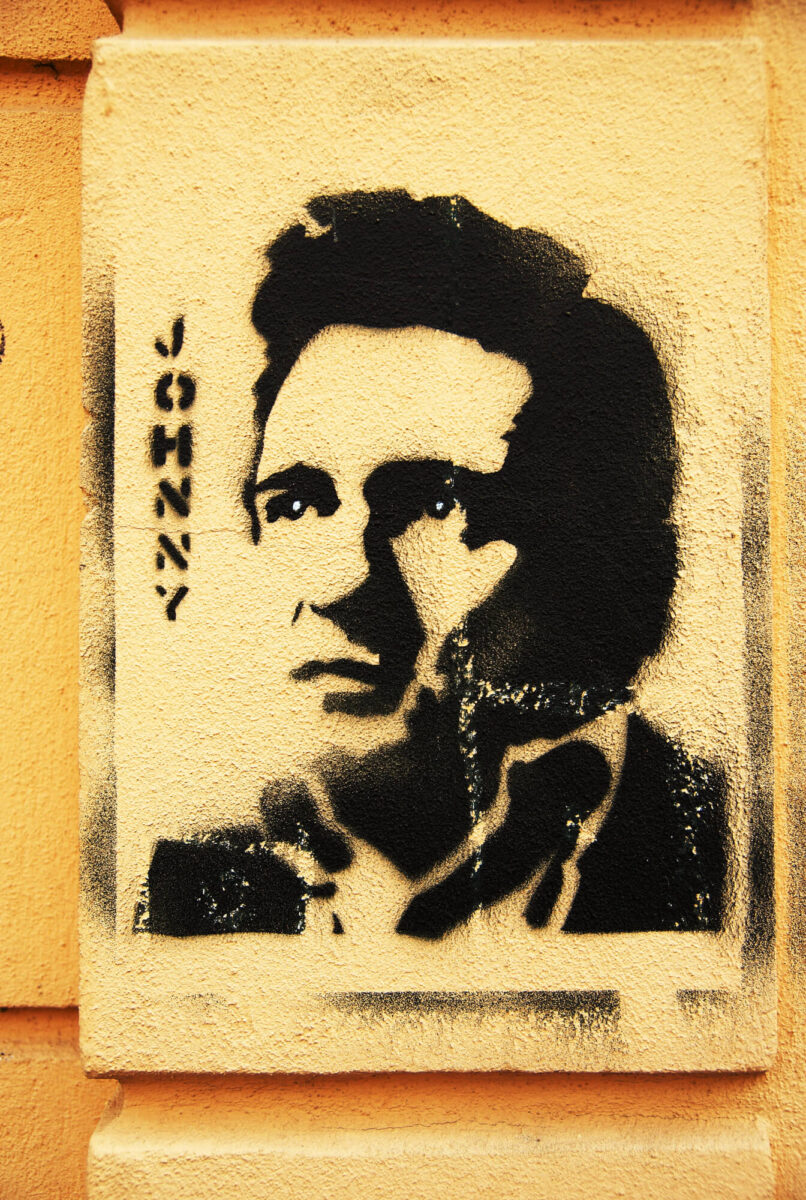
Sun Records released Johnny Cash With His Hot and Blue Guitar in 1957, catalog SLP 1220, and it was the first long-playing album the Memphis label ever issued. The record collected hits like Folsom Prison Blues and Cry Cry Cry along with new material.
Original first pressings trade at several hundred dollars and past a thousand in exceptional condition. Collectors check the Sun label design, the cover printing, and early matrix numbers.
Reissues on Sun and other labels are common. Seam splits, ring wear, and scratches all lower value, and first-press covers with clean spines are scarce.
Big Star’s #1 Record

Big Star released #1 Record in 1972 on Ardent, a Memphis label distributed by Stax, and critics loved it. Distribution problems meant many stores never received copies, so the album sold poorly despite strong reviews.
It later became a touchstone for bands like R.E.M. and the Replacements, and originals now trade at several hundred dollars. Collectors check the Ardent label, the cover, and the dead wax to confirm a first pressing.
Promotional copies with white labels also draw interest. Ring wear, cut-out marks, and noisy vinyl reduce the value.
The Stooges’ Debut on Elektra

Elektra released the Stooges’ self-titled debut in 1969, produced by John Cale of the Velvet Underground, and it sold poorly in its day. Songs like No Fun and 1969 later became foundational for punk, and first pressings now sell for several hundred dollars.
Collectors look for the correct Elektra label, the original cover, and early matrix numbers. White-label promotional copies draw extra interest.
Cut-out notches were common on unsold stock, and they reduce value. Scratches, seam splits, and ring wear also bring prices down, though a clean original is increasingly hard to find.
Black Sabbath on the Vertigo Swirl Label
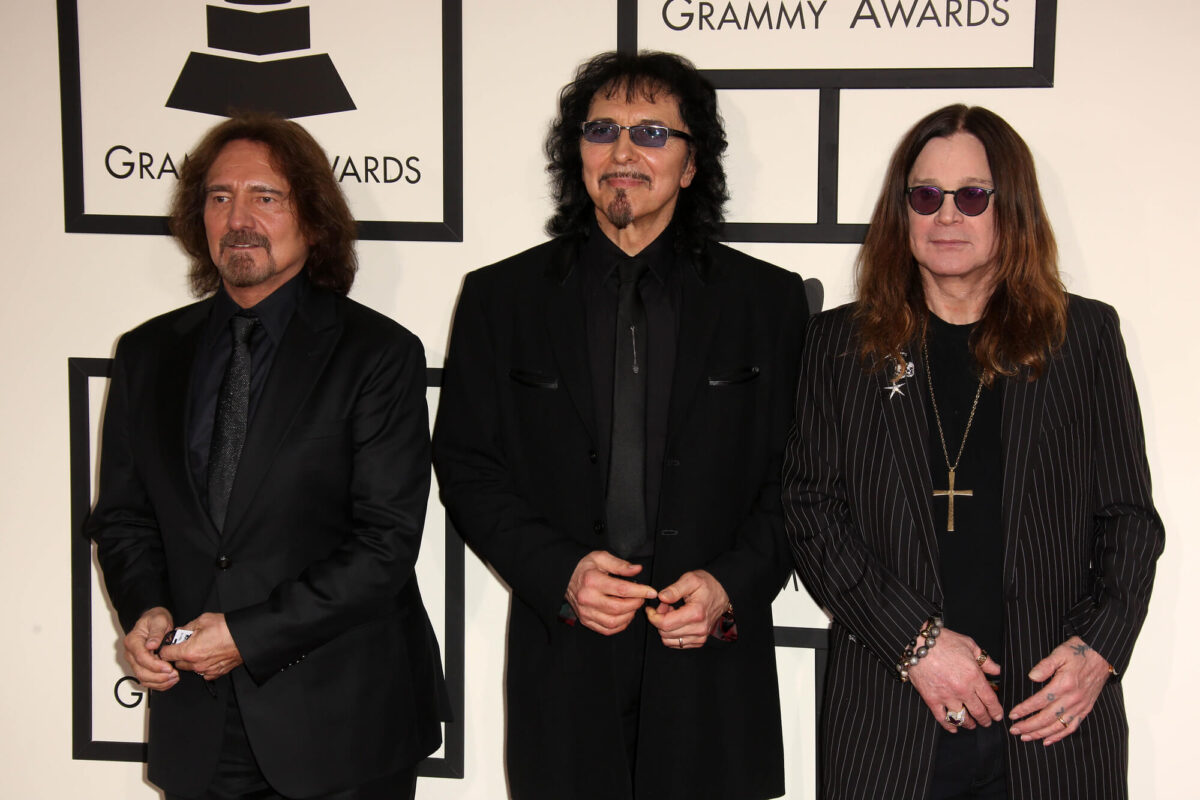
Black Sabbath’s 1970 debut appeared in the UK on Vertigo’s swirl label, catalog VO 6, which spun into a hypnotic black and white spiral when the record played. The gatefold sleeve opened to reveal an inverted cross and a short poem, which unsettled parents in the way the band intended.
Early swirl copies trade at several hundred dollars and past a thousand in top condition. Collectors check the label, the matrix numbers, and the gatefold for any tears.
Later pressings used different Vertigo designs. Scratches, seam splits, and faded covers lower value, and many copies were played to exhaustion.
Crates Hold More Than Music
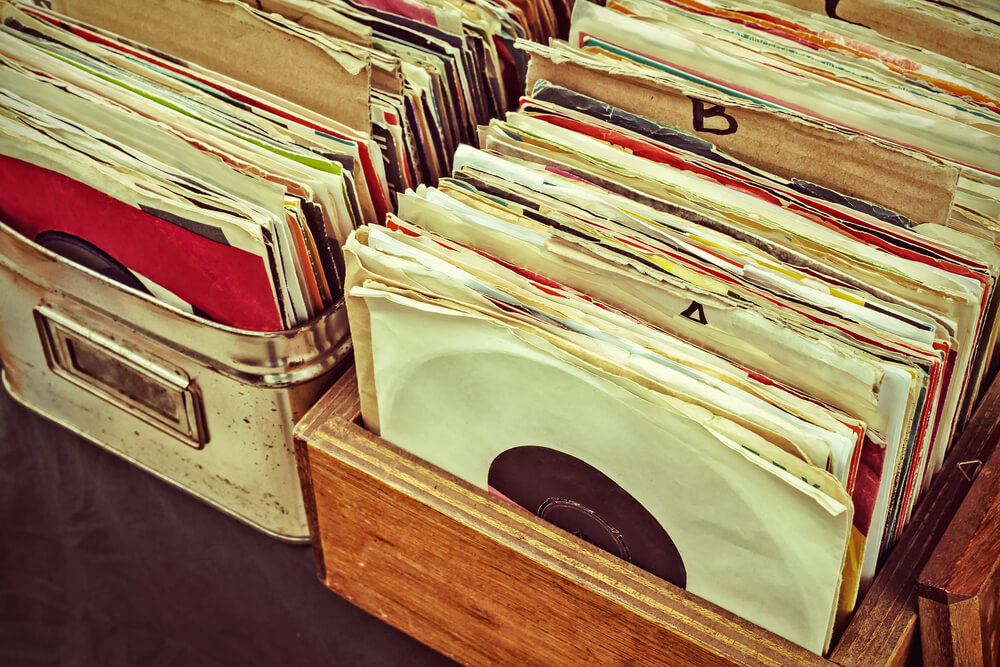
Records were built to be played, and most of them were played until they hissed. The copies that survived clean did so because someone bought two, lost interest, or boxed them up after one listen.
Those accidents are what collectors pay for now. A pressing detail can matter more than the music on the record.
A label color, a matrix number, or a sleeve variation separates a common copy from a valuable one. The attic crate rewards anyone willing to look closely.
More from Go2Tutors!

- The Romanov Crown Jewels and Their Tragic Fate
- 13 Historical Mysteries That Science Still Can’t Solve
- Famous Hoaxes That Fooled the World for Years
- 15 Child Stars with Tragic Adult Lives
- 16 Famous Jewelry Pieces in History
Like Go2Tutors’s content? Follow us on MSN.