15 Strange Entertainment Forms from Historical Times
Throughout human history, people have found remarkably creative ways to entertain themselves — though their idea of a good time might leave modern audiences scratching their heads. What passed for amusement in centuries past reveals something fascinating about human nature: the lengths we’ll go to break up the monotony of daily life.
Some of these historical pastimes were downright bizarre, others surprisingly sophisticated, but all of them served the same fundamental purpose that Netflix and TikTok do today.
Bear Baiting

Bears chained to posts while dogs attacked them. Crowds gathered, money changed hands, blood flowed freely.
The entertainment lasted until either the bear killed enough dogs or the dogs overwhelmed the bear. This wasn’t some fringe activity either.
Bear gardens operated openly in major cities across Europe for centuries. Even royalty attended these spectacles as regular social events.
Gladiatorial Combat
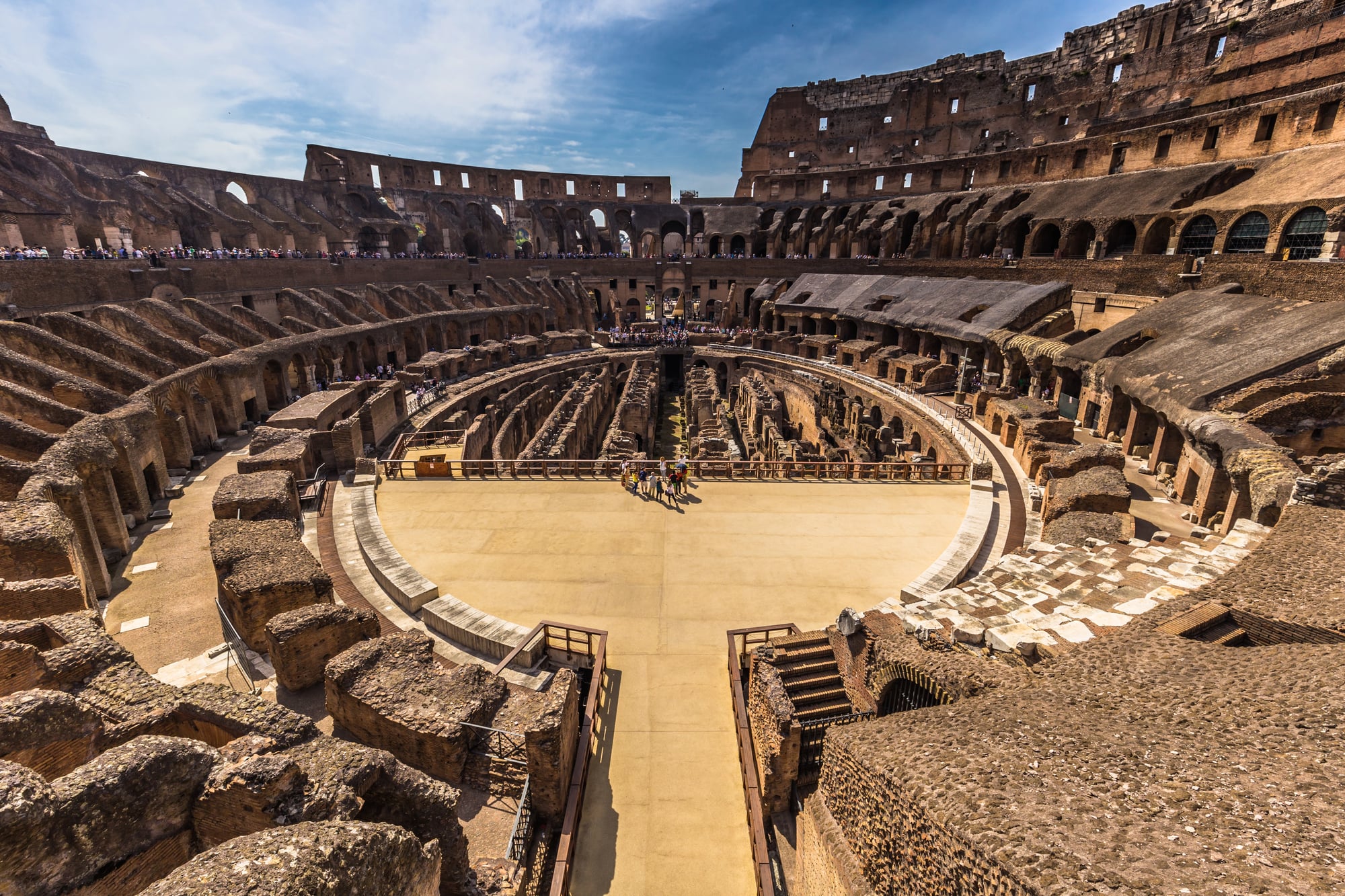
The Roman approach to entertainment operated on a fundamentally different philosophy than anything that exists today — the idea that watching people die was not just acceptable public fun, but necessary for maintaining social order (because seeing criminals and slaves fight to the death supposedly reminded citizens what happened when you crossed the state). And yet the psychological mechanics were probably not so different from modern sports: the crowds developed favorite fighters, learned their backstories, cheered for underdogs, and felt genuine emotional investment in outcomes that, ultimately, didn’t affect their own lives in any practical way.
So maybe the gap between then and now isn’t as wide as it seems — we’ve just agreed that simulated violence works better than the real thing. Which is progress, but perhaps not as much progress as we’d like to think.
Public Executions

Public executions drew crowds like rock concerts draw fans today. Families packed picnic lunches and made day trips to watch hangings.
Street vendors sold food and souvenirs outside the gallows. The condemned often became temporary celebrities, with crowds shouting requests for final words or dramatic gestures.
Some executioners developed followings based on their showmanship and technique. The whole affair turned death into theater, complete with intermissions between multiple hangings.
Cat Burning
Medieval Europeans believed burning cats alive would ward off evil spirits and bring good luck. They built special bonfires for this purpose during festivals and holidays.
The practice was so common that towns budgeted for it as a regular civic expense. Kings and nobles often lit these fires personally as part of their public duties.
The screaming was considered part of the spiritual cleansing process — the louder the cats shrieked, the more effective the ritual was believed to be.
Dwarf Tossing

Court entertainment in medieval times included throwing people with dwarfism as far as possible. Nobles competed to see who could achieve the greatest distance.
The practice was formalized with rules, measurements, and prizes for winners. This wasn’t spontaneous cruelty — it was organized sport with elaborate ceremonies and royal participation.
Courts kept official records of throwing distances like modern track and field statistics. The fact that it was systematic somehow makes it worse than if it had been random violence.
Fox Tossing

Imagine a game where the entire point is psychological torment disguised as skill — that’s what fox tossing achieved with remarkable efficiency. Two people held opposite ends of a sling, a fox was placed in the middle, and on cue they yanked upward to launch the animal as high as possible into the air (the fox, predictably, did not land well, which was the entire point).
But here’s what makes it particularly strange: this wasn’t tavern entertainment or peasant amusement, this was aristocratic recreation, complete with elaborate court ceremonies and competitions where nobles dressed in their finest clothes to see who could traumatize woodland creatures most effectively. The cognitive dissonance is striking — people who prided themselves on refinement, education, and cultural sophistication found peak enjoyment in what was essentially organized animal cruelty with a scoreboard.
Human Zoos

Europeans displayed people from other continents in zoos alongside animals. Families paid admission to stare at indigenous people living in constructed “natural habitats.”
These exhibitions ran for months at major expositions and world’s fairs. The displayed individuals were often kidnapped or coerced into participation.
They lived behind barriers while crowds observed their daily activities like they were exotic species. Some of these human exhibits continued into the 20th century, operating alongside traditional animal displays.
Goose Pulling

A live goose was hung by its feet from a rope or tree branch while riders on horseback galloped underneath trying to grab its head and pull it off. Success required perfect timing, strong grip strength, and complete disregard for the goose’s welfare.
Communities held annual goose-pulling competitions with prizes for successful decapitation. The practice spread across Europe and colonial America as a standard festival activity.
Winners kept the goose for dinner, making it both entertainment and food procurement.
Rattlesnake Wrestling
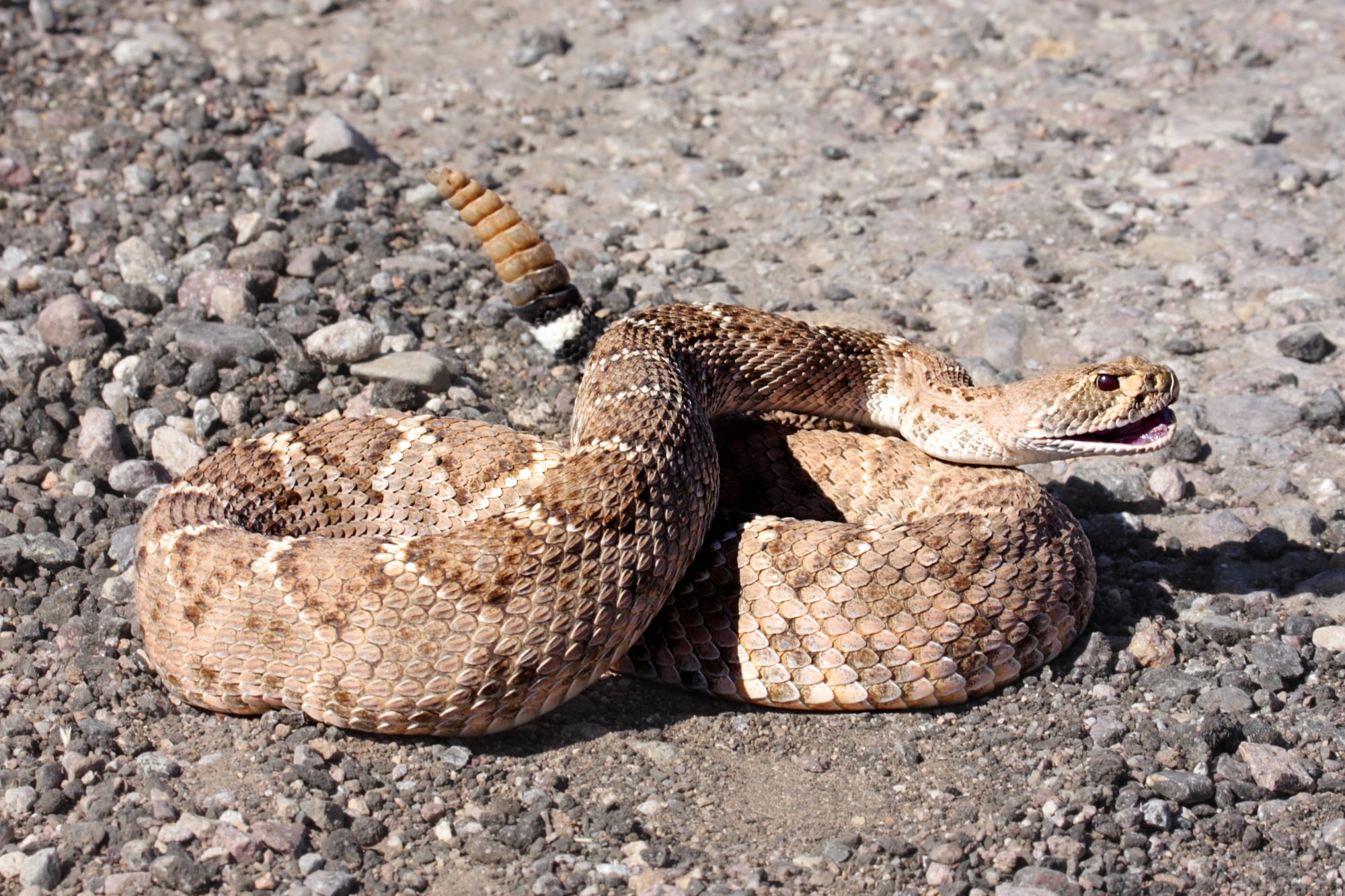
American frontier entertainment included bare-handed combat with venomous snakes. Performers would grab rattlesnakes and attempt to control them without getting bitten.
Crowds gathered to watch these life-or-death struggles in saloons and traveling shows. Some wrestlers developed techniques for temporarily stunning the snakes or exploiting their defensive behaviors.
Others just relied on speed and luck. The fatality rate was exactly what anyone would expect from repeatedly handling deadly reptiles for entertainment purposes.
Geese Dancing

Picture this: a metal plate heated until it glowed, geese placed on top, musicians playing below — and as the birds lifted their feet frantically to escape the burning surface, their movements perfectly matched the rhythm of the music. The faster the tune, the more frantic their steps became, creating what audiences genuinely believed was choreographed dancing rather than torture set to a soundtrack.
What’s most unsettling isn’t the cruelty itself but how easily people convinced themselves they were witnessing artistry instead of suffering. The geese weren’t performing — they were trying to survive — but the human capacity for self-deception transformed their panic into entertainment.
It’s a reminder that calling something “traditional” or “cultural” doesn’t make it less horrible, just more socially acceptable.
Baiting Sports with Various Animals

Bulls, badgers, and bears all served as unwilling participants in baiting sports where multiple dogs attacked a chained animal while spectators wagered on the outcome. Each species offered different entertainment value based on their fighting capabilities and endurance.
Bull baiting required specially bred dogs with specific jaw structures for gripping. Badger baiting took place in constructed dens that mimicked natural burrows.
The variety of animals used shows how systematically humans developed these practices across different regions and social classes.
Dwarf Bowling

Courts organized bowling games using people with dwarfism as the pins and human heads as bowling rounds. Players competed to knock down the most “pins” with accurate throws.
The practice combined two forms of human degradation into a single competitive sport. Elaborate rules governed scoring, and tournaments featured prizes for winners.
Royal courts maintained official scorekeepers and developed specialized equipment for these games. The systematic nature of the humiliation was part of what made it entertaining for participants.
Water Torture Shows

Public demonstrations of water torture techniques drew crowds who paid to watch the psychological breakdown of volunteers or condemned criminals. Audiences observed as steady water drips gradually drove subjects to mental collapse over hours or days.
Showmen marketed these events as educational displays about interrogation methods or psychological limits. Some venues offered refreshments and seating arrangements for extended viewing.
The entertainment value came from watching human minds disintegrate under controlled conditions.
Bear Dancing

Trained bears performed complex dance routines while their handlers played music and called out commands. The training process involved heating metal plates under the bears’ feet while music played, conditioning them to associate specific tunes with lifting their paws to avoid pain.
Once conditioned, bears would “dance” to music even without the heated plates, their movements permanently programmed by prior torture. Traveling shows featured these performing bears across Europe and America as family-friendly entertainment for centuries.
Animal Gladiators
Exotic animals fought each other in Roman arenas while crowds cheered for their favorites. Lions battled tigers, elephants faced rhinoceros, and various species were forced into combat combinations that would never occur naturally.
The logistics involved importing animals from across the known world, training handlers to manage dangerous species, and developing arena modifications for different types of combat. Some events featured hundreds of animals fighting simultaneously in massive spectacles that lasted for days.
Echoes of Our Entertainment Evolution

These historical diversions remind us that human entertainment has always walked a line between fascination and cruelty, though thankfully that line has shifted considerably over the centuries. What our ancestors found thrilling often required real suffering, real death, and real degradation — entertainment that demanded actual victims to function.
Modern amusements might have their own problems, but at least we’ve mostly figured out how to have fun without literally torturing animals or forcing people to fight to the death for our amusement.
More from Go2Tutors!

- The Romanov Crown Jewels and Their Tragic Fate
- 13 Historical Mysteries That Science Still Can’t Solve
- Famous Hoaxes That Fooled the World for Years
- 15 Child Stars with Tragic Adult Lives
- 16 Famous Jewelry Pieces in History
Like Go2Tutors’s content? Follow us on MSN.



