26 Old Major League Cards Worth Pulling From Storage
Shoeboxes of trading cards sit in attics and basements across the country, often untouched since their owners stopped collecting around age 13. Most of those cards are worth very little, and a few are worth more than the house above them.
The difference usually comes down to a handful of specific names, years and card numbers. Condition matters just as much, since grading companies reward sharp corners and clean surfaces, and punish the rubber bands and bicycle spokes that childhood cards often met.
Mantle’s 1952 Topps Card and the Ocean Dump
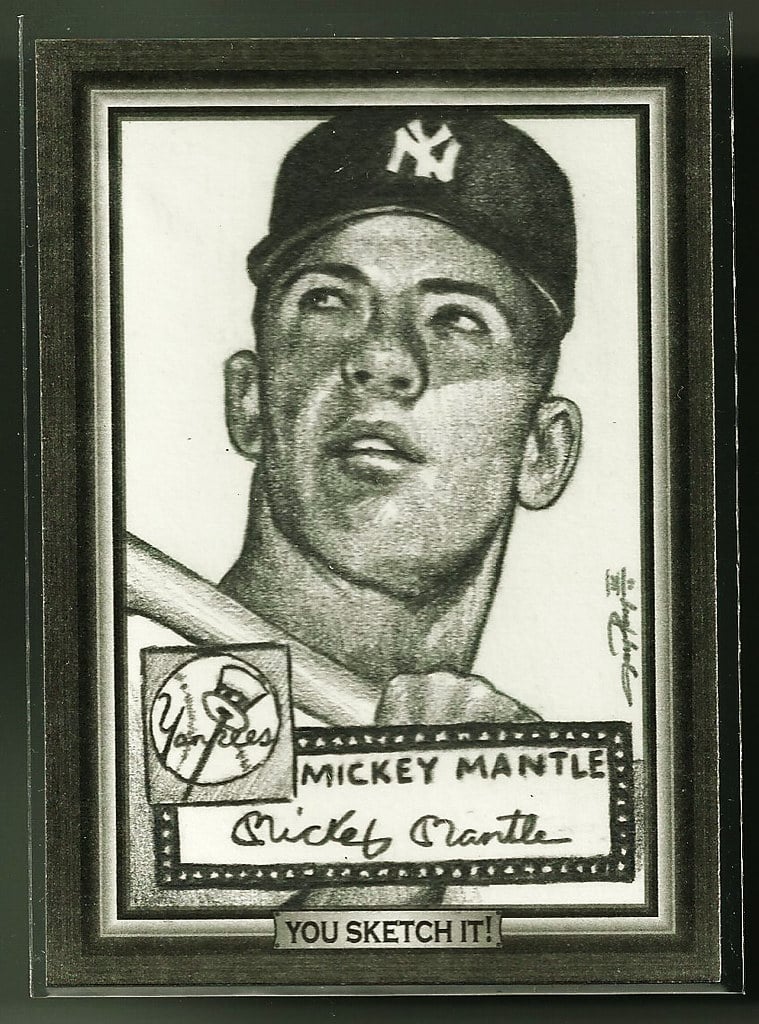
The 1952 Topps Mickey Mantle, card No. 311, is the most famous postwar sports card in America. It sat in a high-numbered series that sold poorly, and around 1960 Topps executive Sy Berger had hundreds of unsold cases hauled out on a barge and dumped in the Atlantic Ocean.
A 1986 find of nearly mint cases in Massachusetts reintroduced many high-grade copies to the hobby. In 2022, one graded 9.5 by SGC sold for 12.6 million dollars at Heritage Auctions.
Even heavily creased copies now typically sell for tens of thousands of dollars, so any example deserves a professional look before it changes hands.
Mantle’s True Rookie From 1951 Bowman
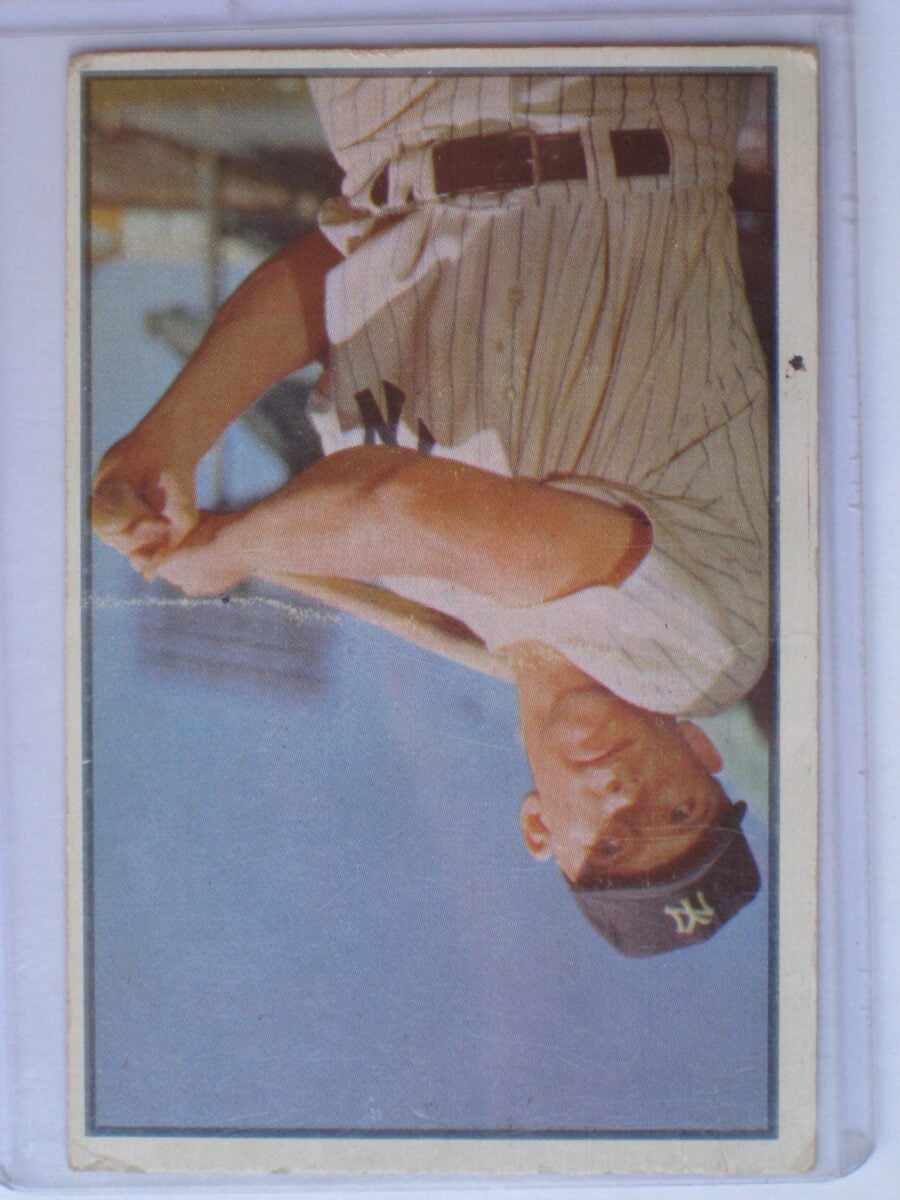
Collectors debate whether the 1952 Topps card deserves its fame, since Mantle’s actual rookie card is the 1951 Bowman, card No. 253. That card shows a painted portrait of a young Mantle in a Yankees cap, and it predates the Topps card by a year.
Its value is lower than the 1952 Topps but still substantial. Worn copies with soft corners and creases often sell for five figures, while high-grade examples reach far higher.
Centering is a particular issue with 1951 Bowman cards, and well-centered copies earn a significant premium over lopsided ones that otherwise look clean.
Willie Mays and the Same 1951 Bowman Set
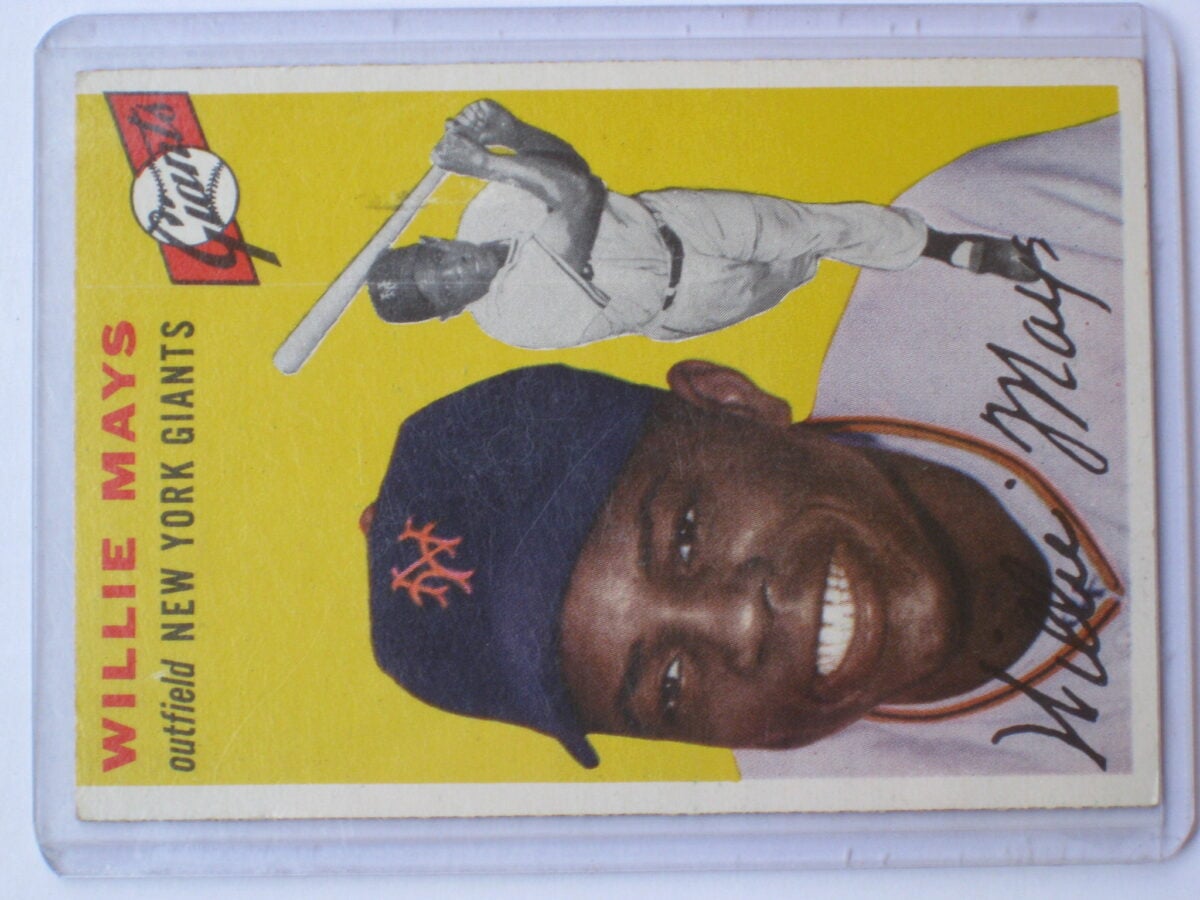
Willie Mays also made his rookie card debut in the 1951 Bowman set, as card No. 305. The card shows a painted portrait of Mays in a New York Giants uniform, the team he joined that May before winning Rookie of the Year honors.
Like the Mantle card from the same set, it is a cornerstone for collectors of postwar cards, and having both in one shoebox is a rare stroke of luck. Low-grade copies typically sell for several thousand dollars, and high-grade copies sell for much more.
Creases, stains and rough edges reduce value, but demand stays strong at every grade.
Hank Aaron’s 1954 Topps Rookie
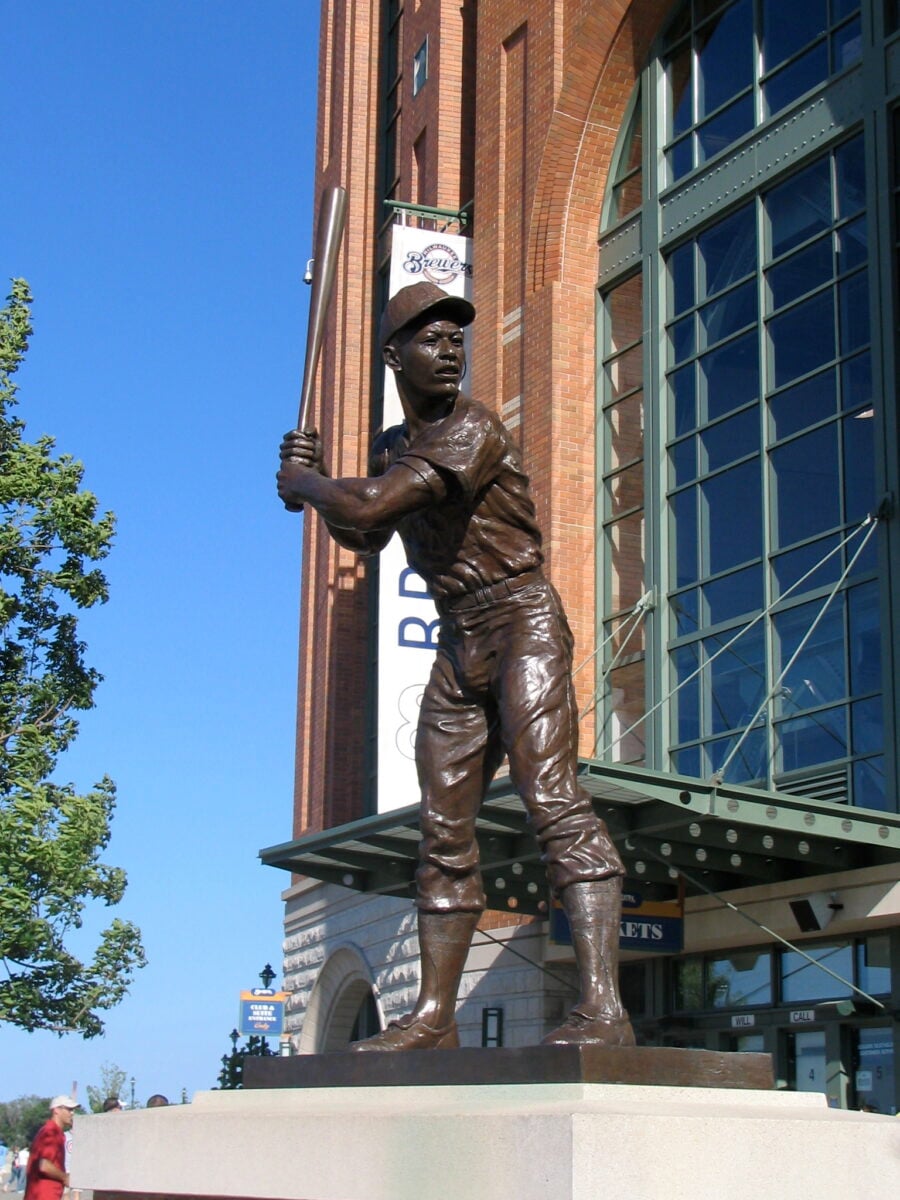
Hank Aaron’s rookie card, the 1954 Topps No. 128, features a bright orange background and both a portrait and a small action drawing. Aaron went on to break Babe Ruth’s career home run record in April 1974, finishing with 755, which made the card a priority for collectors of every generation.
Low-grade copies typically sell for roughly 1,500 to 4,000 dollars, while sharp, well-centered examples sell for far more, depending on the grade assigned. The orange field shows wear easily, so chipping, fading and discoloration are common problems that pull grades down on otherwise appealing copies.
Roberto Clemente’s 1955 Topps Rookie
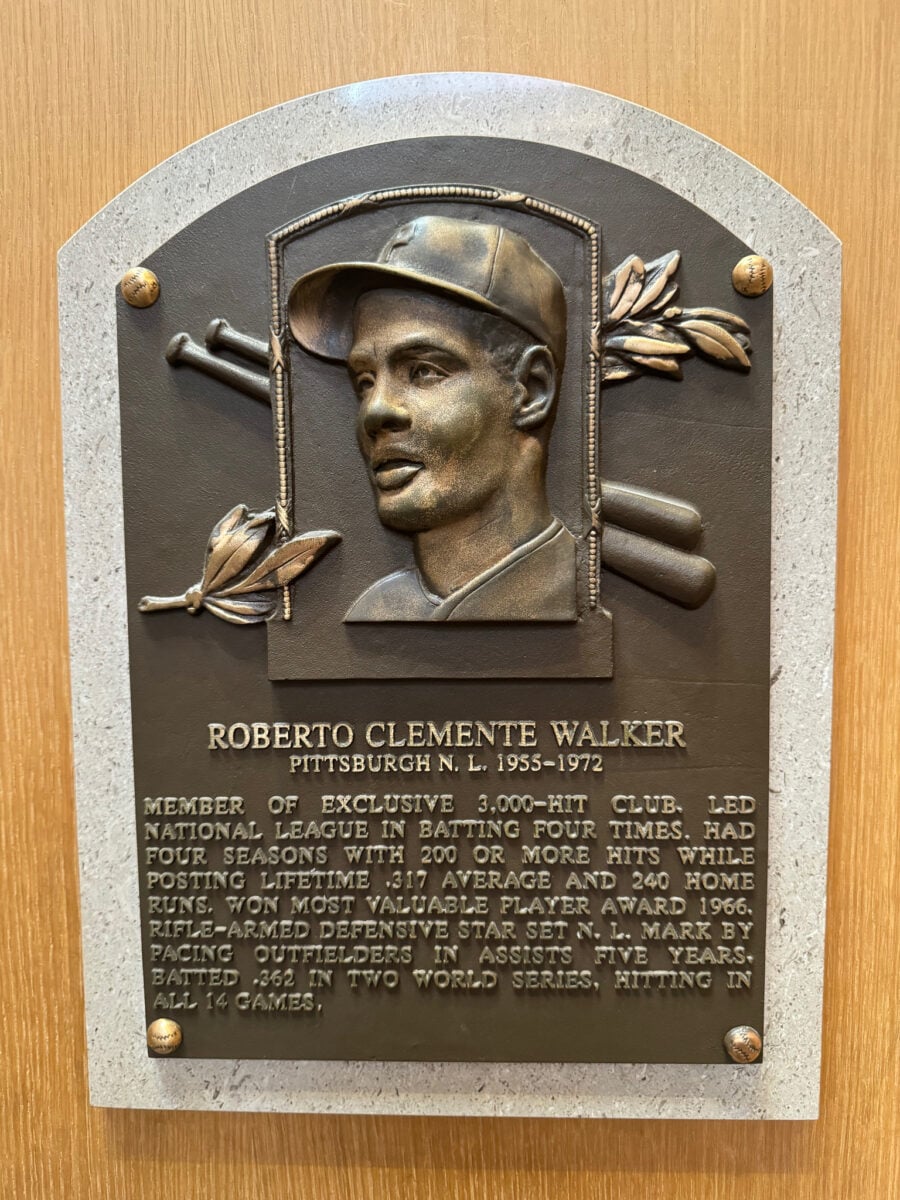
Roberto Clemente’s rookie card, the 1955 Topps No. 164, shows the future Hall of Famer in a Pittsburgh Pirates uniform. Clemente died in a plane crash on New Year’s Eve 1972 while delivering aid to earthquake victims in Nicaragua, and the Hall of Fame waived its usual waiting period to induct him in 1973.
His legacy has made the card one of the most respected of its era. Low-grade copies typically sell for about 1,500 to 4,000 dollars, while high-grade copies sell for much more.
The horizontal design is prone to centering problems and edge wear.
Jackie Robinson’s 1948 Leaf Card
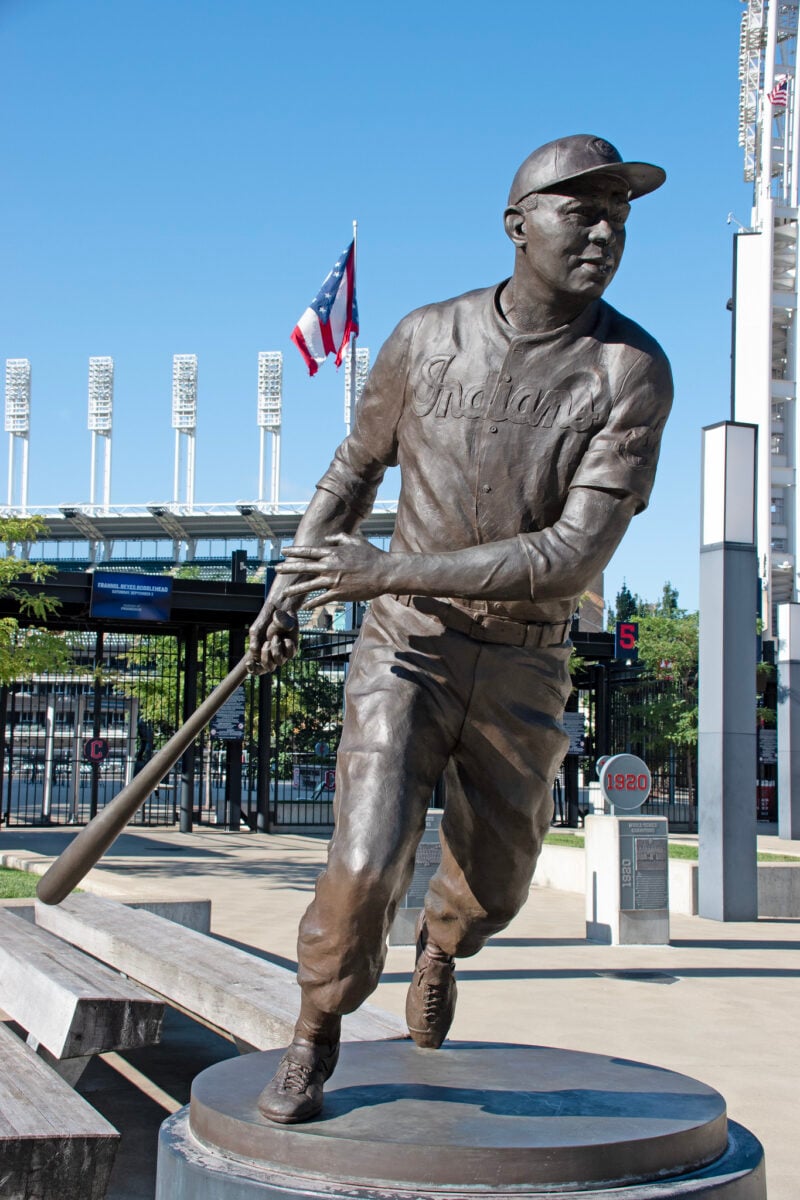
The 1948 Leaf Jackie Robinson, card No. 79, is widely considered his rookie card. It was produced after Robinson broke the major league color barrier with the Brooklyn Dodgers in April 1947, and the set itself was printed with notoriously inconsistent quality.
Many surviving copies show poor centering, blurry registration and rough edges straight from the factory. Even low-grade copies typically sell for several thousand dollars, and high-grade examples sell for much more, depending on condition.
Collectors value the card for its historical weight as much as its scarcity, which keeps demand steady across every grade level.
Babe Ruth in 1933 Goudey
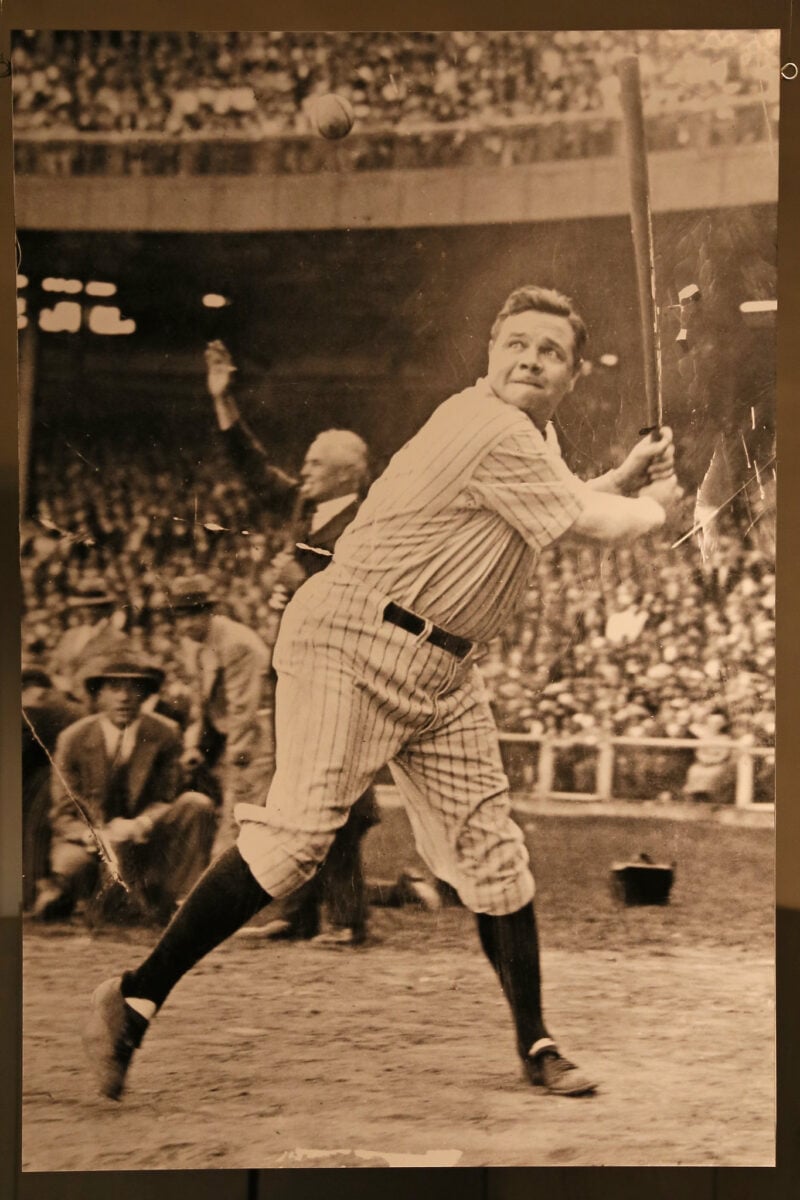
Goudey Gum Company’s 1933 set included four different Babe Ruth cards, numbered 53, 144, 149 and 181. The set is also famous for card No. 106, Nap Lajoie, which was left out in 1933 and mailed in 1934 to collectors who wrote in to complain their sets were incomplete.
Ruth cards from the set typically sell for several thousand dollars in low grade, and far more in high grade. The colorful artwork and thick stock made them popular with children of the Depression era, which means many copies show heavy wear, tack marks or writing today.
Ted Williams and the 1954 Bowman Card That Disappeared
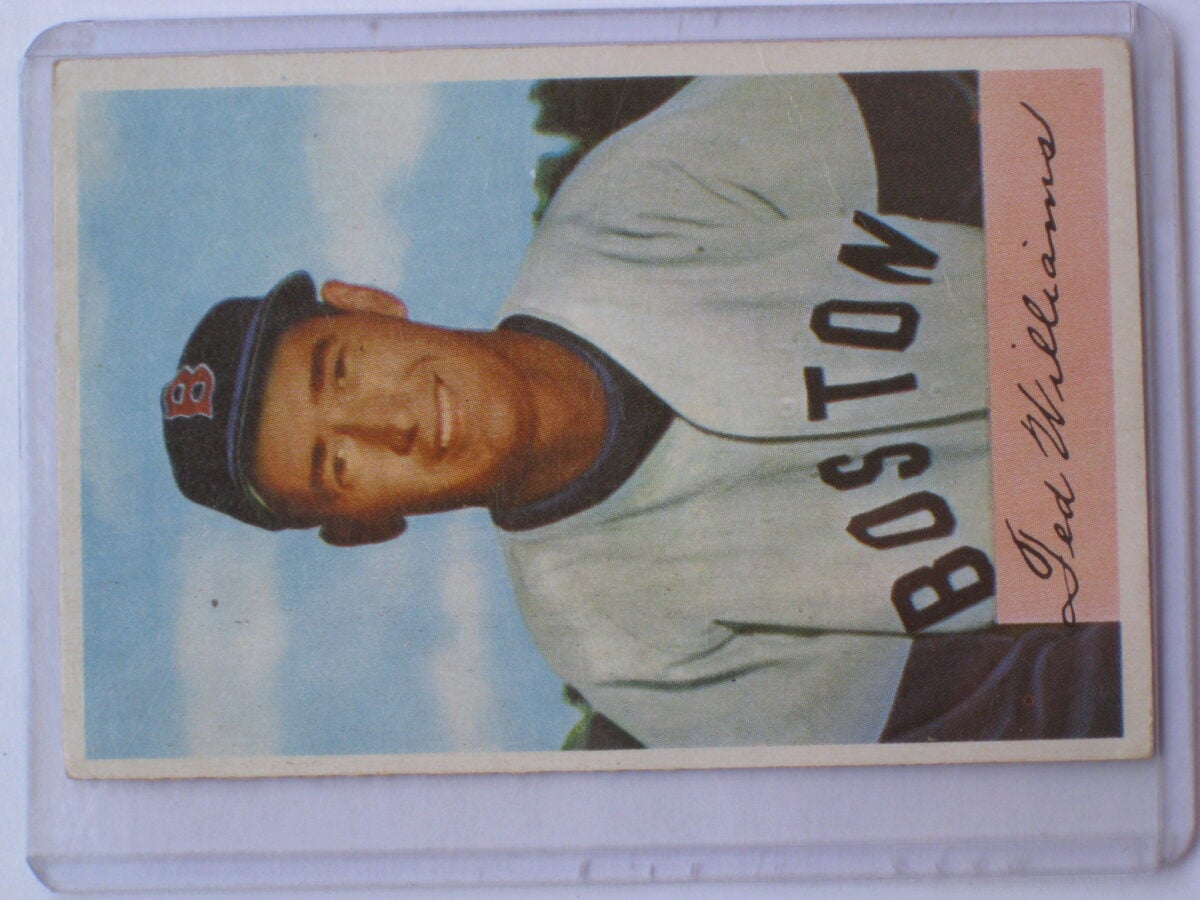
Bowman pulled its 1954 Ted Williams card, No. 66, from production early because Williams had signed an exclusive contract with Topps. Bowman replaced him with Boston teammate Jim Piersall, who occupied card No. 66 for the rest of the print run.
That short window made the Williams card noticeably scarcer than the rest of the set. Low-grade copies typically sell for several hundred dollars, while high-grade copies sell for much more, depending on corners and centering.
The contract dispute behind the card gives it a story that common cards lack, and collectors pay for that story.
Hank Aaron’s 1957 Reversed Negative
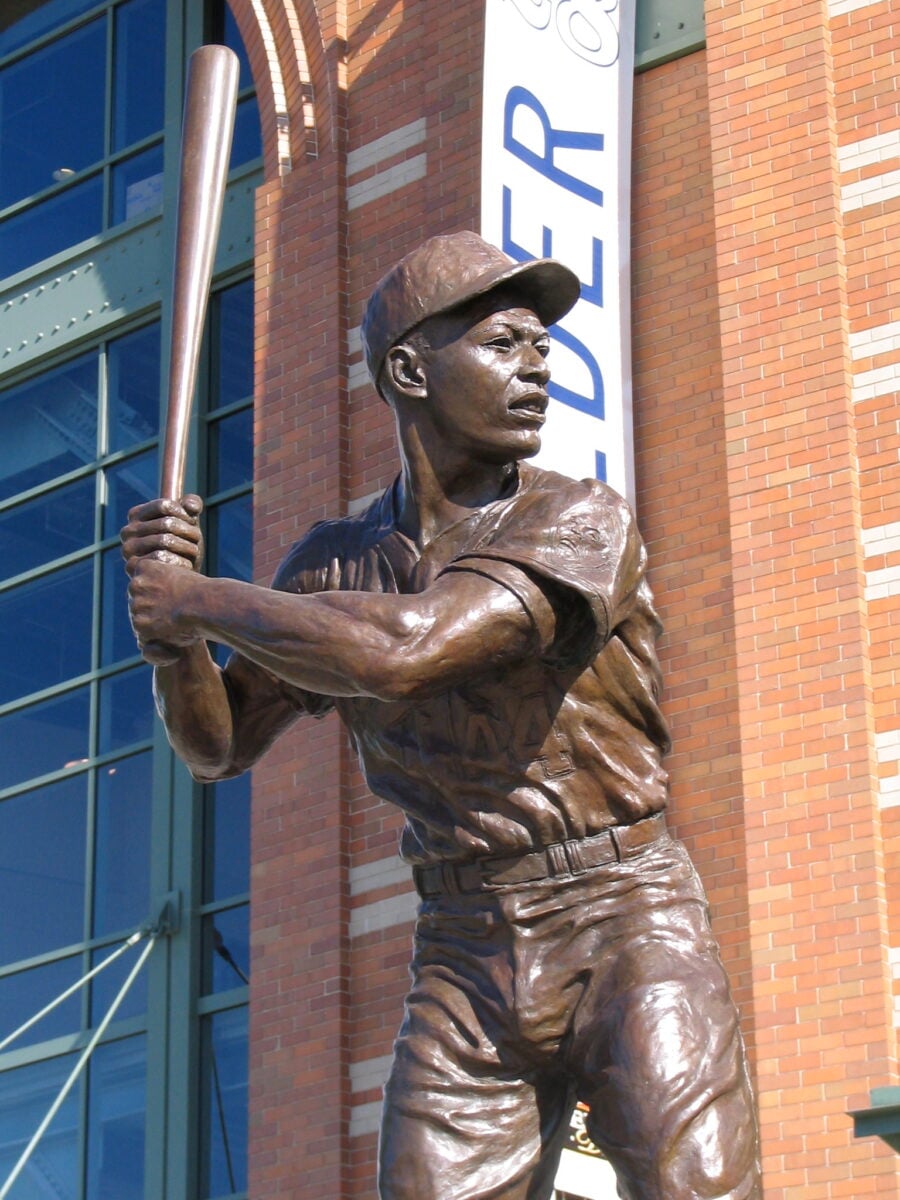
The 1957 Topps Hank Aaron, card No. 20, shows Aaron apparently batting left-handed. Aaron batted right-handed, and the photo negative was flipped during production.
The mistake was never corrected, so every copy carries it, and the card has become a favorite among collectors who enjoy printing quirks. Low-grade copies typically sell for roughly 100 to 500 dollars, while high-grade copies sell for more, depending on centering and surface.
Collectors often pair it with Aaron’s 1954 rookie. Faded colors, soft corners and print spots are the usual problems that lower its value.
Pete Rose’s Four-Player 1963 Topps Rookie
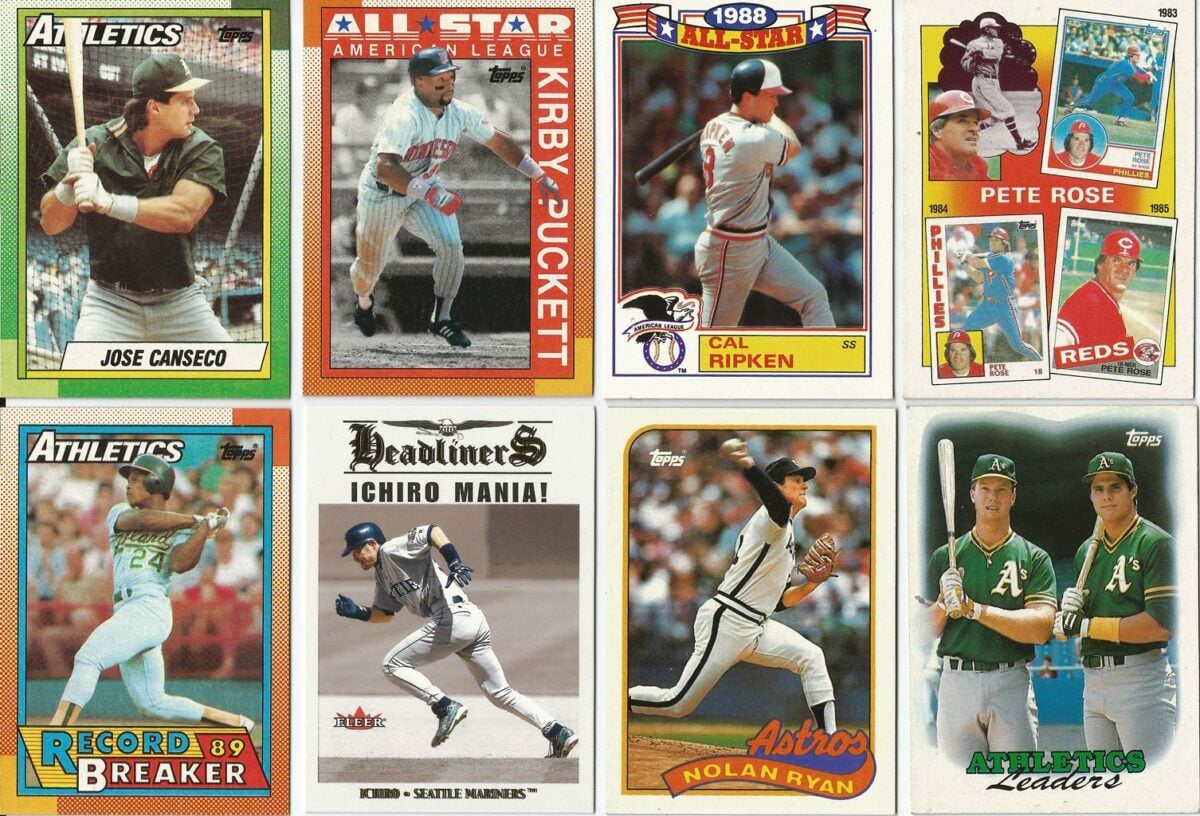
Pete Rose shares his 1963 Topps rookie card, No. 537, with three other young players in a Rookie Stars layout. Rose went on to collect 4,256 hits, the most in major league history, which made the crowded card valuable despite the shared space.
Low-grade copies typically sell for roughly 300 to 1,000 dollars, while high-grade copies sell for much more. The card belongs to a high-numbered series released late in the season, when fewer packs were sold.
Centering problems and corner wear are common, and the lifetime ban from the game has done little to cool demand.
Nolan Ryan’s Shared 1968 Rookie
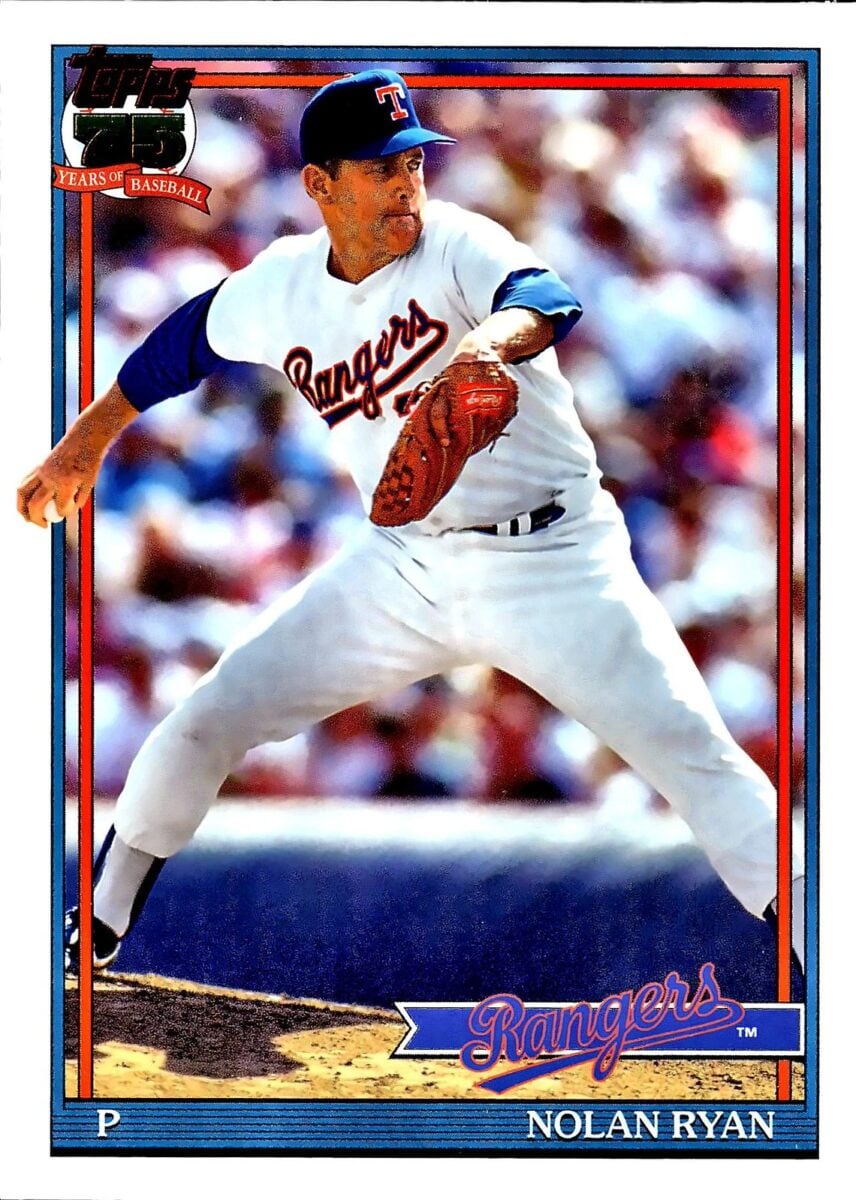
Nolan Ryan’s rookie card, the 1968 Topps No. 177, shows Ryan alongside a New York Mets teammate in a two-player Rookie Stars layout. Ryan went on to strike out 5,714 batters and throw seven no-hitters, records that still stand decades after his 1993 retirement.
Low-grade copies typically sell for roughly 300 to 1,000 dollars, while high-grade copies sell for much more, depending on condition. The 1968 design uses a burlap-style border that hides some flaws but shows corner wear clearly.
Off-center copies are common, and sharp, centered examples earn a large premium at auction.
Tom Seaver’s 1967 Topps Rookie
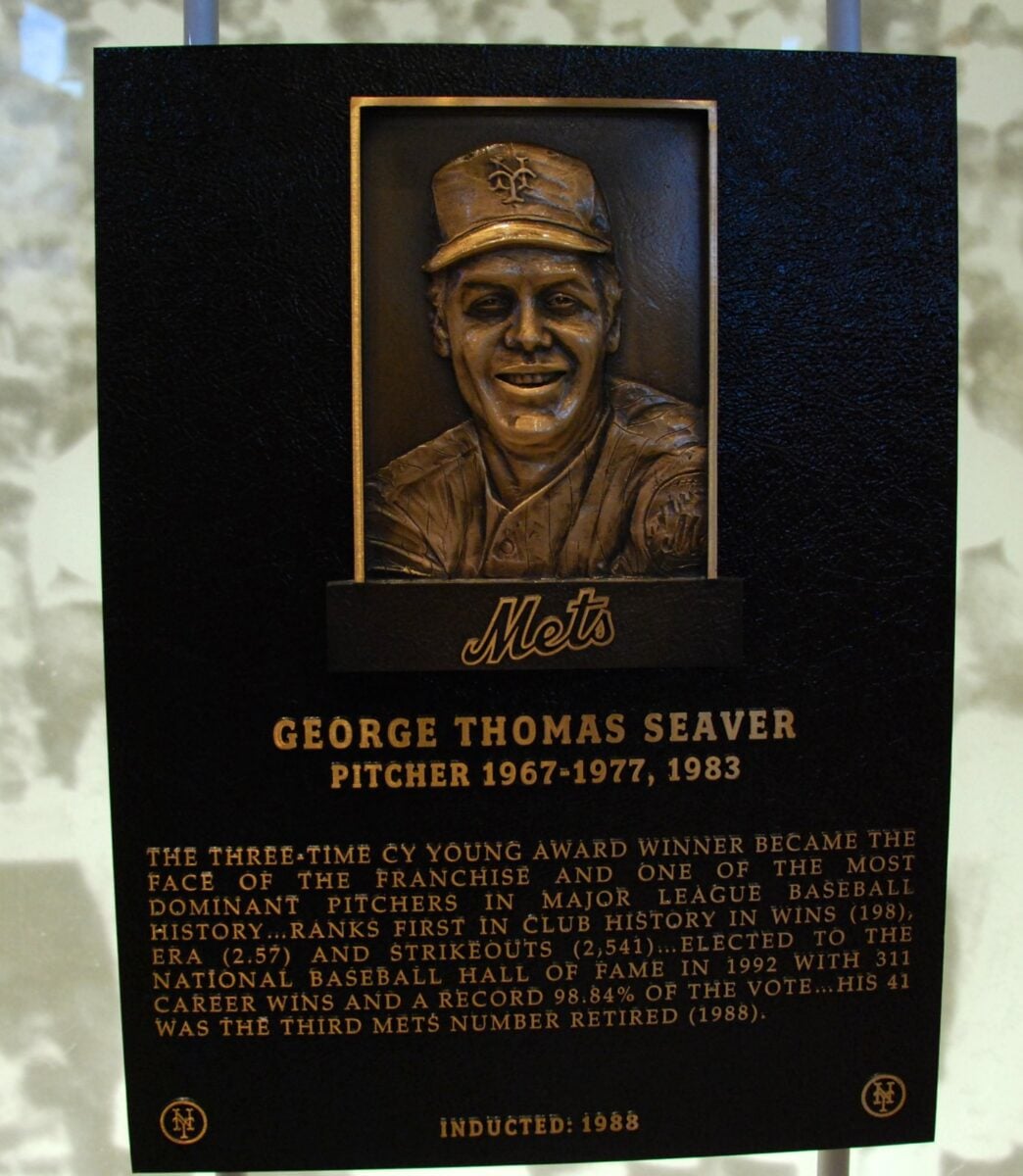
Tom Seaver’s rookie card, the 1967 Topps No. 581, is a high-numbered card he shares with fellow Mets prospect Bill Denehy. High-numbered cards were printed in smaller quantities and sold late in the summer, which increases scarcity today.
Seaver went on to win three Cy Young Awards and earned what was then a record 98.8 percent of the Hall of Fame vote in 1992. Low-grade copies typically sell for roughly 500 to 1,500 dollars, while high-grade copies sell for much more.
Centering problems and corner wear are common, and the plain white border makes every flaw easy to spot.
Reggie Jackson’s 1969 Topps Rookie
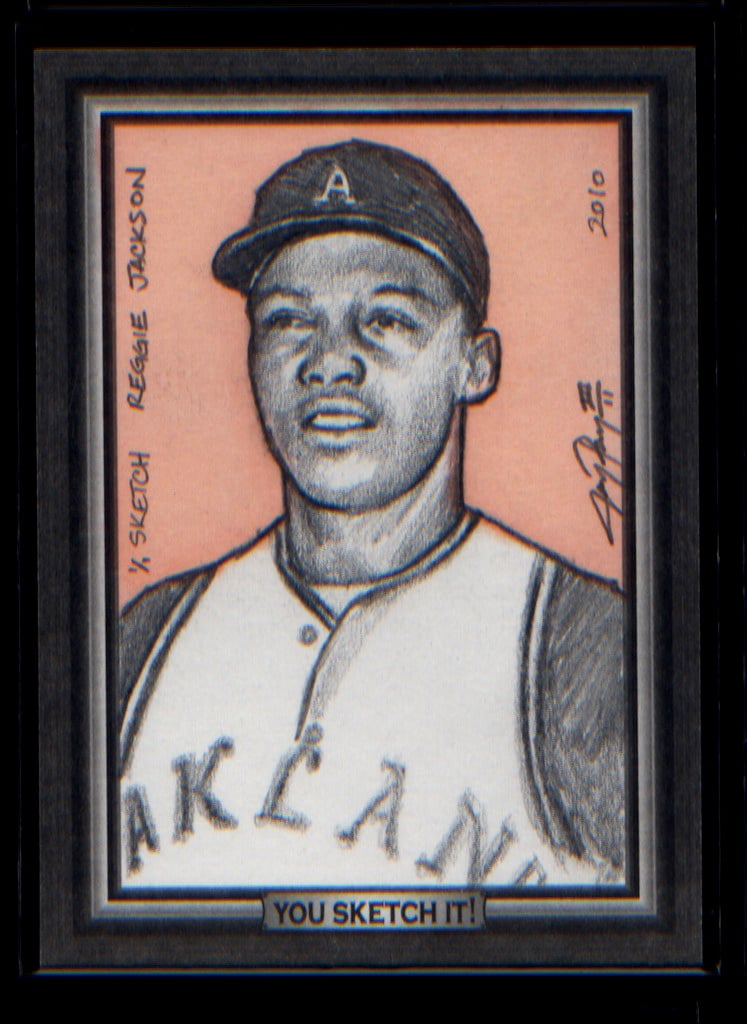
Reggie Jackson’s rookie card, the 1969 Topps No. 260, shows the future Mr. October in an Oakland Athletics uniform. Jackson earned that nickname for his postseason heroics, most famously three home runs on three consecutive swings in Game 6 of the 1977 World Series.
Low-grade copies typically sell for roughly 100 to 400 dollars, while high-grade copies sell for much more, depending on condition. The design is simple, with a round team-name circle in the corner, and centering problems are common.
Collectors value the card for Jackson’s larger-than-life career and his five championship rings.
Mike Schmidt’s Three-Player 1973 Rookie
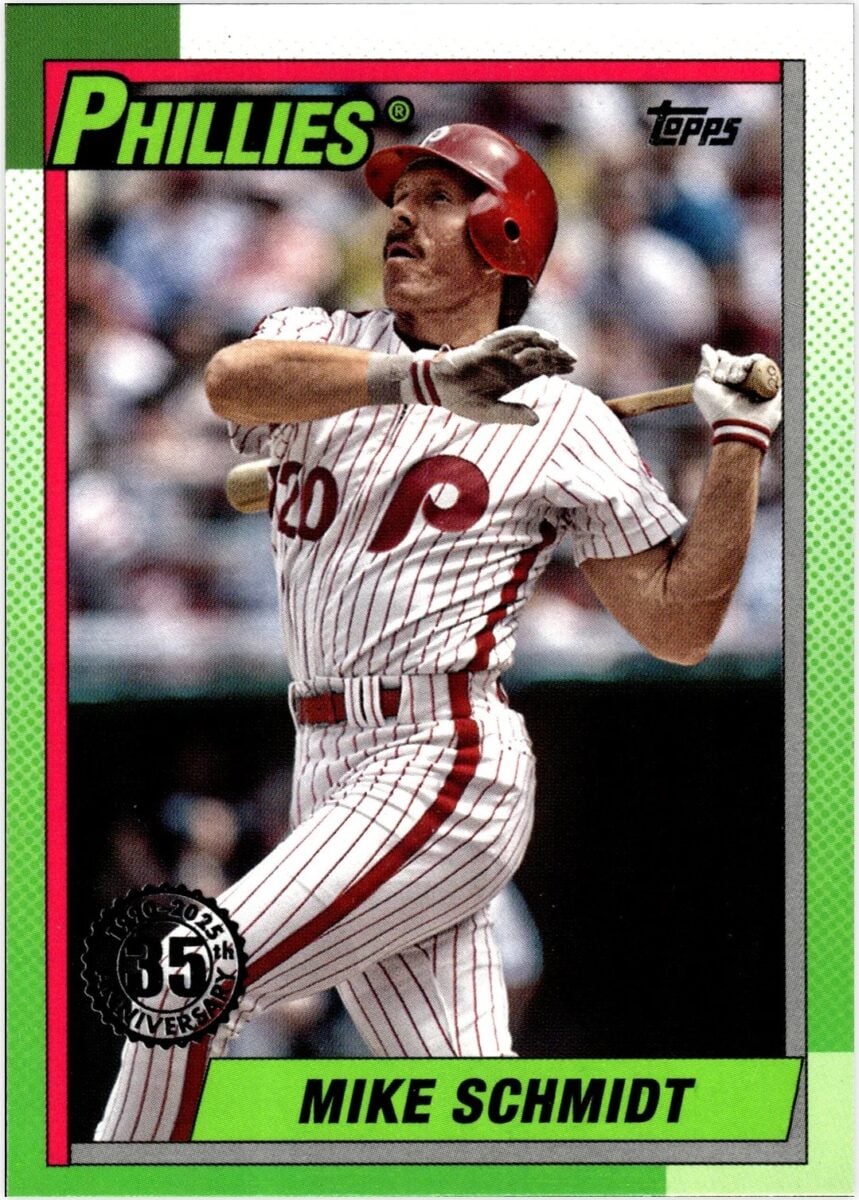
Mike Schmidt shares his 1973 Topps rookie card, No. 615, with two other young third basemen, Ron Cey and John Hilton. Schmidt went on to hit 548 home runs, win three MVP awards and collect ten Gold Gloves, which made him the clear headliner of the trio.
Low-grade copies typically sell for roughly 100 to 400 dollars, while high-grade copies sell for much more, depending on centering. The card sat in the final series of the 1973 set, which was printed in smaller quantities.
Corner wear is common, and the three-player layout makes it a natural conversation piece.
George Brett’s 1975 Topps Rookie

George Brett’s rookie card, the 1975 Topps No. 228, features the loud two-tone borders that define the 1975 set. Topps also tested a smaller mini version of the set in a few markets that year, and collectors value those minis separately.
Brett went on to collect 3,154 hits and chase a .400 average deep into the 1980 season before finishing at .390. Low-grade copies typically sell for roughly 50 to 200 dollars, while high-grade copies sell for much more, depending on condition.
The colorful borders show chipping easily, which lowers grades on many surviving copies.
Ozzie Smith’s 1979 Topps Rookie
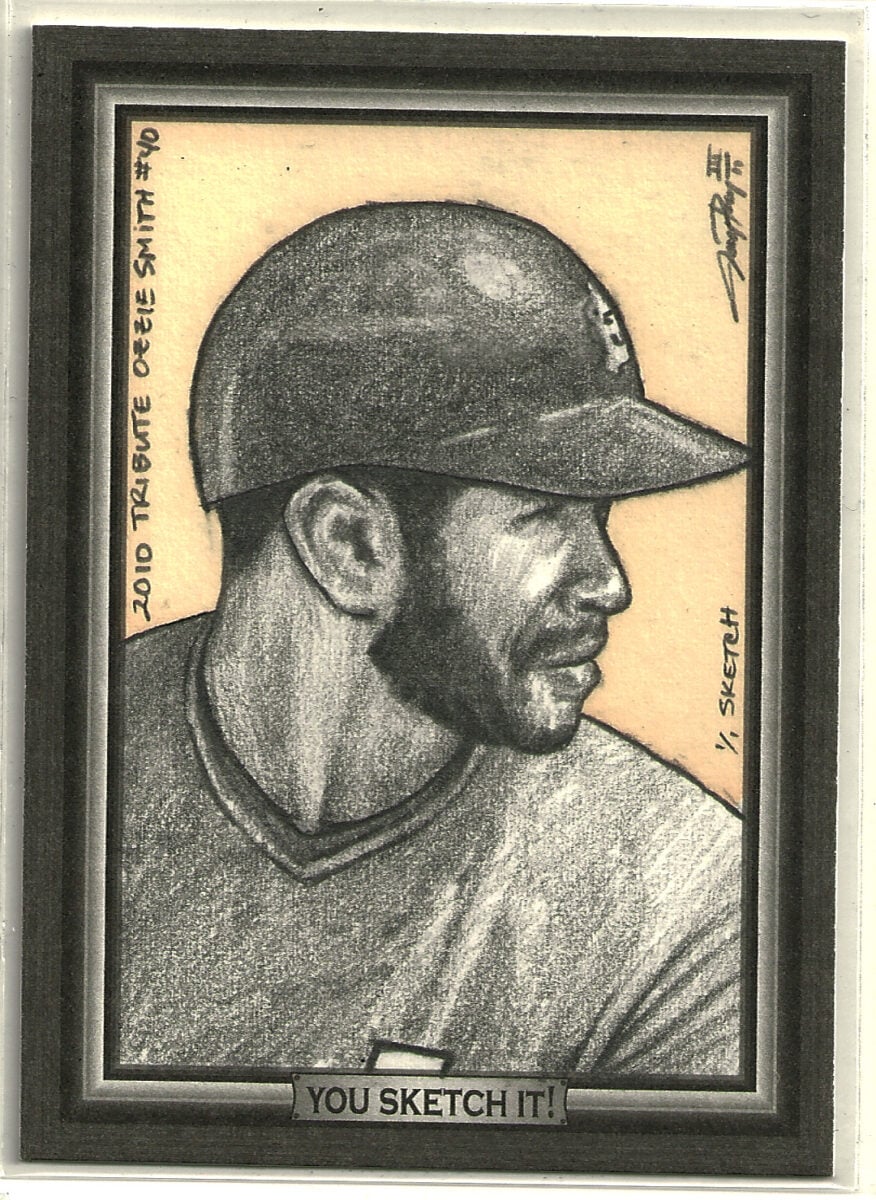
Ozzie Smith’s rookie card, the 1979 Topps No. 116, shows the future Hall of Fame shortstop in a San Diego Padres uniform. Smith became famous for his acrobatic defense, 13 straight Gold Gloves and the backflips he performed while taking the field in St. Louis.
Low-grade copies typically sell for roughly 50 to 200 dollars, while the best-graded copies have sold for thousands. The card is notorious for poor centering, so well-centered examples are scarcer than its large print run suggests.
Collectors searching old boxes should check the borders before anything else.
Rickey Henderson’s 1980 Topps Rookie
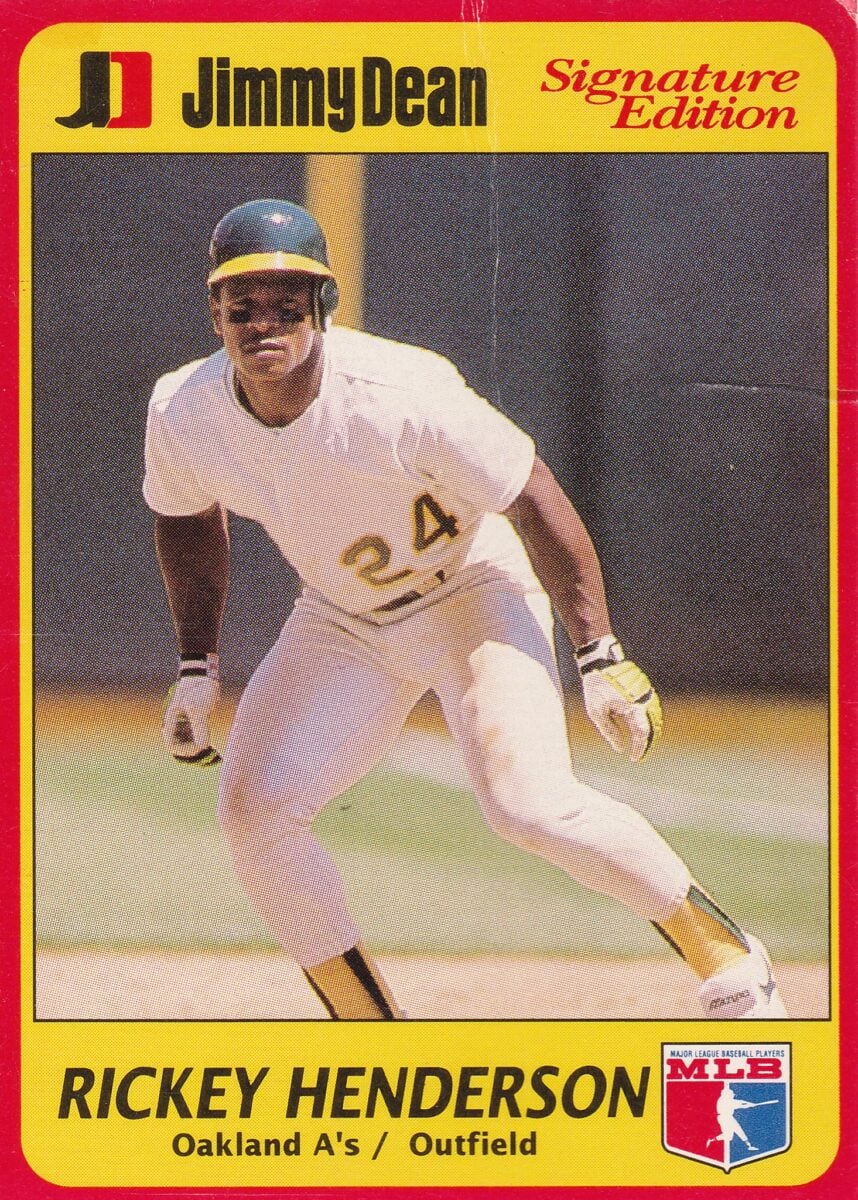
Rickey Henderson’s rookie card, the 1980 Topps No. 482, shows the future stolen base king in an Oakland Athletics uniform. Henderson stole 1,406 bases in his career, a record that still stands, and he also holds the career mark for runs scored.
Low-grade copies typically sell for roughly 50 to 200 dollars, while gem mint copies have sold for six figures. Centering problems plague this card, and perfectly centered copies are extremely rare.
That scarcity at the top grades drives the extreme prices, so a sharp copy from an old shoebox deserves professional grading.
Cal Ripken Jr.’s 1982 Topps Traded Card
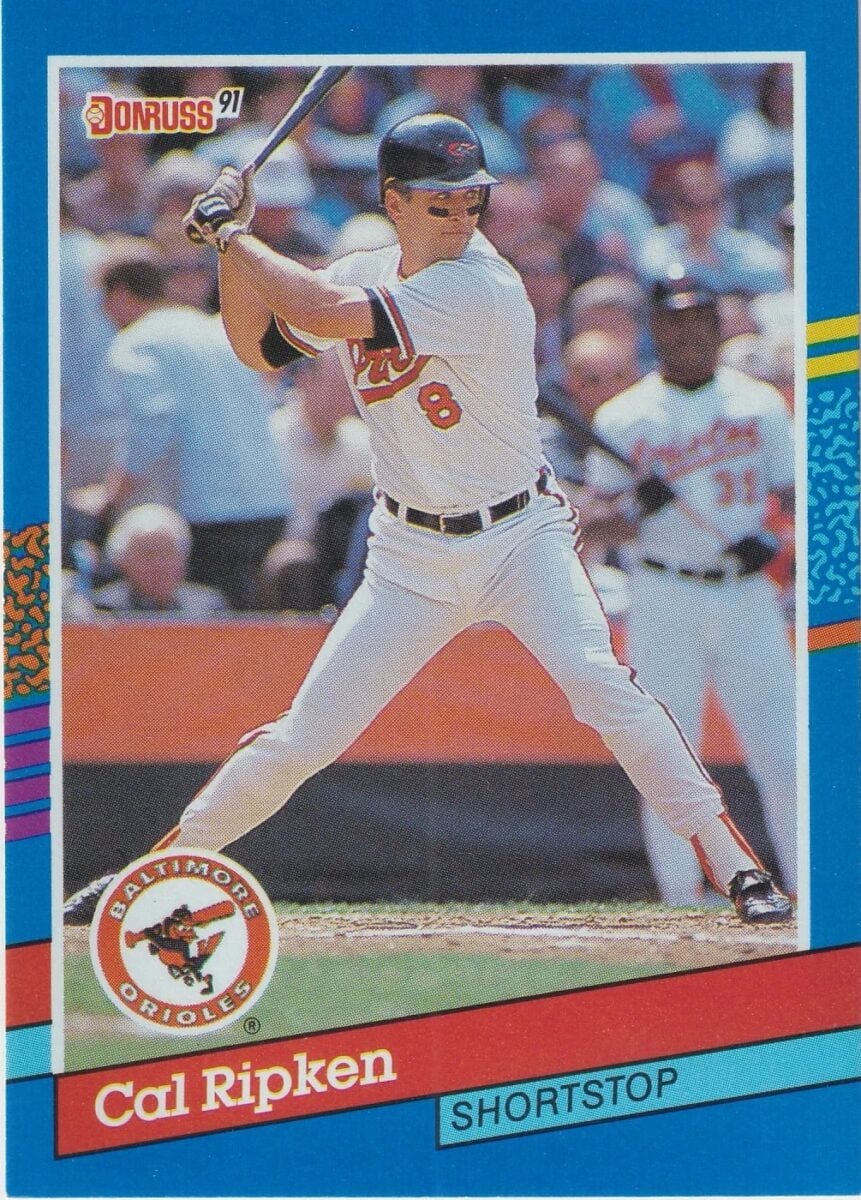
Cal Ripken Jr.’s 1982 Topps Traded card, No. 98T, is considered his first solo Topps card, since his true rookie appearance came on a shared three-player card earlier that year. The Traded set was sold only as a complete boxed set through hobby dealers, which limited its distribution.
Ripken went on to play in 2,632 consecutive games, breaking Lou Gehrig’s record in September 1995. Low-grade copies typically sell for roughly 50 to 150 dollars, while high-grade copies sell for more.
The plain design makes centering and corner flaws easy to spot.
Johnny Bench Splits a 1968 Rookie
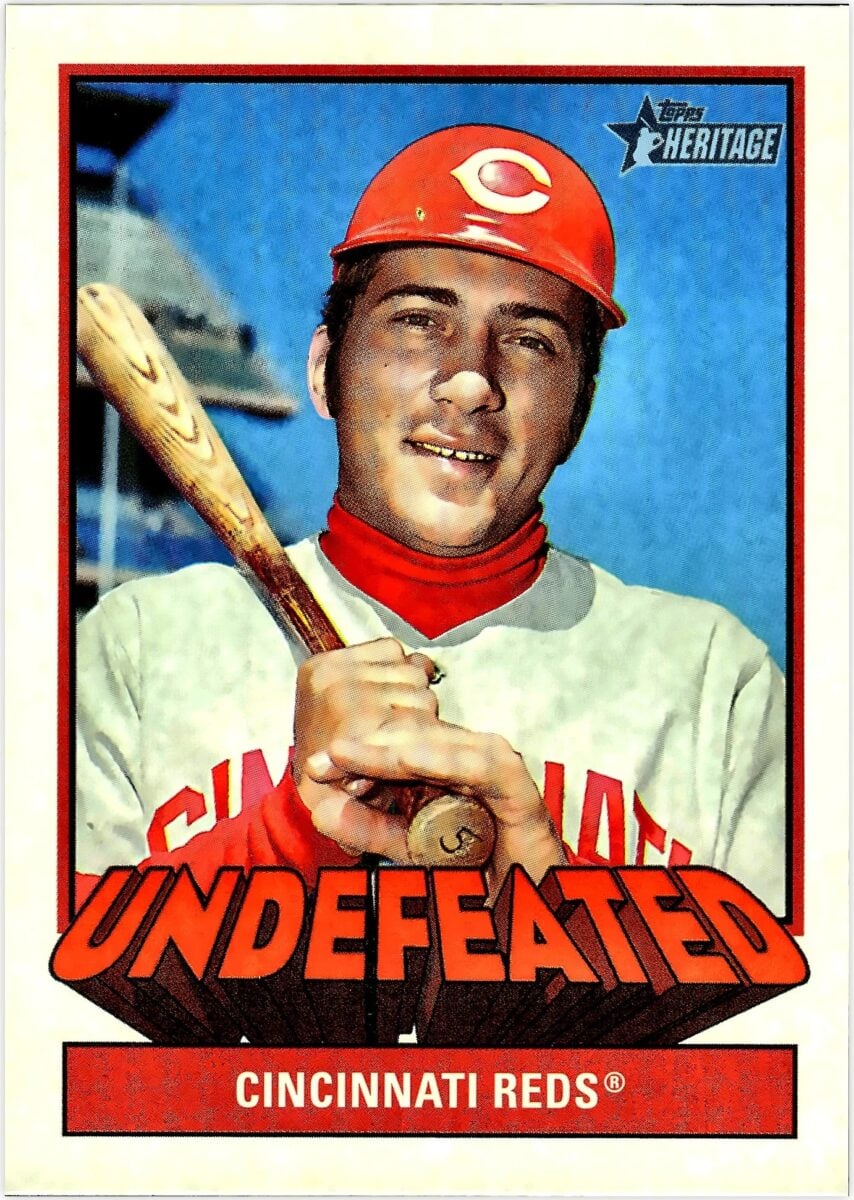
Johnny Bench’s rookie card, the 1968 Topps No. 247, shows the young Cincinnati catcher sharing space with pitcher Ron Tompkins under a Reds Rookie Stars banner. Bench won Rookie of the Year that season and later added two MVP awards and ten Gold Gloves, reshaping how the catching position was played.
Low-grade copies typically sell for roughly 100 to 400 dollars, while high-grade copies sell for much more, depending on corners and centering. The same burlap-style border found on the Nolan Ryan rookie appears here, and soft corners are the most common flaw.
Roger Clemens and Kirby Puckett in 1984 Fleer Update
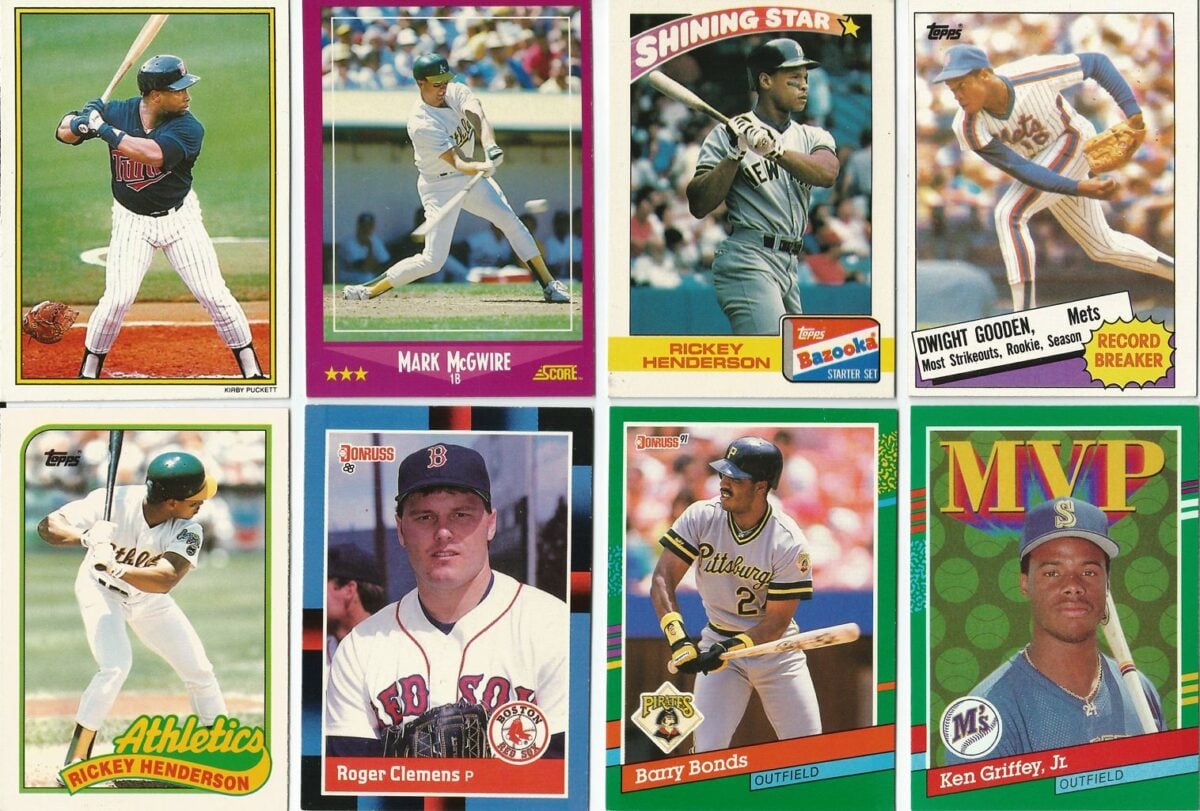
Fleer’s 1984 Update set included the first major-issue cards of Roger Clemens and Kirby Puckett. The 132-card set was sold only as a complete boxed set through hobby dealers, which kept its distribution small compared with ordinary wax packs.
That scarcity made it one of the most sought-after sets of the decade, and counterfeit Clemens and Puckett cards followed. Individual cards typically sell for roughly 75 to 300 dollars, depending on condition, while sealed sets sell for considerably more.
Centering problems and corner wear lower value, and buyers should insist on graded copies.
Mark McGwire’s 1985 Topps Olympic Card
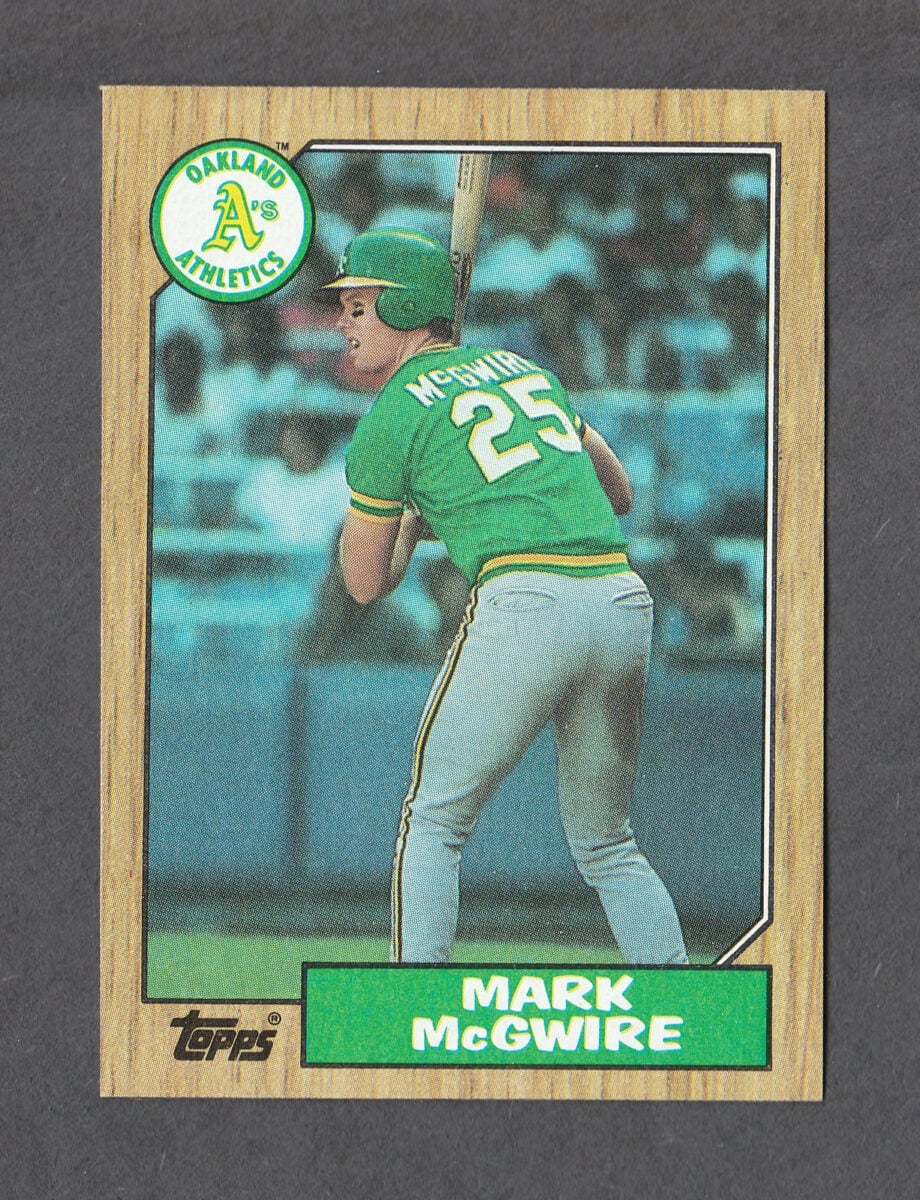
Mark McGwire’s 1985 Topps card, No. 401, shows him in a Team USA uniform from the 1984 Los Angeles Olympics. Collectors treat it as his rookie card, since it predates his first full major league season with Oakland in 1987.
McGwire went on to hit 70 home runs in 1998, a single-season record at the time. Low-grade copies typically sell for roughly 20 to 100 dollars, while high-grade copies sell for more.
Its value has risen and fallen with McGwire’s reputation, which took a heavy hit after his 2010 admission of steroid use.
Ken Griffey Jr.’s 1989 Upper Deck No. 1
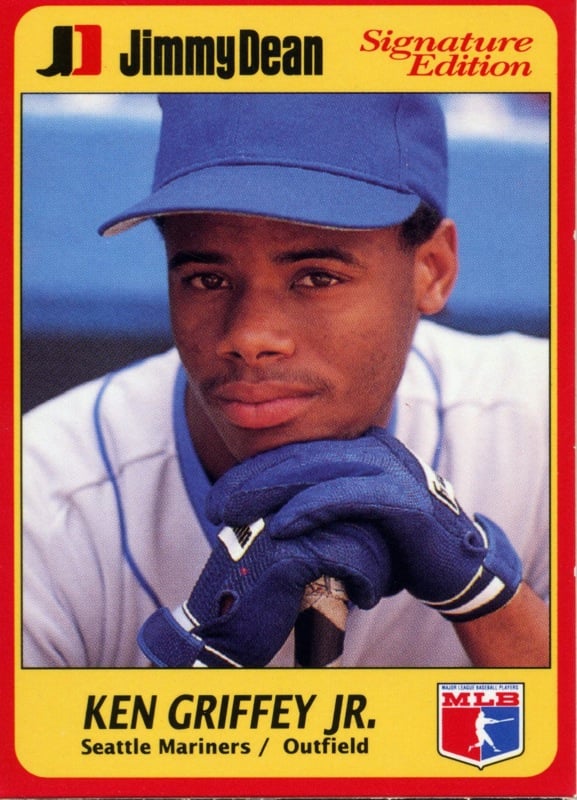
Ken Griffey Jr.’s 1989 Upper Deck card, No. 1, was the first card in the company’s first set. Upper Deck used holograms on the back to deter counterfeiting, a new idea for the hobby at the time, and it charged a premium price per pack.
Griffey’s smile and the card’s glossy look made it an instant hit with children and adults alike. Raw copies typically sell for roughly 50 to 200 dollars, while high-grade copies sell for more, depending on condition.
Counterfeits do exist despite the hologram, so authentication matters before any major sale.
Frank Thomas’s 1990 Topps No Name on Front
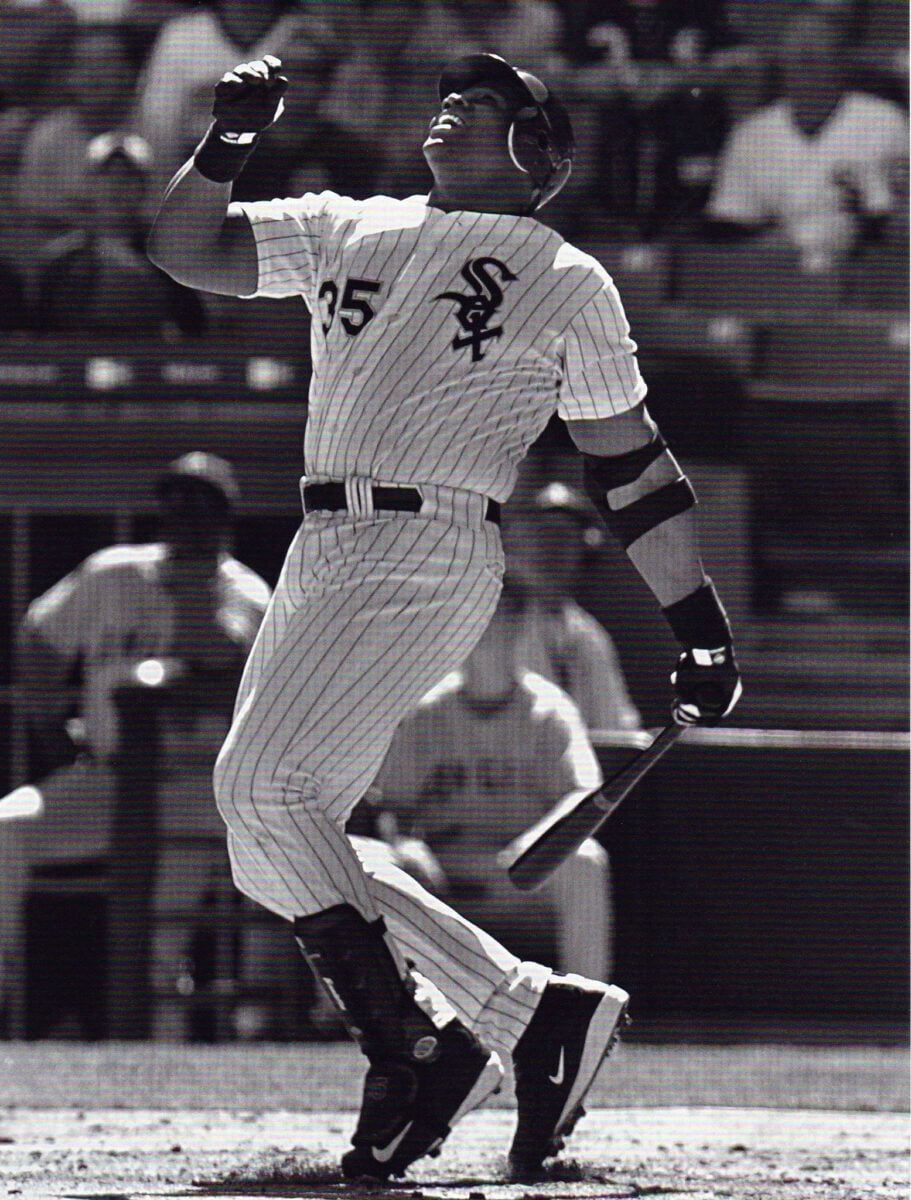
Frank Thomas’s 1990 Topps rookie card, No. 414, exists in a rare error version with no name printed on the front. Only a small number of these escaped the printing plant before the mistake was caught.
The error version typically sells for several thousand dollars, depending on condition, while the ordinary version is worth far less. Thomas went on to win two MVP awards and hit 521 home runs.
Collectors check the front carefully and buy graded copies, since some fakes have had the name chemically removed from common cards.
Derek Jeter’s 1993 SP Rookie
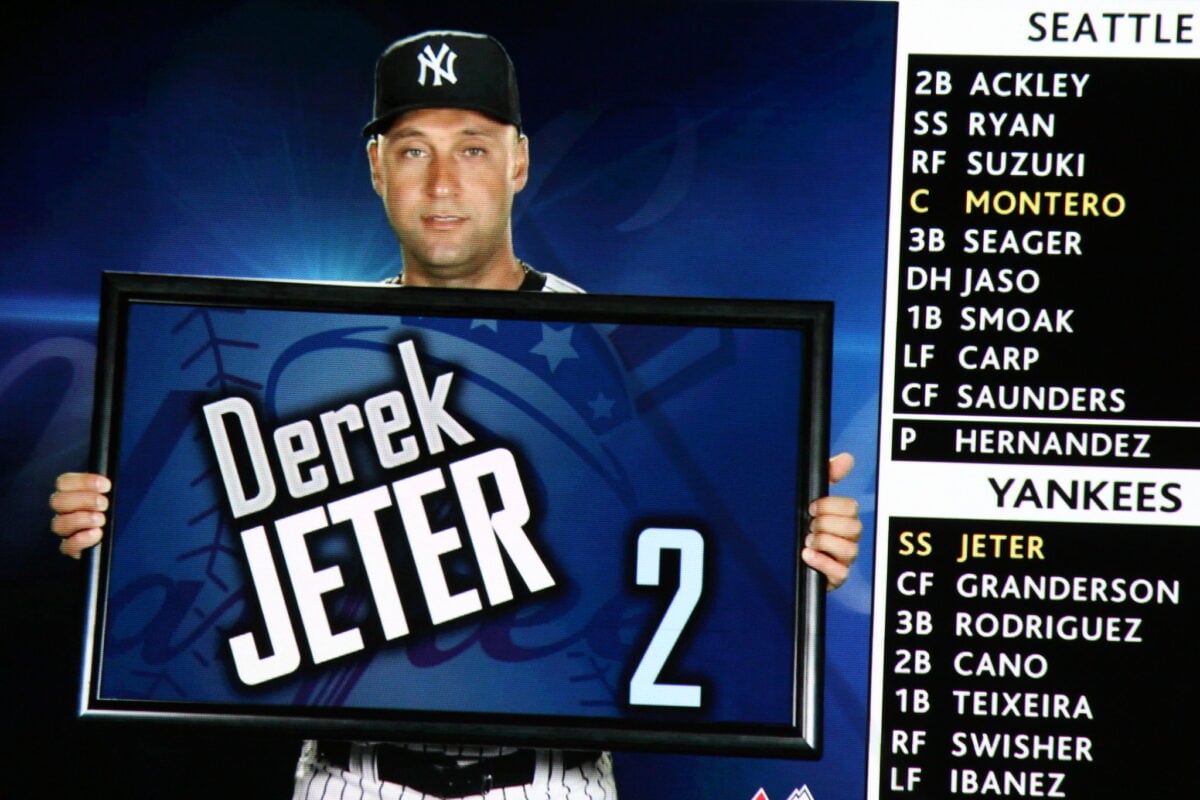
Derek Jeter’s 1993 SP rookie card, No. 279, features a foil front that chips and scratches with almost any handling. That fragility makes high-grade copies unusually rare for a card from the early 1990s, an era otherwise known for massive print runs.
Raw copies typically sell for roughly 100 to 400 dollars, while copies in the highest grades have sold for six figures. Jeter went on to collect 3,465 hits and five championships with the Yankees.
Chipped edges, scratches and surface dents are the main problems that pull this card down.
Roger Maris’s 1958 Topps Rookie
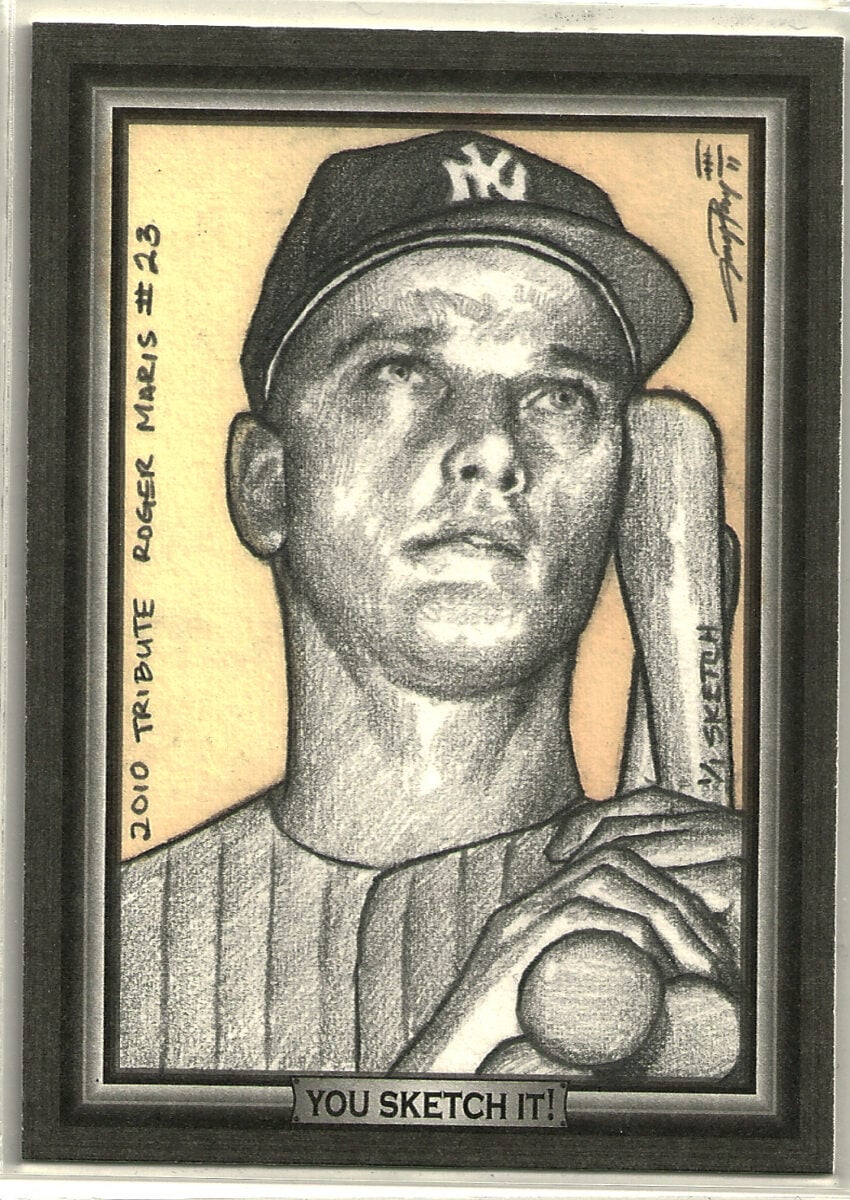
Roger Maris’s rookie card, the 1958 Topps No. 47, shows him in a Cleveland Indians uniform, years before his trade to the Yankees. Maris went on to hit 61 home runs in 1961, breaking Babe Ruth’s single-season record during an expansion season that led to the famous debate over an asterisk.
Low-grade copies typically sell for roughly 100 to 500 dollars, while high-grade copies sell for more. Colored backgrounds on the 1958 set show wear readily, and centering varies widely.
The card ties together two eras of Yankees history.
Sandy Koufax’s 1955 Topps Rookie
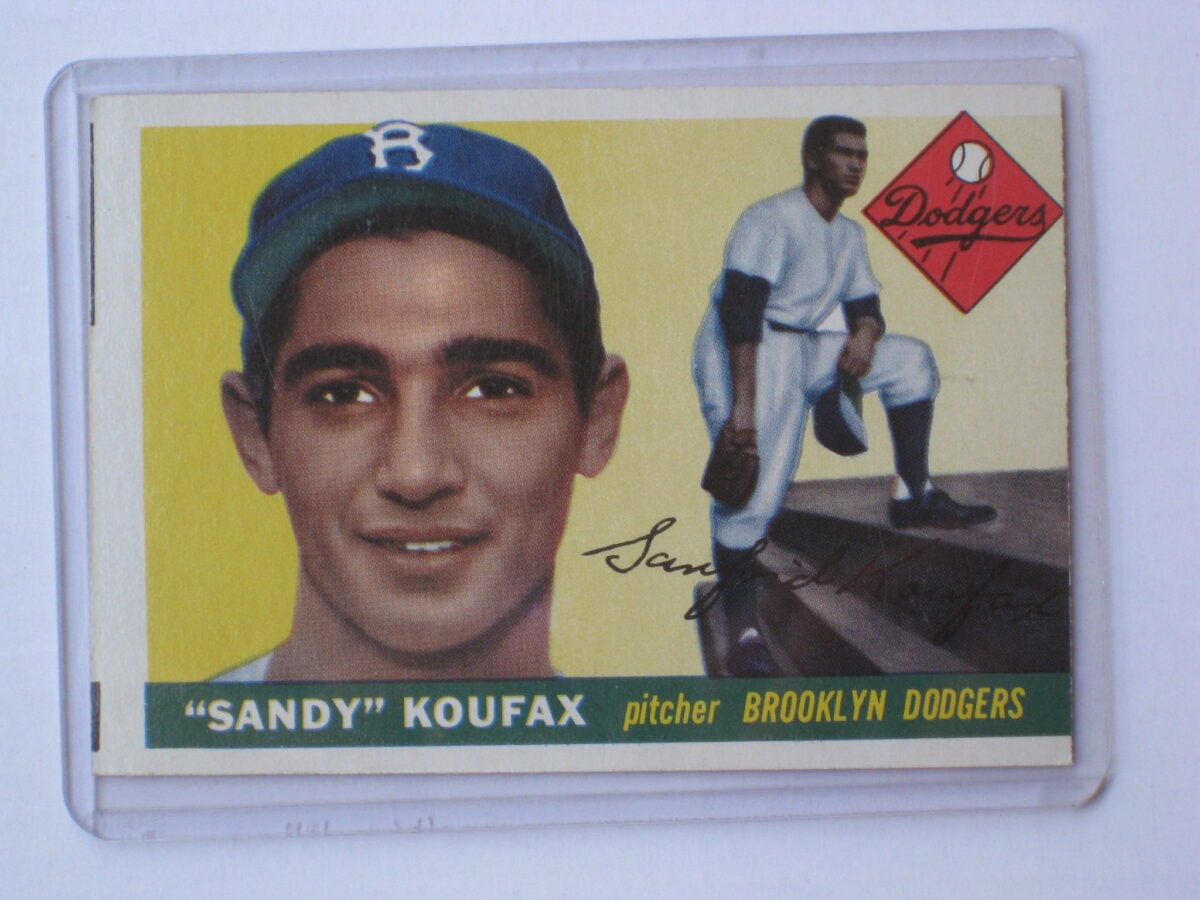
Sandy Koufax’s rookie card, the 1955 Topps No. 123, shows the future Hall of Fame pitcher in a Brooklyn Dodgers uniform. Koufax signed as a bonus baby, which forced the club to keep him on the major league roster despite his wild early control.
He later won three Cy Young Awards and retired at 30 because of arthritis in his elbow. Low-grade copies typically sell for roughly 300 to 1,000 dollars, while high-grade copies sell for more, depending on condition.
Like the Clemente card from the same set, it uses a horizontal layout.
Cardboard and the People Who Kept It
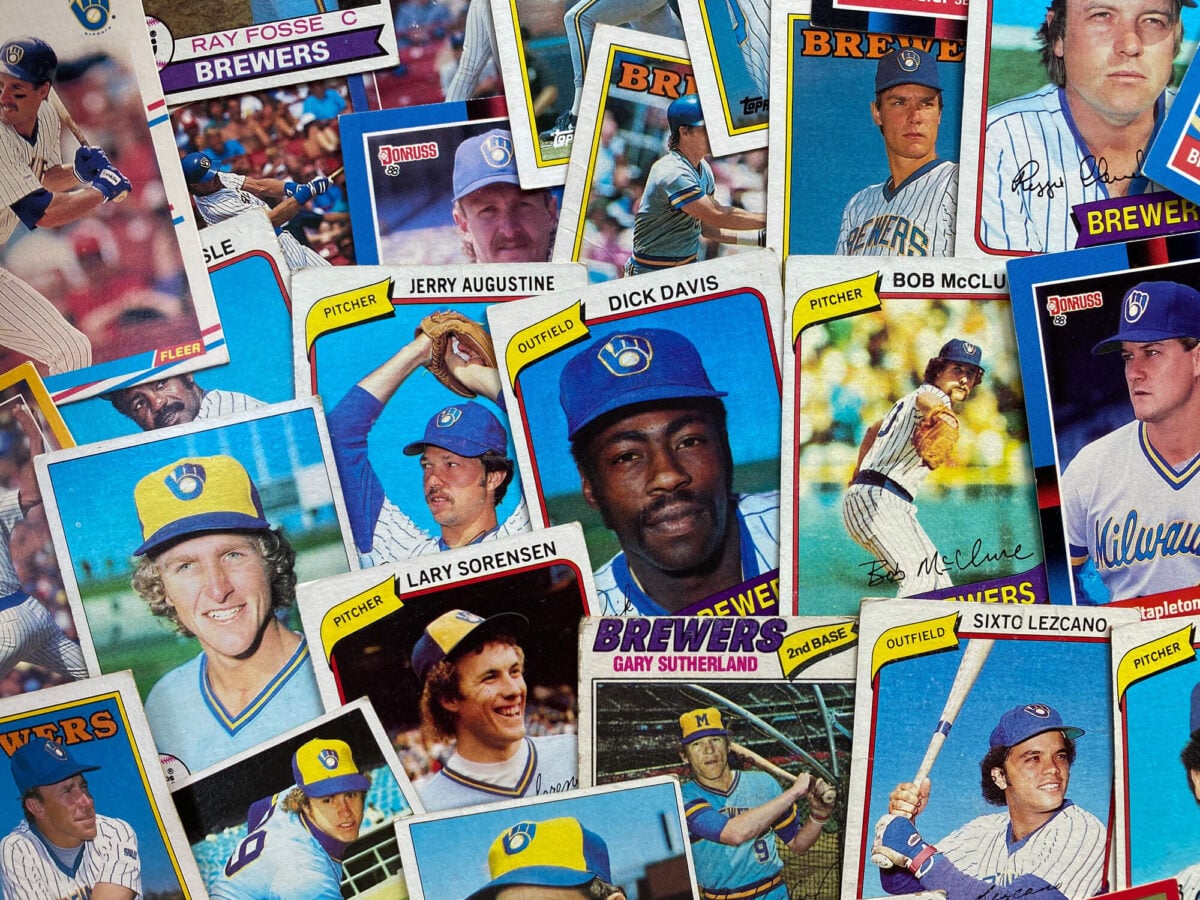
Most childhood card collections were treated as toys, not investments. Cards were flipped, traded, pinned to walls and clipped to bicycle spokes.
That rough treatment is exactly why well-preserved copies are now so valuable.
Any old shoebox of cards is a small lottery ticket. The odds are long, but the names on this list are worth checking.
A careful look at the year, the card number and the corners can turn an afternoon in the attic into a surprising discovery.
More from Go2Tutors!

- The Romanov Crown Jewels and Their Tragic Fate
- 13 Historical Mysteries That Science Still Can’t Solve
- Famous Hoaxes That Fooled the World for Years
- 15 Child Stars with Tragic Adult Lives
- 16 Famous Jewelry Pieces in History
Like Go2Tutors’s content? Follow us on MSN.