26 Toys That Vanished from Store Shelves
Toy aisles turn over faster than almost any other retail category, driven by fads, safety recalls, licensing deals, and simple shifts in what kids want to play with. Something that felt permanent one holiday season can be gone from shelves entirely within a few years.
Looking back at what used to dominate the toy aisle is a reminder of just how quickly a must-have item can become a forgotten one.
Lawn Darts

Large, weighted metal-tipped darts thrown across a yard toward a target ring were a common backyard game for years before a series of serious injuries, including some fatal accidents, led to their ban from retail sale. The toy’s basic design, essentially a small javelin, made the eventual safety concerns fairly predictable in hindsight.
Modern outdoor toys have replaced sharp, weighted designs with soft-tipped or foam alternatives entirely.
Clackers

Two hard acrylic spheres connected by a string, swung together to produce a loud clacking sound, became a brief but intense fad before reports of the spheres shattering on impact led most manufacturers to pull them from shelves. The toy required real coordination to use safely, which many kids simply didn’t have.
Later plastic versions attempted a comeback but never matched the original’s popularity.
Creepy Crawlers Bug Maker
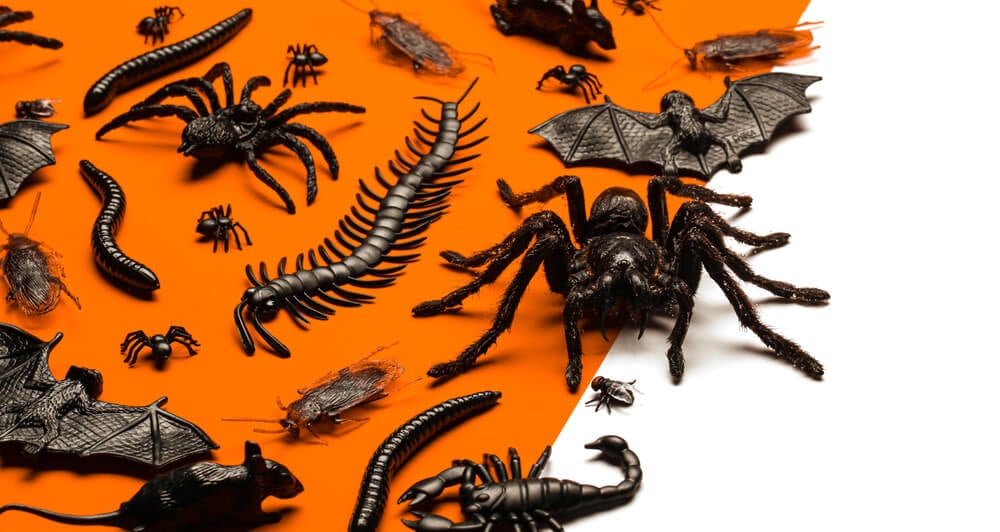
A children’s toy that used a small electric hot plate to melt liquid plastic in metal molds shaped like insects, creating rubbery bugs kids could pop out once cooled, was a popular creative toy for years. The exposed heating element was eventually deemed too risky for unsupervised play.
Later versions replaced the metal molds and hot plate with cooler, safer heating technology, though the original format disappeared from shelves.
Cabbage Patch Kids at Their Original Scale
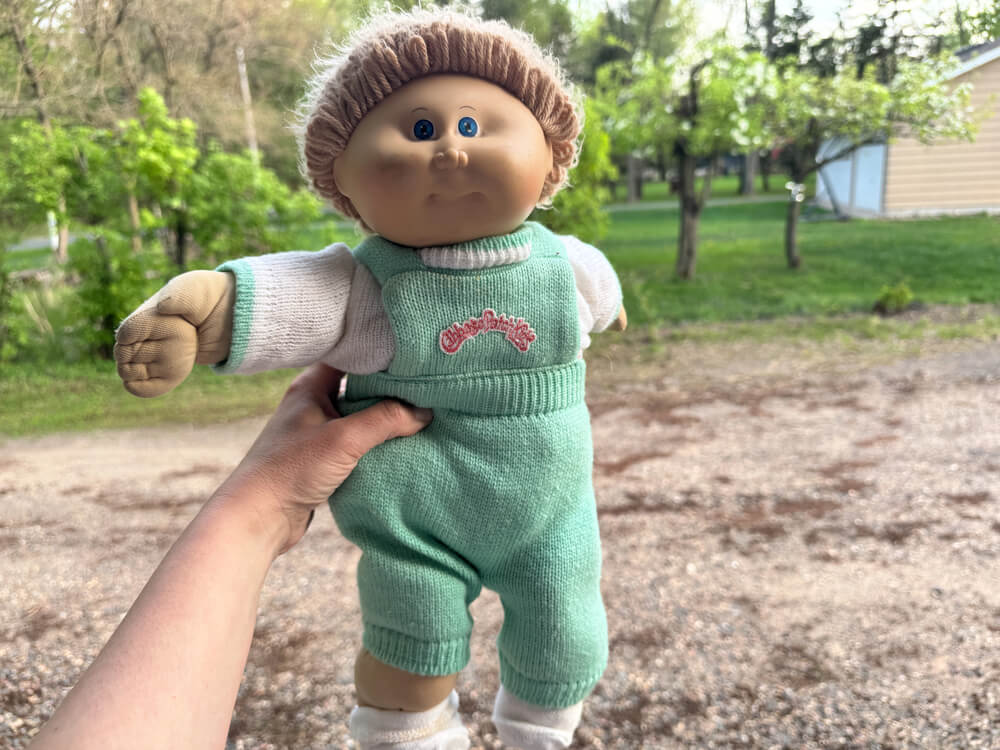
The soft-bodied dolls with yarn hair and individually assigned names triggered genuine store stampedes and shortages during their peak popularity, with parents reportedly fighting over limited stock ahead of the holidays. The intensity of that specific frenzy has never quite been repeated by a single toy since.
While the brand still exists in updated forms, the scale of the original craze has never returned.
Sky Dancers
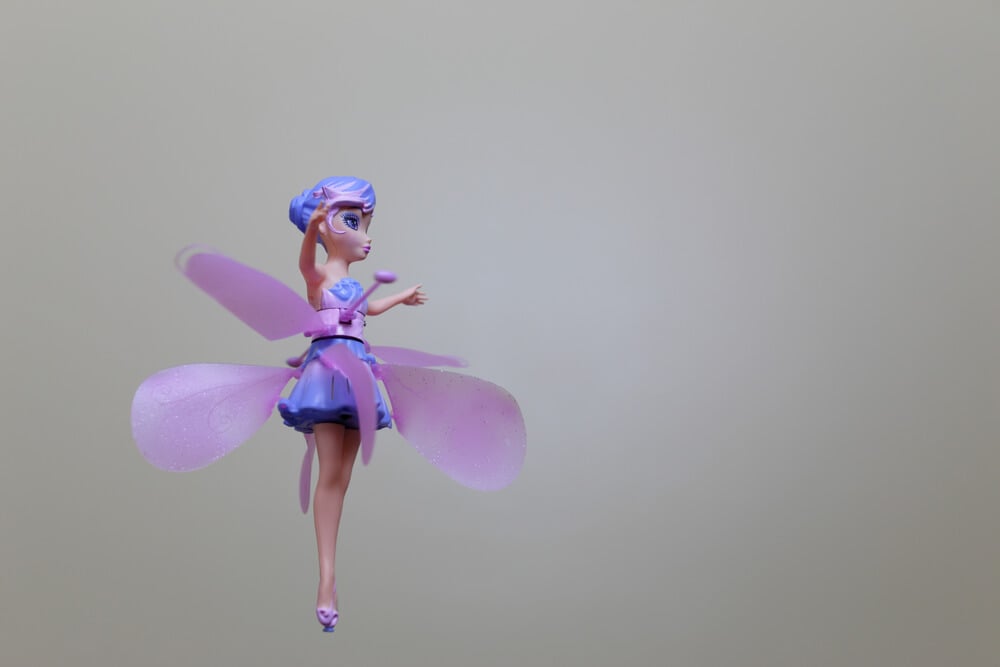
Small winged dolls launched into the air using a hand-pulled ripcord mechanism became a popular toy for a period before reports of the plastic wings striking children in the face during launch led to a significant recall. The launching mechanism was simply more forceful and less predictable than the toy’s marketing suggested.
The product never returned to shelves in its original design after the recall.
Water Weenies and Similar Water-Filled Novelty Toys
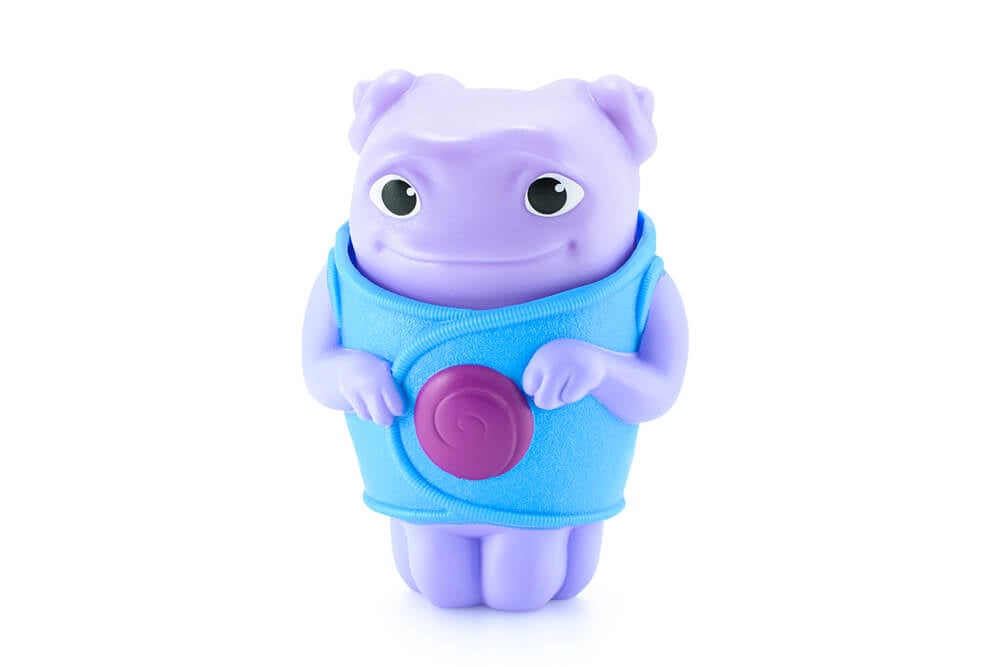
Long, gel-filled tubes designed to be squeezed and thrown as a slippery water toy were a popular warm-weather item before some versions were found to contain materials raising health concerns when the tubes ruptured. Regulatory scrutiny around the specific gel fillings led several versions to be pulled from shelves entirely.
Safer water-based toys eventually replaced the specific gel-tube format.
Jarts-Style Metal Yard Games in General

Beyond lawn darts specifically, a broader category of metal-tipped or weighted backyard games faced increased scrutiny through the same period, as safety standards tightened across outdoor toy categories generally. Manufacturers largely abandoned metal components in favor of foam and plastic alternatives across the board.
The shift reflects a broader industry move away from anything resembling a projectile in a toy marketed to children.
Snacktime Cabbage Patch Kids
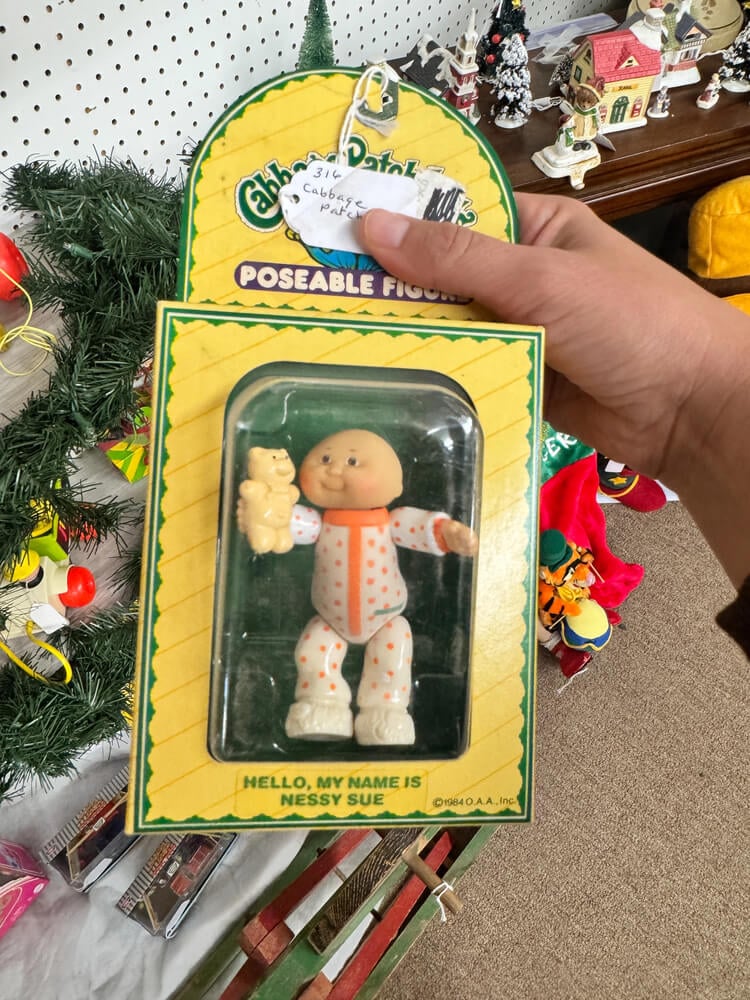
A version of the popular doll featured a motorized mouth designed to “eat” small plastic snacks included with the toy, but the mechanism proved strong enough to catch children’s hair and fingers, leading to a significant recall shortly after release. The toy is frequently cited as a cautionary example in discussions of toy safety testing.
It never returned to production after the recall.
Austin Magic Pistol

A cap-firing toy pistol that used a chemical reaction involving calcium carbide to produce a loud bang without traditional caps was popular briefly before safety concerns about the chemical reaction itself led to its removal from shelves. The mechanism was considered unusually risky even by the looser toy safety standards of its era.
It was never reintroduced in any updated form.
Gilbert Chemistry Sets With Genuine Hazardous Materials

Early children’s chemistry sets included small samples of chemicals that would be considered far too hazardous for unsupervised use by today’s standards, some of which have since become tightly regulated substances. The sets marketed real scientific experimentation as a core selling point.
Modern chemistry sets use dramatically safer, more limited compounds, with the original formulations no longer legal to sell.
Battlestar Galactica Missile-Firing Figures

A line of action figures included small spring-loaded projectiles designed to fire from the toy, a common feature across many action figure lines of the era before choking hazard concerns led to a broad recall and redesign across the category. The projectiles were often small enough to be a genuine risk for younger siblings in the same household.
Most action figure lines since have avoided small firing projectiles entirely as a category-wide safety standard.
Easy-Bake Oven’s Original Light Bulb Heating Element

The classic children’s toy oven originally used an actual incandescent light bulb as its heat source, a design that worked reliably for decades before a redesign was prompted by reports of children’s fingers becoming caught in the unit’s opening. The updated version used a different heating method entirely.
The original light-bulb design is no longer manufactured, though the toy itself remains popular in updated form.
Moon Shoes in Their Earliest Version
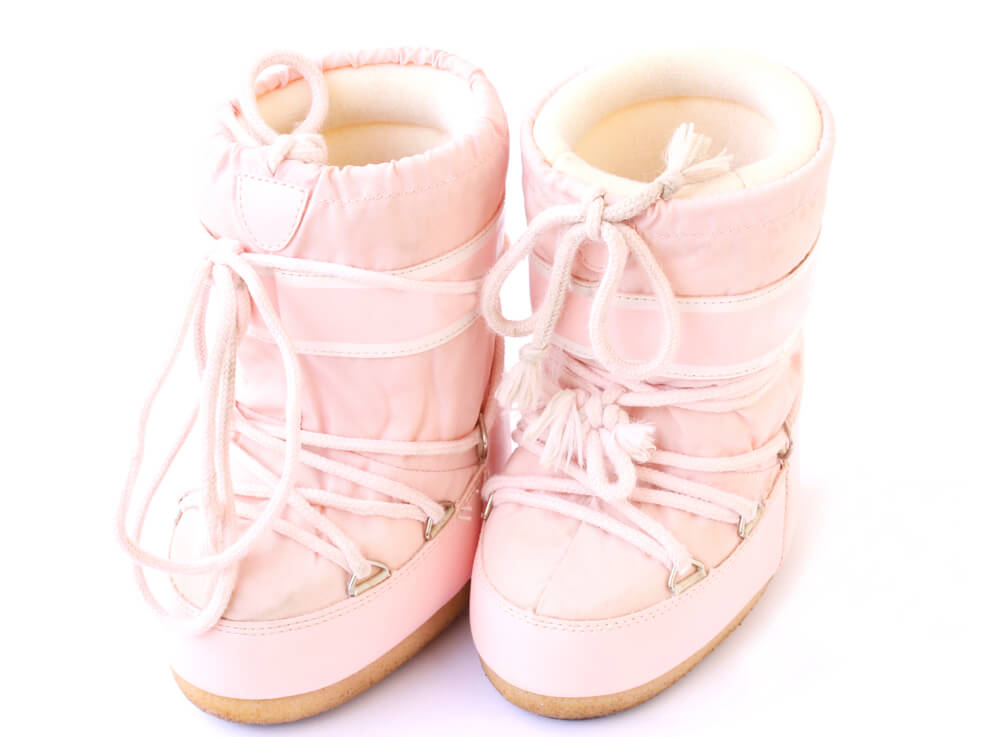
Spring-loaded platform toys strapped to the feet, designed to give kids extra bounce while walking or jumping, faced early safety concerns over ankle injuries before later versions redesigned the spring mechanism for more stability. The original design offered relatively little ankle support for the bounce it provided.
Later, safer versions remained on shelves long after the original was discontinued.
Slip ‘N Slide’s Original Adult-Scale Marketing

The backyard water slide toy was originally marketed with looser guidance around who could safely use it, before injury reports involving older children and adults using it at higher speeds led to significant changes in labeling and design. The product itself survived, but its original marketing and size recommendations did not.
Current versions carry far more explicit warnings and size restrictions than earlier releases.
Wonder Woman Lasso Toy With Hard Plastic Loop

An early licensed toy based on a hard plastic lasso loop, meant to be thrown and looped over a target, raised concerns over impact risk that led to a redesign using softer materials in later releases. The rigid original design didn’t account well for how kids actually used the toy in practice.
The lasso concept continued in later toy lines, but never again with the original hard plastic construction.
Original Big Wheel With Metal Axle Components
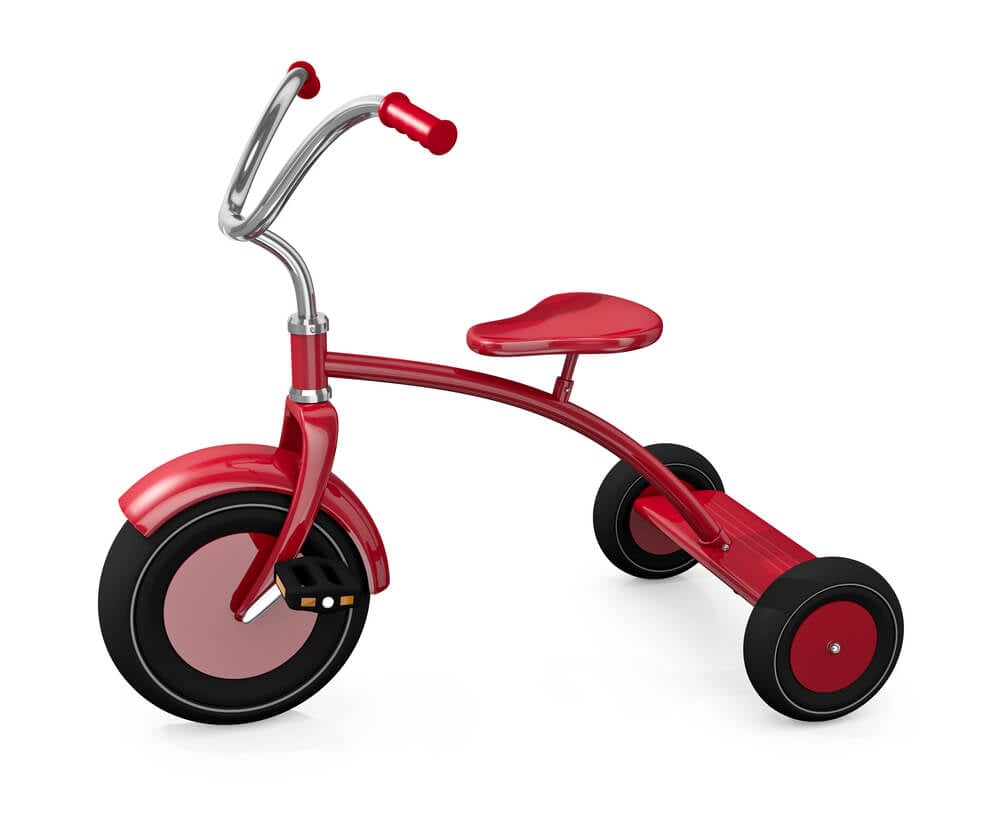
Early versions of the popular low-riding tricycle used metal components in the axle assembly that were later identified as a pinch and injury risk during hard use or collisions. Manufacturers gradually shifted toward all-plastic construction in later production runs.
The redesigned version remained popular for years after the original metal-component model was phased out.
Sit’n Spin Original Metal Base Version
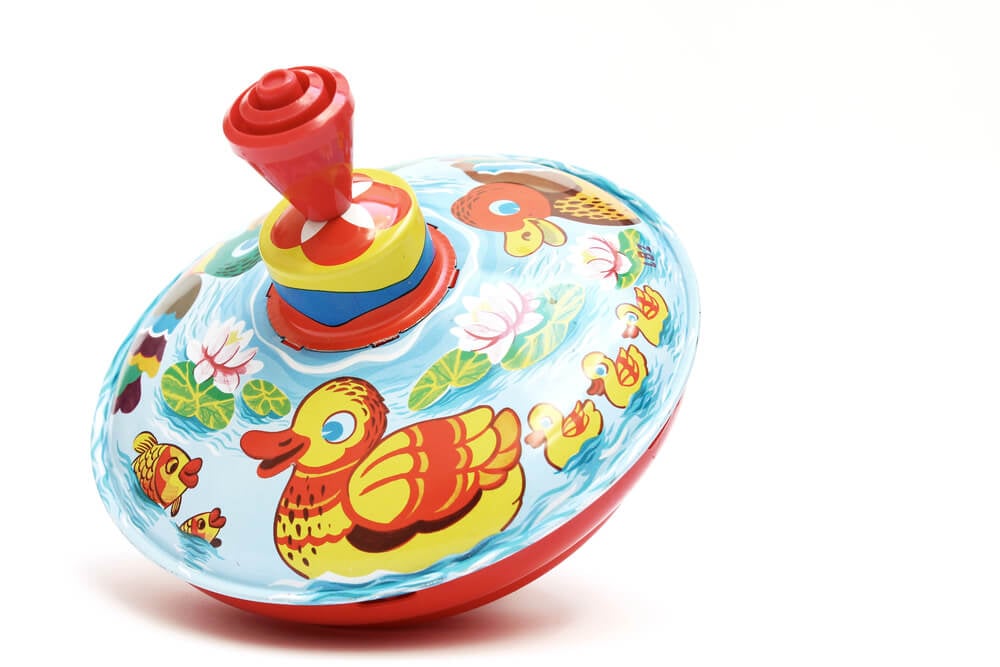
An early version of the popular spinning children’s toy used a metal base plate rather than plastic, creating a heavier and more injury-prone design if a child fell against it during use. Later redesigns replaced the metal base entirely with lighter, softer plastic.
The plastic version became the standard and remained on shelves long after the original metal-base design was discontinued.
Original Rock ‘Em Sock ‘Em Robots With Sharp Edge Tolerances

Early production runs of the classic boxing robot toy had notably sharper edge tolerances on the plastic components than later versions, prompting a design refinement as safety standards for children’s toys tightened industry-wide. The core gameplay remained unchanged, but the physical construction was softened considerably.
The original sharp-edged production run is no longer manufactured.
Wham-O Original Frisbee Formulation

Early plastic formulations used in the first mass-produced flying disc toys were later identified as more brittle and prone to sharp-edged cracking than the more flexible plastics used in later production. A cracked disc from the original formulation posed a real cut risk during play.
Modern flying discs use significantly more durable and flexible plastic compounds than the earliest releases.
Baby Alive’s Original Feeding Mechanism

An early version of the popular feeding doll used an internal mechanism that processed included food packets through the toy in a way later identified as a choking and jamming risk for small parts. The mechanism was substantially redesigned in later releases to address the issue directly.
The doll line itself remained popular, but the original feeding mechanism was fully replaced.
Stretch Armstrong’s Original Internal Filling
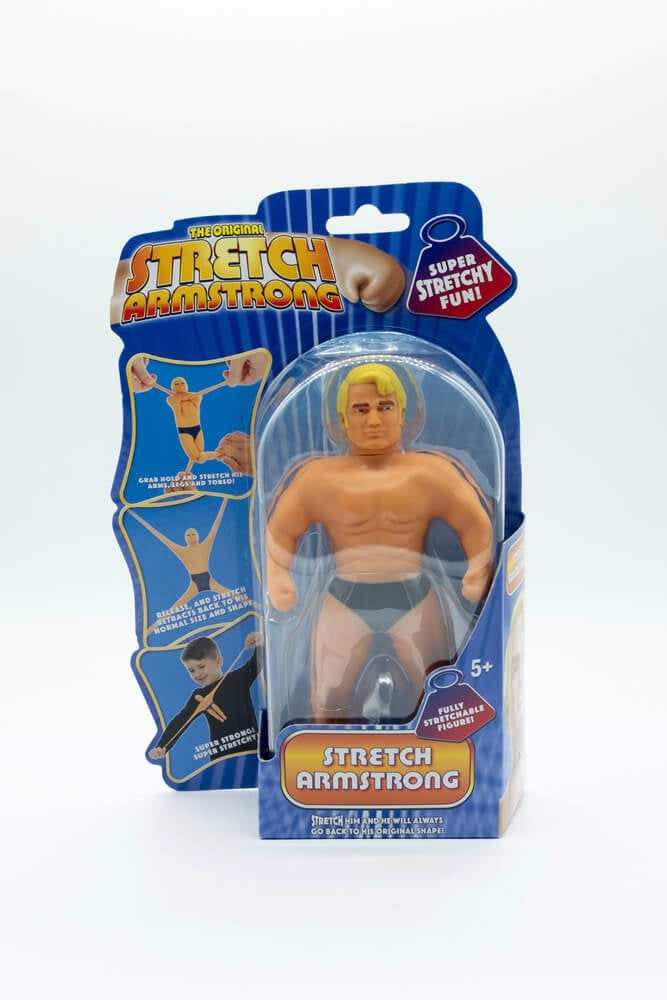
The original stretchable action figure used an internal gel filling that, when the outer shell was punctured or split, could leak a sticky substance later identified as posing health concerns if ingested by young children. Manufacturers reformulated the internal filling in later production runs.
The toy remained popular under its updated formulation long after the original filling was phased out.
Original Hungry Hungry Hippos With Smaller Marbles
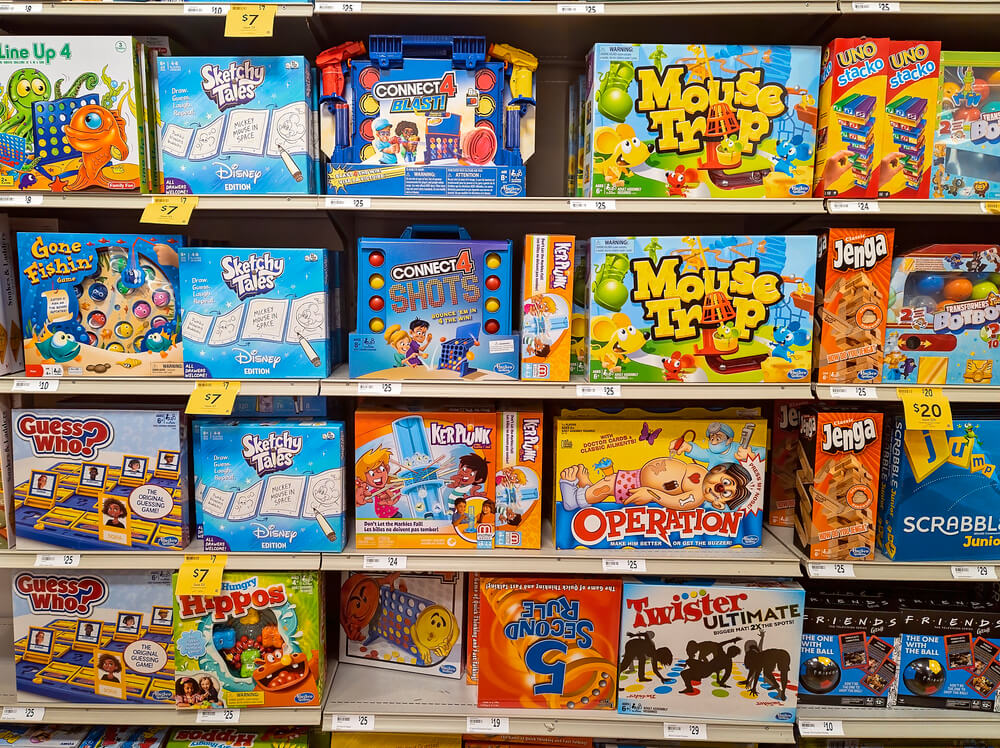
Early production runs of the popular tabletop game used marbles smaller than later versions, identified as a choking hazard for younger siblings in households where the game was played. Later releases increased marble size specifically to address the concern.
The gameplay itself remained unchanged, but the original smaller marble set is no longer manufactured.
Gooey Louie Original Extraction Piece Size
An early version of the popular tabletop game used smaller extraction pieces than later releases, identified as a choking risk for younger children who might handle the pieces outside of active gameplay. The game was redesigned with larger components in subsequent production.
The updated version remained on shelves for years after the original piece size was discontinued.
Original Chemistry-Based Magic Trick Kits
Toy magic sets aimed at children once commonly included basic chemical reaction tricks using household-adjacent but genuinely reactive substances, marketed as harmless illusions despite real risk if mishandled. Later kits replaced these with purely mechanical or optical tricks that carried no chemical component at all.
The original chemical-trick format is no longer legal to sell as a children’s toy in most jurisdictions.
Original Loud Cap Gun Rolls With Higher Sound Output
Early cap gun toys used cap rolls calibrated for a louder bang than later versions, before hearing damage concerns at close range led manufacturers to reduce the sound output in subsequent production. The change was driven specifically by pediatric hearing research rather than a broader design overhaul.
Modern cap toys remain available but at meaningfully reduced volume compared to their earliest releases.
Original Wind-Up Tin Robots With Exposed Metal Seams

Early mass-produced tin robot toys were assembled with exposed sharp seams along their metal joints, an inherent risk of the manufacturing method at the time that became a genuine concern as the toys reached wider retail distribution. Injuries from handling the sharp edges during active winding and play led manufacturers to shift toward rounded plastic construction.
The exposed-seam tin design disappeared entirely once safer plastic molding became the industry standard.
What the Recall Actually Taught the Industry
Almost every toy on this list disappeared for the same underlying reason: something about how kids actually play, rather than how a toy was designed to be played with, revealed a risk nobody had fully accounted for in advance. The gap between intended use and real use turned out to be where most of the danger lived.
The toy industry today looks dramatically more cautious as a direct result, not because companies suddenly cared more, but because decades of exactly this kind of incident slowly rewrote what was considered an acceptable risk to sell to a child.
More from Go2Tutors!

- The Romanov Crown Jewels and Their Tragic Fate
- 13 Historical Mysteries That Science Still Can’t Solve
- Famous Hoaxes That Fooled the World for Years
- 15 Child Stars with Tragic Adult Lives
- 16 Famous Jewelry Pieces in History
Like Go2Tutors’s content? Follow us on MSN.