The Most Remote Monasteries In The World
Monks and nuns have always sought isolation from the chaos of everyday life to focus on prayer, meditation, and spiritual growth. Throughout history, religious communities have built their sanctuaries in places so distant and difficult to reach that the journey itself becomes an act of devotion.
These monasteries cling to cliffsides, hide in deserts, and sit on islands miles from any mainland, creating spaces where silence and solitude reign supreme. Here are some of the most isolated religious retreats humanity has ever constructed, each one a testament to faith and determination.
Phugtal Monastery In India
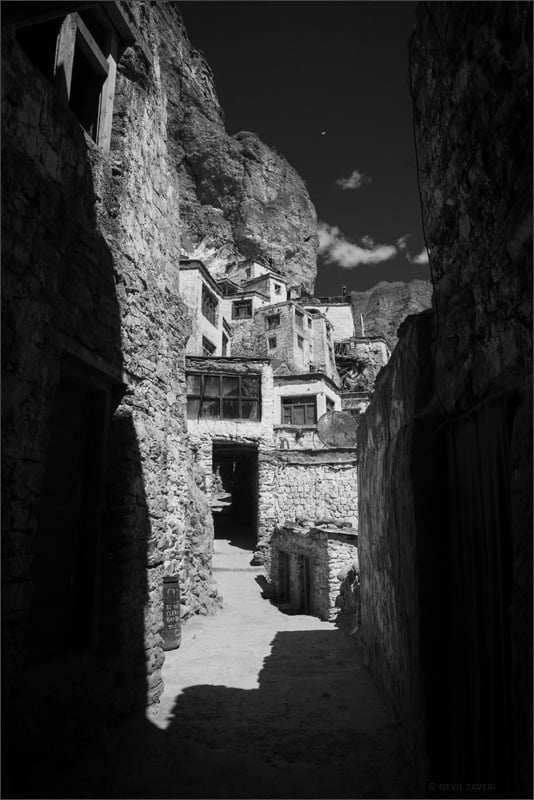
This Buddhist monastery sits carved into a cliffside in the Zanskar region of Ladakh, accessible only by foot. The structure looks like a honeycomb built directly into the mountain rock face, with rooms stacked vertically along the natural cave formations.
Getting there requires a two-day trek through remote Himalayan terrain with no roads anywhere nearby. About 70 monks currently live at Phugtal, maintaining traditions that date back over 2,000 years.
The monastery receives supplies by donkey or human porters since no vehicles can reach it.
Sumela Monastery In Turkey
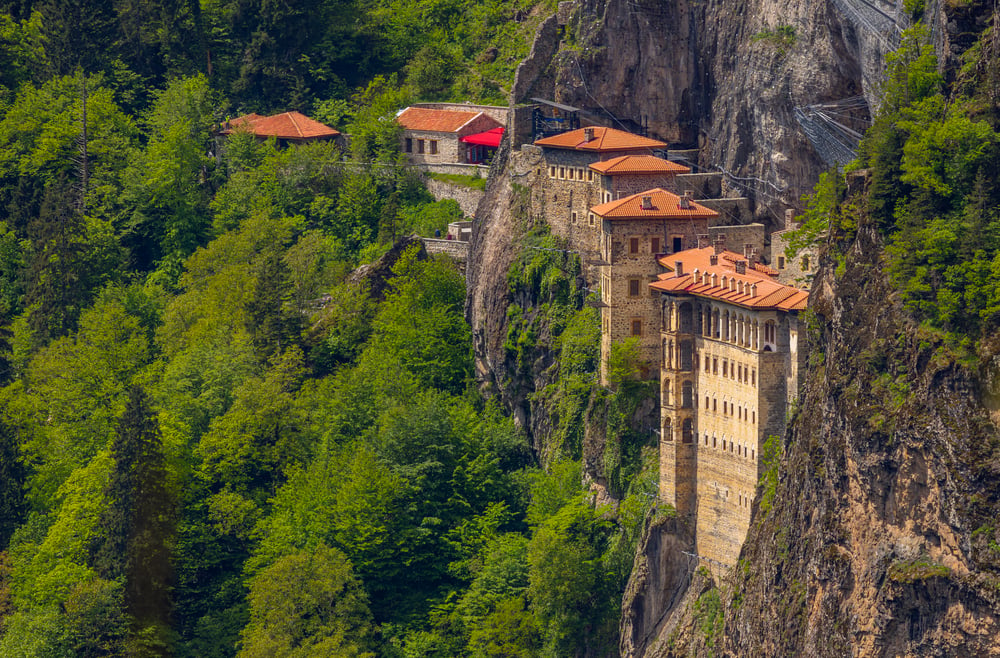
Perched 4,000 feet up on a sheer cliff in the Pontic Mountains, Sumela clings to the rock face like it defied gravity to get there. Greek Orthodox monks founded this retreat in 386 AD after claiming the Virgin Mary directed them to the exact spot.
A narrow, winding path carved into the mountain provides the only access to the complex of chapels and living quarters. The monastery operated for 1,500 years before Turkey’s government shut it down in 1923.
Today it stands as a museum, with stunning frescoes still visible on walls that somehow survived centuries of harsh mountain weather.
Katskhi Pillar In Georgia
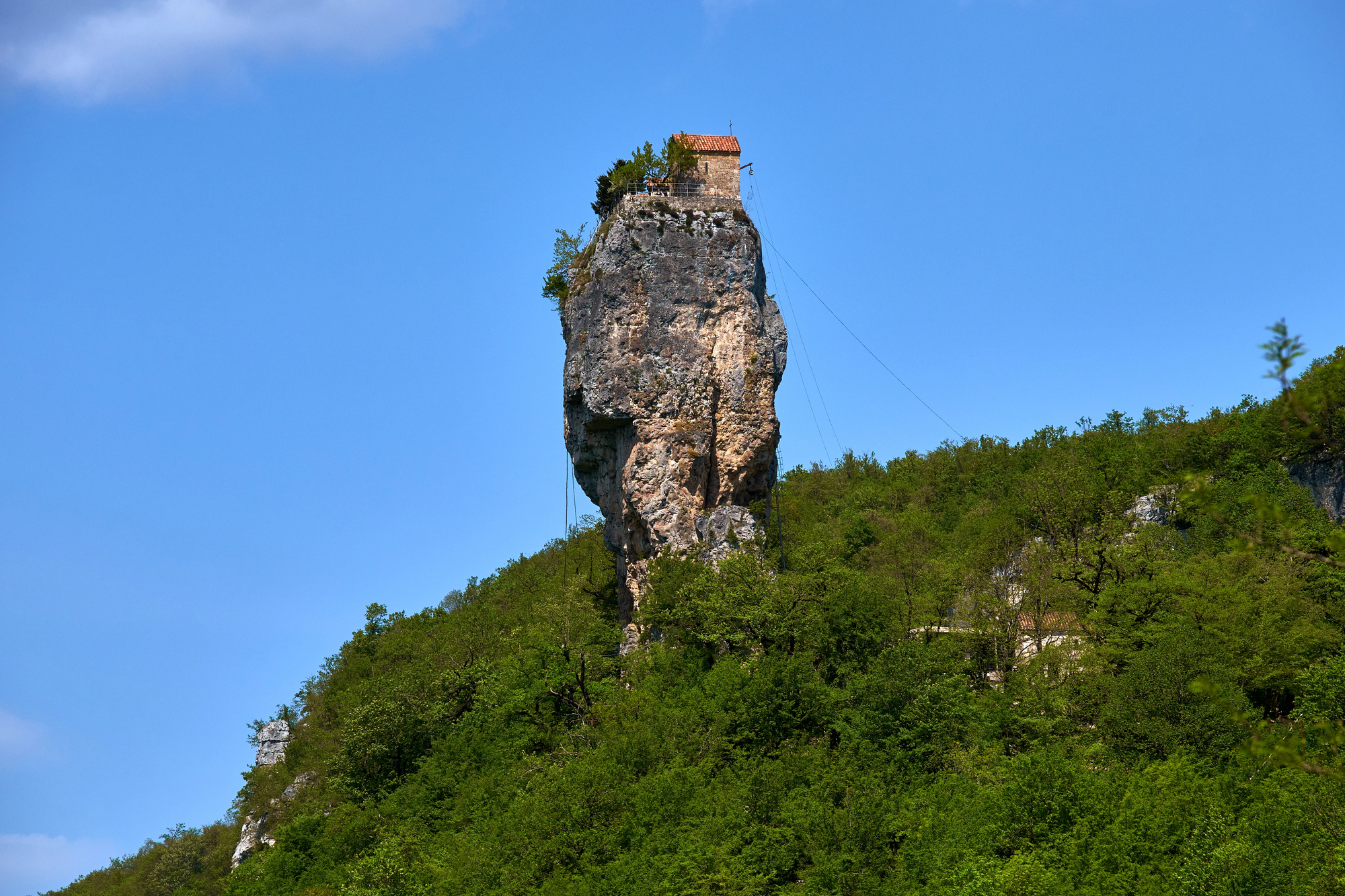
A single monk lives atop a 130-foot tall natural limestone column in rural Georgia, reached only by a nearly vertical ladder. The pillar has a small church at its summit where monks have worshipped since the 9th century.
Father Maxime climbed up in 1993 and lived there in complete isolation for years before allowing visitors. The current structure includes a tiny bedroom, a kitchen barely big enough for one person, and a wine cellar carved into the stone.
Supplies get hauled up in a basket, and Father Maxime descends only twice a week to meet with pilgrims.
Taung Kalat In Myanmar
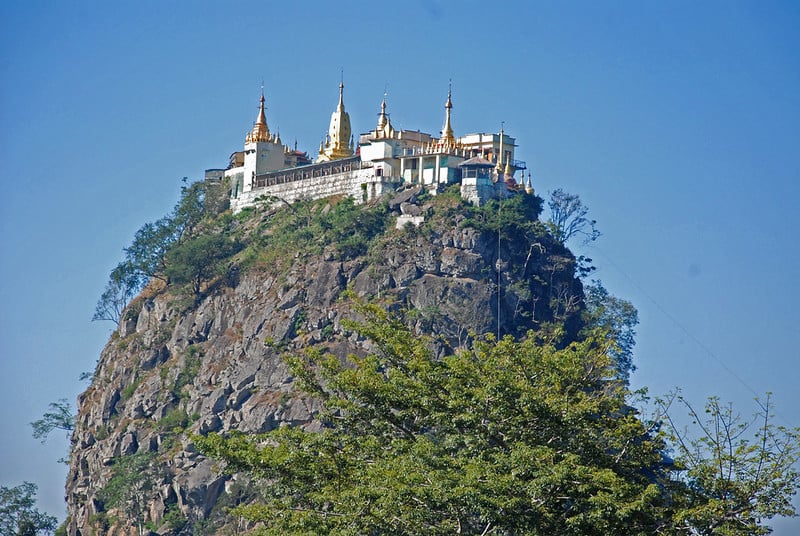
Built atop an extinct volcanic plug rising 2,400 feet into the air, this Buddhist monastery requires climbing 777 steps to reach. Monkeys inhabit the stairway and have become aggressive beggars, adding an unexpected challenge to the pilgrimage.
The monastery sits in the middle of flat plains, making it visible for miles in every direction. Monks who live there enjoy views stretching to Mount Popa and across the Myingyan Plain.
The isolation comes not from distance but from the sheer physical effort required to access it.
Christ In The Desert Monastery In New Mexico
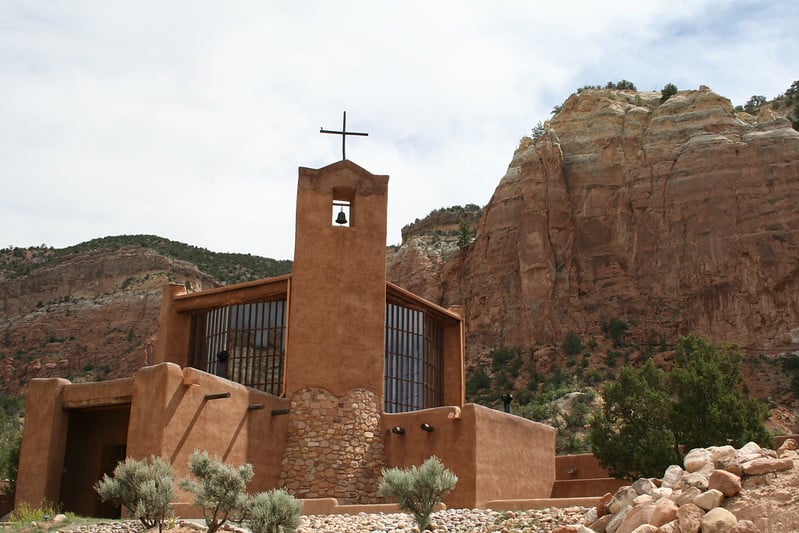
Located 13 miles down a dirt road in the Chama River Canyon, this Benedictine monastery has no electricity, internet, or cell phone service. The monastery sits so far from civilization that stars fill the night sky with a clarity most people never experience.
Monks follow a strict schedule of prayer, work, and silence, rising at 4 a.m. for their first service. Guests can visit and stay in simple guesthouses, but they must respect the rule of silence during most hours.
The drive to reach it takes about 45 minutes from the nearest paved road, assuming it hasn’t been washed out by rain.
Taktshang Monastery In Bhutan
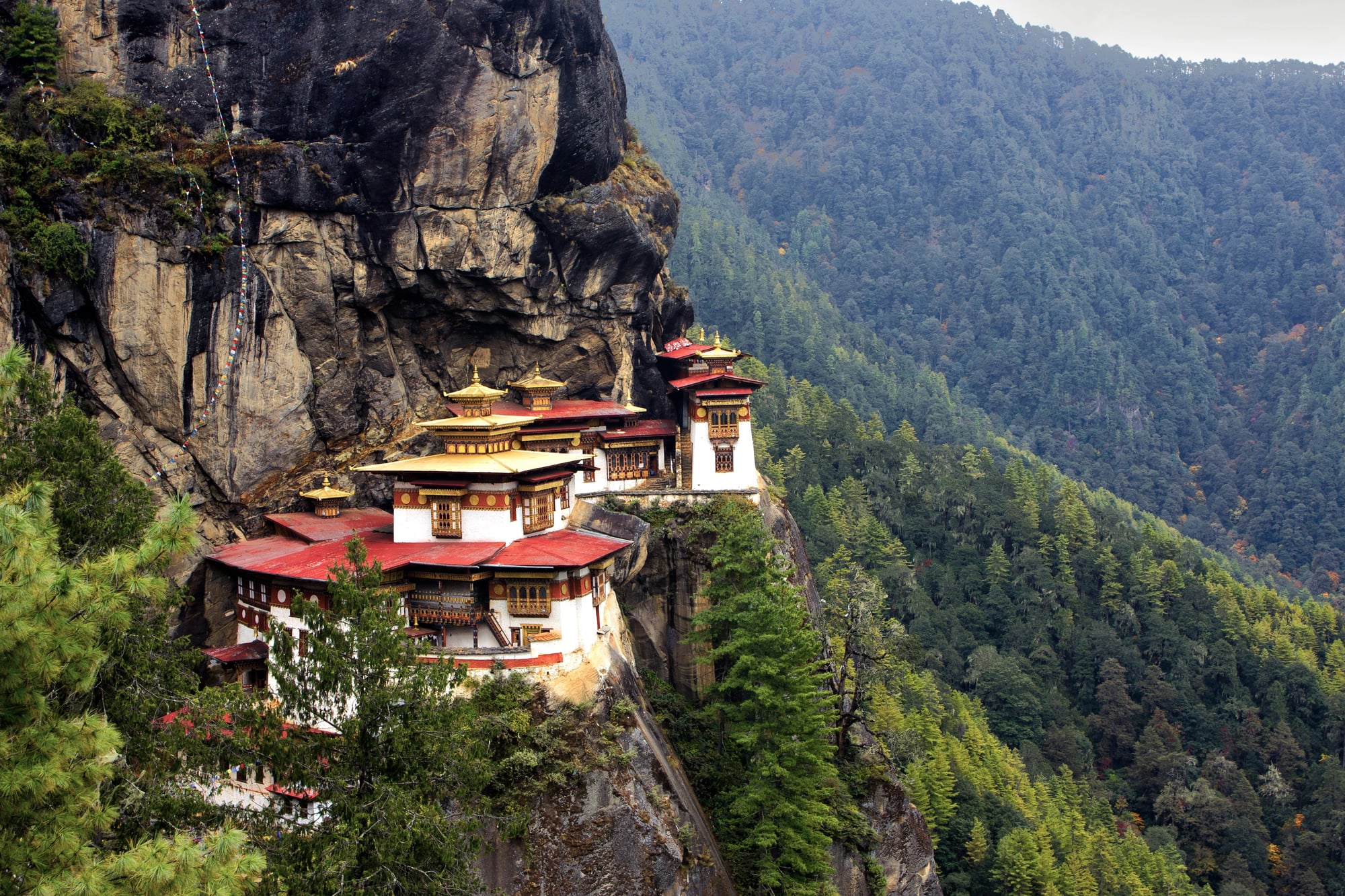
Known as Tiger’s Nest, this sacred site sits on a cliff 3,000 feet above the Paro Valley floor. Legend says Guru Rinpoche flew to this spot on the back of a tigress in the 8th century and meditated in a cave there.
The current monastery buildings date from 1692, though fire destroyed and forced rebuilding of major sections in 1998. Visitors must hike for two to three hours up a steep mountain path to reach the complex.
Monks still reside there year-round, enduring harsh winters in one of Buddhism’s holiest locations.
Elijah’s Monastery In Egypt
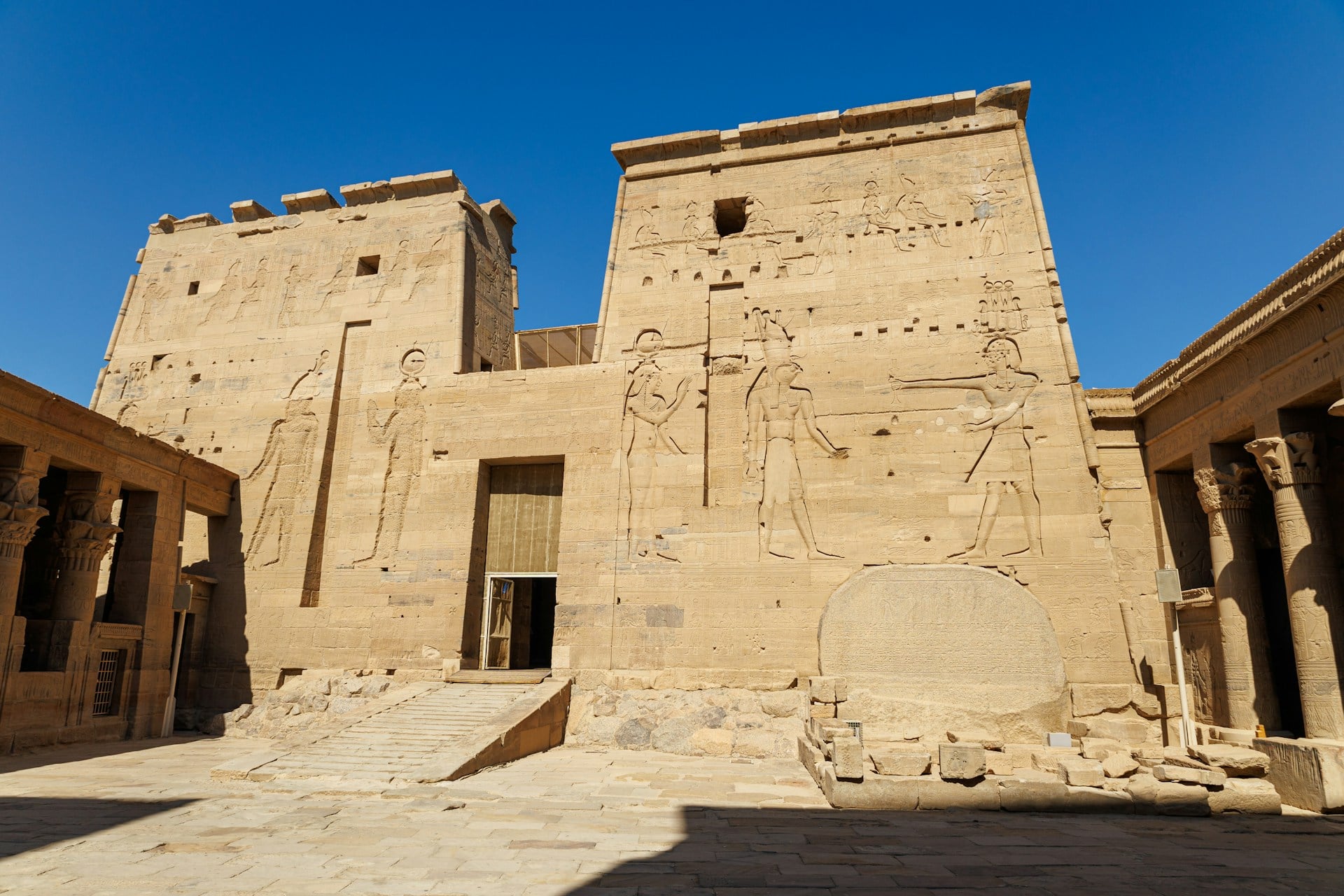
Hidden in the stark Sinai Desert, this tiny monastery houses just three or four monks in one of the most water-scarce environments on Earth. The structure blends into the desert rocks so completely that travelers can pass nearby without noticing it.
Monks have lived in this location since the Byzantine era, surviving on minimal supplies brought from distant towns. The complete absence of vegetation and the brutal desert heat create an environment of total isolation.
Annual rainfall measures less than two inches, making survival itself a daily act of faith.
Skellig Michael In Ireland
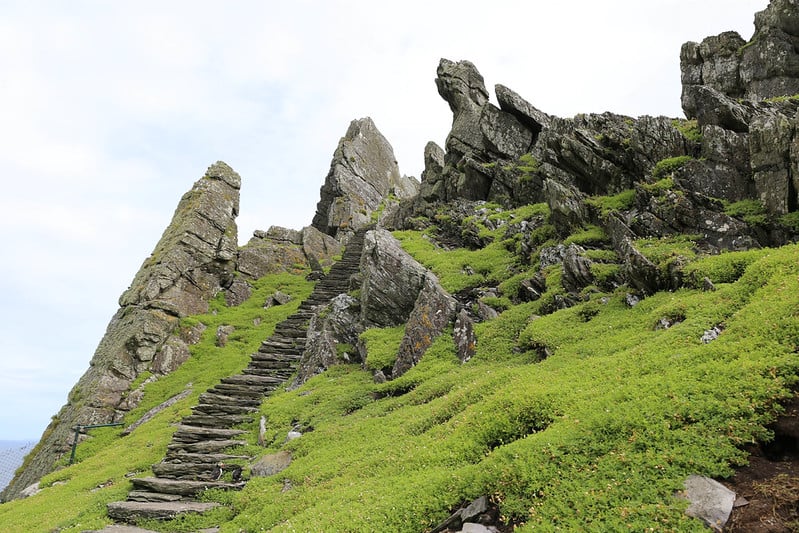
This medieval monastery occupies a jagged rocky island seven miles off Ireland’s southwestern coast in the Atlantic Ocean. Irish monks built beehive-shaped stone huts and a church on this inhospitable rock between the 6th and 8th centuries.
Waves crash against the island’s cliffs during storms, sometimes rising over 100 feet high. The monks abandoned it permanently around the 12th century because conditions were simply too harsh.
Modern visitors must climb over 600 uneven stone steps to reach the monastery ruins, assuming boats can land in the rough seas.
Meteora Monasteries In Greece
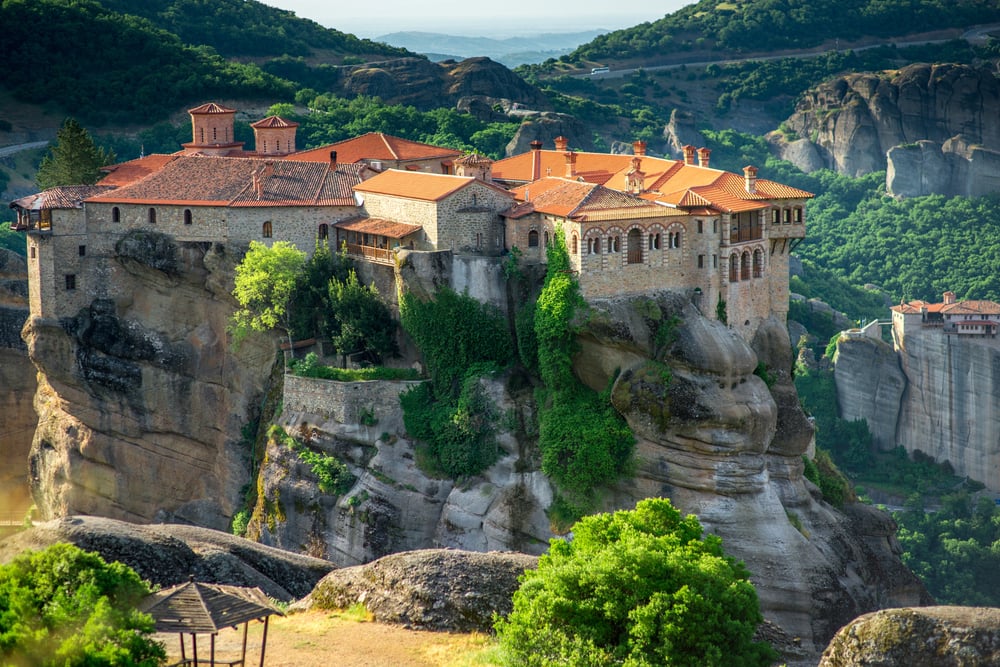
Six functioning monasteries sit atop massive rock pillars that jut up from the plains of central Greece like giant stone fingers. Monks originally accessed these sanctuaries using removable ladders and nets hauled up by windlass.
The largest monastery, Great Meteoron, required visitors to climb inside a net basket and get pulled up the cliff face until staircases were carved in the 1920s. At their peak, 24 monasteries operated on these rocks, with monks seeking total separation from the world below.
Today the remaining six welcome visitors, though getting to them still requires climbing hundreds of steps carved into solid rock.
St. George’s Monastery In Israel
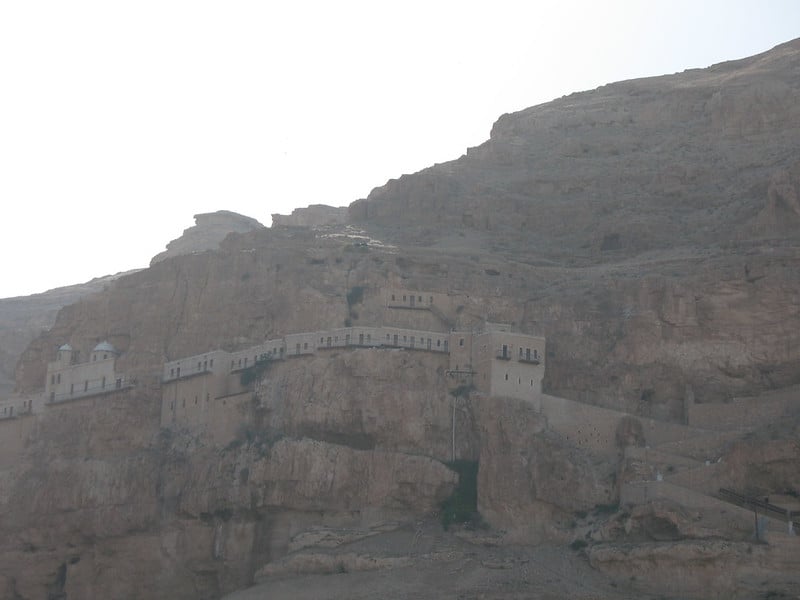
Carved into the cliffs of Wadi Qelt in the Judean Desert, this Greek Orthodox monastery overlooks a valley so dry and barren that nothing grows there. The structure dates back to the 5th century and clings to the canyon wall with barely enough room for its chapels and cells.
Monks painted vivid frescoes on the interior walls, creating a burst of color in an otherwise monochrome landscape. The monastery sits along the ancient route from Jerusalem to Jericho, but its cliff-face location keeps it isolated despite being relatively close to both cities.
Water comes from a spring in the canyon, the only reliable water source for miles.
Hanging Monastery In China
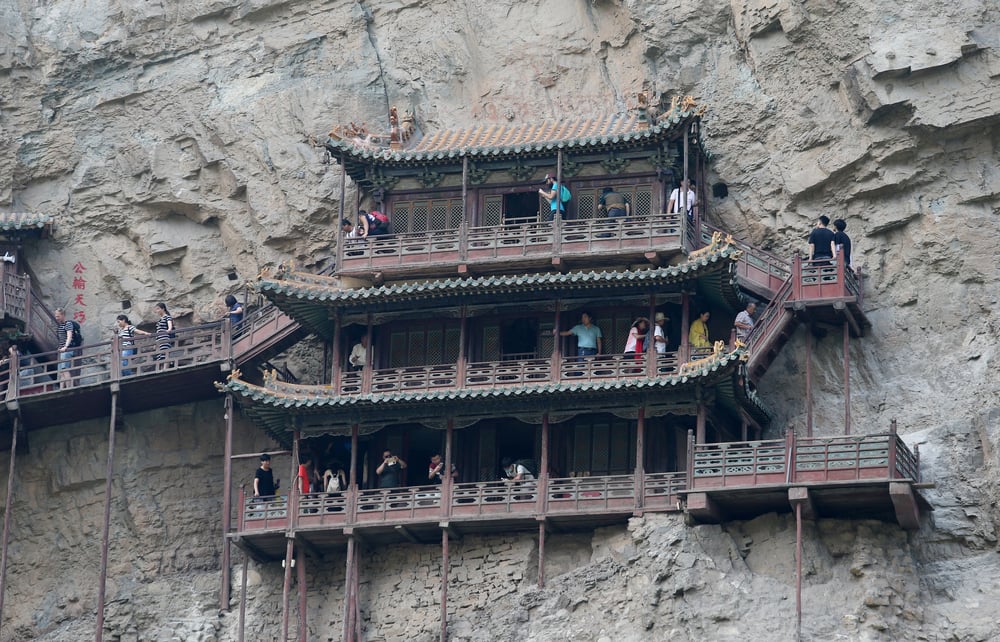
The Xuankong Temple appears to defy physics by clinging to a sheer cliff face 250 feet above the ground using wooden beams and brackets. Built over 1,500 years ago, the structure combines elements of Buddhism, Taoism, and Confucianism in one place.
Engineers designed it to avoid flooding from the river below and damage from rockfall from above. The walkways connecting different sections feel terrifyingly unstable, though the monastery has survived earthquakes and weather for 15 centuries.
Only a few dozen people can enter at a time because the floors can’t support more weight.
Deir Mar Musa In Syria
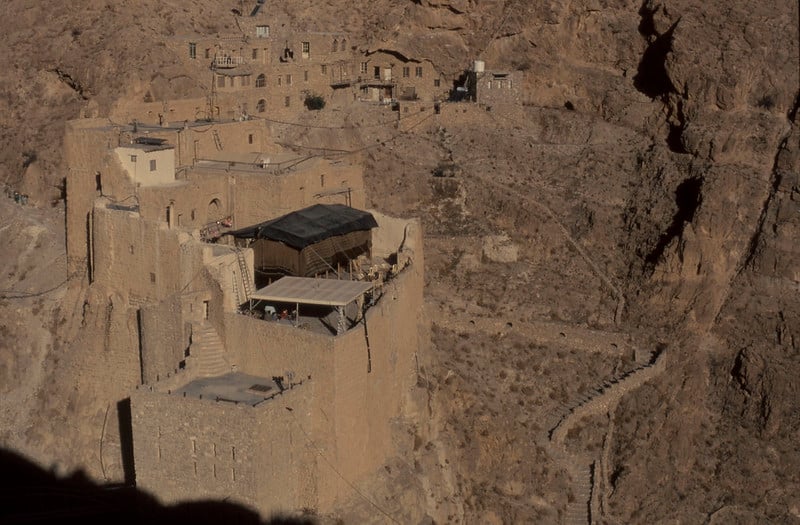
This 6th-century monastery sits in the mountains north of Damascus, requiring a steep hour-long hike from the nearest village. The remote location protected it from destruction for centuries, though war in Syria has threatened it in recent years.
Monks restored the deteriorating complex starting in the 1980s, rebuilding walls and preserving ancient frescoes. The monastery became a center for interfaith dialogue before conflict made the region dangerous.
Its isolation once provided safety, but modern warfare reaches even the most distant sanctuaries.
Trooditissa Monastery In Cyprus
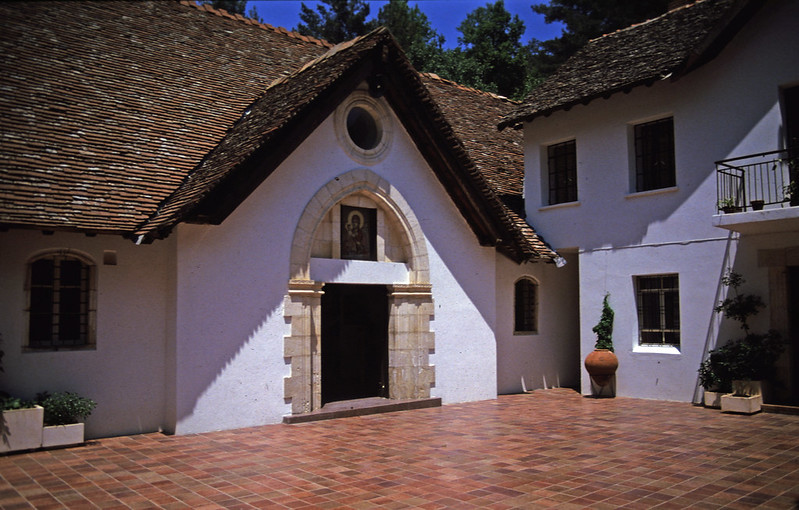
Tucked into the Troodos Mountains at 4,600 feet elevation, this Orthodox monastery hides among pine forests far from any settlements. The current buildings date from the 18th century, but monks have occupied this mountain site since the 13th century.
A miraculous belt kept at the monastery supposedly helps women with fertility, drawing pilgrims willing to make the difficult journey. Only monks live there permanently, though the monastery welcomes male visitors who can navigate the winding mountain roads.
Winter snowfall often cuts off access for weeks at a time.
Monastery Of Saint Moses Syria
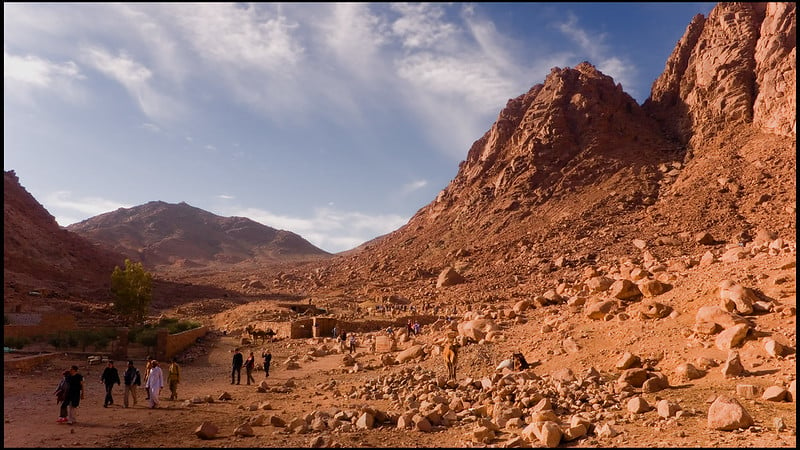
High up by Nabk, tucked among empty hills of stone and dirt, sits an old Christian monastery standing quiet. Built in the 500s, its towers rise like fingers from the cliff face, shaped as if part of the rock.
Years of war have turned this stretch harsh, putting at risk what outlasted centuries of unrest before. When gunfire spread, monks left – their absence opening doors to harm.
That faraway silence which kept it safe long ago now means help stays distant when trouble comes.
Monastery Of The Temptation Palestine
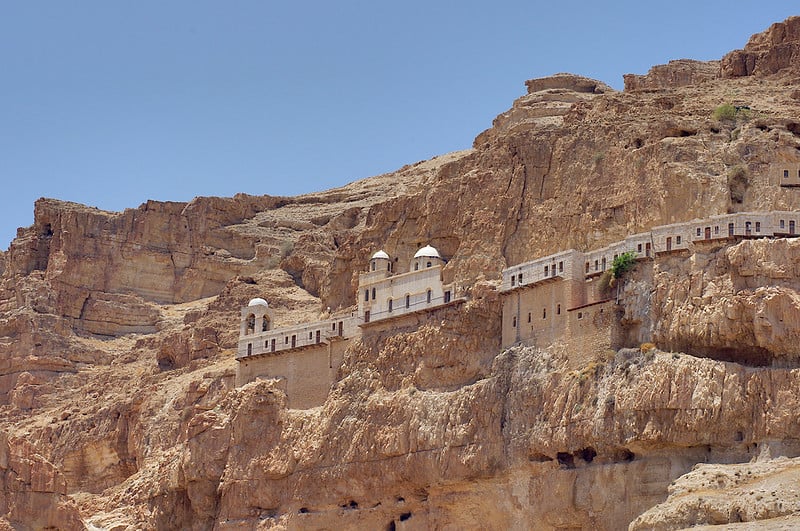
Perched within the cliffs above Jericho, this Greek Orthodox monastery stands where legend places Satan’s temptation of Jesus after forty days without food. Hanging onto a sheer cliff wall, it can be reached either by cable car or through a long ascent on old stone stairs.
Caves here have sheltered monks since the 300s, even if today’s buildings mostly come from the 1800s. From its edge, sightlines run wide over the Jordan Valley toward the Dead Sea.
Summer heat often climbs past 100 degrees, making daily existence tougher in such a cut-off place.
Even Now, Solitude Reaches Out To Those Who Believe
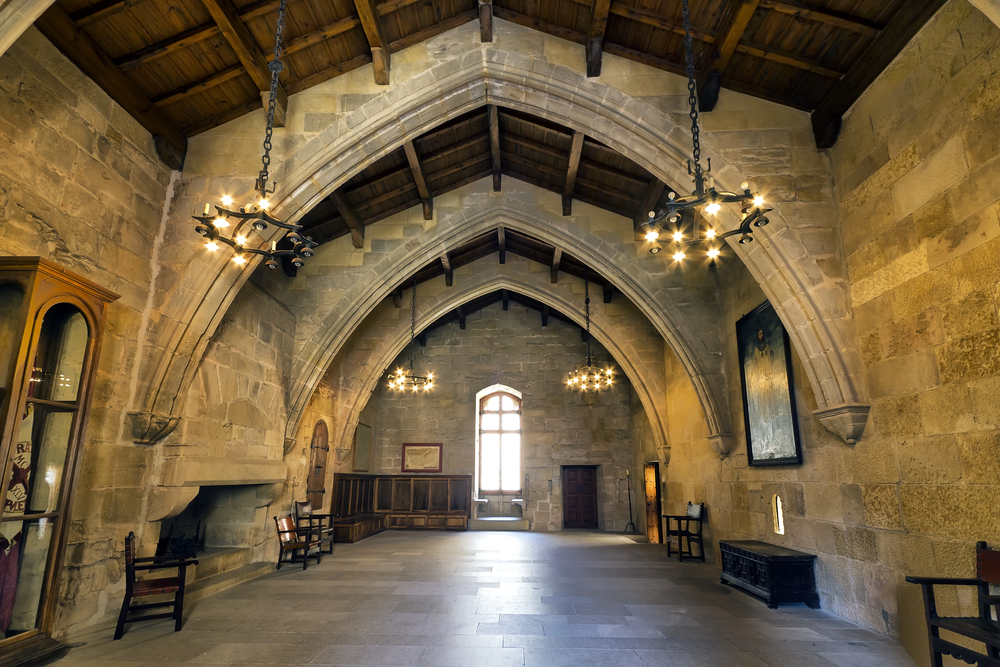
Though gadgets link everyone fast now, those faraway monasteries live slow, almost untouched by time. Monks and nuns pick silence over noise, not because it is easy but because it feels necessary.
Instead of chasing ease, they face cold stone rooms where few could last a week. Their presence there whispers: meaning often hides outside warm beds and quick meals.
Centuries ago, seekers climbed peaks or crossed dunes – today some still walk away from soft chairs and city lights.
More from Go2Tutors!

- The Romanov Crown Jewels and Their Tragic Fate
- 13 Historical Mysteries That Science Still Can’t Solve
- Famous Hoaxes That Fooled the World for Years
- 15 Child Stars with Tragic Adult Lives
- 16 Famous Jewelry Pieces in History
Like Go2Tutors’s content? Follow us on MSN.