29 Casseroles Moms Made in the ’70s
The 1970s kitchen ran on a 9-by-13 pan, a can opener and a short list of pantry staples. Cream of mushroom soup, a bag of frozen vegetables and a sleeve of crackers could turn into dinner for six with almost no supervision.
Casseroles fit the decade perfectly. More mothers were working outside the home, grocery prices were climbing, and a dish that baked unattended while homework got done was worth its weight in Corningware.
Tuna Noodle Casserole
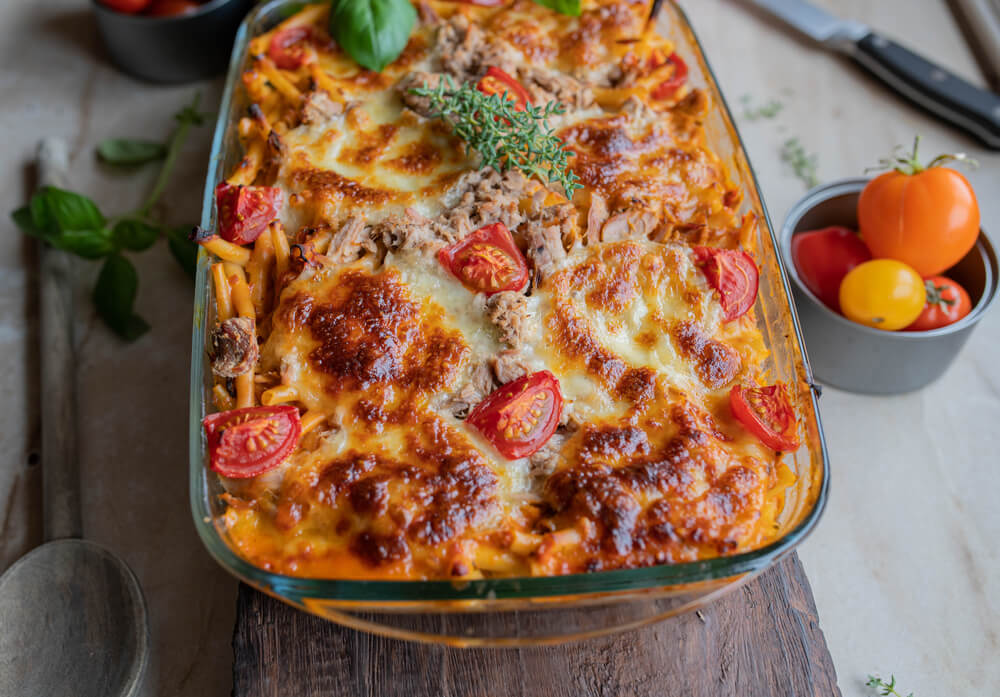
Tuna noodle casserole became a weeknight fixture once Campbell’s introduced cream of mushroom soup in 1934 and canned tuna grew cheap and plentiful. By the 1970s the formula was locked in: egg noodles, a can of tuna, a can of soup, frozen peas and a crunchy topping of crushed potato chips or cornflakes.
It baked in about half an hour and fed a family for a few dollars. Kids either loved it or pushed the peas to the side of the plate.
Few dishes say 1970s family dinner more clearly, and plenty of adults still crave it on cold nights.
Green Bean Casserole From Campbell’s Kitchen
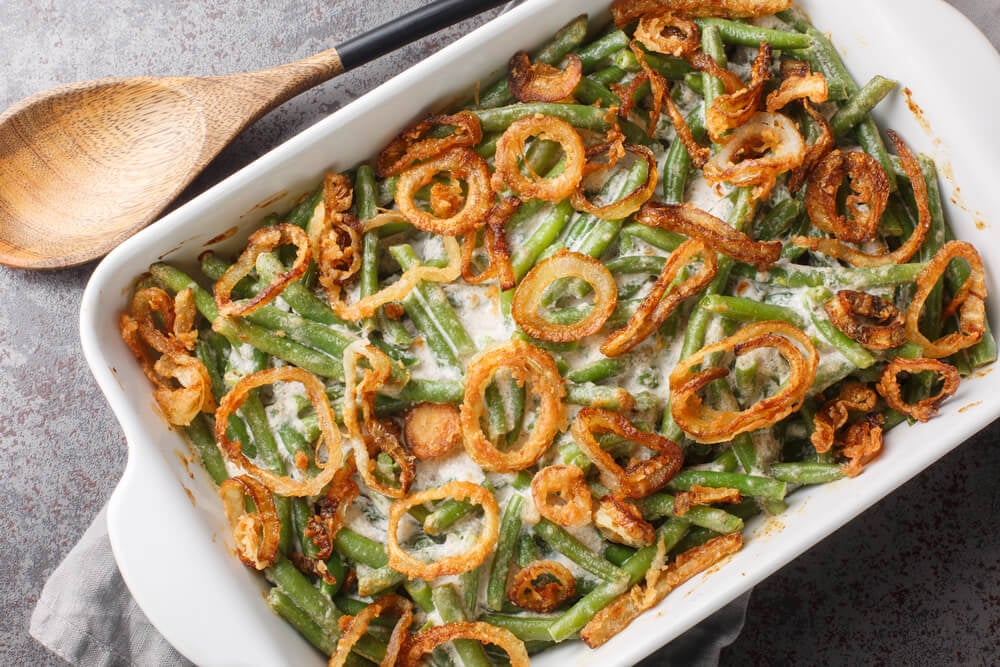
Dorcas Reilly created green bean casserole in 1955 while working in the Campbell’s test kitchen in Camden, New Jersey, using green beans, cream of mushroom soup, milk, soy sauce and French’s fried onions. The recipe was printed on soup cans and spread to holiday tables across the country.
By the 1970s it was standard at Thanksgiving, often made by a relative who brought it every single year. Reilly’s original handwritten recipe card was later donated to the National Inventors Hall of Fame.
The dish still appears on millions of holiday tables, which is more than most 1970s recipes can claim.
King Ranch Chicken
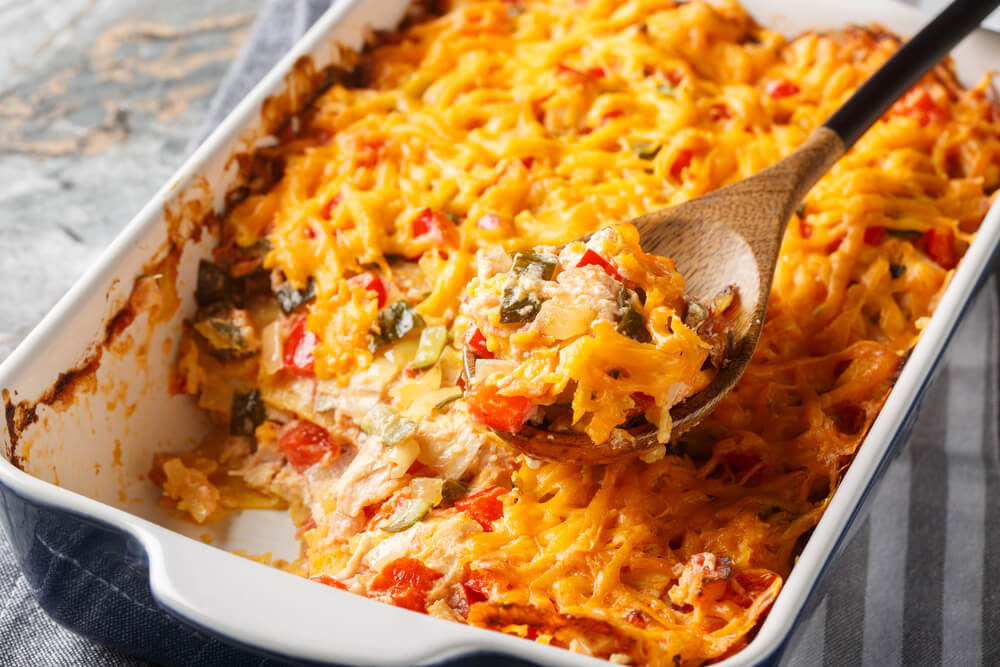
King Ranch chicken is a Texas casserole of layered corn tortillas, shredded chicken, cheese, cream of chicken and cream of mushroom soups and a can of Ro-Tel tomatoes with green chiles. Despite the name, nobody has traced it to the famous King Ranch in South Texas, and its true origin remains a mystery.
The dish spread through church cookbooks and potlucks across the Southwest in the 1950s and 1960s. In the 1970s it was a staple at Texas family dinners and funerals.
Its tangy, cheesy layers have kept it popular in the region long after most canned-soup casseroles faded.
Chicken Divan
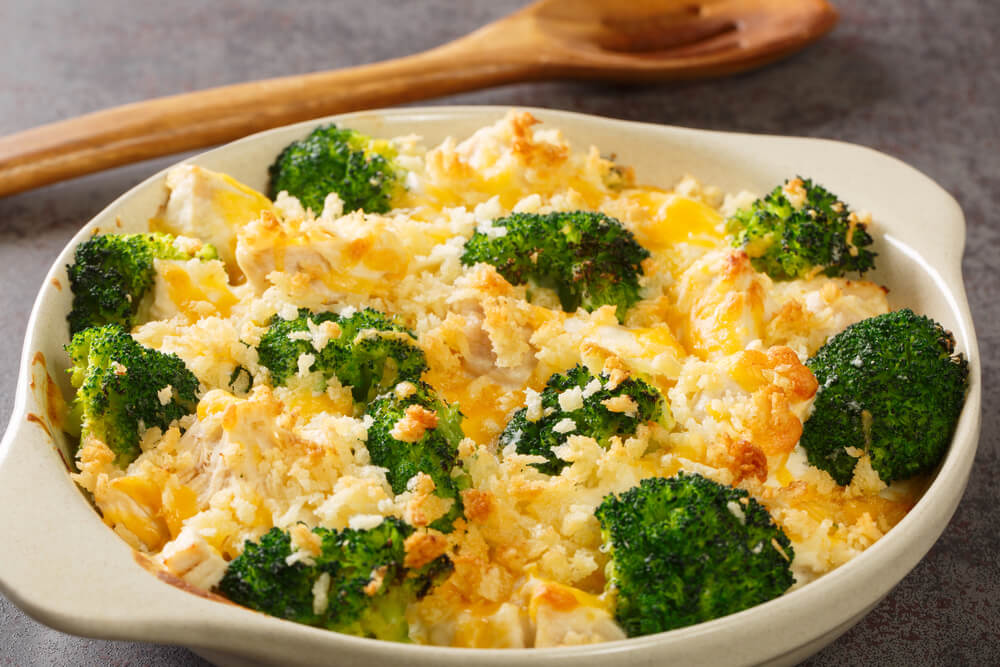
Chicken divan is commonly traced to the Divan Parisien restaurant in New York City in the mid-20th century, where chefs layered broccoli and sliced chicken under a rich sauce. Home cooks simplified the dish with cream of chicken soup, mayonnaise, lemon juice and curry powder, then topped it with cheese and breadcrumbs.
The casserole felt fancy enough for company yet was easy enough for a Tuesday. In the 1970s it was a favorite at dinner parties and bridge club luncheons.
The broccoli gave it a healthy veneer, though the sauce canceled out most of that impression.
Tater Tot Hotdish
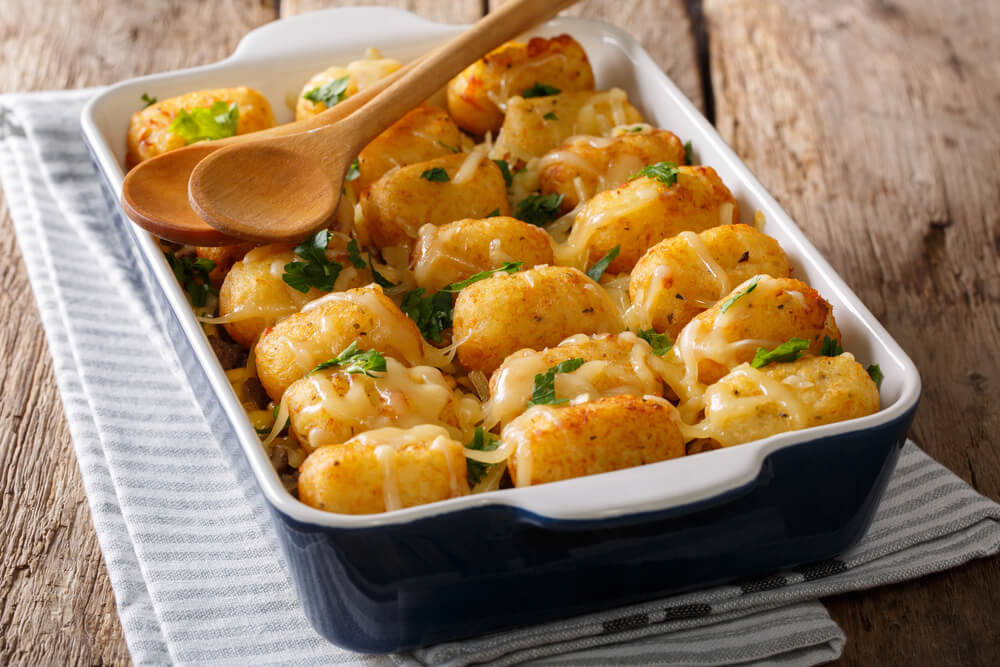
Tater Tot hotdish is Minnesota’s signature casserole, built from browned ground beef, cream of mushroom soup and green beans or corn, all covered with neat rows of frozen Tater Tots. Ore-Ida developed Tater Tots in 1953 from leftover potato scraps, and they reached grocery stores a few years later.
Midwestern cooks quickly discovered how well the crispy potatoes worked as a casserole topping. The word hotdish itself is regional, used mostly in Minnesota and the Dakotas.
In the 1970s it appeared at church suppers, potlucks and family tables across the Upper Midwest, and it still does.
Chicken Tetrazzini
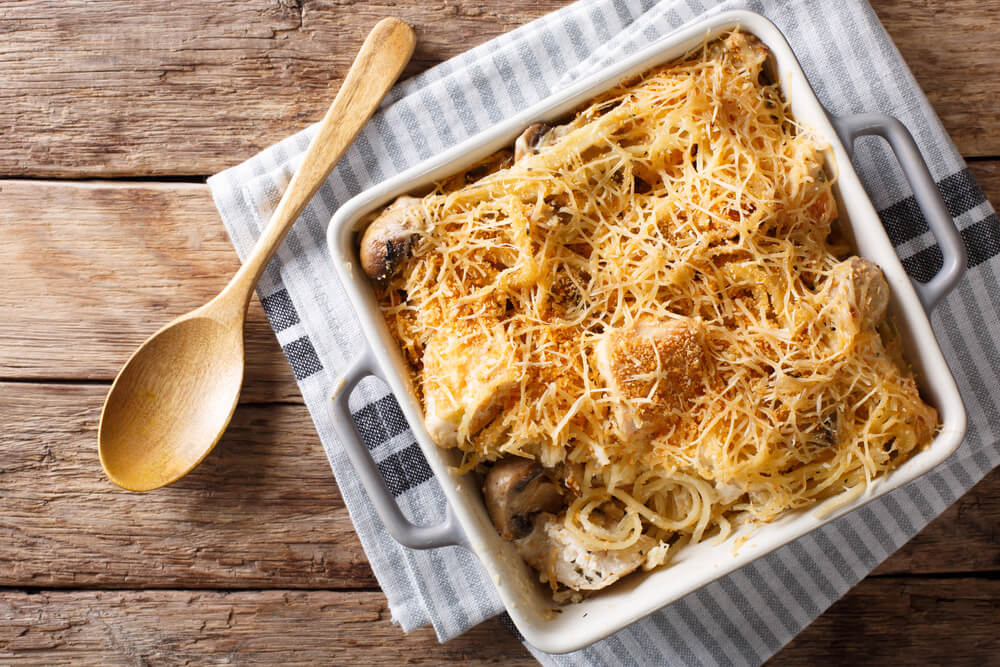
Chicken Tetrazzini was named for Luisa Tetrazzini, an Italian opera singer who was a major celebrity in the early 20th century, and San Francisco is often credited as its birthplace. The original was a rich mix of spaghetti, chicken, mushrooms and a cream sauce laced with sherry and Parmesan.
Home cooks in the 1970s used cream soup as a shortcut and often swapped in leftover turkey after Thanksgiving. The casserole stretched expensive meat a long way.
It remains a favorite way to use holiday leftovers, even if few families know who Luisa Tetrazzini was.
Johnny Marzetti From Columbus
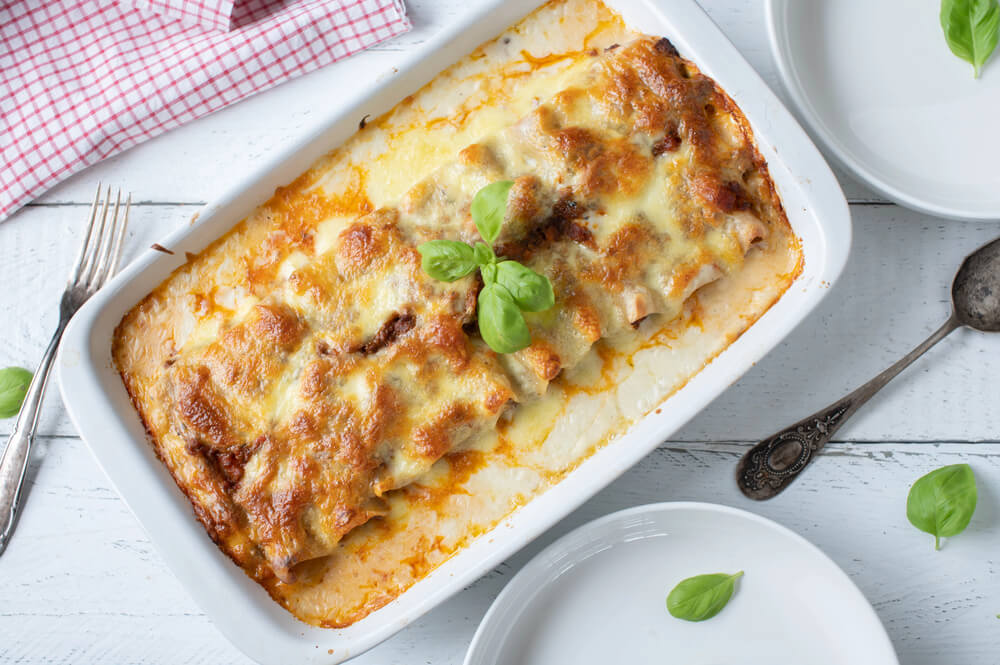
Johnny Marzetti is a baked pasta casserole of ground beef, tomato sauce, cheese and noodles that traces back to the Marzetti restaurant in Columbus, Ohio, founded by Italian immigrant Teresa Marzetti. Most accounts say the dish was named for a member of her family.
The casserole spread through Ohio and the Midwest, and it became a fixture of school cafeterias and military mess halls. Ohio families still argue about the proper noodle.
In the 1970s it was cheap, filling and easy to double, which made it a natural choice for big families and church dinners.
Broccoli Rice Casserole With Cheez Whiz
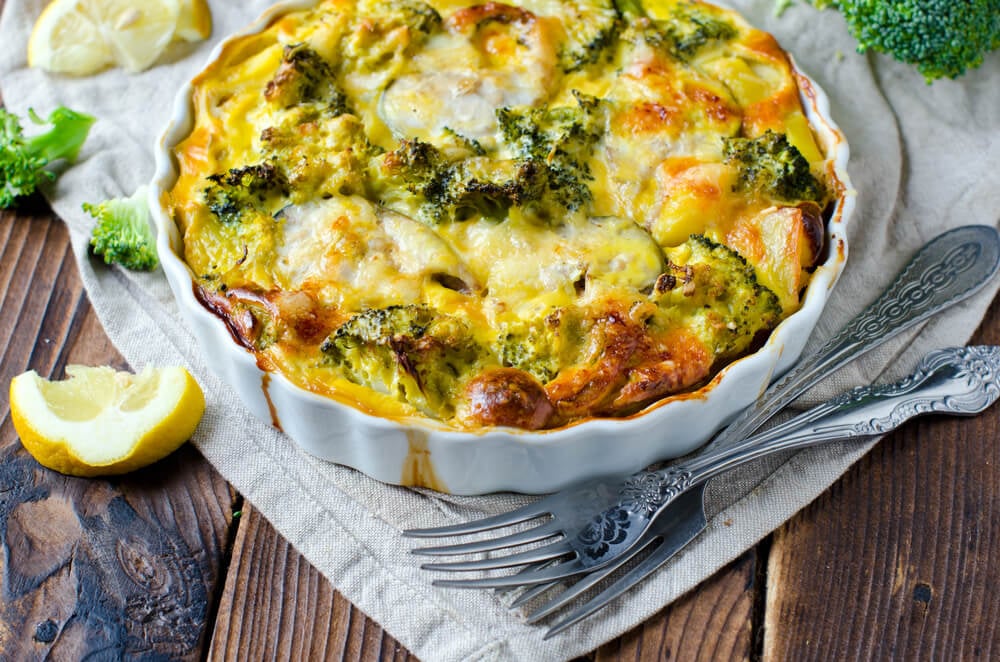
Broccoli rice casserole combined chopped frozen broccoli, cooked rice, cream of chicken or mushroom soup and a jar of Cheez Whiz or a block of Velveeta, baked until bubbling. Kraft introduced Cheez Whiz in 1953, and its smooth melt made it a natural casserole binder.
The dish was a staple at Southern holiday dinners and potlucks through the 1970s. It offered a way to get kids to eat broccoli without complaint.
Many families still make it for Thanksgiving, often using the same handwritten recipe card that has been splattered for decades.
Sweet Potato Casserole With Marshmallows
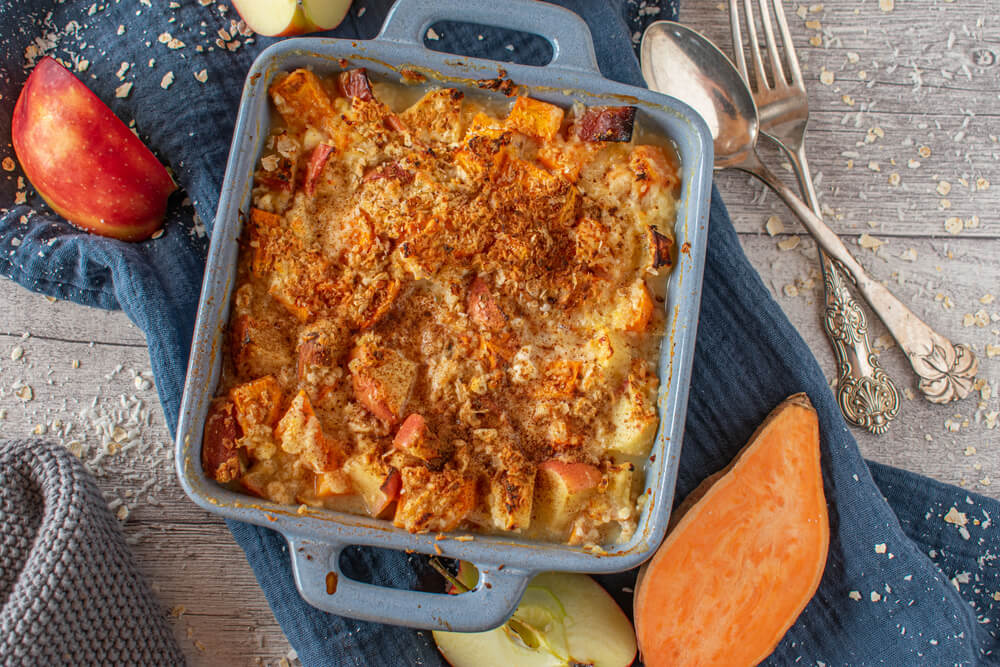
Sweet potato casserole topped with marshmallows has roots in a 1917 recipe booklet from the Angelus Marshmallow company, written by home economist Janet McKenzie Hill to sell more marshmallows. The idea stuck, and mashed sweet potatoes with butter, brown sugar and a layer of toasted marshmallows became a holiday fixture.
In the 1970s, the dish was often made with canned yams to save time. Some families swapped the marshmallows for a pecan streusel.
The debate over whether it counts as a side dish or a dessert has never been settled.
Funeral Potatoes in Utah
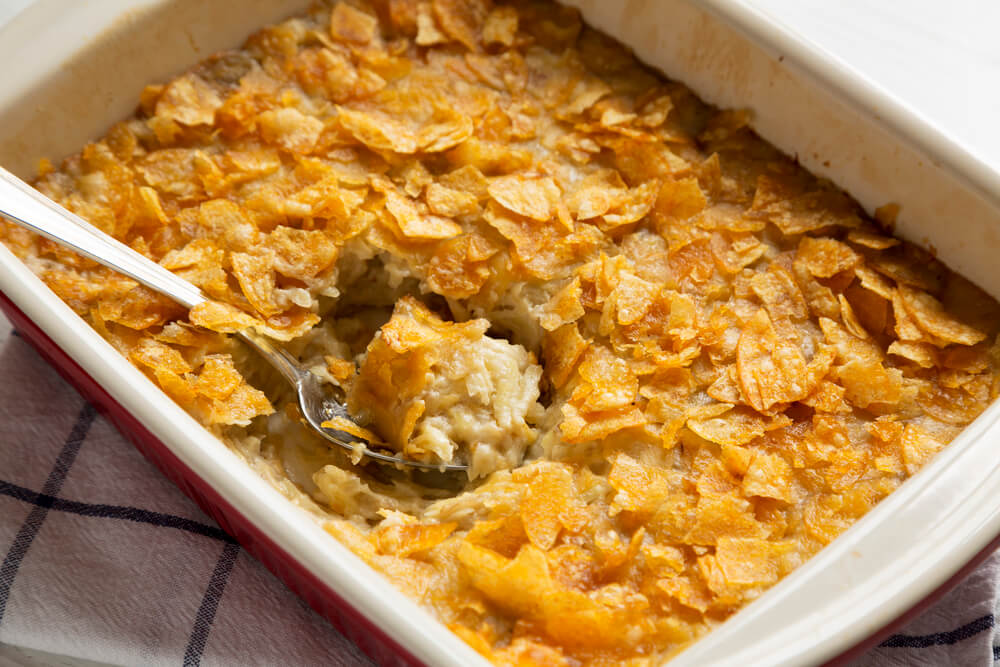
Funeral potatoes are a Utah casserole of frozen hash browns, cream of chicken soup, sour cream, cheese and a crunchy topping of crushed cornflakes, named for their frequent appearance at funeral luncheons. The dish is closely tied to women’s Relief Society groups in Latter-day Saint congregations, which organized meals for grieving families.
In the 1970s the recipe spread through church cookbooks across the Mountain West. The casserole became such a symbol of Utah culture that a commemorative pin for the 2002 Salt Lake City Winter Olympics featured it.
Few dishes have earned a more specific nickname.
Tamale Pie
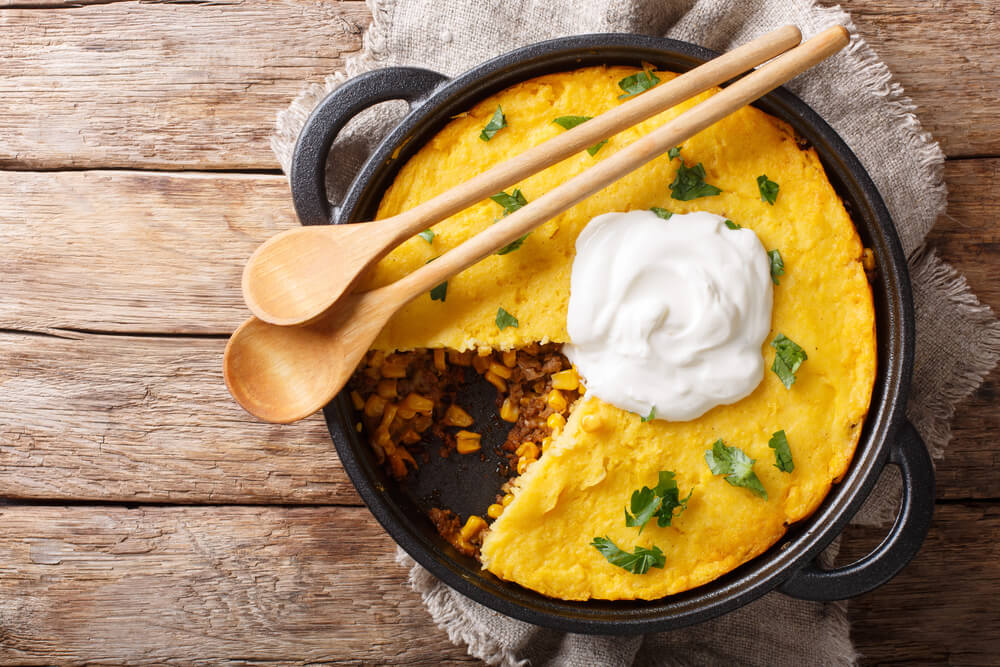
Tamale pie appeared in American cookbooks in the early 1900s, a casserole of seasoned ground beef, onions, tomatoes, corn and olives baked under a cornmeal crust. It offered the flavors of tamales without the labor of making them by hand.
By the 1970s, many cooks used a box of cornbread mix for the topping and canned chili for the filling. The dish was common in Texas, California and the Southwest, where it fed large families on a tight budget.
It remains a comforting weeknight dish that still turns up in community cookbooks.
Chicken Spaghetti in Texas
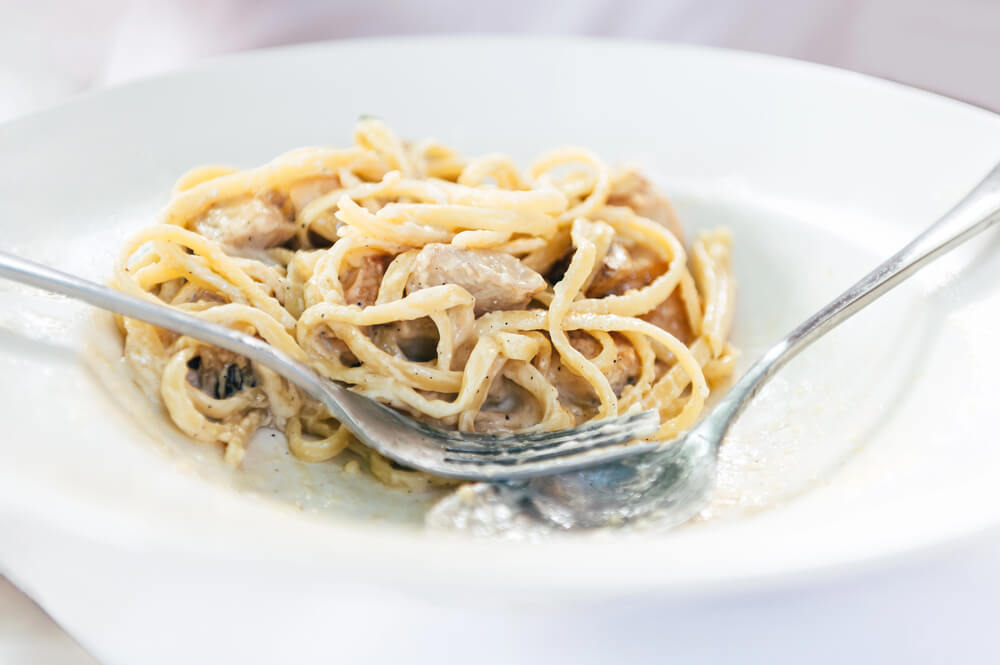
Chicken spaghetti is a Texas casserole of shredded chicken, spaghetti, cream soup, Ro-Tel tomatoes, onions, peppers and a generous amount of Velveeta, baked until creamy. It was a staple of Southern church potlucks, family reunions and meals brought to new mothers.
The recipe stretched a single chicken across a crowd, and it could be doubled in a roasting pan for bigger gatherings. In the 1970s it was especially popular because it could be made ahead and reheated.
Texans still treat it as comfort food, and recipes vary by family, church and county.
Poppy Seed Chicken With Ritz Topping
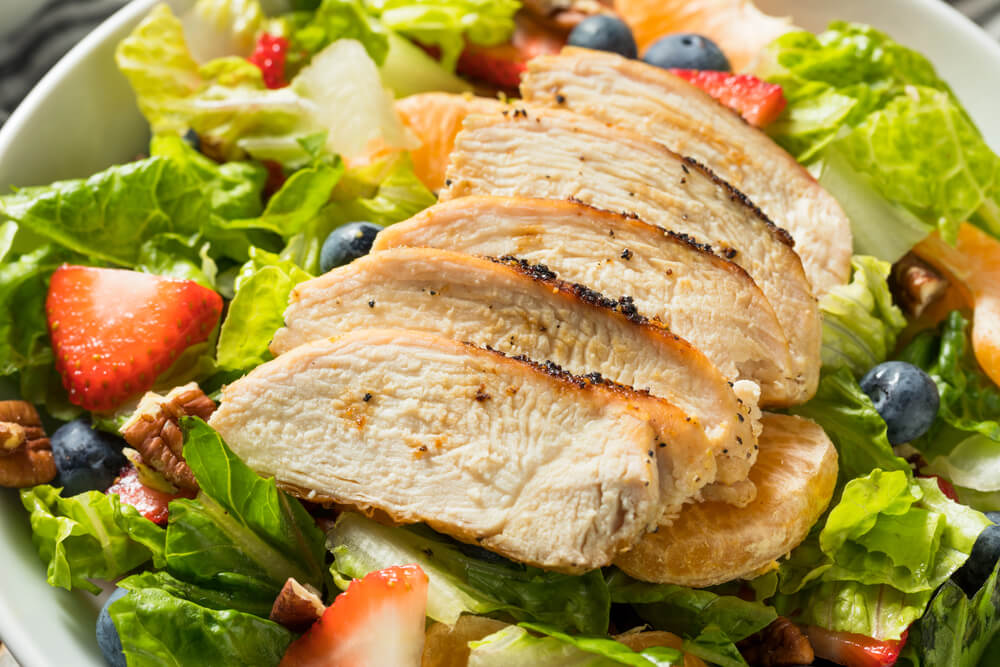
Poppy seed chicken is a Southern casserole of shredded chicken mixed with cream of chicken soup and sour cream, then topped with crushed Ritz crackers, melted butter and poppy seeds. The crunchy, buttery topping was the star, and Nabisco’s Ritz crackers became a favorite casserole crumb in the mid-20th century.
The dish was popular at bridal showers, church luncheons and family dinners through the 1970s. Served over rice, it fed a crowd easily.
It remains a fixture in Southern community cookbooks and in the freezers of anyone who has recently had a baby.
Squash Casserole From the Garden
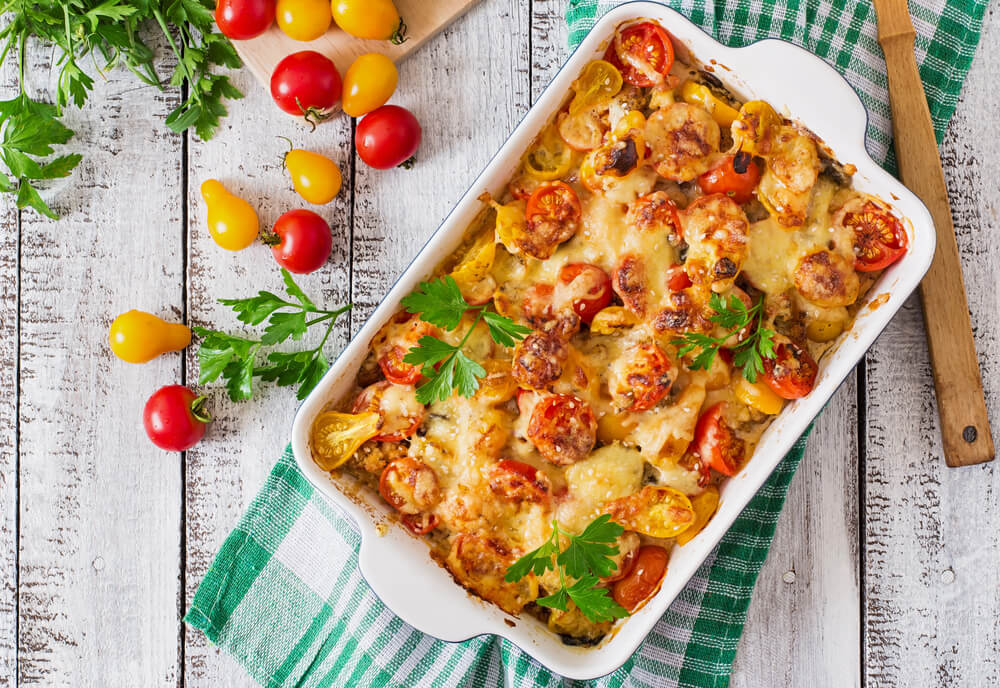
Squash casserole turned the summer flood of yellow squash into a creamy baked dish with onions, eggs, sour cream, cheese and a topping of crushed crackers or breadcrumbs. Southern gardens produced more squash than any family could eat, and the casserole offered a solution.
In the 1970s, it appeared at church dinners, cafeterias and holiday tables across the South. Some cooks added a can of cream of chicken soup.
The dish is still popular, especially in late summer when neighbors leave bags of squash on doorsteps.
Scalloped Potatoes and Ham
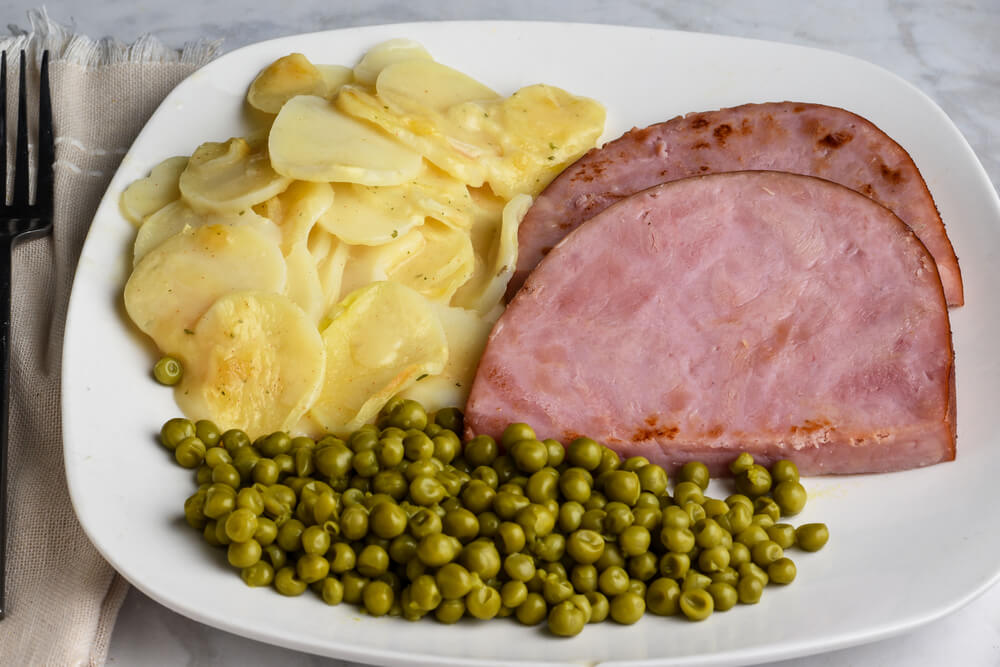
Scalloped potatoes and ham layered thin potato slices with diced ham, onion and a creamy sauce, baked until the potatoes were tender and the top was browned. It was a classic way to use leftover holiday ham after Easter or Christmas.
Many 1970s cooks shortcut the sauce with cream of mushroom soup or used boxed scalloped potato mixes, which Betty Crocker sold widely. The dish was filling, cheap and easy to reheat for a second night.
It remains a standard after big holiday meals, when the ham bone is still in the refrigerator.
Bisquick Impossible Cheeseburger Pie
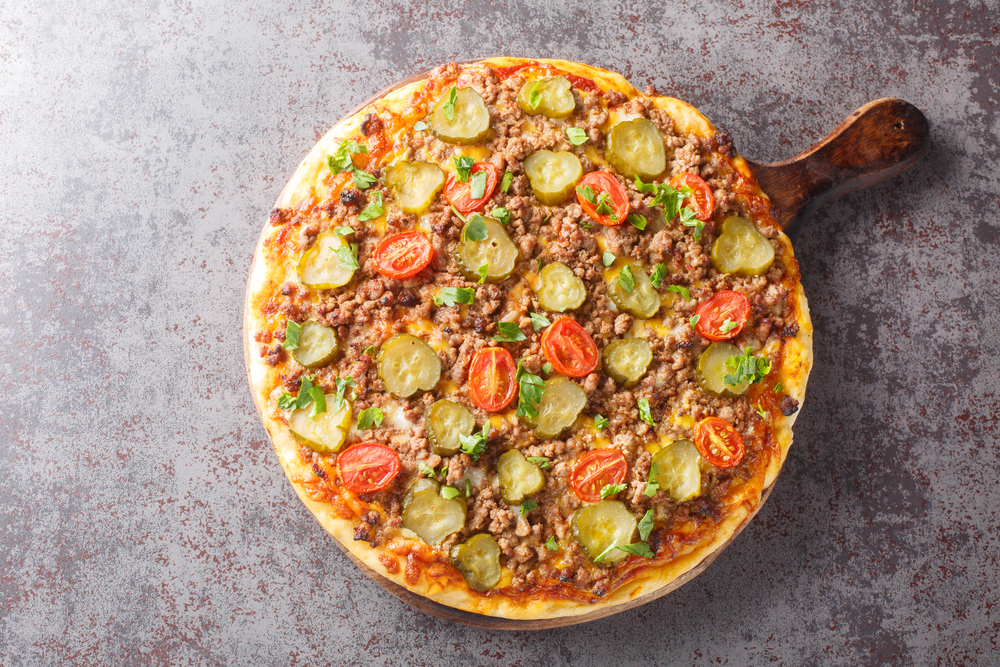
Bisquick popularized a series of Impossible Pies, which formed their own crust as they baked because the biscuit mix settled to the bottom. The Impossible Cheeseburger Pie layered browned ground beef, onion and cheese under a batter of Bisquick, milk and eggs.
The recipe appeared on Bisquick boxes and in Betty Crocker booklets, and home cooks loved how easy it was. It tasted like a cheeseburger baked into a quiche.
The dish was a 1970s and 1980s favorite, and the Impossible Pie name still shows up on Bisquick recipes today.
No-Peek Chicken and Rice
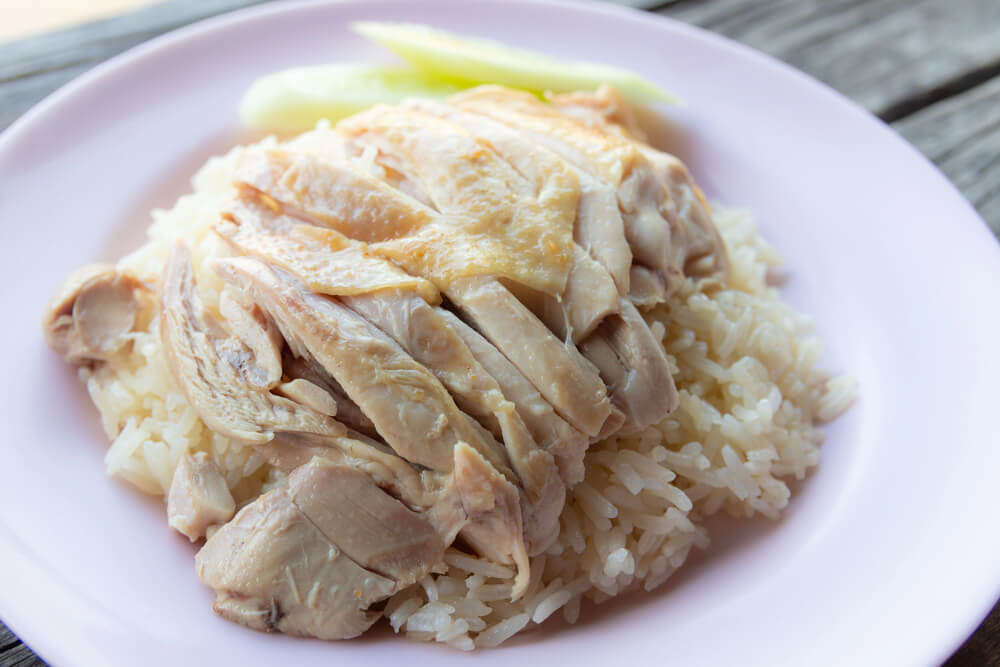
No-peek chicken was a casserole of uncooked rice, chicken pieces, cream soup and a packet of Lipton onion soup mix, sealed tightly with aluminum foil and baked for a couple of hours. The name came from the strict rule against lifting the foil, which let steam cook the rice properly.
Lipton onion soup mix had become a pantry staple after California onion dip became a sensation in the 1950s. The dish required almost no effort and filled the house with the smell of dinner.
Busy 1970s cooks loved it, and the rule against peeking was taken seriously.
Jiffy Corn Casserole
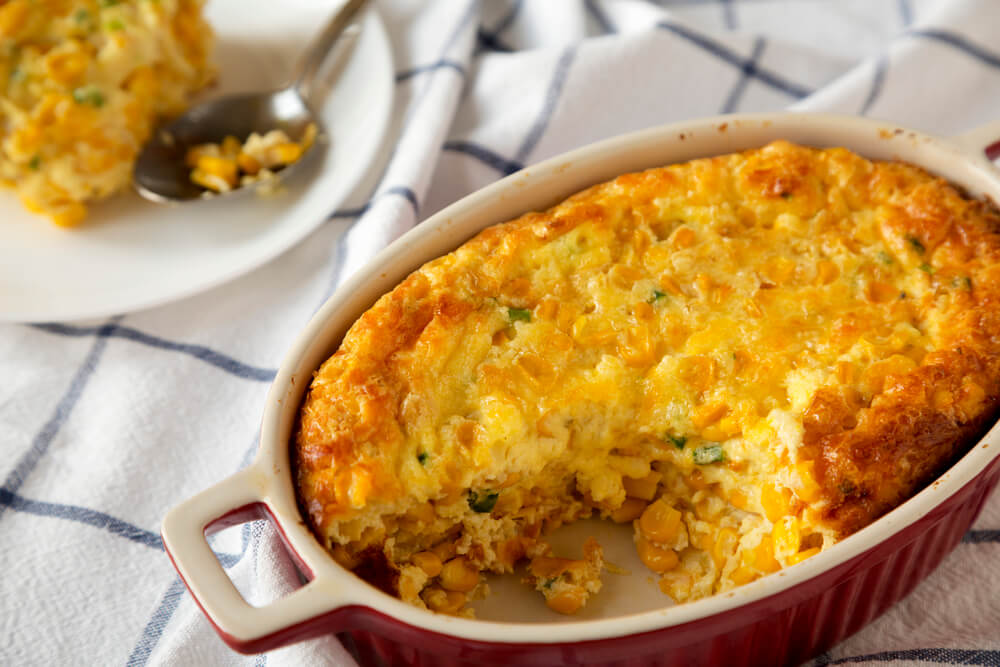
Corn casserole, often called corn pudding, combines a box of Jiffy corn muffin mix, a can of creamed corn, a can of kernel corn, sour cream and melted butter, baked until golden and slightly custardy. Jiffy mix comes from the Chelsea Milling Company in Chelsea, Michigan, where Mabel White Holmes created the first prepared baking mix for home cooks in 1930.
The casserole became a holiday and potluck favorite because it took five minutes to assemble. In the 1970s it appeared next to ham, fried chicken and barbecue.
It still disappears first at most family gatherings.
Enchilada Casserole
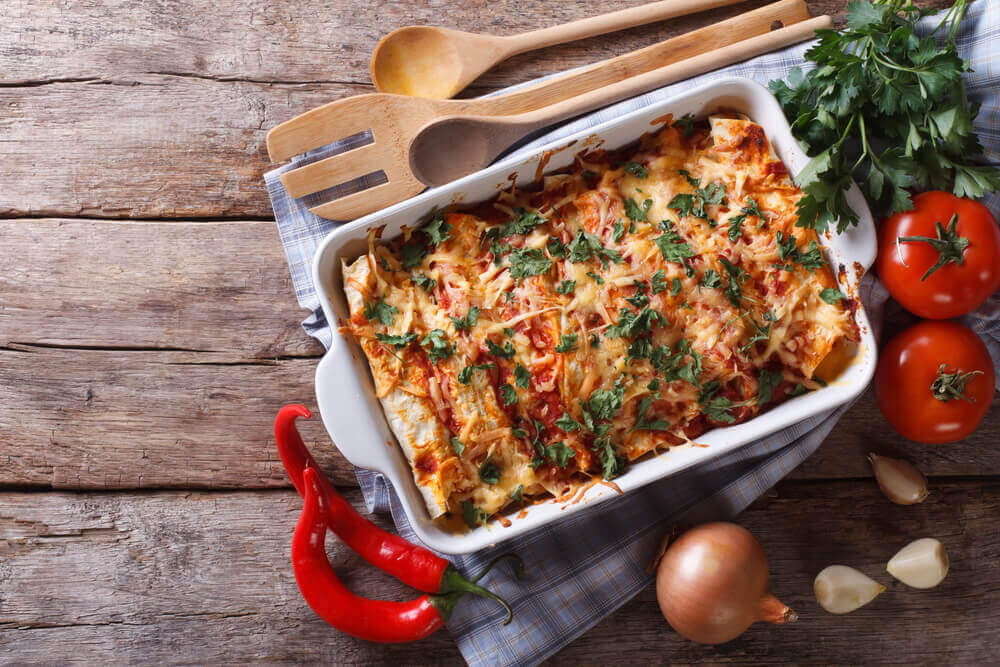
Enchilada casserole stacked corn tortillas, seasoned ground beef or chicken, enchilada sauce, onions and cheese in layers instead of rolling each enchilada by hand. The method cut prep time dramatically and made the dish easy to serve to a crowd.
It spread through Southwestern and California kitchens and appeared in national magazines in the 1960s and 1970s. Canned enchilada sauce and pre-shredded cheese later made it even faster, and many cooks added black beans or corn to stretch it further.
Families often called it Mexican lasagna, and it remains a reliable weeknight meal that freezes well.
Chow Mein Hotdish With Crunchy Noodles
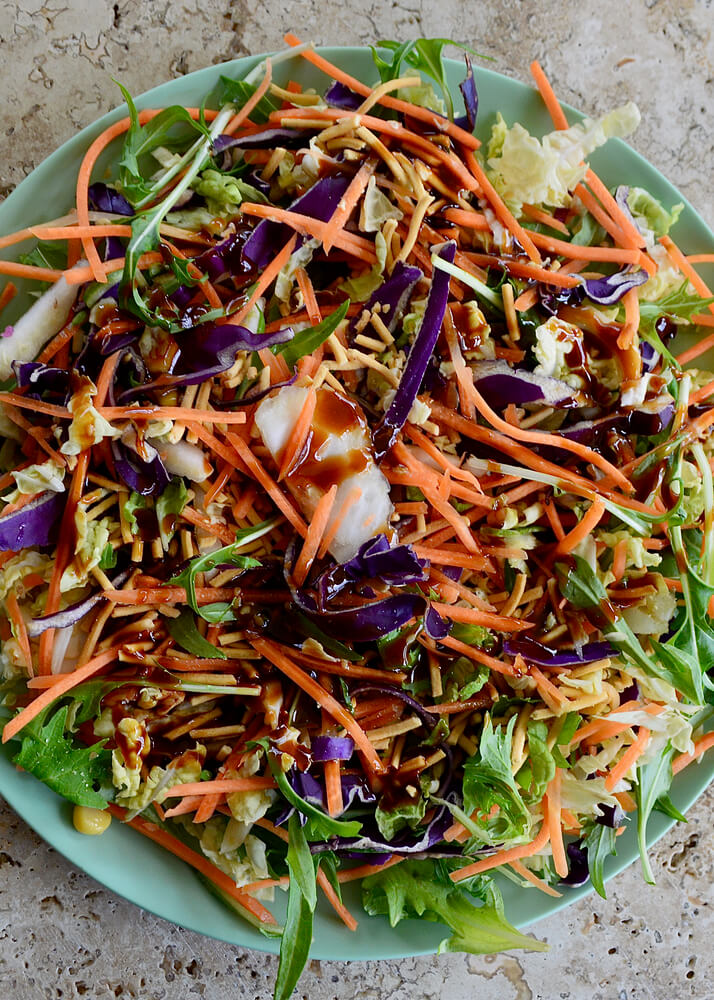
Chow mein hotdish was a Midwestern casserole of ground beef or chicken, celery, onion, rice, cream soups and soy sauce, topped with a can of crunchy chow mein noodles. The noodles came from La Choy, a company founded in Detroit in 1922 that sold canned Chinese-American foods across the country.
The casserole bore little resemblance to anything served in China, but Midwestern cooks considered it exotic. It was a staple of Lutheran church suppers and family dinners in the 1970s.
The crunchy noodle topping was the part kids fought over.
Wild Rice Hotdish in Minnesota
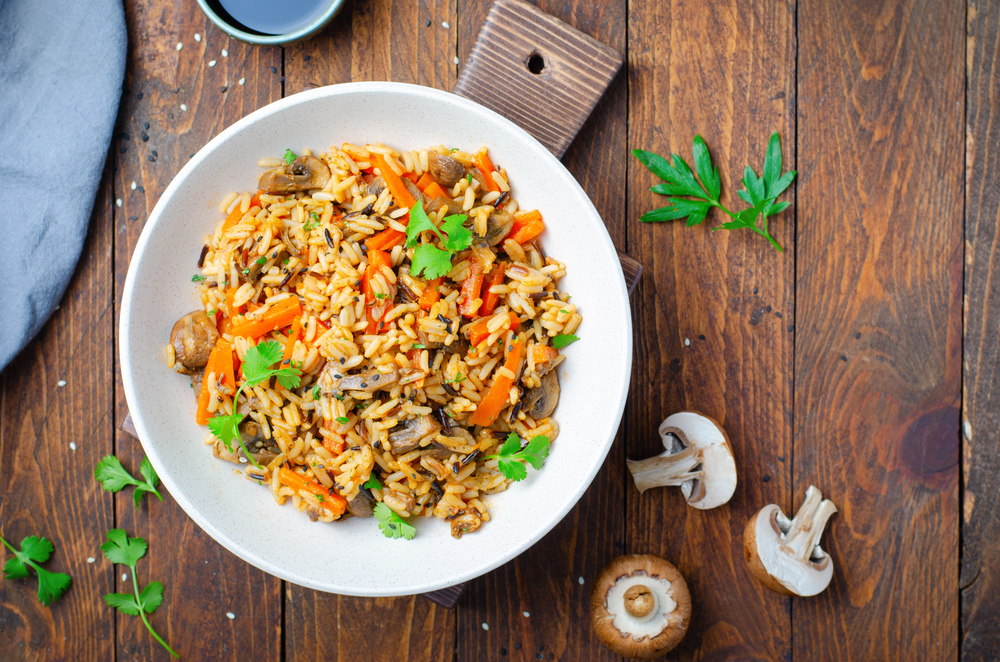
Wild rice hotdish combined wild rice, browned ground beef or chicken, mushrooms, celery, onions and cream of mushroom soup, baked into a hearty casserole. Wild rice grows naturally in the lakes of Minnesota and has been harvested by Ojibwe communities for centuries, and Minnesota later named it the official state grain.
The casserole was a Minnesota point of pride and a fixture of holiday tables and church dinners. It was more expensive than white rice versions, which made it a special-occasion dish.
Many families still serve it at Thanksgiving.
Lazy Cabbage Roll Casserole
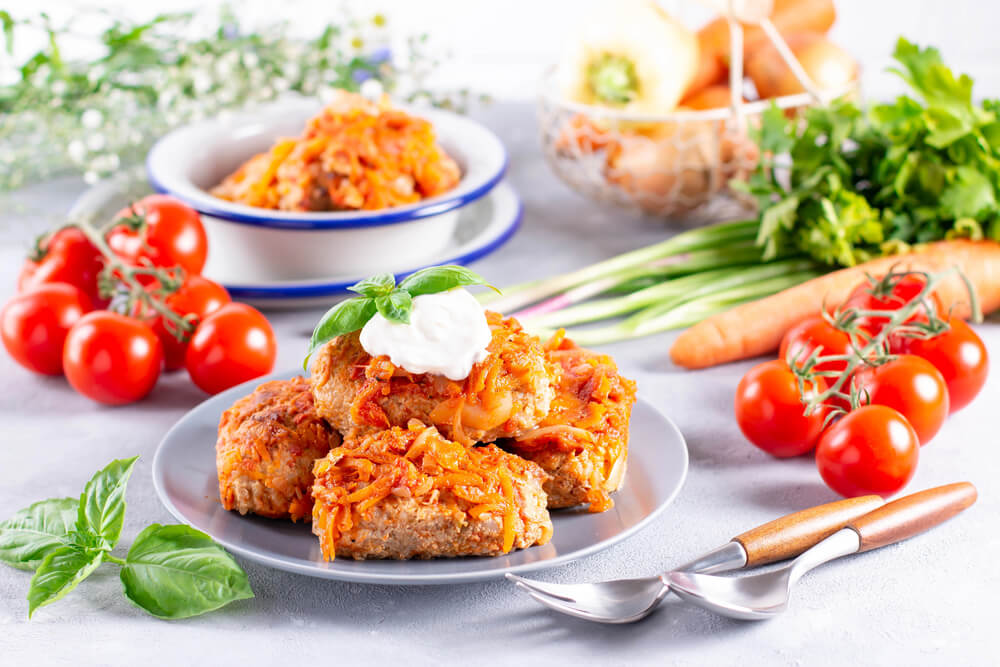
Cabbage roll casserole layered chopped cabbage, ground beef, rice, onion and tomato sauce instead of rolling each leaf around the filling by hand. It came from Eastern European cabbage roll traditions, including Polish golabki and Ukrainian holubtsi, and many families simply called it lazy cabbage rolls.
The casserole tasted nearly the same as the original with a fraction of the work. In the 1970s it was common in Midwestern and Canadian homes with Eastern European roots.
It remains a thrifty, filling dish that tastes even better the next day.
Baked Ziti on Sunday
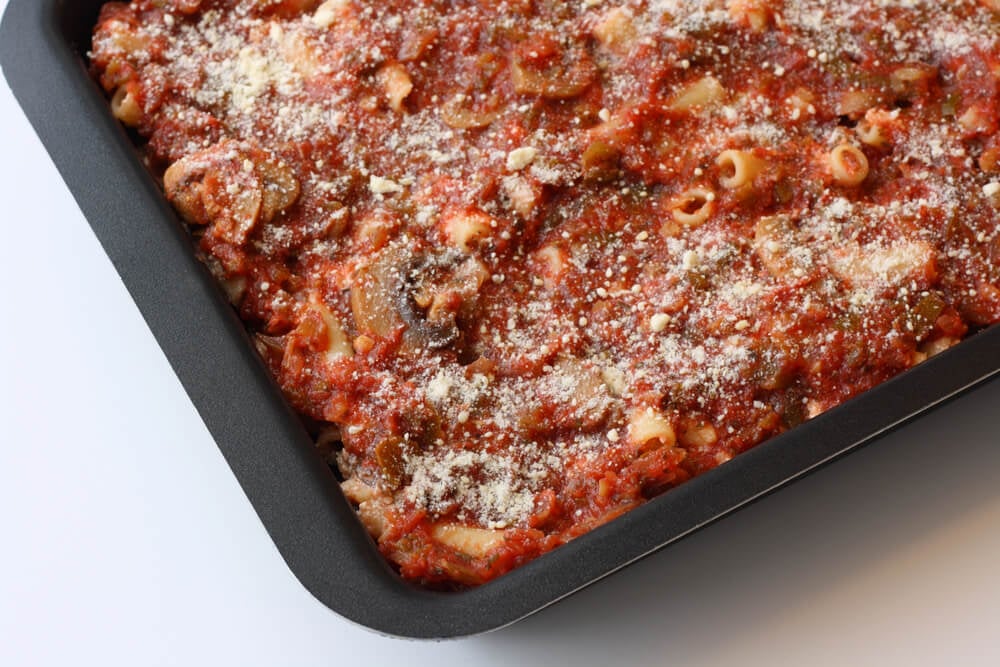
Baked ziti is an Italian-American casserole of tube pasta, tomato sauce, ricotta, mozzarella and often ground beef or sausage, baked until the cheese bubbles and browns. It was a staple of Sunday dinners and large family gatherings in Italian-American homes in New York, New Jersey and beyond.
By the 1970s it had spread far beyond Italian neighborhoods, appearing at potlucks and school fundraisers. The dish could be assembled ahead and baked when guests arrived.
It remains a go-to for feeding a crowd, from church suppers to graduation parties.
Chili Mac Casserole
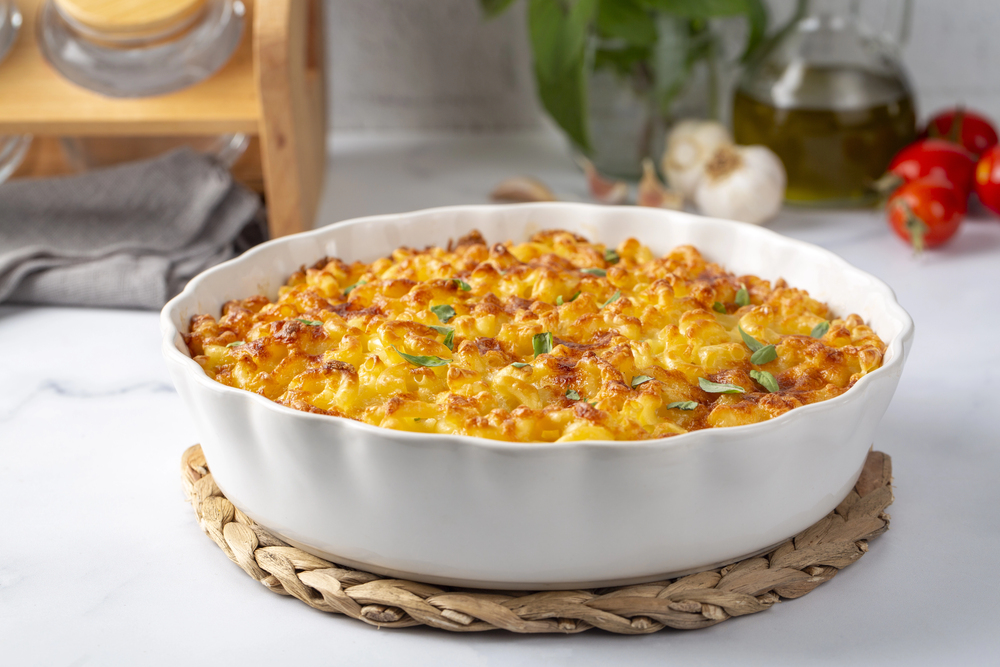
Chili mac casserole combined elbow macaroni, ground beef, canned chili beans, tomatoes, onions and cheese, baked until thick and bubbly. The dish drew on the chili and macaroni combinations long popular in the Midwest and Southwest, where cooks stretched a pound of beef as far as it would go.
In the 1970s, rising beef prices made stretching meat a household priority. Kids liked it because it tasted like chili with noodles.
The casserole still appears on school lunch menus and in busy family kitchens across the country.
Hot Chicken Salad
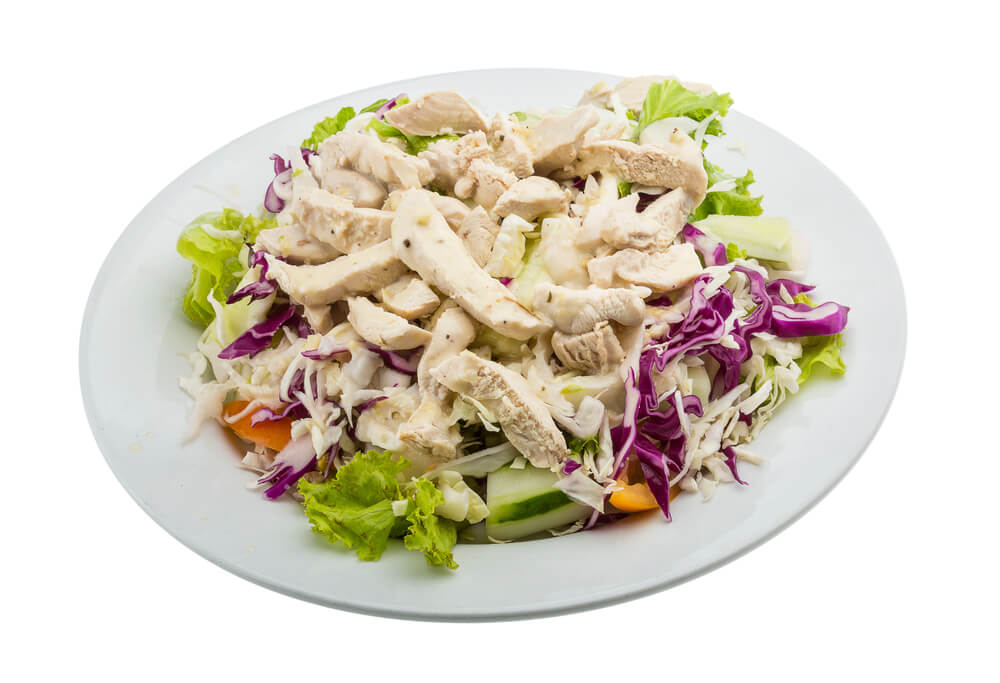
Hot chicken salad was a Southern luncheon casserole of diced chicken, celery, mayonnaise, lemon juice, almonds and cheese, topped with crushed potato chips and baked until warm. Despite the name, it was served hot, which surprised guests from outside the South.
The dish was a favorite at ladies’ luncheons, bridge clubs and church circles through the 1960s and 1970s. It was often served in individual baking dishes or scallop shells.
The potato chip topping was the signature, and many cooks still insist on a specific brand.
Hashbrown Casserole
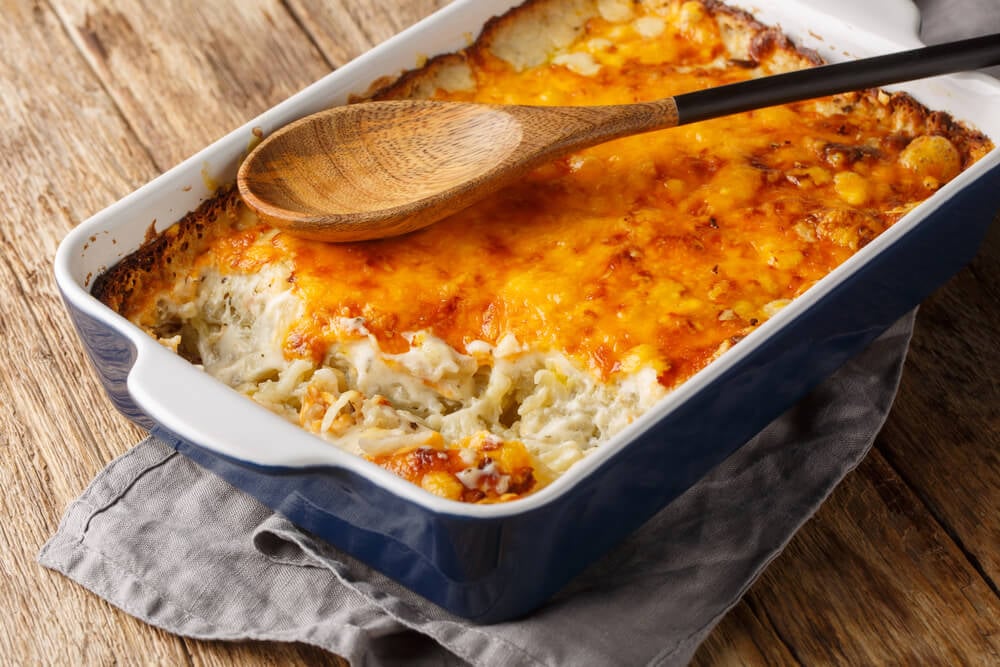
Hashbrown casserole combined frozen shredded potatoes, sour cream, cream of chicken soup, cheddar cheese and onions, often topped with crushed cornflakes or more cheese. Cracker Barrel, founded in Lebanon, Tennessee, in 1969, made its version a signature side dish that many diners tried to recreate at home.
The casserole was easy, rich and filling, and it could be assembled the night before. In the 1970s it became a staple at brunches and holiday breakfasts.
It remains one of the most requested recipes at church potlucks and family gatherings, particularly at Easter.
Pork Chops and Rice Bake
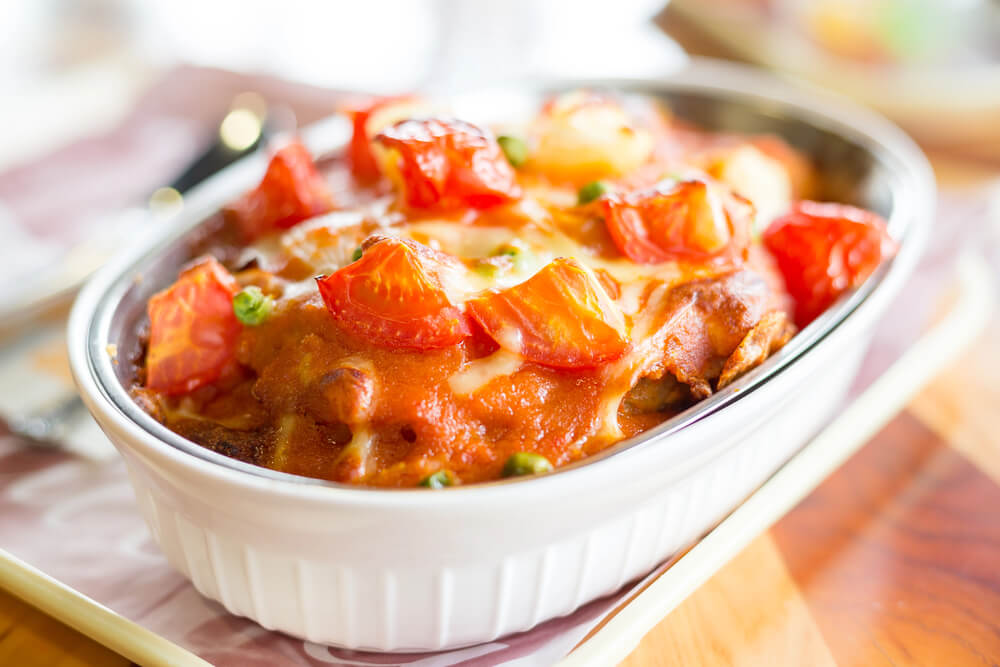
Pork chops and rice bake layered uncooked rice in a baking dish, poured over a mix of cream of mushroom soup and water, then topped with browned pork chops and a sprinkle of onion soup mix. The dish baked covered until the rice absorbed the liquid and the chops turned tender.
It was one of the most popular one-pan dinners of the 1970s, printed in countless magazines and on soup labels. The meal required almost no attention.
Many families still make it, though the pork chops have gotten leaner and the cooking times have changed.
Zucchini Casserole
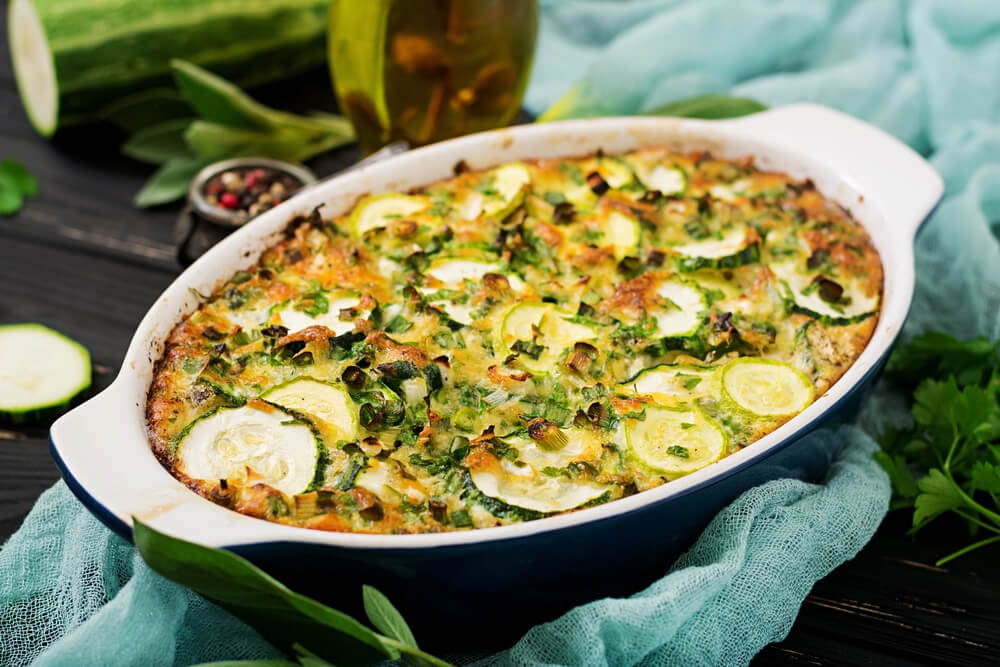
Zucchini casserole was a summer staple in the 1970s, when backyard vegetable gardens surged in popularity during a decade of rising food prices. Gardeners famously ended up with more zucchini than they could use, and the casserole combined sliced zucchini with onions, tomatoes, eggs, cheese and a topping of breadcrumbs or crushed crackers.
Some versions used Stove Top stuffing mix, which General Foods introduced in 1972. The dish turned an overwhelming harvest into something kids would eat.
It remains a reliable answer to the annual zucchini surplus.
Pizza Casserole
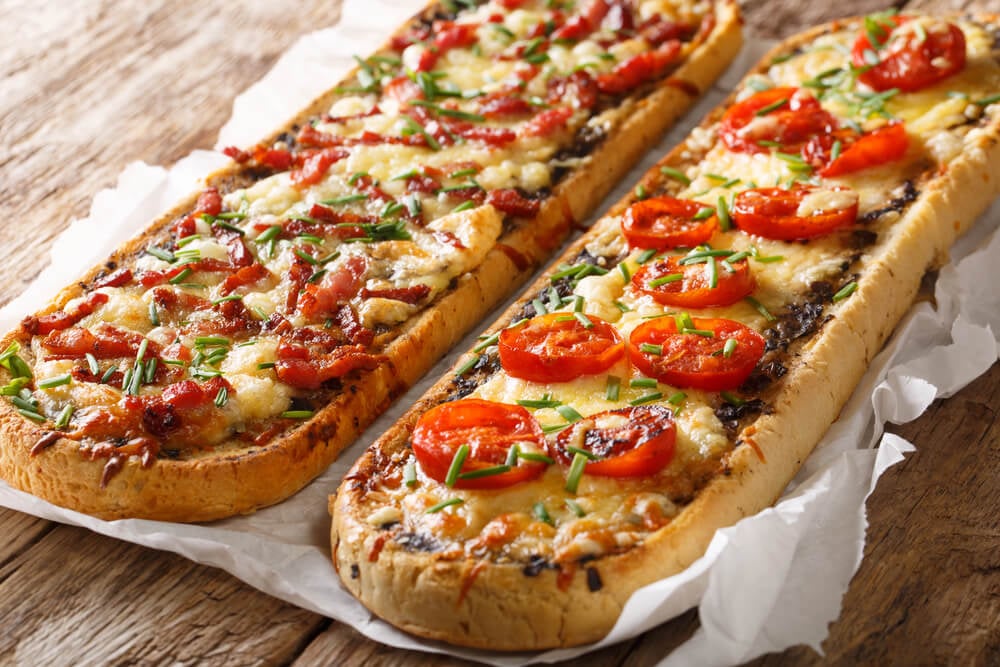
Pizza casserole layered cooked noodles, pizza sauce, browned ground beef or sausage, pepperoni and mozzarella cheese, baked until the cheese melted and browned on top. It delivered pizza flavors without making dough, which made it a favorite with kids and busy parents.
The dish appeared in 1970s magazines and church cookbooks as a family-friendly supper. Leftovers reheated well for school lunches in a thermos.
Some cooks added green peppers, mushrooms or olives to sneak in vegetables, with mixed success. Pizza casserole remains a weeknight standby in many homes, especially when picky eaters need persuading.
Supper Waiting in the Oven
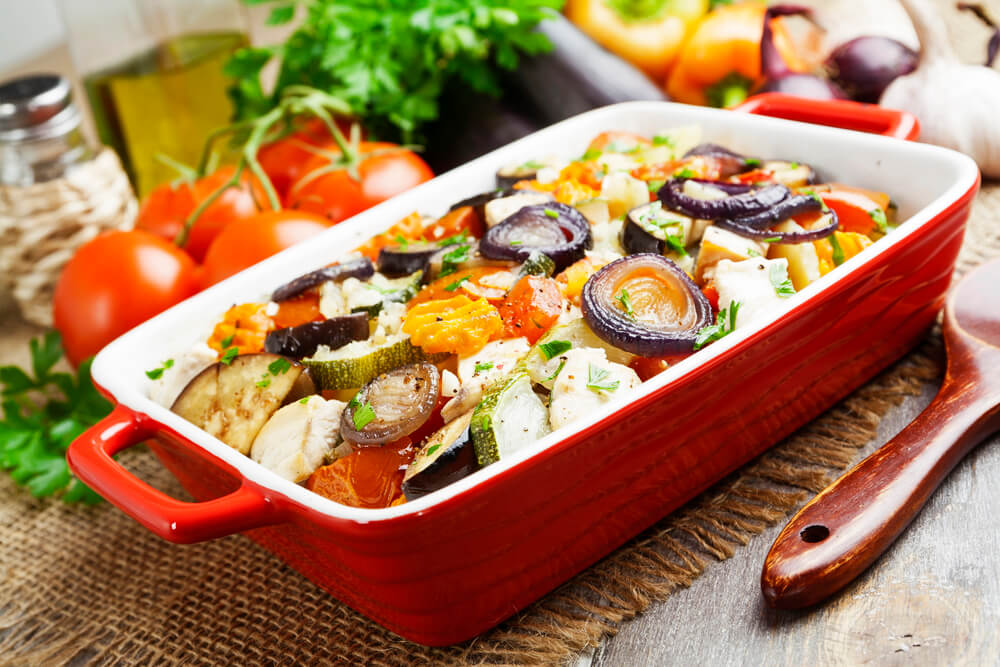
Casseroles defined the 1970s dinner table because they matched the decade’s needs. Grocery prices were rising, more mothers held jobs outside the home, and families still expected to sit down together most nights.
A casserole made that possible with a few cans, a pound of meat and an hour in the oven. Many of these dishes have been updated with fresh ingredients and homemade sauces.
Others are still made exactly as printed on the soup can, often for nostalgia. The handwritten recipe cards, splattered and stained, have become family heirlooms.
For many people, the smell of a casserole baking still means home.
More from Go2Tutors!

- The Romanov Crown Jewels and Their Tragic Fate
- 13 Historical Mysteries That Science Still Can’t Solve
- Famous Hoaxes That Fooled the World for Years
- 15 Child Stars with Tragic Adult Lives
- 16 Famous Jewelry Pieces in History
Like Go2Tutors’s content? Follow us on MSN.