26 Thrift Store Craft Supplies Worth Grabbing
Craft stores charge full price for things thrift stores sell by the bagful. A skein of yarn, a set of embroidery hoops or a pair of serious fabric shears can cost a small fortune new and almost nothing secondhand.
The trick is knowing what to look for. Some of the best supplies sit in the housewares aisle, the linen bins or a zippered bag hanging on a pegboard near the register, waiting for someone who recognizes them.
Wool Sweaters for Felting
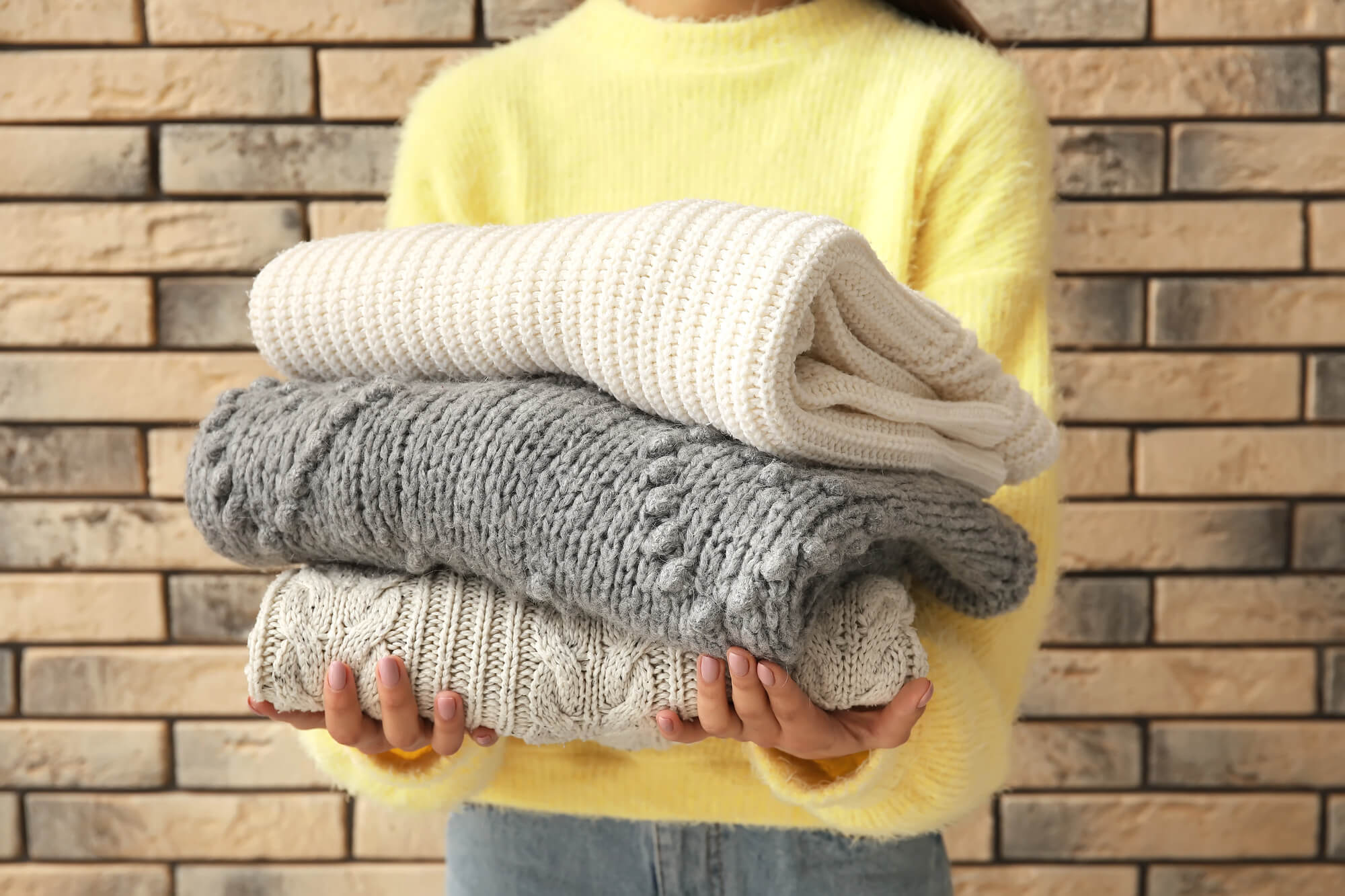
Wool sweaters make some of the best raw material in any thrift store, especially for felting. Washed in hot water and dried on high heat, a sweater made of 100 percent wool shrinks and mats into dense, sturdy fabric that will not unravel when cut.
Crafters turn it into mittens, coasters, ornaments and bags. The label matters.
Sweaters marked superwash have been treated to resist shrinking, so they will not felt properly, and blends with acrylic rarely work. A sweater priced at a few dollars can produce enough felt for a dozen small projects.
Sweaters to Unravel for Yarn
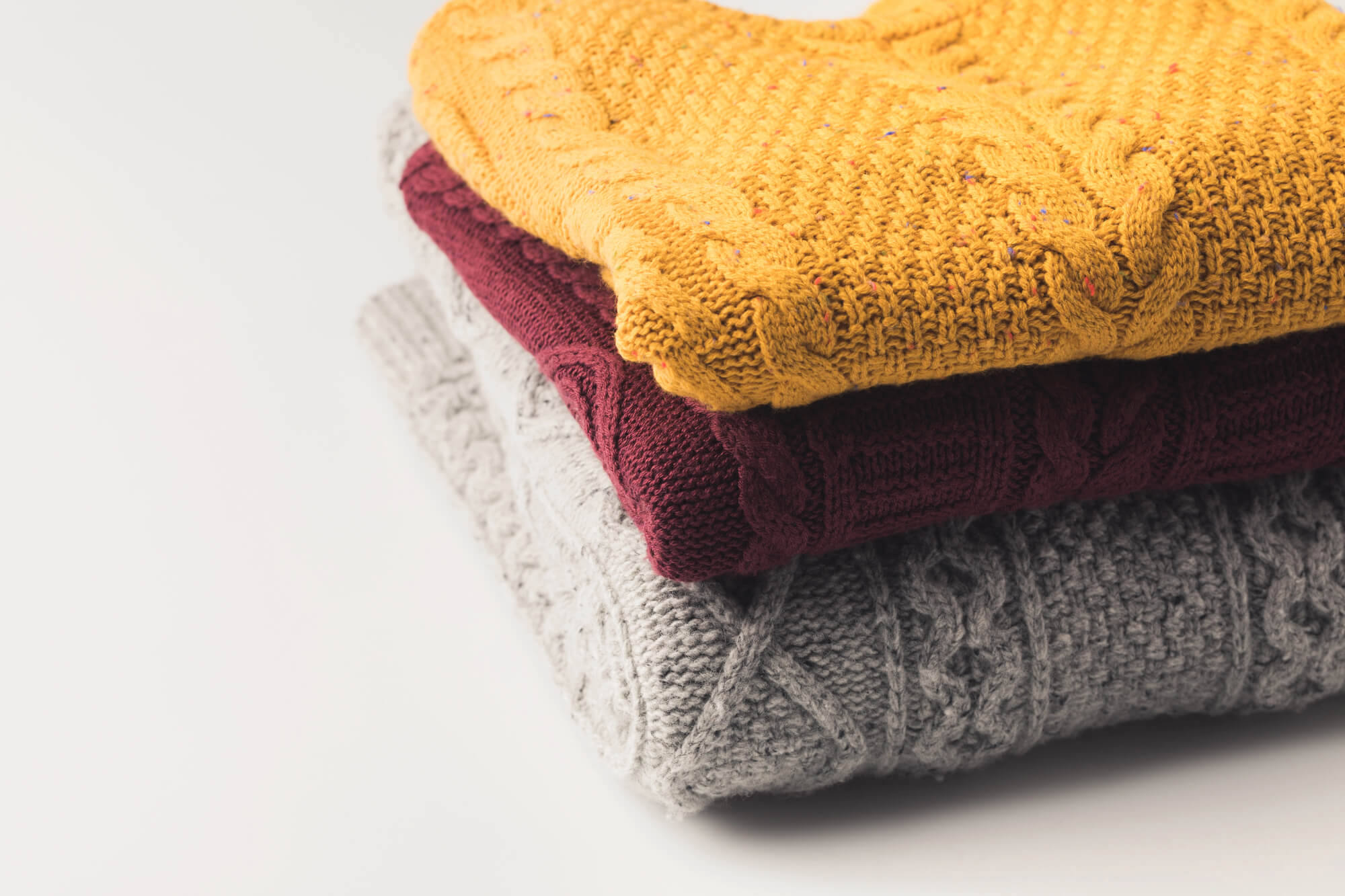
Sweaters can also be taken apart for their yarn, which often costs far less than buying new skeins of the same fiber. The key is checking the seams before buying.
Sweaters assembled with a chain-stitched seam can be unpicked and unraveled into long continuous strands. Those with serged seams, where the edges were cut and overlocked, will only yield short pieces.
Cashmere, merino, alpaca and cotton are the best targets, since those fibers are expensive new. Unraveled yarn comes out kinked, but a gentle soak and hanging to dry relaxes it into usable condition.
Bagged Skeins and Leftover Yarn
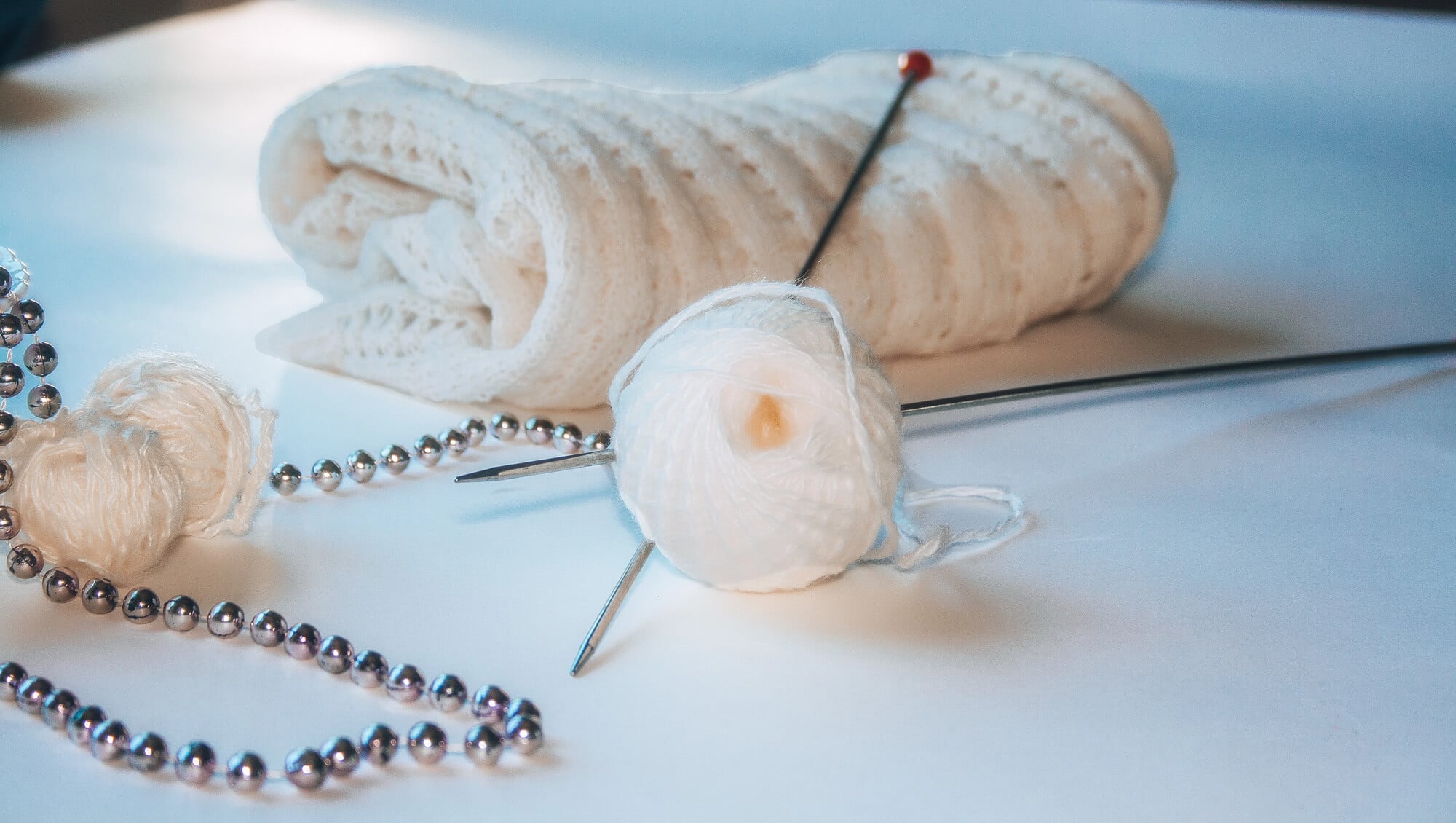
Thrift stores often bundle yarn into clear bags, sometimes several pounds of it for a few dollars. These bags usually come from a knitter’s or crocheter’s stash, cleaned out after a move or estate sale.
Brands such as Lion Brand, which dates to 1878, and Red Heart turn up regularly. Shoppers should check the dye lot numbers on labels, since skeins from different lots can vary slightly in color.
Sniffing the bag is wise as well, because smoke odors and mustiness are hard to remove. Moth damage shows up as small breaks or crumbly sections.
Wooden Embroidery Hoops
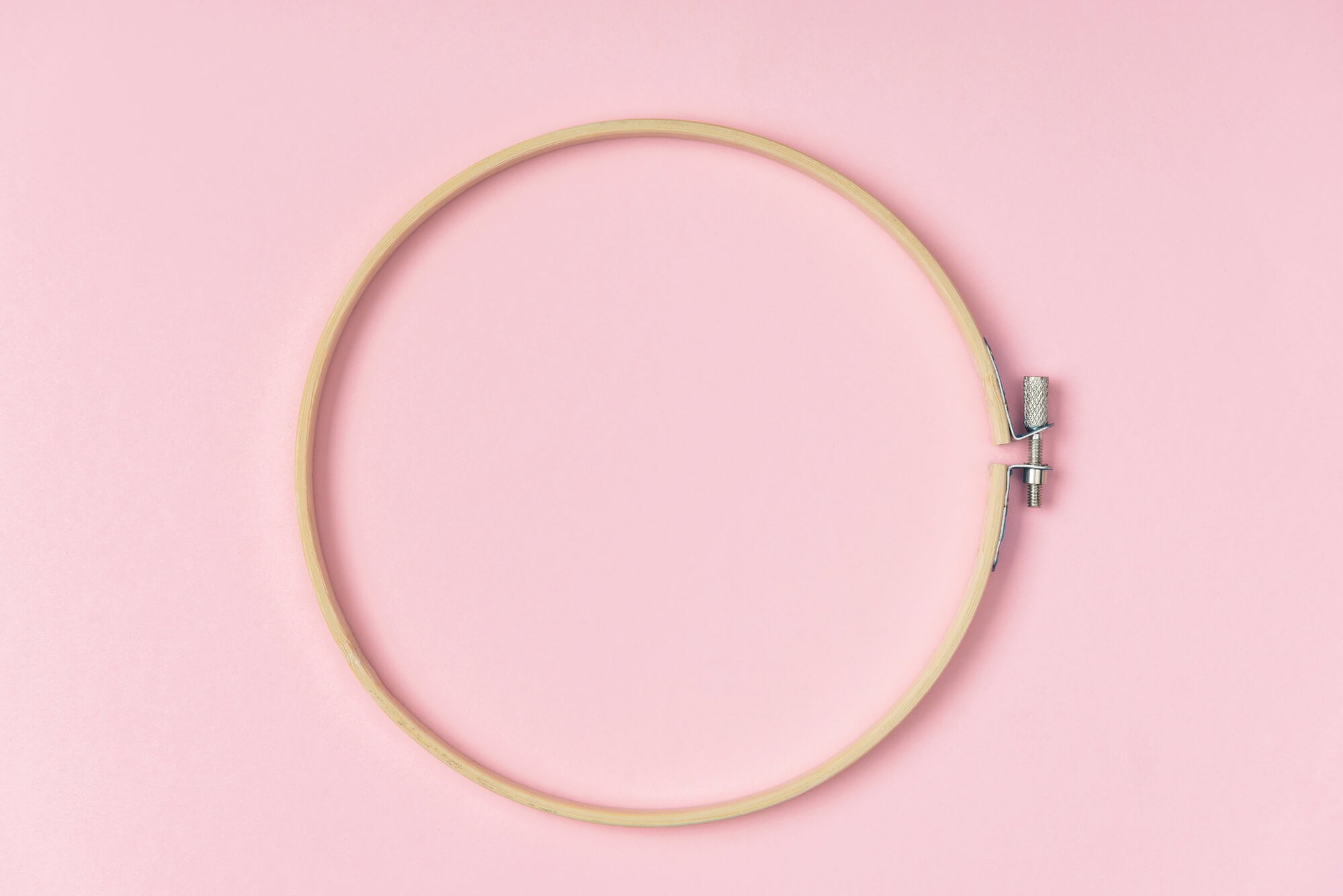
Embroidery hoops show up in thrift store bins for pennies to a dollar or two, compared with several dollars each new. Wooden hoops are the most useful, as long as the inner ring is present and the tightening screw still turns.
Hoops serve their original purpose for embroidery and quilting, but they also work as frames for finished stitchery, wreath bases and wall hangings. Large hoops are especially useful for decorations.
Collectors of vintage needlework also look for hoops with old stamped markings, though most shoppers simply want a sturdy, inexpensive frame.
Embroidery Floss Collections
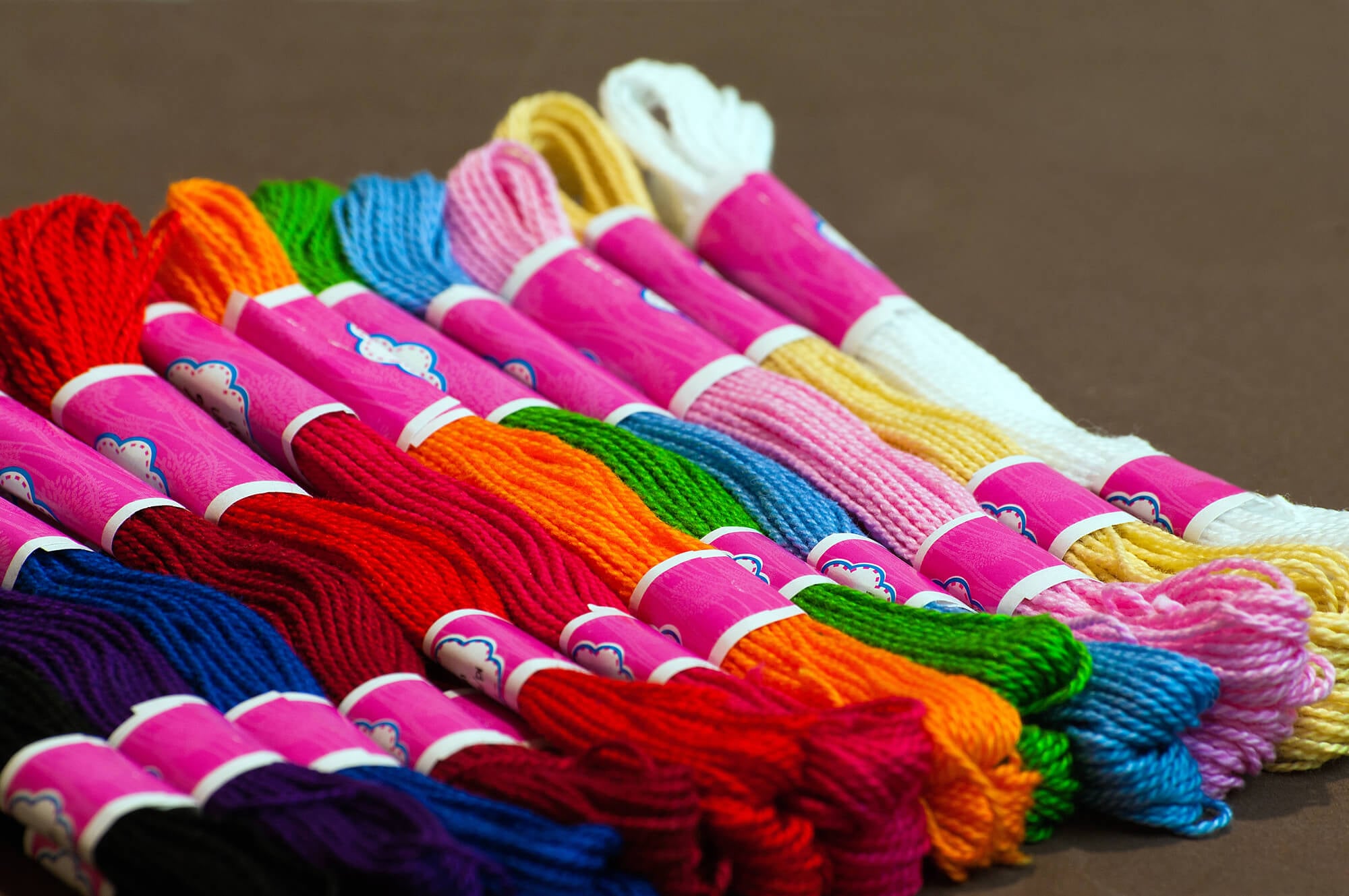
Embroidery floss often comes in bags or boxes, sometimes wound neatly onto cardboard or plastic bobbins and labeled with color numbers. DMC, a French company that traces its history to 1746, uses a numbering system that stitchers worldwide rely on.
When the bobbins carry those numbers, the floss can be matched to patterns easily. A bag of floss can include dozens of colors for a few dollars, compared with paying for each skein individually.
Fading, knots and tangles are the main flaws to watch for. Even mixed and unlabeled floss works well for freehand embroidery and friendship bracelets.
Vintage Sewing Patterns
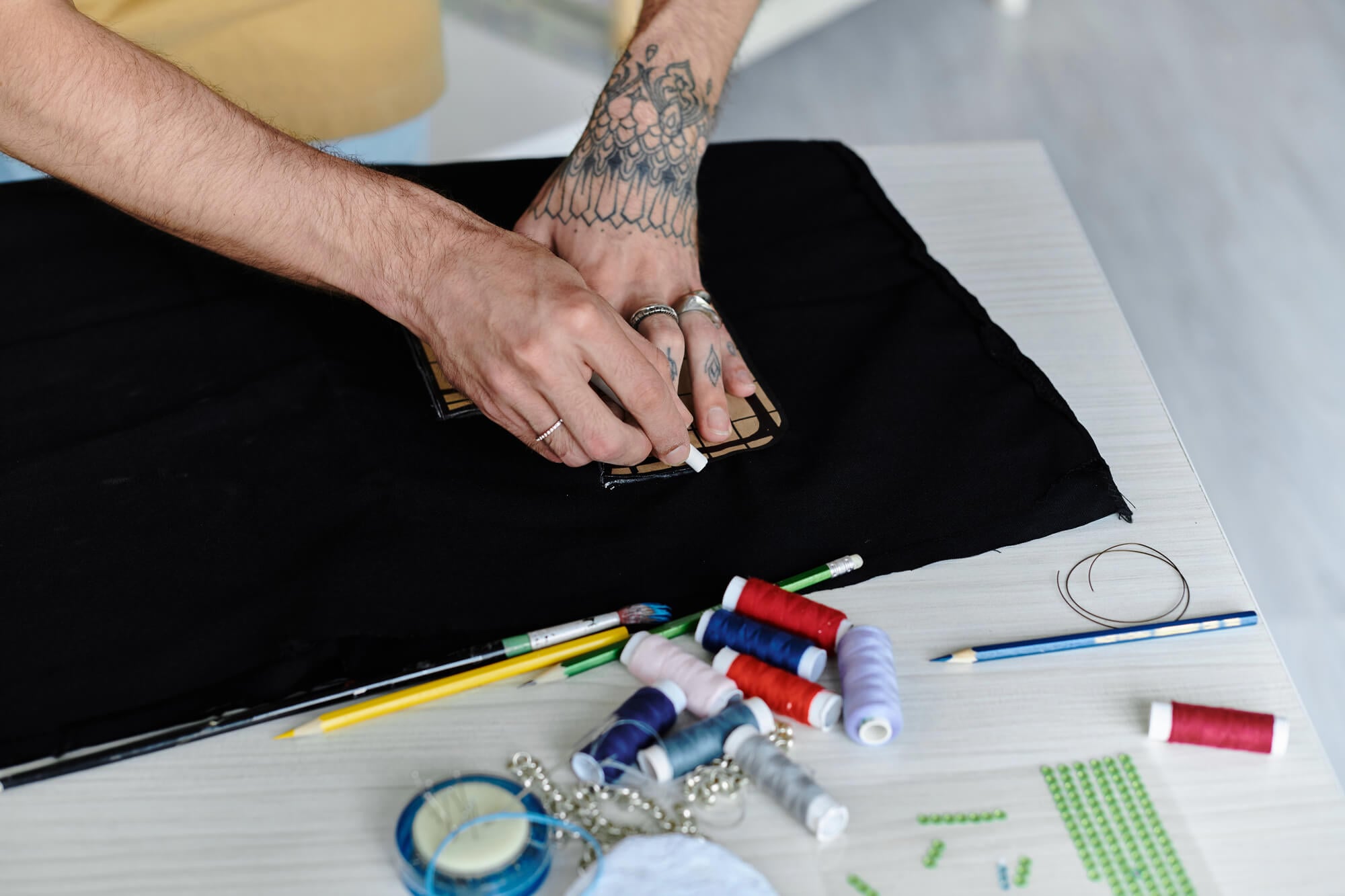
Paper sewing patterns from Simplicity, McCall’s, Butterick and Vogue often sell for under a dollar at thrift stores. Butterick traces its roots to Ebenezer Butterick, who began selling graded tissue paper patterns in the 1860s.
Vintage patterns from the 1940s through the 1970s attract sewists who want retro styles. Some sell online for 10 to 30 dollars or more, depending on style and condition.
Experienced buyers open the envelope to confirm the pieces and instruction sheet are inside, since missing pieces and torn tissue reduce value. Uncut patterns are worth the most.
Vintage Sewing Machines
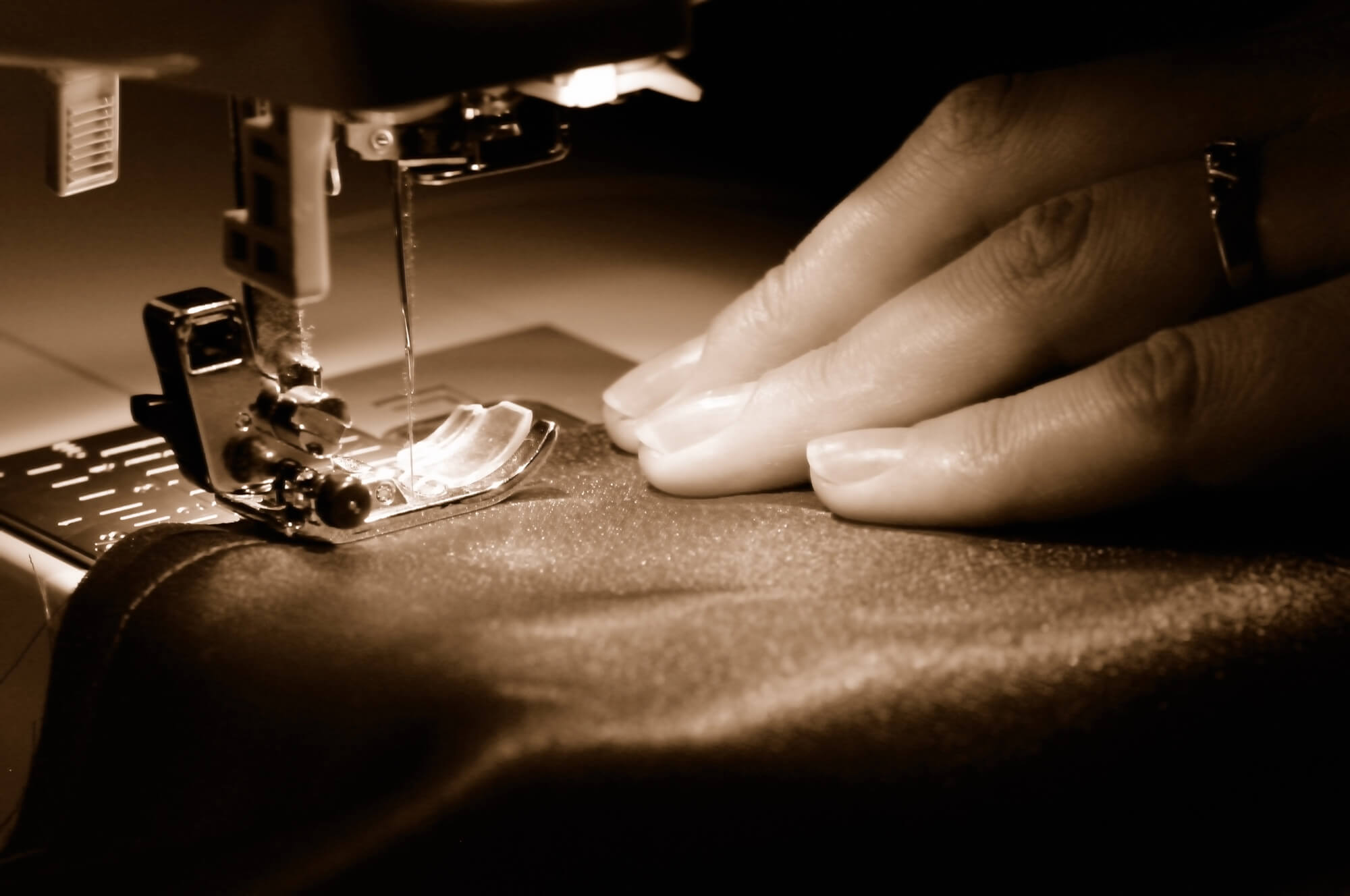
Older sewing machines with metal parts often outlast newer plastic models, and thrift stores sometimes price them far below their worth. The Singer Featherweight 221, made from the 1930s into the 1960s, is the most famous example.
In good working order, Featherweights often sell for about 300 to 600 dollars or more. Value depends on condition, including paint wear, missing parts, wiring and the original case.
Smart buyers confirm that the handwheel turns smoothly and the motor runs before paying. Many vintage machines need only cleaning and oiling to sew beautifully again.
Fabric Remnants and Yardage
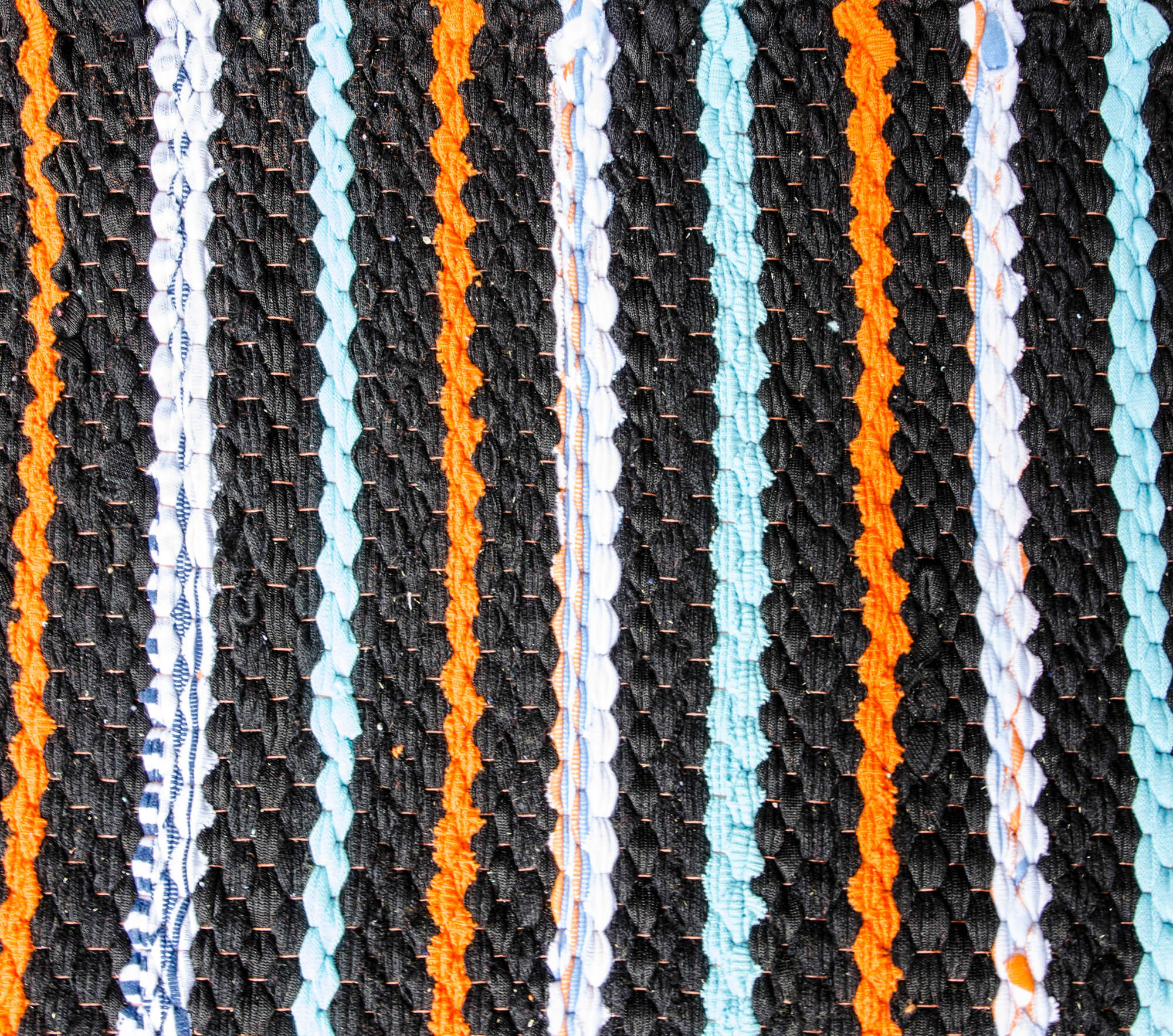
Thrift stores often sell fabric in folded pieces or bundles, sometimes several yards for a few dollars. Cotton prints, wool suiting and linen show up regularly, along with polyester.
Fiber content is rarely marked, so experienced sewists use a burn test on a small snip. Natural fibers burn to ash and smell like burning paper or hair, while synthetics melt into hard beads.
Stains, fading and moth damage are the usual problems. Washing before use removes odors and preshrinks the cloth.
A bundle of vintage cotton can supply a quilt or several small sewing projects.
Vintage Bed Sheets as Fabric
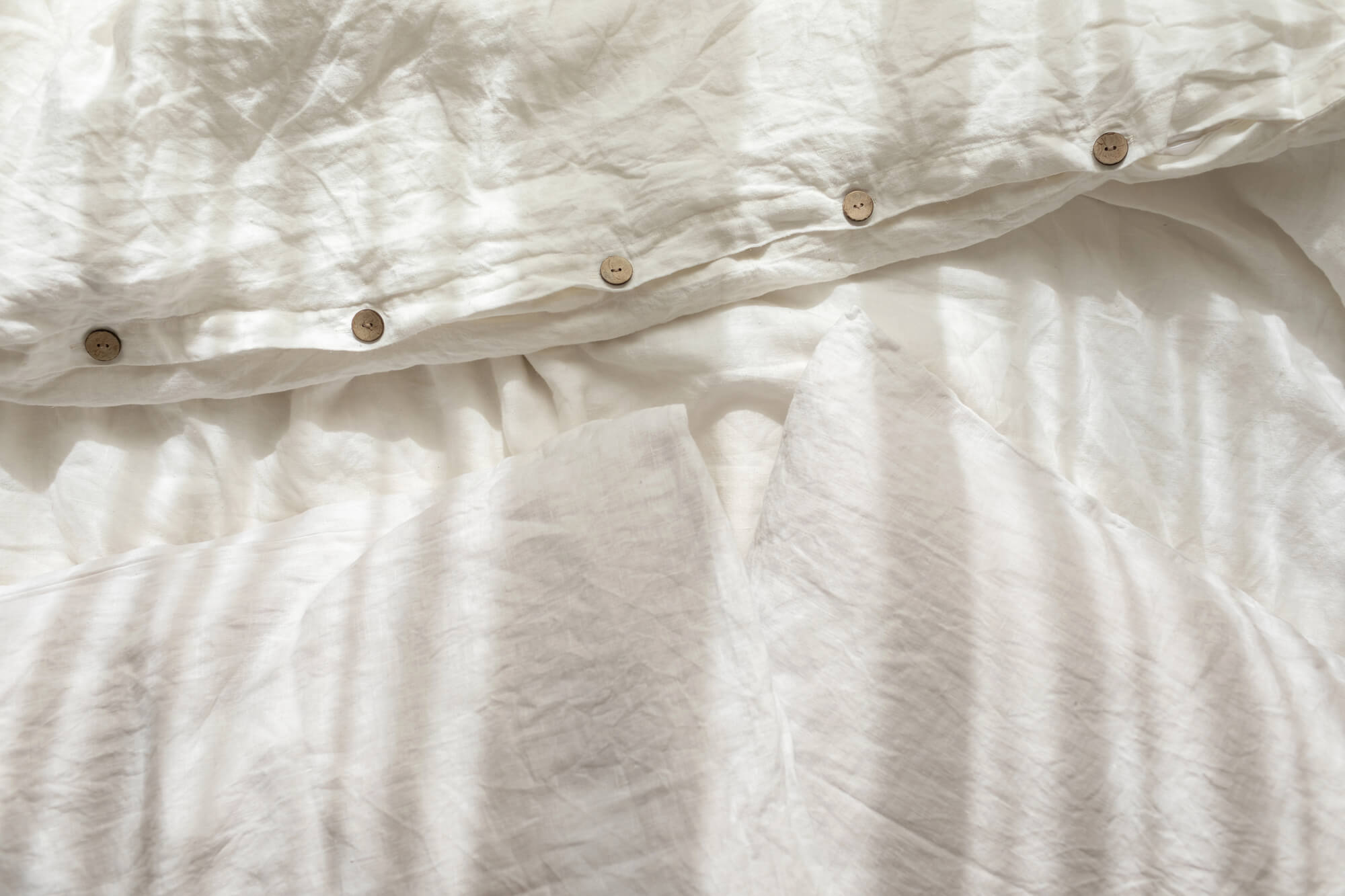
Vintage bed sheets provide large pieces of fabric at a fraction of the cost of yardage. Floral sheets from the 1970s and 1980s are especially popular for quilt backs, dresses, aprons and pillowcases.
A single flat sheet can provide several yards of fabric without seams. Percale sheets are tightly woven and durable.
Stains, thin spots and fading tend to appear along the edges and in the center, where sheets saw the most wear. Thrift stores often price sheets at a few dollars each.
Some crafters collect them by color or pattern, building a stash for future projects.
Feed Sack Fabric
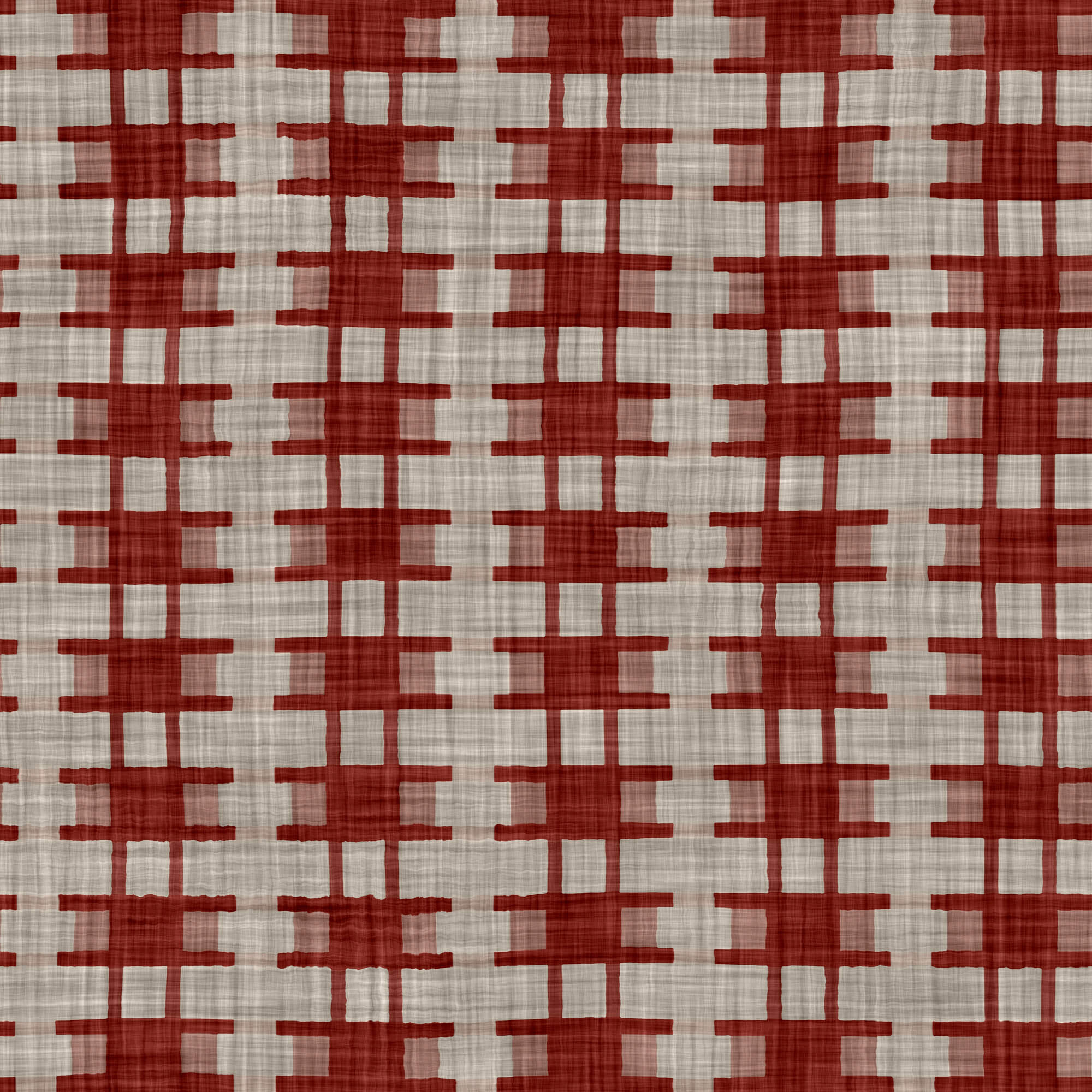
Printed cotton feed sacks from the 1930s through the 1950s once held flour, sugar and animal feed. Manufacturers printed them with colorful patterns because families reused the cloth for dresses, aprons and quilts.
Today, collectors and quilters seek them out. Single sacks often sell for about 15 to 40 dollars, with rare prints bringing more.
Stains, fading, small tears and remaining stitching reduce value. Thrift stores occasionally sell them mixed with other fabric at low prices.
Finding one in a bin feels like discovering a piece of history.
Jars of Mixed Buttons
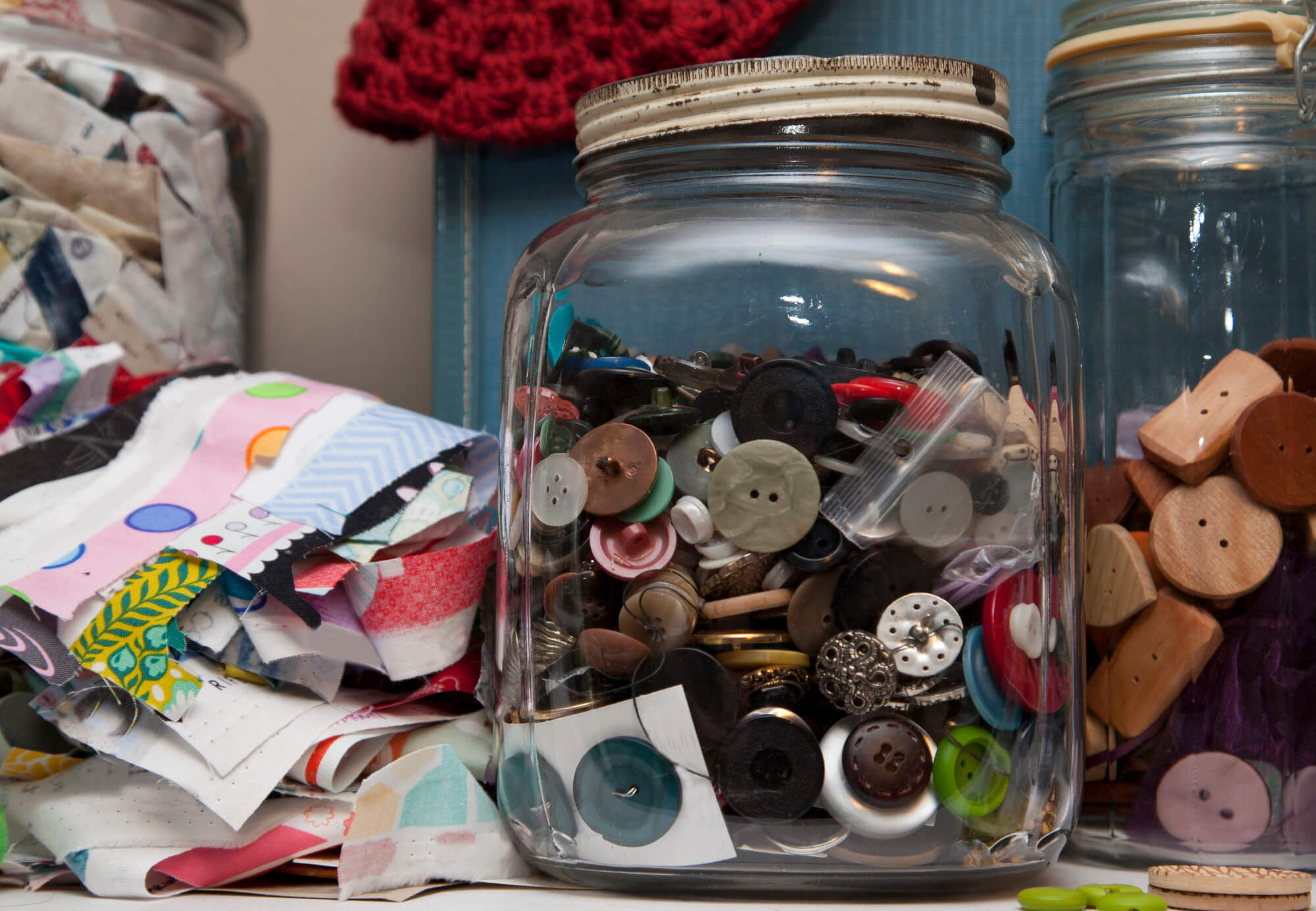
Jars and tins of mixed buttons often sell for a few dollars at thrift stores, and they can contain surprises. Vintage buttons made of shell, glass, metal and early plastics such as Bakelite appeal to collectors.
The National Button Society, founded in 1948, connects people who collect buttons seriously. Most jars contain common plastic buttons, which are still useful for sewing and crafts.
Crafters use them for jewelry, ornaments and decorations. Sorting a jar is part of the fun, and many people find matching sets or unusual buttons that are worth more than the jar’s price.
Aluminum Knitting Needles
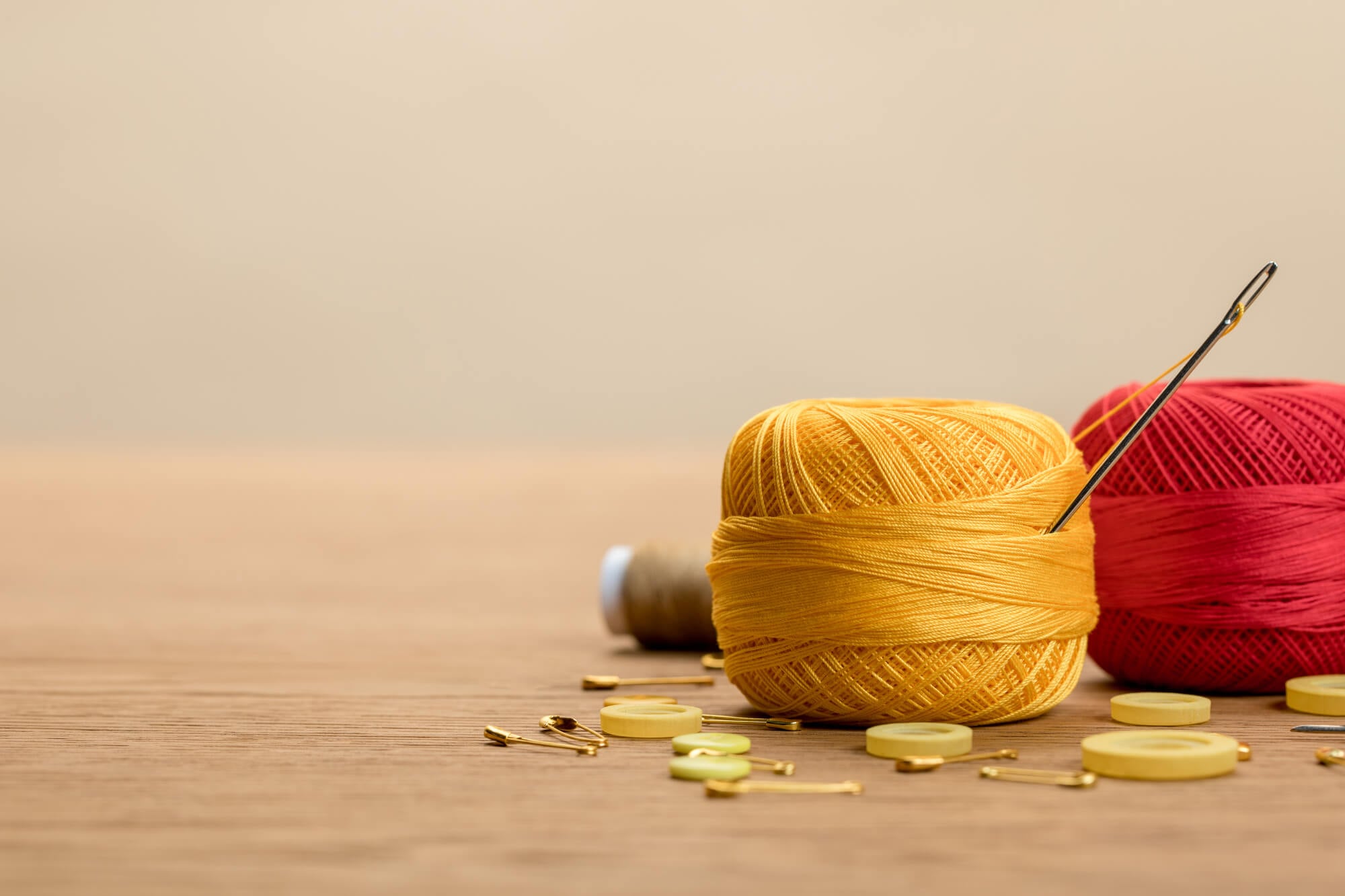
Knitting needles turn up in thrift stores in bags, cups and plastic cases, often for under a dollar a pair. Aluminum needles from makers such as Boye are common and durable.
Bamboo and wooden needles also appear. Bends, rough spots and missing partners are the common flaws.
A needle gauge helps identify sizes, since older needles may have worn markings. Circular needles with cables also turn up.
Knitters who buy needles new spend several dollars per pair, so a thrift store haul can quickly fill a needle case for very little.
Steel Crochet Hooks
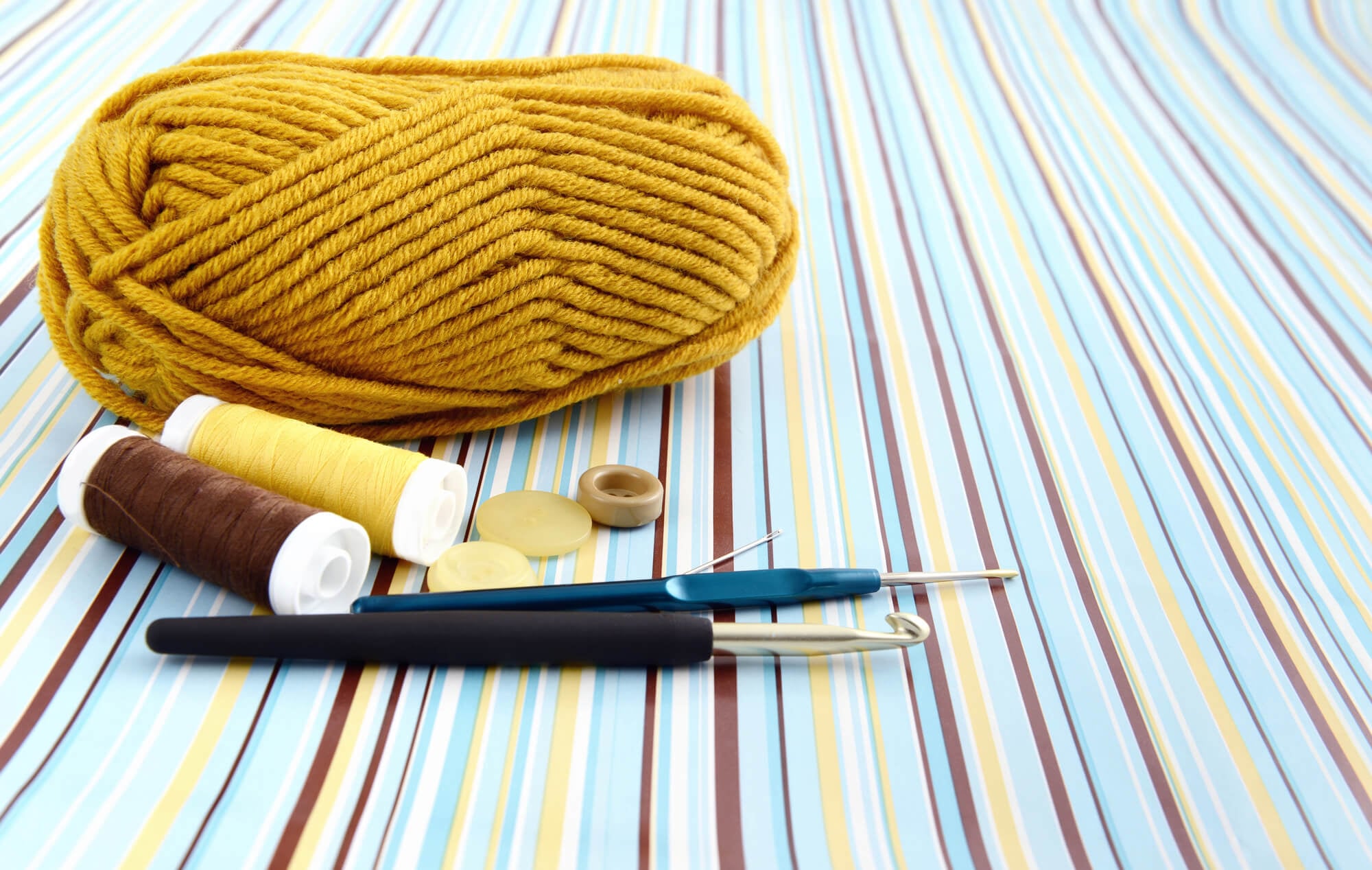
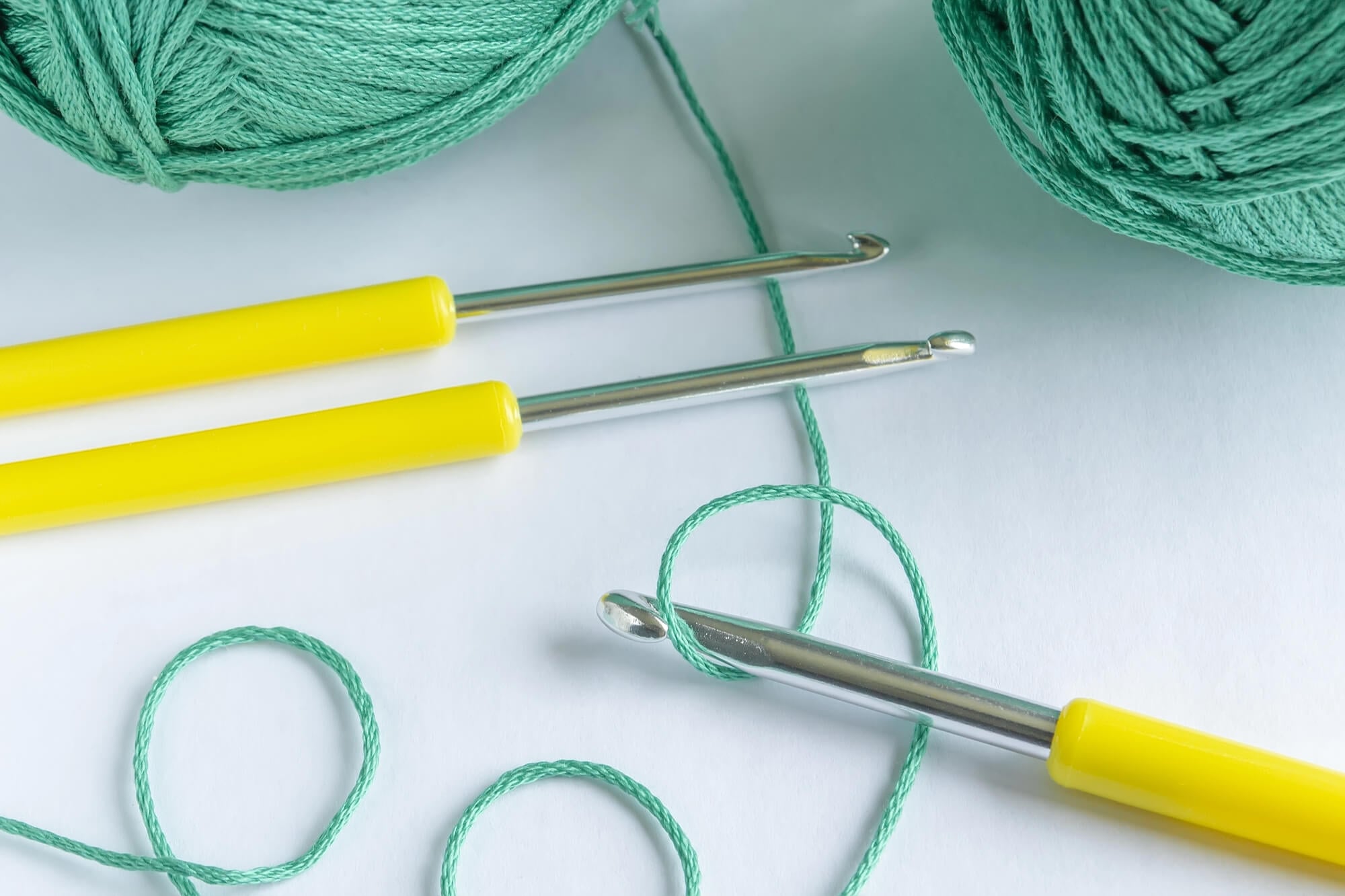
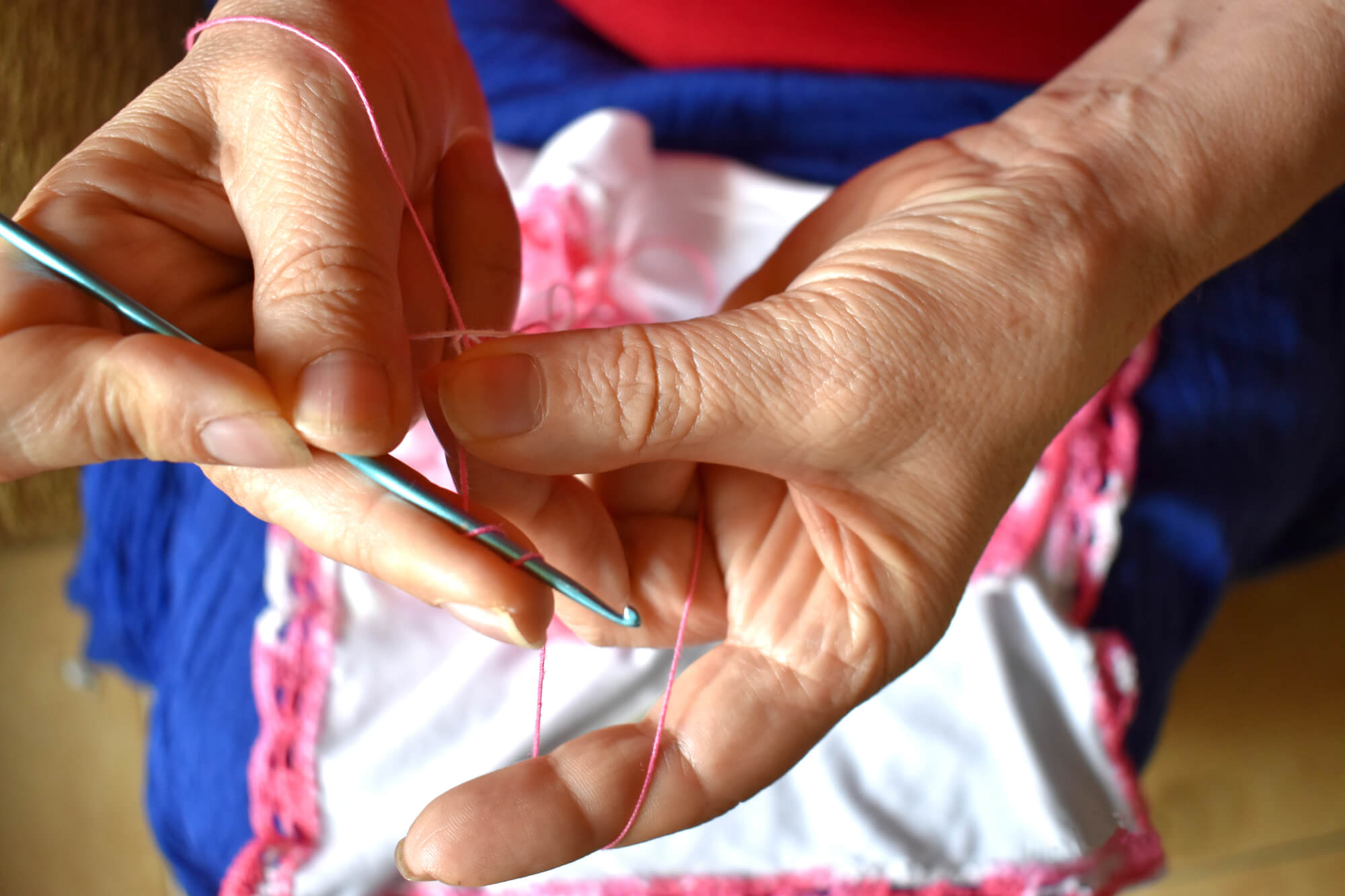
Crochet hooks often appear in thrift store bins and bags. Steel hooks, used for fine thread crochet such as doilies and lace, are especially common, since older generations used them often.
Aluminum and plastic hooks for yarn also turn up. Bent shafts, rough heads and rust make a hook frustrating to use, so those are worth spotting before buying.
Hooks are small and easy to overlook, so they often hide in bags with knitting needles or sewing notions. A set of steel hooks in good condition makes thread crochet possible without the cost of buying new ones.
Quality Fabric Shears
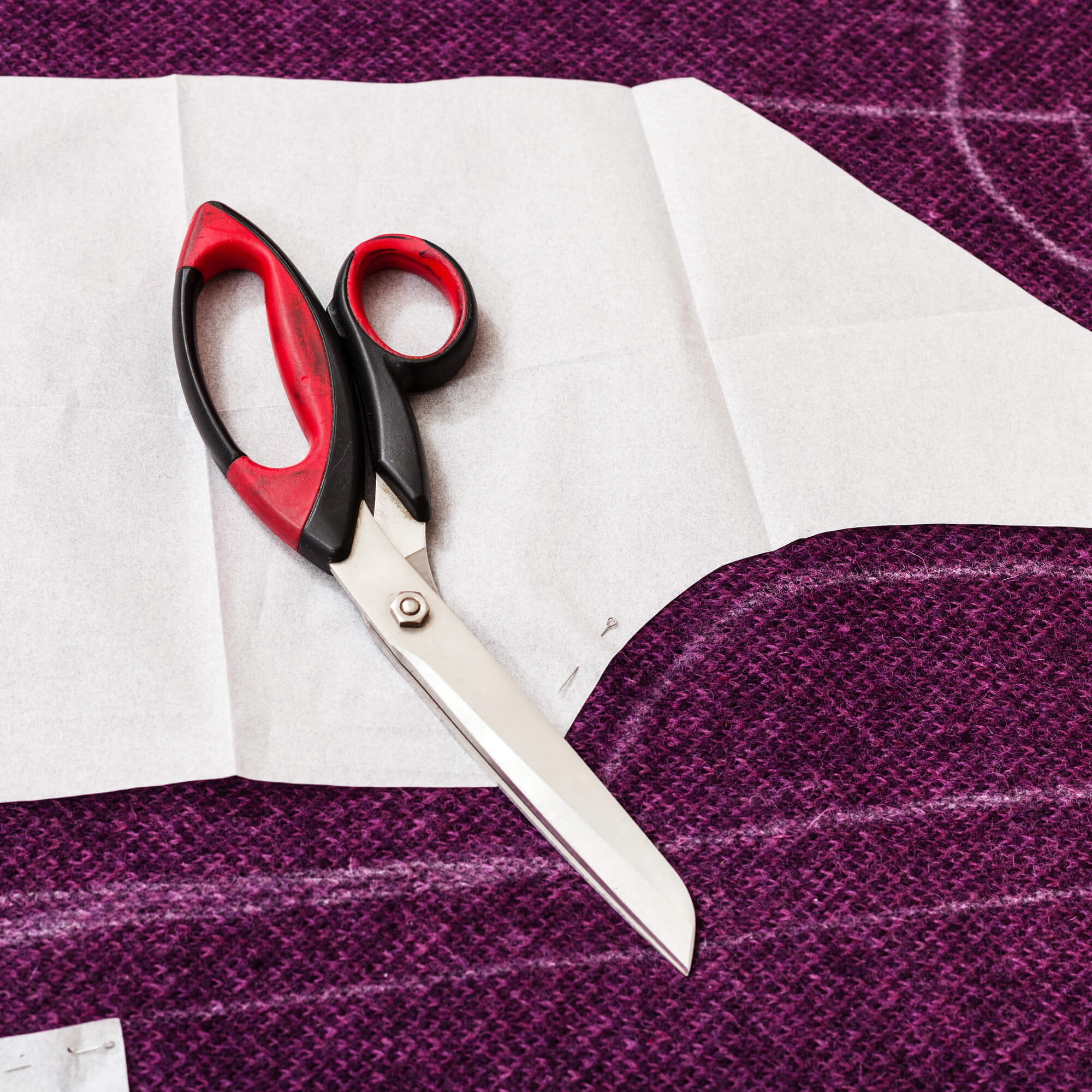
Good fabric shears from brands such as Wiss and Gingher can cost 30 dollars or more new. Older pairs often turn up at thrift stores for a few dollars.
Forged steel blades that close smoothly and cut cleanly are the sign of a pair worth taking home. Dull blades can be professionally sharpened for a modest fee.
Many sewists keep dedicated fabric shears and never use them on paper, which dulls the edge. Pinking shears, which cut a zigzag edge that limits fraying, also appear.
A good pair of shears can last a lifetime with proper care.
Rotary Cutters and Cutting Mats
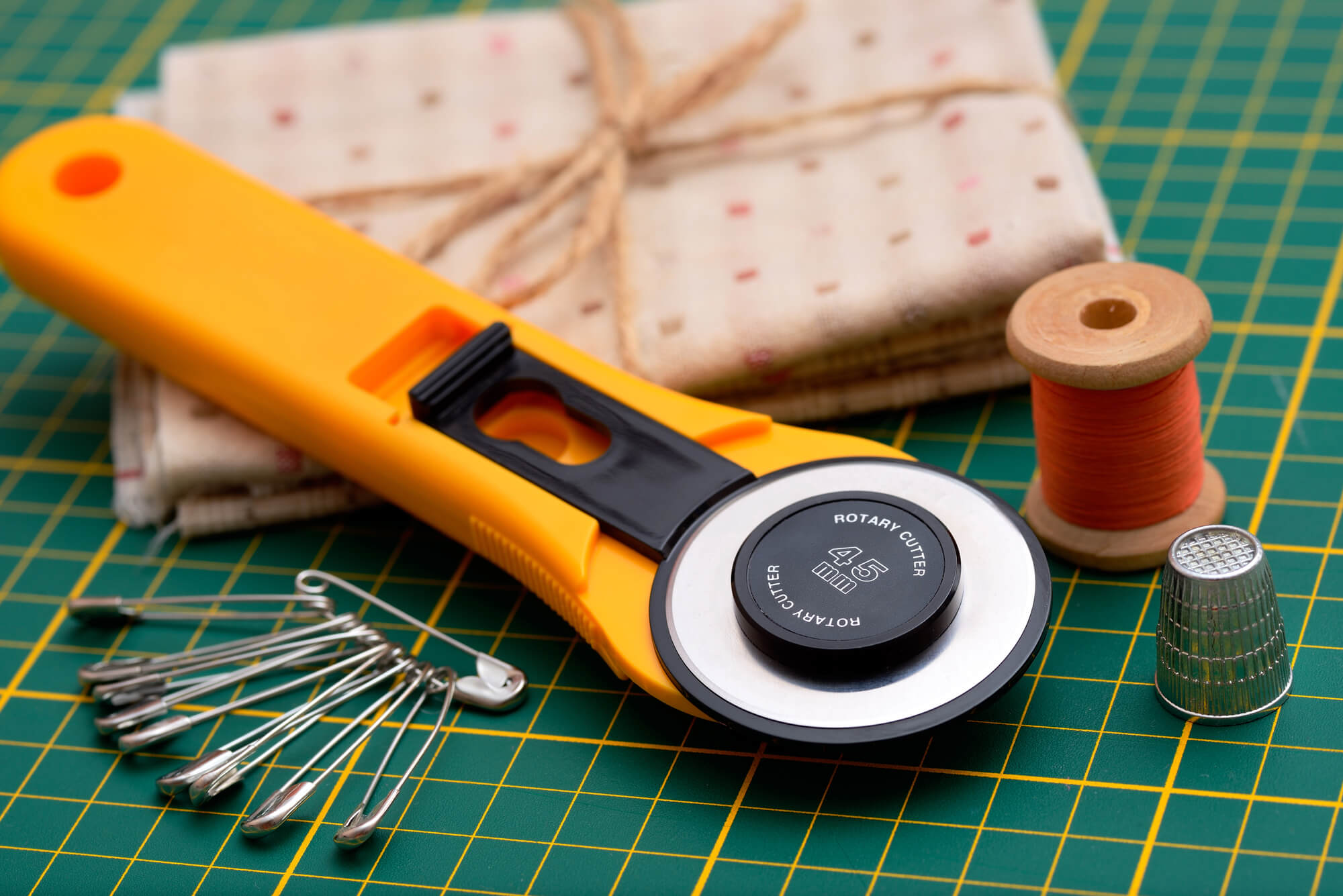
Rotary cutters, introduced by the Japanese company Olfa in 1979, changed quilting by making it easier to cut straight strips quickly. Cutting mats and acrylic rulers often accompany them.
Thrift stores sometimes sell these tools for a fraction of the retail price. A working blade guard and a smoothly turning blade are the first things to test.
Mats should lie flat, since heat can warp them. Rulers should have clear markings.
Replacement blades are inexpensive and easy to find. A full set of tools can save a quilter a significant amount.
Lace, Ribbon and Vintage Trim
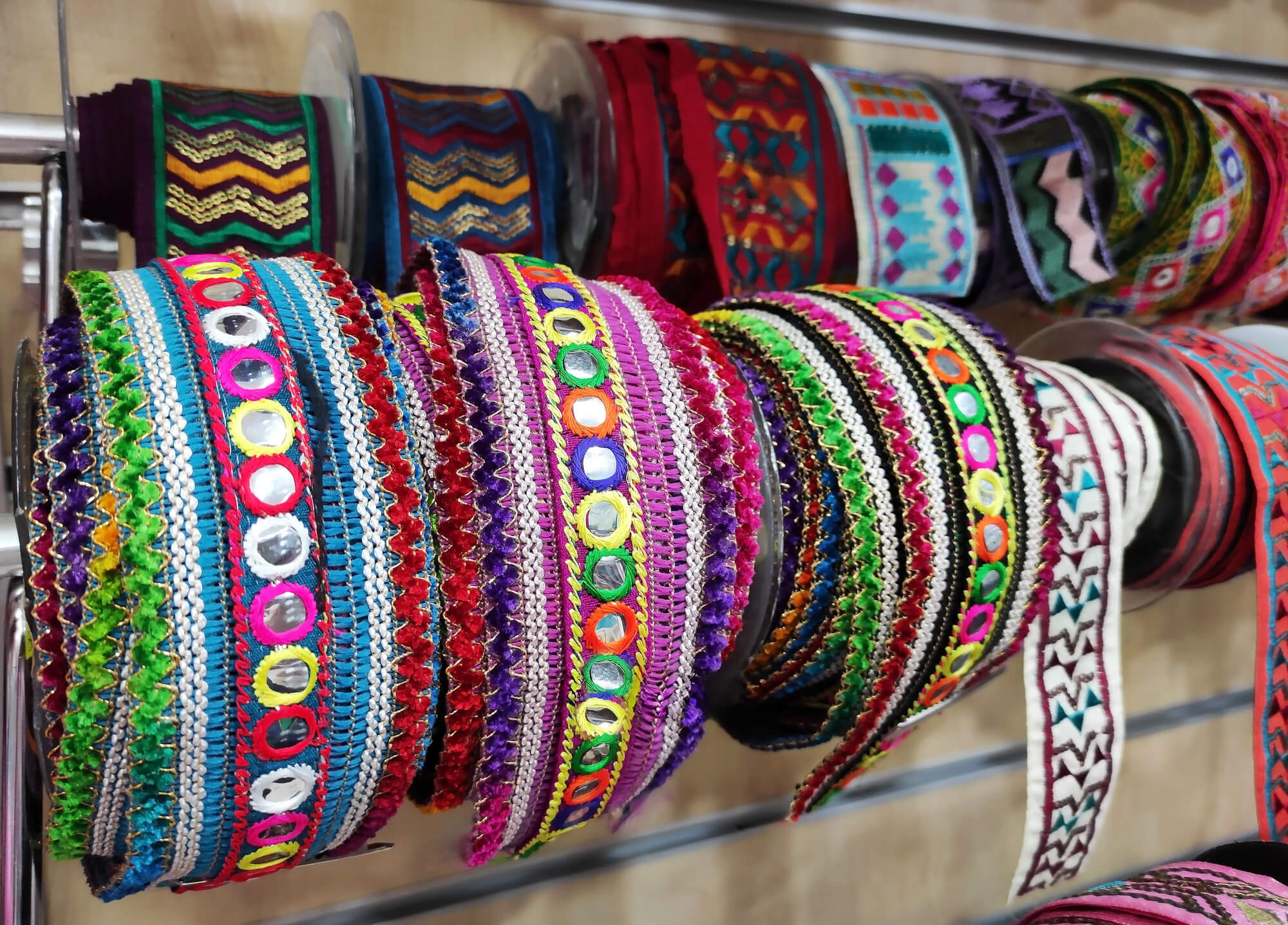
Lace, ribbon, rickrack and seam binding often come wound on cards or in bags at thrift stores. Vintage trims include cotton lace, velvet ribbon and embroidered borders that are hard to find new.
Crafters use them for sewing, scrapbooking, gift wrapping and decorating. Stains, yellowing and fraying are common, but cotton lace can often be whitened with gentle soaking.
Rickrack in mid-century colors such as turquoise and harvest gold has become popular with quilters chasing a vintage look, and a full card of it can cost less than a single new package. A bag of trim can supply dozens of projects, and some vintage pieces sell to collectors who seek specific patterns and materials.
Unfinished Needlework Kits
Unfinished cross-stitch, needlepoint and embroidery kits often show up at thrift stores, sometimes partially stitched. Many come from estates or abandoned projects.
The pattern, fabric and threads should all be present, and the thread colors should match the chart. Partially finished pieces can be completed or used for practice.
Some kits include high-quality wool or silk threads that cost more than the kit price. Crafters who enjoy finishing other people’s projects find these especially satisfying, and completed pieces become gifts or decorations.
Some stitchers even note the original owner’s initials and date on the back, honoring the person who began the work.
Unfinished Quilt Tops and Blocks
Quilt tops and blocks that were pieced but never quilted sometimes appear at thrift stores and estate sales. Many were hand-pieced decades ago from feed sacks, dress scraps and other fabrics.
Quilters buy them to finish, adding batting, backing and quilting. Stains, weak seams and fabric damage are the issues to watch.
Prices vary widely depending on age and condition, from a few dollars for a simple top to considerably more for intricate hand-pieced work. A finished quilt from an old top connects two generations of quilters.
Some buyers keep the top as is and display it, preserving the original work.
Glass Jars and Bottles
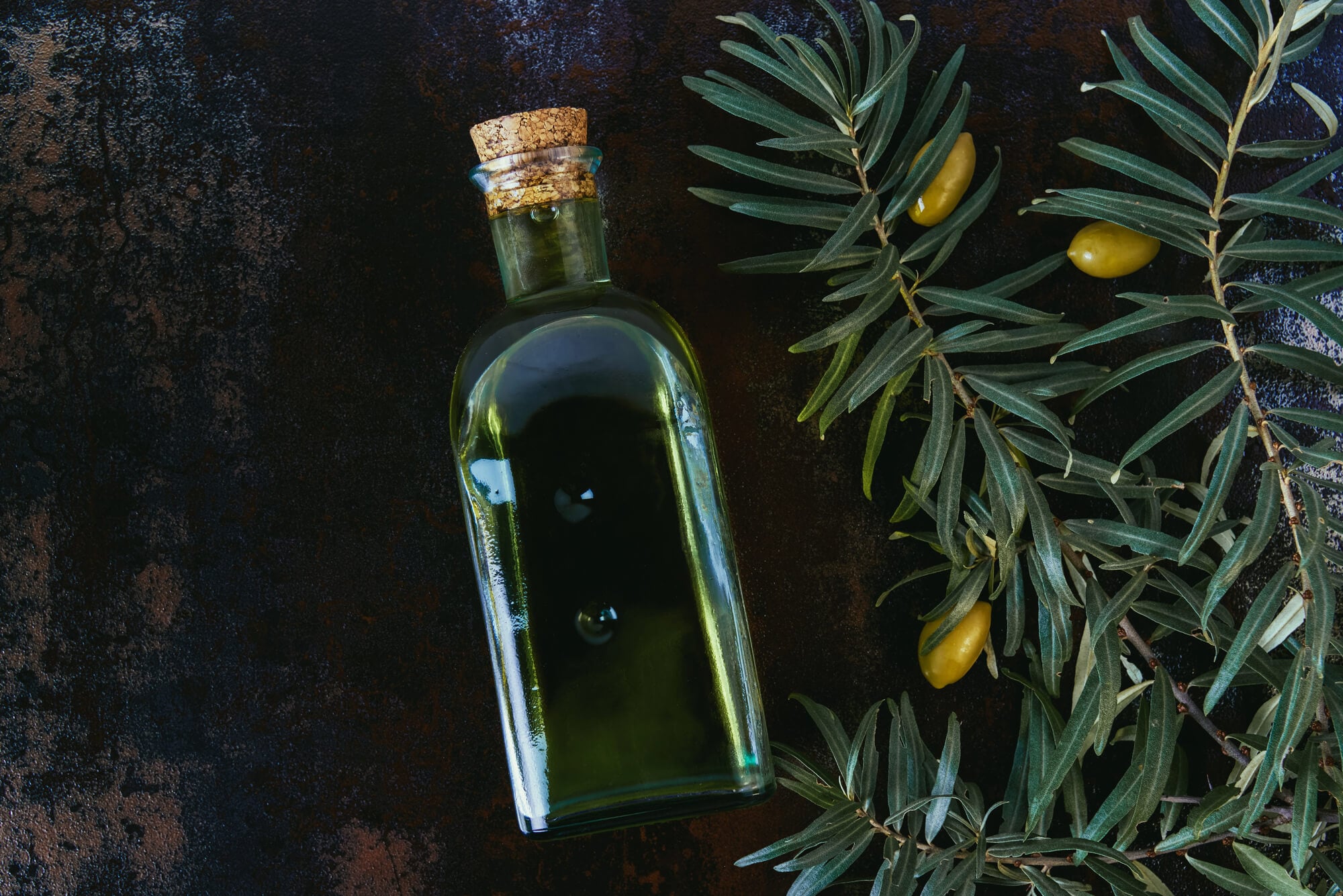
Glass jars and bottles cost little at thrift stores and serve many craft purposes. Crafters use them for candles, terrariums, storage and vases.
Vintage blue and green glass jars are especially attractive. Chips, cracks and cloudiness are easy to spot by holding the glass up to the store lights.
Jars with lids are useful for storing beads, buttons and small supplies. Bottles work well for decorations, lamps and painted projects.
A collection of jars in a sunny window creates a simple, inexpensive display. Many crafters buy them in bulk whenever they find them, since a matched set of jars makes a pantry or craft room look instantly organized.
Old Wooden Thread Spools
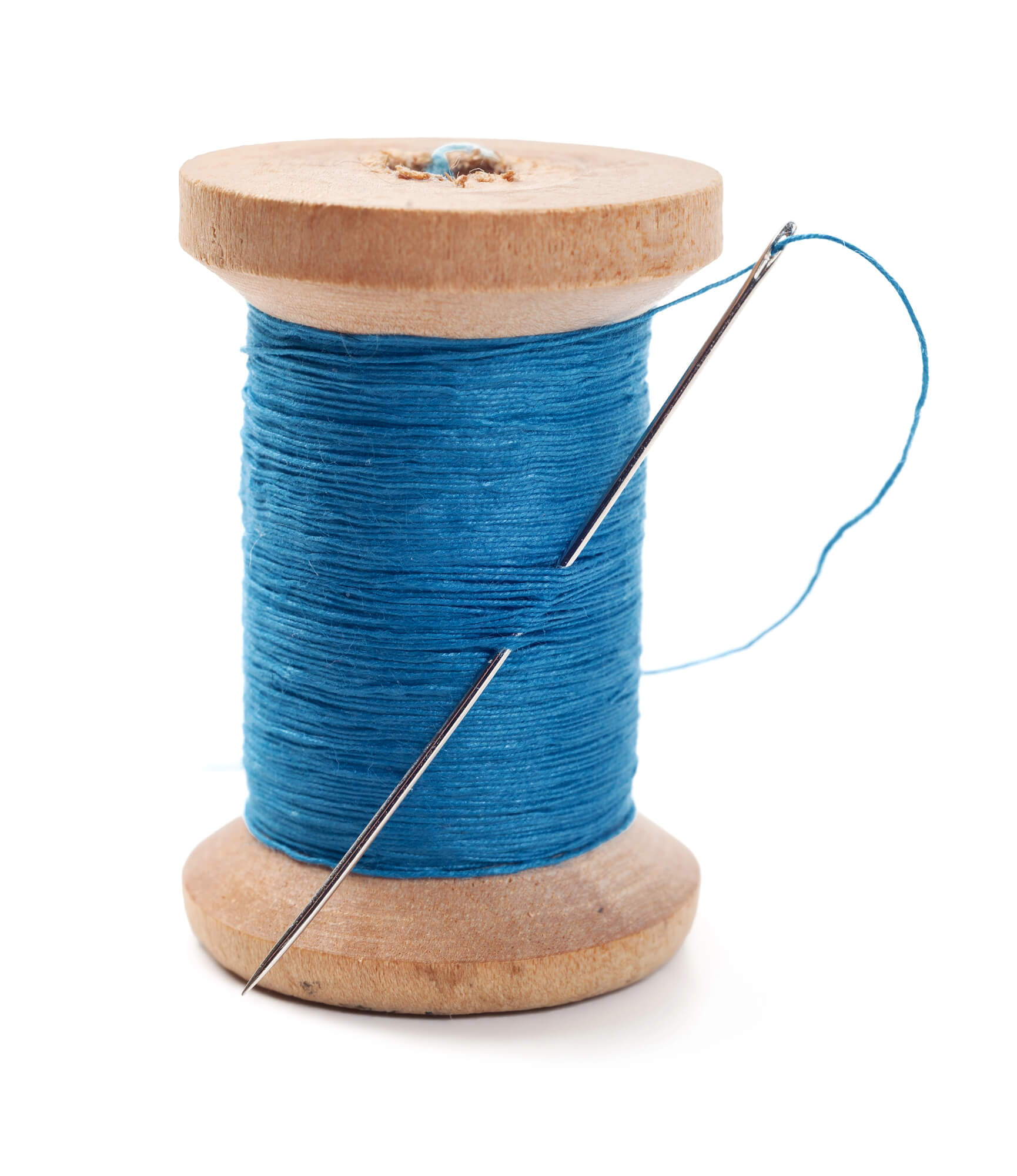
Old wooden thread spools turn up in thrift store bins and jars. Crafters use them for ornaments, decorations, garlands and small toys.
Some spools carry stamped markings from companies such as Clark Thread, whose famous O.N.T. brand initials appeared on spool ends for generations. Vintage spools with thread still attached appeal to collectors.
Most sell for very little, though rare markings and large industrial spools can bring more. Condition matters, including cracks, missing labels and worn finish.
A bowl of wooden spools makes a charming display. Plastic spools replaced wood in most factories during the mid-twentieth century, which is why the wooden ones now feel like antiques.
Picture Frames for Reuse
Picture frames are among the most common thrift store items, and they serve many craft purposes beyond holding photos. Crafters turn them into chalkboards, corkboards, shadow boxes and serving trays.
Solid wood frames are the most useful, since they can be painted or stained. Loose corners, missing glass and damaged backing are the usual problems, though most are easy to fix.
Frames with ornate details can be painted to look new. A frame that costs a few dollars at a thrift store might cost twenty or more new, making them a smart find.
Paintings to Paint Over
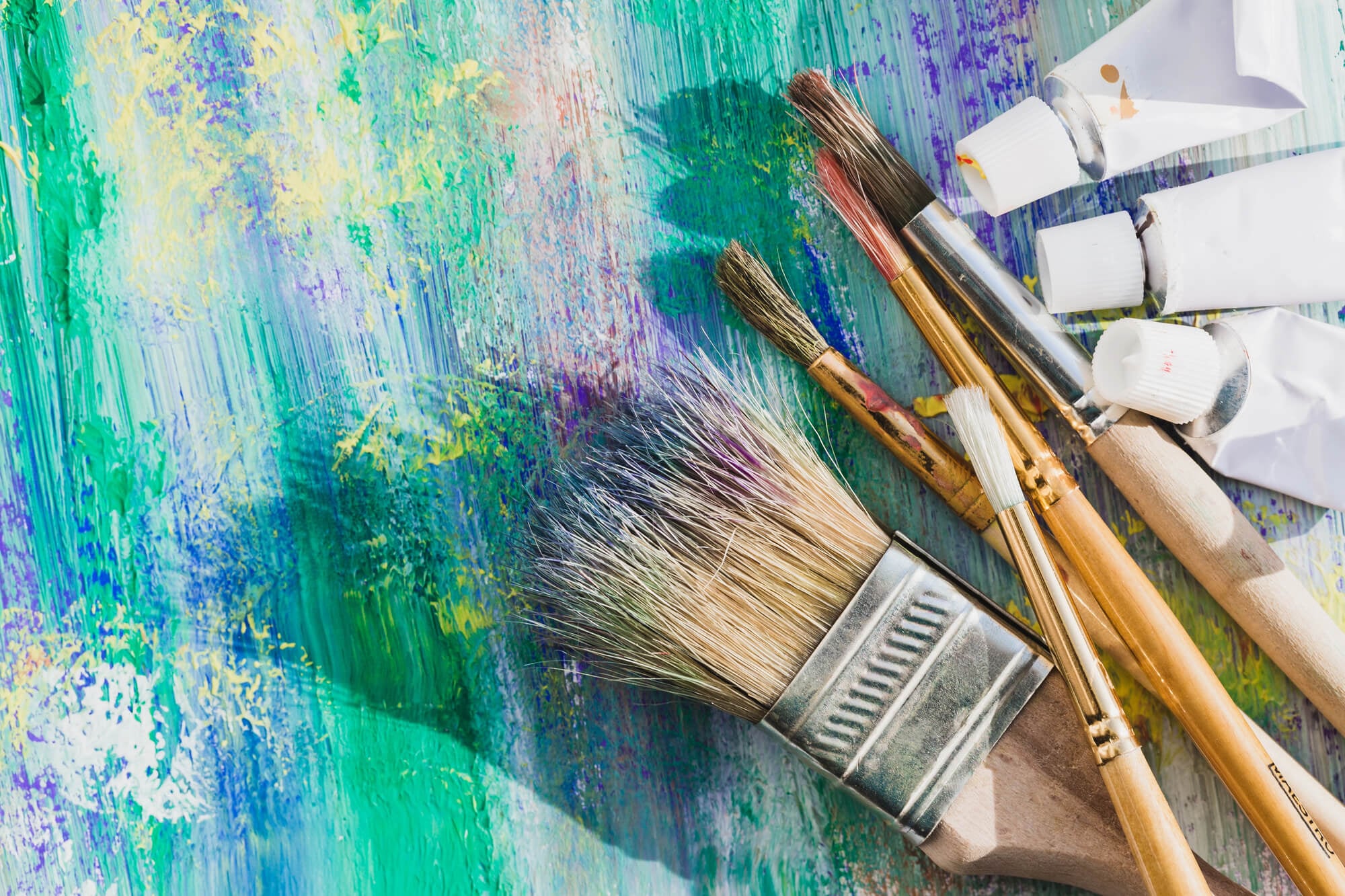
Old paintings on canvas can be painted over, saving the cost of buying new canvas. Many artists coat thrift store paintings with gesso, a primer, and begin again on a clean surface.
Before painting over anything, it pays to confirm the work is not valuable, since some thrift stores sell real art by mistake. Look for signatures, gallery labels and quality.
Many crafters also use old paintings for collage and mixed media. Some artists add their own elements to existing paintings, creating humorous or surreal works that have become popular online.
A placid landscape with a hand-painted monster added to the background has become something of a genre of its own.
Costume Jewelry for Beads
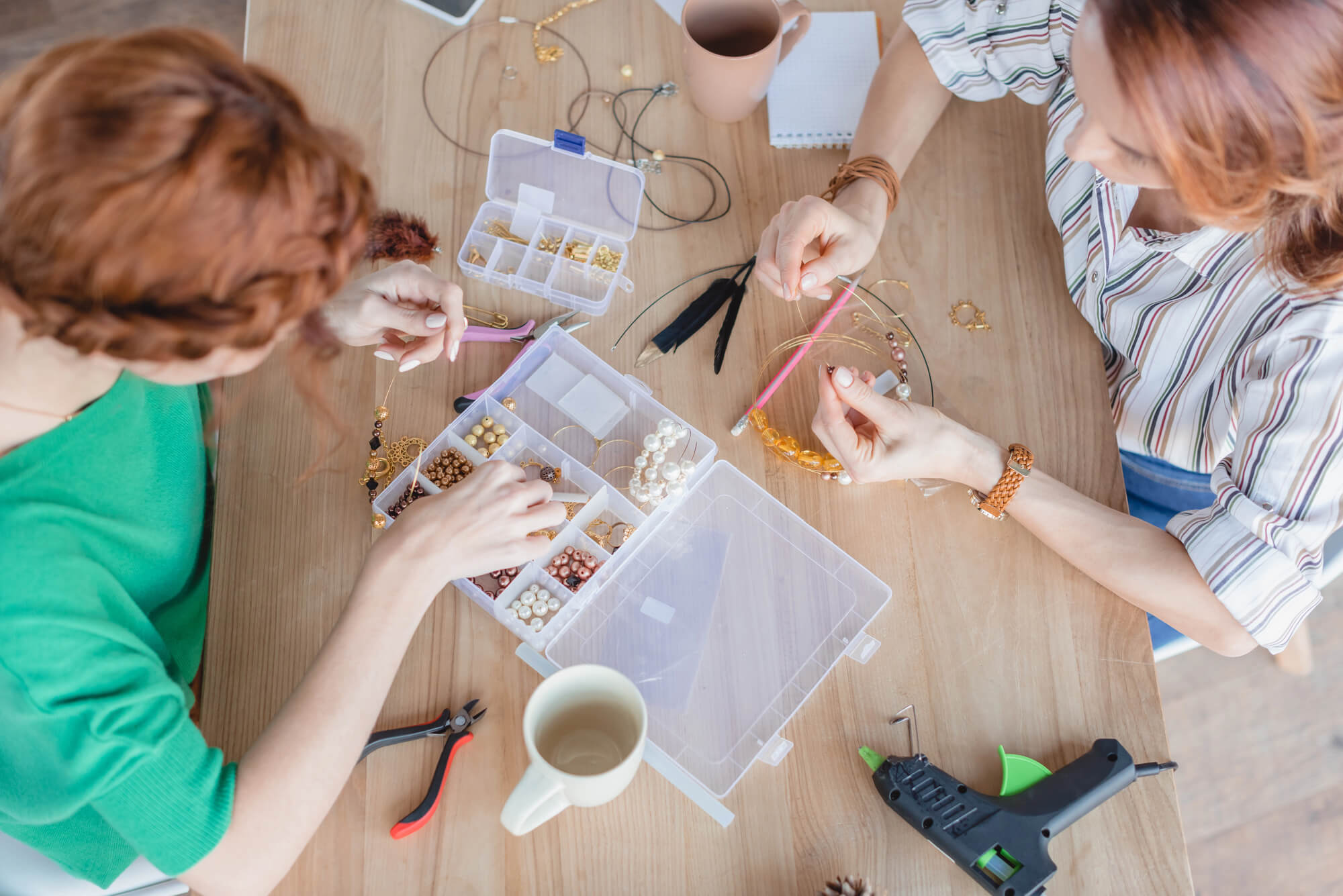
Broken necklaces, bracelets and earrings provide beads, charms and findings for jewelry making. Thrift stores often sell costume jewelry in bags or bins at low prices.
Crafters take pieces apart and reuse the components. Before cutting anything apart, careful crafters look for signed pieces from designers whose work collectors value.
Glass beads, metal charms and clasps are especially useful. Vintage beads often have colors and shapes that are hard to find new.
A bag of jewelry can supply dozens of projects. Clasps, jump rings and crimp beads alone can cost more at a craft store than the entire bag, which makes broken pieces a bargain even before counting the beads.
Candles for Remelting
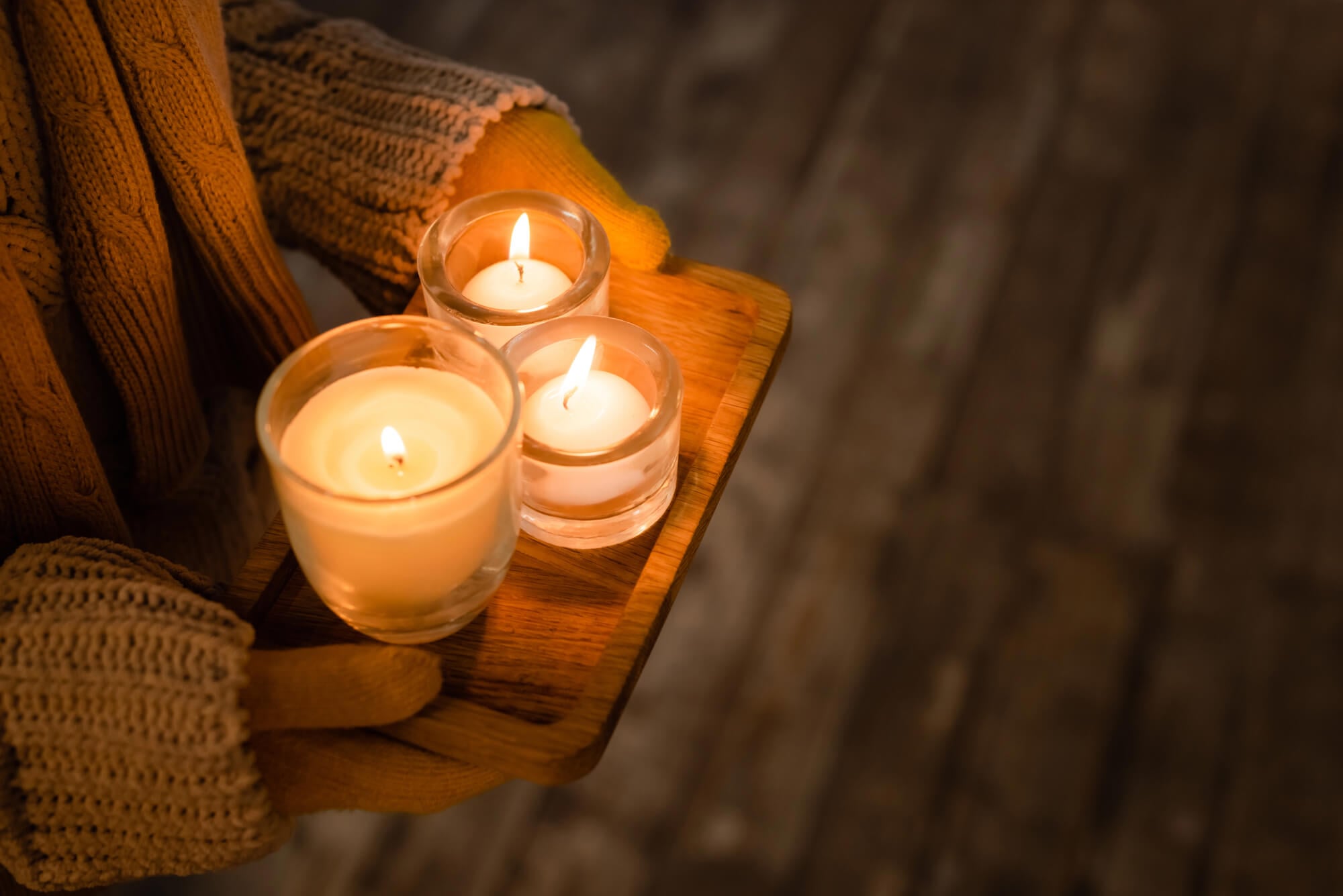
Partially used candles can be melted down and poured into new containers. Thrift stores often sell candles cheaply.
Crafters remove old wicks, melt the wax in a double boiler and pour it into jars or molds with new wicks. Mixing scents and colors can produce unexpected results, so many crafters sort candles by type first.
Soy and paraffin waxes behave differently. The process saves money and reduces waste.
Finished candles make nice gifts, especially when poured into vintage glassware. Teacups and small cordial glasses from the same thrift store make charming containers, turning two bargain finds into one gift.
Silk Flowers and Wreath Forms
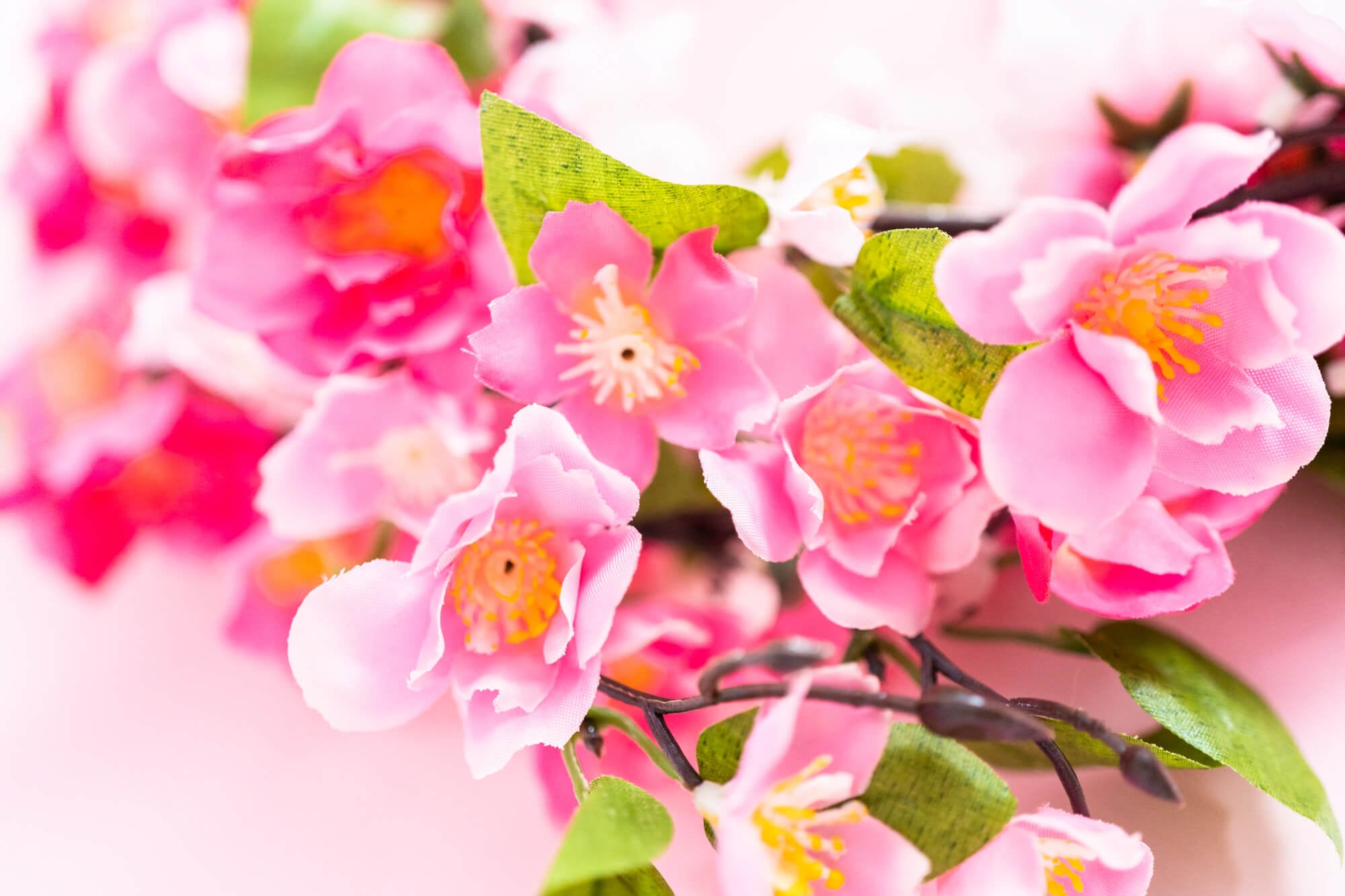
Silk flowers, grapevine wreaths and wire wreath forms often appear at thrift stores at low prices. Crafters use them to make seasonal wreaths, centerpieces and arrangements.
Fading, dust and crushed petals are the main flaws in flowers, while wreath forms should be sturdy and intact. Many crafters remove flowers from old arrangements and reuse them.
A thrift store wreath can be redecorated for each season, saving money. Dried flowers and decorative picks also appear and can be useful for crafts.
A grapevine wreath that sells for 15 dollars or more at a craft store often turns up secondhand for a dollar or two, needing only a quick dusting before it goes back to work.
Pendleton and Other Wool Blankets
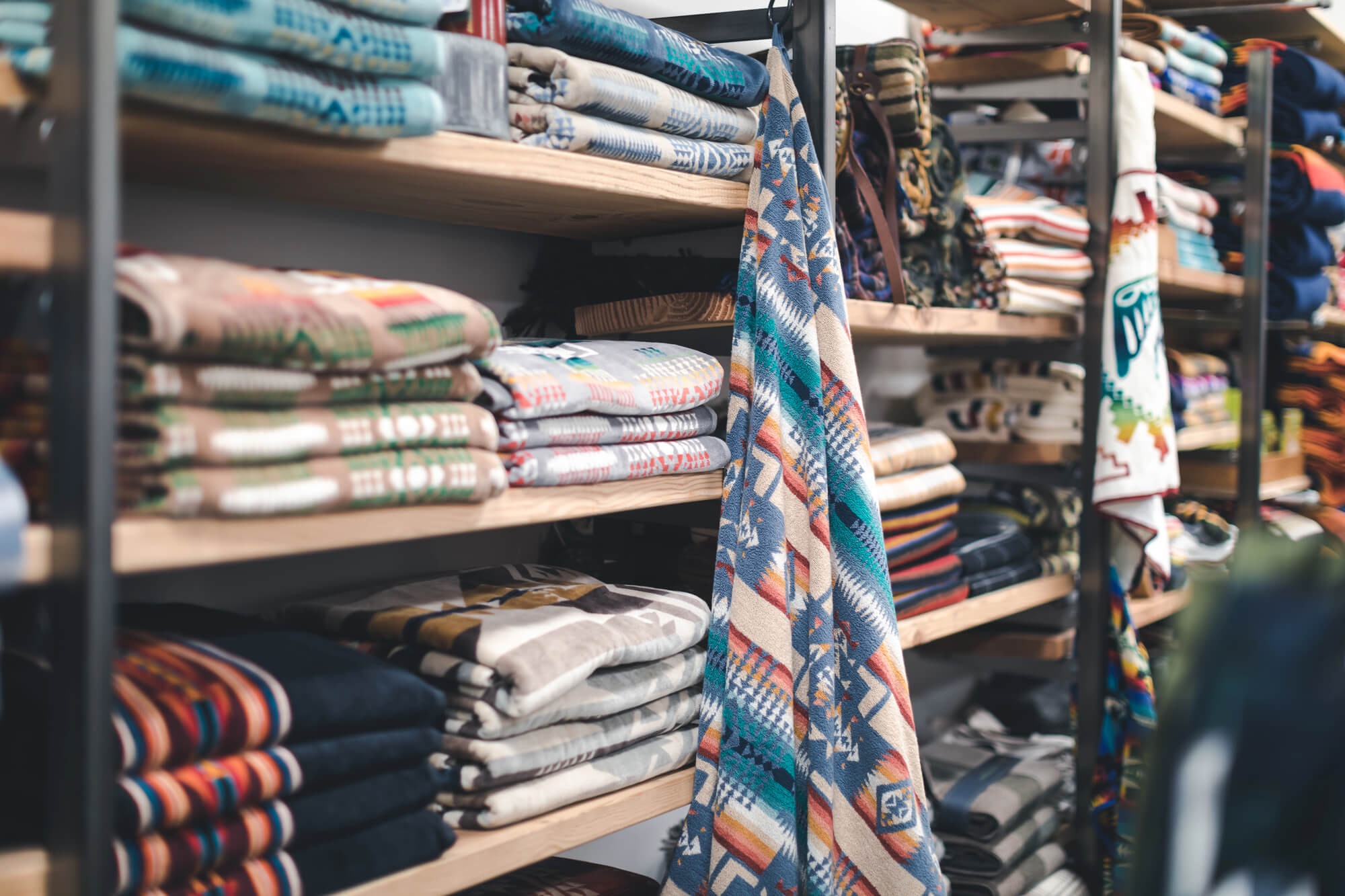
Wool blankets, including those from Pendleton Woolen Mills of Oregon, which has made wool products since 1863, sometimes appear at thrift stores. Crafters use them for coats, bags, pillows and rug hooking strips.
Pendleton blankets with bold patterns can sell for 50 dollars or more, depending on condition and pattern. Moth damage, stains, fading and wear reduce value.
Wool blankets can also be felted for projects. Holding a blanket up to the light reveals small moth damage that is easy to miss on a shelf.
Even a damaged blanket can be cut around the flaws for smaller projects, so a low price can justify buying one with a few problems.
Supplies Hiding in the Housewares Aisle
Thrift stores are full of craft supplies that do not look like craft supplies. A sweater becomes yarn, a sheet becomes a quilt back, and a frame becomes a chalkboard.
The value lies in seeing past the original purpose. Buying secondhand also keeps materials out of landfills and connects crafters to the people who used them before.
A jar of buttons or a bag of floss carries someone else’s history. Using those supplies gives them another chapter.
More from Go2Tutors!

- The Romanov Crown Jewels and Their Tragic Fate
- 13 Historical Mysteries That Science Still Can’t Solve
- Famous Hoaxes That Fooled the World for Years
- 15 Child Stars with Tragic Adult Lives
- 16 Famous Jewelry Pieces in History
Like Go2Tutors’s content? Follow us on MSN.