27 Indigenous Foods That Changed Global Cuisine
Italian cooking without tomatoes, Thai food without chilies and Irish history without potatoes are all hard to picture, yet none of those ingredients grew outside the Americas before the 1490s. The farmers who domesticated them worked over thousands of years, often turning wild plants that were bitter, tiny or toxic into staples.
Their work now sits on nearly every table on Earth.
Maize, the Grain That Took Over the World
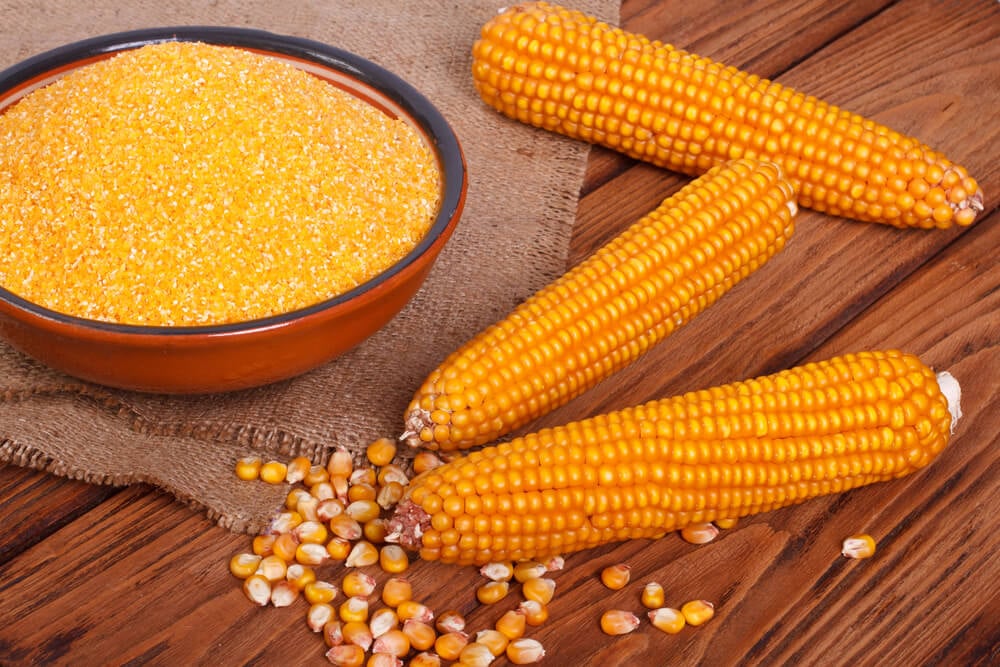
Maize began as teosinte, a wild grass in southern Mexico with a handful of hard kernels on each stalk. Over thousands of years, farmers in the Balsas River region and beyond selected and replanted the best plants until teosinte became the large-eared corn known today, a transformation genetic studies date to roughly 9,000 years ago.
Corn is now the most produced grain crop in the world by tonnage. It feeds livestock, becomes sweeteners and fuel ethanol, and shows up as polenta in Italy, ugali in East Africa and pap in South Africa.
Few domestication stories changed the planet more.
Potatoes From the Andes
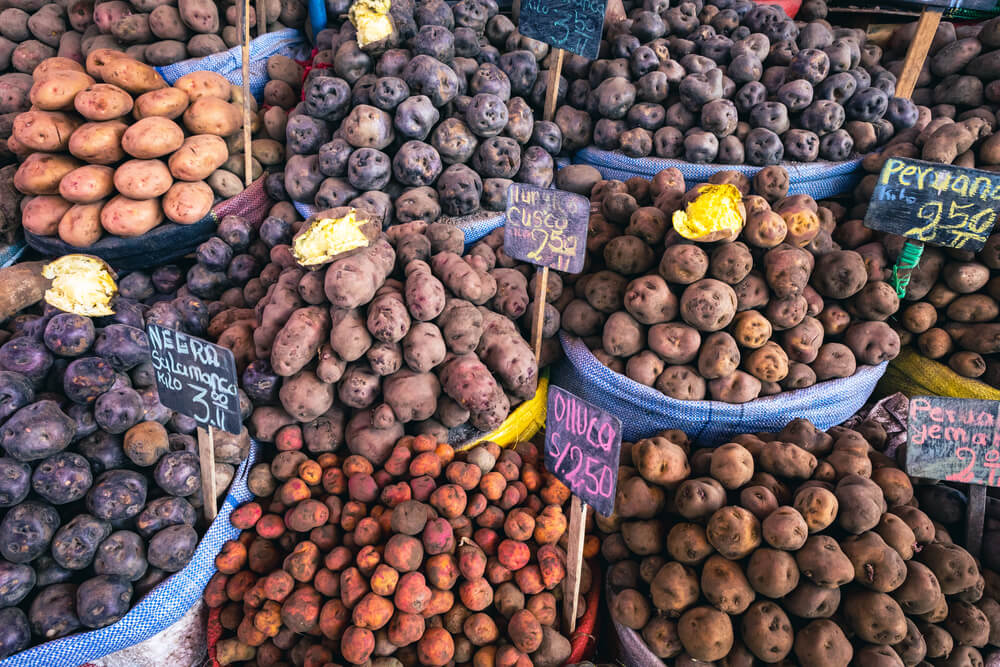
The potato was domesticated in the Andes near Lake Titicaca roughly 7,000 to 10,000 years ago, and Andean farmers developed thousands of varieties in colors from purple to yellow. Spanish ships carried potatoes to Europe in the 1500s, where they were met with suspicion before becoming a staple.
The crop fueled population growth across northern Europe, and Ireland’s dependence on a narrow range of varieties set the stage for the devastating famine of the 1840s. The International Potato Center in Lima keeps a large genebank of native varieties.
French fries, latkes, gnocchi and aloo curries all trace back to Andean fields.
Tomatoes and a Slow Italian Romance
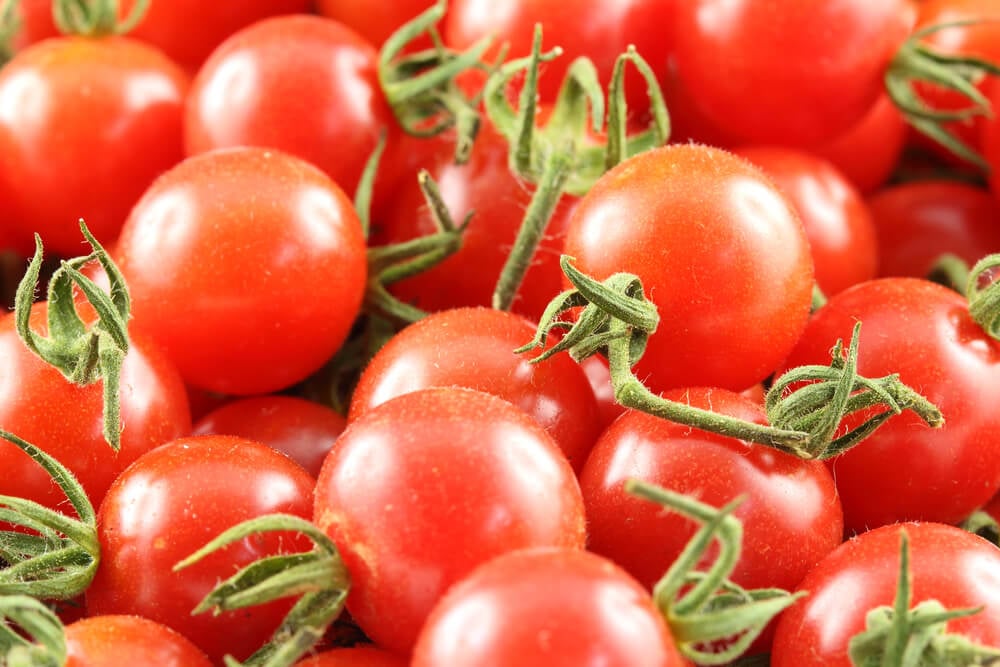
Wild tomatoes grow in the Andes, but the fruit was domesticated further north in Mexico, where the Nahuatl word tomatl gave it its name. Europeans were slow to trust it.
The Italian botanist Pietro Andrea Mattioli described tomatoes in the 1540s, calling them golden apples, yet tomato sauce did not become common in Italian cooking until the late 1600s and 1700s. Many northern Europeans grew the plant as an ornamental for decades.
Today it is hard to imagine pizza, ketchup, gazpacho or shakshuka without it, and tomatoes rank among the most widely grown vegetables on the planet.
Chili Peppers and a Spice Revolution
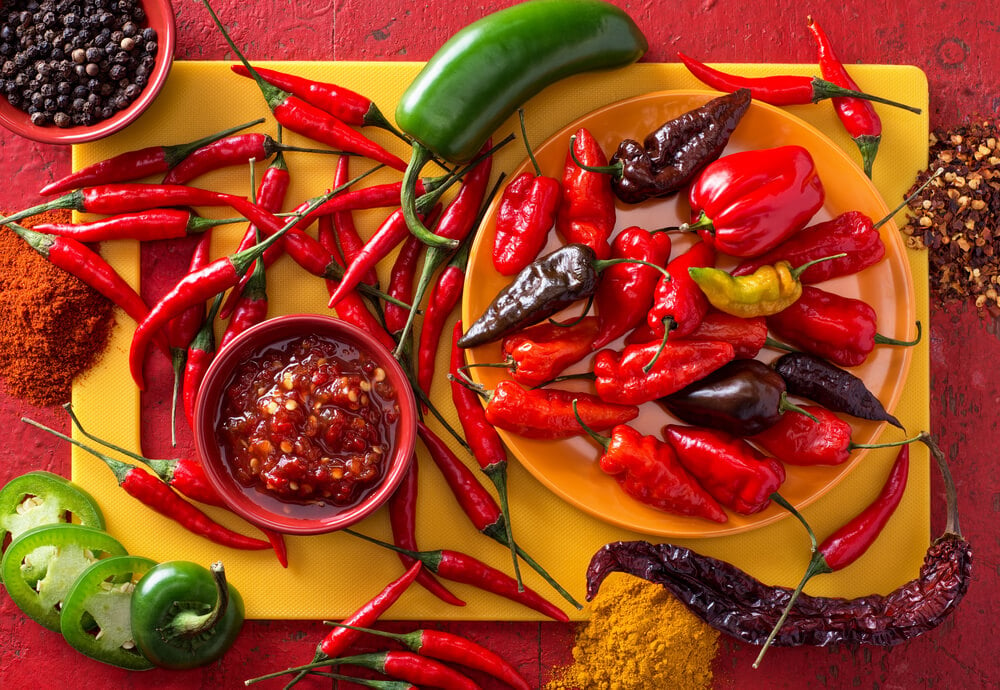
Chili peppers were domesticated in Mexico at least 6,000 years ago. After Columbus brought them back in 1493, Portuguese traders carried them along their routes to Africa, India and Southeast Asia, where they took hold with astonishing speed.
Within roughly a century, chilies were central to cooking in Goa and other parts of India. Korea adopted red pepper later, and it became essential to kimchi by the 1700s and 1800s.
Hungarian paprika, Thai curries, Ethiopian berbere and the fiery dishes of Sichuan all depend on a plant that reached them only in the last 500 years.
Cacao and the Drink of Kings
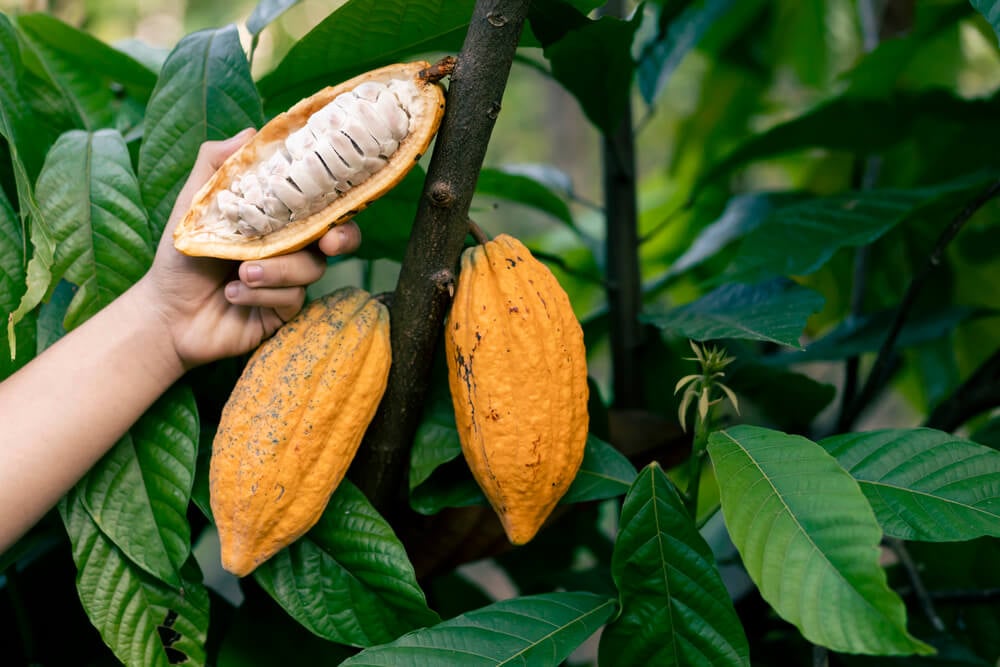
Chocolate comes from the seeds of the cacao tree, and research published in 2018 found traces of cacao use in Ecuador dating back about 5,300 years. In Mesoamerica, the Olmec, Maya and Aztecs prepared cacao as a frothy, often bitter drink, sometimes spiced with chili, and Aztec merchants used the beans as currency.
Spanish colonists added sugar, and chocolate became a fashionable drink in European courts during the 1600s. Solid eating chocolate came much later, after nineteenth-century innovations in Europe.
Most cacao today is grown in West Africa, particularly Ivory Coast and Ghana, far from where it began.
Vanilla From the Totonac Coast
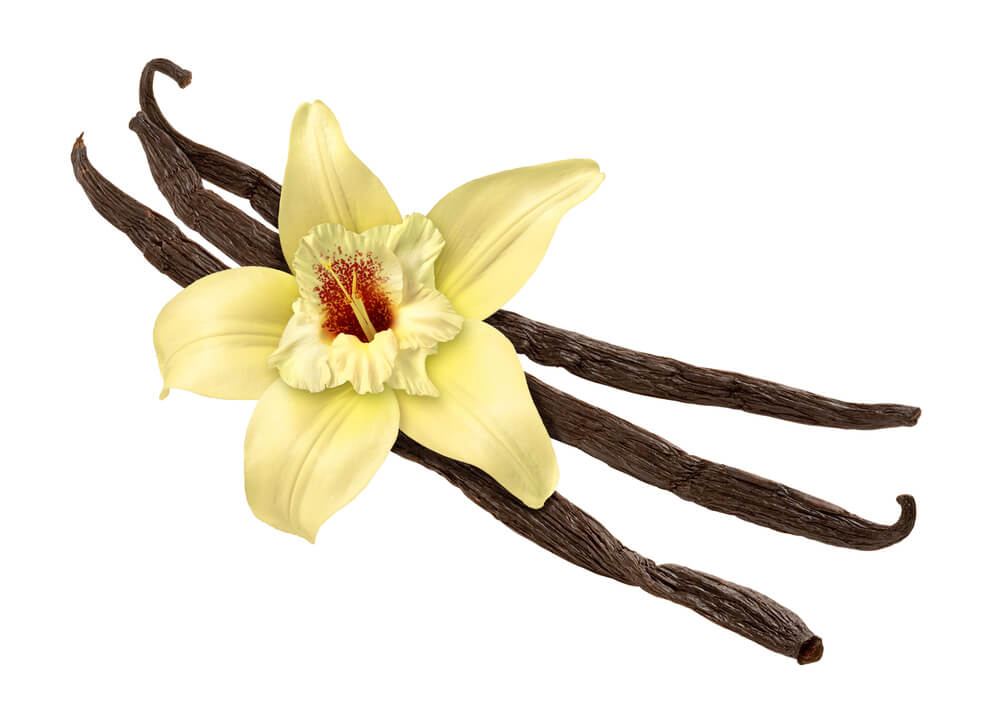
The Totonac people of Mexico’s Gulf Coast cultivated vanilla orchids long before the Aztecs demanded vanilla pods as tribute. For centuries, Mexico held a natural monopoly because the flowers there were pollinated by local insects that did not exist elsewhere.
That changed in 1841, when Edmond Albius, a 12-year-old enslaved boy on the island of Reunion, developed a quick method of hand pollination that growers still use. Madagascar is now the largest producer.
Vanilla remains one of the most labor-intensive spices on Earth, which explains why real vanilla costs so much more than synthetic vanillin.
Beans in Every Cuisine
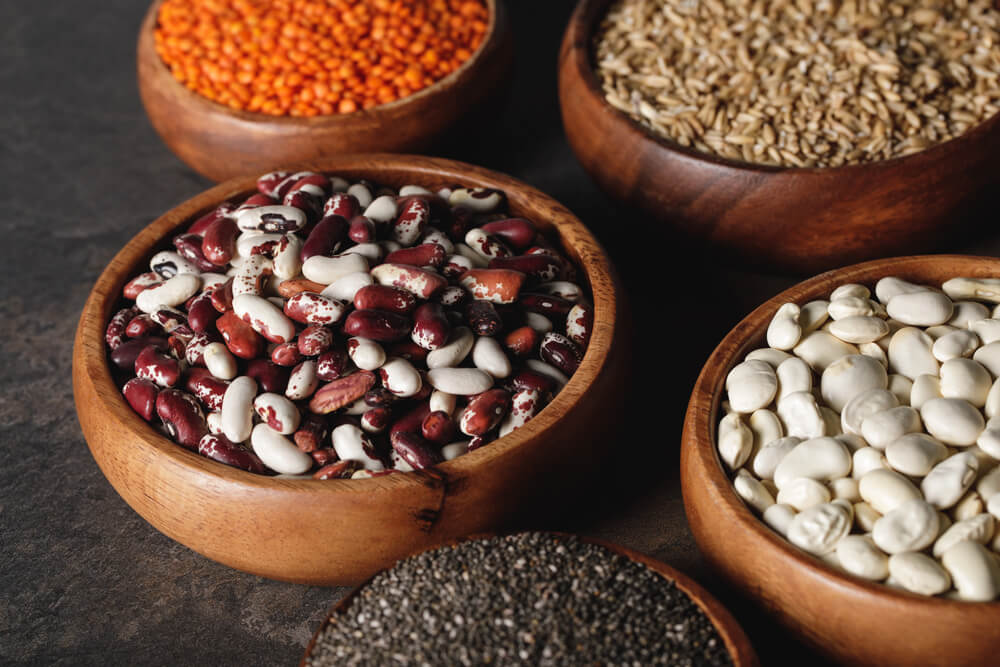
The common bean, the species behind kidney, pinto, black, navy and many other beans, was domesticated separately in Mesoamerica and the Andes thousands of years ago. Beans paired with corn gave Indigenous diets a fuller set of proteins, and they traveled across the globe after 1492.
Navy beans, also called haricot beans, became the basis for British baked beans on toast. Red kidney beans anchor Indian rajma and Louisiana red beans and rice.
Italian borlotti, French flageolet and the black beans of Brazilian feijoada all belong to the same American species, one of the most widely eaten legumes in history.
Squash, Pumpkins and Zucchini
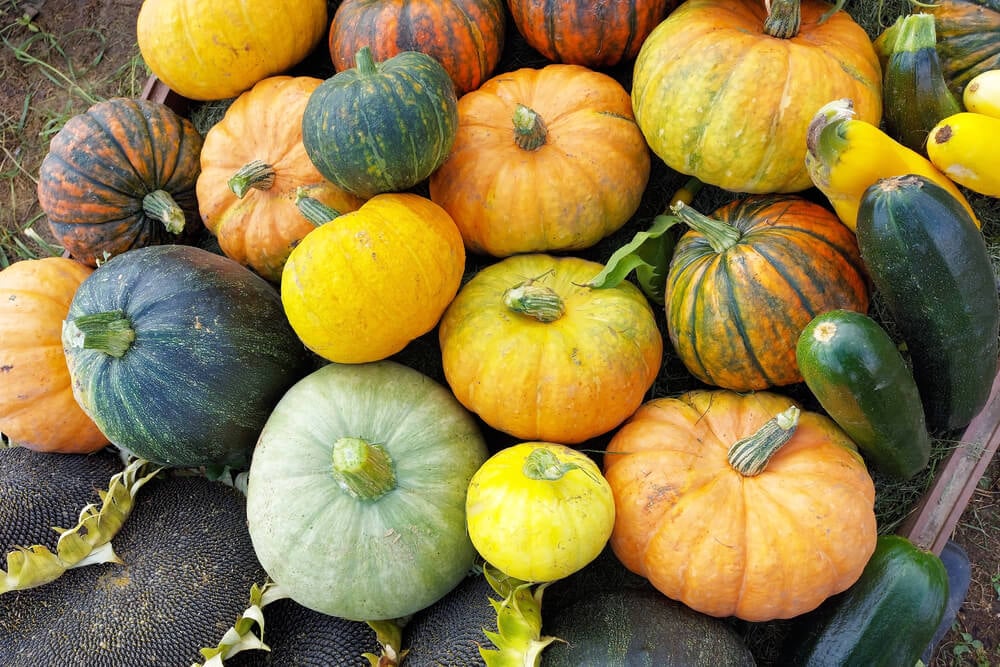
Squash is among the earliest crops domesticated in the Americas. Seeds found in Guila Naquitz Cave in Oaxaca suggest people were cultivating squash roughly 10,000 years ago, perhaps first for its seeds and for hard shells used as containers.
The genus spread throughout the Americas, producing pumpkins, acorn squash, butternut and countless others. Zucchini came later, developed by Italian growers from American squash in the 1800s.
Pumpkin pie, French pumpkin soup and Japanese kabocha tempura all share that American ancestry, as do the jack-o-lanterns carved every October.
Peanuts and Their Long Way Around
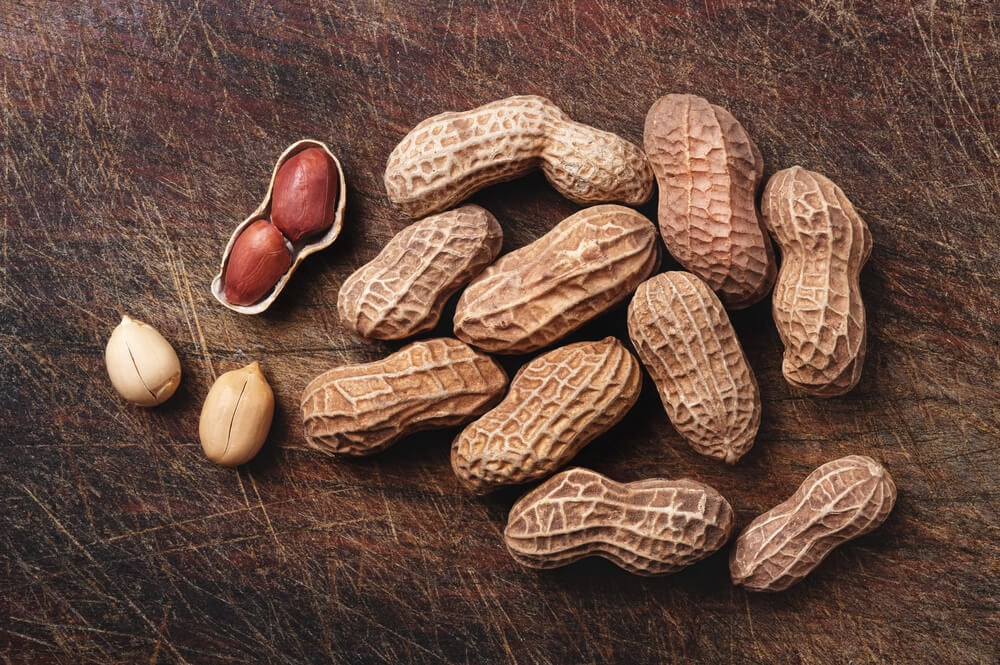
Peanuts were domesticated in South America, with archaeological evidence from Peru dating back more than 7,000 years. Portuguese traders carried them to West Africa, where they became a major crop and a base for groundnut stews, and to Asia, where they entered dishes from Indonesian satay sauce to kung pao chicken.
Enslaved Africans then helped reintroduce peanuts to North America. George Washington Carver’s research at Tuskegee in the early 1900s promoted peanuts as a soil-restoring crop for Southern farmers.
China is now the world’s largest producer, and peanut butter is a pantry staple across much of the planet.
Cassava, a Staple for Hundreds of Millions
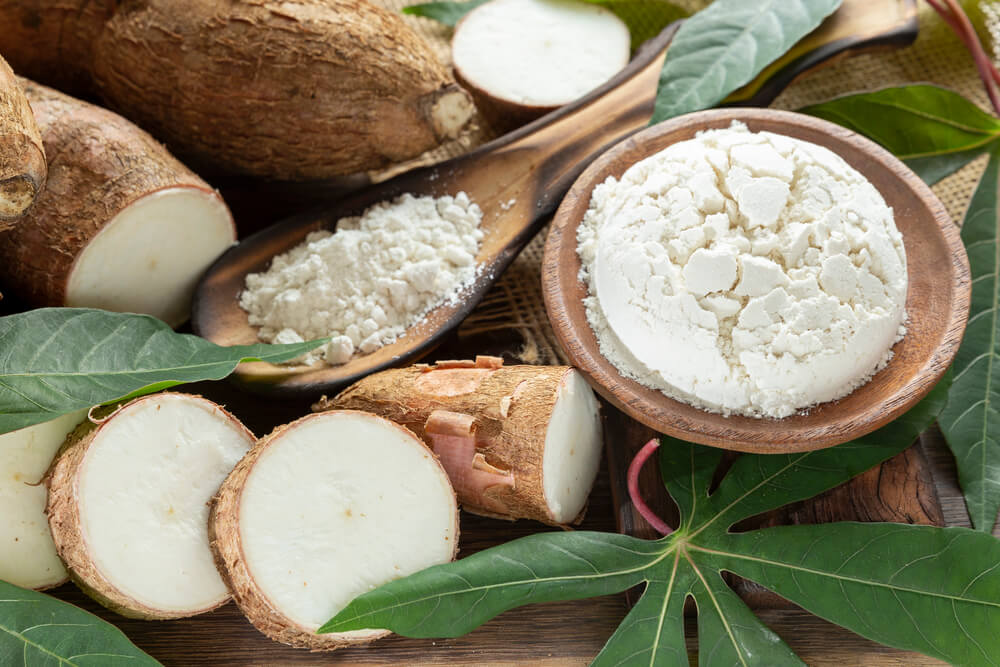
Cassava, also called manioc or yuca, was domesticated in the southern Amazon basin thousands of years ago. Its roots contain compounds that release cyanide, so Indigenous cooks developed elaborate grating, soaking, pressing and drying methods to make it safe, techniques still used in Brazil for farinha.
Portuguese ships brought cassava to Africa in the 1500s, and it now feeds hundreds of millions of people there. Nigeria is the largest producer in the world.
Tapioca pearls in bubble tea, Brazilian pao de queijo and West African fufu and garri all come from this hardy root.
Sweet Potatoes Across the Pacific
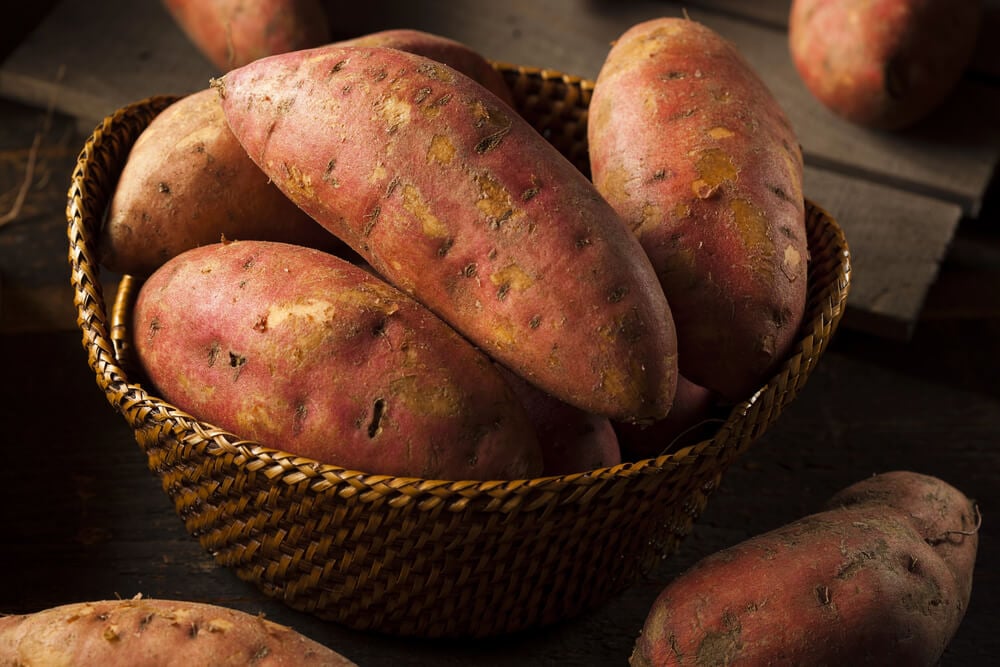
Sweet potatoes were domesticated in Central or South America several thousand years ago, and they spread in ways that still puzzle researchers. Remains in Polynesia appear to predate European voyages, suggesting contact between Polynesian sailors and South America, an idea supported by some studies but still debated.
Spanish and Portuguese traders later carried sweet potatoes to Asia and Africa. China is now by far the largest producer.
Japanese roasted sweet potatoes sold from trucks, Korean goguma snacks and Southern sweet potato pie all come from a crop that crossed oceans more than once.
Avocados and a Single Famous Tree
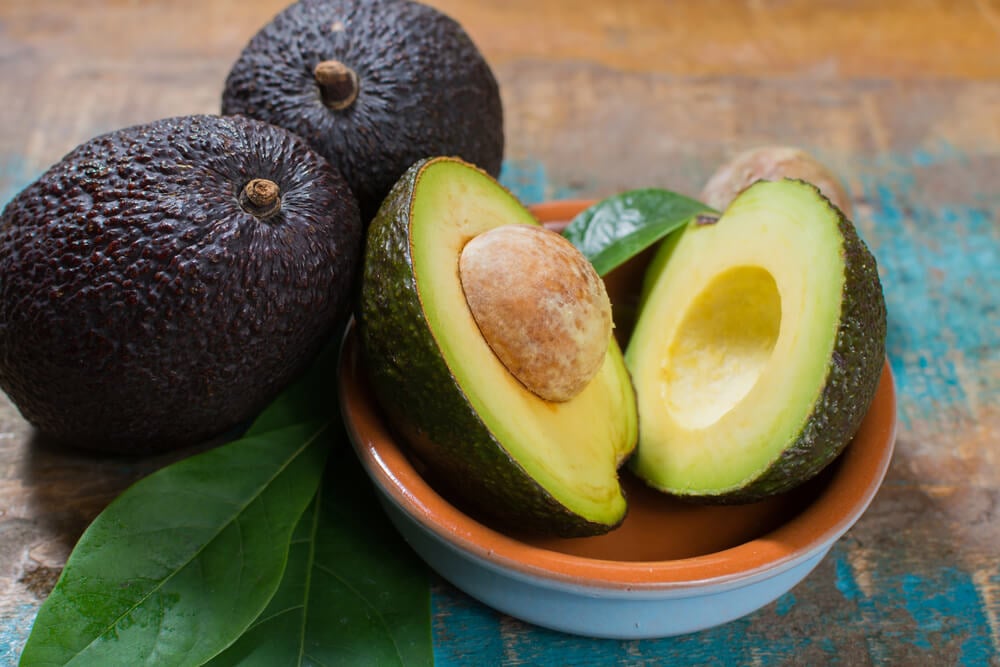
Avocados were cultivated in Mexico and Central America for thousands of years, and the Nahuatl word ahuacatl gave the fruit its name. Most avocados sold worldwide today are Hass avocados, all descended from a single tree that a mail carrier named Rudolph Hass grew in his backyard in La Habra Heights, California.
He patented the variety in 1935, and the mother tree survived until 2002. Mexico remains the top producer by a wide margin.
Guacamole dates back to the Aztecs, while avocado toast, California rolls and sweet Brazilian avocado smoothies show how far the fruit has traveled.
Pineapples as Status Symbols
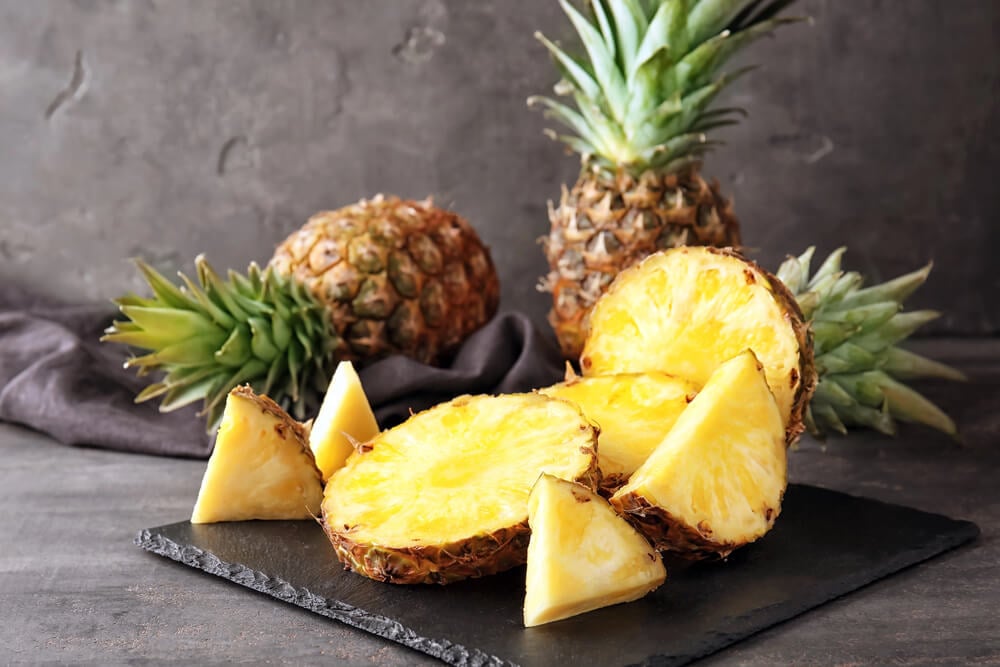
Pineapples were domesticated in South America, likely in the region of modern Brazil and Paraguay, and spread through the Caribbean before Europeans arrived. Columbus encountered them on Guadeloupe in 1493.
In Europe, the fruit was so difficult to grow that it became a symbol of wealth, and rich households built heated hothouses to raise them. Pineapple motifs still decorate gateposts and furniture as a sign of hospitality.
Large plantations in Hawaii, made famous by James Dole in the early 1900s, turned canned pineapple into an everyday food, and Costa Rica is now among the leading exporters.
Quinoa, From Andean Fields to Health Food Aisles
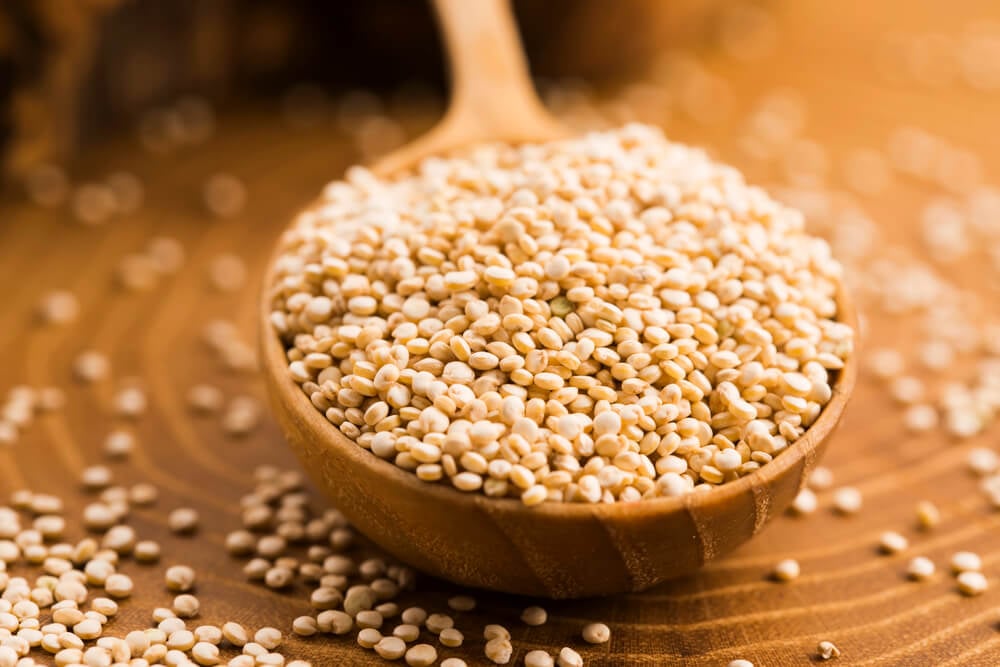
Quinoa was domesticated around Lake Titicaca thousands of years ago and was a staple of Andean diets long before the Inca. Technically a seed rather than a grain, it is high in protein and tolerates thin air, poor soils and frost.
Its seeds carry bitter saponins, which Andean cooks traditionally remove by washing. The United Nations named 2013 the International Year of Quinoa, and global demand surged, raising prices and income for growers in Bolivia and Peru while also making the grain harder for some local families to afford.
Quinoa salads, bowls and pastas now appear on menus worldwide.
Turkey on Holiday Tables
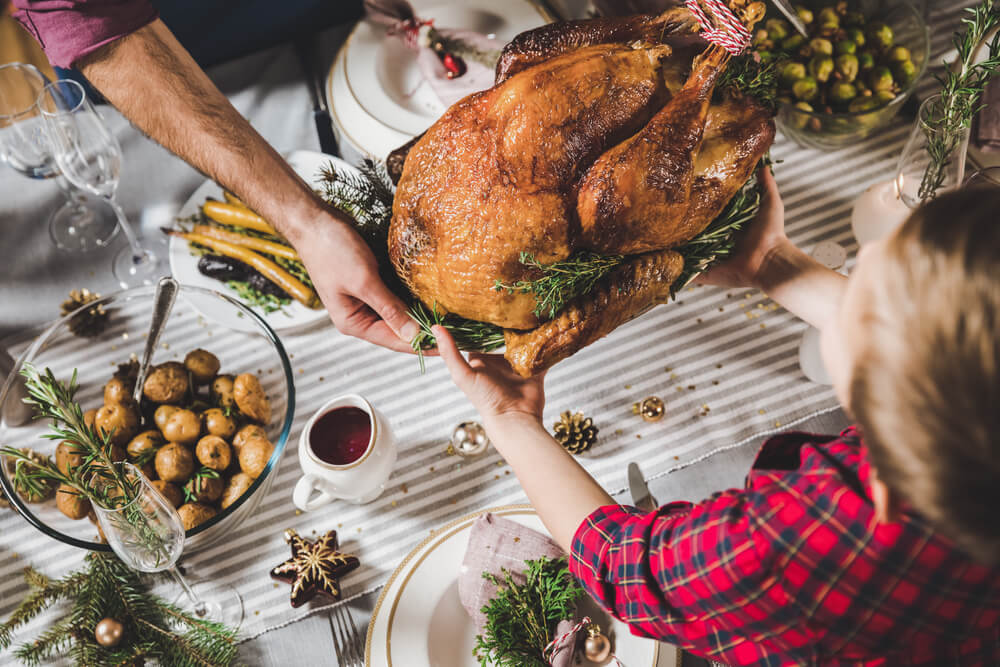
Domestic turkeys descend from wild birds tamed by Indigenous peoples in Mexico more than 2,000 years ago, with a separate domestication in the American Southwest. Spanish ships brought turkeys to Europe in the early 1500s, and they spread quickly.
The English name comes from a mix-up with guinea fowl, which reached Britain through Turkish merchants. Within a few decades, turkeys were showing up at English feasts, and they eventually displaced goose as the British Christmas centerpiece.
Most turkeys raised today descend from Mexican stock that crossed the Atlantic and back, rather than from the wild birds of New England.
Cashews and the Portuguese Connection
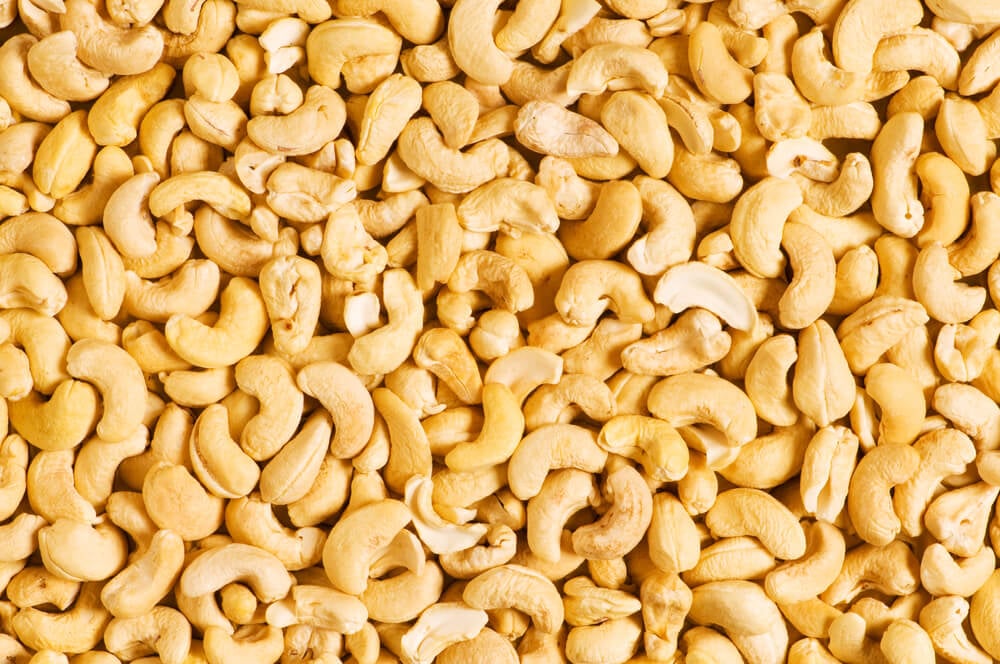
Cashew trees are native to northeastern Brazil, where the Tupi people ate both the nut and the juicy cashew apple. The name comes from the Tupi word acaju.
Portuguese traders carried cashews to Goa in India and to East Africa in the 1500s. India developed a major processing industry, and Goa still distills a spirit called feni from cashew apples.
Ivory Coast is now the largest producer of raw cashews, while Vietnam and India lead in processing. Cashew chicken, Indian kaju katli sweets and dairy-free cashew cheese all rely on a Brazilian tree.
Allspice From Jamaica
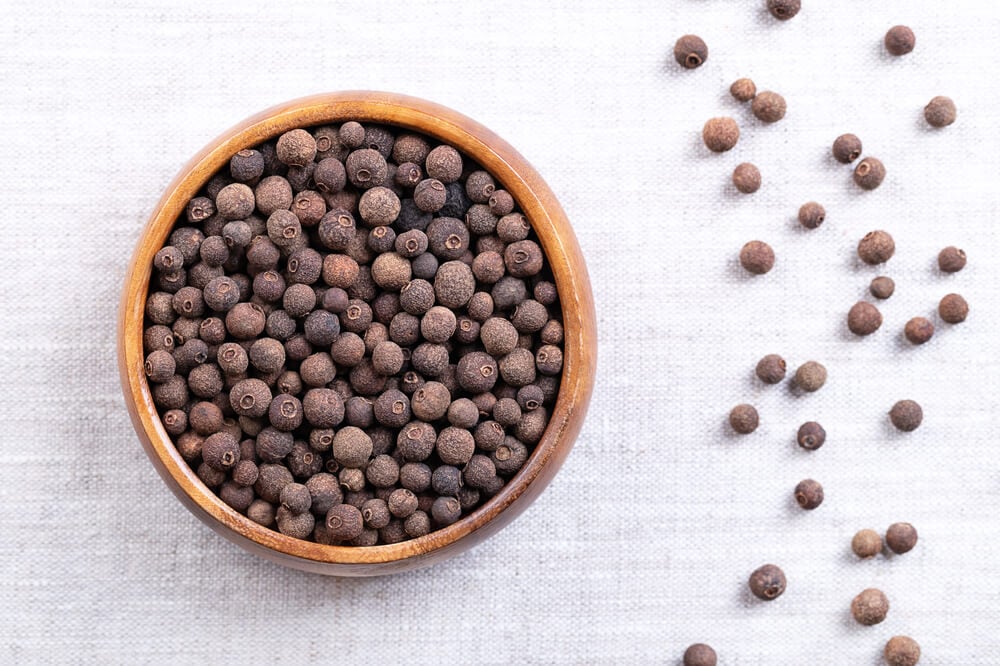
Allspice is the dried berry of Pimenta dioica, a tree native to Jamaica and Central America, and Europeans named it for a flavor that suggested cinnamon, nutmeg and cloves at once. The Maya used it in food and ritual, and Jamaica remains the most famous source.
Allspice is essential to Jamaican jerk seasoning, which grew from cooking methods shared by Maroon communities and the Taino. It also turns up far from the Caribbean, in Scandinavian pickled herring, Middle Eastern rice dishes, German sauerbraten and the Cincinnati chili of Ohio.
Sunflowers and the Russian Oil Boom
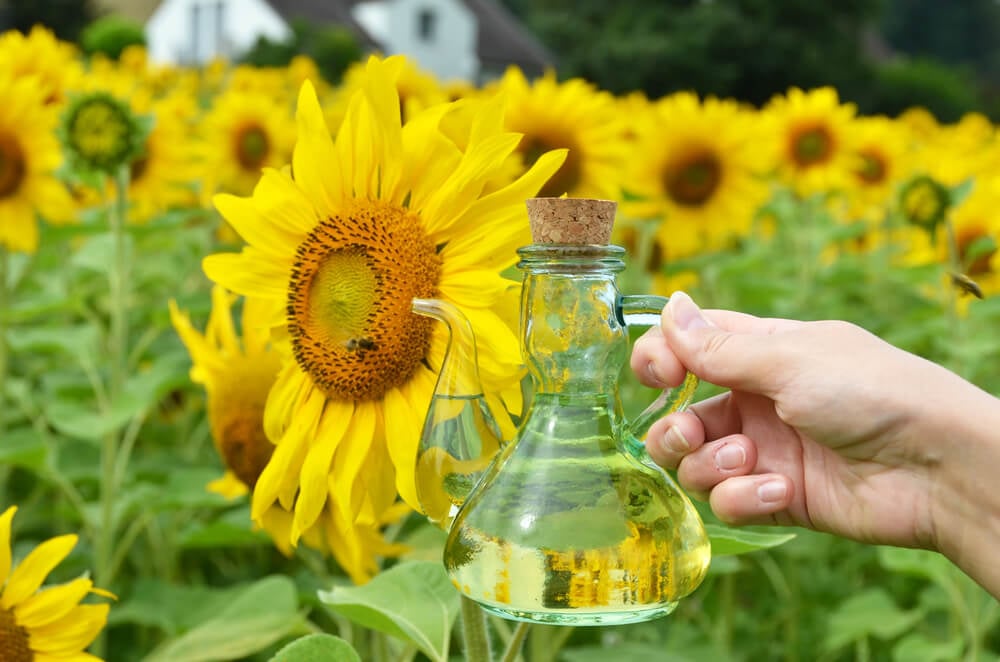
Sunflowers were domesticated in eastern North America roughly 4,000 to 5,000 years ago, prized for their seeds and oil. Spanish explorers took them to Europe, but they found their greatest success in Russia.
Sunflower oil gained popularity there partly because it was not on the Russian Orthodox Church’s list of foods forbidden during Lent, and breeders later developed high-oil varieties. Russia and Ukraine became the world’s largest producers of sunflower oil.
Roasted seeds as a snack, sunflower oil in frying pans across Eastern Europe and sunflower seed butter all trace back to Native American farmers.
Chia, an Aztec Staple Reborn
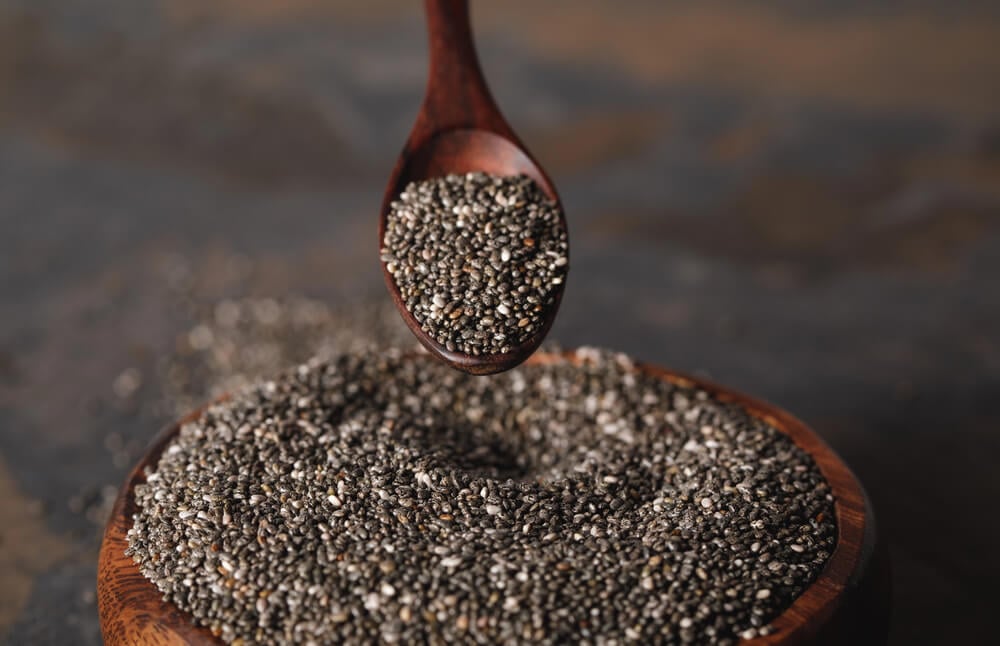
Chia seeds come from Salvia hispanica, a plant in the mint family cultivated in central Mexico, where the Aztecs collected chia as tribute alongside corn and beans. The seeds were ground into flour, pressed for oil and mixed into drinks.
Use declined after the Spanish conquest, and for much of the twentieth century many Americans knew chia mainly from the Chia Pet, the terracotta figurine that sprouted green hair. A health food boom in the 2000s brought the seed back.
Chia pudding, bottled chia drinks and Mexican chia fresca now sell worldwide.
Papaya and Green Papaya Salad
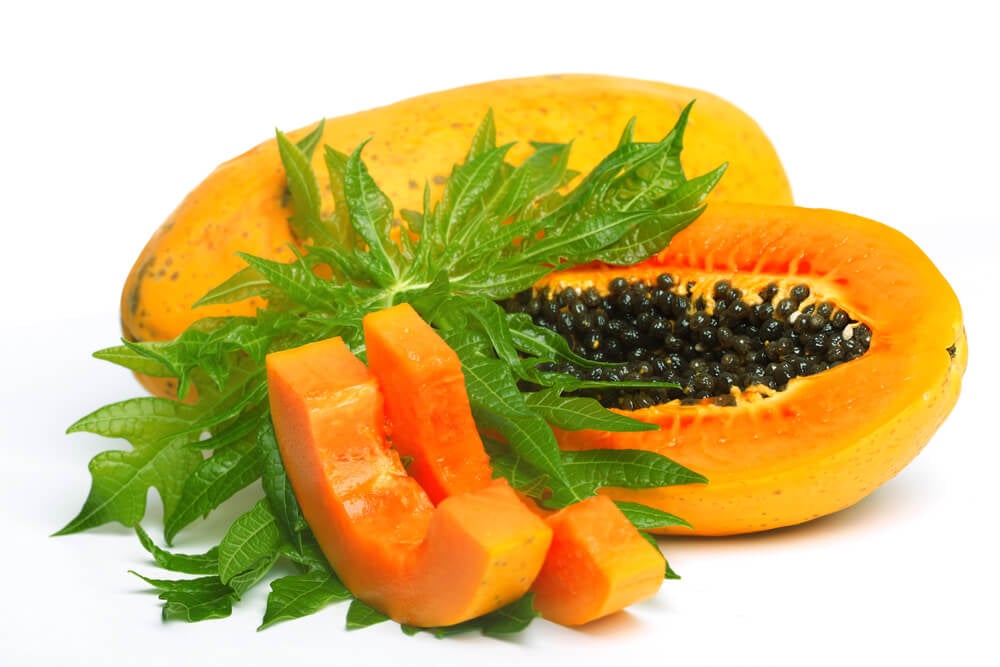
Papaya was domesticated in southern Mexico and Central America, and Spanish and Portuguese traders spread it throughout the tropics. The fruit took hold in Southeast Asia so firmly that one of Thailand’s best-known dishes, som tam, is a salad of shredded green papaya pounded with chilies, lime, fish sauce and peanuts.
Three of those five ingredients come from the Americas. Papaya also produces papain, an enzyme used as a meat tenderizer.
India is now the largest producer, and ripe papaya with lime is a breakfast staple across Latin America and much of Asia.
Achiote, the Color of Cheddar
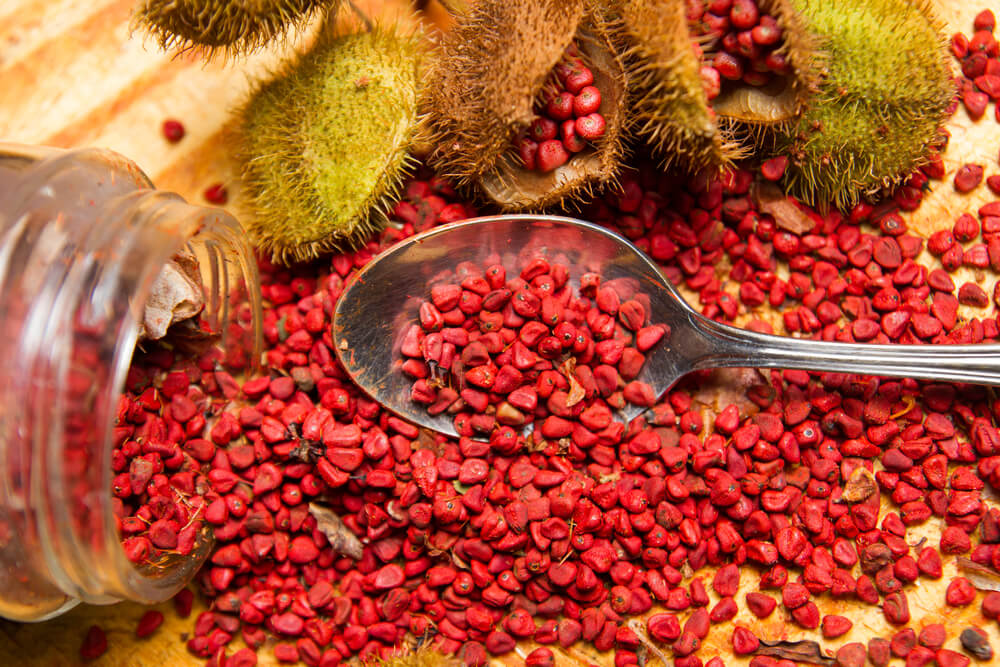
Achiote, also called annatto, comes from the seeds of the Bixa orellana shrub native to tropical America. Indigenous peoples used the bright red paste as body paint, dye and seasoning.
In the Yucatan, it gives cochinita pibil its color and earthy flavor. Annatto traveled widely, and today it colors cheddar, Red Leicester and Mimolette cheeses, as well as butter, margarine and many snack foods.
In the Philippines, it colors pancit and kare-kare. Plenty of people who think of orange cheese as natural are actually eating a seed paste used by Amazonian and Caribbean peoples for centuries.
Strawberries, a Chilean and Virginian Hybrid
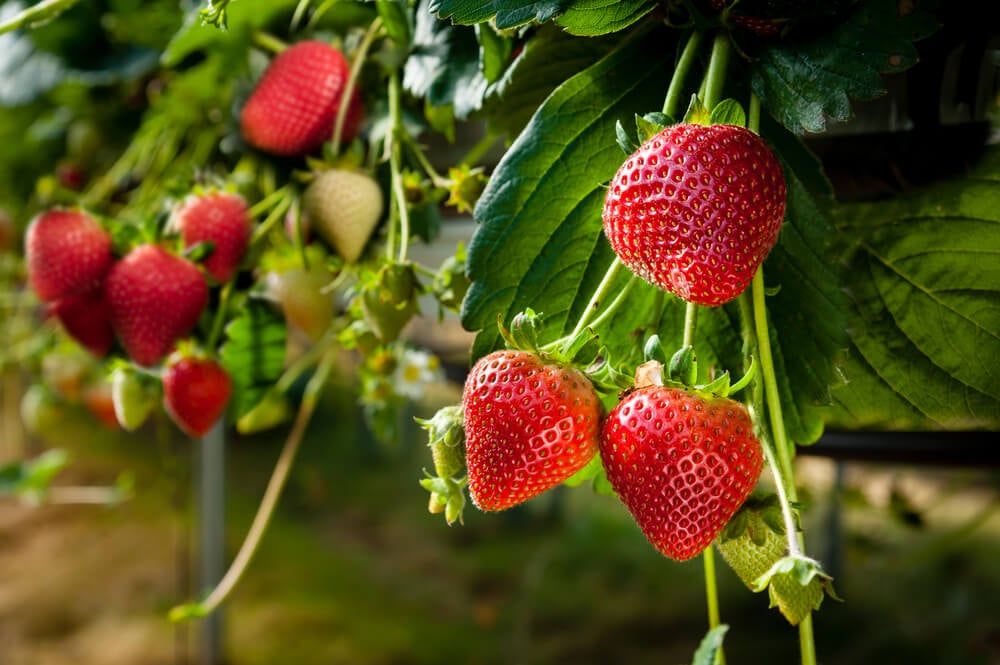
Garden strawberries are a hybrid of two American species. Mapuche and Huilliche farmers in Chile cultivated a large, pale-fruited strawberry, and in 1714 the French officer Amedee-Francois Frezier brought plants back to France.
Separately, the smaller but flavorful Virginia strawberry had reached Europe from North America. When the two grew near each other in French gardens in the mid-1700s, they crossed, producing the ancestor of nearly every commercial strawberry sold today.
Strawberry shortcake, jam and the berries served at Wimbledon all owe something to Chilean growers.
Pecans and a Gardener Named Antoine
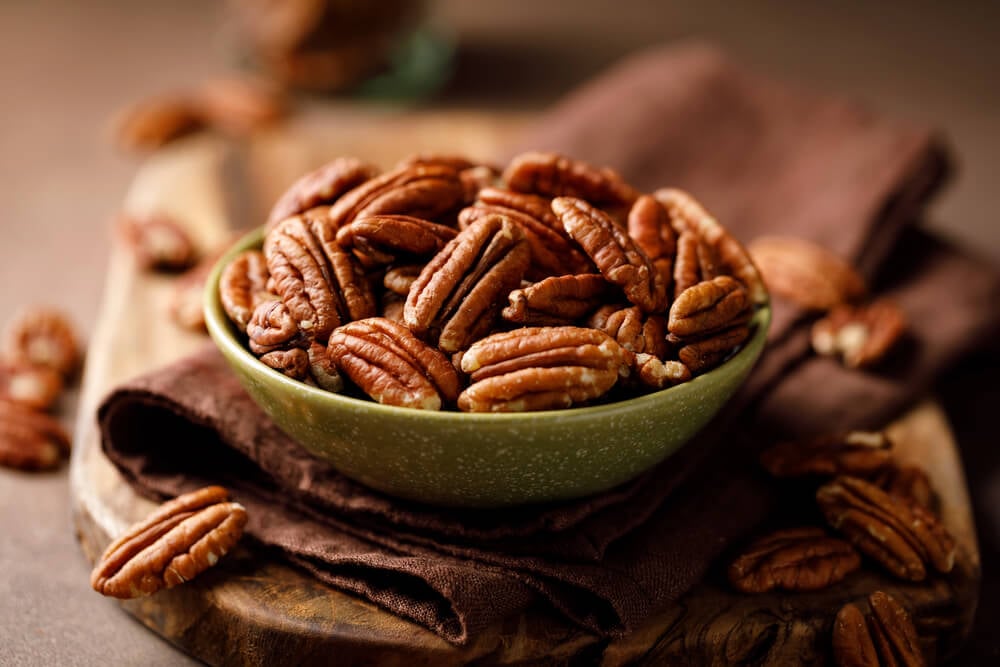
Pecans are native to the southern United States and northern Mexico, and Native peoples gathered them for thousands of years. The name comes from an Algonquian word.
Commercial pecan growing changed in 1846, when an enslaved gardener known as Antoine at Oak Alley Plantation in Louisiana successfully grafted pecan trees, producing an improved variety later named Centennial. Grafting made reliable orchards possible.
The United States and Mexico now grow most of the world’s pecans, and exports to China have expanded the market. Pecan pie, pralines and butter pecan ice cream all depend on that native tree.
Wild Rice of the Great Lakes
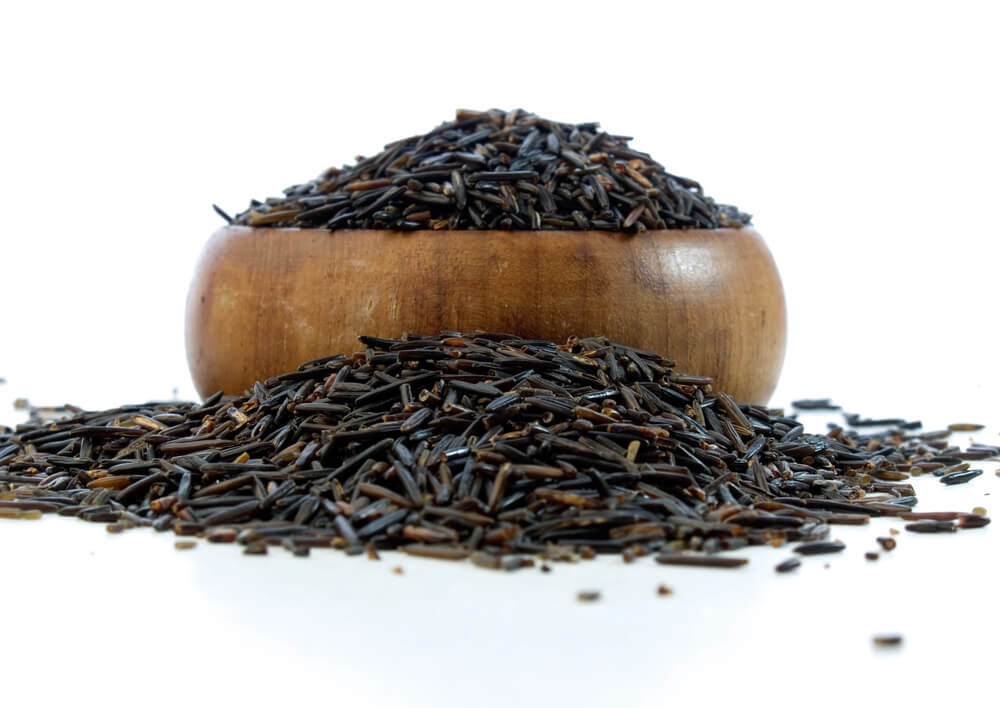
Wild rice is not true rice but the seed of aquatic grasses in the genus Zizania. The Ojibwe call it manoomin, and their migration story says they traveled west until they found the place where food grows on water.
Harvesters traditionally move through lake beds in canoes, bending stalks over the boat and knocking ripe seeds loose with wooden sticks. Minnesota made wild rice its official state grain in 1977.
Cultivated wild rice, much of it grown in California, has spread the grain into soups, stuffings and grain bowls worldwide, though hand-harvested lake rice still has devoted buyers.
Amaranth, From Aztec Ceremonies to Indian Fasting Days
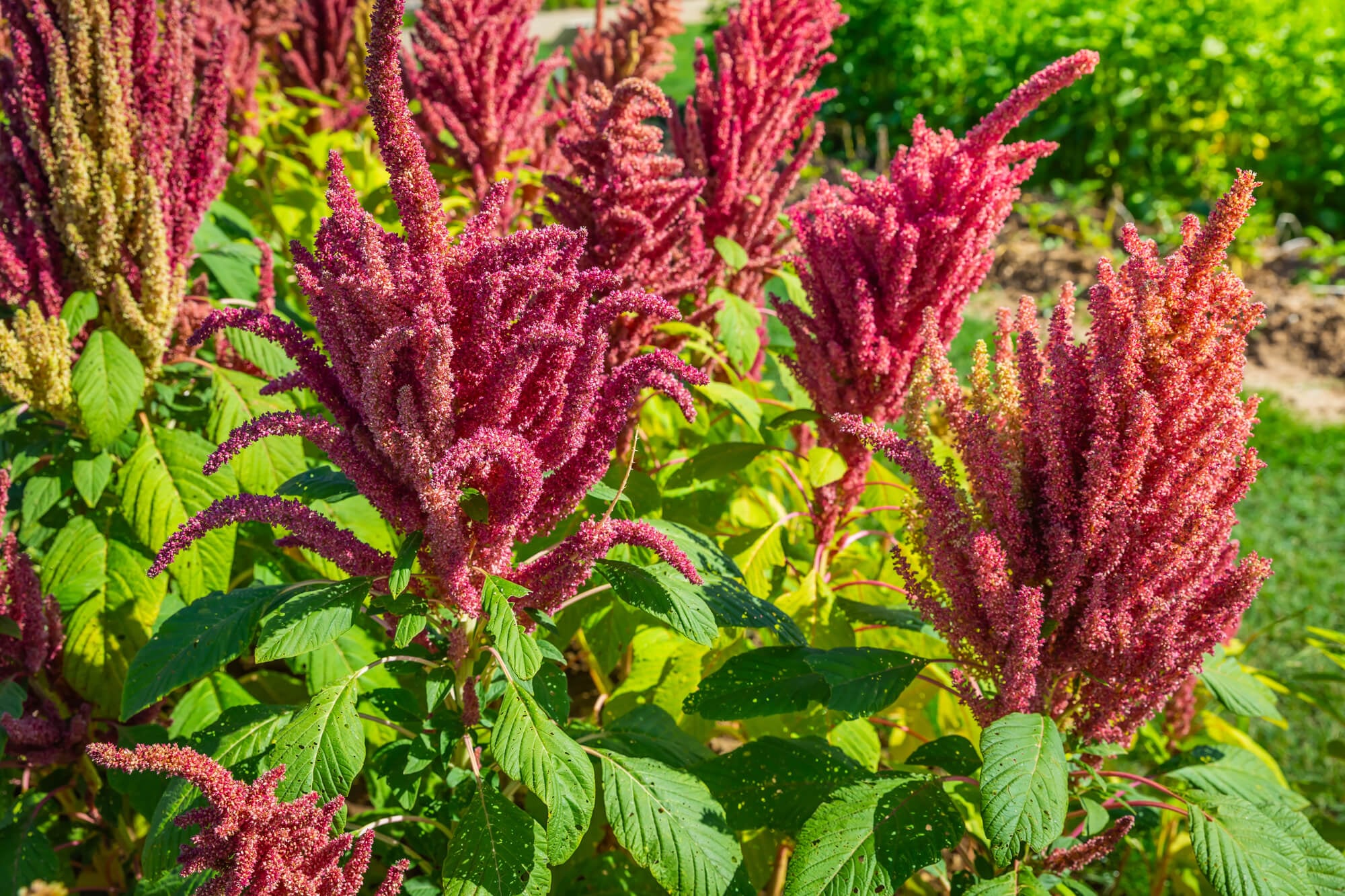
Amaranth was a major crop in Mesoamerica, where the Aztecs grew it widely and used it in ceremonies, sometimes shaping amaranth dough into figures of gods. Its cultivation declined sharply after the Spanish conquest.
The plant survived, however, and found new homes. In Mexico, popped amaranth bound with honey is sold as alegria, a candy whose name means joy.
In India, amaranth seed, called rajgira, is eaten during Hindu religious fasts. Grain amaranth has also returned to health food shelves as a gluten-free seed with high protein content.
Passion Fruit From Brazil
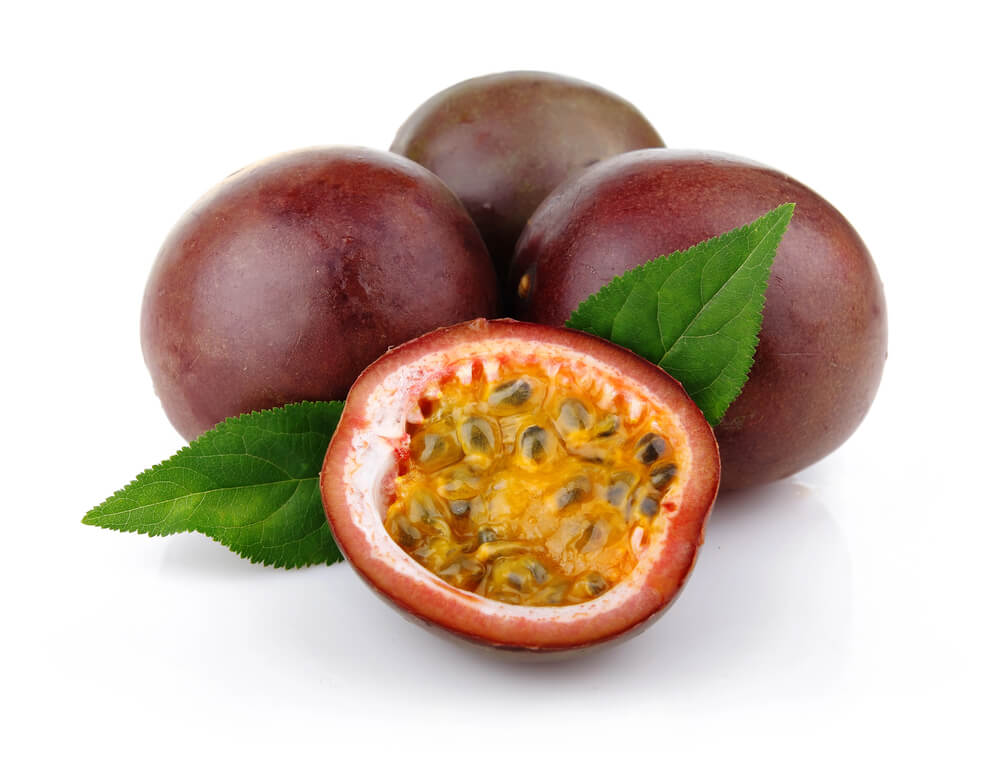
Passion fruit is native to southern Brazil, Paraguay and northern Argentina. Spanish missionaries gave the plant its name, seeing symbols of the crucifixion, the Passion of Christ, in its elaborate flower.
Indigenous peoples ate the fruit and used it in drinks long before that. Today it grows across the tropics and subtropics, from Hawaii, where it is called lilikoi, to Australia, where its pulp traditionally tops a pavlova.
Brazil remains a top producer. Passion fruit juice, mousse and cocktails are now common worldwide, all from a vine that once climbed through South American forests.
Cranberries in the Bog
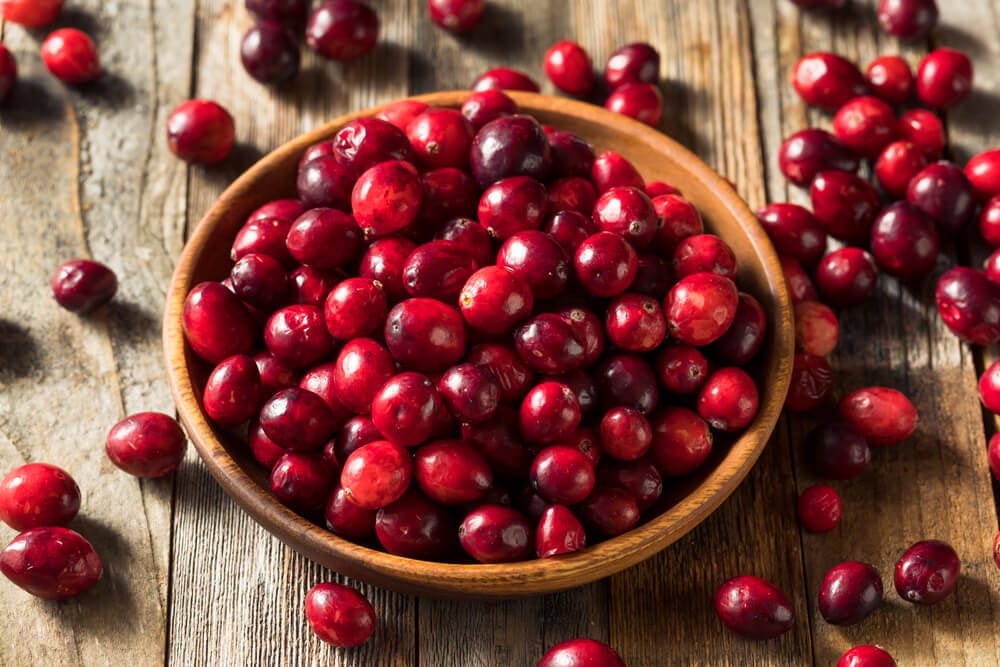
Cranberries are one of the few commercially important fruits native to North America. Wampanoag and other Native peoples of the Northeast ate them fresh, dried them for winter and used them as dye and medicine.
Commercial cultivation took off in Massachusetts in the early 1800s. Growers flood bogs at harvest so the floating berries can be corralled, a scene that has appeared in countless advertisements.
Ocean Spray, the grower-owned cooperative founded in 1930, built a global market for cranberry juice and sauce. Dried sweetened cranberries now appear in salads, granola and baked goods far beyond Thanksgiving tables.
Kitchens Everywhere Run on American Crops
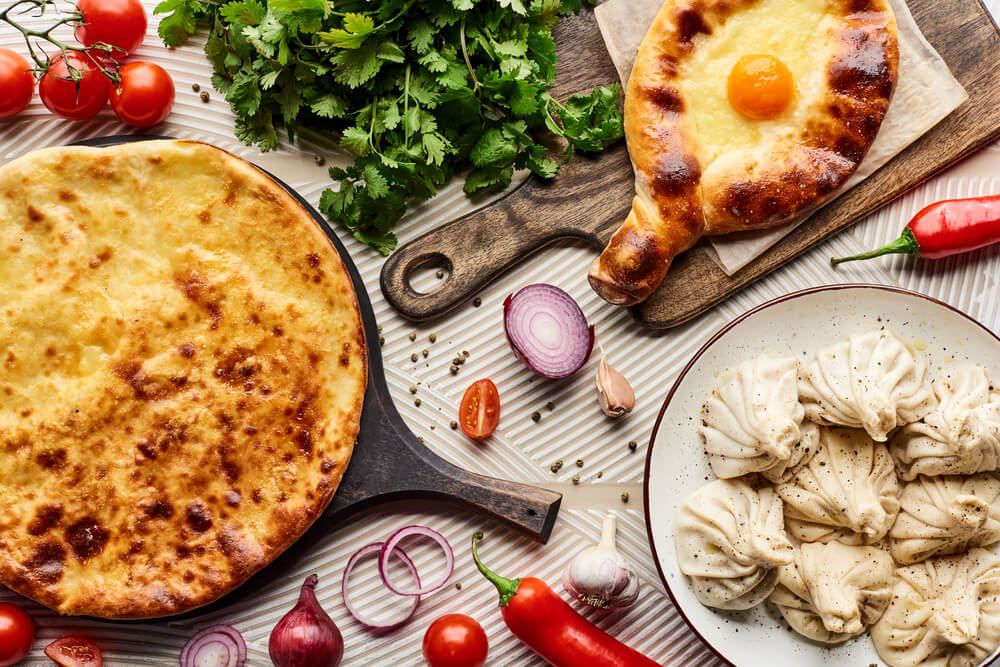
Almost every national cuisine now depends on plants Indigenous farmers domesticated in the Americas. Italian, Indian, Thai, Korean, Irish, West African and Hungarian cooking were all rebuilt around tomatoes, chilies, potatoes, cassava or corn within a few centuries.
That kind of transformation rarely gets credited to anyone by name.
Those crops were not wild gifts waiting to be picked. They were the result of patient selection by generations of farmers who turned bitter roots and tiny seed heads into reliable food, and who often developed the cooking methods that made them safe.
Any honest history of global cuisine begins in their fields.
More from Go2Tutors!

- The Romanov Crown Jewels and Their Tragic Fate
- 13 Historical Mysteries That Science Still Can’t Solve
- Famous Hoaxes That Fooled the World for Years
- 15 Child Stars with Tragic Adult Lives
- 16 Famous Jewelry Pieces in History
Like Go2Tutors’s content? Follow us on MSN.