30 Vintage Craft Kits Kids Loved in the 70s
Rainy Saturdays in the 1970s had a sound. It was the rattle of plastic pieces in a cardboard box, the hum of a hot plate warming up, and a parent somewhere asking whether the kitchen table was going to survive.
Craft kits of that decade trusted kids with a surprising amount. Some came with heating elements, some with sharp tools, and nearly all came with instructions that were read once and then ignored.
Spirograph Gear Sets
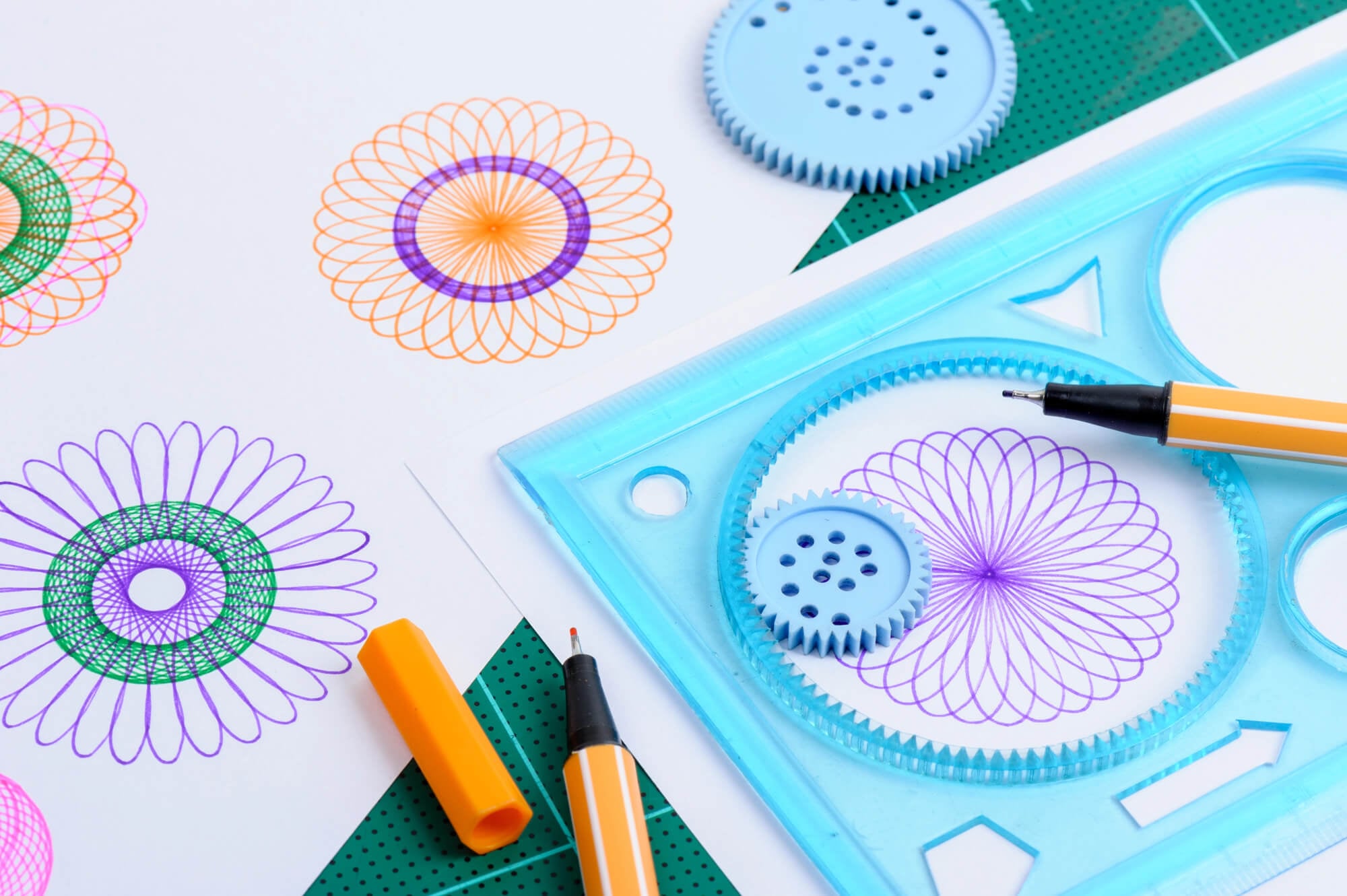
Spirograph came from British engineer Denys Fisher, who showed it at a toy fair in 1965, and Kenner was selling it to American kids by the end of the decade. The box held toothed plastic rings, smaller gear wheels, push pins and a handful of colored pens. A pen tip went into one of the tiny openings in a wheel, which then rolled around the inside of a ring to trace looping curves that mathematicians call hypotrochoids. The hard part was pressure. Push a little too hard and the gear jumped its teeth, sending a nearly finished design skidding into a jagged scribble no eraser could rescue.
Shrinky Dinks From Brookfield, Wisconsin
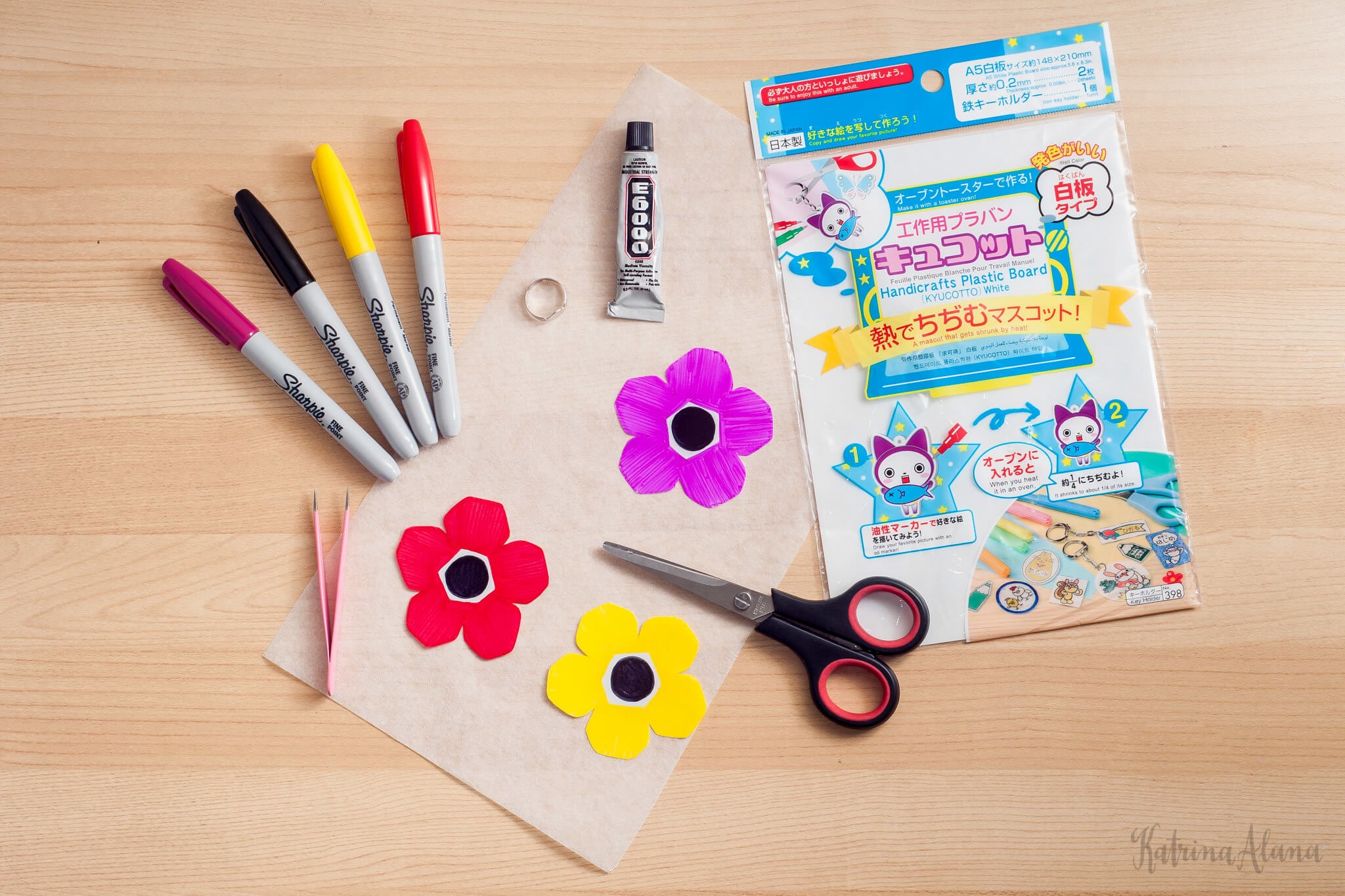
Two mothers in Brookfield, Wisconsin, Betty Morris and Kate Bloomberg, turned thin sheets of polystyrene into Shrinky Dinks in 1973. Kids colored the printed shapes, cut them out and slid them into a hot oven, where the plastic curled, twisted and then flattened again at roughly a third of its original size. The finished pieces came out several times thicker and surprisingly hard. Plenty of households lost a few to the oven floor, and plenty of kids learned that colors darkened dramatically as they shrank. Watching through the oven window was half the appeal, since the pieces seemed to panic before settling down.
Lite-Brite Pegboards
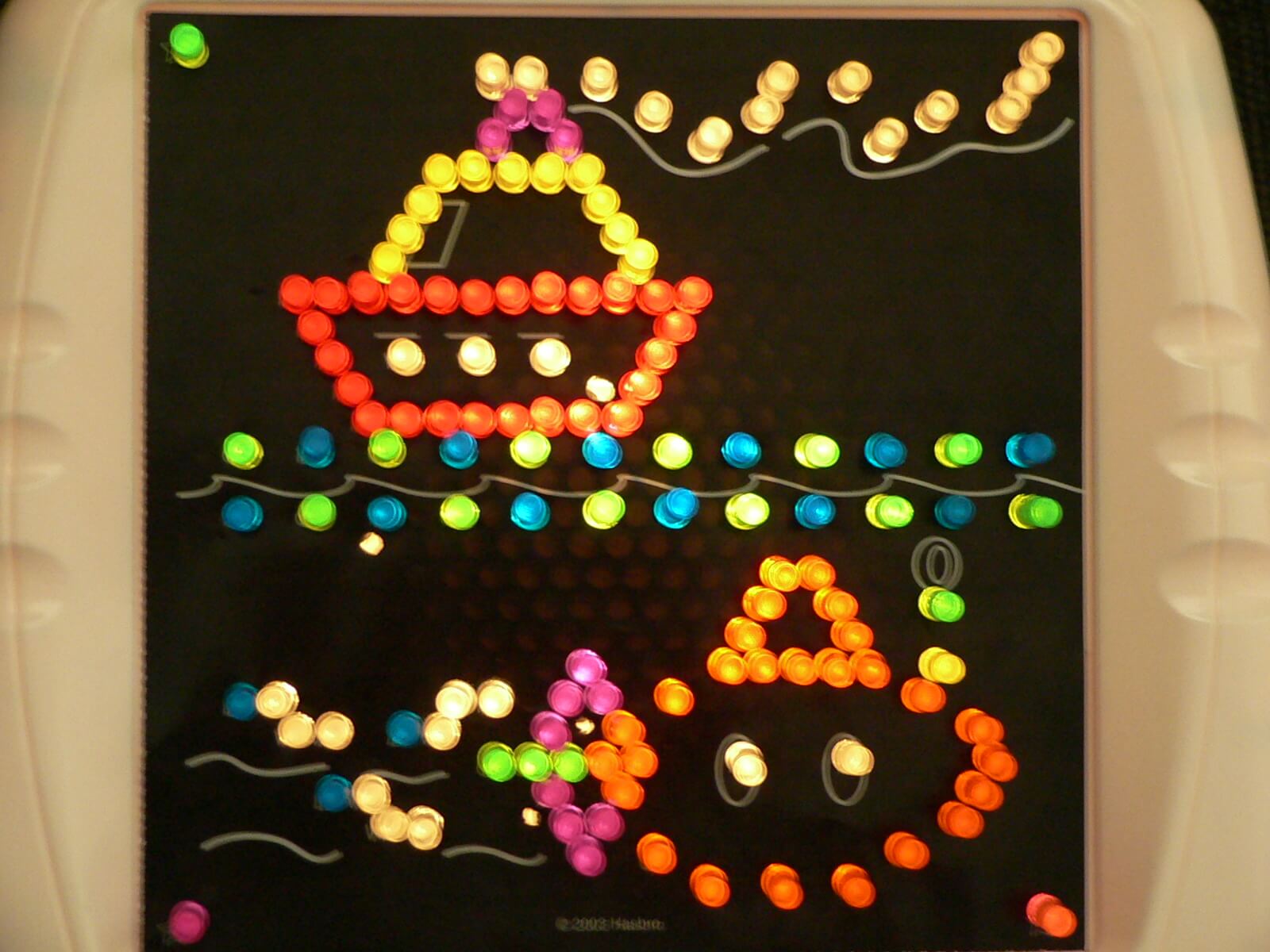
Hasbro launched Lite-Brite in 1967, and it stayed on holiday lists through the entire following decade. A black paper template went over a pegboard, and kids pushed translucent colored pegs through the marked spots to build a picture lit from behind by a small bulb. Each template could really be used only once, since the pegs punched through the paper and left it shredded. That detail kept parents buying refill packs. It also kept vacuum cleaners busy, because a single dropped handful of pegs could hide in shag carpet for months and announce itself under a bare foot.
Creepy Crawlers ThingMaker
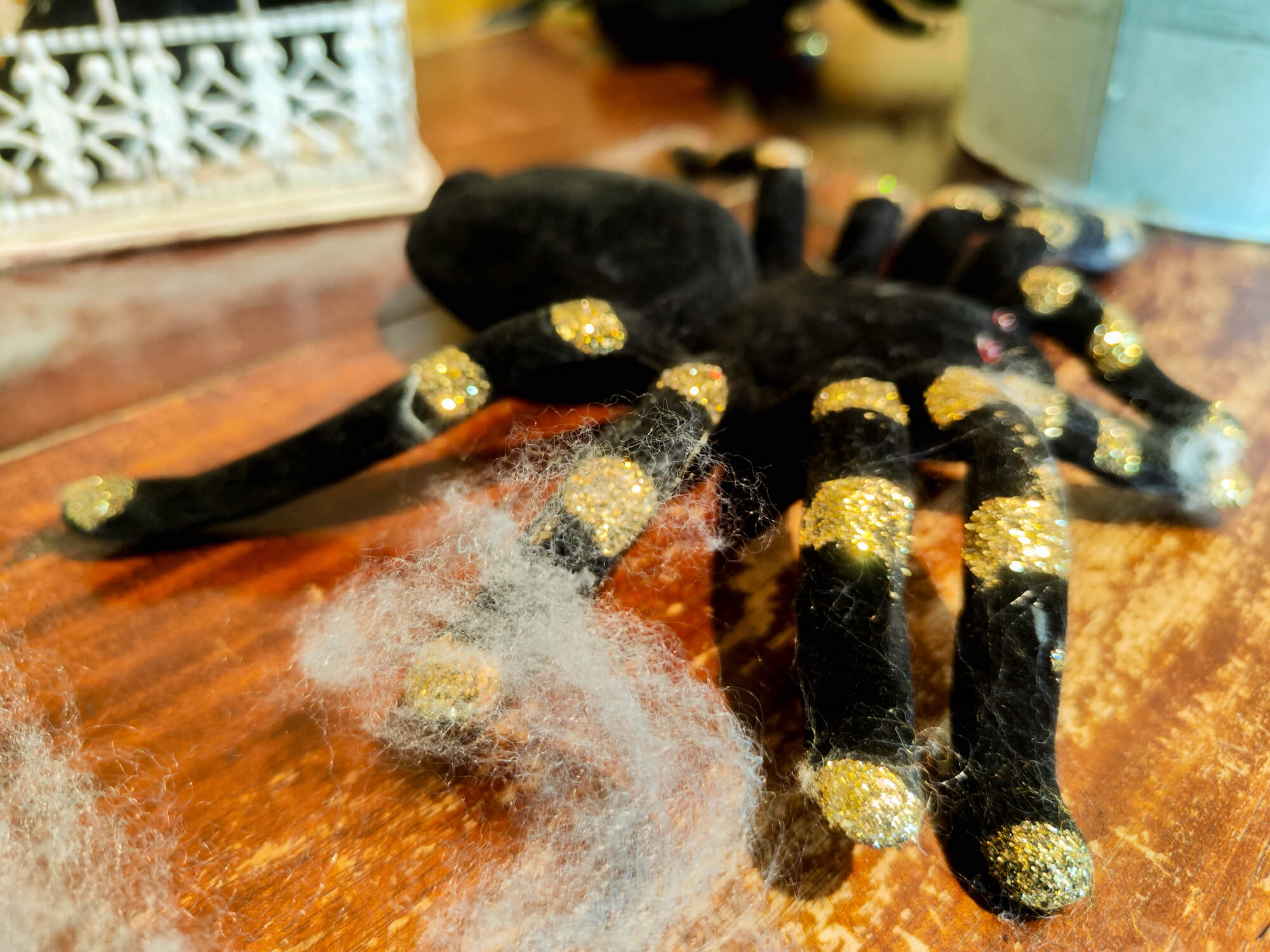
Mattel introduced the ThingMaker in 1964, and its Creepy Crawlers sets became a 1970s staple of basement play tables. Kids squeezed a liquid called Plastigoop into die-cast metal molds shaped like spiders, worms and beetles, then set the molds on an open heating plate. The plate ran hot enough to cause real burns, which seems astonishing by modern safety standards. After cooling, the rubbery bugs peeled out ready for pranks. Later versions added safety features, but the original open-plate design remains the one adults remember, mostly with a mix of fondness and disbelief.
Fashion Plates by Tomy
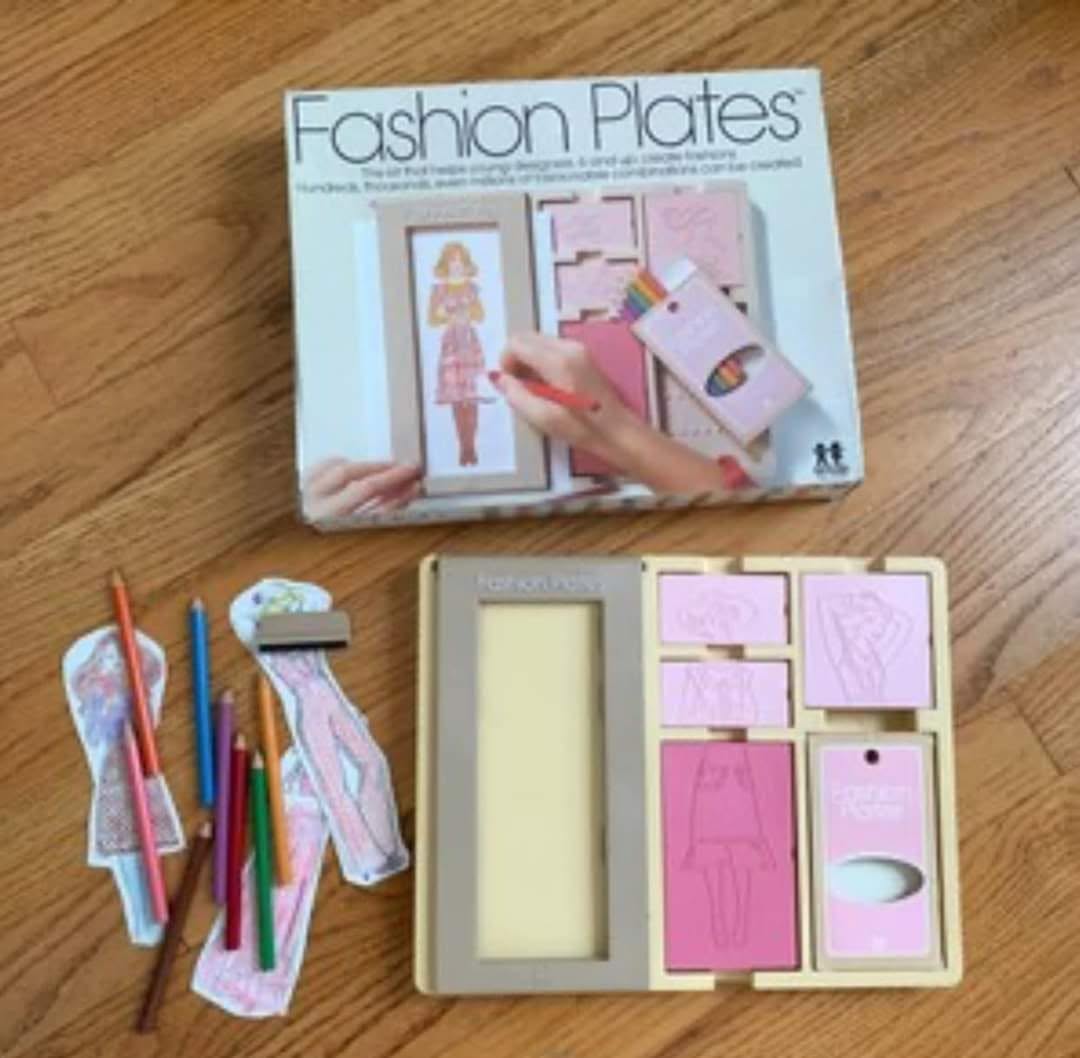
Tomy released Fashion Plates in 1978, and it gave kids a way to design clothes without drawing skill. Interchangeable plastic plates carried raised patterns for heads, tops and skirts or pants. Kids snapped three plates into a tray, laid paper over the top and rubbed a crayon across it to reveal a complete figure. Colored pencils and patterned rubbing plates filled in the details. Mixing a ruffled blouse with mismatched trousers was part of the fun. The kit quietly taught layout and proportion, and more than a few future designers credit it as their first sketchbook.
Colorforms Vinyl Sets
Colorforms dates to 1951, when Harry and Patricia Kislevitz found that thin vinyl shapes would cling to a glossy board without any glue. By the 1970s the company sold dozens of themed sets, many licensed from popular cartoons and television shows. Kids peeled the shapes off a backing sheet and pressed them onto printed scenes, moving them around endlessly. The cling came from the smooth surfaces themselves rather than any adhesive. That made the pieces reusable but also easy to lose, and most sets ended up with a few strays stuck to the refrigerator or the dog.
Mattel Vac-U-Form
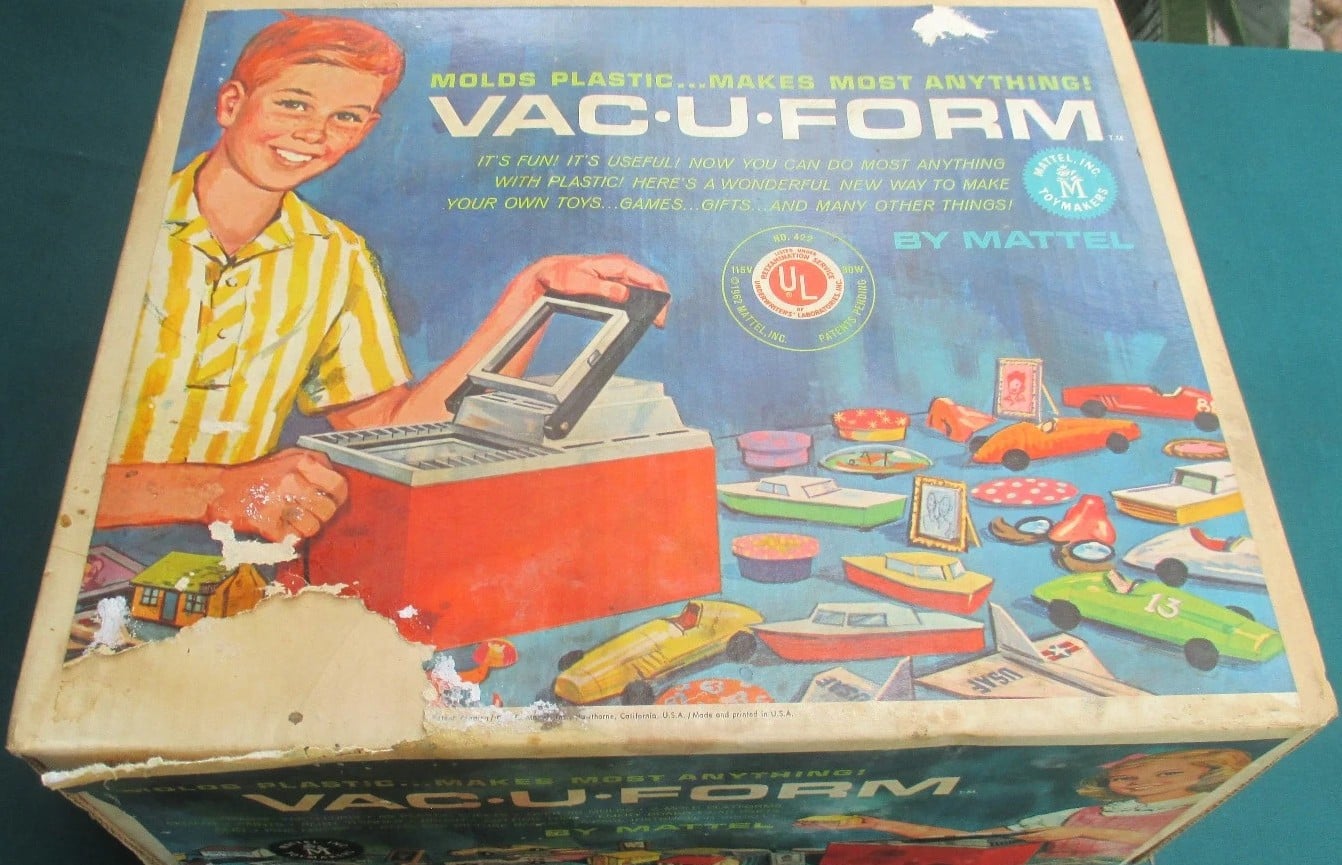
Mattel’s Vac-U-Form arrived in 1962 and was still a prized possession for many kids in the following decade. It heated a sheet of plastic until it sagged, then a hand-pumped vacuum pulled the soft plastic down over a mold. In seconds the sheet took the shape of a mask, a sign, a tiny car body or a badge. The heating element was exposed, so burned fingertips were common. Kids also discovered they could mold almost anything flat and heat resistant, which led to many shaped plastic versions of coins, keys and household odds and ends.
Play-Doh Fuzzy Pumper Barber Shop
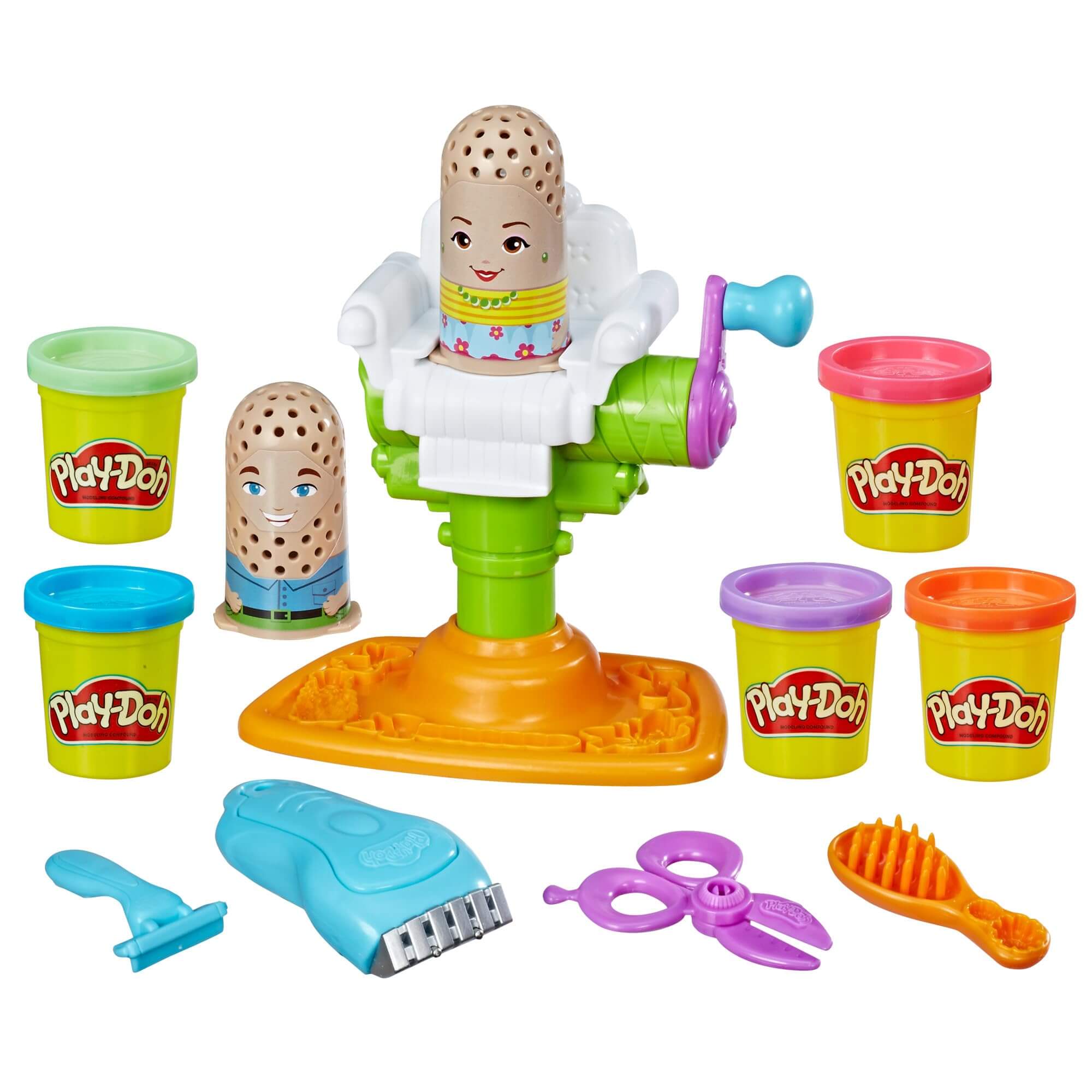
The Play-Doh Fuzzy Pumper Barber Shop came out in 1977 and turned modeling compound into hair. A seated plastic figure had a perforated scalp, and pressing a lever pushed colored dough out through it in long strands. Kids then trimmed, styled and shaved those strands with plastic scissors and razors. The set sold well enough to return in updated versions decades later. Its real legacy may be the dried crumbs of dough found in carpet, under couches and inside the toy itself, since getting all of it back out was nearly impossible.
Spin Art Machines
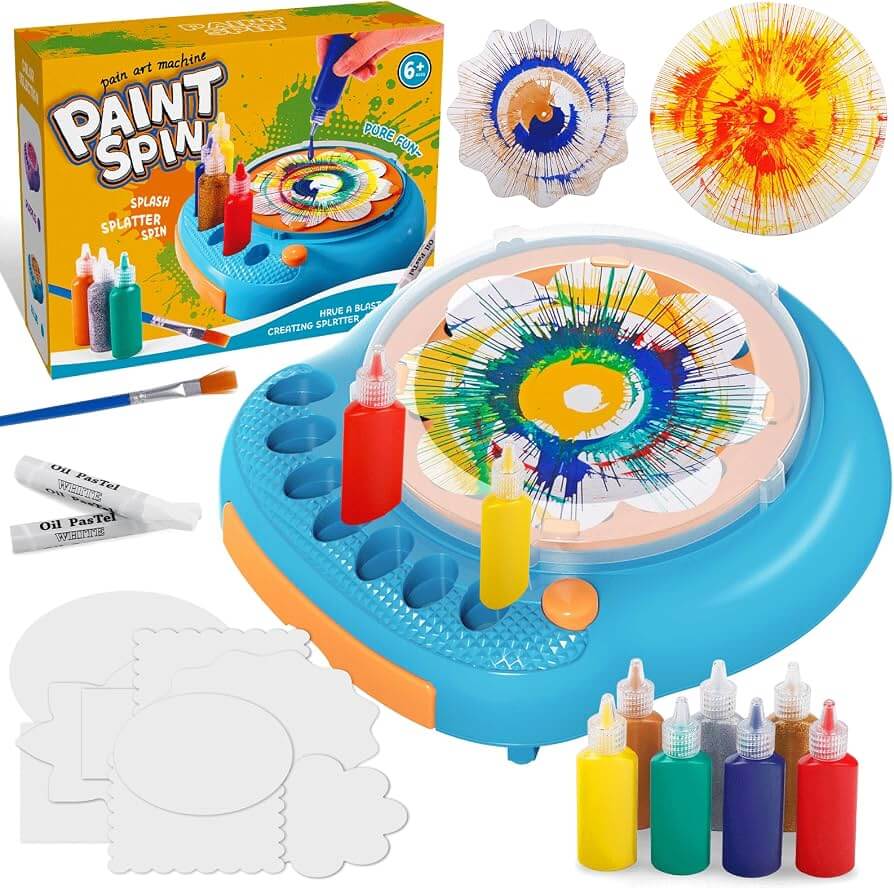
Spin art machines spun a square of card on a turntable while kids dripped paint onto it from squeeze bottles. Centrifugal force flung the paint outward into starbursts, spirals and spattered rings that no two kids could duplicate. Home versions ran on batteries or a hand crank, and most had a plastic hood to catch the spray. The hood rarely caught all of it. Mid-century carnivals had made the idea famous, and the 1970s brought it into kitchens. The best results came from patience and restraint, two qualities few young artists brought to the machine.
Latch Hook Rug Kits
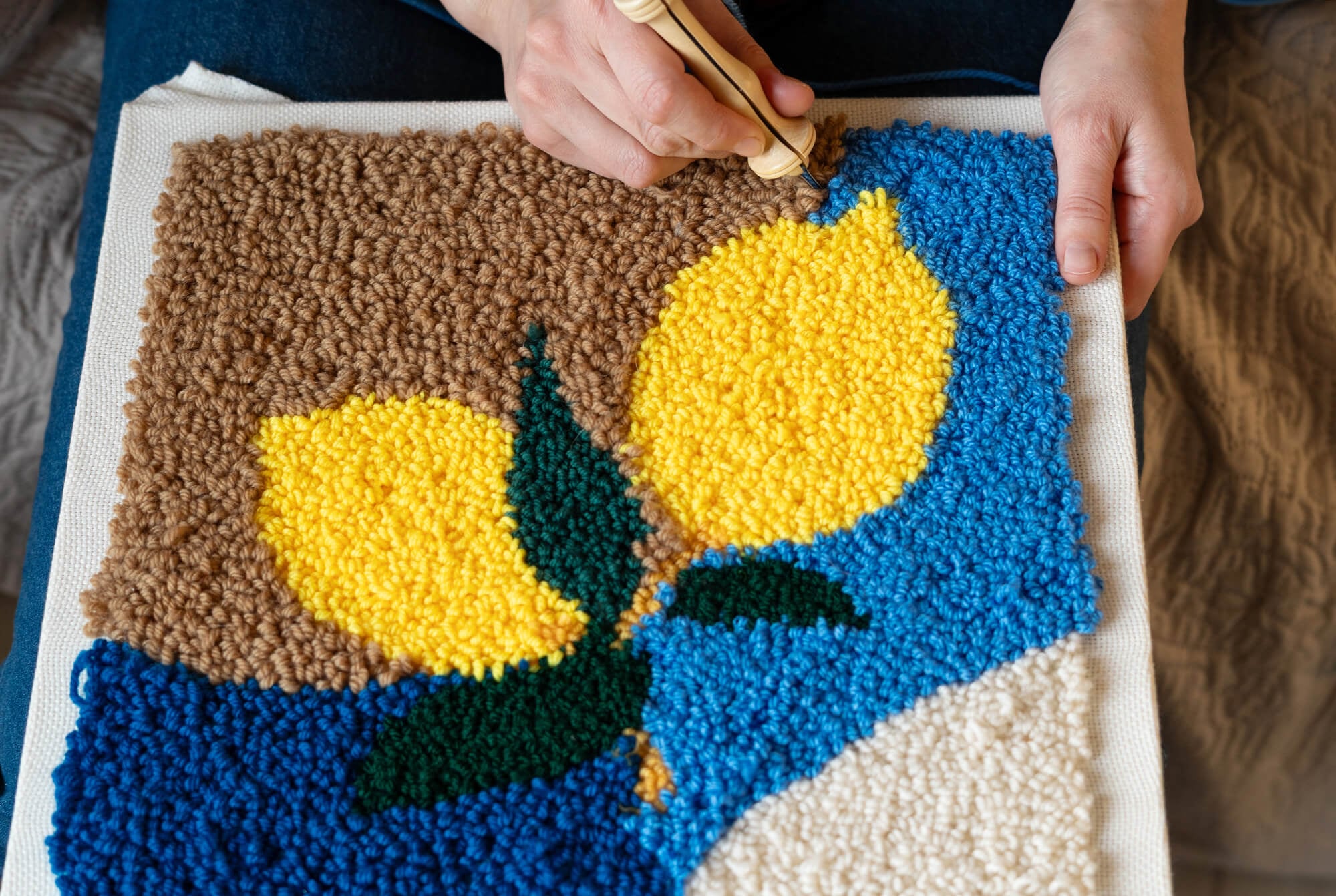
Latch hook kits came with a printed canvas grid, bundles of precut acrylic yarn sorted by color and a small hook with a hinged latch. Kids pushed the hook through a square, caught a yarn piece, pulled back and let the latch snap shut to tie the knot. Thousands of knots later, the result was a small shaggy rug or wall hanging. Popular designs ran to owls, rainbows, mushrooms and smiling suns. Finishing one could take weeks, and many households still hold a half-done canvas with a bag of unused yarn tucked inside.
Potholder Looms
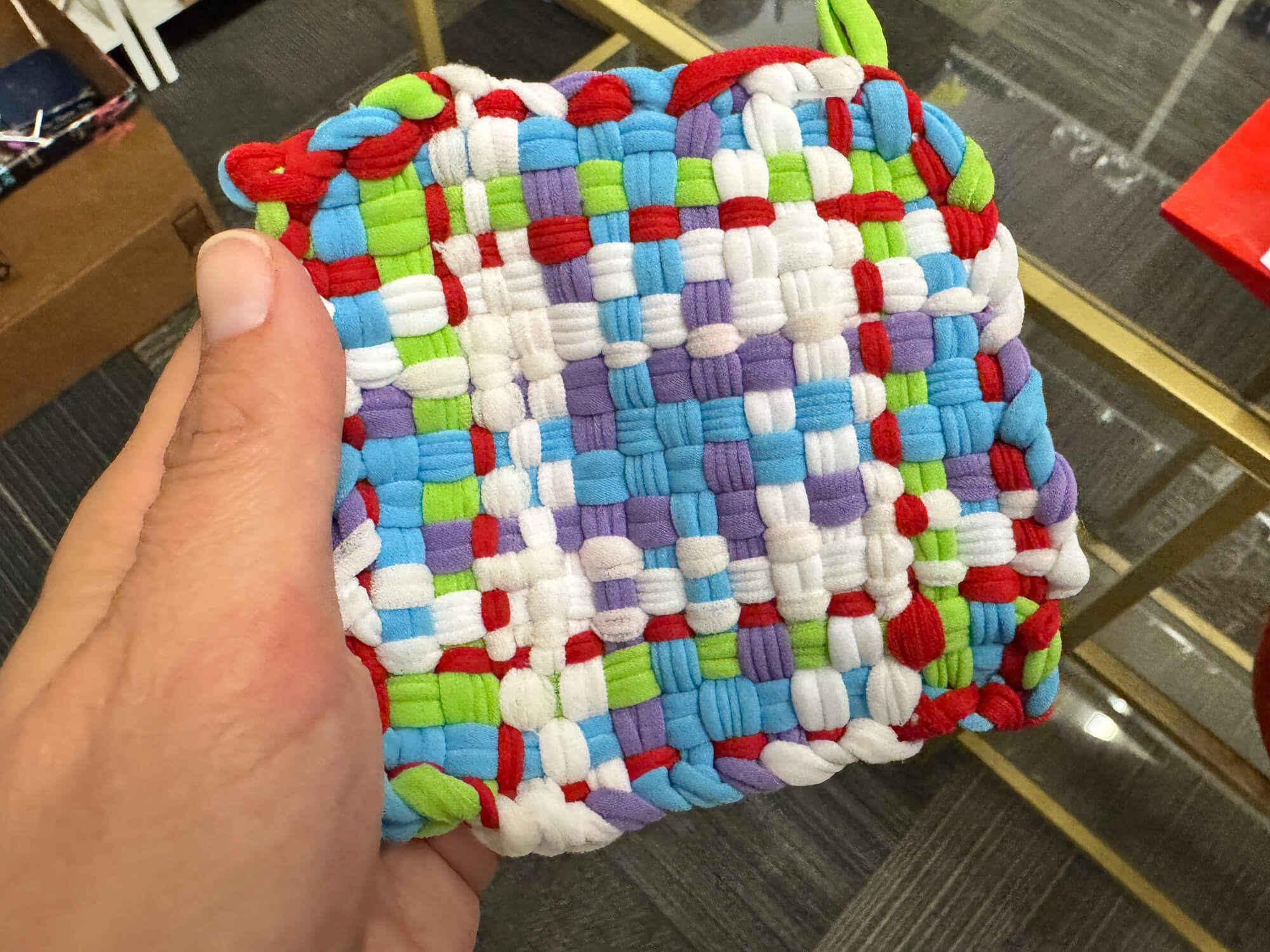
The potholder loom was a square metal frame ringed with short pegs, sold with a bag of stretchy fabric loops in bright colors. Kids stretched loops across in one direction, then wove more over and under in the other, finally binding the edges with a hook. The loops themselves were often leftover cuttings from sock manufacturing, which explains their odd stretchiness. Every grandmother received at least one finished potholder. Many were too thin to protect a hand from a hot pan, though that never stopped anyone from using them proudly.
Spool Knitting Sets
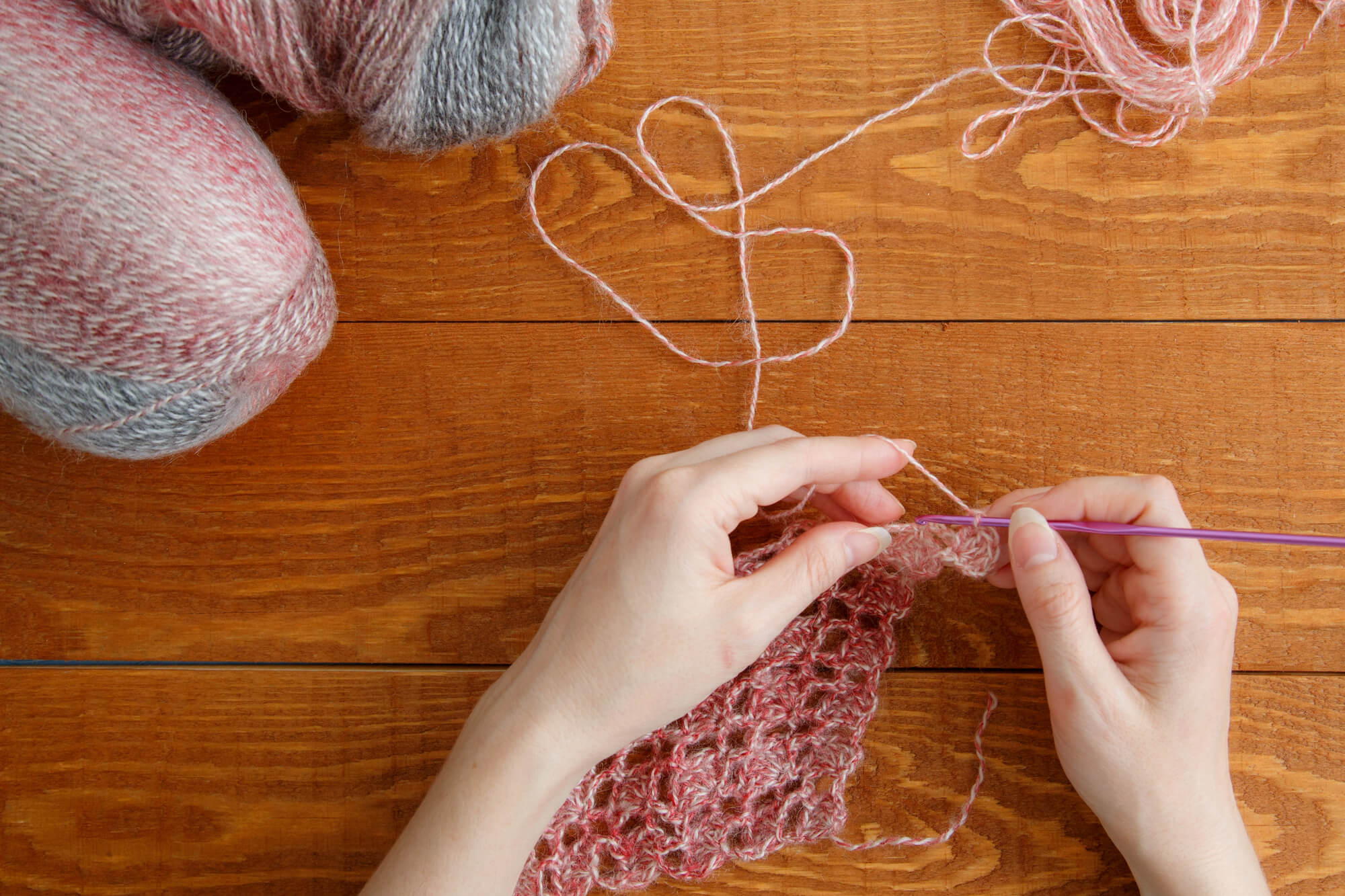
Spool knitting sets used a wooden or plastic tube topped with four small pegs, along with a pick for lifting yarn. Kids wrapped yarn around the pegs, then lifted each lower loop over the upper one, round and round. A narrow knitted cord slowly emerged from the bottom of the spool. The technique is sometimes called French knitting. Most kids kept going far past any useful length, producing cords several feet long that ended up coiled into lopsided mats or tied around a doll as a scarf.
Plaster Casting Kits
Plaster casting kits held flexible rubber molds, a bag of plaster of Paris and a small set of paints. Kids mixed the powder with water, poured it into molds shaped like animals, cartoon characters or wall plaques and waited for it to harden. The plaster grew noticeably warm as it set, a small chemistry lesson few kits bothered to explain. Pulling the casting free without snapping off an ear or a tail took practice. Painting came last, and the bright enamel colors rarely stayed inside the lines.
Sand Art Bottles
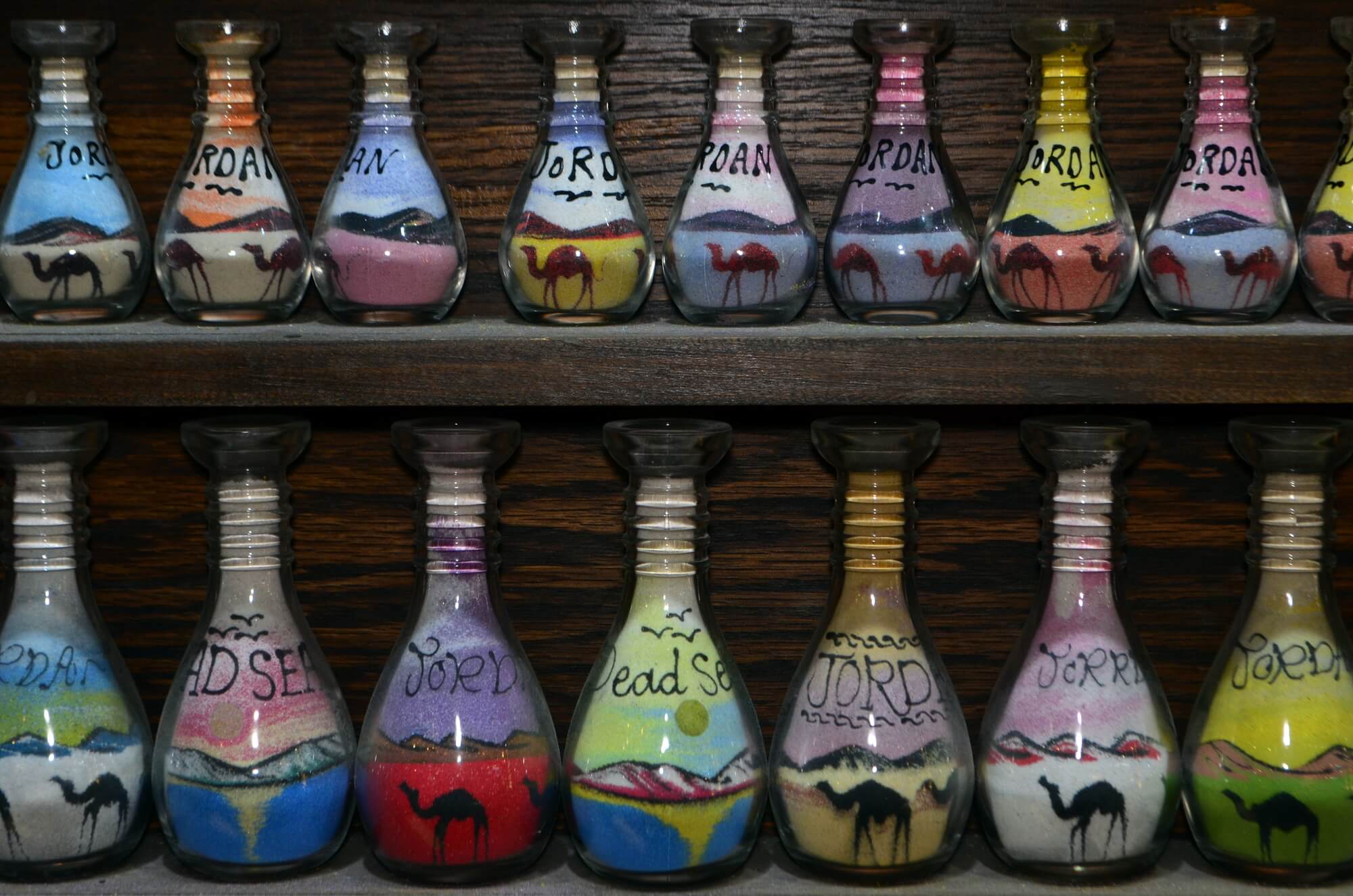
Sand art swept through malls, fairs and craft aisles in the 1970s. Kits supplied clear bottles or plastic shapes, several bags of brightly dyed sand and a slim tool for shaping layers. Kids poured stripes of color, then pushed the tool down along the glass to create peaks, waves and mountain shapes. The bottle had to be filled completely to the top and sealed, or the layers shifted and blurred the first time it was moved. A finished bottle sat on many windowsills for years, slowly fading in the sun.
Candle Making Kits
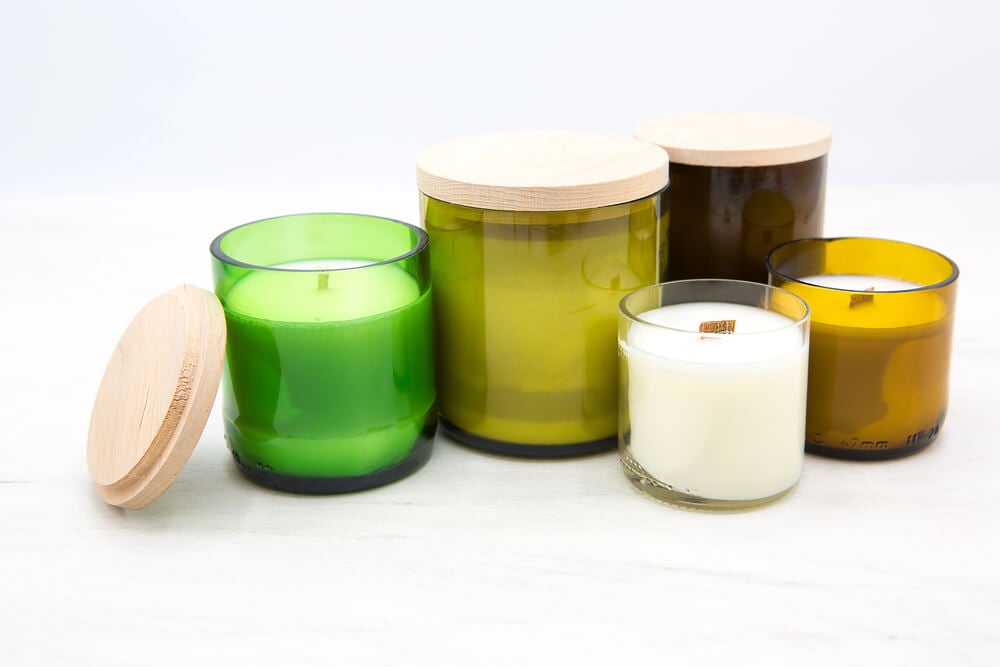
Candle making kits came with paraffin blocks, wicks, dye chips and a few molds. Wax melted in a pot set inside another pot of water, since direct heat was a fire risk. Sand candles were a seventies favorite, made by scooping a hollow in damp sand and pouring hot wax into it, so the finished candle wore a crusty sand shell. Many families made them at the beach or in a backyard sandbox. Dye chips had a way of turning the wax a darker shade than planned, which explains the many muddy brown candles of the era.
Backyard Rock Tumblers
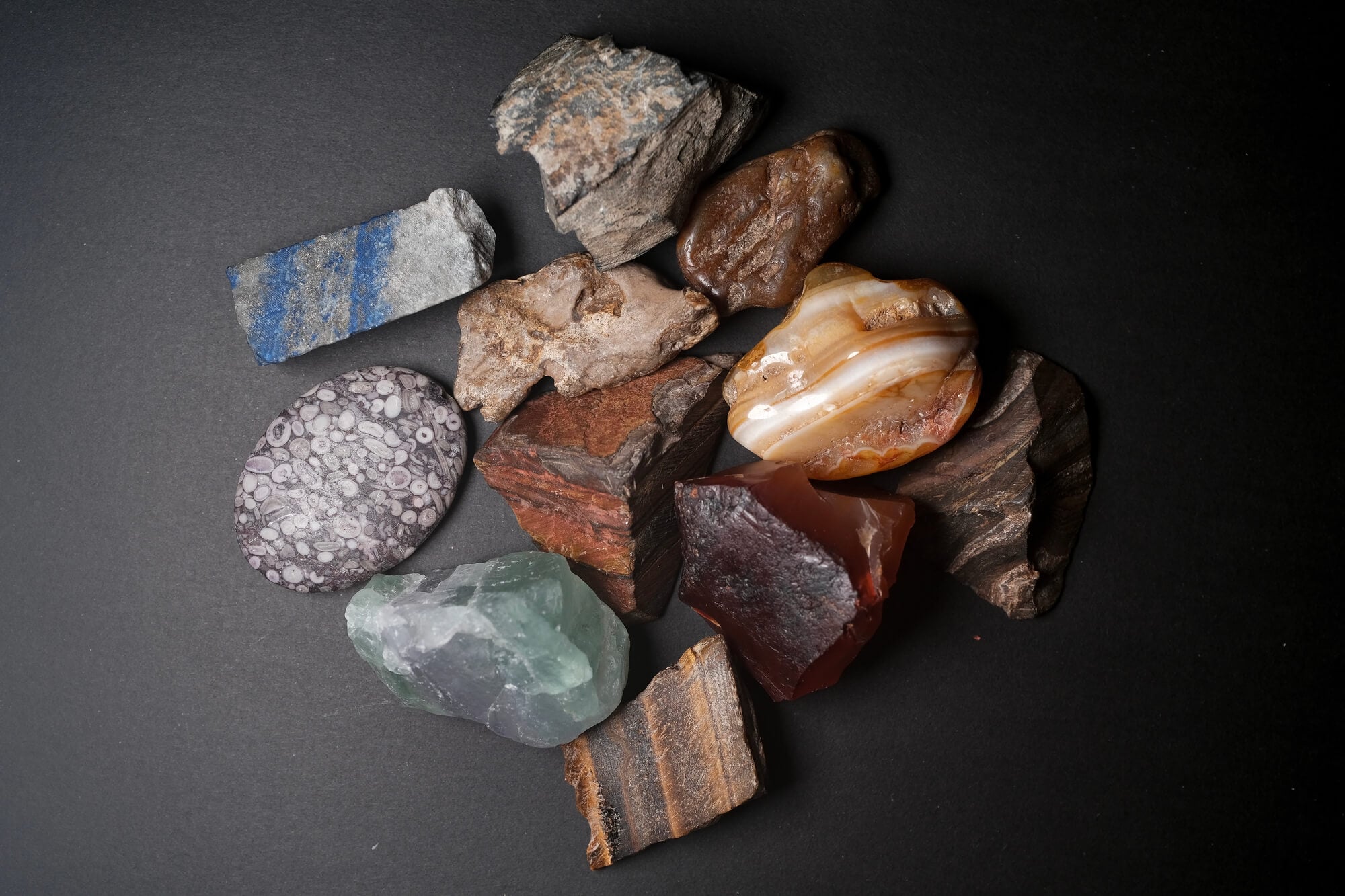
Rock tumblers came with a rubber barrel, a motor and packets of grit in different grades. Kids loaded rough stones, water and coarse grit, sealed the barrel and let it turn for about a week before moving to finer grit. The full process could take a month or more before rocks came out glossy. The motor ran day and night, which is why most tumblers ended up exiled to garages and basements. Opening the barrel at the end felt like a reveal, even if half the rocks came out chipped or dull.
Woodburning Sets
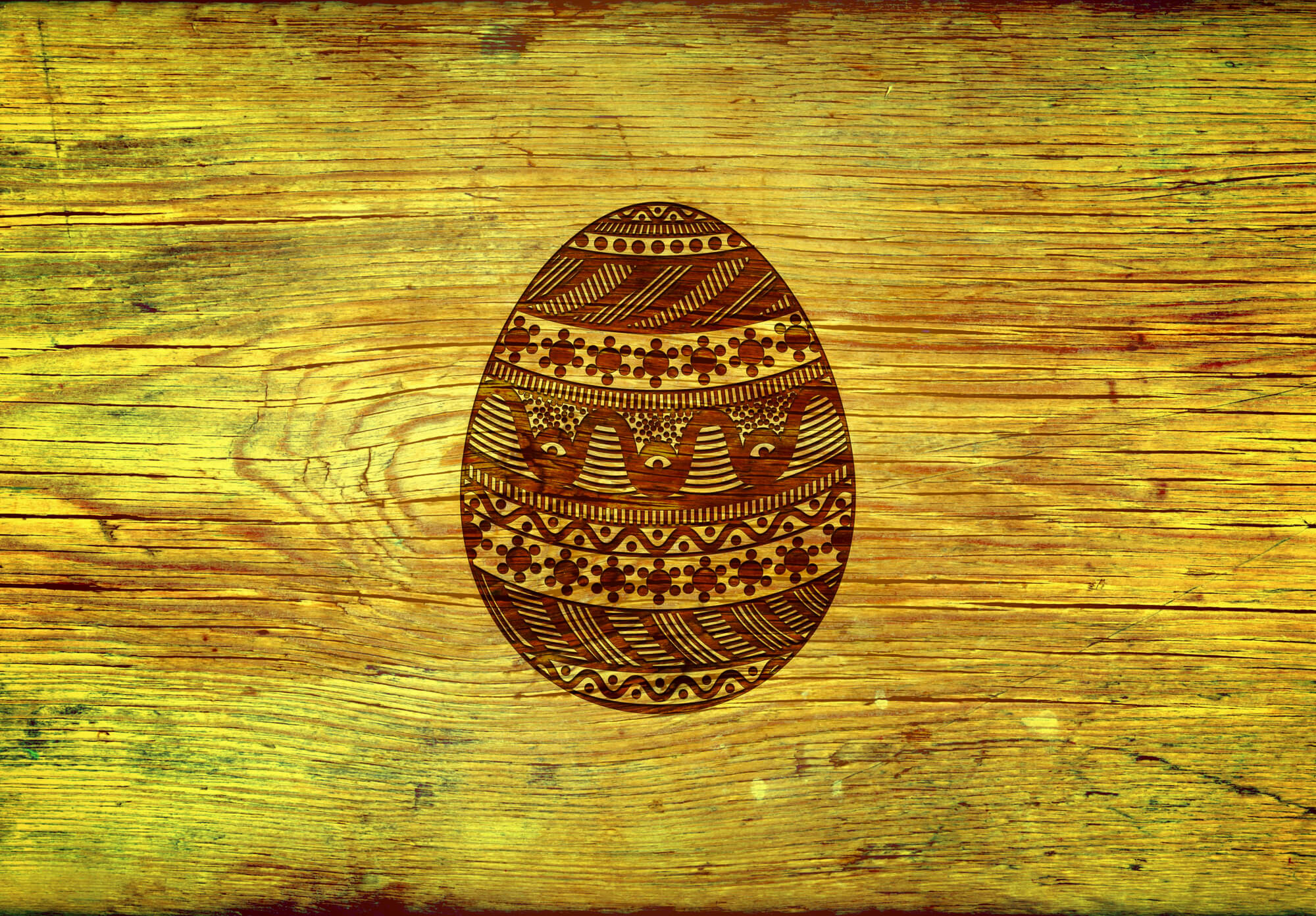
Woodburning sets offered a pen-shaped tool with a heated metal tip and a few pine plaques stamped with outlines. Kids traced the lines, burning them into the wood in a craft formally known as pyrography. Interchangeable tips made thin lines, broad shading or decorative dots. The tool took several minutes to heat and longer to cool, and an unattended tip left scorch marks on tables across the country. Finished plaques usually featured horses, ducks, cabins or a family name, and many still hang in garages and lake houses.
Tandy Leathercraft Kits
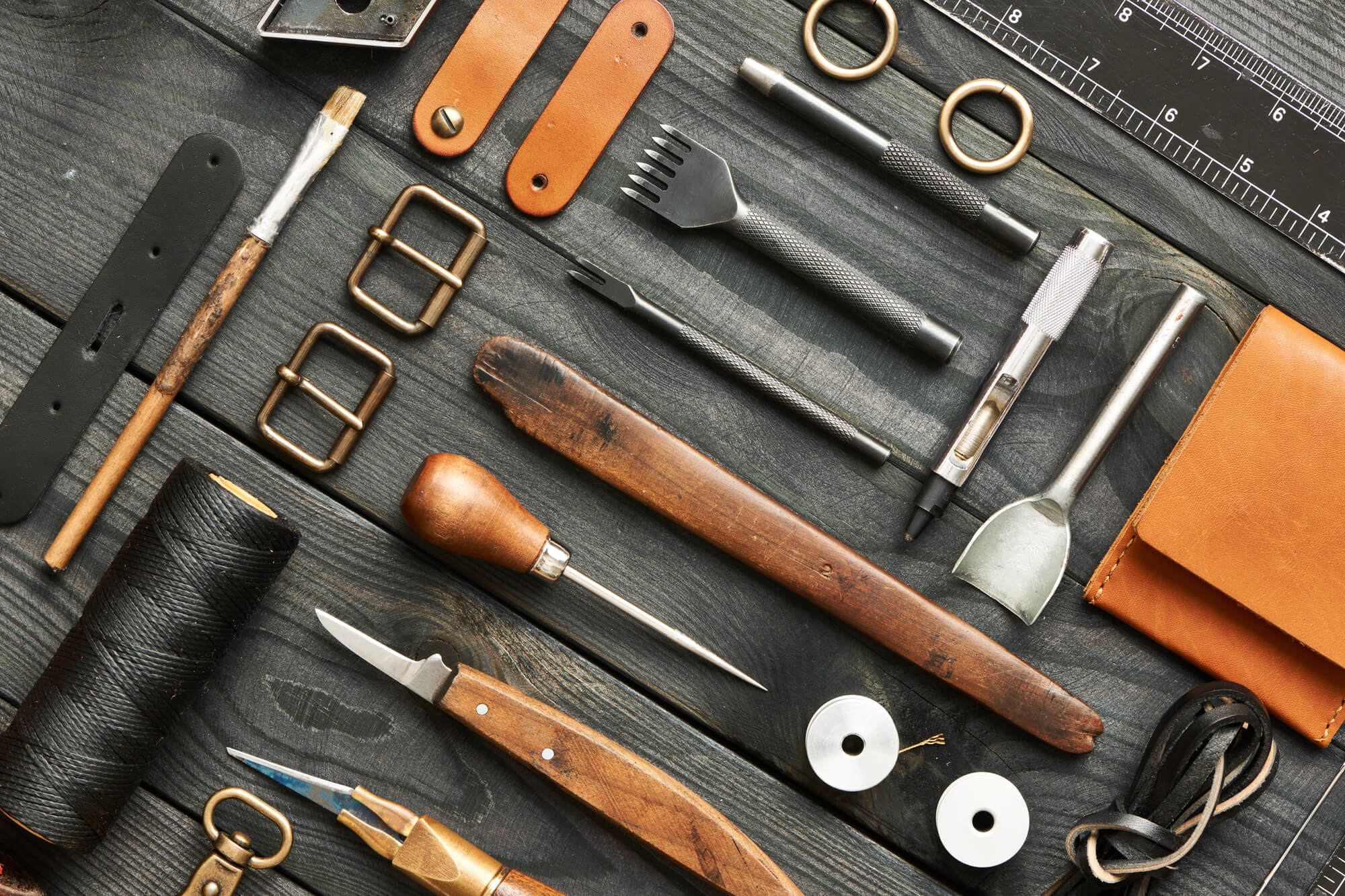
Tandy Leather, a Fort Worth company with roots in the leather trade going back to 1919, sold kits that let kids make wallets, coin purses, belts and key fobs. The pieces came precut with lacing slots already punched along the edges. Kids stamped designs into dampened leather using metal tools and a mallet, then laced the pieces together with plastic or leather cord. The stamping was loud and satisfying. Many scout troops and summer camps built entire afternoons around these kits, and a few of those wallets are still in use.
Decoupage Plaques and Mod Podge
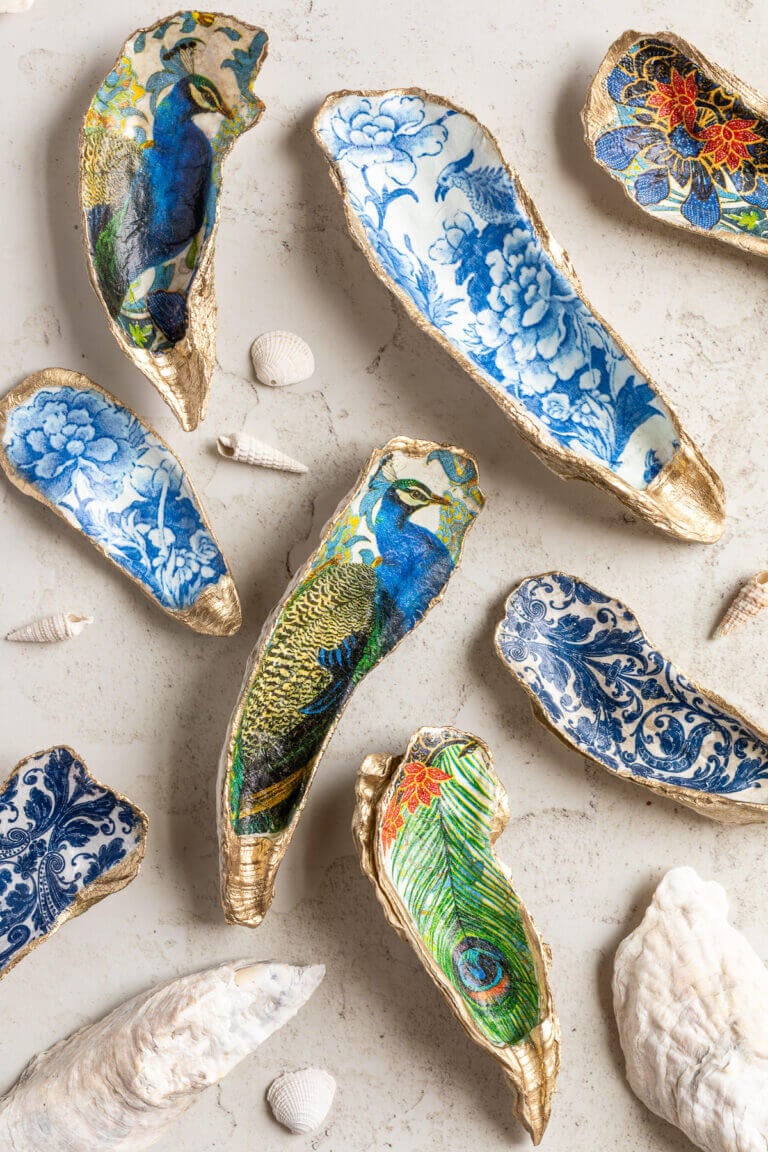
Decoupage meant gluing printed paper images onto wooden plaques, boxes or bottles, then sealing them with layer after layer of clear finish. Mod Podge, created in 1967 by Jan Wetstone, became the standard glue and sealer for the job. Kits supplied the plaques, images, sealer and a brush. Kids cut out flowers, mushrooms or inspirational phrases and smoothed them flat to chase out bubbles. Some adults sanded edges to look antique. Done well, the finish looked glossy and professional, and done quickly, it stayed tacky for days.
String Art Boards
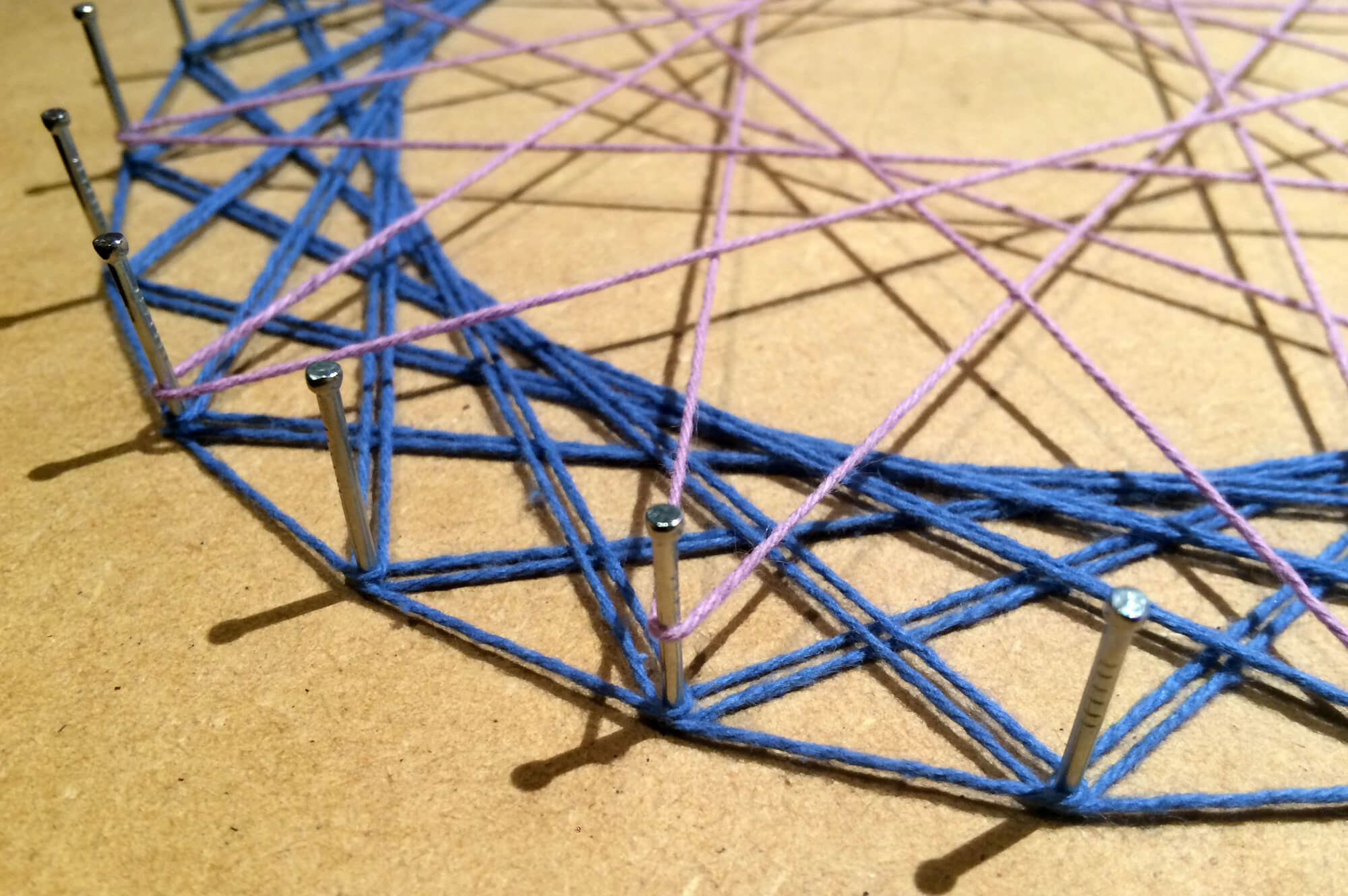
String art kits came with a board, often covered in dark felt or velvet, a printed pattern, small nails and spools of colored thread. Kids hammered the nails along the pattern, then wound thread back and forth between them. Straight lines added up to curves, an effect that traces back to curve stitching taught by nineteenth-century mathematician Mary Everest Boole. Sailboats, owls and geometric starbursts were common subjects. The hammering took the longest, and crooked nails meant crooked curves, which every finished piece seemed to have somewhere.
Macrame Owl Kits
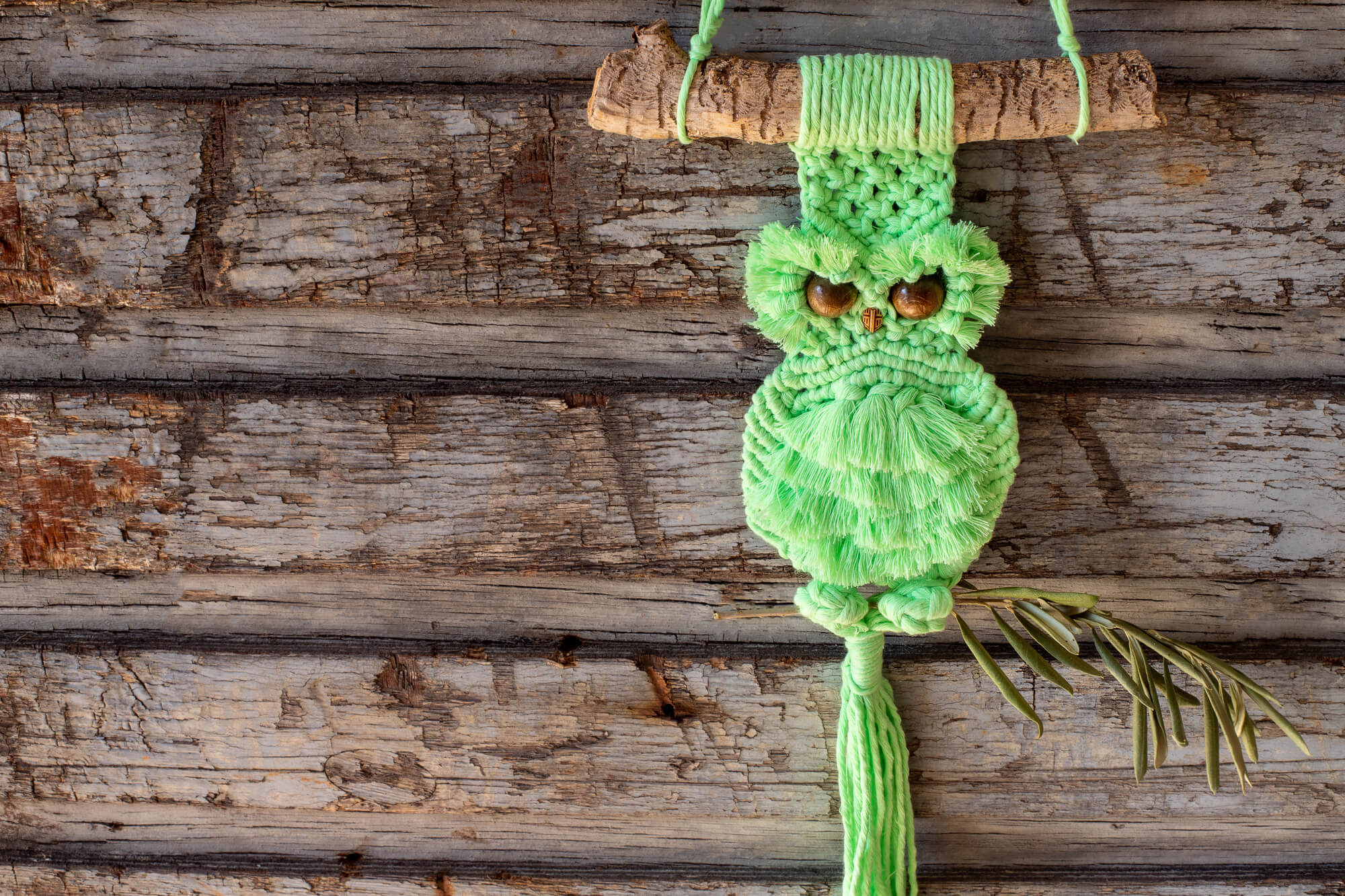
Macrame kits handed kids jute cord, a wooden dowel or driftwood branch and a bag of wooden beads. The instructions taught square knots, half hitches and a few decorative patterns. The most popular project by far was the owl, with big wooden bead eyes and a body of knotted cord that tapered toward the bottom. Plant hangers came a close second. A single owl could take a full weekend. Jute shed fibers everywhere, and it left fingers raw, but the results hung on walls in an astonishing number of living rooms that decade.
Copper Enameling Kits
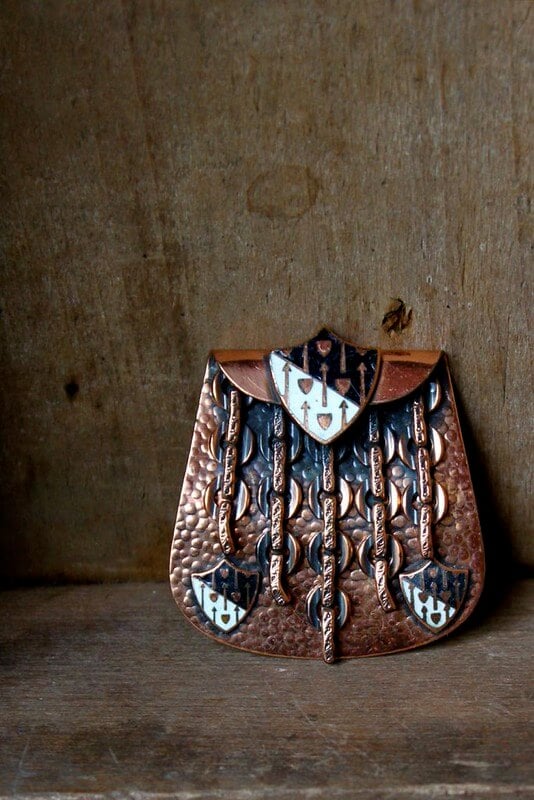
Copper enameling kits came with a small electric kiln, flat copper blanks shaped like circles, squares or leaves and jars of powdered glass enamel. Kids sifted enamel onto the copper and set it in the kiln, where the powder melted into a glossy, glassy coating. Pendants, small trays and pins were typical results. The kiln got hot enough to demand real caution, and handling the pieces required tongs. Colors shifted in the heat, so a piece meant to be blue could emerge greenish, which taught a gentle lesson about chemistry and expectations.
Mosaic Tile Trivets
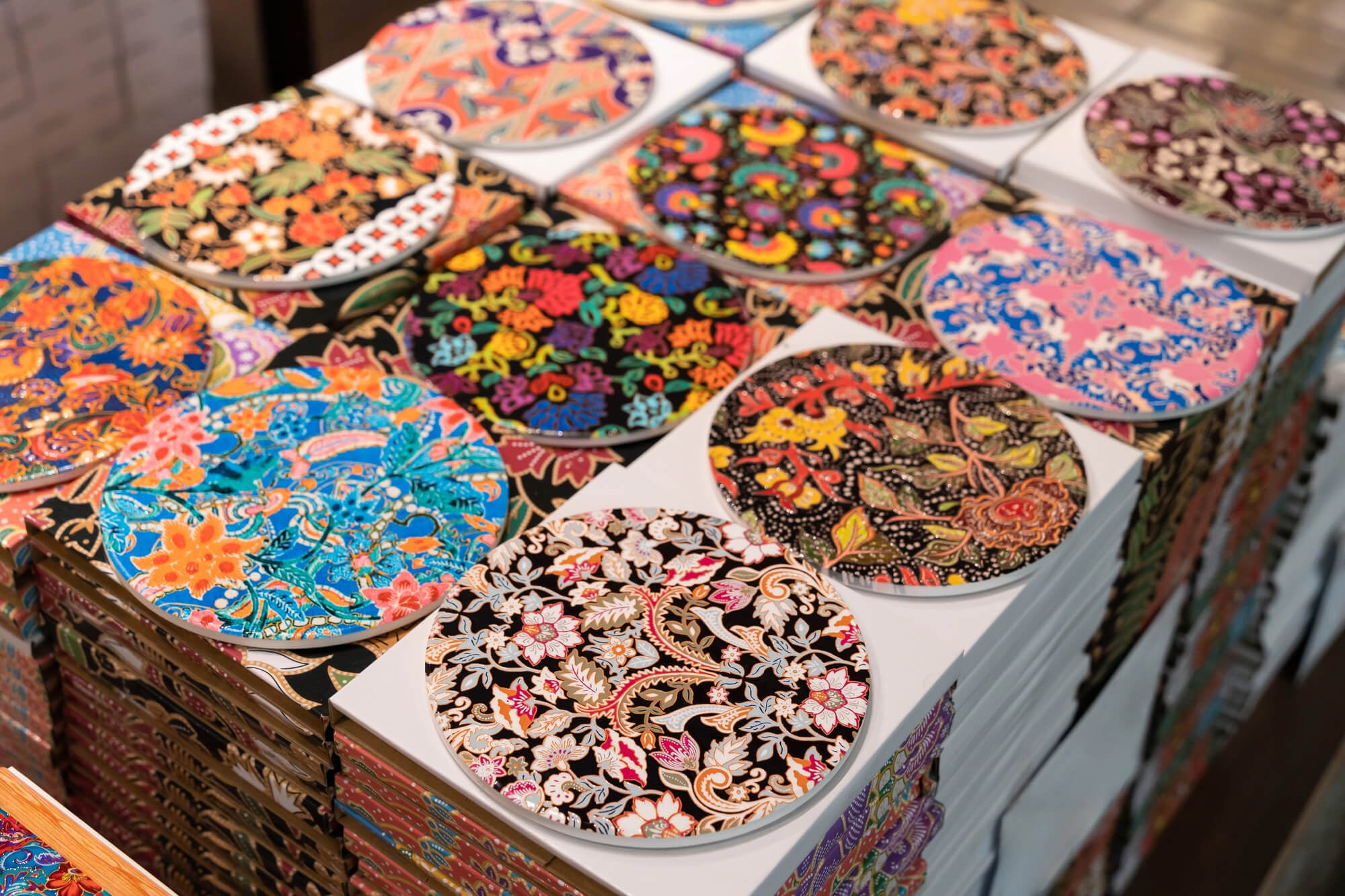
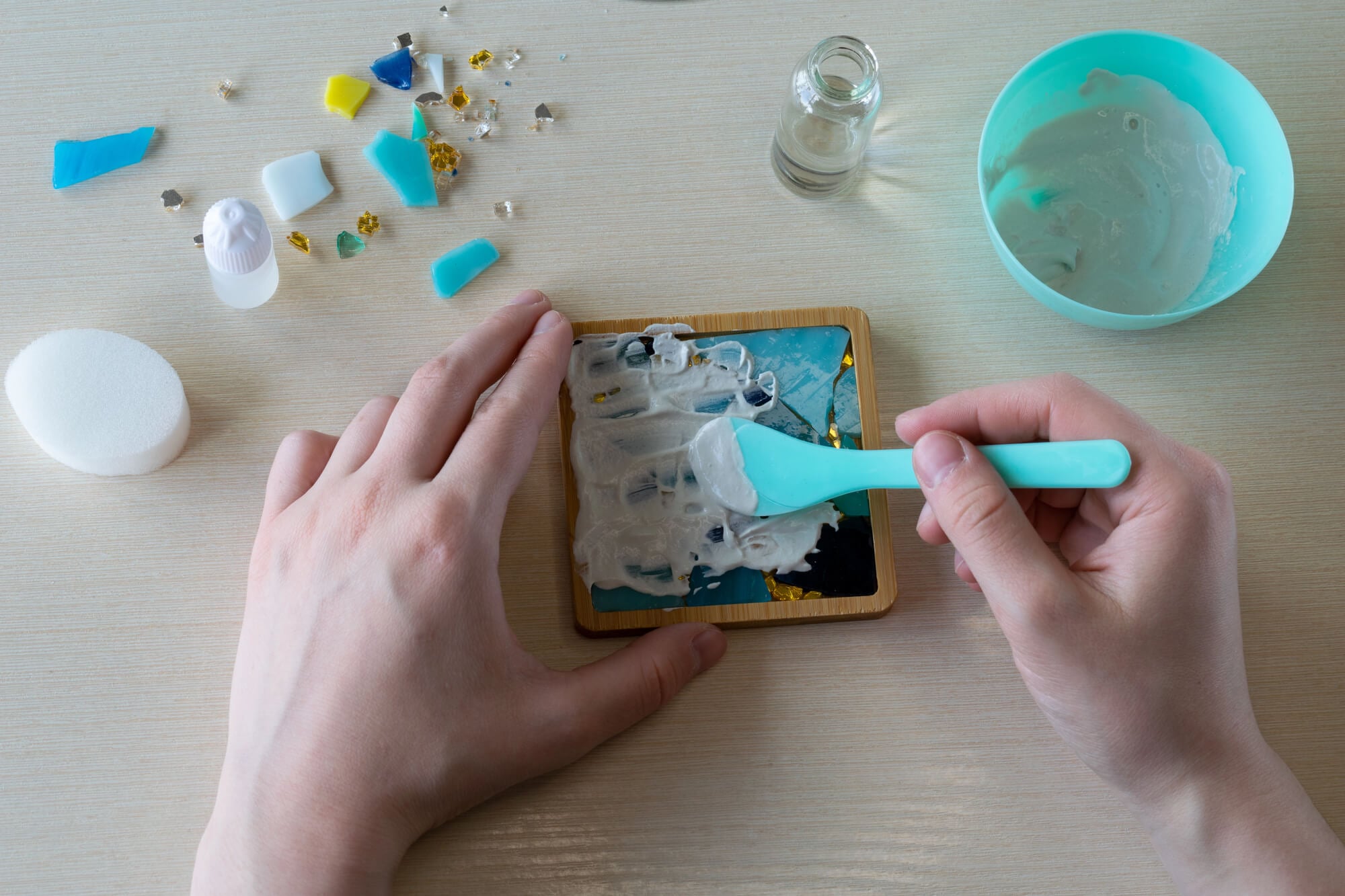
Mosaic kits included a wooden or metal base, small square ceramic tiles in assorted colors and a bag of grout. Kids glued tiles in a pattern, mixed the grout and pressed it into the gaps, then wiped the surface clean with a damp sponge. That last step was the tricky part. Too little wiping left a cloudy haze on the tiles, and too much pulled the grout back out of the joints. Trivets and coasters were the most common results, and many survived kitchens for decades because tile and grout are nearly indestructible.
Bucilla Crewel Embroidery Kits
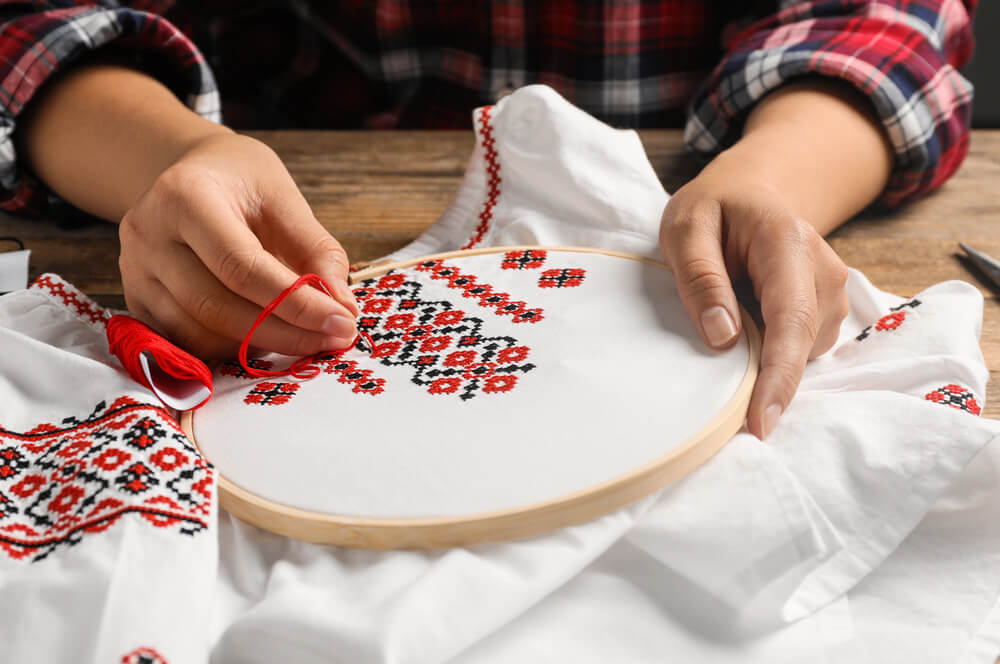
Crewel embroidery kits used wool yarn rather than cotton floss, stitched onto a sturdy fabric printed with the design. Bucilla, one of the oldest names in needlework, sold many of them, along with other craft companies. The wool gave finished pieces a raised, textured look. Seventies designs leaned heavily on mushrooms, owls, butterflies and sprays of wildflowers in gold, orange and avocado green. Kids learned stitches such as chain stitch and French knots. Many finished pieces were framed, and some still hang in hallways today.
Craft Master Paint by Number
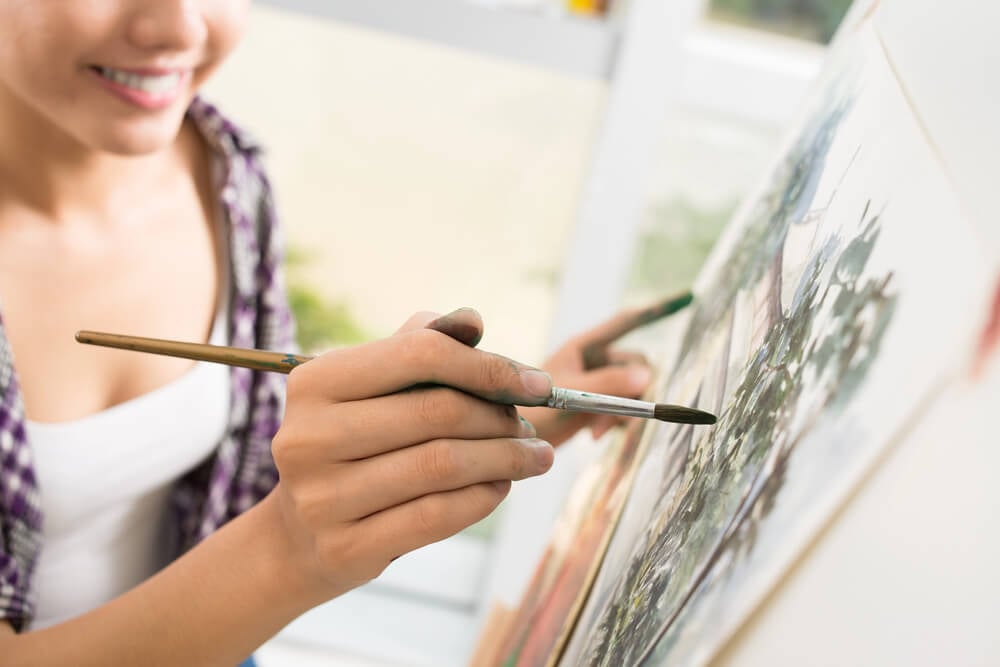
Paint by number kits came from the Palmer Paint Company of Detroit, where artist Dan Robbins developed the idea around 1950 and the company sold kits under the Craft Master name. Each canvas board carried outlines with numbers matching small pots of paint. Kids filled in each section, and the picture appeared bit by bit. The kits sold in enormous numbers through the 1950s and remained a staple in the following decades. Landscapes, horses and pets were favorites. Some finished pieces now turn up in thrift stores and sell to collectors, with value depending on condition and subject.
Plastic Model Car Kits
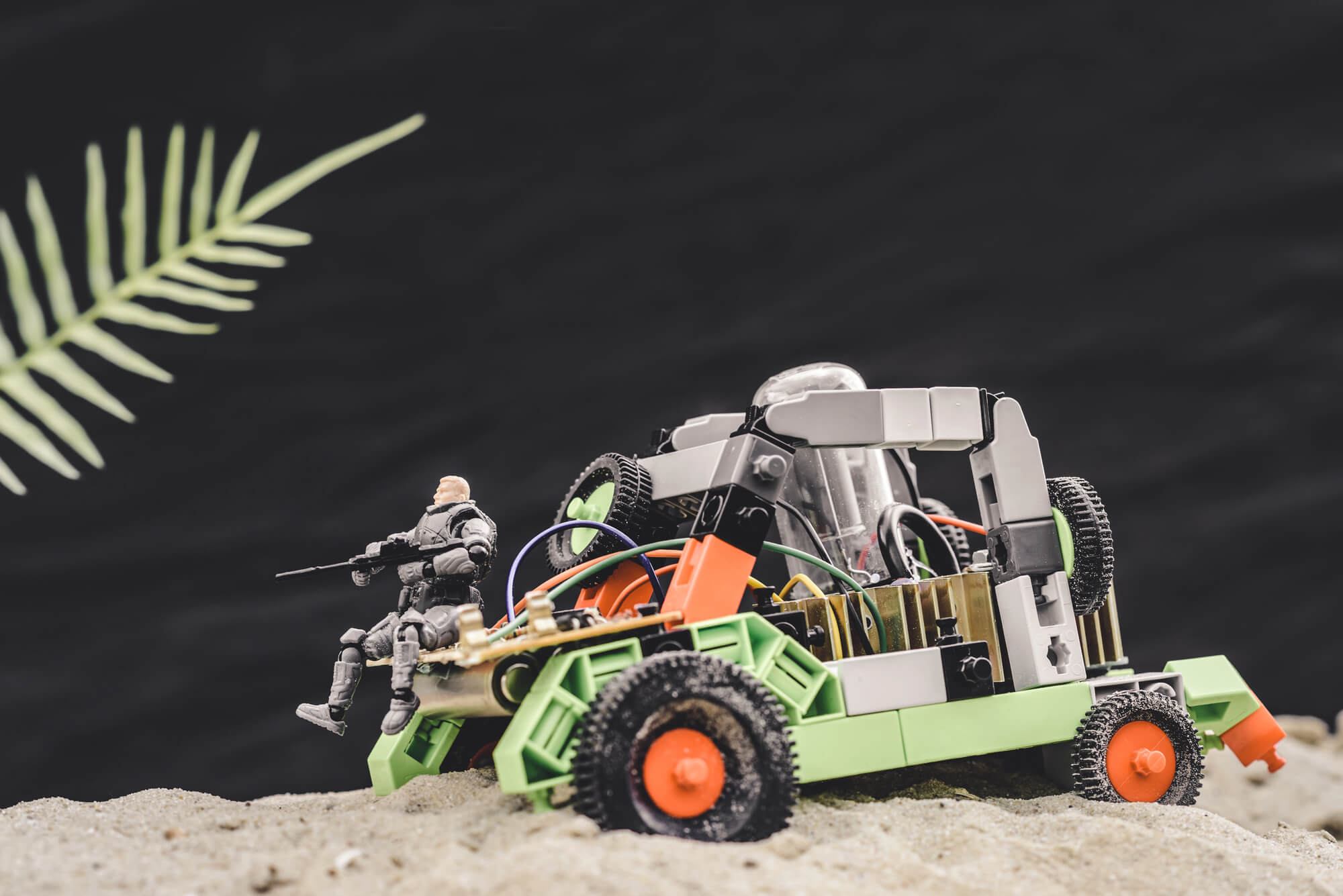
Model car kits from companies such as AMT, Revell and Monogram filled hobby shop shelves. Each box held plastic parts on trees called sprues, a sheet of decals and instructions that assumed more patience than most kids had. Glue strings, smudged fingerprints and crooked decals were common. Muscle cars and hot rods were the big sellers. Building one took several evenings, painting took longer, and many kids skipped painting altogether. Sealed vintage kits now sell to collectors for prices tied closely to box condition and completeness.
Estes Model Rockets

Estes Industries, founded in 1958 in Colorado, sold rocket kits made of cardboard tubes, balsa wood fins and plastic nose cones. Kids glued the pieces together, painted the body, packed a parachute and loaded a small solid-fuel engine. An electric launch controller ignited the engine from a safe distance. The rocket shot hundreds of feet into the air, popped its parachute and drifted down, often into a tree or a neighbor’s yard. Every launch carried a little risk of losing the rocket for good, which made it feel like real space exploration.
Aurora Monster Models
Aurora Plastics made model kits of famous movie monsters through the 1960s, and those kits stayed popular well into the following decade. Frankenstein’s monster, Dracula and the Wolf Man came as plastic parts to glue and paint. Later editions added glow-in-the-dark pieces that delighted kids after lights out. Aurora was eventually sold, and the kits became collector items. Sealed original boxes now bring strong prices, while built and painted models sell for much less, with value depending on condition and how much of the original packaging survived.
Magic Rocks Crystal Gardens
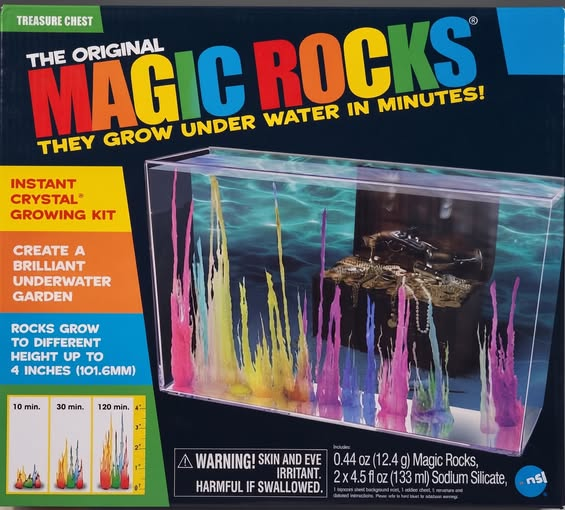
Magic Rocks kits held colored pebbles, a plastic tank and a packet of liquid. When the pebbles hit the solution, colorful crystal towers grew upward in hours. The chemistry behind them is an old classroom demonstration called a chemical garden, in which metal salts react with sodium silicate to form hollow mineral spires. The kits had been sold since the 1940s, and in the 1970s they shared ad space with Sea-Monkeys in comic books. The towers were fragile. One bump of the table could collapse an entire garden.
Baked Plastic Suncatcher Kits
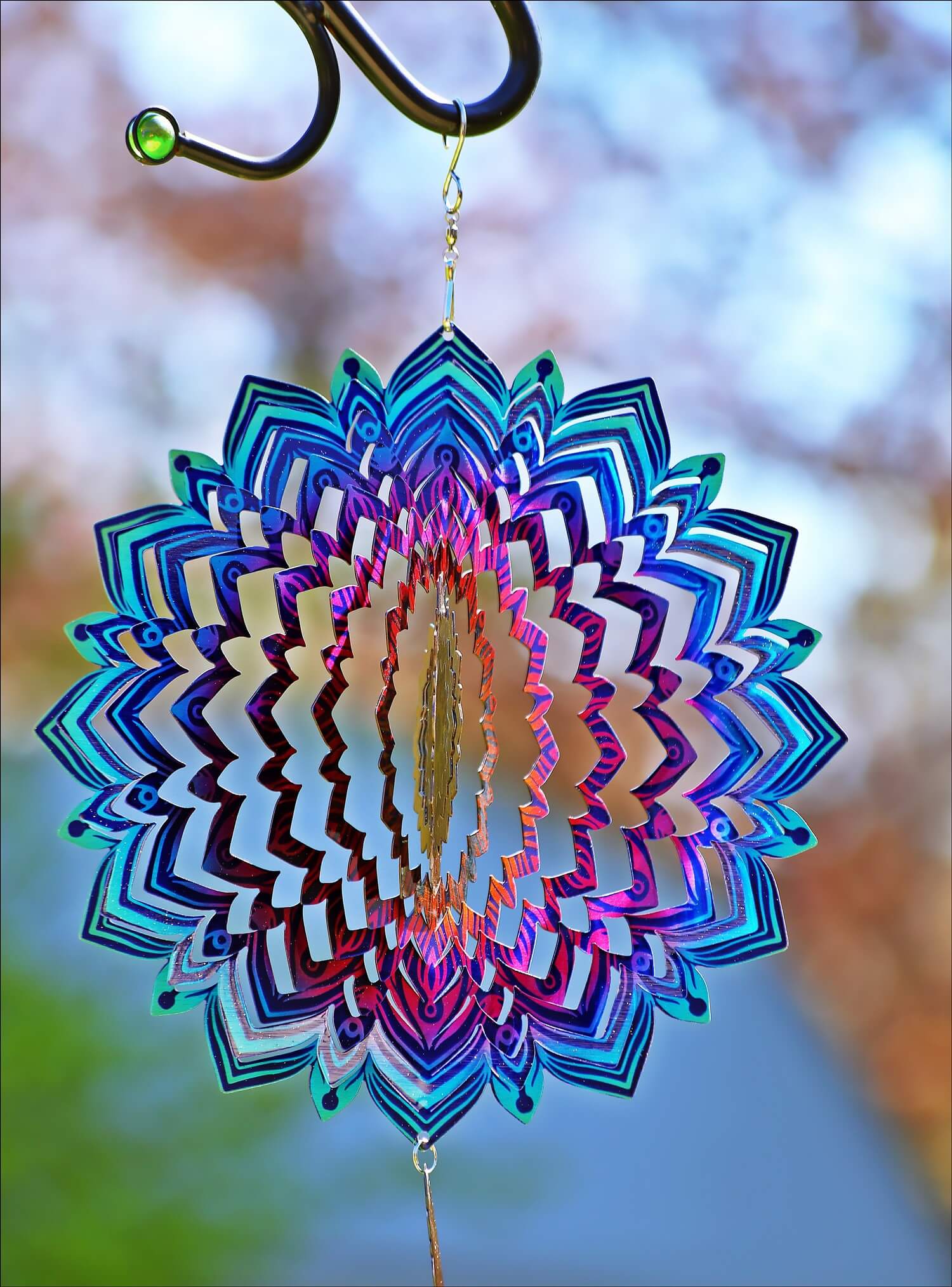
Suncatcher kits came with metal frames shaped like butterflies, flowers or rainbows and a bag of small plastic beads in translucent colors. Kids filled the frame sections with beads and baked the piece in the oven. The beads melted and fused into a glossy sheet that looked something like stained glass. A suction cup or string let it hang in a window. Uneven filling left gaps, and too much heat turned colors cloudy. When done well, the pieces glowed in the morning light and lasted for years.
Kits That Taught Patience in a Box
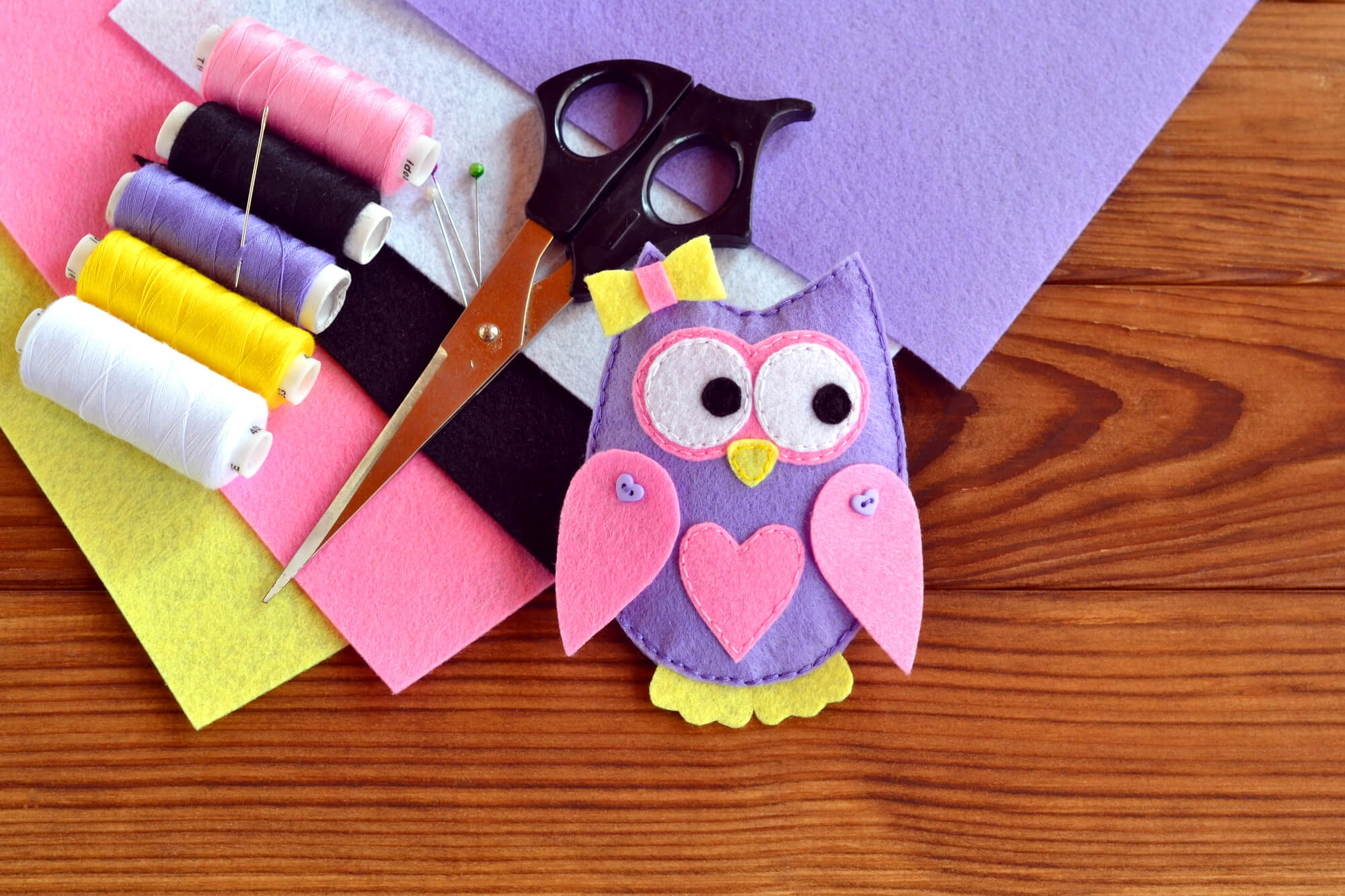
These kits arrived as toys, but they quietly taught skills. Kids learned to follow steps, wait for things to dry, handle heat and accept that a mistake halfway through often meant beginning again. That kind of patience was built into the box.
Many of the same kits are still sold in updated forms, with safer heat sources and fewer sharp edges. The old versions now sit on collector shelves and in attic bins. What they represent is a period when making something at the kitchen table was considered entertainment, and a finished owl or potholder was proof of an afternoon well spent.
More from Go2Tutors!

- The Romanov Crown Jewels and Their Tragic Fate
- 13 Historical Mysteries That Science Still Can’t Solve
- Famous Hoaxes That Fooled the World for Years
- 15 Child Stars with Tragic Adult Lives
- 16 Famous Jewelry Pieces in History
Like Go2Tutors’s content? Follow us on MSN.