24 School Traditions Older Generations Remember That Classrooms Quietly Dropped Years Ago
Classrooms change slowly and then all at once. A chalkboard becomes a whiteboard, the whiteboard becomes a touchscreen, and somewhere along the way a dozen small customs vanish without anyone announcing their retirement.
Older generations remember those customs in surprising detail, from the smell of fresh worksheets to the thrill of being picked for eraser duty. Most were never officially abolished.
They simply stopped happening.
Clapping Chalk Erasers After the Bell
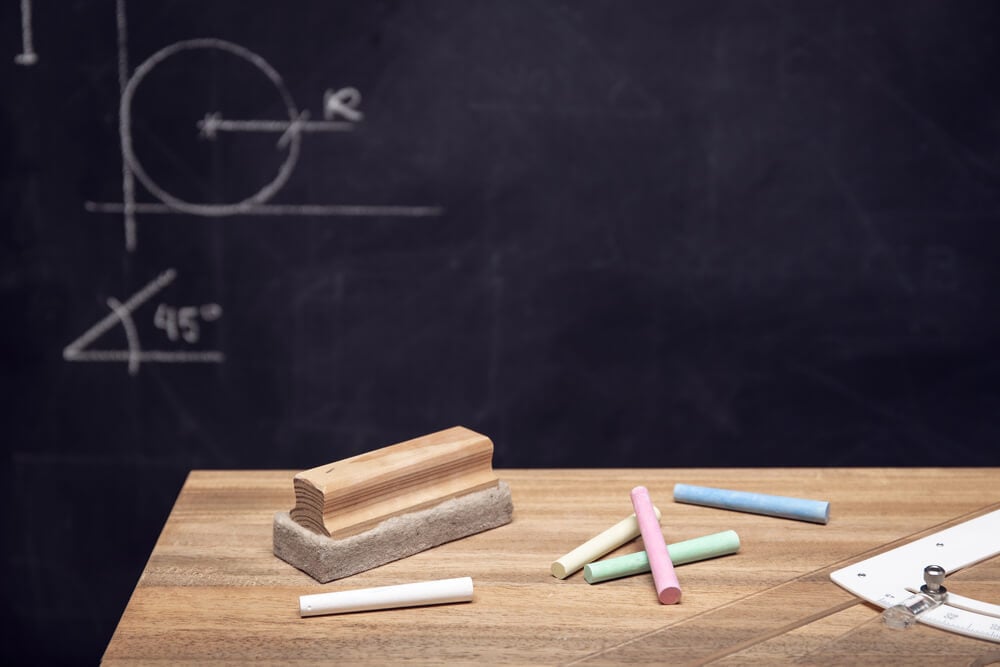
Being chosen to clap the erasers was a genuine honor in many classrooms. The chosen student carried the felt erasers outside and banged them together, or against a brick wall, until clouds of chalk dust drifted away.
Some schools had motorized eraser cleaners that roared like tiny vacuums. The job came with a few minutes of freedom and a coat of white powder on the sleeves.
Chalkboards gave way to whiteboards and then to interactive screens, and the chore disappeared with them. The brick walls behind some older school buildings still carry faint pale rectangles from decades of eager helpers.
Sniffing Fresh Ditto Sheets
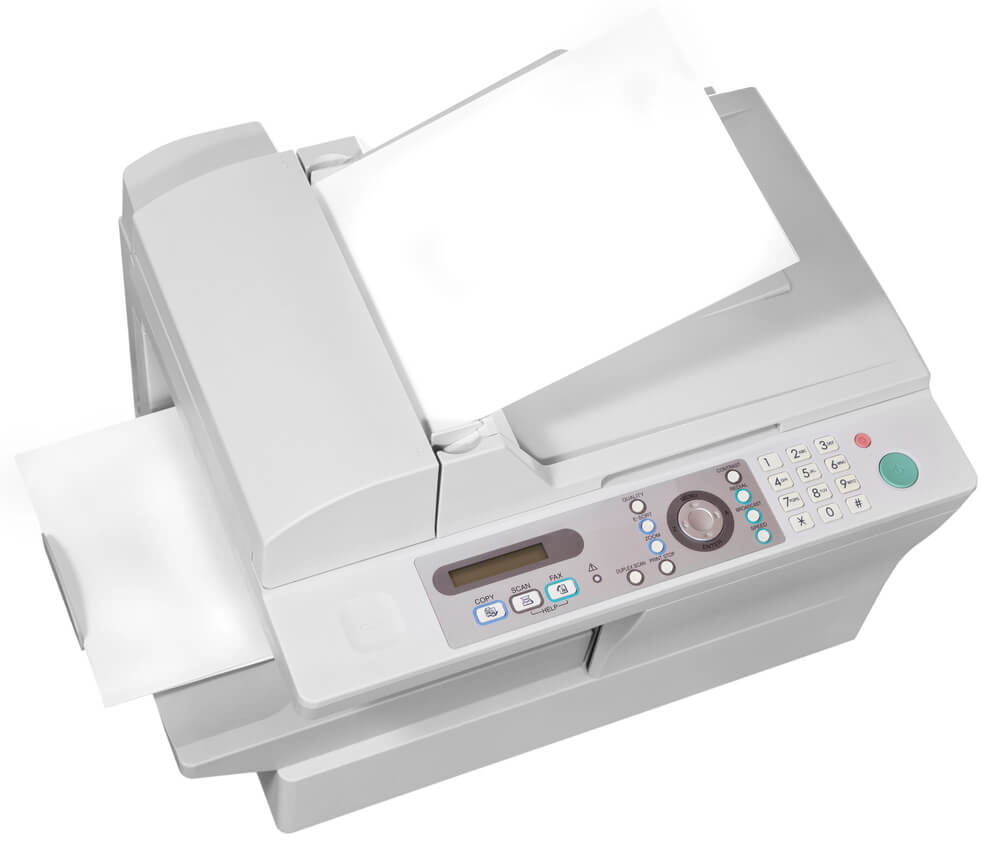
Before photocopiers took over, teachers made worksheets on spirit duplicators, usually called ditto machines. The copies came out in purple ink, slightly damp, with a sweet chemical smell from the solvent used in the process.
Students routinely held the fresh pages to their noses as soon as they landed on the desk. Teachers cranked the machines by hand in a back room, and the master sheets could produce only a limited number of copies before fading.
Photocopiers replaced them through the 1970s and 1980s. The smell remains one of the most vivid sensory memories for anyone who sat in a classroom before then.
Waiting for the Filmstrip Beep
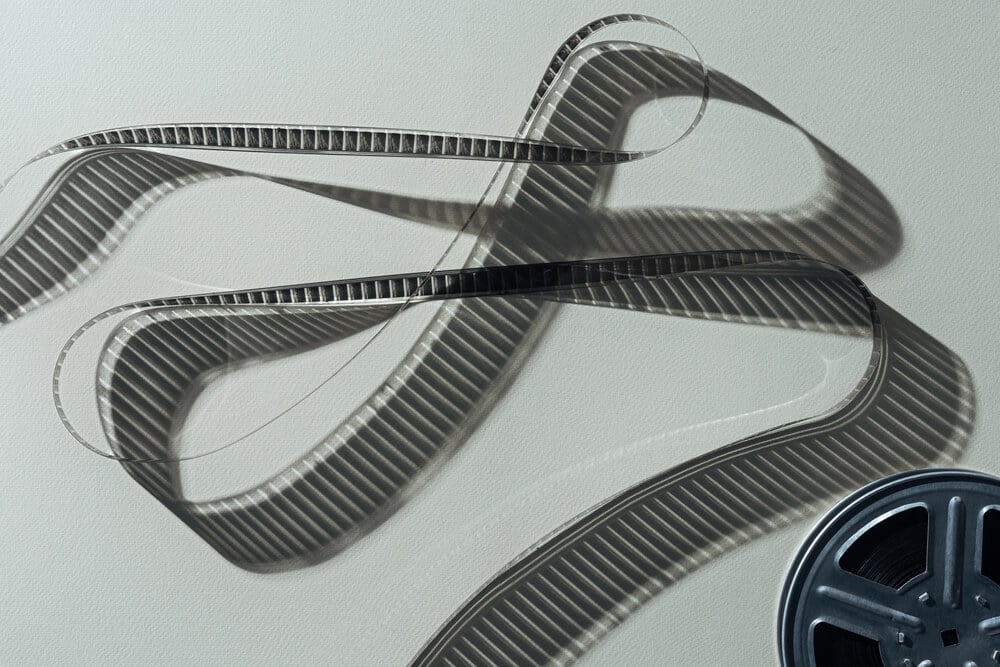
Filmstrips were rolls of still images projected one frame at a time, often paired with a record or cassette that narrated the lesson. A soft beep signaled when to advance to the next frame, and a student was usually trusted with the knob.
Missing a beep threw the narration out of sync, which drew groans from the class. The filmstrip projector hummed, the lights went off, and for a few minutes the classroom felt like a theater.
Videotapes and later digital presentations made them obsolete. Many adults can still hear that beep clearly, along with the rattle of the projector fan.
Practicing Palmer Method Penmanship
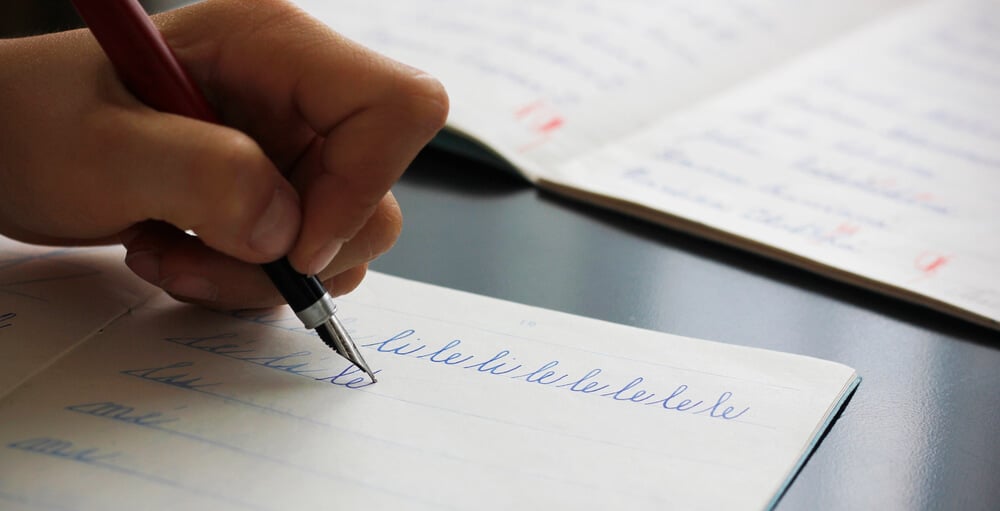
Austin Palmer developed his handwriting system in the late 19th century, and for decades it drilled American students in smooth, rhythmic cursive. Children filled pages with ovals and slanted push-pull lines before they were allowed to write actual words.
Penmanship was graded on report cards, and neat handwriting was treated as a mark of character. Cursive instruction faded after the 2010 Common Core standards left it out.
A number of states have since passed laws bringing it back to classrooms. Still, an entire generation grew up printing, and many of them struggle to read the letters their grandparents wrote.
Diagramming Sentences on the Chalkboard
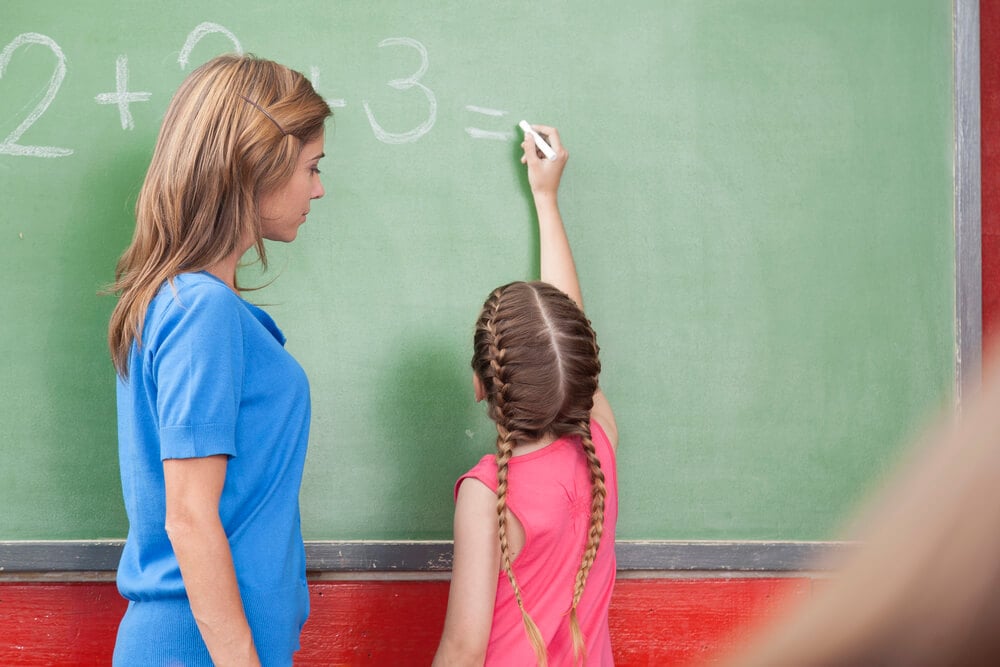
Students once broke sentences apart into a web of horizontal and slanted lines, placing subjects, verbs, and modifiers in their proper spots. The method came from the Reed-Kellogg system, introduced by Alonzo Reed and Brainerd Kellogg in the 1870s.
Teachers would call students to the board to diagram a long sentence in front of the class, a moment of real suspense. Many students hated it, while others found it oddly satisfying.
The practice faded from most curricula by the late 20th century. Writers and grammar enthusiasts still defend it as one of the best ways to understand how sentences actually work.
Reciting Memorized Poems Before the Class
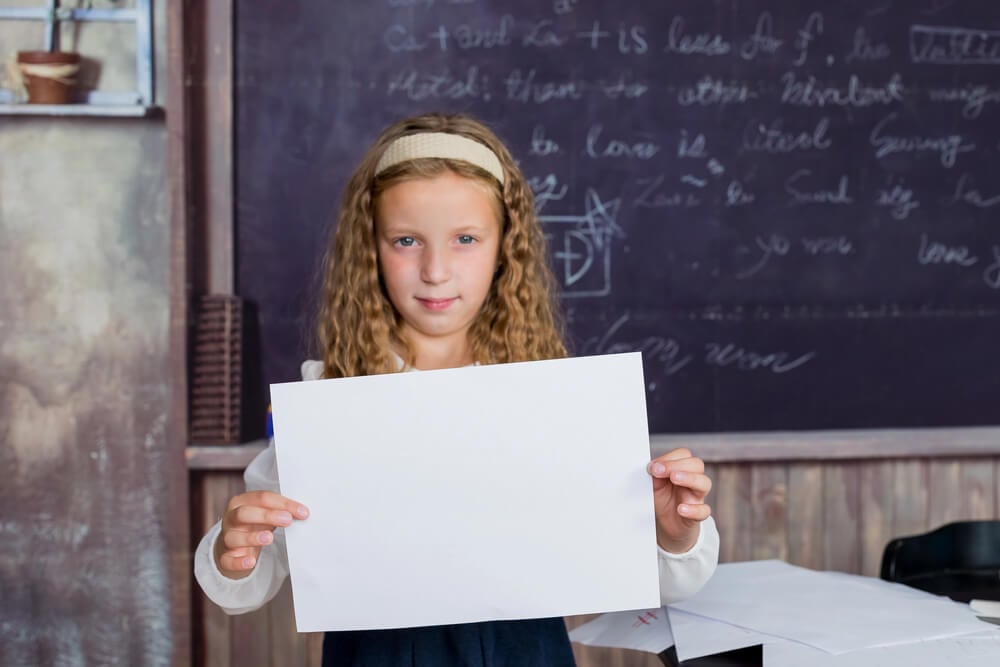
Memorizing and reciting poetry was once a standard part of an American education. Students learned Paul Revere’s Ride, The Village Blacksmith, or Stopping by Woods on a Snowy Evening and stood before classmates to deliver them.
Teachers graded on accuracy, posture, and expression. The practice built memory skills and gave students a stock of verses they carried for life.
It faded as educators moved toward other teaching methods. Many older adults can still recite entire stanzas decades later, often surprising their grandchildren with a burst of Longfellow at the dinner table.
Sweating Through the Presidential Fitness Test
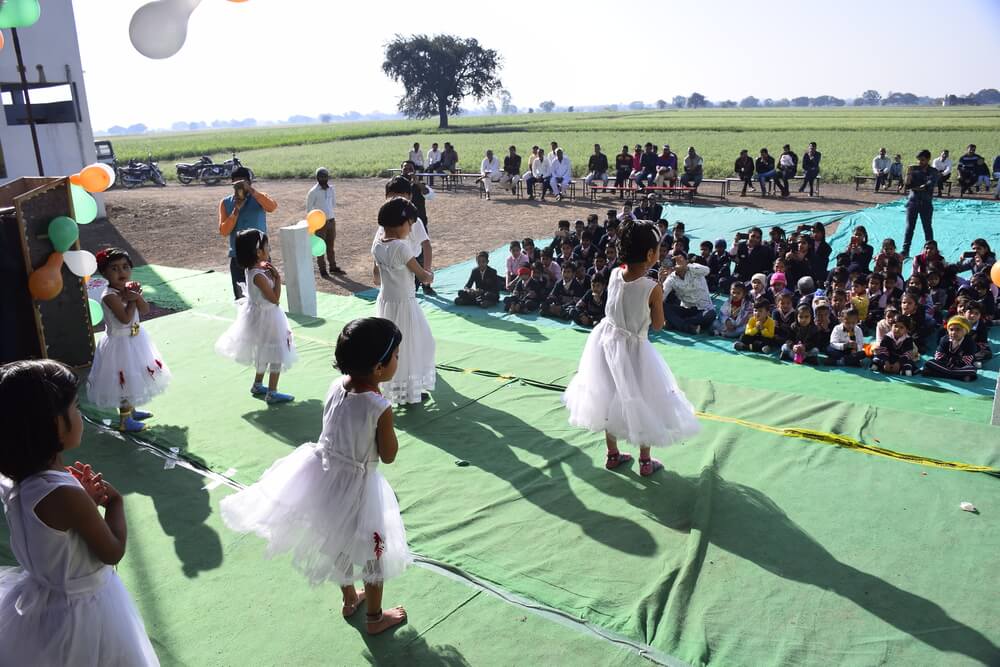
For decades, gym classes tested students with a series of exercises that included a mile run, sit-ups, pull-ups, a shuttle run, and the sit-and-reach. Top performers earned the Presidential Physical Fitness Award and a patch, while others dreaded the pull-up bar for weeks in advance.
The test was dropped in 2012 and replaced with a program focused on individual health rather than athletic ranking. In July 2025, President Trump signed an executive order bringing the Presidential Fitness Test back.
Details of the new version are still being worked out, so for now the old test lives mostly in the memories of those who took it.
Ducking Under Desks for Air Raid Drills
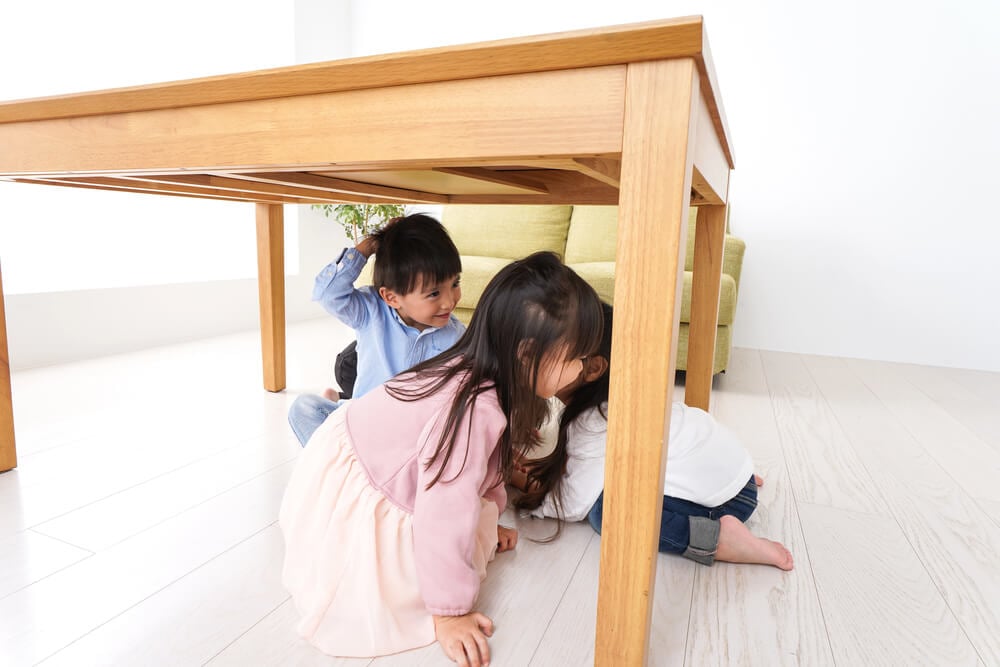
During the early Cold War, schools held drills teaching children to duck under their desks and cover their heads in the event of a nuclear attack. A 1951 civil defense film featured a cartoon turtle named Bert who demonstrated the technique.
Students practiced regularly, often without really understanding what they were preparing for. The drills faded by the late 1960s and 1970s as tensions eased and the idea of hiding under a desk seemed less convincing.
The phrase duck and cover remains a cultural shorthand for an era of anxiety. Many older adults still remember the sound of the drill siren.
Bringing Coins for School Banking Day

Weekly savings programs once let students deposit small amounts of money into real bank accounts. A local bank would provide passbooks, and students watched their balances grow a few cents at a time.
During World War II, schools sold savings stamps that could be pasted into books and exchanged for war bonds. The programs taught thrift and basic financial habits.
Most faded by the 1970s and 1980s as banks lost interest and schools focused on other priorities. The passbooks, with their neatly stamped entries, now turn up in estate sales and family drawers.
Reading the Weekly Reader
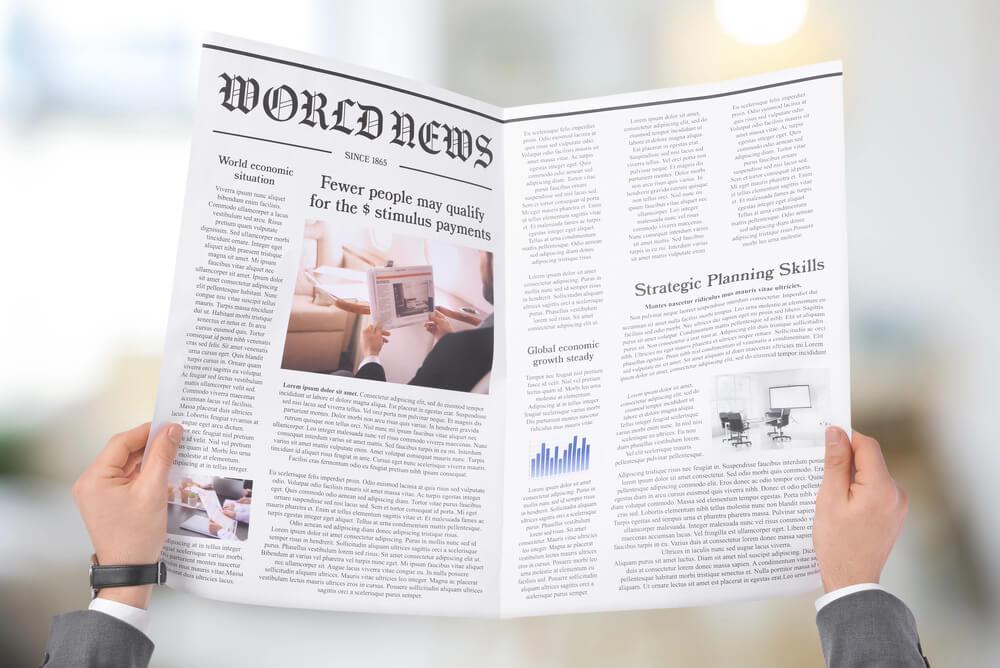
Weekly Reader was a classroom newspaper for children, first published in 1928. Each issue covered current events, science, and human interest stories in language kids could understand.
Teachers passed out the issues, and students read them together in class. Its student presidential poll gained a reputation for predicting the winner more often than not.
Weekly Reader was merged into Scholastic News in 2012, ending its long run. For generations of students, it was their first introduction to the news, and many still remember the excitement of a new issue landing on their desks.
Weaving Ribbons Around a Maypole
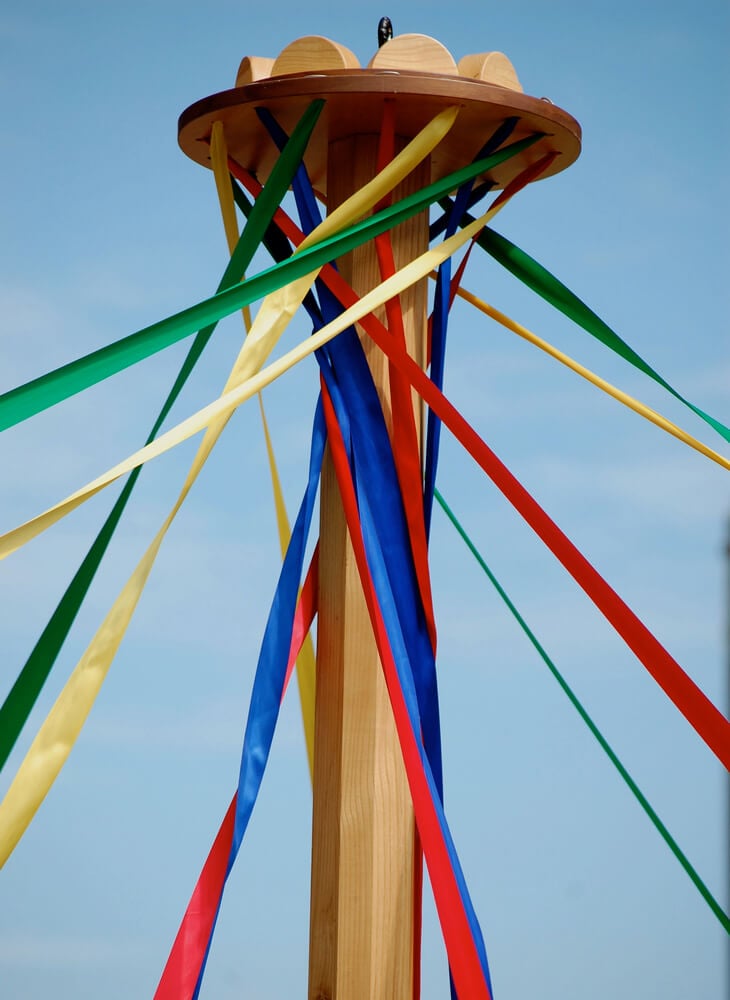
Spring once brought May Day to elementary schools, complete with a maypole dance in which students held colored ribbons and wove them around a tall pole as they danced in circles. The ribbons formed a pattern as the dancers moved in and out, and getting it right required practice and cooperation.
Parents gathered to watch, and some schools crowned a May Queen. The tradition faded in most American schools over the second half of the 20th century.
A few schools and communities still hold maypole dances, but they have become rare. The tangle of ribbons after a botched dance was part of the charm.
Asking Boys to the Sadie Hawkins Dance
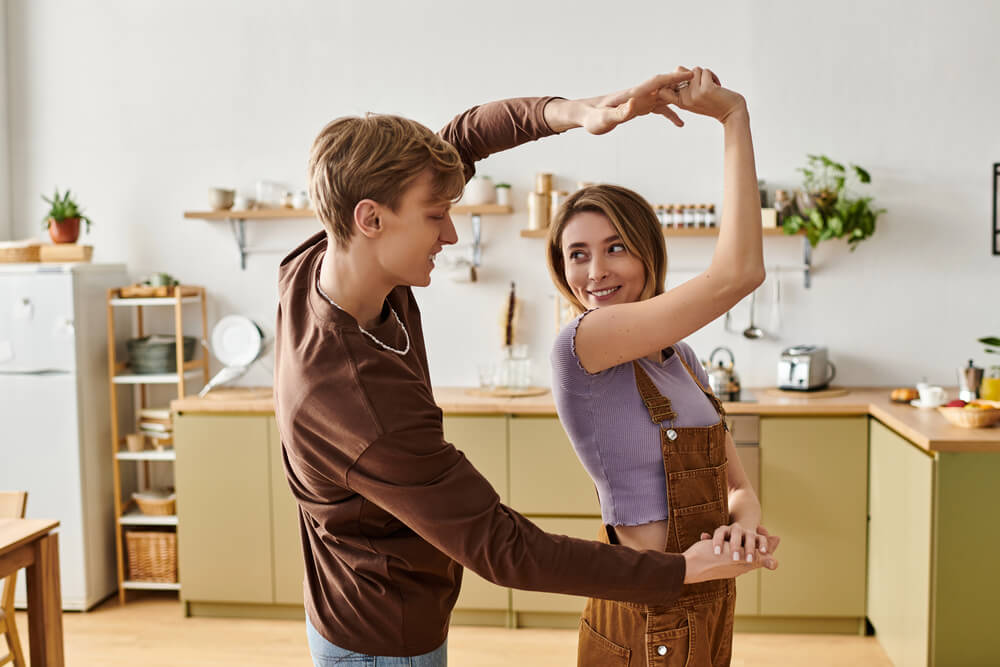
The Sadie Hawkins dance came from Al Capp’s Li’l Abner comic strip, which introduced Sadie Hawkins Day in 1937. In the strip, unmarried women chased the town’s bachelors, and any man caught had to marry his pursuer.
Schools adopted the idea as a dance where girls asked boys, reversing the usual custom. The dances were popular for decades and often featured country-style costumes inspired by the comic.
Many schools have dropped them in recent years, citing concerns about outdated gender roles. The name still turns up occasionally, though most schools retired the girls-ask-boys format long ago.
Dancing in Socks at the Sock Hop
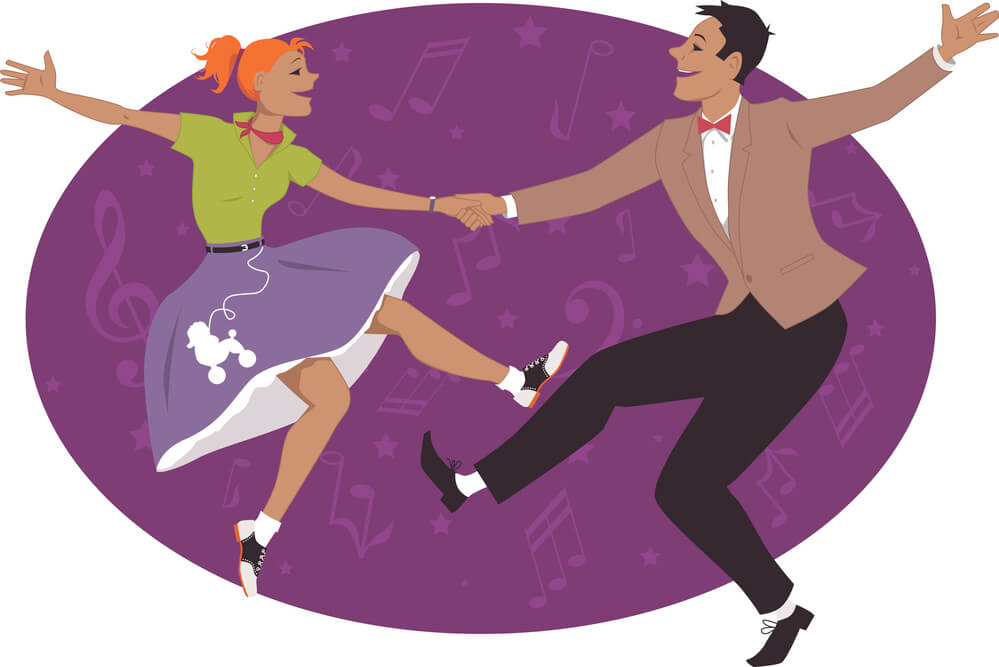
Sock hops were informal dances held in school gymnasiums, especially in the 1950s. Students removed their shoes to protect the gym floor, dancing in their socks to records played by a disc jockey or a teacher.
The dances were cheap, casual, and easy to organize. Poodle skirts, saddle shoes waiting by the bleachers, and rock and roll records defined the era.
The name became so tied to the 1950s that later events used it mostly as a theme. Genuine sock hops faded as school dances became more formal and professional sound systems replaced record players.
Hammering Keys in Typing Class

Typing classes once filled rooms with the clatter of manual and electric typewriters. Students learned the home row, practiced drills to build speed, and took timed tests measured in words per minute.
Teachers sometimes covered the keys so students could not look. The class was considered practical preparation for jobs in offices and businesses.
Computers and keyboarding classes replaced typewriters in the 1980s and 1990s. The skills carried over, but the sound of a room full of typewriters, with bells ringing at the end of every line, has disappeared completely.
Building Birdhouses in Shop Class
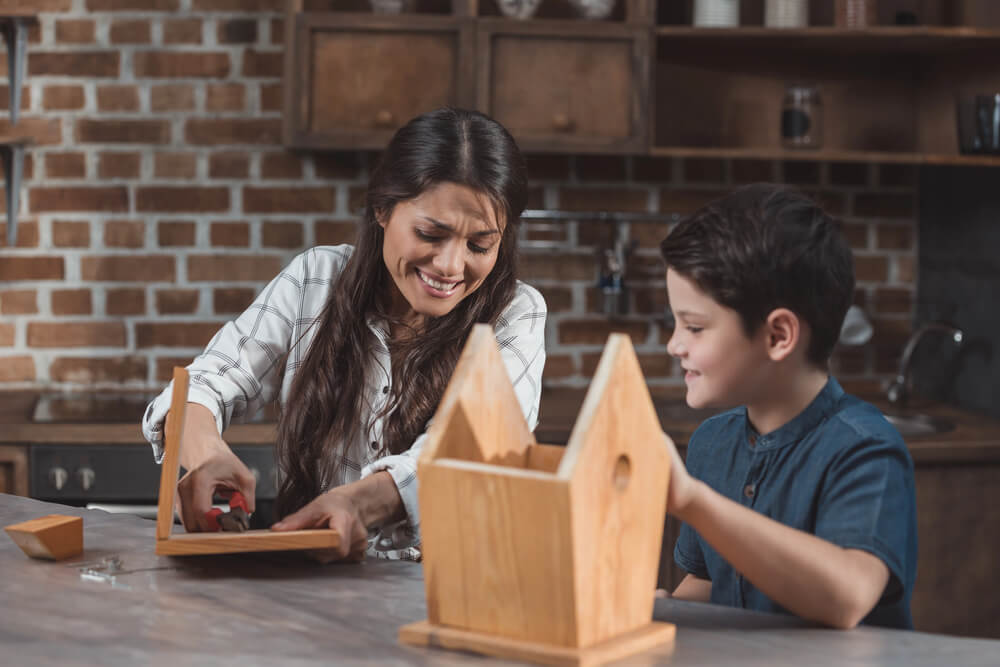
Shop classes taught woodworking, metalworking, drafting, and small engine repair to generations of students. Projects like birdhouses, cutting boards, and bookshelves were proudly carried home at the end of the semester.
The classes gave students practical skills and introduced many to careers in the trades. Budget cuts, liability concerns, and a push toward college preparation led many schools to cut shop programs from the 1980s onward.
Some schools have revived them as career and technical education. For many older adults, a battered birdhouse from shop class is still hanging in a backyard somewhere.
Sewing Aprons in Home Economics
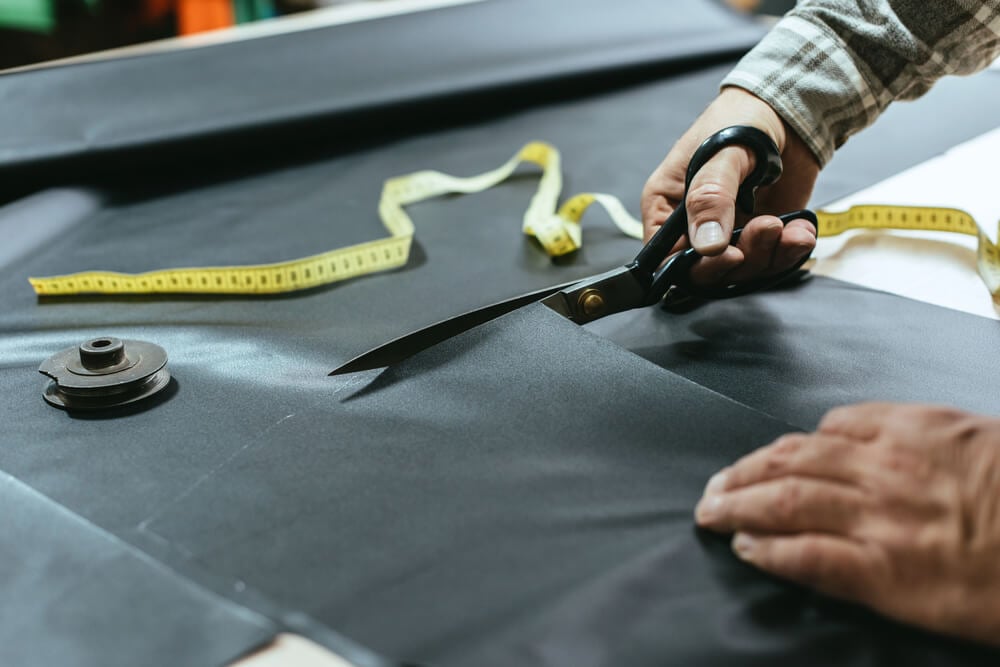
Home economics classes taught cooking, sewing, budgeting, and household management, and an apron was often the first project on the sewing machine. The classes were mostly aimed at girls for decades, though that changed over time.
The national professional association renamed the field Family and Consumer Sciences in 1994. Many schools have since reduced or eliminated these classes.
The skills they taught, from following a recipe to hemming pants, are now often learned from online videos. Many older adults still use the recipes and sewing techniques they learned in home ec.
Conjugating Verbs in Latin Class
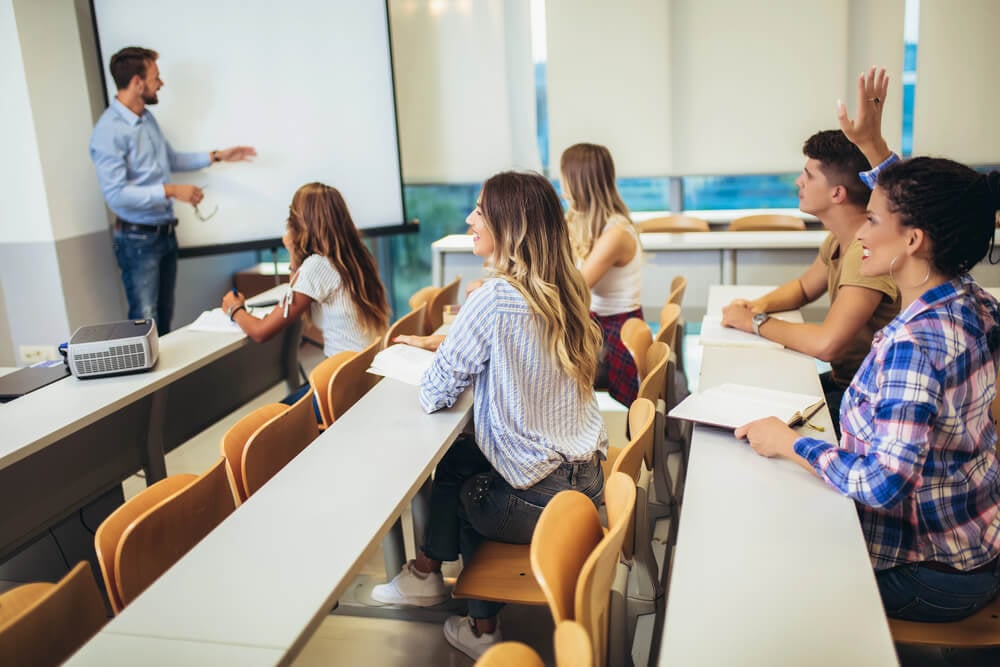
Latin was once a standard part of the high school curriculum, especially for college-bound students. Students conjugated verbs, declined nouns, and translated passages from Caesar and Cicero.
The language was considered a foundation for understanding English vocabulary, law, medicine, and science. The number of students taking it fell sharply in the late 20th century as schools emphasized modern languages.
Latin programs survive in some public and private schools, though student numbers shrank sharply over the decades. Many older adults still remember the chant of amo, amas, amat, and some credit Latin for their vocabulary.
Calculating With a Slide Rule
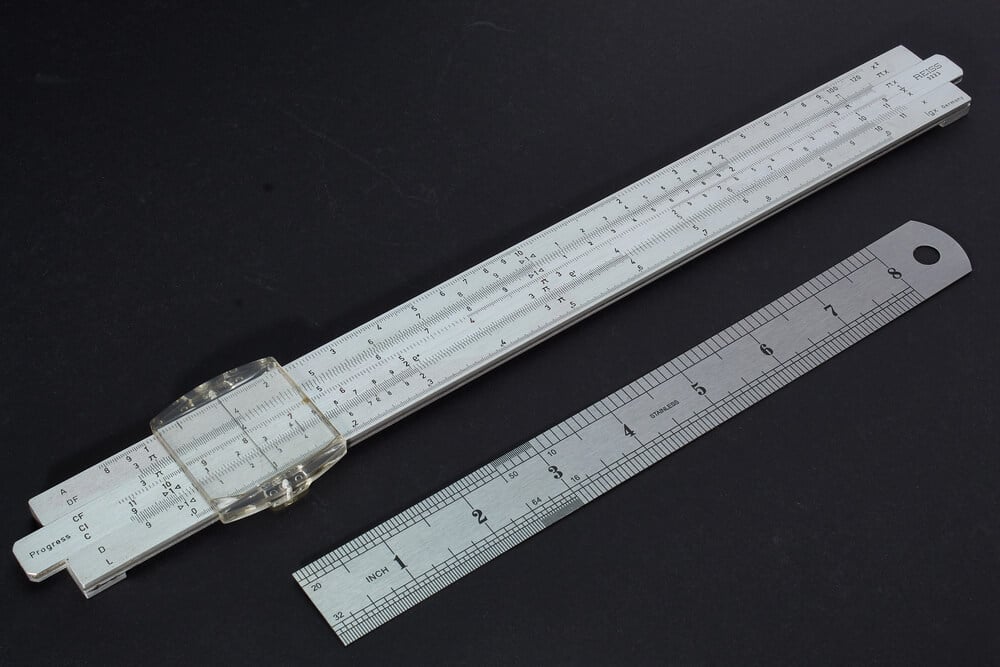
Before electronic calculators, math and science students used slide rules to multiply, divide, and calculate logarithms. The devices had sliding scales that required practice to read accurately.
Engineers and scientists relied on them for decades, and some students carried them in leather cases clipped to their belts. Pocket calculators became affordable in the 1970s, and the slide rule quickly became obsolete.
Keuffel and Esser, one of the largest makers, stopped producing them in 1976. Many older engineers still keep their slide rules as keepsakes, and a few can still use them.
Rising to Greet a Visitor in Unison

In many classrooms, students stood when the principal or a visitor entered the room and greeted them in unison. The custom taught respect for adults and created a sense of order.
Teachers often trained students to say good morning together at the beginning of the day. The practice faded as classrooms became less formal and more student-centered.
Some schools, particularly private and parochial ones, still keep the tradition. For many older adults, the scrape of chairs as a class rose to its feet is one of the defining sounds of their school days.
Marching in the Halloween Costume Parade
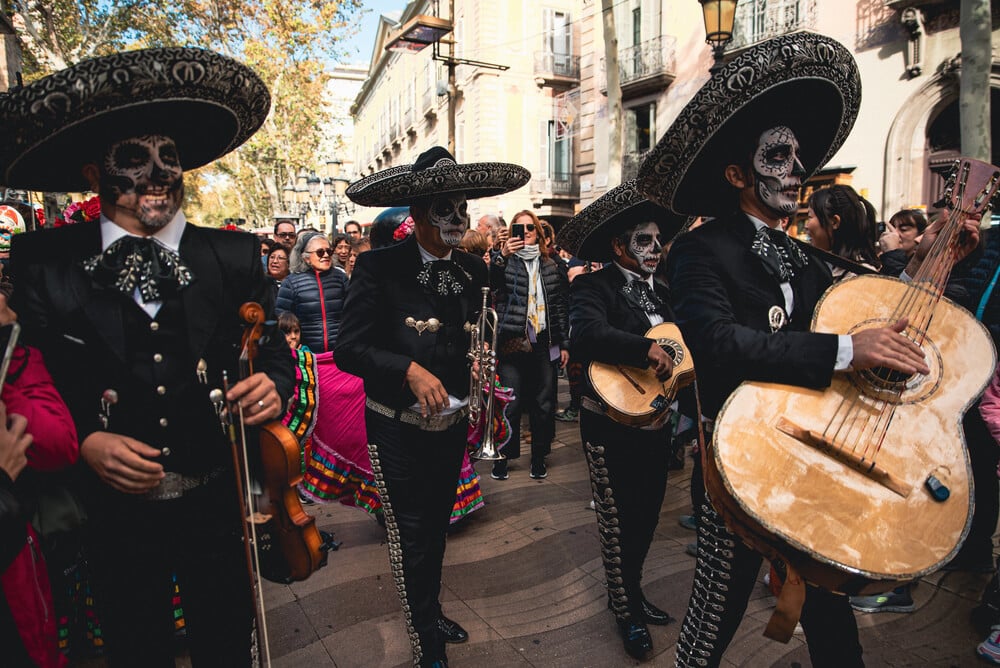
Halloween once meant a costume parade at countless elementary schools, with students marching around the building or the neighborhood in full costume. Parents lined the route to take pictures, and classroom parties followed.
In recent years, many schools have dropped the parades, citing concerns about inclusion, cost, and lost instructional time. Some have replaced them with fall festivals or book character days.
The change has drawn complaints from parents and students who miss the tradition. For older generations, the parade was one of the highlights of the school year.
Paying Milk Money
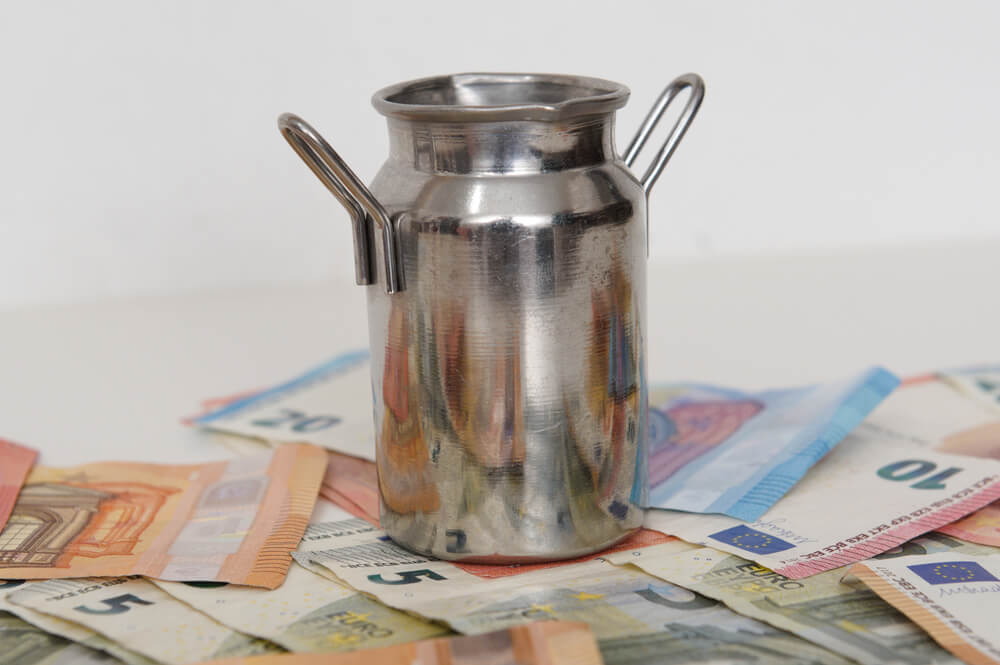
Students once brought small change to school to pay for a carton of milk, often during a morning break or at lunch. Milk money was collected by the teacher and recorded in a ledger.
Half-pint cartons of white or chocolate milk were a daily ritual. Federal programs and changes in school lunch funding largely ended the practice.
Today, milk is included with school meals, and paying separately is rare. The phrase milk money survives mainly as a reference to schoolyard bullies who demanded it, and to the jingle of coins in a small pocket on the walk to school.
Eating Rolls Baked From Scratch in the Cafeteria

School cafeterias once baked yeast rolls, cinnamon rolls, and cakes from scratch each morning. Lunch ladies arrived early to knead dough and prepare meals, and the smell of fresh bread filled the halls by midmorning.
The food was simple but homemade, and many schools had signature items that students remembered for decades. Budget pressures and changes in food service shifted many cafeterias to prepackaged and reheated meals.
Some districts have brought back scratch cooking in recent years. Many adults still hunt for the recipes of their favorite school rolls.
Taking Driver’s Ed Behind the Wheel at School
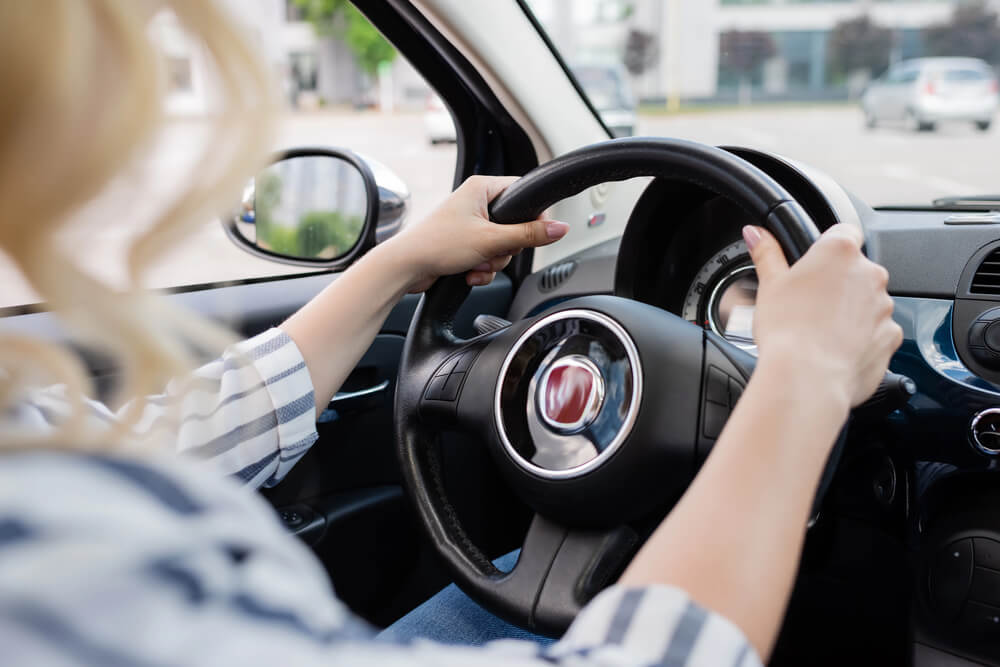
Many high schools once offered driver’s education, including classroom instruction and behind-the-wheel training in cars with a second brake pedal on the passenger side. The instructor, usually a teacher or coach, could stop the car if a student made a mistake.
Students watched grim safety films in class before heading out. Budget cuts led many districts to drop the programs, and private driving schools filled the gap.
Some schools still offer driver’s ed, but many families now pay private driving schools instead. The instructor’s passenger-side brake pedal is a detail few former students forget.
Square Dancing in Gym Class
Square dancing was once a standard unit in physical education classes, especially in elementary and middle schools. Students learned calls like allemande left and do-si-do, often with a record player providing the music and a teacher calling the steps.
The unit taught coordination and cooperation, and it forced students to hold hands with classmates, which caused much embarrassment. The practice faded in many schools by the 1990s.
Some schools still teach it, though it rarely appears on physical education schedules today. Many adults remember square dancing with a mix of fondness and horror.
Lessons Nobody Graded
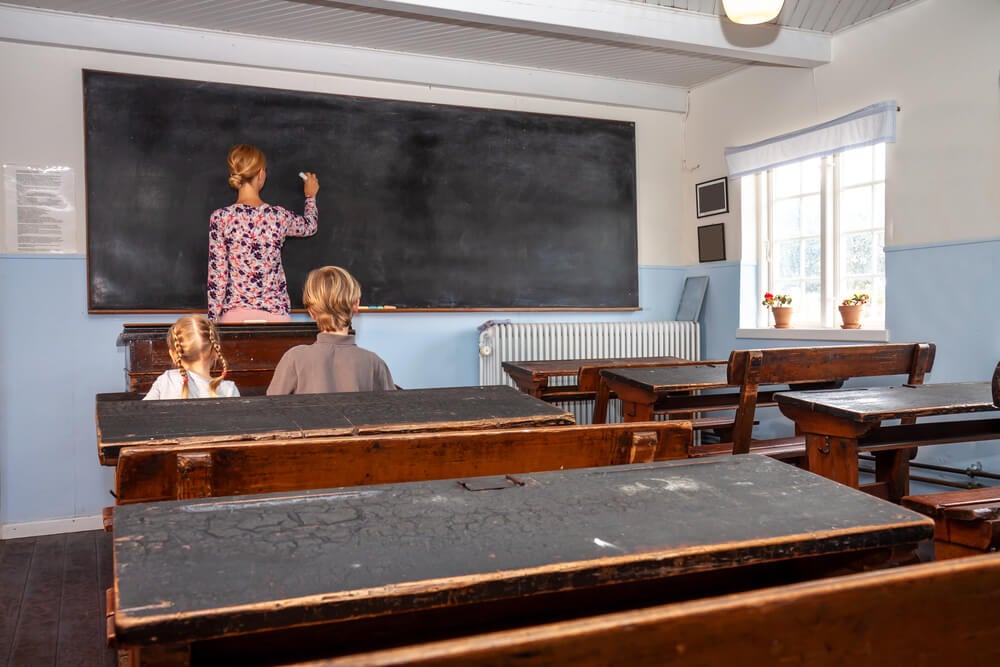
Most of these traditions were never official policy. They were habits passed from teacher to teacher and class to class, woven into the rhythm of the school day.
They disappeared the same way, without announcements or debates. What they taught was often less about the subject than about patience, discipline, and belonging.
The erasers, the ditto sheets, and the maypoles are gone. The lessons they carried still show up in the adults who remember them.
Those adults tend to measure every new classroom against the one they knew.
More from Go2Tutors!

- The Romanov Crown Jewels and Their Tragic Fate
- 13 Historical Mysteries That Science Still Can’t Solve
- Famous Hoaxes That Fooled the World for Years
- 15 Child Stars with Tragic Adult Lives
- 16 Famous Jewelry Pieces in History
Like Go2Tutors’s content? Follow us on MSN.