25 Historic Treasures Found in the Unlikeliest Places
Archaeologists spend careers searching for major finds, and then a farmer digs a well or a piano tuner lifts a keyboard. A surprising share of the world’s great discoveries turned up by accident, in places nobody would think to look.
Kitchens, attics, flea markets, parking lots and sponge beds have all yielded objects now guarded behind museum glass. The finders were usually busy with something else entirely.
Dead Sea Scrolls in a Desert Cave
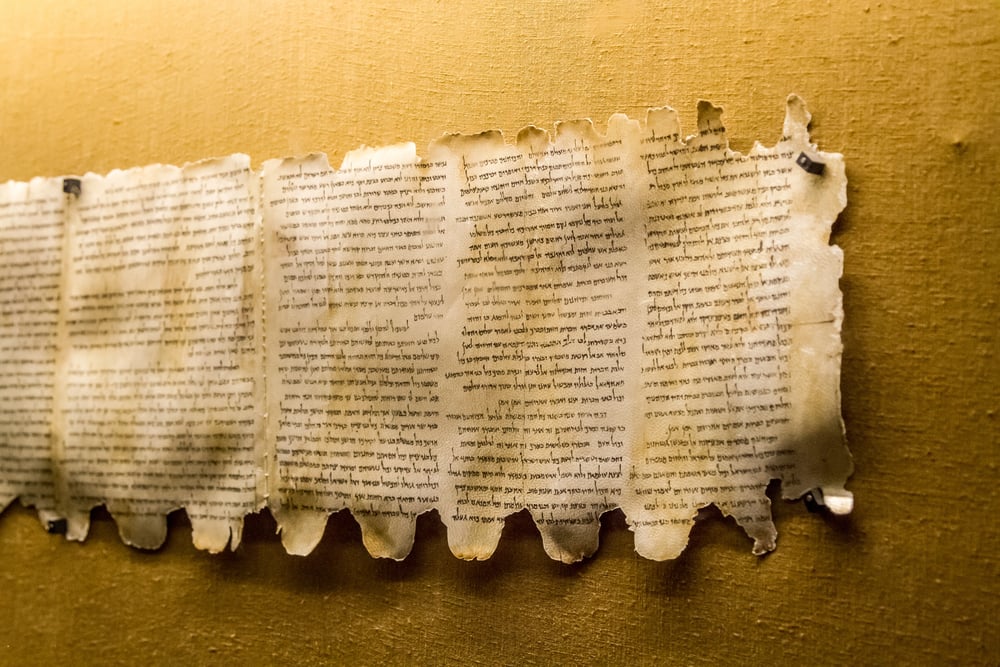
Muhammed edh-Dhib, a young Bedouin shepherd, was searching for a stray goat in the cliffs near Qumran, above the Dead Sea, in late 1946 or early 1947. He threw a stone into a cave opening and heard pottery break. Inside were clay jars holding ancient scrolls wrapped in linen.
Some were first sold to a Bethlehem antiquities dealer for modest sums. Eleven caves eventually yielded fragments of roughly 900 manuscripts, including the oldest known copies of books of the Hebrew Bible, written more than 2,000 years ago and preserved by the dry desert air.
Staffordshire Hoard Under a Plowed Field

Metal detectorist Terry Herbert asked farmer Fred Johnson for permission to search a freshly plowed field near Hammerwich, Staffordshire, in July 2009. Within days he had found so much gold that professional archaeologists had to take over the excavation.
Archaeologists recovered more than 3,500 items, mostly fittings stripped from Anglo-Saxon swords and helmets, containing roughly five kilograms of gold. It is the largest hoard of Anglo-Saxon gold ever found.
The collection was valued at about 3.3 million pounds, and the reward was split between the finder and the landowner, who later reportedly fell out over it.
Terracotta Army Beneath a Well
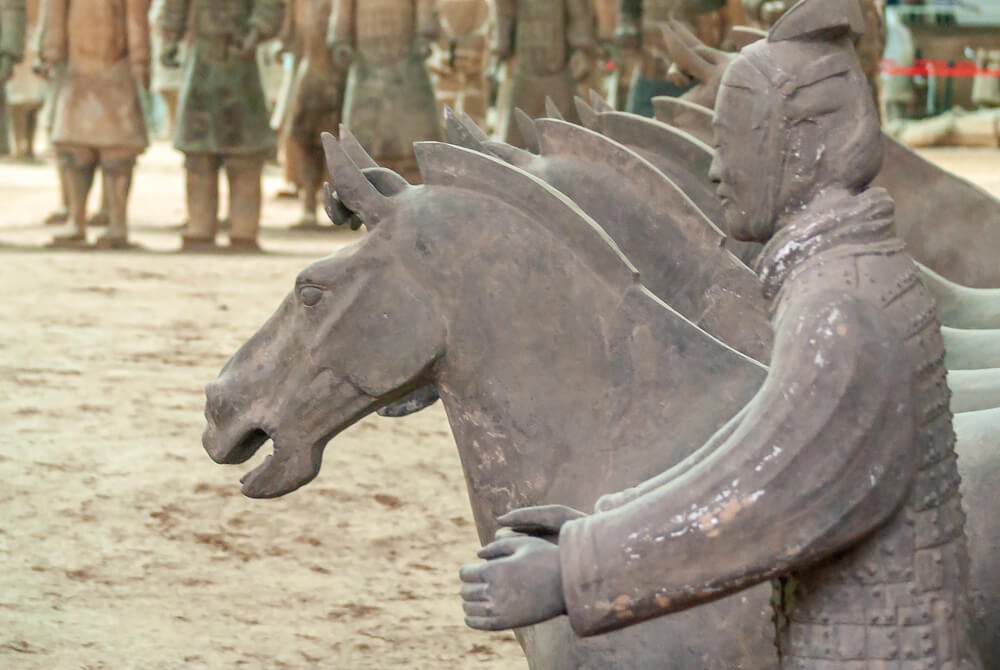
Farmers digging a well near the city of Xi’an in China in March 1974 struck fragments of a clay figure. They had stumbled onto the edge of the tomb complex of Qin Shi Huang, the first emperor of a unified China, who died in 210 BC.
Excavations revealed pits holding an estimated 8,000 life-size soldiers, along with horses, chariots and weapons. Every face appears to be different. The emperor’s own burial mound nearby has still not been opened, partly out of concern that exposure to air could destroy fragile contents, including traces of painted color.
Lascaux Paintings Found Thanks to a Dog
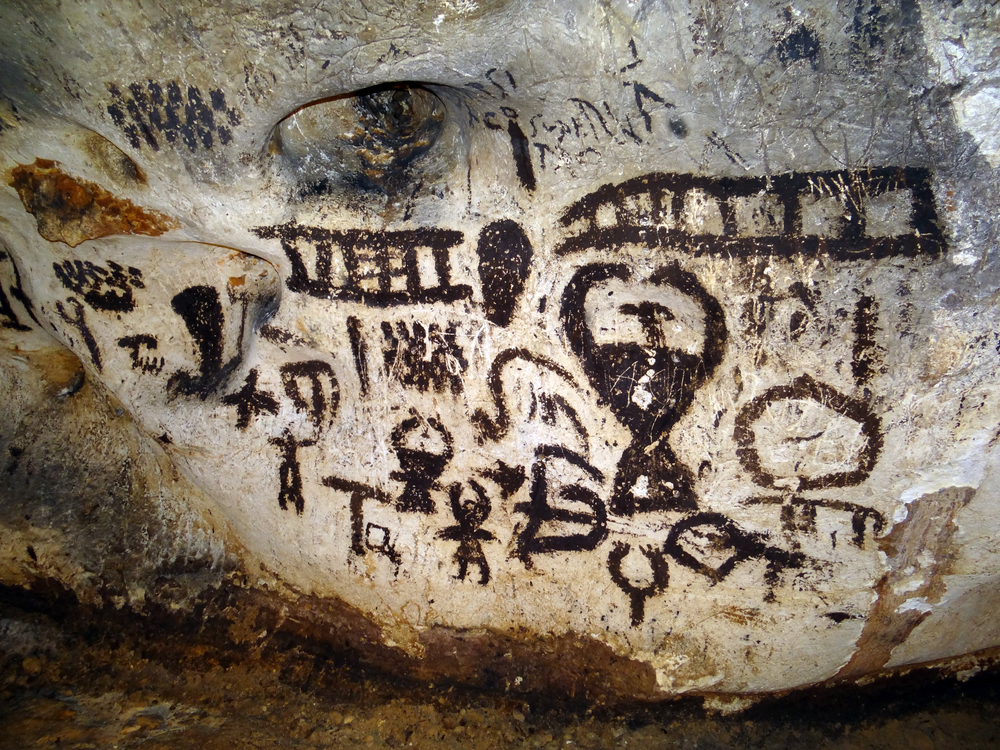
On September 12, 1940, 18-year-old Marcel Ravidat was walking near Montignac in southwest France with his dog, Robot, who disappeared down a hollow left by a fallen tree. Ravidat returned with three friends, widened the opening and climbed down into a cave covered with paintings of horses, deer, bulls and other animals.
The images at Lascaux are roughly 17,000 years old. The cave opened to the public after the war, but carbon dioxide from visitors damaged the art, and it closed in 1963.
Visitors now tour detailed replicas instead.
Declaration Behind a Four-Dollar Frame
Back in 1989, a Philadelphia financial analyst paid four dollars at a flea market in Adamstown, Pennsylvania, for a dull painting because he liked the frame. When he took it apart, a folded document slipped out from behind the canvas.
It turned out to be an original 1776 Dunlap broadside of the Declaration of Independence, one of the first printings made on the night the text was approved. Only a few dozen copies are known to survive.
It sold at Sotheby’s in 1991 for 2.42 million dollars and again in 2000 for more than 8 million dollars.
Hoxne Hoard Found While Hunting for a Hammer
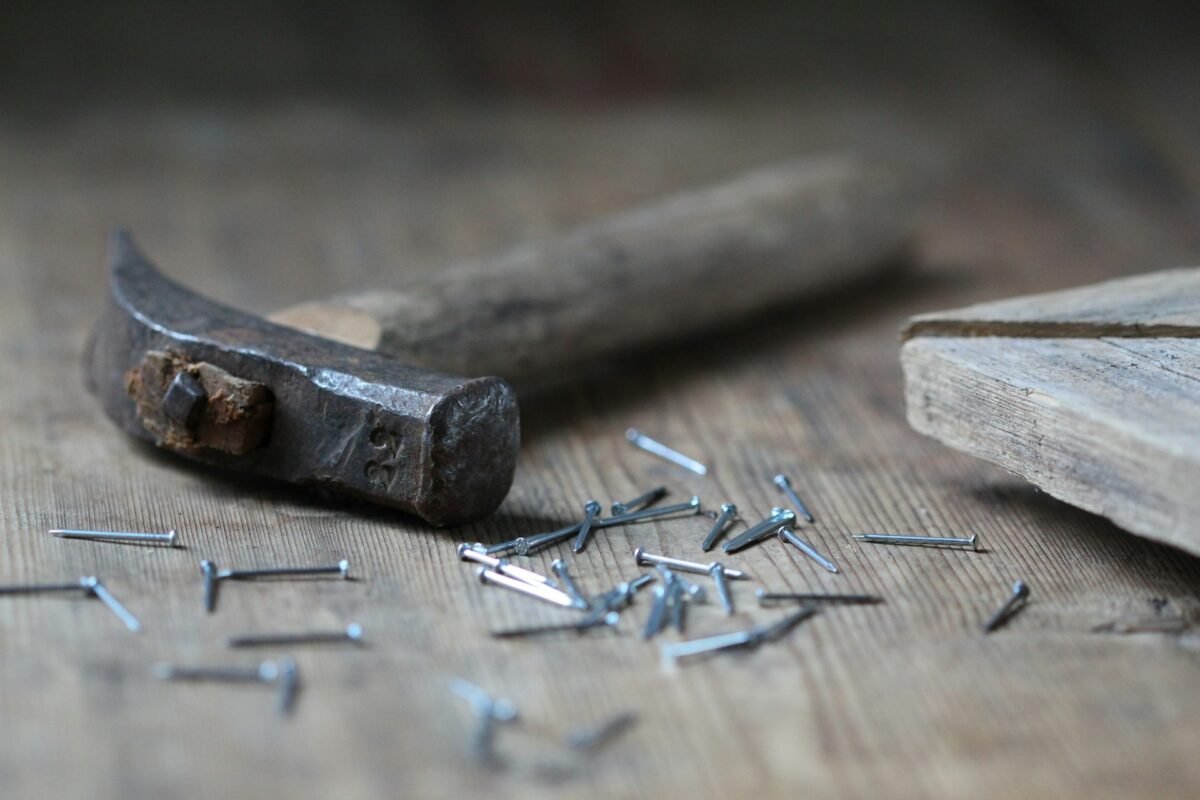
One November day in 1992, a farmer near Hoxne in Suffolk, England, lost a hammer in his field and asked a friend, retired gardener Eric Lawes, to look for it with a metal detector. Lawes found the hammer, and he also found a buried chest of Roman treasure.
The Hoxne Hoard contains more than 15,000 gold and silver coins, along with jewelry and silver tableware, buried around AD 400 as Roman rule in Britain collapsed. Lawes reported it immediately and did not dig further, which allowed archaeologists to excavate the site properly.
The hammer is now displayed at the British Museum.
Archimedes Beneath a Prayer Book
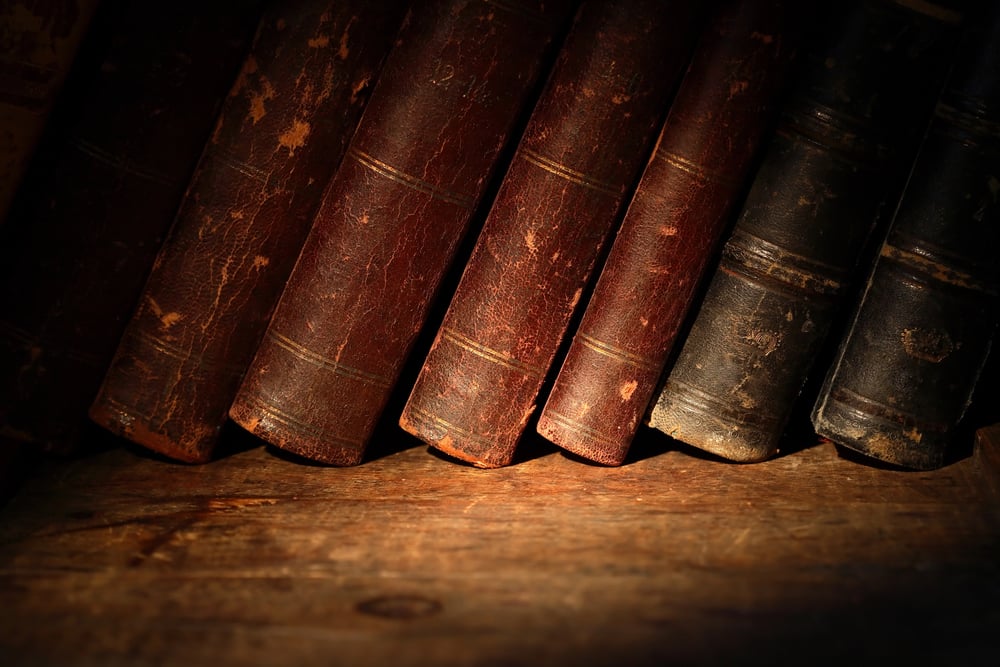
Sometime in the 13th century, a scribe took an older manuscript, scraped the text off its parchment pages and reused them for a Christian prayer book. The erased writing included works by Archimedes, among them the only known copy of The Method of Mechanical Theorems.
The book spent centuries in monasteries and private hands and was damaged by mold and forged paintings added in the 20th century. It sold at Christie’s in 1998 for 2 million dollars to an anonymous buyer, who funded years of imaging with X-rays and ultraviolet light that made the ancient text readable again.
Faberge Egg at a Scrap Dealer’s

Somewhere in the American Midwest, a scrap metal dealer bought a small gold egg on a stand at a flea market for about 13,000 dollars, planning to melt it down for its value as metal. Buyers kept declining it for less than he had paid. Searching online, he found a 2012 newspaper article about a missing Faberge egg and realized what he might own.
Experts at the London dealer Wartski confirmed it was the Third Imperial Easter Egg, made for Tsar Alexander III in 1887. It was sold to a private collector in 2014 for a price reported in the tens of millions.
Nag Hammadi Library in a Buried Jar

An Egyptian farmer named Muhammad Ali al-Samman was digging in December 1945 for nitrate-rich soil to use as fertilizer near the town of Nag Hammadi when he struck a sealed jar. He hesitated to open it, fearing it might contain a spirit, but hoped it might hold gold.
Inside were 13 leather-bound books containing dozens of early Christian and Gnostic texts, including the Gospel of Thomas. According to accounts of the discovery, some loose pages were burned in an oven as kindling before the collection reached scholars in Cairo.
Antikythera Mechanism From a Sponge Divers’ Wreck
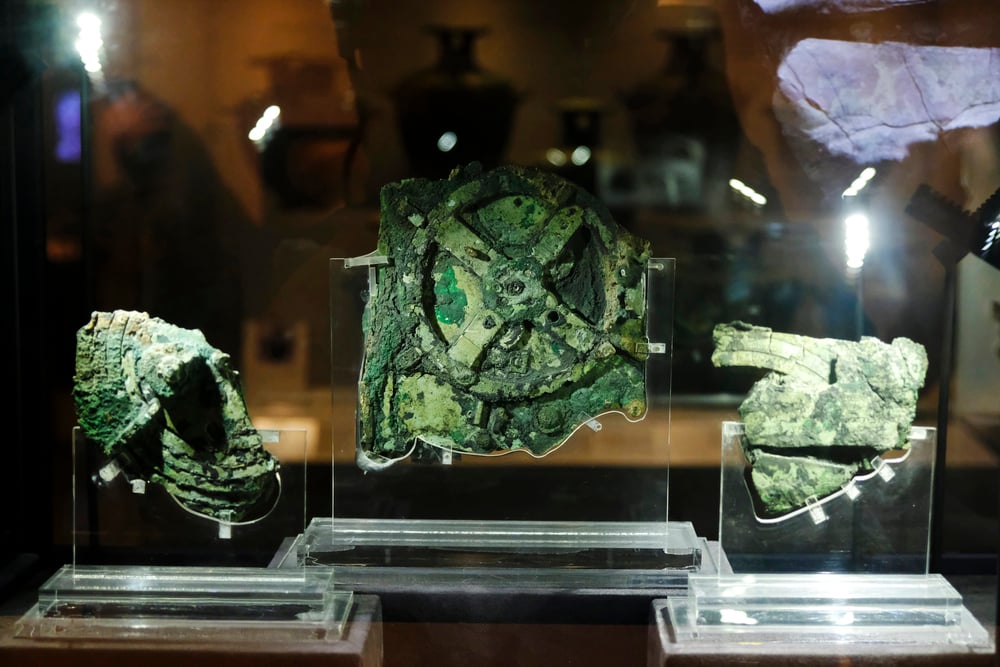
Greek sponge divers sheltering from a storm near the island of Antikythera in 1900 found an ancient shipwreck lying on the seabed. Salvage work brought up bronze and marble statues, but the most important object looked like a lump of corroded wood and bronze. In 1902, archaeologist Valerios Stais noticed a gear wheel embedded in it.
The Antikythera mechanism, dating from roughly the second or first century BC, turned out to be an astronomical calculator that could predict eclipses and planetary positions. Nothing of similar complexity is known again for more than a thousand years.
Richard III Under a Parking Lot
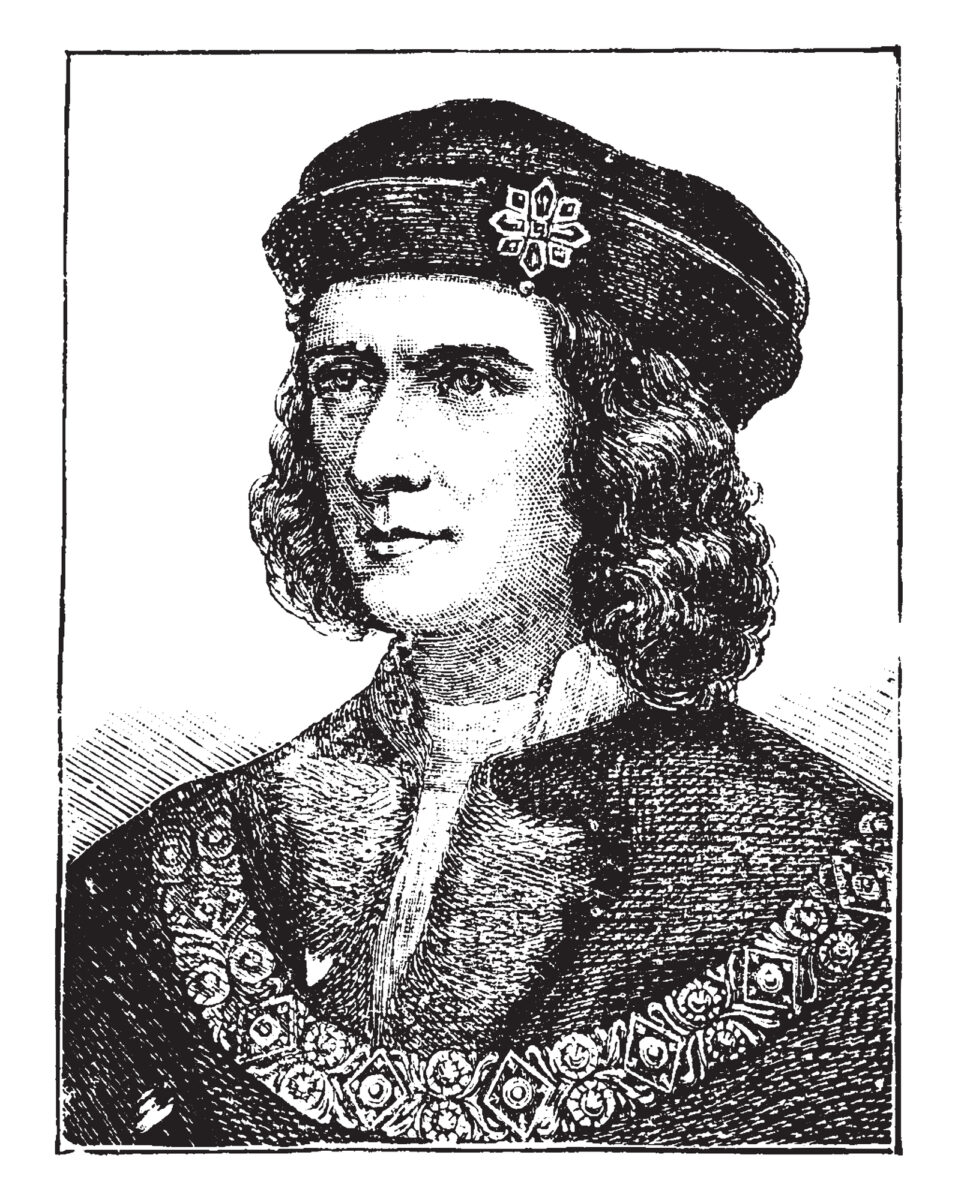
King Richard III died at the Battle of Bosworth in 1485 and was buried in the church of the Franciscan friary in Leicester, which was later demolished and lost. In 2012, a search led by the Richard III Society and the University of Leicester dug beneath a city council parking lot and found a skeleton with a severely curved spine and battle wounds to the skull.
DNA from a descendant of Richard’s sister helped confirm the identity. Remarkably, the remains lay close to a letter R painted on the asphalt to mark a reserved space.
He was reburied in Leicester Cathedral in 2015.
Caravaggio Behind an Attic Leak
Owners of a house near Toulouse in southern France went into their attic in 2014 to investigate a leak and found a large painting that had been stored there for about 150 years. It showed Judith beheading Holofernes.
Paris experts attributed it to Caravaggio, though some scholars remain unconvinced and argue it may be by a follower. France temporarily barred its export while researchers studied it.
The work was scheduled for auction in 2019, but it was sold privately to a foreign buyer days before the sale, for a price never officially disclosed.
Cheapside Hoard Under a London Cellar
Workmen demolishing old buildings on Cheapside in the City of London in June 1912 broke through a cellar floor and found a wooden box packed with jewelry. The Cheapside Hoard includes around 500 pieces, among them rings, chains, cameos, an emerald watch and gemstones from Colombia, India and Sri Lanka.
It was probably buried by a goldsmith in the mid-1600s, perhaps during the Civil War, and never retrieved. Workmen carried much of it away in their pockets and handed it to a London dealer nicknamed Stony Jack, who had long paid laborers for their finds. It now belongs to the Museum of London.
Salvator Mundi in a New Orleans Sale
Two art dealers bought a heavily overpainted, damaged picture of Christ at a small New Orleans auction in 2005 for 1,175 dollars. It was listed as a copy after Leonardo da Vinci.
Years of restoration and study led several experts to conclude that it was a lost original by Leonardo, although the attribution still divides scholars. The painting, Salvator Mundi, sold at Christie’s in New York in 2017 for about 450.3 million dollars, the highest price ever paid for a painting at auction. It has not been exhibited publicly since the sale.
Saddle Ridge Hoard Beside a Dog Walk
In February 2013, a couple walking their dog on their property in California’s Gold Country noticed the edge of a rusted metal can poking out of the ground beneath an old tree. Inside, and in several more cans nearby, were 1,427 gold coins dated from 1847 to 1894, most in outstanding condition.
The face value was about 28,000 dollars, but the collection was estimated at roughly 10 million dollars. Known as the Saddle Ridge Hoard, it is considered the largest cache of buried gold coins ever found in the United States. Its original owner remains a mystery.
Nebra Sky Disc Recovered in a Hotel Sting

Two illegal treasure hunters with a metal detector dug up a bronze disc decorated with gold symbols of the sun, moon and stars on a hill near Nebra in eastern Germany in 1999. They sold it on the black market.
In 2002, Swiss police and a German archaeologist posing as a buyer arranged a meeting in a hotel in Basel and seized the disc. Dated to about 3,600 years ago, the Nebra sky disc is regarded as the oldest known concrete depiction of the cosmos, and it now sits in a museum in Halle.
Gold Sovereigns Inside a School Piano

Piano tuner Martin Backhouse was working on an upright Broadwood and Sons piano that had recently been donated to Bishop’s Castle Community College in Shropshire, England, in December 2016. When he removed the keys to fix some sticking notes, he found cloth-wrapped parcels tucked beneath them.
They held 913 gold sovereigns and half sovereigns, dating from 1847 to 1915. The coins were declared treasure after the original owner could not be identified. The piano had passed through several homes over the decades, and nobody along the way seems to have known what it held.
Georgian Gold Under a Kitchen Floor

A couple renovating their 18th-century house in Ellerby, East Yorkshire, in 2019 were lifting their kitchen floor when they found a salt-glazed pot containing more than 260 gold coins. The coins dated from 1610 to 1727 and were linked to the Fernley-Maisters, a Hull merchant family involved in Baltic trading. Many showed wear from actual use, and several were rare varieties.
When the hoard was sold at Spink and Son in London in October 2022, the total including fees reached about 754,000 pounds, roughly three times the pre-sale estimate.
First Folio in a Scottish Island Library
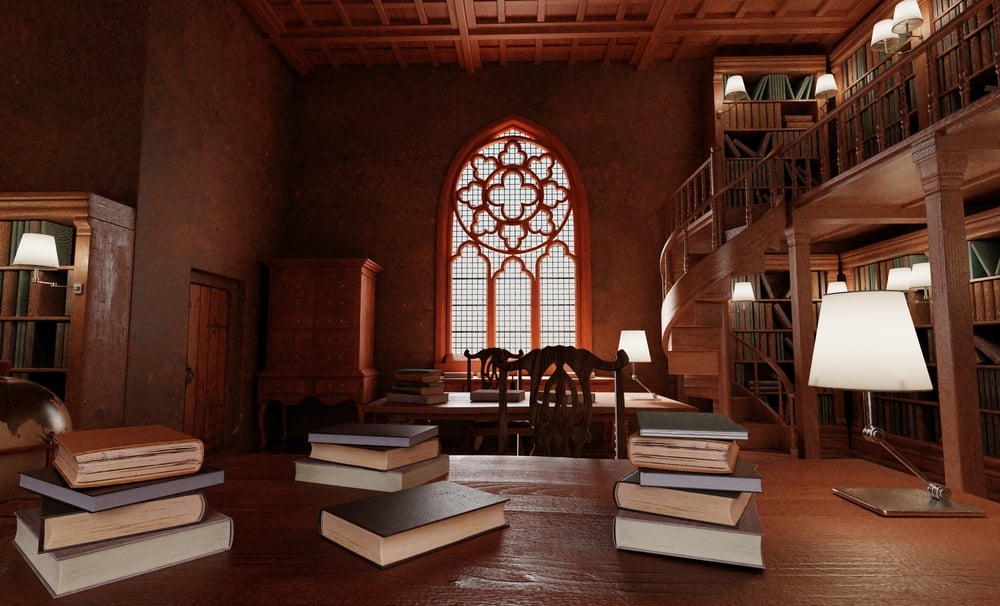
Scholars confirmed in 2016 that a previously unrecorded copy of Shakespeare’s First Folio of 1623 had been sitting in the library of Mount Stuart House, a stately home on the Isle of Bute off Scotland’s west coast. The three-volume set had belonged to 18th-century book collector Isaac Reed, who left notes in it.
Oxford professor Emma Smith authenticated it. About 750 First Folios were printed, and around 235 are known to survive, so a new discovery was a significant event.
Without the First Folio, 18 of Shakespeare’s plays might have been lost.
Cimabue Hanging Over a Hot Plate
An elderly woman in Compiegne, northern France, had a small painting of Christ being mocked hanging in her kitchen, above a hot plate. She assumed it was an unimportant religious icon. When an auctioneer visited in 2019 to value the contents of the house, he recognized it as a possible work by Cimabue, the 13th-century Florentine master who taught Giotto.
Experts confirmed the panel belonged to a known series. It sold at auction in October 2019 for about 24 million euros, and after France blocked its export, it was eventually acquired by the Louvre.
Beethoven Manuscript in a Seminary Basement

Librarian Heather Carbo was cleaning out a storage cabinet in the basement library of Palmer Theological Seminary near Philadelphia in 2005 when she found an 80-page handwritten music manuscript. It turned out to be Beethoven’s own arrangement for piano four hands of his Grosse Fuge, a piece long thought lost since the 1890s.
The manuscript showed his heavy corrections and scratch-outs. It sold at Sotheby’s in London later that year for about 1.1 million pounds, with the proceeds going to the seminary that had forgotten it owned the work.
Riace Bronzes Spotted by a Snorkeler
On August 16, 1972, Stefano Mariottini, a chemist from Rome on holiday, was snorkeling off the coast of Riace in southern Italy when he noticed what appeared to be a human arm poking out of the sand on the seabed. He had found two life-size Greek bronze warriors, cast around the fifth century BC, lying a few hundred yards from the shore.
Such statues are extremely rare because most ancient bronzes were melted down for their metal. After years of restoration, the Riace Bronzes went on display at the national museum in Reggio Calabria.
Magna Carta in a Victorian Scrapbook
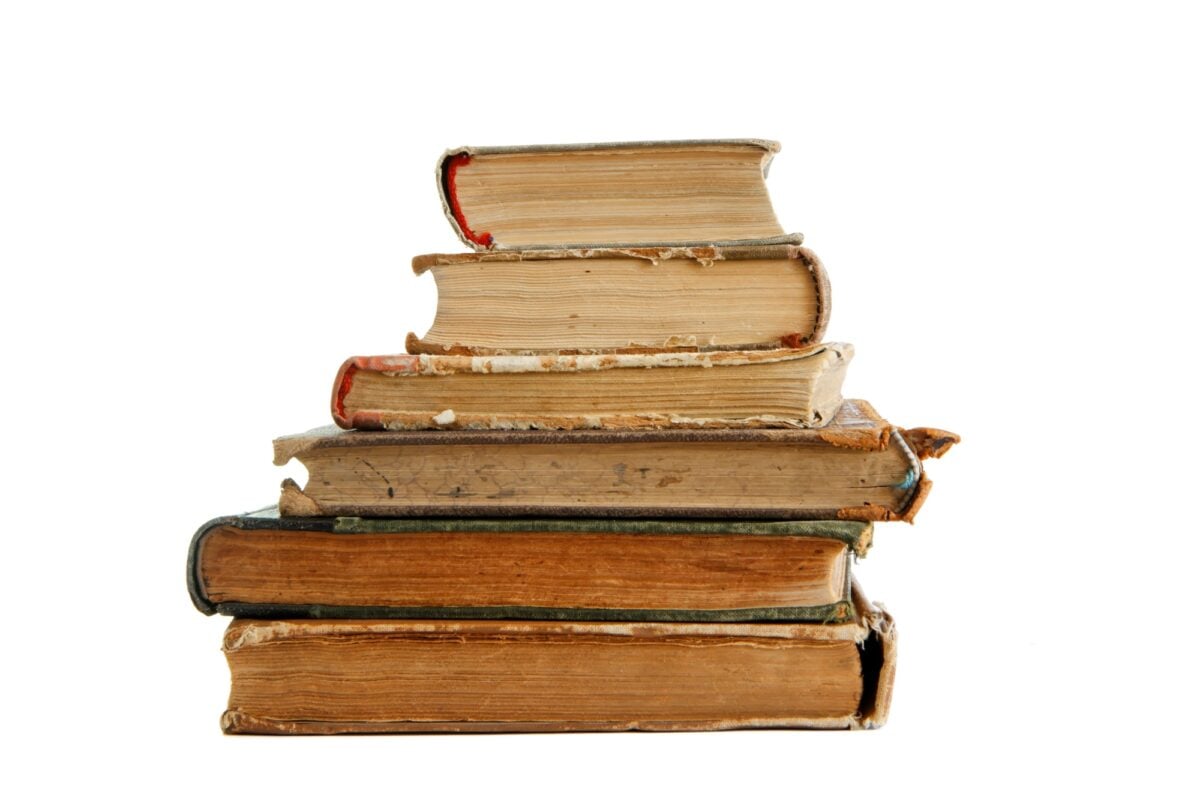
An archivist searching the Kent archives in England for a copy of the Charter of the Forest in 2015 came across a Victorian scrapbook belonging to the town of Sandwich. Inside was a damaged but genuine copy of the 1300 reissue of Magna Carta.
Part of the document was missing, but it was clearly authentic, and experts valued it at up to 10 million pounds. It is one of only a small number of 1300 copies known to survive.
The discovery came during the 800th anniversary year of the original 1215 charter, which made its timing almost too neat to believe.
Champagne From an Aland Shipwreck

Divers exploring a 19th-century shipwreck near the Aland Islands in the Baltic Sea in 2010 found about 168 bottles of champagne, preserved in cold, dark water at a depth of about 50 meters. Many were from Veuve Clicquot and other houses and dated to the 1840s, making it among the oldest drinkable champagne ever found.
Tasters described the wine as very sweet, reflecting 19th-century taste. At an auction in 2011, a single bottle sold for 30,000 euros, then a record. Scientists also studied the wine to learn how champagne was made at the time.
Lewis Chessmen in a Sand Dune

In 1831, a collection of carved walrus ivory game pieces was found near Uig on the Isle of Lewis in Scotland’s Outer Hebrides, reportedly buried in a sand bank. The 93 pieces, probably made in Norway in the 12th century, include kings, queens, bishops, knights and warders, some of them biting their shields in fury.
Most are now in the British Museum and the National Museum of Scotland. In 2019, a missing warder, bought by an Edinburgh antiques dealer in 1964 for five pounds and kept in a drawer for decades, sold at Sotheby’s for 735,000 pounds.
Luck, Attics and Plowed Fields
The pattern across these finds is not skill. It is attention. A shepherd listened to a sound, a detectorist asked a farmer, a piano tuner looked under the keys, and an auctioneer glanced at a kitchen wall.
Many of the world’s great treasures were not lost in dramatic places. They were set down, buried or stored by ordinary people who meant to come back.
The next great discovery is probably sitting quietly in a similar spot, waiting for someone to look twice.
More from Go2Tutors!

- The Romanov Crown Jewels and Their Tragic Fate
- 13 Historical Mysteries That Science Still Can’t Solve
- Famous Hoaxes That Fooled the World for Years
- 15 Child Stars with Tragic Adult Lives
- 16 Famous Jewelry Pieces in History
Like Go2Tutors’s content? Follow us on MSN.