28 Vintage Fisher-Price Toys Worth Money
Fisher-Price toys were made to survive toddlers, which means they also survived attics, garage sales and three or four younger siblings. That durability is why so many are still around, and why the complete, clean ones are the ones that matter.
The company opened in East Aurora, New York, in 1930, and its toys track the changes in American childhood from wood and lithographed paper to plastic playsets. Buyers pay for early wood, for complete sets with every tiny figure and for the handful of odd experiments that never caught on.
Dr. Doodle Pull Toy

Dr. Doodle was the first Fisher-Price toy ever sold, a wooden duck on wheels that quacked and waddled when pulled. It was one of the 16 Hopefuls the founders brought to the 1931 American International Toy Fair in New York, and the first shipment left for Macy’s that March.
Originals are made of pine with lithographed paper labels, and buyers pay several hundred dollars for bright ones. Fisher-Price issued a limited reproduction in the 1990s, so collectors check materials and markings before bidding.
Faded or torn lithography and replaced wheels cut value sharply.
Granny Doodle Pull Toy

Granny Doodle was Dr. Doodle’s partner in the first Fisher-Price line, a wooden duck in a bonnet who also quacked on the move. The look of both ducks reflects Margaret Evans Price, a children’s book illustrator married to co-founder Irving Price, who served as the company’s first art director.
Originals from the early 1930s list at several hundred dollars when complete. The paper lithography is fragile, and chipped edges are common.
A matched pair of Doodles sells for more than two singles, and strong, unfaded color adds a clear premium.
Big Performing Circus
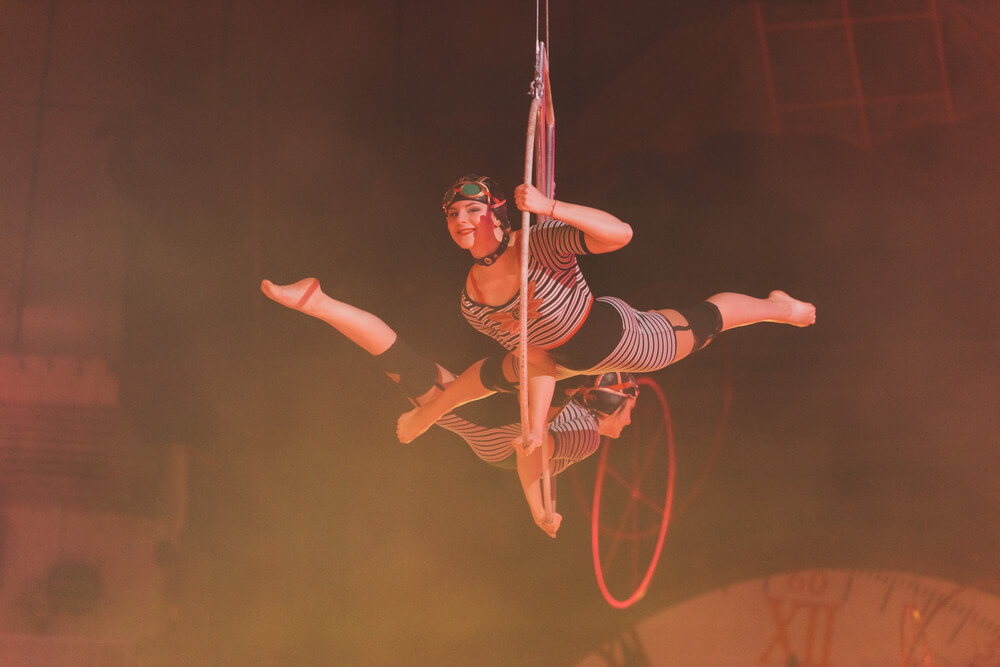
Arriving in 1932, the Big Performing Circus was the first Fisher-Price playset, designed jointly by Margaret Evans Price and co-founder Helen Schelle. It came with wooden animals and performers that children could arrange and move around a ring.
Complete sets are scarce, and buyers pay hundreds of dollars, sometimes much more, for examples with most of the original pieces. Individual figures are often sold separately to collectors filling gaps.
Missing performers, worn lithography and damaged cage parts lower value, and an original box adds a large premium.
Snoopy Sniffer
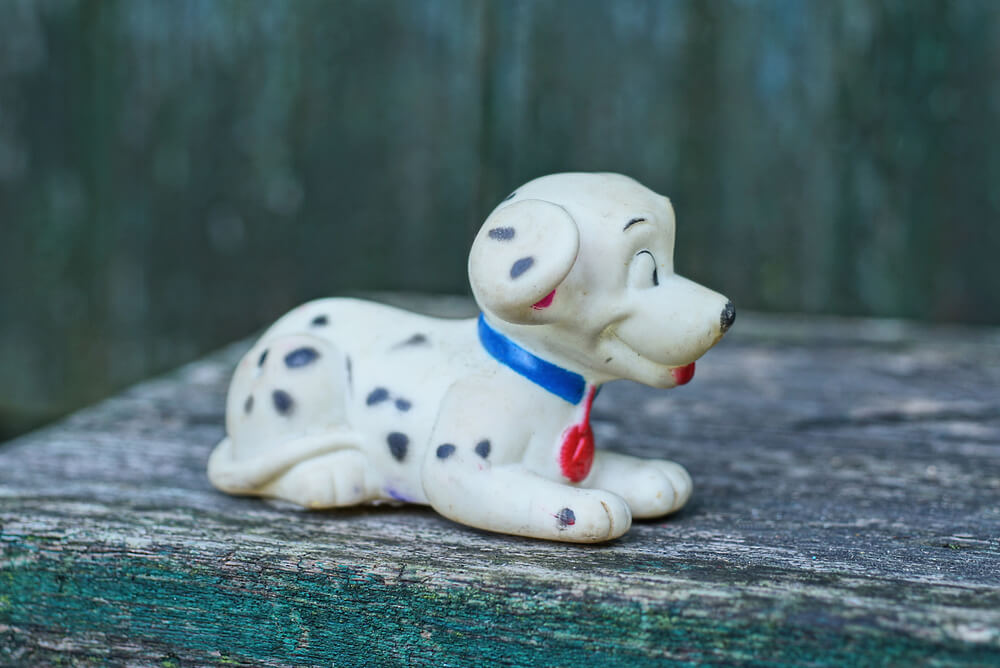
Snoopy Sniffer, a wooden dog whose nose bobbed and ears flapped when pulled, first appeared in 1938 and stayed in production for 44 years. The name predates the Peanuts beagle by 12 years, which surprises almost everyone.
More than five million were sold, so later examples are common and list at 20 to 60 dollars. Early versions from the late 1930s and 1940s are the valuable ones, and buyers pay hundreds for bright examples with original ears and pull strings.
The flexible ears crack with age and are frequently replaced.
Disney Pull Toys From the 1930s
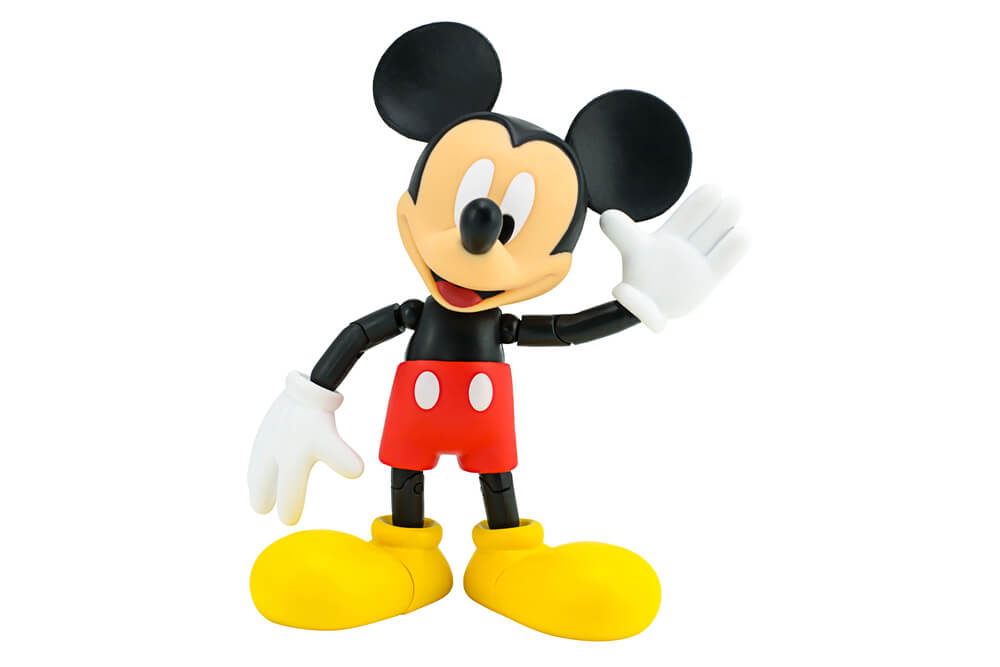
In 1935 Fisher-Price signed a licensing deal with Disney, and its Mickey Mouse and Donald Duck pull toys were among the earliest licensed character toys in America. Donald outsold Mickey by a wide margin, which fits a company that began with a duck.
Early Disney pieces list at several hundred dollars in good shape, and scarce designs go higher. The lithographed faces fade and chip easily, and those flaws lower value.
Collectors of Disney and of Fisher-Price compete for the same pieces, and original strings and wheels matter.
Popeye Pull Toys
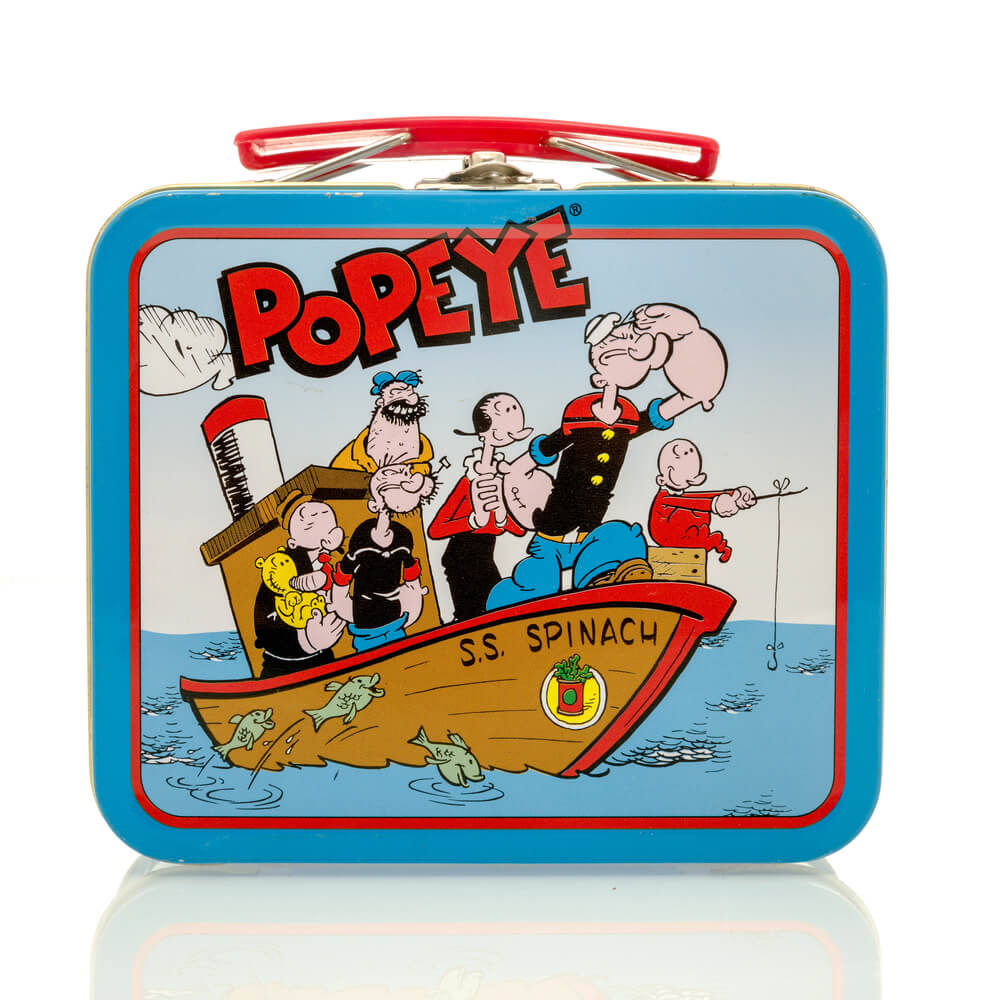
Around the same time as its Disney deal, Fisher-Price licensed Popeye and produced wooden pull toys of the sailor in several action poses. These pieces sit among the earliest licensed character toys in the American market.
Buyers pay hundreds of dollars for examples in strong condition, and the scarcer designs go higher. Worn paint and chipped lithography on the face are the most common faults.
The mix of early Fisher-Price wood and a famous cartoon draws bidders from both toy and comic collecting circles, which keeps prices firm.
Buzzy Bee

Buzzy Bee, introduced in 1950, was the first Fisher-Price toy to use plastic, pairing a wooden body with plastic wings that spun as the bee rolled along. It proved so popular that versions stayed in the catalog for decades.
Early wooden-body examples list at 30 to 100 dollars, with the first issue valued most, while later all-plastic versions are common and cheap. The wings crack easily, and missing antennae are frequent.
A bright early example with its original pull string and knob is what collectors look for first.
Corn Popper Push Toy

Introduced in 1957, the Corn Popper is a push toy with a clear dome full of colored plastic beads that pop and rattle as a toddler rolls it across the floor. The sound is instantly familiar to several generations of parents.
Versions have stayed in production for decades, so later examples are common and cheap. Early ones with the original dome design list at 30 to 80 dollars, and bright, uncracked domes bring the most.
Scratched or cloudy plastic, missing beads and a wobbly handle all lower value quickly.
Safety School Bus With Peg People
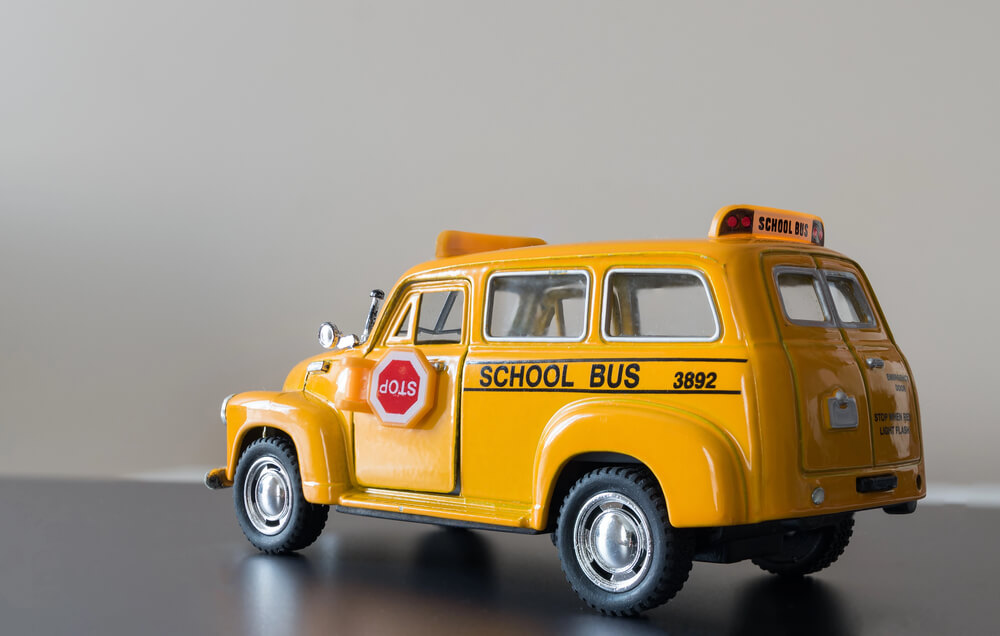
An early Fisher-Price school bus from 1959 carried simple wooden peg figures that are often described as the ancestors of Little People. The riders bobbed as the bus rolled, a small bit of motion that kept toddlers pushing it around the kitchen.
Early examples list at 50 to 200 dollars when complete with their original figures. The peg people are easy to lose, and substitutes from later sets are common, so collectors check the paint and shape of each one.
Worn lithography, missing wheels and a faded body all lower value.
Chatter Telephone
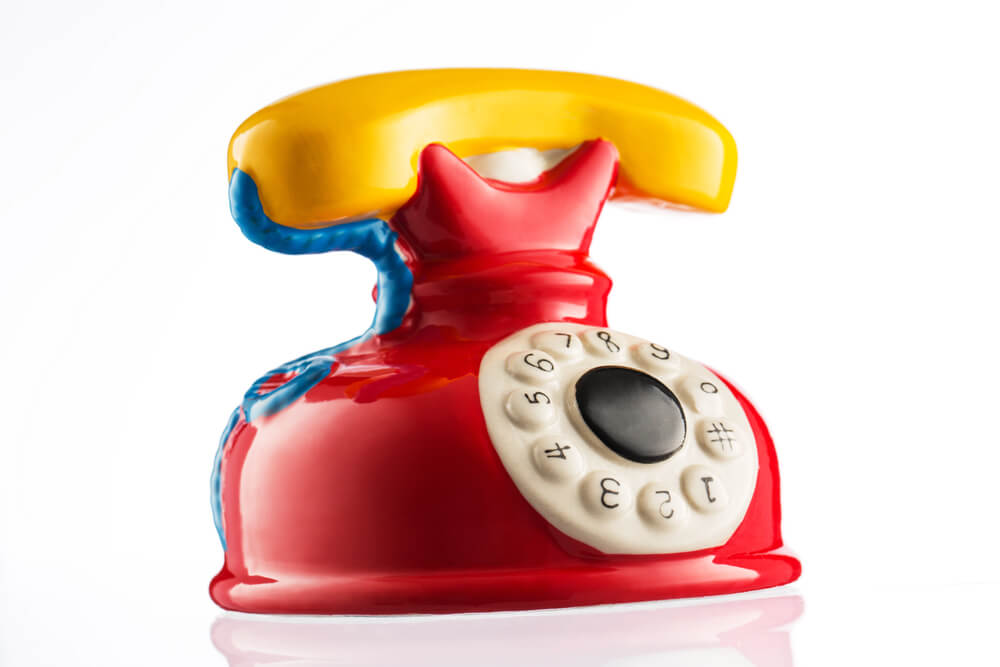
Introduced in 1962, the Chatter Telephone is a pull-along phone with a smiling face and eyes that roll up and down as it moves. It became one of the best-selling toys in company history and has been reissued many times.
Early versions with a wooden base list at 30 to 100 dollars, while later plastic ones sell for little. Buyers pay the most for a first-issue telephone with bright paint, working eyes and the original receiver cord.
Cracked receivers and faded faces lower value, and many surviving examples have lost the dial’s crisp numbers.
Rock-a-Stack Rings

A stack of colored rings on a rocking base, the Rock-a-Stack first appeared in 1960 and has been teaching toddlers to sort by size ever since. The design has changed only slightly over the decades, which makes dating a set tricky.
Early examples with all original rings list at 20 to 60 dollars, and the first issue sells for more when complete. Missing rings are common, and color matching matters, since later rings use slightly different shades.
Cracked bases, chewed edges and faded plastic all lower value.
Play Family Farm With the Mooing Door
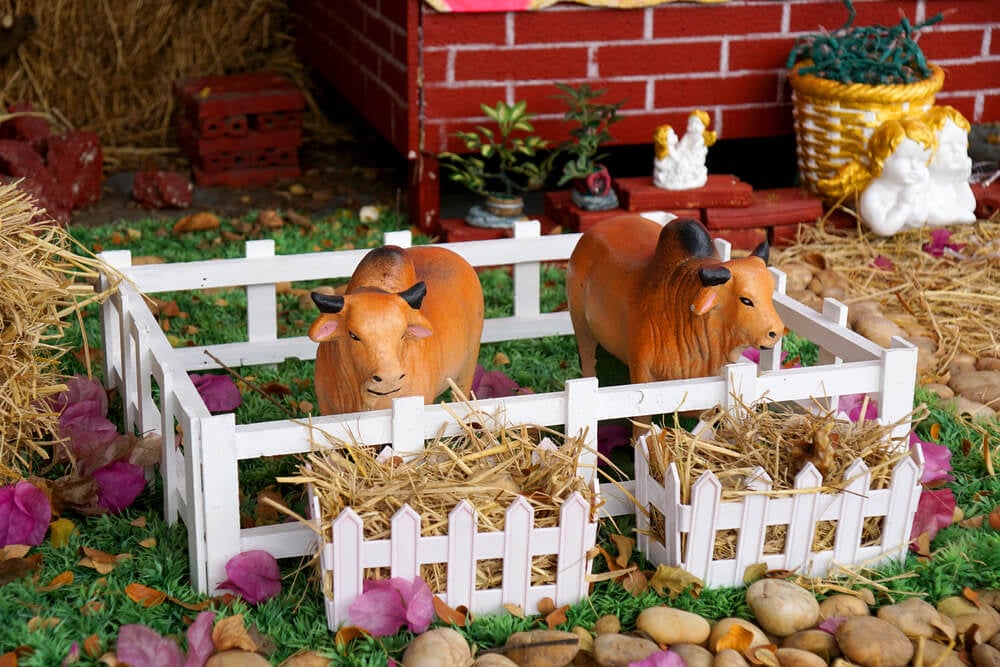
Opening the barn door on the Play Family Farm, model 915, produced a mooing sound, a small trick that made the 1968 set a hit. It came with a red barn, a farmer, animals and a silo, and it became one of the defining Little People sets of its era.
Complete early examples list at 50 to 150 dollars. Small animals, fences and the silo go missing constantly, and the door mechanism can fail after decades of use.
Collectors check for original figures with wooden bodies, which identify the earliest sets.
Play Family House

Model 952, the Play Family House, arrived in 1969 as a yellow two-story home with a garage, a doorbell and a family of Little People inside. It became one of the best-known Fisher-Price playsets and is a staple of any vintage collection.
Complete early examples list at 50 to 150 dollars. The tiny furniture pieces vanish easily, and the house itself can show fading, scuffs and cracked hinges.
Collectors test the doorbell, count the furniture and check that the figures match the set’s original lineup before paying top prices.
Action Garage With a Working Elevator
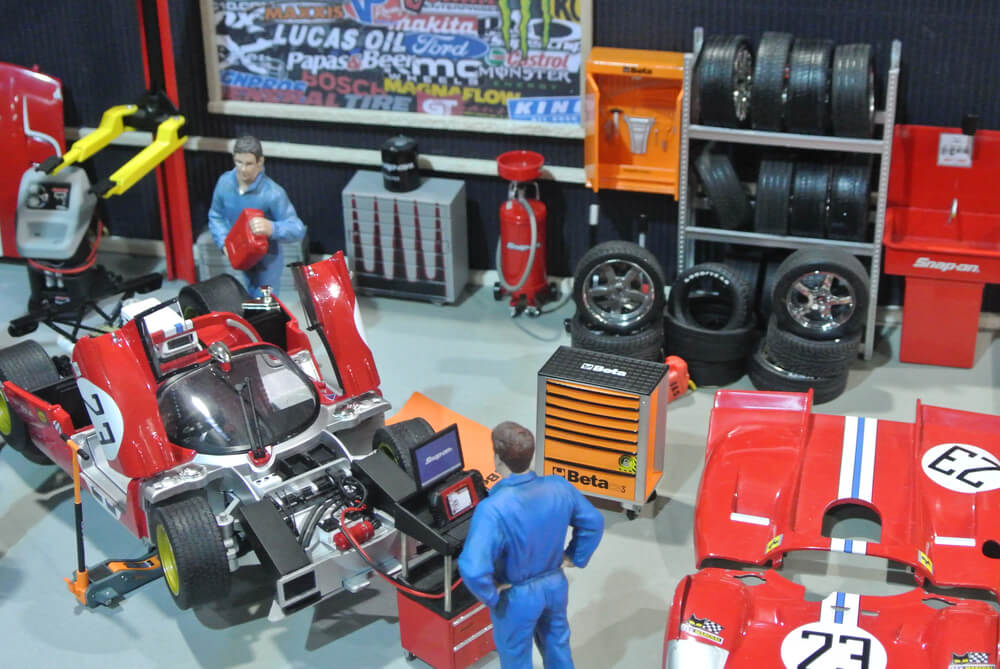
Released in 1970 as model 930, the Play Family Action Garage had a ramp, a crank-operated elevator and a gas pump, along with small cars and figures. Children spent hours sending cars up the lift and down the ramp, which is why many surviving garages have worn cranks.
Complete examples list at 50 to 150 dollars. The small cars and figures are often missing, and the elevator mechanism can fail.
Collectors check that the cars are original to the set and that the crank still turns smoothly.
Little People Airport
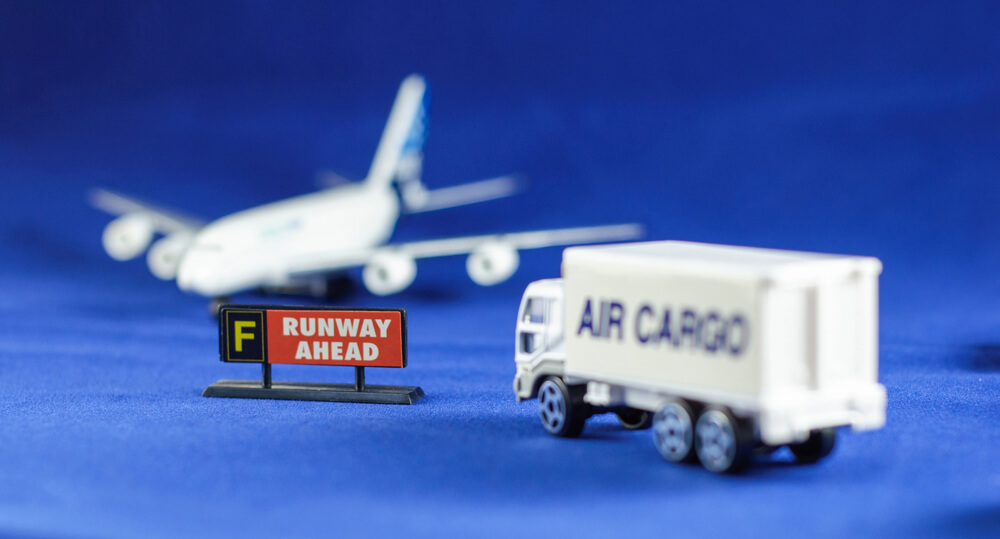
Model 996, the Play Family Airport, landed in 1972 with a terminal, a plane, a baggage cart, luggage and passengers. It captured the jet age for toddlers and remains a nostalgic favorite.
Complete examples list at 50 to 200 dollars. The small luggage pieces and the fuel truck are frequently lost, and the plane’s propeller or tail can break.
A terminal with bright stickers and a full set of original figures is what buyers want, and the original box adds a premium for collectors building a complete Play Family lineup.
Houseboat That Actually Floats

Designed to float in the bathtub, the Play Family Houseboat, model 985, came out in 1972 with a removable top deck and a small dinghy. Very few survived constant water play without faded stickers and missing parts.
Complete examples list at 50 to 150 dollars. The life preserver, the dinghy and the figures are often gone.
Stickers peel and fade, and buyers watch for water damage to the hull. A bright example with original parts and the box is uncommon, and those sell quickly.
Most survivors spent years in bathwater, which is why a crisp one feels like a small miracle.
Circus Train
Model 991, the Play Family Circus Train, arrived in 1973 with an engine, several cars, circus animals and performers. The animals, including an elephant, a giraffe and a lion, are what collectors hunt for.
Complete examples list at 50 to 150 dollars. The cars connect with hooks that break easily, and missing animals lower value.
Collectors check that each piece belongs to the set, since mixed trains are common at yard sales. A complete train in its box draws the strongest interest from Little People collectors.
Medieval Castle With a Dragon
Among vintage Little People sets, few draw more interest than the Play Family Castle, model 993, released in 1974. It came with a drawbridge, a trapdoor, a dungeon and a green dragon, along with a king, a queen, knights and horses.
Complete examples list at 100 to 300 dollars, and boxed sets go higher. The dragon, the horses and the small accessories are the usual casualties.
Cracked towers and faded stickers lower value, and collectors check that the drawbridge chain still works and that every figure matches the original lineup.
A-Frame Vacation House

The A-Frame, model 990, arrived in 1974 as a vacation house with a sloped roof, a deck and furniture, along with a family of Little People and a car. It was sold for only a few years, which makes complete sets harder to find than most.
Complete examples list at 50 to 200 dollars. The small furniture pieces, the ladder and the car are often missing.
Faded or peeling stickers lower value. Collectors seek it as one of the more unusual designs in the line.
Sesame Street Clubhouse
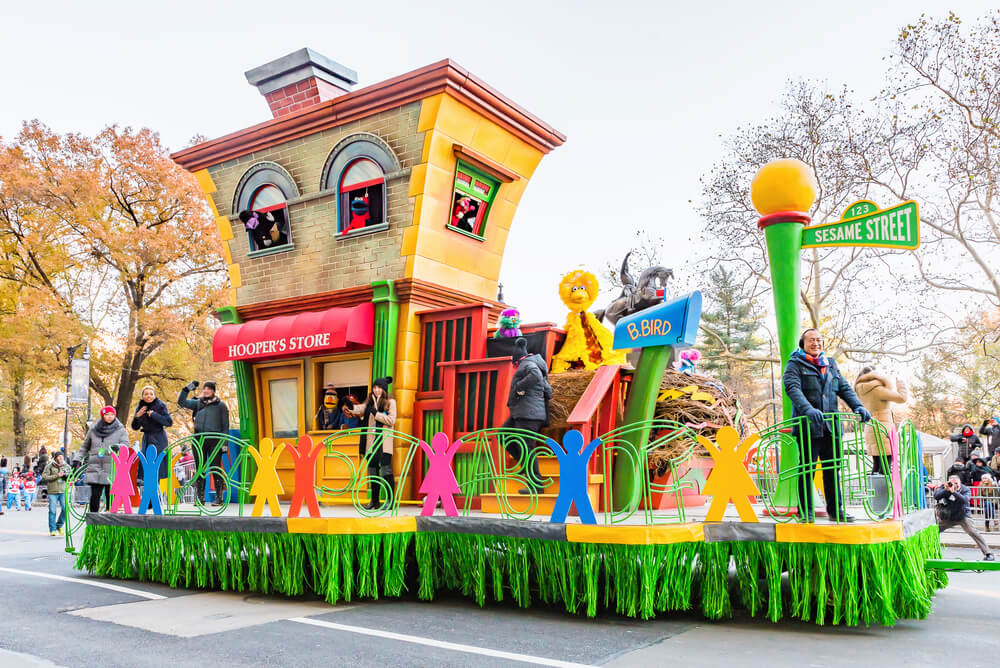
Big Bird, Ernie, Bert and Oscar all turned up in Little People form when Fisher-Price released its Sesame Street Clubhouse in the late 1970s. The licensed figures are what collectors want most, and they are often sold separately at prices that add up quickly.
Complete clubhouse sets list at 50 to 200 dollars. Big Bird and Oscar are among the most sought-after pieces, and a set missing either one loses much of its appeal.
Faded stickers, cracked roof panels and missing accessories lower value. Demand comes from two large collecting fields at once, which keeps prices steady.
Music Box Record Player
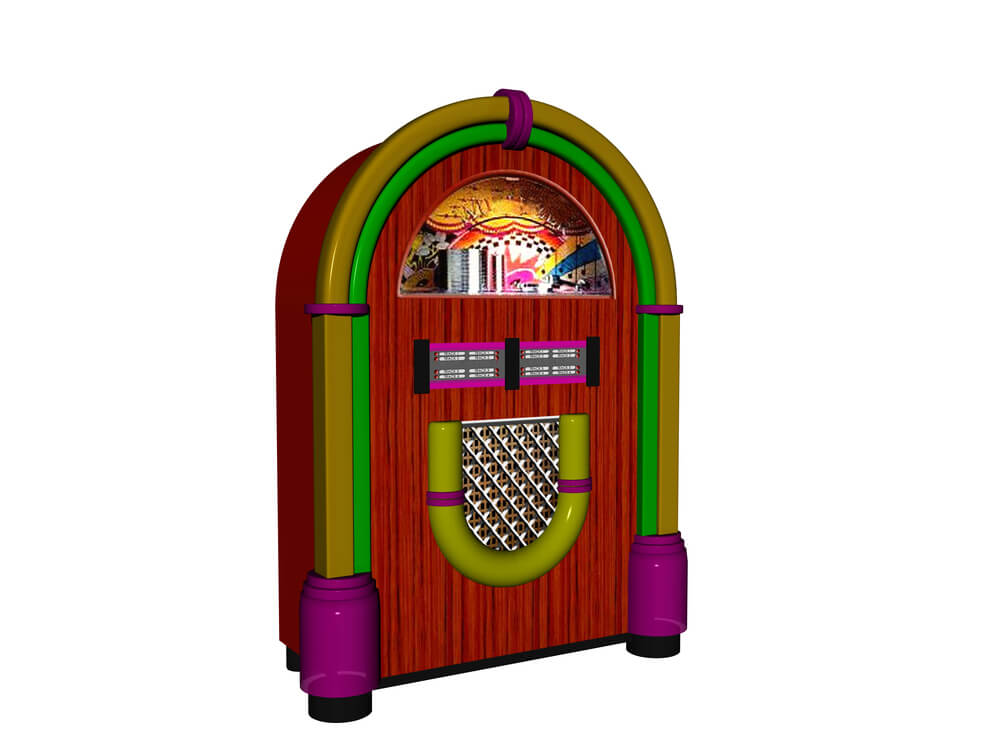
Plastic discs slotted onto a turntable and played nursery tunes through a music box mechanism when the crank turned on the Music Box Record Player, model 995, introduced in 1971. The records were color-coded to help small children pick a song.
Complete examples with all five original records list at 50 to 150 dollars. Missing records and broken cranks are common.
Collectors test the mechanism before paying, since a player that no longer plays loses most of its value. A later reissue looks similar, so buyers check the markings on the base.
Movie Viewer and Cartridges

Cranking the handle on the Fisher-Price Movie Viewer advanced a cartridge frame by frame, showing short cartoons and stories in a handheld box that needed no batteries. The toy dates to the 1970s, and its cartridges included Disney and Sesame Street titles alongside original stories.
The viewer itself lists at 20 to 60 dollars, while scarce cartridges sell separately for more. Complete sets with several cartridges and the original box draw the most interest.
Scratched lenses, broken cranks and cracked cartridge cases lower value, and collectors test each cartridge before buying.
Adventure People Sets
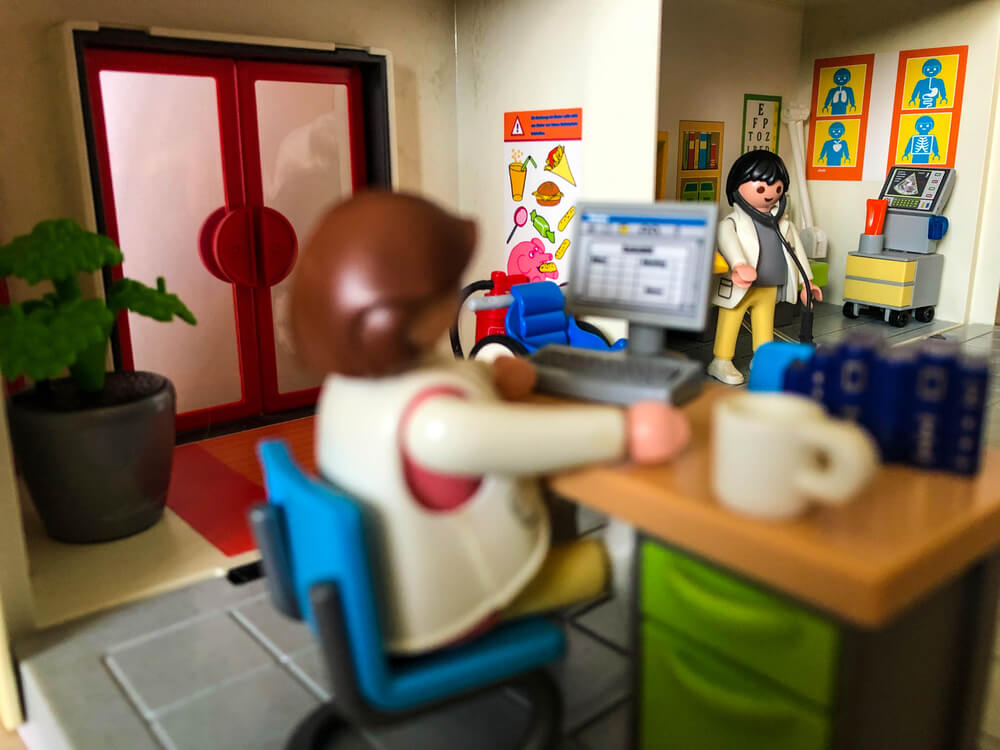
Aimed at children who had outgrown Little People, the Adventure People line of the mid-1970s offered larger poseable figures with vehicles and themed sets covering space, emergency rescue and wilderness exploration. The space sets, with their rockets and astronaut figures, are the most sought after today.
Complete examples list at 20 to 150 dollars, with the larger vehicles going for more. Missing helmets, tools and small accessories are common.
Collectors check that the figures and vehicles are original to the set, since mixed lots are the norm at estate sales.
Medical Kit With a Working Stethoscope
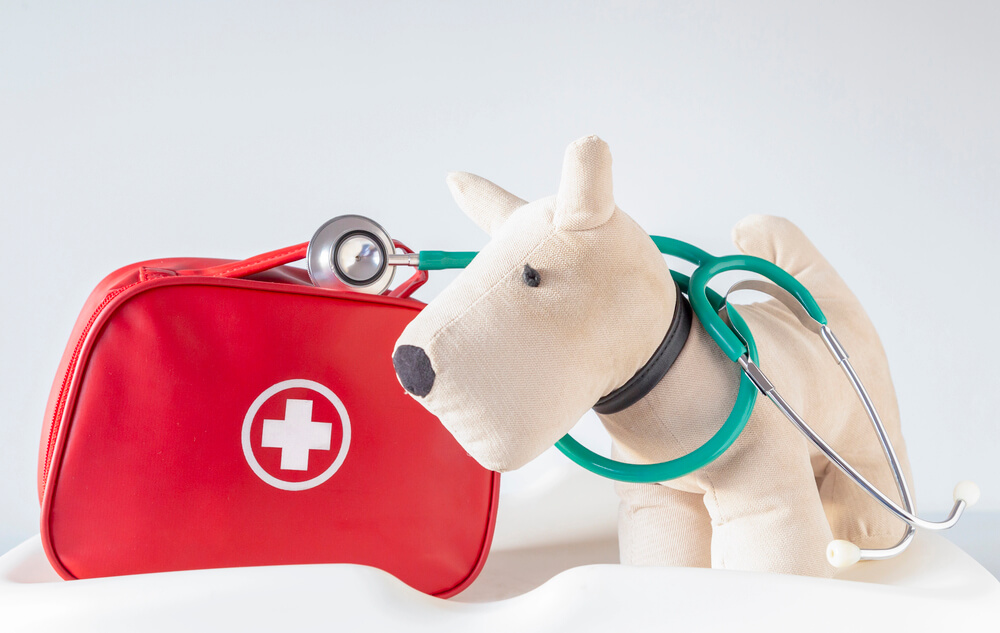
Children playing doctor in 1977 got a real working stethoscope in the Fisher-Price Medical Kit, along with a blood pressure cuff, a thermometer, a syringe and other instruments in a carrying case. The kit became one of the company’s most recognizable toys and was reissued in later versions.
Complete early examples list at 30 to 80 dollars. Missing pieces are common, especially the small thermometer, and the case latch can crack.
Collectors seek the first version with its original tools and a bright case, and a working stethoscope remains the detail that sells it.
Cash Register With Coins
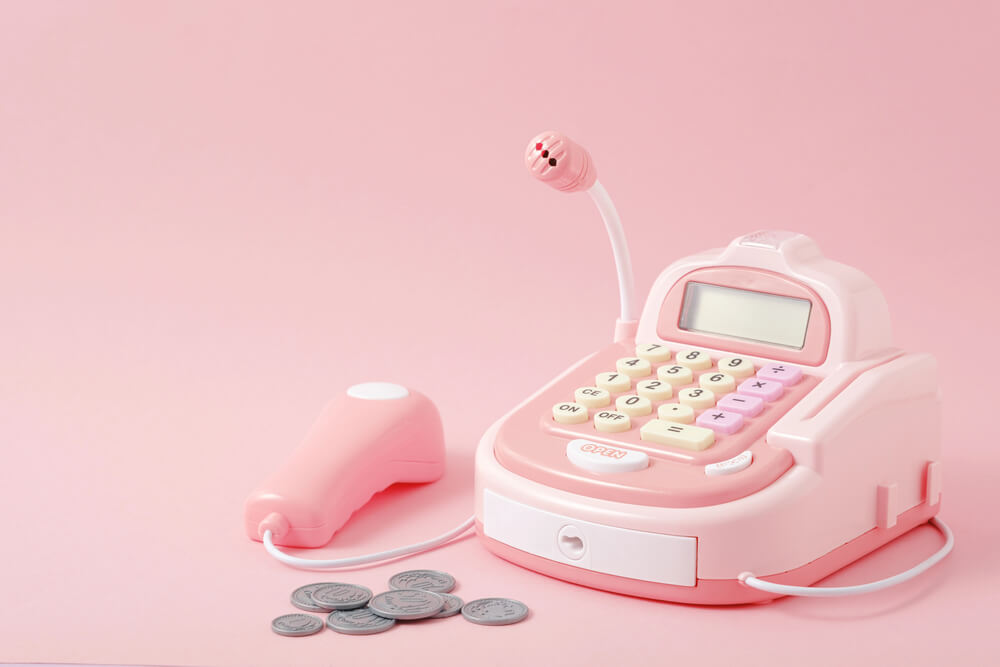
Dropping a shaped plastic coin into the matching slot on the Fisher-Price Cash Register rang a bell and popped the drawer open, a satisfying routine that kept toddlers busy for hours. The toy arrived in 1974 and stayed popular for years.
Complete examples with all the original coins list at 30 to 80 dollars. Missing coins are the usual problem, since they were small enough to roll under furniture.
Collectors check that the bell rings, the drawer opens and the colors match the original set.
Lacing Shoe
Inspired by the old nursery rhyme about a woman who lived in a shoe, the Fisher-Price Lacing Shoe of the mid-1960s was a large toy shoe with a lace for practicing knots and a family of small figures that lived inside. It combined a skill toy with a playset, which was unusual for the time.
Complete examples list at 30 to 100 dollars. Missing figures and laces are common, and the shoe can fade.
Collectors seek the early version with its original figures and a bright finish.
PXL-2000 Camcorder

In 1987 Fisher-Price introduced the PXL-2000, a black-and-white video camera that recorded on standard audio cassettes by running the tape at high speed. It was on the market for about a year, with roughly 400,000 units produced.
The camera failed with children but became a cult tool for experimental filmmakers, and Richard Linklater used it in Slacker. Working examples list at hundreds of dollars.
Broken tape mechanisms and missing accessories lower value, and the deluxe set with a small monitor is the most sought after.
Little People McDonald’s Restaurant
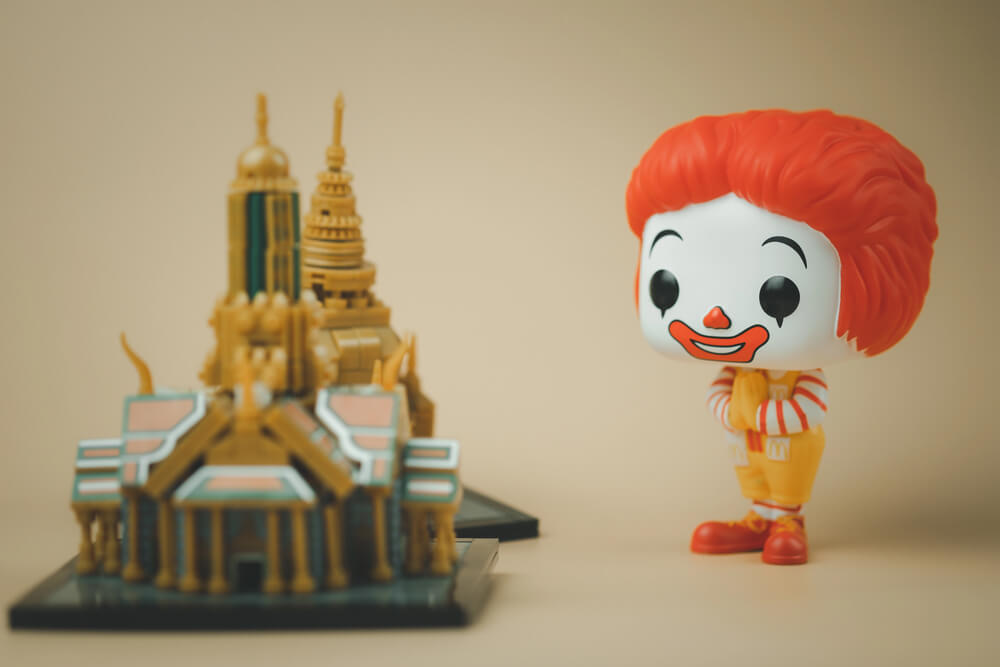
Ronald McDonald joined the Little People around 1990, when Fisher-Price released a McDonald’s restaurant with a drive-through window, a counter and figures. The licensed set crosses over into McDonald’s collecting, which keeps demand steady.
Complete examples list at 50 to 150 dollars. The small food pieces, trays and figures are often missing.
Faded stickers and scuffed plastic lower value. Collectors check that the drive-through works and that the figures are original, since later McDonald’s sets used different designs.
The earliest version is the one Little People collectors want to complete a vintage run.
Plastic That Remembers Everything
Fisher-Price toys were built to last, and they did. The ones that matter now are the complete sets, the early wooden pieces and the odd experiments that sold poorly at the time.
Collectors pay for every small figure that survived.
The company’s history mirrors American childhood, from hand-lithographed wood to plastic playsets and licensed characters. The value comes from completeness and from memory.
A set that looks exactly like the one in an old family photo is worth more to the right buyer than any price guide suggests.
More from Go2Tutors!

- The Romanov Crown Jewels and Their Tragic Fate
- 13 Historical Mysteries That Science Still Can’t Solve
- Famous Hoaxes That Fooled the World for Years
- 15 Child Stars with Tragic Adult Lives
- 16 Famous Jewelry Pieces in History
Like Go2Tutors’s content? Follow us on MSN.