15 Pop Culture Dance Crazes That Faded Away
Remember when it seemed like everyone was doing the same dance move at every party, wedding, and school event? Pop culture dance crazes have a unique way of uniting people across generations and backgrounds, creating moments of collective joy before eventually fading into nostalgic memories.
These choreographed movements capture the spirit of their time, spreading from music videos to dance floors worldwide. Here is a list of 15 popular dance crazes that once had everyone moving but have since disappeared from the spotlight.
The Macarena
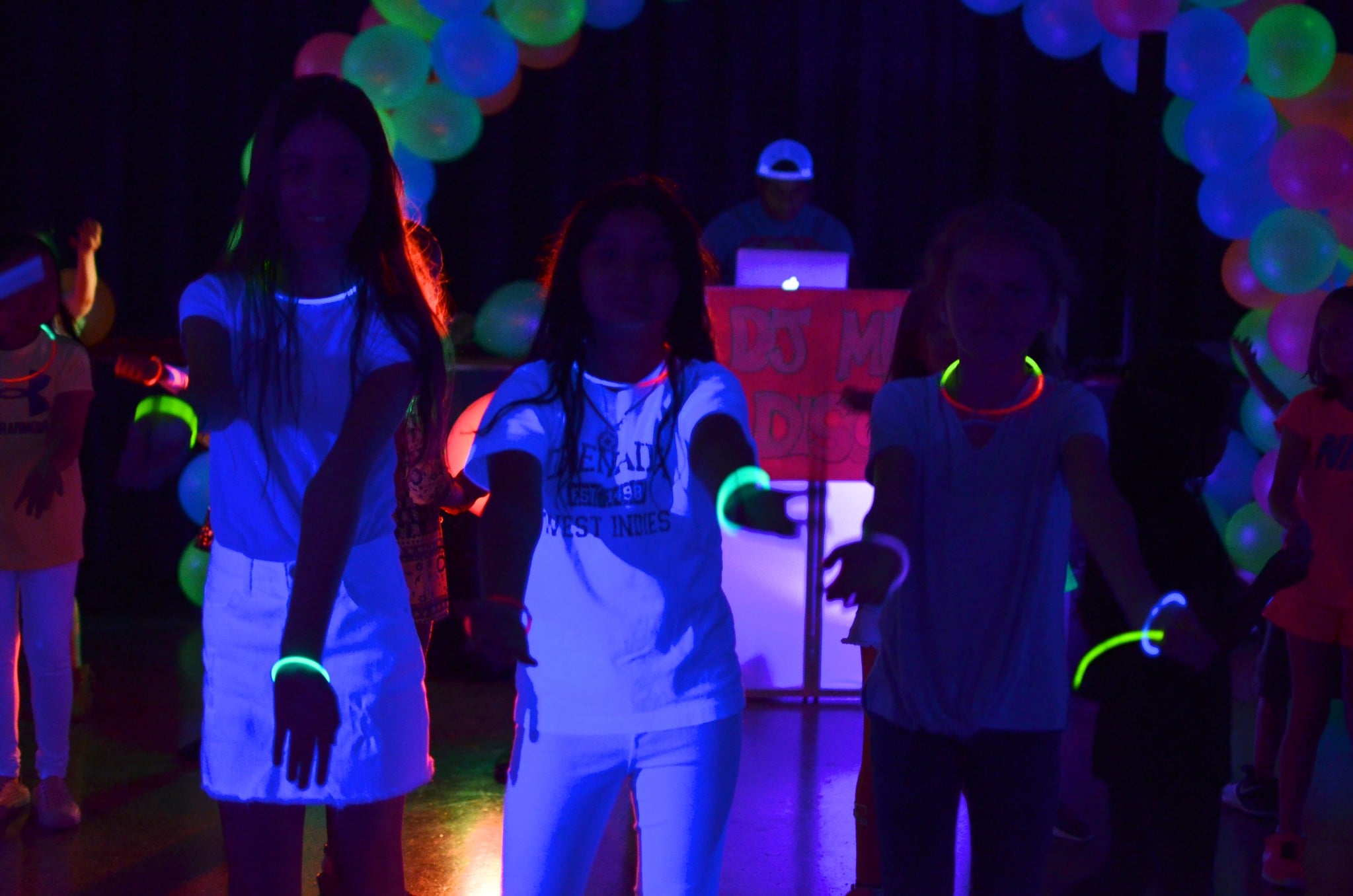
The Macarena took the world by storm in the mid-1990s with its simple arm movements and hip shakes. Created by Spanish duo Los del Río, this dance became so ubiquitous that it appeared at sporting events, political rallies, and even elementary school talent shows.
Its catchy rhythm and easy-to-learn steps made it accessible to dancers of all skill levels, contributing to its massive but ultimately fleeting popularity.
The Robot

The Robot emerged in the 1960s but reached peak popularity during the 1970s disco era. Dancers mimicked mechanical movements with stiff arms and precise, angular motions that imitated automated machines.
The dance perfectly captured the technological fascination of the era, when computers were beginning to enter public consciousness but were still mysterious to most people.
Like Go2Tutors’s content? Follow us on MSN.
The Hustle

The Hustle dominated dance floors during the disco boom of the 1970s, featuring synchronized partner movements and dramatic spins. Originally appearing in New York City nightclubs, the dance spread nationwide after being featured in the film ‘Saturday Night Fever’.
It became synonymous with the glittery excess of disco culture, complete with wide collars and platform shoes, before fading when the disco backlash hit hard.
The Running Man
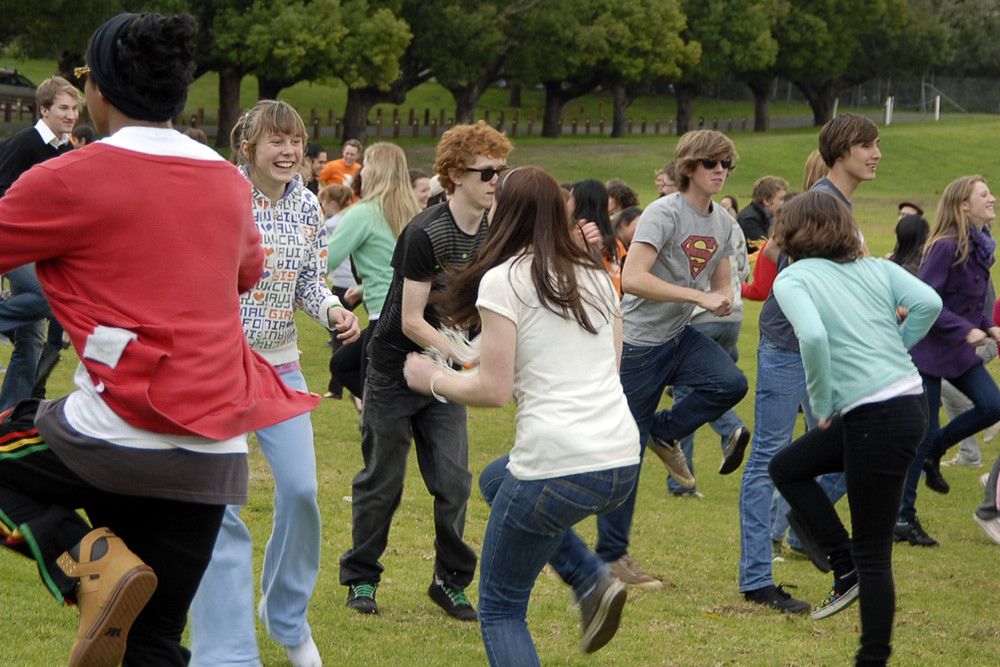
The Running Man had everyone shuffling in place during the late 1980s and early 1990s. This hip-hop staple involved moving your feet in a running motion while staying in the same spot, creating an illusion of movement without progress.
MC Hammer helped popularize the move, which became a staple in school dances and music videos before newer dances pushed it aside.
The Cabbage Patch

The Cabbage Patch had dancers moving their arms in circular, rowing motions while simultaneously shifting their hips. Emerging from Atlanta in the 1980s and popularized by NFL players as touchdown celebrations, the dance was as quirky as its name suggests.
Its relative simplicity made it accessible to casual dancers who might shy away from more complex moves.
Like Go2Tutors’s content? Follow us on MSN.
The Moonwalk

Image Credit: DepositPhotos
Michael Jackson’s signature backwards glide captured global attention after his performance on Motown’s 25th anniversary special in 1983. Unlike many dance crazes, the Moonwalk required significant practice to master the illusion of walking backward while appearing to move forward.
Though still occasionally attempted at parties, the technical difficulty prevented it from becoming as widespread as simpler dances.
The Electric Slide
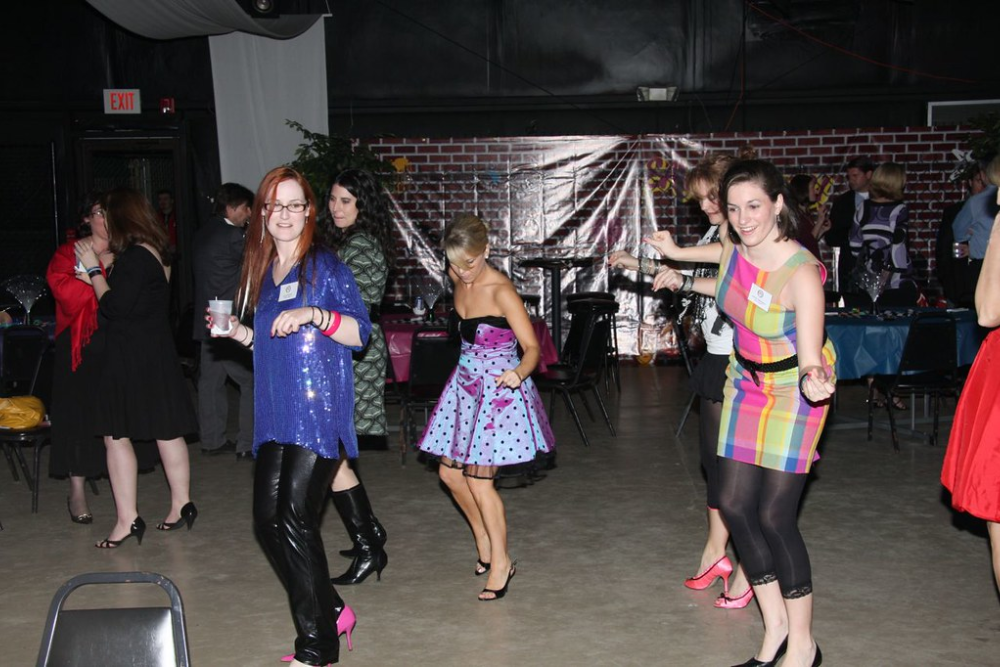
The Electric Slide brought line dancing to mainstream audiences in the 1970s, remaining popular through the 1990s. This structured group dance featured synchronized side steps and quarter turns, making it perfect for wedding receptions and family gatherings.
The standardized routine created instant community among dancers, giving everyone from grandparents to children a way to participate together.
The Carlton

‘The Fresh Prince of Bel-Air’ gave us the Carlton, a delightfully dorky dance featuring swinging arms and swiveling hips typically performed to Tom Jones’ ‘It’s Not Unusual’. Actor Alfonso Ribeiro created this intentionally uncool move that paradoxically became cool through its wholehearted embrace of awkwardness.
The dance has experienced periodic revivals through internet memes but no longer maintains its original cultural prominence.
Like Go2Tutors’s content? Follow us on MSN.
The Lambada
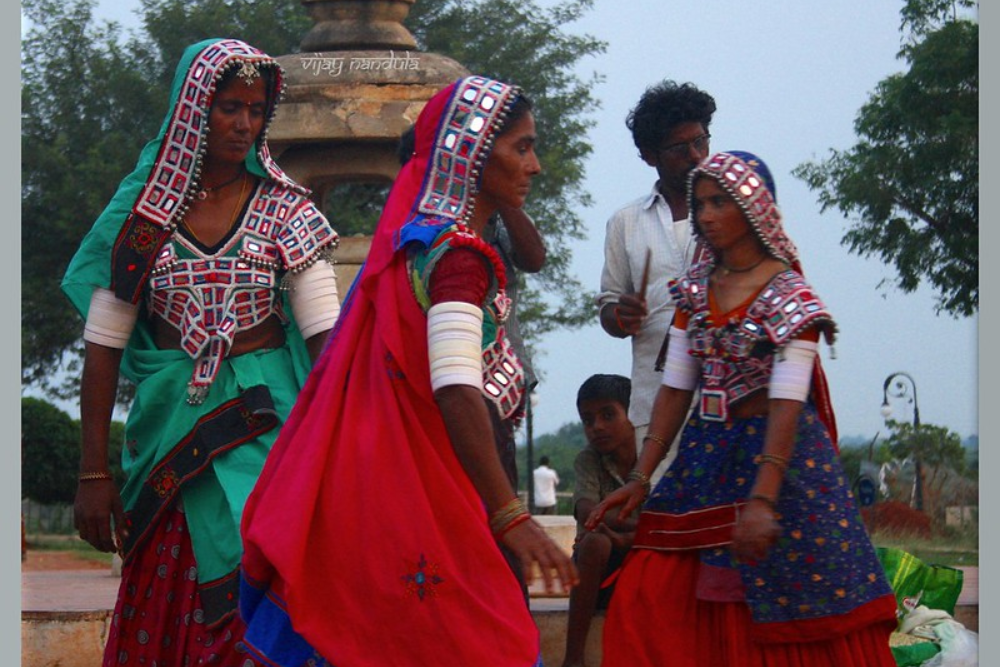
Known as the ‘forbidden dance’ due to its sensual partner movements, the Lambada briefly swept across America in 1989 following a Brazilian musical import. The close-contact, hip-swaying rhythm caused something of a moral panic among conservative parents while simultaneously packing dance floors.
Like many international dance imports, its moment in the American spotlight was intense but relatively short-lived.
The Harlem Shake

The Harlem Shake created a brief but intense internet phenomenon in 2013, featuring one person dancing alone before cutting to an entire group performing wild, chaotic movements. Unlike traditional dance crazes that developed organically, this was essentially manufactured for viral videos set to Baauer’s track of the same name.
The format became so oversaturated that it disappeared almost as quickly as it arrived.
Gangnam Style

PSY’s ‘Gangnam Style’ horse-riding dance dominated 2012, becoming the first YouTube video to reach one billion views. The South Korean singer’s energetic lasso-twirling and galloping movements crossed language barriers and appeared everywhere from presidential events to elementary school playgrounds.
Despite its massive cultural impact, the dance quickly transitioned from an inescapable trend to an occasional nostalgic reference.
Like Go2Tutors’s content? Follow us on MSN.
The Twist
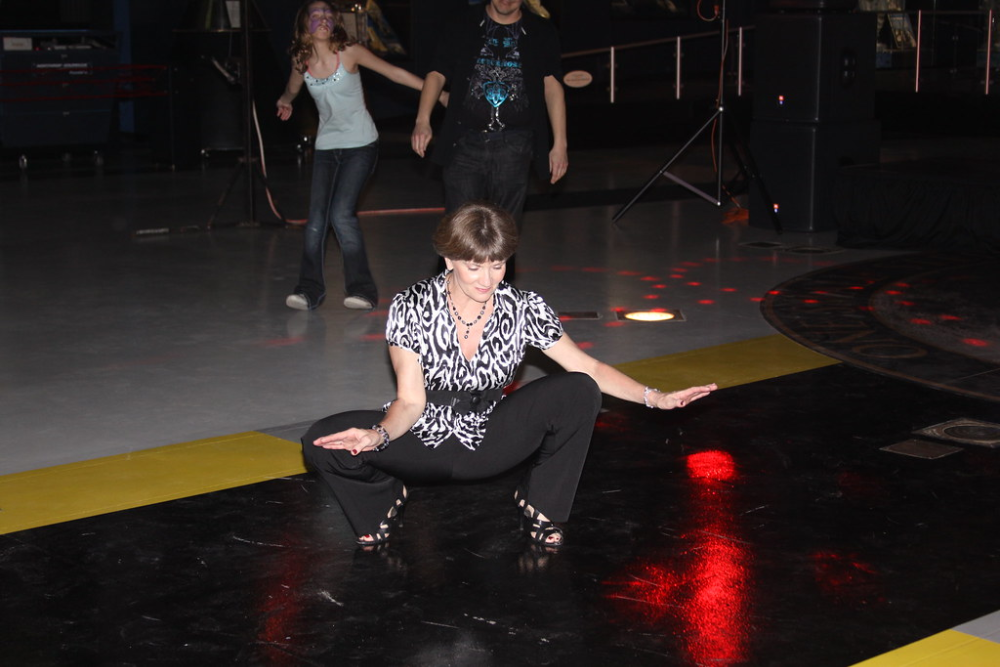
The Twist revolutionized dancing in the early 1960s by introducing individual dancing rather than traditional partnered movements. Chubby Checker’s hit song instructed dancers to twist their hips while keeping their arms extended and feet in place, like ‘putting out a cigarette with both feet’.
This relatively mild movement caused moral outrage at the time but paved the way for the individual expression that characterizes modern dancing.
Voguing
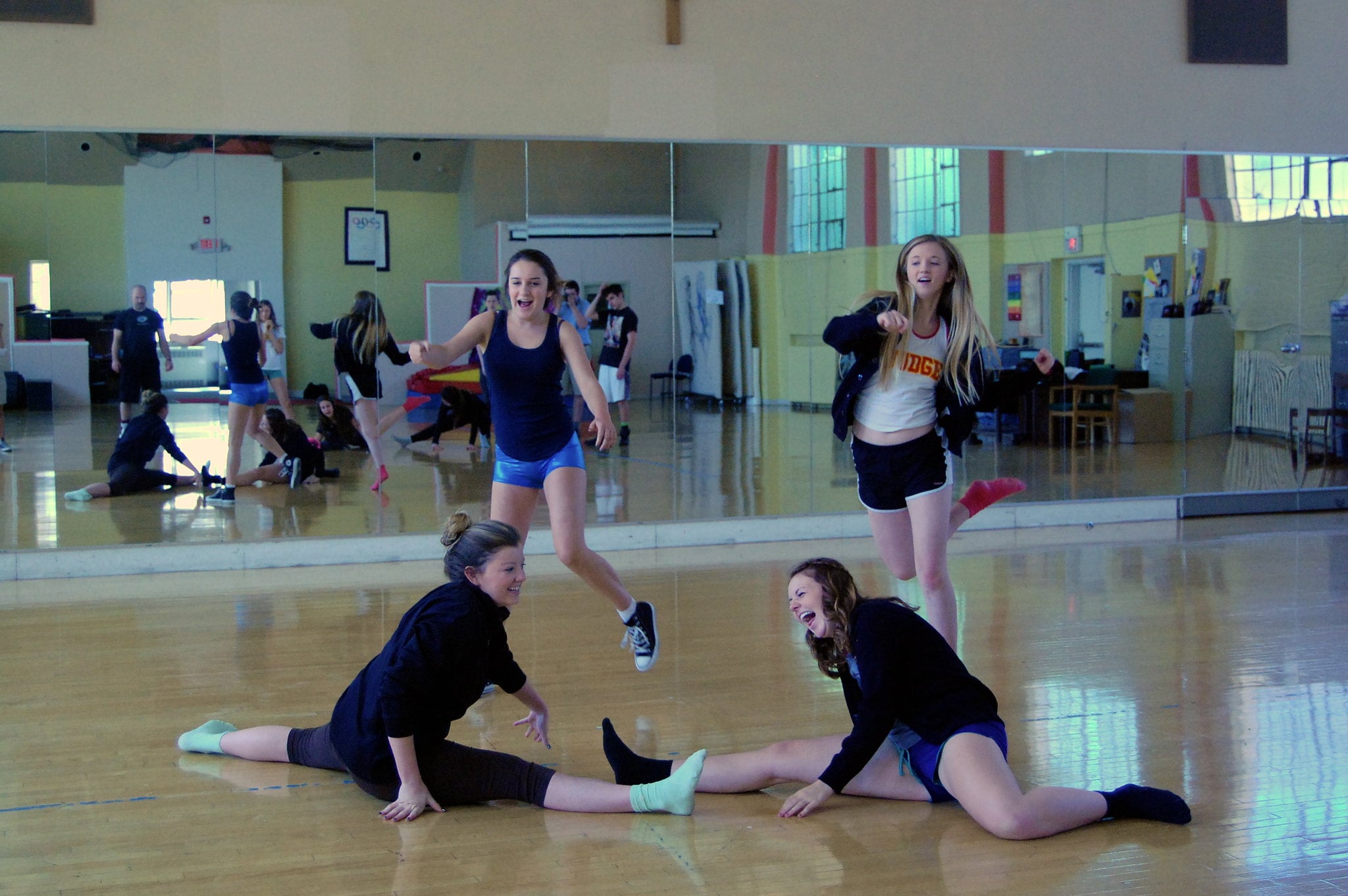
Voguing emerged from Harlem’s LGBTQ ballroom scene in the 1980s before Madonna brought it to mainstream attention in 1990. The dance consists of model-like poses connected by angular, precise movements inspired by high fashion magazines and Egyptian hieroglyphics.
Though its mainstream moment was brief, voguing remains influential in dance communities and has experienced periodic revivals in popular culture.
The Dougie
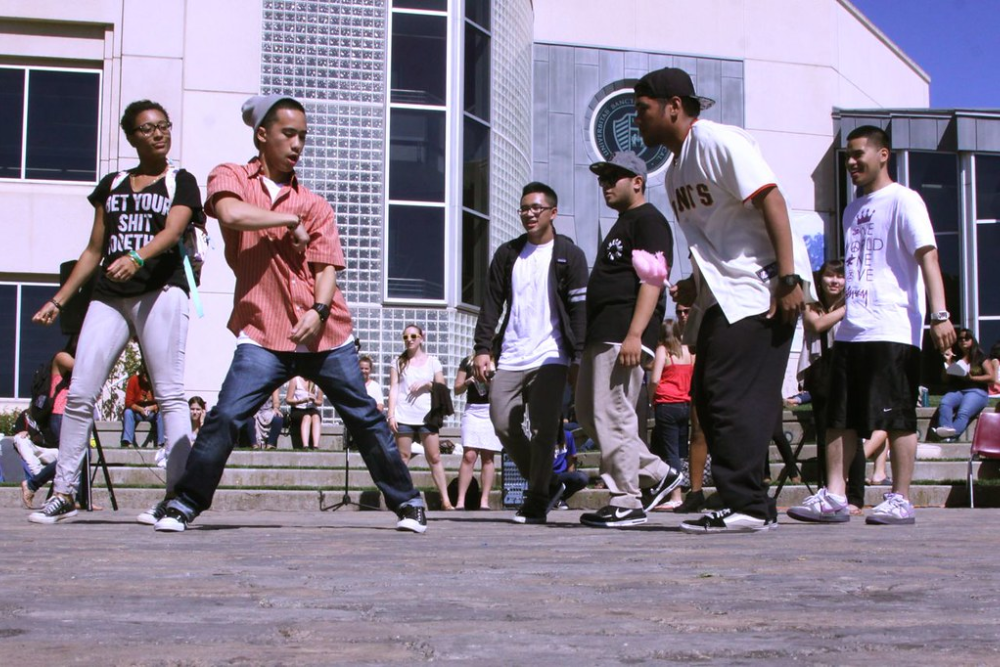
Flossing emerged around 2017, featuring rapid arm swings around the body while swaying the hips in the opposite direction. This dance became wildly popular with younger generations after appearances in video games like Fortnite and performances by backpack-wearing teenager Russell Horning, known as ‘The Backpack Kid’.
While children mastered it quickly, adults often struggled with its counterintuitive coordination requirements.
Like Go2Tutors’s content? Follow us on MSN.
Flossing
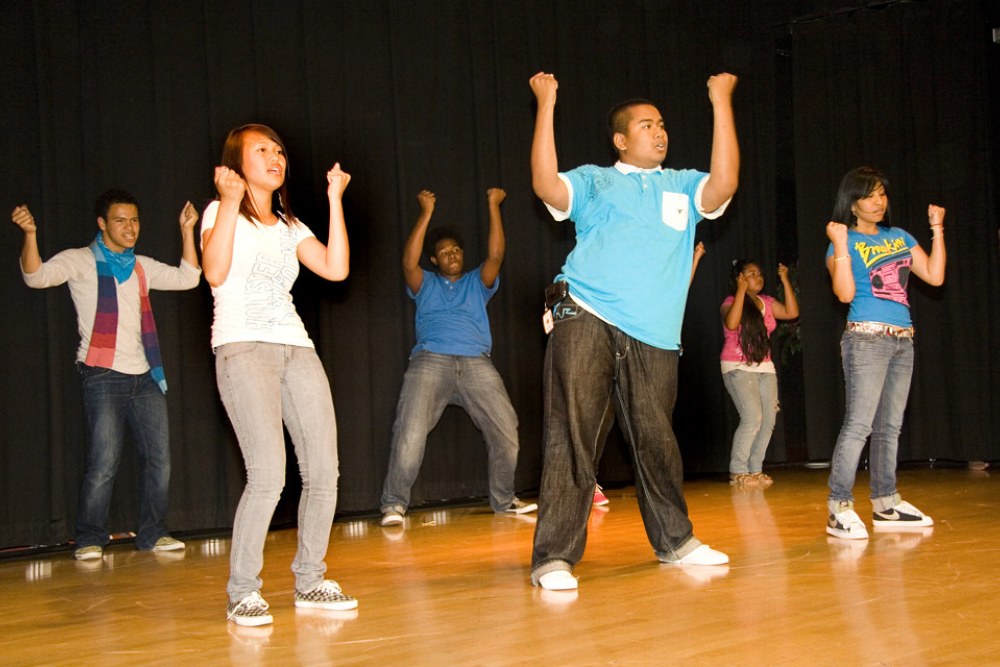
Flossing emerged around 2017, featuring rapid arm swings around the body while swaying the hips in the opposite direction. This dance became wildly popular with younger generations after appearances in video games like Fortnite and performances by backpack-wearing teenager Russell Horning, known as ‘The Backpack Kid’.
While children mastered it quickly, adults often struggled with its counterintuitive coordination requirements.
The Cultural Rhythm of Dance Trends

These dance crazes reveal how movement trends reflect their cultural moments, from the individual rebellion of The Twist to the digital connectivity of Flossing. Each represents a specific era’s music, technology, and social attitudes, serving as physical time capsules of cultural history.
While these particular moves may have faded from regular rotation, they’ve contributed to the ever-evolving language of dance that continues to bring people together on dance floors worldwide. The beauty of these forgotten moves lies not just in their steps but in the shared experiences they created—moments when strangers could instantly connect through familiar movements.
Though new dances will continue to emerge with each generation, these classics remain ready for revival at the first notes of their signature songs.
More from Go2Tutors!

- 16 Restaurant Chains That Went Too Fast
- 12 Things Sold in the 80s That Are Now Illegal
- 15 Strange Things People Have Tried to Ban (And Failed)
- 16 Collectibles People Tossed Out Too Soon
- 17 Myths from Your Childhood That Were Actually Based on Real Things
Like Go2Tutors’s content? Follow us on MSN.



