23 Holiday Traditions Families Kept for Generations That Have Quietly Faded Away
Every family has holiday habits that feel permanent until someone notices nobody has done them in years. The tinsel stays in the box, the carolers stop coming, and the fruitcake quietly stops arriving in the mail.
Most of these customs were never formally abandoned. They slipped away one busy December or skipped spring at a time, until the only people who remembered them were the ones who used to lead them.
Draping Lead Tinsel Strand by Strand

Tinsel icicles were once made with lead foil, which gave them a satisfying weight and let them hang perfectly straight from each branch. Families argued over whether to toss handfuls at the tree or drape each strand individually, and the patient drapers usually won the aesthetic debate.
The heavy tinsel was often saved after the holidays, carefully pulled off and returned to its cardboard sleeve. Concerns about lead exposure led manufacturers to phase it out in the early 1970s, and the plastic replacements that followed floated, clung, and clumped.
Many families simply stopped using tinsel. Old boxes of the lead version still turn up at estate sales.
Spinning Colors on an Aluminum Tree
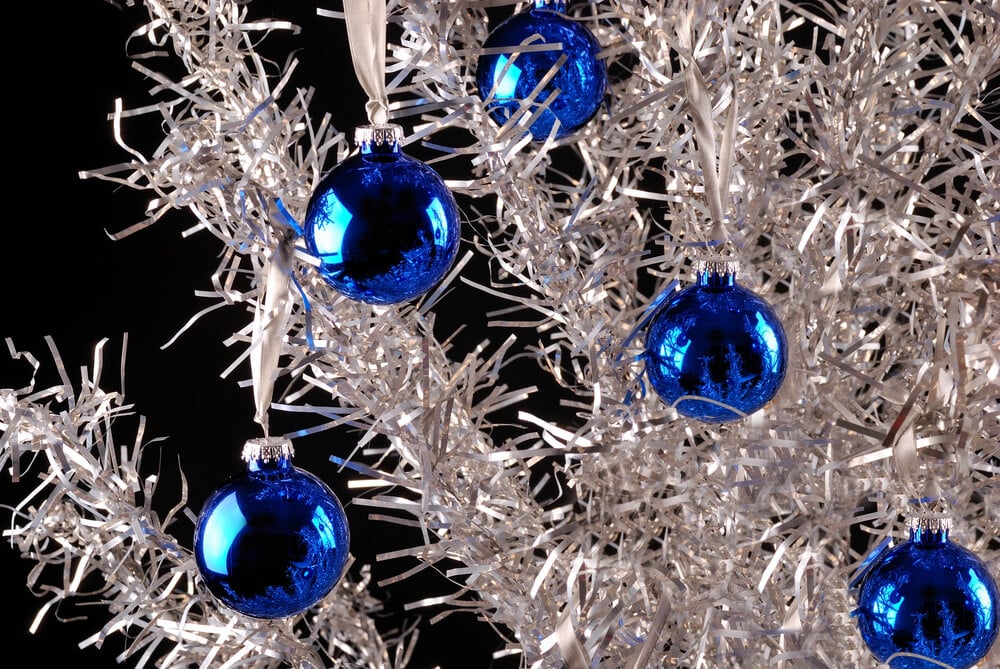
The Aluminum Specialty Company of Manitowoc, Wisconsin, introduced its Evergleam aluminum tree in 1959, and the shiny silver trees quickly became a symbol of modern Christmas. Because the metal branches could not safely hold electric lights, families lit them with a rotating color wheel that bathed the tree in red, blue, green, and amber.
Sales collapsed after A Charlie Brown Christmas mocked the trees in 1965 and Charlie Brown chose a scraggly real one instead. The trees disappeared into attics for decades.
Surviving examples, especially in pink or gold, are now prized by collectors who remember the glow of that turning wheel.
Waiting for Bubble Lights to Bubble
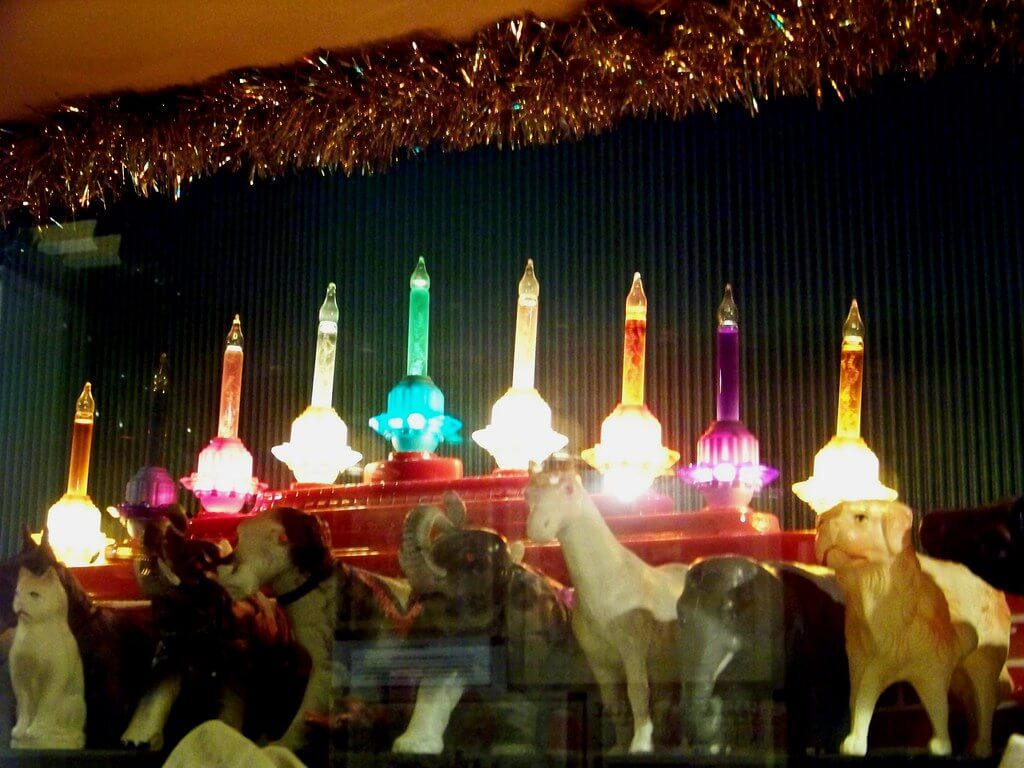
NOMA introduced bubble lights in 1946, and the glass tubes filled with colored liquid quickly became a fixture on American trees. When the bulbs warmed up, the liquid inside, usually methylene chloride, began to bubble steadily.
Kids would sit in front of the tree waiting for each light to bubble, sometimes tapping the ones that were slow. The lights were fragile, hot, and prone to breaking.
Mini lights and later LED strings replaced them. Reproductions are still sold, but the original bubble lights are now collectibles.
Many families remember them as the most magical part of the tree.
Circling Toys in the Sears Wish Book

The Sears Christmas catalog, later known as the Wish Book, first arrived in 1933. Kids spent hours paging through the toy section, circling or dog-earing the items they wanted, and leaving the catalog in strategic places for parents to find.
The catalog featured everything from bicycles to dolls to chemistry sets. Sears stopped publishing its big general catalog in 1993, and the Wish Book faded along with it, though the company revived a version in later years.
For generations of kids, the arrival of the Wish Book was the unofficial opening of the Christmas season.
Visiting the Downtown Department Store Windows
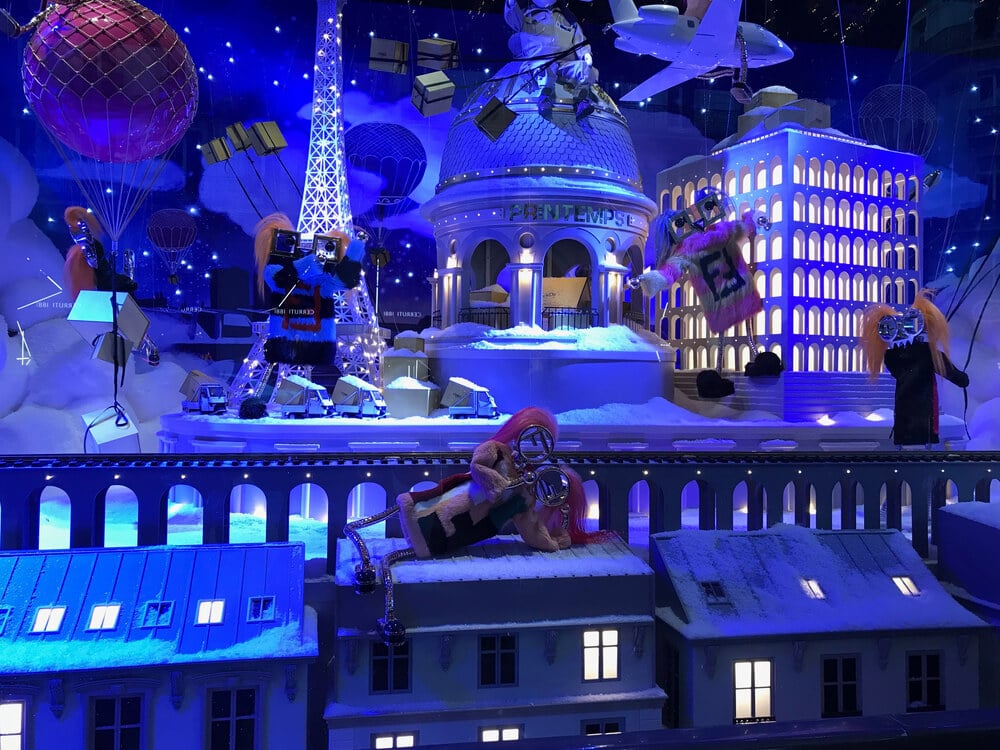
Department stores in big cities once competed to create the most elaborate holiday window displays, with animated figures, miniature villages, and moving trains. Families dressed up and traveled downtown to see the windows, then visited Santa inside the store.
Stores like Macy’s, Marshall Field’s, and Hudson’s became holiday destinations. As shopping moved to malls and then online, many downtown department stores closed.
A few stores still create elaborate windows, but the tradition has faded in most cities. For many families, the trip downtown was one of the most memorable parts of the holiday season.
Stringing Christmas Cards Across the Doorway

Households once received dozens or even hundreds of Christmas cards each year and displayed them on strings across doorways, taped around door frames, or tucked into the branches of the tree. The cards were a record of the family’s friendships and connections.
Some families kept the cards from year to year, creating a history of their relationships. The number of cards sent has declined sharply in recent decades as email, social media, and rising postage costs have replaced them.
Many families now receive only a handful of cards. The strings of cards across the doorway have become a rare sight.
Caroling Door to Door

Groups of neighbors, church members, and friends once walked through their neighborhoods on winter evenings, singing carols at each door. Homeowners would open their doors, listen, and sometimes invite the carolers in for hot chocolate or cookies.
The tradition brought communities together and spread holiday cheer. It has faded as neighborhoods have become less connected and people have become more private.
Some churches and community groups still organize caroling, though groups going door to door have grown scarce. Many older adults remember the cold, the singing, and the warm welcome at each door.
Threading Popcorn and Cranberry Garlands
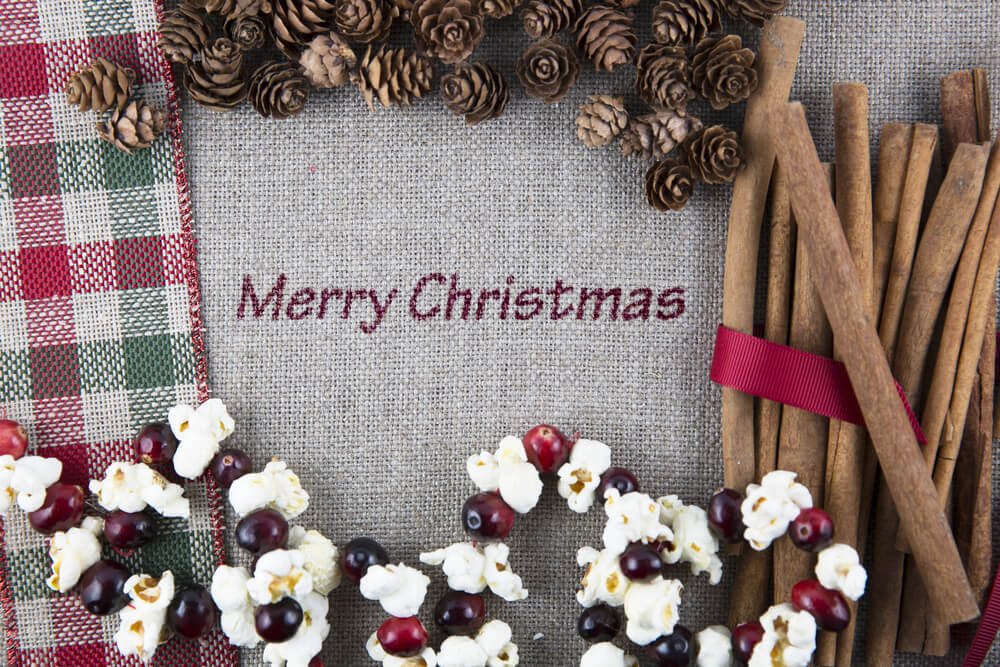
Long before store-bought garlands, the tree got its trim from popcorn and cranberries threaded onto long strings with a needle. The work took hours and often led to pricked fingers and eaten popcorn.
The finished garlands were draped around the tree and sometimes hung outside for the birds after Christmas. The tradition was especially common in rural areas and during the Depression, when store-bought decorations were a luxury.
It has faded as families have turned to store-bought garlands. A handful of families still string them each December, usually as a deliberate nod to the past.
Saving All Year in a Christmas Club

Banks once offered Christmas Club accounts, which allowed families to deposit small amounts of money each week throughout the year. The money was paid out in November, just in time for holiday shopping.
The accounts were popular for much of the 20th century, especially among working-class families who wanted to avoid debt. Coupon books and passbooks tracked each deposit.
The accounts have faded as credit cards and other savings options have become more common. Some banks and credit unions still offer them, but they are far less common than they once were.
Ringing In the New Year With Guy Lombardo

For nearly half a century, Guy Lombardo and His Royal Canadians played Auld Lang Syne on radio and later television as the clock struck midnight on New Year’s Eve. The broadcasts began in 1929 and continued until Lombardo’s death in 1977, which earned him the nickname Mr. New Year’s Eve.
Families gathered around the set in party hats, counted down with the band, and toasted with whatever was in the refrigerator. The band’s smooth, sweet style was already old-fashioned by the 1960s, which was part of its appeal.
Younger hosts and rock performers took over the midnight broadcasts afterward. For many older adults, that particular arrangement of Auld Lang Syne is still the sound of the new year.
Carrying Orange UNICEF Boxes on Halloween
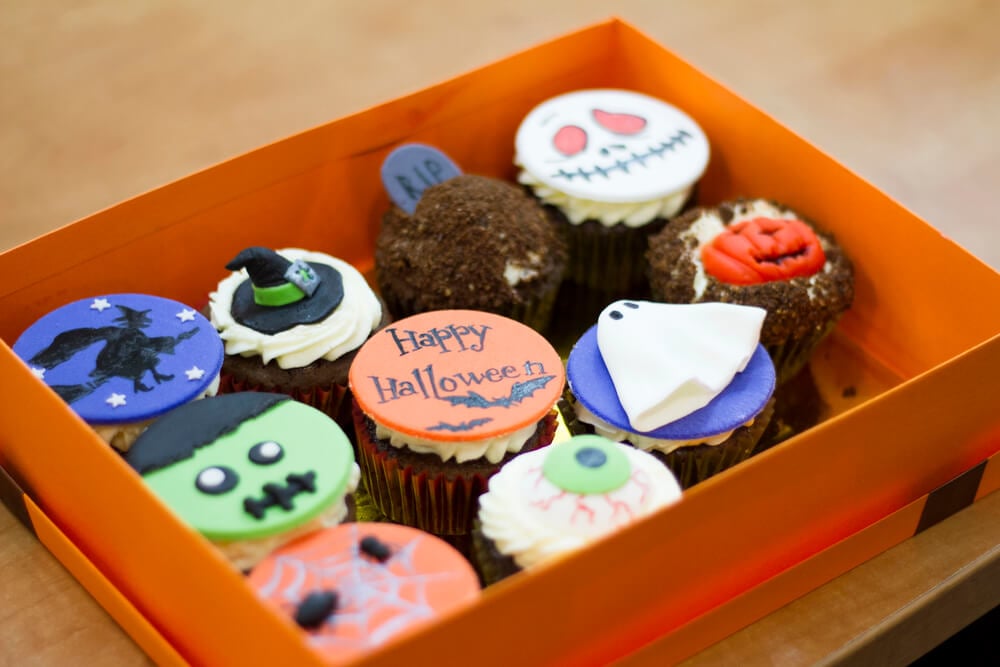
Trick-or-Treat for UNICEF began in Philadelphia in 1950, and within a few years millions of American children carried small orange cardboard boxes alongside their candy sacks. Neighbors dropped pennies, nickels, and dimes through the slot, and the coins went toward programs for children around the world.
Schools and churches handed out the boxes each October and collected them afterward, often announcing class totals with real pride. The campaign raised well over 100 million dollars across its long run.
UNICEF moved away from the classic box in the 2000s in favor of other fundraising methods. The jingle of coins in that orange box remains a distinct Halloween memory for many adults.
Handing Out Homemade Halloween Treats

Neighbors once filled trick-or-treat bags with homemade cookies, caramel apples, brownies wrapped in wax paper, and sticky clusters of popcorn. Kids kept mental maps of which houses offered the best homemade goods and planned their routes accordingly.
Some grandmothers baked for days ahead of the holiday. Reports of tampered treats in the 1970s and 1980s, though rarely confirmed, frightened parents into accepting only sealed, store-bought candy.
Many families began throwing away anything unwrapped. The shift happened quickly and has never really reversed.
Homemade treats survive mostly at private parties and on streets where every family knows every other family by name.
Leaving May Baskets on Doorsteps

On the first of May, children once made small paper cones or woven baskets, filled them with spring flowers and candy, and hung them on the doorknobs of neighbors and friends. The giver would knock, then run away before being seen.
In some communities, a recipient who caught the giver was entitled to a kiss, which made the chase considerably more exciting for older kids. The custom was especially strong in the Midwest and New England through the middle of the 20th century.
It faded as May Day lost its place on the American calendar. A handful of towns and schools still keep it going each spring.
Wearing a Carnation on Mother’s Day

Anna Jarvis, who campaigned for the creation of Mother’s Day in the early 20th century, promoted the white carnation as its emblem. Over time, a custom developed of wearing a red carnation to honor a living mother and a white one to honor a mother who had died.
Churches often handed out carnations at the door on Mother’s Day morning, and the colors told the congregation something quiet about each person wearing one. The practice has faded considerably in recent decades.
Many younger people no longer know the meaning of the two colors. Jarvis herself later turned against the holiday, angered by how commercial it had become.
Showing Off a New Easter Bonnet
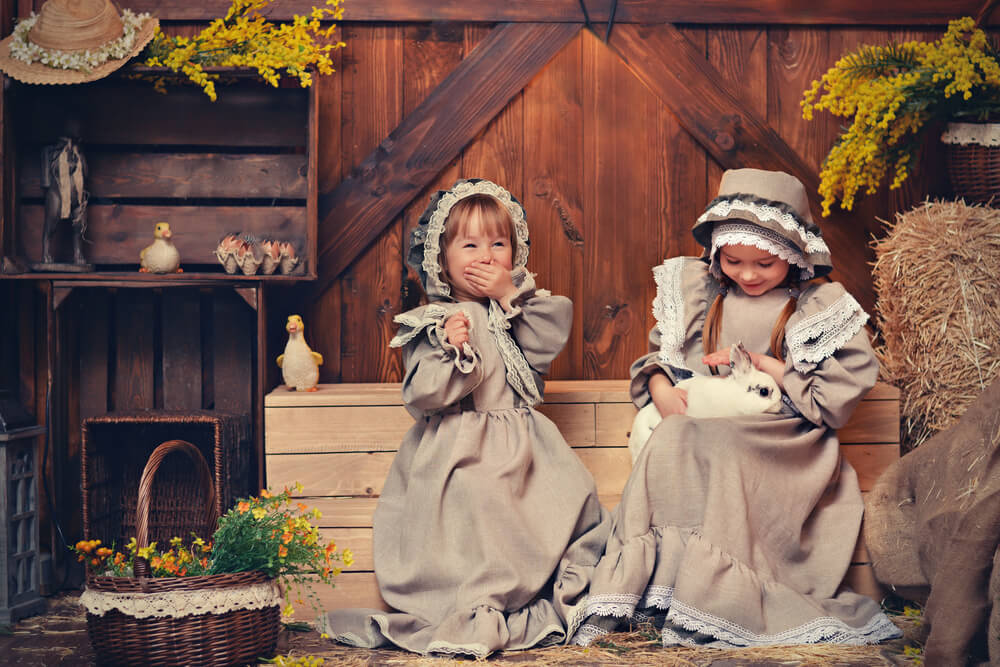
Easter Sunday once meant new clothes for the entire family, including hats, white gloves, and patent leather shoes for girls and pressed suits for boys. Families dressed up for church and sometimes joined a promenade afterward, like the famous Easter Parade along Fifth Avenue in New York.
Irving Berlin’s song Easter Parade and the 1948 film of the same name, starring Judy Garland and Fred Astaire, celebrated the custom. Relaxed dress codes and falling church attendance have made the full outfit rare.
Photos of those Sunday mornings, with children squinting in the sun in stiff new clothes, fill countless family albums.
Dyeing Eggs With Onion Skins
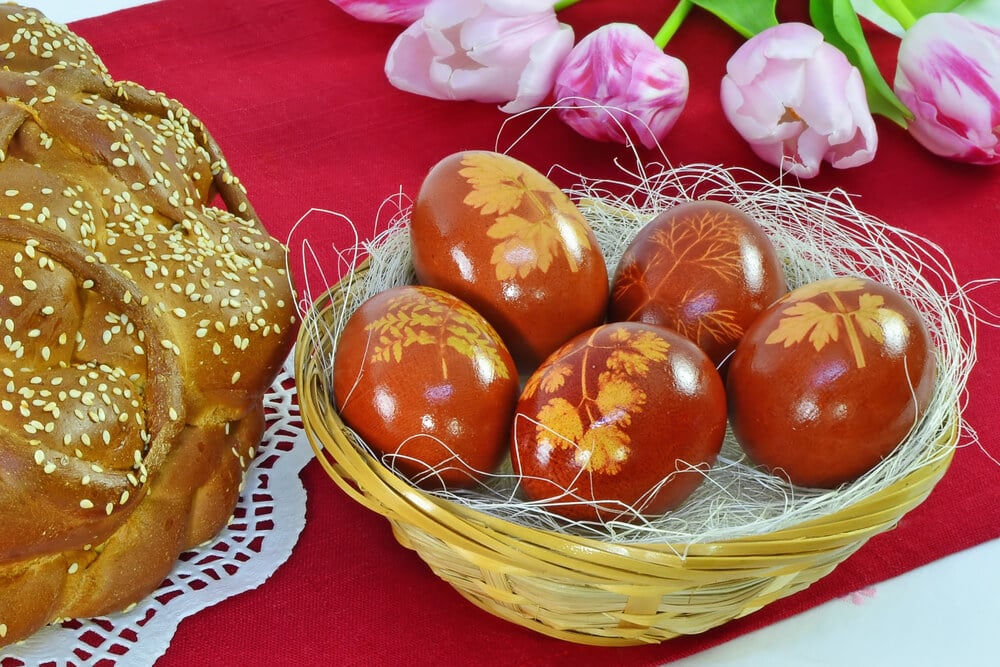
Before commercial dye tablets became standard, many families colored Easter eggs with materials from the kitchen. Onion skins simmered in water produced a rich rust or golden brown, beets gave pink and red, and coffee made a soft tan.
Some families pressed small leaves or flowers against the eggs and wrapped them in cheesecloth before dyeing, leaving pale botanical silhouettes on the shells. The method was especially common in Eastern European households, where egg decorating carried deep meaning.
Dye kits made the process quicker and brighter. The natural method has seen some revival among crafters, but it no longer anchors family traditions the way it once did.
Baking Mincemeat Pie for the Holidays
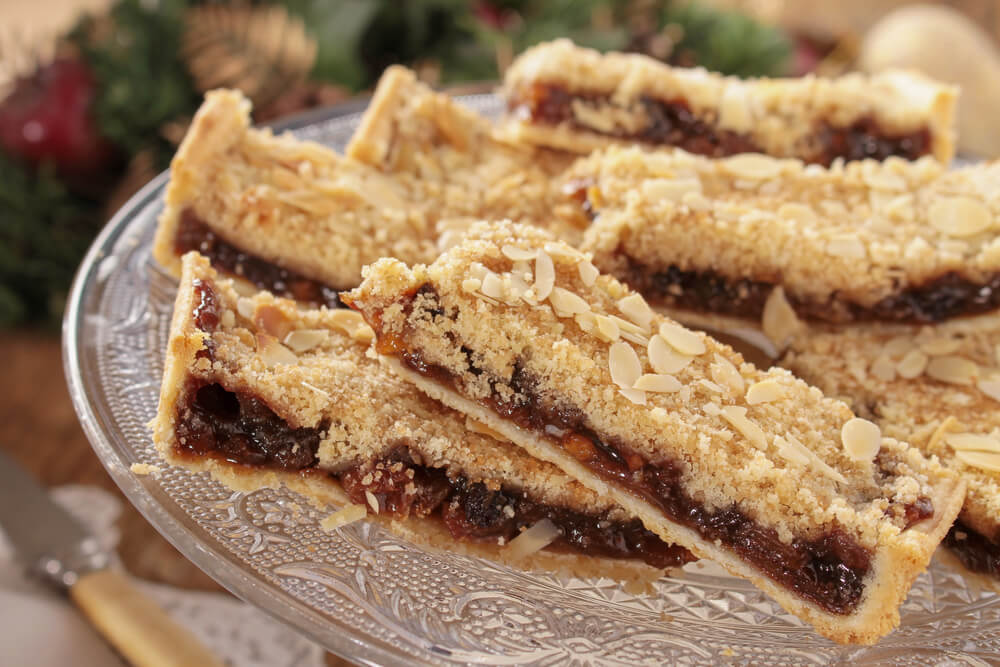
Mincemeat pie was once a fixture of Thanksgiving and Christmas tables, filled with a mixture of chopped beef or venison, suet, apples, raisins, spices, and often a generous splash of brandy. Home cooks made the filling weeks ahead and let it age in crocks or jars.
Over the 20th century, most recipes dropped the meat entirely, leaving a spiced fruit filling. Even that version has fallen out of favor as tastes shifted toward pumpkin, pecan, and apple.
Jars of prepared mincemeat still appear in some grocery stores each November. Younger diners are often surprised to learn that the original recipe really did contain meat.
Mailing Fruitcakes to Distant Relatives
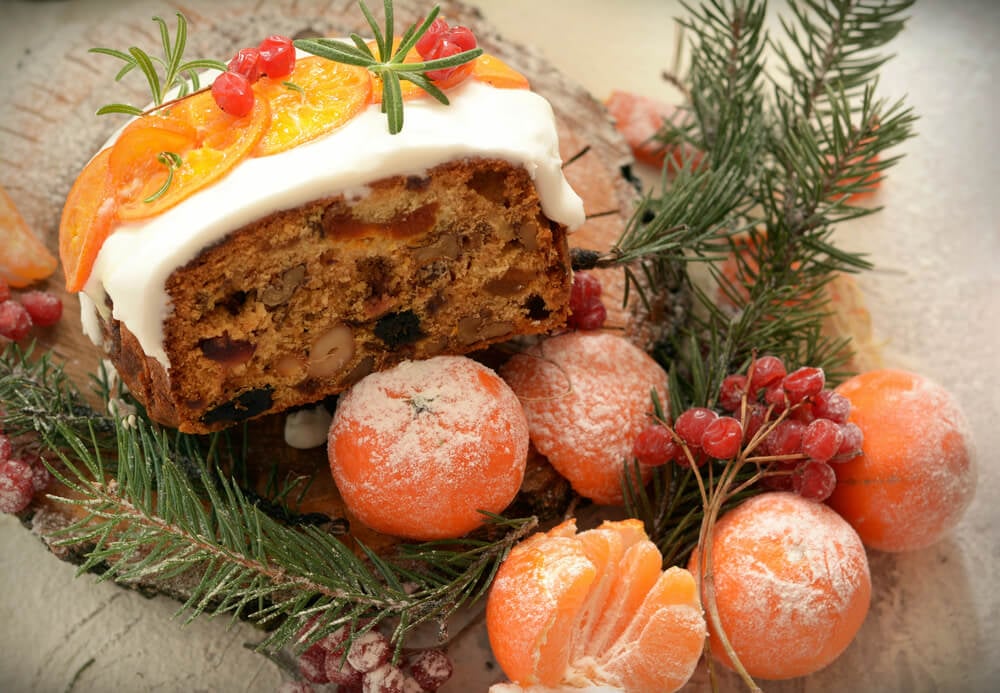
Fruitcakes were once one of the most common holiday gifts, wrapped in tins and mailed to relatives across the country. Collin Street Bakery in Corsicana, Texas, and Claxton Bakery in Claxton, Georgia, became famous for shipping them by the ton.
Many families baked their own weeks in advance, wrapping them in cheesecloth soaked in brandy or bourbon and feeding them more liquor over time. The cakes kept for months, which made them ideal for mailing.
Somewhere along the way, fruitcake became a national punch line. The jokes probably did more damage than any change in taste, and the annual package from an aunt has become rare.
Making Divinity and Fudge in December
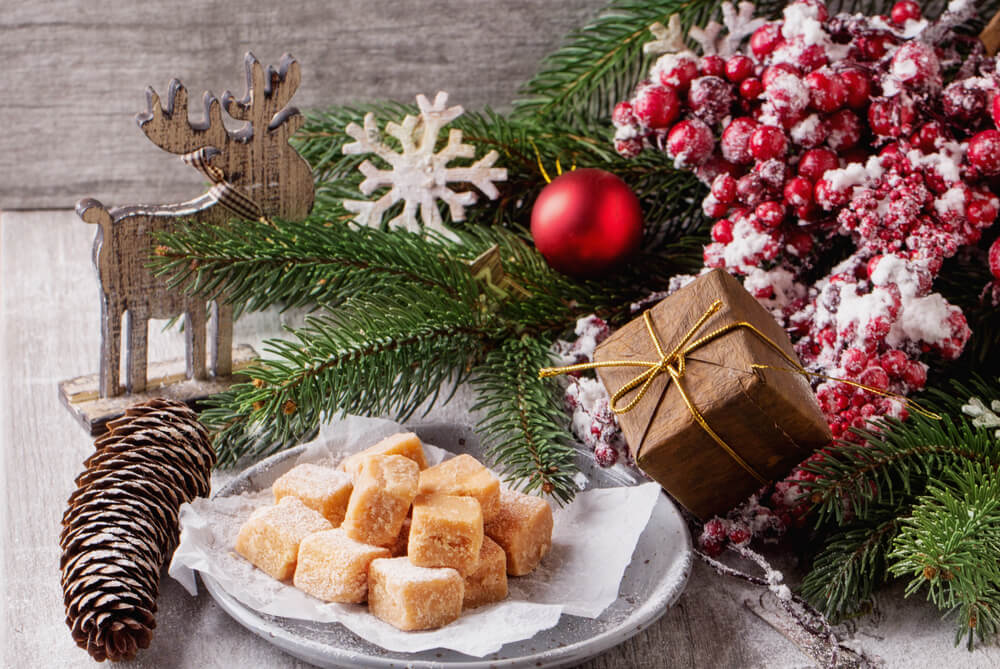
December once meant days of homemade candy making, with fudge, divinity, peanut brittle, and pralines cooling on wax paper across the kitchen counter. Divinity, a fluffy white candy made from beaten egg whites and hot sugar syrup, was famously temperamental and required a dry day to set properly.
Experienced cooks watched the weather forecast before attempting it. The finished candy was packed into tins and given to neighbors, teachers, and mail carriers.
Candy thermometers, heavy pans, and a strong arm for beating were all part of the ritual. Store-bought gift boxes have largely replaced it, and few younger cooks have tried making divinity even once.
Making the Long-Distance Holiday Call

Long-distance telephone calls were once expensive enough that families saved them for special occasions, and Christmas topped the list. The call to grandparents or relatives across the country was an event, with each family member lining up to say a few words into the receiver.
Parents watched the clock anxiously because every minute cost money, and some families called after evening rates dropped. Children were coached in advance to keep it brief.
Cheap calling plans, cell phones, and video chats have turned those calls into something ordinary. Many older adults still recall the crackle of the line and the rush to fit everything in.
Cleaning Graves for Decoration Day

In parts of the South and Appalachia, families gathered each year on a set Sunday to clean and decorate the graves of their ancestors. The event, called Decoration Day, often included a church service, fresh flowers or crepe paper arrangements on each grave, and dinner on the grounds with long tables of homemade food.
Cousins who had not seen each other in years caught up while clearing weeds from family plots. The custom predates the national Memorial Day and remains strong in some mountain communities.
In others, it has faded as younger generations moved away and the old family cemeteries became harder to reach.
Counting Down With a Paper Chain

Children once made paper chains from strips of red and green construction paper, one link for every day remaining until Christmas. The chain hung in a doorway, on a bedroom wall, or across a classroom, and each night a child tore off one link.
Watching it shrink was a lesson in patience and simple math. The chains were cheap and easy to make with glue or tape and a pair of blunt scissors.
Store-bought advent calendars, especially those with chocolate or small toys behind each door, have largely replaced them. Some families and classrooms still make paper chains, yet store-bought countdown calendars have largely replaced them.
Cranking Homemade Ice Cream on the Fourth of July
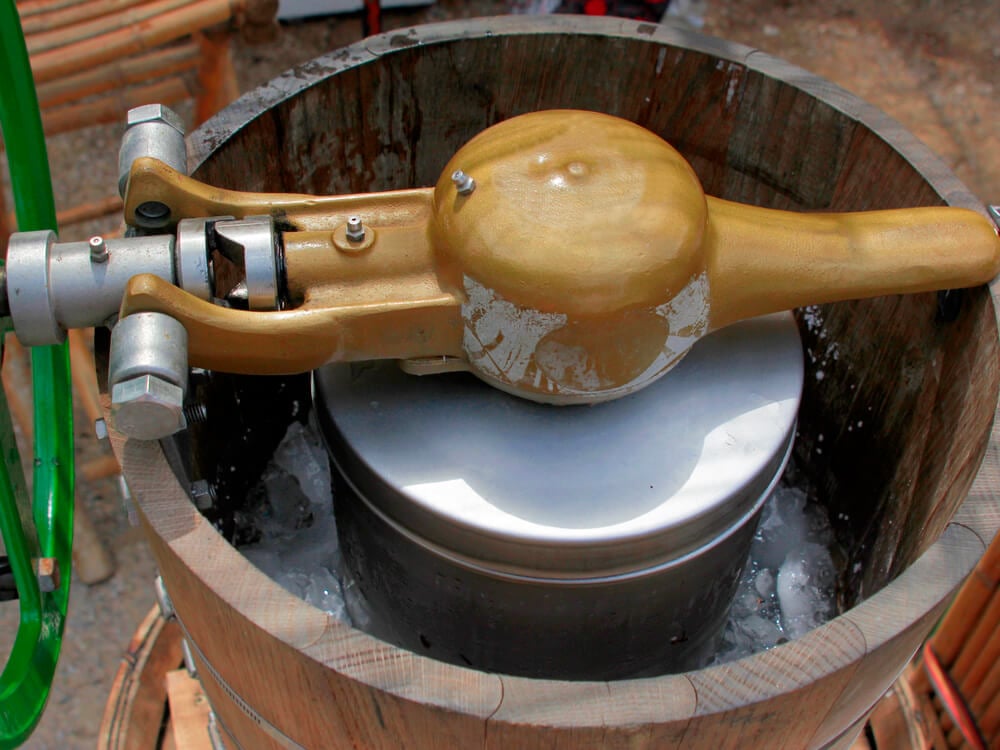
Families once made ice cream on the Fourth of July with a wooden bucket freezer, packing ice and rock salt around a metal canister filled with a custard base. Kids took turns cranking the handle, which grew harder as the mixture froze, and the strongest adult usually finished the job.
The reward for the most dedicated cranker was the dasher, pulled from the canister and licked clean. Peach, vanilla, and strawberry were the classic flavors.
Electric machines and supermarket cartons have made the hand-cranked version rare. For those who took turns at the crank, the sound of ice shifting in the bucket still means July.
Rituals Worth Relearning

Traditions rarely end with a decision. They end when the person who led them grows tired, moves away, or passes on, and nobody else picks up the thread.
The tinsel stays in the box, the recipe stays in the drawer, and the custom slips quietly out of the calendar. Many of them can be revived with almost no effort.
A family can thread popcorn, crank an ice cream freezer, or leave a May basket on a neighbor’s door this year. Those small acts carry more history than most people realize.
More from Go2Tutors!

- The Romanov Crown Jewels and Their Tragic Fate
- 13 Historical Mysteries That Science Still Can’t Solve
- Famous Hoaxes That Fooled the World for Years
- 15 Child Stars with Tragic Adult Lives
- 16 Famous Jewelry Pieces in History
Like Go2Tutors’s content? Follow us on MSN.