27 Old Cameras and Lenses Sitting in Closets
Most people who inherit a box of old cameras assume it is worth almost nothing. Sometimes that is true.
But a surprising number of mass-produced family cameras from the twentieth century, along with the lenses that came bundled with them, have developed real collector demand, and pricing depends heavily on whether the shutter still fires, the glass is free of fungus, and the light seals have not crumbled to dust.
Before selling or donating anything, it is worth checking the model name stamped on the body against what is actually in demand right now.
Leica M3
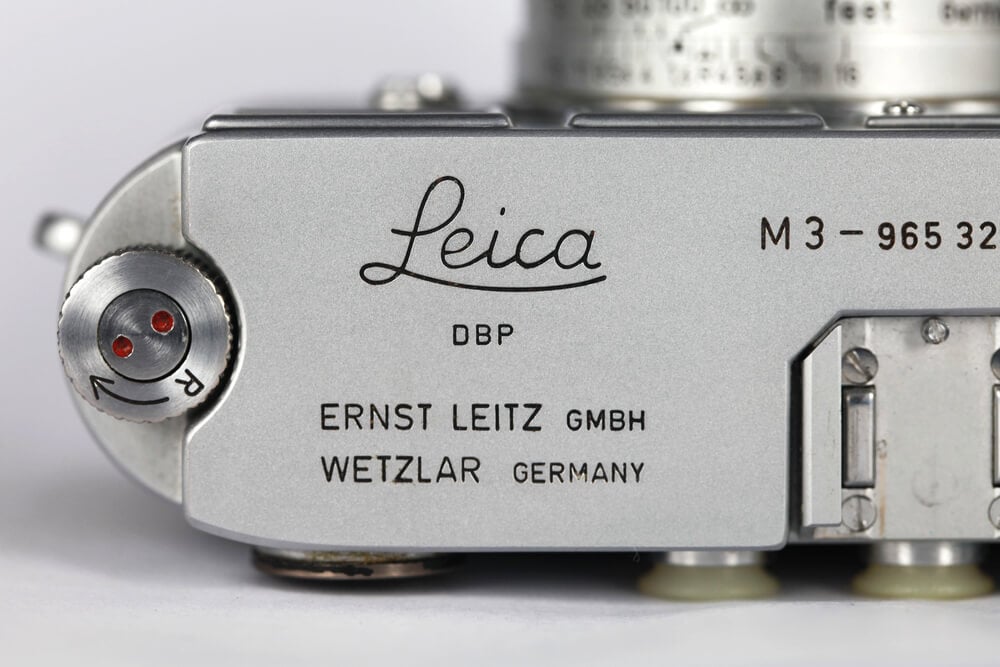
Introduced in 1954, the Leica M3 is widely considered one of the finest rangefinder cameras ever built, with a bright viewfinder and bayonet lens mount that set the standard the company still uses today. Well-maintained examples remain fully usable film cameras more than seventy years after production, a durability rarely matched by later electronic models.
Value depends heavily on whether the rangefinder patch is still accurately aligned and whether the shutter curtain has any pinholes. A body paired with an original Leica lens in good condition is worth considerably more than either piece sold separately.
Kodak Brownie
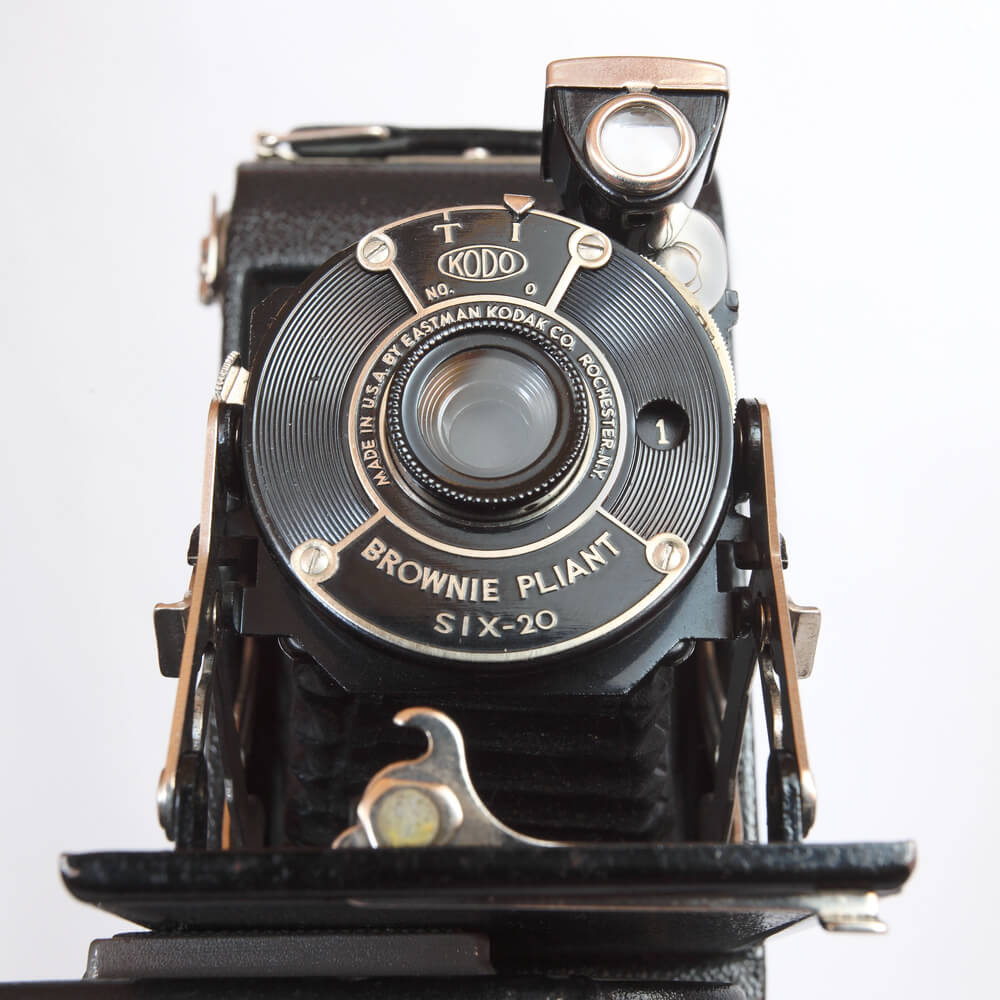
First introduced in 1900 and produced in various forms for decades afterward, the Kodak Brownie was designed to be simple enough for a child to operate, and its low original price made it the camera that first brought photography to mass ownership. Most individual Brownie models are common enough that they carry only modest collector value today.
Certain early or unusual variants, however, particularly those with intact original boxes and instructions, can be worth considerably more than a bare camera body found loose in a drawer.
Polaroid SX-70
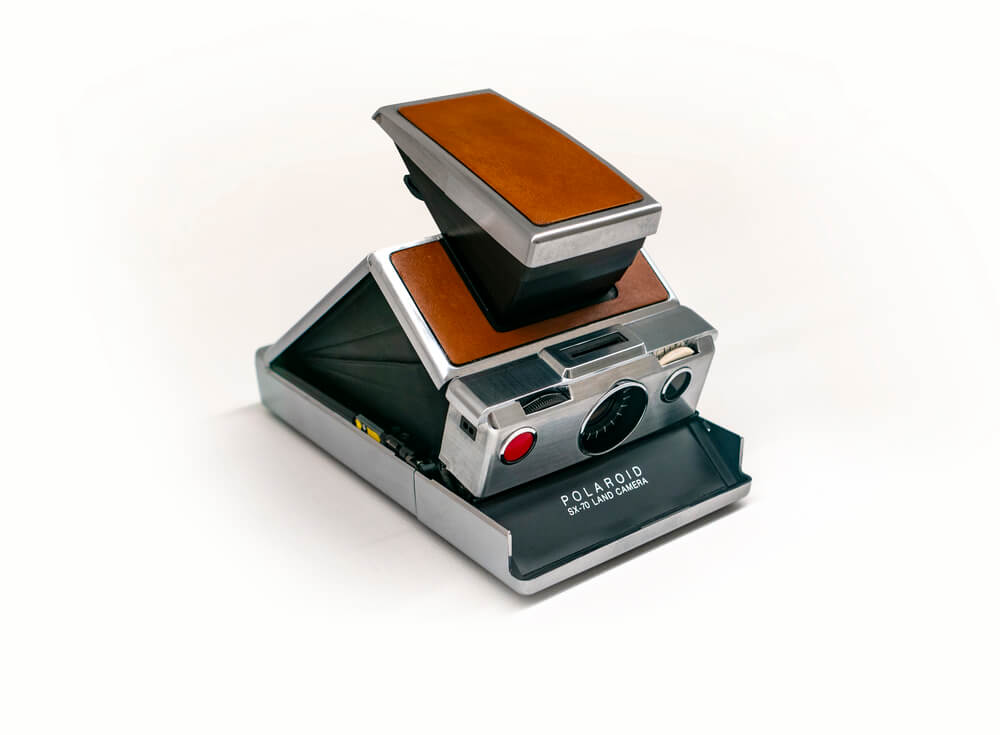
Released in 1972, the Polaroid SX-70 was the first instant camera to fold flat and eject a self-developing print without the user having to peel away a negative backing, a genuine engineering achievement at the time. Its distinctive brushed-metal and leather-wrapped body has made it a favorite among collectors focused on industrial design as much as photography.
Working examples require the correct type of instant film, no longer manufactured by Polaroid’s original formula, which affects both usability and demand. A clean, fully functional SX-70 remains one of the more consistently sought-after cameras from the 1970s.
Canon AE-1
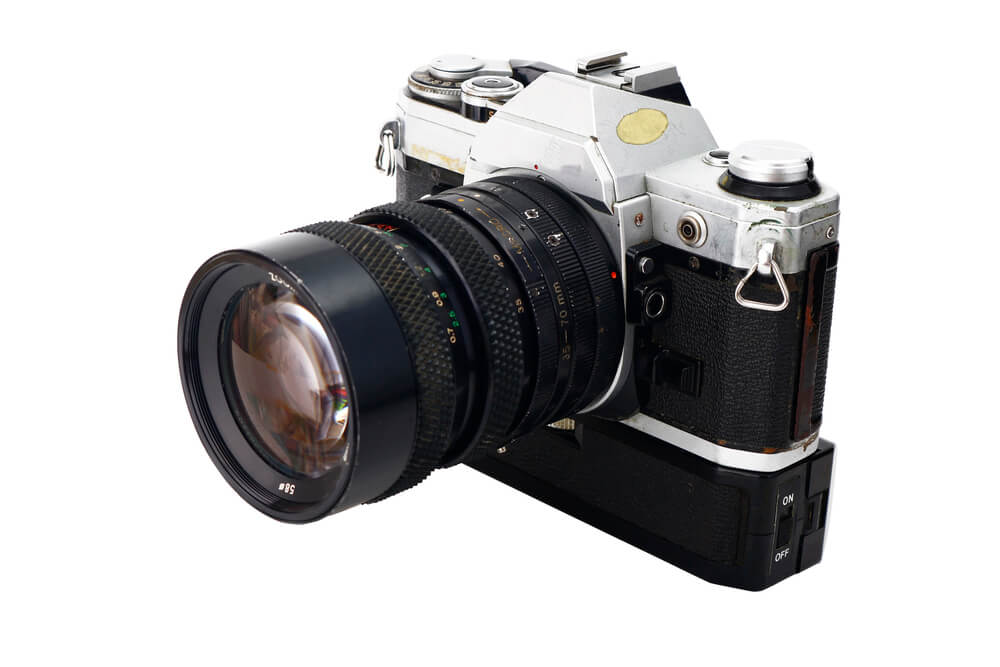
Introduced in 1976, the Canon AE-1 was the first camera to include a built-in microprocessor, a technical milestone that helped make it one of the best-selling SLR cameras in history. Its widespread production means individual units are common, keeping prices for a single body relatively modest even in excellent condition.
Its real value to today’s film photography community lies in its reliability and simple operation, which has kept demand steady among people learning film photography rather than pure collectors. Foam light seals inside the film compartment commonly deteriorate with age and typically need replacement before use.
Nikon F
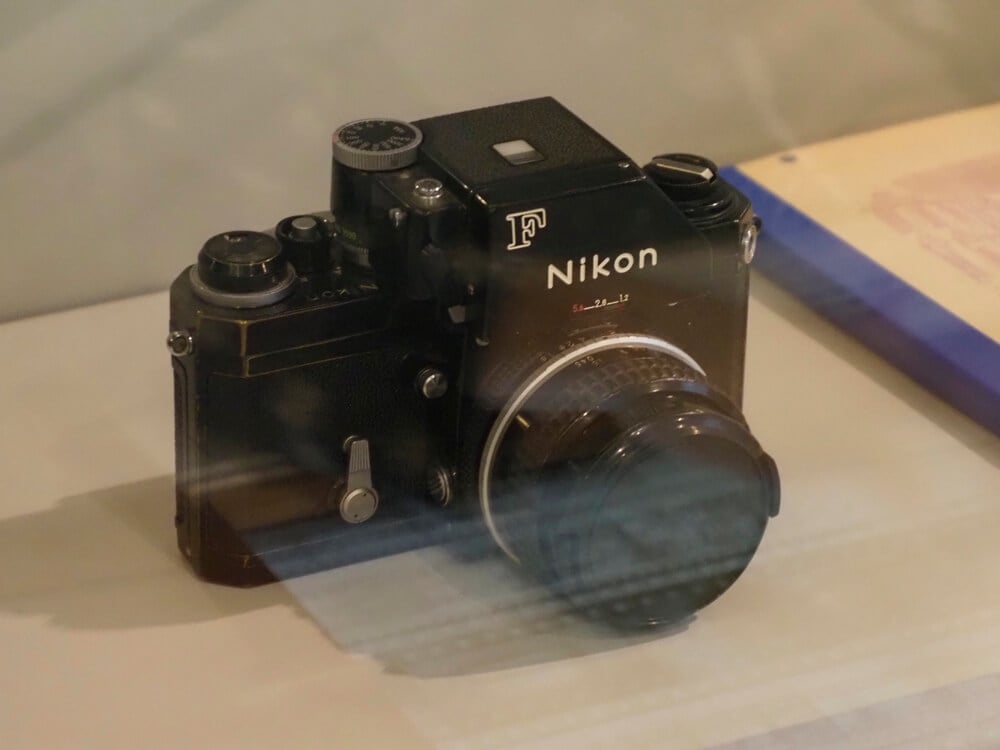
Released in 1959, the Nikon F established Nikon as a serious contender in professional photography and became the camera of choice for photojournalists covering major conflicts and events for decades afterward. Its fully mechanical construction means many surviving examples still function without any battery at all.
Collectors specifically seek out early production examples with matching serial number ranges on both body and lens. A well-preserved Nikon F paired with an original Nikkor lens from the same era commands meaningfully more than a mismatched or later-model pairing.
Rolleiflex TLR
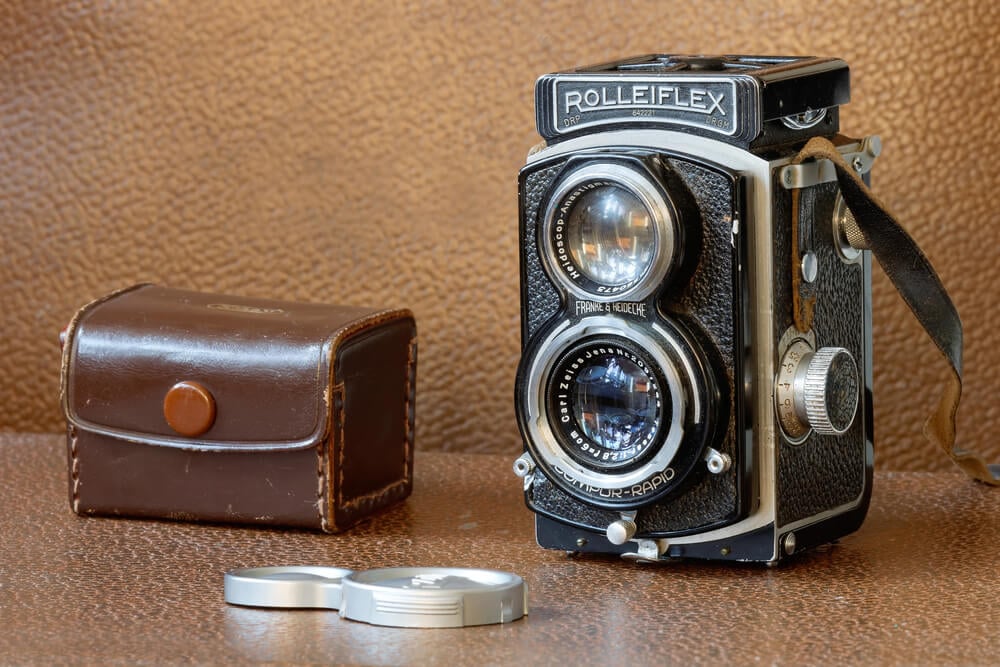
The twin-lens reflex design associated with Rolleiflex, produced across many versions from the 1930s onward, uses two matched lenses stacked vertically, one for viewing and one for exposing film, a configuration that became instantly recognizable in professional and fashion photography for decades. Its square medium-format negatives produce noticeably higher image detail than typical 35mm film cameras of the same era.
Collectors pay close attention to whether both lenses are free of internal haze or fungus, a common issue in cameras stored in humid environments. A clean, working Rolleiflex remains one of the more consistently valuable medium-format cameras on the secondary market.
Argus C3
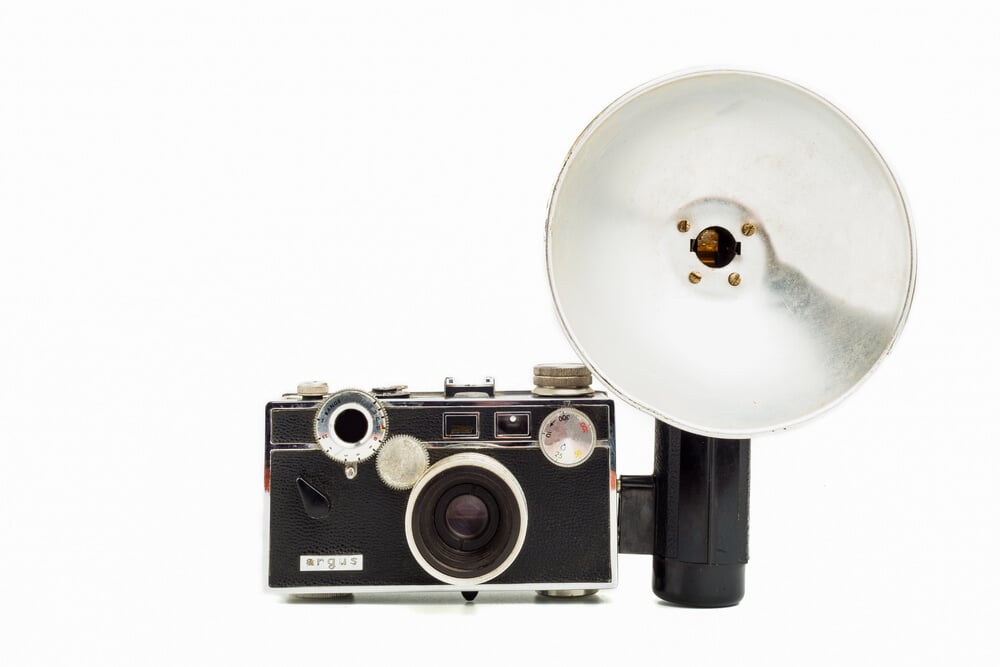
Nicknamed “the brick” for its boxy, angular shape, the Argus C3 was produced from 1939 into the 1960s and became one of the best-selling 35mm cameras in American history due to its low price and rugged, simple construction. Because it was made in such enormous quantities, individual units carry relatively low collector value today despite their historical significance.
Its real appeal lies with beginner film photographers looking for an inexpensive, mechanically reliable entry point rather than serious collectors chasing rarity.
Hasselblad 500C
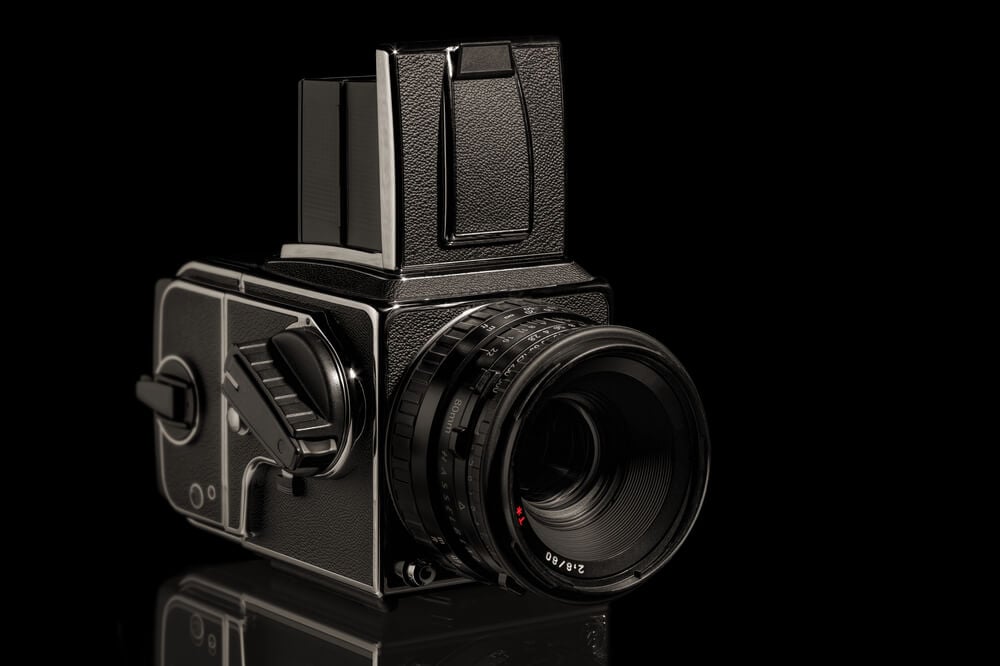
Introduced in 1957, the Hasselblad 500C became the professional standard for medium-format photography and later gained a permanent place in space history as the model of camera NASA modified for use on Apollo lunar missions. Its modular design, allowing lenses, film backs, and viewfinders to be swapped independently, was unusual for its era and remains a specific point of interest for collectors.
A complete system with matching lenses and multiple film backs is worth considerably more than a body alone. Condition of the leaf shutter mechanism inside each lens is a critical factor in valuing individual pieces.
Minolta X-700
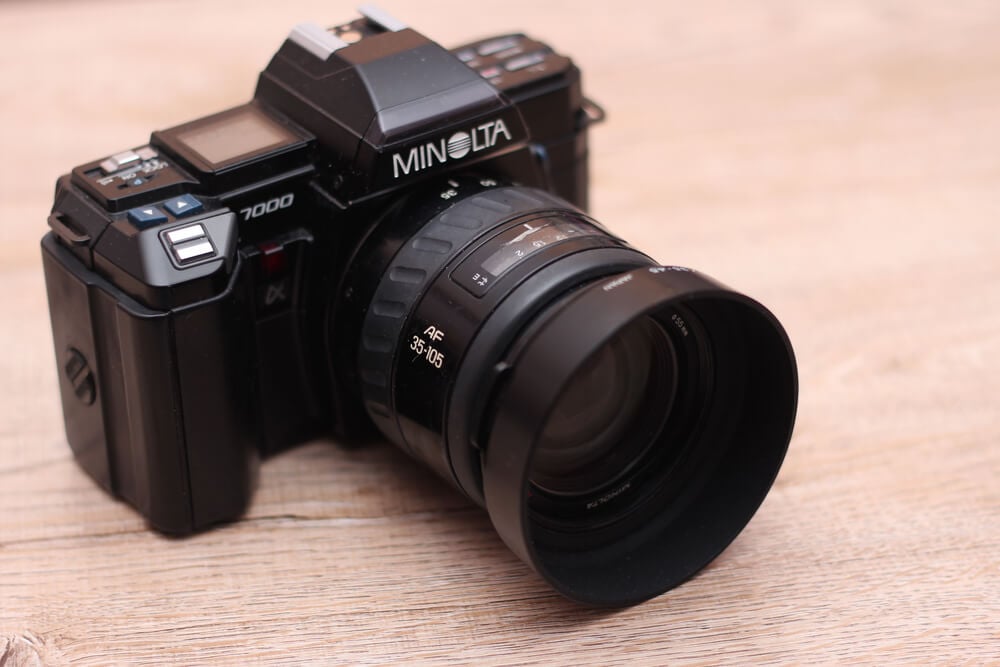
Released in 1981, the Minolta X-700 was one of the most advanced consumer SLR cameras of its era, offering full program automatic exposure alongside manual control. It remains popular among film photography newcomers today due to its relatively affordable secondary-market pricing and genuine ease of use compared to fully manual predecessors.
Its electronic shutter, unlike the fully mechanical shutters of earlier cameras on this list, depends on functioning internal electronics, making a working meter and shutter a key condition check before purchase.
Pentax K1000
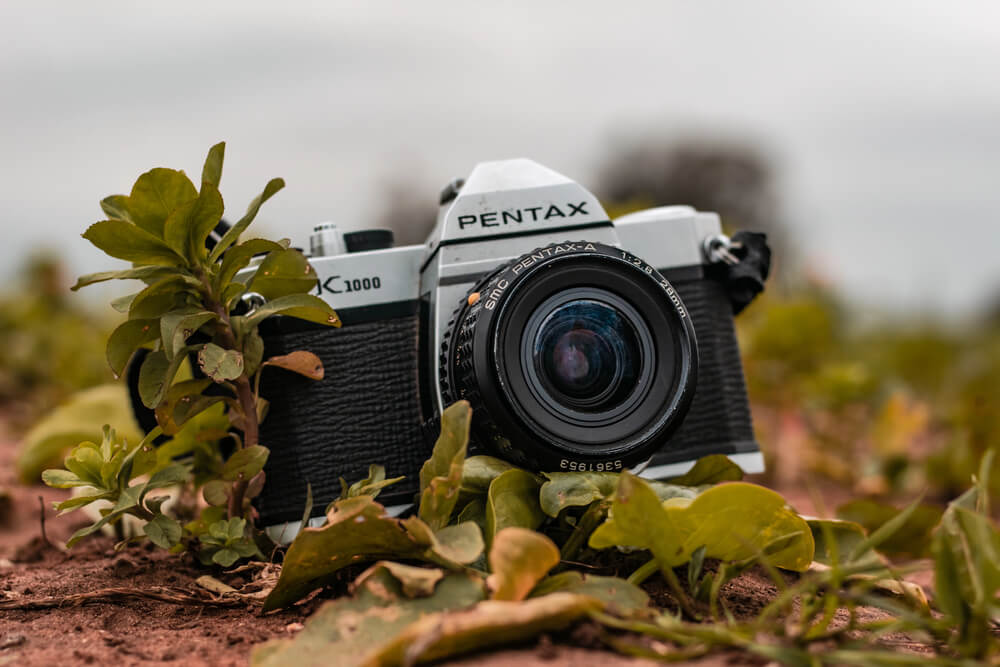
Introduced in 1976 and produced with minimal changes for over two decades, the Pentax K1000 became a standard teaching camera in photography classes worldwide due to its fully manual, mechanically simple operation with no automatic features to rely on. Its long, largely unchanged production run means examples from very different decades can look nearly identical.
Because it was built in such high volume, individual bodies carry modest collector value, though clean examples remain in steady demand among students and film photography beginners.
Olympus OM-1
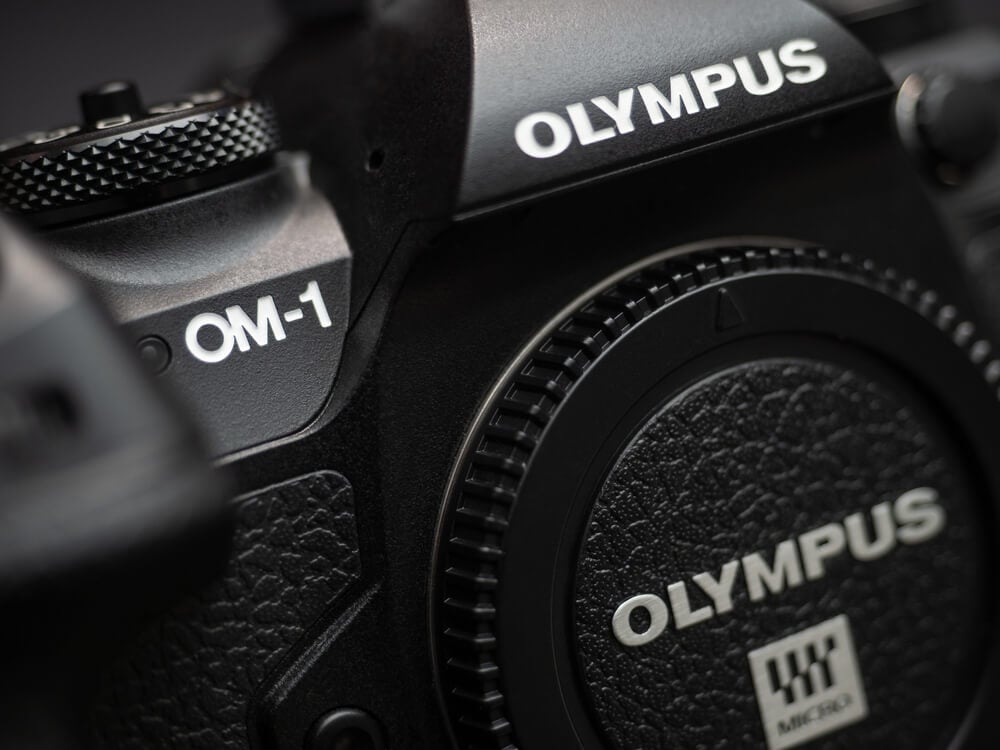
Released in 1972, the Olympus OM-1 was notably smaller and lighter than competing SLR cameras of its era, a design choice that influenced camera engineering across the industry toward more compact bodies. Its mechanical shutter requires no battery to fire, though its built-in light meter does depend on a battery type no longer manufactured, requiring an adapter or replacement cell to use accurately today.
Collectors value clean examples both for their compact design and their continued usability as working film cameras.
Yashica Mat-124
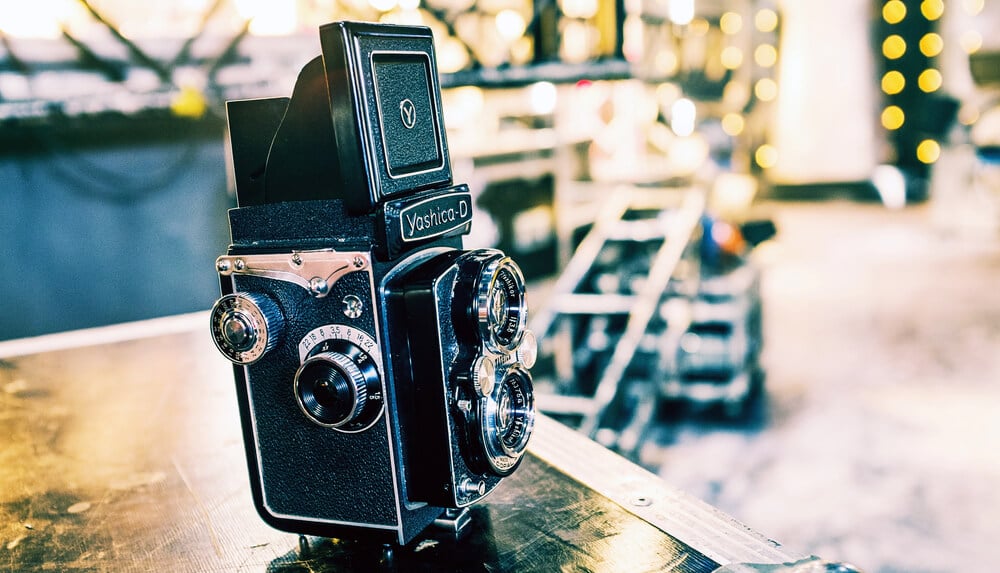
A twin-lens reflex camera produced from the late 1960s, the Yashica Mat-124 offered many of the same square medium-format advantages as pricier Rolleiflex models at a considerably lower original price point. It remains a popular entry point for photographers wanting to try medium-format film photography without the cost of a Hasselblad or Rolleiflex.
As with other twin-lens designs, lens fungus and haze are the primary condition concerns, and a clean example with an accurate light meter commands a meaningful premium over one needing repair.
Kodak Instamatic
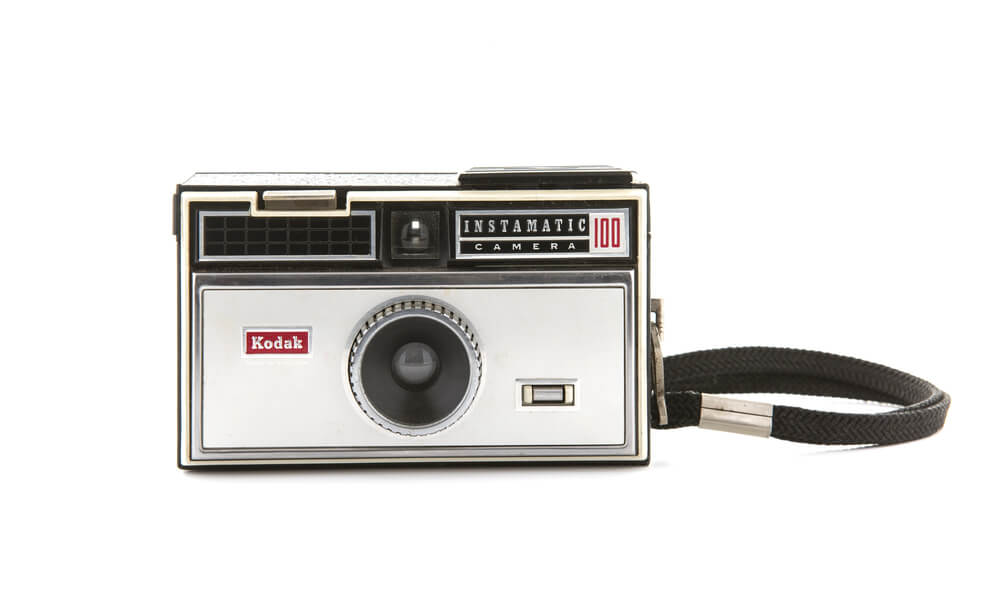
Introduced in 1963, the Kodak Instamatic used an easy-loading cartridge film format specifically designed to eliminate the fiddly film-threading process that intimidated casual users of earlier cameras. Its simplicity helped it become one of the best-selling camera lines of the 1960s.
Individual units carry limited collector value given their enormous production numbers, though certain higher-end Instamatic models with additional features are somewhat more sought after than the most basic versions.
Contax II
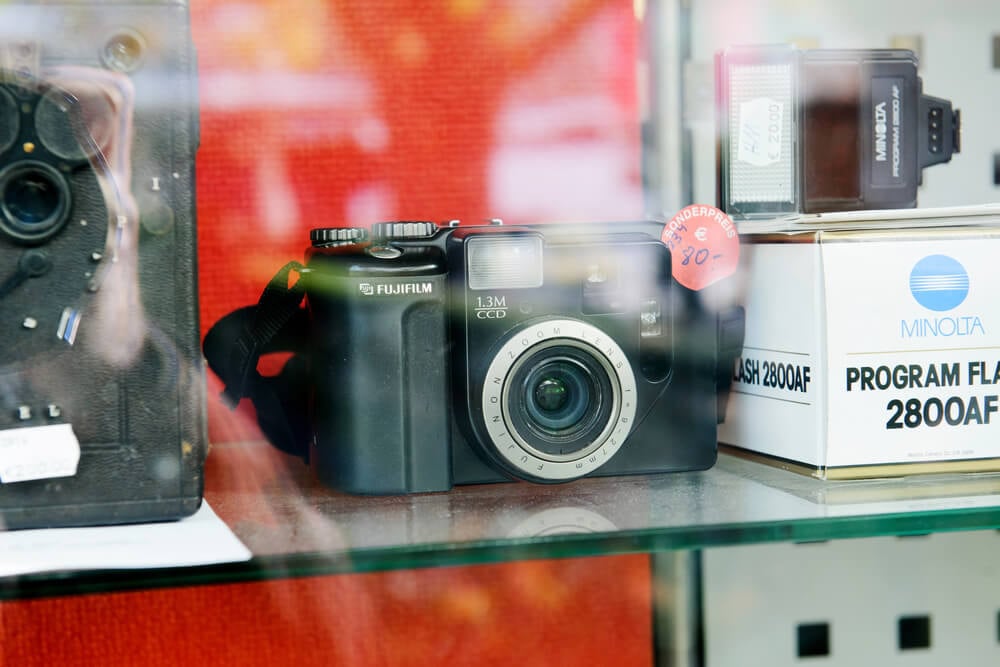
Released in 1936, the Contax II was Zeiss Ikon’s flagship rangefinder camera and a direct rival to Leica’s contemporary offerings, featuring an unusually fast maximum shutter speed for its era. Its prewar production and relatively limited survival rate make clean, fully functional examples genuinely scarce today.
Collectors specifically focused on prewar German camera engineering treat well-preserved examples as significant pieces, particularly when paired with an original Zeiss lens from the same period.
Zeiss Ikon Contessa
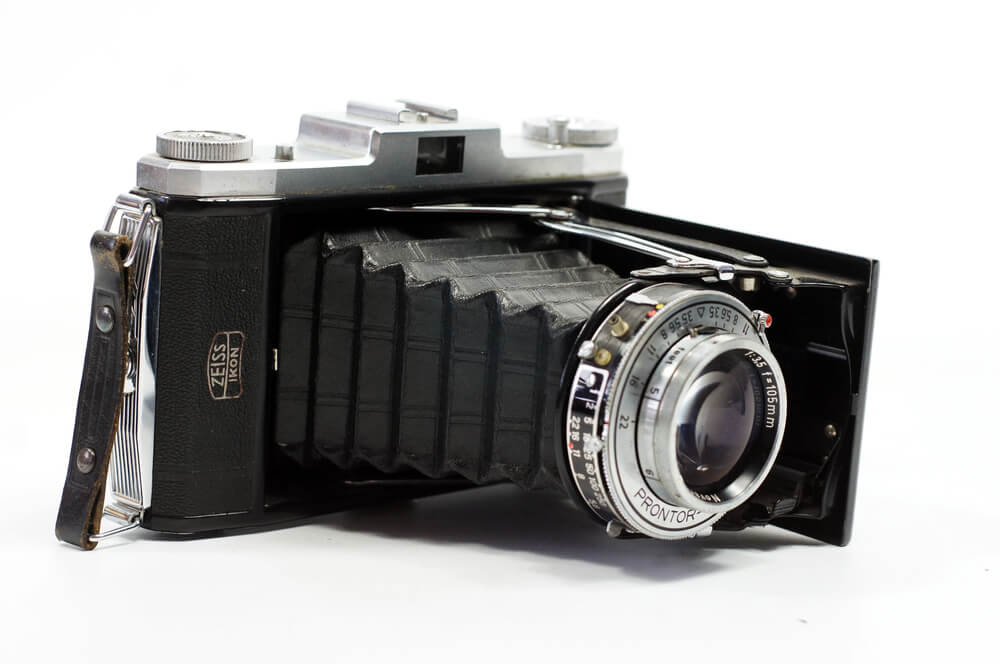
A compact folding camera produced from the 1950s, the Zeiss Ikon Contessa packed high-quality Zeiss optics into a body small enough to fold flat for pocket carry, an unusual combination for its time. Its folding bellows mechanism is a specific point of concern for collectors, since pinholes or cracks in the bellows material render the camera unusable for actual photography.
A clean example with an intact bellows and functioning shutter remains desirable among collectors interested in compact folding camera design.
Voigtländer Bessa
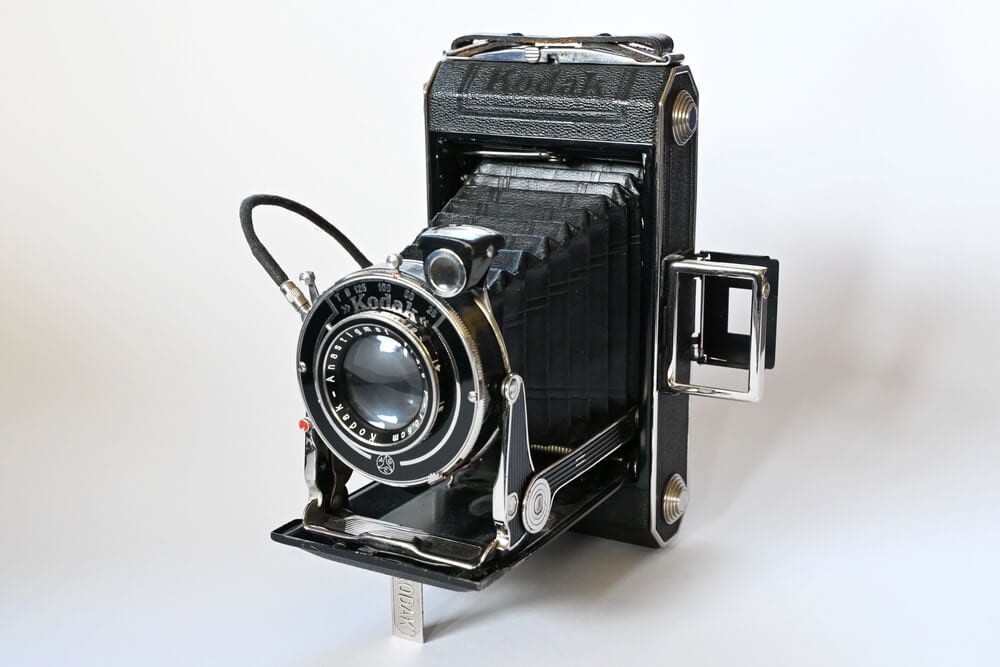
The Bessa line, produced by Voigtländer across several decades starting in the 1930s, included both folding medium-format cameras and later, more modern rangefinder designs. Older folding Bessa models are valued primarily for their compact medium-format capability, while later rangefinder versions attract collectors specifically interested in Leica-compatible lens mounts at a lower price point than genuine Leica bodies.
Bellows condition on folding models remains the primary factor separating a usable camera from a display piece only.
Graflex Speed Graphic
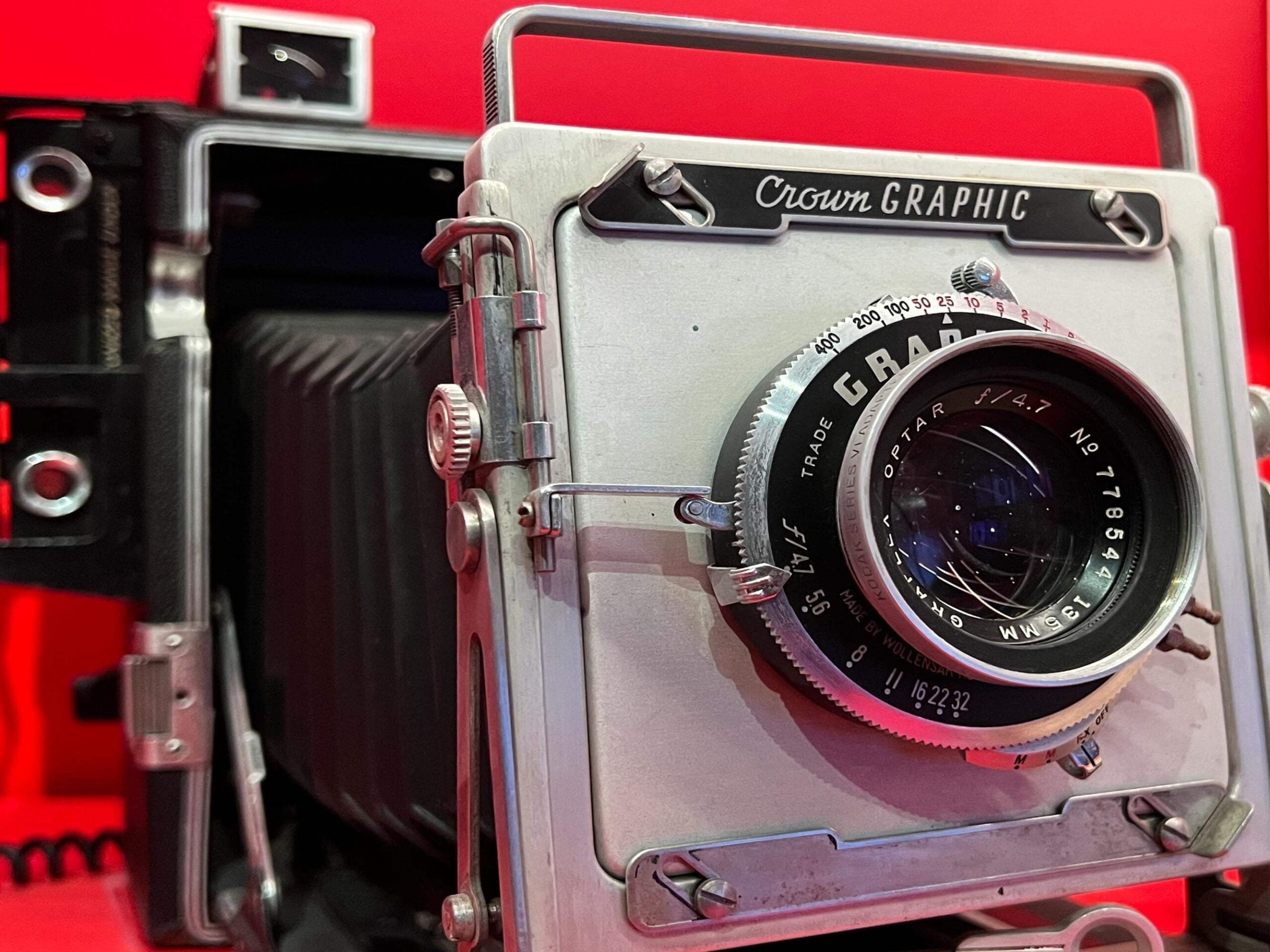
Produced from the early twentieth century through the 1970s, the Graflex Speed Graphic became the standard camera for American press photographers for decades, instantly recognizable from countless historical news photographs showing photographers holding its distinctive boxy body and pop-up flash. Its large-format film produces negatives far larger than any 35mm camera on this list.
Collectors specifically interested in photojournalism history seek out well-preserved examples, particularly those with an intact bellows and functioning rangefinder mechanism.
Mamiya RB67
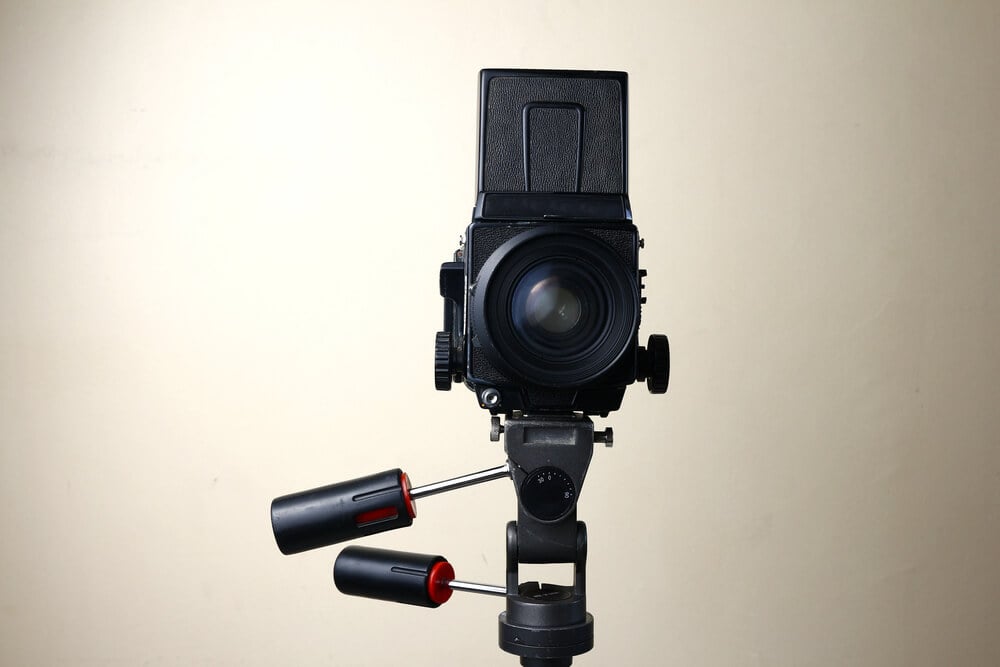
Introduced in 1970, the Mamiya RB67 was built specifically for studio and portrait photography, featuring a rotating film back that let photographers switch between horizontal and vertical composition without turning the entire camera. Its considerable size and weight made it primarily a studio tool rather than a camera carried casually, which has kept surviving examples in generally better condition than cameras that saw everyday outdoor use.
A complete system with multiple lenses and film backs is valued considerably higher than a single body.
Nikon FM2
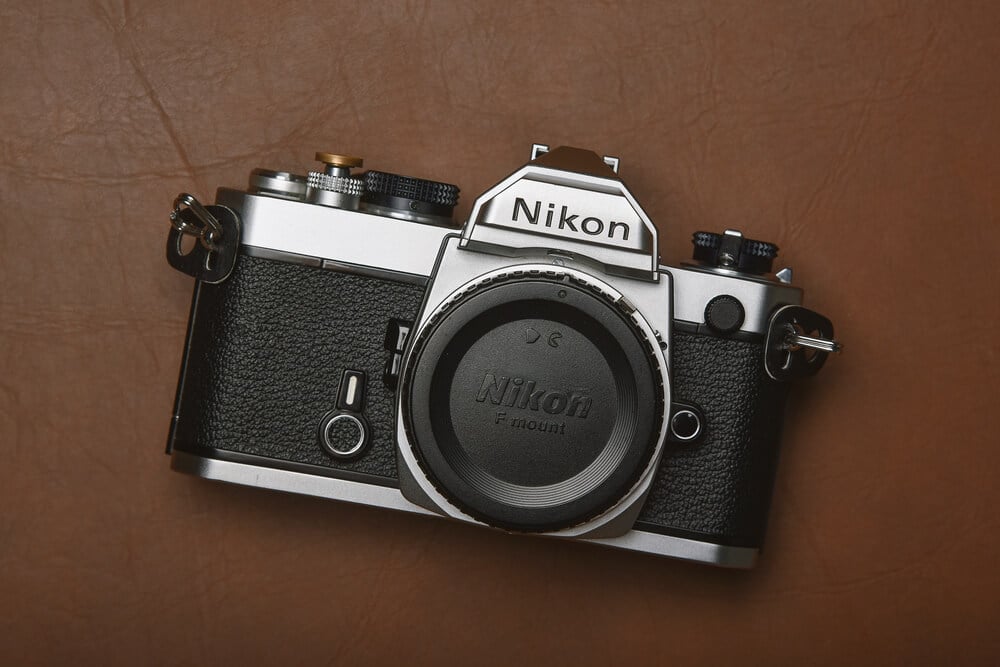
Released in 1982, the Nikon FM2 offered one of the fastest mechanical shutter speeds available in any camera of its era, a specification that made it popular among photographers who needed reliability without dependence on battery-powered electronics. Its fully mechanical operation means many surviving examples still function perfectly decades later with only routine servicing.
It remains one of the more actively used, rather than purely collected, film cameras from the 1980s among practicing photographers today.
Canon F-1
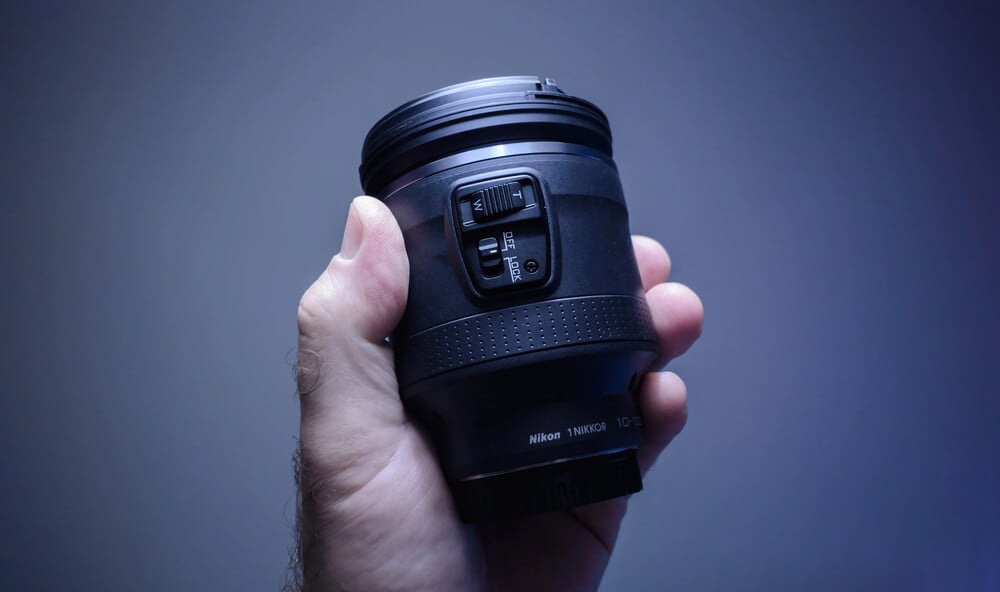
Introduced in 1971 as Canon’s professional-grade flagship, the Canon F-1 was built to compete directly with the Nikon F among working photojournalists, featuring a ruggedized body designed to withstand heavy daily use. Its later revised version, released in 1981, improved on the original while retaining the same rugged philosophy.
Collectors distinguish carefully between the original and revised versions, since parts and lens compatibility differ meaningfully between the two.
Minox Subminiature Camera
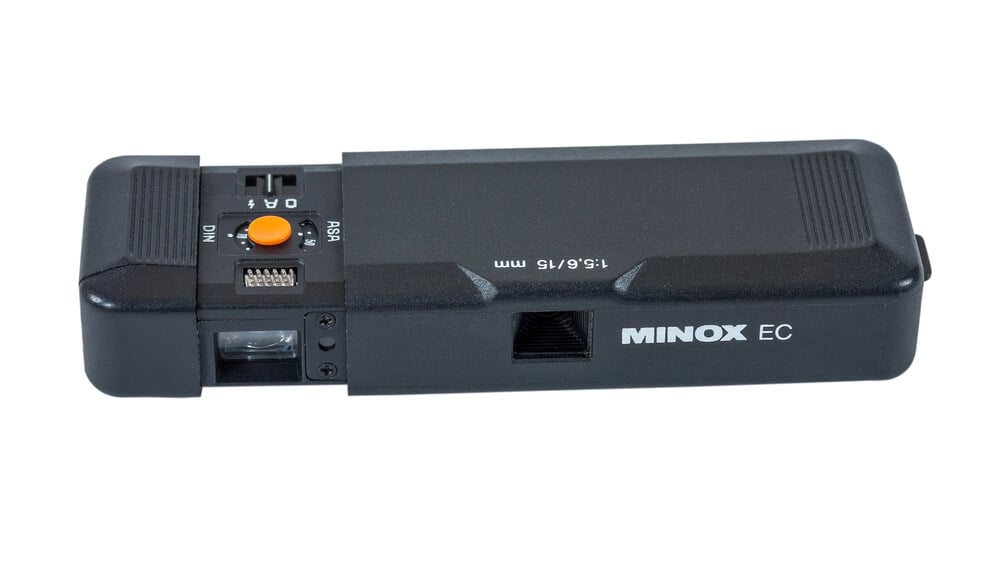
Developed in the 1930s and produced for decades afterward, the Minox line became famous, and somewhat notorious, for its extremely compact size, which made it popular for covert photography during the Cold War era. Its tiny film format limits enlargement quality compared to standard 35mm cameras, which keeps it more of a curiosity piece for collectors than a practical shooter today.
Complete examples with their original metal carrying chain and measuring tape accessory, used for accurate close-range focusing, are valued higher than a bare camera body.
Polaroid Land Camera (100 Series)
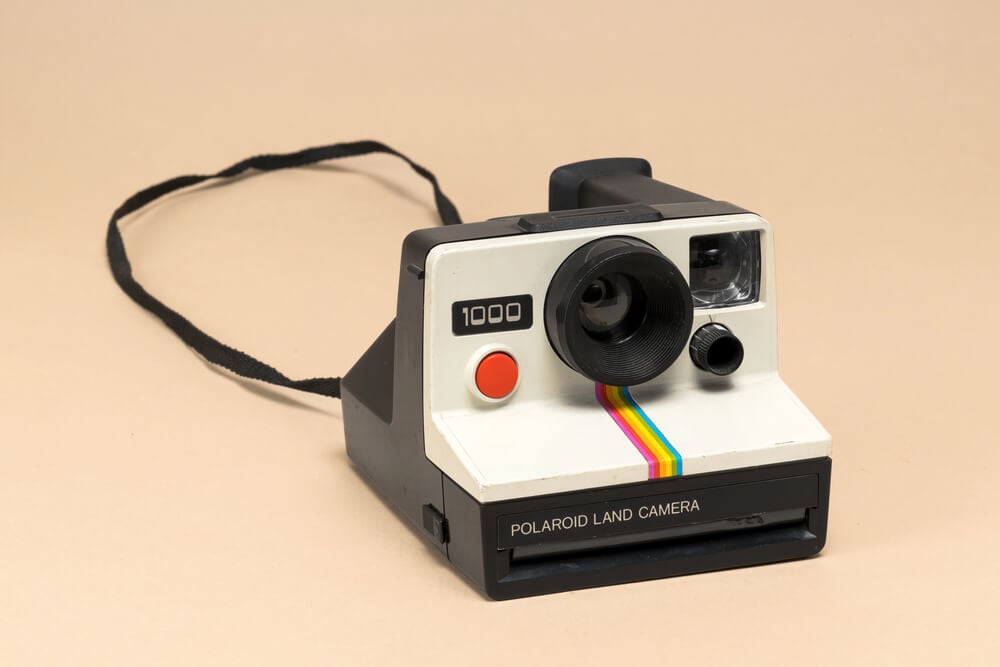
Produced through the 1960s, the Polaroid Land Camera 100 series used a peel-apart instant film process that required the user to manually pull a developed print away from its negative backing after a timed wait. Its folding bellows design and metal body have made well-preserved examples popular with collectors interested in the earlier, more mechanically involved era of instant photography.
Compatible peel-apart film is no longer in standard production, which affects usability but not necessarily display or collector value.
Brownie Hawkeye
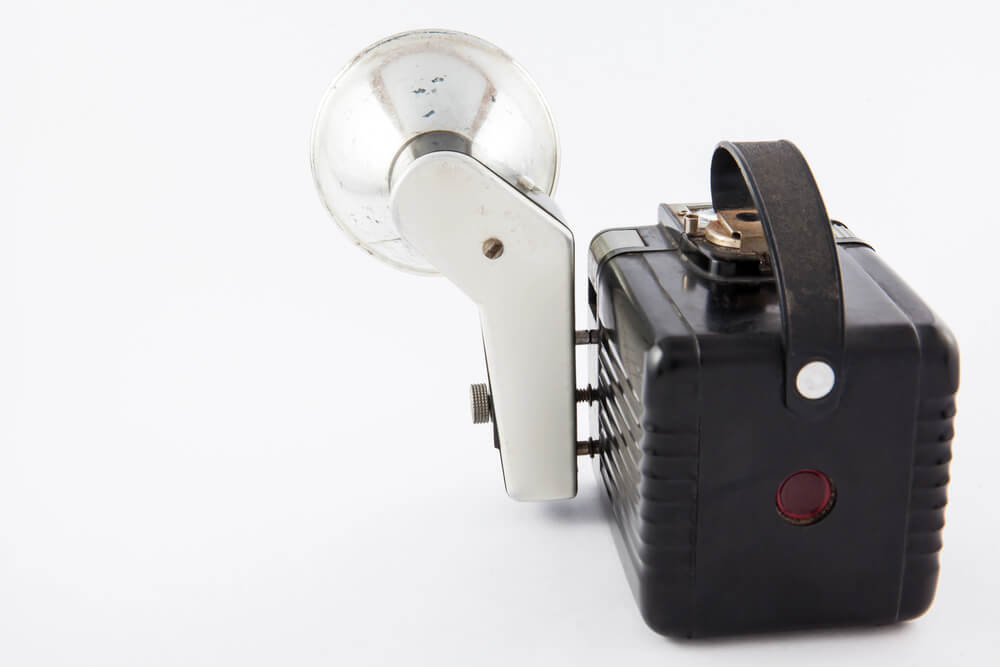
A later, more refined member of the Kodak Brownie family, the Brownie Hawkeye was produced through the 1950s with a distinctive bakelite body that has become a recognizable mid-century design object independent of its function as a camera. Its simple fixed-focus operation made it accessible to casual family photographers rather than enthusiasts.
Individual units remain common and inexpensive, though clean examples with their original box are worth meaningfully more to design-focused collectors than camera-focused ones.
Kodak Retina
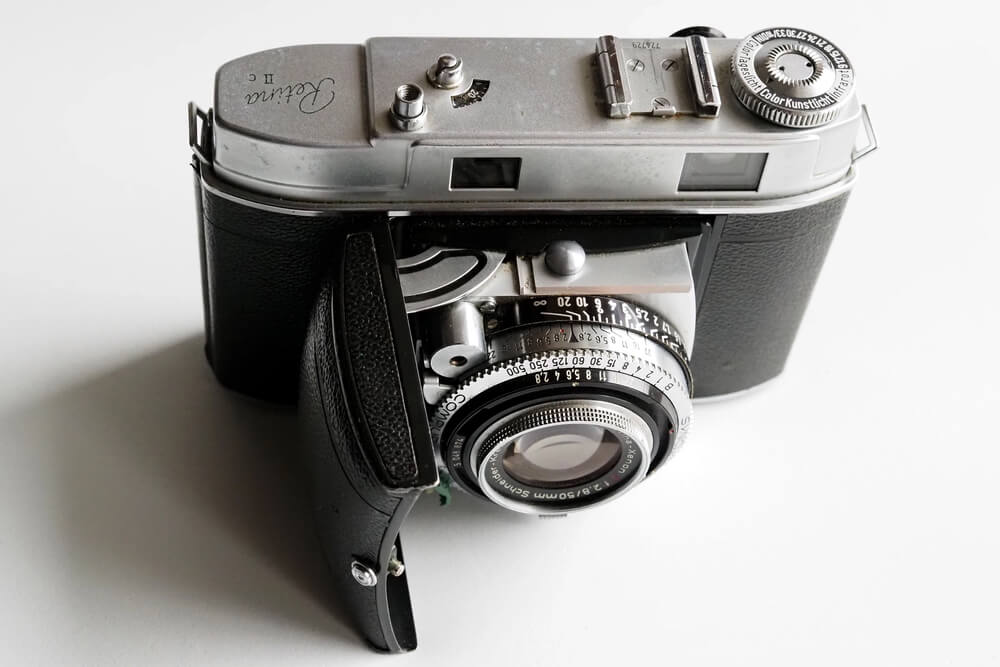
Produced by Kodak’s German subsidiary starting in the 1930s, the Retina line brought compact, high-quality folding 35mm cameras to a market that had previously required bulkier equipment for that film format. Later Retina models added light meters and more advanced lens options through the 1950s and 1960s.
Collectors distinguish carefully between the many Retina variants produced across three decades, since lens quality and specific features varied considerably between models.
Leica II
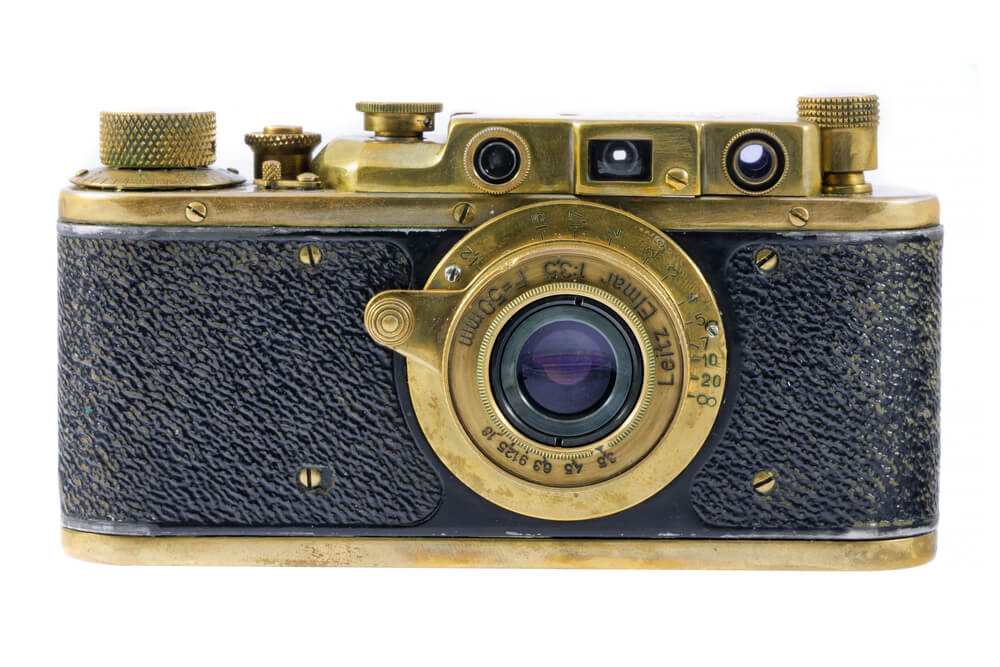
Produced beginning in 1932, the Leica II added a coupled rangefinder to the company’s earlier Leica I design, a refinement that significantly improved focusing accuracy and helped establish the rangefinder camera as a serious tool for professional photographers. Prewar Leica bodies in general command strong collector interest due to both their historical significance and relatively limited surviving population compared to later mass-produced models.
A functioning shutter and accurate rangefinder alignment are essential to both usability and resale value.
Rollei 35
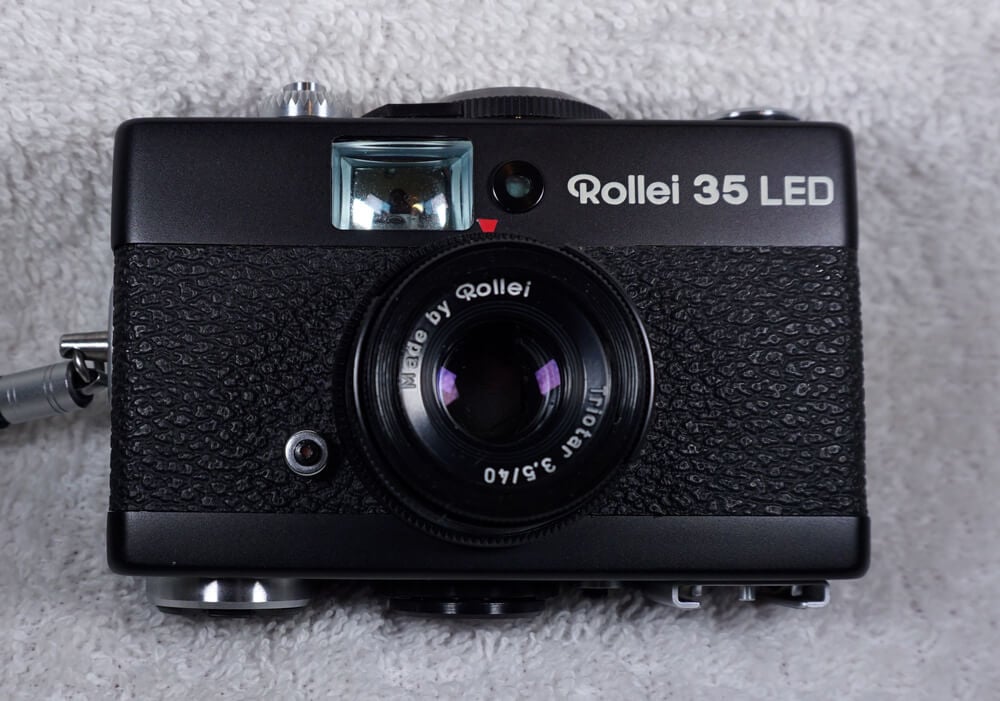
Introduced in 1966, the Rollei 35 was, at the time of its release, the smallest full-frame 35mm camera in the world, packing genuine optical quality into a body that could fit in a coat pocket. Its unusual collapsible lens design, which had to be extended manually before use, became one of its most recognizable features.
Collectors value clean examples specifically for that compact, precision-engineered design, and a working example with a smoothly extending lens mechanism commands a solid premium over one with a stiff or damaged mechanism.
Konica C35
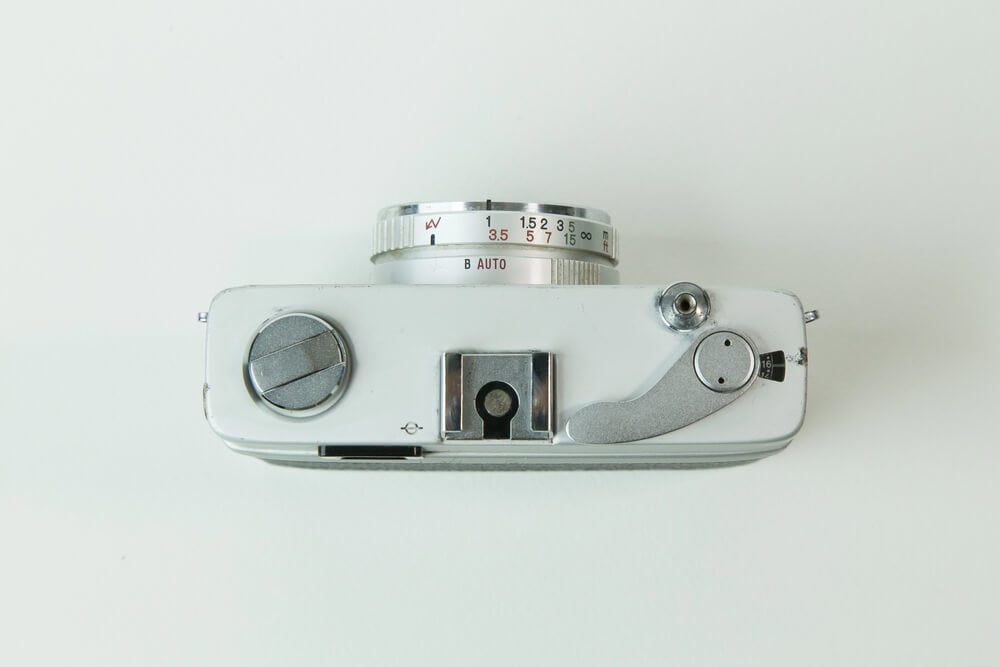
Released in 1968, the Konica C35 was among the first compact 35mm cameras to include a fully automatic exposure system, removing the need for the user to manually set aperture and shutter speed for correct exposure. Its combination of small size and genuine automation made it a popular choice for casual photographers who wanted better image quality than an Instamatic without the complexity of a full SLR.
Clean, functioning examples remain a popular and relatively affordable entry point for collectors interested in late-1960s compact camera design.
What a Closet Camera Is Really Worth
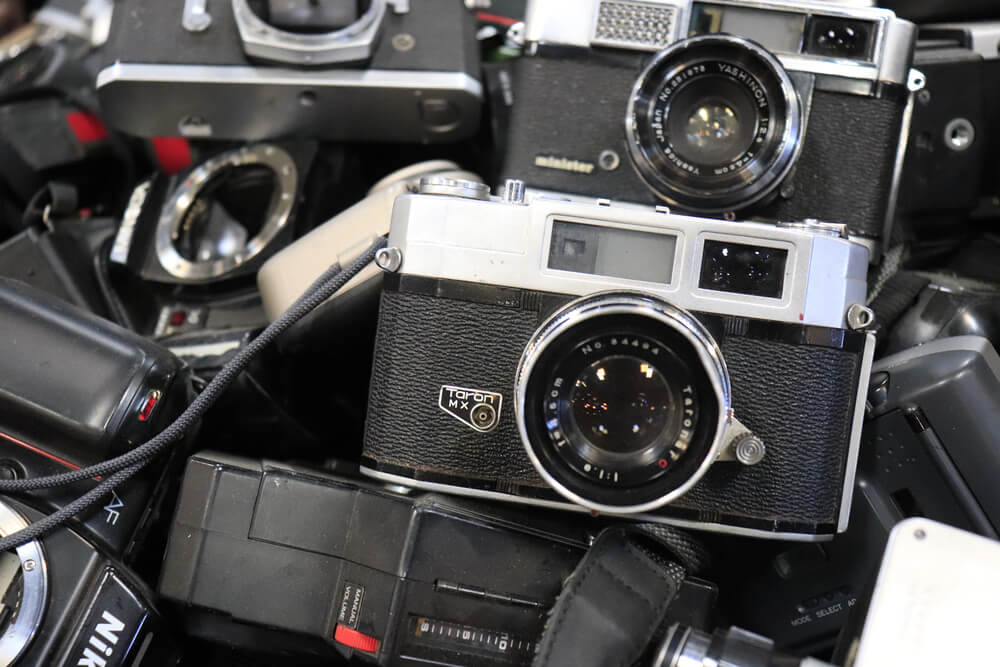
The honest answer, for most inherited camera collections, is not very much. Mass production kept prices low when these cameras were new, and the same volume keeps most individual units from being worth serious money today.
The exceptions are the ones built with genuine engineering ambition, the cameras that pushed a material, a mechanism, or a format further than anything else available at the time. Those are the closet finds actually worth researching before they get donated or thrown away.
More from Go2Tutors!

- The Romanov Crown Jewels and Their Tragic Fate
- 13 Historical Mysteries That Science Still Can’t Solve
- Famous Hoaxes That Fooled the World for Years
- 15 Child Stars with Tragic Adult Lives
- 16 Famous Jewelry Pieces in History
Like Go2Tutors’s content? Follow us on MSN.