27 Historical Figures Who Led Secret Double Lives
Most people keep a few things private. The figures on this list kept entire second identities, some for a few years and some for most of their adult lives.
Their cover stories ranged from cabaret stages and major league dugouts to hospital broom closets and royal art collections. A few were exposed in their lifetimes, while others stayed hidden until long after their deaths.
Josephine Baker

Josephine Baker was one of the most famous American entertainers in Paris when World War II broke out, and she used that fame as cover. Recruited by French military intelligence, she attended embassy parties to collect gossip and carried secret notes written in invisible ink on her sheet music as she toured. Her celebrity meant border guards asked for autographs rather than searching her luggage. After the war she received the Croix de Guerre and was made a member of the Legion of Honor. In 2021, she became the first Black woman honored with a place in the Pantheon in Paris.
Moe Berg

Moe Berg spent 15 seasons as a major league catcher, including several with the Boston Red Sox, while holding a degree from Princeton and speaking several languages. Teammates joked that he could speak a dozen languages but could not hit in any of them. During a 1934 tour of Japan with American players, he filmed the Tokyo skyline from a hospital rooftop, footage later reportedly passed to military planners. In World War II he joined the Office of Strategic Services, and in 1944 he sat in on a Zurich lecture by physicist Werner Heisenberg to judge how close Germany was to a bomb. He later declined the Medal of Freedom.
Roald Dahl
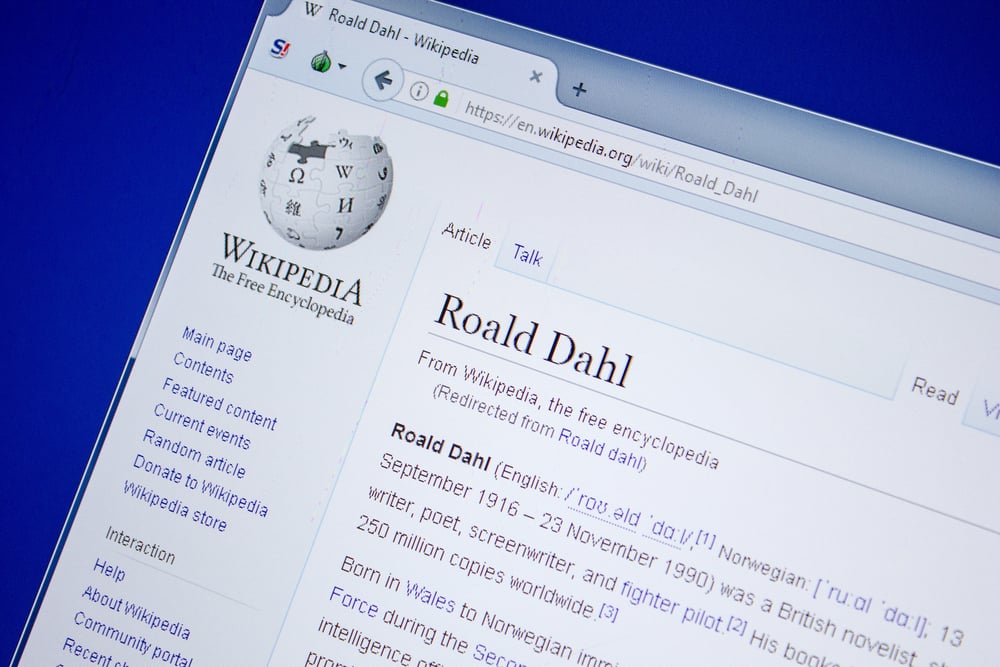
Before he wrote Charlie and the Chocolate Factory, Roald Dahl was a wounded Royal Air Force pilot posted to the British Embassy in Washington in 1942 as an assistant air attache. He also worked for British Security Coordination, the intelligence network run by William Stephenson, passing along information gathered in Washington’s social circles. His charm and height made him a fixture at dinner parties with politicians and their families. That same period produced his first book, The Gremlins, written for Walt Disney. The spy work and the children’s writing overlapped more than most readers realize.
Mata Hari
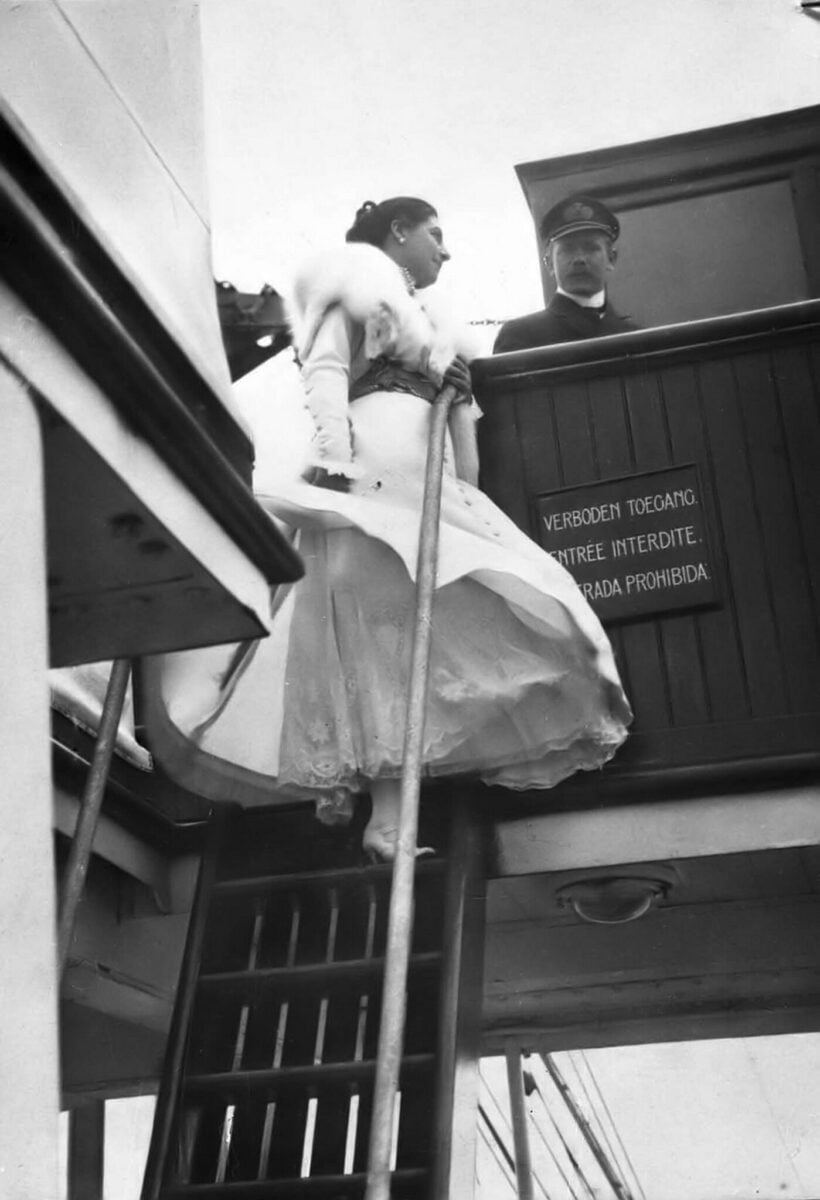
Margaretha Zelle reinvented herself in Paris as Mata Hari, a dancer who claimed to perform sacred temple dances from Java. Her performances made her a celebrity, and her relationships with military officers from several countries made her valuable to intelligence services during World War I. German records later showed she had accepted money as an agent code-named H-21, though historians still debate how much useful information she ever passed along. French authorities arrested her in 1917, and she was executed by firing squad at Vincennes that October. Her name became shorthand for the glamorous female spy.
Elizabeth Van Lew
Elizabeth Van Lew lived in a mansion on Church Hill in Richmond, the Confederate capital, and played the part of a slightly eccentric society woman. Behind that act, she ran one of the most effective Union spy networks of the Civil War, relying on loyal servants and couriers to carry messages north. She brought food and books to Union prisoners at Libby Prison and helped some of them escape. Ulysses S. Grant valued her reports so highly that he made her postmaster of Richmond after he became president. Her neighbors shunned her for the rest of her life.
Robert Hanssen
For more than two decades, FBI counterintelligence agent Robert Hanssen sold secrets to the Soviet Union and later Russia while working inside the very bureau assigned to catch spies. He left packages at dead drops in Virginia parks, collected cash and diamonds, and never told his handlers his real name. Colleagues knew him as a devout Catholic and a father of six with a dark suit and a stern manner. Agents arrested him in February 2001 as he left a package under a footbridge in Foxstone Park. He was sentenced to life in prison and died there in 2023.
Charles Lindbergh

Charles Lindbergh, who made the first solo nonstop flight across the Atlantic in 1927, remained a public figure for decades as an aviation pioneer and outspoken political voice. In private, he kept three secret families in Germany beginning in the late 1950s. He fathered children with Munich hat maker Brigitte Hesshaimer, her sister Marietta and his private secretary Valeska, visiting them several times a year. The children knew him only by an assumed name, Careu Kent. DNA tests confirmed the relationships in 2003, nearly 30 years after his death.
Hedy Lamarr
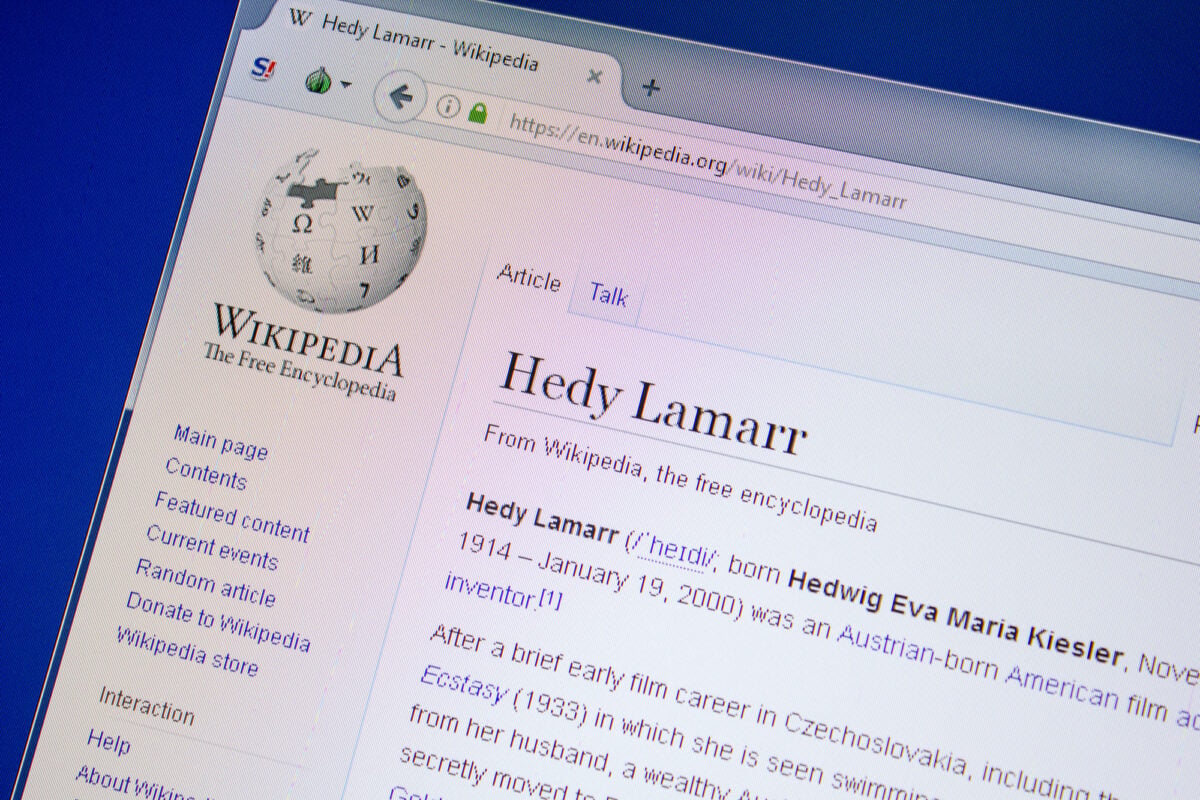
Hollywood billed Hedy Lamarr as one of the most beautiful women in the world and cast her in glamorous roles through the 1940s. Off screen, she spent her evenings inventing. With composer George Antheil, she developed a frequency-hopping system meant to keep Allied torpedoes from being jammed, using a mechanism inspired by player piano rolls. They received a patent in August 1942, though the Navy did not use the idea during the war. Frequency hopping later became a building block for technologies including Bluetooth and Wi-Fi, and she was inducted into the National Inventors Hall of Fame in 2014.
Warren G. Harding

Warren G. Harding presented himself as a small-town newspaper publisher and steady family man. In reality, he carried on a long affair with Carrie Phillips, the wife of a friend, and a separate relationship with Nan Britton, who was more than 30 years younger. Britton gave birth to a daughter in 1919 and published a book in 1927 claiming Harding was the father. The Harding family dismissed her account for decades. In 2015, DNA testing through Ancestry confirmed that Britton had been telling the truth all along.
Strom Thurmond

Strom Thurmond ran for president in 1948 as a segregationist and served in the Senate until he was 100 years old. Throughout that career, he quietly supported a daughter he had fathered at 22 with Carrie Butler, a 16-year-old Black maid employed by his family. Essie Mae Washington-Williams kept the secret for decades, receiving money from Thurmond and occasional visits in his Senate office. She went public in December 2003, six months after his death, and his family acknowledged her claim. Her name was later added to the list of his children on a monument at the South Carolina State House.
Vivian Maier
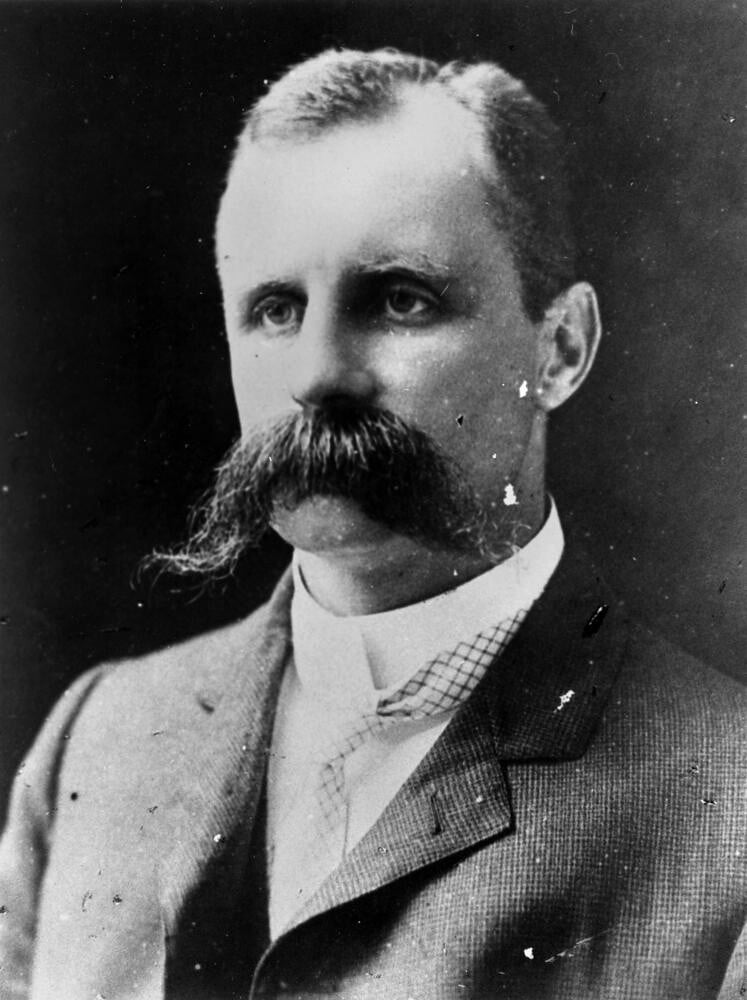
Photo by State Library of Queensland, via Flickr. Licensed under No known copyright restrictions
To the Chicago families who employed her, Vivian Maier was a private, eccentric nanny who wore men’s coats and floppy hats. In her free hours she was also a street photographer, shooting well over 100,000 negatives with a Rolleiflex camera hung around her neck. She showed almost none of the work to anyone and left many rolls undeveloped. In 2007, a young real estate agent named John Maloof bought a box of her negatives at an auction while researching a history book. Maier died in 2009, before her photographs made her internationally famous.
Henry Darger

Henry Darger worked for decades as a janitor and dishwasher at Chicago hospitals and lived alone in a rented room on the North Side. Neighbors saw a quiet, solitary man who attended Mass several times a day and collected trash from the streets. After he moved into a care home in 1972, his landlord, the photographer Nathan Lerner, found a manuscript of more than 15,000 pages called In the Realms of the Unreal, along with hundreds of watercolor illustrations. Darger died in 1973. His art now hangs in major museums, including the American Folk Art Museum in New York.
Romain Gary
Romain Gary was a decorated World War II aviator, a French diplomat and a celebrated novelist who won the Prix Goncourt in 1956. The prize is meant to go to an author only once. In 1975, a debut novelist named Emile Ajar won it for La Vie devant soi, and a young relative of Gary’s played the part of Ajar in public. The secret came out only after Gary’s death in 1980, when a written account he left behind explained the hoax. He remains the only person to win the Goncourt twice, once under each name.
Alice Sheldon
In 1967, science fiction readers met a reclusive new writer named James Tiptree Jr., whose sharp, unsettling stories went on to win Hugo and Nebula awards. Fans and editors assumed Tiptree was a man, possibly with a government background, and he corresponded warmly with other writers but never appeared in public. Tiptree was in fact Alice Sheldon, a World War II Army veteran who had worked as a photo intelligence analyst for the CIA in the 1950s and later earned a doctorate in psychology. Her identity leaked in 1976 and 1977. A genre award named for Tiptree was renamed the Otherwise Award in 2019.
Ferdinand Waldo Demara

Ferdinand Waldo Demara never finished high school, yet he successfully posed as a monk, a college dean, a prison deputy warden and a surgeon. His most daring role came in 1951, when he joined the Royal Canadian Navy using the borrowed credentials of a doctor named Joseph Cyr. Aboard the destroyer HMCS Cayuga during the Korean War, he performed real operations on wounded men, reportedly after reading surgical textbooks the night before. Publicity about his success led the real Dr. Cyr to come forward. Tony Curtis played him in the 1961 film The Great Impostor.
William Brodie

By day, William Brodie was a respected cabinetmaker, a deacon of his trade guild and a member of the Edinburgh town council. By night, he burgled the homes and shops of the people who trusted him, using wax impressions of keys he had copied while doing repair work. He was caught after a botched raid on the Excise Office in 1788 and hanged in Edinburgh that October. His story fascinated Robert Louis Stevenson, who co-wrote a play about him. Many readers see Brodie as an inspiration for Stevenson’s tale of Dr. Jekyll and Mr. Hyde.
Jonathan Wild

In early 18th-century London, Jonathan Wild promoted himself as the Thief-Taker General, a public servant who recovered stolen goods and brought criminals to justice. Behind the scenes, he ran a sprawling network of thieves, ordering robberies and then collecting rewards for returning the loot. He turned in rival criminals and disloyal members of his own gang to keep up his heroic reputation. The scheme collapsed in 1725, and Wild was hanged at Tyburn before a jeering crowd. His double game inspired a satirical novel by Henry Fielding and the character Peachum in The Beggar’s Opera.
Black Bart

Charles Boles lived in San Francisco as a well-dressed gentleman who claimed to work in mining and dined at respectable hotels. Between 1875 and 1883, he also robbed Wells Fargo stagecoaches across Northern California, wearing a flour sack over his head and carrying a shotgun he reportedly never loaded. At two robberies he left behind short poems signed Black Bart, the Po8. Detectives finally traced him through a laundry mark on a handkerchief dropped at a crime scene. He served about four years in San Quentin and then disappeared from the historical record.
Deborah Sampson

In 1782, Deborah Sampson disguised herself as a man named Robert Shurtleff and enlisted in the Continental Army. She served for more than a year in a light infantry company, fought in skirmishes in New York and reportedly treated one of her own wounds to avoid being examined by a doctor. Her secret came out when she fell ill with a fever in Philadelphia and a physician discovered the truth. She received an honorable discharge in 1783. Paul Revere later helped her secure a military pension, and Massachusetts named her its official state heroine in 1983.
Noor Inayat Khan

Noor Inayat Khan grew up in Paris writing children’s stories and published Twenty Jataka Tales, a collection of Buddhist folk tales, in 1939. A few years later, she was a secret agent. Recruited by Britain’s Special Operations Executive, she was flown into occupied France in June 1943 as a wireless operator under the code name Madeleine, and for months she transmitted messages while the Gestapo hunted her. She was betrayed, captured and executed at Dachau in September 1944. Britain awarded her the George Cross, and in 2020 she became the first woman of Indian descent honored with a blue plaque in London.
Juan Pujol Garcia
Juan Pujol Garcia offered his services to British intelligence and was turned away, so he talked German intelligence into hiring him instead and then fed them fiction. Once the British realized what he was doing, they took him on as a double agent code-named Garbo.
He invented a network of 27 imaginary subagents and sent their reports to Berlin. His most important lie, around D-Day, persuaded German commanders that the Normandy landings were a diversion. Remarkably, he received both the German Iron Cross and a British MBE for the same work.
Klaus Fuchs

Klaus Fuchs was a German-born physicist who fled the Nazis and joined the British delegation to the Manhattan Project at Los Alamos. Colleagues considered him brilliant, reserved and utterly dependable. Throughout the war, he passed detailed information about atomic bomb design to Soviet intelligence, helping the Soviet Union test its first bomb in 1949, years ahead of American predictions.
He confessed in 1950 and served nine years of a 14-year sentence in Britain. After his release, he moved to East Germany and became a senior figure in its nuclear research program.
Isaac Newton

Isaac Newton is remembered as a founder of modern physics, but he spent an enormous amount of time on a pursuit he kept largely to himself. His private papers contain more than a million words on alchemy, including attempts to understand the philosopher’s stone.
Much of this material stayed out of public view until 1936, when economist John Maynard Keynes bought a large collection at a Sotheby’s auction. Keynes concluded that Newton was less the first great scientist than the last of the magicians. Newton also spent his later decades running the Royal Mint and prosecuting counterfeiters.
Anthony Blunt
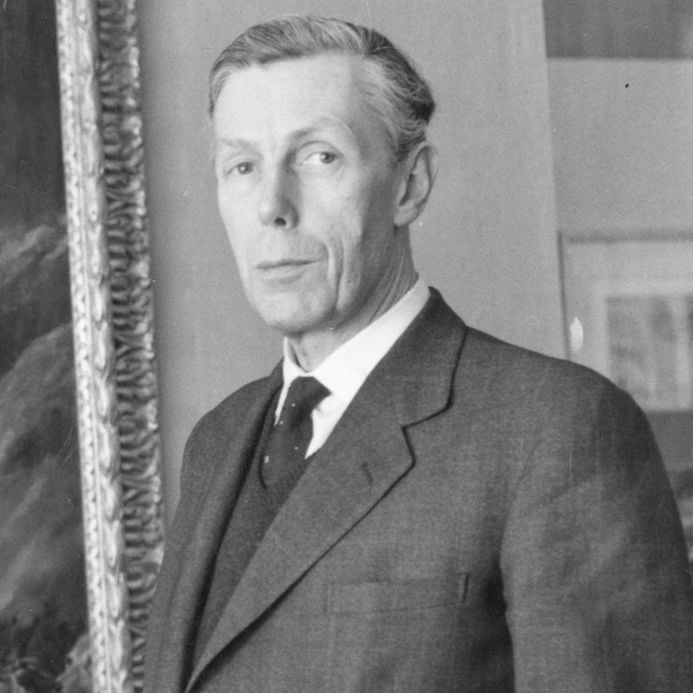
Photo by Silver Screen, via Flickr. Licensed under Public Domain Mark
Anthony Blunt was one of Britain’s most distinguished art historians, director of the Courtauld Institute and Surveyor of the King’s Pictures, later the Queen’s, from 1945 to 1972. He was also a Soviet spy, recruited at Cambridge in the 1930s, who passed intelligence to Moscow during World War II.
Blunt confessed privately to MI5 in 1964 in exchange for immunity, and he kept his royal post for years afterward. Prime Minister Margaret Thatcher exposed him publicly in November 1979. He was stripped of his knighthood and spent his final years in disgrace.
Coco Chanel
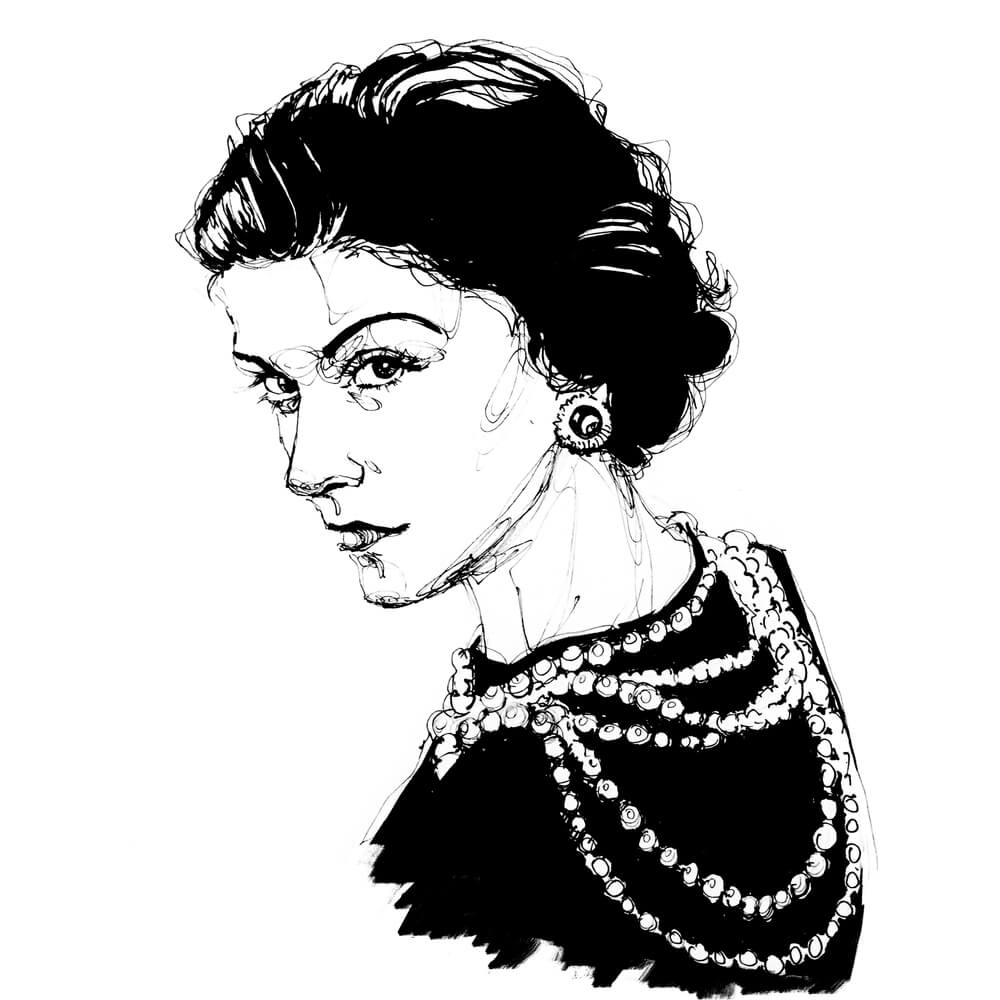
Coco Chanel spent World War II living at the Ritz in Paris, where German officers were also quartered during the occupation. Her public story after the war was one of quiet retreat, but French and German archives tell a darker version. Records show German military intelligence registered her as an agent with the number F-7124 and the code name Westminster.
In 1943 she traveled to Madrid on a failed mission tied to peace feelers toward Britain. She was questioned after the liberation but never charged, and the fuller picture emerged decades later through historian Hal Vaughan’s research.
Cassie Chadwick
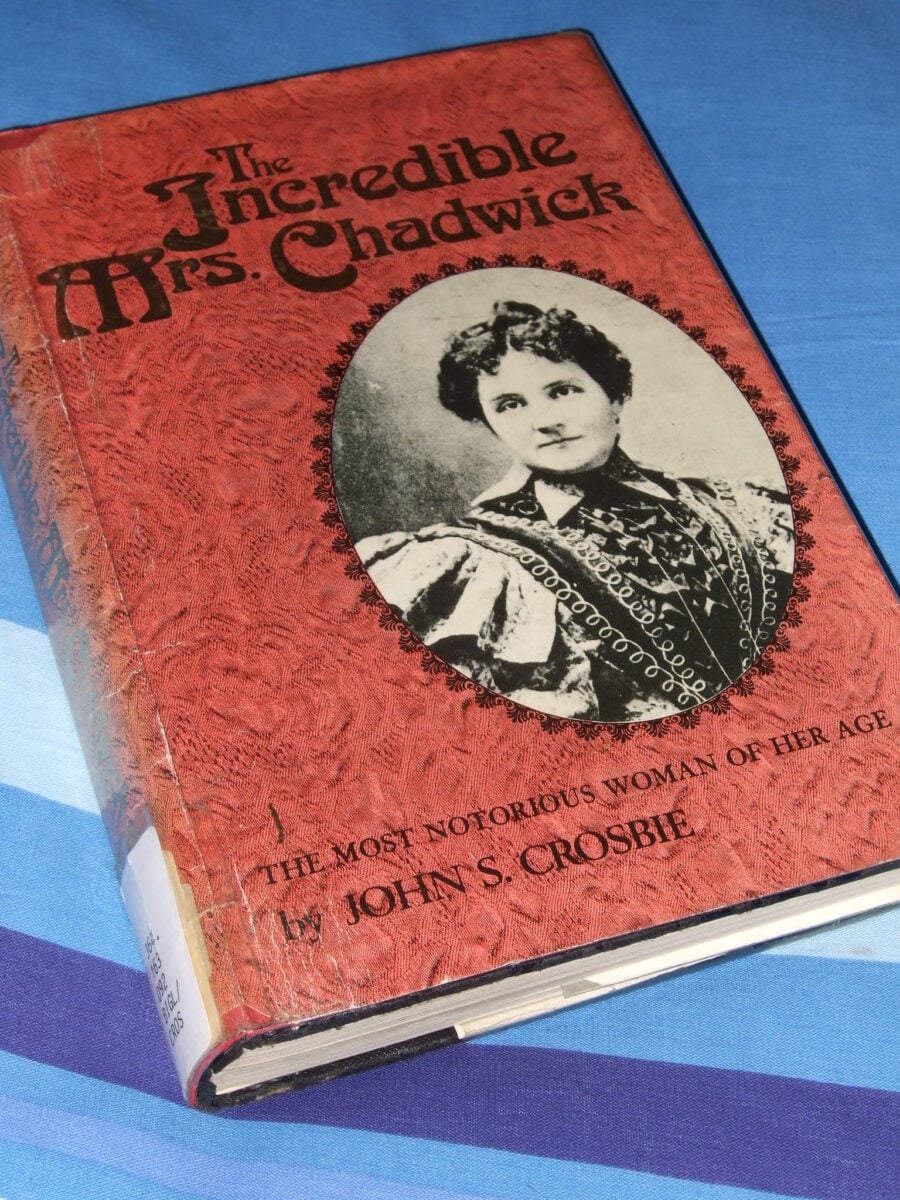
Photo by Chris Bloom, via Flickr. Licensed under CC BY-SA 2.0
Cassie Chadwick lived as the wife of a respected Cleveland doctor while running one of the boldest frauds of the Gilded Age. She let bankers believe she was the illegitimate daughter of Andrew Carnegie and showed them forged promissory notes supposedly signed by the steel magnate.
Lenders assumed she would inherit a fortune and extended her millions of dollars in loans. The scheme collapsed in 1904 when a Boston bank demanded repayment. Carnegie said he had never heard of her, and she died in prison in 1907.
Anna Anderson

Anna Anderson was pulled from a Berlin canal in 1920 and later claimed to be Grand Duchess Anastasia, youngest daughter of the last Russian tsar. For more than 60 years she lived as the possible survivor of the Romanov executions, attracting wealthy supporters, lawsuits and a story that inspired a 1956 Hollywood film starring Ingrid Bergman. She spent her final years in Charlottesville, Virginia, married to a history professor.
After her death in 1984, DNA testing in 1994 showed she was not related to the Romanovs and matched the family of Franziska Schanzkowska, a Polish factory worker. The puzzle that had fascinated the world had a very ordinary answer.
Everyone Keeps a Second Room
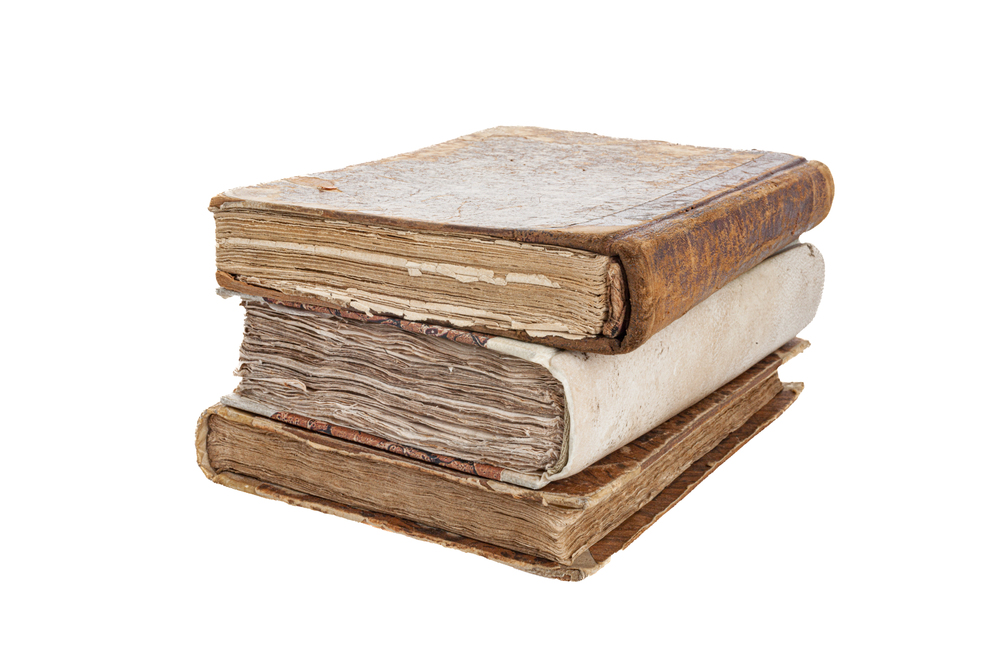
Spies, frauds, artists and politicians make strange company on a single list. Yet they share a talent for letting the world see exactly what it expected to see. A nanny with a camera, a janitor with a novel and a catcher with a head for languages all hid in the most ordinary disguises available. Nobody thought to look closer.
Some of these secrets were cruel, and some were simply private. Others turned out to be the most interesting thing about the person who kept them. History tends to remember the public life first and the hidden one only when it finally surfaces. By then, the second life often turns out to be the one worth remembering.
More from Go2Tutors!

- The Romanov Crown Jewels and Their Tragic Fate
- 13 Historical Mysteries That Science Still Can’t Solve
- Famous Hoaxes That Fooled the World for Years
- 15 Child Stars with Tragic Adult Lives
- 16 Famous Jewelry Pieces in History
Like Go2Tutors’s content? Follow us on MSN.